The right preparation can turn an interview into an opportunity to showcase your expertise. This guide to Industrial Hygiene Instrumentation interview questions is your ultimate resource, providing key insights and tips to help you ace your responses and stand out as a top candidate.
Questions Asked in Industrial Hygiene Instrumentation Interview
Q 1. Explain the principle of operation of a direct-reading instrument for measuring carbon monoxide.
Many direct-reading carbon monoxide (CO) detectors utilize electrochemical sensors. These sensors operate on the principle of electrochemical oxidation. The sensor contains two electrodes immersed in an electrolyte. When CO is present, it diffuses into the sensor and reacts at the working electrode, undergoing oxidation. This reaction generates a current proportional to the concentration of CO in the air. The instrument measures this current and converts it to a CO concentration reading, typically displayed in parts per million (ppm).
Think of it like a tiny battery powered by the CO itself. The more CO, the stronger the current, and the higher the reading. These instruments provide immediate feedback, crucial for situations requiring quick response to hazardous CO levels, such as in industrial settings or emergency response.
Q 2. Describe the calibration procedures for a personal air sampler.
Calibrating a personal air sampler is critical for accurate results. The procedure typically involves two steps: a zero calibration and a span calibration.
Zero Calibration: This step ensures the instrument reads zero when no analyte is present. It’s done by running the sampler in clean, filtered air, and adjusting the instrument until it shows a zero reading. This accounts for any baseline drift or electronic noise.
Span Calibration: This step ensures the instrument accurately measures a known concentration. A calibration gas, with a precisely known concentration of the target analyte, is used. The sampler is run in the calibration gas, and the instrument is adjusted to match the known concentration. This verifies the instrument’s response and sensitivity.
The specific procedures and calibration gases used will vary based on the type of sampler and analyte being measured. Calibration should be performed according to the manufacturer’s instructions, and a calibration log should be meticulously maintained to ensure traceability and compliance with regulations.
Imagine calibrating a scale – you need to ensure it reads zero when nothing is on it (zero calibration) and reads the correct weight when a known weight is placed on it (span calibration).
Q 3. What are the limitations of using a diffusion tube for monitoring gas concentrations?
Diffusion tubes offer a simple and passive method for monitoring gas concentrations, but they have limitations.
Limited Sampling Time: Diffusion tubes are designed for specific sampling periods. Exceeding the recommended time can lead to inaccurate results, as the absorbent material may become saturated.
Temperature and Humidity Sensitivity: The diffusion rate of gases is affected by temperature and humidity. Fluctuations in these parameters during sampling can introduce significant error.
Interferences: Other gases or substances present in the air might interfere with the absorption of the target gas, leading to underestimation or overestimation of the concentration.
Limited Applicability: Diffusion tubes are generally not suitable for highly reactive or unstable gases.
For example, using a diffusion tube in a hot, humid environment might lead to an inaccurate reading due to faster diffusion rates than those under controlled conditions assumed by the tube’s design. They’re best suited for relatively stable environments and situations where precise measurements are not critical.
Q 4. How do you select the appropriate sampling method for airborne particulate matter?
Selecting the appropriate sampling method for airborne particulate matter depends on several factors, including the size range of the particles, their concentration, and the nature of the work environment.
Size-selective samplers (e.g., cascade impactors): These are used when the size distribution of particles is important, such as determining the respirable fraction (particles less than 4 µm in aerodynamic diameter).
High-volume samplers: These are used when very low concentrations of particles need to be measured, providing a larger sample volume, but typically not size-selective.
Personal air samplers: These measure the exposure of individual workers, using smaller sampling heads, providing a more accurate representation of the personal exposure.
Consider a construction site where respirable silica dust is a concern. A size-selective sampler would be crucial for determining the concentration of particles in the respirable size range, as these are the particles most likely to cause lung disease. Conversely, in a less hazardous environment, monitoring total dust with a high volume sampler may suffice. The choice relies on the risk assessment and the specific objectives of the air monitoring.
Q 5. Explain the difference between a gravimetric and a photometric method for dust analysis.
Both gravimetric and photometric methods are used for dust analysis but differ significantly in their approach.
Gravimetric Method: This method involves collecting dust particles on a filter, weighing the filter before and after sampling, and determining the dust concentration based on the weight difference. It’s a direct measure of the mass of collected particles. Think of it as using a very precise scale.
Photometric Method: This method utilizes the light scattering or absorption properties of dust particles to determine the concentration. A light beam is passed through the air sample, and the amount of light scattered or absorbed is measured. This provides a measure of dust concentration, but may not directly represent mass concentration, depending on the specific type of photometer.
Gravimetric methods are generally considered more accurate and are often used as a reference method, but they are time-consuming. Photometric methods, while potentially less accurate, offer rapid real-time measurements making them valuable for quick assessments. The selection depends on the required accuracy and the urgency of the results.
Q 6. What are the common sources of error in air sampling?
Several sources of error can affect the accuracy of air sampling results:
Sampling errors: These include improper sampling techniques, leaks in the sampling system, or inadequate sampling time.
Analytical errors: These are errors in the laboratory analysis of the samples, such as incomplete extraction of the analyte or calibration issues.
Instrument errors: These are malfunctions or inaccuracies within the instrument, including sensor drift or incorrect calibration.
Environmental factors: Temperature, humidity, and air pressure can all influence sampling and analysis.
Human error: This is a significant source of error and may involve mistakes in sample handling, data recording, or calculation.
For instance, a leak in a sampling line will lead to an underestimate of the concentration, while improper filter handling can contaminate a sample.
Q 7. How do you ensure the accuracy and precision of your air sampling results?
Ensuring accuracy and precision in air sampling requires a multi-faceted approach:
Proper calibration of instruments: Regular calibration using traceable standards is essential to ensure that instruments are functioning correctly.
Use of appropriate sampling methods: Selecting the correct sampling method and equipment for the specific analyte and work environment is critical.
Quality control procedures: Implementing quality control measures, such as field blanks and duplicate samples, helps identify and minimize errors.
Careful sample handling and analysis: Adherence to established procedures for sample collection, preservation, and analysis is necessary.
Data quality assurance: Implementing checks for accuracy and internal consistency in data processing and reporting.
Training and competence of personnel: Well-trained personnel are essential for proper execution of all stages of the air sampling process.
By paying meticulous attention to details and following established protocols, we can minimize errors and increase confidence in the accuracy and precision of the results.
Q 8. Describe the different types of personal sampling pumps.
Personal sampling pumps are the workhorses of industrial hygiene, drawing air containing contaminants into a collection device for later analysis. They come in various types, primarily categorized by flow rate and power source.
- Constant flow pumps: These maintain a consistent airflow rate, regardless of filter loading or battery level. They’re ideal for precise measurements, but may require more frequent calibration checks. Think of them as a reliable water pump delivering a steady stream.
- Diaphragm pumps: The most common type, using a flexible diaphragm to move air. They’re relatively inexpensive, robust, and portable. However, their flow rate can fluctuate slightly with filter loading.
- Rotary vane pumps: These offer higher flow rates and better resistance to clogging, making them suitable for sampling larger particles or high-concentration contaminants. They’re generally more expensive and less portable.
- Battery-powered pumps: Essential for fieldwork, offering portability but requiring careful monitoring of battery life and charging cycles. Running low on battery power mid-sampling can ruin a whole day’s work!
- Electric pumps: Used in stationary sampling or when a continuous power supply is available. They generally offer greater flow stability and higher flow rates.
Choosing the right pump depends heavily on the specific contaminant, sampling duration, and environmental conditions. For example, a low-flow diaphragm pump might be suitable for sampling respirable silica, while a high-flow rotary vane pump might be preferred for asbestos fibers.
Q 9. Explain the importance of instrument maintenance and calibration.
Regular maintenance and calibration are absolutely critical for reliable and accurate industrial hygiene measurements. Think of it like this: a poorly maintained scale will give you inaccurate weight measurements, and similarly, a poorly maintained instrument will provide inaccurate readings of airborne contaminants. This can lead to incorrect risk assessments and potentially harmful exposure levels.
- Calibration: Ensures the instrument provides readings that match a known standard. This usually involves comparing the instrument’s output to a traceable standard, often through a specialized laboratory. Frequency of calibration depends on instrument type and use, but generally, annual calibration is a minimum requirement.
- Maintenance: Involves regular cleaning, inspection of components for damage or wear, and replacement of parts as needed. This is crucial to prevent contamination, malfunction, and ensure the instrument’s longevity. A simple example would be changing the filter of a particulate sampler, as a clogged filter can cause underestimation of contaminant levels.
Properly maintained and calibrated instruments provide credible data for protecting worker health and ensuring regulatory compliance. Neglecting maintenance and calibration can have serious consequences, leading to legal liability and potential health risks to workers.
Q 10. How do you interpret the data obtained from an industrial hygiene instrument?
Interpreting industrial hygiene instrument data involves careful consideration of several factors. It’s not just about reading a number; it’s about understanding what that number means in the context of worker exposure and applicable regulations.
- Units and Concentrations: Understanding the units of measurement (e.g., ppm, mg/m³, dBA) is fundamental. You need to be familiar with how these units relate to occupational exposure limits (OELs) set by agencies like OSHA or NIOSH.
- Time-Weighted Averages (TWA): Many industrial hygiene measurements involve calculating TWAs to represent average exposure over a working period. This reflects the cumulative exposure a worker experiences.
- Peak Exposures: Some contaminants, even at low TWAs, can cause acute health effects if present in short, high-concentration bursts. Instruments can measure peak exposures to identify these hazards.
- Statistical Analysis: Data analysis can include calculating means, standard deviations, and percentiles to determine exposure distributions within a workforce.
- Regulatory Compliance: The final step is comparing measured concentrations to relevant OELs or other regulatory guidelines. If exposures exceed these limits, corrective action is needed.
For example, finding a TWA for silica of 100 µg/m³ and an OEL of 50 µg/m³ indicates an overexposure that requires investigation and immediate mitigation steps.
Q 11. What are the safety precautions associated with using industrial hygiene instrumentation?
Safety is paramount when using industrial hygiene instrumentation. Improper use can lead to instrument damage, inaccurate measurements, and even personal injury.
- Proper Training: Thorough training on the specific instrument is essential. Users must understand operating procedures, calibration requirements, and safety precautions.
- Personal Protective Equipment (PPE): Always wear appropriate PPE, including gloves, safety glasses, and respirators when dealing with potentially hazardous materials or environments.
- Electrical Safety: Be cautious when using battery-powered or electrically powered instruments, ensuring proper grounding and avoiding wet conditions.
- Sample Handling: Follow proper procedures for collecting, handling, and transporting samples to avoid contamination or exposure.
- Instrument Integrity: Regularly inspect instruments for damage or wear, and do not use malfunctioning equipment.
Consider a scenario where an IH professional is sampling asbestos. They must wear a respirator, gloves, and protective clothing to prevent exposure and follow strict protocols for sample handling and disposal to avoid contamination.
Q 12. Describe the different types of noise dosimeters and their applications.
Noise dosimeters measure worker noise exposure over a time period, providing a cumulative exposure estimate. They come in several types:
- Integrating-Averaging Sound Level Meters: These measure the time-weighted average sound level (TWA) over a specified period, often 8 hours. These are the most common type of noise dosimeter used in occupational settings.
- Personal Noise Dosimeters: These clip-on devices measure noise exposure directly on the worker, providing a more personalized assessment of noise exposure throughout their workday. They record noise levels throughout the shift and automatically compute the dose.
- Noise Exposure Meters: These devices provide a real-time measurement of the noise level in the environment. They’re useful for quickly assessing noise hazards but may not capture the variability of noise exposure throughout a workday.
Applications include assessing worker exposure in noisy industrial settings (factories, construction sites) to ensure compliance with noise regulations. They are essential tools for identifying and controlling potential hearing loss risks.
Q 13. How do you assess the effectiveness of hearing protection devices?
Assessing the effectiveness of hearing protection devices (HPDs) requires comparing noise levels with and without the HPDs. This is often done using a sound level meter or a noise dosimeter.
- Noise Reduction Rating (NRR): The NRR is a laboratory-measured value indicating the average noise reduction provided by an HPD. However, the actual noise reduction achieved in the field may be less due to factors such as improper fit, ear canal shape, and individual variability.
- Real-Ear Attenuation at Threshold (REAT): REAT measurements are made directly in the wearer’s ear and give a more accurate assessment of how much noise the HPD reduces in real-world conditions.
- Audiometry: Hearing tests (audiograms) are essential for evaluating hearing status before and after exposure to noise, with and without HPDs. Comparing audiograms over time helps to assess the effectiveness of the hearing protection program.
If the HPDs are not sufficient to reduce noise exposure below acceptable limits, additional engineering or administrative controls (e.g., noise reduction at the source, rotation of workers) may be needed.
Q 14. Explain the principles of radiation detection and measurement.
Radiation detection and measurement relies on the interaction of ionizing radiation with matter. Different types of radiation detectors exploit different interaction mechanisms:
- Gas-filled detectors (Geiger-Müller counters, ionization chambers): These detectors use the ionization of gas molecules by radiation to create an electrical signal. Geiger-Müller counters are sensitive and good for detecting individual particles, while ionization chambers measure the total radiation dose.
- Scintillation detectors: These use scintillating crystals that emit light when struck by radiation. The light is then converted into an electrical signal. Scintillation detectors are very sensitive and can measure various types of radiation.
- Semiconductor detectors: These use semiconductor materials that create electron-hole pairs when radiation passes through. This effect is highly sensitive and suitable for high-resolution spectrometry.
- Thermoluminescent dosimeters (TLDs): These passive detectors store energy from radiation exposure and release it as light when heated. This allows for measurement of cumulative radiation doses over extended periods.
The choice of detector depends on the type and energy of radiation being measured, the required sensitivity, and the application. For example, a Geiger-Müller counter might be used for rapid surveys of radioactive contamination, while a semiconductor detector is crucial for precise measurement of radionuclide concentrations.
Q 15. What are the different types of radiation detectors?
Radiation detectors are instruments used to measure ionizing radiation, such as alpha, beta, gamma, and X-rays. The choice of detector depends heavily on the type and energy of the radiation being measured. Different detectors operate on various principles.
- Geiger-Müller counters: These are widely used for detecting alpha, beta, and gamma radiation. They are relatively inexpensive and easy to use, providing a simple count rate. Think of them as a very sensitive ‘clicker’ that registers each radiation particle hitting the detector.
- Scintillation detectors: These detectors use a scintillating material that produces light when struck by radiation. The light is then converted into an electrical signal, which is proportional to the radiation’s energy. They offer better energy resolution than Geiger-Müller counters, allowing for identification of the radiation type.
- Ionization chambers: These are used for measuring higher levels of radiation, offering a more accurate measurement compared to Geiger-Müller counters at these levels. They function similarly to Geiger-Müller counters but are designed to handle larger radiation fluxes.
- Proportional counters: These detectors provide a signal proportional to the energy of the incoming radiation, enabling better energy discrimination than Geiger-Müller counters. They’re often used for specific radiation identification in complex mixtures.
- Thermoluminescent dosimeters (TLDs): These passive detectors store energy from radiation exposure and release it as light when heated. They are used for personal dosimetry, providing a cumulative radiation dose measurement over a period.
For example, a nuclear power plant might use a combination of Geiger-Müller counters for rapid surveys and scintillation detectors for precise measurements of different isotopes.
Career Expert Tips:
- Ace those interviews! Prepare effectively by reviewing the Top 50 Most Common Interview Questions on ResumeGemini.
- Navigate your job search with confidence! Explore a wide range of Career Tips on ResumeGemini. Learn about common challenges and recommendations to overcome them.
- Craft the perfect resume! Master the Art of Resume Writing with ResumeGemini’s guide. Showcase your unique qualifications and achievements effectively.
- Don’t miss out on holiday savings! Build your dream resume with ResumeGemini’s ATS optimized templates.
Q 16. How do you select the appropriate respirator for a specific hazard?
Selecting the appropriate respirator involves a careful assessment of the hazards present. This requires understanding the type of contaminant (gas, vapor, particulate), its concentration, and the duration of exposure. The selection process follows a hierarchy of controls, starting with engineering controls (ventilation) and administrative controls (work practices), and finally resorting to respirators as the last line of defense.
- Identify the hazard: Determine the specific chemical or particulate present, its toxicity, and its physical state (gas, vapor, dust, mist, etc.). Consult Safety Data Sheets (SDS) for critical information.
- Determine the respiratory protection factor (RPF): The RPF indicates the respirator’s ability to reduce exposure to airborne contaminants. Higher RPFs offer greater protection. This is dependent on the type of respirator.
- Choose the appropriate respirator type:
- Air-purifying respirators (APRs): These use filters to remove contaminants from the air. They are suitable for environments where the oxygen level is sufficient and the contaminant concentration is below the permissible exposure limit (PEL).
- Supplied-air respirators (SARs): These provide breathable air from a separate source, such as a compressed air tank or a ventilation system. They are used in oxygen-deficient atmospheres or where the concentration of contaminants is very high.
- Fit test the respirator: Ensure a proper seal to prevent leakage. This is crucial for effective protection. (See next question for more on fit testing)
- Train the worker: Proper training on respirator use, maintenance, and limitations is essential.
For example, welding produces both particulate matter (metal fumes) and gases (ozone). A respirator with a particulate filter and a gas cartridge would be necessary.
Q 17. Explain the fit testing methods for respirators.
Fit testing ensures that a respirator forms a proper seal on the wearer’s face, preventing leakage of contaminants. Several methods exist, each with its advantages and disadvantages:
- Qualitative fit testing: These tests rely on the wearer’s ability to detect a test agent (e.g., saccharin, irritant smoke). If the wearer detects the agent, it indicates leakage. These methods are simpler and less expensive but less precise.
- Quantitative fit testing: These tests use instruments to measure the leakage of a test agent. They provide numerical data on the fit and are more precise than qualitative tests, but more complex and expensive.
Common quantitative fit testing methods include:
- Controlled Negative Pressure (CNP): This method involves measuring the pressure inside the respirator while the wearer inhales. A negative pressure indicates leakage.
- Positive Pressure (PP): This method involves measuring the pressure inside the respirator while the wearer exhales. A positive pressure indicates a proper seal.
The choice of fit testing method depends on the respirator type, the workplace environment, and regulatory requirements. Proper fit testing is paramount for the effectiveness and safety of respiratory protection.
Q 18. Describe the different types of gas detectors and their applications.
Gas detectors are crucial instruments for monitoring hazardous atmospheres. Different types exist, each optimized for specific gases or applications:
- Electrochemical sensors: These are commonly used for detecting gases like carbon monoxide, hydrogen sulfide, and oxygen. They work by measuring the electrical current generated by the electrochemical reaction between the gas and the sensor.
- Infrared (IR) sensors: These sensors detect gases by measuring their absorption of infrared light. They are particularly useful for detecting organic gases and vapors, such as methane and hydrocarbons.
- Photoionization detectors (PIDs): These detectors utilize ultraviolet (UV) light to ionize gases. The resulting ions are measured to determine the gas concentration. They are effective for a wide range of volatile organic compounds (VOCs).
- Flame ionization detectors (FIDs): These are commonly used to detect hydrocarbons in environmental and industrial settings. They burn a sample of the gas and detect the ions produced. Mostly used in gas chromatography.
- Catalytic bead sensors: These sensors use a heated catalytic bead to oxidize combustible gases, such as methane, propane or hydrogen. The heat generated is measured to determine the concentration.
Applications: Gas detectors find widespread use in various industries, including:
- Oil and gas: Monitoring for flammable and toxic gases in refineries, pipelines, and drilling sites.
- Manufacturing: Detecting leaks of hazardous gases in chemical plants and other industrial settings.
- Mining: Monitoring for methane and other potentially explosive gases in underground mines.
- Emergency response: Identifying and measuring hazardous gases during emergency situations.
Q 19. How do you investigate a workplace incident involving hazardous materials?
Investigating a workplace incident involving hazardous materials requires a systematic approach, prioritizing the safety of personnel. The investigation should follow these steps:
- Secure the scene: Ensure the area is safe before entering and prevent further exposure. This might include evacuating personnel and establishing a perimeter.
- Assess the situation: Identify the hazardous material involved and determine the extent of the exposure. This involves consulting SDS and employing appropriate detection instrumentation.
- Collect evidence: Gather samples of the hazardous material, take photographs, and document witness statements. It’s also important to note the conditions that led to the incident.
- Identify the cause: Determine the root cause of the incident to prevent similar incidents in the future. Consider factors such as equipment malfunction, human error, or procedural failures.
- Develop corrective actions: Implement corrective actions to address the root causes and prevent future occurrences. This may involve improvements to safety procedures, training, or equipment maintenance.
- Document the findings: Prepare a comprehensive report documenting the incident, investigation findings, corrective actions, and lessons learned.
A thorough investigation is essential for learning from mistakes, improving safety procedures, and preventing future accidents.
Q 20. Explain the importance of maintaining accurate records for industrial hygiene data.
Maintaining accurate industrial hygiene data records is critical for several reasons:
- Compliance: Many regulations require employers to monitor worker exposure to hazardous substances and maintain accurate records. These records demonstrate compliance with legal requirements.
- Health surveillance: Accurate records are essential for tracking worker health and identifying potential health issues related to workplace exposures. This may aid in early intervention.
- Trend analysis: Long-term data allows for identification of trends in worker exposure and assessment of the effectiveness of control measures. This assists in refining prevention strategies.
- Incident investigation: Comprehensive records are vital during incident investigations to identify exposure levels, determine causation, and implement preventative measures.
- Legal protection: Well-maintained records can protect employers in the event of legal actions related to workplace exposure and subsequent health issues.
Data should be clearly labeled, organized, and readily accessible. Utilizing a robust database management system is recommended.
Q 21. What are the legal and regulatory requirements for industrial hygiene monitoring?
Legal and regulatory requirements for industrial hygiene monitoring vary depending on the location (country, state/province) and the specific industry. However, several common themes apply:
- OSHA (US): The Occupational Safety and Health Administration sets standards for permissible exposure limits (PELs) for various hazardous substances. Employers are required to monitor worker exposure to these substances and implement control measures if exposure exceeds the PELs.
- NIOSH (US): The National Institute for Occupational Safety and Health conducts research and provides recommendations on occupational safety and health, including industrial hygiene practices. While not legally binding, their recommendations significantly influence workplace practices.
- EU Directives and National Regulations: The European Union has several directives related to workplace safety and health, which are implemented by individual member states. These directives usually encompass PELs and require employer monitoring.
- Other National and Regional Agencies: Many countries and regions have their own occupational safety and health agencies that set standards and regulations for industrial hygiene monitoring, tailored to their unique contexts.
The specific requirements will dictate the types of monitoring required (air sampling, personal monitoring, biological monitoring), the frequency of monitoring, and the record-keeping requirements. It is crucial to stay abreast of all applicable regulations and to maintain meticulous records.
Q 22. How do you ensure compliance with OSHA regulations regarding air quality?
Ensuring compliance with OSHA air quality regulations involves a multi-faceted approach that begins with a thorough understanding of the applicable standards. OSHA’s Permissible Exposure Limits (PELs) dictate the maximum allowable concentrations of various airborne contaminants in the workplace. To achieve compliance, we must first identify potential hazards through a comprehensive hazard assessment, considering factors like the type of work performed, the materials used, and the processes involved. This assessment may involve walkthrough surveys, reviewing Safety Data Sheets (SDS), and conducting employee interviews.
Next, we implement appropriate control measures, prioritizing engineering controls (e.g., ventilation systems, enclosure of processes) over administrative controls (e.g., work rotation, limiting exposure times) and personal protective equipment (PPE) (e.g., respirators). We then employ industrial hygiene monitoring techniques – using instruments such as direct-reading meters (for immediate feedback) and air sampling pumps with appropriate collection media (for quantitative analysis) – to measure worker exposures. The collected data is then analyzed to determine if exposures are below the established PELs or other relevant limits. If exposures exceed limits, we must revisit and strengthen the control measures, potentially incorporating additional engineering controls or implementing stricter administrative practices. Detailed documentation of all assessments, monitoring results, and corrective actions is crucial for demonstrating compliance and ensuring ongoing effectiveness. For instance, in a welding operation, we might monitor for welding fumes, adjusting ventilation or requiring respirators based on the monitoring data. Regular training for employees on hazard awareness and safe work practices is also a vital component of a robust compliance program.
Q 23. Describe your experience with using various data analysis software for IH data.
My experience with data analysis software for industrial hygiene data is extensive. I’m proficient in using several programs, including Excel (for basic data manipulation, graphing, and statistical analysis), dedicated IH software packages like IH Data Manager or similar programs that handle large datasets and facilitate complex calculations, and statistical software such as R or SPSS for more advanced statistical modeling.
For example, I’ve used Excel to create spreadsheets to organize air sampling data, calculate time-weighted averages (TWAs), and prepare reports for regulatory compliance. More complex scenarios, especially involving larger datasets or advanced statistical techniques like regression analysis to assess exposure trends, have necessitated the use of dedicated IH software or statistical packages. In one project involving multiple sampling locations and various contaminants, R allowed me to perform complex statistical analyses to identify correlations between exposure levels and specific workplace factors, ultimately guiding improved control strategies.
#Example R code snippet for calculating TWA TWA <- sum(conc * time) / sum(time)This is a simplified example; real-world analyses often involve more complex scripts.
Q 24. What is your experience with different types of air sampling media?
My experience with air sampling media is broad and includes a range of materials selected based on the specific contaminant being sampled and the method employed. Common media include filter cassettes (for particulate matter), sorbent tubes (for gases and vapors), impingers (for gases soluble in liquids), and specialized media like activated charcoal or silica gel. The choice of media is critical for accurate results. For instance, a filter cassette with a PTFE membrane might be used for asbestos fibers, while a sorbent tube packed with Tenax TA might be the appropriate choice for volatile organic compounds (VOCs). Each media type has its limitations; some are susceptible to moisture interference, others have limited breakthrough capacity.
I'm also experienced with preparing and handling these media properly to avoid contamination – ensuring proper storage and handling protocols are meticulously followed to guarantee accurate data. Experience also includes assessing the proper sampling flow rate and duration which are crucial aspects of ensuring reliable results. For instance, improper handling of a sorbent tube could lead to analyte loss, resulting in an underestimation of exposure.
Q 25. How familiar are you with the NIOSH and OSHA methodologies for IH assessments?
I'm very familiar with both NIOSH (National Institute for Occupational Safety and Health) and OSHA methodologies for industrial hygiene assessments. Both organizations provide comprehensive guidelines and recommended methods for sampling, analysis, and interpretation of data related to occupational exposures. I understand the differences in their approaches and how to select the appropriate method based on the specific situation. NIOSH methods often offer more detailed information and analytical procedures compared to OSHA's more streamlined approach. However, OSHA's PELs are legally binding, while NIOSH's Recommended Exposure Limits (RELs) provide guidance.
For example, when assessing worker exposure to silica, I would refer to both NIOSH Method 7500 (for crystalline silica) and the relevant OSHA sampling and analytical procedures to ensure regulatory compliance. Understanding the nuances of both sets of methodologies allows me to develop and implement effective IH programs that protect worker health and satisfy regulatory requirements.
Q 26. Describe your troubleshooting experience with malfunctioning IH instruments.
Troubleshooting malfunctioning IH instruments requires a systematic approach. My experience encompasses a wide range of instruments, including air sampling pumps, direct-reading instruments (e.g., gas detectors, photoionization detectors), and personal sampling pumps. The troubleshooting process typically begins with a thorough inspection of the instrument, checking for obvious problems such as leaks, damaged tubing, or depleted batteries.
If the problem persists, I would refer to the instrument's manual for troubleshooting guidance. This often involves checking calibration data, performing simple tests (e.g., checking flow rates for pumps, testing sensor responses for gas detectors), and identifying potential issues through error codes displayed on the instrument. If the problem cannot be resolved through these steps, I would contact the instrument manufacturer for technical support or consider sending the instrument for repair or calibration. For example, if an air sampling pump isn't drawing the correct flow rate, I might check the filter for clogging, examine the tubing for kinks, or assess the pump's internal mechanism for potential issues. Proper instrument maintenance and regular calibration are critical in preventing malfunctions and ensuring accurate results.
Q 27. Explain your experience with developing and implementing industrial hygiene programs.
My experience in developing and implementing industrial hygiene programs is extensive. This involves a comprehensive process starting with a thorough hazard assessment, including both initial and periodic reviews. Then, based on the assessment findings, control strategies are developed and implemented. These strategies typically encompass a hierarchy of controls, beginning with engineering controls, proceeding to administrative controls, and lastly using PPE.
Following implementation, regular monitoring is crucial to verify the effectiveness of these controls. This monitoring involves the appropriate use of industrial hygiene instrumentation, sample analysis, and data interpretation. If monitoring reveals that worker exposures exceed acceptable limits, the program requires modification and improvement. This process of continuous improvement is paramount. I've developed and implemented IH programs across diverse industries – ranging from manufacturing to construction, ensuring compliance with all applicable regulations and promoting a safe and healthy work environment. The success of these programs depends on clear communication, employee training, and a commitment to continuous improvement. For example, in a manufacturing plant with high levels of noise, the program might involve engineering controls (noise reduction at the source), administrative controls (reducing employee exposure time), and PPE (hearing protection).
Key Topics to Learn for Industrial Hygiene Instrumentation Interview
- Air Sampling Techniques: Understanding various methods (e.g., active vs. passive sampling, different pump types), their applications, and limitations. Consider calibration procedures and QA/QC measures.
- Instrument Calibration and Maintenance: Knowing how to calibrate common instruments (e.g., personal air samplers, gas detectors), perform routine maintenance, and troubleshoot malfunctions. Understand the importance of maintaining calibration records.
- Data Analysis and Interpretation: Proficiency in analyzing data from various instruments, interpreting results in the context of exposure limits, and preparing comprehensive reports. Familiarity with statistical methods is beneficial.
- Specific Instrument Types and Applications: Deep understanding of the operational principles, applications, and limitations of specific instruments such as photoionization detectors (PIDs), flame ionization detectors (FIDs), infrared (IR) spectrometers, and real-time particle counters.
- Safety and Regulations: Thorough knowledge of relevant safety regulations and best practices for using and maintaining industrial hygiene instrumentation, including OSHA and NIOSH guidelines. Understanding the implications of non-compliance.
- Problem-Solving and Troubleshooting: Ability to diagnose instrument malfunctions, identify sources of error, and implement corrective actions. Think through scenarios and describe your approach to problem-solving.
- Data Management and Reporting: Familiarize yourself with software used for data management, analysis, and reporting in industrial hygiene. Consider the importance of clear and concise communication of findings.
Next Steps
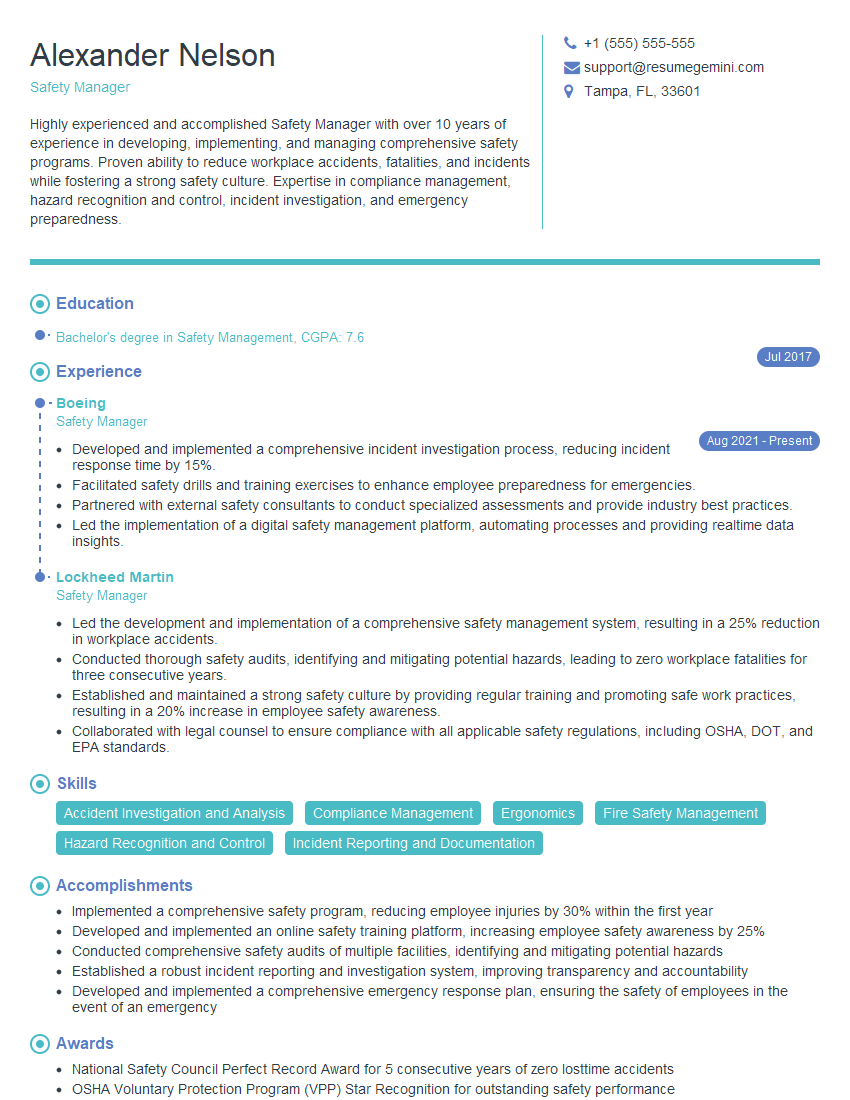
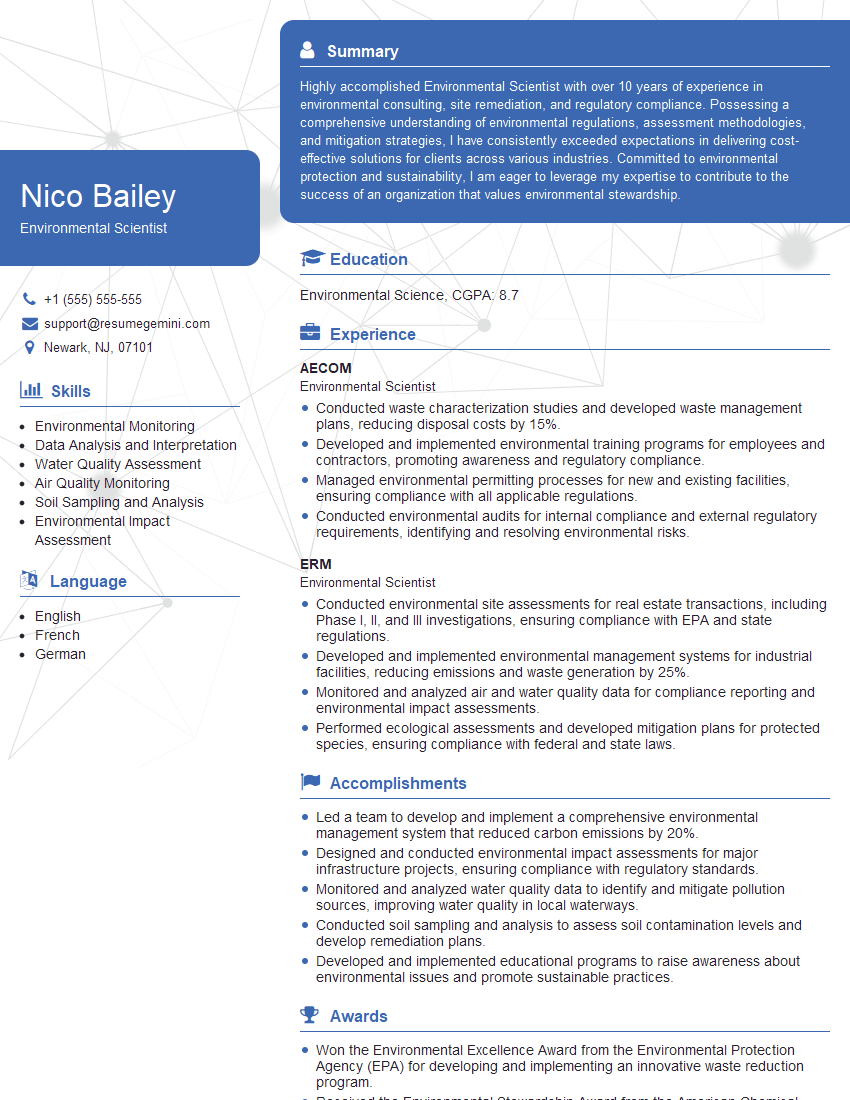
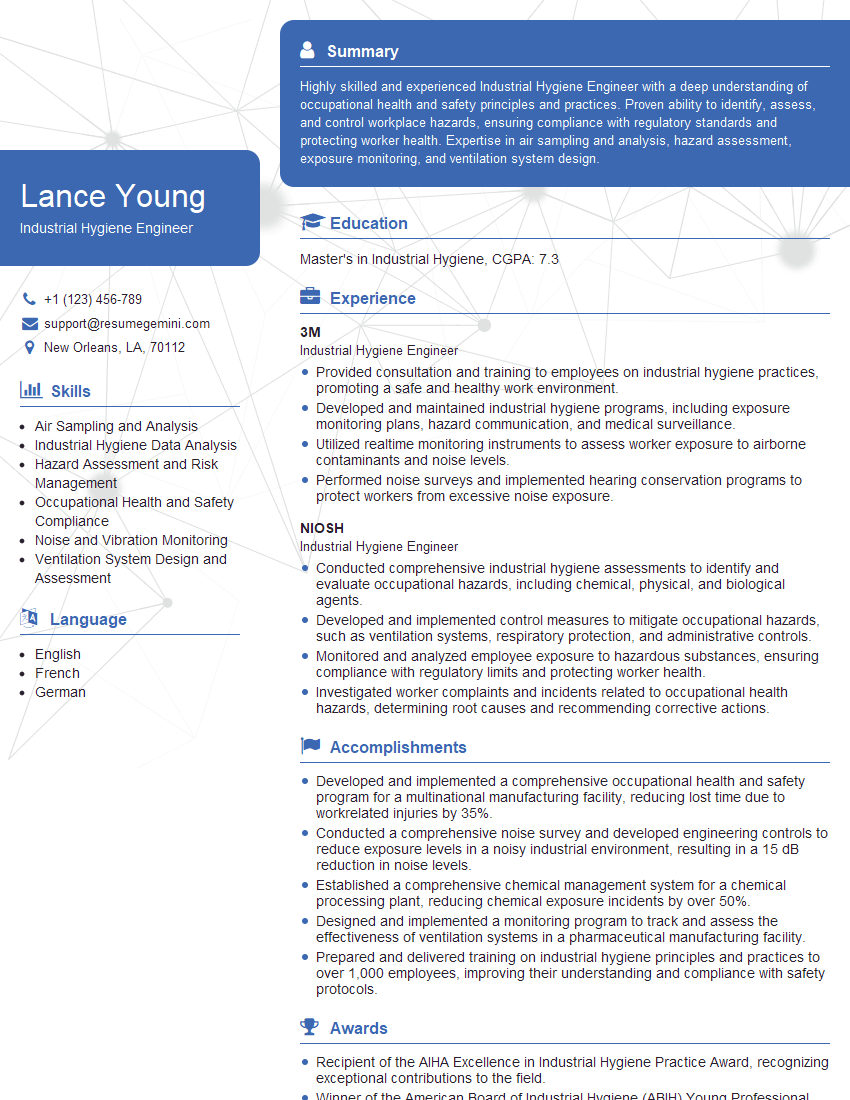
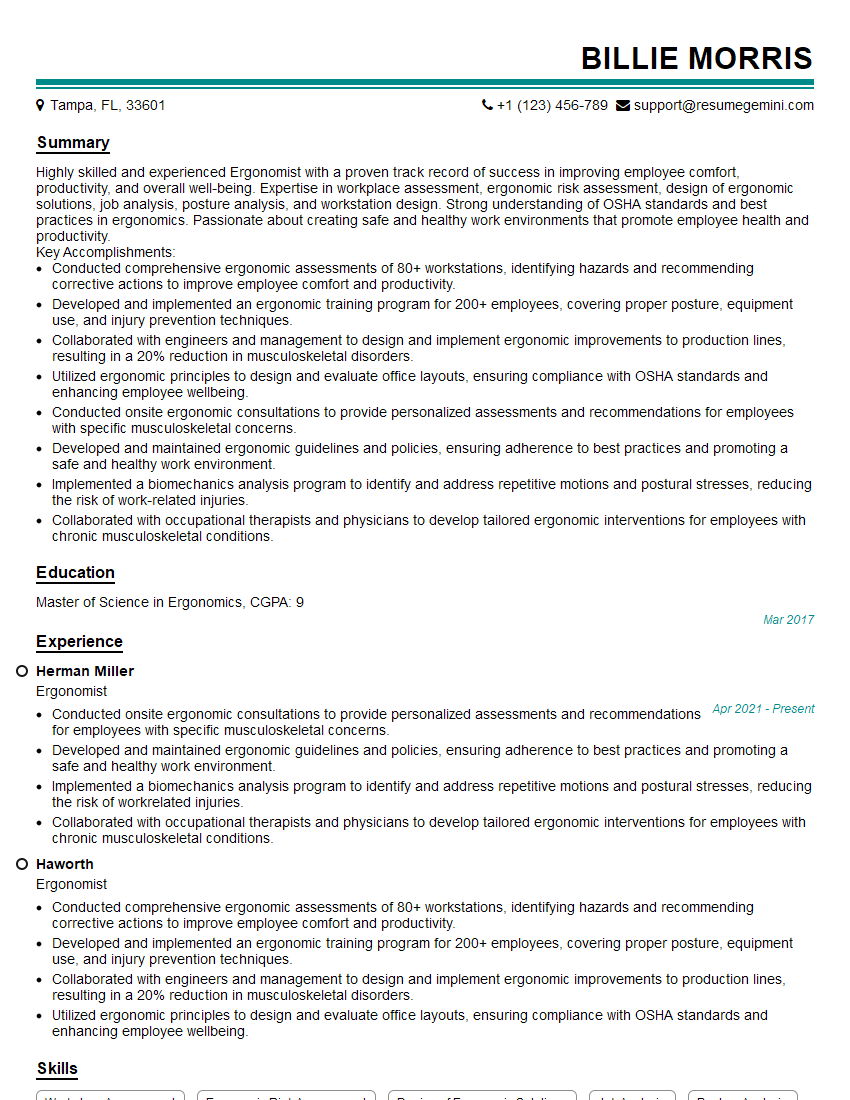
Mastering Industrial Hygiene Instrumentation is crucial for advancing your career in this vital field. A strong understanding of these principles directly translates to better job opportunities and enhanced professional credibility. To maximize your chances of landing your dream role, focus on crafting a compelling and ATS-friendly resume that highlights your skills and experience. ResumeGemini is a trusted resource that can help you create a professional resume that showcases your qualifications effectively. They provide examples of resumes tailored specifically to Industrial Hygiene Instrumentation to guide you.



Explore more articles
Users Rating of Our Blogs
Share Your Experience
We value your feedback! Please rate our content and share your thoughts (optional).
What Readers Say About Our Blog
To the interviewgemini.com Webmaster.
Very helpful and content specific questions to help prepare me for my interview!
Thank you
To the interviewgemini.com Webmaster.
This was kind of a unique content I found around the specialized skills. Very helpful questions and good detailed answers.
Very Helpful blog, thank you Interviewgemini team.