Every successful interview starts with knowing what to expect. In this blog, we’ll take you through the top Inpatient Rehabilitation interview questions, breaking them down with expert tips to help you deliver impactful answers. Step into your next interview fully prepared and ready to succeed.
Questions Asked in Inpatient Rehabilitation Interview
Q 1. Describe your experience with developing and implementing individualized rehabilitation treatment plans.
Developing individualized rehabilitation treatment plans is the cornerstone of effective inpatient rehabilitation. It’s not a one-size-fits-all approach; each plan must meticulously consider the patient’s unique medical history, diagnosis, functional abilities, goals, and personal preferences. My process typically involves a thorough initial assessment, collaborative goal setting, and ongoing monitoring and adjustment.
This begins with a comprehensive review of the patient’s medical chart, including diagnostic reports, imaging studies, and prior treatment notes. I then conduct a detailed assessment, using standardized tools and observation to evaluate their physical, cognitive, and psychosocial status. This assessment informs the identification of specific impairments, functional limitations, and activity limitations. For example, a patient post-stroke might present with hemiparesis (weakness on one side of the body), impacting their ability to walk, dress, and perform activities of daily living (ADLs).
Following this, I work closely with the patient and their family to collaboratively establish realistic and measurable goals. These goals are prioritized based on the patient’s needs and preferences, focusing on improving functional independence. For the stroke patient, goals might include walking 100 feet with a walker, dressing independently, and improving their upper extremity strength. The treatment plan is then meticulously documented, outlining specific interventions, frequency, duration, and expected outcomes. The plan is regularly reviewed and adjusted based on the patient’s progress and any unforeseen complications.
Q 2. Explain your approach to assessing a patient’s functional limitations and setting realistic goals.
Assessing functional limitations and setting realistic goals is a crucial step in rehabilitation. It’s about understanding what the patient *can* do, what they *want* to do, and crafting a pathway to bridge the gap. I use a multi-faceted approach combining standardized assessments with observational data and patient interviews.
For instance, I might use the Functional Independence Measure (FIM) to quantify a patient’s ability to perform ADLs. Simultaneously, I observe the patient’s performance during various tasks, noting their movement patterns, strength, endurance, and cognitive function. Crucially, I engage in open conversations with the patient, understanding their hopes and fears, their pre-morbid functional status and lifestyle preferences to ensure the goals are meaningful.
Setting realistic goals is vital. It’s about avoiding unrealistic expectations that can lead to frustration and discouragement. Goals must be specific, measurable, achievable, relevant, and time-bound (SMART). For a patient with significant mobility challenges, focusing on small, incremental improvements, such as increasing walking distance by a few feet each week, is more effective than aiming for immediate full recovery. Regularly reassessing and adjusting the goals based on the patient’s progress is paramount to ensure continuous motivation and engagement.
Q 3. How do you incorporate evidence-based practices into your rehabilitation techniques?
Evidence-based practice is the foundation of my rehabilitation approach. This means integrating the best available research and clinical expertise to inform treatment decisions. I consistently stay updated on the latest research through professional journals, conferences, and continuing education.
For example, current research supports the use of constraint-induced movement therapy (CIMT) for stroke patients with upper extremity weakness. CIMT involves constraining the unaffected limb while intensively practicing the affected limb. Studies show it can significantly improve motor function. I also look to research on specific exercises for different conditions or modalities like virtual reality therapy proven effective for specific cognitive or physical impairments.
However, evidence-based practice isn’t just about applying research findings directly; it’s also about critical evaluation. I always consider the individual patient’s unique characteristics and needs when deciding which evidence-based interventions to apply. What works well for one patient might not be effective for another. Continuous monitoring and adaptation of treatments are essential aspects of evidence-based practice in rehabilitation.
Q 4. Describe a situation where you had to adapt a treatment plan due to a patient’s unexpected response.
I once had a patient recovering from a traumatic brain injury (TBI) who showed unexpected signs of severe fatigue after a seemingly well-tolerated session of cognitive rehabilitation. Initially, our plan focused on intensive cognitive training to improve attention and memory. However, the patient’s exhaustion significantly hindered progress and threatened their overall well-being.
Recognizing this unexpected response, I immediately adjusted the treatment plan. We reduced the intensity and duration of the cognitive training sessions, introducing more frequent rest periods. We also incorporated strategies for managing fatigue, including pacing techniques and energy conservation strategies. We also consulted with the patient’s physician, ruling out any underlying medical cause for the fatigue.
This experience highlighted the importance of adaptability and flexibility in rehabilitation. The initial treatment plan, while based on sound principles, wasn’t suitable for the patient’s individual response. By carefully monitoring the patient’s progress and promptly adjusting the plan, we were able to ensure both progress and safety. Open communication with the patient and their family was also crucial in adapting the plan based on the patient’s feedback and observations.
Q 5. How do you effectively communicate with patients and their families about progress and challenges?
Effective communication with patients and their families is paramount. It’s about creating a collaborative partnership based on trust and mutual understanding. I prioritize clear, concise explanations of the patient’s condition, treatment plan, and expected progress. I use plain language, avoiding medical jargon whenever possible, and check for comprehension regularly.
I encourage active participation in discussions and answer questions patiently and thoroughly. I provide regular updates on progress, highlighting both achievements and challenges. I also explain the rationale behind treatment decisions, emphasizing the ‘why’ behind each intervention. If setbacks occur, I address them openly and honestly, focusing on problem-solving and strategies to overcome obstacles. I understand that families have anxieties about the recovery process, so ensuring they feel informed and involved helps them manage their own emotions and support their loved one’s rehabilitation.
Beyond verbal communication, I use visual aids such as graphs or charts to illustrate progress and tools such as patient portals for easy access to treatment plans and progress notes, and regular family meetings.
Q 6. What are your strategies for motivating patients to participate actively in their rehabilitation?
Motivating patients to actively participate in their rehabilitation is key to successful outcomes. I employ a variety of strategies tailored to each individual’s personality and circumstances.
Setting collaboratively-determined, achievable goals is crucial. When patients feel a sense of ownership and accomplishment, their motivation naturally increases. I regularly celebrate successes, no matter how small, reinforcing their progress and building their confidence. I try to personalize the therapy whenever possible, creating activities relevant to their interests and lifestyle. For example, a retired teacher might find cognitive exercises more engaging when framed around lesson planning or storytelling.
Positive reinforcement and encouragement play a significant role. I focus on strengths and progress while providing constructive feedback. Empathy and understanding are essential in addressing frustration or setbacks. Active listening and understanding their perspective are key to building trust and motivating them to persist through challenges. Family involvement and support are crucial components of a positive and motivated atmosphere. The support of friends and family often translates into patient success.
Q 7. Explain your understanding of different rehabilitation modalities and when to apply each one.
Inpatient rehabilitation utilizes a variety of modalities, each with its own application. The selection depends on the patient’s specific needs and diagnoses.
- Physical Therapy: Focuses on restoring physical function through exercises, gait training, and manual therapy. This is crucial for patients with mobility impairments, such as those recovering from stroke or orthopedic surgery.
- Occupational Therapy: Aims to improve daily living skills, such as dressing, bathing, and eating. This is vital for patients with cognitive or physical limitations affecting their independence.
- Speech Therapy: Addresses communication and swallowing disorders. This is essential for patients with aphasia (language difficulties) or dysphagia (swallowing difficulties), common after stroke or TBI.
- Recreational Therapy: Uses leisure activities to promote physical, cognitive, and social well-being. This is valuable in enhancing mood, motivation, and social interaction.
- Neuropsychological Rehabilitation: Targets cognitive impairments such as memory, attention, and executive function, often used for patients with TBI or dementia.
The application of these modalities is highly individualized. For example, a patient with a stroke might receive physical therapy to improve mobility, occupational therapy to enhance ADLs, and speech therapy to address communication challenges. A patient with TBI might require a combination of physical, cognitive, and recreational therapies tailored to their specific deficits. Treatment plans are carefully designed to integrate these modalities to achieve optimal outcomes.
Q 8. How do you manage time effectively to meet the needs of multiple patients?
Effective time management in inpatient rehabilitation is crucial given the demanding nature of the role and the diverse needs of patients. I employ a multifaceted approach combining prioritization, planning, and efficient execution.
- Prioritization: I start each day by reviewing patient charts, identifying the most urgent needs and prioritizing tasks accordingly. This might involve focusing on patients with acute conditions or those requiring immediate interventions. For example, a patient post-stroke requiring intensive speech therapy would take precedence over a patient working on fine motor skills.
- Planning: I create a daily schedule, allocating specific time slots for individual patient care, group therapy sessions, documentation, and interdisciplinary team meetings. This structured approach minimizes wasted time and maximizes productivity. I utilize electronic health records (EHRs) to effectively schedule appointments and track progress.
- Efficient Execution: I leverage time-saving techniques like batching similar tasks (e.g., completing all documentation for a group of patients at once) and delegating appropriate tasks to certified nursing assistants or other members of the rehabilitation team. I also proactively anticipate potential delays and build in buffer time into my schedule to accommodate unexpected events.
- Regular Review and Adjustment: My schedule is not static. I regularly review its effectiveness and adjust it based on patient needs and unforeseen circumstances. Flexibility is key to successfully managing the dynamic environment of inpatient rehabilitation.
Q 9. Describe your experience with using assistive devices and adaptive equipment.
My experience with assistive devices and adaptive equipment is extensive. I’m proficient in assessing patient needs, selecting appropriate devices, and training patients on their proper use. This includes a wide range of equipment, from basic mobility aids like walkers and canes to more complex devices such as wheelchairs, prosthetics, and adaptive eating utensils.
- Assessment: I meticulously evaluate each patient’s physical capabilities, functional limitations, and living environment to determine the most suitable assistive devices. This often involves collaborating with occupational therapists, physical therapists, and other specialists.
- Selection and Fitting: I collaborate with suppliers to select the right devices, ensuring proper fitting and adjustment for optimal comfort and functionality. For instance, I ensure proper wheelchair seat height and depth to prevent pressure sores and promote independence.
- Training and Education: Patient education is crucial. I provide comprehensive training on the safe and effective use of assistive devices, addressing practical aspects such as proper gait techniques with walkers, wheelchair transfers, and the prevention of falls.
- Ongoing Monitoring and Adjustments: Post-training, I continually monitor patients’ progress and make necessary adjustments to assistive devices or provide additional training to improve their use and independence.
For example, I recently worked with a patient recovering from a hip replacement. We initially used a walker, gradually transitioning to a cane as their strength and balance improved. This tailored approach ensured the patient’s safety and fostered their independence.
Q 10. How do you ensure patient safety during rehabilitation exercises and activities?
Patient safety is paramount in inpatient rehabilitation. I prioritize safety in all aspects of care, employing a multi-pronged approach.
- Risk Assessment: Before initiating any exercise or activity, I carefully assess each patient’s physical condition, medical history, and potential risk factors. This includes evaluating their cognitive status, balance, and strength. For example, patients with cognitive impairments require closer supervision.
- Safe Environment: I ensure the rehabilitation environment is free from hazards, such as clutter, loose rugs, and slippery surfaces. Equipment is regularly checked for proper functioning. We adhere to strict protocols regarding the use of equipment and the management of medications.
- Proper Techniques: I teach patients correct techniques for exercises and activities, emphasizing proper body mechanics to reduce the risk of injury. This includes demonstrating and monitoring proper form during activities such as transfers and ambulation.
- Monitoring and Supervision: Close supervision is crucial, particularly during high-risk activities. I adjust the level of supervision based on the patient’s abilities and the complexity of the task. This could range from one-on-one supervision to group supervision with appropriate staff ratios.
- Emergency Preparedness: I am well-versed in emergency procedures and trained to respond appropriately to incidents such as falls or other medical emergencies.
Q 11. How do you collaborate effectively with members of the interdisciplinary healthcare team?
Effective collaboration is fundamental to successful inpatient rehabilitation. I work closely with a multidisciplinary team including physicians, nurses, occupational therapists, physical therapists, speech therapists, social workers, and case managers.
- Regular Communication: I participate in regular team meetings to discuss patient progress, treatment plans, and any concerns. I use a variety of communication methods, including electronic health records, shared online platforms, and face-to-face communication to maintain a constant flow of information.
- Shared Goals: We establish shared goals for each patient, ensuring all members of the team are working towards the same objectives. This creates a unified approach to care.
- Respectful Dialogue: I foster a culture of respectful communication and active listening. I value the perspectives and expertise of all team members, ensuring each voice is heard.
- Case Conferences: We regularly hold case conferences to discuss complex cases, reviewing progress and adjusting treatment plans based on collective input. This collaborative approach enhances decision-making and ensures optimal patient care.
- Documentation: I meticulously document my interactions with other team members and any changes to the patient’s treatment plan within the EHR, allowing seamless information sharing across disciplines.
Q 12. What are your strategies for managing challenging patient behaviors?
Managing challenging patient behaviors requires a patient-centered, empathetic, and evidence-based approach. I utilize several strategies:
- Understanding the Underlying Cause: I start by identifying the underlying cause of the challenging behavior. This might involve pain, cognitive impairment, medication side effects, or emotional distress. Addressing the root cause is key to managing the behavior effectively.
- De-escalation Techniques: I’m trained in de-escalation techniques to calm agitated patients. This might involve using calm and reassuring language, providing a safe and quiet space, and actively listening to their concerns.
- Behavioral Modification: In some cases, implementing behavioral modification techniques, such as positive reinforcement and reward systems, can be effective in modifying negative behaviors. This requires careful planning and consistent implementation.
- Collaboration with the Team: I work closely with the interdisciplinary team, including psychiatrists, psychologists, and social workers, to develop a comprehensive plan to address the patient’s behavioral issues. This collaborative approach ensures a unified and effective strategy.
- Safety Precautions: Patient and staff safety is always prioritized. If necessary, I will implement safety precautions, such as environmental modifications or close supervision, to prevent harm.
For example, I worked with a patient experiencing significant anxiety following a traumatic brain injury. Through a combination of relaxation techniques, cognitive behavioral therapy, and close collaboration with a psychologist, we successfully managed the anxiety and helped the patient participate more fully in rehabilitation.
Q 13. How do you document patient progress accurately and comprehensively?
Accurate and comprehensive documentation is essential for effective patient care and communication within the healthcare team. I use a structured approach to ensure thorough documentation.
- Real-Time Documentation: I document patient progress and interventions immediately after each session, using the EHR system. This ensures that information is current, accurate, and readily accessible.
- Specific and Measurable Data: My documentation includes specific and measurable data, such as range of motion, strength measurements, and functional outcomes. This allows for objective tracking of progress over time.
- Use of Standardized Terminology: I use standardized terminology and coding systems to ensure consistency and clarity in documentation. This allows for easy retrieval and analysis of data.
- Progress Notes: I write detailed progress notes, summarizing each patient’s progress, challenges, and treatment plans. These notes provide a holistic picture of the patient’s journey.
- Incident Reporting: Any incidents, such as falls or adverse events, are meticulously documented following established protocols. This ensures that relevant information is captured for analysis and risk mitigation.
My documentation follows established standards and guidelines, ensuring its accuracy, completeness, and compliance with regulatory requirements. This detailed approach facilitates clear communication across the healthcare team and ensures continuity of care.
Q 14. How do you identify and address potential safety hazards in the rehabilitation environment?
Identifying and addressing potential safety hazards is an ongoing process in the inpatient rehabilitation environment. I use a proactive and systematic approach.
- Regular Safety Rounds: I participate in regular safety rounds with the team, inspecting the rehabilitation facility for potential hazards, such as spills, loose objects, or malfunctioning equipment. We address these issues promptly.
- Hazard Reporting System: I utilize the facility’s hazard reporting system to document and report any potential safety concerns immediately. This ensures that issues are addressed swiftly and efficiently.
- Patient-Specific Risk Assessment: I conduct ongoing patient-specific risk assessments to identify individual risk factors and implement appropriate precautions to minimize potential hazards. For example, a patient with a history of falls would require a fall risk assessment and appropriate interventions.
- Staff Training and Education: I participate in and contribute to staff training sessions on safety protocols, emphasizing the importance of proactively identifying and reporting hazards.
- Emergency Preparedness: I ensure I’m familiar with and contribute to emergency plans, including evacuation procedures, code responses, and other emergency protocols.
Maintaining a safe environment requires constant vigilance and a commitment to proactive safety measures. This collaborative and preventative approach ensures a safe and effective rehabilitation experience for all patients.
Q 15. Explain your understanding of different diagnoses commonly encountered in inpatient rehabilitation.
In inpatient rehabilitation, we encounter a wide spectrum of diagnoses, often involving significant functional limitations. Common neurological diagnoses include stroke (both ischemic and hemorrhagic), traumatic brain injury (TBI), and spinal cord injury (SCI). These conditions often result in impairments in mobility, cognition, and communication. We also frequently see patients recovering from orthopedic surgeries, such as hip replacements or knee replacements, who require intensive therapy to regain strength, range of motion, and functional independence. Other common diagnoses include amputations, multiple sclerosis (MS), Parkinson’s disease, and Guillain-Barré syndrome. The specific impairments vary greatly depending on the severity and location of the injury or disease. For instance, a stroke affecting the dominant hemisphere might lead to aphasia (language difficulties) and hemiparesis (weakness on one side of the body), while a spinal cord injury at the cervical level could result in quadriplegia (paralysis of all four limbs).
- Stroke: A common cause of disability requiring rehabilitation, focusing on regaining motor skills, speech, and swallowing.
- Traumatic Brain Injury (TBI): Leads to a variety of cognitive, physical, and behavioral challenges requiring comprehensive rehabilitation.
- Spinal Cord Injury (SCI): Results in varying degrees of paralysis and sensory loss, with rehabilitation targeting functional mobility and adaptive skills.
- Orthopedic Conditions: Post-surgical rehabilitation focuses on regaining strength, range of motion, and pain management.
Career Expert Tips:
- Ace those interviews! Prepare effectively by reviewing the Top 50 Most Common Interview Questions on ResumeGemini.
- Navigate your job search with confidence! Explore a wide range of Career Tips on ResumeGemini. Learn about common challenges and recommendations to overcome them.
- Craft the perfect resume! Master the Art of Resume Writing with ResumeGemini’s guide. Showcase your unique qualifications and achievements effectively.
- Don’t miss out on holiday savings! Build your dream resume with ResumeGemini’s ATS optimized templates.
Q 16. What is your experience with discharge planning and coordinating post-acute care?
Discharge planning is a crucial aspect of inpatient rehabilitation, and it begins on day one. It’s a collaborative process involving the patient, family, therapists, physicians, and case managers. We assess the patient’s functional abilities, cognitive status, and social support system to determine the appropriate post-acute care setting. This could range from home with home health services, to a skilled nursing facility (SNF), to an assisted living facility, or even back to their previous level of independence. Coordinating post-acute care involves securing authorizations from insurance companies, arranging transportation, and providing clear and concise instructions to the next care provider. I have significant experience in navigating the complexities of the healthcare system to ensure a smooth and safe transition for my patients. For example, I once worked with a patient recovering from a stroke who needed extensive home modifications before discharge. We collaborated with occupational therapy to assess their needs, contacted contractors for home renovations, and worked with the insurance company to secure coverage for the necessary changes, ensuring a safe and functional home environment upon discharge.
Q 17. How do you measure the effectiveness of your rehabilitation interventions?
Measuring the effectiveness of rehabilitation interventions is paramount. We utilize both subjective and objective measures. Objective measures include standardized assessments such as the Functional Independence Measure (FIM), Berg Balance Scale, and the Modified Ashworth Scale. These scales provide quantifiable data on functional performance, balance, and muscle tone, allowing us to track progress objectively over time. Subjective measures, such as patient-reported outcome measures (PROMs) through questionnaires and interviews, provide valuable insights into the patient’s perceived improvement in their quality of life, pain levels, and functional abilities. We regularly review these data points to adjust treatment plans as needed, ensuring we are providing the most effective care. For example, if a patient’s FIM score plateaus, we might reassess their treatment plan, exploring different therapeutic approaches or addressing any underlying barriers to progress.
Q 18. Describe your experience with pain management techniques in rehabilitation.
Pain management is a critical component of rehabilitation. Our approach is multifaceted and individualized, encompassing pharmacological and non-pharmacological methods. Pharmacological interventions may involve prescribed medications, such as analgesics, NSAIDs, or opioids (under strict physician oversight), tailored to the patient’s specific needs and pain profile. Non-pharmacological techniques include physical modalities like heat, ice, ultrasound, electrical stimulation, and manual therapy (massage, joint mobilization). We also emphasize patient education on pain management strategies, including relaxation techniques, mindfulness, and cognitive behavioral therapy (CBT). A holistic approach considering the psychological impact of chronic pain is essential. For instance, a patient with chronic back pain might benefit from a combination of physical therapy to strengthen core muscles, medication to manage acute pain flares, and CBT to address the emotional burden of living with chronic pain.
Q 19. How do you address the emotional and psychological needs of patients during rehabilitation?
Addressing the emotional and psychological needs of patients is vital for successful rehabilitation. Many patients experience significant emotional distress following injury or illness, including depression, anxiety, and PTSD. We proactively assess for these issues through regular interactions, standardized questionnaires, and collaboration with psychologists or psychiatrists when necessary. We foster a supportive and empathetic environment, providing emotional support and encouraging open communication. We may incorporate coping mechanisms and relaxation techniques into therapy sessions, and we often work closely with family members to provide them with the resources and support they need. For instance, I once worked with a patient with a TBI who was struggling with anger management. We coordinated psychological support, taught the patient and their family coping strategies, and modified the therapy plan to accommodate their emotional needs, fostering a safer and more productive therapeutic relationship.
Q 20. Describe a time you had to make a difficult clinical decision and explain your reasoning.
One challenging case involved a patient with a severe TBI who demonstrated fluctuating cognitive abilities. The decision of whether to discharge him to a skilled nursing facility (SNF) or home with intensive home health services was complex. The patient had periods of lucidity where he displayed good judgment, but also periods of disorientation and confusion. After thorough assessment by the interdisciplinary team (including neuropsychology, physical therapy, occupational therapy, and speech therapy), we considered the risks and benefits of each option. We ultimately decided on a gradual transition: initially placing him in a short-term rehabilitation unit at a skilled nursing facility with close monitoring to ensure his safety. After he stabilized, we started integrating intensive home health therapy, which allowed us to maintain a balance between safety and his wish to return home. We closely monitored his progress and adjusted the care plan as needed. This approach allowed us to find a safe and effective pathway toward his ultimate discharge home, which was our shared goal.
Q 21. Explain your knowledge of Medicare, Medicaid, and other insurance requirements for rehabilitation services.
Understanding Medicare, Medicaid, and other insurance requirements is crucial for providing rehabilitation services. Medicare Part A typically covers inpatient rehabilitation services in a designated inpatient rehabilitation facility (IRF) for patients meeting specific criteria, such as requiring intensive therapy and demonstrating the potential for significant functional improvement. Medicaid coverage varies by state but generally covers rehabilitation services for individuals who meet eligibility requirements based on income and assets. Private insurance policies also have varying levels of coverage for rehabilitation, often requiring pre-authorization and adherence to specific treatment guidelines. I am well-versed in the intricacies of these coverage requirements, including documentation needs, utilization review processes, and appeal mechanisms. This knowledge is critical to ensuring that patients receive the necessary services without financial barriers. For instance, I routinely communicate with insurance providers to ensure coverage for needed therapies and equipment, effectively navigating the authorization process to prevent service delays.
Q 22. Describe your experience with using electronic health records (EHR) systems in inpatient rehabilitation.
My experience with EHR systems in inpatient rehabilitation is extensive. I’ve worked with several different systems, including Epic and Meditech, and am proficient in their use for documentation, order entry, and accessing patient data. I understand the importance of accurate and timely charting for both clinical care and reimbursement. For example, in one instance, utilizing the integrated reporting features of our EHR system allowed us to quickly identify a trend of delayed physical therapy appointments, leading to process improvements that reduced wait times and improved patient outcomes. I’m also comfortable with using EHR systems for interdisciplinary communication, ensuring all team members have access to the most current information.
Beyond basic charting, I’m adept at using EHR features to track patient progress, including outcome measures and functional assessments. This facilitates the generation of comprehensive reports for discharge planning and demonstrates the effectiveness of our interventions. Furthermore, I’m knowledgeable about data privacy and security within the EHR, adhering strictly to HIPAA regulations.
Q 23. How do you maintain professional boundaries in your interactions with patients?
Maintaining professional boundaries with patients is paramount. I approach this through clear communication and consistent adherence to ethical guidelines. I always address patients formally unless they explicitly invite a more casual interaction. I strive to create a therapeutic relationship that prioritizes patient needs while remaining objective and professional. I avoid dual relationships, such as socializing outside of therapy sessions. If a patient tries to cross a boundary, I calmly and respectfully redirect the conversation back to the treatment plan. For instance, if a patient becomes overly personal or shares inappropriate information, I gently remind them that we are focused on their rehabilitation goals. Documentation of such interactions is crucial to maintain appropriate records and ensure the safety of both the patient and myself.
Q 24. How do you handle conflict resolution within the interdisciplinary team?
Conflict resolution within an interdisciplinary team requires effective communication and a collaborative spirit. My approach involves active listening to understand all perspectives, focusing on finding a solution that benefits the patient. I believe in open and honest communication, expressing my views respectfully while valuing the input of others. If a conflict arises, I encourage a facilitated discussion where team members can express their concerns without interruption. If a resolution cannot be reached, I advocate for involving a supervisor or other appropriate authority to mediate. For example, I once facilitated a discussion between a physical therapist and an occupational therapist who had differing opinions on a patient’s treatment plan. By listening to both sides and focusing on the patient’s needs, we collaboratively developed a plan that incorporated the best aspects of each approach.
Q 25. Describe your experience with continuous quality improvement initiatives in rehabilitation.
I have extensive experience with continuous quality improvement (CQI) initiatives. I actively participate in quality audits, data analysis, and the development of improvement plans. For example, I participated in a project that aimed to reduce falls among our inpatient population. This involved reviewing incident reports, analyzing contributing factors, and implementing several interventions, such as improved fall risk assessments, education for staff and patients, and environmental modifications. We tracked the results meticulously, demonstrating a significant reduction in falls after implementing the changes. I actively seek opportunities to utilize data-driven decision making to enhance the quality and efficiency of our rehabilitation services.
Q 26. How familiar are you with Joint Commission standards for inpatient rehabilitation?
I am very familiar with Joint Commission standards for inpatient rehabilitation. I understand their importance in ensuring quality patient care and safety. My experience includes participating in Joint Commission surveys and consistently implementing the standards in my daily practice. I’m aware of the specific requirements for documentation, medication management, infection control, and patient rights. Understanding these standards is not merely compliance; it’s crucial for upholding the highest level of care and creating a culture of safety within our rehabilitation unit.
Q 27. How do you stay current with the latest advancements and research in inpatient rehabilitation?
Staying current in inpatient rehabilitation requires continuous learning. I regularly attend professional conferences and workshops, such as those offered by the American Academy of Physical Medicine and Rehabilitation (AAPM&R). I subscribe to relevant journals and actively participate in continuing education programs to stay abreast of the latest research and evidence-based practices. I also participate in continuing medical education (CME) activities, focusing on areas like new technologies and treatment approaches. Moreover, I actively seek opportunities for mentoring and collaboration with other professionals in my field, enabling a constant exchange of knowledge and best practices.
Q 28. What are your salary expectations for this role?
My salary expectations are commensurate with my experience and qualifications, and are in line with the industry standards for similar roles in this region. I am open to discussing a competitive salary package that reflects the value I bring to your team.
Key Topics to Learn for Inpatient Rehabilitation Interview
- Patient Assessment and Goal Setting: Understanding the comprehensive assessment process, including medical history review, functional evaluations (FIM, Barthel Index), and collaborative goal setting with patients and their families. Practical application: Describe your experience in adapting treatment plans based on patient progress and setbacks.
- Treatment Modalities and Techniques: Proficiency in various therapeutic interventions such as range of motion exercises, strengthening programs, gait training, and the use of assistive devices. Practical application: Explain how you’d select and implement appropriate modalities for a patient with specific impairments, considering their individual needs and safety.
- Interdisciplinary Collaboration: Understanding the roles of various healthcare professionals (physicians, nurses, therapists, case managers) and the importance of effective communication and teamwork. Practical application: Describe a situation where effective interdisciplinary collaboration led to a positive patient outcome.
- Discharge Planning and Community Reintegration: Developing effective discharge plans, including home modifications, equipment needs, and referrals to community-based services. Practical application: Explain how you would ensure a smooth transition for a patient returning home after inpatient rehabilitation.
- Safety and Risk Management: Prioritizing patient safety, identifying potential risks, and implementing preventative measures. Practical application: Describe a scenario where you identified and mitigated a patient safety risk.
- Documentation and Reporting: Accurate and timely documentation of patient progress, treatment plans, and communication with other healthcare professionals. Practical application: Explain your experience with different documentation systems and your approach to clear and concise documentation.
- Ethical Considerations and Legal Compliance: Understanding ethical principles in rehabilitation and adhering to relevant legal regulations. Practical application: Discuss your understanding of patient confidentiality and informed consent.
Next Steps
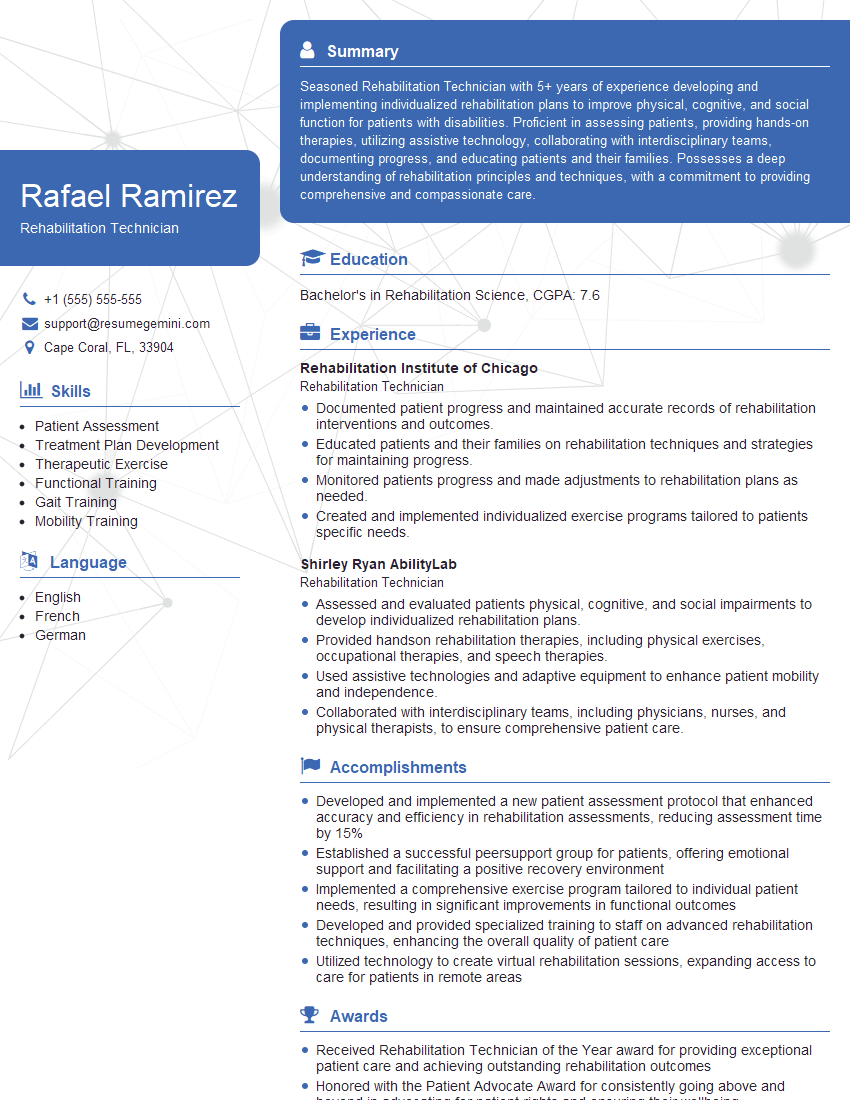
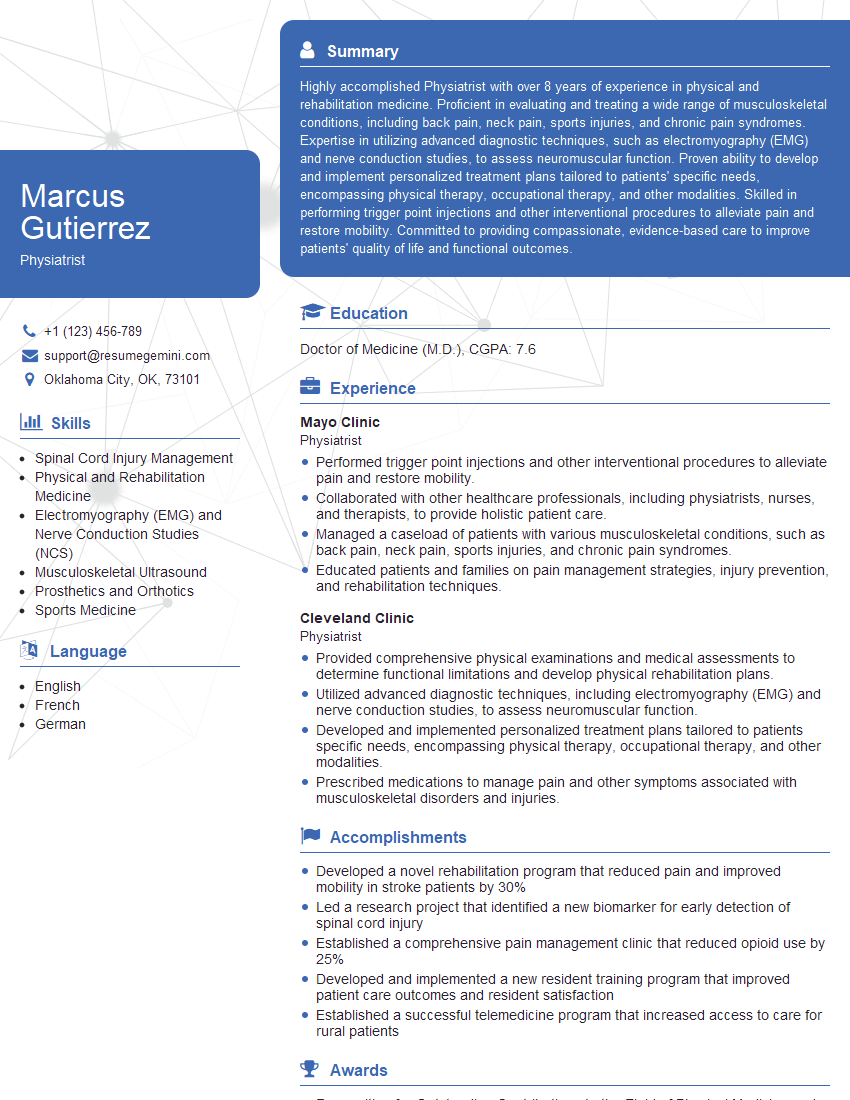
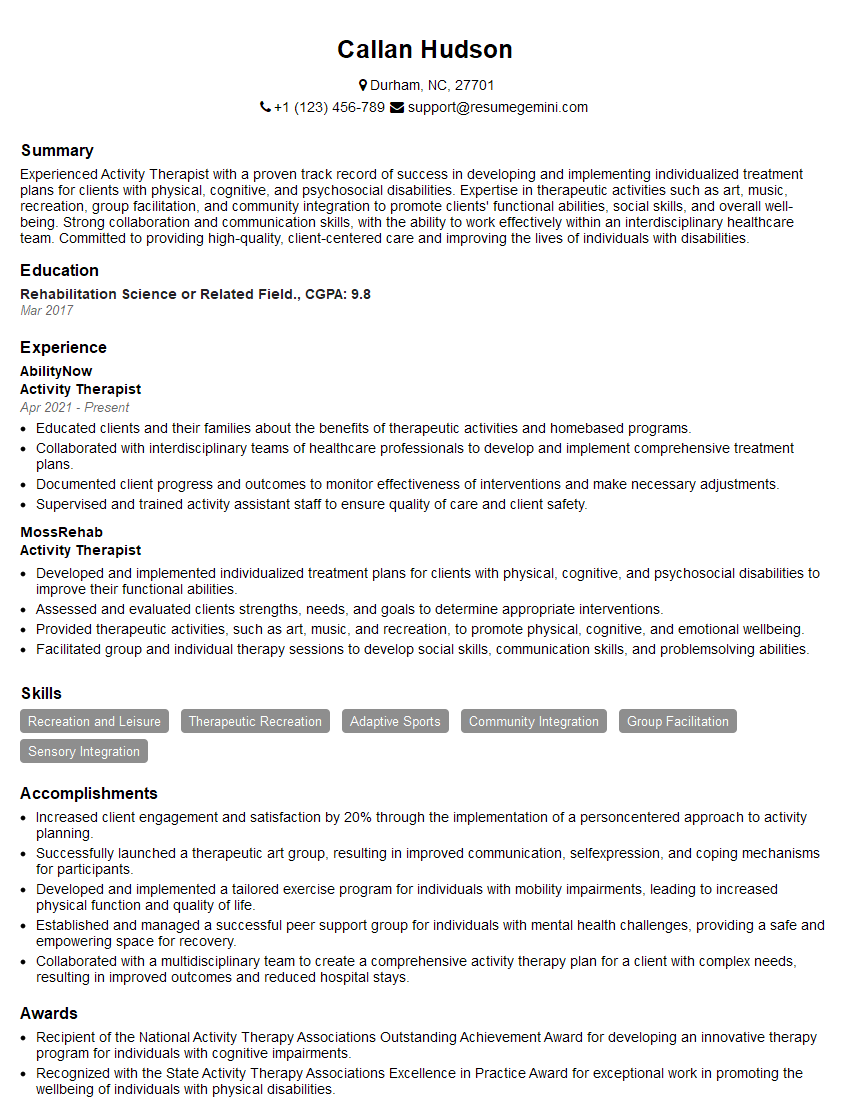
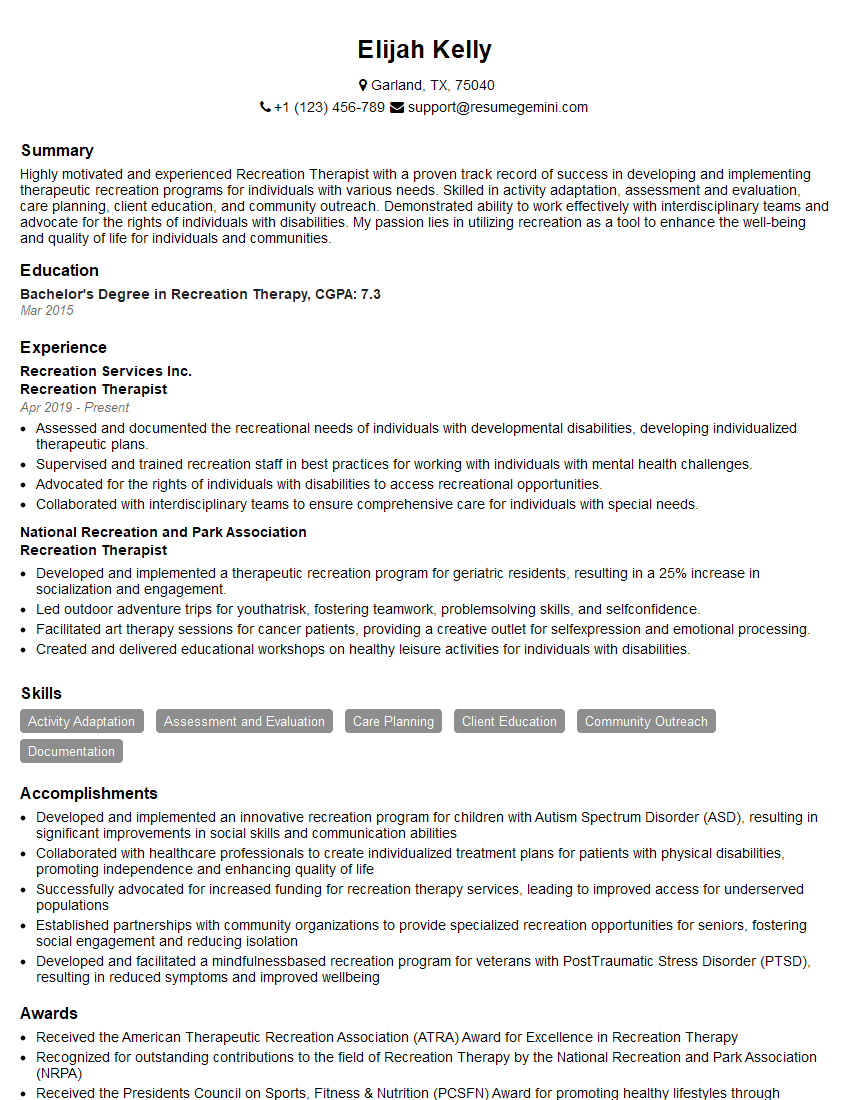
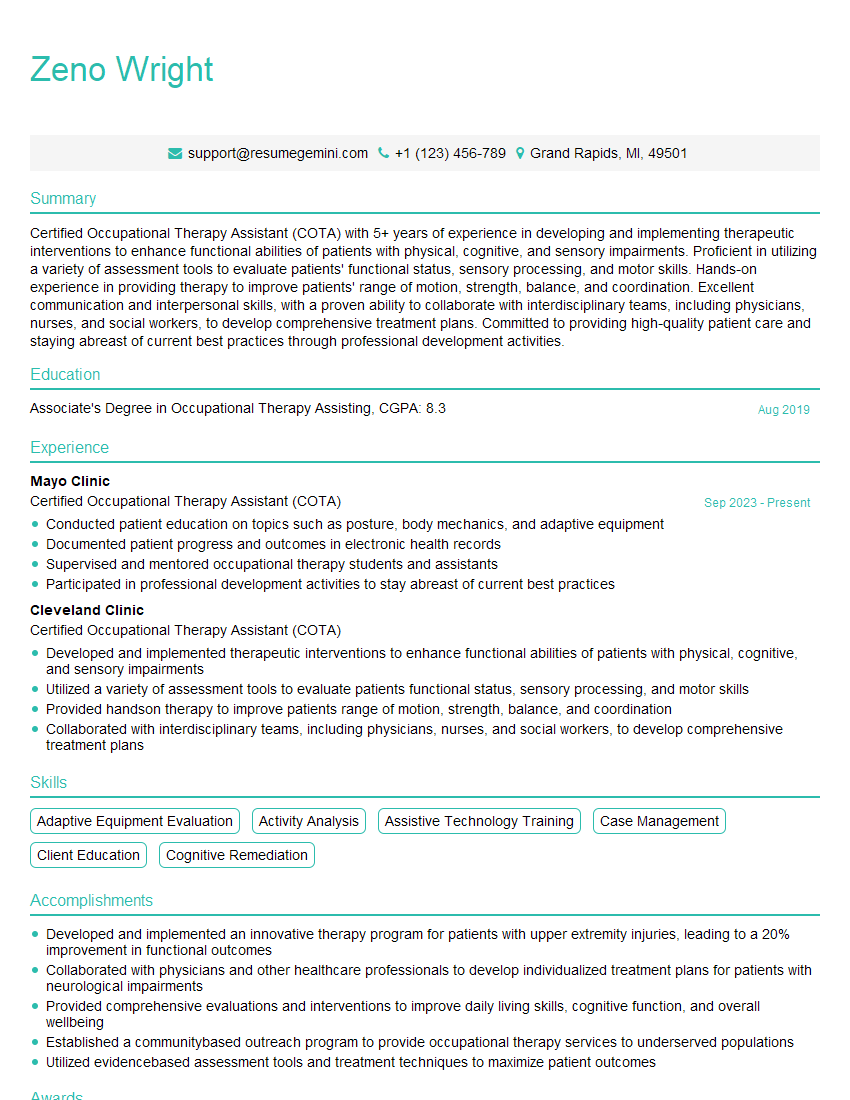
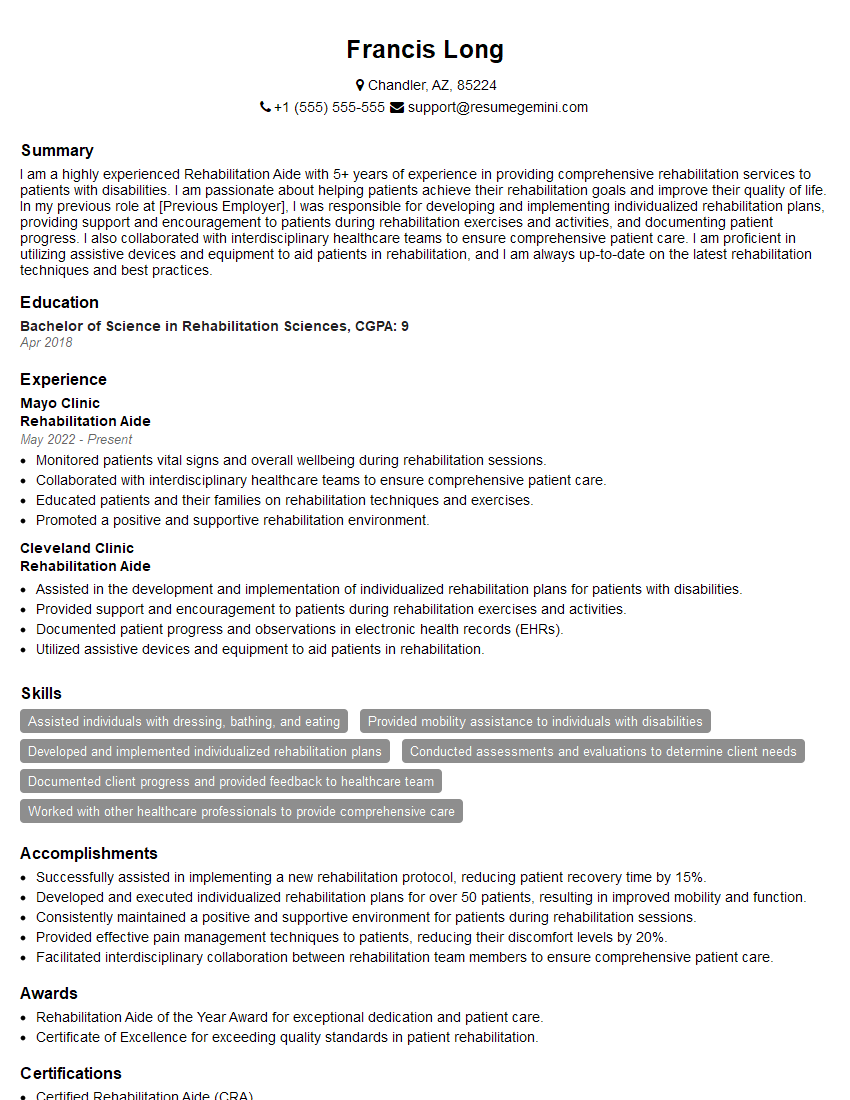
Mastering Inpatient Rehabilitation principles is crucial for a successful and rewarding career in healthcare. It opens doors to specialized roles and leadership opportunities. To enhance your job prospects, creating an ATS-friendly resume is paramount. ResumeGemini is a trusted resource that can help you build a professional and effective resume that highlights your skills and experience. ResumeGemini provides examples of resumes tailored to Inpatient Rehabilitation to help you get started. Invest time in crafting a strong resume – it’s your first impression on potential employers.
Explore more articles
Users Rating of Our Blogs
Share Your Experience
We value your feedback! Please rate our content and share your thoughts (optional).
What Readers Say About Our Blog
To the interviewgemini.com Webmaster.
Very helpful and content specific questions to help prepare me for my interview!
Thank you
To the interviewgemini.com Webmaster.
This was kind of a unique content I found around the specialized skills. Very helpful questions and good detailed answers.
Very Helpful blog, thank you Interviewgemini team.