The thought of an interview can be nerve-wracking, but the right preparation can make all the difference. Explore this comprehensive guide to Interpretive Techniques interview questions and gain the confidence you need to showcase your abilities and secure the role.
Questions Asked in Interpretive Techniques Interview
Q 1. Explain the difference between qualitative and quantitative data analysis.
Qualitative and quantitative data analysis differ fundamentally in their approach to understanding data. Quantitative analysis focuses on numerical data, using statistical methods to identify patterns and relationships. Think of surveys with multiple-choice questions where you can easily calculate averages and percentages. The goal is to measure and quantify phenomena. In contrast, qualitative analysis explores non-numerical data, such as interviews, observations, and texts. It aims to understand the meaning and interpretations behind the data, providing rich insights into the ‘why’ behind the numbers. For example, instead of just knowing that 70% of respondents prefer product A, qualitative analysis helps understand *why* they prefer it – perhaps due to its ease of use, design, or brand reputation.
- Quantitative: Numerical data, statistical analysis, objective measurements, generalization to larger populations.
- Qualitative: Textual or visual data, interpretation of meaning, subjective understanding, in-depth exploration of individual cases.
Q 2. Describe your experience with thematic analysis.
Thematic analysis is a widely used qualitative method I employ regularly. It involves systematically identifying, analyzing, and reporting patterns (themes) within data. My experience involves working with interview transcripts, focus group discussions, and social media posts. The process typically involves several stages: familiarization with the data, generating initial codes, searching for themes, reviewing themes, defining and naming themes, and producing the report. For instance, in a recent study on employee satisfaction, I used thematic analysis to identify recurring themes related to workload, work-life balance, and management style. This allowed me to move beyond simple statistics on satisfaction scores and delve into the nuanced reasons behind employees’ feelings.
- Familiarization: Immerse yourself in the data through repeated reading and note-taking.
- Coding: Identify key words and phrases representing significant ideas.
- Theme Development: Group codes into broader themes based on similarities and relationships.
- Report Writing: Present the findings clearly and concisely, supported by illustrative quotes.
Q 3. How do you identify biases in qualitative data?
Identifying biases in qualitative data is crucial for maintaining the integrity of research. Bias can creep in from several sources: researcher bias (my own preconceived notions influencing interpretations), participant bias (participants providing answers they believe the researcher wants to hear), or sampling bias (a non-representative sample). I actively mitigate bias through several strategies. First, I employ reflexivity – a process of critically examining my own assumptions and perspectives throughout the research process. Secondly, I use triangulation, comparing data from multiple sources (interviews, observations, documents) to cross-validate findings. For example, if interview data suggests a particular issue, I might look for evidence of that issue in observation notes or company documents. Finally, I maintain detailed audit trails of my research decisions to enhance transparency and allow others to scrutinize my methods.
Q 4. What are the limitations of interpretive research?
Interpretive research, while rich in insights, does have limitations. Its findings are often context-specific and may not be readily generalizable to other populations or settings. The subjective nature of interpretation can lead to a lack of objectivity, and the researcher’s own perspectives can shape the findings. Furthermore, interpretive research can be time-consuming and resource-intensive, involving extensive data collection and analysis. Finally, the lack of statistical analysis can make it challenging to demonstrate significant effects or relationships definitively. It’s important to acknowledge these limitations when conducting and reporting interpretive research.
Q 5. Explain the concept of hermeneutic circle.
The hermeneutic circle is a central concept in interpretive research. It describes the cyclical process of understanding text or experience. We begin with pre-understandings – our existing knowledge, beliefs, and assumptions – which shape our initial interpretations. As we engage deeply with the data, we refine our understanding, leading to revised interpretations. This back-and-forth process between pre-understandings and interpretation continues until we achieve a deeper, more nuanced understanding. Think of it like solving a puzzle: you start with a general idea of the picture, but as you place more pieces, you refine your understanding and adjust your expectations based on new evidence.
Q 6. How do you ensure rigor and validity in interpretive studies?
Rigor and validity in interpretive studies are achieved through careful attention to methodology and transparency. This includes using well-defined research questions, employing systematic data collection and analysis techniques, and maintaining detailed records of the research process. Strategies like prolonged engagement in the field, peer debriefing, member checking (sharing findings with participants to check for accuracy), and audit trails enhance the credibility and trustworthiness of the findings. For instance, in a study on organizational culture, prolonged engagement allowed me to build rapport with participants, gaining access to richer data that would not have been possible with short, superficial interactions. By carefully documenting each stage of my analysis, I ensure that my work can be critically assessed by others.
Q 7. Describe your experience with grounded theory methodology.
Grounded theory is a qualitative research methodology I’ve used extensively to generate theory from data. It’s an iterative process where theory emerges inductively from the data itself, rather than being imposed beforehand. My experience involves using this methodology to understand complex social phenomena. The process involves collecting data (often through interviews and observations), coding the data to identify key concepts, developing categories and subcategories, and integrating these into a theoretical model. For example, in a recent study exploring the experiences of entrepreneurs, I used grounded theory to develop a model explaining how entrepreneurs overcome challenges during the early stages of their ventures. The resulting theory emerged directly from the participants’ experiences and insights.
- Data Collection: Interviews, observations, document review.
- Open Coding: Initial labeling of data segments.
- Axial Coding: Linking categories and subcategories.
- Selective Coding: Developing a core category and integrating findings into a comprehensive theory.
Q 8. How do you handle conflicting interpretations in qualitative data?
Conflicting interpretations in qualitative data are inevitable, reflecting the richness and complexity of human experience. Instead of viewing conflict as a problem, I see it as an opportunity for deeper understanding. My approach involves a systematic process:
- Detailed Documentation: I meticulously record all interpretations, including the raw data excerpts and the reasoning behind each interpretation. This transparency is crucial for later review and discussion.
- Triangulation: I employ multiple sources of data (interviews, observations, documents) to corroborate or challenge initial interpretations. For instance, if an interview suggests a certain attitude, I’d cross-reference it with field notes from observations and relevant documents.
- Member Checking: I return to participants (if feasible and ethically appropriate) to validate my interpretations of their experiences. This ensures that my understanding aligns with their perspectives and helps resolve discrepancies.
- Peer Debriefing: I actively engage in discussions with colleagues, presenting conflicting interpretations and soliciting their perspectives. This external viewpoint can illuminate blind spots and offer alternative ways to understand the data.
- Analytic Memoing: Throughout the analysis, I maintain detailed analytic memos, which are essentially reflective notes on my interpretation process. These memos help to track the evolution of my thinking and document the rationale for resolving conflicts.
For example, in a study on workplace stress, I might initially interpret a participant’s silence as disinterest. However, triangulation with observations revealing their visible anxiety and subsequent member checking might reveal they were experiencing discomfort speaking openly about their stress. This conflict then leads to a richer and more nuanced understanding of the workplace dynamics.
Q 9. What software are you proficient in for qualitative data analysis?
My proficiency in qualitative data analysis software includes NVivo and Atlas.ti. NVivo is particularly useful for managing large datasets, facilitating coding, and creating visual representations of relationships within the data. Atlas.ti, while similar, offers a slightly different interface and set of features, which I find valuable for comparing approaches and ensuring robust analysis. I also have experience using simpler tools like Excel for smaller datasets and initial data organization, especially when creating spreadsheets to track codes and themes.
Q 10. Explain the process of coding qualitative data.
Coding qualitative data is the systematic process of identifying, categorizing, and labeling segments of text (or other data) to uncover patterns and themes. It’s akin to creating a detailed index for your data. The process typically unfolds as follows:
- Familiarization: I begin by thoroughly reading and rereading the data to gain a comprehensive understanding of its content and context.
- Initial Coding: I then start assigning codes to segments of text that represent meaningful units of analysis. These initial codes might be descriptive or emergent, reflecting directly on what the data shows.
- Code Refinement: As I progress, I review the codes, looking for patterns and redundancies. This involves collapsing similar codes, creating new codes to capture emerging themes, and adjusting existing codes for greater precision.
- Theme Development: The refined codes are then grouped into broader themes that represent the main findings. These themes capture the overarching patterns and relationships uncovered in the data.
- Codebook Creation: Finally, I compile a codebook that provides clear and consistent definitions for each code and theme. This ensures transparency and reproducibility in the analysis.
For instance, in a study of customer feedback, initial codes might be ‘product quality,’ ‘customer service,’ and ‘price.’ After reviewing the codes, I may refine them into themes such as ‘product satisfaction,’ ‘service experience,’ and ‘value perception.’ The codebook then formally defines each theme and its constituent codes.
Q 11. How do you ensure the trustworthiness of your interpretations?
Trustworthiness in qualitative research is paramount. It assures that the findings are credible, transferable, dependable, and confirmable. I ensure trustworthiness through several strategies:
- Rigorous Data Collection: I employ detailed data collection protocols, ensuring thorough and systematic data gathering through multiple data sources and ensuring data quality.
- Audit Trail: I maintain a comprehensive audit trail documenting every step of the research process, including data collection methods, coding decisions, and analytical reasoning. This allows for scrutiny and replication.
- Member Checking (as mentioned previously): This provides validation of my interpretations directly from participants.
- Peer Debriefing (as mentioned previously): External review helps identify biases and potential misinterpretations.
- Prolonged Engagement: Spending sufficient time immersed in the data allows for a deeper understanding and helps refine interpretations.
- Reflexivity (explained in detail in a subsequent answer): Reflecting on my own biases and influences allows for more objective analysis.
- Transparency: Clearly reporting the research methods, limitations, and biases enhances the credibility of the findings.
In essence, trustworthiness is not a single action but a cumulative effect of meticulous attention to every stage of the research process.
Q 12. Describe your experience with different sampling techniques for qualitative research.
My experience encompasses various sampling techniques, each suited for different research objectives and contexts. The choice of sampling method depends largely on the research question and the feasibility of accessing the population of interest. Here are some examples:
- Purposeful Sampling: This is frequently used in qualitative research. It involves selecting participants who are particularly informative in relation to the research question. For example, in a study on leadership styles, I might purposefully select individuals known for their exceptional leadership abilities or those who have demonstrated contrasting leadership approaches.
- Snowball Sampling: Useful when accessing a hidden or hard-to-reach population, this involves identifying one or two initial participants and then asking them to refer other relevant individuals. This is particularly effective in studying sensitive topics or marginalized communities.
- Theoretical Sampling: Driven by the emerging theory during the research process, this iterative approach involves selecting participants based on the need to explore specific aspects or refine the developing theory.
- Maximum Variation Sampling: In this approach, I select participants to maximize the diversity of perspectives and experiences relevant to the research question. This enhances the richness and generalizability of the findings.
The key is to justify the chosen sampling technique, explaining how it aligns with the research aims and allows for effective data collection and analysis.
Q 13. How do you manage large datasets in qualitative analysis?
Managing large qualitative datasets requires a structured and organized approach. While manual coding is possible for smaller datasets, it becomes inefficient and prone to error with larger volumes. I utilize software like NVivo or Atlas.ti which facilitate:
- Efficient Coding and Retrieval: These software packages allow me to organize data using codes and keywords, enabling swift retrieval of relevant sections based on particular themes or keywords.
- Data Visualization: These tools create visual representations of the data, revealing relationships between codes and themes, allowing for pattern identification and hypothesis generation.
- Querying and Searching: Complex searches based on multiple codes, keywords, and relationships across the data help identify significant patterns, otherwise difficult to find manually.
- Team Collaboration: Software facilitates collaborative coding and analysis, especially beneficial in large projects with multiple researchers.
- Memoing and Note-Taking: The software allows for systematic note-taking, keeping track of interpretations and decisions.
In addition to software, I employ strategies such as dividing the data into manageable chunks and using a well-defined coding scheme to maintain consistency. Effective organization from the outset is key to successful management of large qualitative datasets.
Q 14. Explain the concept of reflexivity in qualitative research.
Reflexivity is a critical aspect of qualitative research, emphasizing the researcher’s awareness of their own biases, assumptions, and influence on the research process. It’s a form of self-reflection, similar to a personal audit. It’s not about eliminating biases, which is impossible, but about acknowledging and minimizing their impact on interpretations.
I practice reflexivity through:
- Regular Journaling: I keep a research journal, documenting my thoughts, feelings, and experiences throughout the process. This helps me identify potential biases and monitor the evolution of my own thinking.
- Self-Critical Analysis: I regularly review my interpretations, questioning my assumptions and seeking alternative explanations. This critical self-reflection ensures my interpretations aren’t overly influenced by my personal perspectives.
- Peer Debriefing (as mentioned previously): Sharing my work with colleagues and discussing potential biases can offer valuable insights and help mitigate the influence of personal biases.
- Transparency in Reporting: I explicitly acknowledge my own biases and limitations in the final report. This honesty builds transparency and strengthens the credibility of the research findings.
For example, if I’m studying a community that shares cultural similarities with my own, I need to be aware that my pre-existing knowledge and understanding could inadvertently shape my interpretations. Reflexivity helps me identify and account for such potential biases, ensuring the integrity of my conclusions.
Q 15. What ethical considerations are important in interpretive research?
Ethical considerations in interpretive research are paramount, as we’re dealing with human experiences and perspectives. Transparency is key; participants must understand the study’s purpose, their rights (including anonymity and confidentiality), and how their data will be used. Informed consent is absolutely crucial – this isn’t just a signature on a form, but an ongoing dialogue ensuring participants feel comfortable and empowered throughout the process. We also need to be mindful of potential power imbalances; the researcher’s position can influence participants’ responses, so building rapport and trust is essential to mitigate this. Finally, data integrity is vital. We need to be rigorous in our data collection and analysis, avoiding bias and ensuring accurate representation of participants’ voices.
For example, in a study on workplace stress, I ensured anonymity by using pseudonyms and omitting identifying details in my reports. I also obtained informed consent from each participant, explaining the study’s aims and potential risks, and provided them with the option to withdraw at any point. Regularly checking in with participants helped maintain trust and address any concerns they might have.
Career Expert Tips:
- Ace those interviews! Prepare effectively by reviewing the Top 50 Most Common Interview Questions on ResumeGemini.
- Navigate your job search with confidence! Explore a wide range of Career Tips on ResumeGemini. Learn about common challenges and recommendations to overcome them.
- Craft the perfect resume! Master the Art of Resume Writing with ResumeGemini’s guide. Showcase your unique qualifications and achievements effectively.
- Don’t miss out on holiday savings! Build your dream resume with ResumeGemini’s ATS optimized templates.
Q 16. How do you present your findings from interpretive research?
Presenting findings from interpretive research differs significantly from quantitative studies. We move beyond simple statistics and focus on rich narratives, detailed descriptions, and insightful interpretations of meaning. This often involves using evocative language and storytelling techniques to bring the participants’ experiences to life. We might use thematic analysis to identify key patterns and insights, presenting them through narrative accounts, rich quotes from participants, and visual representations such as diagrams or maps to illustrate relationships between themes. The goal isn’t to generalize to a large population, but to deeply understand the specific context and perspectives being studied.
For instance, in a study of teacher burnout, instead of presenting percentages of teachers experiencing burnout, I’d weave together narratives from interviews, illustrating the emotional toll of the job through their own words. This creates a more compelling and empathetic understanding than a simple statistical summary.
Q 17. What are the key differences between ethnography and phenomenology?
While both ethnography and phenomenology are qualitative methods within interpretive research, they differ significantly in their focus. Ethnography immerses the researcher in a culture or social group to understand their shared beliefs, practices, and values. It’s like becoming a temporary member of the community to gain an insider’s perspective. Phenomenology, on the other hand, focuses on the lived experiences of individuals to understand the essence of a particular phenomenon. It seeks to uncover the shared meaning individuals make of their experiences.
- Ethnography: Imagine studying the culture of a specific workplace to understand its communication styles and power dynamics. The researcher would spend extended periods observing interactions, participating in activities, and interviewing employees.
- Phenomenology: Imagine researching the experience of grief after losing a loved one. The researcher would conduct in-depth interviews with several individuals who have experienced grief to understand the common threads and unique aspects of their emotional journeys.
Q 18. How do you ensure the generalizability of your findings from a qualitative study?
Generalizability in qualitative research isn’t about making broad statistical claims like in quantitative studies. Instead, we aim for ‘transferability’ – the extent to which findings can be relevant and applicable to other contexts. This requires rich descriptions of the context and participants, allowing readers to assess the study’s relevance to their own situations. We achieve this through detailed case studies, thick descriptions of the setting, and careful consideration of the specific participants involved. The more detailed and nuanced the description, the better readers can judge if the findings resonate with their own experiences or settings.
For example, a study on student engagement in a particular type of online learning environment needs to clearly articulate the specific features of that environment, the characteristics of the participating students, and the methods used in data collection. This allows readers to evaluate whether the findings might be applicable to other online learning environments with similar features and student populations.
Q 19. Describe your experience with narrative analysis.
Narrative analysis is a powerful tool I frequently employ. It involves examining stories, personal accounts, and life histories to understand how individuals construct meaning and make sense of their experiences. I use this to explore the sequencing of events, the themes and motifs within narratives, and how these stories reflect broader social, cultural, or psychological processes. The process often involves identifying key events, relationships, and turning points within each narrative, then analyzing these patterns across multiple narratives to identify common themes and variations.
In a recent study on career transitions, I used narrative analysis to uncover how individuals described their decision-making processes, the challenges they faced, and the coping mechanisms they used. By analyzing the structure and content of their stories, I was able to develop a richer understanding of the complex emotional and cognitive factors involved in career change.
Q 20. How do you deal with saturation in qualitative data collection?
Saturation in qualitative data collection refers to the point where no new information or themes emerge from further data collection. It signifies that you have collected enough data to adequately address your research questions. Recognizing saturation is crucial to avoid unnecessary data collection and ensure efficient use of resources. It’s not a rigid point but rather a gradual process. You may find that data collection yields diminishing returns, with fewer new insights emerging from each additional interview or observation. I use a combination of strategies to detect saturation. This involves regular review and analysis of emerging themes, comparing data across different sources, and continually reflecting on whether further data collection would significantly enrich the analysis. I might initially aim for a larger sample size than anticipated, allowing for saturation checks along the way.
For example, in a study on organizational culture, I continued conducting interviews until the themes and patterns emerging from new interviews were highly consistent with those already identified. At that point, the data collection was deemed saturated, and further interviews would have added minimal new insights.
Q 21. Explain the concept of intersubjectivity in interpretive research.
Intersubjectivity in interpretive research highlights the shared understanding and meaning created through interaction between the researcher and participants. It’s a recognition that knowledge isn’t solely objective but is co-constructed within a social context. Instead of aiming for complete objectivity, interpretive researchers embrace the researcher’s influence on the process and strive for transparency and reflexivity. This means acknowledging their own biases, assumptions, and perspectives and how these might have shaped the research process and findings. Building rapport with participants fosters intersubjectivity, resulting in richer, more nuanced data that reflects shared meanings.
A crucial aspect of achieving intersubjectivity is establishing trust and mutual respect with participants. This enables a more collaborative research process where participants feel comfortable sharing their experiences and perspectives authentically, enhancing the validity and depth of the findings.
Q 22. How do you use interpretive techniques to inform strategic decision-making?
Interpretive techniques are crucial for transforming raw data into actionable insights that guide strategic decision-making. Instead of simply focusing on numbers, we delve into the meaning behind the data, understanding the context, motivations, and perspectives of the individuals involved. This allows for a deeper, more nuanced understanding that leads to more effective strategies.
For example, imagine a company analyzing customer feedback. A purely quantitative analysis might show a decrease in customer satisfaction scores. However, interpretive techniques, such as thematic analysis of open-ended survey responses or interviews, could reveal the why behind those scores – perhaps a recent change in product packaging led to confusion, or a new customer service policy caused frustration. This qualitative insight allows the company to address the root cause, leading to more effective and targeted solutions than simply trying to improve scores without understanding the underlying issues.
In practice, I use a multi-stage approach: first, gathering data through various methods like interviews, focus groups, and document analysis; then, systematically analyzing the data to identify recurring themes and patterns; finally, interpreting these patterns to form a cohesive narrative that informs strategic decisions, such as product development, marketing strategies, or organizational change.
Q 23. Describe your experience with discourse analysis.
Discourse analysis is a powerful tool in my interpretive toolkit. It involves examining how language is used to create meaning and power dynamics within a specific context. I use it to understand how narratives are constructed, how particular vocabularies shape perceptions, and how communication influences behavior.
For instance, I recently used discourse analysis to examine the language used in internal company communications during a period of organizational restructuring. Analyzing emails, memos, and meeting transcripts revealed underlying anxieties and power struggles that were not immediately apparent. By identifying recurring themes and patterns in the language used, I could pinpoint sources of resistance to change and recommend strategies for improved internal communication and change management.
My approach involves identifying key terms, analyzing the framing of arguments, and exploring how different social groups contribute to the overall discourse. I then use this information to create a comprehensive picture of the communication patterns and their impact on the organizational climate.
Q 24. How do you identify and address researcher bias in your interpretations?
Researcher bias is an ever-present threat in interpretive research. To mitigate this, I employ several strategies. Firstly, I engage in rigorous self-reflection, acknowledging my own perspectives and potential biases. I actively document these reflections throughout the research process. Secondly, I use reflexivity, systematically reflecting on my interactions with participants and how my presence might have influenced their responses.
Furthermore, I employ member checking, presenting my interpretations back to participants to validate my understanding. This provides an opportunity for them to confirm, correct, or add to my analysis. Triangulation, using multiple sources of data (e.g., interviews, observations, documents) to corroborate findings, is also crucial in ensuring the validity of my interpretations and reducing the risk of bias.
Finally, I maintain detailed records of my research methods and analytical processes, allowing others to scrutinize my work and assess the potential influence of bias. Transparency is key.
Q 25. What are some common challenges in interpretive research?
Interpretive research, while rich in insights, presents unique challenges. One common challenge is the subjective nature of interpretation. Different researchers might analyze the same data and reach slightly different conclusions. This subjectivity is inherent to the approach but can be minimized through transparency and rigorous methods.
Another challenge is the time and resource intensity involved. Qualitative data analysis is labor-intensive, requiring careful reading, coding, and interpretation. The process can be slow, particularly with large datasets. Ensuring sufficient time and resources is vital. Finally, gaining access to participants and data can sometimes be difficult, requiring considerable planning and negotiation.
Successfully navigating these challenges involves careful planning, using robust analytical techniques, and maintaining a strong commitment to transparency and rigorous methodological documentation.
Q 26. How do you synthesize findings from multiple sources of qualitative data?
Synthesizing findings from multiple sources of qualitative data requires a systematic and organized approach. I often employ a thematic analysis, identifying recurring themes or patterns across all data sources. This could involve using software such as NVivo to manage large volumes of qualitative data, code segments according to emerging themes, and identify relationships between these themes across different datasets.
For example, if I am researching employee satisfaction, I might gather data through interviews, focus groups, and survey responses. By analyzing each data source separately and then comparing the findings, I can identify consistent themes related to compensation, work-life balance, management style, etc. I build a comprehensive picture by comparing how these themes appear across various data sources, noting variations and contradictions.
The final synthesis creates a holistic narrative, highlighting key findings and their interrelationships. This integrated approach goes beyond simply summarizing each data source individually; it builds a deeper, more nuanced understanding of the phenomenon being studied.
Q 27. Explain the strengths and weaknesses of different interpretive frameworks.
Various interpretive frameworks, such as grounded theory, phenomenology, and narrative analysis, each possess unique strengths and weaknesses. Grounded theory, for instance, is excellent for generating new theories from data, but can be criticized for its potential lack of objectivity. Phenomenology offers profound insights into lived experiences but can be limited in generalizability.
Narrative analysis excels at understanding individual stories and their meaning-making processes but may struggle with large-scale data analysis. The choice of framework depends heavily on the research question and the nature of the data. For example, if the goal is to develop a new theory about a social process, grounded theory would be a suitable choice. If the focus is on individual experiences, phenomenology or narrative analysis might be more appropriate.
A crucial aspect is aligning the selected framework with the research goals and appropriately acknowledging its limitations within the interpretation and reporting of findings.
Q 28. How do you ensure the transparency and replicability of your interpretive analysis?
Transparency and replicability are paramount in interpretive research. To ensure transparency, I maintain detailed audit trails of my research process, meticulously documenting all decisions made during data collection, analysis, and interpretation. This includes detailed descriptions of my sampling strategies, data collection methods, coding schemes, and analytical decisions.
For example, I might create a codebook that clearly defines each code used in my thematic analysis, including examples of data segments that fit under each code. This allows others to follow my analysis steps and understand how I arrived at my conclusions. Furthermore, I often share my data (anonymized, of course) and analysis codebooks, enabling others to replicate parts of my analysis or conduct their own analysis on the same dataset, promoting replicability and strengthening the validity of my findings.
This commitment to detailed documentation allows for critical scrutiny, increases the trustworthiness of my work, and advances the cumulative nature of knowledge within the field.
Key Topics to Learn for Interpretive Techniques Interview
- Hermeneutics: Understanding the theoretical foundations of interpretation, including different schools of thought and their implications for practical application.
- Contextual Analysis: Analyzing the historical, social, and cultural contexts surrounding a text or artifact to inform interpretation. Practical application: Demonstrate how you’ve identified and used contextual clues to understand nuanced meanings.
- Semiotics: Exploring the study of signs and symbols and how they create meaning. Practical application: Explain how you have deconstructed symbolic representations to uncover underlying messages.
- Critical Discourse Analysis: Identifying power dynamics and ideologies embedded within texts or communication. Practical application: Discuss your ability to critically evaluate biased or manipulative language.
- Qualitative Research Methods: Applying interpretive techniques within research frameworks like grounded theory or ethnography. Practical application: Describe your experience with data collection, analysis, and interpretation in a qualitative research setting.
- Narrative Analysis: Understanding how stories and narratives shape meaning and understanding. Practical application: Demonstrate your skills in analyzing the structure, themes, and impact of narratives.
- Problem-Solving & Application: Explain how you’ve applied interpretive techniques to solve real-world problems, such as resolving communication breakdowns or analyzing complex datasets.
Next Steps
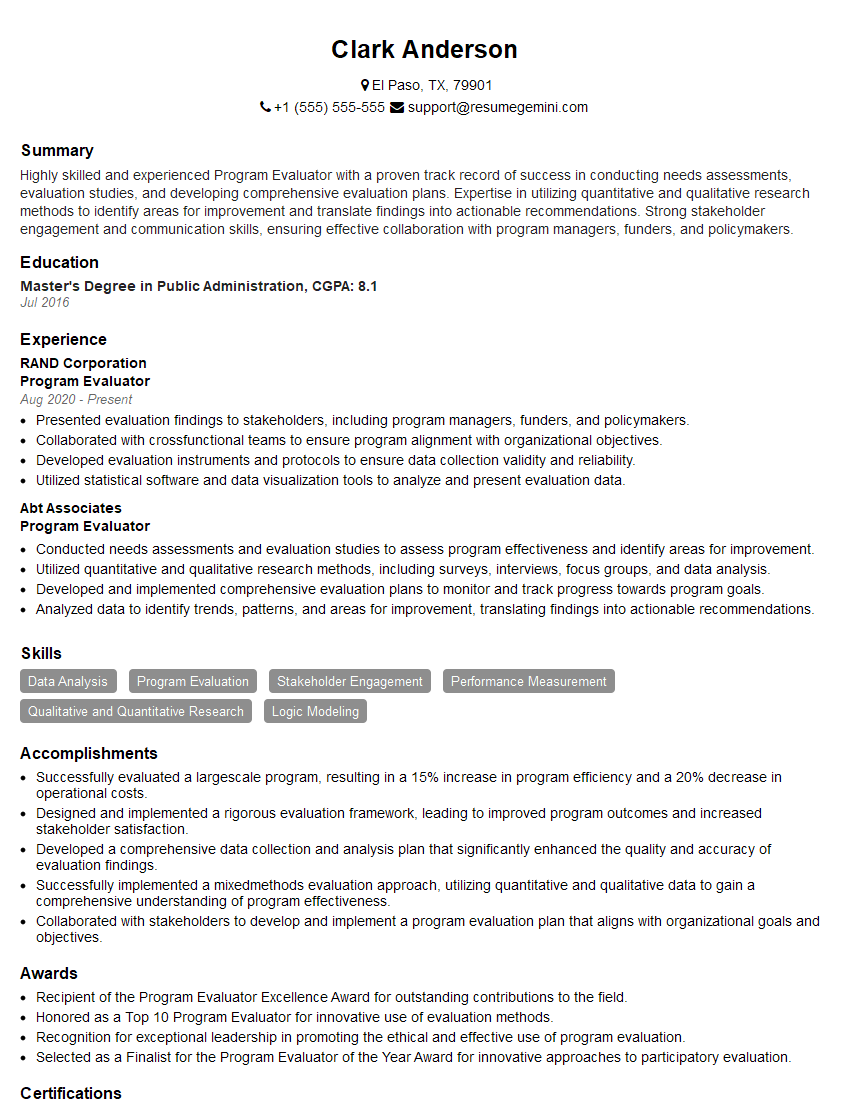
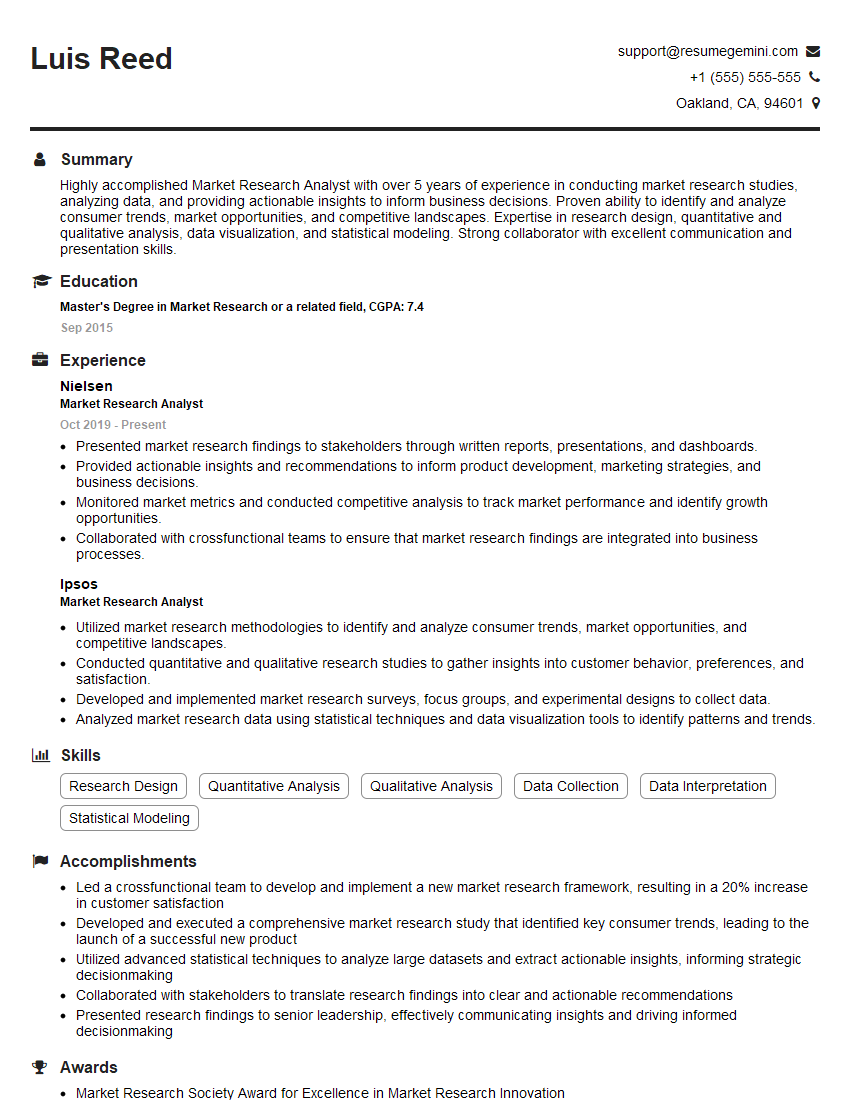
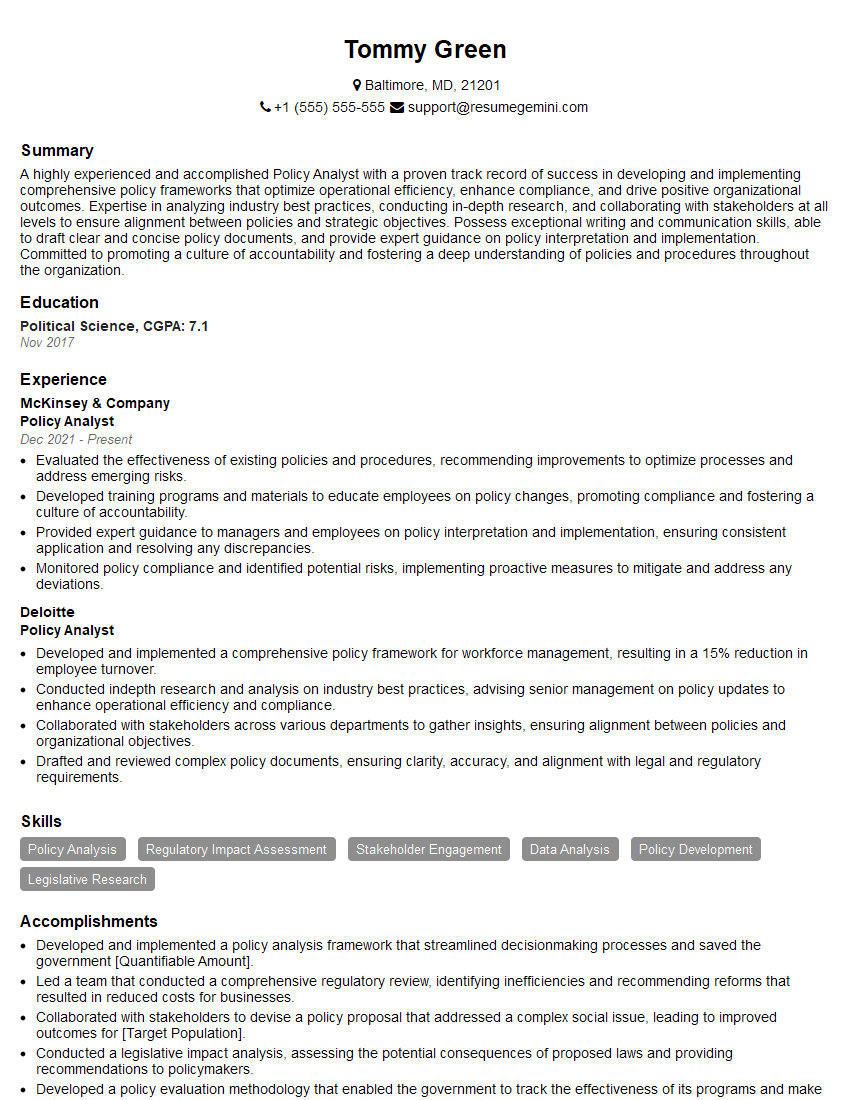
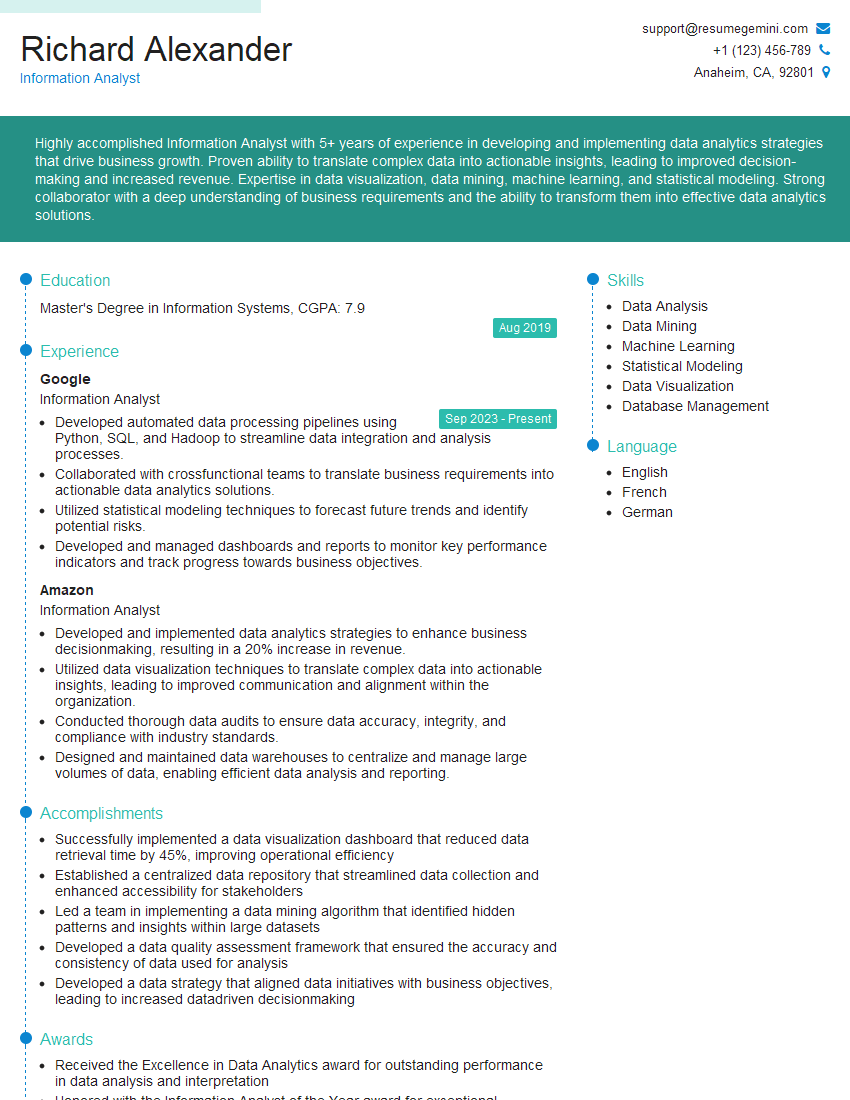
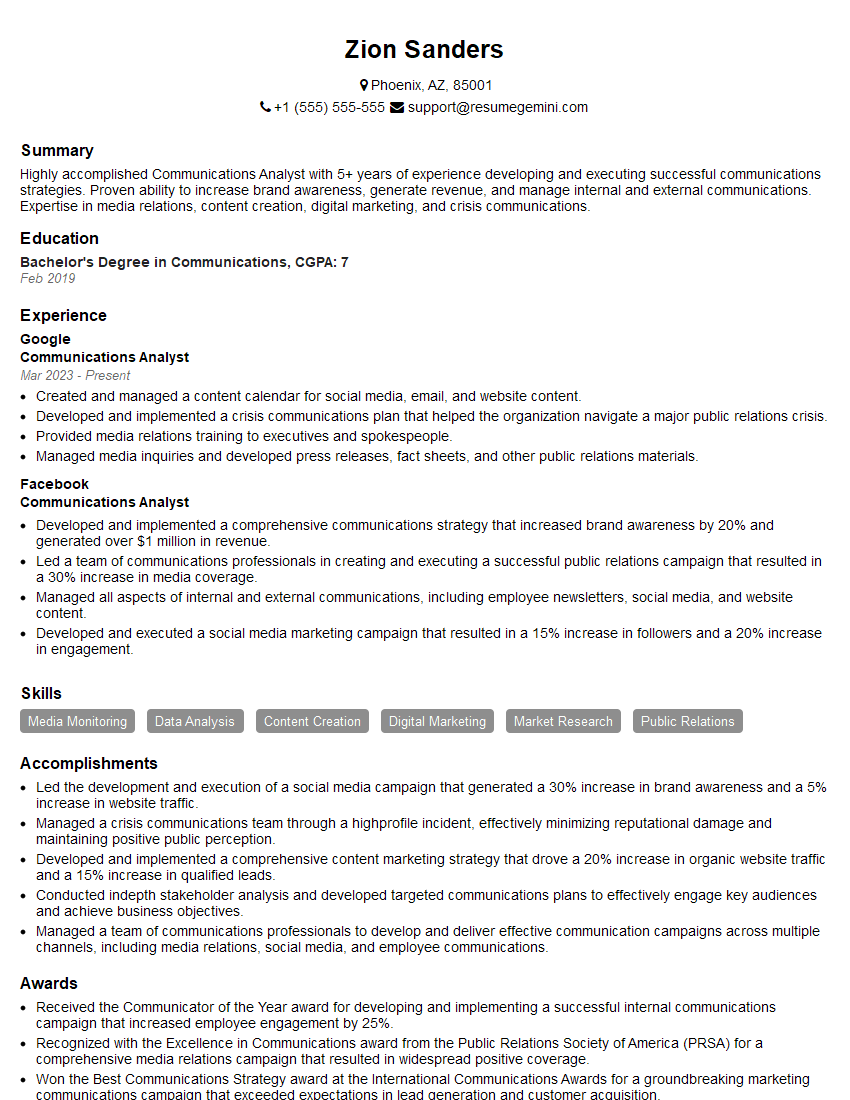
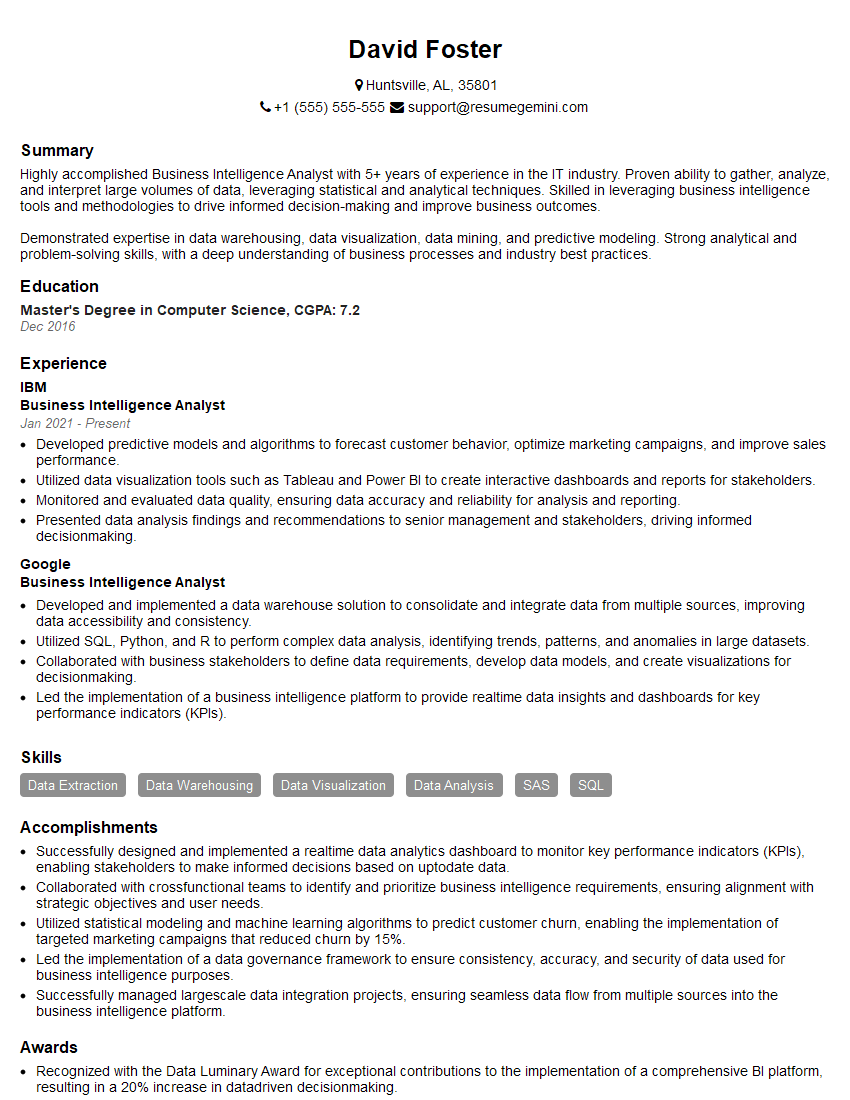
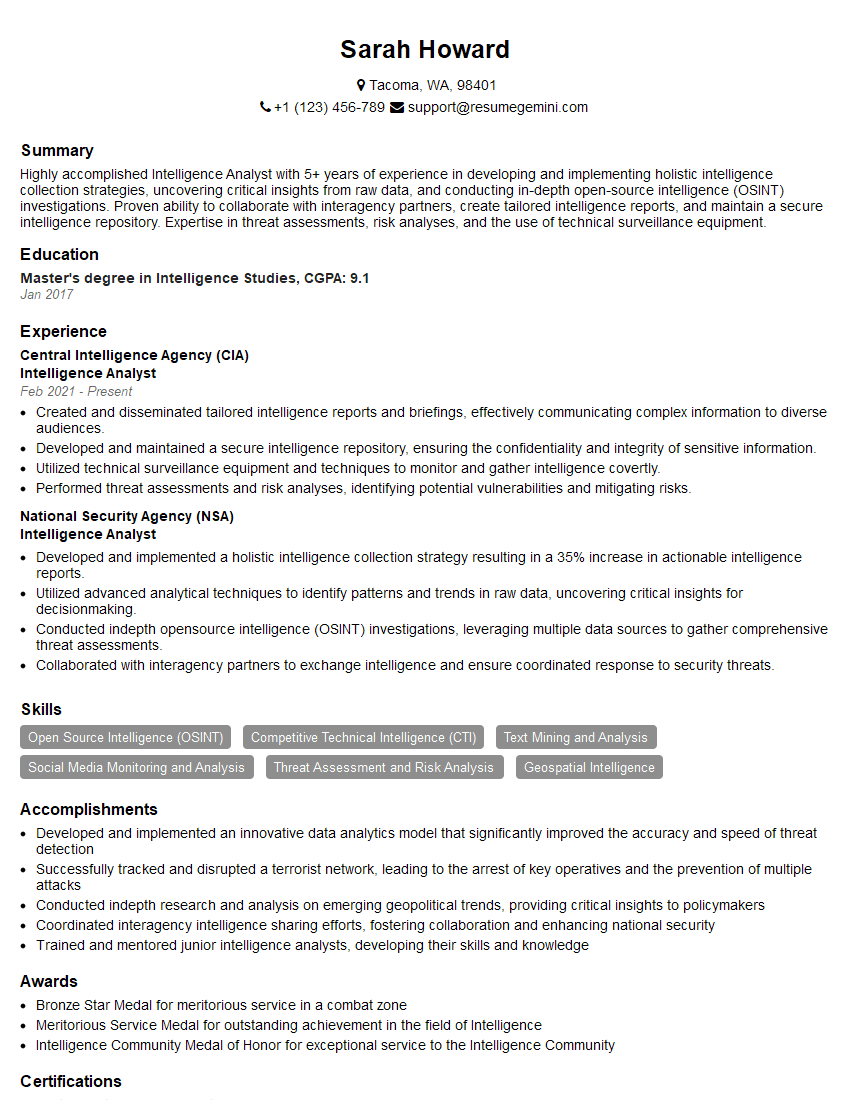
Mastering interpretive techniques is crucial for career advancement in fields requiring strong analytical, communication, and critical thinking skills. A well-crafted resume is your first step towards showcasing these abilities to potential employers. Building an ATS-friendly resume significantly increases your chances of getting noticed. We highly recommend using ResumeGemini to create a professional and effective resume tailored to highlight your interpretive skills. Examples of resumes tailored to Interpretive Techniques are available to guide you through the process.
Explore more articles
Users Rating of Our Blogs
Share Your Experience
We value your feedback! Please rate our content and share your thoughts (optional).
What Readers Say About Our Blog
To the interviewgemini.com Webmaster.
Very helpful and content specific questions to help prepare me for my interview!
Thank you
To the interviewgemini.com Webmaster.
This was kind of a unique content I found around the specialized skills. Very helpful questions and good detailed answers.
Very Helpful blog, thank you Interviewgemini team.