Unlock your full potential by mastering the most common Job Search interview questions. This blog offers a deep dive into the critical topics, ensuring you’re not only prepared to answer but to excel. With these insights, you’ll approach your interview with clarity and confidence.
Questions Asked in Job Search Interview
Q 1. Explain your understanding of different sourcing techniques.
Sourcing techniques are the methods used to identify and attract potential candidates for open positions. It’s like fishing – you need the right bait and the right fishing spots to catch the best fish (candidates).
- Boolean Search: This involves using specialized keywords and operators (like AND, OR, NOT) within job boards and databases to refine search results. For example, searching for
"project manager" AND "agile" AND "Scrum"will only return results containing all three terms. This helps me target very specific skill sets. - Networking: Leveraging professional contacts, attending industry events, and engaging on platforms like LinkedIn to identify passive candidates (those not actively seeking jobs) is incredibly effective. I’ve found several top-tier candidates through attending tech conferences and connecting with former colleagues.
- Social Media Recruiting: Utilizing platforms like LinkedIn, Twitter, and even Facebook to find and engage potential candidates. I often use LinkedIn Recruiter to target individuals with specific skills and experience based on their profiles.
- Employee Referrals: Encouraging current employees to refer qualified candidates from their networks. This is often a great source for finding candidates who are a good cultural fit, as they’re recommended by trusted colleagues.
- Job Boards: Posting job descriptions on popular platforms like Indeed, LinkedIn, and company career pages. While a broader approach, it’s still vital for attracting active candidates.
- Professional Associations: Partnering with industry-specific associations to access their talent pools. This is particularly effective for niche roles.
The best strategy often involves a multi-pronged approach, combining several of these techniques for maximum reach and effectiveness.
Q 2. Describe your experience using Applicant Tracking Systems (ATS).
Applicant Tracking Systems (ATS) are software applications used to manage the recruitment process, from receiving applications to tracking candidates throughout the hiring pipeline. Think of it as a highly organized filing system for job applications.
My experience with ATS is extensive. I’m proficient in using several leading systems, including Taleo, Workday, and Greenhouse. I understand how to optimize resumes and job descriptions for ATS parsing to ensure that applications are properly indexed and searchable. For instance, I know the importance of using keywords strategically in job descriptions to match the skills and experience listed in candidates’ resumes. I’ve also used ATS reporting features to track key metrics like time-to-hire and cost-per-hire.
Furthermore, I leverage the ATS’s functionalities to automate tasks like screening applications based on pre-defined criteria, scheduling interviews, and communicating with candidates. This automation frees up my time to focus on higher-level tasks like candidate engagement and building relationships.
Q 3. How do you handle a large volume of applications?
Handling a large volume of applications requires a structured and efficient approach. Imagine trying to sort through hundreds of emails; you wouldn’t read each one completely, right? Similarly, I utilize a multi-stage screening process.
- Initial Screening: Using the ATS to filter applications based on keywords, experience, and education. This helps me quickly eliminate those who clearly don’t meet the minimum requirements.
- Resume and Cover Letter Review: For those who pass the initial screen, I carefully review their resumes and cover letters, paying attention to details that show their suitability for the role and company culture.
- Skills Assessment: Depending on the role, I might incorporate skills tests or assessments to gauge candidates’ abilities. This could involve coding challenges, written tests, or practical exercises.
- Phone Screening: I conduct brief phone interviews to assess communication skills, enthusiasm, and cultural fit. This helps quickly narrow down the field.
- Targeted Interviews: I conduct more in-depth interviews with the most promising candidates, involving behavioral questions, technical assessments, and/or case studies.
Throughout this process, clear communication with candidates is crucial, even for those not moving forward. Transparency is key to maintaining a positive candidate experience.
Q 4. What metrics do you use to measure the success of your recruitment efforts?
Measuring the success of recruitment efforts relies on key metrics. These metrics provide valuable insights into the effectiveness of my strategies and help identify areas for improvement.
- Time-to-hire: The time elapsed between posting a job opening and hiring a candidate. A shorter time-to-hire usually indicates efficiency.
- Cost-per-hire: The total cost of recruiting a candidate, divided by the number of hires. Lower cost-per-hire means greater efficiency.
- Source of hire: Tracking where successful hires came from (e.g., LinkedIn, employee referrals, job boards). This helps prioritize the most effective sourcing channels.
- Applicant quality: Assessing the caliber of applicants received. A high-quality applicant pool suggests effective job descriptions and sourcing.
- Offer acceptance rate: The percentage of candidates who accept job offers. A high acceptance rate suggests a compelling offer and a positive candidate experience.
- Employee retention rate: The percentage of hires who remain with the company after a certain period. This is a long-term metric that indicates the quality of the hiring process.
By regularly monitoring these metrics, I can optimize my recruitment strategies and improve overall efficiency and effectiveness.
Q 5. Describe your experience with various interview methods (phone screen, behavioral, technical).
I have experience using various interview methods, each serving a specific purpose in the candidate evaluation process.
- Phone Screen: This initial screening serves to gauge basic qualifications, communication skills, and overall interest. I use this to quickly eliminate unsuitable candidates and focus on those who are a closer match.
- Behavioral Interview: This method delves into past experiences to predict future behavior. I use the STAR method (Situation, Task, Action, Result) to guide candidates through relevant scenarios. This helps me assess problem-solving abilities, teamwork, and leadership skills.
- Technical Interview: This involves assessing the candidate’s technical skills relevant to the job. This might include coding challenges, system design questions, or discussions on specific technologies. The level of technical depth depends on the role’s requirements.
The combination of these methods provides a comprehensive evaluation of candidates’ skills, experience, and cultural fit. For example, a phone screen might eliminate candidates lacking fundamental qualifications, while a behavioral interview can uncover their teamwork capabilities and a technical interview their coding prowess.
Q 6. How do you identify and assess the skills and experience of candidates?
Identifying and assessing candidate skills and experience involves a multi-faceted approach.
- Resume and Cover Letter Analysis: Carefully reviewing resumes and cover letters to identify relevant keywords, quantifiable achievements, and experience that align with the job requirements. I look for specific examples and accomplishments rather than just a list of duties.
- Skills Assessments: Using skills tests, coding challenges, or other assessments to evaluate technical abilities and specific skills. These tests can be tailored to the specific requirements of the role.
- Reference Checks: Contacting previous employers or supervisors to verify information provided by candidates and gain additional insights into their work history and performance.
- Portfolio Review (if applicable): Reviewing candidates’ portfolios to assess their work quality, creativity, and problem-solving skills, especially for design or creative roles.
- Interview Questions: Designing thoughtful interview questions to explore candidates’ experiences, problem-solving abilities, and personality traits. Behavioral questions are particularly useful in this regard.
Combining these methods provides a holistic understanding of the candidate’s capabilities and suitability for the role. For instance, reviewing a portfolio might be crucial for a graphic designer while a coding test is essential for a software engineer.
Q 7. Explain your approach to candidate relationship management (CRM).
Candidate Relationship Management (CRM) is crucial for nurturing relationships with potential candidates, even those not hired immediately. It’s like tending to a garden – you want to cultivate strong relationships to reap the rewards later.
My approach to CRM involves using a combination of tools and strategies:
- Database Management: Using an ATS or dedicated CRM system to track candidate information, communication history, and interview feedback. This allows me to easily access candidate profiles and maintain a consistent record.
- Communication and Engagement: Regularly communicating with candidates throughout the recruitment process, providing updates, and offering feedback, even if they’re not selected for a particular role. This demonstrates respect and builds goodwill.
- Nurturing: Maintaining contact with promising candidates who might be a fit for future opportunities. This involves periodic emails, invitations to company events, or other forms of engagement. I often use LinkedIn to maintain these connections.
- Feedback Collection: Gathering feedback from candidates on their experience, whether positive or negative. This helps identify areas for improvement in the recruitment process and demonstrates a commitment to continuous enhancement.
A strong CRM strategy enhances the employer brand, improves candidate experience, and builds a talent pipeline for future hiring needs. It’s an investment that yields significant long-term benefits.
Q 8. How do you handle candidate rejection?
Rejecting a candidate is never easy, but it’s a crucial part of the recruitment process. My approach focuses on empathy and professionalism. First, I ensure I have a clear, concise, and honest reason for the rejection, avoiding vague statements. I then deliver the news promptly and directly, usually via a phone call or email, offering a brief explanation without going into excessive detail. For example, instead of saying ‘We’ve decided to move forward with another candidate,’ I might say ‘While your skills and experience are impressive, we found another candidate whose experience more closely aligns with the specific requirements of this role.’ Crucially, I always maintain a positive and respectful tone, thanking the candidate for their time and interest. Finally, I leave the door open for future opportunities, stating something like ‘We appreciate you taking the time to interview with us and wish you the best in your job search.’ This approach minimizes negative feelings and protects the company’s reputation. It’s also important to follow company policy regarding rejection procedures and documentation.
Q 9. How do you build rapport with hiring managers?
Building rapport with hiring managers is fundamental to successful recruitment. I begin by actively listening to understand their needs and expectations beyond the job description. This involves asking clarifying questions, demonstrating genuine interest in their team and the company’s goals. For example, I’ll inquire about team dynamics, challenges the team faces, and their vision for the future. This helps me tailor my recruitment strategy to meet their specific requirements and demonstrates that I value their input. Furthermore, I communicate regularly with updates on progress, addressing any concerns promptly and transparently. Sharing insightful data, such as candidate quality and market trends, adds value and showcases my expertise. Finally, building a personal connection, showing genuine interest in their work and perspective, fosters a collaborative relationship built on trust and mutual respect. This proactive approach builds strong, productive partnerships.
Q 10. Describe a time you had to meet a tight deadline in recruitment.
Once, I had to fill a critical senior engineering role within two weeks. The company needed this position filled urgently to launch a new product. The challenge was compounded by a limited pool of qualified candidates in that specific niche. My strategy involved a multi-pronged approach. Firstly, I expanded my search beyond traditional job boards, using professional networking platforms like LinkedIn to target passive candidates with the desired skill set. Secondly, I worked closely with the hiring manager to prioritize candidates based on essential qualifications, allowing us to quickly assess candidates’ suitability. Thirdly, I streamlined the interview process, using a faster, more efficient interview structure to save time without compromising the quality of assessment. This meant conducting initial screening calls myself, and then only presenting the top candidates to the hiring manager for final interviews. This focused approach allowed us to successfully fill the position within the stipulated timeframe. It required prioritizing tasks, effective communication, and adapting to the urgency of the situation while maintaining high recruitment standards.
Q 11. How do you ensure diversity and inclusion in your recruitment process?
Ensuring diversity and inclusion is not just a moral imperative, but it’s also crucial for business success. My approach involves multiple strategies throughout the entire recruitment process. First, I carefully review job descriptions to eliminate biased language that might unintentionally deter certain groups from applying. For example, using gender-neutral language and avoiding overly specific requirements that might inadvertently exclude candidates from diverse backgrounds. Second, I leverage diverse sourcing channels – partnering with organizations that support underrepresented groups, posting jobs on diverse platforms, and actively reaching out to diverse candidate networks. Third, I implement blind resume screening techniques, focusing solely on skills and experience without revealing personal identifying information in the initial stages. Finally, I actively promote diversity training for the hiring team to help them identify and mitigate their unconscious biases. By proactively incorporating these strategies, I ensure a fair and inclusive process, enriching the candidate pool and fostering a more representative and equitable workforce.
Q 12. What strategies do you use to attract passive candidates?
Attracting passive candidates, those who aren’t actively searching for jobs, requires a different strategy than targeting active candidates. My approach leverages targeted outreach and networking. I utilize LinkedIn extensively to identify passive candidates with the desired skills and experience. I personalize my outreach messages, showcasing how the opportunity aligns with their career aspirations and highlighting the unique aspects of the company culture and role. Furthermore, I attend industry events and conferences to network and connect with potential candidates directly. Building relationships with thought leaders and influencers in the industry can also yield results, allowing me to tap into their networks. Content marketing, such as company blog posts and articles highlighting company culture and values, can also attract passive candidates organically. This multi-faceted approach significantly broadens the talent pool and increases the chances of attracting top-tier talent who might not otherwise be looking for new jobs.
Q 13. Explain your understanding of different compensation and benefits packages.
Understanding compensation and benefits packages is critical for effective recruitment. This involves more than just salary; it encompasses a comprehensive understanding of the total rewards package. I’m familiar with various compensation structures, including base salary, bonuses, commissions, equity (stock options), profit sharing, and other incentive programs. Furthermore, I’m knowledgeable about different benefits packages, which include health insurance (medical, dental, vision), retirement plans (401k, pensions), paid time off (vacation, sick leave), life insurance, disability insurance, employee assistance programs (EAPs), and other perks such as professional development opportunities or tuition reimbursement. When crafting compensation packages, I research salary benchmarks based on industry standards, location, experience level, and skillset using resources like salary surveys and market data. My goal is to create competitive and attractive offers that attract and retain top talent, aligning with both the company’s budget and the candidates’ expectations.
Q 14. How do you manage expectations between candidates and hiring managers?
Managing expectations between candidates and hiring managers is crucial for a positive recruitment experience. I achieve this through clear, consistent, and proactive communication. From the initial contact, I set realistic expectations regarding the timeline, the interview process, and the decision-making process. Regular updates are provided to both parties, ensuring transparency and minimizing uncertainty. For example, I will inform the candidate about each stage of the interview process and the expected timeframe for feedback. Similarly, I communicate any changes in the timeline or requirements to both the candidate and the hiring manager. If there are delays, I explain the reasons for the delay and communicate alternative solutions. Open and honest communication helps to build trust and prevent misunderstandings. Addressing concerns promptly and professionally ensures a positive experience for both the candidate and the hiring manager.
Q 15. How do you handle difficult or challenging candidates?
Handling challenging candidates requires a blend of empathy, professionalism, and strategic questioning. It’s not about avoiding difficult individuals, but about navigating the situation effectively to assess their suitability and gather valuable information. My approach involves:
- Active Listening: I dedicate ample time to truly understand their concerns, perspectives, and motivations. This often reveals underlying reasons for challenging behavior, like previous negative experiences or unmet expectations.
- Structured Interviewing: Using a standardized interview process ensures consistent evaluation and reduces bias. This provides a framework to address challenging questions or behaviors in a fair and objective manner. For example, I might use behavioral questions like, ‘Tell me about a time you failed. What did you learn?’ to gauge resilience and self-awareness.
- Professional Demeanor: Maintaining a calm and respectful demeanor, even when faced with difficult questions or behavior, is crucial. It sets the tone for a professional interaction and helps de-escalate tense situations.
- Skillful Questioning: I use open-ended questions and probing follow-ups to uncover deeper information and understand the candidate’s perspective. This helps identify whether the challenging behavior is a consistent pattern or an isolated incident.
- Documentation: Maintaining detailed notes throughout the interview process is essential. This helps ensure consistent and fair evaluations and provides a valuable record for future reference if necessary.
For instance, I once interviewed a candidate who was extremely critical of their previous employer. Instead of dismissing their comments, I listened carefully, asked clarifying questions, and used it as an opportunity to assess their self-awareness and ability to learn from past experiences. The result? While their past experience might have been negative, their ability to articulate lessons learned showed a positive attribute for growth.
Career Expert Tips:
- Ace those interviews! Prepare effectively by reviewing the Top 50 Most Common Interview Questions on ResumeGemini.
- Navigate your job search with confidence! Explore a wide range of Career Tips on ResumeGemini. Learn about common challenges and recommendations to overcome them.
- Craft the perfect resume! Master the Art of Resume Writing with ResumeGemini’s guide. Showcase your unique qualifications and achievements effectively.
- Don’t miss out on holiday savings! Build your dream resume with ResumeGemini’s ATS optimized templates.
Q 16. Describe your experience with negotiating job offers.
Negotiating job offers is a critical part of the recruitment process, requiring a delicate balance of advocating for the candidate and representing the company’s best interests. My experience involves:
- Thorough Research: Before entering negotiations, I research industry salary benchmarks and the candidate’s qualifications to establish a fair salary range. Websites like Glassdoor and Salary.com provide useful information.
- Understanding Candidate Needs: I take the time to understand the candidate’s priorities, whether it’s salary, benefits, work-life balance, or career progression. This helps me tailor my negotiation strategy to their individual needs.
- Strategic Communication: I clearly communicate the company’s offer, highlighting its value proposition. I then use active listening to understand the candidate’s perspective and address any concerns they might have.
- Creative Solutions: In situations where salary isn’t flexible, I explore alternative options, such as enhanced benefits packages, flexible work arrangements, or accelerated career progression opportunities.
- Win-Win Outcomes: I strive to achieve a win-win outcome for both the candidate and the company. This ensures a positive relationship, which can be valuable for long-term retention.
For example, in one negotiation, the candidate’s desired salary was slightly above our budget. However, by offering a signing bonus and a more comprehensive benefits package, we were able to reach a mutually acceptable agreement.
Q 17. How do you stay updated on industry trends and best practices?
Staying updated on industry trends and best practices is crucial for effective recruitment. I employ a multi-faceted approach:
- Professional Networks: I actively participate in professional organizations like SHRM (Society for Human Resource Management) and attend industry conferences and webinars. This provides opportunities to network with other professionals and learn about the latest trends.
- Industry Publications: I regularly read industry publications, such as HR Dive, SHRM’s magazine, and other relevant journals, to keep abreast of emerging technologies and best practices.
- Online Resources: I leverage online resources like LinkedIn Learning, Coursera, and various blogs focused on recruitment and HR. This helps me develop new skills and stay informed about the latest developments.
- Data Analysis: I analyze recruitment data, including time-to-hire metrics, source of hire, and cost per hire, to identify areas for improvement and refine our strategies.
- Continuous Learning: I am committed to continuous learning and professional development to ensure I remain competitive and knowledgeable in this rapidly evolving field.
For example, I recently attended a webinar on using AI in recruitment and learned how to leverage AI-powered tools to improve candidate sourcing and screening efficiency.
Q 18. What is your preferred method for conducting background checks?
My preferred method for conducting background checks involves using a reputable third-party background check provider. This ensures compliance with relevant laws and regulations, minimizes potential biases, and ensures a consistent and thorough process. The process typically includes:
- Verification of Employment History: Confirming previous employment dates and job titles with former employers.
- Education Verification: Verifying educational credentials from schools and universities.
- Criminal Background Check: Conducting a criminal background check, adhering to all applicable legal requirements, and considering the nature and relevance of any offenses.
- Reference Checks: Contacting references provided by the candidate to gather insights into their work ethic, skills, and personality.
- Professional License Verification (if applicable): Verifying professional licenses and certifications for relevant positions.
It is critical to obtain the candidate’s informed consent before initiating any background check and to handle all information obtained with the utmost confidentiality and respect for privacy. Using a third-party provider ensures that the process is legally compliant and protects both the employer and the candidate.
Q 19. How do you measure the effectiveness of your employer branding initiatives?
Measuring the effectiveness of employer branding initiatives requires a multi-faceted approach using both quantitative and qualitative data. Key metrics include:
- Applicant Volume and Quality: Tracking the number of applications received and the quality of those applicants (e.g., experience level, skills match). A rise in applications from top talent suggests a successful branding campaign.
- Time-to-Hire: A shorter time-to-hire indicates that the employer branding efforts are attracting qualified candidates, thus shortening the recruitment cycle.
- Cost-per-Hire: A lower cost-per-hire shows greater efficiency in attracting and hiring top talent, indicating that branding efforts are positively impacting the bottom line.
- Employee Net Promoter Score (eNPS): A higher eNPS reflects positive employee sentiment and brand advocacy, indicating a strong employer brand.
- Social Media Engagement: Tracking metrics such as likes, shares, comments, and follower growth on social media platforms can provide valuable insights into the reach and impact of branding campaigns.
- Candidate Surveys and Feedback: Collecting feedback from candidates through surveys can help identify areas for improvement and gauge the effectiveness of specific branding elements.
For instance, we recently launched a new employer branding campaign that focused on highlighting our company culture and employee testimonials. We tracked a 25% increase in applications and a 15% decrease in time-to-hire, demonstrating the positive impact of this initiative.
Q 20. Describe your experience with using social media for recruitment.
Social media has become an indispensable tool for recruitment. My experience with using social media for recruitment includes:
- Targeted Advertising: Using platforms like LinkedIn and Facebook to target specific demographics and job roles, ensuring our ads reach the right candidates.
- Engaging Content: Creating engaging content that showcases our company culture, values, and employee experiences to attract top talent. This includes using visuals, videos, and employee testimonials.
- Company Page Optimization: Optimizing our company pages on various platforms to ensure they are easily accessible, informative, and visually appealing to potential candidates.
- Recruitment Events and Webinars: Utilizing social media to promote and announce recruitment events and webinars, expanding our reach and building brand awareness.
- Candidate Engagement: Actively engaging with candidates on social media by responding to inquiries, answering questions, and providing updates on the recruitment process.
For example, we launched a LinkedIn campaign featuring employee spotlights that generated a significant increase in applications from passive candidates, showcasing the power of targeted social media marketing in recruitment.
Q 21. What are some common challenges in recruitment and how have you overcome them?
Recruitment presents several challenges, some of the most common include:
- Finding Qualified Candidates: Competition for top talent is fierce. I overcome this challenge by leveraging various sourcing techniques, including targeted advertising, networking, and utilizing job boards strategically.
- Managing Candidate Expectations: Keeping candidates informed and engaged throughout the process is crucial. I use project management tools and clear communication to ensure timely updates and feedback.
- Bias in Hiring: Unconscious bias can significantly impact the hiring process. I mitigate this by using structured interviews, blind resume screening techniques, and diversity training for interviewers.
- Time-to-Hire: Slow hiring processes can lead to losing out on top candidates. I streamline the process by implementing efficient workflows, improving communication, and automating certain steps.
- Budget Constraints: Recruitment can be expensive. I optimize our recruitment budget by using cost-effective sourcing strategies, negotiating competitive rates with vendors, and accurately forecasting hiring needs.
For example, to tackle the challenge of a tight budget, I implemented a referral program that significantly reduced our recruitment costs while improving the quality of candidates. The program boosted morale and created a more engaged workforce.
Q 22. How do you ensure data privacy in the recruitment process?
Data privacy is paramount in recruitment. We must adhere to all relevant regulations like GDPR and CCPA. This begins with clearly outlining our data collection practices in our privacy policy, ensuring transparency with candidates.
Specifically, we only collect necessary data, obtained with informed consent. This might include name, contact information, resume, and relevant skills. Sensitive data, like ethnicity or religious beliefs, is generally avoided unless legally required for affirmative action programs and always handled with the utmost care.
Data is securely stored, often using encrypted databases and access is strictly controlled on a need-to-know basis. We use anonymization techniques wherever possible in our analysis, preventing the identification of individuals. Regular security audits and employee training further strengthen our commitment to data privacy. For instance, we might use aggregated data to track application source trends without revealing specific candidate information.
Q 23. What is your experience with recruitment analytics and reporting?
Recruitment analytics and reporting are crucial for optimizing our processes. I’m proficient in using various tools like applicant tracking systems (ATS) to generate reports on key metrics such as time-to-hire, cost-per-hire, source of hire, and candidate quality.
For example, I’ve used data analysis to identify that our LinkedIn campaigns consistently deliver higher-quality candidates compared to job boards. This insight has allowed us to allocate budget more effectively. I also analyze candidate drop-off rates at different stages of the funnel, identifying potential bottlenecks and improving the candidate experience. This could involve simplifying our application process or providing clearer communication.
My reports are not just data dumps; they’re actionable insights presented visually using dashboards and charts. This allows stakeholders to easily understand our recruitment performance and make data-driven decisions.
Q 24. Explain your understanding of different recruitment strategies (e.g., direct sourcing, agency partnerships).
Different recruitment strategies serve unique purposes. Direct sourcing involves proactively identifying and engaging candidates directly, often through LinkedIn or professional networking. This is effective for niche roles or when building a talent pipeline. It’s more time-consuming upfront but can yield higher-quality candidates and reduce reliance on external agencies.
Agency partnerships, on the other hand, leverage the network and expertise of recruitment agencies. They’re particularly useful for roles requiring specialized skills or when speed is critical. However, this approach often comes with higher costs.
Choosing the right strategy depends on factors like budget, time constraints, the specific role, and the desired candidate profile. In my experience, a blended approach, combining direct sourcing with agency partnerships where appropriate, often delivers the best results.
Q 25. How do you identify and address bias in the recruitment process?
Bias in recruitment is a serious concern. To mitigate this, I use structured interviews with standardized questions for all candidates, ensuring a fair evaluation.
Blind resume screening, removing identifying information like names and addresses, helps reduce unconscious bias based on demographics. We also use diverse interview panels to bring multiple perspectives to the evaluation process.
Regularly reviewing our recruitment data for potential bias is also crucial. For example, if we consistently see underrepresentation of certain demographic groups, we investigate the cause and implement corrective actions. This might involve reviewing our job descriptions for potentially biased language or improving our outreach to underrepresented communities. Creating a culture of inclusivity and awareness is equally important.
Q 26. Describe your experience with onboarding new hires.
Onboarding is critical for employee success and retention. My approach involves a structured program covering administrative tasks (paperwork, IT setup), role-specific training, and integration into the team and company culture.
I ensure new hires have a designated buddy or mentor to provide support and guidance during their initial weeks. We also conduct regular check-ins to address any challenges and provide ongoing feedback. A well-planned onboarding program reduces early attrition and accelerates the time it takes for new hires to become productive members of the team.
For instance, I once implemented a ‘success plan’ during onboarding, where new hires collaboratively set short-term and long-term goals with their managers. This helped clarify expectations and fostered a sense of ownership from day one.
Q 27. What is your experience working with international recruitment?
I have extensive experience in international recruitment, including managing searches across different geographical regions and cultural contexts. This requires a deep understanding of local labor laws, visa requirements, and cultural nuances.
For example, I’ve successfully recruited candidates from Asia, Europe, and North America, navigating the complexities of international relocation packages and work permits. I also adapt my recruitment strategies to suit different cultural preferences. This might involve adjusting communication styles or adapting interview formats to be more culturally sensitive. A strong network of international recruiters and an understanding of global talent markets are key to success in this domain.
Q 28. How do you handle situations where candidates fail to meet expectations?
When candidates fail to meet expectations, a professional and empathetic approach is essential. First, I conduct a thorough performance review to identify the specific areas where the candidate fell short. This might involve feedback from team members and supervisors.
Open and honest communication is key. I’ll provide constructive feedback to the candidate, explaining the reasons for the underperformance and suggesting areas for improvement. If possible, I explore opportunities for coaching or further training to help the individual succeed.
If improvement is not possible, a difficult conversation needs to occur. I handle this with sensitivity, ensuring the employee is treated with respect, and I always adhere to company policies regarding performance management and termination. Documenting every step of the process is crucial.
Key Topics to Learn for Job Search Interview
- Understanding the Target Role: Analyze job descriptions meticulously to identify key skills and responsibilities. This allows you to tailor your responses and showcase relevant experience.
- Highlighting Transferable Skills: Learn to articulate how skills from previous roles translate to the requirements of the new position, demonstrating adaptability and versatility.
- Behavioral Interview Preparation: Practice the STAR method (Situation, Task, Action, Result) to structure compelling narratives showcasing your problem-solving abilities and achievements.
- Researching the Company and Industry: Demonstrate your genuine interest by thoroughly researching the company’s mission, values, recent news, and industry trends. This shows initiative and engagement.
- Crafting Compelling Answers: Practice articulating your strengths, weaknesses, and career goals concisely and persuasively. Focus on showcasing your value proposition.
- Mastering the Interview Process: Understand different interview formats (phone screens, behavioral interviews, technical assessments) and practice appropriate communication techniques for each.
- Asking Thoughtful Questions: Prepare insightful questions to ask the interviewer, demonstrating your proactive engagement and genuine interest in the opportunity.
- Negotiating Compensation and Benefits: Research industry standards and prepare to discuss your salary expectations and benefits preferences professionally and confidently.
Next Steps
Mastering your job search process is crucial for career advancement. A well-crafted resume is your first impression – making it ATS-friendly significantly increases your chances of landing an interview. ResumeGemini is a trusted resource to help you build a professional and impactful resume that highlights your achievements and skills effectively. Explore our examples of resumes tailored to various job search scenarios to gain inspiration and guidance. Invest the time to create a strong foundation for your career success.
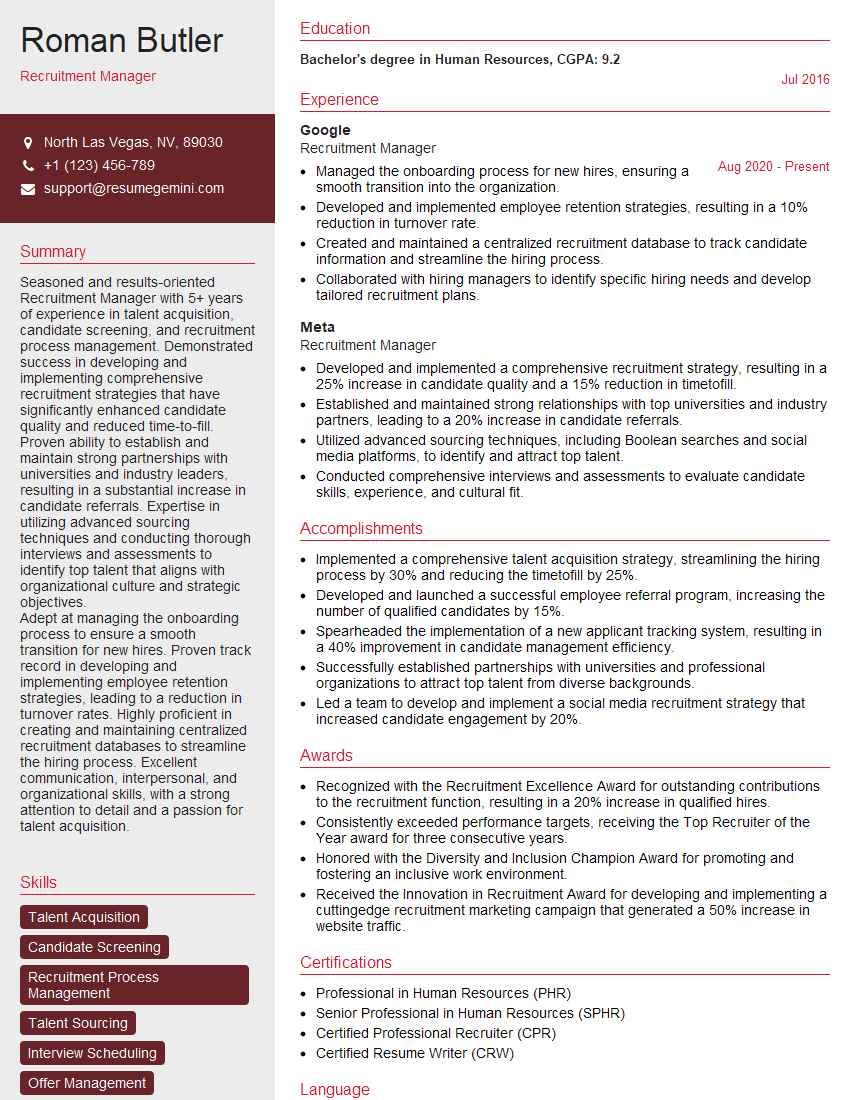
Recruitment Manager Resume Sample
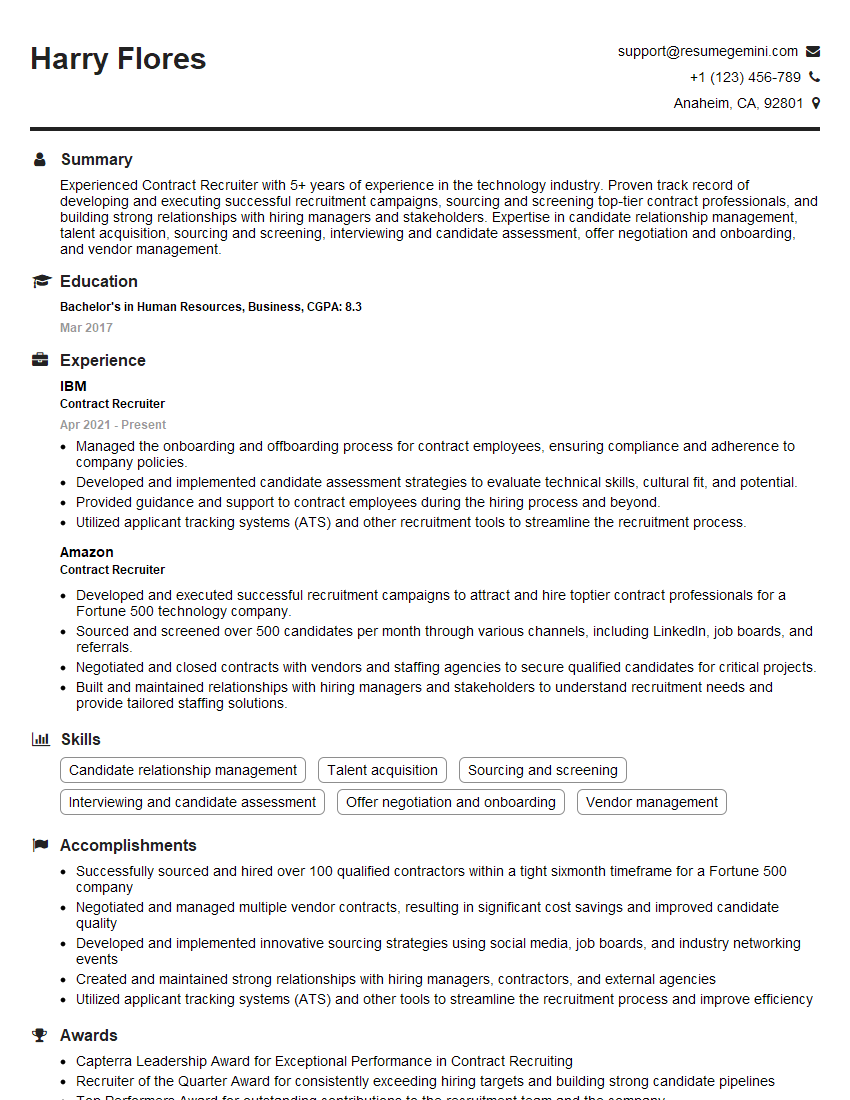
Contract Recruiter Resume Sample
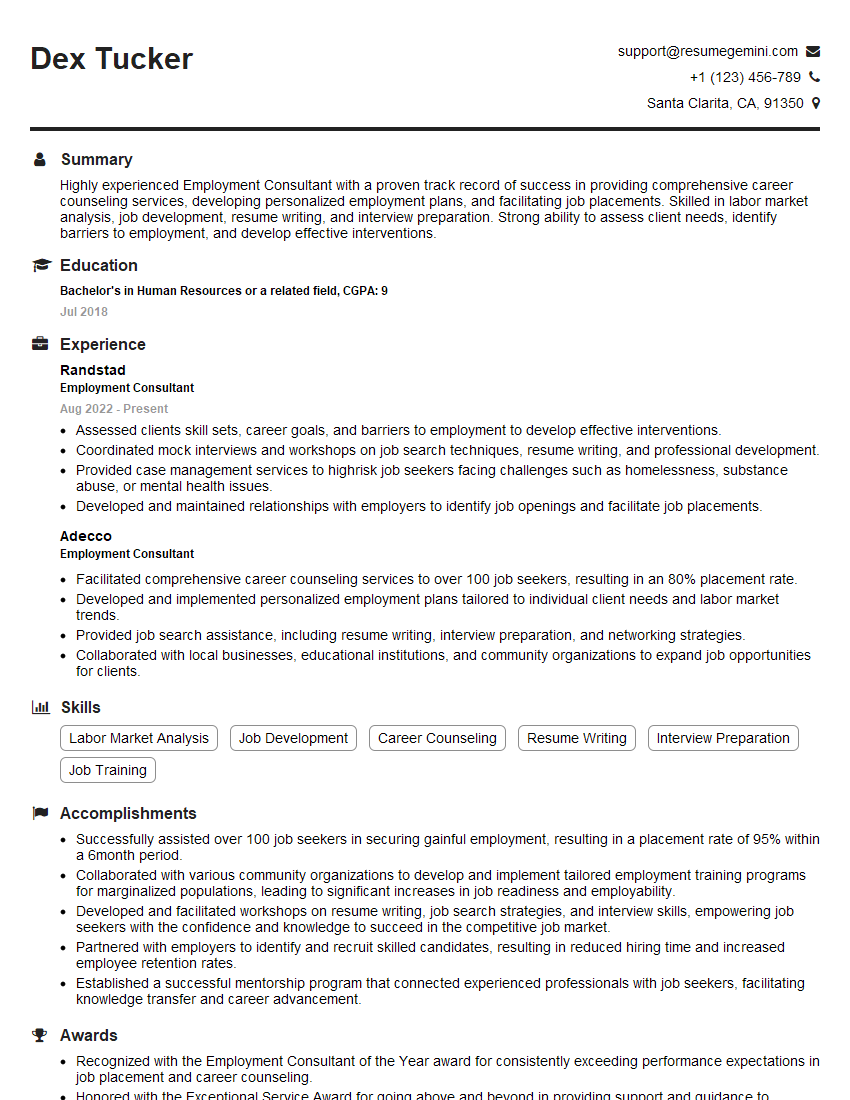
Employment Consultant Resume Sample
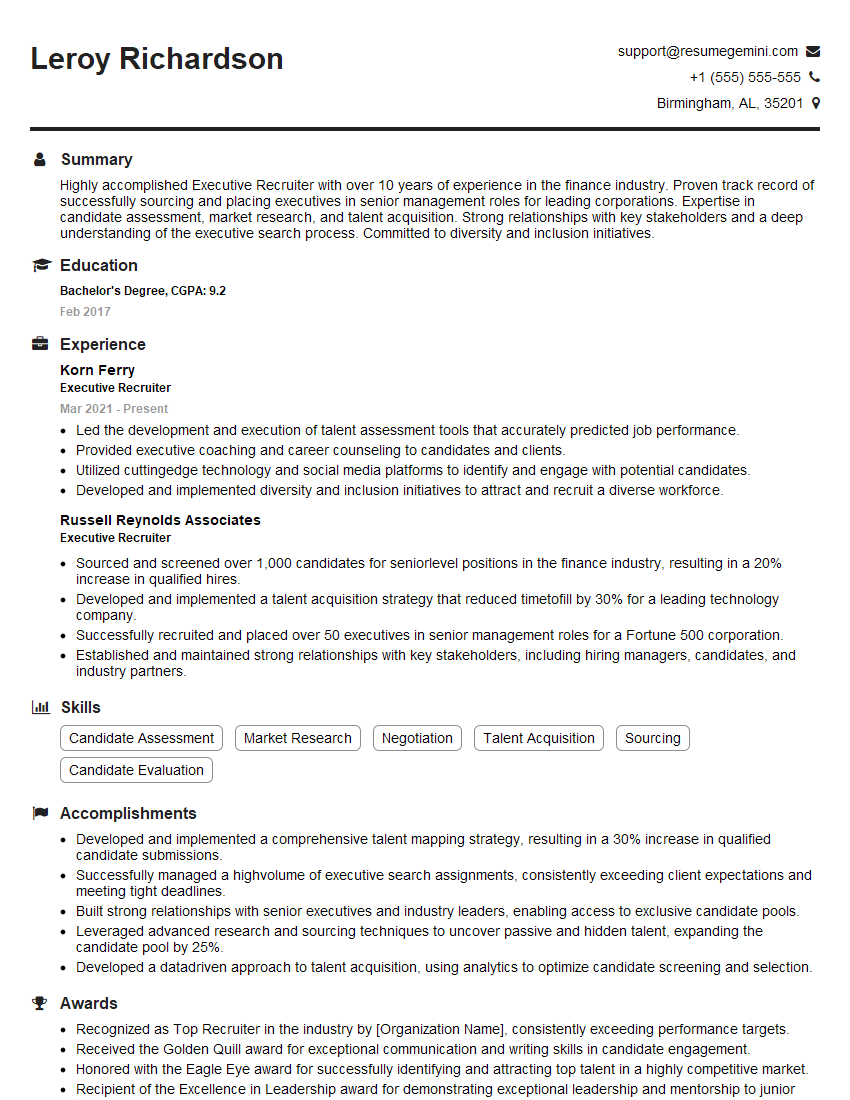
Executive Recruiter Resume Sample
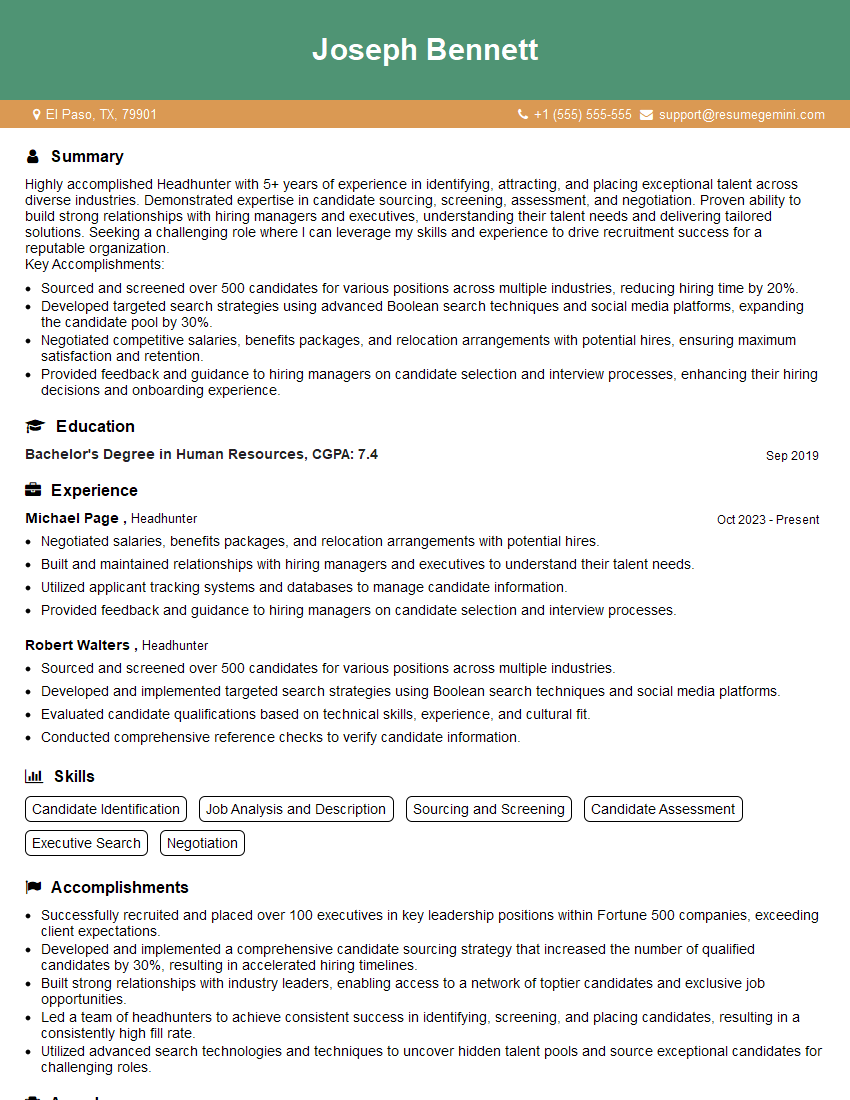
Headhunter Resume Sample
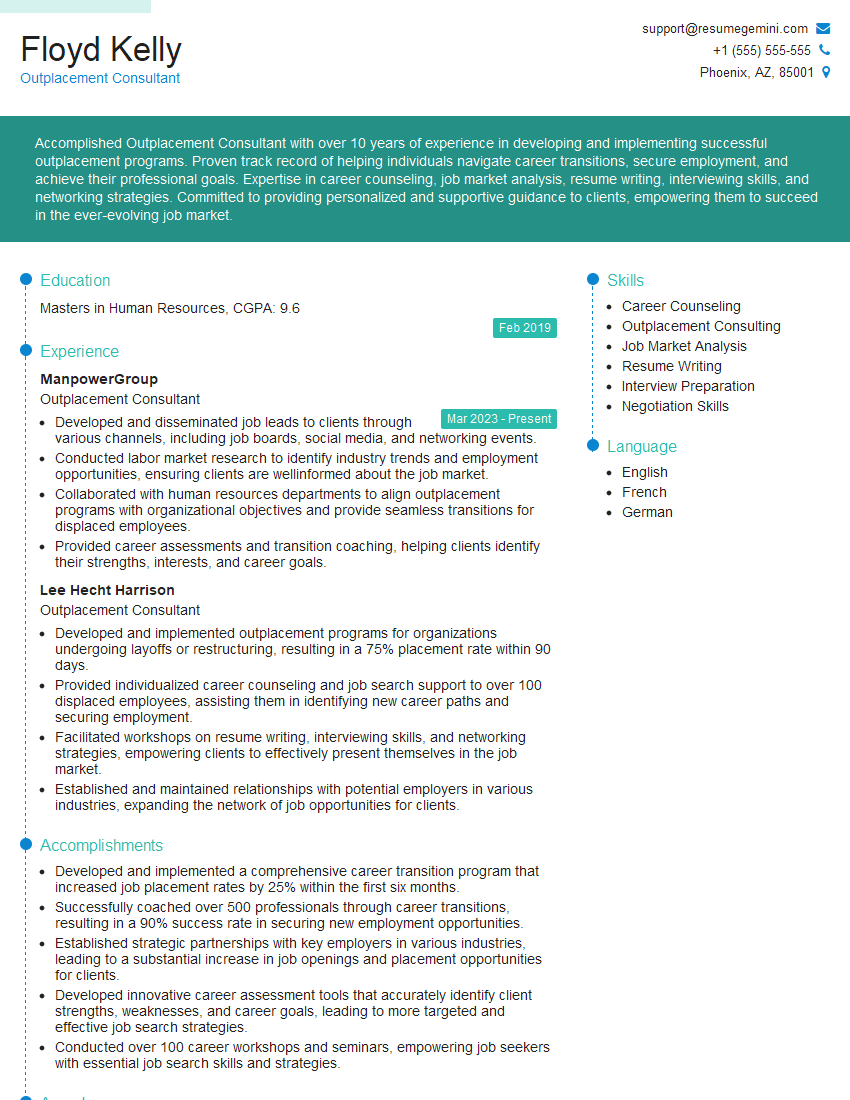
Outplacement Consultant Resume Sample
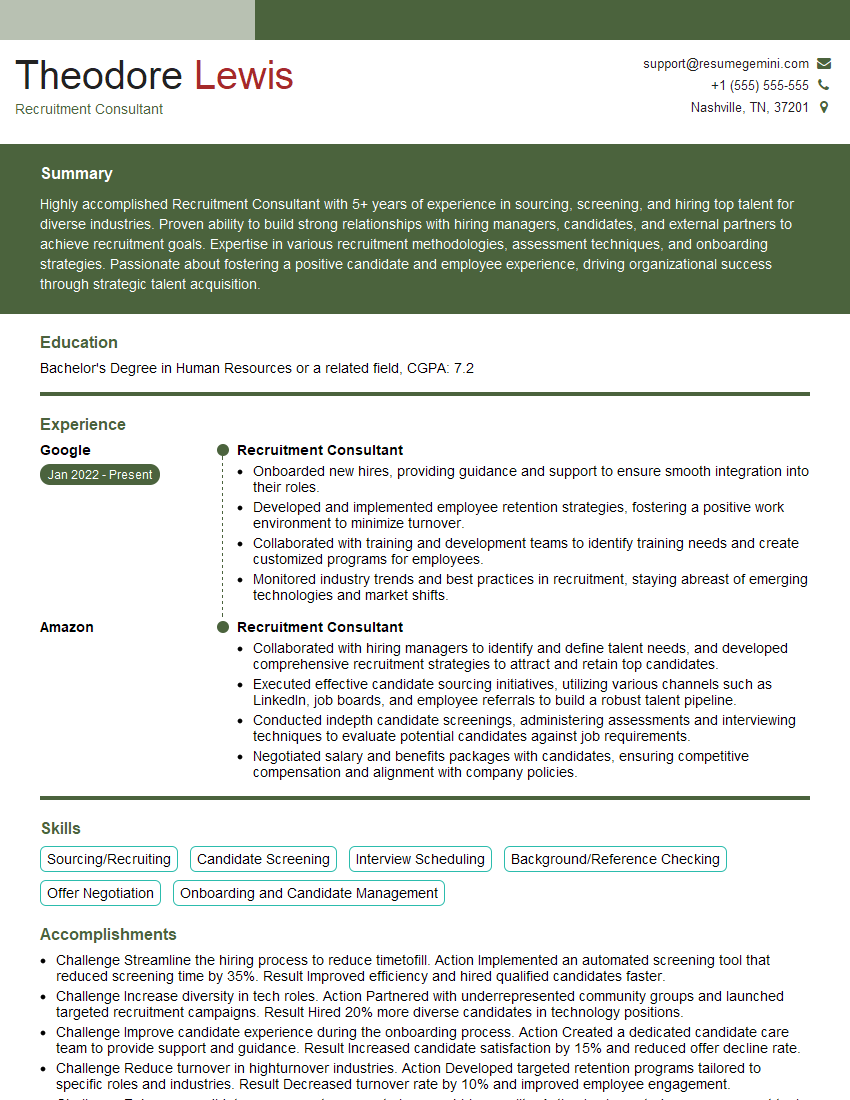
Recruitment Consultant Resume Sample
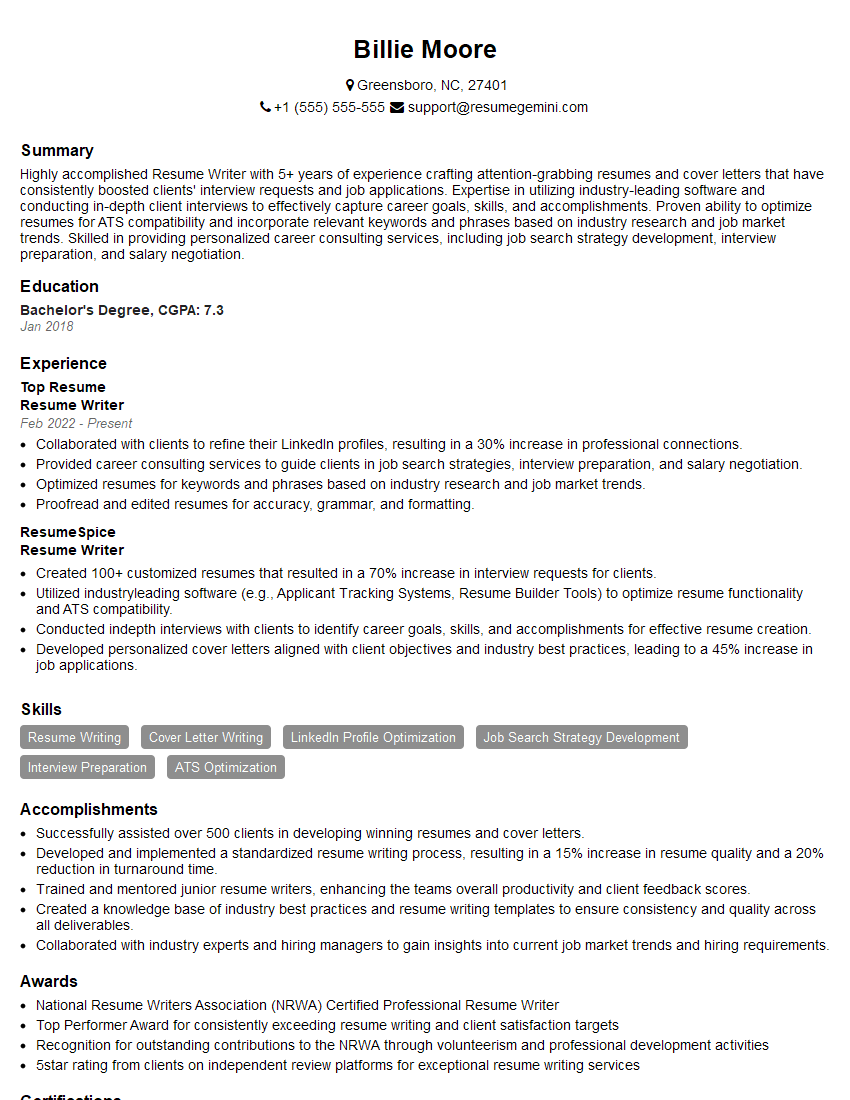
Resume Writer Resume Sample
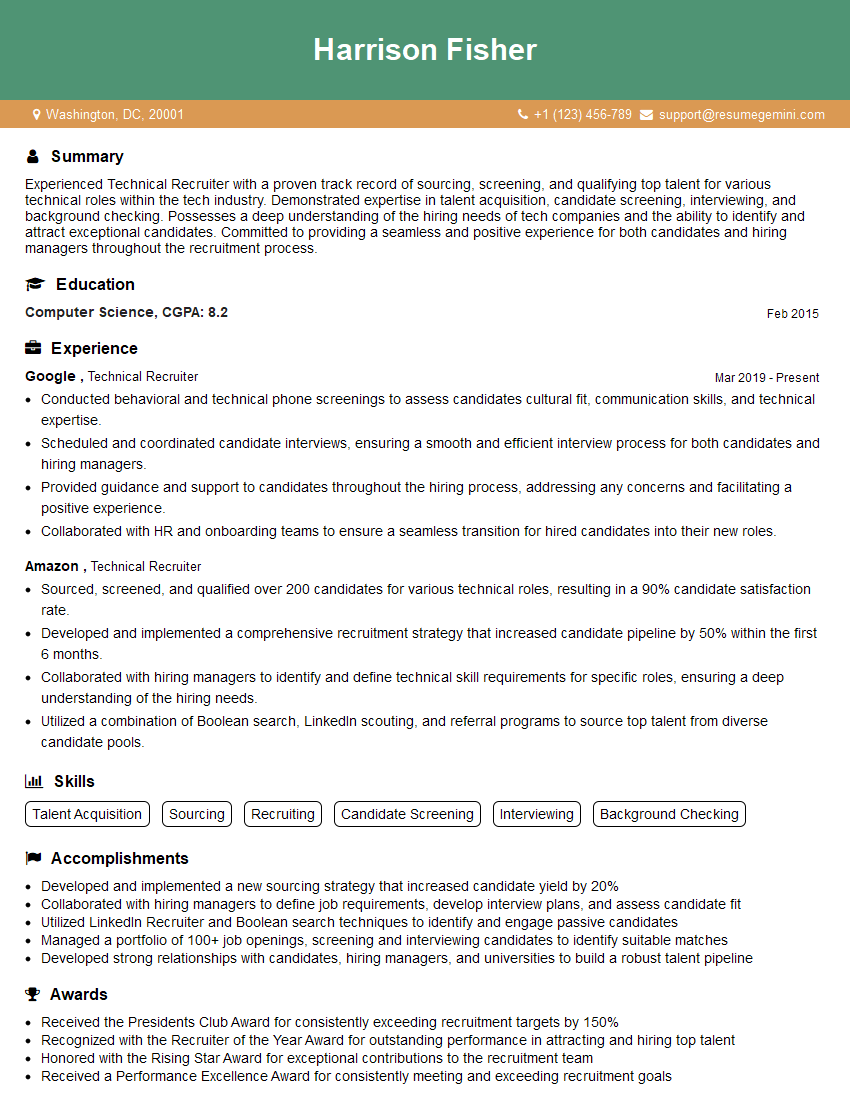
Technical Recruiter Resume Sample
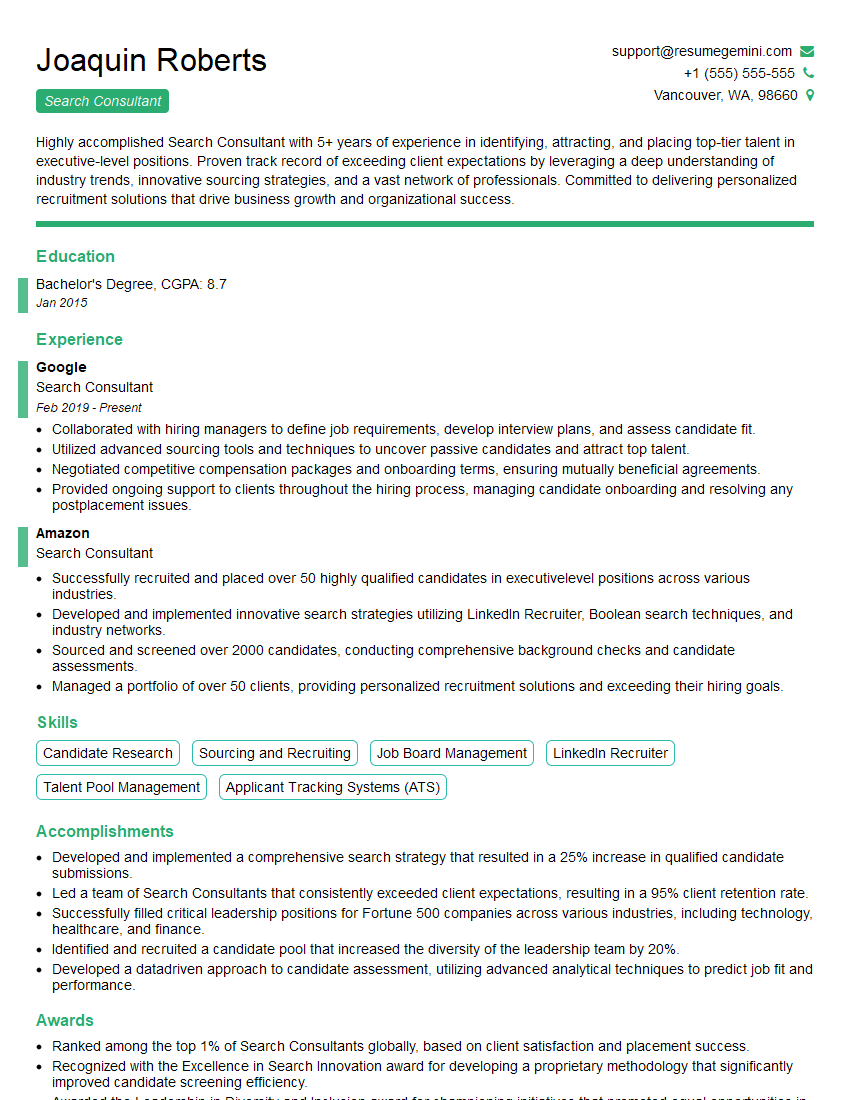
Search Consultant Resume Sample
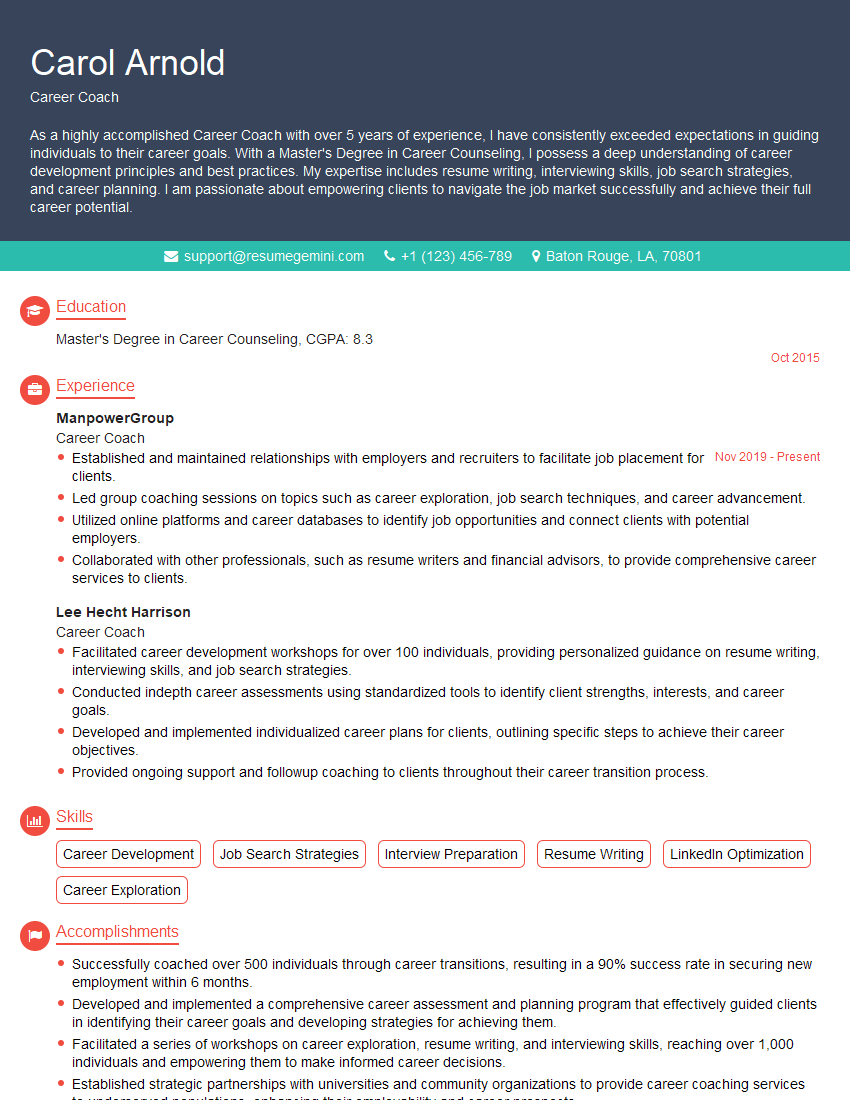
Career Coach Resume Sample
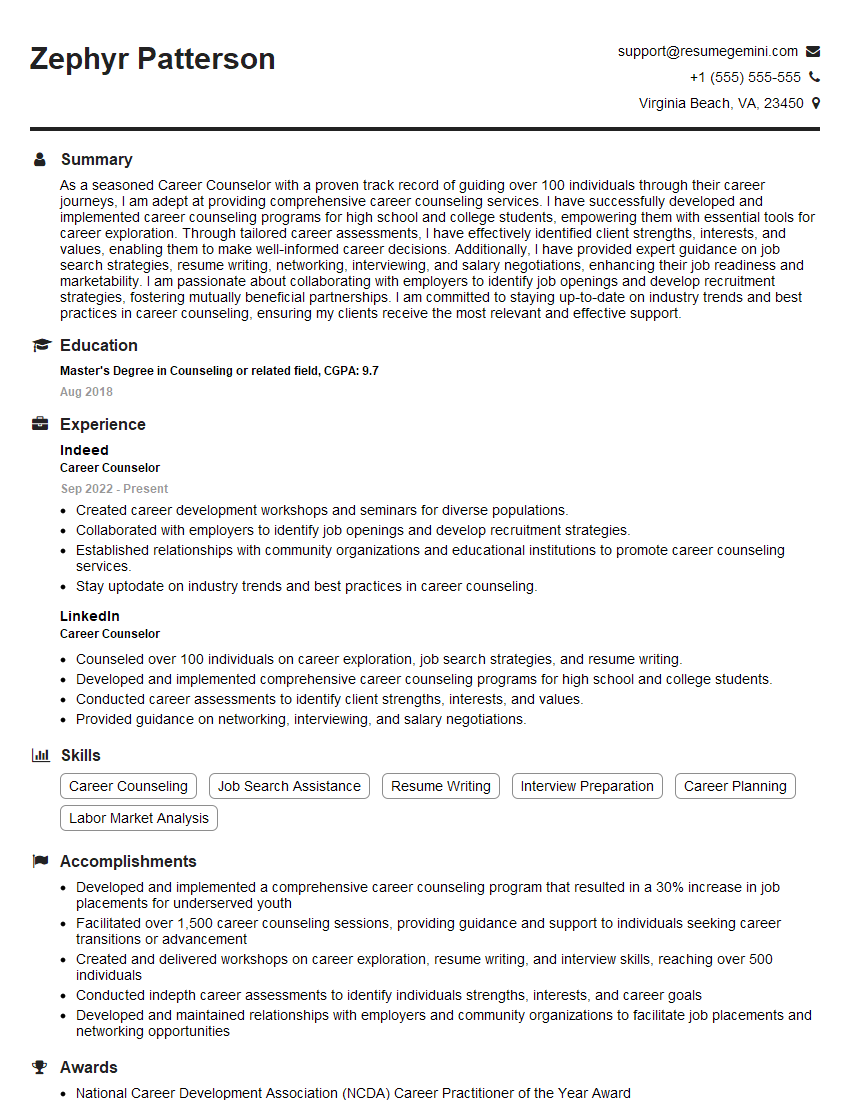
Career Counselor Resume Sample
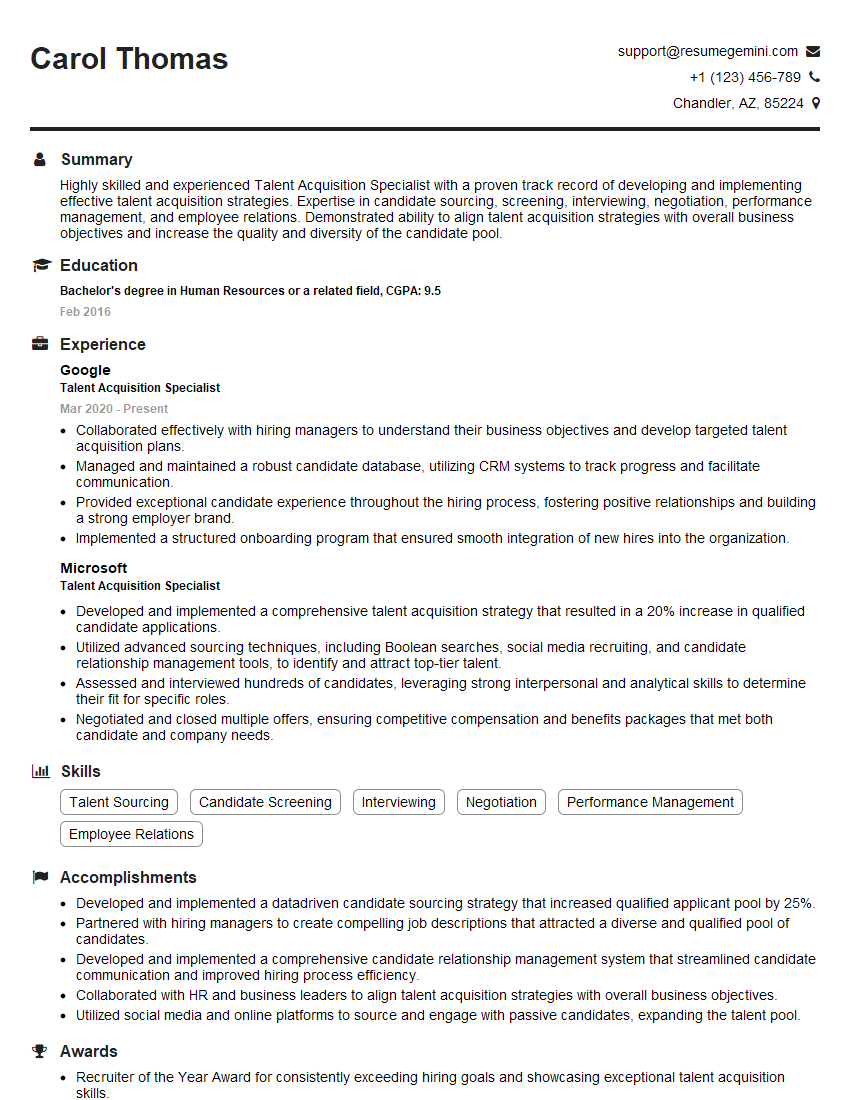
Talent Acquisition Specialist Resume Sample
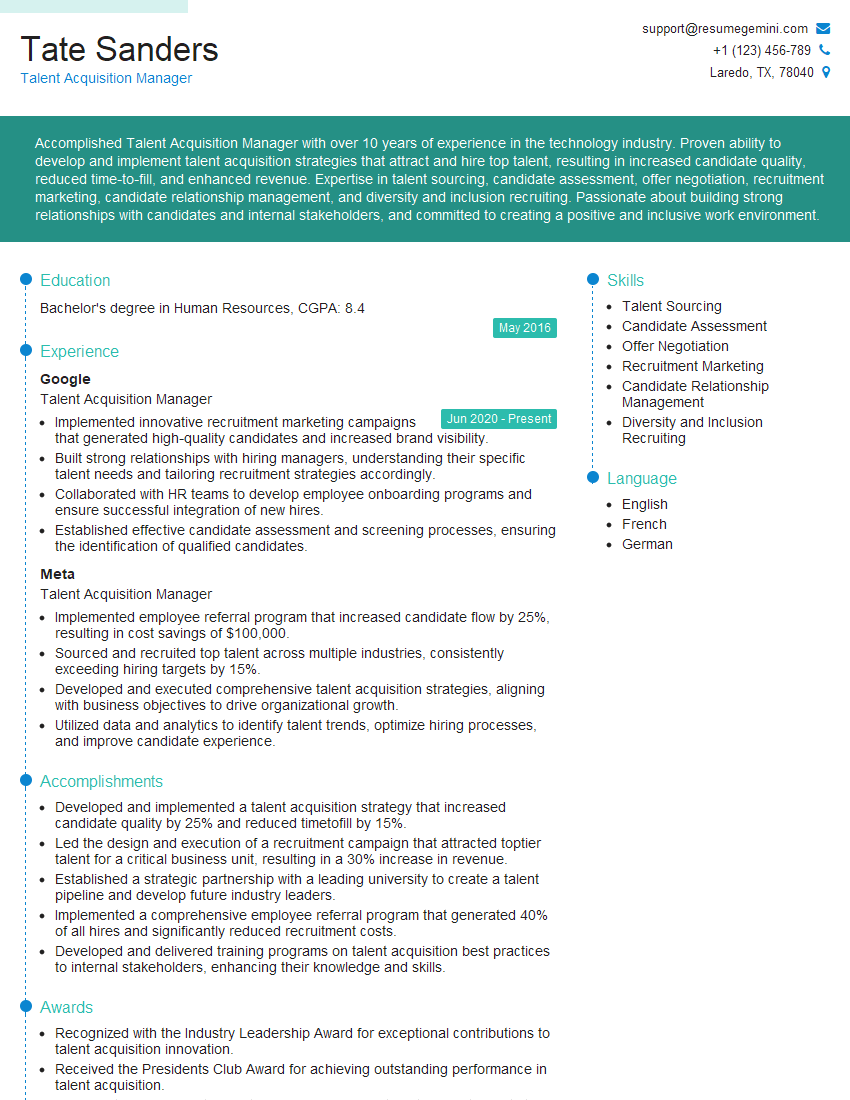
Talent Acquisition Manager Resume Sample
Explore more articles
Users Rating of Our Blogs
Share Your Experience
We value your feedback! Please rate our content and share your thoughts (optional).
What Readers Say About Our Blog
To the interviewgemini.com Webmaster.
Very helpful and content specific questions to help prepare me for my interview!
Thank you
To the interviewgemini.com Webmaster.
This was kind of a unique content I found around the specialized skills. Very helpful questions and good detailed answers.
Very Helpful blog, thank you Interviewgemini team.