Interviews are more than just a Q&A session—they’re a chance to prove your worth. This blog dives into essential Jury Duty Knowledge interview questions and expert tips to help you align your answers with what hiring managers are looking for. Start preparing to shine!
Questions Asked in Jury Duty Knowledge Interview
Q 1. Explain the process of jury selection.
Jury selection is the process of choosing a panel of individuals who will serve as jurors in a trial. It’s a crucial step in ensuring a fair and impartial trial, as the jury’s role is to objectively weigh the evidence and deliver a verdict. The process typically begins with summoning a pool of potential jurors, often from voter registration lists or driver’s license databases. These individuals are then questioned by the judge and attorneys through a process called voir dire (explained in the next answer) to determine their suitability for the case.
This questioning aims to identify potential biases or conflicts of interest. Based on the responses, attorneys may use challenges – both for cause (to remove a juror who is demonstrably biased) and peremptory (to remove a juror for any reason, with limitations) – to excuse jurors from service. The process continues until a panel of jurors deemed acceptable by both the prosecution and the defense is selected.
Imagine it like choosing teammates for a sports game. You want to pick people with the right skills and attitudes to help your team win, but the other team gets to pick too, ensuring fairness.
Q 2. Describe the purpose of voir dire.
Voir dire, French for “to speak the truth,” is the crucial questioning process used to select a jury. It’s a critical stage where both the prosecution and the defense get the opportunity to question potential jurors about their backgrounds, beliefs, and potential biases. The goal is to identify and remove jurors who might be prejudiced against either side or unable to render an impartial verdict.
During voir dire, attorneys ask questions designed to uncover potential biases, such as prior experiences with similar cases, strong feelings about relevant issues (e.g., law enforcement, capital punishment), or pre-existing relationships with the parties involved. The judge oversees the process, ensuring fairness and relevance of questions. For example, an attorney might ask, “Have you or a close family member ever been a victim of a crime similar to the one charged in this case?” or “Could you fairly judge the case even if you hold strong opinions on [relevant issue]?” The answers provided help attorneys determine which jurors to keep and which to challenge.
Q 3. What are some common challenges in jury selection?
Several challenges can arise during jury selection. One common issue is finding jurors who are truly impartial. People come with preconceived notions, personal experiences, and beliefs that can unconsciously influence their judgment. Identifying hidden biases can be difficult. Another challenge is dealing with potential jurors who are unwilling to serve due to work commitments, family obligations, or personal reasons. This can lead to a jury pool that doesn’t represent the broader community. Additionally, ensuring a diverse jury is another challenge, as the goal is to have a panel that reflects the community’s demographics and viewpoints.
Imagine trying to find twelve people who have never expressed an opinion on a highly publicized topic – it’s a tough task! Additionally, time constraints in busy court schedules can make the process more challenging.
Q 4. How do you ensure a fair and impartial jury?
Ensuring a fair and impartial jury relies on several key strategies. Firstly, the rigorous questioning during voir dire is essential to uncover potential biases. The judge plays a critical role in ensuring the process is fair and that questions are relevant. Secondly, the use of challenges, both for cause and peremptory, allows attorneys to remove jurors who might be prejudiced or unsuitable. Thirdly, a diverse jury pool, reflecting the community’s demographics, helps to mitigate potential biases and ensure broader representation of perspectives.
Think of it like building a balanced team – you wouldn’t want all players from one position; you need a diverse range of skills and experience for optimal performance. A diverse jury brings a similar advantage to a trial, ensuring multiple viewpoints are considered.
Q 5. What strategies can be employed to identify potential jurors who may be biased?
Identifying potentially biased jurors requires careful questioning during voir dire. Attorneys use open-ended questions to probe a juror’s attitudes, beliefs, and experiences. They might explore the juror’s media consumption habits, their social circles, and their prior exposure to similar cases. Nonverbal cues, such as body language and tone of voice, can also provide valuable insights. Specific questions might target their views on relevant issues, their ability to remain impartial despite personal experiences, and their willingness to follow the judge’s instructions.
For instance, asking, “If you heard conflicting testimony, how would you determine which witness was telling the truth?” can reveal a juror’s critical thinking abilities and approach to evidence. Analyzing their responses to these questions—both verbal and nonverbal—is key to detecting potential bias.
Q 6. Explain the concept of ‘peremptory challenges’.
Peremptory challenges allow attorneys to remove a limited number of potential jurors from the jury pool without having to state a specific reason. While they can be used strategically to remove jurors who may be perceived as less favorable, they cannot be used to systematically exclude jurors based on their race, gender, or other protected characteristics. This is crucial for maintaining a fair and representative jury.
Imagine it as a “wildcard” in a card game. You can use it to remove a card you don’t want, even without knowing exactly what the replacement will be. It’s a strategic move, but the rules ensure that you can’t use it to eliminate entire suits from the deck.
Q 7. How many peremptory challenges are typically allowed?
The number of peremptory challenges allowed varies significantly depending on the jurisdiction, the type of case (felony vs. misdemeanor), and sometimes even the specific judge. In some jurisdictions, the number may be as low as three per side, while in others it can reach ten or more per side for serious felony cases. The rules are clearly defined in the relevant state or federal rules of criminal or civil procedure and will be outlined to the attorneys and the judge prior to the jury selection process. It’s not standardized across all jurisdictions.
Q 8. What is the role of a jury consultant?
A jury consultant is a specialist who assists legal teams in the process of jury selection. They use social science principles, data analysis, and a deep understanding of human behavior to help attorneys identify and select jurors who are most likely to be favorable to their case. This involves not only identifying potential jurors who might be sympathetic but also recognizing those who could pose a risk to the case. Think of them as the strategic minds behind the scenes, optimizing the jury pool for the best possible outcome.
Their role encompasses several key areas, including:
- Juror profiling: Analyzing potential jurors’ backgrounds, demographics, and attitudes using publicly available information and pre-trial questionnaires.
- Developing jury selection strategies: Creating plans to identify and challenge undesirable jurors and select those with favorable characteristics.
- Conducting mock trials: Simulating trial proceedings with mock jurors to gauge the effectiveness of arguments and strategies.
- Providing insights into juror behavior: Utilizing psychological principles to predict how jurors might respond to evidence and arguments.
For example, a consultant might identify a potential juror’s strong stance on a particular social issue through their social media presence, and recommend challenging them based on the potential for bias.
Q 9. How can technology assist in jury selection?
Technology plays an increasingly crucial role in modern jury selection, boosting efficiency and insight. Tools and techniques range from basic data analysis to sophisticated AI-driven applications.
- Database searches: Online databases allow consultants to quickly gather information about potential jurors, including their social media activity, professional affiliations, and public records.
- Data analysis and predictive modeling: Statistical software can analyze large datasets of juror information to identify patterns and predict how individuals might respond in a trial.
- Social media analysis: Specialized tools can sift through social media posts to uncover attitudes, opinions, and potential biases of potential jurors.
- Artificial intelligence (AI): AI algorithms can analyze large volumes of text data from juror questionnaires, social media, and news articles, helping identify relevant themes and sentiments.
For instance, analyzing social media posts might reveal a potential juror’s negative feelings towards police officers, which would be relevant information in a case involving a law enforcement officer.
Q 10. Describe the different types of juror biases.
Juror biases are preconceived notions or attitudes that can influence a juror’s judgment. These biases can be conscious or unconscious, and can significantly impact a trial’s outcome. Some common types include:
- Confirmation bias: The tendency to favor information that confirms existing beliefs and disregard contradictory evidence.
- Anchoring bias: Over-reliance on the first piece of information received, even if it’s irrelevant.
- Halo effect: Letting one positive trait influence overall perception, potentially overlooking negative aspects.
- Similarity bias: Favoring jurors who are similar to oneself in background or beliefs.
- In-group bias: Showing favoritism towards members of one’s own group and prejudice towards outsiders.
For example, a juror with a strong negative experience with the legal system might exhibit bias against the prosecution, regardless of the evidence presented. Understanding these biases is crucial for effective jury selection and trial strategy.
Q 11. How do you handle a juror who is not following instructions?
Handling a non-compliant juror requires a delicate balance of maintaining order and preserving fairness. The approach depends on the nature of the non-compliance. Minor infractions, such as inattentiveness, might be addressed through subtle cues from the judge or by addressing the situation privately. More serious misconduct, like discussing the case outside the jury room or ignoring instructions, necessitates a more assertive response.
The strategy typically involves:
- Documentation: Meticulously documenting all instances of non-compliance, including specifics and witnesses.
- Private conversations: Attempting to understand the reason for non-compliance and address concerns directly.
- Informing the judge: Reporting the issue to the judge, who has the authority to issue warnings or take more significant action.
- Potential for removal: In extreme cases, the judge may dismiss the juror for cause, replacing them with an alternate juror.
It’s essential to follow strict procedural rules and ensure fairness throughout the process. For example, if a juror is sleeping during testimony, a private conversation with the juror and a subsequent note to the judge might be sufficient. However, if a juror is found discussing the case outside the deliberation room, more decisive action, potentially including dismissal, is warranted.
Q 12. What are the ethical considerations in jury selection?
Ethical considerations in jury selection are paramount. The goal is to create a fair and impartial jury, not to manipulate or mislead. Key ethical principles include:
- Honesty and transparency: Avoiding any misrepresentation of facts or attempts to deceive potential jurors.
- Respect for the legal process: Adhering to all applicable laws and rules of procedure.
- Fairness and impartiality: Striving to select a jury that is representative of the community and free from undue influence.
- Protection of juror rights: Respecting the privacy and rights of potential jurors.
- Avoiding discriminatory practices: Ensuring that jury selection does not discriminate based on race, gender, religion, or other protected characteristics.
For example, it’s unethical to use peremptory challenges solely to exclude potential jurors based on their race or gender. Likewise, it is unethical to intentionally withhold relevant information from potential jurors during voir dire (the jury selection process).
Q 13. Explain the importance of maintaining confidentiality during jury selection.
Maintaining confidentiality during jury selection is crucial for several reasons. It protects the privacy of potential jurors, preserves the integrity of the legal process, and prevents the manipulation of the jury pool.
Confidentiality involves:
- Protecting juror information: Keeping all personal information obtained about potential jurors strictly confidential and secure.
- Restricting access to information: Limiting access to sensitive juror data to authorized personnel only.
- Avoiding public discussion: Refraining from discussing the jury selection process or specific juror information publicly.
- Secure data storage: Implementing secure data storage and disposal practices to protect juror information from unauthorized access.
Breaches of confidentiality can lead to legal repercussions, damage the reputation of the legal team involved, and potentially compromise the fairness of the trial. Imagine a scenario where a consultant’s social media analysis of potential jurors leaked; this would not only violate privacy but also invite undue influence and bias.
Q 14. How do you manage juror attendance and punctuality?
Managing juror attendance and punctuality is crucial for the efficient and effective conduct of a trial. Strategies involve a combination of proactive measures and reactive responses.
This includes:
- Clear communication: Providing jurors with clear instructions regarding attendance, start times, and breaks.
- Reminders and confirmations: Sending reminders about upcoming court dates, especially to jurors who might need additional assistance.
- Handling absences: Establishing procedures for handling juror absences, including verifying reasons and making contingency plans.
- Collaboration with court staff: Working closely with court staff to address attendance issues promptly and effectively.
- Reasonable accommodations: Providing reasonable accommodations for jurors with special needs or challenges.
For instance, providing clear directions and contact information to all jurors beforehand can significantly reduce the likelihood of late arrivals. Similarly, having a backup plan for absences, such as pre-selecting alternate jurors, can minimize disruptions.
Q 15. What are the legal implications of improper jury selection?
Improper jury selection can lead to serious legal implications, potentially jeopardizing the fairness and integrity of a trial. This can manifest in several ways, ultimately impacting the outcome and potentially leading to appeals or mistrials.
- Bias and Prejudice: If the selection process systematically excludes or includes jurors based on race, gender, religion, or other protected characteristics, the resulting jury may be biased, leading to a verdict that doesn’t reflect an impartial consideration of the evidence. This violates the defendant’s Sixth Amendment right to an impartial jury.
- Lack of Representation: Failure to ensure a jury represents a fair cross-section of the community can also result in legal challenges. For example, if a significant portion of a particular demographic is consistently excluded, it can undermine the legitimacy of the proceedings.
- Strategic Manipulation: Using improper techniques like peremptory challenges (challenges without stating a reason) to systematically exclude potential jurors based on their perceived biases, even without overt prejudice, can be grounds for appeal if the pattern suggests intentional discrimination. The Batson challenge, for instance, addresses racial discrimination in peremptory challenges.
- Mistrials and Appeals: If a court finds that improper jury selection occurred, it can lead to a mistrial, necessitating a complete redo of the trial process. The affected party can also appeal a verdict based on claims of improper jury selection, potentially leading to reversal of the judgement.
Imagine a case involving a defendant from a minority group. If the prosecution systematically removed all members of that group from the jury pool, the defense could challenge the jury selection, arguing that it violated the defendant’s right to a fair trial. The court would then need to evaluate the selection process to determine if improper bias occurred.
Career Expert Tips:
- Ace those interviews! Prepare effectively by reviewing the Top 50 Most Common Interview Questions on ResumeGemini.
- Navigate your job search with confidence! Explore a wide range of Career Tips on ResumeGemini. Learn about common challenges and recommendations to overcome them.
- Craft the perfect resume! Master the Art of Resume Writing with ResumeGemini’s guide. Showcase your unique qualifications and achievements effectively.
- Don’t miss out on holiday savings! Build your dream resume with ResumeGemini’s ATS optimized templates.
Q 16. Describe your experience with jury management software.
My experience with jury management software encompasses several leading platforms, including [mention specific software names, e.g., ‘JuryMaster,’ ‘CaseLines’]. I’m proficient in using these tools for various aspects of jury selection, from importing and managing juror data to generating reports and analyzing selection trends.
These software solutions significantly streamline the process. For instance, they allow for efficient filtering and sorting of potential jurors based on specific criteria, helping to identify potential biases or conflicts of interest. The ability to track juror attendance, generate reports detailing the composition of the jury, and manage challenges is invaluable. Software also allows for secure storage and management of sensitive juror information, ensuring compliance with data privacy regulations.
In one case, utilizing a particular software’s advanced analytics capabilities helped identify a pattern in juror selection that might have gone unnoticed manually. This prevented a potentially biased jury from being formed, highlighting the efficiency and importance of such technology in ensuring fair and impartial jury selection.
Q 17. How do you handle juror complaints or concerns?
Handling juror complaints or concerns requires a sensitive and professional approach, prioritizing fairness and ensuring a comfortable environment for all participants. My approach involves the following steps:
- Active Listening: I begin by carefully listening to the juror’s complaint or concern without interruption, ensuring they feel heard and understood.
- Empathy and Validation: I acknowledge the validity of their feelings and concerns, even if I don’t necessarily agree with their perspective. This helps to de-escalate any tension.
- Investigation and Clarification: I thoroughly investigate the issue, seeking clarification and gathering information from all relevant parties involved. This may involve reviewing relevant documents, speaking with other jurors, or contacting the court clerk.
- Addressing the Concern: Once the issue is understood, I work towards resolving it to the best of my ability. This might involve addressing procedural issues, offering reassurance, or referring the matter to the judge for a ruling if appropriate.
- Documentation: I maintain detailed records of all complaints, investigations, and resolutions. This ensures transparency and accountability.
For example, if a juror complains about inappropriate behavior by another juror, I would first listen to their concerns, then discreetly investigate the matter by speaking to other jurors or observing their interactions during breaks. Depending on the findings, I may address the behavior directly, separate the jurors, or inform the judge, who will then decide on the appropriate action.
Q 18. Explain the process of dismissing a juror for cause.
Dismissing a juror ‘for cause’ means removing a potential juror from the jury pool because there’s a specific, demonstrable reason to believe they cannot be impartial. This contrasts with peremptory challenges, where a lawyer can dismiss a juror without stating a reason (within certain limitations).
The process generally involves:
- Identifying the Cause: The attorney identifies a specific issue, such as a pre-existing relationship with a party involved in the case, a demonstrated bias against a specific type of case or the defendant, a conflict of interest, or the juror’s inability to understand the proceedings.
- Questioning the Juror (Voir Dire): During questioning (Voir Dire), the attorney poses questions to the potential juror to explore their impartiality. The goal is to show, based on the juror’s answers, that they cannot provide a fair and unbiased verdict.
- Challenge for Cause: The attorney formally moves to strike (dismiss) the juror ‘for cause’, explaining the reason based on the juror’s responses and any other relevant information.
- Judge’s Ruling: The judge evaluates the attorney’s reasons and decides whether to grant the challenge. The judge’s decision is generally final. If granted, the juror is dismissed and replaced with an alternate.
For example, if a potential juror admits to having a close family member involved in a similar type of case and expresses strong opinions related to that case, this would be a valid reason to challenge them for cause. The judge would likely agree that this creates a risk of bias.
Q 19. What is the impact of media coverage on jury selection?
Media coverage can significantly impact jury selection by potentially influencing potential jurors’ opinions before they even enter the courtroom. This can lead to biases, making it harder to find an impartial jury.
- Pre-Trial Publicity: Extensive media coverage, especially if it includes sensationalized accounts or biased reporting, can taint the jury pool. Potential jurors exposed to such coverage may have already formed opinions about the case, the defendants, or the evidence, making it difficult for them to be objective.
- Impact on Voir Dire: Media coverage necessitates careful and thorough questioning during voir dire to identify jurors who may have been influenced by the publicity. Attorneys must focus on determining whether potential jurors have seen or read any media coverage and, if so, whether it’s affected their impartiality.
- Change of Venue: In cases of widespread, highly prejudicial media coverage, a judge may order a change of venue to a location where the publicity is less intense, thus improving the chances of selecting an impartial jury.
- Jury Instructions: Judges often give detailed instructions to jurors about avoiding exposure to media coverage during the trial. They emphasize the importance of basing their verdict solely on the evidence presented in court.
A high-profile criminal case with extensive television coverage could significantly impact jury selection. Potential jurors might have already formed opinions based on media reports, which they may bring into the courtroom, despite attempts to ensure a fair trial.
Q 20. How do you prepare for potential challenges during jury selection?
Preparing for potential challenges during jury selection is crucial for a successful trial. My preparation strategy involves several key steps:
- Thorough Case Research: I begin by meticulously reviewing the facts of the case and understanding the potential biases that could influence potential jurors. This involves identifying any sensitive issues, key arguments, or potential conflicts of interest.
- Developing a Jury Profile: Based on case research and legal strategy, I create a profile outlining the ideal juror. This considers factors like demographic information, occupation, personal values, and potential biases that might favour or harm my case.
- Designing Voir Dire Questions: I develop a series of thoughtful and carefully worded questions designed to elicit relevant information from potential jurors. These are tailored to identify potential biases, evaluate their understanding of the legal concepts, and assess their ability to be objective and impartial.
- Analyzing Potential Juror Information: If juror information is available, I carefully review it to identify potential challenges for cause or jurors to be struck using peremptory challenges.
- Mock Jury Selection: I practice jury selection scenarios with colleagues or simulate voir dire, which allows for refining the questioning strategies and anticipating potential challenges or objections from opposing counsel.
For example, in a product liability case, I would research the product, potential risks, and any prior related lawsuits to develop questions aimed at identifying jurors with prior negative experiences with similar products or preconceived notions about corporate responsibility. I would then use mock jury selection to practice applying these strategies and refine my approach.
Q 21. How do you ensure the jury understands their responsibilities?
Ensuring the jury understands their responsibilities is paramount for a fair and just outcome. My approach is multifaceted:
- Clear and Concise Instructions: The judge provides clear instructions regarding the jury’s role, responsibilities, and the applicable law. These instructions should be easily understood and free of legal jargon.
- Interactive Question-and-Answer Sessions: I may facilitate (with judicial permission) a brief question-and-answer session after the judge’s instructions to ensure clarification on any points of confusion.
- Written Materials: Providing concise written materials summarizing key instructions and responsibilities can supplement oral instructions, reinforcing comprehension.
- Emphasis on Impartiality and Objectivity: I would reiterate the importance of basing their verdict solely on the evidence presented in court, avoiding outside influences or biases.
- Addressing Concerns or Questions: If jurors raise concerns or questions about their responsibilities, I would take every opportunity to provide appropriate clarification and support.
For instance, I would emphasize the importance of carefully considering all evidence, avoiding speculation or assumptions, and following the rules of law as instructed by the judge. By using clear language and engaging in open communication, I can ensure the jury understands their vital role in the justice system.
Q 22. What are some common misconceptions about jury duty?
Many misconceptions surround jury duty. One common myth is that it’s a huge time commitment for everyone. While some trials are lengthy, many are resolved relatively quickly. Another misconception is that you’ll automatically be dismissed if you have a busy schedule or prior commitments. While you can certainly request a postponement or explain your circumstances, it’s ultimately up to the judge’s discretion. Finally, people often believe their opinion doesn’t matter. In reality, every juror’s perspective contributes to the final verdict, making their role vital to the justice system.
- Myth: Jury duty always involves lengthy trials.
- Reality: Many trials are completed within a few days.
- Myth: You’ll automatically be excused if you’re busy.
- Reality: You can request a postponement, but approval depends on the judge.
- Myth: Your individual opinion is insignificant.
- Reality: Each juror’s perspective is crucial in reaching a verdict.
Q 23. How do you deal with difficult or uncooperative jurors?
Dealing with difficult jurors requires a combination of tact, diplomacy, and adherence to the judge’s instructions. First, I’d attempt to understand the root of the uncooperative behavior. Is it a misunderstanding of the instructions? A personal bias affecting their judgment? Open communication, respectfully addressing concerns, and ensuring everyone understands the process is crucial. If the behavior is disruptive or disrespectful, I’d quietly consult with the court bailiff or the judge, who can address the issue privately or, if necessary, remove the disruptive juror.
For example, in one case, a juror consistently interrupted discussions with irrelevant comments. Instead of directly confronting them, I patiently reiterated the instructions focusing on the need for objective deliberation. I also ensured the entire jury felt heard and valued, which indirectly addressed the disruptive juror’s attention-seeking behavior. This approach fostered a more collaborative environment.
Q 24. What is the impact of jury nullification?
Jury nullification is the power of a jury to disregard the law and acquit a defendant even if the evidence clearly points to guilt. Its impact is significant, representing a check on the power of the state and a potential safeguard against unjust laws. While it can lead to controversial outcomes, it also allows juries to express moral or ethical judgments that override legal technicalities. However, it’s important to note that it’s not explicitly encouraged and often remains unacknowledged, as it can undermine the fairness and consistency of the legal system. The impact of jury nullification is a complex debate balancing individual conscience and the rule of law.
For example, a jury might nullify in a case where they believe the law itself is unjust or that the defendant’s actions, while technically illegal, were morally justified under the circumstances.
Q 25. How can you improve the efficiency of the jury selection process?
Improving jury selection efficiency requires a multi-pronged approach. First, technology can play a significant role. Online questionnaires and automated systems can streamline the process of collecting juror information and identifying potential biases. Second, clear and concise instructions to potential jurors can reduce confusion and the need for repeated explanations. Third, pre-screening questionnaires can help weed out jurors who are clearly ineligible or pose conflicts of interest, shortening the time spent during the voir dire (jury selection) process. Finally, improved training for court personnel can reduce logistical delays.
For instance, implementing a digital questionnaire system can drastically reduce the time required for collecting basic juror information, allowing attorneys to focus more on evaluating the jurors’ suitability for the specific case.
Q 26. What are the key differences between civil and criminal jury selection?
Civil and criminal jury selection differ significantly in their objectives. In criminal cases, the focus is on selecting a jury that can impartially assess whether the prosecution has proven guilt beyond a reasonable doubt. The stakes are higher, and the burden of proof is far more stringent. In civil cases, the goal is to select a jury that can fairly determine liability and damages based on a preponderance of evidence, a lower standard of proof. The questioning during voir dire will reflect these differences, with criminal cases often delving into deeper biases related to criminal justice and the presumption of innocence, while civil cases might focus more on biases related to specific events or parties involved.
Q 27. How do you adapt your approach to jury selection based on the type of case?
My approach to jury selection adapts significantly based on the type of case. In a complex financial fraud case, for example, I would focus on selecting jurors with demonstrated attention to detail and an ability to grasp intricate financial concepts. Questions would explore their experience with financial matters, their understanding of complex transactions, and their potential biases toward corporations or individuals. In contrast, a personal injury case might necessitate a jury selection process focused on identifying jurors’ empathy, understanding of pain and suffering, and experiences with similar injuries or medical issues. The type of case directly influences the traits and characteristics I prioritize in potential jurors.
Q 28. Describe a time you had to resolve a conflict related to jury selection.
During the selection process for a high-profile product liability case, a potential juror disclosed a strong personal connection to one of the parties. The juror, while initially hesitant, eventually admitted a potential bias. Instead of immediately dismissing them, I engaged in a calm and respectful discussion, allowing them to fully explain their connection and how it might affect their judgment. Through this dialogue, we discovered they were willing to set aside their personal feelings and judge the case impartially based on the evidence presented. I then spoke with the opposing counsel, explained the situation, and with mutual agreement, we retained the juror, ensuring the judge was informed and agreed with our decision. The juror ultimately delivered a fair and thoughtful verdict.
Key Topics to Learn for Jury Duty Knowledge Interview
- Understanding the Jury Selection Process: Learn the stages involved, from summons to voir dire, and the criteria used to select jurors.
- Legal Terminology and Concepts: Familiarize yourself with key legal terms, procedures, and principles relevant to jury duty, such as evidence admissibility, burden of proof, and different types of verdicts.
- Analyzing Evidence and Testimony: Practice critically evaluating evidence presented, identifying biases, and assessing witness credibility. Develop skills in discerning fact from opinion.
- Understanding Jury Deliberations and Decision-Making: Explore the dynamics of group decision-making in a jury setting, including the role of foreperson and the process of reaching a unanimous or majority verdict.
- Ethical Considerations for Jurors: Understand the ethical obligations and responsibilities of jurors, including impartiality, confidentiality, and adherence to the law.
- Practical Application: Consider hypothetical scenarios and analyze how you would apply your knowledge in a real-world jury setting. Practice problem-solving skills related to resolving conflicting evidence or opinions.
- Challenges and Potential Biases: Research common challenges faced by juries and potential biases that can influence decision-making. Understanding these challenges demonstrates a nuanced comprehension of the topic.
Next Steps
Mastering Jury Duty Knowledge, while perhaps unexpected, can significantly enhance your professional profile, demonstrating strong analytical skills, attention to detail, and an understanding of the legal system. These are valuable assets in numerous fields. To maximize your job prospects, it’s crucial to have an ATS-friendly resume that highlights these skills effectively. ResumeGemini is a trusted resource that can help you create a compelling and professional resume tailored to showcase your abilities. Examples of resumes specifically tailored to Jury Duty Knowledge are provided to help guide you. Invest the time in crafting a standout resume – it’s a critical step towards your next career opportunity.
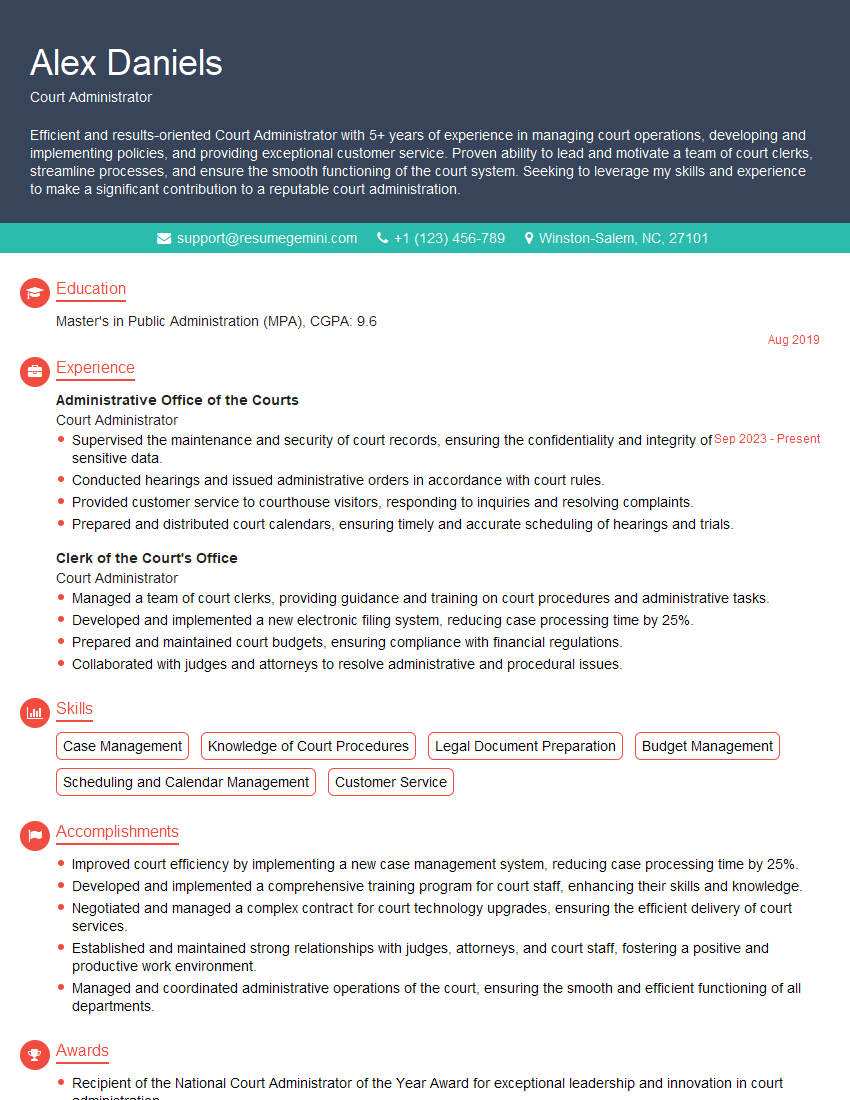
Court Administrator Resume Sample
Case Manager Resume Sample
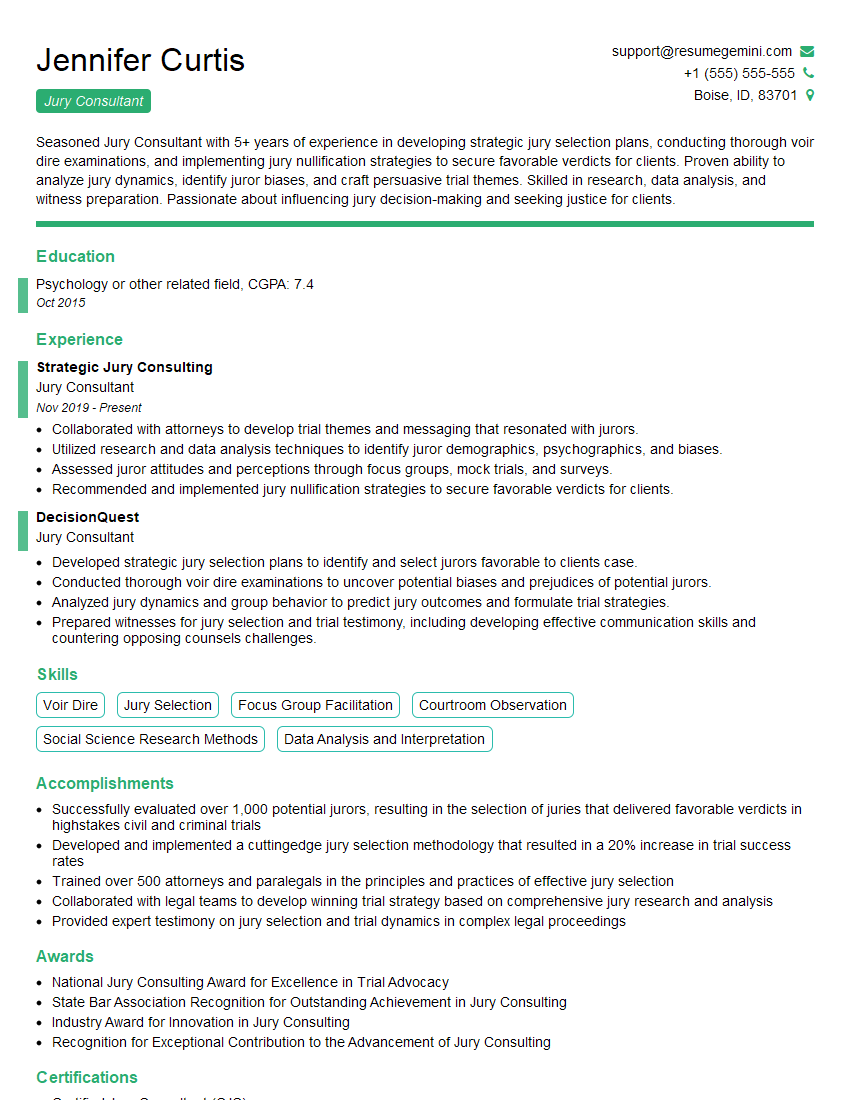
Jury Consultant Resume Sample
Evidence Specialist Resume Sample
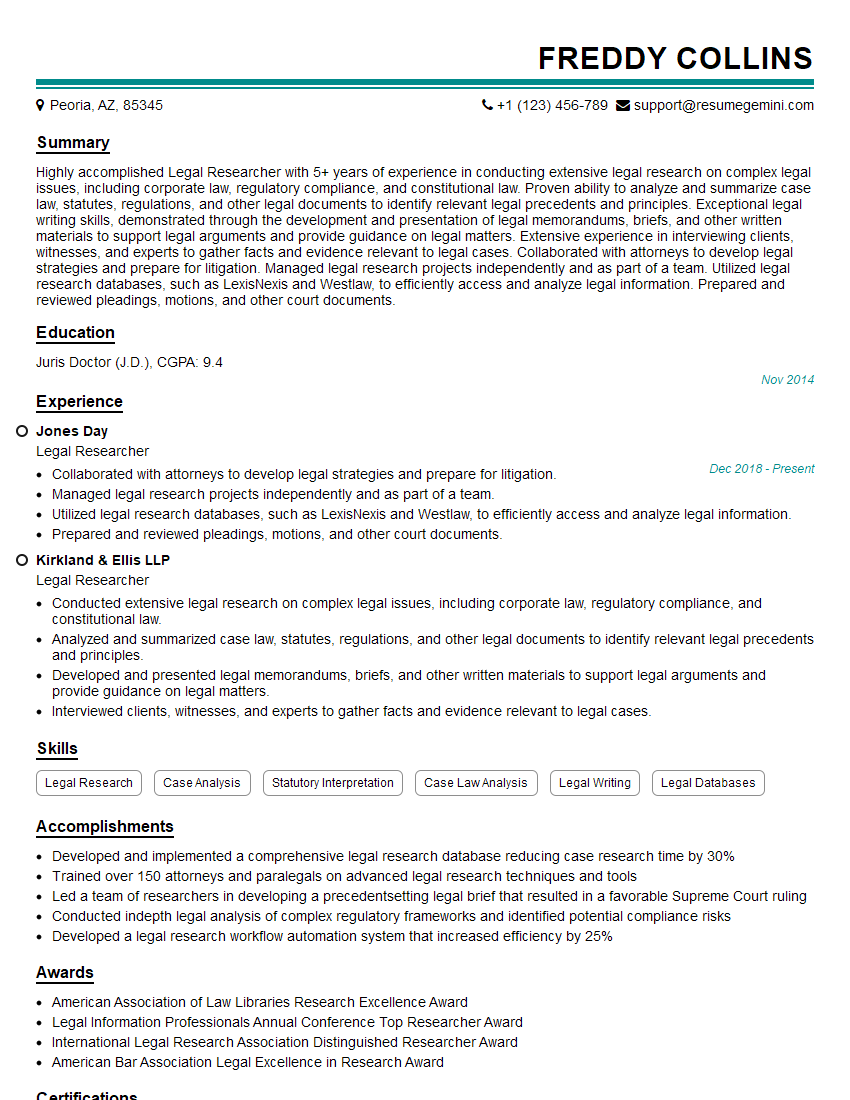
Legal Researcher Resume Sample
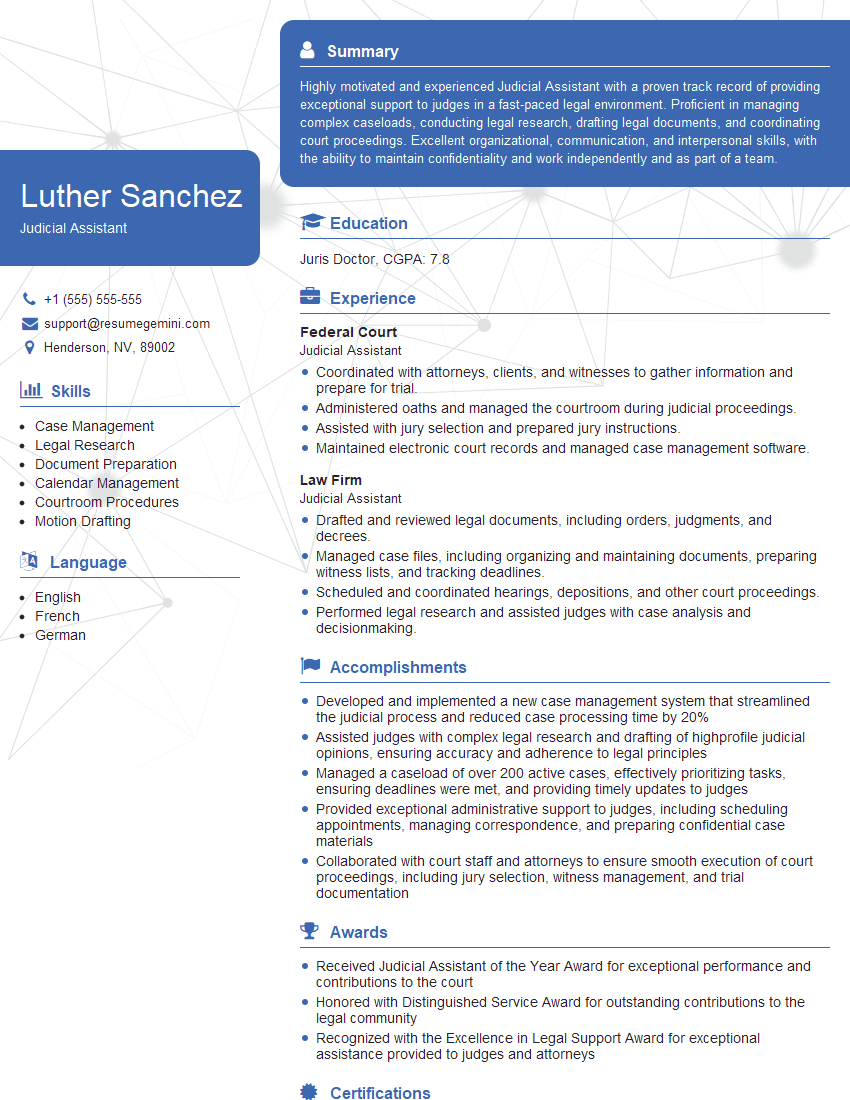
Judicial Assistant Resume Sample
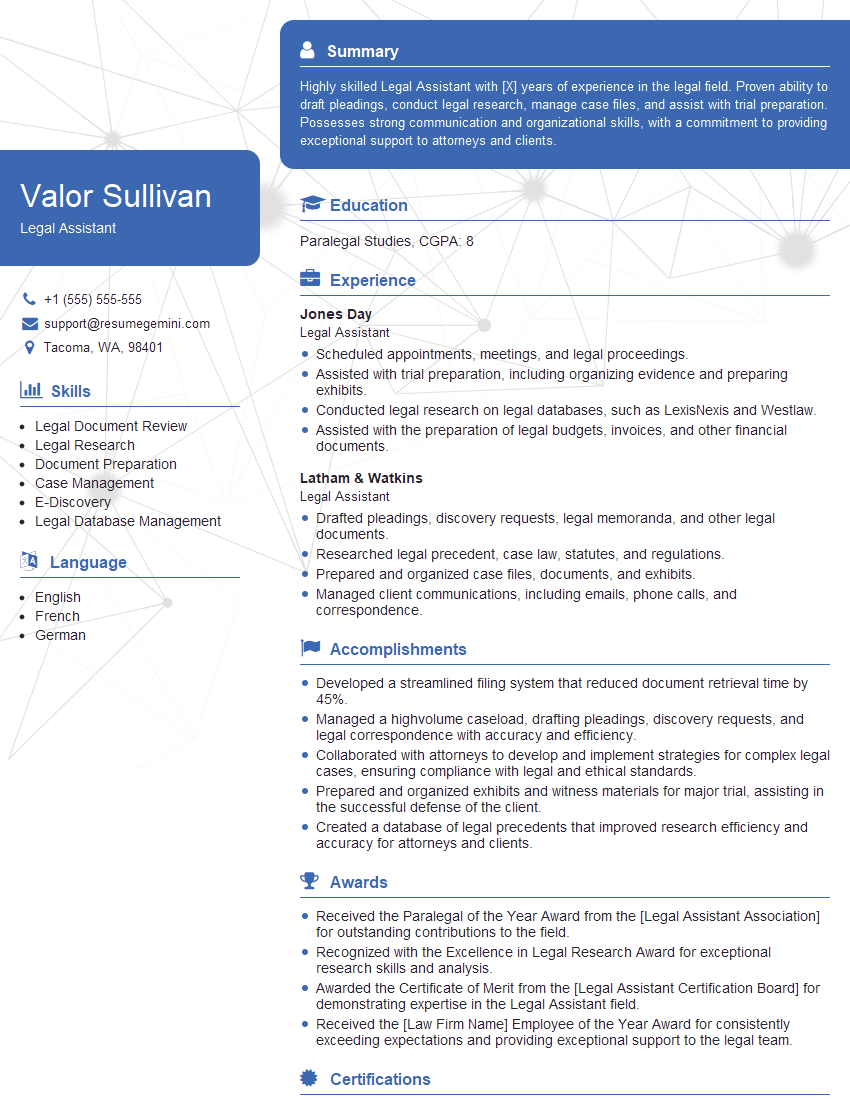
Legal Assistant Resume Sample
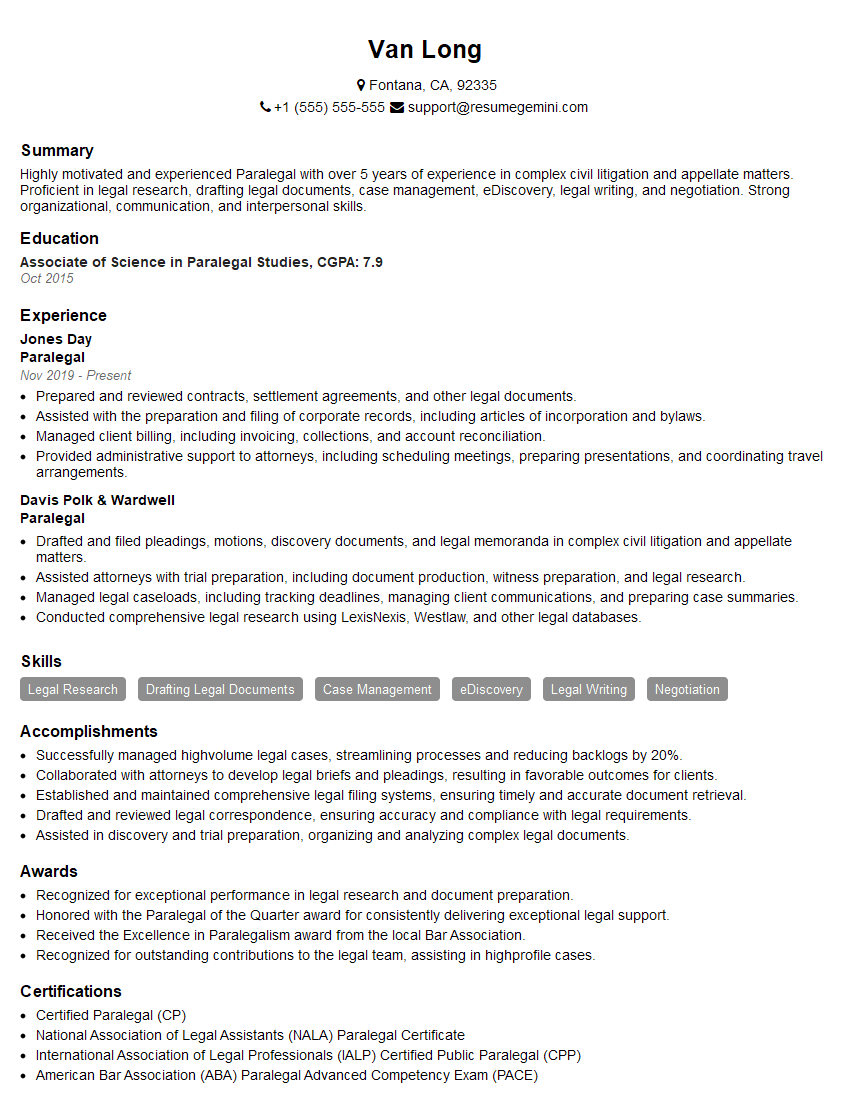
Paralegal Resume Sample
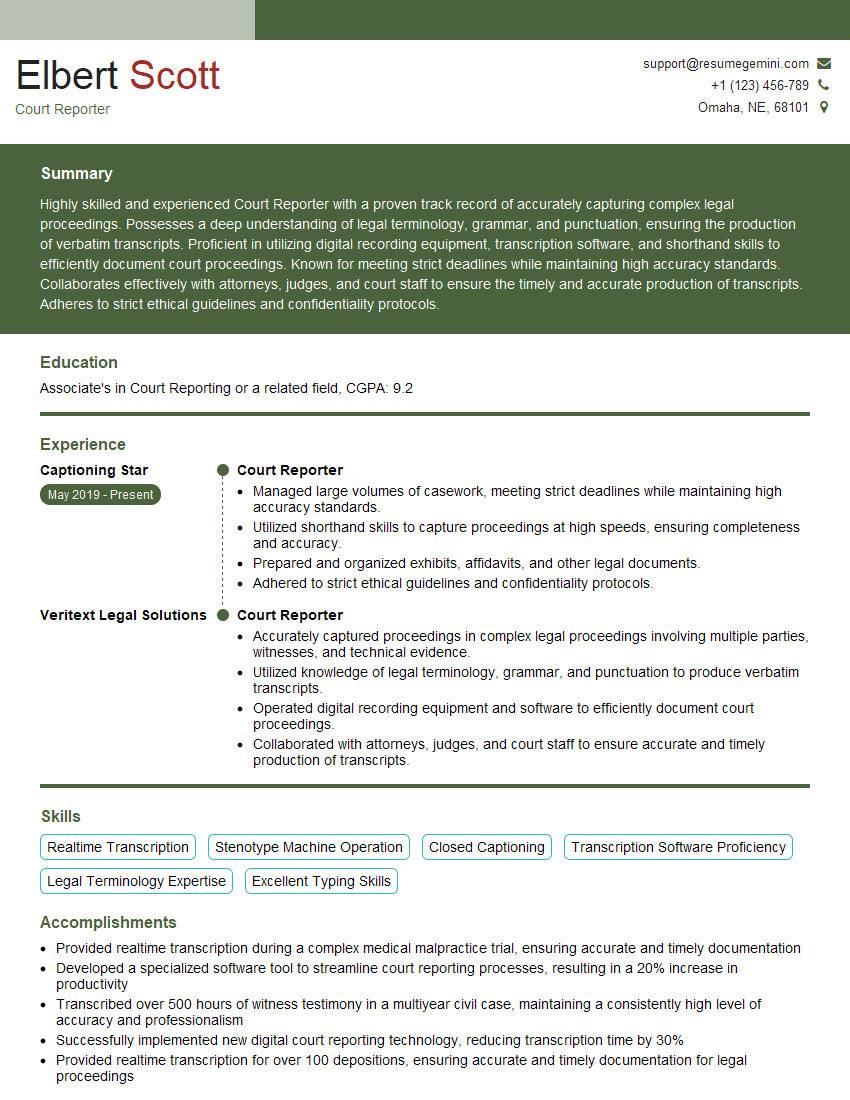
Court Reporter Resume Sample
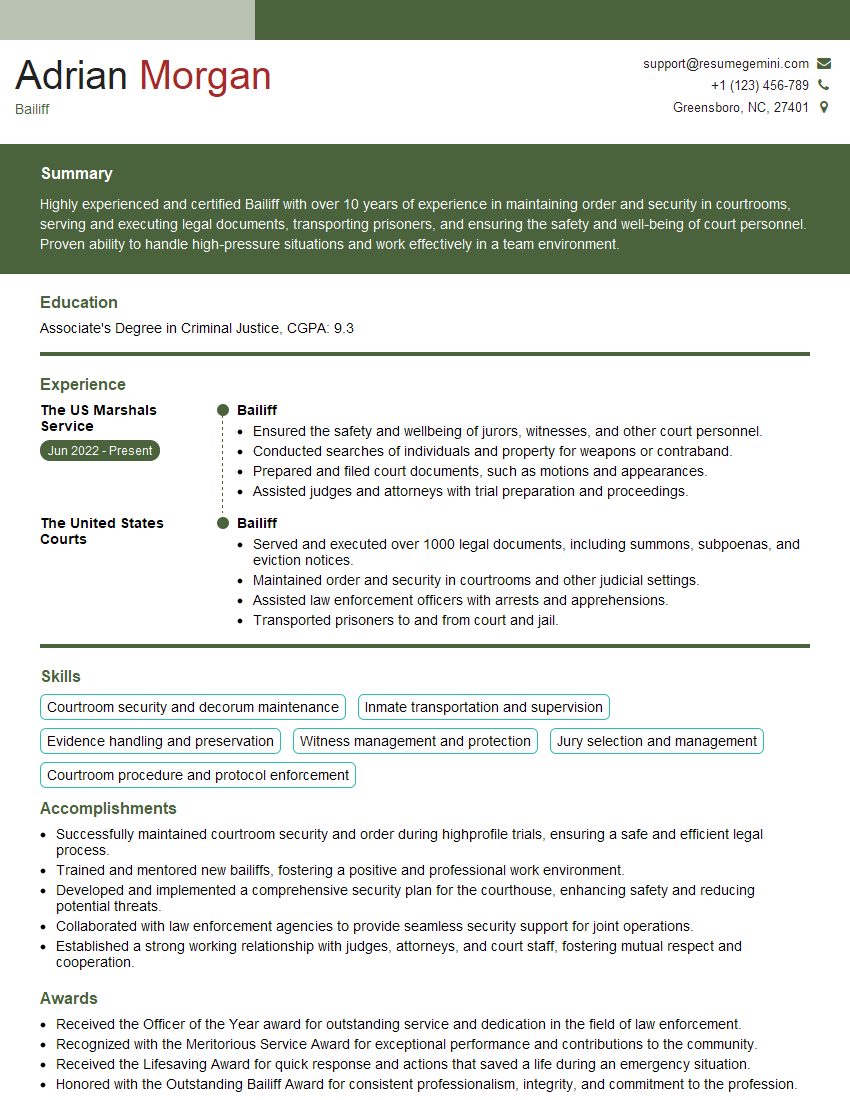
Bailiff Resume Sample
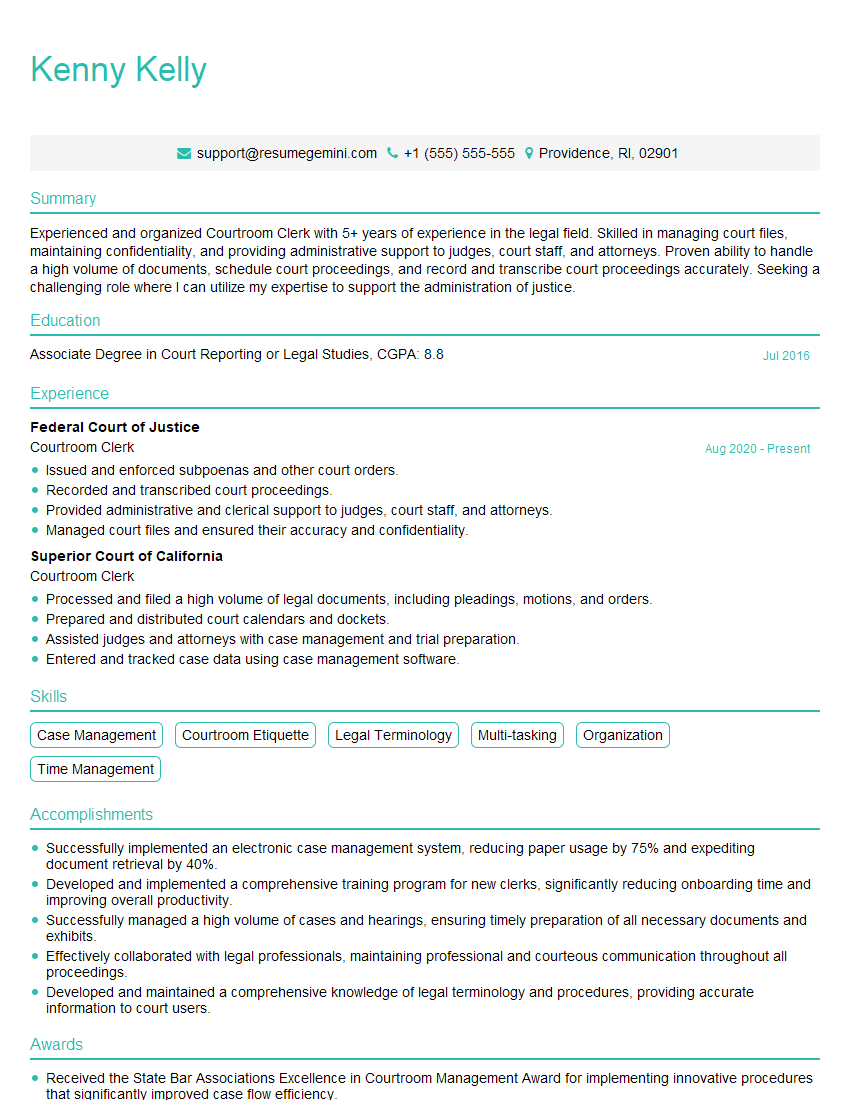
Courtroom Clerk Resume Sample
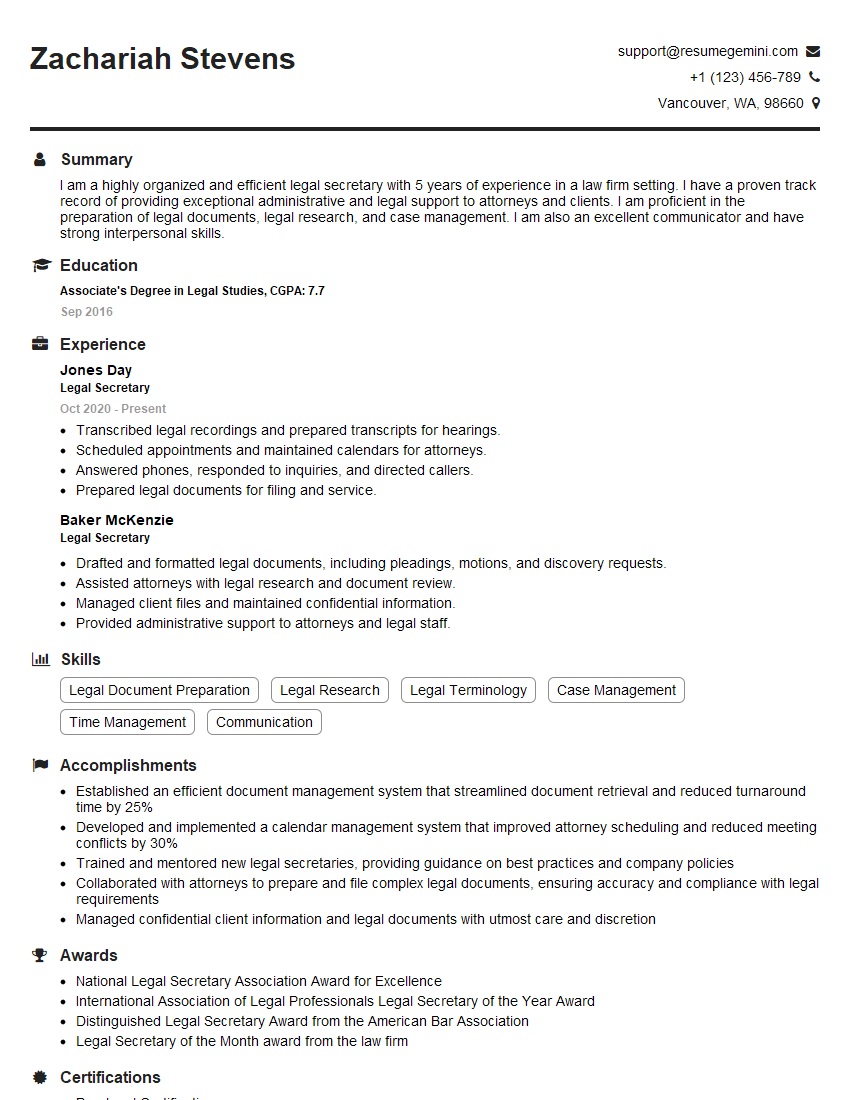
Legal Secretary Resume Sample
Explore more articles
Users Rating of Our Blogs
Share Your Experience
We value your feedback! Please rate our content and share your thoughts (optional).
What Readers Say About Our Blog
To the interviewgemini.com Webmaster.
Very helpful and content specific questions to help prepare me for my interview!
Thank you
To the interviewgemini.com Webmaster.
This was kind of a unique content I found around the specialized skills. Very helpful questions and good detailed answers.
Very Helpful blog, thank you Interviewgemini team.