Every successful interview starts with knowing what to expect. In this blog, we’ll take you through the top Knowledge of different guiding styles and techniques interview questions, breaking them down with expert tips to help you deliver impactful answers. Step into your next interview fully prepared and ready to succeed.
Questions Asked in Knowledge of different guiding styles and techniques Interview
Q 1. Explain the difference between coaching, mentoring, and advising.
While coaching, mentoring, and advising all involve guiding others, they differ significantly in their approach and focus. Think of it like this: advising is giving directions, mentoring is showing the way, and coaching is empowering someone to find their own way.
- Advising: This is typically a short-term relationship focused on providing expert knowledge and specific solutions to immediate problems. An advisor offers their experience and expertise to guide decision-making. For example, a financial advisor might help someone plan for retirement.
- Mentoring: This is a longer-term relationship where a mentor shares their wisdom, experience, and insights to help the mentee develop professionally and personally. The focus is on growth and development, often including career guidance and navigating organizational challenges. A senior software engineer mentoring a junior developer is a good example.
- Coaching: This is a collaborative process focused on helping the individual identify their goals, overcome obstacles, and achieve their full potential. The coach asks powerful questions and provides support, but doesn’t dictate solutions. A life coach helping someone improve their work-life balance is a typical scenario.
Q 2. Describe three different guiding styles and their applications.
Guiding styles vary depending on the individual’s needs and the situation. Three common styles are:
- Directive: This style involves providing clear instructions, solutions, and guidance. It’s most effective when dealing with immediate problems or when the individual lacks experience or confidence. For example, a new employee might benefit from directive guidance on safety procedures.
- Facilitative: This style focuses on asking open-ended questions to help the individual explore their own solutions and gain self-awareness. It works best when the individual is capable of self-reflection and problem-solving. A manager using this style might help a team brainstorm solutions to a project challenge.
- Delegative: This style involves empowering the individual to take ownership of the problem and find their own solutions. It’s suitable when the individual is experienced and capable of independent decision-making. A professor might use this approach with a doctoral student working on their dissertation.
Q 3. What is the GROW model and how do you apply it in a guiding session?
The GROW model is a structured coaching framework that helps individuals identify and achieve their goals. It stands for:
- Goal: Clearly defining the desired outcome. What does success look like?
- Reality: Assessing the current situation. Where are we now? What are the obstacles?
- Options: Brainstorming potential solutions and strategies. What are the possible paths forward?
- Will: Developing a plan of action and committing to it. What steps will be taken? How will progress be tracked?
In a guiding session, I would apply the GROW model by collaboratively working with the individual to explore each stage. For example, if someone wants to improve their public speaking skills (Goal), we’d discuss their current speaking abilities and anxieties (Reality), brainstorm practical steps like joining a Toastmasters club or practicing speeches (Options), and finally, create a concrete plan with deadlines and accountability measures (Will).
Q 4. How do you adapt your guiding style to different personality types?
Adapting my guiding style is crucial for effective guidance. Understanding personality types, such as those described in the Myers-Briggs Type Indicator (MBTI) or DISC assessment, can help tailor the approach.
For example, individuals who are introverted might benefit from more one-on-one sessions and time for reflection, whereas extroverted individuals might thrive in group settings with more discussion and interaction. Someone who is detail-oriented might need a highly structured approach, while a more big-picture thinker might appreciate a more flexible style. The key is to be flexible and adjust my communication style and techniques to resonate with the individual’s preferences and learning style.
Q 5. Describe a situation where you had to overcome resistance from a mentee/coachee.
I once worked with a mentee who was resistant to feedback on a project. He was very defensive and felt his approach was the only correct one. Instead of directly confronting him, I started by acknowledging his contributions and expressing my appreciation for his hard work. Then, I shifted to asking open-ended questions, focusing on the project’s goals and exploring different perspectives. I reframed the feedback as collaborative problem-solving rather than criticism. This approach helped him feel heard and valued, making him more receptive to alternative strategies. We eventually found a solution that incorporated his strengths while addressing the concerns I had initially raised.
Q 6. How do you assess the learning needs of an individual or group?
Assessing learning needs involves a multi-faceted approach. I typically use a combination of methods:
- Needs Analysis Questionnaire: A structured questionnaire to gather information about their current skills, knowledge gaps, learning preferences, and goals.
- Observations: Observing the individual or group in action to identify areas for improvement.
- Interviews: Conducting individual or group interviews to discuss their learning needs and expectations.
- Performance Reviews: Reviewing past performance data to identify strengths and weaknesses.
- Skill Assessments: Using tests or simulations to evaluate existing skills and knowledge.
The data collected from these methods helps to create a comprehensive profile of the individual’s or group’s learning needs, informing the design of a tailored guidance plan.
Q 7. Explain your process for setting clear goals and expectations in a guiding relationship.
Setting clear goals and expectations is crucial for a successful guiding relationship. My process involves:
- Collaborative Goal Setting: Working with the individual to identify specific, measurable, achievable, relevant, and time-bound (SMART) goals. This ensures everyone is on the same page and committed to the objectives.
- Defining Success Metrics: Identifying clear indicators of progress and success. These metrics should be quantifiable and easily tracked.
- Establishing Roles and Responsibilities: Clearly outlining the roles and responsibilities of both the guide and the individual. This clarifies expectations and prevents misunderstandings.
- Regular Check-ins: Scheduling regular meetings to track progress, discuss challenges, and make adjustments to the plan as needed.
- Documentation: Maintaining clear documentation of the goals, expectations, and progress made throughout the guiding relationship.
This structured approach ensures transparency and accountability, fostering a productive and rewarding experience for both parties.
Q 8. How do you provide constructive feedback in a supportive manner?
Constructive feedback is about helping someone improve, not criticizing them. It focuses on specific behaviors and their impact, offering suggestions for growth. I approach this using the SBI (Situation-Behavior-Impact) model. First, I describe the Situation objectively: ‘During the team meeting…’. Then I describe the Behavior I observed: ‘…you interrupted several times.’ Finally, I explain the Impact of that behavior: ‘…which made it difficult for others to contribute fully and slowed down the discussion.’ I follow this with specific, actionable suggestions for improvement, framed positively: ‘Perhaps next time, you could jot down your points to share later, ensuring everyone gets a chance to speak.’ I always end by affirming their strengths and overall value to the team.
For example, if someone missed a deadline, instead of saying ‘You’re always late!’, I’d say: ‘I noticed the project deadline was missed (Situation). The report wasn’t submitted until midday (Behavior). This meant the marketing team couldn’t use it for the afternoon launch, impacting our campaign visibility (Impact). Perhaps next time, we can create a detailed project schedule together to prevent this?’
Q 9. How do you handle conflict or disagreements during a guiding session?
Conflict is inevitable, but how we manage it determines the outcome. My approach is to create a safe space for open dialogue. I start by actively listening to each perspective, ensuring everyone feels heard and understood. I then reframe the conflict, highlighting shared goals and common ground. This helps move away from assigning blame and towards collaborative problem-solving. If emotions are running high, I may suggest a short break before continuing the conversation. I focus on finding solutions that are acceptable to everyone involved, even if it’s a compromise. The goal isn’t necessarily to achieve total agreement but to find a way forward that allows the session to continue productively.
For instance, if two team members disagree on the best approach to a project, I’d facilitate a discussion where each explains their rationale. I’d then guide them to identify areas of agreement, perhaps using a SWOT analysis (Strengths, Weaknesses, Opportunities, Threats) to objectively evaluate different options. We might decide to pilot both approaches on a smaller scale to compare results.
Q 10. Describe your experience using different facilitation techniques.
My experience encompasses a range of facilitation techniques. I’ve used brainstorming sessions to generate creative ideas, employing techniques like mind-mapping and round-robin discussions. I’ve also facilitated problem-solving workshops using tools like the 5 Whys to delve into root causes and develop effective solutions. I’m adept at using role-playing to explore different perspectives and improve communication skills. For strategic planning, I’ve leveraged techniques like scenario planning and the use of priority matrices. In addition, I am familiar with different collaborative tools and technologies to enhance participation and engagement, such as online whiteboards and interactive voting platforms.
For example, in a leadership development program, I used role-playing to help participants practice delivering difficult feedback. In another instance, I facilitated a strategic planning session using a SWOT analysis followed by a prioritization matrix to help a team decide which projects to pursue.
Q 11. What are some common challenges in guiding others, and how do you overcome them?
Common challenges include resistance to change, lack of engagement, differing learning styles, and managing personal biases. To overcome resistance to change, I start by building a rapport and understanding the underlying concerns. I help them see the benefits of change and involve them in the process. To improve engagement, I tailor my approach to their learning style, using a mix of activities and ensuring the sessions are relevant and practical. I actively manage my own biases by being mindful of my assumptions and actively seeking diverse perspectives. When encountering a lack of engagement, I may try different techniques such as incorporating more interactive exercises or offering more personalized feedback.
If a mentee is struggling to grasp a concept, I adjust my teaching method, perhaps using analogies, real-world examples, or different learning materials. For instance, if someone is resistant to a new process, I would involve them in the design and implementation, making it their own and increasing buy-in.
Q 12. How do you measure the effectiveness of your guiding interventions?
Measuring effectiveness involves a multi-faceted approach. I use pre- and post-session assessments to track progress on defined goals. This could involve questionnaires, performance reviews, or observations. I also seek regular feedback from the mentee/coachee, gathering their self-assessment and perceptions of the value of our sessions. For team-based interventions, I might observe team dynamics and productivity, analyzing changes in collaboration and efficiency. Success isn’t just about achieving immediate results, but also about developing self-awareness and fostering long-term growth. I look for evidence of sustained behavioral changes and improved self-efficacy.
For example, I might use a 360-degree feedback process to assess leadership skills before and after a coaching program. I would then analyze the improvements in their self-awareness and leadership effectiveness based on that feedback. I would also follow up months later to assess the long-term impact on their work performance.
Q 13. How do you maintain confidentiality and ethical boundaries in a guiding relationship?
Maintaining confidentiality and ethical boundaries is paramount. I clearly establish these boundaries at the outset of the relationship, outlining what information will be kept confidential and what situations might require disclosure (e.g., threats of harm). I adhere to professional codes of conduct and maintain appropriate professional distance. I avoid dual relationships and personal disclosures that might compromise the integrity of the guiding relationship. I ensure my practice is consistent with relevant legal and ethical guidelines. Documentation is minimal and stored securely.
I would always obtain informed consent before sharing any information, even with other professionals involved in the mentee’s development. Transparency and clear communication are essential in building trust and maintaining ethical boundaries.
Q 14. Describe a situation where you had to deal with a difficult or challenging mentee/coachee.
I once worked with a mentee who was extremely resistant to feedback. They felt any criticism was a personal attack. My initial attempts at providing constructive feedback were met with defensiveness. I realized I needed to shift my approach. I started by focusing on building a strong rapport, acknowledging their achievements and strengths. I then reframed feedback as a collaborative exploration of how they could improve, emphasizing my belief in their potential. I used open-ended questions to encourage self-reflection and helped them identify their own areas for growth. Gradually, they became more receptive to feedback and we were able to make significant progress together. The key was patience, empathy, and adapting my approach to meet their specific needs.
Q 15. What are the key elements of effective active listening?
Effective active listening goes beyond simply hearing words; it involves fully understanding the speaker’s message, both verbally and nonverbally. It’s a crucial skill for any guide or mentor.
Paying Attention: This involves minimizing distractions, maintaining eye contact, and focusing on the speaker’s words and body language. For instance, putting away my phone and leaning in slightly shows genuine interest.
Showing Empathy: Understanding and sharing the speaker’s feelings is key. If someone is frustrated, acknowledging their frustration – ‘That sounds incredibly frustrating’ – helps build rapport and trust.
Providing Feedback: This doesn’t mean interrupting, but using verbal and nonverbal cues to show understanding. Paraphrasing (‘So, if I understand correctly, you’re saying…’) ensures I’ve grasped the message correctly.
Deferring Judgment: Active listening requires withholding judgment and allowing the speaker to fully express their thoughts and feelings without interruption or criticism. This fosters a safe space for open communication.
Responding Appropriately: Responding thoughtfully, asking clarifying questions, and summarizing key points demonstrates engagement and comprehension. For example, asking ‘What are your next steps?’ encourages reflection and planning.
Career Expert Tips:
- Ace those interviews! Prepare effectively by reviewing the Top 50 Most Common Interview Questions on ResumeGemini.
- Navigate your job search with confidence! Explore a wide range of Career Tips on ResumeGemini. Learn about common challenges and recommendations to overcome them.
- Craft the perfect resume! Master the Art of Resume Writing with ResumeGemini’s guide. Showcase your unique qualifications and achievements effectively.
- Don’t miss out on holiday savings! Build your dream resume with ResumeGemini’s ATS optimized templates.
Q 16. How do you promote self-reflection and learning in your mentees/coachees?
Promoting self-reflection and learning involves creating a safe and encouraging environment where individuals can explore their strengths and weaknesses without judgment. I use several techniques:
Journaling Prompts: I often provide guided journaling prompts focusing on specific experiences, challenges, or learning opportunities. For example, ‘Describe a situation where you felt you succeeded. What contributed to that success?’
Feedback and Coaching Conversations: I facilitate structured conversations focusing on specific behaviors and their impact. Constructive feedback is delivered with empathy and focuses on actionable steps for improvement.
360-Degree Feedback: Where appropriate, I encourage individuals to seek feedback from colleagues and peers, providing a broader perspective on their performance and development areas.
Self-Assessment Tools: Using personality assessments or skills inventories can provide valuable insights into individual strengths and areas for growth. The results become the basis for personalized development plans.
Goal Setting and Action Planning: Collaboratively setting SMART (Specific, Measurable, Achievable, Relevant, Time-bound) goals and creating action plans helps individuals track their progress and celebrate achievements.
Q 17. How do you empower individuals to take ownership of their development?
Empowering individuals to take ownership requires shifting the focus from ‘telling’ to ‘guiding’. I achieve this by:
Collaborative Goal Setting: Instead of dictating goals, I work collaboratively with individuals to identify their aspirations and set achievable targets aligned with their career paths and personal objectives.
Providing Resources and Support: I offer access to relevant training, mentorship opportunities, and networking events, enabling individuals to actively seek and utilize resources that support their growth.
Facilitating Self-Discovery: Through coaching conversations and reflective exercises, I guide individuals to identify their strengths, weaknesses, and learning preferences, encouraging them to take the lead in their learning journey.
Celebrating Successes: Recognizing and celebrating small wins reinforces positive behaviors and builds confidence, encouraging individuals to take on even greater challenges.
Promoting Accountability: I encourage individuals to set their own deadlines and track their progress, fostering self-management and responsibility for their development.
Q 18. What is your approach to identifying and addressing learning gaps?
Identifying and addressing learning gaps involves a systematic approach. I typically:
Performance Reviews and Observations: Regular performance reviews and observations help identify areas where individuals consistently struggle or need improvement. This provides objective data on performance gaps.
Skill Assessments and Feedback: Formal skill assessments or 360-degree feedback can pinpoint specific skill deficiencies requiring focused development. These assessments offer a quantitative measure of capabilities.
Needs Analysis: A thorough needs analysis helps understand the root cause of performance issues and tailor learning interventions to address those specific needs. This analysis is qualitative in nature, focusing on reasons behind performance discrepancies.
Gap Analysis: Comparing current skill levels with desired skill levels reveals specific gaps requiring training, coaching, or mentorship. This allows prioritization of learning interventions.
Developing Targeted Interventions: Based on the assessment, I develop tailored learning plans encompassing training courses, on-the-job experiences, mentoring relationships, or other relevant development activities.
Q 19. How do you ensure that your guiding interventions are culturally sensitive?
Cultural sensitivity is paramount. My approach incorporates:
Awareness of Cultural Differences: I recognize that individuals from different cultural backgrounds may have varying communication styles, learning preferences, and expectations. Understanding these differences is crucial.
Adapting Communication Styles: I adjust my communication style to suit the individual’s cultural background. This might involve adjusting my tone, pace, and choice of words.
Respect for Individual Values and Beliefs: I show respect for the individual’s values, beliefs, and traditions. This involves actively listening and avoiding any assumptions or judgments.
Inclusivity and Diversity: I create an inclusive and diverse learning environment where everyone feels comfortable sharing their perspectives and experiences. I avoid using language or examples that could exclude or alienate certain groups.
Seeking Feedback and Clarification: I regularly seek feedback from individuals to ensure that my interventions are culturally appropriate and effective. This helps tailor the guidance to ensure it aligns with the individual’s cultural context.
Q 20. What is your understanding of adult learning principles?
My understanding of adult learning principles is rooted in the concept that adults are self-directed, experienced learners who bring a wealth of prior knowledge and experience to the learning process. Key principles include:
Self-Concept: Adults need to feel respected and valued as individuals with autonomy and control over their learning journey. I approach guidance with respect and empowerment, not direction.
Prior Experience: Adult learners bring substantial prior experience, which should be acknowledged and leveraged. I build upon existing knowledge rather than starting from scratch.
Readiness to Learn: Adults are most ready to learn when they perceive a relevance to their lives and work. I focus on practical applications and real-world scenarios to connect learning to their needs.
Orientation to Learning: Adults are problem-centered learners. I structure learning around solving real-world problems and challenges they face.
Motivation to Learn: Adults are internally motivated. I foster intrinsic motivation by focusing on goals, autonomy, and mastery.
Q 21. Explain your experience with different learning styles and how you adapt your methods.
I’ve encountered various learning styles throughout my career, including visual, auditory, kinesthetic, and reading/writing preferences. I adapt my methods by:
Visual Learners: For visual learners, I utilize diagrams, charts, presentations, and visual aids to illustrate concepts. I ensure materials are visually appealing and well-organized.
Auditory Learners: With auditory learners, I incorporate discussions, lectures, audio recordings, and verbal explanations. I encourage active participation and group discussions.
Kinesthetic Learners: For kinesthetic learners, I use hands-on activities, simulations, role-playing, and practical exercises. I create opportunities for active involvement and experimentation.
Reading/Writing Learners: Reading/writing learners benefit from written materials, case studies, reports, and summaries. I provide well-structured documents and encourage reflective writing exercises.
Multimodal Approach: Often, a combination of methods is best. I leverage a multimodal approach, incorporating elements from various learning styles to cater to diverse needs. This ensures that all individuals have multiple avenues for engaging with the material.
Q 22. How do you leverage technology to enhance the guiding process?
Technology significantly enhances the guiding process by increasing efficiency, accessibility, and the depth of support offered. I leverage technology in several ways:
Virtual Meeting Platforms: Tools like Zoom or Google Meet enable convenient remote sessions, expanding reach and flexibility for both myself and my mentees. This is especially crucial in today’s geographically dispersed work environments.
Project Management Software: Platforms such as Asana or Trello facilitate collaborative goal setting, task tracking, and progress monitoring. This ensures transparency and accountability, making it easier to stay aligned with mentees’ objectives.
Learning Management Systems (LMS): LMS platforms like Moodle or Canvas can host learning materials, assessments, and communication forums. This creates a centralized hub for resources and fosters a sense of community amongst mentees.
Data Analytics & Reporting: Using data from LMS or project management tools, I can track progress and identify areas where additional support might be needed, personalizing my approach based on individual needs and goals. For example, I might notice a mentee struggling with a particular skill based on their performance on assessments and adjust my guidance accordingly.
Communication Tools: Instant messaging apps like Slack or Microsoft Teams allow for quick check-ins, fostering a sense of ongoing support and facilitating real-time feedback.
Q 23. Describe your experience with different assessment tools for evaluating learning outcomes.
My experience encompasses a wide range of assessment tools, tailored to the specific learning objectives and context. I believe in using a blended approach, combining qualitative and quantitative methods for a comprehensive evaluation.
360-degree Feedback: This method gathers input from multiple sources – peers, supervisors, and self-assessment – providing a holistic view of a mentee’s performance and areas for development. It’s especially useful for identifying blind spots and fostering self-awareness.
Skills Assessments and Quizzes: I utilize online tools and custom-designed quizzes to assess the acquisition of specific knowledge and skills. These are often used in conjunction with more qualitative methods.
Behavioral Assessments: Tools like personality assessments (e.g., Myers-Briggs Type Indicator) can provide insights into communication styles and working preferences, which can help tailor the guidance approach.
Portfolio Reviews: For creative fields or those focused on project-based learning, reviewing portfolios allows for an in-depth evaluation of practical application and skill development.
Goal Setting Worksheets and Progress Reports: These are simple, yet effective tools to monitor progress toward defined goals and identify potential obstacles. Regular check-ins ensure accountability and timely adjustments.
The choice of assessment tools is never arbitrary; it’s always driven by the individual’s needs, the learning goals, and the overall context of the guiding relationship.
Q 24. How do you create a safe and supportive learning environment?
Creating a safe and supportive learning environment is paramount. This involves establishing clear expectations, fostering trust, and promoting open communication.
Confidentiality and Respect: I explicitly emphasize confidentiality from the outset, creating a space where mentees feel comfortable sharing vulnerabilities and concerns without fear of judgment.
Active Listening and Empathy: I prioritize active listening, demonstrating genuine interest and understanding towards my mentee’s experiences and perspectives. Empathy is crucial for building rapport and trust.
Constructive Feedback: I provide feedback that is specific, actionable, and focused on growth, rather than criticism. I always frame feedback positively, emphasizing strengths and highlighting areas for improvement.
Non-Judgmental Atmosphere: I consciously cultivate a non-judgmental atmosphere where mistakes are viewed as learning opportunities. This allows mentees to take risks and experiment without fear of repercussions.
Setting Boundaries: While fostering a supportive environment, clear boundaries are essential. This protects both the mentee and the guide, ensuring a healthy and productive relationship.
Think of it like creating a nurturing garden – you provide the right conditions (trust, respect, support) for growth to flourish.
Q 25. What are some best practices for documenting guiding sessions?
Thorough documentation of guiding sessions is vital for tracking progress, ensuring accountability, and providing a valuable record for future reference. My approach to documentation includes:
Session Notes: I maintain concise yet comprehensive notes immediately after each session, capturing key discussion points, agreed-upon action items, and insights into the mentee’s progress.
Progress Reports: Regular progress reports (e.g., monthly or quarterly) summarize key accomplishments, challenges encountered, and adjustments made to the guiding plan. These reports can include quantifiable data from assessments or project milestones.
Action Item Tracking: A clear record of action items assigned during sessions, including deadlines and responsible parties, is crucial for accountability and progress monitoring. I often use project management tools for this purpose.
Electronic Storage: All documentation is securely stored electronically, ensuring accessibility and maintaining confidentiality. Cloud-based storage is preferred for ease of access and data backup.
Client Consent: Before commencing the guiding process, informed consent is obtained from the mentee regarding the use and storage of documentation.
Effective documentation serves as a valuable tool not only for tracking progress but also for refining my own guiding practices and providing a complete picture of the mentorship journey.
Q 26. How do you foster a sense of community and collaboration among mentees/coachees?
Fostering a sense of community and collaboration among mentees/coachees is achieved by creating opportunities for interaction and shared learning. I employ several strategies:
Group Coaching Sessions: Organizing group coaching sessions allows mentees to learn from each other’s experiences, share best practices, and build a supportive network.
Peer Mentoring Programs: Pairing mentees with peers who have more experience can create a collaborative learning environment and provide additional support.
Social Events and Networking Opportunities: Organizing informal social events or networking opportunities fosters connections and strengthens relationships among mentees.
Online Forums or Communication Channels: Creating an online forum or utilizing a communication channel allows mentees to easily communicate with each other, share resources, and provide support outside of formal sessions. For example, a dedicated Slack channel could facilitate quick questions, resource sharing, and informal mentoring.
Team Projects or Collaborative Activities: Designing group projects or collaborative activities promotes teamwork and encourages mutual learning and support.
By creating these opportunities, I not only enhance the learning experience but also build lasting relationships and a strong sense of community among mentees.
Q 27. What is your approach to providing ongoing support and encouragement?
Ongoing support and encouragement are crucial for mentee success. My approach involves consistent check-ins, personalized feedback, and celebrating accomplishments.
Regular Check-ins: Frequent communication, whether through scheduled meetings or informal check-ins, ensures that I’m aware of any challenges and can provide timely support.
Personalized Feedback: I provide ongoing feedback, tailoring it to the individual’s needs and progress. This feedback is focused on strengths, areas for growth, and strategies for improvement.
Celebrating Achievements: Recognizing and celebrating milestones, both big and small, is vital for maintaining motivation and building confidence. I take the time to genuinely acknowledge each mentee’s accomplishments.
Resource Provision: I proactively connect mentees with relevant resources, such as workshops, articles, or networking opportunities, to support their growth and development.
Adaptability: I’m flexible and adapt my support to the evolving needs of the mentee, recognizing that challenges and goals may change throughout the guiding process. I ensure my support remains relevant and timely.
My goal is to create a partnership where I am not just a guide, but a consistent source of encouragement and support along their journey.
Q 28. How do you stay current with the latest trends and best practices in guiding and coaching?
Staying current with the latest trends and best practices in guiding and coaching is an ongoing commitment. I employ several strategies:
Professional Development: I regularly attend conferences, workshops, and seminars related to guiding and coaching. This ensures I am exposed to the latest research, methodologies, and best practices.
Industry Publications and Journals: I stay informed through subscriptions to professional journals and publications, keeping abreast of emerging trends and research findings in the field.
Networking: I actively engage with other professionals in the field through networking events and online communities. This provides opportunities for knowledge sharing and collaboration.
Continuing Education Courses: I actively seek out continuing education courses, focusing on areas where I want to enhance my skills and knowledge, such as specific coaching models or leadership development techniques.
Mentorship and Peer Learning: I participate in peer-to-peer learning opportunities, sharing experiences and learning from others in the field. This can involve informal conversations, mentorship relationships, or participation in professional learning communities.
Continuous learning is essential to ensure I provide the most effective and up-to-date guidance to my mentees.
Key Topics to Learn for Knowledge of different guiding styles and techniques Interview
- Directive vs. Non-Directive Guiding: Understand the core differences, when to apply each, and the potential benefits and drawbacks of each approach. Consider how situational factors influence your choice.
- Active Listening and Reflective Techniques: Master the art of truly listening and employing reflective statements to ensure understanding and build rapport. Practice identifying verbal and non-verbal cues.
- Motivational Interviewing (MI): Learn the principles of MI, including expressing empathy, developing discrepancy, rolling with resistance, and supporting self-efficacy. Practice applying these techniques in hypothetical scenarios.
- Cognitive Behavioral Techniques (CBT): Explore how CBT principles can be integrated into guiding sessions to help individuals identify and change unhelpful thought patterns and behaviors. Consider practical applications in various contexts.
- Solution-Focused Brief Therapy (SFBT): Familiarize yourself with the core tenets of SFBT, focusing on identifying strengths, exceptions, and future goals. Practice crafting solution-oriented questions.
- Ethical Considerations in Guiding: Understand the importance of maintaining confidentiality, boundaries, and professional conduct. Be prepared to discuss ethical dilemmas and your approach to resolving them.
- Adapting Techniques to Different Populations: Consider how you would adjust your guiding style and techniques based on the age, cultural background, and specific needs of the individual or group you are working with.
- Assessing Progress and Evaluating Outcomes: Learn various methods for assessing the effectiveness of your guiding strategies and how to make necessary adjustments to improve results.
Next Steps
Mastering knowledge of different guiding styles and techniques is crucial for career advancement in many fields, demonstrating your ability to effectively support and guide individuals towards their goals. To strengthen your job application, create a compelling and ATS-friendly resume that highlights these skills. ResumeGemini is a trusted resource to help you build a professional resume that showcases your abilities effectively. Examples of resumes tailored to showcasing expertise in Knowledge of different guiding styles and techniques are available to provide you with inspiration and practical guidance.
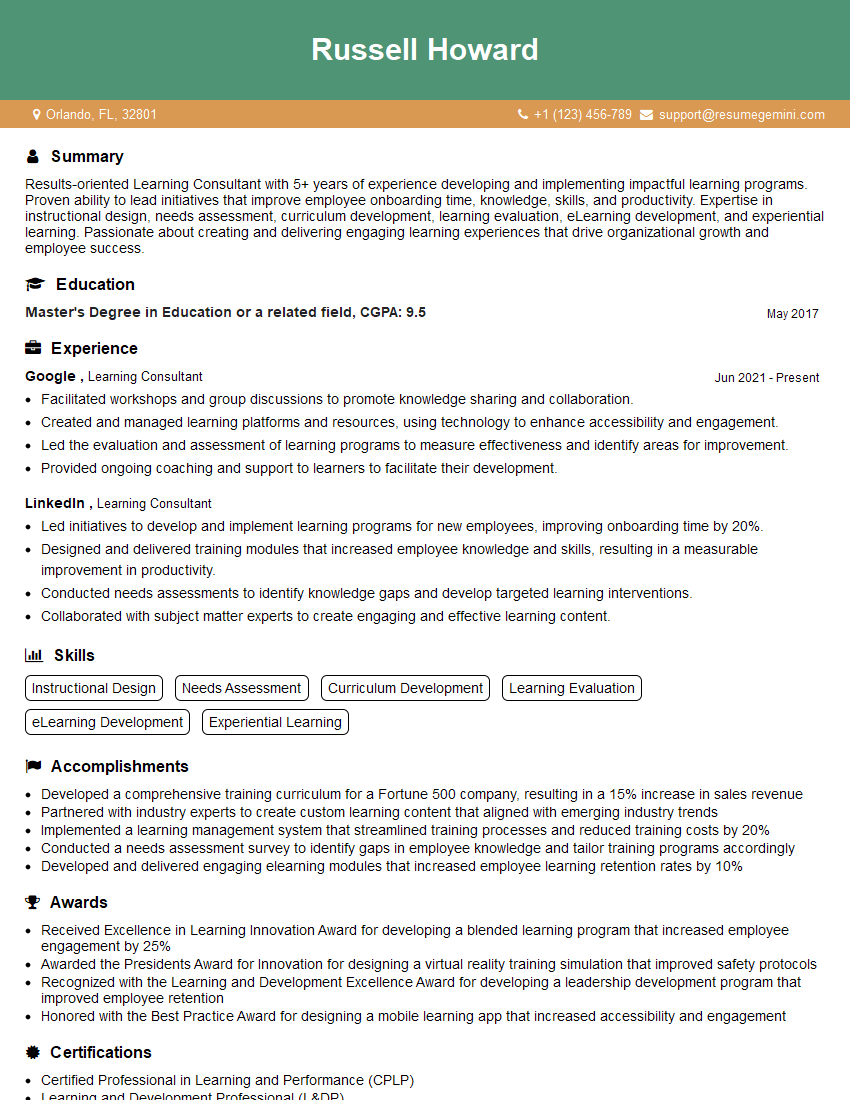
Learning Consultant Resume Sample
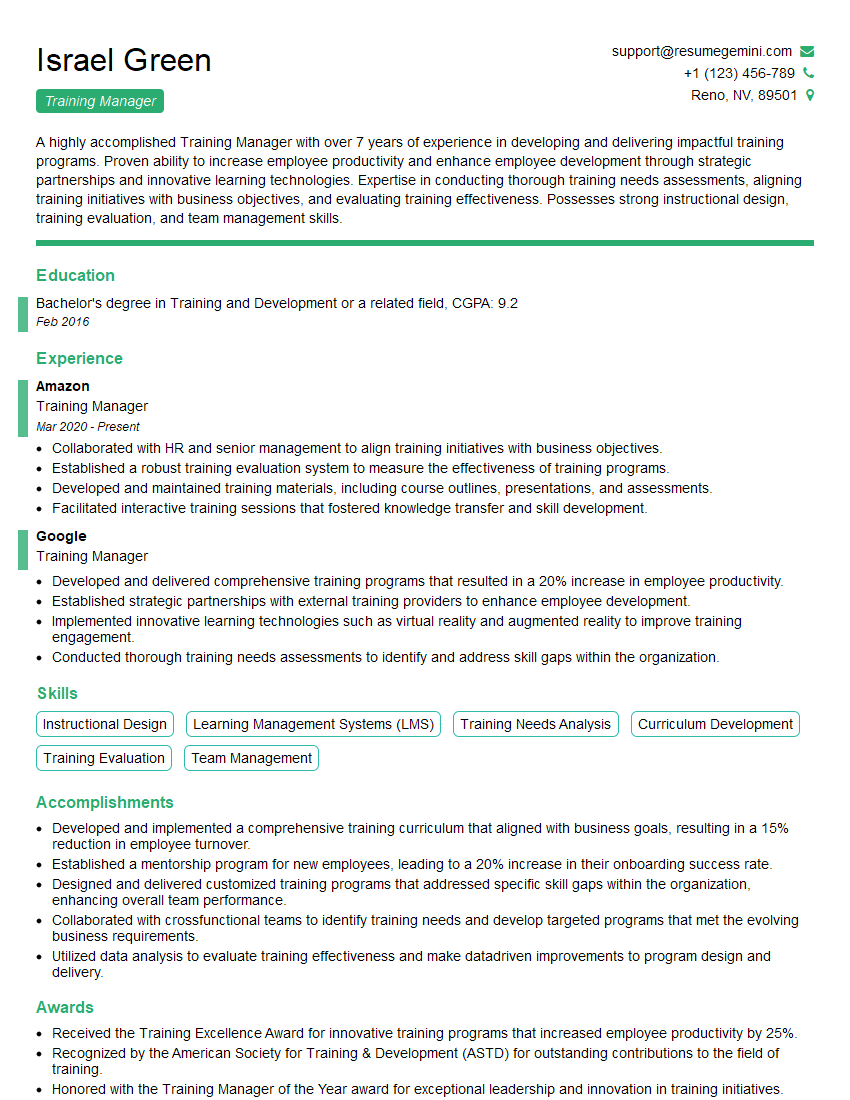
Training Manager Resume Sample
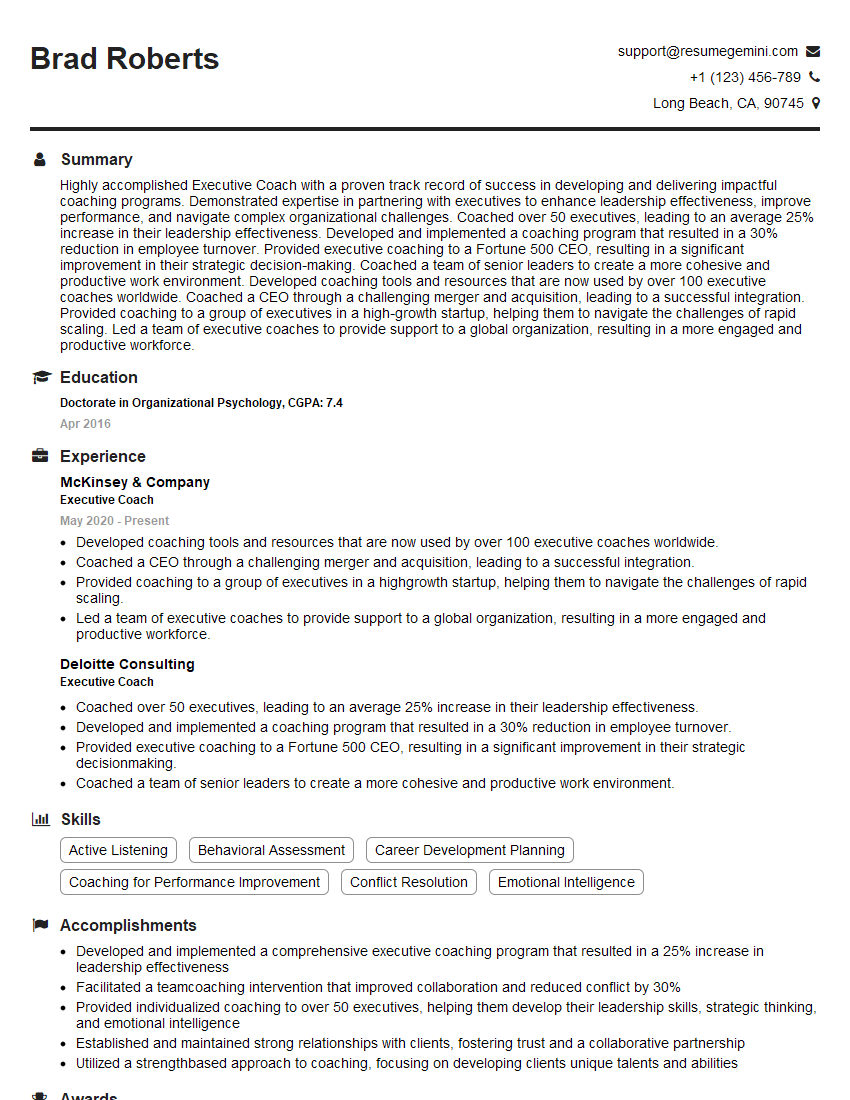
Executive Coach Resume Sample
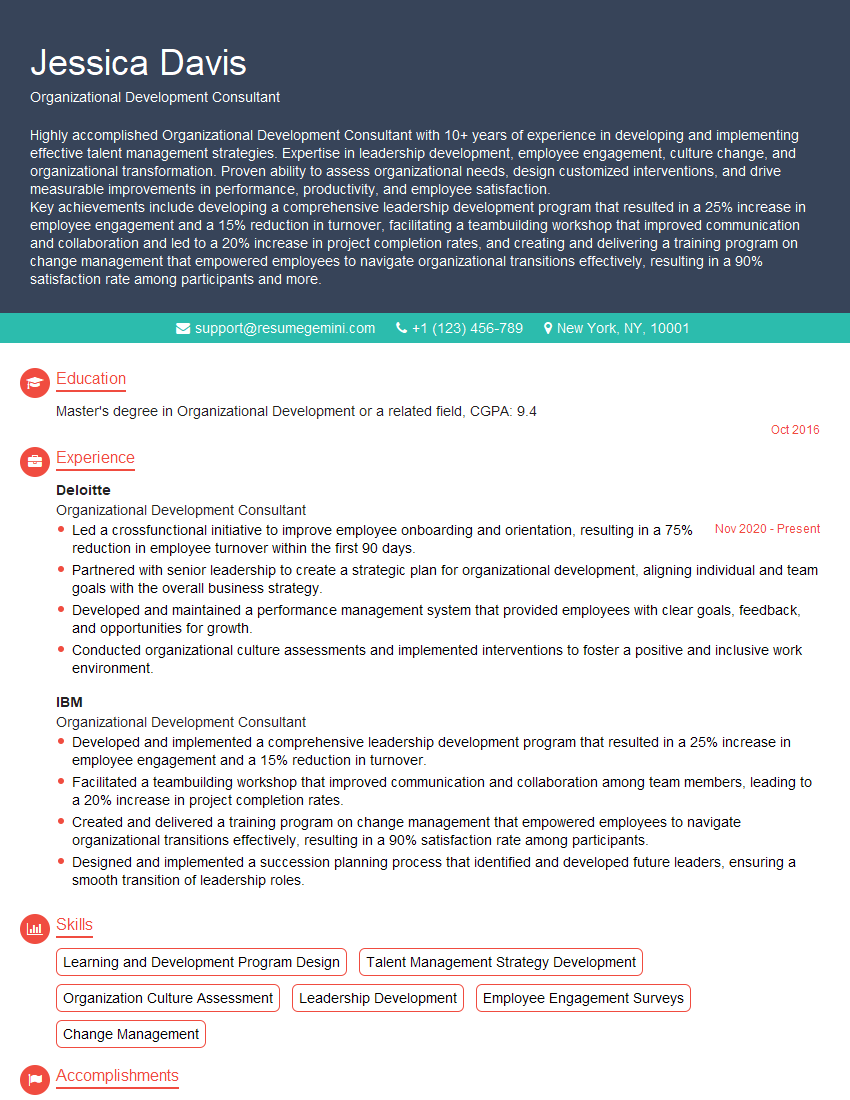
Organizational Development Consultant Resume Sample
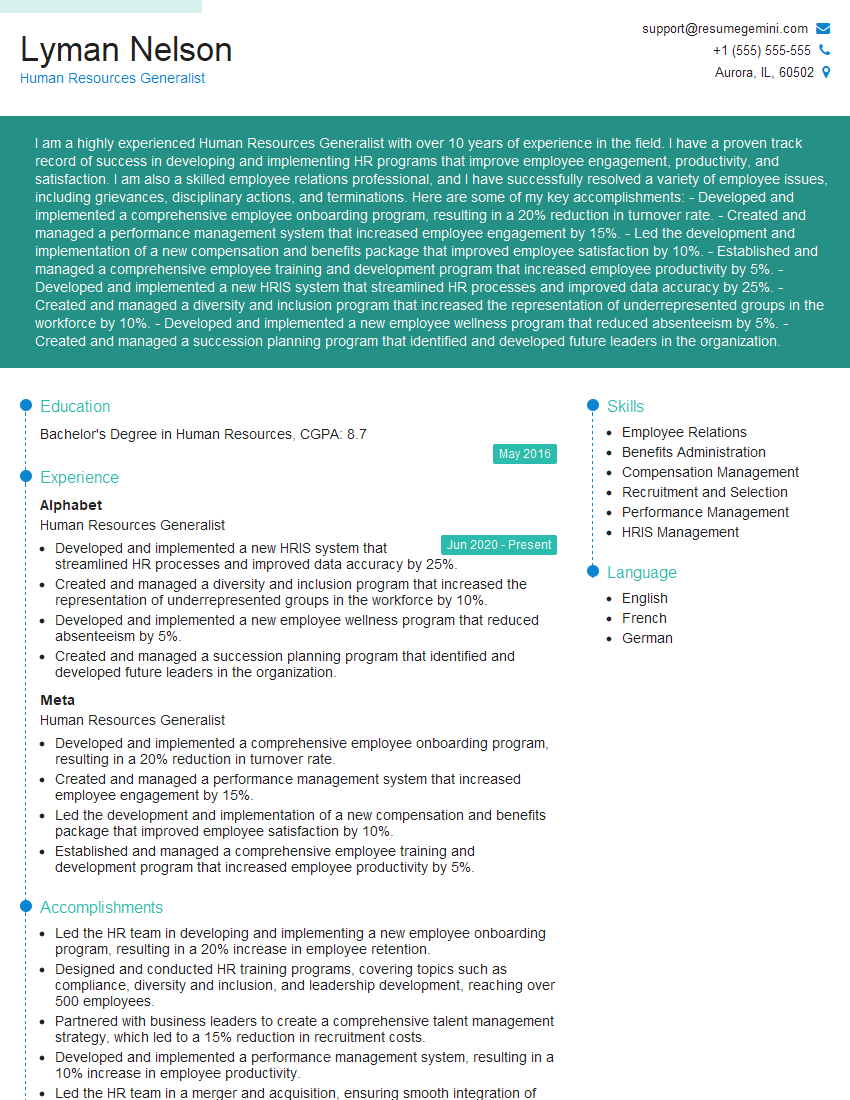
Human Resources Generalist Resume Sample

Curriculum Developer Resume Sample
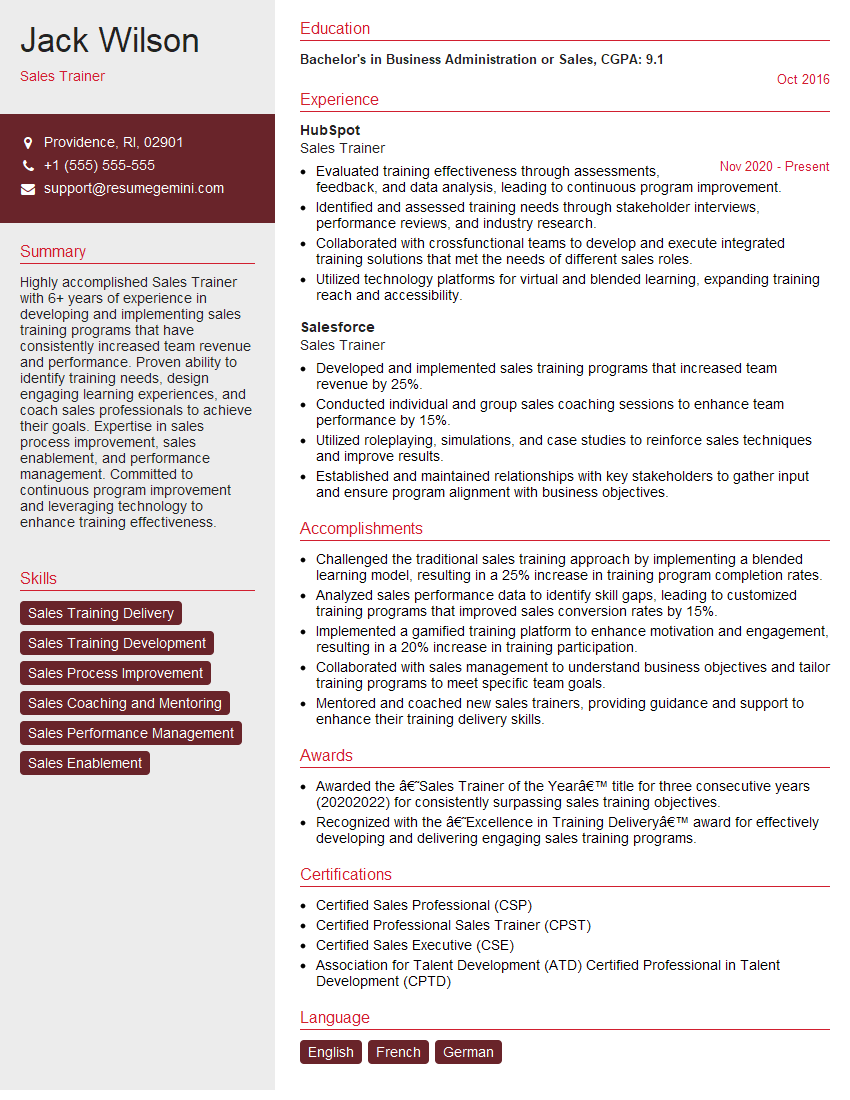
Sales Trainer Resume Sample
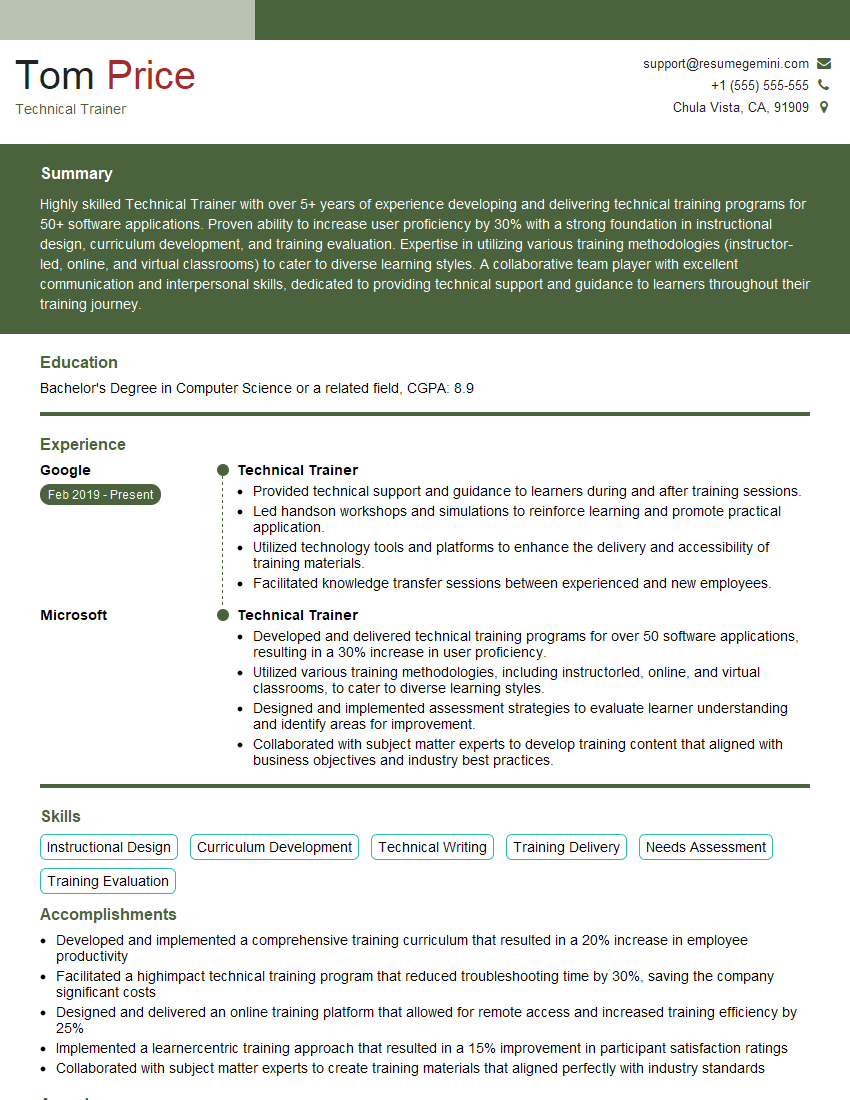
Technical Trainer Resume Sample
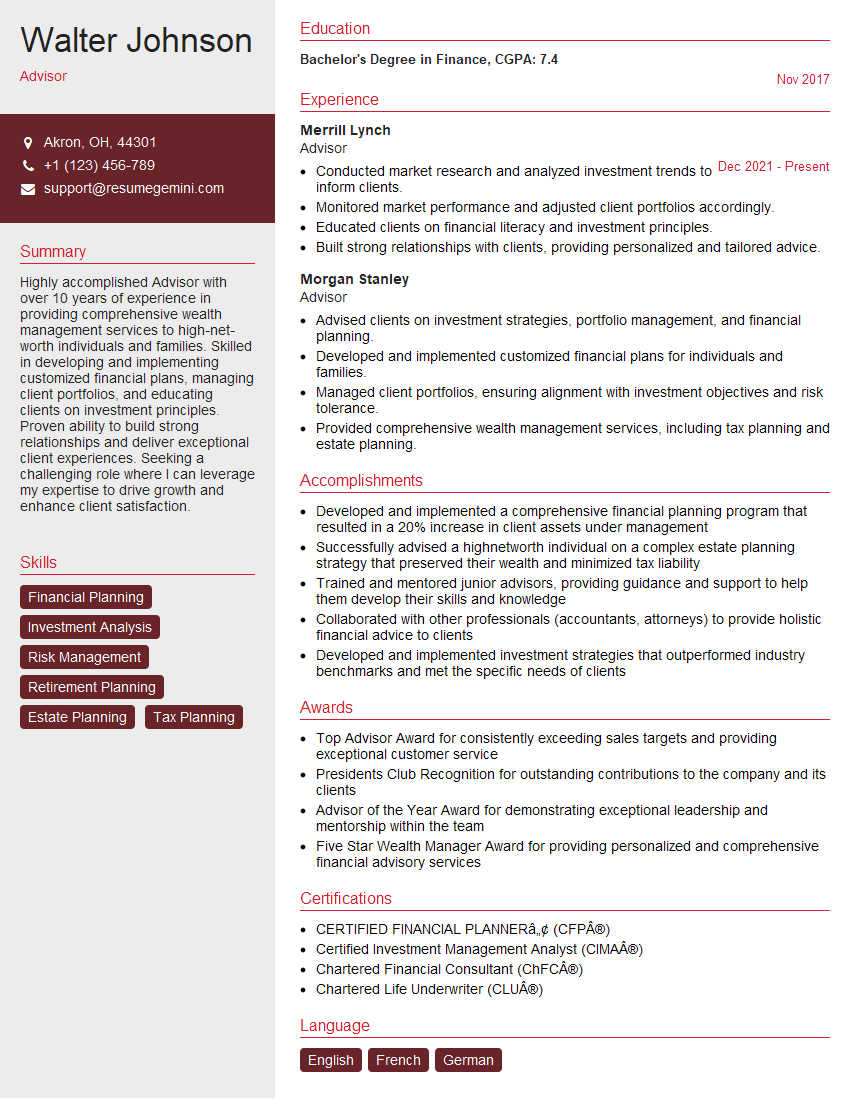
Advisor Resume Sample
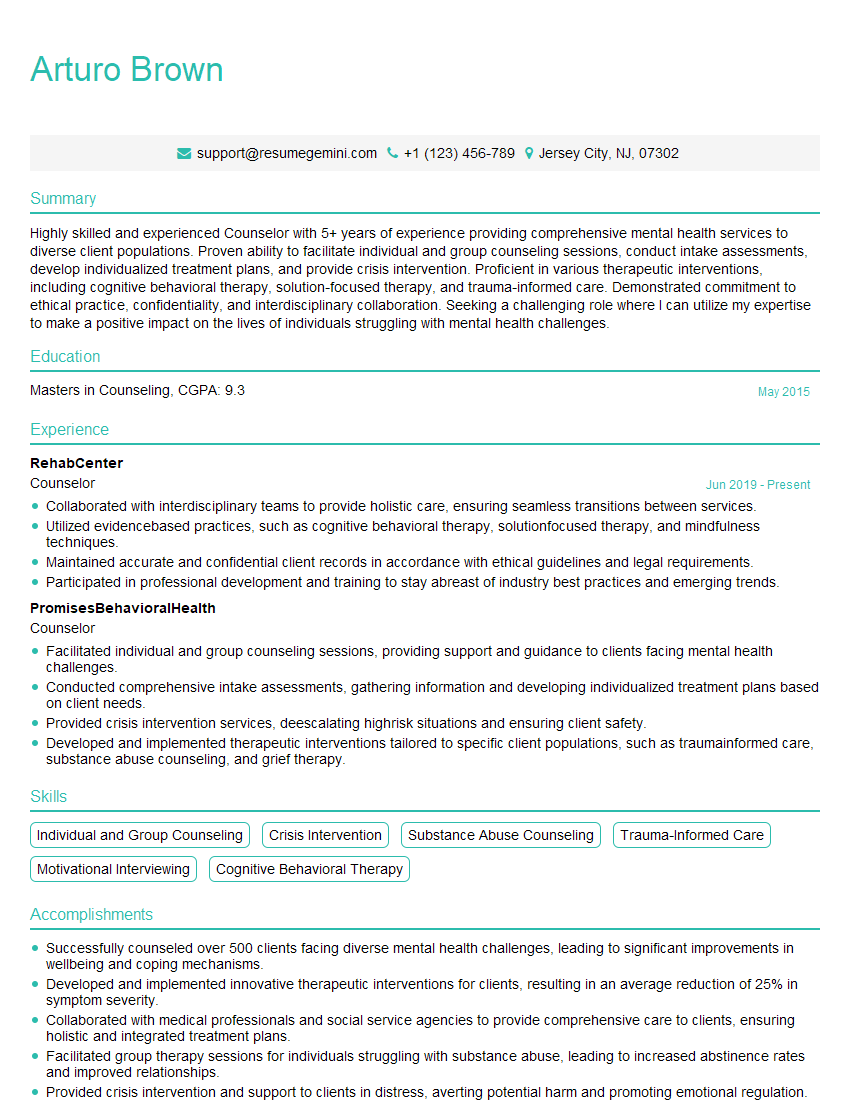
Counselor Resume Sample
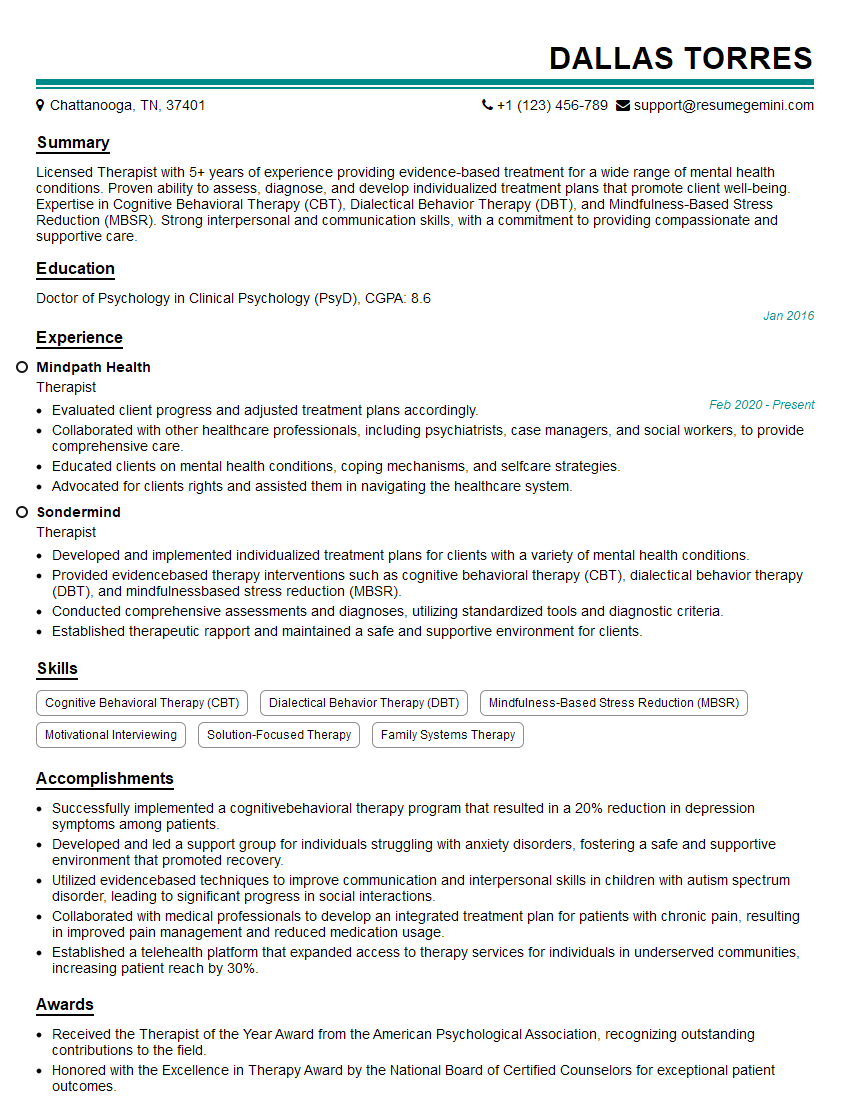
Therapist Resume Sample
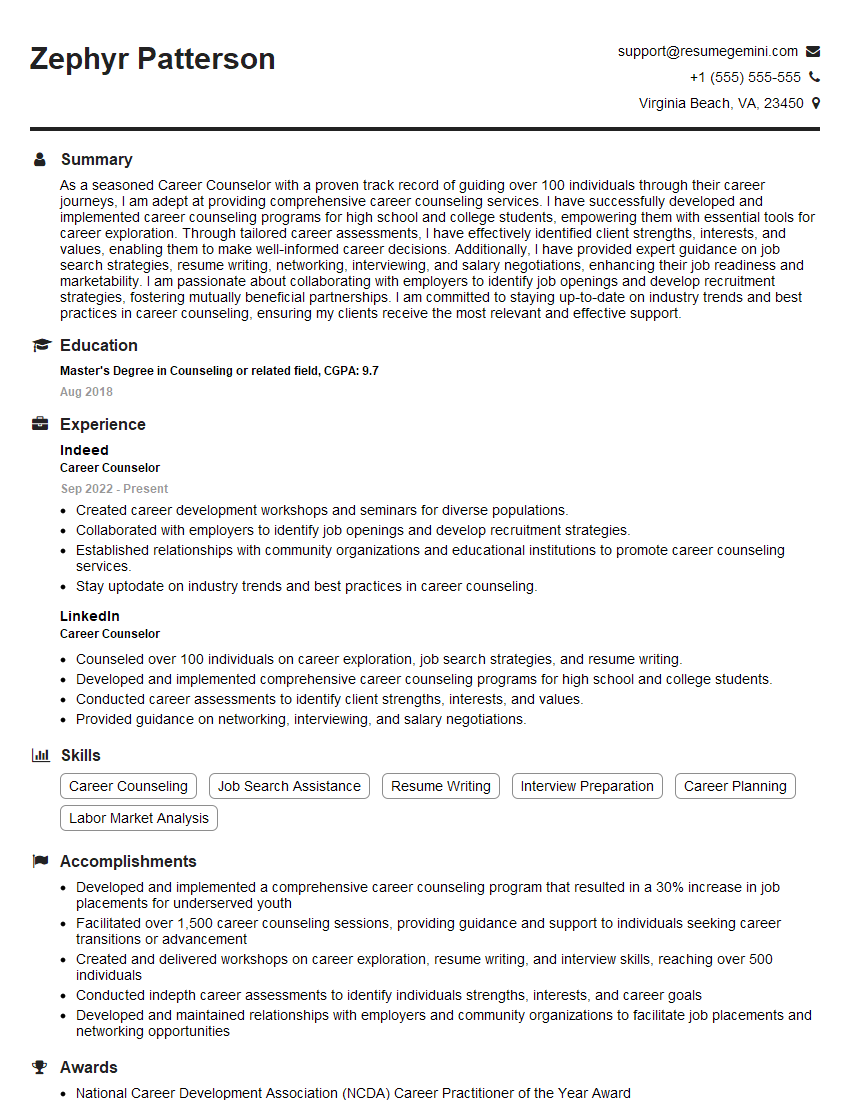
Career Counselor Resume Sample
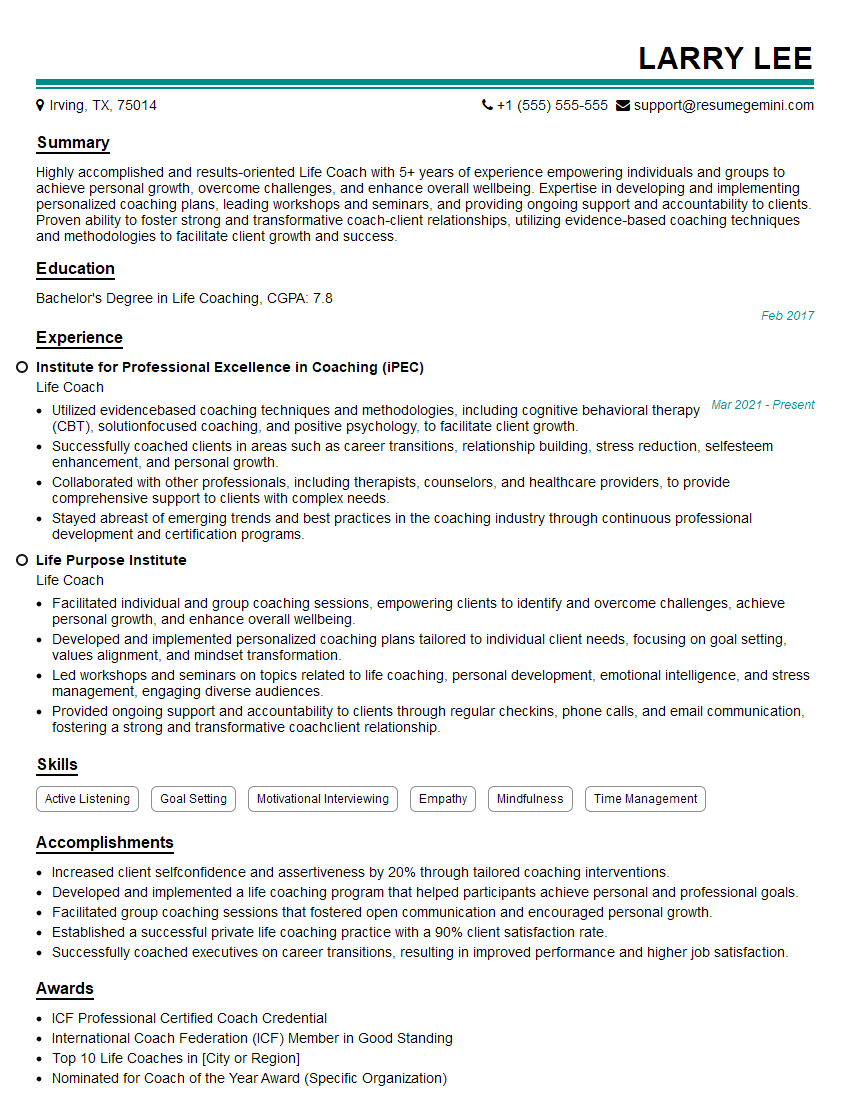
Life Coach Resume Sample
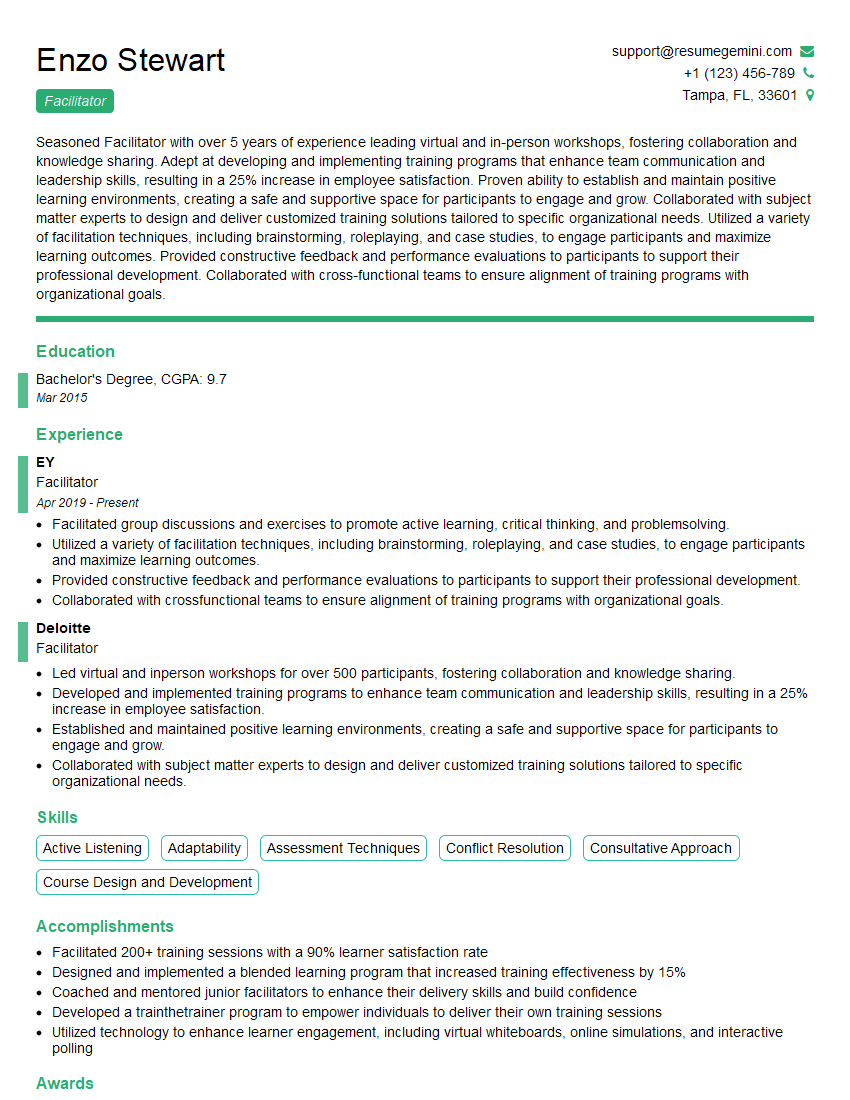
Facilitator Resume Sample
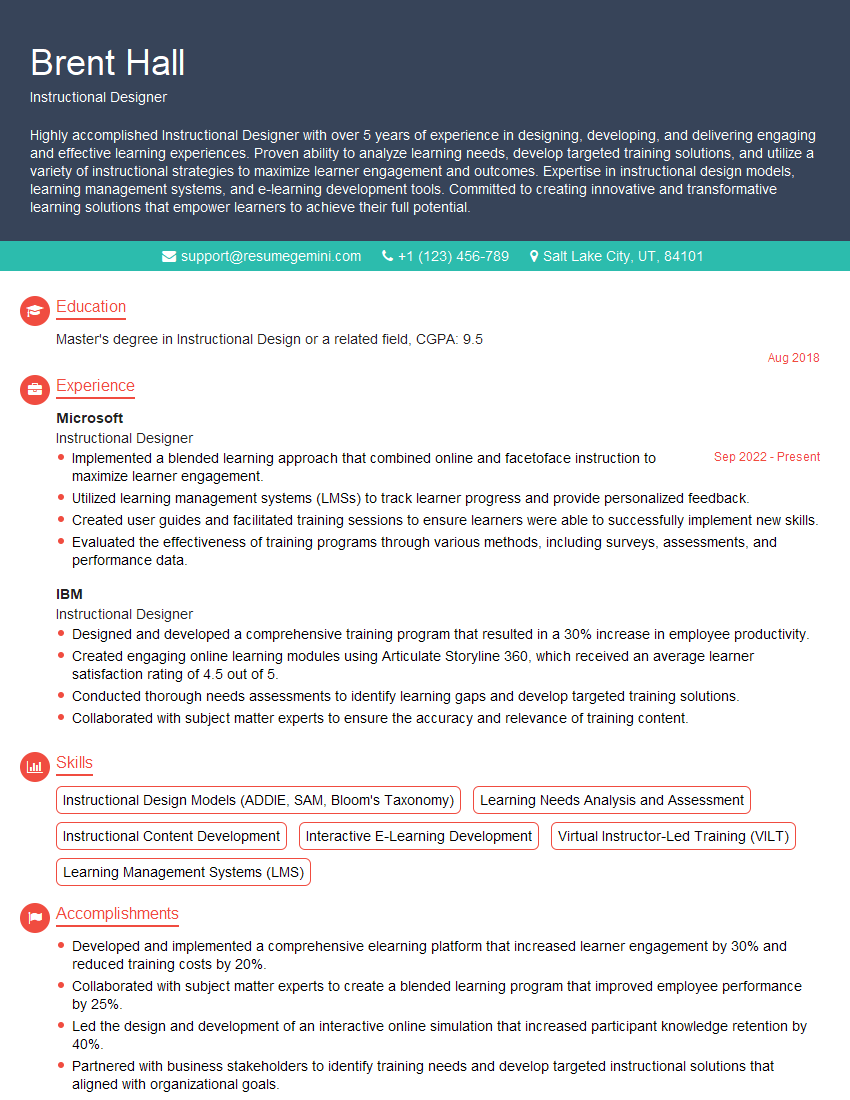
Instructional Designer Resume Sample

Educational Technologist Resume Sample
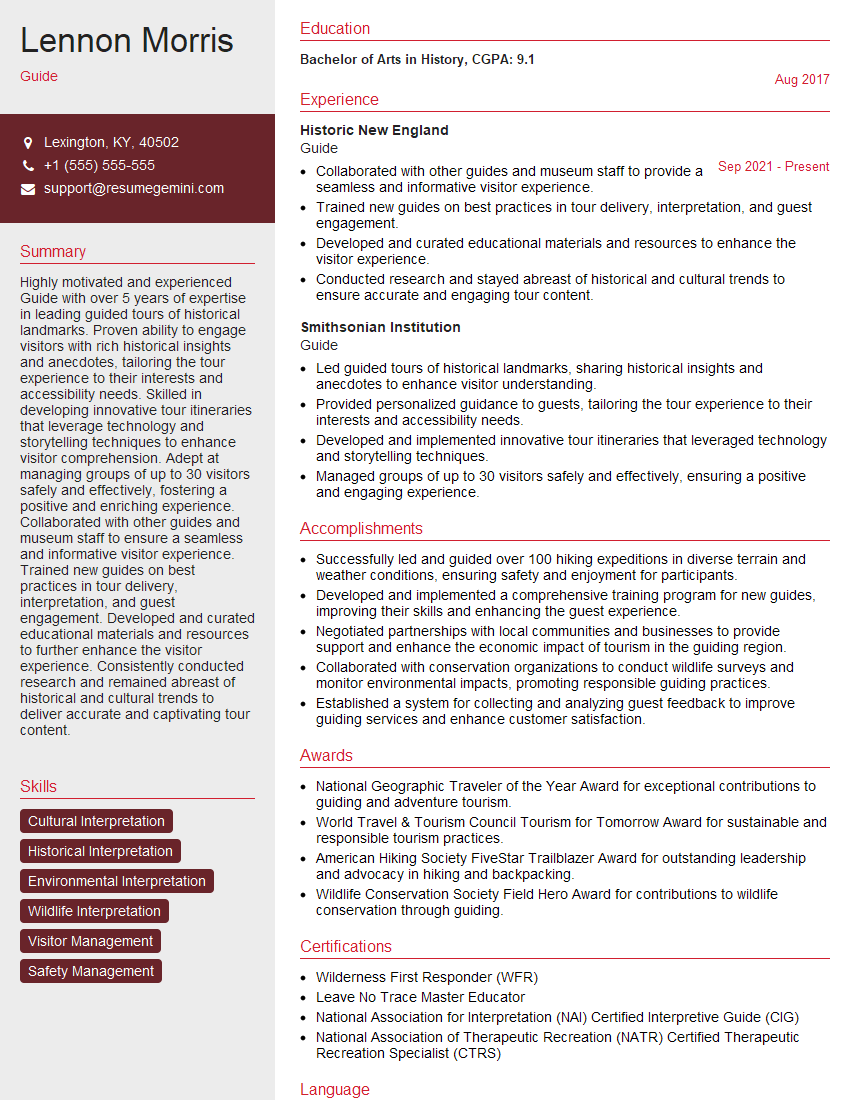
Guide Resume Sample
Explore more articles
Users Rating of Our Blogs
Share Your Experience
We value your feedback! Please rate our content and share your thoughts (optional).
What Readers Say About Our Blog
To the interviewgemini.com Webmaster.
Very helpful and content specific questions to help prepare me for my interview!
Thank you
To the interviewgemini.com Webmaster.
This was kind of a unique content I found around the specialized skills. Very helpful questions and good detailed answers.
Very Helpful blog, thank you Interviewgemini team.