The right preparation can turn an interview into an opportunity to showcase your expertise. This guide to Knowledge of scientific research methodologies interview questions is your ultimate resource, providing key insights and tips to help you ace your responses and stand out as a top candidate.
Questions Asked in Knowledge of scientific research methodologies Interview
Q 1. Explain the difference between qualitative and quantitative research methods.
Qualitative and quantitative research methods represent two fundamentally different approaches to understanding the world. Think of it like this: qualitative research is like painting a picture, capturing the richness and complexity of a phenomenon through detailed descriptions and interpretations, while quantitative research is like taking a precise measurement, using numbers and statistics to quantify and analyze relationships.
- Qualitative Research: Focuses on exploring experiences, perspectives, and meanings. It uses methods like interviews, focus groups, and observations to gather rich, descriptive data. For example, a qualitative study might explore the lived experiences of patients with a chronic illness, gaining in-depth understanding of their emotional and social challenges.
- Quantitative Research: Focuses on measuring and quantifying phenomena. It uses methods like surveys, experiments, and statistical analysis to test hypotheses and establish relationships between variables. An example would be a study examining the correlation between hours of exercise and weight loss, using numerical data and statistical tests to establish the strength of the relationship.
The key difference lies in the type of data collected and analyzed. Qualitative data is non-numerical and descriptive, while quantitative data is numerical and can be statistically analyzed. Often, researchers use a mixed-methods approach, combining both qualitative and quantitative methods to gain a more complete understanding of a research problem.
Q 2. Describe the steps involved in the scientific method.
The scientific method is a systematic approach to investigating phenomena, acquiring new knowledge, or correcting and integrating previous knowledge. It’s a cyclical process, not a linear one, meaning that findings often lead to new questions and further research.
- Observation: Identifying a phenomenon or problem that needs investigation. For instance, noticing that plants near a certain window grow faster than others.
- Question: Formulating a specific, testable question based on the observation. Example: ‘Do plants grow faster when exposed to more sunlight?’
- Hypothesis: Proposing a tentative explanation or prediction that can be tested. Example: ‘Plants exposed to more direct sunlight will exhibit greater growth than plants exposed to less sunlight.’
- Prediction: Formulating a specific, measurable prediction based on the hypothesis. Example: ‘If plants are exposed to 8 hours of direct sunlight daily, they will grow 2 cm taller than those exposed to 4 hours.’
- Experiment: Designing and conducting a controlled experiment to test the prediction. This involves manipulating variables and controlling others to isolate the effect of the independent variable.
- Analysis: Analyzing the data collected during the experiment using appropriate statistical methods. This involves determining if the results support or refute the hypothesis.
- Conclusion: Drawing conclusions based on the data analysis and accepting, rejecting, or modifying the hypothesis. The results will either support the initial hypothesis or suggest modifications are needed.
- Communication: Sharing the findings through publications or presentations to contribute to the body of scientific knowledge.
It’s important to note that the scientific method is iterative. The results of one study often lead to new questions and further research.
Q 3. What are the different types of research designs?
Research designs are the overall strategies used to conduct research. They determine how data will be collected and analyzed to answer the research question. There’s a wide variety, but some key types include:
- Experimental Designs: These designs involve manipulating an independent variable to observe its effect on a dependent variable. Random assignment of participants to different groups (experimental and control) is crucial for establishing causality. A classic example is a clinical trial testing the effectiveness of a new drug.
- Quasi-Experimental Designs: Similar to experimental designs, but lack random assignment. They are often used when random assignment is not feasible or ethical. For instance, comparing academic performance in schools with different teaching methods but without randomly assigning students to schools.
- Correlational Designs: These designs examine the relationship between two or more variables without manipulating any of them. They determine the strength and direction of the association, but cannot establish causality. An example is a study exploring the correlation between stress levels and blood pressure.
- Descriptive Designs: These designs aim to describe the characteristics of a population or phenomenon without testing hypotheses. Methods such as surveys and observational studies fall under this category. A study describing the demographics of a specific city is an example.
- Case Studies: In-depth investigation of a single case (person, event, or group). They are useful for exploring complex phenomena in detail but lack generalizability. Studying a unique historical event is an example.
The choice of research design depends on the research question, resources available, and ethical considerations.
Q 4. What is the importance of a literature review in research?
A literature review is a critical summary of existing research on a specific topic. It’s an essential part of any research project because it provides context, identifies gaps in knowledge, and informs the design and methodology of the new study. Think of it as building a foundation before constructing a house.
- Provides Context: The literature review helps researchers understand the existing body of knowledge surrounding their topic, highlighting key findings, theories, and debates. This sets the stage for their own research.
- Identifies Gaps: It reveals areas where further research is needed, guiding the development of research questions and hypotheses. For example, a review might show a lack of research on a particular demographic group.
- Informs Methodology: The review informs the choice of research methods and design. Researchers can learn from previous studies, adopting successful approaches or avoiding unsuccessful ones.
- Avoids Duplication: By reviewing existing literature, researchers can avoid repeating work that has already been done, saving time and resources.
- Provides Theoretical Framework: The review helps develop a theoretical framework for the study, providing a foundation for interpreting findings.
A well-conducted literature review is crucial for producing high-quality, original research that contributes meaningfully to the field.
Q 5. How do you formulate a research hypothesis?
A research hypothesis is a testable statement predicting the relationship between two or more variables. It’s a crucial step in the scientific method, guiding the design and analysis of a study. A good hypothesis is specific, testable, and falsifiable.
Formulating a hypothesis involves several steps:
- Identify the Research Question: Clearly define the research question that the study aims to answer.
- Review Existing Literature: Conduct a thorough literature review to understand the current state of knowledge and identify any existing theories or hypotheses.
- Define Variables: Identify the independent (manipulated) and dependent (measured) variables in the study. For example, in a study on the effect of exercise on weight loss, exercise is the independent variable and weight loss is the dependent variable.
- State the Predicted Relationship: Based on the literature review and understanding of the variables, state the predicted relationship between the variables. This prediction should be specific and measurable.
- Formulate the Hypothesis: Express the predicted relationship as a testable statement. This might be a directional hypothesis (predicting the direction of the relationship) or a non-directional hypothesis (simply predicting a relationship without specifying the direction).
Example: Research Question: Does regular exercise lead to weight loss? Hypothesis: Individuals who participate in a regular exercise program will experience a greater reduction in body weight compared to individuals who do not participate in such a program.
Q 6. Explain the concept of sampling bias and how to mitigate it.
Sampling bias occurs when the sample selected for a study does not accurately represent the population of interest. This can lead to inaccurate conclusions and undermine the validity of the research. Imagine trying to understand the average height of adults by only measuring the heights of basketball players – you’d get a very skewed result.
Types of sampling bias include:
- Selection Bias: Occurs when the selection process favors certain individuals over others. For instance, only surveying people who readily volunteer their time.
- Response Bias: Occurs when some individuals are more likely to respond than others, leading to a non-representative sample. For example, a survey sent through email may not accurately reflect the views of those without internet access.
- Non-response Bias: Similar to response bias, but focuses specifically on those who do not respond to a survey or study.
To mitigate sampling bias:
- Random Sampling: Use random sampling techniques, such as simple random sampling or stratified random sampling, to ensure that every member of the population has an equal chance of being selected. This is the gold standard for minimizing selection bias.
- Increase Sample Size: A larger sample size reduces the impact of sampling error, making the sample more representative of the population.
- Stratified Sampling: Divide the population into subgroups (strata) and randomly sample from each stratum to ensure representation of all subgroups.
- Weighting Data: If some subgroups are underrepresented, adjust the data analysis by assigning weights to the different subgroups, giving more weight to the underrepresented groups.
- Careful Consideration of Non-respondents: Investigate reasons for non-response to understand potential biases.
Careful planning and execution of the sampling strategy are essential to minimizing sampling bias and ensuring the generalizability of research findings.
Q 7. What are the ethical considerations in conducting research?
Ethical considerations are paramount in research. Researchers have a responsibility to protect the rights and well-being of participants and maintain the integrity of the research process. Key ethical considerations include:
- Informed Consent: Participants must be fully informed about the study’s purpose, procedures, risks, and benefits before they agree to participate. They must be free to withdraw at any time.
- Confidentiality and Anonymity: Participants’ data must be kept confidential and, where possible, anonymized to protect their privacy. This often involves techniques like data encryption and removing identifying information.
- Beneficence and Non-maleficence: Researchers must strive to maximize the benefits and minimize the harms to participants. This involves careful risk assessment and mitigation strategies.
- Justice and Fairness: The benefits and burdens of research should be distributed fairly across all groups. Researchers should avoid exploiting vulnerable populations.
- Integrity: Researchers must be honest and transparent in their research conduct, accurately reporting their findings and avoiding plagiarism or fabrication of data.
- Institutional Review Boards (IRBs): Most research institutions have IRBs that review research protocols to ensure they meet ethical standards before the research can begin. This provides an independent check to protect research participants.
Ethical considerations must be integrated into every stage of the research process, from the design phase to the dissemination of findings. Failing to address ethical considerations can have serious consequences, damaging the reputation of researchers and institutions and potentially harming participants.
Q 8. How do you determine the appropriate sample size for a study?
Determining the appropriate sample size is crucial for the success of any scientific study. A sample size that’s too small might not accurately represent the population, leading to unreliable results. Conversely, a sample size that’s too large can be costly and inefficient. The ideal sample size depends on several factors, primarily the desired level of precision, the variability within the population, and the statistical power required to detect a meaningful effect.
Several methods exist for calculating sample size. One common approach involves using power analysis, which helps determine the minimum sample size needed to detect a statistically significant effect with a specified level of confidence (e.g., 95%) and power (e.g., 80%). Power represents the probability of correctly rejecting the null hypothesis (i.e., finding a statistically significant effect when one truly exists). This calculation often involves specifying the effect size – the magnitude of the difference or relationship you expect to observe – and the significance level (alpha), usually set at 0.05.
For example, in a clinical trial comparing a new drug to a placebo, we need to determine how many participants are needed to detect a clinically significant difference in the treatment outcome with a high probability. Statistical software packages, or online calculators, can perform these power analyses, taking into account factors like the anticipated variability in the outcome measure.
Another consideration is the type of study design. For instance, a longitudinal study following participants over time requires a larger sample size to account for potential attrition (participants dropping out) compared to a cross-sectional study.
- Consider the desired precision: Higher precision requires a larger sample size.
- Assess population variability: Higher variability needs a larger sample.
- Specify the power and significance level: These values influence sample size calculations.
- Use statistical software or online calculators: These tools simplify the calculation process.
Q 9. What statistical tests are most commonly used in your field?
The statistical tests most commonly used in my field (assuming a general scientific research context) are highly dependent on the type of data and research question. However, some frequently employed tests include:
- t-tests: Used to compare the means of two groups (e.g., treatment vs. control). There are independent samples t-tests (for unrelated groups) and paired samples t-tests (for related groups, such as pre- and post-treatment measurements).
- ANOVA (Analysis of Variance): Used to compare the means of three or more groups. A one-way ANOVA compares groups based on a single factor, while a two-way ANOVA considers two factors.
- Chi-square test: Used to analyze categorical data to determine if there’s a significant association between two categorical variables (e.g., gender and smoking status).
- Correlation analysis (Pearson’s r, Spearman’s rho): Used to assess the strength and direction of the linear relationship between two continuous variables. Pearson’s r is used for linear relationships with normally distributed data; Spearman’s rho is suitable for non-linear relationships or non-normally distributed data.
- Regression analysis (linear, logistic): Used to model the relationship between a dependent variable and one or more independent variables. Linear regression is suitable for continuous dependent variables, while logistic regression models binary or categorical dependent variables.
The choice of test depends on several factors: the type of data (nominal, ordinal, interval, ratio), the number of groups being compared, the research question (e.g., comparing means, assessing associations), and assumptions about data distribution (e.g., normality).
Q 10. Describe your experience with data analysis and interpretation.
My experience with data analysis and interpretation spans various stages, from data cleaning and exploration to statistical modeling and visualization. I’m proficient in using statistical software packages such as R and SPSS to perform a wide range of analyses. I begin by meticulously cleaning the data, handling missing values, and identifying outliers. I then explore the data through descriptive statistics, visualizations (e.g., histograms, scatter plots, box plots), and summary tables to gain insights and understand the data’s distribution and potential relationships.
I typically follow a structured approach to statistical modeling, starting with appropriate descriptive statistics, then choosing the most suitable statistical tests or models based on my research questions and data characteristics. I critically assess the assumptions underlying these tests and employ appropriate techniques for handling violations of assumptions. Once the analysis is complete, I carefully interpret the results, paying close attention to effect sizes, p-values, confidence intervals, and practical significance in the context of the study’s objectives. I am adept at communicating these results clearly and concisely through both written reports and visual presentations.
For instance, in a recent project investigating the impact of a new teaching method on student performance, I used a mixed-effects model to account for the nested structure of the data (students within classrooms) and determined that the new method significantly improved student outcomes, as measured by standardized test scores. I visualized these results using bar charts and error bars, providing a clear illustration of the effects for different subgroups of students.
Q 11. How do you ensure the validity and reliability of your research findings?
Ensuring the validity and reliability of research findings is paramount. Validity refers to the accuracy of the findings, representing what they claim to represent. Reliability refers to the consistency and reproducibility of the findings. I employ several strategies to enhance both:
- Rigorous study design: A well-defined research question, appropriate sampling methods, and a clear methodology are essential for ensuring validity.
- Control for confounding variables: Identifying and controlling for factors that might influence the results, other than the variable of interest, is crucial.
- Using reliable and valid measurement instruments: Employing established measures with proven psychometric properties ensures that data collection is accurate and consistent.
- Triangulation: Using multiple methods or data sources to gather information about the same phenomenon enhances the validity of the findings.
- Inter-rater reliability: When subjective judgments are involved, having multiple raters assess the data independently increases the reliability.
- Statistical techniques: Utilizing appropriate statistical tests and considering effect sizes provides a more robust and reliable analysis.
- Peer review: Submitting the research to peer review ensures that the study’s methodology and findings are scrutinized by experts in the field.
- Replication: The ability to replicate the study and obtain similar results is a key indicator of reliability.
For example, in a study assessing the effectiveness of a new therapy, I would ensure the use of standardized treatment protocols, employ random assignment to treatment and control groups, and implement blinding procedures to minimize bias. Regular monitoring of data quality and consistency during data collection further enhances the overall reliability.
Q 12. Explain the difference between correlation and causation.
Correlation and causation are two distinct concepts often confused. Correlation refers to a statistical relationship between two or more variables, indicating that changes in one variable tend to be associated with changes in another. However, correlation does not imply causation. Just because two variables are correlated does not mean that one variable *causes* changes in the other.
Causation, on the other hand, implies a cause-and-effect relationship. It means that a change in one variable directly leads to a change in another variable. Establishing causation requires demonstrating that a change in the independent variable precedes and directly influences a change in the dependent variable, while ruling out alternative explanations.
For example, ice cream sales and crime rates might be positively correlated, meaning that both increase during the summer months. However, this doesn’t mean that buying ice cream causes crime or vice versa. The underlying factor, summer heat, likely influences both variables. This highlights the importance of considering confounding variables when interpreting correlations.
To establish causation, researchers often use experimental designs with random assignment, manipulating the independent variable to observe its effect on the dependent variable while controlling for confounding factors. This helps ensure that any observed relationship is not due to chance or other extraneous variables.
Q 13. What are some common challenges encountered in scientific research?
Scientific research is inherently challenging, and researchers often encounter several obstacles:
- Funding limitations: Securing adequate funding can be a significant hurdle, especially for large-scale or long-term projects.
- Data limitations: Accessing high-quality data, dealing with missing data, or working with insufficient sample sizes can compromise the study’s outcomes.
- Time constraints: Research projects often face tight deadlines, requiring efficient planning and execution.
- Ethical considerations: Researchers must adhere to strict ethical guidelines, which can sometimes limit research methods or access to certain populations.
- Unexpected results: Results that deviate from initial hypotheses require careful interpretation and often lead to further investigation.
- Bias: Researcher bias, participant bias, and publication bias can all affect the validity and reliability of the findings.
- Reproducibility challenges: The difficulty in replicating results from other studies, especially in certain fields, highlights challenges in study designs and the reproducibility of research.
Many of these challenges are intertwined. For example, funding limitations might necessitate smaller sample sizes, increasing the risk of failing to detect a true effect or obtaining less precise estimates. Ethical considerations can also place restrictions on sample selection or data collection methods. Addressing these challenges requires careful planning, rigorous methodology, and a commitment to transparent and ethical practices.
Q 14. How do you deal with unexpected results or challenges in your research?
Unexpected results or challenges are common in scientific research and present opportunities for learning and refinement. My approach involves a systematic investigation:
- Re-examine the data: Carefully check the data for errors, inconsistencies, or outliers that might explain the unexpected results. This could include verifying data entry, reassessing data cleaning steps, or employing more robust statistical techniques.
- Review the methodology: Assess whether the study design, data collection methods, or statistical analyses were appropriate. Identifying potential flaws in the methodology can explain unexpected outcomes.
- Explore alternative explanations: Consider alternative hypotheses or theoretical frameworks that might account for the findings. This may lead to a deeper understanding of the phenomenon being investigated.
- Consult with colleagues: Seeking input from peers or experts in the field provides valuable perspectives and guidance for interpreting the results.
- Conduct further analyses: Employ additional statistical techniques or sensitivity analyses to ensure that the findings are robust. Exploring subgroups or additional variables can reveal meaningful patterns.
- Replicate the study: If resources allow, conducting a replication study can help validate the findings and ensure reproducibility.
- Revise the research question or hypotheses: In some cases, the unexpected results might necessitate a revision of the research question or hypotheses, refining the study’s focus.
For example, if a study found no significant effect where one was expected, I would meticulously examine the data for errors, consider potential confounding factors that were not initially controlled for, and potentially adjust the statistical analysis to accommodate for potential violations of assumptions. The unexpected result could either highlight a limitation of the study or a need for revision of existing theories.
Q 15. How do you present and communicate your research findings?
Presenting research findings effectively involves tailoring the communication to the audience. For a scientific audience, I’d use a formal style, emphasizing methodological rigor and statistical analysis, perhaps presenting at a conference or publishing in a peer-reviewed journal. For a more general audience, I’d simplify complex concepts using clear language, visual aids like charts and graphs, and focus on the implications of the findings. This might involve creating an infographic, giving a public lecture, or writing a popular science article.
My presentations always include a clear introduction outlining the research question, methodology, and key findings. The body systematically presents the data, supporting it with evidence and addressing potential limitations. I always conclude by summarizing the main points, highlighting the significance of the research, and suggesting avenues for future investigation. I also actively engage the audience, encouraging questions and discussion to foster a deeper understanding.
Career Expert Tips:
- Ace those interviews! Prepare effectively by reviewing the Top 50 Most Common Interview Questions on ResumeGemini.
- Navigate your job search with confidence! Explore a wide range of Career Tips on ResumeGemini. Learn about common challenges and recommendations to overcome them.
- Craft the perfect resume! Master the Art of Resume Writing with ResumeGemini’s guide. Showcase your unique qualifications and achievements effectively.
- Don’t miss out on holiday savings! Build your dream resume with ResumeGemini’s ATS optimized templates.
Q 16. Describe your experience with different data visualization techniques.
My experience with data visualization spans various techniques, chosen based on the data type and the message I want to convey. For example, I frequently use bar charts to compare categorical data, scatter plots to show correlations between two continuous variables, and line graphs to illustrate trends over time. For visualizing complex relationships in high-dimensional data, I leverage techniques like heatmaps and parallel coordinate plots. I’m also proficient in creating interactive visualizations using tools like Tableau and R Shiny, which allow for more dynamic exploration of data sets.
For instance, when analyzing survey data on public opinion towards a specific policy, a bar chart effectively displays the percentage of respondents who support, oppose, or are neutral towards the policy. Similarly, when exploring the relationship between income and education levels, a scatter plot helps to reveal the correlation and potential outliers.
Q 17. How familiar are you with different research databases and repositories?
I’m highly familiar with a range of research databases and repositories, including PubMed (for biomedical literature), Web of Science (for citation analysis), Scopus (another comprehensive citation database), and Google Scholar (a widely accessible search engine for scholarly literature). I also have experience with specialized repositories like arXiv (for preprints in physics, mathematics, computer science, and other fields), and data repositories like Dryad and Figshare for sharing research data. My familiarity extends to navigating their search functionalities, understanding metadata, and critically evaluating the quality and reliability of information retrieved from these resources.
For example, when researching the effectiveness of a new drug, I would use PubMed to find relevant clinical trials and review articles. To ensure reproducibility, I’d then locate the underlying data in a repository like Dryad, if available, to verify the results.
Q 18. What is your experience with grant writing and proposal development?
I have extensive experience in grant writing and proposal development, having successfully secured funding for several research projects. My approach involves meticulously crafting proposals that clearly articulate the research question, the innovative aspects of the proposed work, and its potential societal impact. This includes a detailed budget justification and a timeline for project completion. I carefully tailor each proposal to the specific funding agency’s priorities and guidelines, ensuring alignment with their mission and evaluation criteria. I also actively seek feedback from colleagues and mentors to refine the proposal before submission.
One successful grant I wrote detailed a study on the effects of climate change on coastal ecosystems. The proposal focused on the novelty of our approach using advanced satellite imagery analysis and the potential for the results to inform crucial conservation strategies. The detailed budget and timeline were crucial in securing the funding.
Q 19. Explain the concept of p-value and its interpretation.
The p-value is a probability measure that indicates the likelihood of observing the obtained results (or more extreme results) if there were no real effect (null hypothesis). In simpler terms, it quantifies the evidence against the null hypothesis. A small p-value (typically less than 0.05) suggests that the observed results are unlikely to have occurred by chance alone, providing evidence to reject the null hypothesis. However, it’s crucial to remember that a p-value doesn’t directly indicate the size or importance of the effect.
For instance, a p-value of 0.01 suggests that if the null hypothesis were true, there’s only a 1% chance of observing the obtained results or more extreme ones. This provides strong evidence against the null hypothesis, but it doesn’t tell us the magnitude of the effect. A low p-value should always be considered alongside other factors like effect size and confidence intervals for a complete interpretation.
Q 20. What are the limitations of your chosen research methodology?
The limitations of any research methodology are crucial to acknowledge. For example, if I used a quantitative survey method, the limitations might include sampling bias if the sample isn’t representative of the population, or response bias if participants answer questions inaccurately. If employing a qualitative approach like interviews, limitations might be related to interviewer bias, or the subjective interpretations of the data. Furthermore, ethical considerations, such as informed consent and data privacy, are also limitations that must be carefully addressed. It is essential to explicitly state these limitations in the research report to provide a balanced and accurate representation of the findings. This allows readers to critically assess the scope and generalizability of the results.
For instance, in a study examining the impact of a new educational program, a small sample size might limit the generalizability of the findings to a broader population. This limitation should be clearly acknowledged in the research report.
Q 21. How do you ensure the reproducibility of your research?
Ensuring research reproducibility is paramount. My approach involves meticulous documentation of every step of the research process, from data collection and cleaning to analysis and interpretation. This includes detailed descriptions of the methods used, including software versions, parameters, and any data transformations. I make all relevant data and code publicly available through repositories like GitHub or Open Science Framework (OSF). This transparency allows other researchers to replicate the study and verify the findings. I also strive to use well-documented and widely available software packages to minimize ambiguity and ensure replicability. I clearly define all variables and statistical tests, and document the decisions made throughout the analysis.
In practice, this might involve creating a detailed protocol that outlines each step of the experiment, from participant recruitment to data analysis. The code used for analysis, along with the processed data, would be uploaded to a public repository, allowing others to reproduce the results.
Q 22. Describe your experience with different statistical software packages (e.g., R, SPSS, SAS).
My experience with statistical software is extensive, encompassing R, SPSS, and SAS. R, with its open-source nature and powerful libraries like ggplot2 for visualization and dplyr for data manipulation, is my primary tool for complex analyses and custom solutions. I use it regularly for tasks such as building predictive models, performing statistical tests, and creating publication-quality graphics. SPSS, with its user-friendly interface, is excellent for straightforward analyses and managing large datasets, particularly when collaborating with individuals less familiar with coding. Finally, SAS is invaluable for large-scale data management and processing within enterprise environments; its strength lies in handling massive datasets and complex procedures efficiently. For example, I recently used R to develop a custom algorithm for analyzing longitudinal data, using SPSS for a rapid exploratory analysis of a large survey, and SAS to process and clean a massive clinical trial dataset prior to analysis.
Q 23. How do you manage and organize large datasets?
Managing large datasets efficiently involves a structured approach. I start by defining clear research questions and variables of interest, which guides data selection and reduction. This is often followed by importing the data into a suitable software package like R or SAS. Then, I employ techniques such as data partitioning (splitting into training, testing, and validation sets for modeling) and data reduction (using feature selection methods to eliminate irrelevant or redundant variables). Database management systems (DBMS) like MySQL or PostgreSQL become crucial for very large datasets, enabling efficient storage, retrieval, and querying. For instance, in a recent project analyzing genomic data, I used a relational database to store and manage the terabyte-sized dataset, optimizing queries through indexing and partitioning to improve analytical speed.
Q 24. What are your preferred methods for data cleaning and preparation?
Data cleaning and preparation is a critical step, often consuming the majority of project time. My approach involves several steps. First, I conduct thorough exploratory data analysis (EDA) using visualization tools to identify outliers, missing values, and inconsistencies. Next, I handle missing data using appropriate imputation methods (e.g., mean imputation for numerical variables, mode imputation for categorical variables, or more sophisticated techniques like multiple imputation for complex datasets). I address outliers by investigating the cause (e.g., data entry errors, true outliers) and deciding on an appropriate strategy (e.g., removal, transformation, or winsorizing). Inconsistencies in data entry are addressed through standardization and data transformation (e.g., converting data to consistent units). For example, I recently cleaned a dataset with inconsistencies in date formats by using R to standardize the format and then validated it. The code involved regular expressions and custom functions.
Q 25. How do you handle conflicting data or results?
Conflicting data or results require careful investigation and resolution. The first step involves a thorough review of the data sources, looking for errors or inconsistencies in data collection, entry, or processing. I cross-reference data with multiple sources to validate findings. Statistical techniques, such as sensitivity analyses, can help assess the impact of conflicting data on the overall results. If inconsistencies remain, I document the conflicting data and clearly communicate the uncertainties in the analysis and interpretation of results. Transparency is crucial. For instance, in a meta-analysis, I encountered studies with conflicting results. I performed a sensitivity analysis excluding the studies with questionable methodology which greatly clarified the overall findings.
Q 26. Describe your experience with systematic reviews and meta-analyses.
My experience with systematic reviews and meta-analyses is substantial. I am proficient in conducting comprehensive literature searches using databases like PubMed and Web of Science, applying rigorous inclusion and exclusion criteria. I’m adept at assessing the methodological quality of included studies using tools like the Cochrane risk of bias tool. I am comfortable extracting relevant data from individual studies, performing statistical analyses to synthesize results (e.g., calculating pooled effect sizes and assessing heterogeneity), and interpreting the overall findings. For example, in a recent systematic review, I analyzed the effect of a new treatment for a specific condition. I identified publication bias using funnel plots, and used random-effects models to account for heterogeneity in the results.
Q 27. How do you stay current with the latest advancements in your field?
Staying current in this rapidly evolving field requires a multifaceted approach. I regularly read peer-reviewed journals, attend conferences and workshops, and actively participate in online communities and professional organizations. I also follow prominent researchers and institutions on social media platforms dedicated to scientific research. Furthermore, I consistently engage in continuing education opportunities through online courses and workshops, focusing on emerging methodologies and techniques. This ensures I’m constantly learning about the newest statistical methods and research designs, and best practices.
Q 28. Explain your understanding of mixed-methods research approaches.
Mixed-methods research combines both quantitative (numerical data) and qualitative (non-numerical data, like interviews or text) approaches to provide a more comprehensive understanding of a research problem. It’s powerful because it integrates the strengths of each approach. Quantitative methods provide statistical generalizability while qualitative methods offer rich context and in-depth understanding. The design can be concurrent (collecting both types of data simultaneously) or sequential (collecting one type of data before the other). Choosing the appropriate design depends on the research question. For instance, a study investigating patient satisfaction with a new treatment could use quantitative surveys to measure satisfaction levels and qualitative interviews to explore the reasons behind those levels. The combined data provides a more nuanced understanding than either approach alone could offer.
Key Topics to Learn for Knowledge of Scientific Research Methodologies Interview
- Research Design: Understanding different research designs (experimental, quasi-experimental, correlational, qualitative) and their appropriate applications. Consider the strengths and weaknesses of each approach.
- Hypothesis Formulation & Testing: Formulating testable hypotheses, selecting appropriate statistical tests, and interpreting results in the context of the research question. Practice designing experiments to address specific hypotheses.
- Data Collection & Analysis: Familiarize yourself with various data collection methods (surveys, interviews, observations, experiments) and data analysis techniques (descriptive statistics, inferential statistics, regression analysis). Be prepared to discuss the limitations of different methods.
- Literature Review & Synthesis: Understanding how to conduct a thorough literature review, critically evaluate existing research, and synthesize findings to inform your own research. Practice identifying key themes and gaps in the literature.
- Ethical Considerations: Demonstrate a strong understanding of ethical principles in research, including informed consent, confidentiality, and data integrity. Be prepared to discuss potential ethical dilemmas in research settings.
- Scientific Writing & Communication: Mastering the ability to clearly and concisely communicate research findings through written reports and presentations. Practice explaining complex concepts in a way that is accessible to a non-specialist audience.
- Statistical Software Proficiency: Showcase your familiarity with statistical software packages (e.g., SPSS, R, SAS) and your ability to use them for data analysis and visualization. Be ready to discuss specific analyses you’ve conducted.
Next Steps
Mastering scientific research methodologies is crucial for career advancement in numerous fields, opening doors to exciting research opportunities and leadership roles. A strong understanding of these principles demonstrates your critical thinking skills, problem-solving abilities, and commitment to rigorous scholarship. To significantly boost your job prospects, create an ATS-friendly resume that effectively showcases your expertise. ResumeGemini is a trusted resource that can help you build a professional and impactful resume, tailored to highlight your skills and experience. Examples of resumes tailored to showcasing expertise in Knowledge of scientific research methodologies are available – leverage these resources to present yourself effectively to potential employers.
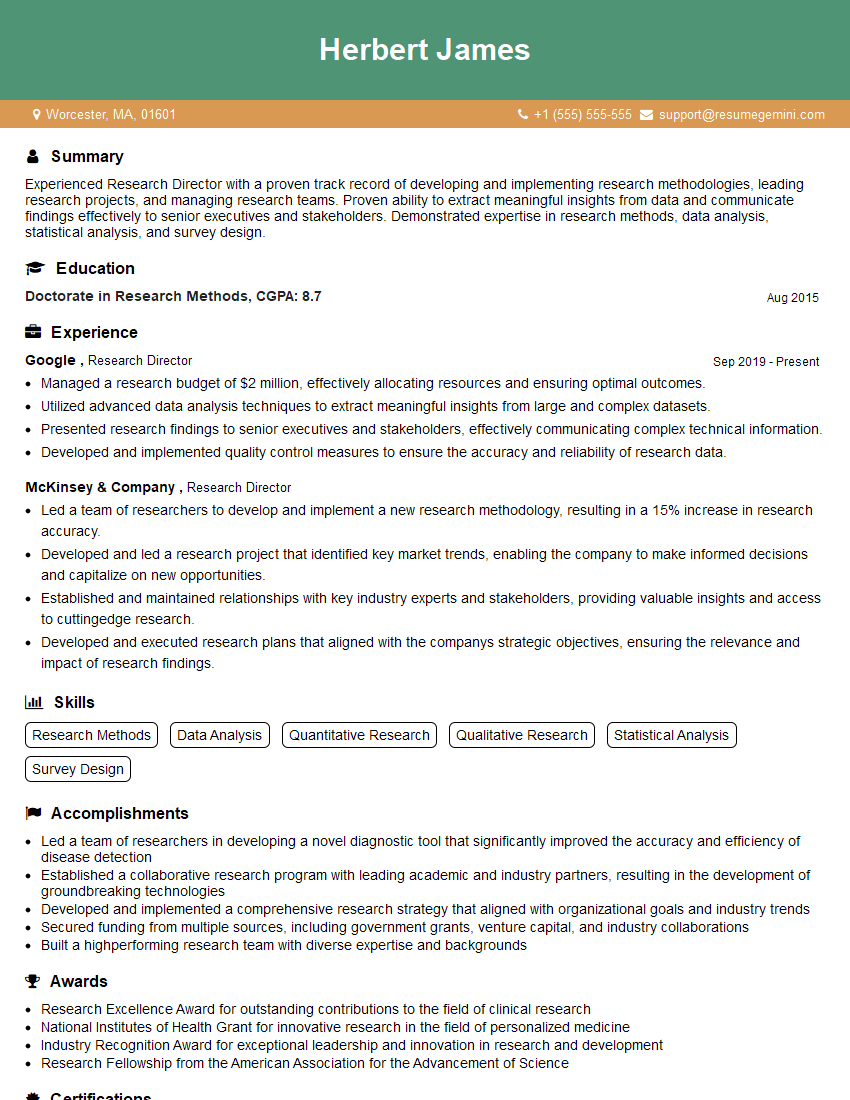
Research Director Resume Sample
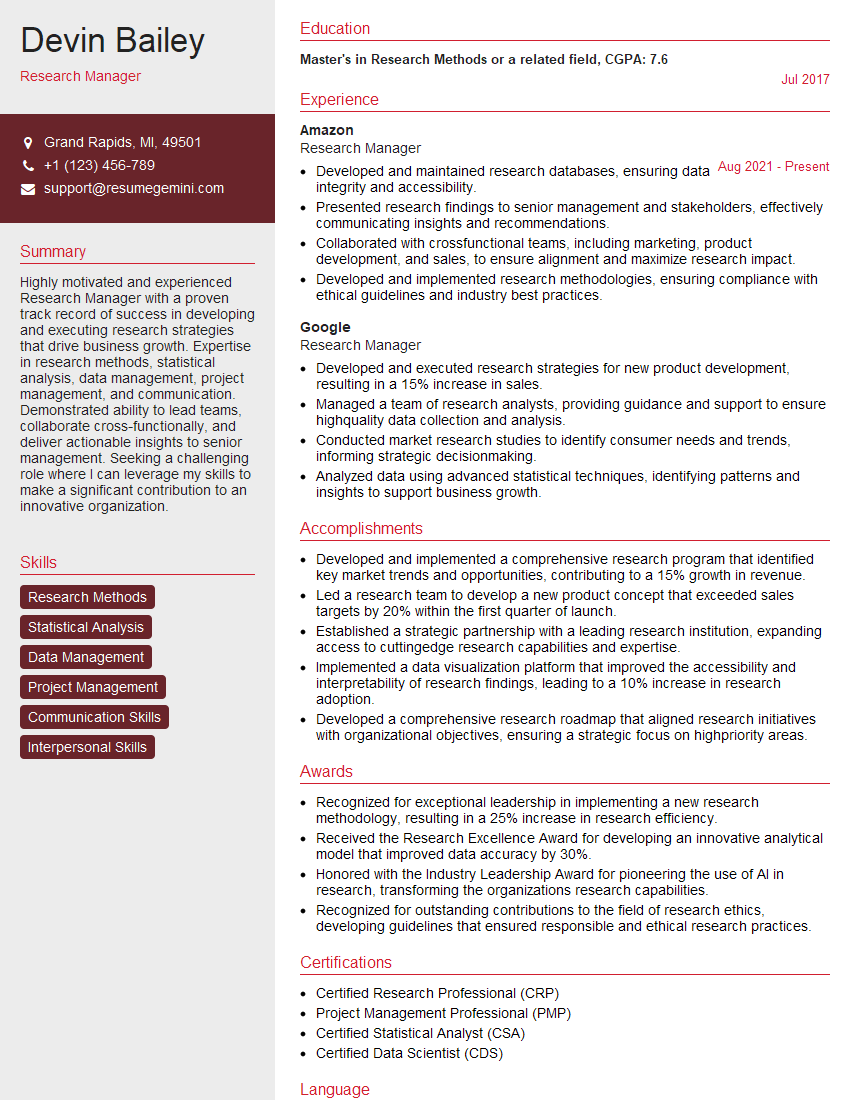
Research Manager Resume Sample
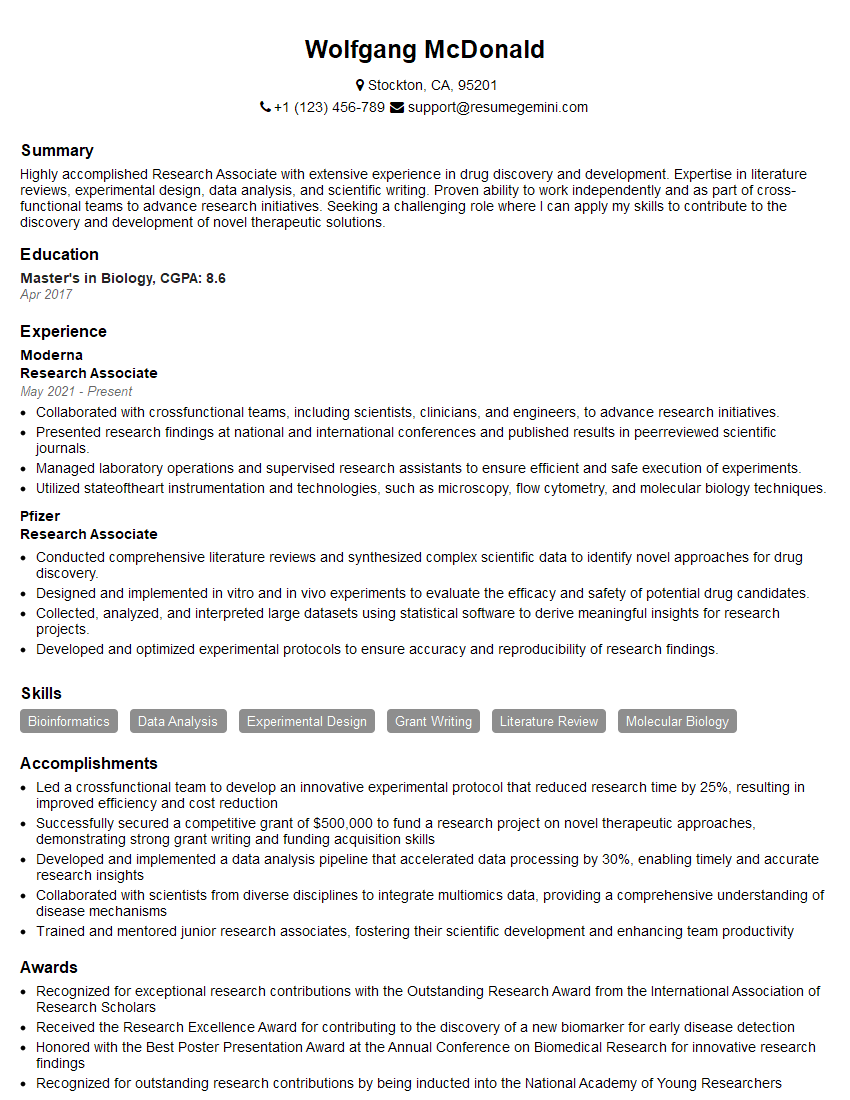
Research Associate Resume Sample
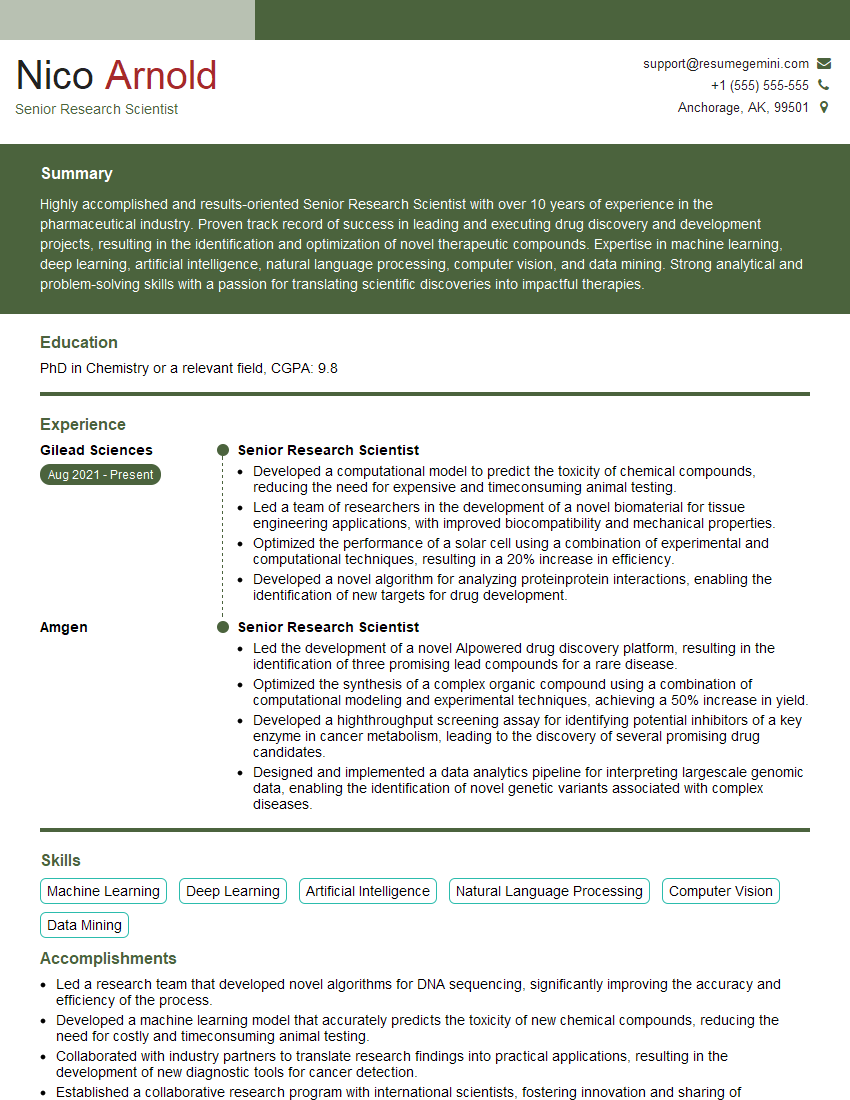
Senior Research Scientist Resume Sample
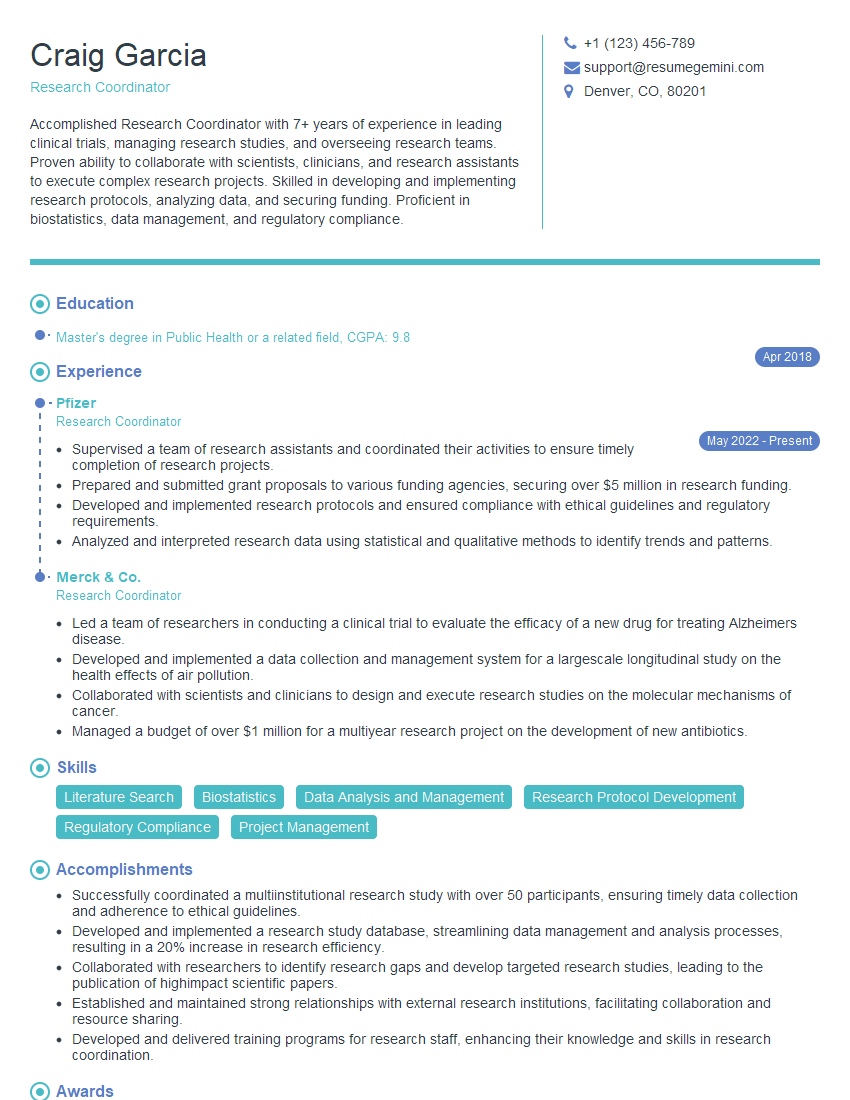
Research Coordinator Resume Sample
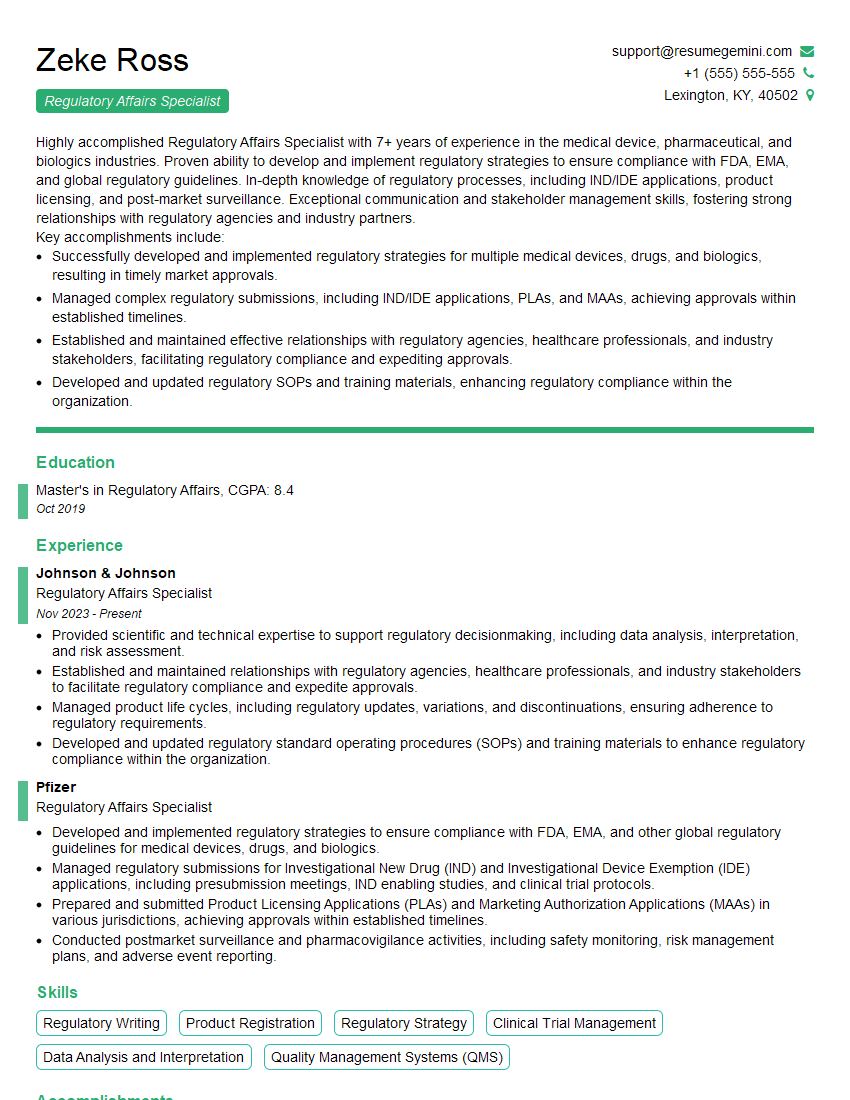
Regulatory Affairs Specialist Resume Sample
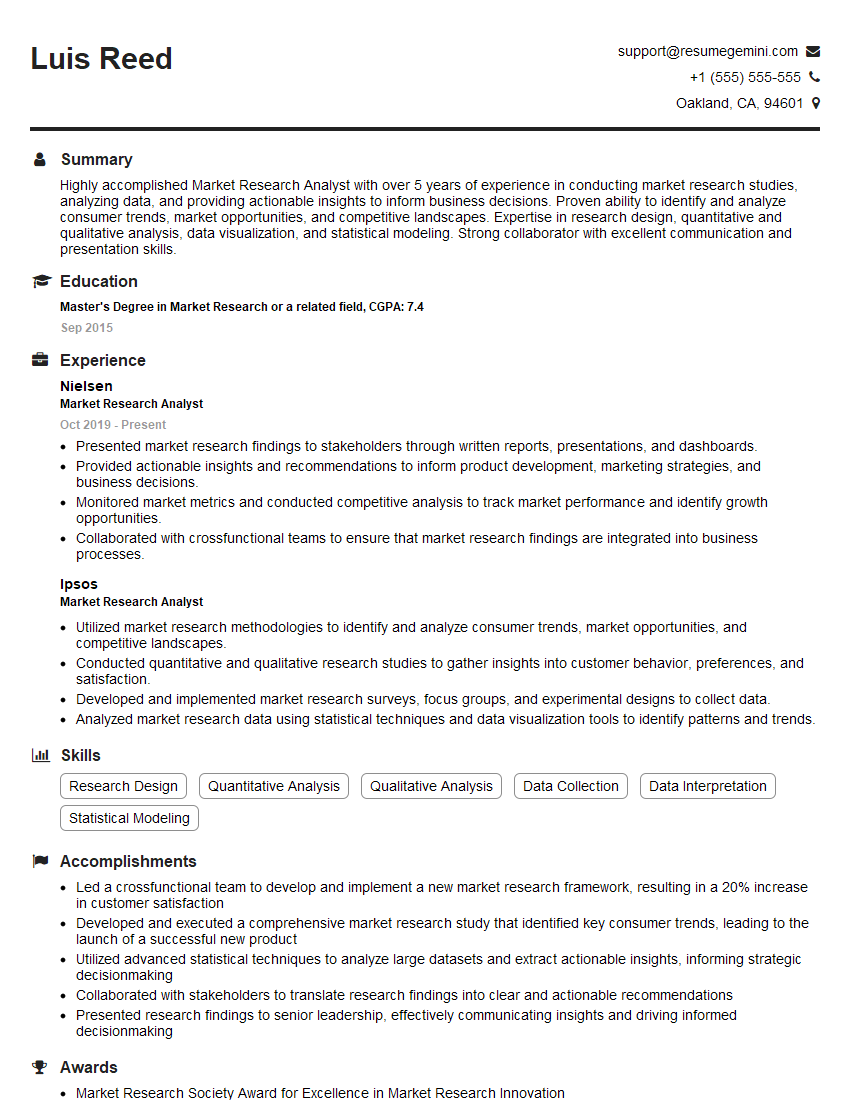
Market Research Analyst Resume Sample
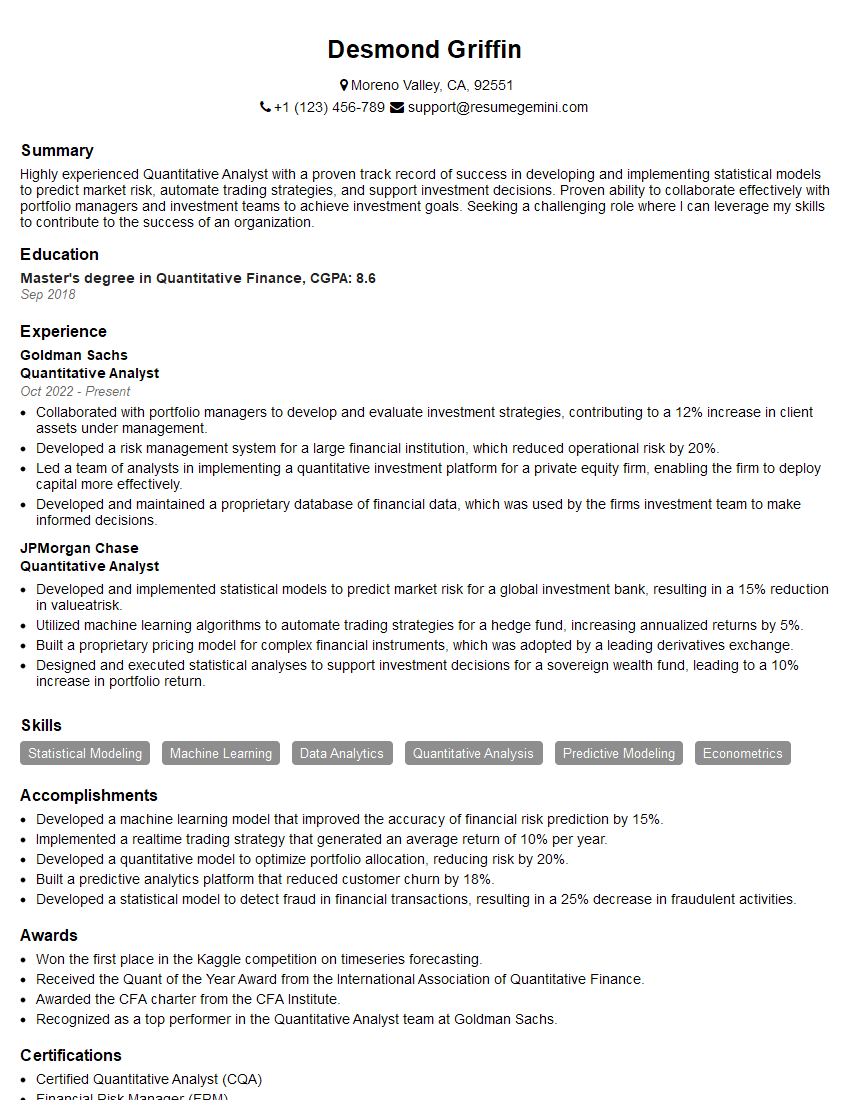
Quantitative Analyst Resume Sample
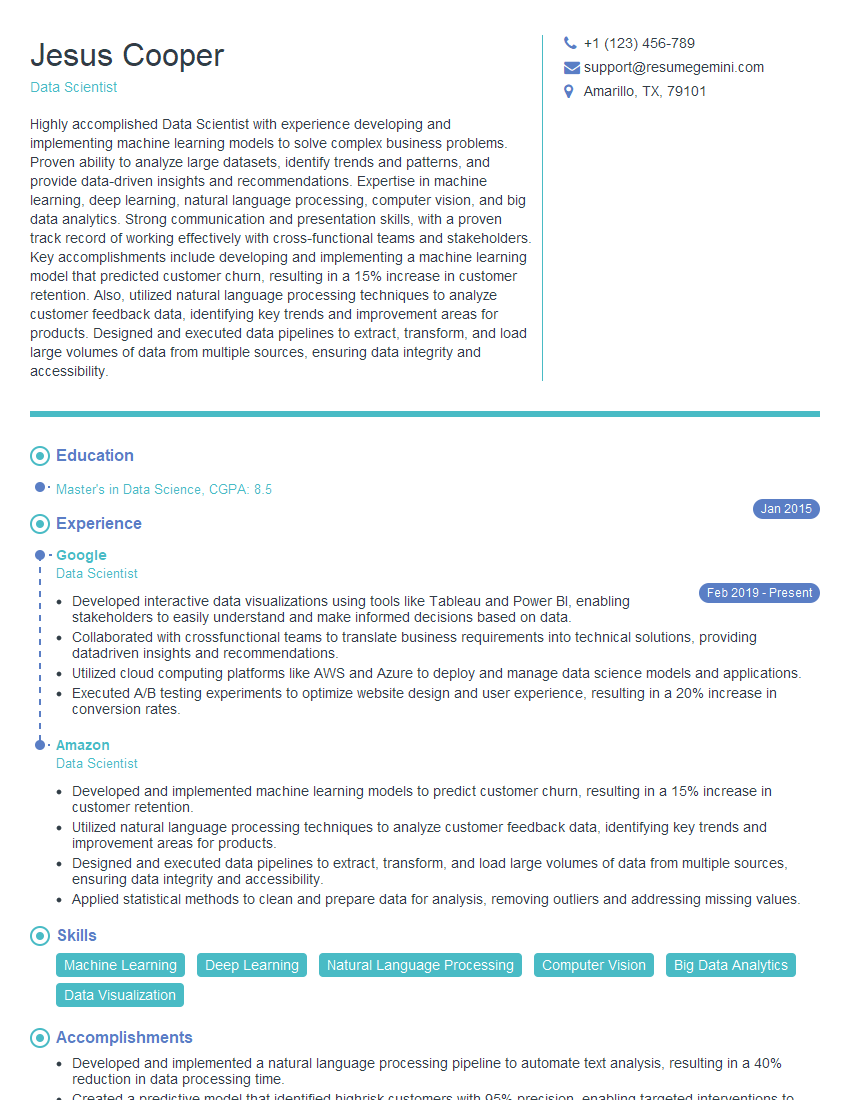
Data Scientist Resume Sample
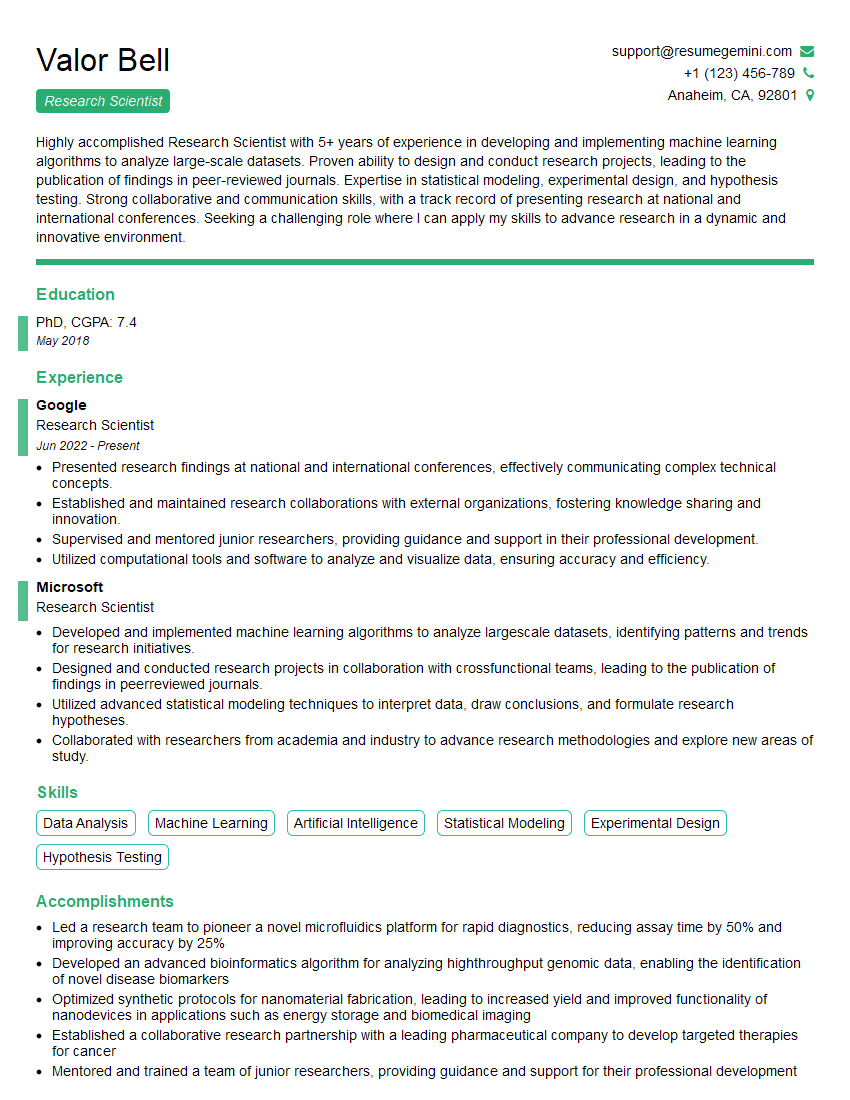
Research Scientist Resume Sample
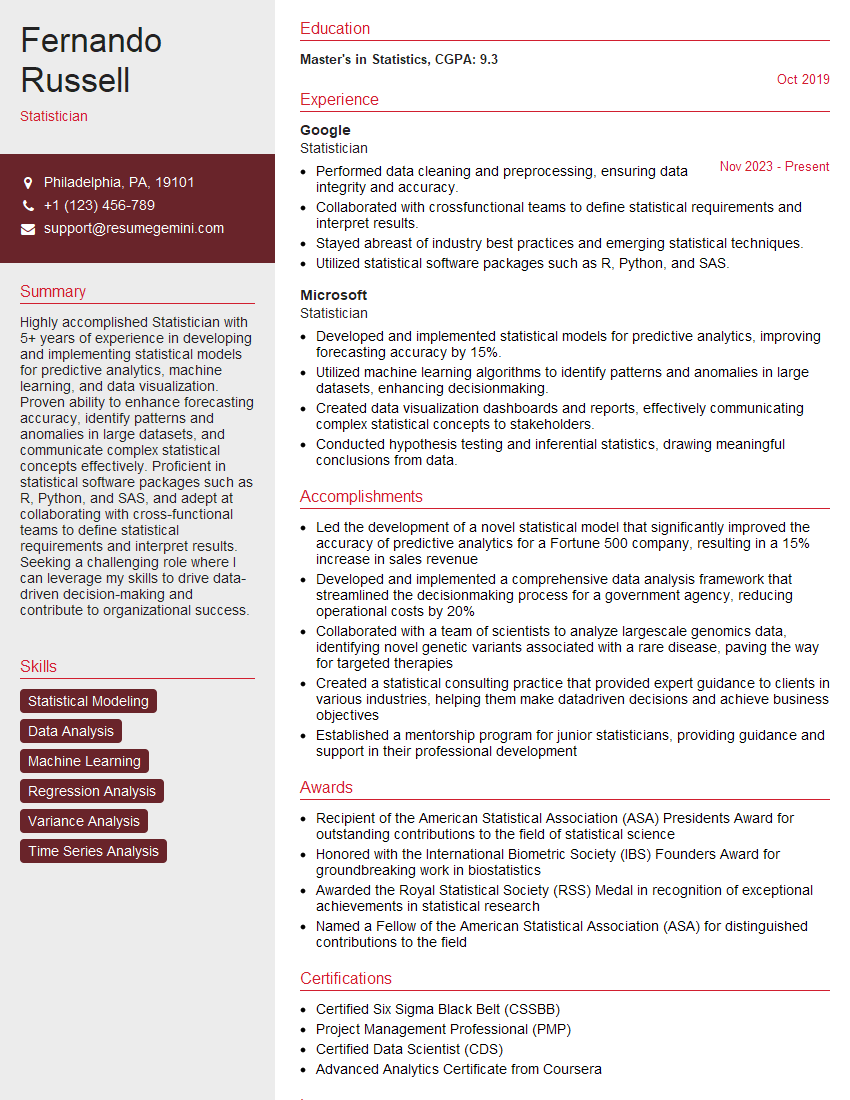
Statistician Resume Sample
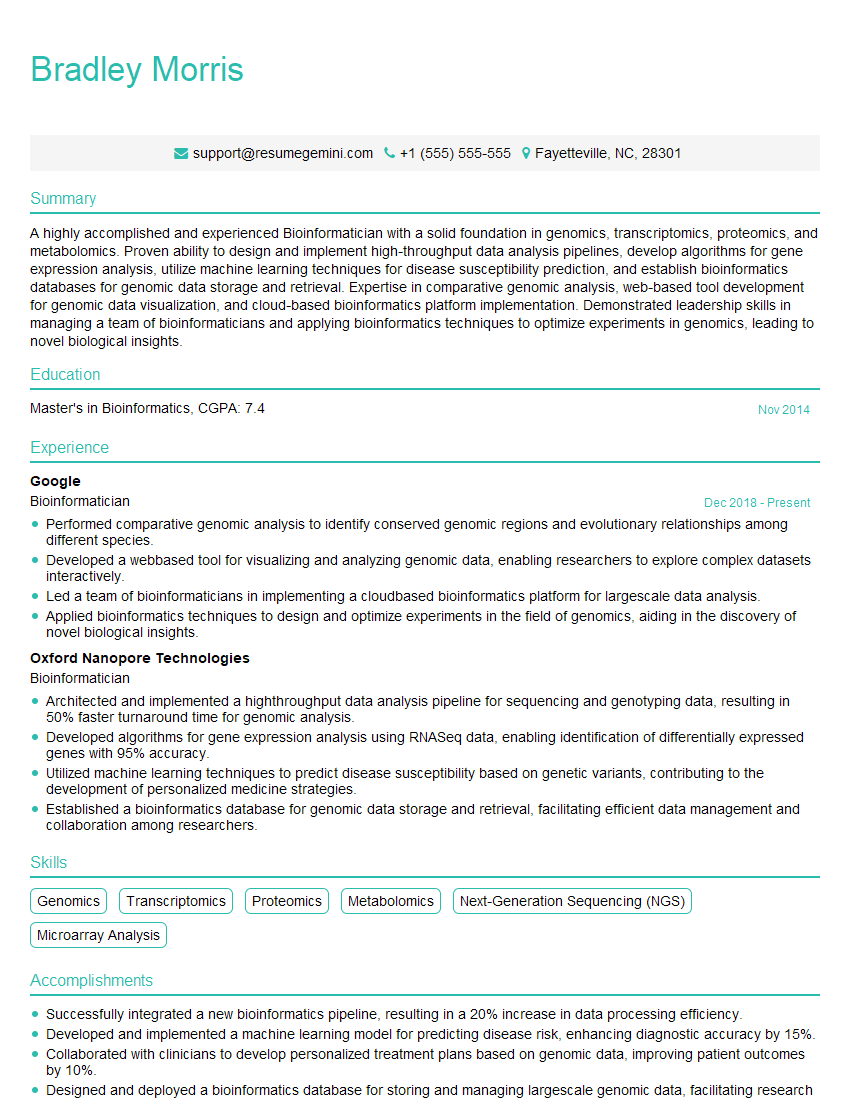
Bioinformatician Resume Sample
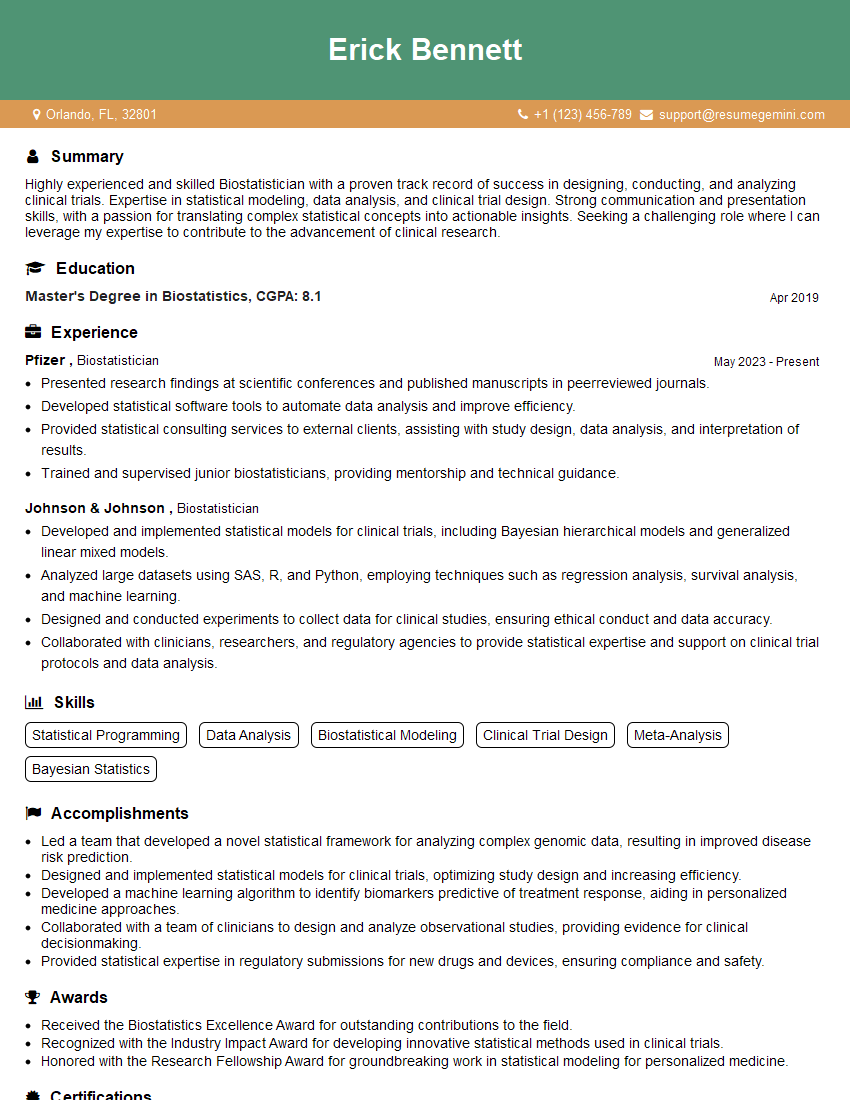
Biostatistician Resume Sample
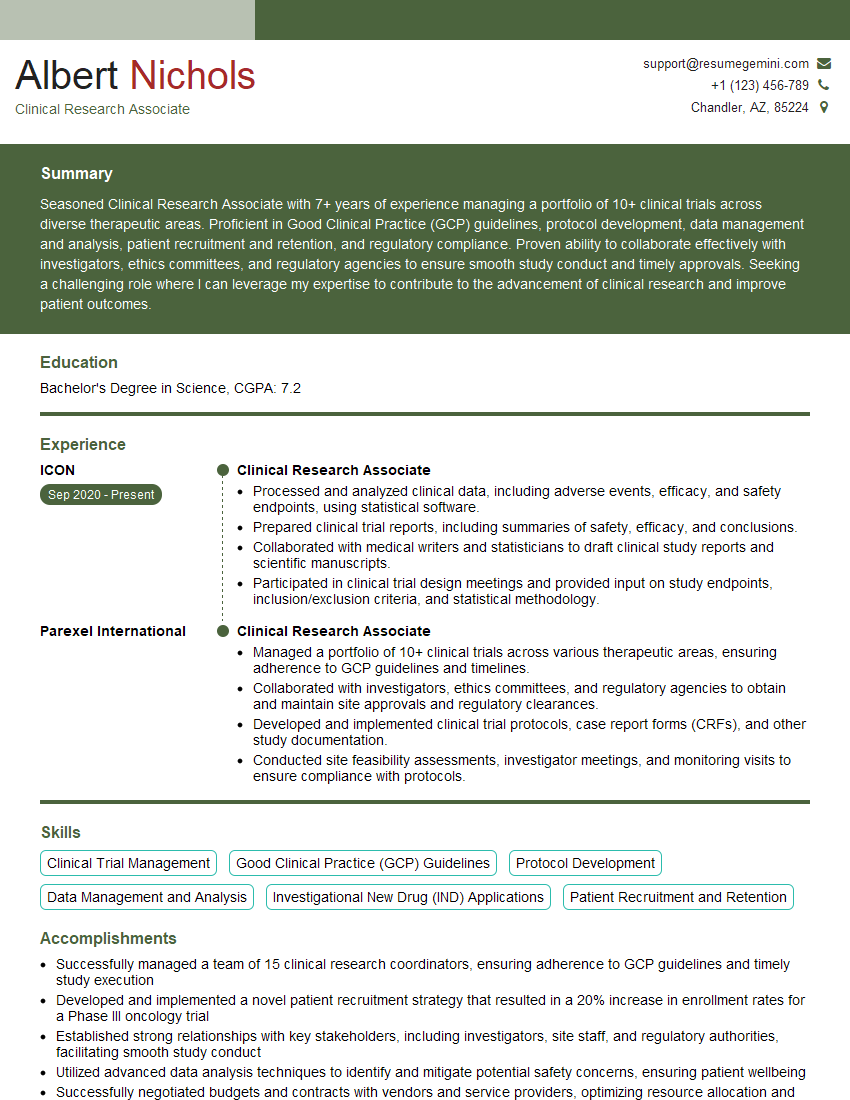
Clinical Research Associate Resume Sample
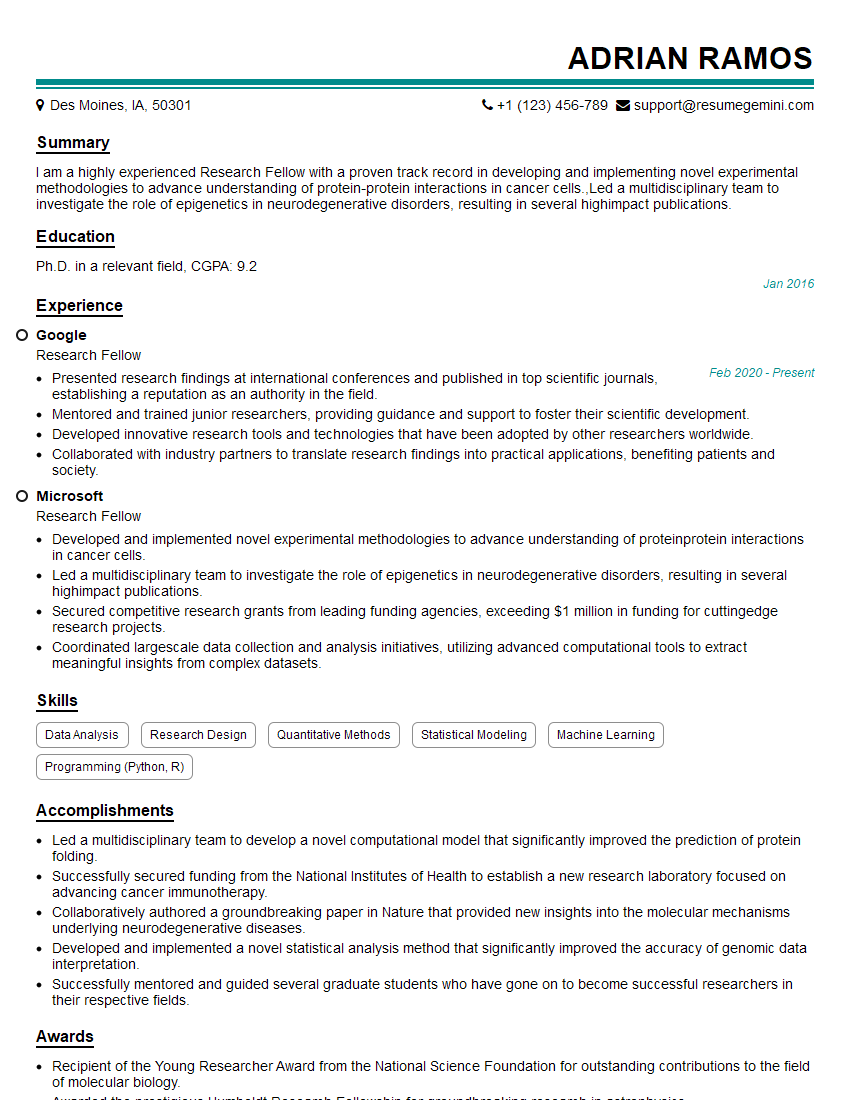
Research Fellow Resume Sample
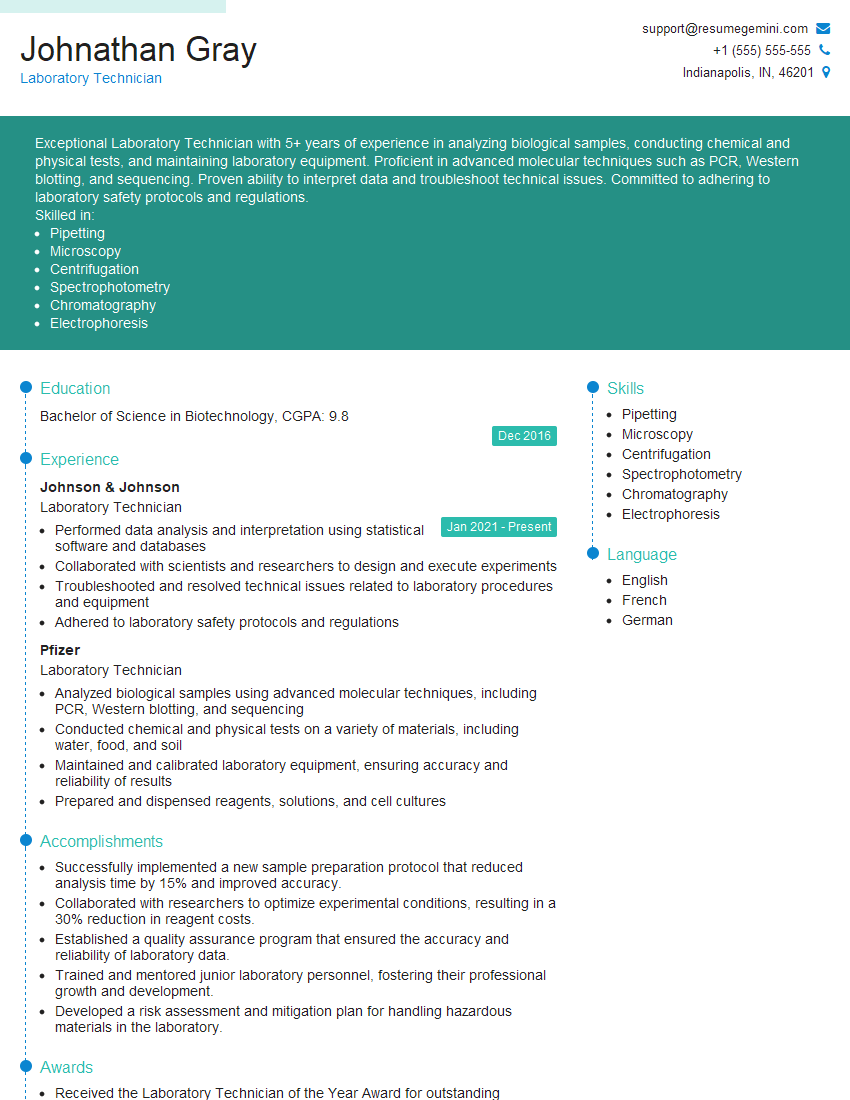
Laboratory Technician Resume Sample
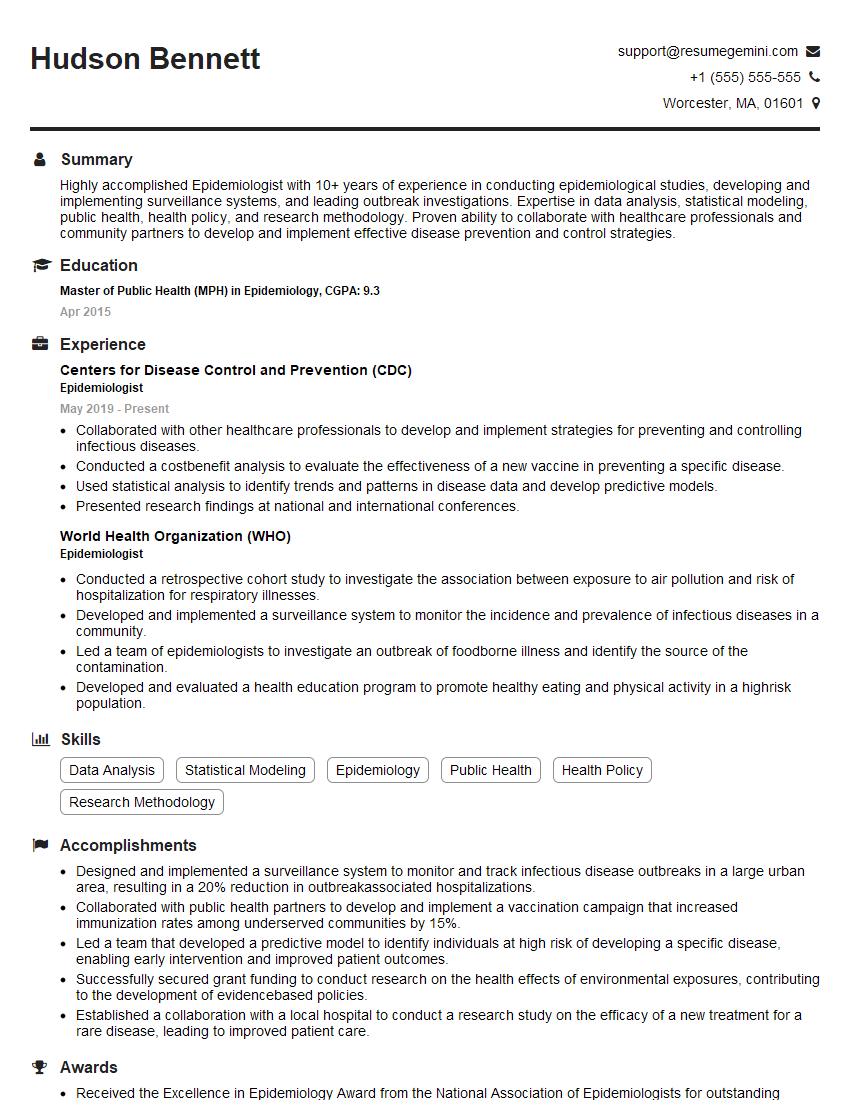
Epidemiologist Resume Sample
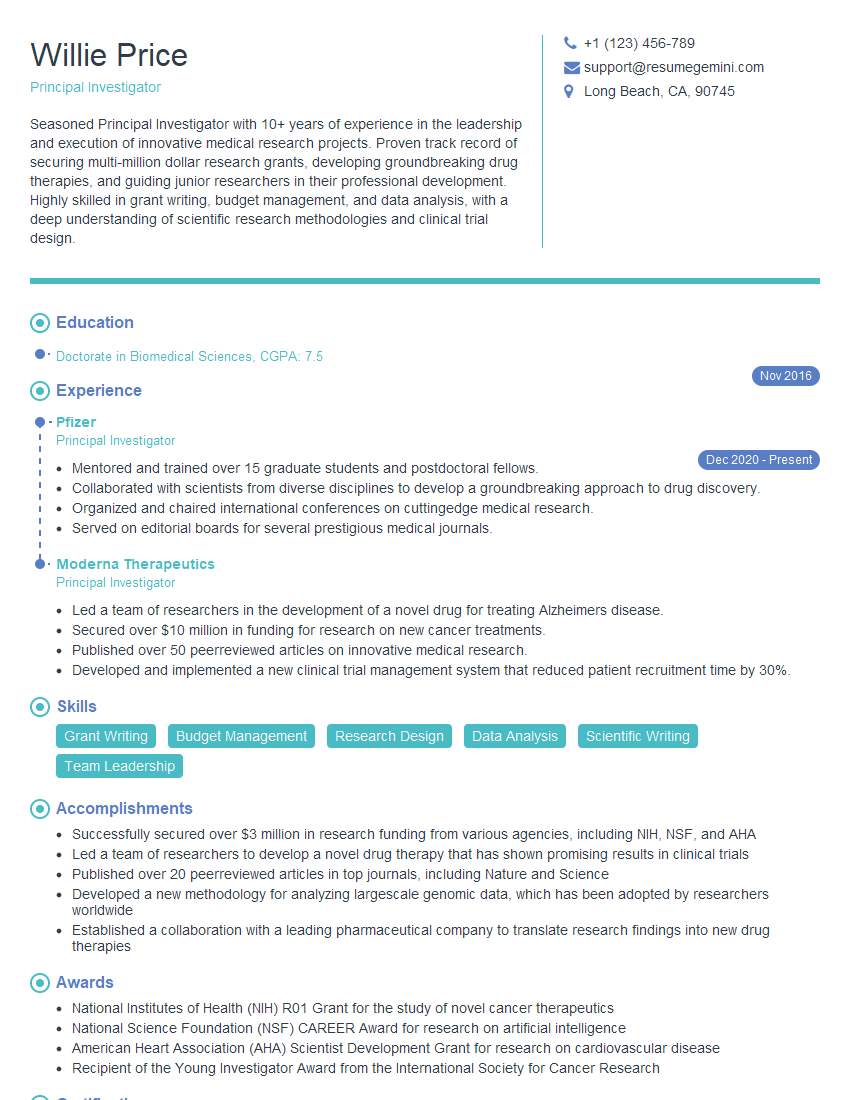
Principal Investigator Resume Sample
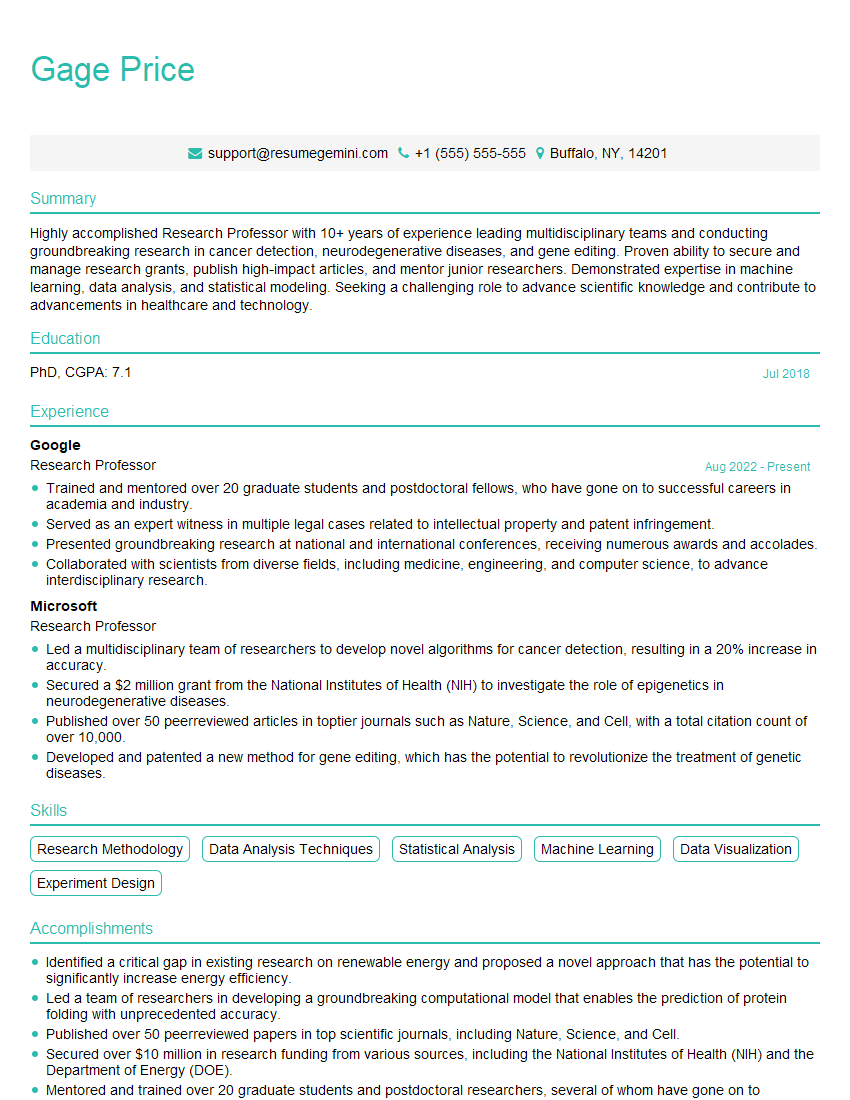
Research Professor Resume Sample
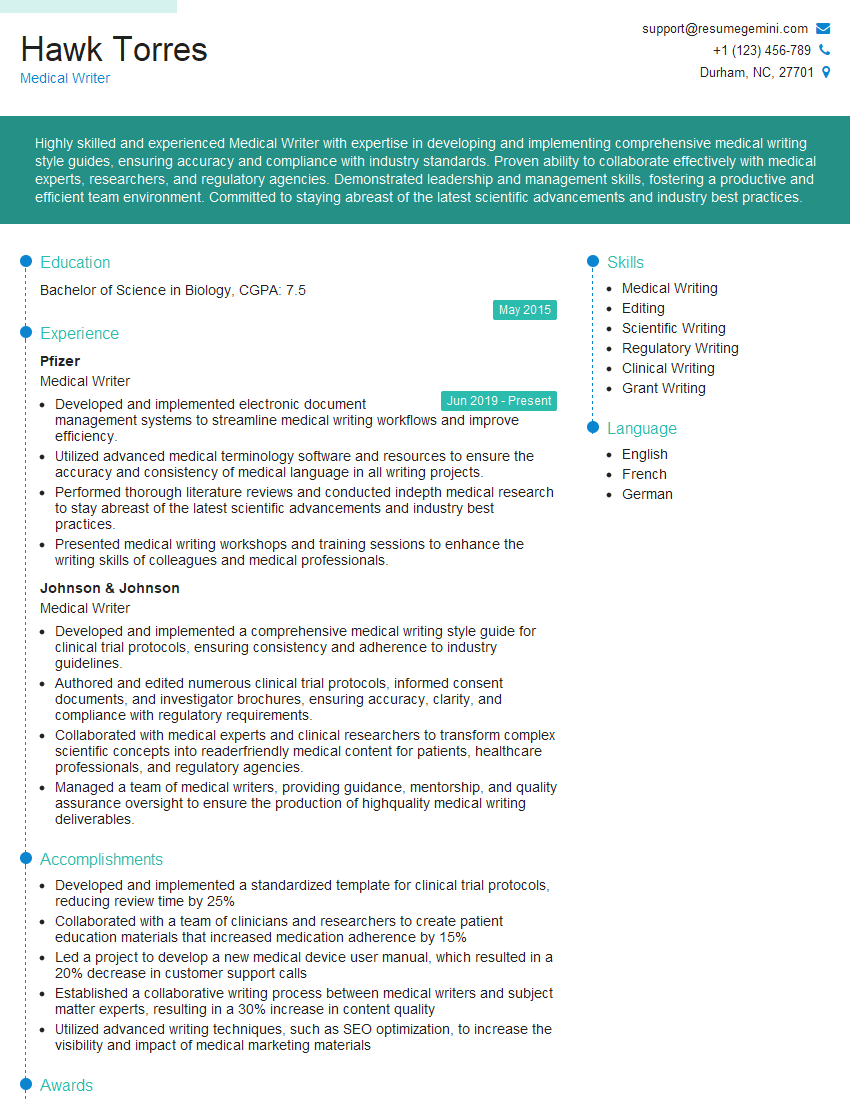
Medical Writer Resume Sample
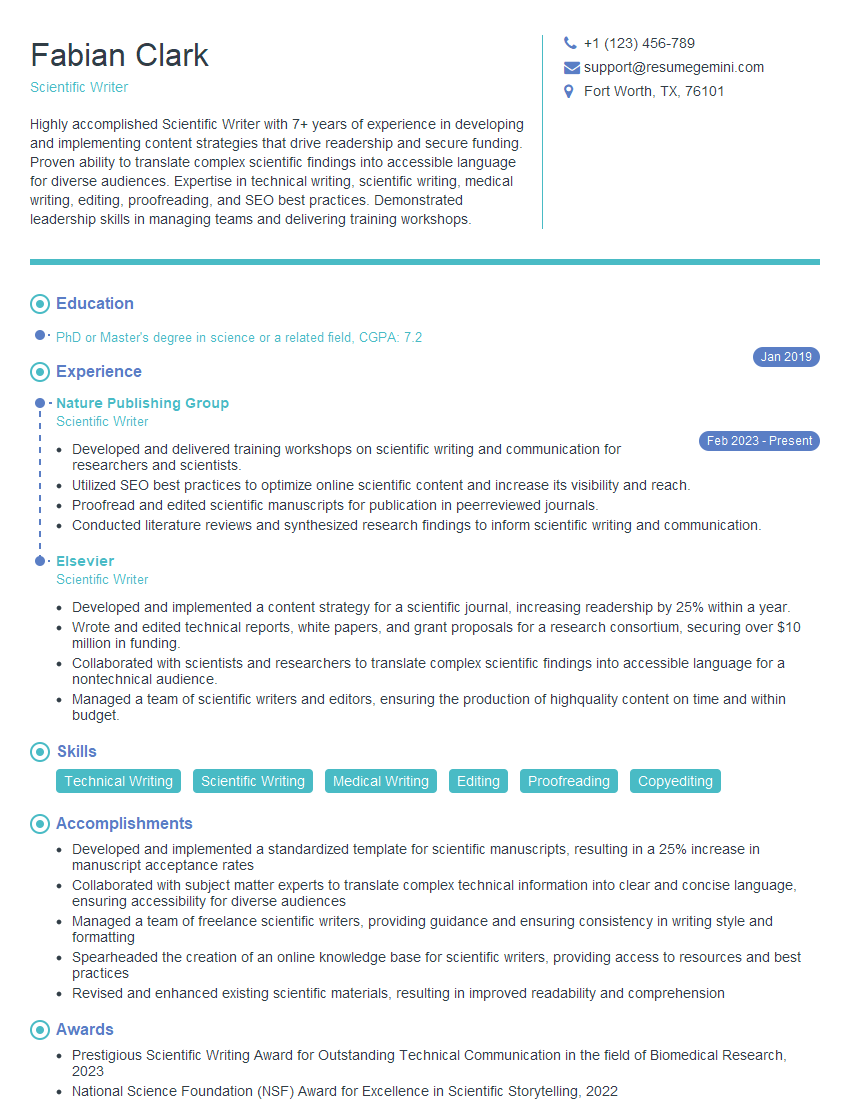
Scientific Writer Resume Sample
- Research Director
- Research Manager
- Research Associate
- Senior Research Scientist
- Research Coordinator
- Regulatory Affairs Specialist
- Market Research Analyst
- Quantitative Analyst
- Data Scientist
- Research Scientist
- Statistician
- Bioinformatician
- Biostatistician
- Clinical Research Associate
- Research Fellow
- Laboratory Technician
- Epidemiologist
- Principal Investigator
- Research Professor
- Medical Writer
- Scientific Writer
Explore more articles
Users Rating of Our Blogs
Share Your Experience
We value your feedback! Please rate our content and share your thoughts (optional).
What Readers Say About Our Blog
To the interviewgemini.com Webmaster.
Very helpful and content specific questions to help prepare me for my interview!
Thank you
To the interviewgemini.com Webmaster.
This was kind of a unique content I found around the specialized skills. Very helpful questions and good detailed answers.
Very Helpful blog, thank you Interviewgemini team.