Every successful interview starts with knowing what to expect. In this blog, we’ll take you through the top Lead and Asbestos Abatement Monitoring interview questions, breaking them down with expert tips to help you deliver impactful answers. Step into your next interview fully prepared and ready to succeed.
Questions Asked in Lead and Asbestos Abatement Monitoring Interview
Q 1. Describe the different types of asbestos.
Asbestos is a naturally occurring mineral fiber found in six main forms, each with slightly different properties affecting its hazard potential. These are broadly categorized into serpentine and amphibole groups.
- Serpentine: Chrysotile is the most common type, a white, curly fiber. While considered less hazardous than amphiboles, it still poses a risk if airborne fibers are inhaled.
- Amphiboles: This group includes crocidolite (blue asbestos), amosite (brown asbestos), anthophyllite, tremolite, and actinolite. These fibers are generally straight and needle-like, making them more dangerous as they are less likely to break down in the lungs. Crocidolite is considered the most dangerous.
Understanding the different types is crucial for abatement strategies because each type requires specific handling procedures based on its physical properties and toxicity. For example, chrysotile may require different containment measures than crocidolite due to its different fiber structure and potential for easier airborne dispersion.
Q 2. Explain the process of lead paint abatement.
Lead paint abatement is a complex process requiring specialized training and adherence to strict safety protocols. It generally follows these steps:
- Assessment and Planning: A thorough inspection identifies the extent of lead-based paint, its condition, and the potential for disturbance. This dictates the abatement strategy.
- Containment: The work area is sealed off using plastic sheeting, creating a negative pressure environment to prevent lead dust from escaping. This often involves the use of HEPA filtered air scrubbers.
- Removal or Encapsulation: Lead paint can be removed completely (more disruptive, generating more waste) or encapsulated with a sealant to prevent further deterioration and release of lead dust. The choice depends on the project specifics and risk assessment.
- Cleanup and Waste Disposal: All surfaces are meticulously cleaned, and all waste materials are packaged appropriately and disposed of according to hazardous waste regulations. Air monitoring is performed to ensure lead levels are within acceptable limits.
- Post-Abatement Clearance Testing: Once the abatement is complete, air and surface samples are analyzed to verify the success of the remediation efforts. This ensures worker and occupant safety.
For example, in a pre-1978 home with significant lead paint damage, full removal might be necessary. However, in a situation with minor chipping, encapsulation might be sufficient. The key is choosing the method that best mitigates risk while minimizing disruption.
Q 3. What are the key regulations governing lead and asbestos abatement?
Regulations governing lead and asbestos abatement vary by location (national, state, and sometimes local levels), but generally align with core principles of worker and public safety. Key regulations often reference:
- Occupational Safety and Health Administration (OSHA): Sets standards for worker protection, including PPE requirements, exposure limits, and safety practices.
- Environmental Protection Agency (EPA): Establishes regulations for the handling, storage, and disposal of lead and asbestos waste; sets lead levels in drinking water, and handles lead-based paint hazards in housing.
- National Emission Standards for Hazardous Air Pollutants (NESHAP): Covers air emission control for asbestos abatement projects.
- State and Local Regulations: Many states and municipalities have additional regulations that might be stricter than federal guidelines. It’s essential to consult with local authorities before starting any project.
Failure to comply with these regulations can result in hefty fines, project shutdowns, and legal action. Understanding the specific requirements of the jurisdiction where the work is being performed is absolutely critical.
Q 4. How do you determine the appropriate Personal Protective Equipment (PPE) for lead and asbestos abatement?
Selecting the appropriate Personal Protective Equipment (PPE) is paramount for lead and asbestos abatement. The choice depends on the type of work being performed and the potential for exposure. This is often specified in a detailed Job Safety Analysis (JSA).
For asbestos abatement, this typically includes:
- Respirators: HEPA (High-Efficiency Particulate Air) respirators are essential to protect against asbestos fibers. The specific type of respirator depends on the level of asbestos concentration expected.
- Protective Suits: Tyvek or other similar disposable suits provide a barrier against asbestos dust.
- Gloves: Nitrile or other impervious gloves prevent skin contact.
- Protective Eyewear: Goggles or face shields protect the eyes.
- Footwear: Coveralls or boots to prevent contamination.
Lead abatement PPE is similar but may focus more on preventing lead dust ingestion, involving:
- Respirators: Depending on the concentration, may also require a HEPA respirator.
- Protective Suits/Coveralls: To prevent dust from settling on the skin.
- Gloves: Nitrile gloves.
- Protective Eyewear: To protect eyes from dust and debris.
- Shoe Covers: Often used in conjunction with coveralls or boots.
Regular inspection and replacement of PPE are crucial to maintaining its effectiveness and safety.
Q 5. Explain the different methods of asbestos abatement.
Several methods exist for asbestos abatement, each with its own advantages and disadvantages:
- Enclosure/Encapsulation: Sealing asbestos-containing materials in place using sealants or coatings. This is suitable for materials in good condition and is less disruptive than removal.
- Removal: The physical removal of asbestos-containing materials. This is the most disruptive but necessary for severely damaged or friable materials. It requires strict containment and specialized techniques.
- Encapsulation and Removal Combination: A hybrid approach where some materials are encapsulated, and others are removed based on risk assessment.
The selection of the appropriate method depends on several factors, including the type of asbestos, its condition, location, accessibility, and the presence of occupants. A thorough risk assessment is essential to guide the decision-making process.
For example, a large, well-maintained pipe containing asbestos might be encapsulated, whereas broken asbestos ceiling tiles would require removal due to the risk of fiber release.
Q 6. What are the air monitoring requirements for lead and asbestos projects?
Air monitoring is a critical component of lead and asbestos projects to ensure worker and public safety. The frequency and type of monitoring depend on various factors, including the type of project, the extent of the work, and regulatory requirements. However, generally:
- Pre-abatement air monitoring: Establishes baseline levels before work commences.
- During-abatement air monitoring: Periodic monitoring during the project to ensure levels remain below permissible exposure limits (PELs).
- Post-abatement air monitoring: Verifies the effectiveness of the abatement measures before the work area is released for occupancy.
Monitoring typically involves using air sampling pumps and filters to collect airborne particles. These filters are then analyzed in a laboratory to determine the concentration of asbestos or lead in the air. Real-time monitoring instruments may also be used to provide immediate feedback on air quality.
Specific requirements for frequency, locations of monitoring, and acceptable levels will be guided by OSHA and EPA regulations, as well as the project’s specific risk assessment and the project-specific safety plan.
Q 7. How do you interpret air monitoring results?
Interpreting air monitoring results requires comparing the measured airborne concentrations to the relevant permissible exposure limits (PELs) set by regulatory bodies like OSHA. Results are usually expressed in fibers per cubic centimeter (f/cc) for asbestos and micrograms per cubic meter (µg/m³) for lead.
If the measured concentration exceeds the PEL, it indicates a potential health risk. Actions need to be taken immediately, which may include:
- Improving containment measures: Enhancing the sealing of the work area.
- Adjusting work practices: Modifying the abatement procedures to minimize dust generation.
- Increasing the frequency of monitoring: Conducting more frequent checks to ensure effectiveness of control measures.
- Suspending work: Until the issue is resolved and air quality is within acceptable limits.
Air monitoring results are an integral part of a project’s overall safety and compliance. Accurate interpretation is crucial for ensuring the project’s success and preventing potential harm to workers and the public.
Q 8. Describe the clearance air monitoring process.
Clearance air monitoring is the crucial final step in lead and asbestos abatement. It’s designed to verify that the air within a contained work area is safe for re-occupancy after remediation. This involves collecting air samples using specialized equipment and analyzing them for the presence of airborne contaminants. Only after achieving clearance levels, as defined by regulatory agencies like the EPA (Environmental Protection Agency) and OSHA (Occupational Safety and Health Administration), can the area be declared safe.
The process typically involves these steps:
- Pre-sampling preparation: Ensuring the area is properly contained, negative pressure is maintained, and all surfaces have been thoroughly cleaned.
- Air sampling: Using calibrated air pumps and filters, samples are collected at various locations within the work area to get a representative reading. Different sampling methods may be used depending on the contaminant and work area specifics (e.g., bulk sampling, wipe sampling).
- Laboratory analysis: Samples are sent to an accredited laboratory for analysis using methods like X-ray diffraction (XRD) for asbestos and Inductively Coupled Plasma Mass Spectrometry (ICP-MS) for lead.
- Results review: The laboratory results are reviewed to determine if the clearance air monitoring levels have been met. This usually involves comparing the measured concentration to pre-determined regulatory limits.
- Documentation: All procedures, results, and certifications must be meticulously documented for regulatory compliance.
For example, if the asbestos clearance level is 0.01 fibers per cubic centimeter (f/cc) and the lab analysis reveals a concentration of 0.005 f/cc, clearance is granted. However, if the level exceeds the limit, further abatement and additional monitoring are necessary.
Q 9. What are the health risks associated with lead and asbestos exposure?
Exposure to lead and asbestos carries significant health risks. These risks are particularly severe for children, the elderly, and individuals with pre-existing respiratory conditions.
- Lead exposure: Can cause developmental delays in children, learning disabilities, behavioral problems, and neurological damage. In adults, it can lead to kidney damage, high blood pressure, and reproductive problems.
- Asbestos exposure: The primary health risk associated with asbestos is asbestosis, a serious lung disease causing scarring and shortness of breath. Long-term exposure increases the risk of mesothelioma (a cancer of the lining of the lungs, abdomen, or heart), lung cancer, and other cancers.
Imagine the damage a tiny asbestos fiber can inflict on delicate lung tissue; the long-term consequences can be devastating. Similarly, the impact of lead on a developing child’s brain is irreversible, making prevention through proper abatement practices paramount.
Q 10. What are the responsibilities of a lead and asbestos abatement supervisor?
A lead and asbestos abatement supervisor holds immense responsibility for worker and public safety, project compliance, and environmental protection. Their duties include:
- Project planning and oversight: Developing comprehensive abatement plans, including worker safety protocols, waste disposal strategies, and air monitoring procedures.
- Worker training and supervision: Ensuring all workers are properly trained and equipped with the necessary personal protective equipment (PPE) and understanding of safety procedures. Supervising the work to make sure all safety regulations are followed.
- Hazard identification and assessment: Conducting thorough site inspections to identify potential hazards and implement appropriate control measures.
- Compliance with regulations: Ensuring adherence to all relevant OSHA, EPA, and other local regulations pertaining to lead and asbestos abatement. This includes maintaining detailed records and reporting.
- Waste management: Overseeing the safe and proper disposal of asbestos and lead-containing waste materials.
- Air monitoring oversight: Ensuring proper air monitoring is conducted throughout the abatement process and that clearance levels are met.
Think of the supervisor as the conductor of an orchestra—each musician (worker) must play their part perfectly, and the supervisor must keep everything in harmony to achieve a safe and successful project.
Q 11. How do you identify and assess potential hazards on a job site?
Identifying and assessing potential hazards on a job site requires a systematic approach. It involves a combination of visual inspection, material testing, and historical information review.
- Visual inspection: A careful examination of the site for any visible signs of lead-based paint (e.g., peeling, chalking, or damaged surfaces) or asbestos-containing materials (ACMs) (e.g., friable insulation, textured coatings, or floor tiles).
- Material testing: Collecting samples of suspect materials for laboratory analysis to confirm the presence and concentration of lead or asbestos.
- Historical information review: Gathering information about the building’s history, such as previous renovations or the presence of known ACMs. Building plans and previous inspection reports can be helpful.
- Risk assessment: After identifying potential hazards, assess the level of risk based on factors such as the condition of the material, the potential for exposure, and the number of occupants.
For example, if you find friable asbestos in a school building, that poses a higher risk than non-friable asbestos in a rarely used storage room. A thorough assessment is critical for selecting the appropriate abatement techniques.
Q 12. Explain the importance of proper waste disposal in lead and asbestos abatement.
Proper waste disposal in lead and asbestos abatement is crucial for preventing environmental contamination and protecting human health. Improper disposal can lead to widespread contamination, posing long-term health risks.
The process typically involves:
- Careful handling and packaging: Asbestos and lead-containing materials must be carefully handled to prevent the release of fibers or dust. They need to be placed in sealed, labeled containers to prevent exposure.
- Transportation to a licensed disposal facility: The waste materials must be transported to a facility licensed to handle hazardous waste and following all transportation regulations.
- Disposal according to regulations: The disposal facility must follow specific procedures to ensure safe and environmentally sound disposal. The waste is often disposed in landfills specifically designed for hazardous materials.
- Documentation: Detailed records of the waste generation, handling, transport, and disposal must be maintained and provided to regulatory authorities.
Think of it this way: Improper disposal is like leaving a ticking time bomb. Careful, regulated disposal ensures the safety of the community and environment.
Q 13. How do you ensure worker safety during abatement procedures?
Ensuring worker safety is paramount in lead and asbestos abatement. It requires a multi-faceted approach:
- Comprehensive training: Workers must receive thorough training on hazard identification, safe work practices, the use of PPE, and emergency procedures.
- Proper PPE: Providing workers with appropriate PPE, including respirators, gloves, coveralls, and eye protection, is essential for preventing exposure. The correct type of respirator must be selected based on the specific contaminant.
- Engineering controls: Implementing engineering controls such as containment, enclosure, and negative air pressure to minimize the spread of airborne contaminants.
- Work practices: Implementing safe work practices, such as dampening materials, using HEPA vacuums, and following decontamination procedures.
- Medical monitoring: Providing workers with medical surveillance, including pre-employment and periodic health screenings, to detect any early signs of exposure.
- Emergency response plan: Having a well-defined emergency response plan in place to handle any unexpected incidents or spills.
For example, a worker handling asbestos must wear a respirator rated for asbestos fibers, whereas a worker cleaning up lead dust might wear a different type of respirator.
Q 14. What are the different types of lead-based paint?
Lead-based paint comes in various forms, each posing different challenges during abatement:
- Lead carbonate: A common type of lead paint used in the past. It’s usually white but can be tinted.
- Lead-based silicate paints: Often used on exterior surfaces. They can be quite durable.
- Lead-based chromate paints: These typically appear yellow and were used for both interior and exterior applications.
- Lead-containing primers: Lead was often incorporated into primers to improve adhesion. These might be found under layers of other paints.
Identifying the specific type is essential because the abatement methods can vary. Testing is necessary for confirmation, rather than relying solely on visual inspection. The age of the building can give some indication of potential lead paint type.
Q 15. How do you manage unexpected issues or discoveries during an abatement project?
Unexpected issues during abatement are inevitable. My approach is proactive and multi-faceted. First, we have a robust pre-abatement survey that identifies potential problems, minimizing surprises. However, if something unforeseen arises – say, discovering asbestos in an area not initially surveyed – I immediately halt work in that zone. This is paramount to worker and public safety.
Next, I convene a meeting with the project team, including the client, to assess the situation. We discuss the scope of the unexpected finding, its potential impact on the project timeline and budget, and analyze the various remediation options. This might involve additional sampling, modifying the abatement plan, or even bringing in specialized consultants if needed. Thorough documentation is crucial at this stage, ensuring complete transparency and compliance with all regulations.
For example, on one project, we uncovered previously unknown asbestos-containing materials (ACM) during demolition. We immediately stopped work, resampled the affected area, revised the abatement plan, and obtained necessary permits before proceeding. Open communication with the client kept them informed and minimized disruption. The key is a calm, methodical response, prioritizing safety and legal compliance above all else.
Career Expert Tips:
- Ace those interviews! Prepare effectively by reviewing the Top 50 Most Common Interview Questions on ResumeGemini.
- Navigate your job search with confidence! Explore a wide range of Career Tips on ResumeGemini. Learn about common challenges and recommendations to overcome them.
- Craft the perfect resume! Master the Art of Resume Writing with ResumeGemini’s guide. Showcase your unique qualifications and achievements effectively.
- Don’t miss out on holiday savings! Build your dream resume with ResumeGemini’s ATS optimized templates.
Q 16. What are the OSHA regulations related to lead and asbestos abatement?
OSHA (Occupational Safety and Health Administration) sets stringent regulations for lead and asbestos abatement. These regulations cover every aspect of the process, from worker protection to proper waste disposal. For lead, OSHA’s 29 CFR 1926 Subpart L covers general construction safety, including lead exposure control, requiring employers to implement a comprehensive hazard communication program, provide respiratory protection, and maintain accurate medical records of employees exposed to lead. They also mandate employee training and compliance monitoring.
Regarding asbestos, OSHA’s 29 CFR 1926 Subpart G covers asbestos abatement, focusing on containment, proper removal techniques, air monitoring, and waste disposal. These regulations demand that projects adhere to strict air monitoring protocols, ensuring that airborne asbestos fibers stay below permissible exposure limits (PELs). Workers must wear appropriate personal protective equipment (PPE), such as respirators, protective suits, and gloves, and proper decontamination procedures must be followed.
Failure to comply with OSHA regulations can lead to significant fines, work stoppages, and legal repercussions. Regular safety training for the crew is crucial for project success and worker wellbeing.
Q 17. Describe your experience with various abatement techniques (e.g., encapsulation, enclosure, removal).
My experience encompasses various abatement techniques, each suitable for different situations. Encapsulation involves sealing ACM in place to prevent fiber release. This is suitable for materials that are stable and not likely to be disturbed. For example, I’ve used encapsulants on asbestos-containing floor tiles in good condition. Enclosure involves completely sealing an area containing ACM, usually to allow for later, safer removal or to encapsulate a large area. This method is commonly used for larger projects and situations where removal is impractical. Removal is the complete extraction of ACM, the most thorough but also most disruptive and costly method. I’ve supervised numerous removal projects, adhering to stringent safety protocols to contain asbestos fibers. The choice of method always depends on several factors: the type and condition of the ACM, the location, and cost-benefit analysis. A thorough risk assessment is critical before choosing the most effective and safest abatement strategy.
Q 18. What is your experience with different types of sampling methods for lead and asbestos?
Sampling methods for lead and asbestos differ, reflecting their unique properties. For lead, we commonly use wipe samples to assess surface contamination. These involve wiping a defined area with a moistened swab, analyzing the collected material in a certified lab to determine lead concentration. For asbestos, several methods exist: Bulk sampling involves collecting a representative sample of the material suspected to contain asbestos for laboratory analysis using polarized light microscopy (PLM). Air monitoring uses specialized pumps and filters to measure airborne asbestos fiber concentrations, essential during and after abatement. Tape sampling uses adhesive tape to collect surface fibers. The choice of method depends on the project’s specific needs, the location, and the suspected asbestos type. Accurate sampling is crucial to inform abatement strategies and ensure compliance.
Q 19. How do you create and implement a safe work plan for a lead or asbestos project?
A safe work plan is the cornerstone of any successful abatement project. It begins with a thorough site assessment, identifying all potential hazards and workers at risk. This includes detailed mapping of the area containing lead or asbestos, identifying access routes and potential contamination pathways. We develop a detailed work plan outlining every step of the abatement process: preparation, containment, abatement procedures, decontamination, and waste disposal. The plan specifies the PPE required for each task, the air monitoring procedures, the waste disposal plan, and emergency response procedures.
Crucially, the plan incorporates all relevant OSHA regulations and local guidelines. It outlines the roles and responsibilities of every worker, including supervisors and safety officers. Regular safety meetings and training are essential. The plan is reviewed and updated as needed throughout the project, reflecting any changes or unexpected findings. A well-executed safe work plan minimizes risks, protects workers, and ensures compliance.
Q 20. Describe your experience with using specialized equipment for abatement.
Specialized equipment is essential for safe and effective abatement. This includes HEPA (High-Efficiency Particulate Air) vacuum cleaners for removing debris without releasing fibers. We also use negative air machines to create a contained environment, preventing the spread of contaminants. For asbestos removal, specialized tools such as scrapers, brushes, and wet-cutting equipment minimize the creation of airborne fibers. Personal protective equipment, including respirators, Tyvek suits, gloves, and eye protection, is also considered essential equipment. All equipment must be meticulously maintained and regularly inspected to ensure its effectiveness and workers’ safety. Proper training on equipment use is critical for safe and efficient operation. For example, we utilize specialized HEPA-filtered vacuums which are rigorously tested and certified to ensure they are meeting the required efficiency for contaminant removal.
Q 21. How do you handle non-compliance issues or violations on a job site?
Non-compliance is unacceptable. My approach involves immediate corrective action. If a violation is identified, whether it’s improper waste disposal, inadequate air monitoring, or a breach in safety protocols, I immediately halt the affected portion of the work. I then thoroughly investigate the cause of the non-compliance. This may involve reviewing training records, inspecting equipment, and interviewing workers. Once the cause is identified, we implement corrective measures, which might include additional training, equipment upgrades, or procedural changes.
Following corrective action, I conduct a follow-up inspection to verify compliance. All violations are documented, and corrective actions are detailed in the project log. We also involve regulatory agencies if necessary, maintaining transparent and proactive communication. Preventing non-compliance starts with robust training, thorough planning, and an unwavering commitment to safety. A culture of safety is paramount in our operation.
Q 22. Explain the importance of proper documentation and record-keeping during abatement.
Proper documentation and record-keeping during lead and asbestos abatement are paramount for legal compliance, worker safety, and project success. Think of it as building a meticulous case file – every step needs to be documented.
Pre-abatement phase: This includes initial site surveys, air monitoring results, sampling reports, asbestos or lead hazard identification and assessment reports, project plans, and worker training certifications. For example, detailed photos of affected areas before abatement begins are crucial for demonstrating the initial condition.
Abatement phase: Meticulous logging of daily activities, including the area abated, materials used, personnel involved, waste disposal methods, and any incidents or near misses. Each worker should sign off on their tasks completed.
Post-abatement phase: Post-abatement air monitoring results, clearance reports demonstrating that the area is safe, waste disposal manifests, and any final project reports are needed. This is crucial for demonstrating the successful completion of the project to regulatory bodies.
Maintaining records: These records must be stored securely and maintained for a specified period (this varies by jurisdiction, often 20-30 years). Using a digital record-keeping system offers advantages, with backups protecting against data loss.
Failure to maintain adequate records can lead to costly fines, project delays, and potential legal liabilities. Comprehensive documentation protects both the client and the abatement contractor.
Q 23. How do you communicate effectively with clients, workers, and regulatory agencies?
Effective communication is the backbone of successful lead and asbestos abatement projects. I utilize a multi-pronged approach, tailoring my communication style to the audience.
Clients: I ensure clear, concise updates on project progress, using plain language and avoiding technical jargon unless necessary. Regular meetings and progress reports, supplemented by visual aids like photos and diagrams, are crucial. I proactively address concerns and answer questions promptly.
Workers: Communication with workers focuses on safety protocols, task assignments, and equipment usage. Daily briefings, toolbox talks, and regular safety checks are vital. Open communication channels allow workers to report any hazards or concerns without fear of reprisal.
Regulatory agencies: Communication with regulatory agencies requires strict adherence to formal protocols. Detailed reports, including all required documentation and test results, must be submitted accurately and on time. I maintain open lines of communication to address any questions or concerns they may have.
In essence, it’s about transparency and proactive communication. Anticipating potential problems and keeping all stakeholders informed prevents misunderstandings and ensures a smooth project.
Q 24. Describe your experience with risk assessments and hazard identification.
Risk assessment and hazard identification are fundamental to safe and compliant lead and asbestos abatement. It’s about proactively identifying potential dangers and implementing control measures to mitigate them. Think of it like a detective’s investigation.
Visual inspection: This is the first step, identifying visibly damaged or deteriorated materials containing lead or asbestos.
Sampling and analysis: Samples are collected and sent to a certified laboratory for analysis. This definitively identifies the presence and concentration of lead or asbestos.
Risk assessment: Based on the identified hazards and their potential for exposure, I develop a detailed risk assessment. This considers factors such as the location, condition of the material, occupancy of the building, and potential for disturbance. A high-risk assessment might warrant additional precautions, such as more stringent air monitoring or specialized abatement techniques.
Hazard control plan: This outlines the specific control measures to be implemented during the abatement, including engineering controls (e.g., enclosure), administrative controls (e.g., work permits), and personal protective equipment (PPE).
A thorough risk assessment and hazard identification process is essential to ensuring worker safety and environmental protection. It prevents accidents, minimizes potential health risks, and ensures compliance with regulations.
Q 25. How do you ensure the quality control of abatement work?
Ensuring quality control in abatement work is a multi-faceted process that begins before the project even starts and continues until the final clearance. Think of it like building a high-rise – every stage needs inspection.
Pre-abatement checks: This involves verifying that all necessary permits are in place, workers are properly trained and equipped, and the abatement plan is fully understood and implemented.
Worksite monitoring: Regular checks throughout the abatement process are essential. This includes monitoring air quality, ensuring proper use of PPE, and verifying that abatement techniques are being correctly followed.
Waste management: Proper disposal of waste materials is crucial. I make sure that all waste is properly labeled, packaged, and transported to a licensed disposal facility in accordance with all regulations.
Post-abatement clearance: Air monitoring is performed post-abatement to confirm that airborne fiber or lead concentrations are below regulatory limits. Only then is the area cleared for re-occupancy.
Documentation review: I regularly review all documentation to ensure it is complete, accurate, and conforms to regulatory requirements.
Quality control isn’t just about following procedures; it’s about a proactive approach to preventing problems, minimizing risks, and ensuring that the work is performed to the highest standards.
Q 26. What is your familiarity with various types of asbestos testing equipment?
I’m familiar with a wide range of asbestos testing equipment, each designed for specific purposes. The choice of equipment depends on factors like the material being tested, the suspected type of asbestos, and the required level of sensitivity.
Phase Contrast Microscopy (PCM): This is a standard method for identifying asbestos fibers under a microscope. It’s a reliable method, offering visual confirmation.
Polarized Light Microscopy (PLM): PLM provides more detailed analysis of asbestos fibers, allowing for accurate identification of different types.
Transmission Electron Microscopy (TEM): TEM offers the highest level of resolution, allowing for the identification of even very small asbestos fibers. While offering the highest sensitivity, it’s often used for confirmatory testing.
X-ray Diffraction (XRD): This technique is useful for identifying asbestos in bulk samples, rather than individual fibers.
Air sampling pumps and cassettes: These are essential for collecting air samples to determine airborne fiber concentrations, particularly during and after abatement.
My experience includes working with and interpreting data from all these types of equipment, ensuring accurate and reliable results. Understanding the limitations of each technology is crucial for interpreting the data correctly.
Q 27. What are your experiences with remediation and decontamination procedures?
Remediation and decontamination procedures are critical for ensuring worker safety and preventing cross-contamination. These steps ensure that hazardous materials are contained and removed safely.
Containment: This might involve using specialized enclosures, negative pressure systems, or other containment methods to prevent the spread of asbestos or lead dust.
Abatement techniques: Different techniques are used depending on the material and location. These may include encapsulation, enclosure, removal, or encasement. Each technique must be carefully planned and executed to minimize the release of fibers or dust.
Decontamination: Once abatement is complete, decontamination procedures are vital. This may involve vacuuming, wet wiping, and damp mopping, ensuring that all surfaces are free of hazardous materials. Specialized equipment like HEPA vacuum cleaners are frequently employed.
Waste disposal: All waste materials containing lead or asbestos must be properly labeled, packaged, and transported to a licensed disposal facility. Documentation of this process is essential for compliance.
Careful adherence to established remediation and decontamination procedures is fundamental to protecting workers, the environment, and the public.
Q 28. Describe a challenging situation you faced during a lead or asbestos abatement project and how you resolved it.
During an asbestos abatement project in a historic building, we encountered unexpected asbestos-containing materials (ACM) embedded deep within the walls, not identified in the initial assessment. This posed a significant challenge because it required a modification to the original abatement plan and the potential for significant delays and cost overruns.
My solution involved:
Immediate stop-work order: To prevent further exposure, work in the affected area was immediately halted.
Revised risk assessment: A new assessment was conducted, taking into account the newly discovered ACM.
Modified abatement plan: The plan was revised to safely and effectively address the unexpected ACM. This involved careful consideration of access, containment, and disposal procedures.
Communication with stakeholders: I immediately contacted the client, workers, and the regulatory agency to explain the situation and the proposed solutions. Open communication was essential to building trust and addressing concerns.
Implementation and monitoring: The revised plan was implemented under strict monitoring to ensure worker safety and compliance with regulations.
While this situation was challenging, our proactive response, clear communication, and adherence to safety protocols ensured the successful and safe completion of the project, though with some inevitable delays. This experience reinforced the importance of thorough initial assessments, contingency planning, and effective communication in managing unexpected issues on abatement projects.
Key Topics to Learn for Lead and Asbestos Abatement Monitoring Interview
- Regulatory Compliance: Understanding OSHA, EPA, and local regulations regarding lead and asbestos abatement, including permit requirements and reporting procedures. Practical application: Explain how you would ensure a project complies with all relevant regulations.
- Sampling and Analysis: Proficiency in collecting air, bulk, and wipe samples; understanding laboratory analysis results and interpreting data to determine exposure levels. Practical application: Describe the process of conducting a pre-abatement air monitoring survey and interpreting the results.
- Air Monitoring Techniques: Familiarity with various air monitoring equipment (e.g., personal air samplers, high-volume samplers) and their operation, calibration, and maintenance. Practical application: Explain the selection criteria for choosing appropriate air monitoring equipment for a specific abatement project.
- Safety Procedures and Personal Protective Equipment (PPE): In-depth knowledge of safety protocols, including respirator fit testing, proper PPE selection and use, and emergency response procedures. Practical application: Describe your experience with ensuring worker safety during a lead or asbestos abatement project.
- Abatement Methods and Technologies: Understanding various abatement techniques for lead and asbestos (e.g., encapsulation, enclosure, removal) and their appropriate applications. Practical application: Discuss the advantages and disadvantages of different abatement methods for specific scenarios.
- Project Management and Documentation: Experience in planning, executing, and documenting abatement projects, including maintaining accurate records and preparing reports. Practical application: Explain how you would manage a complex abatement project with multiple subcontractors and regulatory requirements.
- Health Effects of Lead and Asbestos Exposure: Understanding the health risks associated with exposure to lead and asbestos and the importance of preventing exposure. Practical application: Explain the potential health consequences of improper abatement procedures and how to mitigate those risks.
Next Steps
Mastering Lead and Asbestos Abatement Monitoring opens doors to rewarding and impactful careers within the environmental health and safety sector. This specialized knowledge is highly sought after, leading to excellent job prospects and career advancement. To significantly boost your job search success, create a compelling, ATS-friendly resume that highlights your skills and experience. ResumeGemini is a trusted resource to help you build a professional resume that truly showcases your capabilities. Examples of resumes tailored to Lead and Asbestos Abatement Monitoring are provided to guide you.
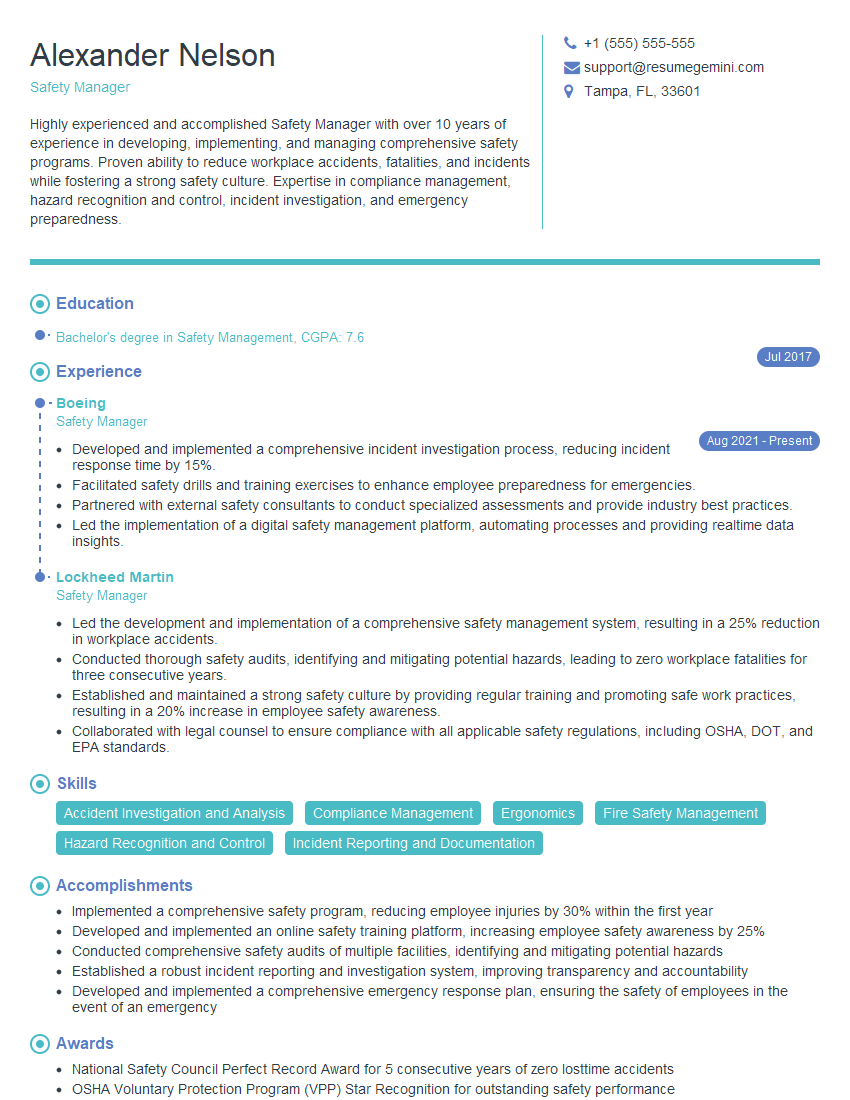
Safety Manager Resume Sample

Project Engineer Resume Sample

Compliance Officer Resume Sample

Regulatory Compliance Specialist Resume Sample
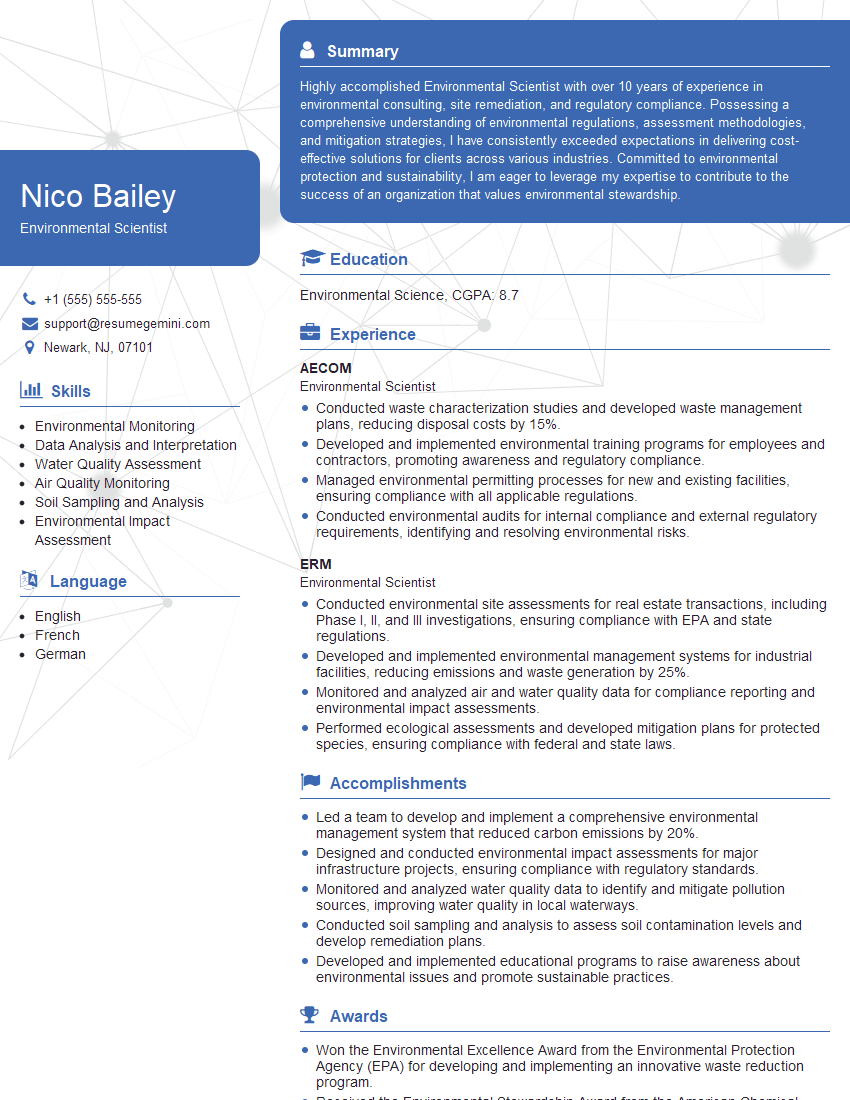
Environmental Scientist Resume Sample
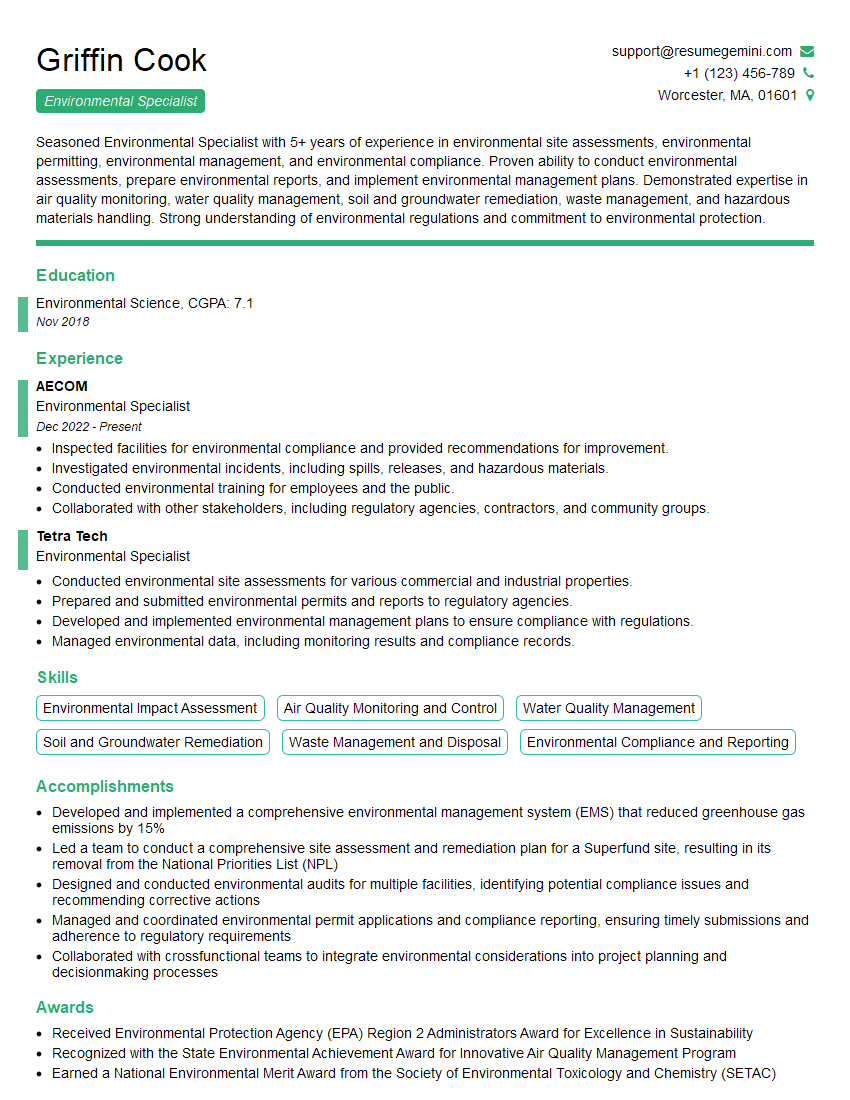
Environmental Specialist Resume Sample

Environmental Consultant Resume Sample
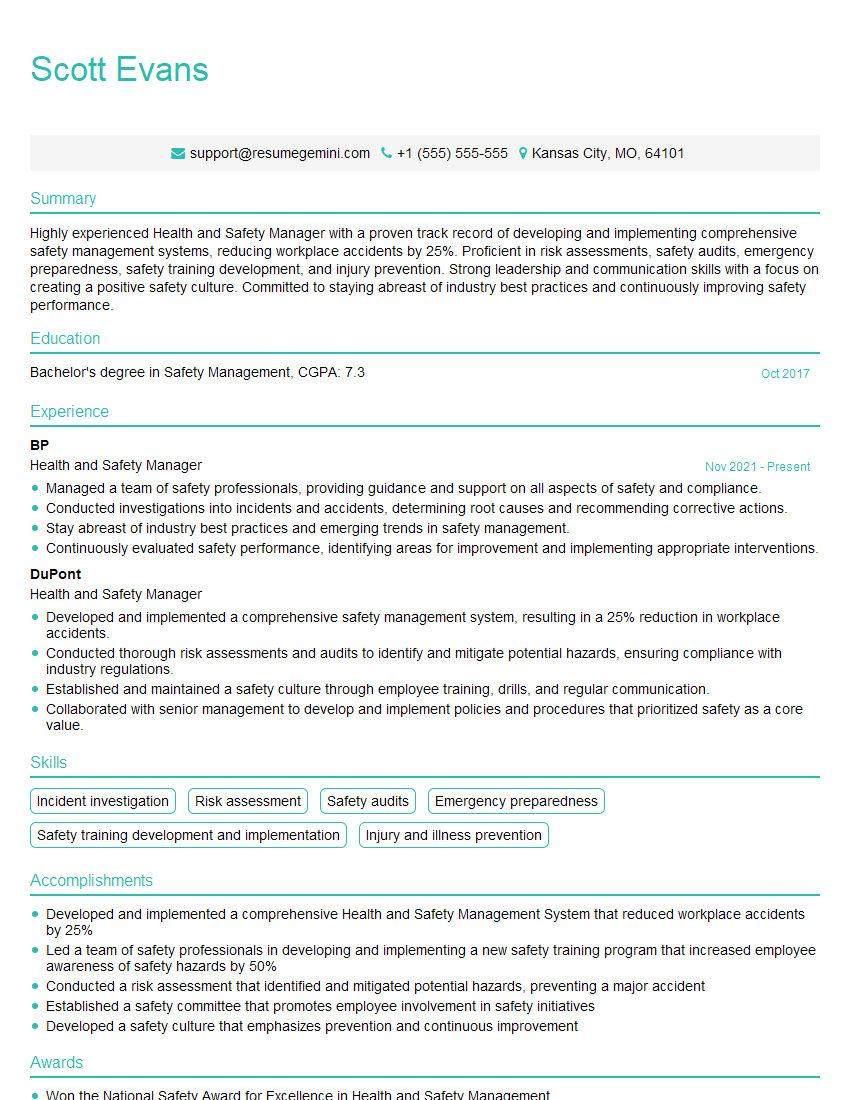
Health and Safety Manager Resume Sample

Safety Inspector Resume Sample

Field Technician Resume Sample
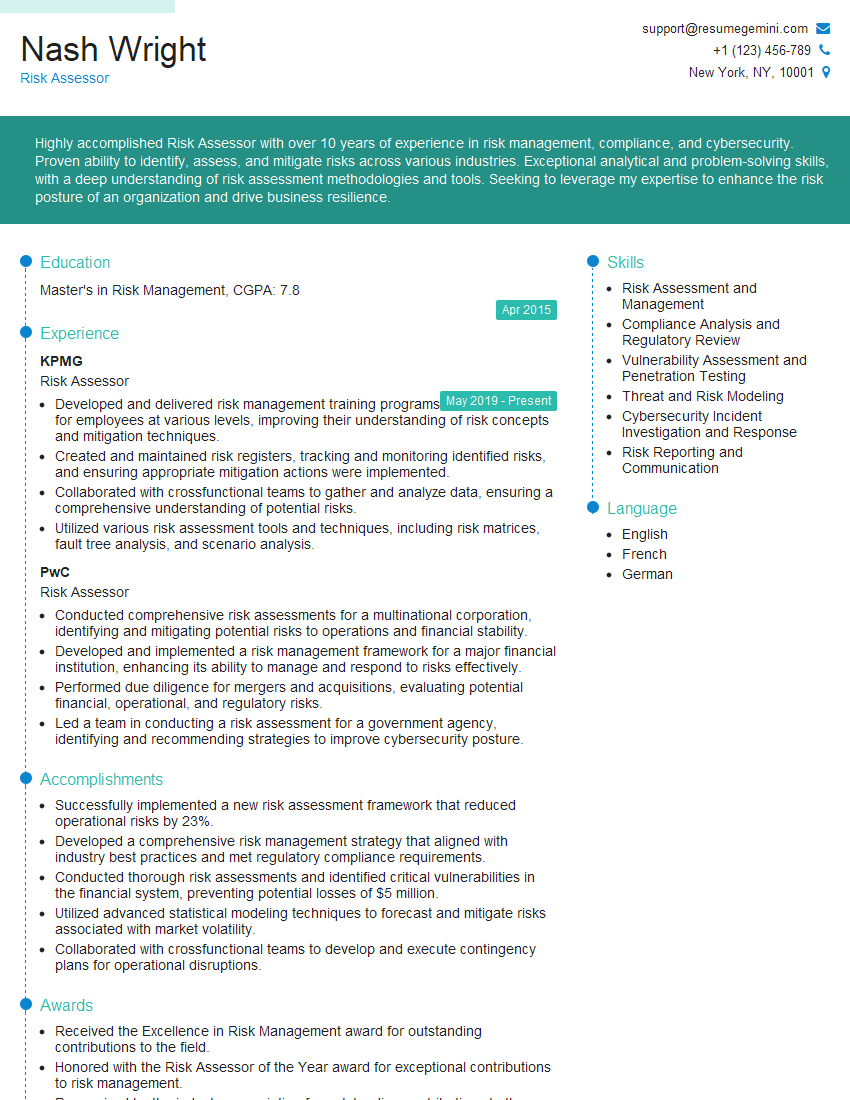
Risk Assessor Resume Sample

Asbestos Abatement Technician Resume Sample

Industrial Hygienist Resume Sample

Quality Control Inspector Resume Sample
- Safety Manager
- Project Engineer
- Compliance Officer
- Regulatory Compliance Specialist
- Environmental Scientist
- Environmental Specialist
- Environmental Consultant
- Health and Safety Manager
- Safety Inspector
- Field Technician
- Risk Assessor
- Asbestos Abatement Technician
- Industrial Hygienist
- Quality Control Inspector
Explore more articles
Users Rating of Our Blogs
Share Your Experience
We value your feedback! Please rate our content and share your thoughts (optional).
What Readers Say About Our Blog
To the interviewgemini.com Webmaster.
Very helpful and content specific questions to help prepare me for my interview!
Thank you
To the interviewgemini.com Webmaster.
This was kind of a unique content I found around the specialized skills. Very helpful questions and good detailed answers.
Very Helpful blog, thank you Interviewgemini team.