Preparation is the key to success in any interview. In this post, we’ll explore crucial Lung Cancer Surgery interview questions and equip you with strategies to craft impactful answers. Whether you’re a beginner or a pro, these tips will elevate your preparation.
Questions Asked in Lung Cancer Surgery Interview
Q 1. Describe your experience with different lung cancer surgical techniques (e.g., lobectomy, pneumonectomy, segmentectomy).
My experience encompasses a wide range of lung cancer surgical techniques, all tailored to the individual patient’s needs and tumor characteristics. Lobectomy, the removal of a lobe of the lung, is the most common procedure. I’ve performed hundreds of lobectomies, employing both open thoracotomy and minimally invasive approaches like VATS (Video-Assisted Thoracic Surgery). Pneumonectomy, the removal of an entire lung, is reserved for cases where the tumor is too extensive for a lobectomy or involves the main bronchus. This is a more complex and demanding procedure with a longer recovery period. Segmentectomy, the removal of a lung segment, is a less invasive option suitable for smaller, localized tumors in select patients, often preserving more lung tissue. Each procedure requires meticulous planning, precise execution, and a thorough understanding of pulmonary anatomy and physiology.
For instance, I recently performed a left upper lobectomy on a patient with a Stage IB adenocarcinoma. The minimally invasive VATS approach allowed for a smaller incision, less pain, and faster recovery compared to an open thoracotomy. In another case, a patient presented with a large tumor involving the entire right lung, necessitating a pneumonectomy. The decision to proceed with pneumonectomy was made only after careful assessment of the patient’s overall health and pulmonary function.
Q 2. What are the indications and contraindications for VATS lobectomy?
VATS lobectomy, a minimally invasive approach to lobectomy, offers several advantages, including smaller incisions, reduced pain, shorter hospital stays, and faster recovery times compared to open thoracotomy. However, it’s not suitable for every patient.
- Indications: VATS lobectomy is indicated for patients with early-stage lung cancer (Stage I-IIIA), peripheral tumors amenable to a minimally invasive approach, and adequate cardiopulmonary reserve. The tumor size and location significantly impact the feasibility of VATS.
- Contraindications: Contraindications include large tumors, extensive mediastinal lymph node involvement requiring mediastinal lymph node dissection (MLND), significant pleural adhesions (scar tissue), previous thoracic surgery, severe cardiopulmonary disease, and morbid obesity, as these factors can compromise the surgical view or increase the risk of complications. For example, I would not recommend VATS for a patient with a large central tumor invading the main bronchus.
Q 3. Explain the role of neoadjuvant and adjuvant therapy in lung cancer surgery.
Neoadjuvant and adjuvant therapy play crucial roles in optimizing outcomes for lung cancer patients undergoing surgery. Neoadjuvant therapy, given before surgery, aims to shrink the tumor, making it easier to resect and potentially improving the chances of complete tumor removal. This can be particularly beneficial for patients with larger tumors or those with locally advanced disease. Adjuvant therapy, administered after surgery, helps eliminate any microscopic cancer cells that may remain after surgery, reducing the risk of recurrence. The choice of neoadjuvant and adjuvant therapies depends on various factors, including the stage of cancer, tumor histology, and the patient’s overall health. Chemotherapy, radiation therapy, or targeted therapy may be used, either alone or in combination.
For instance, a patient with a large Stage IIIA adenocarcinoma might receive neoadjuvant chemotherapy to shrink the tumor before surgery, followed by adjuvant chemotherapy after lobectomy to minimize the risk of recurrence. This strategy aims for optimal local control and systemic disease management.
Q 4. How do you manage postoperative complications such as pneumothorax and bleeding?
Postoperative complications following lung cancer surgery, such as pneumothorax (collapsed lung) and bleeding, are managed promptly and effectively. Pneumothorax is usually treated with chest tube placement to evacuate air from the pleural space and allow the lung to re-expand. If a significant air leak persists, surgical intervention might be necessary. Bleeding is addressed by identifying the bleeding source and controlling it, often through surgical repair or embolization (blocking the bleeding vessel). Close monitoring of vital signs, oxygen saturation, and chest tube output is crucial in the postoperative period. Early detection and prompt intervention are key to minimizing morbidity and mortality.
For example, if a patient develops a significant pneumothorax after VATS lobectomy, we would immediately place a chest tube to re-expand the lung. If the air leak persists or is large, then surgical intervention might be required to close the air leak.
Q 5. Discuss your experience with robotic-assisted thoracic surgery (RATS).
Robotic-assisted thoracic surgery (RATS) offers several advantages over conventional VATS, particularly in complex cases. The robotic system provides enhanced dexterity, precision, and 3D visualization, allowing for more intricate surgical maneuvers. It can be particularly helpful in cases involving central tumors, extensive lymph node dissection, or challenging anatomical situations. My experience with RATS has been highly positive. The technology facilitates minimally invasive procedures with improved precision, better visualization, and potentially decreased postoperative complications. While the learning curve is steeper than with VATS, the benefits in specific cases are significant.
For example, I’ve used RATS successfully in several cases involving mediastinal lymph node dissection. The robotic arms provide superior access and control within the confined space of the mediastinum, allowing for a thorough dissection while minimizing trauma to surrounding structures.
Q 6. How do you determine the optimal surgical approach for a specific patient with lung cancer?
Determining the optimal surgical approach for a patient with lung cancer requires a multidisciplinary approach, involving collaboration with oncologists, radiologists, and pathologists. Factors considered include:
- Tumor characteristics: Size, location, histology, and stage of the cancer.
- Patient factors: Age, overall health, pulmonary function, and comorbidities.
- Surgical feasibility: Assessing the accessibility of the tumor, the risk of complications, and the potential for complete resection.
We thoroughly review the imaging studies (CT scans, PET scans), biopsy results, and pulmonary function tests to create a comprehensive plan. A detailed discussion with the patient to address their preferences and concerns is paramount. The goal is to achieve complete resection of the tumor with minimal morbidity and optimal long-term survival.
For example, for a patient with a small peripheral tumor and good pulmonary function, a minimally invasive VATS lobectomy might be the best choice. However, a patient with a large central tumor and compromised lung function might require a more extensive procedure, such as a pneumonectomy, potentially with neoadjuvant treatment.
Q 7. Describe your experience with mediastinal lymph node dissection.
Mediastinal lymph node dissection (MLND) is a crucial part of lung cancer surgery, particularly for patients with mediastinal lymph node involvement. It aims to remove lymph nodes in the mediastinum (the area between the lungs) to assess the extent of disease and, if necessary, to remove cancerous lymph nodes. The extent of MLND can vary depending on the location and stage of the cancer. I have extensive experience performing MLND, utilizing both open and minimally invasive techniques (VATS and RATS), tailoring the approach to the individual patient’s needs. The meticulous dissection of lymph nodes is vital to accurately stage the cancer and ensure complete resection.
For instance, a patient with a Stage IIIA lung cancer with involvement of mediastinal lymph nodes would necessitate a thorough MLND to confirm the extent of the disease, and if possible, to remove the cancerous lymph nodes. The precise technique used for the MLND (open or minimally invasive) would depend on several factors including tumor location and patient characteristics.
Q 8. Explain the staging of lung cancer and how it influences surgical decisions.
Lung cancer staging is crucial for determining treatment strategies, including surgical options. It uses a system (typically TNM – Tumor, Node, Metastasis) to classify the extent of the cancer’s spread. The T describes the size and location of the primary tumor (e.g., T1 – small tumor, T4 – large tumor invading nearby structures). The N indicates the involvement of regional lymph nodes (e.g., N0 – no lymph node involvement, N2 – involvement of multiple lymph nodes). Finally, M denotes the presence of distant metastasis (e.g., M0 – no distant metastasis, M1 – distant metastasis present). Combining these factors results in a stage (e.g., Stage I, Stage II, Stage III, Stage IV), with Stage I representing localized disease and Stage IV representing widespread, metastatic disease.
Surgical decisions are profoundly impacted by the stage. Early-stage lung cancers (I-IIIA) are often candidates for surgical resection (removal of the tumor and surrounding lung tissue), aiming for a cure. However, patients with more advanced stages (IIIB and IV) may require a different approach, focusing on palliation (reducing symptoms) through therapies like chemotherapy, radiation therapy, or targeted therapy. The specific surgical procedure (lobectomy, pneumonectomy, etc.) also depends on the location and extent of the tumor as defined by the stage.
For example, a patient with a small Stage IA tumor might undergo a lobectomy (removal of a lung lobe), while a patient with a larger Stage IIIA tumor might require a more extensive pneumonectomy (removal of an entire lung) or even be deemed unsuitable for surgery due to the extent of lymph node involvement.
Q 9. What are the latest advancements in lung cancer surgical techniques?
Recent advancements in lung cancer surgery have focused on minimally invasive techniques, improved imaging, and enhanced recovery protocols. Minimally invasive approaches such as video-assisted thoracic surgery (VATS) and robotic-assisted thoracic surgery (RATS) are now the standard of care for many patients. These procedures involve smaller incisions, leading to less pain, reduced hospital stays, and faster recovery times compared to open thoracotomy.
Advanced imaging techniques like advanced computed tomography (CT) scans and positron emission tomography (PET) scans provide more accurate preoperative staging and better delineation of tumor margins, enabling surgeons to tailor the procedure to the individual patient. This precision reduces the risk of complications and improves the chances of complete tumor removal.
Enhanced recovery after surgery (ERAS) protocols employ multimodal analgesia (combining different pain management strategies), early mobilization, and optimized nutritional support. These protocols minimize postoperative complications like pneumonia and ileus, leading to faster recovery and improved patient outcomes.
Moreover, there are ongoing investigations into novel surgical approaches, including the use of artificial intelligence in surgical planning and intraoperative guidance, which holds promise for further improving the safety and effectiveness of lung cancer surgery.
Q 10. Describe your experience with minimally invasive techniques in lung cancer surgery.
My experience with minimally invasive techniques in lung cancer surgery is extensive. I regularly employ both VATS and RATS for a wide range of lung cancer procedures. I’ve found that VATS, utilizing small incisions and specialized instruments, allows for excellent visualization and precise dissection, minimizing trauma to surrounding tissues. RATS provides even greater dexterity and precision in complex cases, particularly when dealing with tumors in difficult-to-reach locations.
I have personally performed hundreds of VATS and RATS procedures, witnessing firsthand the significant benefits for patients. These benefits include reduced postoperative pain, shorter hospital stays (often same-day or next-day discharge), faster return to normal activities, and improved cosmetic results compared to open surgery. However, careful patient selection remains crucial. Not all patients are suitable candidates for minimally invasive surgery, depending on factors such as tumor location, size, and the patient’s overall health. In cases where minimally invasive techniques are not feasible or optimal, I still employ the latest techniques within open thoracotomy approaches.
Q 11. How do you manage patients with comorbidities affecting surgical candidacy?
Managing patients with comorbidities presents a significant challenge in lung cancer surgery. Comorbidities, such as chronic obstructive pulmonary disease (COPD), cardiovascular disease, and diabetes, increase surgical risk and can influence the choice of surgical procedure and anesthetic strategy. A thorough preoperative evaluation, including comprehensive cardiopulmonary assessments, is essential to identify potential risks and optimize patient fitness for surgery.
My approach involves a multidisciplinary team, including pulmonologists, cardiologists, and anesthesiologists, to assess the patient’s overall health status and determine their surgical suitability. In some cases, preoperative optimization, such as managing COPD exacerbations or optimizing cardiovascular function, may be necessary before proceeding with surgery. The surgical approach might be modified to minimize risks; for example, VATS might be preferred over open thoracotomy in patients with severe COPD to reduce pulmonary compromise. For patients with higher risk profiles, less invasive procedures or alternative treatment strategies may be considered.
Open communication with the patient and their family regarding the risks and benefits of surgery is crucial in these situations. Shared decision-making ensures that the treatment plan aligns with the patient’s values and preferences.
Q 12. How do you assess the risk of recurrence after lung cancer surgery?
Assessing the risk of recurrence after lung cancer surgery is a critical aspect of postoperative management. Several factors contribute to the risk of recurrence, including the stage of the cancer at the time of surgery, the extent of lymph node involvement, the presence of microscopic disease at the resection margins, and the patient’s genetic profile.
Postoperative imaging, such as CT scans, is routinely used to monitor for recurrence. In selected cases, further investigations like PET scans may be performed. The frequency of follow-up imaging depends on the stage of cancer and the patient’s individual risk factors. Furthermore, tumor characteristics, such as histological subtype, and molecular markers identified during pathology assessment play a significant role in predicting recurrence risk.
Patients who are at high risk of recurrence may benefit from adjuvant therapies such as chemotherapy or radiation therapy after surgery to reduce the likelihood of recurrence. Close monitoring and prompt treatment of any recurrence is key to improving patient outcomes.
Q 13. What is your approach to postoperative pain management?
Postoperative pain management is a critical aspect of patient care following lung cancer surgery. My approach is multimodal and aims to provide effective pain relief while minimizing the risk of complications such as respiratory depression and opioid-related side effects.
The strategy usually involves a combination of techniques. Regional anesthesia, such as an intercostal nerve block or paravertebral block, is often used to provide targeted pain relief. This is combined with systemic analgesics, such as opioids (carefully titrated to minimize side effects) and nonsteroidal anti-inflammatory drugs (NSAIDs), to manage residual pain. Patient-controlled analgesia (PCA) pumps allow patients to self-administer analgesics, providing greater control over their pain management. Non-pharmacological methods, such as physical therapy and deep breathing exercises, are also incorporated to promote early mobilization and reduce pain.
Regular pain assessments are crucial to monitor the effectiveness of the pain management strategy and make adjustments as needed. This proactive approach ensures patient comfort and facilitates a smoother recovery process.
Q 14. How do you counsel patients and their families regarding surgical risks and benefits?
Counseling patients and their families regarding surgical risks and benefits is a crucial part of my practice. I believe in a patient-centered approach, involving open and honest communication to ensure informed decision-making. I start by explaining the diagnosis in clear and understandable terms, avoiding medical jargon. I then discuss the surgical options, highlighting the potential benefits (e.g., cure, improved quality of life), along with the associated risks (e.g., bleeding, infection, respiratory complications, death).
I present these risks in a realistic and balanced manner, emphasizing the probability of occurrence and the severity of the potential complications. I use visual aids such as diagrams and illustrations to clarify complex anatomical concepts and surgical procedures. I encourage patients and their families to ask questions and address any concerns they may have. I involve the patient in shared decision-making, ensuring that the chosen treatment plan aligns with their values, preferences, and goals. A detailed written summary of the discussion, including the risks and benefits, is provided to the patient to review at their leisure. Postoperatively, I continue to provide support and address any questions or concerns that may arise.
Q 15. Explain your experience with different types of lung resections.
My experience encompasses the full spectrum of lung resections, from the less extensive wedge resections to the more complex pneumonectomies. A wedge resection involves removing a small, wedge-shaped section of lung tissue containing the tumor. This is typically used for small, peripheral tumors. A segmentectomy removes an entire lung segment, a functionally independent unit of the lung. It’s chosen when the tumor is larger or located closer to the central airways, but still allows for preservation of more lung tissue than a lobectomy. A lobectomy, the most common procedure, involves the removal of an entire lobe of the lung. Finally, a pneumonectomy is the removal of an entire lung. This is reserved for cases where the tumor is very large, involves multiple lobes, or is located in a way that makes other procedures impractical or unsafe.
I’ve performed hundreds of these procedures, each requiring a nuanced approach based on the patient’s individual anatomy, tumor characteristics, and overall health. For instance, a patient with significant underlying lung disease might be a better candidate for a segmentectomy, even if a lobectomy is technically feasible, to minimize post-operative respiratory compromise. Each case demands careful preoperative planning and intraoperative decision-making to achieve optimal oncological outcomes while preserving as much healthy lung tissue as possible.
Career Expert Tips:
- Ace those interviews! Prepare effectively by reviewing the Top 50 Most Common Interview Questions on ResumeGemini.
- Navigate your job search with confidence! Explore a wide range of Career Tips on ResumeGemini. Learn about common challenges and recommendations to overcome them.
- Craft the perfect resume! Master the Art of Resume Writing with ResumeGemini’s guide. Showcase your unique qualifications and achievements effectively.
- Don’t miss out on holiday savings! Build your dream resume with ResumeGemini’s ATS optimized templates.
Q 16. Describe your understanding of perioperative management of lung cancer patients.
Perioperative management of lung cancer patients is crucial for optimal outcomes and encompasses a multidisciplinary approach. It begins well before surgery with a comprehensive assessment of the patient’s overall health, including pulmonary function tests, cardiac evaluation, and nutritional status. This helps determine the patient’s fitness for surgery and guides the choice of anesthetic techniques and post-operative care.
Preoperatively, we focus on optimizing respiratory function through pulmonary rehabilitation, smoking cessation counseling, and managing any comorbidities. During the surgery, meticulous surgical technique minimizes intraoperative complications such as bleeding or air leaks. Postoperatively, aggressive pain management, early mobilization, respiratory therapy (including incentive spirometry and airway clearance techniques), and careful monitoring for complications like pneumonia or atelectasis (lung collapse) are paramount. Multidisciplinary rounds with oncology, respiratory therapy, and palliative care ensure a holistic approach to patient care. Early identification and management of post-operative complications is key to reducing morbidity and mortality.
Q 17. What are the key factors in selecting the appropriate lymph node dissection?
Selecting the appropriate lymph node dissection is a critical decision influencing both the staging of the cancer and the subsequent treatment plan. The extent of lymph node dissection is guided by several key factors:
- Tumor location and size: Tumors located centrally or near major lymphatic pathways often require a more extensive dissection.
- Preoperative imaging: CT scans and PET scans provide valuable information about the location and extent of nodal involvement, influencing the surgeon’s choice of dissection.
- Nodal staging: The presence or absence of nodal metastases (cancer spread to lymph nodes) dictates the extent of the dissection. For instance, N1 disease (cancer in regional lymph nodes) would warrant a different approach than N2 disease (cancer in mediastinal lymph nodes).
- Patient factors: The patient’s overall health and surgical risk profile influence the extent of the procedure. A patient with significant comorbidity might be a candidate for a less extensive dissection if the risk benefit ratio supports it.
The goal is to achieve adequate staging while balancing the risk of potential complications associated with an extensive dissection. We use a tailored approach for each patient to maximize the chances of successful cancer removal and minimize potential harm.
Q 18. How do you interpret preoperative imaging studies (CT, PET scans)?
Preoperative imaging, primarily CT scans and PET scans, is crucial for accurate tumor staging and surgical planning. CT scans provide detailed anatomical information, showing the tumor’s size, location, relationship to surrounding structures (e.g., major blood vessels, airways), and the presence of any distant metastases. I look carefully at the size and location of the tumor to determine the type of resection needed, and also pay close attention to any evidence of lymph node involvement. We also assess for involvement of the chest wall, diaphragm, or other structures that might alter surgical planning.
PET scans provide functional information, revealing metabolically active areas that suggest the presence of tumor tissue. I integrate findings from both CT and PET scans to refine the surgical plan, helping to accurately stage the cancer, determine the extent of surgery needed, and assess the patient’s suitability for surgery. A mismatch between the CT and PET scan findings would prompt further investigation to avoid overlooking disease.
Q 19. What is your approach to managing pleural effusions after lung resection?
Pleural effusions, a common complication after lung resection, are managed depending on their size and symptomatic impact. Small, asymptomatic effusions often resolve spontaneously and require only observation. Larger effusions or those causing respiratory compromise require intervention. Thoracentesis, a procedure where fluid is removed using a needle, is frequently used for symptomatic relief. This is often combined with imaging to guide the needle placement.
In some cases, a chest tube is inserted to drain the effusion more effectively. This is often necessary if the effusion is large or if there’s a risk of re-accumulation. The type of fluid is also analyzed to determine if there are any infectious or malignant components. If an underlying infection is suspected, appropriate antibiotics are administered. For recurrent effusions, talc pleurodesis, which induces scarring of the pleural layers, may be considered to prevent fluid reaccumulation. The approach varies case-by-case, based on the patient’s clinical picture and the characteristics of the effusion.
Q 20. How do you assess a patient’s suitability for minimally invasive surgery?
Assessing a patient’s suitability for minimally invasive surgery (VATS – Video-Assisted Thoracic Surgery) for lung cancer involves a multifactorial assessment. It’s not always appropriate, and an open thoracotomy might be preferred in certain situations. Key factors include:
- Tumor characteristics: Small peripheral tumors are generally more amenable to VATS, while central or large tumors might require a more extensive open approach.
- Patient factors: Overall health, respiratory function, and body habitus influence the feasibility of VATS. Patients with significant comorbidities or poor pulmonary function might be better suited for open surgery.
- Surgeon experience: The surgeon’s expertise in VATS is essential for successful outcomes. I’ve performed numerous VATS procedures, and my experience allows me to make appropriate judgments about patient selection and procedure feasibility.
- Intraoperative findings: During the procedure itself, unexpected findings might require a change in approach, from VATS to open surgery. This flexibility is crucial.
We consider all these aspects to determine the optimal approach for each patient, always aiming for the least invasive technique while ensuring oncological safety and achieving the best possible outcomes. The safety of the patient is always the paramount concern.
Q 21. Describe your experience with bronchial sleeve resection.
Bronchial sleeve resection is a complex technique used to remove tumors involving the main bronchi. It involves resecting the tumor-bearing segment of the bronchus and then reconstructing the airway using a sleeve of healthy bronchus. This technique requires precision and meticulous surgical skills, to ensure adequate resection margins, while reconstructing the airway to maintain its patency and integrity.
My experience with this procedure includes several successful cases. The key to a successful bronchial sleeve resection is careful preoperative planning, meticulous surgical technique, and robust post-operative monitoring. This technique allows us to preserve lung tissue when previously a pneumonectomy might have been deemed necessary, significantly improving patient outcomes and quality of life. Careful patient selection is critical; the suitability depends on tumor location, size, and the patient’s overall health, requiring careful consideration.
Q 22. What are the challenges of performing surgery on patients with advanced lung cancer?
Operating on patients with advanced lung cancer presents unique challenges due to the tumor’s size, location, and the patient’s overall health. The cancer may have invaded nearby structures like blood vessels, airways, or the chest wall, making complete resection (removal) more difficult and risky. Patients often have compromised lung function due to the tumor itself and may also suffer from comorbidities such as heart disease or emphysema, further complicating the surgical procedure. For example, a tumor invading the superior vena cava (a major vein) requires meticulous dissection and potentially complex reconstruction to prevent life-threatening complications. Pre-operative assessment involving detailed imaging (CT scans, PET scans, etc.) and multidisciplinary team discussions is crucial in deciding the feasibility and best approach for each case.
Another challenge lies in balancing the need for complete tumor removal with the preservation of healthy lung tissue. Extensive resection can lead to significant respiratory impairment, so surgeons must carefully weigh the risks and benefits. Minimally invasive techniques, such as video-assisted thoracoscopic surgery (VATS), are often preferred to reduce trauma and improve post-operative recovery, but they are not always feasible in advanced cases.
Q 23. How do you manage postoperative respiratory complications?
Postoperative respiratory complications, such as atelectasis (lung collapse), pneumonia, and respiratory failure, are serious concerns following lung resection. Prophylactic measures begin before surgery with respiratory physiotherapy to optimize lung function. Postoperatively, meticulous airway management is critical, including frequent monitoring of oxygen saturation, respiratory rate, and lung sounds. Early mobilization and incentive spirometry help prevent atelectasis by encouraging deep breathing and clearing secretions. Pain management is also essential as pain can restrict breathing. Aggressive treatment of any infection is vital, which might involve antibiotics and sometimes bronchoscopy for airway clearance. In severe cases, mechanical ventilation may be necessary. The approach is highly individualized; for instance, a patient with pre-existing COPD (chronic obstructive pulmonary disease) would require a more intensive respiratory support plan compared to a healthy individual.
Q 24. What are the long-term implications of lung resection?
Long-term implications of lung resection can vary significantly depending on the extent of the surgery and the patient’s overall health. The most common is a reduction in lung capacity, which can lead to shortness of breath, especially during exertion. This can affect a patient’s quality of life, limiting their ability to participate in activities they previously enjoyed. Other potential long-term effects include chronic pain, changes in pulmonary function tests, increased susceptibility to respiratory infections, and potentially, psychological impact from the surgery and its consequences. Regular follow-up appointments, including pulmonary function tests, chest X-rays, and CT scans, are crucial for monitoring lung function and detecting any recurrence of cancer. Pulmonary rehabilitation programs can significantly improve patients’ quality of life by helping them manage their symptoms and regain physical fitness.
Q 25. Explain your experience with different types of chest tubes and drainage systems.
My experience encompasses a wide range of chest tubes and drainage systems used in lung cancer surgery. The choice of system depends on the surgical procedure and the individual patient’s needs. Common types include single-lumen and double-lumen chest tubes, each having different applications. For instance, a double-lumen tube allows separate drainage of air and fluid, improving efficiency. The size and location of the tube insertion site are carefully chosen based on the surgical field. I am also familiar with different drainage systems, from conventional water-seal drainage to newer systems that utilize suction control units for more precise fluid and air management. We meticulously monitor the drainage output, ensuring proper function and promptly addressing any issues like tube kinking or blockage. The decision to remove the chest tube depends on several factors, including the volume and character of the drainage, the patient’s respiratory status, and the overall clinical picture. A crucial aspect is educating the patient and family about the purpose and expected functionality of the drainage system.
Q 26. Describe your knowledge of the latest guidelines for lung cancer surgery.
I closely adhere to the latest guidelines published by organizations like the American College of Chest Physicians (ACCP), the National Comprehensive Cancer Network (NCCN), and the European Society for Medical Oncology (ESMO) for lung cancer surgery. These guidelines provide evidence-based recommendations for patient selection, surgical techniques, adjuvant therapies (such as chemotherapy and radiation), and follow-up care. For instance, current guidelines strongly emphasize the importance of minimally invasive techniques (VATS) whenever feasible, due to their demonstrated benefits in terms of reduced morbidity and improved patient outcomes. The guidelines also detail criteria for selecting patients for specific types of lung resection, considering factors like tumor stage, location, and the patient’s pulmonary reserve. Staying current with these guidelines ensures that our patients receive the most effective and up-to-date treatment options, based on the best available scientific evidence. Regular participation in professional conferences and continuing medical education keeps my practice aligned with these ever-evolving guidelines.
Q 27. How do you collaborate with other members of the multidisciplinary team?
Lung cancer surgery requires a robust multidisciplinary approach. I collaborate extensively with medical oncologists, radiation oncologists, pulmonologists, pathologists, radiologists, and respiratory therapists. For example, pre-operative discussions with medical oncologists determine the optimal timing of surgery relative to any chemotherapy or targeted therapy. Radiologists provide detailed imaging analysis to guide surgical planning. Pathologists’ reports are essential for determining the precise type and stage of the cancer, which influences treatment strategies. Respiratory therapists assist with pre-operative and postoperative respiratory management. Throughout the treatment process, regular tumor boards provide a platform for shared decision-making, ensuring that the patient receives a holistic and personalized treatment plan. Effective communication and collaborative teamwork are fundamental to optimizing patient outcomes.
Q 28. How do you stay up-to-date with the latest advances in lung cancer treatment?
Staying abreast of the latest advances in lung cancer treatment requires a multi-pronged approach. I actively participate in professional societies such as the American College of Surgeons (ACS) and the Society of Thoracic Surgeons (STS), attending conferences and workshops to learn about novel surgical techniques, technological advancements, and cutting-edge research. Regularly reviewing peer-reviewed journals like the Journal of Thoracic Oncology and the Annals of Thoracic Surgery is essential for keeping up-to-date with new clinical trials and research findings. Online resources, such as those provided by the NCCN, are invaluable for staying informed on the latest clinical guidelines. I also engage in continuing medical education programs specifically focused on lung cancer surgery and participate in case discussions with colleagues to share experiences and best practices. This continuous learning process ensures that I can provide my patients with the best possible care based on the most current evidence.
Key Topics to Learn for Lung Cancer Surgery Interview
- Surgical Techniques: Thoracic surgical approaches (VATS, open thoracotomy), lymph node dissection techniques (systematic, targeted), and the management of specific anatomical challenges (e.g., central tumors, superior sulcus tumors).
- Pre-operative Assessment and Planning: Understanding the role of imaging (CT, PET), pulmonary function testing, and multidisciplinary team discussions in determining surgical candidacy and planning the optimal surgical strategy. This includes analyzing patient-specific risk factors and comorbidities.
- Intraoperative Management: Strategies for minimizing complications (e.g., bleeding, pneumothorax), use of advanced technologies (e.g., intraoperative ultrasound, navigation systems), and effective communication within the surgical team.
- Post-operative Care and Complications: Recognizing and managing common post-operative complications (e.g., respiratory failure, infection, bleeding), understanding pain management strategies, and outlining the process of patient rehabilitation and recovery.
- Oncological Principles: Knowledge of staging systems (TNM), understanding surgical margins, and the principles of oncologic resection to ensure complete tumor removal. Familiarization with adjuvant and neoadjuvant therapies.
- Minimally Invasive Surgery (MIS): Specific skills and techniques related to VATS lobectomy, segmentectomy, and other minimally invasive procedures, including advantages, limitations, and patient selection criteria.
- Advanced Techniques and Technologies: Understanding of robotic-assisted thoracic surgery, advanced imaging techniques for surgical planning, and the application of novel technologies in lung cancer surgery.
- Ethical Considerations and Informed Consent: The importance of patient autonomy, shared decision-making, and the ethical aspects of surgical treatment options, including discussions about risk-benefit ratios.
Next Steps
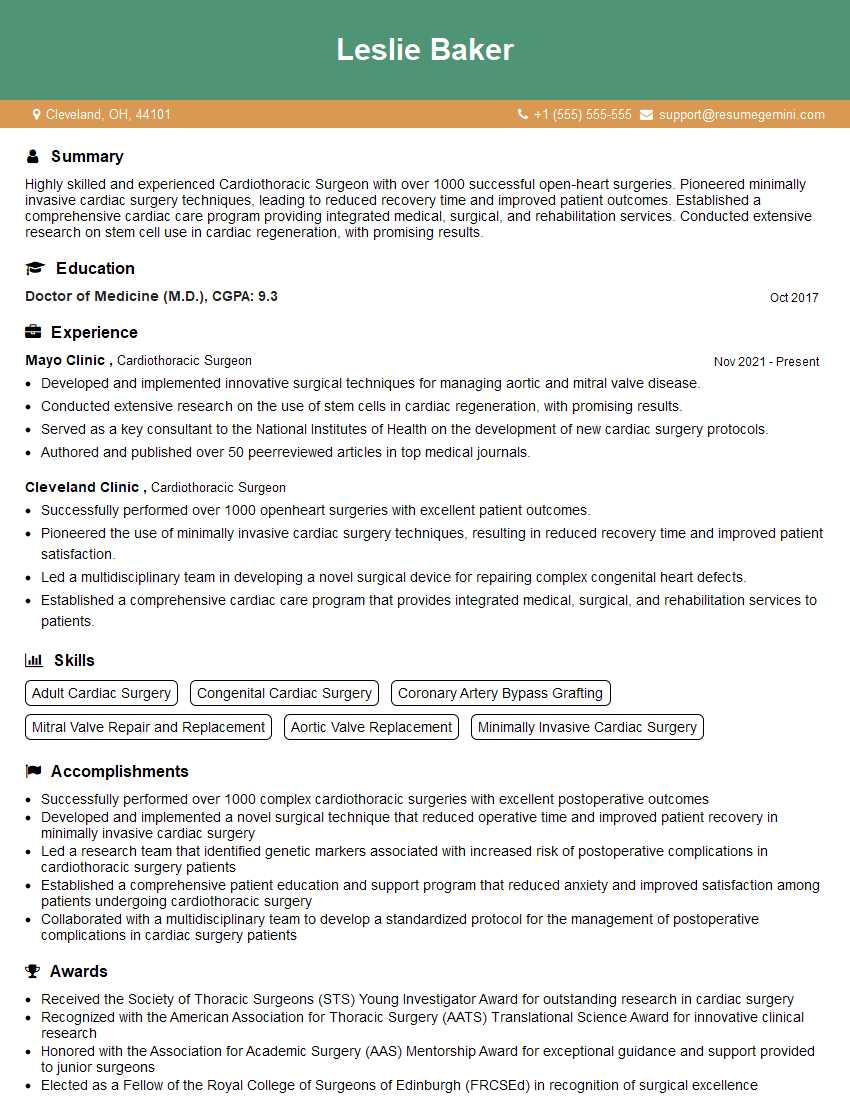
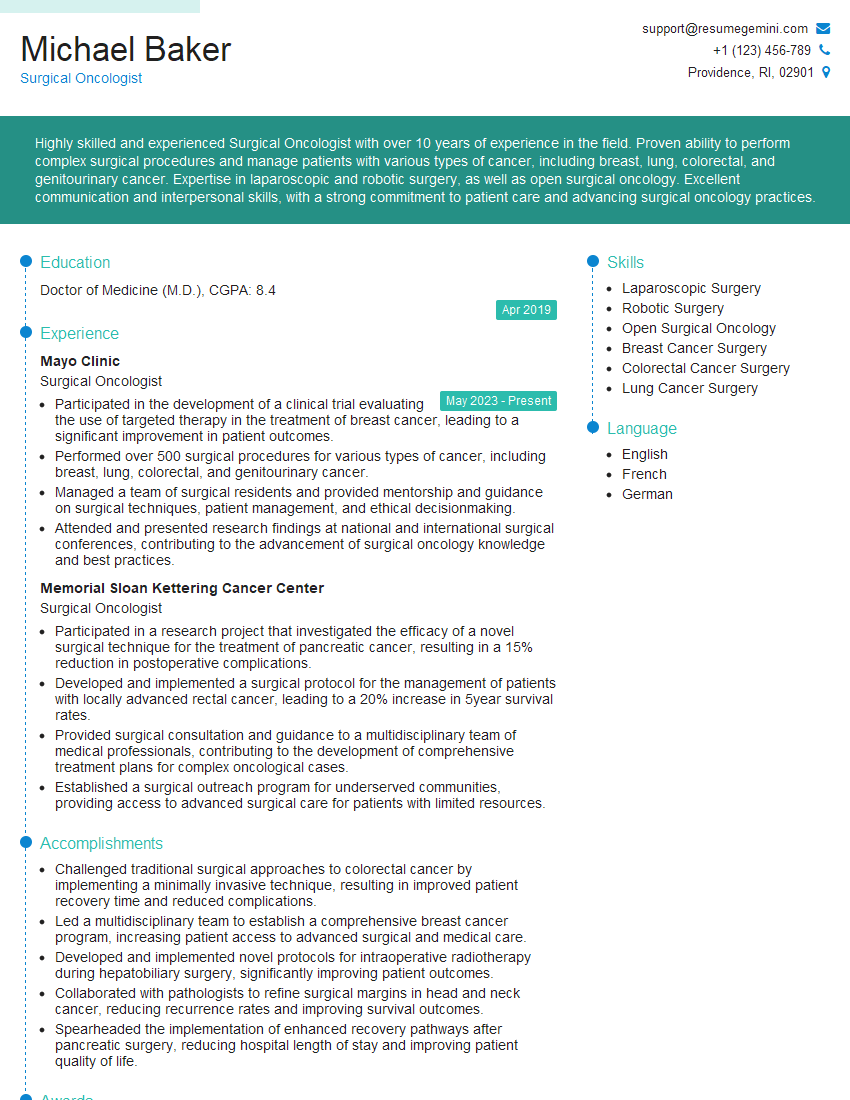
Mastering Lung Cancer Surgery is crucial for career advancement in this specialized field, opening doors to leadership roles and cutting-edge research opportunities. To significantly boost your job prospects, it’s vital to create an ATS-friendly resume that highlights your skills and experience effectively. ResumeGemini is a trusted resource to help you build a professional and impactful resume that catches the eye of recruiters. ResumeGemini provides examples of resumes tailored specifically to Lung Cancer Surgery, giving you a head start in crafting your application materials. Invest time in creating a strong resume; it is your first impression and sets the stage for a successful interview.
Explore more articles
Users Rating of Our Blogs
Share Your Experience
We value your feedback! Please rate our content and share your thoughts (optional).
What Readers Say About Our Blog
To the interviewgemini.com Webmaster.
Very helpful and content specific questions to help prepare me for my interview!
Thank you
To the interviewgemini.com Webmaster.
This was kind of a unique content I found around the specialized skills. Very helpful questions and good detailed answers.
Very Helpful blog, thank you Interviewgemini team.