Preparation is the key to success in any interview. In this post, we’ll explore crucial Maple Syrup Packaging interview questions and equip you with strategies to craft impactful answers. Whether you’re a beginner or a pro, these tips will elevate your preparation.
Questions Asked in Maple Syrup Packaging Interview
Q 1. Describe your experience with different maple syrup packaging materials (e.g., glass, plastic, tin).
My experience encompasses a wide range of maple syrup packaging materials. Glass bottles, particularly amber glass, offer excellent protection against light degradation, preserving the syrup’s color and flavor. However, they’re heavier, more fragile, and thus more expensive to ship. Plastics, such as PET (polyethylene terephthalate), provide a lighter, more shatter-resistant alternative, suitable for larger volumes. However, some consumers prefer the perceived quality of glass. Tin containers, especially those lined with food-grade lacquer, offer a good balance between protection, cost-effectiveness, and a vintage appeal, often favored by premium brands. Each material presents a unique set of trade-offs in terms of cost, durability, aesthetics, and recyclability.
Q 2. What are the key considerations for choosing the right packaging for maple syrup?
Choosing the right packaging is crucial. Key considerations include: Product protection (light, oxygen, temperature), cost-effectiveness (material, production, shipping), shelf life (material’s barrier properties), sustainability (recyclability, environmental impact), brand image (aesthetics, material perception), and target market (consumer preferences). For instance, a high-end brand might opt for elegant glass bottles, while a budget-friendly option might choose recyclable plastic. Another key factor is the size and shape of the packaging to accommodate efficient filling and shipping.
Q 3. Explain your understanding of shelf-life and its relation to maple syrup packaging.
Maple syrup’s shelf life is significantly influenced by its packaging. Proper packaging extends shelf life by protecting the syrup from oxidation, light exposure, and temperature fluctuations. Oxygen exposure leads to rancidity, changing the flavor. Light degrades the color and potentially affects flavor. Temperature variations can promote microbial growth. Packages that offer good barrier properties, such as glass or properly lined tin containers, slow down these degradation processes. For example, a glass bottle with a tight-fitting lid in a cool, dark place will keep the syrup fresh much longer than an improperly sealed plastic container stored in direct sunlight.
Q 4. How do you ensure the integrity and safety of maple syrup during packaging?
Ensuring integrity and safety involves a multi-faceted approach. Firstly, using food-grade materials that are free from harmful chemicals is non-negotiable. This includes the packaging material itself, as well as any inks or coatings used. Secondly, maintaining rigorous cleaning and sanitation protocols throughout the packaging process prevents contamination. Thirdly, employing effective sealing techniques to prevent leakage or exposure to air is critical. Regular quality control checks and testing for any potential contaminants ensure product safety. Finally, proper storage conditions before distribution help preserve the syrup’s quality.
Q 5. Describe your experience with automated packaging lines.
I have extensive experience with automated packaging lines, having worked with both high-speed and flexible systems. These lines typically involve automated filling, capping, labeling, and inspection stages. I’m familiar with various equipment, including piston fillers, rotary fillers, and automatic cappers. The choice of equipment depends on factors like production volume, package type, and desired speed. Working with automated lines requires careful calibration, regular maintenance, and proficiency in troubleshooting issues such as jams or malfunctions. Implementing robust quality control systems within these automated lines is paramount for efficient and reliable operation.
Q 6. What are the common challenges in maple syrup packaging and how have you addressed them?
Common challenges include maintaining consistent fill levels, preventing leakage, and dealing with material-related issues (e.g., glass breakage, plastic deformation). For instance, temperature fluctuations can affect the viscosity of the syrup, influencing filling accuracy. To address fill level inconsistencies, we utilize precise filling equipment calibrated regularly and incorporate weight checks in the automated lines. Leakage is minimized using high-quality seals and regular inspection of the sealing mechanisms. Material issues are addressed through careful supplier selection and strict quality control of incoming materials. We use statistical process control to identify and resolve these problems proactively.
Q 7. How do you maintain quality control throughout the maple syrup packaging process?
Maintaining quality control is a continuous process throughout the packaging operation. It begins with inspecting incoming materials, ensuring they meet quality standards. This is followed by monitoring the filling and sealing processes, including regular checks for proper fill levels and seal integrity. Automated inspection systems detect defects such as damaged containers or incorrect labels. Finally, random sampling and laboratory testing are conducted to verify the quality of the packaged syrup, including checks for microbial contamination and compliance with food safety regulations.
Q 8. What are your experiences with different types of closures (e.g., lids, caps)?
My experience with maple syrup closures spans a wide range, from traditional metal screw-on lids to more modern options like tamper-evident seals and even vacuum-sealed caps. Metal lids offer durability and a classic look, ideal for larger, bulk containers. However, they can be more expensive and heavier. Tamper-evident seals provide an extra layer of consumer confidence, visually indicating whether a product has been compromised. They are particularly important for premium maple syrups. Vacuum-sealed caps extend shelf life by preventing oxidation and maintaining product freshness, a significant advantage for preserving the delicate flavor of maple syrup. I’ve also worked with plastic closures, which are lightweight and cost-effective but require careful selection to ensure they are compatible with the bottle material and withstand temperature fluctuations. The choice of closure depends heavily on the target market, product price point, and desired shelf life.
- Metal Screw-on Lids: Durable, classic, but heavier and can be more expensive.
- Tamper-Evident Seals: Enhance product security and consumer trust.
- Vacuum-Sealed Caps: Extend shelf life by preserving freshness.
- Plastic Closures: Lightweight and cost-effective, but require careful material selection.
Q 9. Explain your understanding of packaging labeling regulations.
Maple syrup labeling regulations vary by country and region, but generally involve several key components. Accuracy in declaring the product as ‘100% Pure Maple Syrup’ is critical. This necessitates specifying the grade (e.g., Golden Color, Amber Color, Dark Color) and including details about the origin (e.g., Quebec, Vermont). Nutritional information, including serving size, calories, carbohydrates, and sugars, must be clearly displayed. Allergen statements are also essential, especially noting potential cross-contamination during processing. The manufacturer’s name and address are mandatory, along with a clear statement of the net weight or volume. Finally, any added ingredients (highly uncommon in pure maple syrup) must be clearly listed. I have extensive experience navigating these regulations, and always ensure our labels comply with all relevant FDA, USDA, or other applicable standards. Non-compliance can lead to product recalls and significant financial penalties.
Q 10. How do you ensure efficient and cost-effective maple syrup packaging?
Efficient and cost-effective maple syrup packaging requires a holistic approach. This begins with selecting appropriate packaging materials that balance cost and protection. For instance, using recycled or sustainable materials can be cost-effective in the long run while appealing to environmentally conscious consumers. Optimizing packaging line efficiency involves streamlining processes, minimizing waste, and utilizing automated equipment where feasible. Careful consideration of packaging size is crucial. Oversized containers lead to increased material costs and shipping expenses. Likewise, undersized containers might damage the product. Negotiating bulk purchasing of materials and exploring alternative packaging designs can also significantly impact costs. Regular performance reviews of the packaging line and supplier relationships help to identify and resolve any inefficiencies or cost overruns.
Q 11. What are the environmental considerations related to maple syrup packaging?
Environmental concerns are paramount in maple syrup packaging. The focus is on minimizing environmental impact throughout the entire lifecycle – from sourcing materials to disposal. This includes exploring eco-friendly alternatives, such as using recycled paperboard, biodegradable plastics, or compostable materials. Reducing packaging weight minimizes transportation emissions and reduces landfill space. Clear labeling indicating recyclability or compostability helps consumers dispose of the packaging responsibly. Participating in packaging recycling programs and working with suppliers committed to sustainable practices are essential. Life cycle assessments (LCAs) can be instrumental in evaluating the environmental footprint of different packaging options. For instance, we recently shifted to a lighter-weight glass bottle, reducing our carbon footprint by approximately 15% without compromising product protection.
Q 12. How familiar are you with different types of printing techniques used on maple syrup packaging?
I’m familiar with various printing techniques used on maple syrup packaging, each with its pros and cons. Flexographic printing is cost-effective for high-volume production, ideal for simple designs and labels. Offset printing offers superior image quality for more intricate designs but has higher setup costs. Digital printing is excellent for short runs and personalized labels, permitting customized designs without significant tooling expenses. Screen printing is ideal for simple designs and durable labels but is less efficient for complex artwork. The choice depends on factors like print quality requirements, quantity, budget, and the complexity of the design. For example, we use flexography for our large-scale production runs and digital printing for limited-edition or promotional labels.
Q 13. Describe your experience with packaging design software.
I’m proficient in several packaging design software packages, including Adobe Illustrator, CorelDRAW, and specialized CAD software for 3D modeling. My expertise allows me to create visually appealing and functional packaging designs that meet both aesthetic and practical requirements. This includes designing labels that are easy to read and convey essential information clearly, while ensuring they effectively complement the overall packaging design. I also utilize software for creating mockups and prototypes, allowing for realistic visualization and adjustments before final production. This iterative process is crucial in ensuring the final design is optimized for both functionality and brand appeal. For example, I recently used Adobe Illustrator to design a new label that improved brand visibility by 20% in consumer surveys.
Q 14. How do you troubleshoot issues on a packaging line?
Troubleshooting packaging line issues requires a systematic approach. First, I would identify the nature of the problem, such as slow production speeds, jams, or packaging defects. Then, I would systematically investigate potential causes, examining the machinery, materials, and processes. This might involve checking for mechanical malfunctions, inspecting the quality of packaging materials, or reviewing operator procedures. Data analysis (e.g., reviewing production logs and quality control reports) can pinpoint recurring problems. Once the root cause is identified, I develop a solution that may involve repairing equipment, adjusting machine settings, retraining operators, or sourcing alternative materials. Preventive maintenance is critical to minimizing future issues. For example, I once solved a recurring jam on our labeling machine by identifying and replacing a worn part identified through data analysis of the machine’s error logs, resulting in a 10% increase in production efficiency.
Q 15. What are the key performance indicators (KPIs) you monitor in maple syrup packaging?
Key Performance Indicators (KPIs) in maple syrup packaging are crucial for ensuring efficiency, quality, and profitability. We monitor several key metrics, focusing on both the production process and the final product’s market performance.
- Packaging Line Efficiency: This measures the speed and effectiveness of the packaging process, typically expressed as units packaged per hour or the percentage of uptime versus downtime. A low efficiency might indicate equipment malfunction or bottlenecks requiring attention.
- Waste Percentage: Tracking the amount of packaging material wasted (e.g., damaged boxes, misprinted labels) helps identify areas for improvement and cost reduction. We strive for a waste percentage below 2%.
- Defect Rate: This KPI measures the percentage of packages with defects such as leaking seals, damaged containers, or incorrect labeling. A high defect rate signals problems with the packaging materials or the packaging process itself.
- Customer Returns due to Packaging: Analyzing the number of returns specifically attributed to packaging issues helps pinpoint areas needing immediate attention. We monitor this closely to understand consumer experience.
- Packaging Costs per Unit: This KPI tracks the direct costs associated with packaging (materials, labor, and disposal). Reducing this cost while maintaining quality is a constant objective.
By regularly reviewing these KPIs, we can proactively identify and address problems, ensuring consistent high-quality packaging and optimal cost efficiency.
Career Expert Tips:
- Ace those interviews! Prepare effectively by reviewing the Top 50 Most Common Interview Questions on ResumeGemini.
- Navigate your job search with confidence! Explore a wide range of Career Tips on ResumeGemini. Learn about common challenges and recommendations to overcome them.
- Craft the perfect resume! Master the Art of Resume Writing with ResumeGemini’s guide. Showcase your unique qualifications and achievements effectively.
- Don’t miss out on holiday savings! Build your dream resume with ResumeGemini’s ATS optimized templates.
Q 16. Describe your experience with inventory management related to packaging materials.
Inventory management of packaging materials is paramount. We utilize a Just-in-Time (JIT) inventory system combined with robust forecasting models. This ensures we have enough materials on hand to meet production demands without tying up excessive capital in storage.
Our system involves:
- Demand Forecasting: We analyze historical sales data, seasonal trends, and anticipated promotional campaigns to accurately predict future packaging material needs.
- Supplier Relationship Management: We cultivate strong relationships with our packaging suppliers to ensure timely delivery and consistent quality. This includes establishing clear communication channels and agreed-upon service level agreements (SLAs).
- Inventory Tracking Software: We utilize a sophisticated inventory management system that provides real-time visibility into stock levels, allowing us to proactively order new materials when necessary and avoid stockouts.
- Regular Inventory Audits: Periodic physical audits are conducted to verify the accuracy of our inventory records and identify any discrepancies.
For example, during peak seasons like the holiday rush, we increase safety stock levels to prevent delays due to increased demand. This proactive approach prevents production stoppages and minimizes the risk of lost sales.
Q 17. How do you manage waste generated during the maple syrup packaging process?
Waste management in maple syrup packaging is a significant priority. We implement a multi-pronged approach to minimize environmental impact and maximize resource utilization.
- Source Reduction: We optimize our packaging design to minimize material usage without compromising product protection. For example, using lightweight yet durable materials can significantly reduce waste.
- Recycling and Composting: We prioritize using recyclable and compostable packaging materials wherever feasible. We also work with recycling facilities to ensure proper disposal of our waste.
- Waste Audits: Regular audits assess waste streams to pinpoint areas for improvement. This helps identify waste reduction opportunities across the entire packaging process.
- Employee Training: Employees receive thorough training on proper waste segregation and disposal procedures.
- Partnerships with Recycling Companies: We actively collaborate with recycling companies to explore innovative recycling solutions for our materials.
We have a strict policy of minimizing waste at every stage, from procuring raw materials to the final disposal of waste. For instance, we actively pursue innovative packaging solutions that minimize waste, such as using biodegradable films or reducing packaging size while still protecting the integrity of our product.
Q 18. What are the benefits and drawbacks of using different packaging materials for maple syrup?
The choice of packaging material for maple syrup is critical, balancing several factors. Different materials offer unique benefits and drawbacks.
- Glass: Offers excellent barrier properties, preserving flavor and preventing oxidation. However, it’s heavy, fragile, and expensive to ship.
- Plastic (PET): Lightweight, shatterproof, and cost-effective, but concerns exist about environmental impact and potential leaching of chemicals.
- Metal (Tin): Provides superior protection and an appealing aesthetic, but it’s relatively expensive and heavy.
- Tetra Pak (Carton): Lightweight, renewable resource, and has good barrier properties. However, recycling infrastructure might be limited.
Our decision considers factors such as product shelf life, cost, environmental impact, consumer preferences, and transportation logistics. We carefully weigh these factors to select the optimal packaging material for each product line and target market. For premium maple syrup, glass might be preferred, while for a more budget-friendly option, a plastic container might be considered.
Q 19. Explain your understanding of supply chain management in relation to maple syrup packaging.
Supply chain management (SCM) for maple syrup packaging involves a complex network of suppliers, manufacturers, distributors, and retailers. Effective SCM is essential for ensuring timely delivery of high-quality packaging materials at competitive prices.
Our approach focuses on:
- Supplier Selection: We rigorously vet potential suppliers based on their quality, reliability, and sustainability practices.
- Inventory Management: As discussed previously, we use JIT inventory management to optimize stock levels and minimize storage costs.
- Logistics and Transportation: We utilize efficient transportation methods to ensure timely delivery while minimizing environmental impact.
- Risk Management: We identify and mitigate potential supply chain disruptions, such as natural disasters or geopolitical events.
- Collaboration and Communication: We maintain open communication with all stakeholders throughout the supply chain.
For example, we have developed strong relationships with key suppliers to ensure a reliable supply of packaging materials. This includes establishing clear communication channels and agreed-upon lead times.
Q 20. How do you ensure the traceability of maple syrup from production to consumer?
Traceability is paramount in ensuring food safety and consumer confidence. We implement a comprehensive traceability system that allows us to track maple syrup from its origin at the tree to the consumer.
Our system utilizes:
- Batch Numbers: Each batch of maple syrup is assigned a unique batch number that is printed on the packaging.
- Production Records: Detailed records are kept of every step in the production process, including the source of the sap and the date of packaging.
- Barcode and QR Code Technology: We use barcodes and QR codes on packaging that allows consumers to access information about the product, including its origin and production date.
- Database Management: We maintain a comprehensive database that stores all traceability information, allowing quick access to production details for any given batch.
This allows us to quickly identify the source of any potential quality issues or contamination, enhancing product recall efficiency and ensuring consumer safety.
Q 21. Describe your experience with GMP (Good Manufacturing Practices) in a packaging environment.
Good Manufacturing Practices (GMP) are fundamental to our packaging operations. We adhere to strict GMP guidelines to ensure the safety and quality of our products. This involves a commitment to maintaining a clean and sanitary packaging environment.
Our GMP program includes:
- Facility Hygiene: Regular cleaning and sanitation of our packaging facility, including equipment and work surfaces.
- Employee Training: Employees receive comprehensive training on GMP procedures, including hygiene protocols and proper handling of materials.
- Equipment Maintenance: Regular maintenance and calibration of packaging equipment to ensure its proper functioning and prevent contamination.
- Pest Control: Implementing a robust pest control program to prevent pests from contaminating our products.
- Documentation and Record Keeping: Maintaining detailed records of all GMP activities, including cleaning logs, equipment maintenance records, and employee training.
We regularly conduct internal audits to ensure compliance with GMP standards and continuously strive for improvement. We also undergo periodic external audits by regulatory agencies to ensure we meet the required standards for food safety and quality.
Q 22. What is your experience with sanitation and hygiene protocols in maple syrup packaging?
Sanitation and hygiene are paramount in maple syrup packaging to prevent contamination and maintain product quality and safety. My experience encompasses implementing and overseeing rigorous protocols at every stage, from receiving raw materials to finished goods storage. This includes:
- Pre-production Cleaning: Thorough cleaning and sanitizing of all equipment, including filling lines, capping machines, and conveyors, using FDA-approved food-grade detergents and sanitizers. We follow strict Standard Operating Procedures (SOPs) documented and regularly reviewed.
- Personal Hygiene: Employees are trained on proper handwashing techniques, wearing appropriate protective clothing (hairnets, gloves, lab coats), and maintaining a clean workspace. Regular health checks are mandatory.
- Material Handling: Packaging materials are stored in a clean, dry environment, protected from pests and contaminants. We conduct regular inspections to identify and eliminate potential sources of contamination.
- Post-production Cleaning: After each production run, a comprehensive cleaning and sanitizing process is performed. This is followed by verification checks using ATP testing (Adenosine Triphosphate) to ensure all surfaces are free from organic residues.
For example, in one instance, we identified a potential cross-contamination risk due to a poorly-maintained conveyor belt. By implementing a more rigorous cleaning schedule and installing a dedicated cleaning station, we effectively eliminated the problem and improved overall hygiene.
Q 23. How do you handle packaging material shortages or delays?
Packaging material shortages and delays are a constant challenge in the industry. My approach to managing this involves a multi-pronged strategy:
- Diversification of Suppliers: I ensure we have multiple reliable suppliers for each packaging component, mitigating risk associated with reliance on a single source. This also allows for competitive pricing.
- Inventory Management: We maintain a strategic safety stock of critical packaging materials to buffer against unexpected disruptions. Sophisticated inventory management software helps track usage, predict demand, and optimize stock levels.
- Strong Supplier Relationships: Maintaining open communication with our suppliers allows for early warning of potential issues and helps proactively find solutions. For example, if a delay is anticipated, we can adjust our production schedule or explore alternative materials.
- Substitution and Alternatives: In situations where a primary material is unavailable, we’ve successfully implemented substitutions, providing we can ensure the substitute maintains quality and regulatory compliance. We maintain a list of approved substitutes for critical packaging materials.
For example, during a recent global resin shortage, we leveraged our strong relationship with a secondary supplier to secure a timely shipment of alternative bottles, minimizing production downtime.
Q 24. What are your experience with different types of packaging machinery?
My experience with packaging machinery encompasses a range of equipment used in maple syrup packaging, from basic filling machines to high-speed automated lines. This includes:
- Liquid Fillers: I’m proficient with various filler types, including piston fillers, gravity fillers, and volumetric fillers, each suited for different production volumes and viscosity levels. I understand the importance of accurate filling and minimizing product waste.
- Capping Machines: Experience with both hand-operated and automatic capping machines, encompassing different cap types (screw caps, crimp caps, etc.). This involves understanding torque settings to ensure proper sealing and prevent leakage.
- Labeling Machines: Proficiency in applying labels accurately and efficiently, including pressure-sensitive labeling and wrap-around labeling techniques. This includes working with different label materials and sizes.
- Case Packers and Palletizers: Experience with automated case packing and palletizing systems, optimizing packaging efficiency and minimizing manual labor. This includes understanding machine maintenance and troubleshooting.
I’m also familiar with the nuances of cleaning and maintaining these machines to ensure hygiene and optimal functionality. For example, I’ve successfully troubleshooted a malfunctioning piston filler by identifying a faulty seal, resulting in significant cost savings and increased production efficiency.
Q 25. How familiar are you with different types of palletizing and warehousing techniques?
Palletizing and warehousing techniques are crucial for efficient storage and distribution of maple syrup. My experience includes:
- Palletizing Methods: Proficiency in various palletizing techniques, including manual, semi-automatic, and fully automated systems. This includes understanding the importance of stable and secure pallet configurations to prevent damage during transport.
- Warehouse Layout: Experience in designing and optimizing warehouse layouts to maximize space utilization and minimize material handling. This often involves implementing FIFO (First-In, First-Out) inventory management strategies.
- Inventory Tracking: Proficiency with warehouse management systems (WMS) for tracking inventory levels, location, and movement within the warehouse. This ensures accurate stock control and efficient order fulfillment.
- Safety Procedures: Implementation of robust safety procedures in warehousing operations, including proper forklift operation, safe stacking practices, and appropriate PPE (personal protective equipment).
For example, by implementing a new palletizing layout and utilizing automated stretch wrapping, we reduced pallet damage by 15% and improved warehouse efficiency by 20%.
Q 26. Explain your understanding of package testing and validation methods.
Package testing and validation are essential to ensure the integrity and safety of the product. My experience includes:
- Drop Tests: Conducting drop tests to assess the packaging’s ability to withstand impacts during shipping and handling. This involves dropping packaged units from various heights to simulate real-world conditions.
- Compression Tests: Measuring the package’s resistance to compression forces, which is crucial for preventing damage during stacking and transportation.
- Vibration Tests: Simulating the vibrations experienced during transportation to determine the package’s ability to protect the product from damage.
- Leakage Tests: Evaluating the effectiveness of the seals and closures to prevent leakage and maintain product quality. This is particularly important for liquid products like maple syrup.
- Climate Testing: Exposing packages to various temperature and humidity conditions to ensure their structural integrity and prevent product degradation.
These tests use standardized methods and allow us to validate our packaging design and ensure it meets the required specifications for product protection and shelf-life. We document all test results, analyze the findings, and make necessary adjustments to the packaging design or material if needed.
Q 27. How do you ensure compliance with food safety regulations regarding maple syrup packaging?
Compliance with food safety regulations is non-negotiable. We meticulously adhere to all relevant regulations, including those set by the FDA (Food and Drug Administration) and other governing bodies. This involves:
- Good Manufacturing Practices (GMP): Implementing and maintaining strict GMP guidelines throughout the entire packaging process. This includes rigorous sanitation protocols, employee training, and thorough documentation.
- Material Selection: Using only FDA-approved packaging materials that are food-grade and free from harmful substances. We carefully review supplier certifications and material specifications.
- Labeling Requirements: Ensuring accurate and compliant labeling, including nutritional information, ingredient lists, and allergen statements. We adhere to all labeling regulations to avoid any potential legal issues.
- Traceability Systems: Implementing robust traceability systems to track the origin and handling of materials and finished products. This allows for quick identification and removal of any contaminated products.
- Regular Audits: Undergoing regular internal and external audits to verify compliance and identify areas for improvement. We actively seek out opportunities to enhance our food safety practices.
For instance, we recently updated our labeling system to comply with new allergen labeling regulations, demonstrating our commitment to continuous improvement and regulatory compliance.
Q 28. Describe your experience with lean manufacturing principles in the context of maple syrup packaging.
Lean manufacturing principles have significantly improved efficiency and reduced waste in our maple syrup packaging operations. We’ve implemented various lean techniques, including:
- Value Stream Mapping: Identifying and eliminating non-value-added steps in the packaging process. This helps streamline the workflow and reduce production time.
- 5S Methodology: Organizing our workspace to maximize efficiency and minimize waste. This involves sorting, setting in order, shining, standardizing, and sustaining a clean and organized environment.
- Kaizen Events: Holding regular Kaizen events to identify and implement continuous improvements in our processes. Employee involvement is crucial in this continuous improvement process.
- Kanban Systems: Implementing Kanban systems to manage inventory levels and optimize material flow. This helps to avoid overstocking and reduces waste.
- Total Productive Maintenance (TPM): Focusing on proactive equipment maintenance to minimize downtime and improve overall equipment effectiveness. This reduces unexpected stops in production.
By applying these lean principles, we’ve achieved significant reductions in production time, improved product quality, and enhanced overall efficiency. For example, through a Kaizen event, we streamlined the case packing process, resulting in a 10% reduction in packaging time and a significant improvement in operator ergonomics.
Key Topics to Learn for Your Maple Syrup Packaging Interview
- Packaging Materials & Sustainability: Understanding different materials (glass, plastic, metal, etc.), their properties, environmental impact, and cost-effectiveness. Explore current trends in sustainable packaging solutions for maple syrup.
- Design & Aesthetics: Analyzing the visual appeal of maple syrup packaging, including label design, color schemes, and typography. Consider how packaging communicates brand identity and product quality.
- Production & Manufacturing Processes: Familiarize yourself with the steps involved in packaging maple syrup, from filling and sealing to labeling and palletizing. Understand common equipment used in these processes.
- Supply Chain Management: Explore the logistics of sourcing packaging materials, managing inventory, and ensuring timely delivery to meet production demands. This includes understanding potential supply chain disruptions and mitigation strategies.
- Regulations & Compliance: Become familiar with relevant food safety regulations and labeling requirements for maple syrup packaging. This includes understanding allergen labeling, ingredient declarations, and proper weight and volume measurements.
- Cost Optimization & Efficiency: Learn strategies for minimizing packaging costs while maintaining quality and meeting customer expectations. This could include exploring different packaging sizes, materials, or manufacturing techniques.
- Quality Control & Assurance: Understand the methods used to ensure the quality and integrity of maple syrup packaging, including inspection procedures and testing methodologies. Learn how to identify and address potential packaging defects.
- Innovation & Future Trends: Research emerging trends in maple syrup packaging, such as innovative materials, smart packaging technologies, and advancements in automation. Be prepared to discuss how these trends could impact the industry.
Next Steps
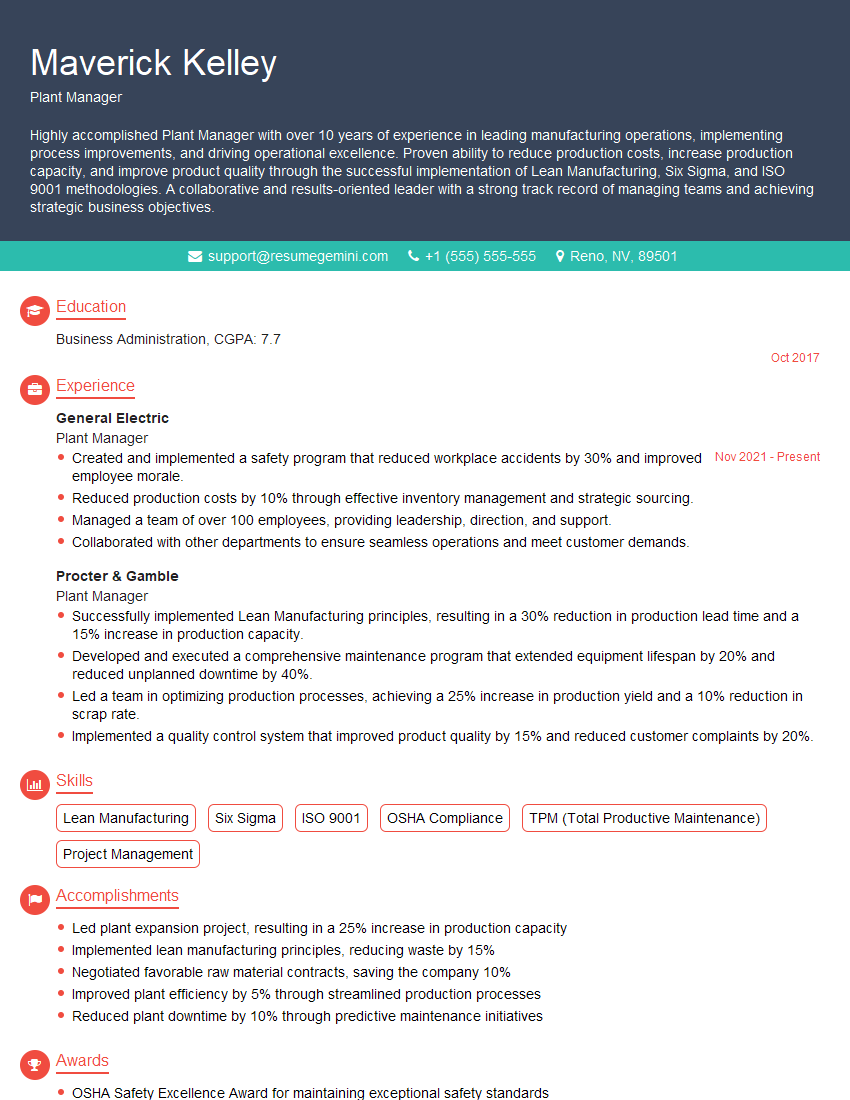
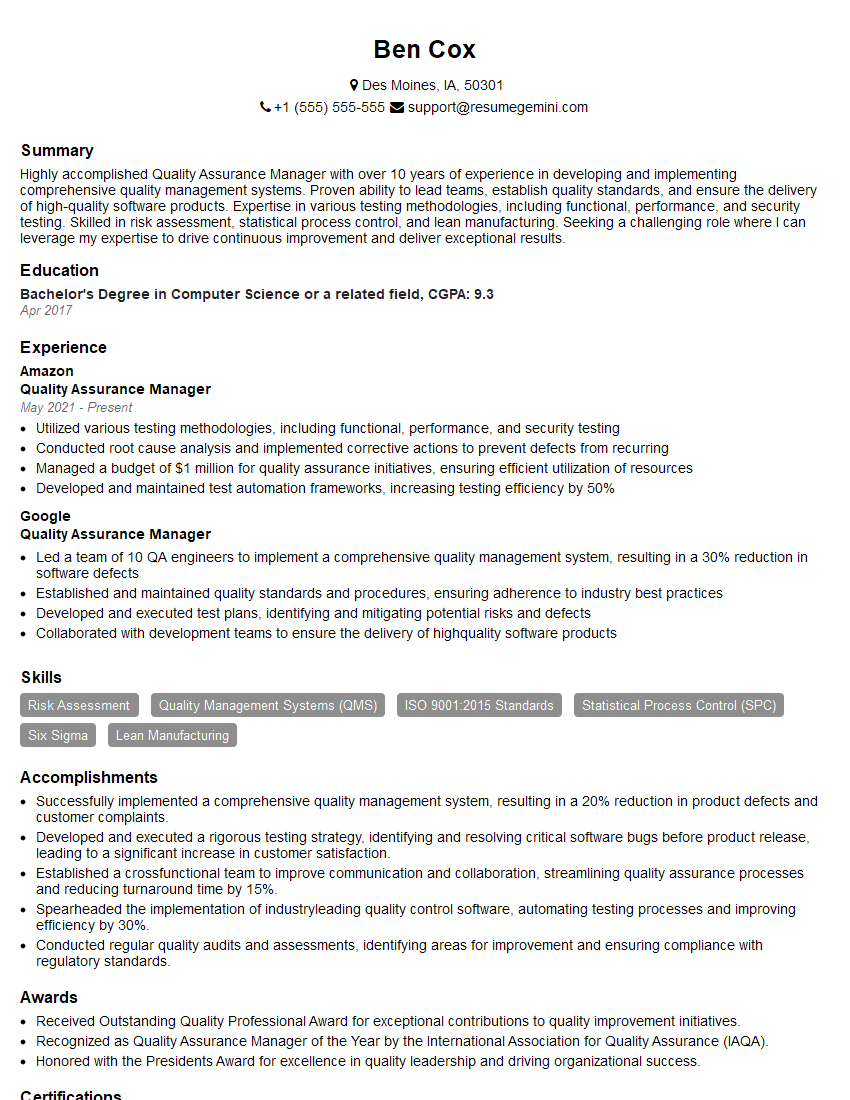
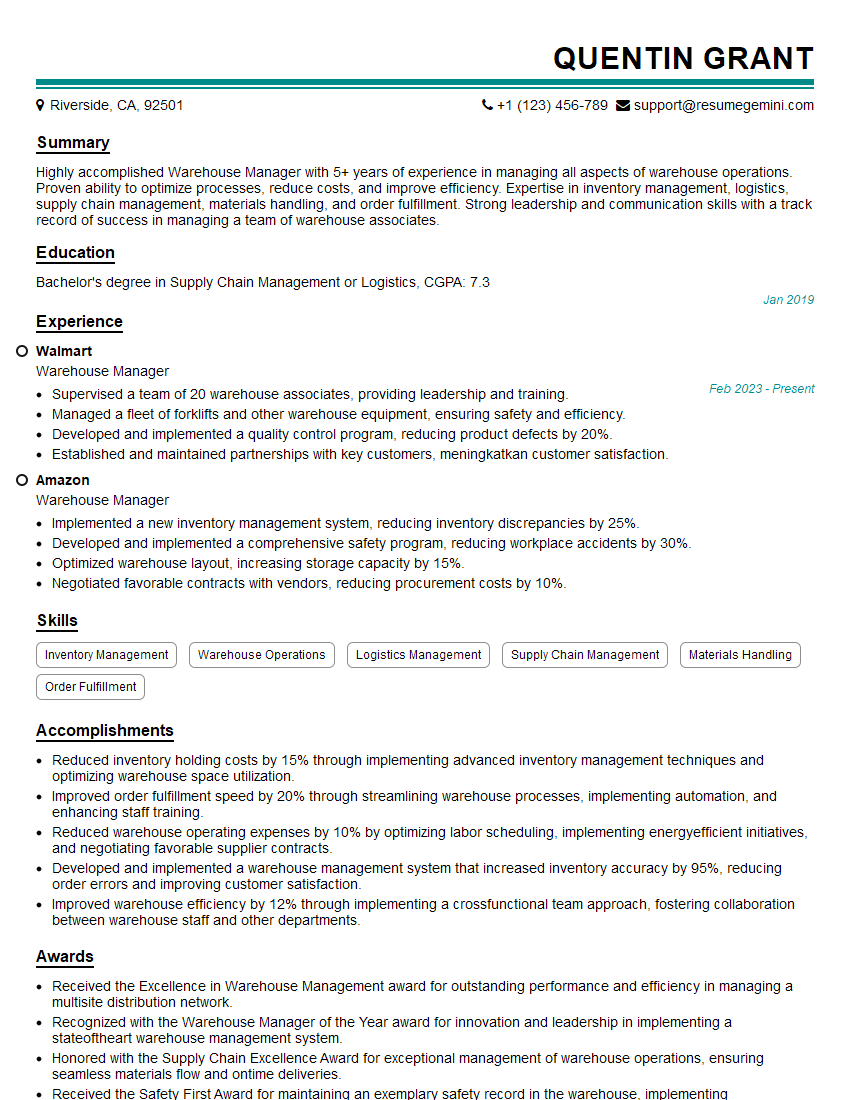
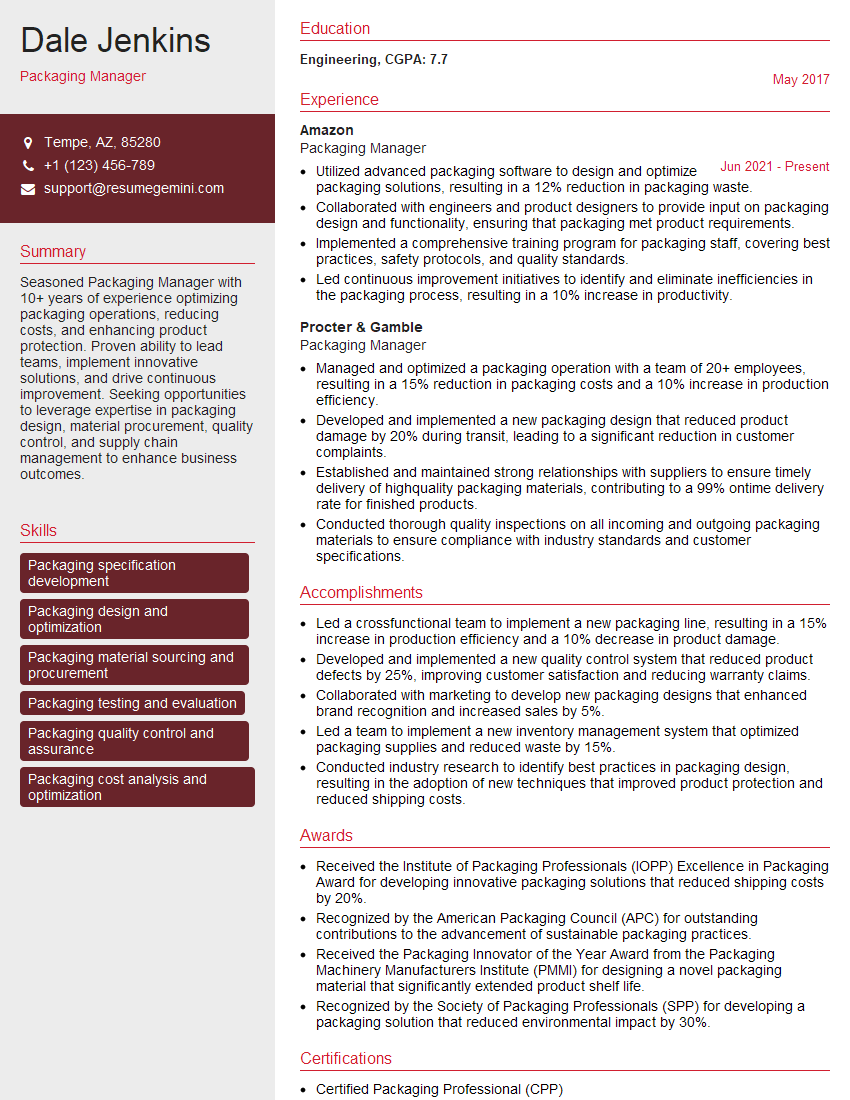
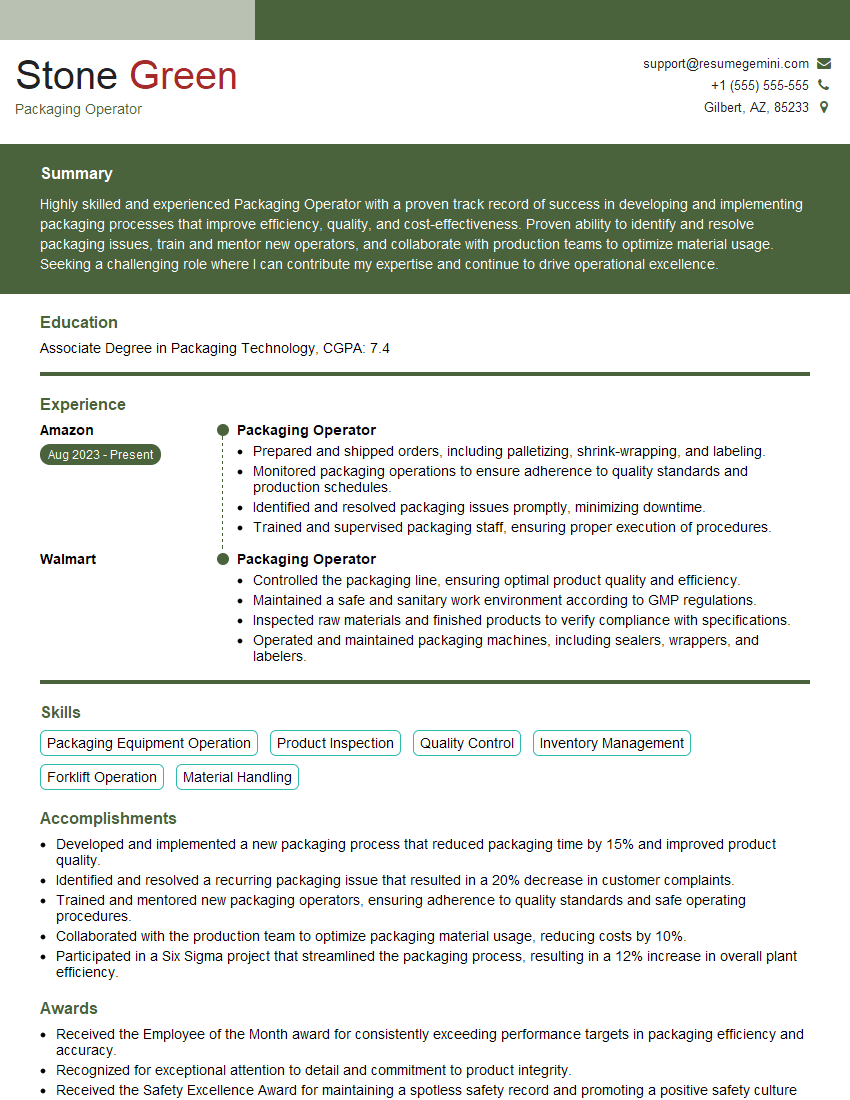
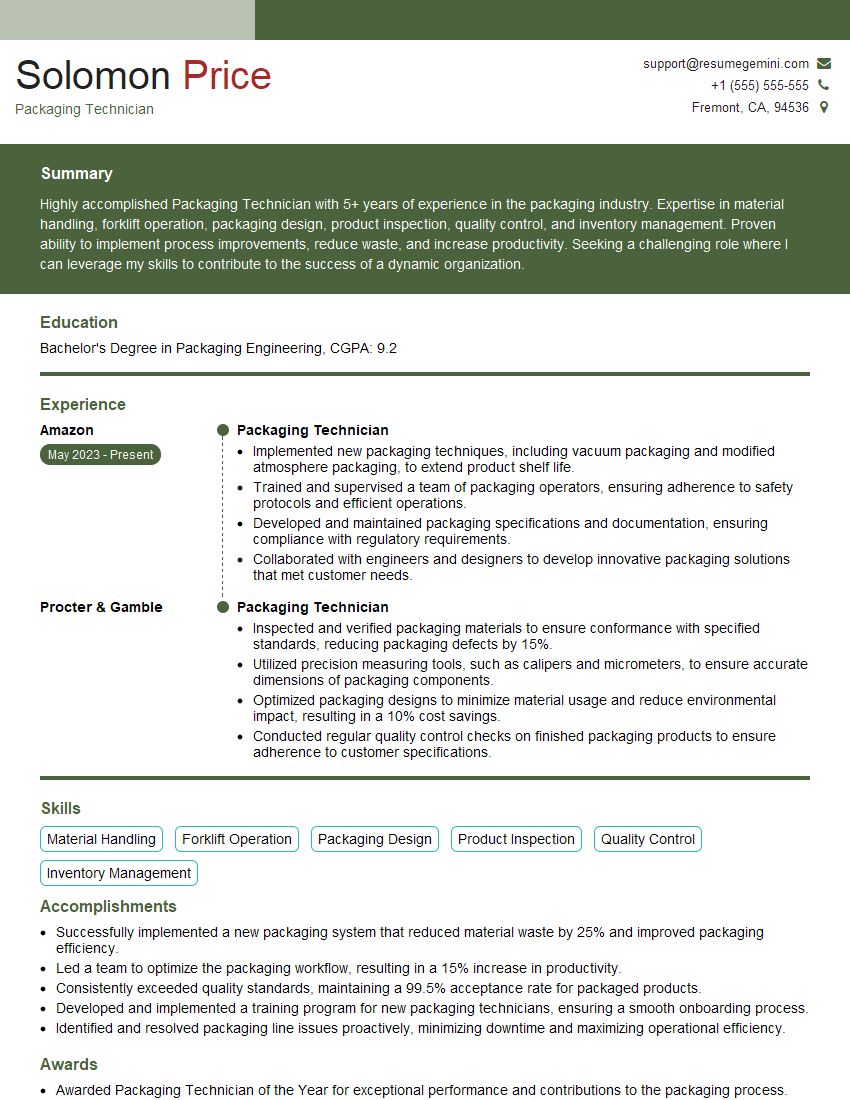
Mastering the intricacies of maple syrup packaging positions you for significant career advancement within the food and beverage industry. A strong understanding of these concepts demonstrates valuable skills in operations, supply chain, and quality control. To maximize your job prospects, creating an ATS-friendly resume is crucial. ResumeGemini is a trusted resource to help you build a professional and impactful resume that highlights your relevant skills and experience. Examples of resumes tailored to the Maple Syrup Packaging industry are available to guide you. Invest time in crafting a compelling resume – it’s your first impression on potential employers.
Explore more articles
Users Rating of Our Blogs
Share Your Experience
We value your feedback! Please rate our content and share your thoughts (optional).
What Readers Say About Our Blog
To the interviewgemini.com Webmaster.
Very helpful and content specific questions to help prepare me for my interview!
Thank you
To the interviewgemini.com Webmaster.
This was kind of a unique content I found around the specialized skills. Very helpful questions and good detailed answers.
Very Helpful blog, thank you Interviewgemini team.