Every successful interview starts with knowing what to expect. In this blog, we’ll take you through the top Toxic Gas Detection interview questions, breaking them down with expert tips to help you deliver impactful answers. Step into your next interview fully prepared and ready to succeed.
Questions Asked in Toxic Gas Detection Interview
Q 1. Explain the principles of different toxic gas detection technologies (e.g., electrochemical, infrared, photoionization).
Toxic gas detection relies on several key technologies, each with unique principles. Let’s explore three prominent methods:
- Electrochemical Sensors: These sensors utilize an electrochemical cell where the target gas reacts at an electrode, generating a measurable electrical current proportional to the gas concentration. Think of it like a tiny battery powered by the gas itself. Different gases require specific electrodes tuned to their unique electrochemical properties. For example, a carbon monoxide (CO) sensor employs an electrochemical cell designed to react specifically with CO molecules. The resulting current is then processed to give a concentration reading.
- Infrared (IR) Sensors: These sensors exploit the principle that gases absorb infrared light at specific wavelengths unique to their molecular structure. The sensor shines an IR beam through a sample of air. If the target gas is present, it absorbs a portion of the IR light, and the amount of absorption is directly related to the gas concentration. Imagine shining a flashlight through a fog—the denser the fog (higher gas concentration), the less light makes it through. This technology is particularly useful for detecting gases like methane (CH4) and carbon dioxide (CO2).
- Photoionization Detectors (PIDs): These detectors use a high-energy ultraviolet (UV) lamp to ionize gas molecules. The ionized molecules create a current that is proportional to the concentration of the ionizable gas. It’s like zapping the air with UV light; some gases break apart more easily than others, producing a measurable electrical signal. PIDs are effective for detecting a wide range of volatile organic compounds (VOCs) but are less specific than electrochemical sensors.
The choice of technology depends heavily on the specific gas being detected, the desired sensitivity, and the application environment.
Q 2. Describe the calibration process for a toxic gas detector.
Calibration is crucial for maintaining the accuracy of a gas detector. It involves adjusting the sensor’s response to match known gas concentrations. There are two main types of calibration:
- Span Calibration: This involves exposing the sensor to a known concentration of the target gas (usually provided via a calibration gas cylinder) and adjusting the sensor’s output to match this known value. This ensures the sensor is reading accurately across its operational range. Think of it like setting the zero point and the full-scale point on a measuring device.
- Zero Calibration (or Zeroing): This involves exposing the sensor to clean, gas-free air to establish a baseline reading of zero. This compensates for any drift in the sensor’s output over time due to factors such as temperature changes or sensor aging.
Calibration procedures vary depending on the type of detector and manufacturer instructions. It’s essential to follow the manufacturer’s guidelines precisely to ensure accurate and reliable readings. Regular calibration, often monthly or as recommended by the manufacturer, is essential for maintaining the safety and reliability of the gas detection system. Incorrect calibration can lead to false readings, potentially resulting in serious safety hazards.
Q 3. What are the common types of toxic gases encountered in industrial settings?
Industrial settings present a variety of toxic gas hazards. Some of the most common include:
- Carbon Monoxide (CO): A colorless, odorless, and highly toxic gas produced by incomplete combustion.
- Hydrogen Sulfide (H2S): A highly toxic, flammable gas with a characteristic “rotten egg” smell at low concentrations, but this smell can be masked at higher, more dangerous levels.
- Methane (CH4): A flammable and potentially explosive gas often found in mining and oil and gas operations.
- Oxygen Deficiency (O2): While not a toxic gas itself, a lack of oxygen can be fatal. Many industrial processes consume oxygen, leading to hazardous environments.
- Ammonia (NH3): A pungent, toxic gas commonly used in refrigeration and fertilizer production.
- Chlorine (Cl2): A highly toxic and corrosive gas with a distinct yellowish-green color and pungent odor.
- Volatile Organic Compounds (VOCs): A broad category of organic chemicals that can have various toxic effects.
The specific gases encountered will depend on the industry and processes involved. A thorough risk assessment is critical for identifying potential hazards and selecting appropriate gas detection measures.
Q 4. Explain the importance of gas detector maintenance and its impact on accuracy.
Gas detector maintenance is paramount for ensuring accuracy and reliable performance. Neglecting maintenance can lead to inaccurate readings, delayed alarms, and ultimately, serious safety incidents. Here’s why it’s so important:
- Sensor Contamination: Dust, debris, and other contaminants can accumulate on the sensor, affecting its sensitivity and accuracy. Regular cleaning helps to maintain optimal performance.
- Sensor Drift: Over time, the sensor’s response can drift due to aging and environmental factors. Regular calibration compensates for this drift, ensuring accurate readings.
- Sensor Life: Sensors have a limited lifespan. Regular inspection allows for timely replacement of aging sensors before they fail.
- Component Failure: Other components of the gas detector, such as pumps, batteries, and electronics, can also fail. Regular checks and maintenance prevent unexpected malfunctions.
The frequency of maintenance varies depending on the type of detector, the environment, and the manufacturer’s recommendations. A well-maintained gas detection system is an investment in safety and productivity.
Q 5. How do you interpret gas detector readings and identify potential hazards?
Interpreting gas detector readings requires understanding the units (typically parts per million (ppm) or percent volume (%vol)) and the alarm thresholds set for each gas. Here’s a step-by-step approach:
- Review Alarm Thresholds: Familiarize yourself with the alarm settings (e.g., low, high, immediate evacuation) specific to the detector and the gases being monitored.
- Observe Readings: Continuously monitor the readings to identify any deviations from normal levels or trends.
- Identify Exceedances: Note any readings that exceed the pre-set alarm levels. The alarm type (visual, audible) will indicate the severity of the exceedance.
- Investigate the Source: If an alarm is triggered, determine the source of the gas leak or high concentration. Look for potential leaks in equipment, improper ventilation, or other contributing factors.
- Take Appropriate Action: Follow established emergency procedures. This may involve evacuating the area, shutting down equipment, notifying emergency services, or taking corrective measures.
Always consult the Safety Data Sheet (SDS) for the specific gases being monitored for detailed information on their hazards and appropriate response measures. Regular training and drills are essential to ensure personnel can quickly and effectively respond to gas detection alarms.
Q 6. Describe your experience with different types of gas detection equipment (e.g., fixed, portable, area monitors).
My experience encompasses a wide range of gas detection equipment, including:
- Fixed Gas Detectors: These are permanently installed in locations where gas leaks are likely to occur, providing continuous monitoring. I’ve worked extensively with systems incorporating multiple sensors for various gases, networked for centralized monitoring and alarm management. In one project, we installed a network of fixed detectors in a chemical processing plant, providing real-time monitoring of several hazardous gases, including ammonia and chlorine. This allowed for immediate response to any leaks and enhanced overall safety.
- Portable Gas Detectors: These are handheld devices used for spot checks and personal protection. I’ve used a variety of these detectors, from single-gas to multi-gas models, for pre-entry surveys in confined spaces and for monitoring during maintenance activities. The ability to get immediate feedback on gas levels is critical in such scenarios.
- Area Monitors: These are larger, self-contained units that provide continuous monitoring of a larger area. I have experience in deploying these in large industrial facilities to ensure worker safety and to monitor gas concentrations across various production areas. This technology provides more comprehensive coverage than individual portable monitors.
My experience includes both the technical aspects of selecting, installing, calibrating and maintaining this equipment, as well as the practical application of using them to prevent accidents and protect personnel.
Q 7. What safety procedures do you follow when working with toxic gases?
Safety is paramount when working with toxic gases. My safety procedures always include:
- Risk Assessment: A thorough risk assessment is conducted before any work involving toxic gases begins to identify potential hazards and control measures.
- Personal Protective Equipment (PPE): Appropriate PPE, including respirators, gloves, eye protection, and protective clothing, is worn based on the specific hazards.
- Gas Detection and Monitoring: Gas detectors are used for pre-entry surveys, continuous monitoring, and personal protection. Readings are carefully monitored and any exceedances are immediately addressed.
- Emergency Procedures: Emergency procedures, including evacuation plans and communication protocols, are established and clearly communicated to all personnel.
- Training and Competency: All personnel involved in working with toxic gases receive adequate training and are deemed competent before commencing any work.
- Confined Space Entry Procedures: For work in confined spaces, strict entry procedures, including atmospheric monitoring, ventilation, and standby personnel, are adhered to.
- Permit-to-Work Systems: For high-risk activities, a permit-to-work system is employed to ensure that all necessary precautions are in place before work begins.
Safety isn’t just a set of rules; it’s a mindset. A proactive approach to safety, where everyone is responsible and vigilant, is the best protection against the risks associated with toxic gases.
Q 8. How do you troubleshoot malfunctioning gas detectors?
Troubleshooting malfunctioning gas detectors involves a systematic approach. First, I’d check the most obvious things: is the detector powered on? Are there any visible signs of damage or obstruction? Then, I’d move to more in-depth checks.
- Sensor Issues: A faulty sensor is the most common cause. This might involve a sensor needing calibration (a process of adjusting the sensor’s reading to match known standards), replacement if it’s beyond calibration, or cleaning if it’s contaminated by dust or other materials. I’d consult the manufacturer’s specifications for cleaning procedures and replacement protocols.
- Wiring and Connections: I’d inspect all wiring for breaks, loose connections, or corrosion. Loose connections can lead to intermittent readings or complete failure. A multimeter can be used to test continuity.
- Power Supply: Ensure the detector is receiving the correct voltage and current. A low voltage can affect the sensor’s performance significantly. This involves checking power supplies, fuses and circuit breakers.
- Alarm System: Test the alarm system to ensure it’s functioning correctly. This includes verifying the audible and visual alarms, as well as the communication with any central monitoring system. A simple test involves triggering the alarm manually, if designed for this purpose.
- Environmental Factors: Extreme temperatures, humidity, or corrosive atmospheres can affect the sensor’s performance and overall functionality. Check for environmental conditions beyond the detector’s operational specifications.
Finally, if the problem persists after these steps, I would consult the manufacturer’s troubleshooting guide or contact their technical support for further assistance. Detailed logs from the detector itself (if available) can also provide valuable information.
Q 9. Explain the concept of Lower Explosive Limit (LEL) and Upper Explosive Limit (UEL).
The Lower Explosive Limit (LEL) and Upper Explosive Limit (UEL) define the range of flammable gas concentrations in air that can ignite and explode. Think of it like this: imagine you have a mixture of fuel gas (like methane) and air. Below the LEL, there isn’t enough fuel to sustain combustion, even with a spark. Above the UEL, there’s too much fuel and not enough oxygen, so it also won’t ignite. Only within the range between the LEL and UEL – the explosive range – can a mixture of gas and air ignite and potentially explode.
For example, methane has an LEL of approximately 5% and a UEL of approximately 15% in air. This means that a mixture with less than 5% methane in air is too lean to burn, and one with more than 15% is too rich. Only between 5% and 15% is there a risk of explosion.
LEL and UEL values are crucial for safety regulations in industries that handle flammable gases, dictating appropriate safety measures and the calibration of gas detectors. They are expressed usually as a percentage of the gas concentration in air (vol%).
Q 10. What are the regulatory requirements for toxic gas detection in your relevant industry?
Regulatory requirements for toxic gas detection vary greatly depending on the industry and location. However, some common regulations and standards include OSHA (Occupational Safety and Health Administration) in the US, and globally, standards from organizations like ISO (International Organization for Standardization). Specific regulations will also depend on the type of gas being monitored and the associated health risks.
In many industries, regulations mandate the use of gas detectors in specific areas where hazardous gases might be present, specifying response times, calibration frequency, sensor types, and record-keeping procedures. These regulations often require regular calibration and maintenance of the detection system and provide detailed documentation of the calibration and maintenance procedures performed. There are usually penalties associated with non-compliance, which may include fines or facility shutdowns.
For example, in a refinery setting, regulations might dictate the use of multiple gas detectors, with specific sensor types for various gases, alongside regular safety inspections and employee training protocols. This is further enforced via local fire codes and potentially other environmental regulations.
Q 11. Describe your experience with gas detection system design and installation.
My experience with gas detection system design and installation spans several years, encompassing various industries including oil and gas refineries, chemical plants, and wastewater treatment facilities. I’ve been involved in all phases of projects, from initial risk assessment and hazard identification to the selection of appropriate sensors, system design, installation, commissioning and training of personnel.
I’ve worked on projects involving both fixed and portable gas detection systems, designing systems that account for factors like gas dispersion patterns, ventilation systems, and environmental conditions. For example, in one project at a refinery, we integrated a fixed gas detection system into a new processing unit, considering the unit’s layout, potential leak points, and the specific gases present. The design incorporated redundancy and fail-safes to ensure continuous monitoring and alarm functionality.
System installation always includes meticulous attention to detail, ensuring proper sensor placement, cable routing, and the correct connection of all components. Post-installation, we perform rigorous testing to verify system accuracy, functionality, and compliance with relevant safety regulations. I understand the importance of documenting every stage of the process and providing relevant training to facility personnel to ensure operational success and effective system use.
Q 12. How do you ensure the accuracy and reliability of gas detection data?
Ensuring the accuracy and reliability of gas detection data is paramount. This involves a multi-faceted approach:
- Regular Calibration: Gas detectors require regular calibration using certified gas mixtures. The frequency of calibration depends on the type of sensor, the gas being monitored, and the regulatory requirements. Calibration ensures the detector readings are accurate and consistent.
- Sensor Maintenance: Sensors can be affected by contamination, so routine cleaning and maintenance are crucial. This includes checking for physical damage and ensuring the sensor’s proper functioning.
- Bump Tests: Frequent bump tests (a quick check of sensor response using a known gas concentration) validate the sensor’s functionality between calibrations and quickly identify malfunctioning detectors.
- Data Logging and Analysis: Gas detection systems should be capable of data logging to allow for review of sensor readings over time. This data can be analyzed to identify trends and potential problems.
- Quality Control: Using high-quality sensors and detectors from reputable manufacturers is key to data integrity. Regular checks of the detector’s health are essential.
- Environmental Considerations: The accuracy of gas detection is affected by environmental factors (temperature, humidity, pressure). This needs to be factored into both system design and data interpretation.
By following these practices, we can build confidence in the data collected and maintain a safe working environment.
Q 13. What are the limitations of different gas detection technologies?
Different gas detection technologies have their own limitations. For instance:
- Electrochemical Sensors: These sensors are highly specific to a particular gas but have limited lifespan, can be susceptible to poisoning from other gases, and their performance can degrade over time.
- Infrared (IR) Sensors: While capable of detecting various gases, IR sensors can be affected by humidity and may be less sensitive than electrochemical sensors for some gases. They are also more expensive generally.
- Photoionization Detectors (PIDs): PIDs have broad detection capabilities but aren’t as selective as electrochemical sensors and can struggle with certain gases that don’t ionize easily.
- Catalytic Bead Sensors: These are mainly used for flammable gases, they are susceptible to poisoning and are slow to respond. They can also be affected by humidity and require a catalytic element (usually platinum) which can be damaged if exposed to contaminants.
Choosing the appropriate technology involves understanding the specific gases being monitored, the required sensitivity, and the potential environmental factors that could impact performance. A thorough risk assessment is essential to make the most suitable choice.
Q 14. How do you manage false alarms in a gas detection system?
False alarms in gas detection systems can disrupt operations and lead to complacency. Managing them effectively requires a multi-pronged approach:
- Regular Calibration and Maintenance: As mentioned earlier, regular maintenance and calibration help minimize false alarms caused by faulty sensors or system malfunctions.
- Sensor Selection and Placement: Carefully selecting appropriate sensors and strategically placing them to minimize interference and false readings from sources unrelated to the target gas is crucial.
- Alarm Threshold Adjustment: Setting the alarm thresholds appropriately can reduce false alarms but maintaining sensitivity to real threats needs careful consideration.
- Environmental Monitoring: Monitoring and accounting for factors such as temperature, humidity and air flow can significantly reduce spurious alarms. These factors can be recorded alongside the gas concentration data.
- Alarm Verification Procedures: Establishing clear procedures for verifying alarms – for example requiring manual inspection – helps to distinguish real events from false alarms.
- Data Analysis: Regularly analyzing the data logs can help identify patterns that lead to false alarms, enabling proactive adjustments to the system or operating procedures.
Ultimately, a well-maintained, correctly designed and carefully monitored system minimizes false alarms while maintaining safety. Employing trained and qualified personnel is also paramount for successful management of false alarms.
Q 15. Explain the importance of Personal Protective Equipment (PPE) when working with toxic gases.
Personal Protective Equipment (PPE) is absolutely critical when working with toxic gases. It forms the last line of defense, protecting workers from exposure should other safety measures fail. Think of it as a safety net – you hope you never need it, but it’s essential to have in place.
The specific PPE required varies depending on the gas and the concentration, but generally includes:
- Respiratory Protection: This is often the most crucial element. It might range from simple dust masks for low concentrations of less toxic gases to self-contained breathing apparatus (SCBA) for high concentrations of highly toxic gases or in oxygen-deficient environments. The choice depends on a thorough risk assessment.
- Eye Protection: Many toxic gases can cause severe eye irritation or damage. Safety glasses or goggles are a minimum requirement; face shields offer broader protection.
- Protective Clothing: Depending on the gas and potential for skin contact, this might involve chemical-resistant gloves, aprons, suits, or coveralls. The material must be compatible with the specific gas being handled.
- Hearing Protection: Some gas detection equipment, such as alarms, can be quite loud. Appropriate hearing protection should be provided in such cases.
Regular PPE inspections, training on proper use and maintenance, and emergency procedures are equally vital components of a comprehensive safety program.
Career Expert Tips:
- Ace those interviews! Prepare effectively by reviewing the Top 50 Most Common Interview Questions on ResumeGemini.
- Navigate your job search with confidence! Explore a wide range of Career Tips on ResumeGemini. Learn about common challenges and recommendations to overcome them.
- Craft the perfect resume! Master the Art of Resume Writing with ResumeGemini’s guide. Showcase your unique qualifications and achievements effectively.
- Don’t miss out on holiday savings! Build your dream resume with ResumeGemini’s ATS optimized templates.
Q 16. What are the potential health effects of exposure to common toxic gases?
The health effects of toxic gas exposure vary widely depending on the gas, concentration, duration of exposure, and individual susceptibility. However, some common effects include:
- Respiratory Problems: Many gases irritate the lungs, causing coughing, shortness of breath, wheezing, and pneumonia. Some, like carbon monoxide, can cause severe lung damage or even death by preventing oxygen uptake.
- Central Nervous System Effects: Gases like hydrogen cyanide and carbon monoxide affect the brain, leading to dizziness, headaches, confusion, loss of coordination, unconsciousness, and even death.
- Cardiovascular Issues: Some gases can affect the heart, leading to irregularities in heart rhythm or even heart failure.
- Eye and Skin Irritation: Many gases cause burning sensations, redness, and inflammation of the eyes and skin.
- Long-Term Health Effects: Exposure to some toxic gases can lead to long-term health problems, including chronic respiratory illnesses, neurological damage, and cancer. For example, prolonged exposure to asbestos can lead to asbestosis and lung cancer.
It’s crucial to remember that even seemingly low concentrations of toxic gases can have cumulative effects over time. Regular health monitoring for workers exposed to toxic gases is essential.
Q 17. How do you develop and implement a gas detection safety program?
Developing and implementing a gas detection safety program is a multi-stage process. It starts with a thorough risk assessment to identify potential hazards and vulnerable areas.
- Hazard Identification and Risk Assessment: Identify all potential sources of toxic gases in the workplace. This includes identifying the specific gases, their potential concentrations, and the likelihood of exposure.
- Selection of Gas Detection Equipment: Choose appropriate detectors based on the identified hazards. Consider factors like the type of gas, concentration range, response time, and environmental conditions.
- Calibration and Maintenance: Establish a strict calibration and maintenance schedule for all gas detection equipment. Regular calibration ensures accuracy, and maintenance prevents malfunction.
- Training and Education: Provide comprehensive training to all employees on the proper use of gas detection equipment, emergency procedures, and PPE.
- Emergency Response Plan: Develop a detailed emergency response plan that includes evacuation procedures, first aid protocols, and communication strategies.
- Monitoring and Review: Regularly monitor the effectiveness of the gas detection safety program and review it periodically to ensure it remains effective and up-to-date.
- Documentation: Maintain detailed records of all gas detection readings, calibration events, maintenance activities, and training sessions.
Regular audits and updates are crucial to maintain a robust and effective program. This process should be documented and reviewed periodically (e.g., annually) to account for changes in operations or newly identified hazards.
Q 18. Describe your experience with gas detection data analysis and reporting.
My experience with gas detection data analysis and reporting involves extracting meaningful insights from the raw data generated by gas detectors to ensure worker safety and regulatory compliance. This encompasses several key aspects:
- Data Acquisition: Collecting data from various gas detection systems, often through automated data logging systems.
- Data Cleaning and Validation: Ensuring data accuracy and integrity by identifying and correcting errors or inconsistencies. This could involve checking for sensor drift or equipment malfunctions.
- Data Analysis: Using statistical methods to analyze trends, identify patterns, and assess exposure levels. This might involve calculating time-weighted averages (TWA) or short-term exposure limits (STEL) to compare against regulatory standards.
- Reporting and Visualization: Generating clear, concise reports, often including charts and graphs, to effectively communicate findings to management, safety personnel, and regulatory bodies. This includes creating reports that highlight potential safety issues or areas needing improvement.
- Trend Analysis: Identifying long-term trends in gas concentrations to assess the effectiveness of control measures and predict potential problems.
For example, I’ve used data analysis to identify a pattern of elevated carbon monoxide levels in a specific area of a factory during certain production processes. This led to the implementation of improved ventilation and resulted in a significant reduction in worker exposure.
Q 19. Explain the difference between a point detector and an area monitor.
Point detectors and area monitors both detect toxic gases, but they differ significantly in their purpose, coverage area, and application:
- Point Detectors: These measure gas concentration at a single, specific location. They are ideal for monitoring critical areas where leaks are most likely to occur, such as near equipment or storage tanks. They provide a precise measurement at that one point, but don’t give an overall picture of the area.
- Area Monitors: These cover a larger area, providing an overall assessment of gas concentration within a defined space. They’re useful for detecting widespread gas leaks or for monitoring the general atmosphere of a workspace. They are typically less precise in pinpointing the leak source compared to point detectors.
Imagine you’re checking for a gas leak in a large warehouse. A point detector would be used to precisely measure the gas concentration at the suspected leak point, while an area monitor would be employed to assess the overall gas concentration in the warehouse to determine if the leak is impacting a broader area and workers need to evacuate.
Q 20. How do you select the appropriate gas detection technology for a specific application?
Selecting the appropriate gas detection technology depends on several factors:
- Target Gas: Different gases require different detection technologies. For example, infrared (IR) sensors are suitable for many flammable gases, while electrochemical sensors are commonly used for toxic gases like carbon monoxide.
- Concentration Range: The expected concentration range of the gas determines the sensitivity and range required for the detector.
- Environmental Conditions: Temperature, humidity, pressure, and the presence of other gases can affect sensor performance. The chosen technology should be robust enough to withstand these conditions.
- Response Time: How quickly the detector needs to alert users to a gas leak is crucial. Faster response times are vital in hazardous environments.
- Cost: Different technologies have different costs, impacting the overall budget for the gas detection system.
- Maintenance Requirements: Some technologies require more frequent calibration and maintenance than others.
A thorough risk assessment helps determine the specific requirements for each application. For instance, a refinery might require highly sensitive and fast-responding detectors for flammable gases, while a smaller laboratory might only need a less sophisticated system for a limited range of gases.
Q 21. What are the factors that affect the lifespan of a gas sensor?
Several factors influence the lifespan of a gas sensor:
- Exposure to Target Gas: Continuous or high-concentration exposure to the target gas can degrade the sensor over time. Think of it like constantly using a tool beyond its design limits – it wears out faster.
- Exposure to Other Gases: Exposure to other gases, particularly interfering gases, can poison or damage the sensor, leading to reduced sensitivity or accuracy.
- Temperature and Humidity: Extreme temperatures and high humidity can accelerate sensor degradation.
- Calibration Frequency: Regular calibration is essential for maintaining sensor accuracy. Neglecting calibration will not extend the sensor’s life, but inadequate calibration can lead to inaccurate readings and potential safety hazards.
- Sensor Contamination: Dust, dirt, and other contaminants can accumulate on the sensor, interfering with its performance and reducing its lifespan.
- Storage Conditions: Improper storage can damage the sensor, particularly if it’s exposed to extreme temperatures or humidity.
Proper maintenance, including regular calibration and cleaning, is essential for extending the lifespan of gas sensors. Following the manufacturer’s guidelines and performing routine inspections helps to catch problems early and avoid costly replacements or safety incidents.
Q 22. Explain the concept of PID sensors and their applications.
Photoionization detectors (PID) are versatile instruments used for detecting volatile organic compounds (VOCs). They work by ionizing the gas molecules using a UV lamp, creating ions that generate a measurable current. The strength of this current is directly proportional to the concentration of VOCs present. This allows for quantitative measurement.
How it works: A UV lamp emits photons with energy high enough to ionize VOC molecules. These ions are collected by electrodes, producing a current. The sensor measures this current, which is then converted to a concentration reading (typically in parts per million, or ppm).
- Applications: PID sensors find extensive use in various industries:
- Environmental Monitoring: Detecting VOC leaks from landfills, industrial sites, or during soil remediation.
- Occupational Safety: Monitoring workplace air for hazardous VOCs, ensuring worker safety in chemical plants, refineries, and laboratories.
- Indoor Air Quality: Identifying sources of VOCs in buildings, contributing to healthier indoor environments.
- Leak Detection: Locating leaks in pipelines carrying volatile substances.
Example: Imagine a chemical plant. A PID sensor is installed near a process line to continuously monitor for leaks of benzene, a highly toxic VOC. If a leak occurs, the PID sensor detects the benzene and triggers an alarm, allowing for immediate action to prevent exposure and environmental contamination.
Q 23. Describe your experience with different types of gas sampling methods.
My experience encompasses a wide range of gas sampling methods, each suited for different scenarios and gas types. The choice of method depends heavily on the target gas, its concentration, and the sampling environment.
- Passive Sampling: This method uses diffusive samplers that passively absorb the gas over a period, providing time-weighted average concentrations. It’s useful for long-term monitoring but lacks immediate response time. I’ve used these extensively for assessing long-term VOC exposure in workplaces.
- Active Sampling: This method uses a pump to draw air through a collection medium, offering quicker response times and suitable for detecting transient gas releases. I’ve employed active sampling with various collection methods like impingers (liquid absorption) and sorbent tubes (solid phase extraction) for determining concentration in real-time.
- Direct Reading Instruments: These are portable instruments, including PID sensors and electrochemical sensors, that directly measure gas concentration. This allows for immediate identification of hazardous situations, enabling rapid response during emergencies. I routinely use these during site surveys and incident response.
- Integrated Sampling: Combining active and passive sampling allows for a more comprehensive data set. This approach is crucial for thorough hazard assessment. In one project, we used integrated sampling for evaluating the effectiveness of ventilation systems in a chemical processing plant.
Proper selection of the sampling method is paramount for accurate and reliable results. Incorrect method selection can lead to inaccurate data and compromise safety.
Q 24. How do you handle emergency situations involving toxic gas leaks?
Handling toxic gas leaks requires a rapid, coordinated response prioritizing safety. My approach follows a structured protocol:
- Immediate Evacuation: The first priority is to evacuate personnel from the affected area, ensuring they follow established escape routes and assembly points. Clear communication is vital.
- Isolate the Leak: If possible and safe, isolate the source of the leak by shutting down equipment or valves. This may require specialized training and understanding of the specific process.
- Emergency Services: Contact emergency services immediately. Provide them with precise location, type of gas, and any relevant information.
- Containment and Ventilation: Attempt to contain the spread of the gas using barriers, or improve ventilation if feasible, always prioritizing personnel safety. This requires a detailed understanding of gas dispersion patterns.
- Monitoring and Assessment: Utilize portable gas detectors to monitor gas levels throughout the affected area and surrounding zones. This data helps determine when it’s safe for personnel to return.
- Post-Incident Investigation: Following the emergency, a thorough investigation is crucial to identify the root cause of the leak and implement corrective actions to prevent future occurrences.
Example: During a chlorine leak at a water treatment plant, we followed this protocol, evacuating staff immediately, isolating the leak source, and deploying specialized teams equipped with appropriate personal protective equipment (PPE) to contain the spill and monitor gas levels.
Q 25. What are the best practices for ensuring worker safety in areas with potential toxic gas exposure?
Ensuring worker safety involves a multi-faceted approach incorporating engineering controls, administrative controls, and personal protective equipment (PPE).
- Engineering Controls: These aim to eliminate or minimize the hazard at the source. Examples include: well-maintained ventilation systems, enclosed processes, and leak detection and alarm systems. Regular maintenance and inspections of these systems are critical.
- Administrative Controls: These involve implementing safe work procedures, training programs, and regular monitoring. This includes clearly defined emergency response plans, regular safety inspections, and thorough employee training on hazard recognition and appropriate response procedures.
- Personal Protective Equipment (PPE): PPE, such as respirators, protective suits, and eye protection, should be provided and used when engineering and administrative controls are insufficient. Proper training on the correct selection, use, and limitations of PPE is crucial.
- Monitoring and Surveillance: Continuous monitoring of the work environment using fixed and portable gas detectors is essential. This allows for early detection of gas leaks or hazardous concentrations.
Regular safety training and drills are paramount to ensure workers understand their roles and responsibilities in case of a gas leak or other emergency.
Q 26. Describe your experience working with different types of alarm systems and their integration with gas detection systems.
My experience includes working with various alarm systems integrated with gas detection systems. These systems range from simple audible alarms to sophisticated networked systems with remote monitoring capabilities.
- Audible and Visual Alarms: These provide immediate warnings of hazardous gas levels. Placement is crucial for ensuring alarms are easily heard and seen in noisy or visually cluttered environments.
- Networked Systems: These allow for centralized monitoring of multiple gas detectors at various locations, providing comprehensive oversight. This often includes data logging and remote alerts for off-site monitoring.
- Control Systems Integration: Advanced systems can integrate with process control systems, automatically shutting down equipment or activating emergency shutdown procedures upon detection of hazardous gas levels. This automated response significantly reduces risk during emergencies.
- Data Logging and Reporting: Sophisticated systems record gas levels over time, providing valuable data for analysis, regulatory compliance, and identifying potential safety improvement areas.
Example: In a large petrochemical facility, I helped design and implement a networked gas detection system that integrates with the plant’s control system. This system automatically shuts down relevant processing units if hazardous gas levels are detected, preventing further leaks and mitigating potential damage.
Q 27. How do you conduct risk assessments related to toxic gas exposure?
Conducting a thorough risk assessment for toxic gas exposure involves a systematic approach that identifies potential hazards, assesses their likelihood, and determines the severity of potential consequences.
- Hazard Identification: This step identifies all potential sources of toxic gas exposure, including storage tanks, process equipment, pipelines, and emergency response scenarios. Understanding the properties of the gases involved (toxicity, flammability, etc.) is critical.
- Risk Assessment: This involves analyzing the likelihood of each hazard occurring and the severity of the potential consequences. This can use various methods, such as qualitative risk matrices or quantitative risk assessments. This stage considers factors like concentration, exposure duration, and worker proximity.
- Risk Control Measures: Based on the risk assessment, appropriate control measures are implemented. These include engineering controls (ventilation, containment), administrative controls (safe work procedures, training), and PPE. A cost-benefit analysis may be needed to optimize control strategies.
- Monitoring and Review: Once control measures are in place, regular monitoring and review are essential to ensure their effectiveness. This also provides data for ongoing risk management and improvement of safety protocols.
Example: In a refinery, we conducted a risk assessment for hydrogen sulfide (H2S) exposure, identifying potential leak points in processing units. We then implemented a combination of fixed gas detection systems, emergency shutdowns, and specialized respiratory protection for workers in high-risk areas, significantly reducing the risk of exposure.
Q 28. Explain your familiarity with relevant safety standards and regulations (e.g., OSHA, ANSI).
My work consistently adheres to relevant safety standards and regulations, including OSHA (Occupational Safety and Health Administration) and ANSI (American National Standards Institute) standards. These standards provide a framework for safe handling of toxic gases.
- OSHA: OSHA regulations, such as those found in 29 CFR 1910, provide specific requirements for hazard communication, employee training, personal protective equipment, and emergency response procedures for hazardous substances, including toxic gases. I am familiar with the specific regulations pertaining to confined space entry, hot work permits, and lockout/tagout procedures.
- ANSI: ANSI standards, such as those developed by the ANSI/AIHA committee, provide technical guidelines for gas detection instruments and related safety practices. These standards cover areas like instrument calibration, accuracy, and performance testing, ensuring the reliability of the equipment used for safety.
- Other Regulations: Depending on the geographic location and industry, additional regulations might apply. For example, in certain industries, EPA regulations might have a strong influence on the design and operation of gas detection systems.
Understanding and applying these standards are crucial for ensuring a safe working environment and complying with legal requirements. Regular training on these standards is maintained to stay current on updates and best practices.
Key Topics to Learn for Your Toxic Gas Detection Interview
- Gas Sensing Technologies: Understand the principles behind various gas detection methods (e.g., electrochemical, infrared, photoionization) and their respective strengths and limitations. Consider the factors influencing sensor selection for specific applications.
- Calibration and Maintenance: Master the procedures for calibrating and maintaining gas detection equipment. Discuss best practices for ensuring accuracy and reliability of measurements, and the implications of improper maintenance.
- Safety Regulations and Standards: Familiarize yourself with relevant safety regulations and industry standards (OSHA, etc.) pertaining to toxic gas detection and handling. Be prepared to discuss safe operating procedures and emergency response protocols.
- Data Interpretation and Analysis: Practice interpreting data from gas detection instruments. Understand how to identify trends, anomalies, and potential hazards based on the collected data. Be ready to discuss troubleshooting techniques.
- Specific Gas Properties: Develop a strong understanding of the properties of common toxic gases (e.g., carbon monoxide, hydrogen sulfide, methane) including their toxicity, detection limits, and potential health effects. This will demonstrate your expertise in hazard identification.
- Practical Applications: Be prepared to discuss real-world applications of toxic gas detection in various industries, such as industrial safety, environmental monitoring, and process control. Examples of scenarios and solutions will highlight your practical understanding.
- Troubleshooting and Problem-Solving: Practice your ability to troubleshoot common issues encountered in gas detection systems. Be ready to discuss your approach to problem-solving in a systematic and methodical manner.
Next Steps: Elevate Your Career in Toxic Gas Detection
Mastering toxic gas detection opens doors to exciting and impactful careers in crucial industries. To maximize your job prospects, create a compelling and ATS-friendly resume that highlights your skills and experience effectively. ResumeGemini is a trusted resource that can help you craft a professional resume tailored to the specific demands of the Toxic Gas Detection field. We offer examples of resumes designed for this specialized area to help you get started. Invest in your future – build a standout resume today!

Environmental Health and Safety Manager Resume Sample
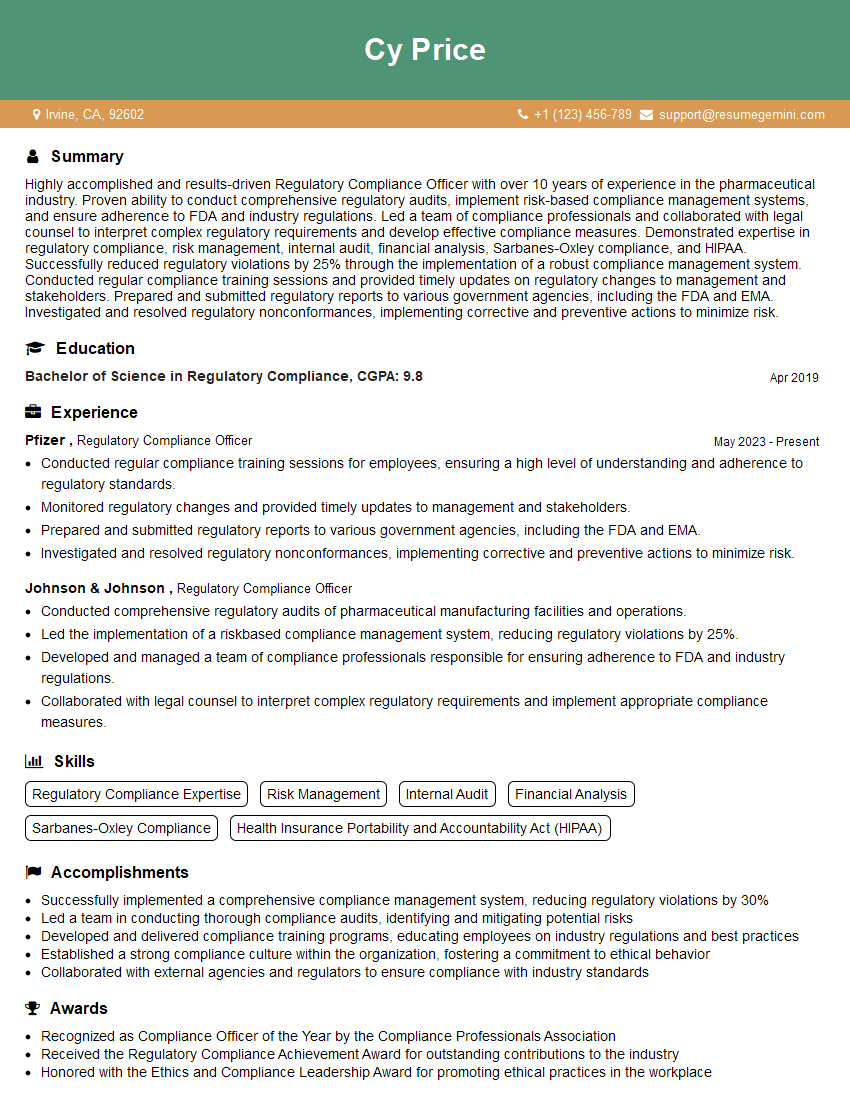
Regulatory Compliance Officer Resume Sample

Process Control Engineer Resume Sample
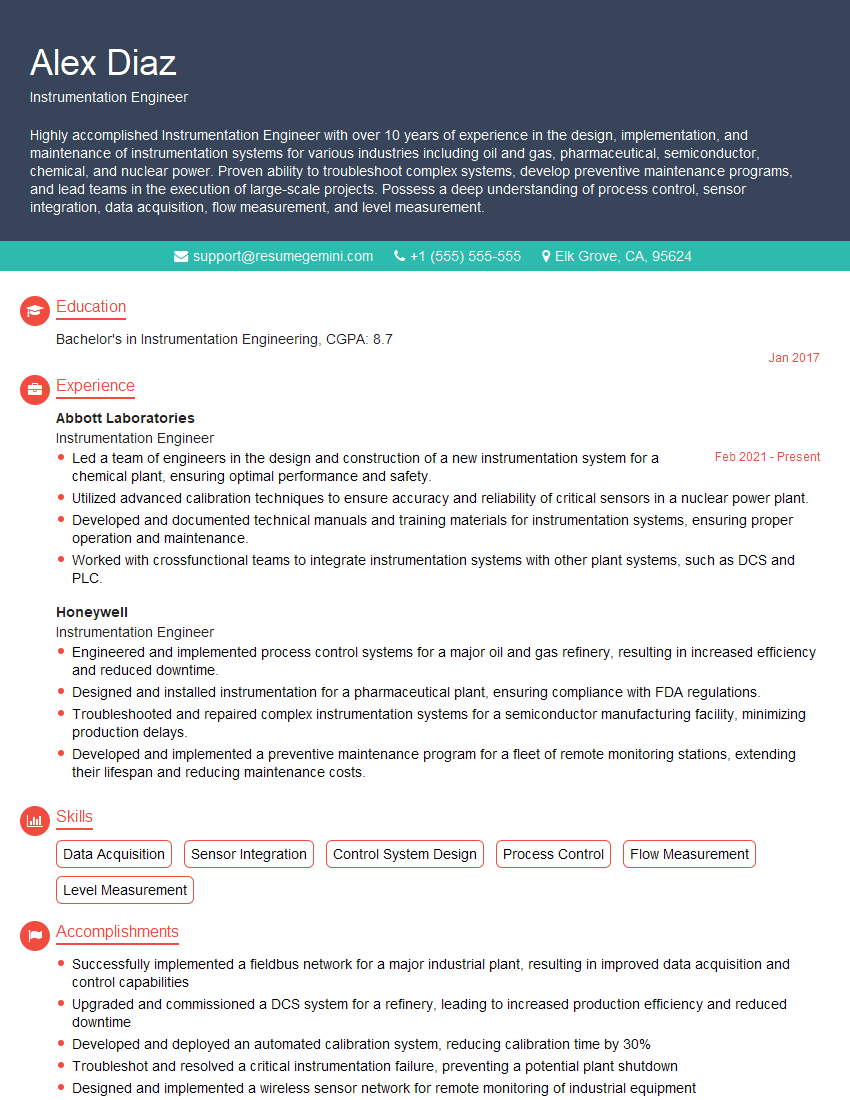
Instrumentation Engineer Resume Sample
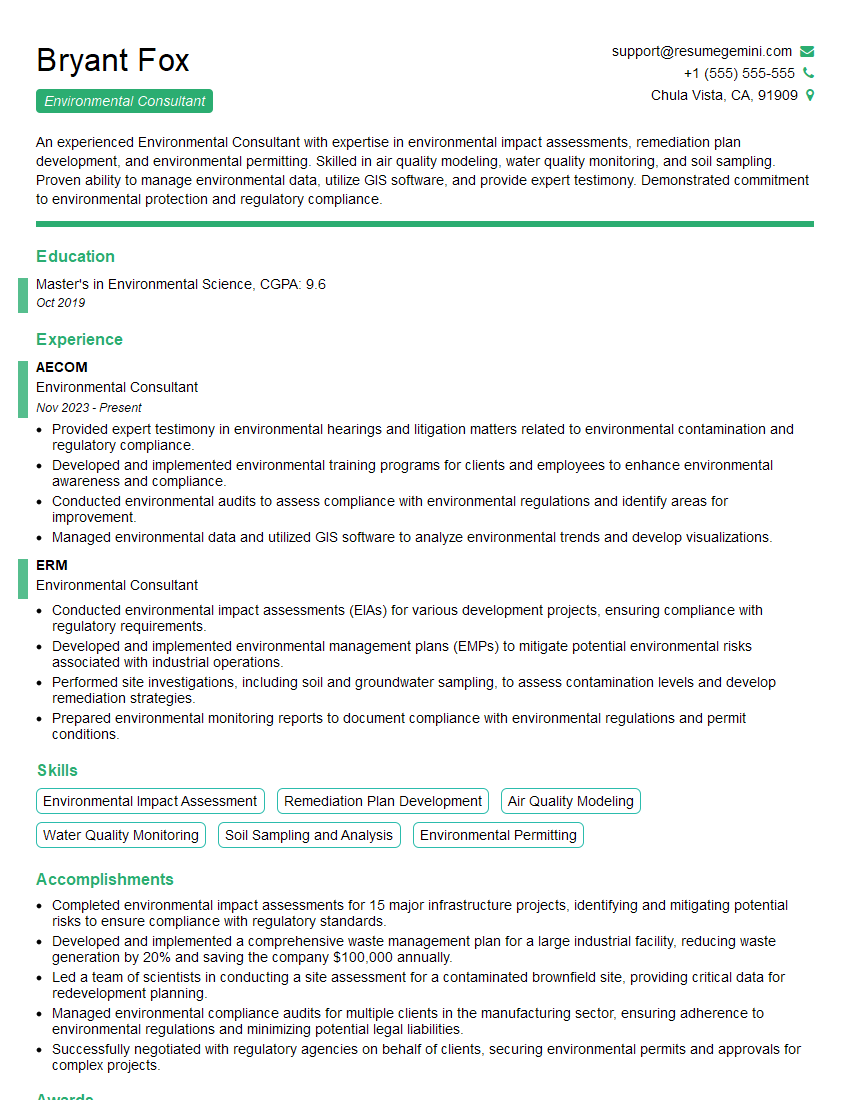
Environmental Consultant Resume Sample

Health and Safety Manager Resume Sample
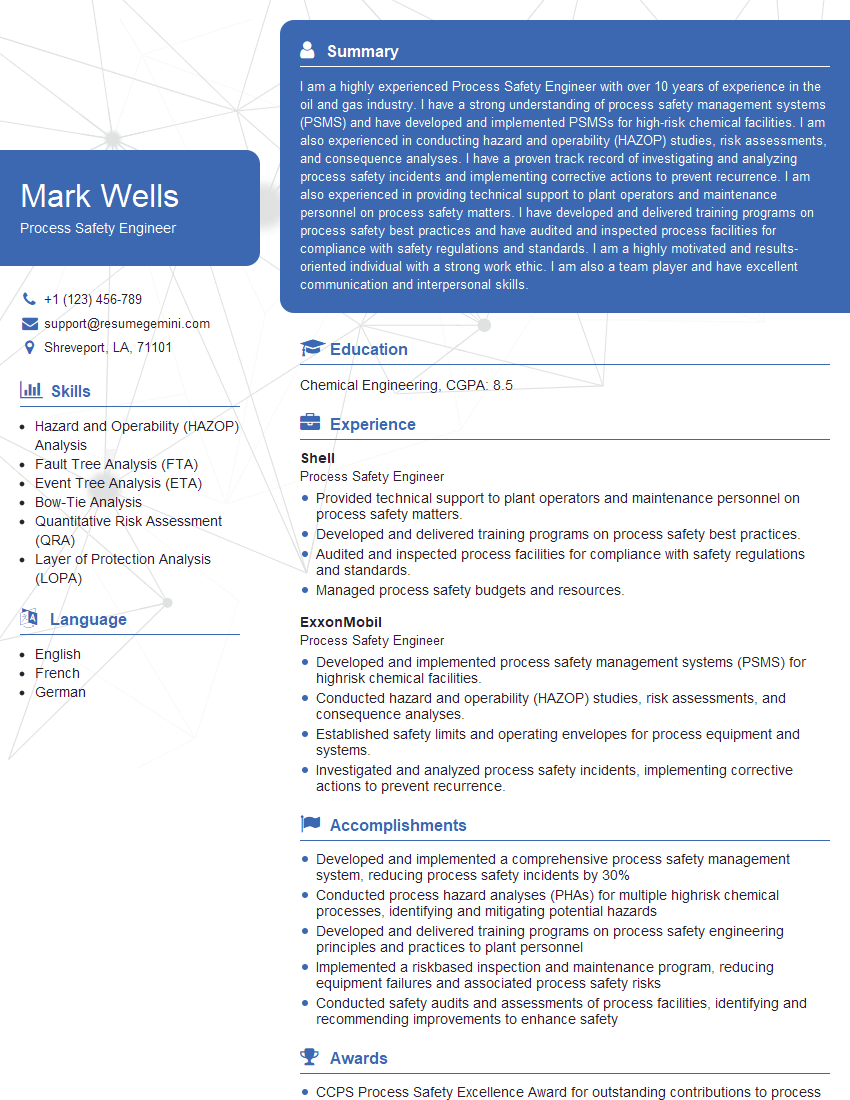
Process Safety Engineer Resume Sample
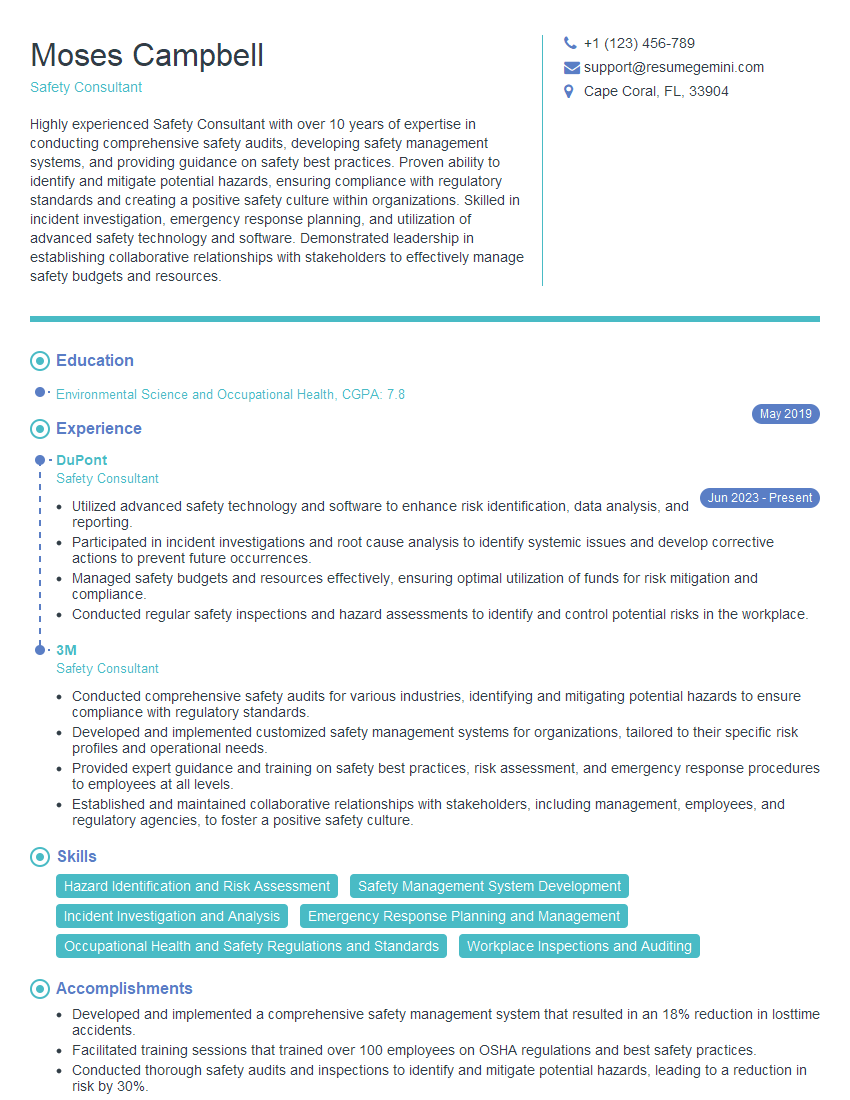
Safety Consultant Resume Sample

Safety Engineer Resume Sample
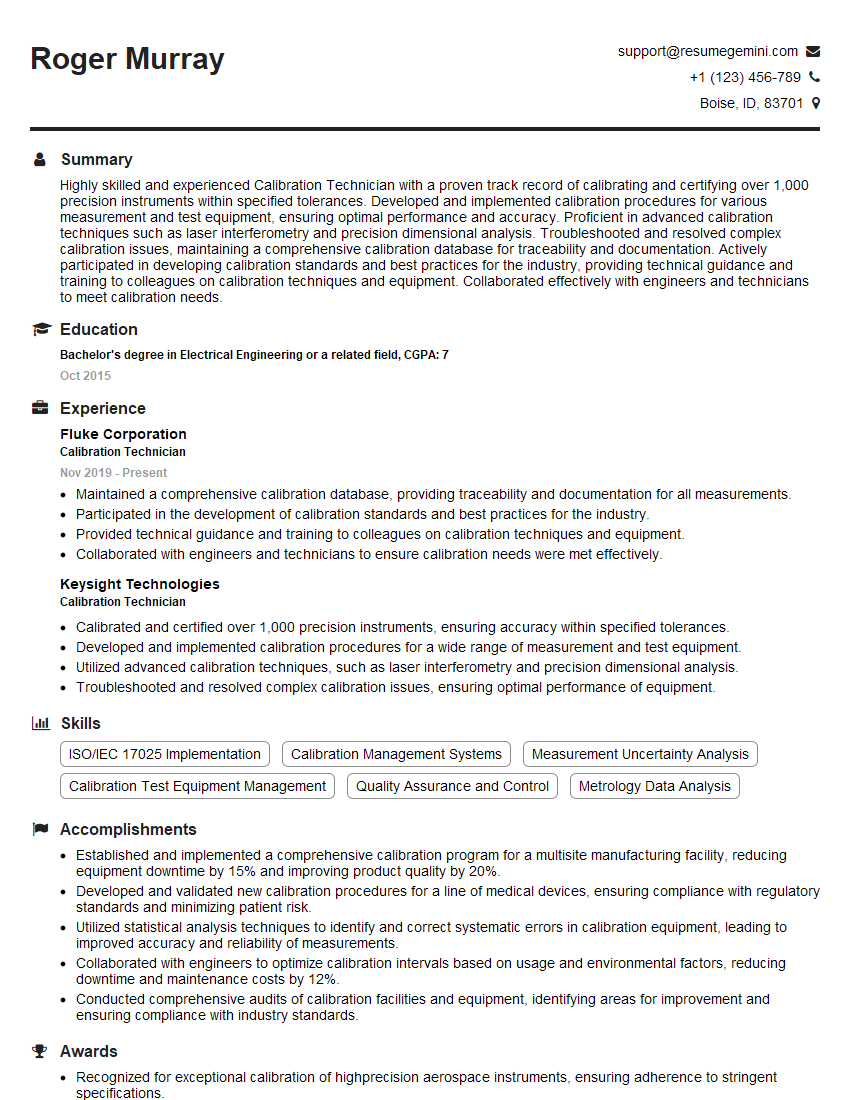
Calibration Technician Resume Sample
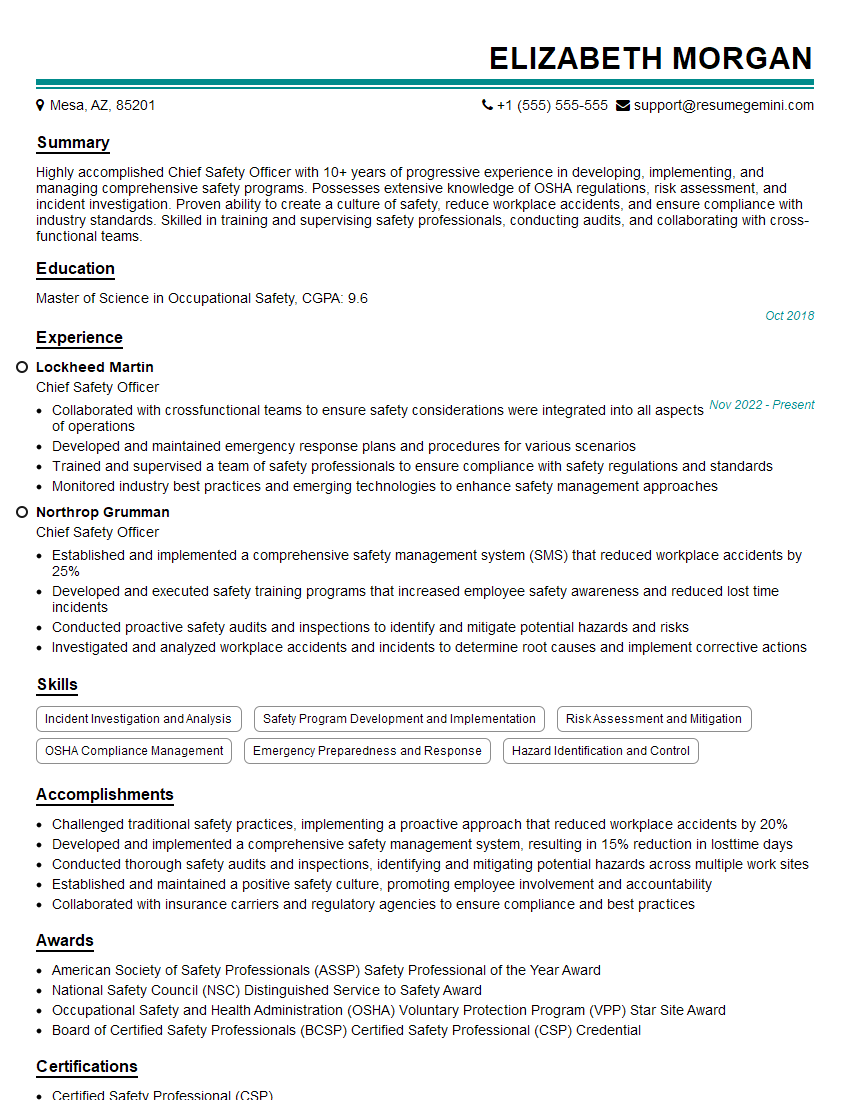
Chief Safety Officer Resume Sample
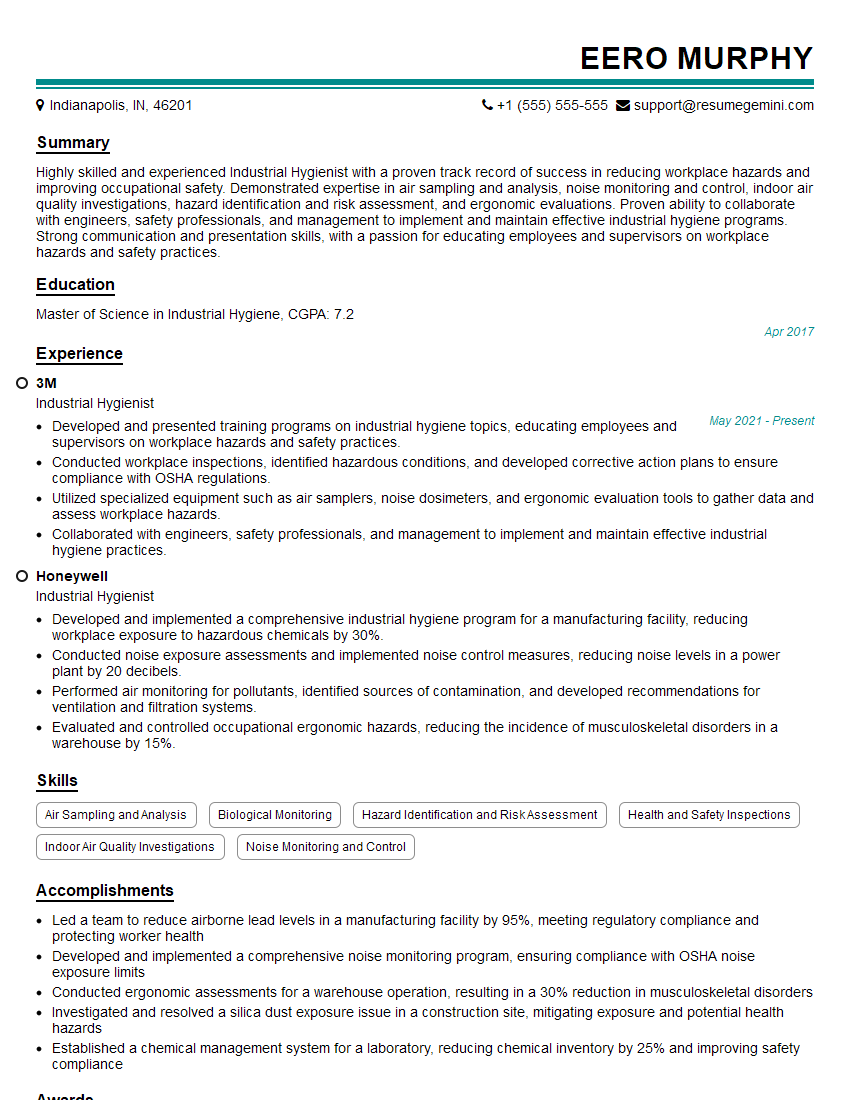
Industrial Hygienist Resume Sample
Explore more articles
Users Rating of Our Blogs
Share Your Experience
We value your feedback! Please rate our content and share your thoughts (optional).
What Readers Say About Our Blog
To the interviewgemini.com Webmaster.
Very helpful and content specific questions to help prepare me for my interview!
Thank you
To the interviewgemini.com Webmaster.
This was kind of a unique content I found around the specialized skills. Very helpful questions and good detailed answers.
Very Helpful blog, thank you Interviewgemini team.