Unlock your full potential by mastering the most common Material Sampling interview questions. This blog offers a deep dive into the critical topics, ensuring you’re not only prepared to answer but to excel. With these insights, you’ll approach your interview with clarity and confidence.
Questions Asked in Material Sampling Interview
Q 1. Explain the importance of representative sampling.
Representative sampling is crucial because it ensures the sample accurately reflects the properties of the entire material lot. Imagine trying to understand the average height of students in a school by only measuring the heights of students in one classroom – you’d likely get a skewed result. Similarly, if a material sample doesn’t represent the whole batch, any tests performed on it will yield unreliable and potentially misleading conclusions.
A representative sample allows for accurate estimations of the material’s composition, quality, and other characteristics, leading to reliable decisions in manufacturing, quality control, and research.
For example, if we’re testing the strength of steel bars, we can’t just test one bar from one end of the production line. We need to strategically select multiple bars from different points in the production process to capture potential variations.
Q 2. Describe different sampling methods (e.g., random, stratified, systematic).
Several sampling methods exist, each suited for different scenarios:
- Random Sampling: Each material unit has an equal chance of being selected. This minimizes bias but might not capture variations well if the material is heterogeneous.
- Stratified Sampling: The material is divided into strata (subgroups) based on known characteristics (e.g., location, production batch). Samples are then randomly taken from each stratum, ensuring representation from all subgroups. This method is useful when heterogeneity is expected.
- Systematic Sampling: Samples are selected at regular intervals (e.g., every 10th unit). This is efficient but can be problematic if there’s a periodic pattern in the material’s properties.
- Composite Sampling: Multiple smaller samples are combined to form a single composite sample. This reduces cost and simplifies analysis, but individual sample variations are lost.
Think of sampling soil for contamination analysis: Stratified sampling would be best as you might have areas with different contamination levels. Random sampling would be suitable for a uniformly mixed batch of raw materials.
Q 3. What are the key considerations when selecting a sampling method?
Selecting the appropriate sampling method depends on several factors:
- Material Properties: Homogeneous materials allow for simpler methods like random sampling, while heterogeneous materials necessitate stratified or systematic approaches.
- Sampling Objective: The desired level of accuracy and precision dictates the sample size and method. A precise analysis requires a larger, more carefully selected sample.
- Cost and Time Constraints: Random sampling might be less costly than stratified sampling, but it may not be sufficient for complex materials.
- Accessibility: The location and accessibility of the material affect the feasibility of different methods. Sampling from a large storage tank requires different approaches compared to a pile of ore.
- Safety Considerations: Hazardous materials necessitate specialized sampling techniques and safety protocols.
A risk assessment is crucial before choosing a method. Ignoring safety or neglecting material characteristics can lead to inaccurate results and hazardous situations.
Q 4. How do you ensure sample integrity during collection and transport?
Maintaining sample integrity is paramount to prevent contamination or alteration. This involves:
- Clean Equipment: Using thoroughly cleaned and appropriately sterilized sampling equipment prevents cross-contamination.
- Proper Containers: Selecting containers that are inert, leak-proof, and properly sealed ensures no moisture, oxygen, or other substances affect the sample.
- Chain of Custody: Maintaining a detailed record of who handled the sample, when, and where, provides traceability and ensures accountability.
- Appropriate Transport: Using temperature-controlled transportation or other protective measures prevents degradation or alteration during transport. Perishable samples, for example, require refrigeration.
- Proper Labeling: Clear and unambiguous labeling with unique identification numbers helps in tracking and avoids confusion.
Imagine transporting a sensitive chemical sample in an improperly sealed container – exposure to air or moisture could dramatically alter its properties, invalidating the test results. Therefore, strict protocols are vital.
Q 5. What are common sources of error in material sampling?
Errors in material sampling can stem from various sources:
- Bias in Sampling Method: Incorrect selection of sampling methods can introduce systematic errors.
- Sample Contamination: Cross-contamination from equipment, containers, or the environment can alter sample properties.
- Incorrect Sample Size: Too small a sample size may not be representative of the entire material lot, leading to inaccurate results.
- Improper Handling and Storage: Exposure to environmental factors or inadequate handling can alter the sample’s composition and properties.
- Human Error: Mistakes in sample collection, measurement, or recording can introduce significant errors.
A seemingly small error, like using a contaminated scoop, can lead to a significant deviation from the actual material characteristics, potentially causing serious consequences down the line in a manufacturing process.
Q 6. How do you handle non-conforming samples?
Non-conforming samples, those failing to meet predefined quality criteria, require careful investigation. The process generally involves:
- Verification of Sampling Procedure: Reviewing the sampling process to identify and correct any procedural errors.
- Re-sampling: Collecting additional samples to confirm the initial findings.
- Root Cause Analysis: Identifying the underlying causes of non-conformity to prevent recurrence.
- Corrective Actions: Implementing appropriate corrective actions to address the identified root causes.
- Documentation: Thorough documentation of the non-conformity, investigation, and corrective actions is essential for traceability and improvement.
For instance, if a batch of cement fails strength tests, we might re-sample, investigate the mixing process, and adjust the mix design to solve the problem and prevent future batches from having the same issue.
Q 7. Explain the difference between destructive and non-destructive testing.
Destructive and non-destructive testing methods differ significantly in their approach:
- Destructive Testing: This involves testing a sample to the point of destruction or significant alteration to determine its properties (e.g., tensile strength test, impact test). It provides precise data but requires consuming part of the material lot.
- Non-Destructive Testing: This involves examining the material without causing damage or altering its properties. Methods include visual inspection, ultrasound testing, radiography. It preserves the sample but might not provide the same level of detailed information as destructive testing.
Choosing between the two depends on the value of the material and the required precision. Destructive testing is necessary to obtain detailed mechanical properties, while non-destructive techniques might suffice for initial quality checks.
Q 8. Describe your experience with specific sampling equipment.
My experience with sampling equipment spans a wide range, from basic tools to sophisticated instruments. For example, I’m proficient with various types of scoops and shovels for bulk materials like aggregates and soils. I’ve extensively used core drills and split-spoon samplers for obtaining undisturbed soil samples for geotechnical investigations. For liquid samples, I’ve utilized specialized sampling bottles and pumps ensuring representative samples are collected. I’m also experienced with more advanced equipment like automated core samplers for precise sampling of metals and alloys, and specialized probes for obtaining samples from hard-to-reach locations or hazardous environments. For powdered materials, I frequently employ riffle splitters to achieve a representative subsample for analysis.
In my previous role, I even helped calibrate and maintain some of this specialized equipment, ensuring accuracy and reliability in sample collection.
Q 9. How do you document sampling procedures and results?
Meticulous documentation is crucial in material sampling. Every step of the process needs to be meticulously recorded. I typically use a standardized sampling log, which includes details like the sample ID, date, time, location, material description, sampling method, equipment used, and the names and signatures of personnel involved. This log also records any observed deviations from the standard procedures, and any unusual circumstances encountered during sampling.
For results, I generally employ a laboratory information management system (LIMS) or a similar database to record analytical results, associated uncertainties, and interpretations of the data. Images and videos can be particularly useful to document the sampling site and procedures, adding a visual layer to the written documentation. Chain of custody details (which I’ll address in the next question) are integral parts of both the sampling log and the LIMS entry.
Q 10. What quality control measures do you implement during sampling?
Quality control is paramount. I implement a multi-layered approach. This begins with verifying that the sampling equipment is calibrated and functioning correctly before starting the process. Throughout sampling, I perform visual inspections of samples for homogeneity and ensure proper sample handling to prevent contamination or degradation. For example, I use appropriate gloves and containers, avoiding cross-contamination between different materials. I also implement duplicate or triplicate sampling, comparing results to validate the accuracy and precision of my sampling technique. Blind samples are also sometimes used to check for bias in the laboratory analysis. Regular auditing of my work and comparison with established sampling standards helps to identify and address any systemic issues in the sampling process.
Consider a scenario where I’m sampling a large pile of gravel. I wouldn’t just grab a scoop from the top. I’d take incremental samples from multiple locations and depths to achieve a representative sample representing the entire pile’s composition.
Q 11. How do you maintain chain of custody for samples?
Maintaining chain of custody is critical for ensuring the integrity and admissibility of samples. This means establishing a documented and unbroken trail that shows who had possession of the sample at any given time. This is crucial for legal and regulatory compliance. It starts with uniquely identifying each sample. I then use tamper-evident seals on sample containers and meticulously document every transfer, including date, time, recipient, and reason for transfer. These transfer details are recorded in the chain-of-custody form, which accompanies the sample throughout the entire process, from field collection to laboratory analysis. This ensures accountability and prevents any potential tampering or mishandling.
Think of it like a parcel delivery – every person handling the package signs for it. The same principle applies to samples, only the ‘package’ is critical evidence or material.
Q 12. What are the safety precautions you take during material sampling?
Safety is my top priority. Before any sampling activity, I conduct a thorough risk assessment, identifying potential hazards related to the material being sampled, the sampling location, and the equipment used. I always wear appropriate personal protective equipment (PPE), which could include safety glasses, gloves, respirators, hard hats, and high-visibility clothing, depending on the specific risks involved. I follow established safety protocols, including lockout/tagout procedures when necessary. I’m also trained in emergency response procedures and know how to handle spills or accidents. In situations involving hazardous materials, I adhere to specific regulations and consult Safety Data Sheets (SDS) for the appropriate handling procedures.
For instance, if sampling asbestos, specific precautions are taken, requiring specialized equipment and protective suits to avoid inhalation of harmful fibers.
Q 13. Explain your experience with different types of materials (e.g., metals, polymers, soils).
My experience includes a diverse range of materials. I’ve extensively worked with metals, including ferrous and non-ferrous alloys, using techniques such as drilling, sawing, and milling to obtain representative samples. My experience with polymers encompasses various forms, from pellets and powders to molded parts and films. Sampling techniques differ, depending on the specific polymer and its form, ranging from simple grab sampling to more intricate methods for obtaining representative samples from large production batches. I also have considerable experience with soil sampling, covering various soil types and using different techniques depending on the investigation’s purpose—from undisturbed sampling for geotechnical analysis to disturbed sampling for environmental assessment. The sampling approach significantly varies depending on the project’s goals and the material properties.
Each material poses unique challenges, requiring an understanding of its properties to ensure proper sampling and preservation.
Q 14. Describe your experience with statistical analysis of sampling data.
Statistical analysis is essential for interpreting sampling data and ensuring the reliability of the results. I’m proficient in various statistical techniques, including descriptive statistics to summarize the data, inferential statistics to draw conclusions about the population based on the sample, and regression analysis to model relationships between variables. I use statistical software packages such as R or Minitab for data analysis. I can determine the sample size needed to achieve a desired level of precision and confidence, and I understand the concepts of sampling error and bias. I’m also skilled in interpreting and presenting the results of statistical analyses in a clear and concise manner, including the use of appropriate graphs and charts.
For example, I might use ANOVA (Analysis of Variance) to compare the mean values of different material batches, or regression analysis to predict the relationship between the material’s properties and its processing parameters.
Q 15. How do you interpret and report sampling results?
Interpreting and reporting sampling results involves more than just recording numbers; it’s about drawing meaningful conclusions and communicating them effectively. First, I meticulously review the raw data, checking for outliers or anomalies that might suggest errors in the sampling or testing process. Then, I use appropriate statistical methods, depending on the nature of the data and the research question. This could range from simple descriptive statistics (mean, standard deviation, range) to more complex analyses like ANOVA or regression analysis.
The report itself needs to be clear, concise, and tailored to the audience. For a technical audience, I would include detailed statistical analyses and explanations of the methodology. For a less technical audience, I’d focus on the key findings and their implications. A typical report would include:
- Introduction: Describing the purpose of the sampling, the materials involved, and the methods used.
- Methodology: A detailed description of the sampling plan, including sample size, sampling locations, and techniques.
- Results: Presentation of the data using tables, graphs, and statistical summaries.
- Discussion: Interpretation of the results, including discussion of uncertainties and limitations.
- Conclusions: A summary of the key findings and their implications.
- Appendices: Raw data, calculations, and any other supporting information.
For example, if I’m analyzing the composition of a metal alloy, I’d report the mean and standard deviation of the key elements, along with a discussion of whether the results meet the specified tolerances. The report would also specify the methods used (e.g., XRF or ICP-OES) and address any potential sources of error.
Career Expert Tips:
- Ace those interviews! Prepare effectively by reviewing the Top 50 Most Common Interview Questions on ResumeGemini.
- Navigate your job search with confidence! Explore a wide range of Career Tips on ResumeGemini. Learn about common challenges and recommendations to overcome them.
- Craft the perfect resume! Master the Art of Resume Writing with ResumeGemini’s guide. Showcase your unique qualifications and achievements effectively.
- Don’t miss out on holiday savings! Build your dream resume with ResumeGemini’s ATS optimized templates.
Q 16. How familiar are you with relevant industry standards (e.g., ASTM, ISO)?
I’m very familiar with relevant industry standards like ASTM (American Society for Testing and Materials) and ISO (International Organization for Standardization) standards related to material sampling. My experience includes working extensively with standards such as ASTM D7591 (sampling methods for aggregates) and ISO 105-F01 (colour fastness testing). Understanding these standards is crucial for ensuring the accuracy, consistency, and reproducibility of my sampling procedures and for guaranteeing the acceptability of my results.
For instance, when sampling soil for environmental analysis, adherence to ASTM D2216 is essential. This ensures that the samples are representative of the overall soil composition. Similarly, while working with polymers, I would consult standards like ASTM D1898 on sampling of plastics to ensure I obtain samples that accurately reflect the material’s properties. Knowledge of these standards allows me to select the most appropriate methods, document my work correctly, and interpret the results reliably.
Q 17. How do you handle deviations from standard sampling procedures?
Deviations from standard sampling procedures are not uncommon and require careful handling. The first step is always to document the deviation thoroughly, explaining the reasons behind it and the steps taken to mitigate any potential impact on the results. This documentation helps in maintaining the integrity of the data and aids in future process improvements.
The decision to deviate must be justified, and the potential effects on data validity must be carefully considered. This might involve a documented risk assessment, especially if deviation affects the sample’s representativeness. If the deviation is significant, it could necessitate additional sampling or a reassessment of the overall sampling strategy. In some cases, a complete re-sampling might be required. It’s vital to maintain transparency throughout the process, ensuring that anyone reviewing the data is aware of any deviations and their potential implications.
For example, if I was sampling a bulk powder and encountered unexpected clumping, I wouldn’t simply ignore it. I’d document the observation, attempt to homogenize the material safely and appropriately, and note the specific measures taken in the report. I’d also assess if this clumping introduces a bias, and if so, I may need to adopt alternative sampling techniques.
Q 18. Describe a situation where you had to troubleshoot a sampling problem.
During a project involving the analysis of a granular material, we initially experienced unusually high variability in our results. Following the standard sampling protocols, we were obtaining inconsistent data across multiple samples, which raised concerns about the accuracy of our analyses.
To troubleshoot, we systematically reviewed each step of the sampling process: We first verified the equipment was calibrated and functioning correctly. We next examined the sampling method itself, considering factors like sample size, sampling locations, and the potential for segregation within the material. We realized that the material’s inherent properties—its tendency to segregate based on particle size—were contributing to the inconsistent results. We then implemented a stratified sampling technique, carefully collecting samples from different layers to ensure representation of all particle sizes. This solved the problem significantly, leading to more consistent and reliable results.
Q 19. Explain your experience with sample preparation techniques.
Sample preparation is a critical step that directly impacts the accuracy and reliability of the analysis. My experience encompasses a wide range of techniques, tailored to the specific material being analyzed. This includes techniques like:
- Crushing and grinding: Reducing the sample size to a homogenous powder, ensuring consistent particle size distribution for reliable analysis. The choice of equipment depends on the material’s hardness and other characteristics.
- Sieving: Separating particles based on size to analyze specific fractions of the material.
- Drying: Removing moisture content to ensure accurate weight measurements and prevent reactions. Different drying methods are employed based on the material properties (oven drying, freeze drying, etc.).
- Digestion: Dissolving the sample in a suitable solvent to prepare it for instrumental analysis, such as ICP-OES or AAS. Specific digestion protocols are crucial to avoid sample loss and ensure complete dissolution.
- Homogenization: Mixing the sample to ensure uniformity for representativeness. Methods range from manual mixing to specialized equipment depending on the material.
The specific techniques used depend on the material’s properties and the analytical method employed. For instance, preparing a steel sample for carbon analysis would involve different steps compared to preparing a soil sample for heavy metal analysis. Safety is paramount throughout the process, with appropriate PPE and procedures in place to handle potentially hazardous materials.
Q 20. How do you ensure the accuracy and precision of your sampling methods?
Ensuring the accuracy and precision of sampling methods involves a multifaceted approach. It starts with a well-defined sampling plan that considers the material’s properties, the required level of accuracy, and the resources available. This plan outlines the specific sampling techniques, sample size, and number of samples needed.
Key aspects include:
- Representative Sampling: Implementing appropriate techniques (e.g., stratified random sampling, systematic sampling) to ensure that the samples accurately reflect the overall population.
- Proper Equipment: Using calibrated and well-maintained equipment that meets the required accuracy and precision standards.
- Quality Control: Implementing internal checks and balances, such as replicate sampling, blind samples, and proficiency testing, to monitor performance and identify any systematic errors.
- Documentation: Maintaining detailed records of the entire sampling process, including equipment used, sampling locations, and any deviations from the standard procedure.
- Statistical Analysis: Using appropriate statistical methods to analyze the data and assess the uncertainty associated with the results.
For example, when analyzing the moisture content of a large batch of powder, I might employ duplicate sampling at multiple locations and statistically analyze the results to ascertain the overall variability and the confidence level of the reported moisture content.
Q 21. What software or tools do you use for data analysis related to material sampling?
For data analysis related to material sampling, I utilize several software tools and techniques. The choice depends on the nature and complexity of the data. I frequently use:
- Spreadsheet software (Excel, Google Sheets): For basic data entry, calculations, and visualization of results using charts and graphs.
- Statistical software packages (R, Minitab, SPSS): For more advanced statistical analysis, including hypothesis testing, regression analysis, and ANOVA.
- Laboratory Information Management Systems (LIMS): To manage samples, track results, and ensure data traceability and integrity.
- Specialized software for specific analyses: This may include software specifically designed for analysis of specific material properties or using specific analytical instruments.
My proficiency in programming languages like R is invaluable for data manipulation, visualization, and creating customized analytical scripts. The ability to write code allows me to adapt analysis to the specific needs of a project and to integrate data from different sources.
Q 22. How do you manage large volumes of samples efficiently?
Managing large sample volumes efficiently requires a systematic approach. It’s like orchestrating a complex symphony – each instrument (sample) needs to be handled with precision and in the right order. This involves careful planning, utilizing appropriate tools and technologies, and leveraging teamwork.
- Pre-Sampling Planning: Before any sampling begins, a detailed sampling plan is crucial. This includes defining the required number of samples, sample locations, sampling frequency, and the type of sampling techniques to be employed. For instance, in a large quarry, we might use stratified random sampling to ensure representation across different zones.
- Automation and Technology: Automation plays a crucial role. Robotic samplers can significantly speed up the process, especially for repetitive tasks. Using LIMS (Laboratory Information Management Systems) is essential for tracking samples, managing data, and automating reports. This is like having a digital conductor keeping track of every sample’s journey.
- Efficient Sample Handling: Proper labeling, storage, and chain-of-custody procedures are paramount. We use barcodes and RFID tags to ensure traceability. Specialized containers and preservation methods help maintain sample integrity. Imagine a well-organized orchestra, where every instrument is in its designated place and ready for use.
- Teamwork and Collaboration: Effective teamwork is critical. Clear communication channels ensure everyone understands their roles and responsibilities. We might divide the sampling tasks amongst a team, with each member specializing in a specific step. Think of a symphony orchestra – every section works together for a perfect performance.
Q 23. How do you ensure compliance with regulatory requirements related to material sampling?
Compliance with regulatory requirements is non-negotiable in material sampling. It’s like following a strict musical score – any deviation can disrupt the harmony. We ensure compliance through meticulous documentation and adherence to relevant standards.
- Standard Operating Procedures (SOPs): We develop and follow detailed SOPs that cover every stage of the sampling process, from sample collection to analysis. These procedures are reviewed regularly and updated to reflect any changes in regulations.
- Calibration and Maintenance: All sampling equipment must be calibrated regularly and maintained to ensure accuracy and reliability. Think of tuning instruments before a concert – it’s essential for perfect results.
- Chain of Custody: A clear and unbroken chain of custody is crucial, ensuring the integrity and traceability of each sample. This often involves numbered sample bags, signed logs, and secure storage.
- Regulatory Knowledge: Staying updated with the latest regulations (e.g., ISO, ASTM) is vital. We attend workshops, read industry publications, and consult with regulatory experts to stay informed. This is like a conductor staying updated on the latest musical interpretations.
Q 24. Describe your experience with different types of sampling locations (e.g., field, laboratory).
My experience spans various sampling locations, each presenting unique challenges. It’s like conducting in different venues – a small chamber hall requires a different approach than a large concert hall.
- Field Sampling: This often involves harsh environments, requiring specialized equipment and safety protocols. For example, sampling soil from a remote location demands robust sampling tools and appropriate safety gear.
- Laboratory Sampling: Laboratory sampling requires precision and control. We use specialized equipment and techniques to ensure representative samples are taken from larger batches. We might use techniques like riffling to divide and sub-sample materials in a controlled setting.
- Production Line Sampling: Sampling directly from production lines requires careful planning to minimize disruption to the process while ensuring representative samples are collected. This might involve using automated samplers or carefully timed manual sampling procedures.
Adaptability is key to success across these diverse settings. The ability to adjust sampling strategies based on the location and material is critical.
Q 25. How do you stay updated with the latest advancements in material sampling techniques?
Staying current in material sampling requires continuous learning, much like a musician constantly refining their technique. I achieve this through:
- Professional Development: Attending conferences, workshops, and training courses related to material sampling and analysis. This includes staying updated with advancements in automated sampling methods and emerging analytical techniques.
- Industry Publications: Regularly reading peer-reviewed journals and industry publications to learn about the latest research and best practices. These often feature case studies from various industries demonstrating novel sampling approaches.
- Networking: Engaging with other professionals in the field through professional organizations and online forums to share experiences and knowledge. Collaborating with peers often sparks innovative ideas and problem-solving strategies.
- Online Resources: Utilizing online resources, such as databases of standards and best practices, to stay informed about regulatory changes and new techniques.
Q 26. How do you prioritize tasks when faced with multiple sampling demands?
Prioritizing multiple sampling demands involves strategic decision-making, much like a conductor selecting which sections of the orchestra to highlight at different points in a symphony. I use a multi-faceted approach:
- Urgency and Importance: I assess each sampling request based on its urgency and importance. Time-sensitive tasks, such as those related to safety or regulatory compliance, take precedence. This involves prioritizing samples crucial for immediate decision-making or addressing critical situations.
- Resource Allocation: I evaluate the resources required for each task, including personnel, equipment, and time. This helps optimize resource utilization and avoid bottlenecks.
- Client Needs: I consider the needs and expectations of different clients or stakeholders when prioritizing tasks. This ensures that critical sampling needs are met according to agreed-upon timelines and priorities.
- Workflow Management: I use project management tools and techniques to track progress and manage the workflow, ensuring that tasks are completed efficiently and on time.
Q 27. Describe your experience with training others in proper material sampling techniques.
Training others in proper material sampling techniques is a rewarding aspect of my role. It’s like teaching musicians how to play their instruments – building a strong foundation ensures that the final performance is impeccable. My approach focuses on:
- Hands-on Training: I conduct hands-on training sessions where participants can practice the techniques under supervision. This is critical for developing practical skills.
- Theoretical Background: I provide a comprehensive theoretical understanding of the principles of material sampling, including various sampling techniques, statistical considerations, and quality control measures.
- Case Studies and Examples: I present real-world examples and case studies to illustrate the practical application of the learned techniques and highlight potential pitfalls. This reinforces learning through practical application.
- Feedback and Assessment: I provide regular feedback to trainees, assessing their understanding and skill development. This ensures that the learning is effective and addresses individual learning needs.
Q 28. How do you contribute to continuous improvement in material sampling processes?
Contributing to continuous improvement is a continuous process, like a musician constantly striving for perfection. I achieve this by:
- Data Analysis: Regularly analyzing data from sampling processes to identify areas for improvement. We look for trends in errors, inefficiencies, or deviations from standards. This data-driven approach reveals areas ripe for improvement.
- Process Optimization: Implementing changes to improve efficiency and reduce errors. This might involve streamlining workflows, investing in new technologies, or developing new training programs.
- Feedback Collection: Actively soliciting feedback from team members and stakeholders to identify areas where processes can be improved. A collaborative environment breeds creative solutions and continuous enhancement.
- Benchmarking: Comparing our processes and performance to best practices in the industry to identify areas where improvements can be made. Benchmarking offers external perspective and highlights areas for potential advancement.
Key Topics to Learn for Material Sampling Interview
- Sampling Techniques: Understand various sampling methods (random, stratified, systematic, etc.) and their applications in different material contexts. Consider the impact of sample size and bias.
- Sample Preparation: Master the techniques for preparing samples for testing, including size reduction, homogenization, and preservation. Understand the importance of maintaining sample integrity.
- Quality Control and Assurance: Learn the principles of quality control and assurance in material sampling. Discuss methods for ensuring representative samples and minimizing errors.
- Statistical Analysis: Familiarize yourself with basic statistical concepts relevant to data analysis from material samples. This includes understanding mean, standard deviation, and basic hypothesis testing.
- Material Properties and Testing: Gain a comprehensive understanding of the properties of various materials (metals, polymers, composites, etc.) and the relevant testing methods employed for each.
- Safety Regulations and Procedures: Understand and be able to discuss relevant safety protocols and regulations associated with handling different materials and operating sampling equipment.
- Data Interpretation and Reporting: Practice interpreting results from material testing and presenting findings clearly and concisely in written reports.
- Problem-Solving & Troubleshooting: Develop your ability to identify and troubleshoot potential problems during the sampling process, from equipment malfunction to sample contamination.
Next Steps
Mastering material sampling opens doors to exciting career opportunities in various industries, offering excellent growth potential and the chance to contribute significantly to product quality and innovation. To maximize your job prospects, focus on creating an ATS-friendly resume that showcases your skills and experience effectively. ResumeGemini is a trusted resource for building professional, impactful resumes. We offer examples of resumes tailored to Material Sampling to help you get started. Take the next step towards your dream career today!

Quality Control Manager Resume Sample
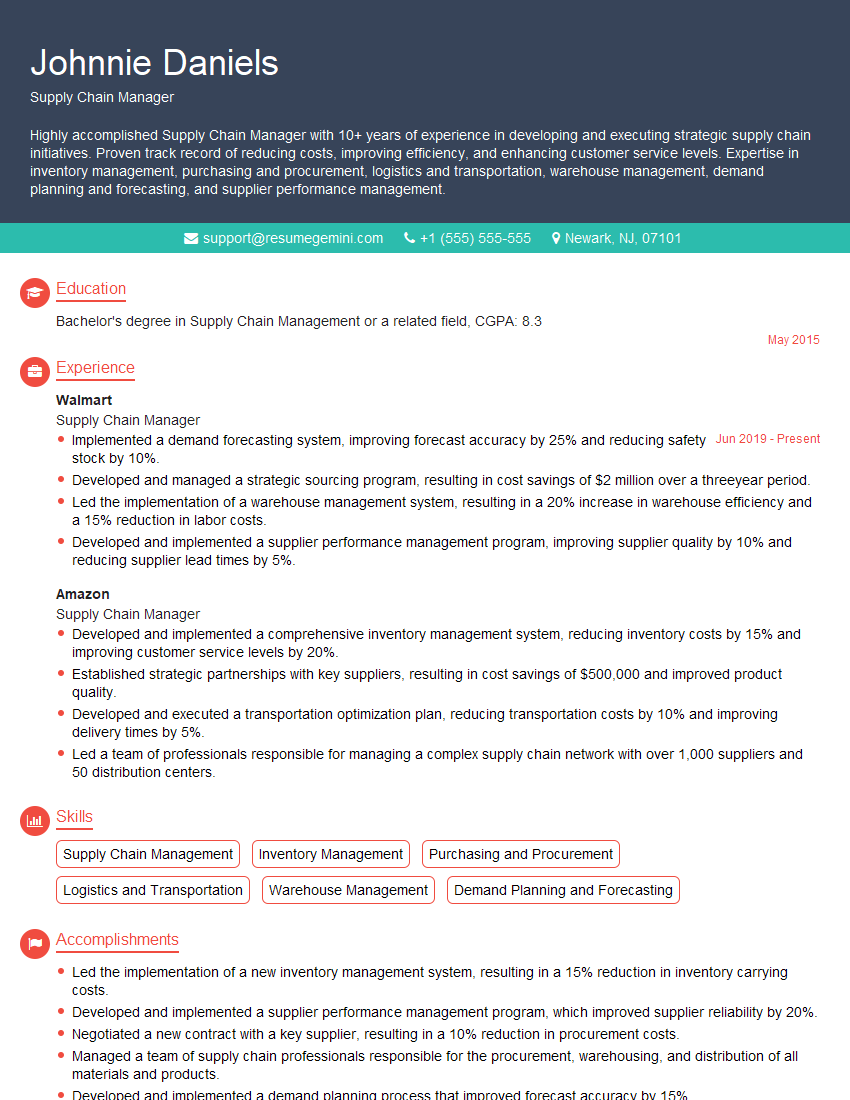
Supply Chain Manager Resume Sample
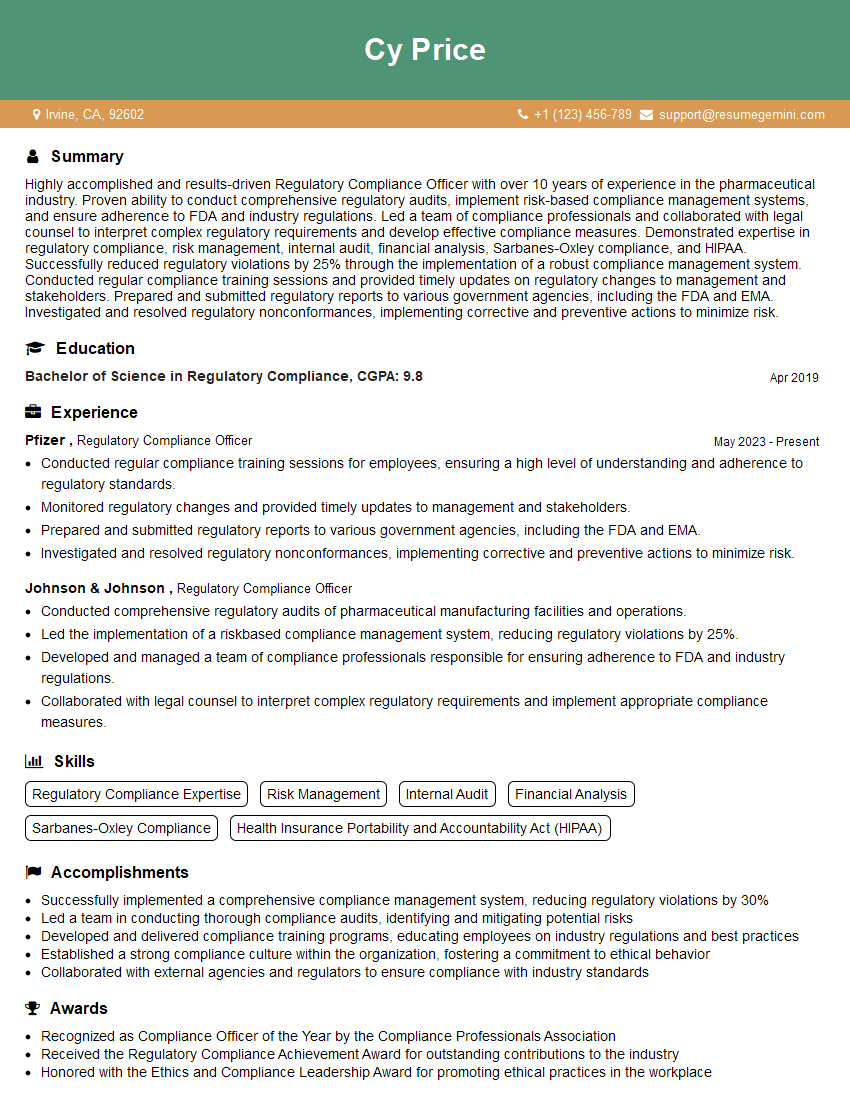
Regulatory Compliance Officer Resume Sample
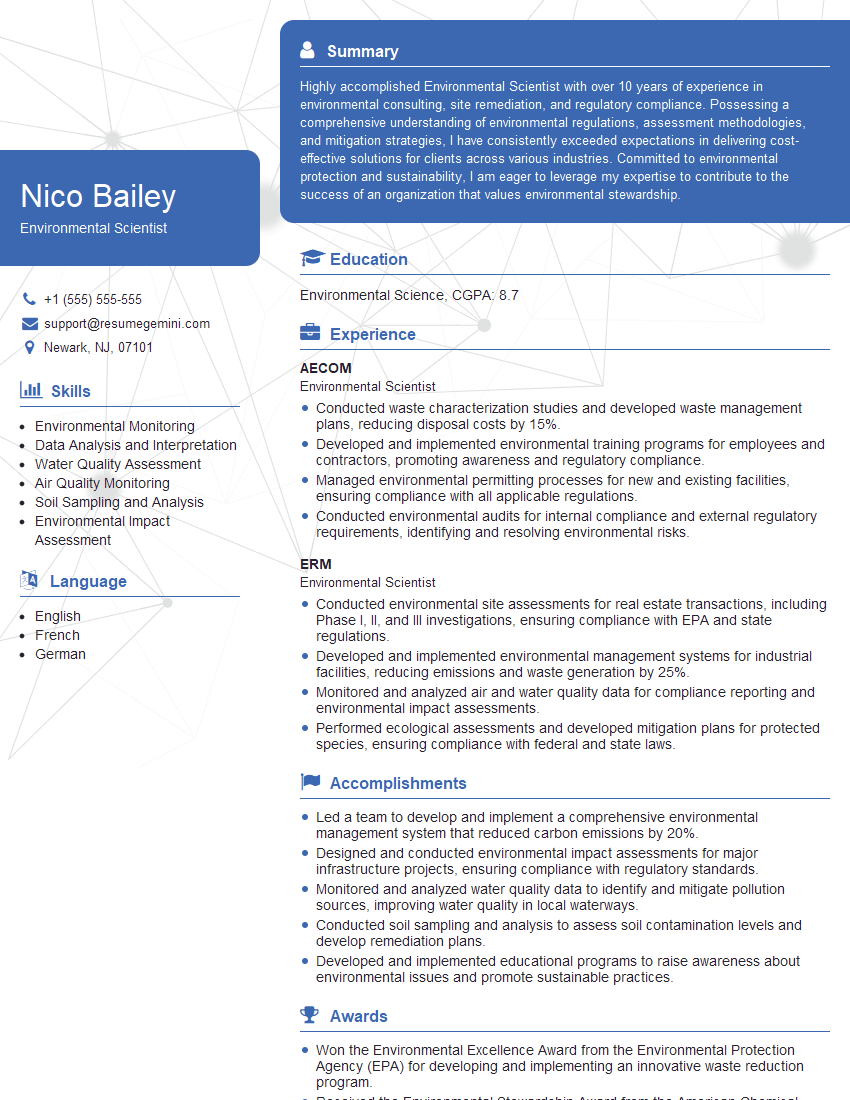
Environmental Scientist Resume Sample
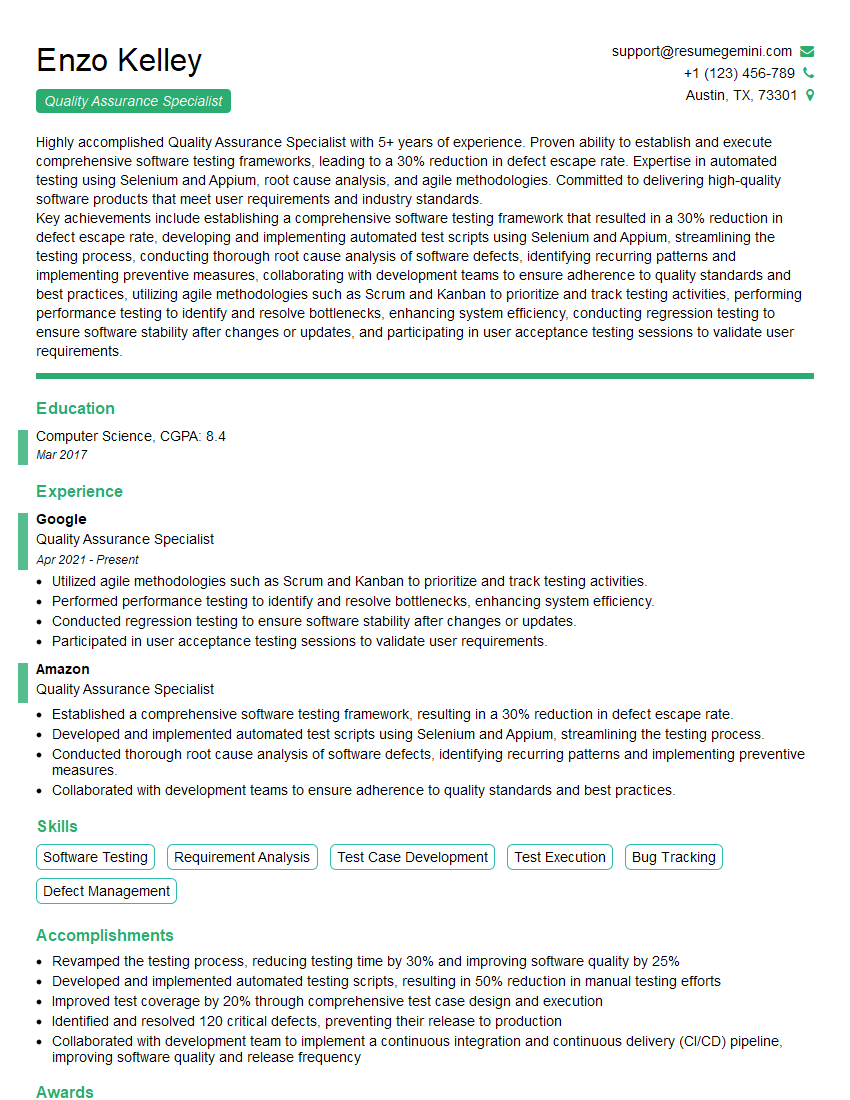
Quality Assurance Specialist Resume Sample

Process Engineer Resume Sample
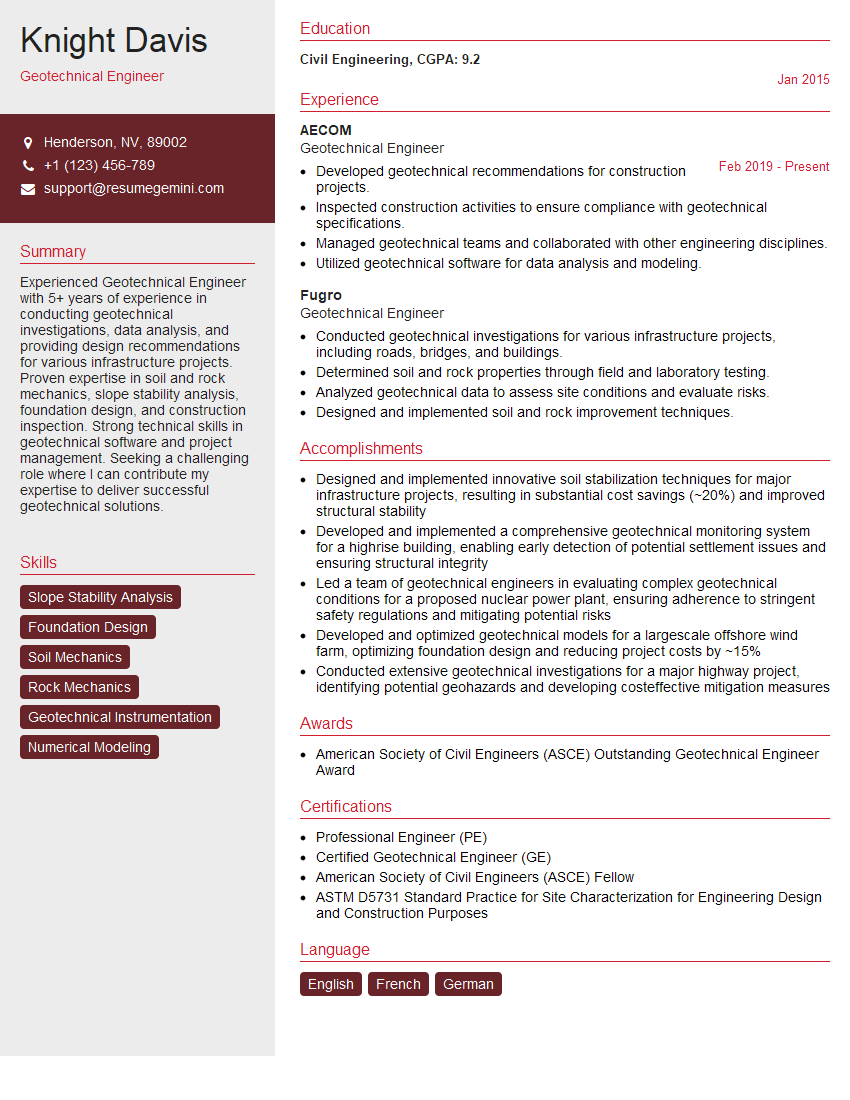
Geotechnical Engineer Resume Sample
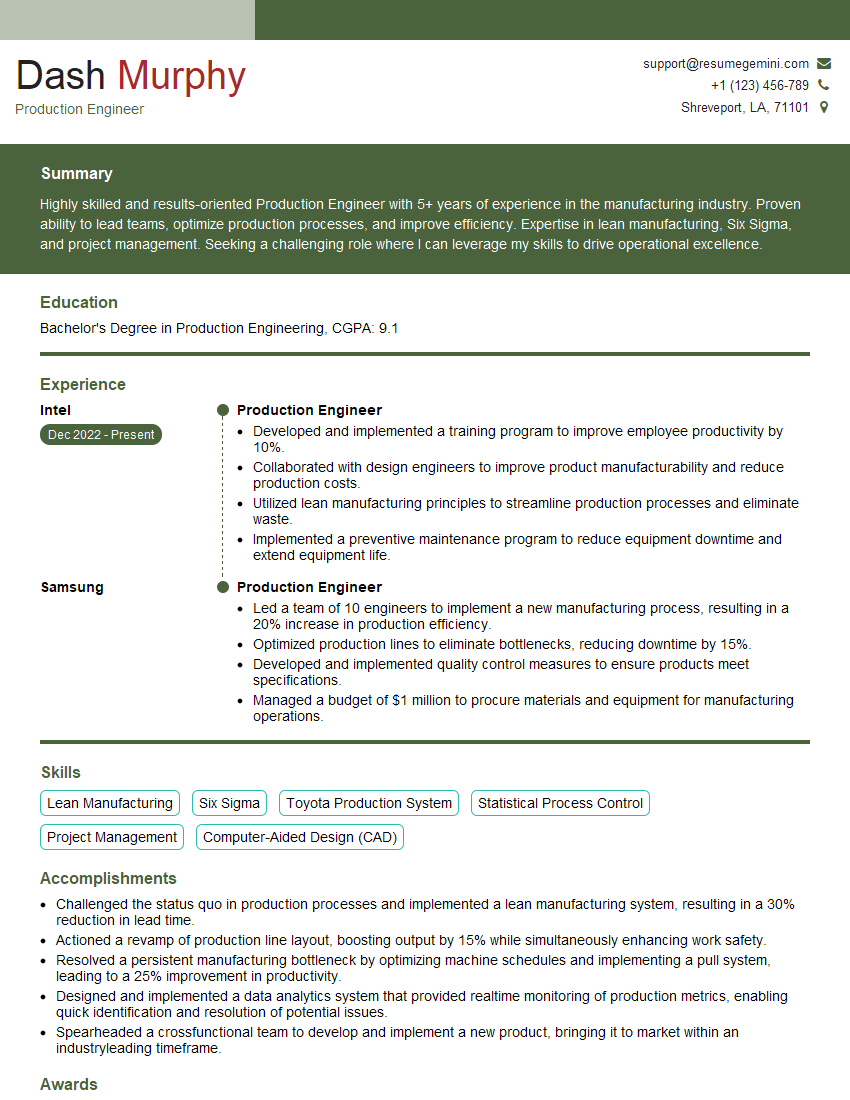
Production Engineer Resume Sample

Materials Engineer Resume Sample

Mining Engineer Resume Sample

Petroleum Engineer Resume Sample

Metallurgical Technician Resume Sample

Analytical Chemist Resume Sample

Materials Scientist Resume Sample

Senior Materials Scientist Resume Sample
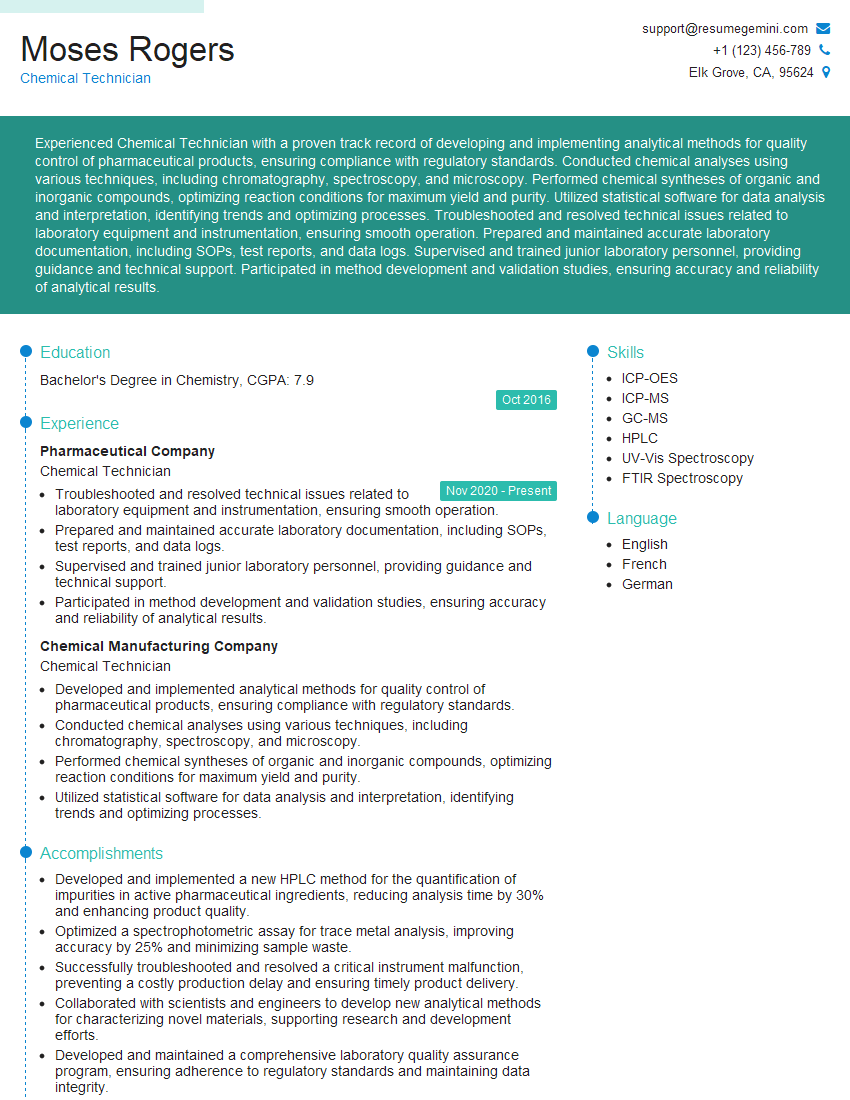
Chemical Technician Resume Sample
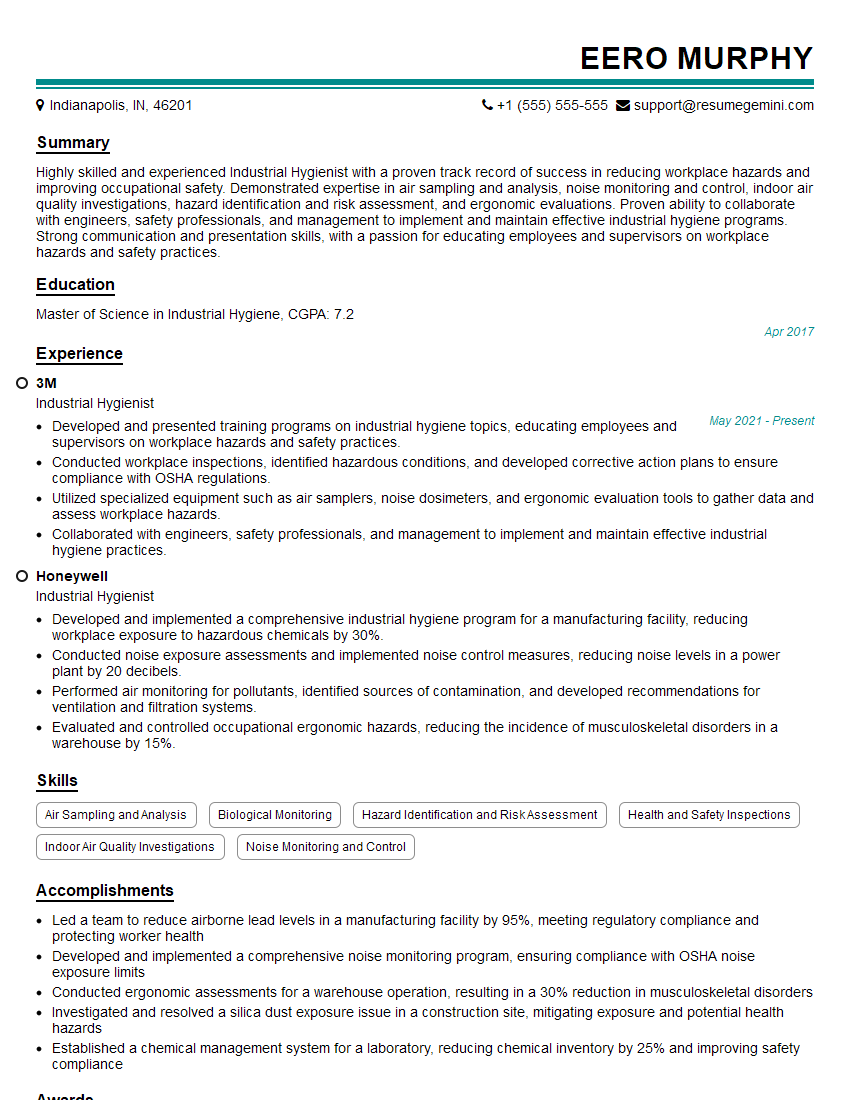
Industrial Hygienist Resume Sample

Quality Control Inspector Resume Sample
- Quality Control Manager
- Supply Chain Manager
- Regulatory Compliance Officer
- Environmental Scientist
- Quality Assurance Specialist
- Process Engineer
- Geotechnical Engineer
- Production Engineer
- Materials Engineer
- Mining Engineer
- Petroleum Engineer
- Metallurgical Technician
- Analytical Chemist
- Materials Scientist
- Senior Materials Scientist
- Chemical Technician
- Industrial Hygienist
- Quality Control Inspector
Explore more articles
Users Rating of Our Blogs
Share Your Experience
We value your feedback! Please rate our content and share your thoughts (optional).
What Readers Say About Our Blog
To the interviewgemini.com Webmaster.
Very helpful and content specific questions to help prepare me for my interview!
Thank you
To the interviewgemini.com Webmaster.
This was kind of a unique content I found around the specialized skills. Very helpful questions and good detailed answers.
Very Helpful blog, thank you Interviewgemini team.