Preparation is the key to success in any interview. In this post, we’ll explore crucial Mediastinal Mass Resection interview questions and equip you with strategies to craft impactful answers. Whether you’re a beginner or a pro, these tips will elevate your preparation.
Questions Asked in Mediastinal Mass Resection Interview
Q 1. Describe the surgical approach for resection of a mediastinal thymoma.
Resection of a mediastinal thymoma typically involves a sternotomy, a surgical incision through the breastbone. This approach provides excellent exposure to the anterior mediastinum, where thymomas most commonly reside. The procedure begins with a median sternotomy, splitting the breastbone to access the thymus gland. Once the thymoma is identified, meticulous dissection is performed to separate it from surrounding structures, including the great vessels (aorta, vena cava), phrenic nerves (controlling the diaphragm), and pericardium (the sac surrounding the heart). Careful dissection minimizes the risk of injury to these vital structures. Once the tumor is fully mobilized, it’s removed en bloc, meaning in one piece, ideally with its surrounding capsule intact. The sternotomy is then closed with wires or plates, and chest tubes are inserted to drain any fluid or air. In some cases, a minimally invasive video-assisted thoracoscopic surgery (VATS) approach might be considered for smaller tumors, reducing the size of the incision and recovery time. The choice between sternotomy and VATS depends on factors such as tumor size, location, and surgeon expertise.
Q 2. What are the key differences between anterior and posterior mediastinotomy?
Anterior and posterior mediastinotomies differ significantly in their approach and the mediastinal compartments they access. An anterior mediastinotomy, often performed through a sternotomy as described above, allows access to the anterior mediastinum, the area behind the breastbone containing structures like the thymus, lymph nodes, and great vessels. It’s the preferred approach for thymomas and anterior mediastinal masses. In contrast, a posterior mediastinotomy provides access to the posterior mediastinum, located behind the heart and great vessels. This procedure usually involves a thoracotomy, an incision through the chest wall, allowing the surgeon to approach the posterior mediastinum through the rib cage. This approach is used for masses like neurogenic tumors (tumors arising from nerves) and lymphomas located in this region. Key differences also include the surgical risks involved; anterior mediastinotomies carry a higher risk of vascular injury, while posterior mediastinotomies present a greater risk of lung injury. The choice depends entirely on the location of the mass identified through imaging.
Q 3. Explain the staging of mediastinal masses according to the TNM system.
The TNM system (Tumor, Node, Metastasis) is an internationally recognized staging system for cancers, including mediastinal masses. It provides a standardized way to describe the extent of disease, helping to guide treatment decisions and predict prognosis. Here’s a simplified overview:
- T (Tumor): Describes the size and extent of the primary tumor. T1 generally refers to a small, localized tumor, while higher T stages (T2, T3, etc.) indicate larger tumors or local invasion into adjacent structures.
- N (Node): Indicates the involvement of regional lymph nodes. N0 means no lymph node involvement, while N1, N2, and N3 describe increasing levels of nodal involvement.
- M (Metastasis): Refers to the presence of distant metastases (spread of cancer to other parts of the body). M0 means no distant metastases, while M1 signifies the presence of distant metastasis.
Combining the T, N, and M stages yields a comprehensive stage (e.g., T2N1M0), which provides prognostic information and helps determine the appropriate treatment strategy.
Q 4. How do you determine the optimal surgical approach for a patient with a mediastinal mass?
Determining the optimal surgical approach for a mediastinal mass is a multifactorial process, involving careful consideration of several factors. High-resolution computed tomography (CT) and magnetic resonance imaging (MRI) scans are crucial in determining the location, size, and extent of the mass, as well as its relationship to vital structures. The type of mass is also essential. For example, a thymoma, often located in the anterior mediastinum, might be best approached through a sternotomy or minimally invasive VATS approach. Conversely, a neurogenic tumor situated in the posterior mediastinum would likely require a thoracotomy. The patient’s overall health and comorbidities also influence the choice. A patient with severe respiratory disease might benefit from a less invasive approach to minimize postoperative respiratory complications. Ultimately, the decision is a collaborative one, involving a thoracic surgeon, radiologist, oncologist, and other specialists, ensuring the safest and most effective treatment plan.
Q 5. Discuss the potential complications of mediastinal mass resection.
Mediastinal mass resection, while often successful, carries potential complications. These complications can be broadly classified into:
- Cardiac complications: Injury to the heart or great vessels during dissection is a serious risk, potentially leading to arrhythmias, cardiac tamponade (accumulation of fluid around the heart), or even death. Careful surgical technique and intraoperative monitoring are crucial to minimize this risk.
- Respiratory complications: Pneumothorax (collapsed lung), pleural effusion (fluid around the lung), and atelectasis (lung collapse) can occur. Chest tubes and respiratory support are often used to manage these complications.
- Neurological complications: Injury to the phrenic nerve (controlling diaphragm movement) or recurrent laryngeal nerve (controlling vocal cords) can result in diaphragmatic paralysis or vocal cord dysfunction. Careful dissection and nerve monitoring are essential to prevent such complications.
- Infection: Surgical site infections or mediastinitis (infection in the mediastinum) are possible. Prophylactic antibiotics and meticulous surgical technique help reduce this risk.
- Bleeding: Postoperative bleeding can be a significant problem and may require reoperation.
The likelihood of these complications varies depending on factors such as the size and location of the mass, the surgical approach, and the patient’s overall health.
Q 6. What are the indications for neoadjuvant chemotherapy or radiotherapy in mediastinal tumors?
Neoadjuvant chemotherapy or radiotherapy (treatment given before surgery) may be considered for mediastinal tumors in specific circumstances. This is particularly true for malignant tumors that are large, locally advanced, or show signs of invasion into adjacent structures. The goals of neoadjuvant therapy include:
- Tumor downsizing (cytoreduction): Reducing the size of the tumor, making it easier and safer to resect surgically.
- Improved resectability: Making an initially unresectable tumor resectable.
- Improved local control: Reducing the risk of local recurrence after surgery.
The choice of neoadjuvant therapy (chemotherapy or radiotherapy) depends on the tumor type, its histological characteristics, and the patient’s overall health. Not all mediastinal tumors require or benefit from neoadjuvant therapy. The decision is made on a case-by-case basis, with a multidisciplinary team approach.
Q 7. How do you manage post-operative bleeding after mediastinal mass resection?
Management of postoperative bleeding after mediastinal mass resection is a critical aspect of postoperative care. Early detection and prompt intervention are essential to prevent life-threatening complications. Initial management often involves close monitoring of vital signs (heart rate, blood pressure, oxygen saturation), chest tube output, and hematocrit levels. If bleeding is significant, the following steps might be taken:
- Increased chest tube drainage: To evacuate accumulated blood.
- Angiography: A procedure to identify the source of bleeding, which might involve injecting contrast dye into the blood vessels to visualize the bleeding site.
- Surgical intervention: In cases of significant or uncontrollable bleeding, a return to the operating room might be necessary to control the bleeding source, which may involve re-exploration, ligation of bleeding vessels, or packing of the bleeding site.
- Blood transfusion: If necessary, to replace lost blood volume.
The specific management strategy depends on the severity and location of the bleeding, as well as the patient’s overall condition.
Q 8. Describe the role of imaging (CT, MRI, PET) in the evaluation of mediastinal masses.
Imaging plays a crucial role in the initial evaluation and characterization of mediastinal masses. High-resolution computed tomography (CT) scans are the cornerstone, providing excellent anatomical detail and allowing us to assess the mass’s size, location, borders (well-defined or irregular), and relationship to adjacent structures like the great vessels, trachea, and lungs. Magnetic resonance imaging (MRI) offers superior soft tissue contrast, which is particularly helpful in differentiating between vascular and non-vascular lesions, and characterizing the internal composition of the mass. Positron emission tomography (PET) scans are used primarily to assess metabolic activity, helping distinguish between benign and malignant lesions; a high FDG uptake often suggests malignancy.
For example, a CT scan might reveal a well-circumscribed mass in the anterior mediastinum, while an MRI might further show it to be predominantly fatty, suggesting a thymoma or lipoma. A PET scan would be helpful if malignancy is suspected to assess metabolic activity.
Q 9. How do you differentiate benign from malignant mediastinal masses pre-operatively?
Differentiating benign from malignant mediastinal masses pre-operatively can be challenging, and often requires a combination of imaging findings, clinical presentation, and sometimes biopsy. Benign masses tend to have well-defined margins on imaging, show slow growth patterns, and often have characteristic features depending on their nature (e.g., fatty composition for lipomas). Malignant masses, on the other hand, may show irregular margins, rapid growth, invasion of adjacent structures, and potentially distant metastases. However, imaging alone is not definitive.
We frequently rely on fine-needle aspiration biopsy (FNAB) or endobronchial ultrasound-guided transbronchial needle aspiration (EBUS-TBNA) for tissue sampling to obtain cytological or histological analysis for definitive diagnosis. The risk of complications associated with biopsy must always be weighed against the benefits.
For instance, a patient presenting with a large, rapidly growing anterior mediastinal mass with irregular borders on CT and MRI, and exhibiting significant FDG uptake on PET, would strongly suggest the need for biopsy to determine if it is malignant, likely lymphoma or thymic carcinoma.
Q 10. What are the criteria for surgical resection of a mediastinal mass?
The decision to surgically resect a mediastinal mass hinges on several factors. The most critical are the inability to determine the nature of the mass by non-invasive means, concerning imaging features suggesting malignancy, or symptoms caused by the mass’s presence (e.g., compression of vital structures).
Criteria for surgical resection include:
- Inability to reach a definitive diagnosis using less invasive techniques such as biopsy.
- Suspicion of malignancy based on imaging characteristics or clinical presentation.
- Symptomatic mass causing compression of surrounding structures (e.g., superior vena cava syndrome, tracheal compression, or recurrent laryngeal nerve palsy).
- Rapid growth of the mass.
- Potential for malignant transformation (e.g., some thymic lesions).
It’s important to note that not all mediastinal masses require surgical resection. Close observation may be sufficient for some benign lesions, particularly small, asymptomatic masses.
Q 11. What are the different types of mediastinal masses and their typical locations?
Mediastinal masses are categorized by their location within the mediastinum (anterior, middle, and posterior). Each compartment has a characteristic set of common masses:
- Anterior Mediastinum: Thymoma, thymic carcinoma, teratoma (germ cell tumor), lymphoma, lipoma.
- Middle Mediastinum: Lymphoma, bronchogenic cysts, pericardial cysts, lymph node enlargement (reactive or malignant).
- Posterior Mediastinum: Neurogenic tumors (schwannomas, neurofibromas), esophageal lesions, meningocele.
The location helps in narrowing down the differential diagnosis. For example, a large anterior mediastinal mass is more likely to be a thymoma or teratoma than a neurogenic tumor, which is typically found in the posterior mediastinum.
Q 12. How do you manage patients with superior vena cava syndrome associated with a mediastinal mass?
Superior vena cava (SVC) syndrome, characterized by facial swelling, distended neck veins, and upper extremity edema, is a medical emergency often associated with mediastinal masses. Management is crucial and involves a multidisciplinary approach.
Initial management focuses on alleviating symptoms and supporting vital functions. This may involve radiation therapy to shrink the mass and reduce venous obstruction, particularly if surgery is deemed too high-risk due to the patient’s overall condition. Stenting of the SVC can provide immediate relief by creating an alternative pathway for blood flow. Once the patient is stabilized, surgical resection of the underlying mass can be considered if feasible and if the patient is a suitable surgical candidate. The choice between radiation and surgery, or a combination of both, depends on factors like the mass’s nature, its resectability, and the patient’s overall health.
Q 13. Discuss the importance of frozen section analysis during mediastinal mass resection.
Frozen section analysis during mediastinal mass resection is critical for guiding the surgical approach and maximizing the chances of complete resection. A small sample of the resected tissue is rapidly frozen and examined microscopically during the operation. This allows for intraoperative assessment of the mass’s nature (benign versus malignant) and the adequacy of margins.
This is extremely valuable because it enables the surgeon to make real-time decisions. If the frozen section reveals malignancy, the surgeon can adjust the surgical plan to ensure complete resection, possibly expanding the resection to encompass potentially involved adjacent structures. If the margins are not clear, further resection may be performed to ensure no cancer cells remain. This intraoperative assessment significantly reduces the risk of local recurrence.
Q 14. Describe your experience with minimally invasive approaches to mediastinal mass resection.
Minimally invasive approaches to mediastinal mass resection, such as video-assisted thoracoscopic surgery (VATS), are increasingly being used for selected patients. VATS offers several advantages, including smaller incisions, less pain, shorter hospital stays, and faster recovery compared to open thoracotomy. However, it is not suitable for all mediastinal masses. The suitability of VATS depends on several factors, such as the size and location of the mass, its proximity to vital structures, and the surgeon’s experience with this technique.
In my practice, VATS has been successfully employed for the resection of several benign mediastinal masses (e.g. thymoma, pericardial cysts). However, open thoracotomy remains the preferred approach for large, complex, or potentially malignant masses to ensure complete resection and prevent complications.
The decision to use VATS versus open surgery is made on a case-by-case basis after thorough assessment of the patient and the characteristics of the mass. A multidisciplinary approach involving thoracic surgery, medical oncology, and radiology is crucial to ensure optimal management.
Q 15. What are the specific considerations for pediatric mediastinal mass resection?
Resecting a mediastinal mass in a child presents unique challenges compared to adult surgery. The smaller size of the structures, the developing respiratory system, and the potential for long-term growth implications require a highly individualized approach.
- Anesthesia Considerations: Pediatric anesthesiologists must carefully manage airway and respiratory function due to the proximity of the mass to vital structures. Precise intubation and meticulous monitoring are paramount.
- Surgical Approach: Minimally invasive techniques, like video-assisted thoracoscopic surgery (VATS), are often preferred to reduce trauma and scarring. The surgeon must meticulously plan the approach to minimize damage to developing organs.
- Mass Location and Size: The location and size of the mass dictate the surgical approach. Anterior mediastinal masses, for example, may be more accessible than those in the posterior mediastinum.
- Post-operative Care: Careful monitoring for respiratory complications, pain management tailored to the child’s age and development, and prompt identification of any infection are crucial for successful recovery. Early mobilization and respiratory therapy are often utilized.
- Long-Term Follow-up: Regular follow-up appointments are critical to monitor for recurrence, assess growth and development, and address any long-term effects of surgery or the original pathology.
For instance, a child with a thymoma (a tumor of the thymus gland) would require a different approach compared to a child with a neurogenic tumor (originating from nerve tissue). The surgical team needs to balance the need for complete resection with the risk of injury to adjacent structures, which can be significantly higher in children.
Career Expert Tips:
- Ace those interviews! Prepare effectively by reviewing the Top 50 Most Common Interview Questions on ResumeGemini.
- Navigate your job search with confidence! Explore a wide range of Career Tips on ResumeGemini. Learn about common challenges and recommendations to overcome them.
- Craft the perfect resume! Master the Art of Resume Writing with ResumeGemini’s guide. Showcase your unique qualifications and achievements effectively.
- Don’t miss out on holiday savings! Build your dream resume with ResumeGemini’s ATS optimized templates.
Q 16. How do you manage post-operative respiratory complications after mediastinal mass resection?
Post-operative respiratory complications are a significant concern after mediastinal mass resection. These can range from simple atelectasis (lung collapse) to life-threatening conditions like pneumothorax (collapsed lung) or respiratory failure. Management involves a multi-pronged approach.
- Respiratory Support: This may include mechanical ventilation, supplemental oxygen, and non-invasive ventilation techniques such as CPAP (Continuous Positive Airway Pressure). The need for respiratory support is determined by the patient’s respiratory status, including blood gas analysis and clinical examination.
- Airway Management: Careful airway management is crucial, especially in cases where the surgery involved the trachea or bronchi. Intubation may be necessary to maintain a patent airway and reduce respiratory distress.
- Pain Management: Effective pain management is important as inadequate pain control can hinder deep breathing and coughing, increasing the risk of atelectasis. Pain management plans usually involve a multimodal approach involving analgesics and regional anesthesia.
- Pulmonary Toilet: Incentive spirometry, deep breathing exercises, and assisted coughing techniques are used to help expand the lungs and clear secretions.
- Early Mobilization: Early mobilization helps to improve lung expansion and reduce the risk of venous thromboembolism (blood clots).
- Antibiotics: Prophylactic antibiotics are often administered to prevent infection, and treatment with appropriate antibiotics is initiated if an infection develops.
For example, a patient presenting with post-operative hypoxemia (low blood oxygen) might require supplemental oxygen and close monitoring. If the patient develops a pneumothorax, it would require chest tube insertion to re-expand the lung.
Q 17. Describe the use of intraoperative monitoring during mediastinal mass resection.
Intraoperative monitoring during mediastinal mass resection is critical to ensure patient safety and guide the surgical procedure. The specific monitors used depend on the location and nature of the mass and the anticipated surgical approach.
- Electrocardiogram (ECG): Continuous ECG monitoring is essential to detect any cardiac arrhythmias that may occur during surgery, especially if the mass is near the heart.
- Blood Pressure Monitoring: Continuous blood pressure monitoring is essential to ensure hemodynamic stability.
- Pulse Oximetry: This monitors blood oxygen saturation to ensure adequate oxygenation. Any drop in saturation should be investigated immediately.
- End-tidal CO2 monitoring: This helps assess ventilation and the adequacy of respiratory function.
- Transesophageal Echocardiogram (TEE): In certain cases, especially when the mass is close to the heart or great vessels, a TEE may be used to provide real-time images of the heart and major vessels.
- Neuromuscular Monitoring: If the surgery involves the phrenic nerve (which controls the diaphragm), neuromuscular monitoring is essential to ensure that this important nerve is not injured.
- Somatosensory Evoked Potentials (SSEPs): These are used in certain cases to monitor spinal cord function, especially during surgeries involving the posterior mediastinum.
The combination of these monitoring techniques allows the surgical team to respond promptly to any adverse events during surgery, minimizing the risk of complications.
Q 18. How do you counsel patients about the risks and benefits of mediastinal mass resection?
Counseling patients about mediastinal mass resection requires a sensitive and thorough approach. The conversation should be individualized, balancing the need for clear information with empathy and support.
- Diagnosis and Nature of the Mass: The discussion should start with a clear explanation of the diagnosis, the nature of the mass (benign or malignant), and its location. Images, such as CT scans or MRI scans, can be used to illustrate the situation.
- Surgical Options: Explain the surgical options available, including minimally invasive techniques and open thoracotomy. Discuss the potential benefits, risks, and limitations of each approach.
- Potential Complications: It’s essential to be transparent about potential complications, such as bleeding, infection, nerve injury, respiratory problems, and recurrence. The likelihood of these complications should be discussed honestly but in a reassuring manner.
- Role of Adjuvant Therapy: If adjuvant therapies (like chemotherapy or radiation) are needed, their role in improving the chances of a successful outcome should be explained clearly.
- Recovery and Rehabilitation: Discuss the expected recovery period, which can vary depending on the extent of surgery and the patient’s overall health. The role of physiotherapy and other rehabilitation measures should also be explained.
- Second Opinion: Encourage patients to obtain a second opinion if they wish. This shows respect for patient autonomy and shared decision-making.
For example, I always start the discussion by saying something like: “I understand this is a challenging time, and I want to ensure you have all the information you need to make informed decisions.” This sets a compassionate tone and helps build trust.
Q 19. What are the common pathological findings in mediastinal masses?
The mediastinum, the central compartment of the chest, can harbor a wide variety of masses, both benign and malignant. Common pathological findings include:
- Thymic Tumors: These include thymomas (tumors of the thymus gland) and thymic carcinomas (cancer of the thymus). Thymic tumors can range from benign to highly malignant.
- Germ Cell Tumors: These originate from primordial germ cells and can be benign (teratomas) or malignant (seminomas, non-seminomas). Teratomas can contain various tissue types.
- Lymphoma: This is a cancer of the lymphatic system. Mediastinal lymph node involvement is common in Hodgkin and Non-Hodgkin lymphoma.
- Neurogenic Tumors: These originate from nerve tissue and can be benign (schwannomas, neurofibromas) or malignant (neuroblastoma, malignant peripheral nerve sheath tumors).
- Vascular Anomalies: These include abnormalities of blood vessels, such as aneurysms or arteriovenous malformations. Some vascular anomalies can be life-threatening.
It’s important to note that imaging alone may not always provide a definitive diagnosis, and a tissue biopsy is frequently necessary to determine the exact pathology.
Q 20. Explain the role of adjuvant therapy after mediastinal mass resection.
Adjuvant therapy after mediastinal mass resection plays a crucial role in improving outcomes, particularly for malignant tumors. The type and intensity of adjuvant therapy are tailored to the specific pathology, stage of the disease, and the patient’s overall health.
- Chemotherapy: Chemotherapy is often used after resection of malignant tumors such as lymphoma, germ cell tumors, and thymic carcinomas to eliminate any remaining microscopic cancer cells and reduce the risk of recurrence. The specific chemotherapy regimen depends on the type and stage of cancer.
- Radiation Therapy: Radiation therapy is sometimes used after surgery to kill any residual cancer cells and reduce the risk of recurrence. It can be used as an adjuvant treatment after surgery or as a primary treatment if surgery is not feasible.
- Targeted Therapy: In certain cases, targeted therapy, which targets specific molecules involved in cancer growth, might be used in combination with chemotherapy or radiation.
The decision to use adjuvant therapy, and the specific regimen, is made based on a careful assessment of the patient’s individual circumstances and usually involves a multidisciplinary team approach involving oncologists, surgeons, and radiologists.
Q 21. How do you manage recurrence of a mediastinal mass after resection?
Recurrence of a mediastinal mass after resection is a serious complication that requires prompt and effective management. The approach depends on several factors, including the original pathology, the time since the initial surgery, the location and extent of the recurrence, and the patient’s overall health.
- Imaging Studies: The first step is to confirm the recurrence through imaging studies such as CT scans or MRI scans. These studies help determine the location, size, and extent of the recurrence.
- Biopsy: A biopsy is usually needed to confirm the diagnosis and determine the type of tissue involved.
- Treatment Options: Treatment options for recurrence vary depending on the specific situation. These options can include surgery (if feasible), chemotherapy, radiation therapy, targeted therapy, or a combination of these modalities.
- Palliative Care: In cases where curative treatment is not possible, palliative care is essential to manage symptoms, improve quality of life, and provide emotional support to the patient and their family.
For example, a patient with a recurrent thymoma might undergo a second surgical resection, followed by adjuvant radiation therapy. In a patient with advanced, unresectable recurrence, the focus would likely shift to palliative care to manage symptoms and enhance quality of life.
Q 22. Describe the use of robotic-assisted techniques in mediastinal surgery.
Robotic-assisted mediastinal surgery offers several advantages over traditional open techniques. The da Vinci surgical system, for example, allows for minimally invasive access to the mediastinum through smaller incisions. This translates to less pain, reduced blood loss, shorter hospital stays, and faster recovery times for patients. The magnified, high-definition 3D vision provided by the robot enhances precision and dexterity, particularly beneficial when dealing with delicate structures within the mediastinum. The robotic arms’ articulation allows for movements beyond the capabilities of the human hand, improving access to challenging anatomical locations. We use robotic assistance primarily for anterior mediastinotomies and thymectomy, but its application is expanding to other procedures depending on the location and nature of the mass.
For instance, in a case of a thymoma located in a challenging position, the robotic arms provide excellent visualization and precision to dissect the tumor from the surrounding vessels and nerves, minimizing the risk of injury. The enhanced dexterity allows for a more complete resection with greater safety compared to a standard thoracoscopic approach.
Q 23. What are your strategies for dealing with unexpected intraoperative findings during mediastinal mass resection?
Unexpected intraoperative findings during mediastinal mass resection are common and require a flexible surgical approach. Our strategy involves a thorough preoperative workup including CT scans, MRI, and possibly PET scans to anticipate potential challenges. However, we always anticipate the unexpected. Intraoperatively, meticulous dissection and careful visualization are crucial. If we encounter unexpected vascular involvement, we may utilize vascular staplers, harmonic scalpels, or even selective embolization preoperatively to manage bleeding. For example, if a tumor adheres to a major vessel, we carefully dissect the tumor from the vessel wall layer by layer, avoiding aggressive maneuvers that might cause damage. If the tumor is intimately involved with the vessel, we might need to consider vessel resection and reconstruction. Likewise, involvement of vital structures such as the trachea, esophagus, or major nerves demands careful planning and might require specialized surgical techniques or the consultation of thoracic surgeons with expertise in these areas.
Ultimately, our priority is patient safety. We are prepared to alter our surgical plan if necessary to achieve safe resection while preserving vital structures. Detailed intraoperative imaging, such as ultrasound or fluoroscopy, may help assess the extent of involvement.
Q 24. How do you assess the completeness of resection during mediastinal mass resection?
Assessing the completeness of resection is paramount. We utilize a multi-modal approach. Intraoperative frozen section analysis helps determine the tumor margins. A negative frozen section ideally implies complete resection. However, even with a negative frozen section, we strive for microscopic complete resection (R0 resection). Postoperative histopathological examination of the surgical specimen is definitive in confirming complete resection. Imaging studies such as CT scans post-operatively also help in assessing the completeness of resection and the absence of residual disease. Gross assessment during surgery, including visual inspection and palpation, provide initial insights. However, microscopic examination remains the gold standard.
For example, in a case of suspected thymic carcinoma, the frozen section might indicate clear margins. However, a subsequent permanent section may reveal microscopic residual disease which would be identified only through detailed pathological examination. If microscopic residual disease is discovered, the patient may require further treatment.
Q 25. Explain your understanding of the relevant anatomy of the mediastinum.
A comprehensive understanding of mediastinal anatomy is essential. The mediastinum is divided into superior and inferior compartments. The superior mediastinum contains the thymus, great vessels (aorta, superior vena cava, brachiocephalic veins), trachea, esophagus, vagus nerves, phrenic nerves, and recurrent laryngeal nerves. The inferior mediastinum is further subdivided into anterior, middle, and posterior compartments. The anterior mediastinum primarily contains fat, lymph nodes, and occasionally, thymic remnants or teratomas. The middle mediastinum houses the heart, pericardium, ascending aorta, pulmonary arteries and veins, trachea, main bronchi, and lymph nodes. The posterior mediastinum contains the descending aorta, esophagus, azygos vein, thoracic duct, and sympathetic chain.
Understanding the relationships between these structures is crucial for safe and effective surgery. For example, knowledge of the precise location of the recurrent laryngeal nerves is vital to avoid injury during thyroidectomy or other operations that might approach these structures.
Q 26. Describe your experience with different types of mediastinal mass resection techniques (e.g., sternotomy, thoracotomy, VATS).
My experience encompasses a range of mediastinal mass resection techniques. Sternotomy provides excellent exposure for anterior mediastinal masses, particularly those involving the thymus. Thoracotomy is preferred for posterior or lateral mediastinal masses, offering better access to these regions. Video-assisted thoracoscopic surgery (VATS) is increasingly utilized for selected cases, minimizing invasiveness and improving patient outcomes. The choice of approach depends on the location, size, and nature of the mass, as well as patient-specific factors. We use a minimally invasive approach whenever feasible.
For instance, a small anterior mediastinal thymoma may be amenable to VATS, while a large, complex tumor involving the great vessels might necessitate a sternotomy for optimal visualization and access. For a neurogenic tumor in the posterior mediastinum, a thoracotomy might be the most efficient approach.
Q 27. How do you manage patients with significant comorbidities undergoing mediastinal mass resection?
Managing patients with significant comorbidities requires a multidisciplinary approach. A detailed preoperative evaluation is crucial, involving cardiology, pulmonology, and other specialists as needed. We might utilize pre-operative optimization strategies, such as optimizing cardiac function or pulmonary status. We carefully weigh the risks and benefits of surgery against the patient’s overall health. In some instances, less invasive techniques or staged procedures might be considered. Intraoperatively, meticulous attention to hemodynamic stability and respiratory support is essential. Postoperatively, aggressive respiratory care and close monitoring of cardiac function are crucial for patient safety and optimal recovery.
For example, a patient with significant COPD and a mediastinal mass might benefit from a less invasive VATS approach and meticulous pulmonary support both pre- and post-operatively. Similarly, a patient with cardiac issues might require closer monitoring in the ICU post-operation.
Q 28. Discuss your experience with specific challenging cases of mediastinal mass resection.
One particularly challenging case involved a patient with a large, vascular mediastinal mass that was intimately adherent to the aorta and vena cava. Preoperative imaging wasn’t entirely conclusive regarding the extent of vascular involvement. Intraoperatively, we discovered extensive vascular encasement. We carefully dissected the tumor, using selective vessel ligation and reconstruction techniques to ensure minimal blood loss and preserve vascular integrity. The procedure required considerable time and precise surgical skill, but ultimately resulted in complete tumor resection and a favorable outcome for the patient. Another case involved a patient with a mediastinal tumor that compressed their trachea and required an interdisciplinary approach, involving cardiothoracic and otolaryngology surgeons, for safe resection and airway management.
These experiences underscore the importance of thorough preoperative planning, adaptability during surgery, and a multidisciplinary approach when facing complex mediastinal mass resection cases. Careful patient selection and a multidisciplinary plan is key to success.
Key Topics to Learn for Mediastinal Mass Resection Interview
- Pre-operative Assessment and Planning: Understanding patient history, imaging interpretation (CT, MRI, PET), and determining surgical approach based on mass location and characteristics.
- Surgical Techniques: Mastering various approaches (sternotomy, thoracotomy, minimally invasive techniques), including specific considerations for different mediastinal compartments (anterior, middle, posterior).
- Intraoperative Management: Detailed knowledge of handling major vessels, nerves, and other critical structures during resection. Understanding the importance of meticulous hemostasis and minimizing complications.
- Post-operative Care and Complications: Managing potential complications such as bleeding, infection, arrhythmias, and respiratory issues. Familiarizing yourself with post-operative monitoring and recovery strategies.
- Histopathology and Diagnosis: Interpreting pathology reports and correlating findings with clinical presentation and surgical findings. Understanding the implications of different histological diagnoses.
- Patient Selection and Risk Stratification: Identifying appropriate candidates for surgery and assessing individual risk factors influencing surgical outcomes. Understanding the role of multidisciplinary team approach (oncology, cardiology, pulmonology).
- Emerging Technologies and Advancements: Staying current with advancements in minimally invasive techniques, robotic surgery, and other innovative approaches in mediastinal mass resection.
Next Steps
Mastering Mediastinal Mass Resection demonstrates a high level of surgical skill and comprehensive knowledge, significantly enhancing your career prospects in thoracic surgery and related specialties. A strong resume is crucial for showcasing your expertise to potential employers. To increase your chances of landing your dream job, focus on creating an ATS-friendly resume that effectively highlights your qualifications and experience.
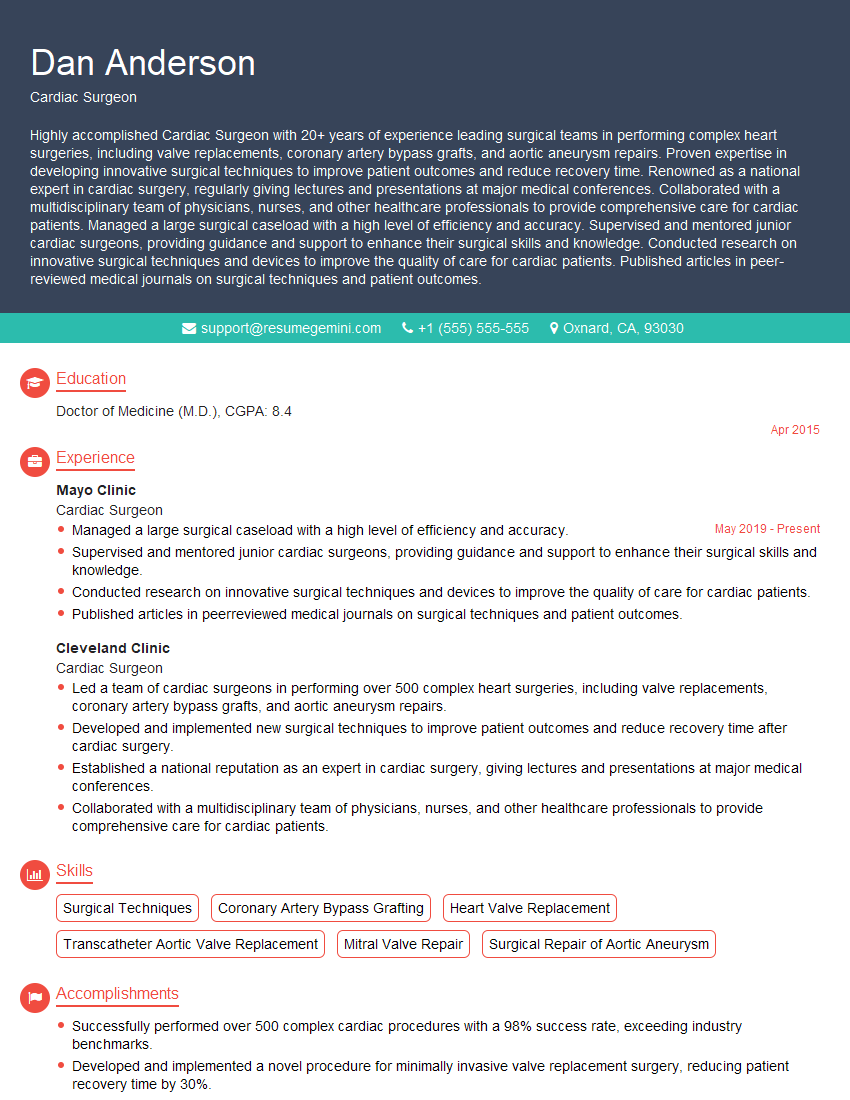
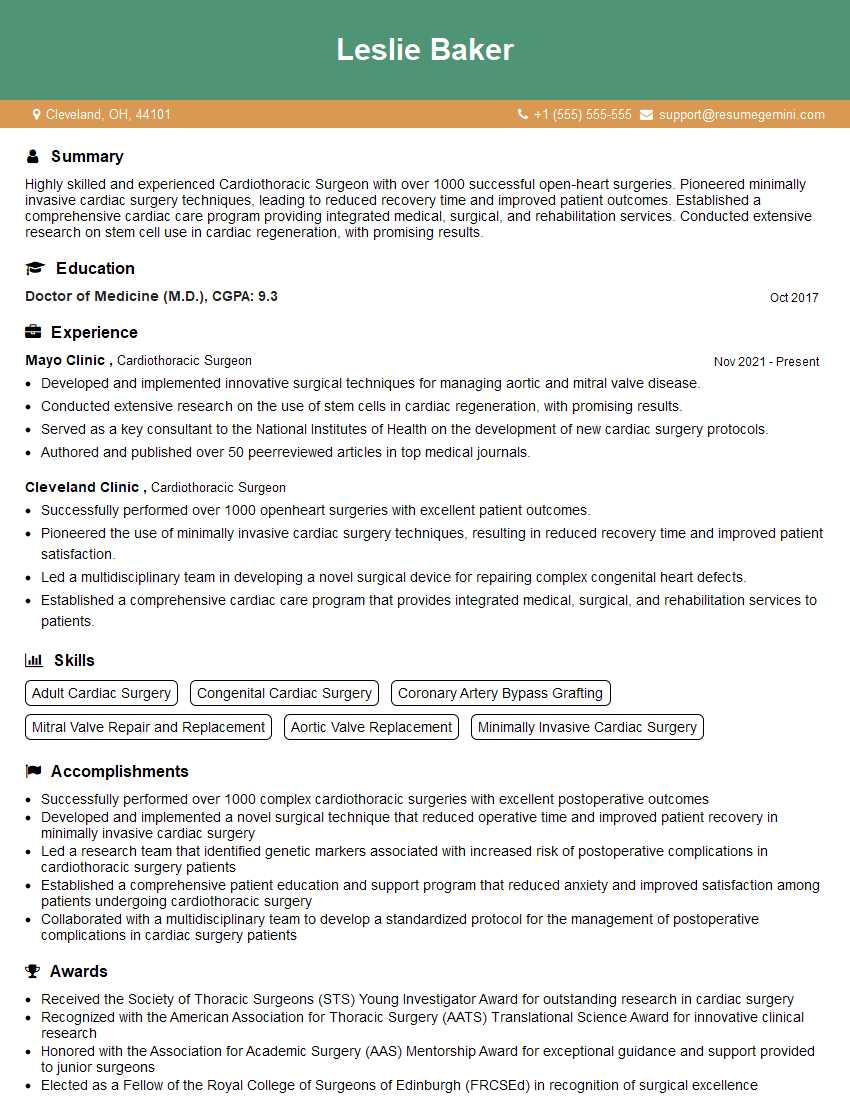
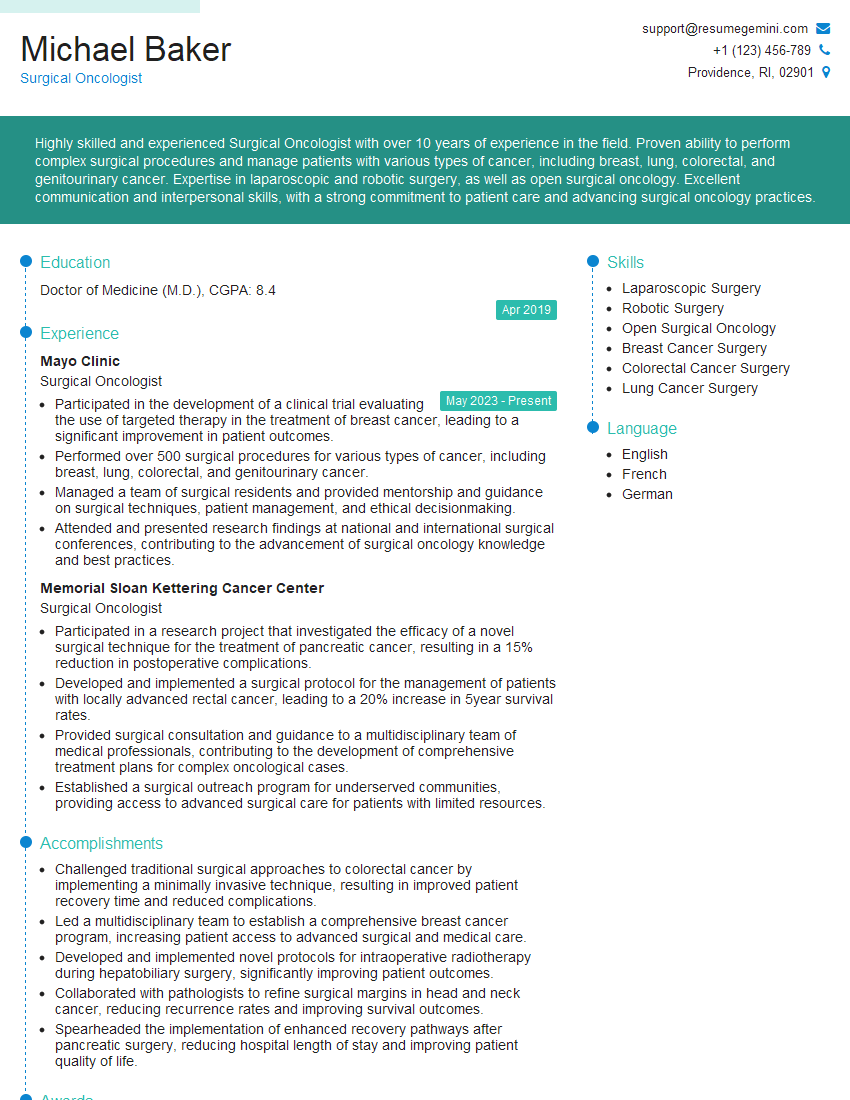
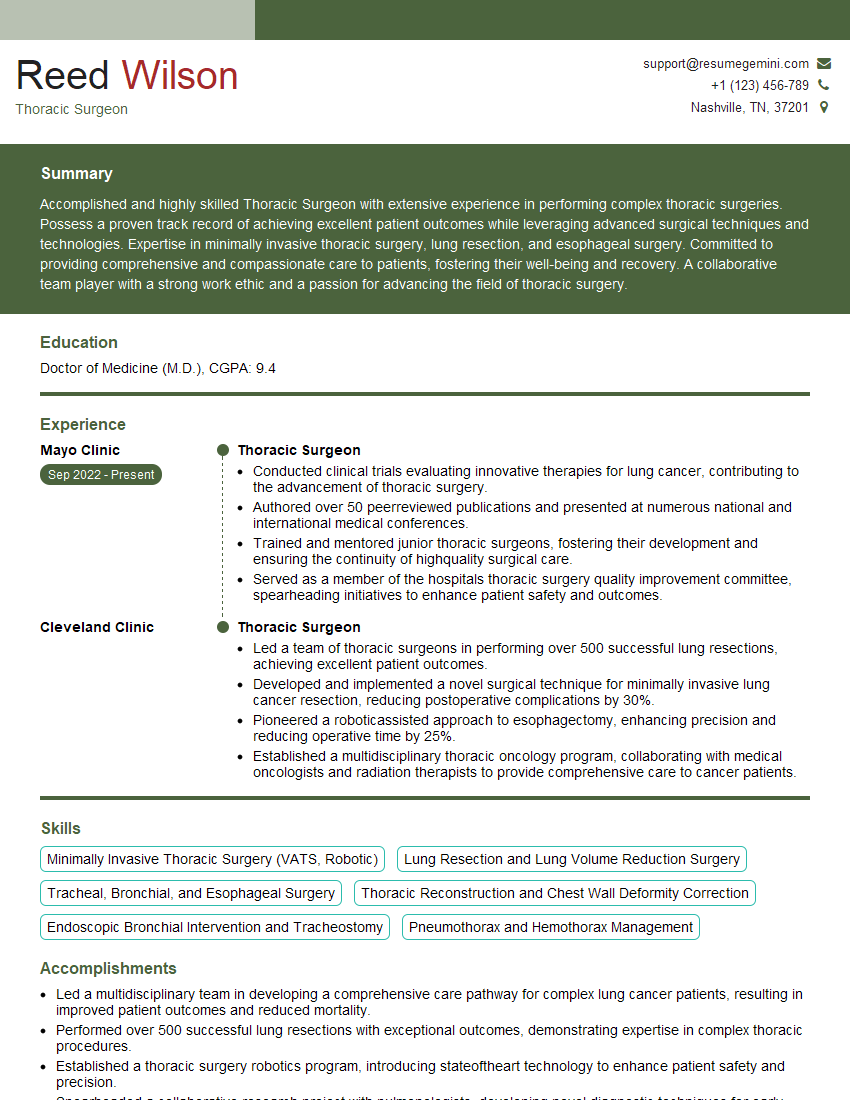
ResumeGemini is a trusted resource that can help you build a professional and impactful resume. Utilize their tools and resources to craft a compelling narrative that captures your skills and achievements. Examples of resumes tailored to Mediastinal Mass Resection are provided to guide you in this process. Take the initiative and elevate your resume – your future self will thank you.
Explore more articles
Users Rating of Our Blogs
Share Your Experience
We value your feedback! Please rate our content and share your thoughts (optional).
What Readers Say About Our Blog
To the interviewgemini.com Webmaster.
Very helpful and content specific questions to help prepare me for my interview!
Thank you
To the interviewgemini.com Webmaster.
This was kind of a unique content I found around the specialized skills. Very helpful questions and good detailed answers.
Very Helpful blog, thank you Interviewgemini team.