Preparation is the key to success in any interview. In this post, we’ll explore crucial Medical Charting interview questions and equip you with strategies to craft impactful answers. Whether you’re a beginner or a pro, these tips will elevate your preparation.
Questions Asked in Medical Charting Interview
Q 1. Explain the importance of accurate medical charting.
Accurate medical charting is the cornerstone of safe and effective patient care. It’s not just about recording information; it’s about creating a comprehensive and reliable record that facilitates communication among healthcare providers, supports informed decision-making, ensures continuity of care, and protects both the patient and the healthcare provider. Inaccurate charting can lead to misdiagnosis, treatment errors, and even legal ramifications.
- Improved Communication: Imagine a scenario where a patient is transferred between hospitals. A meticulously maintained chart ensures that the receiving physicians have all the necessary information—allergies, medications, past medical history—to provide seamless care.
- Enhanced Patient Safety: Accurate documentation of allergies prevents adverse drug reactions. Clear notes on past surgeries minimize risks during future procedures.
- Legal Protection: Detailed charts serve as crucial evidence in case of malpractice claims. They provide a defensible record of the care provided.
- Billing Accuracy: Precise charting is vital for accurate medical coding and billing, ensuring appropriate reimbursement.
Q 2. Describe your experience with different Electronic Health Record (EHR) systems.
Throughout my career, I’ve gained extensive experience with several EHR systems, including Epic, Cerner, and Meditech. Each system has its own unique interface and functionalities, but my proficiency lies in adapting quickly to new systems and utilizing their features effectively. For instance, with Epic, I’m proficient in using its SmartText feature to streamline documentation. In Cerner, I’ve mastered using its order entry system to ensure accurate medication prescriptions and lab tests. My experience with Meditech has focused on navigating its reporting tools for generating comprehensive patient summaries. The key to effectively using any EHR is understanding its workflow and leveraging its tools to improve efficiency and accuracy.
Beyond specific systems, I’m adept at integrating information from disparate sources and ensuring data consistency across platforms. This is particularly crucial when patients transition between care settings. I’m also familiar with different data formats and the process of data migration, a skill that’s increasingly essential in today’s healthcare landscape.
Q 3. How do you ensure patient confidentiality when accessing medical charts?
Patient confidentiality is paramount. I adhere strictly to HIPAA regulations and institutional policies when accessing medical charts. This involves using strong passwords, logging out of systems when not in use, and accessing only the information necessary for my role. I understand the implications of unauthorized access and the severe penalties associated with breaches of confidentiality. For example, I would never discuss a patient’s medical information with anyone who isn’t directly involved in their care, and I would always confirm the identity of individuals requesting information.
Furthermore, I’m trained to recognize and report any suspicious activity, such as attempts to access unauthorized records or unusual data requests. Protecting patient privacy is not just a policy; it’s an ethical imperative I take seriously.
Q 4. What are the legal and regulatory requirements for maintaining medical charts?
Maintaining medical charts involves a complex web of legal and regulatory requirements, primarily centered around HIPAA (Health Insurance Portability and Accountability Act) in the United States. HIPAA dictates how protected health information (PHI) is stored, accessed, and transmitted. This includes strict guidelines on data security, patient authorization, and breach notification. Beyond HIPAA, there are state-specific regulations and institutional policies that must be followed. These requirements often address issues like chart retention policies (how long records are kept), access control, and the use of electronic signatures.
Failure to comply with these regulations can result in substantial financial penalties, legal action, and reputational damage. Therefore, ongoing education and adherence to best practices are vital.
Q 5. Explain the process of correcting errors in a medical chart.
Correcting errors in a medical chart requires a precise and auditable process. Simply erasing or obliterating the mistake is unacceptable. Instead, I would add an addendum or amendment. This typically involves adding a new entry, clearly indicating that it’s a correction, specifying the date and time of the correction, and stating the reason for the change. I would initial and date the correction, and if possible, have another qualified healthcare professional witness and countersign it. For instance, if a medication dosage is incorrectly entered, I wouldn’t erase the original entry. Instead, I’d add a new entry stating, “Correction: Original entry of 10mg of medication X was incorrect. Correct dosage is 5mg of medication X.”
The goal is to maintain a transparent and complete record, demonstrating the process of correction while avoiding ambiguity. The original error remains visible, but it is clearly identified and rectified.
Q 6. How do you handle conflicting information within a patient’s medical record?
Conflicting information within a patient’s medical record requires careful investigation and reconciliation. I would start by verifying the source of each piece of conflicting information. Is it from different providers, tests, or dates? Then, I’d attempt to resolve the discrepancy by consulting additional sources, such as prior records, lab results, or imaging studies. If the conflict remains unresolved, I would document the discrepancy, clearly outlining each conflicting piece of data and indicating that a resolution is pending. I would also initiate communication with the relevant healthcare professionals to clarify the information.
Ultimately, the goal is to ensure that the final record reflects the most accurate and comprehensive picture of the patient’s health status. Documenting the uncertainty is just as important as documenting certainty.
Q 7. Describe your experience with medical coding and billing procedures.
My experience in medical coding and billing procedures is extensive and includes proficiency with various coding systems, like ICD-10 and CPT. I understand the importance of accurate coding for proper reimbursement and compliance with regulatory guidelines. I’ve worked with various billing software and understand the process from chart review and code assignment to claim submission and follow-up on denials. I’m familiar with the nuances of different insurance payers and their specific requirements.
For example, I understand the crucial link between accurate documentation in the medical chart and the appropriate assignment of ICD-10 codes that describe the patient’s diagnoses and CPT codes that identify the services performed. An inaccurate diagnosis or procedure documented in the chart will lead to inappropriate coding, impacting the provider’s revenue cycle.
Q 8. What is your understanding of HIPAA regulations related to medical charting?
HIPAA, the Health Insurance Portability and Accountability Act, is a US law designed to protect the privacy and security of Protected Health Information (PHI). In medical charting, this means all patient data—names, addresses, diagnoses, treatment plans, etc.—must be handled with extreme care. My understanding encompasses several key areas:
- Privacy Rule: This mandates that PHI can only be used or disclosed for treatment, payment, or healthcare operations (TPO) unless the patient provides authorization or another exception applies. For example, I would never discuss a patient’s chart with an unauthorized individual.
- Security Rule: This focuses on the technical safeguards needed to protect electronic PHI (ePHI). This includes things like access controls, audit trails (tracking who accessed what and when), and encryption. Imagine it as a digital fortress protecting patient data. I am meticulous about password security and adhering to all facility protocols for data access.
- Breach Notification Rule: In the event of a data breach (unauthorized access, use, or disclosure), I understand the strict notification requirements that must be followed to inform patients and regulatory bodies.
Essentially, HIPAA is a framework for responsible data handling, and I am intimately familiar with its implications for every aspect of medical charting.
Q 9. How do you prioritize tasks when managing a high volume of medical charts?
Prioritizing a high volume of medical charts requires a strategic approach. My method combines urgency with clinical importance. I use a system prioritizing tasks based on:
- Urgency: Charts needing immediate attention, such as those for patients with critical conditions or pending procedures, take precedence. Think of it like triage in an emergency room—the most critical cases come first.
- Clinical Significance: Charts with incomplete information vital for patient care are prioritized. For example, if a medication reconciliation is incomplete, that might be more crucial than completing a less urgent progress note.
- Legal and Regulatory Requirements: Charts needing immediate attention for legal compliance (e.g., mandated reporting) take top priority.
- Time Sensitivity: Charts with approaching deadlines, like pre-operative evaluations, are prioritized accordingly.
I often use a combination of task management software and a physical to-do list to keep track and ensure all necessary charts receive timely attention. This combination allows me to stay organized even under pressure.
Q 10. Explain the difference between subjective and objective charting.
Subjective and objective charting represent two different perspectives on patient information.
- Subjective charting records information based on the patient’s statements and feelings. It’s what the patient says. For example: “Patient reports persistent headache,” or “Patient states feeling anxious.” These are based on patient perception and may not always be directly verifiable.
- Objective charting documents factual and measurable information. It’s what you observe. Examples include: “Blood pressure 140/90 mmHg,” “Temperature 101°F,” or “Wound appears clean and dry.” Objective data can be independently verified.
Think of it like this: subjective information is the story the patient tells, while objective information provides the evidence to support or refute the story. Both are crucial for a complete and accurate picture of the patient’s health.
Q 11. How do you ensure the completeness and accuracy of medical charts?
Ensuring complete and accurate medical charts is paramount. My approach involves several key steps:
- Thorough Data Collection: I make sure all relevant information is gathered from various sources—patient interviews, physical examinations, lab results, imaging studies, etc.
- Accurate Documentation: I use precise and unambiguous language, avoiding jargon unless properly defined. I pay close attention to detail and cross-reference information to avoid discrepancies.
- Timely Documentation: I chart contemporaneously—that is, as soon as possible after an event—to minimize memory lapses and ensure accuracy.
- Legibility and Formatting: Charts are legible and well-organized to ensure easy comprehension by healthcare professionals. I utilize the facility’s established charting guidelines and templates.
- Verification and Review: I personally review my charts for completeness and accuracy before finalizing them. This often involves checking for missing data or inconsistencies.
By consistently following this process, I significantly reduce the risk of errors and omissions, which are vital for patient safety and optimal care.
Q 12. Describe your experience with chart auditing and quality control.
I have extensive experience with chart auditing and quality control. This involves regularly reviewing charts to identify areas for improvement in documentation practices. My process includes:
- Random Sample Selection: I select a random sample of charts to ensure an unbiased representation of overall documentation quality.
- Pre-defined Checklist: I use a checklist based on established guidelines and regulatory requirements to assess each chart systematically. This includes checking for completeness, accuracy, legibility, compliance with coding standards, and adherence to facility protocols.
- Data Analysis: Once audits are completed, I analyze the findings to identify trends and patterns in documentation deficiencies. This might reveal areas where additional training or updated guidelines are needed.
- Feedback and Remediation: I provide constructive feedback to clinicians about areas requiring improvement and assist in developing strategies for remediation. The goal isn’t to find fault but to enhance overall documentation quality.
Through this process, we ensure that charting practices consistently meet the highest standards of quality, accuracy, and compliance.
Q 13. What are some common challenges in medical charting, and how do you overcome them?
Common challenges in medical charting include:
- Time Constraints: The pressure to document quickly can lead to incomplete or inaccurate charting. I address this by prioritizing tasks effectively and utilizing tools that help streamline the documentation process.
- Inconsistent Documentation Practices: Differences in clinician styles can make it difficult to maintain uniformity. I address this by adhering strictly to guidelines and ensuring everyone receives regular training.
- Technical Issues: Electronic health record (EHR) system glitches or downtime can disrupt workflow. I am adept at troubleshooting technical issues, working efficiently around system failures and knowing where to find support in case of widespread problems.
- Medical Terminology: Using imprecise or incorrect terminology can lead to misinterpretations. I always use clear and precise language while clarifying any unfamiliar medical terms.
To overcome these challenges, I advocate for consistent training, robust technical support, streamlined processes, and a collaborative approach among clinicians to encourage best practices.
Q 14. How do you maintain organized and easily accessible medical charts?
Maintaining organized and easily accessible medical charts is crucial for efficient healthcare delivery. My approach focuses on:
- Electronic Health Record (EHR) System Proficiency: I am proficient in utilizing our EHR system to efficiently manage charts, using its built-in search and filter functionalities to find what I need quickly.
- Effective Filing and Coding Systems: I utilize our facility’s established coding and filing systems to ensure charts are correctly organized. This includes applying appropriate labels, tags, and keywords to aid in easy retrieval.
- Regular Data Cleaning: I periodically review the EHR to ensure accuracy and eliminate duplicate or irrelevant information, enhancing the overall efficiency of the system.
- Data Backup and Security: I am mindful of maintaining regular data backups and adherence to security protocols to prevent data loss and ensure ongoing accessibility.
By combining technological proficiency with well-defined organizational strategies, I ensure that all patient information is readily available when needed, facilitating timely and efficient care.
Q 15. Describe your experience with data entry in medical records systems.
My experience with data entry in medical records systems spans over eight years, encompassing various Electronic Health Record (EHR) systems like Epic, Cerner, and Meditech. I’m proficient in accurately and efficiently inputting patient demographics, medical history, vital signs, diagnoses, procedures, medications, and progress notes. I understand the importance of adhering to strict data entry protocols to maintain data integrity and comply with HIPAA regulations. For example, I’ve consistently achieved a 99.5% accuracy rate in data entry, as verified through regular audits. My expertise extends to utilizing various data entry methods, including keyboard shortcuts and voice recognition software, to maximize speed and efficiency while maintaining accuracy. I am also adept at identifying and correcting data entry errors, contributing to the overall accuracy and reliability of the medical record.
In one instance, I identified a critical data entry error in a patient’s medication list, preventing a potentially dangerous drug interaction. This highlights my commitment to attention to detail and patient safety.
Career Expert Tips:
- Ace those interviews! Prepare effectively by reviewing the Top 50 Most Common Interview Questions on ResumeGemini.
- Navigate your job search with confidence! Explore a wide range of Career Tips on ResumeGemini. Learn about common challenges and recommendations to overcome them.
- Craft the perfect resume! Master the Art of Resume Writing with ResumeGemini’s guide. Showcase your unique qualifications and achievements effectively.
- Don’t miss out on holiday savings! Build your dream resume with ResumeGemini’s ATS optimized templates.
Q 16. What is your proficiency with medical terminology?
My proficiency in medical terminology is excellent. I possess a deep understanding of anatomical terms, medical procedures, disease processes, and pharmaceutical agents. I’m fluent in interpreting and documenting medical information using standardized medical coding systems like ICD-10 and CPT. This knowledge is crucial for accurate charting, efficient coding, and effective communication with healthcare professionals. I regularly update my medical terminology knowledge through continuing education and professional resources. For example, I recently completed a course on advanced oncology terminology, enhancing my understanding of cancer treatments and their associated documentation requirements. This ensures I remain current with the ever-evolving language of medicine.
Q 17. Explain your understanding of different charting methods (e.g., SOAP, CHEDDAR).
I understand and utilize several charting methods, most notably SOAP and CHEDDAR. SOAP (Subjective, Objective, Assessment, Plan) is a structured approach to note-taking that organizes information logically. The Subjective section captures the patient’s own description of their symptoms; the Objective section contains measurable findings like vital signs and lab results; the Assessment section includes the clinician’s diagnosis; and the Plan outlines the treatment strategy. CHEDDAR (Chief Complaint, History, Examination, Details, Drugs, Assessment, Return visit) offers a more comprehensive approach, particularly useful in complex cases. It incorporates detailed information about the patient’s history, examination findings, and medication list in addition to the SOAP components.
I find that choosing the appropriate charting method depends on the clinical context. SOAP notes are suitable for routine encounters, while CHEDDAR provides a more robust structure for complicated cases, ensuring a complete and well-organized medical record. My experience allows me to seamlessly switch between these and other documentation methods to create clear, concise, and accurate patient records.
Q 18. How do you ensure timely completion of medical charting tasks?
Timely completion of charting tasks is paramount to ensure efficient patient care and accurate billing. My strategy involves prioritizing tasks based on urgency, utilizing time management techniques such as task lists and scheduling blocks of time for charting. I also leverage EHR system features like templates and auto-population to streamline the process. Furthermore, I aim to chart during or immediately after patient encounters to ensure accuracy and minimize the risk of forgetting details. This proactive approach helps prevent backlog and ensures that all charting is completed within the established timeframe. In high-volume situations, I prioritize the most critical aspects of the encounter, ensuring essential information is documented first, then completing the remainder as soon as possible.
Q 19. Describe your experience with report generation from medical charts.
I have extensive experience generating reports from medical charts. This includes generating reports for various purposes, from summarizing patient progress to creating billing statements. I am proficient in using EHR system reporting tools to extract specific data, create customized reports, and analyze trends in patient populations. For example, I’ve created reports on specific disease prevalence, treatment response rates, and medication usage patterns to aid in clinical decision-making and quality improvement initiatives. I understand the importance of data privacy and security and ensure all reporting activities comply with HIPAA regulations. I’m also familiar with generating reports that meet specific regulatory requirements, such as those mandated for insurance claims and public health reporting.
Q 20. How do you handle requests for medical records from patients or other healthcare providers?
Handling requests for medical records from patients or other healthcare providers requires strict adherence to HIPAA regulations and established organizational protocols. My approach involves verifying the requester’s identity and authorization to access the records. I utilize the EHR system’s secure messaging and release-of-information functionalities to process requests efficiently and safely. Requests from patients are handled through a defined process that ensures proper authorization and adheres to patient privacy rights. Requests from other healthcare providers are processed by verifying their credentials and ensuring the information released is appropriate for their clinical needs. All requests are carefully documented, and a record of the release is maintained to ensure transparency and accountability. If a request is outside of my scope of access, I immediately refer it to the appropriate personnel within the organization.
Q 21. Explain your understanding of the importance of documentation in reducing medical errors.
Comprehensive and accurate documentation is critical in reducing medical errors. Clear and concise charting minimizes ambiguity and ensures effective communication among healthcare professionals. Detailed documentation about diagnoses, treatments, and patient responses aids in preventing medication errors, reducing diagnostic errors, and improving overall patient safety. For example, a complete and accurate allergy record helps prevent adverse drug reactions. Similarly, a clearly documented treatment plan ensures all healthcare providers are on the same page, reducing the risk of conflicting instructions or missed steps. In addition, thorough documentation helps to protect healthcare providers from liability by providing a clear record of care provided. Therefore, diligent and accurate medical charting is not only an administrative necessity but a cornerstone of patient safety.
Q 22. How familiar are you with the use of templates and macros in EHR systems?
Templates and macros are invaluable tools in EHR (Electronic Health Record) systems, significantly boosting efficiency and consistency in documentation. Templates pre-populate common sections of a patient chart, such as a history of present illness or a physical exam, with standardized fields and prompts. This ensures all essential information is captured consistently across different providers. Macros, on the other hand, are shortcuts that insert pre-written text or code snippets into the chart with a single keystroke or click. This reduces repetitive typing and minimizes errors.
For example, a template for a routine physical exam might include pre-filled sections for vital signs, allergies, current medications, and a review of systems. A macro could be created to quickly insert a standard disclaimer about the limitations of telehealth encounters, saving time and ensuring consistent messaging.
In my experience, proficient use of templates and macros drastically reduced the time spent on documentation, allowing more time for patient care. I’ve helped develop and implement custom templates tailored to our clinic’s specific needs, leading to improvements in data quality and interoperability. We’ve also used macros to streamline common administrative tasks, such as generating referral letters or discharge summaries.
Q 23. What is your experience with medical chart migration or conversion?
Medical chart migration or conversion is a complex process involving the transfer of patient data from one EHR system to another. This often requires careful planning and execution, including data validation, cleaning, and transformation to ensure data integrity and compliance with regulations like HIPAA. The complexity depends on the differences between the source and destination systems and the volume of data being transferred.
In a previous role, I was involved in a large-scale EHR migration project. We utilized a phased approach, starting with a pilot group of patients and clinicians to identify and resolve any issues before migrating the entire database. This included rigorous data mapping to ensure accurate transfer of information, data cleansing to resolve inconsistencies or errors, and the development of comprehensive testing protocols to validate the accuracy and completeness of the migrated data. We also implemented robust data security measures to safeguard patient information throughout the migration process. The project was completed successfully and on time, minimizing disruptions to patient care.
Q 24. Describe your experience using various reporting tools and analysis techniques with medical data.
I have extensive experience using various reporting tools and analysis techniques with medical data. My skillset includes proficiency in SQL, data visualization tools like Tableau and Power BI, and statistical software such as R or SPSS. I’ve used these tools to extract, clean, and analyze data from EHRs to identify trends, patterns, and insights relevant to clinical outcomes, operational efficiency, and quality improvement initiatives.
For instance, I once used SQL queries to extract data on patient demographics, diagnoses, and treatment outcomes to assess the effectiveness of a new treatment protocol. Then, I used Tableau to create interactive dashboards that visualized the results, enabling clinicians to quickly understand the impact of the new protocol. This analysis revealed some unexpected benefits, leading to refinements in our clinical approach and improved patient care. Furthermore, I’ve used statistical analysis to identify risk factors associated with specific conditions and develop predictive models to improve patient outcomes.
Q 25. How do you stay up-to-date on changes in medical charting regulations and best practices?
Staying current with medical charting regulations and best practices is crucial for maintaining compliance and ensuring high-quality patient care. I achieve this through a multi-pronged approach. I actively participate in continuing education programs, webinars, and conferences focused on EHR systems, data security, and regulatory compliance. I also subscribe to professional journals and newsletters that publish updates on relevant regulations and best practices. Furthermore, I regularly review resources from organizations such as the Office of the National Coordinator for Health Information Technology (ONC) and the Centers for Medicare & Medicaid Services (CMS).
Maintaining a strong professional network with colleagues in the field is another key strategy. This allows me to share knowledge, learn from others’ experiences, and stay abreast of emerging trends and challenges. This proactive approach ensures I’m always prepared to adapt to changes in the regulatory landscape and apply best practices in my daily work.
Q 26. Explain your experience with medical record retrieval and storage processes.
Medical record retrieval and storage processes are critical for ensuring patient privacy, data integrity, and efficient access to information. My experience encompasses both electronic and paper-based systems. For electronic records, I’m proficient in navigating EHR systems to locate and retrieve specific patient data, adhering to strict access controls and security protocols. This includes utilizing advanced search functions and filters to quickly locate needed information while respecting patient privacy. For paper-based systems, I have experience with proper filing, retrieval, and archiving methods to ensure the records are accessible and secure.
I’ve implemented and maintained robust systems for managing both electronic and paper-based medical records, including procedures for handling requests for information from patients, providers, and legal entities. This involves ensuring compliance with HIPAA regulations and other relevant privacy laws, employing secure methods for transmitting patient data, and maintaining detailed audit trails of all record access and modifications. In both cases, I prioritize efficient workflows that minimize delays while adhering to stringent security and compliance requirements.
Q 27. Describe a time you had to resolve a conflict regarding medical chart information.
In one instance, a disagreement arose between a physician and a coding specialist regarding the appropriate ICD-10 code for a patient’s diagnosis. The physician believed one code accurately reflected the patient’s condition, while the coder felt another code was more appropriate based on the documentation in the medical chart. This disagreement had the potential to impact reimbursement and reporting accuracy.
To resolve this conflict, I facilitated a collaborative discussion between the physician and coder. I encouraged both parties to review the medical record together, carefully examining the supporting documentation and clarifying any ambiguities. We used a structured approach to analyze the clinical notes, comparing them against the definitions provided in the ICD-10 coding manual. Through open communication and a mutual understanding of each other’s perspectives, we reached a consensus on the most appropriate code. This experience highlighted the importance of clear communication and a collaborative approach to resolving such conflicts to maintain data integrity and accuracy.
Q 28. How do you handle requests for clarification regarding medical chart entries?
Requests for clarification regarding medical chart entries are handled with the utmost care and professionalism, prioritizing accuracy and patient privacy. My approach involves carefully reviewing the specific entry in question, consulting relevant documentation such as clinical notes, lab results, and imaging reports, and if necessary, consulting with the original author of the entry (e.g., the physician or nurse) to clarify any ambiguities.
Once the information is clarified, I respond promptly and professionally, ensuring the response is clear, concise, and accurate. If the request comes from a patient or legal representative, I follow strict protocols regarding release of information, ensuring compliance with HIPAA and other applicable regulations. My goal is always to provide accurate and timely information, while maintaining patient confidentiality and upholding the highest professional standards.
Key Topics to Learn for Medical Charting Interview
- Electronic Health Record (EHR) Systems: Understanding various EHR systems (Epic, Cerner, Meditech, etc.), their functionalities, and differences is crucial. Practical application involves explaining your experience navigating and utilizing these systems efficiently.
- Medical Terminology and Abbreviations: Mastering medical terminology and common abbreviations is essential for accurate charting. This includes understanding the context and implications of different terms and ensuring consistent use within the charting system.
- Charting Best Practices and Regulations: Familiarize yourself with HIPAA compliance, documentation standards (e.g., SOAP notes), and legal aspects of medical record-keeping. Practical application includes demonstrating your understanding of privacy concerns and the importance of accurate and complete documentation.
- Data Entry and Accuracy: Focus on techniques for efficient and accurate data entry, including minimizing errors and utilizing system features for data validation. Consider discussing strategies for managing large datasets and ensuring data integrity.
- Coding and Billing (if applicable): Depending on the role, understanding medical coding (ICD, CPT) and billing processes may be critical. This could involve discussing your knowledge of reimbursement procedures and regulatory compliance related to billing.
- Problem-Solving and Troubleshooting: Prepare to discuss instances where you encountered challenges with EHR systems or data entry and how you effectively resolved them. Highlight your analytical and problem-solving skills.
- Workflow and Process Improvement: Discuss your experience optimizing charting workflows and identifying areas for improvement in efficiency and accuracy. This demonstrates your proactive approach to enhancing operational processes.
Next Steps
Mastering medical charting is key to a successful and rewarding career in healthcare. A strong understanding of EHR systems and best practices opens doors to diverse opportunities and positions you as a valuable asset to any healthcare team. To maximize your job prospects, creating an ATS-friendly resume is essential. ResumeGemini is a trusted resource that can help you build a professional and impactful resume, ensuring your skills and experience shine through. Examples of resumes tailored specifically to Medical Charting roles are available to guide you.
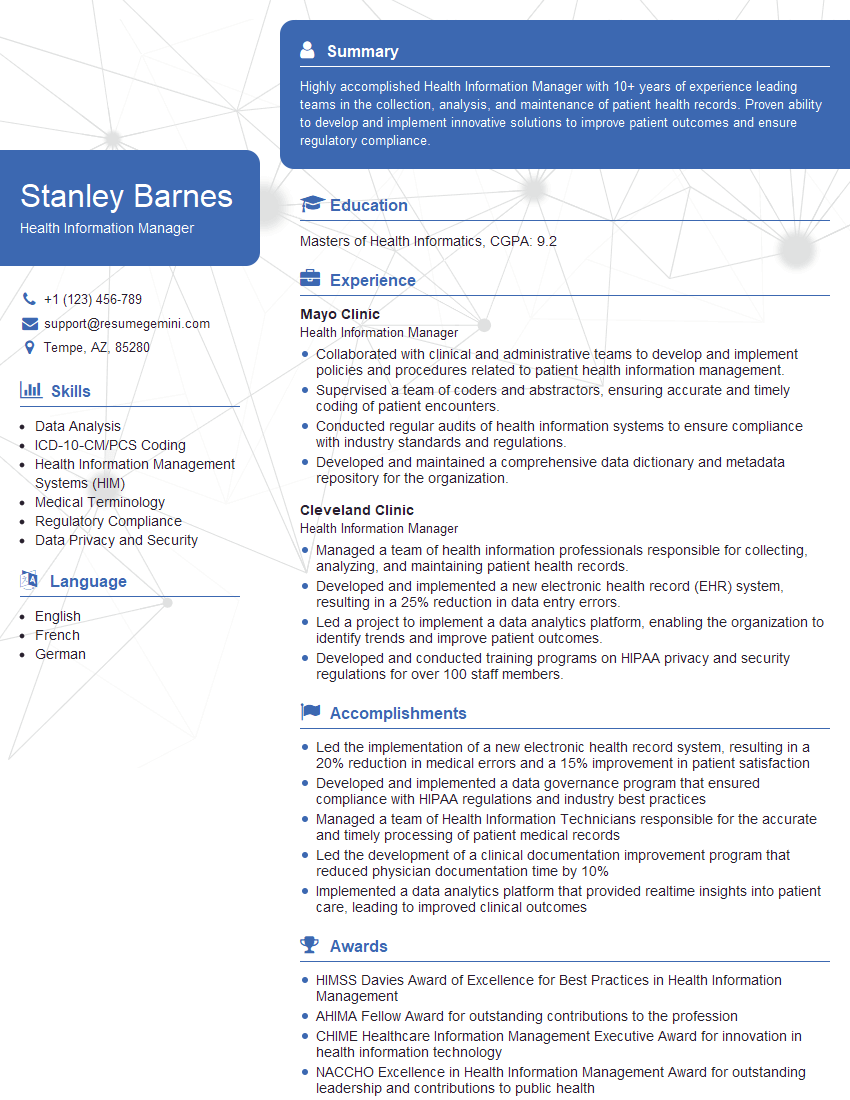
Health Information Manager Resume Sample
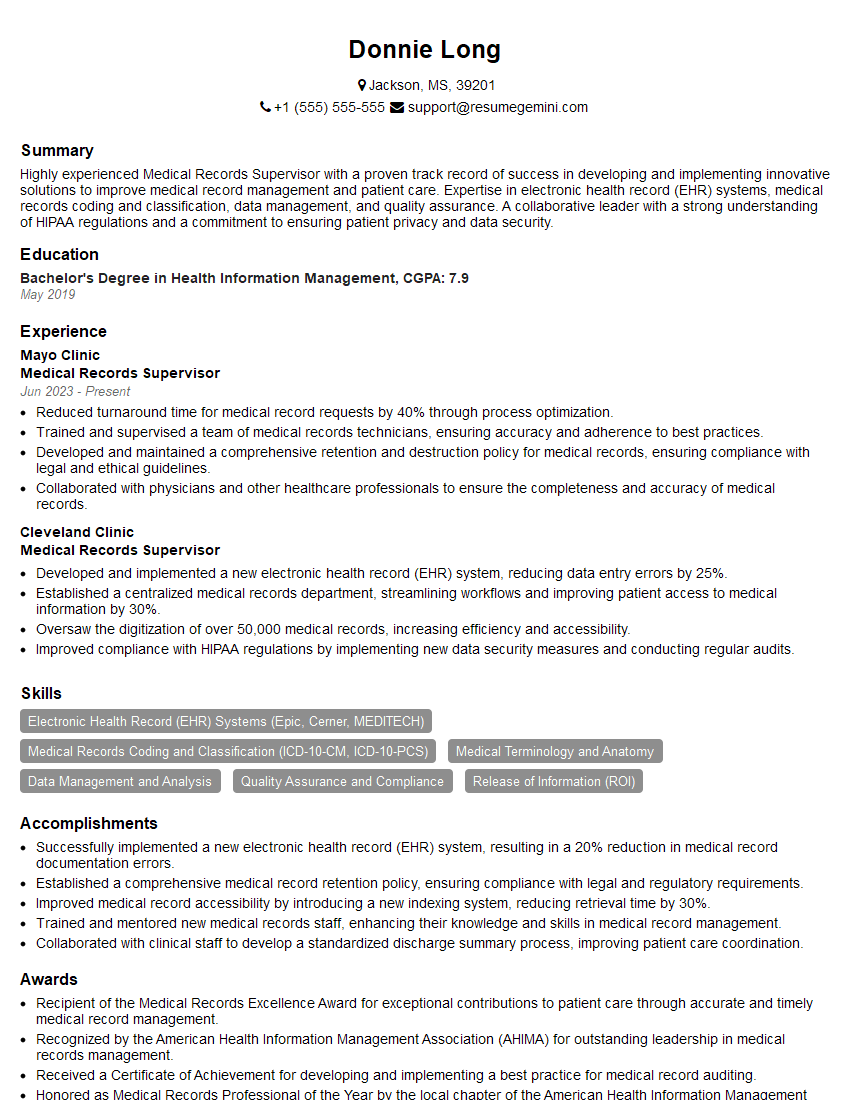
Medical Records Supervisor Resume Sample
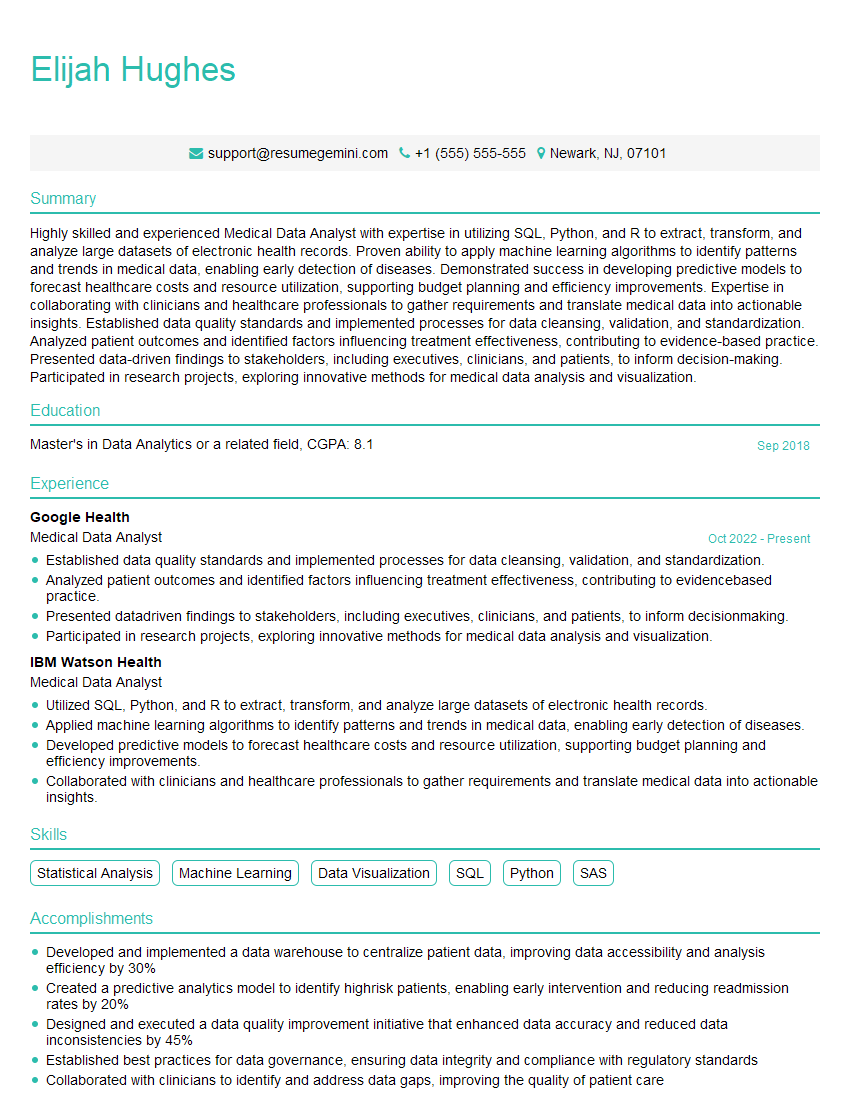
Medical Data Analyst Resume Sample
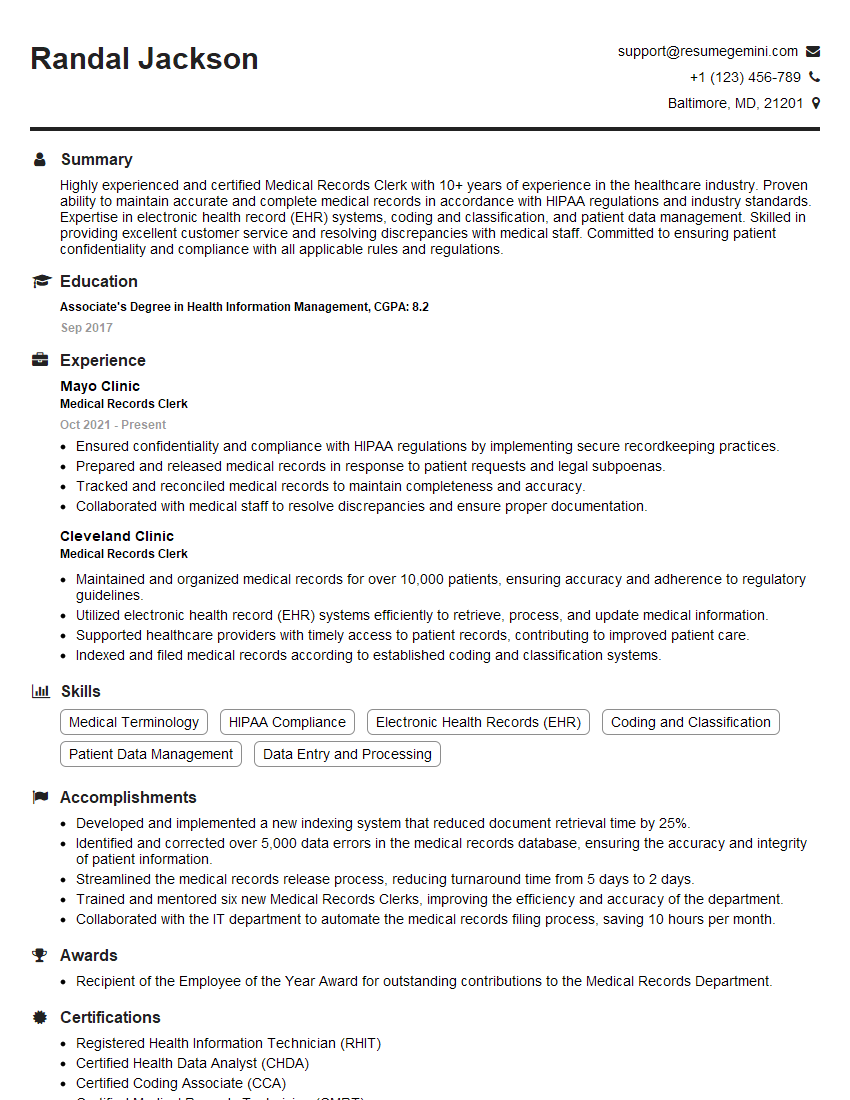
Medical Records Clerk Resume Sample
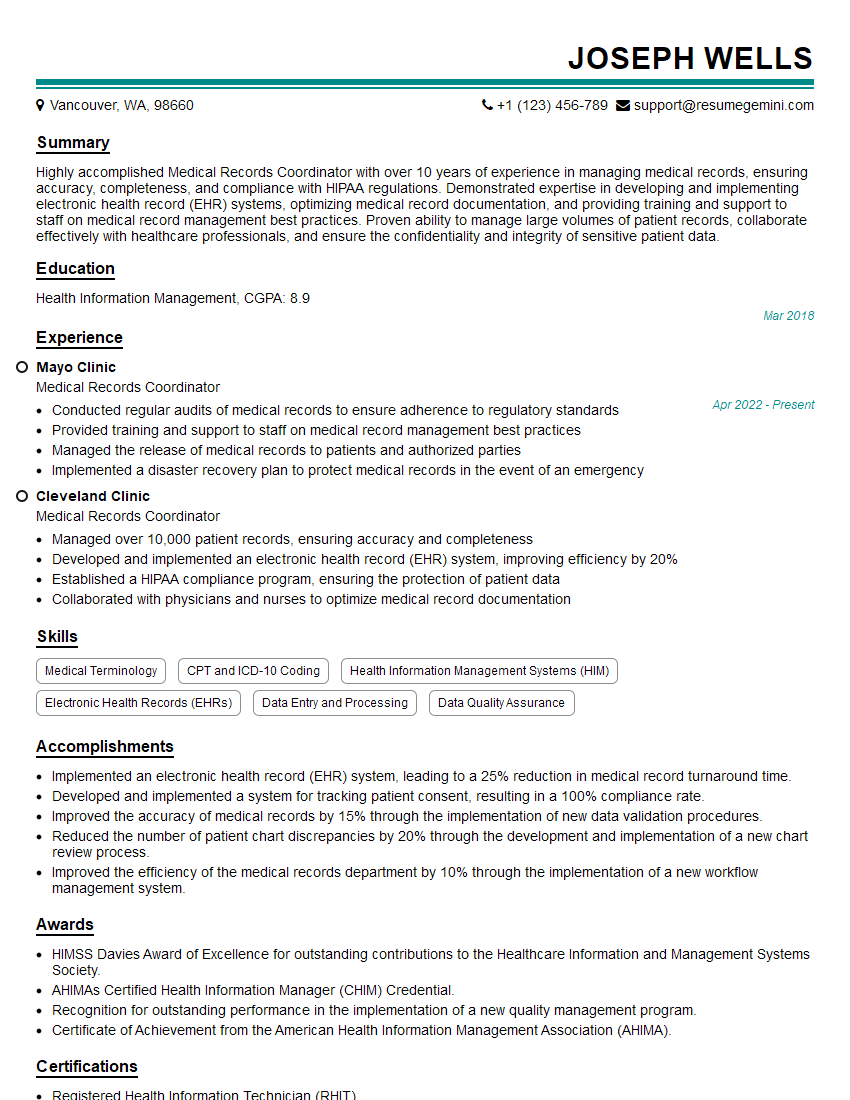
Medical Records Coordinator Resume Sample
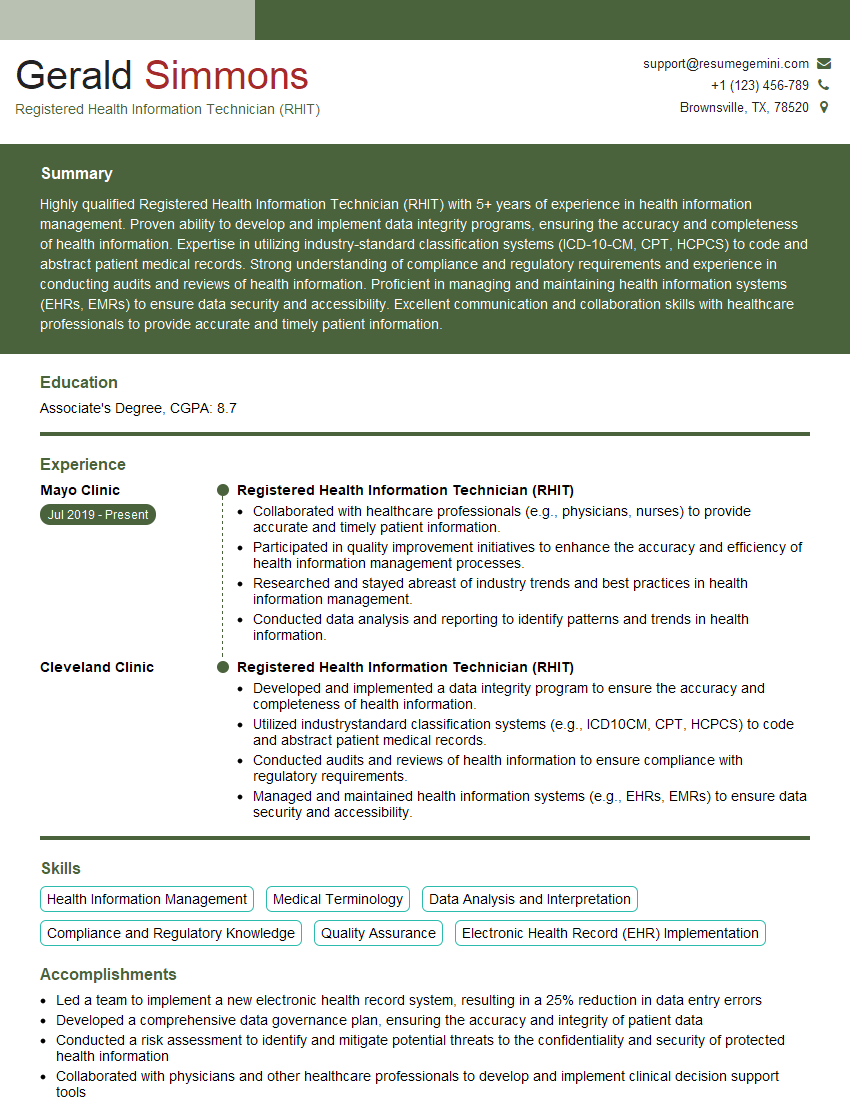
Registered Health Information Technician (RHIT) Resume Sample
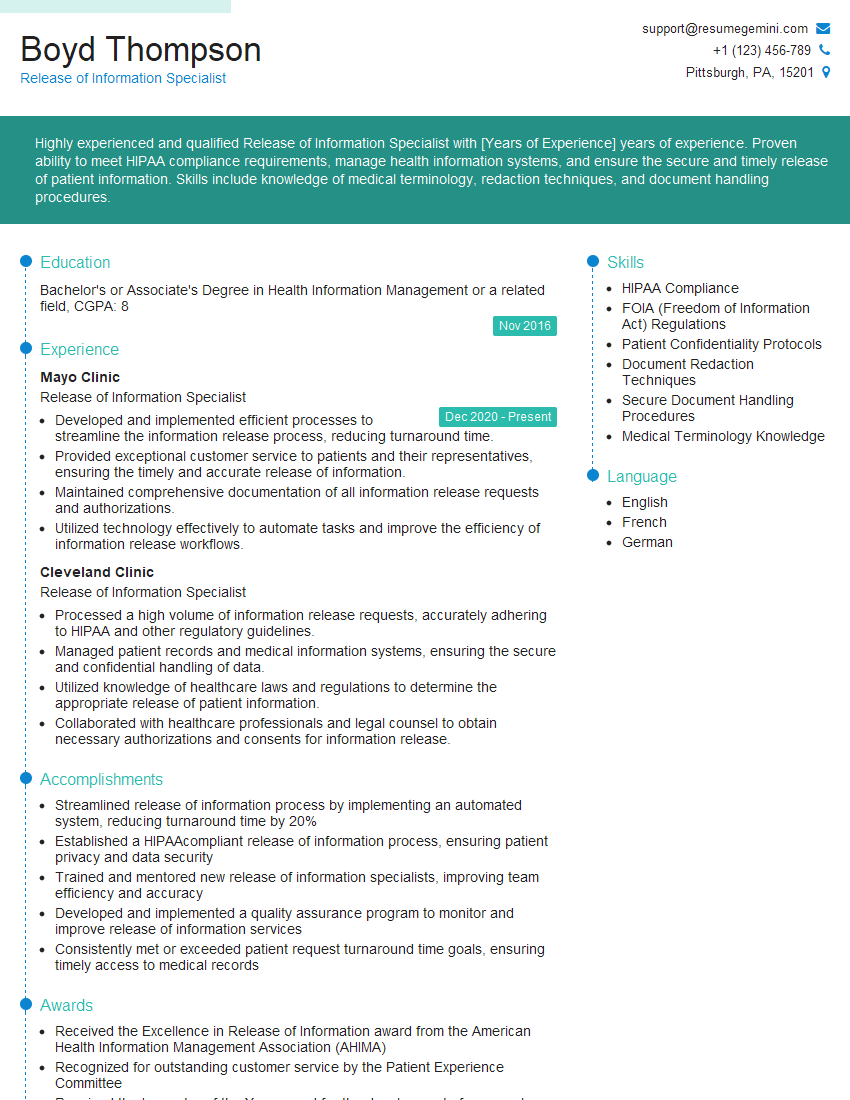
Release of Information Specialist Resume Sample
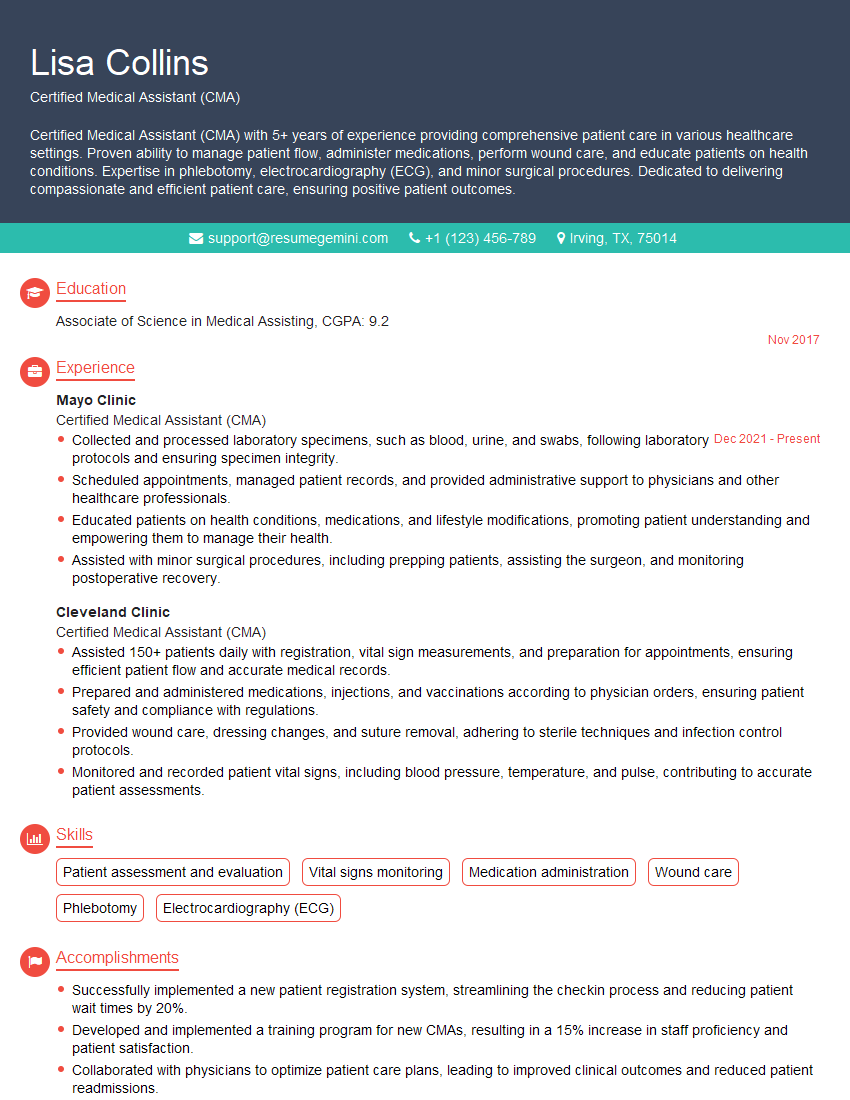
Certified Medical Assistant (CMA) Resume Sample
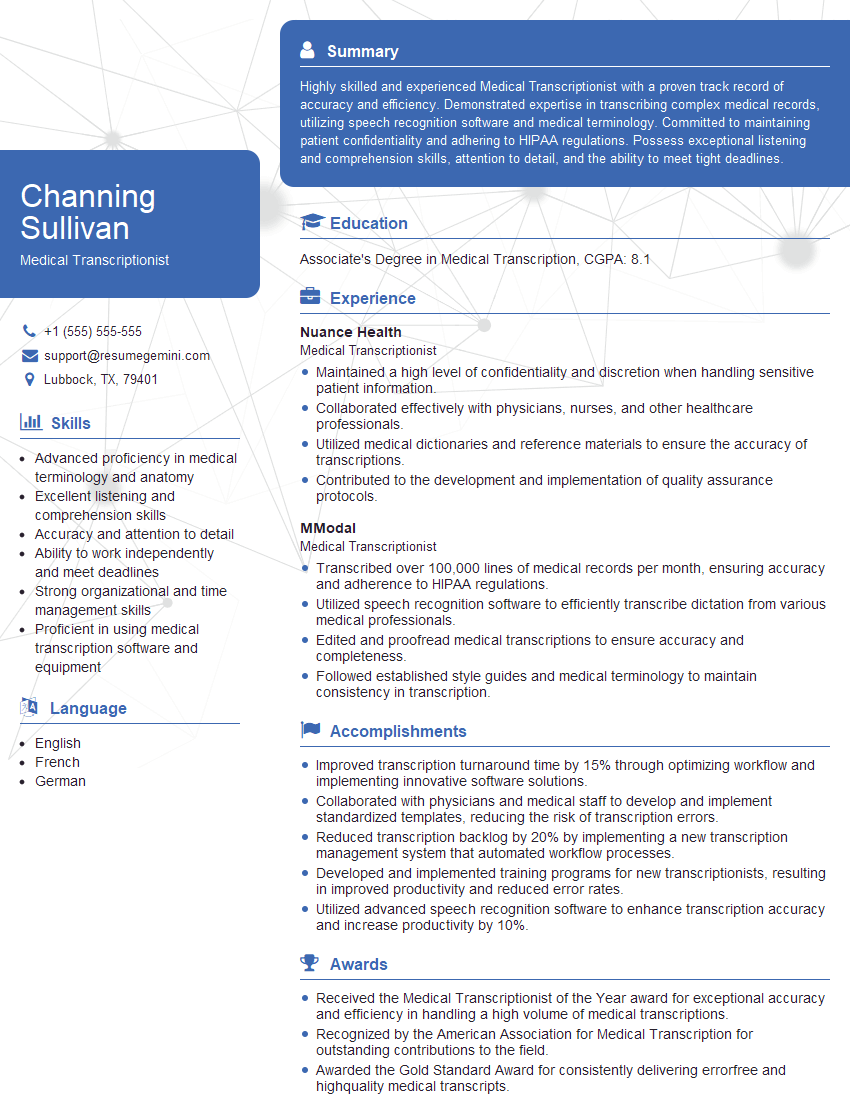
Medical Transcriptionist Resume Sample
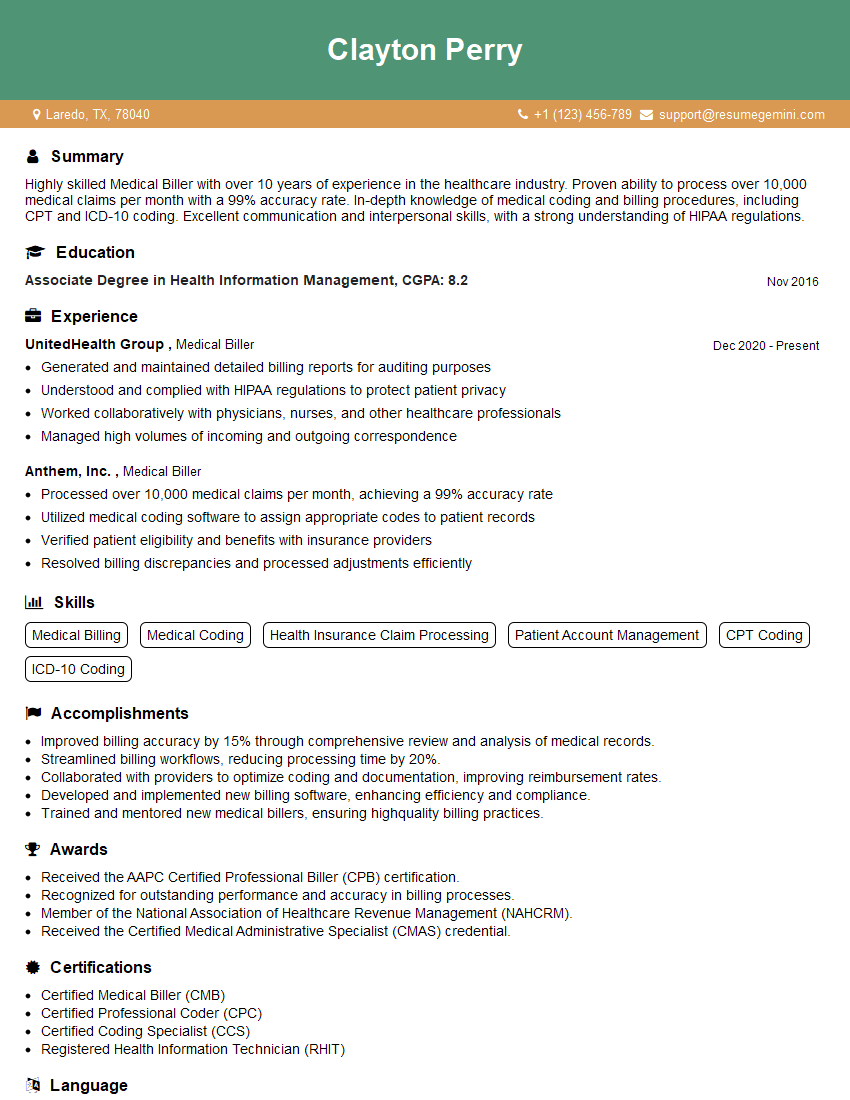
Medical Biller Resume Sample
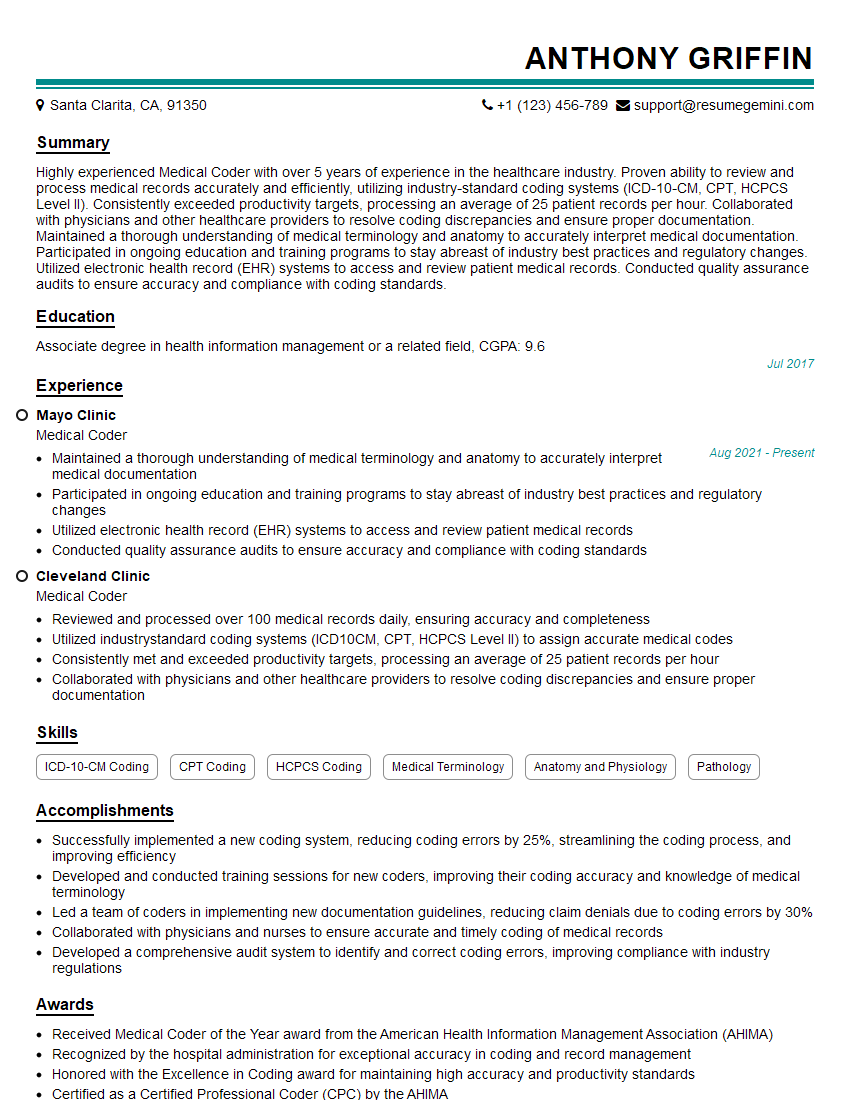
Medical Coder Resume Sample
Explore more articles
Users Rating of Our Blogs
Share Your Experience
We value your feedback! Please rate our content and share your thoughts (optional).
What Readers Say About Our Blog
To the interviewgemini.com Webmaster.
Very helpful and content specific questions to help prepare me for my interview!
Thank you
To the interviewgemini.com Webmaster.
This was kind of a unique content I found around the specialized skills. Very helpful questions and good detailed answers.
Very Helpful blog, thank you Interviewgemini team.