The right preparation can turn an interview into an opportunity to showcase your expertise. This guide to turbinoplasty interview questions is your ultimate resource, providing key insights and tips to help you ace your responses and stand out as a top candidate.
Questions Asked in turbinoplasty Interview
Q 1. Describe the different types of turbinoplasty techniques.
Turbinoplasty techniques aim to reduce the size of the turbinates, the bony structures within the nasal cavity responsible for airflow and humidification. Different techniques cater to varying degrees of hypertrophy and patient anatomy. They broadly fall into these categories:
- Partial Turbinectomy: This involves removing a portion of the turbinate, either using a cold steel instrument or powered instrumentation. This is a more aggressive approach and is used when significant reduction is required. Subtypes include inferior turbinectomy (partial removal of the inferior turbinate), and medial turbinectomy (removing the medial aspect of the turbinate)
- Radiofrequency Turbinoplasty: This uses radiofrequency energy to shrink turbinate tissue without removing it. It’s less invasive and associated with potentially less bleeding and faster recovery. Different RF devices utilize various approaches, some employing probes while others are based on surface contact.
- Laser Turbinoplasty: Lasers can also be used to ablate turbinate tissue. This minimally invasive technique uses precise energy delivery, although potential complications like scar tissue formation need careful consideration.
- Coblation Turbinoplasty: This method employs low-temperature plasma to reduce the turbinate size, offering potential benefits like reduced bleeding and scarring compared to traditional techniques. The use of bipolar radiofrequency energy in this method provides improved precision.
- Ultrasonic Turbinoplasty: Ultrasound energy is used to precisely vaporize tissue, providing excellent hemostasis and potentially less postoperative swelling.
The choice of technique depends on factors like the severity of turbinate hypertrophy, patient anatomy, presence of co-morbidities, and surgeon preference. Each technique has its own set of advantages and disadvantages regarding efficacy, recovery time, and potential complications.
Q 2. What are the indications for turbinoplasty?
Turbinoplasty is indicated for patients experiencing nasal airway obstruction due to enlarged turbinates. These indications can include:
- Nasal Obstruction: Difficulty breathing through the nose, leading to sleep disturbances, snoring, or daytime sleepiness.
- Chronic Rhinitis: Persistent inflammation of the nasal lining causing nasal congestion, often associated with allergies or non-allergic rhinitis.
- Nasal Polyps: Although polyp removal is a distinct procedure, it might be performed concurrently with turbinoplasty if polyps are associated with turbinate enlargement.
- Sleep Apnea: In some cases, turbinate hypertrophy can contribute to obstructive sleep apnea, and turbinoplasty can be part of a multi-faceted treatment approach.
- Sinusitis: While not a direct indication, nasal obstruction from turbinate hypertrophy can worsen sinusitis symptoms. In selected cases, turbinoplasty can be considered as part of a wider strategy to address chronic sinus problems.
It’s crucial to establish that the nasal obstruction is truly due to enlarged turbinates and not another underlying condition before considering turbinoplasty. A thorough history, physical examination, and potentially imaging studies are essential.
Q 3. What are the contraindications for turbinoplasty?
Contraindications for turbinoplasty are situations where the procedure poses a higher risk or is unlikely to provide benefit. These include:
- Severe bleeding disorders: Patients with uncontrolled bleeding disorders are at significantly higher risk of post-operative haemorrhage.
- Uncontrolled infections: Active nasal or sinus infections should be treated before considering turbinoplasty to prevent complications.
- Nasal tumors: The presence of nasal or sinus tumors requires a different treatment strategy than turbinoplasty.
- Severe nasal mucosal atrophy: In cases where the nasal lining is already thinned, turbinoplasty could lead to further compromise of nasal function, causing dry nose and crusting.
- Unrealistic patient expectations: Patients with unrealistic expectations of the procedure’s outcome should undergo proper counselling.
Careful evaluation of the patient’s medical history and current condition is paramount before proceeding with turbinoplasty to avoid potential complications and ensure a safe and effective outcome.
Q 4. Explain the pre-operative assessment for a turbinoplasty patient.
Pre-operative assessment for turbinoplasty includes a comprehensive evaluation to ensure patient suitability and to minimize risks. This typically involves:
- Detailed medical history: Including allergies, medications, bleeding disorders, and previous surgeries.
- Physical examination: Thorough assessment of the nasal cavity, including the size and shape of the turbinates, nasal mucosa, and any other abnormalities.
- Nasal endoscopy: A flexible endoscope allows detailed visualization of the nasal passages and helps to assess the extent of turbinate hypertrophy.
- Imaging studies (if necessary): CT scans or MRI may be performed to rule out other pathologies or to better assess anatomical variations.
- Allergy testing (if indicated): To identify potential allergens contributing to nasal inflammation.
- Pre-operative blood work: To assess overall health and clotting function.
- Patient counseling: A comprehensive discussion about the procedure, potential risks, and expected outcomes.
This thorough evaluation ensures the procedure is appropriate for the patient and allows for realistic expectations and informed consent. It also allows for appropriate preoperative medication optimization where needed, for example, in patients with hypertension or cardiac conditions.
Q 5. Detail the surgical steps involved in a radiofrequency turbinoplasty.
Radiofrequency turbinoplasty involves using radiofrequency energy to heat and shrink the turbinate tissue, reducing its size without actually removing it. The steps generally involve:
- Topical or local anesthesia: The procedure can be performed under local or topical anesthesia, although some surgeons may opt for general anesthesia depending on patient preference and the complexity of the case.
- Insertion of the radiofrequency probe: A specialized probe is inserted into the turbinate tissue under direct visualization using a nasal endoscope. Different probes with varying geometries exist.
- Application of radiofrequency energy: The probe delivers controlled radiofrequency energy, heating the tissue and causing coagulation and shrinkage of the turbinates.
- Monitoring tissue response: The surgeon monitors the tissue response carefully to avoid excessive heat injury or unintended damage to surrounding structures.
- Removal of the probe: Once the desired reduction is achieved, the probe is removed.
- Cauterization (if necessary): Any minor bleeding points are cauterized to ensure hemostasis.
The specific technique and parameters used with radiofrequency energy will vary based on the device utilized and the surgeon’s preference.
Q 6. How do you manage bleeding during a turbinoplasty procedure?
Bleeding control during turbinoplasty is crucial for a successful outcome. Strategies for managing bleeding include:
- Pre-operative assessment of clotting factors: Identifying patients with potential clotting disorders is crucial and appropriate management (e.g. Factor replacement) should be put in place.
- Careful surgical technique: Precise energy delivery with RF, laser or other technologies minimizes bleeding and collateral tissue damage.
- Use of vasoconstrictors: Topical application of vasoconstrictors such as cocaine or epinephrine helps to reduce blood vessel size and bleeding.
- Cauterization: Electrocautery or bipolar cautery can be used to seal off bleeding vessels.
- Packing: In cases of significant bleeding, nasal packing may be required to achieve hemostasis. However, this should be avoided whenever possible as it can cause significant patient discomfort and may require further surgery for removal.
- Surgical haemostatic agents: Topical haemostatic agents like fibrin glue, collagen, or oxidized regenerated cellulose can assist in achieving hemostasis.
Careful attention to surgical technique and prompt application of appropriate bleeding control measures are essential to minimizing blood loss and ensuring patient safety.
Q 7. Describe your approach to postoperative care after turbinoplasty.
Postoperative care after turbinoplasty focuses on minimizing discomfort, promoting healing, and preventing complications. Key aspects include:
- Pain management: Analgesics are prescribed to manage post-operative pain.
- Nasal saline irrigation: Regular saline irrigations help to keep the nasal passages clean and prevent crust formation.
- Nasal decongestants: Short-term use of nasal decongestants may be prescribed to reduce swelling.
- Avoiding strenuous activity: Patients are advised to avoid strenuous activity to prevent bleeding or increased swelling.
- Follow-up appointments: Regular follow-up appointments allow for monitoring of healing and addressing any complications.
- Patient education: Patients are given detailed instructions on post-operative care and what to expect during recovery.
Close monitoring and careful adherence to post-operative instructions are crucial for optimizing healing and minimizing complications. Post-operative complications like bleeding, crusting, and persistent nasal obstruction are addressed promptly and appropriately. Early detection of any problems is key to avoiding delays in recovery.
Q 8. What are the potential complications of turbinoplasty?
Turbinoplasty, while generally safe, carries potential complications. These can range from minor to severe, and understanding them is crucial for informed consent.
- Bleeding: Post-operative bleeding is a common concern, ranging from minor oozing to significant hemorrhage requiring intervention. We meticulously cauterize vessels during surgery to minimize this risk.
- Crusting and Scabbing: The nasal passages will naturally form scabs as they heal. Patients are advised on proper saline irrigation to manage this.
- Pain and Discomfort: Most patients experience mild discomfort, manageable with over-the-counter pain medication. Severe pain is less common.
- Infection: Infection is rare but can occur. We utilize sterile techniques and prescribe prophylactic antibiotics in select cases.
- Dry Nose (Rhinitis Sicca): Reduction of turbinate size can lead to reduced nasal mucus production, potentially causing dryness and discomfort. Patients are educated on using saline sprays and humidifiers.
- Loss of Smell (Olfactory Dysfunction): This is a less frequent but serious complication that can stem from trauma to the olfactory nerves during surgery. Careful surgical technique is key to avoiding this.
- Synechiae Formation: Scar tissue formation (synechiae) between the nasal septum and turbinates can occur, potentially obstructing airflow. Careful postoperative care helps prevent this.
- Turbinate Hypertrophy Recurrence: In some cases, the turbinates can regrow, necessitating a revision procedure. This is less common with modern techniques.
The likelihood of these complications depends on various factors, including the patient’s overall health, the surgical technique used, and post-operative care adherence.
Q 9. How do you counsel patients about the risks and benefits of turbinoplasty?
Counseling patients about turbinoplasty involves a thorough discussion of risks and benefits, tailored to individual needs. I begin by explaining the procedure clearly and simply, avoiding medical jargon. I then systematically cover the potential benefits, such as improved breathing and reduced nasal congestion, and emphasize the improvements to their quality of life that can be expected.
The discussion then shifts to the potential complications mentioned earlier. I explain each risk in detail, emphasizing the likelihood and severity. This is not meant to scare the patient, but to empower them with knowledge to make an informed decision. I present realistic expectations, acknowledging that outcomes vary.
I present the various surgical options, discussing their pros and cons. Importantly, I emphasize the importance of following post-operative instructions meticulously to minimize complications and maximize the chance of a successful outcome. I encourage patients to ask questions and address any concerns they may have. Finally, I provide ample opportunity for them to reflect and discuss their decision.
Q 10. How do you differentiate between inferior, middle, and superior turbinate hypertrophy?
The nasal turbinates are three bony structures on each side of the nose: inferior, middle, and superior. Hypertrophy, or enlargement, of these can lead to nasal obstruction. Differentiating between them involves clinical examination and, sometimes, imaging.
- Inferior Turbinates: These are the largest and most commonly affected. They are easily visible during a routine nasal examination. Hypertrophy manifests as visibly enlarged tissue that may contact the nasal septum.
- Middle Turbinates: Located above the inferior turbinates, these are less easily visible without instrumentation. Hypertrophy here often contributes to middle meatus obstruction.
- Superior Turbinates: These are the smallest and least frequently involved in hypertrophy. They are difficult to visualize directly and require specialized endoscopy for assessment.
During the physical examination, I assess the size, color, and consistency of the turbinates. I may use an endoscope for a detailed visualization of the entire nasal cavity, including the superior turbinates. In some cases, imaging may be necessary for a clearer assessment.
Q 11. What imaging modalities are useful in evaluating patients for turbinoplasty?
Several imaging modalities are helpful in evaluating patients for turbinoplasty. These aid in understanding the anatomy, identifying the extent of turbinate hypertrophy, and ruling out other underlying conditions.
- Computed Tomography (CT) Scan: Provides detailed, cross-sectional images of the nasal cavity, allowing for precise assessment of turbinate size and any associated anatomical variations. It’s particularly useful for identifying middle and superior turbinate hypertrophy.
- Magnetic Resonance Imaging (MRI): While less commonly used than CT scans for turbinoplasty evaluation, MRI offers excellent soft tissue contrast. This makes it valuable for assessing the turbinate’s composition and identifying any inflammation or other pathologies. However, it’s generally more expensive and time-consuming.
- Nasal Endoscopy: While not strictly an imaging modality, direct visualization using a nasal endoscope is essential. It provides real-time assessment of turbinate size, shape, and location, which complements the information obtained from imaging.
The choice of imaging modality depends on the clinical presentation and the information needed. For instance, a simple case of inferior turbinate hypertrophy may only require nasal endoscopy, while a complex case with suspected anatomical abnormalities might necessitate a CT scan.
Q 12. Describe your experience with different types of turbinate reduction techniques (e.g., coblation, microdebrider).
My experience encompasses a range of turbinate reduction techniques. The best approach depends on the individual patient and the specific anatomy involved. I carefully consider factors such as the extent of hypertrophy, the patient’s overall health, and personal preferences.
- Coblation: This uses radiofrequency energy to gently ablate turbinate tissue. It’s less invasive than some other techniques and is often associated with reduced bleeding and faster recovery. I frequently use coblation for less severe cases.
- Microdebrider: This powered instrument precisely removes turbinate tissue with a cutting and suctioning action. It is particularly effective for larger amounts of tissue removal and can improve visualization and precision. I prefer this for cases with significant hypertrophy.
- Radiofrequency Ablation: This utilizes radiofrequency energy to shrink the turbinates without significant tissue removal. It’s less invasive and can have a shorter recovery time. This is a good option for mild cases where less tissue removal is desired.
- Partial Turbinectomy: This involves surgical removal of a portion of the turbinate. This is reserved for cases with significant hypertrophy that do not respond well to other techniques.
Choosing the right technique requires careful consideration. I always strive to minimize tissue removal while achieving optimal breathing improvement. My surgical approach is guided by the principles of achieving functional and aesthetic outcomes.
Q 13. How do you address synechiae formation after turbinoplasty?
Synechiae formation, the adhesion of the turbinates to the nasal septum, is a potential complication of turbinoplasty. Preventing it is crucial to maintain nasal airflow. Several strategies are employed to address this.
- Careful Surgical Technique: Precise surgical technique and minimizing trauma during the procedure significantly reduce the risk of synechiae formation.
- Post-operative Nasal Packing and Sprays: Using nasal packing (in selected cases) and regular use of antibiotic and steroid nasal sprays help prevent adhesion.
- Frequent Saline Irrigation: Patient education on thorough saline irrigation helps keep the nasal passages moist and reduces crust formation, which can lead to synechiae.
- Silicone Sheeting/Spacers: In some cases, I might use silicone sheeting or spacers to keep the turbinates separated from the nasal septum during the healing process.
- Surgical Revision: If synechiae form despite preventative measures, they may need surgical revision to separate the adhesions.
Addressing synechiae often involves a combination of these approaches. Early detection and intervention are key to improving the outcome.
Q 14. What are the common causes of turbinate hypertrophy?
Turbinate hypertrophy, or enlargement, can stem from several causes, often interacting in complex ways. Understanding these causes helps guide diagnosis and treatment.
- Allergic Rhinitis: Inflammation due to allergies is a primary cause. The turbinates swell in response to allergens, leading to obstruction.
- Non-allergic Rhinitis: Inflammation independent of allergy plays a role. Conditions such as vasomotor rhinitis (triggered by environmental factors) can cause significant swelling.
- Chronic Sinusitis: Persistent sinus infections can lead to inflammatory changes in the nasal mucosa and turbinate hypertrophy.
- Anatomical Variations: Some individuals have naturally larger turbinates, predisposing them to obstruction even without significant inflammation.
- Hormonal Changes: Hormonal fluctuations during pregnancy or menopause can affect nasal mucosa, potentially leading to temporary or permanent hypertrophy.
- Nasal Polyps: These benign growths in the nasal passages can contribute to nasal obstruction and indirectly affect the size of the turbinates.
- Medications: Certain medications, such as decongestants used inappropriately, can paradoxically worsen the problem with rebound swelling.
A thorough history and physical examination, complemented by imaging if necessary, are vital for identifying the underlying cause of turbinate hypertrophy, ensuring the most appropriate treatment strategy.
Q 15. How do you manage patients with recurrent nasal obstruction after turbinoplasty?
Recurrent nasal obstruction after turbinoplasty can be frustrating for both the patient and surgeon. Managing these cases requires a thorough investigation to identify the underlying cause. This often involves a careful review of the patient’s history, a detailed physical examination including nasal endoscopy, and potentially imaging studies like CT scans.
Possible causes of recurrent obstruction include:
- Incomplete resection of turbinate tissue: Sometimes, not all the hypertrophied tissue is removed during the initial surgery. This is why meticulous surgical technique is crucial.
- Scar tissue formation: Postoperative scarring can lead to nasal airway narrowing. This is more common with certain techniques or in patients with a predisposition to scar formation.
- Turbinate hyperplasia: In some cases, the turbinates can regrow or continue to enlarge even after surgery.
- Underlying sinus pathology: Untreated or inadequately treated sinusitis can contribute to recurrent nasal obstruction. This highlights the importance of a comprehensive assessment of the entire sinonasal tract.
- Septal deviation: A deviated septum, even after septoplasty, might still contribute to obstruction.
Management strategies include:
- Medical management: Nasal corticosteroids, saline nasal irrigation, and decongestants can provide temporary relief.
- Revision turbinoplasty: This involves a second surgery to address the remaining hypertrophied tissue or scar tissue.
- Alternative surgical techniques: Techniques like radiofrequency ablation or coblation can be considered in select cases.
For instance, I recently managed a patient who experienced recurrent obstruction after a previous turbinoplasty. Endoscopy revealed significant scar tissue formation. We performed a revision surgery using a minimally invasive technique, focusing on scar tissue removal, which resulted in a significant improvement in nasal breathing.
Career Expert Tips:
- Ace those interviews! Prepare effectively by reviewing the Top 50 Most Common Interview Questions on ResumeGemini.
- Navigate your job search with confidence! Explore a wide range of Career Tips on ResumeGemini. Learn about common challenges and recommendations to overcome them.
- Craft the perfect resume! Master the Art of Resume Writing with ResumeGemini’s guide. Showcase your unique qualifications and achievements effectively.
- Don’t miss out on holiday savings! Build your dream resume with ResumeGemini’s ATS optimized templates.
Q 16. Describe your experience with endoscopic sinus surgery in conjunction with turbinoplasty.
Endoscopic sinus surgery (ESS) and turbinoplasty frequently complement each other. Many patients presenting with nasal obstruction also have underlying sinus disease. Performing ESS concurrently with turbinoplasty offers several advantages.
Synergistic benefits:
- Improved ventilation: ESS addresses sinus inflammation and blockage, improving overall nasal airflow. This can reduce the reliance on turbinate reduction.
- Reduced recurrence: Addressing both issues simultaneously minimizes the chance of recurrence of nasal obstruction from either source.
- Enhanced visualization: The endoscope provides excellent visualization of the nasal cavity and sinuses, guiding a more precise and less destructive turbinoplasty.
- Minimally invasive approach: ESS is generally less invasive than traditional sinus surgery, often leading to faster recovery.
In my experience, I often combine ESS and turbinoplasty in patients with chronic rhinosinusitis and significant inferior turbinate hypertrophy. For example, I recently operated on a patient with chronic sinusitis and severe nasal congestion. By combining ESS with a careful inferior turbinate reduction using coblation, we achieved a significant improvement in sinus drainage and nasal airflow with minimal postoperative complications.
Q 17. What are the long-term outcomes of turbinoplasty?
Long-term outcomes of turbinoplasty vary depending on several factors, including the surgical technique, the patient’s anatomy, and the presence of underlying conditions. Generally, the goal is to achieve lasting improvement in nasal breathing.
Positive long-term outcomes:
- Improved nasal airflow: Most patients experience a significant and lasting improvement in nasal breathing.
- Reduced snoring and sleep apnea: In patients with obstructive sleep apnea, turbinoplasty can alleviate symptoms.
- Improved sense of smell: In some cases, turbinoplasty can improve the sense of smell by restoring proper airflow.
Potential long-term complications:
- Crusting and dryness: Some patients experience crusting and dryness in the nasal passages, which can usually be managed with nasal saline irrigation.
- Recurrent nasal obstruction: As previously mentioned, recurrence can occur in a subset of patients.
- Loss of sense of smell (anosmia): Although rare, it can occur if the olfactory epithelium is inadvertently damaged during the surgery.
- Bleeding: Post-operative bleeding can be an issue, especially in the initial period.
Long-term follow-up is crucial to monitor outcomes and address any potential complications. Regular check-ups allow for early intervention if problems arise.
Q 18. How do you assess the success of a turbinoplasty procedure?
Assessing the success of a turbinoplasty involves a multi-faceted approach, focusing on both objective and subjective measures.
Objective assessment:
- Nasal endoscopy: Visual inspection of the nasal passages to assess the patency of the airways.
- Rhinomanometry: A test that measures airflow through the nasal passages objectively.
- Acoustic rhinometry: A non-invasive method used to determine the cross-sectional area of the nasal airway.
Subjective assessment:
- Patient reported outcomes: This is arguably the most important aspect. We use standardized questionnaires to assess symptoms like nasal congestion, nasal airflow, and quality of life. The patient’s self-assessment of their nasal breathing is a key indicator of success.
- Sleep studies: In cases where sleep apnea is a concern, polysomnography (sleep study) can assess the effectiveness of the surgery in improving sleep quality.
A successful turbinoplasty is one that improves the patient’s nasal breathing and quality of life, as reflected by both objective measures and the patient’s subjective experience. For example, a patient might report a significant improvement in their ability to breathe through their nose, confirmed by improved scores on rhinomanometry and their self-reported questionnaire.
Q 19. What are the key differences between surgical and medical management of nasal obstruction?
Medical and surgical management of nasal obstruction differ significantly in their approach and effectiveness. Medical management is typically reserved for mild to moderate cases, whereas surgical intervention is often necessary for severe or persistent obstruction that doesn’t respond to medical therapy.
Medical management:
- Nasal corticosteroids: Reduce inflammation and improve airflow.
- Saline nasal irrigation: Clears mucus and debris, improving airflow.
- Decongestants: Provide temporary relief from congestion, but prolonged use can be harmful.
- Antihistamines: Effective for allergy-related nasal obstruction.
Surgical management:
- Turbinoplasty: Reduces the size of the turbinates to improve airflow.
- Septoplasty: Corrects a deviated nasal septum.
- Endoscopic sinus surgery (ESS): Addresses underlying sinus disease.
The choice between medical and surgical management depends on the severity of the obstruction, the patient’s overall health, and the presence of underlying conditions. For instance, a patient with mild, allergy-related congestion might respond well to medical therapy, while a patient with a severely deviated septum causing significant obstruction would likely benefit from septoplasty.
Q 20. Describe your experience with different types of nasal packing.
My experience encompasses a range of nasal packing materials, each with its own advantages and disadvantages. The choice of packing depends on the surgical technique, the amount of bleeding, and the patient’s individual needs.
Types of nasal packing:
- Merocel: A hydrophilic, absorbable sponge that expands to gently fill the nasal cavity. It’s often preferred for its ease of removal and relatively low risk of discomfort.
- Gauze packing: Traditional method using strips of gauze. It’s effective but can be uncomfortable and potentially more prone to causing injury or infection if not placed correctly. Removing gauze packing can be painful.
- Balloon catheters: Inflatable catheters placed in the nasal cavity. They provide effective hemostasis (control of bleeding) and can often be removed sooner than other types of packing.
- Bio-absorbable packing: These are increasingly popular, dissolving over time and eliminating the need for removal.
Each packing material presents a unique set of potential risks, such as infection or discomfort. In my practice, I strive to minimize packing whenever possible, opting for less invasive surgical techniques and careful hemostasis to reduce the need for post-operative packing.
Q 21. How do you manage postoperative pain and discomfort after turbinoplasty?
Postoperative pain and discomfort after turbinoplasty are common but usually manageable. We employ a multi-modal approach to minimize pain and optimize patient comfort.
Pain management strategies:
- Analgesics: Over-the-counter pain relievers like acetaminophen or ibuprofen are often sufficient.
- Opioids: In cases of severe pain, short-acting opioids may be prescribed, but we try to minimize their use due to the risk of side effects and addiction potential.
- Nasal sprays: Topical nasal sprays containing local anesthetics or corticosteroids can reduce pain and inflammation.
- Ice packs: Applying ice packs to the nasal area can reduce swelling and pain.
- Saline nasal irrigation: Helps keep the nasal passages moist and comfortable.
Patient education is crucial. We provide detailed instructions on pain management, including when and how to use prescribed medications. We also emphasize the importance of following post-operative care instructions to minimize the risk of complications and promote healing.
Q 22. How do you counsel patients on expected recovery time after turbinoplasty?
Counseling patients about recovery after turbinoplasty is crucial for managing expectations and ensuring a smooth postoperative experience. I always begin by explaining that recovery is gradual and varies depending on the procedure performed (e.g., radiofrequency ablation, coblation, surgical resection) and the individual’s healing response.
Typically, I outline a timeframe like this: The first 24-48 hours often involve some nasal congestion and mild discomfort, which can be managed with prescribed analgesics and nasal saline sprays. In the first week, patients experience some crusting, slight bleeding (which is normal), and ongoing nasal congestion. By two weeks, most patients see a significant reduction in congestion and discomfort. Complete healing and return to normal breathing can take several weeks, sometimes up to a few months, for extensive procedures. I emphasize the importance of following post-operative instructions meticulously – regular saline irrigation, avoiding strenuous activity, and keeping the nasal passages clean.
I also address common concerns, such as changes in smell or taste (temporary), and the possibility of some dryness. I provide clear instructions on what to expect and when to contact me regarding potential complications like excessive bleeding, increased pain, or signs of infection. Open communication and realistic expectations are key to patient satisfaction.
Q 23. Describe your experience with turbinate fracture and management strategies.
Unintentional turbinate fracture during turbinoplasty, while relatively uncommon with careful technique, is a potential complication. It’s usually identified intraoperatively during the procedure. Management depends on the extent of the fracture and its impact on nasal airway function. Minor fractures, without significant displacement or compromise of the nasal airway, may not require specific intervention. I’ll observe closely, often with imaging if there is concern. In such scenarios, the procedure continues, paying close attention to avoid further trauma.
However, significant fractures that cause displacement or airway obstruction mandate immediate action. In those cases, careful repositioning or, if necessary, surgical reconstruction of the fractured turbinate using absorbable materials might be necessary. I may also opt for strategies to support the healing process, such as using nasal stents or packing to ensure proper anatomical alignment and prevent further displacement. Post-operative monitoring is then even more critical to detect and address any issues promptly. In some more severe cases, a secondary procedure might be required later to achieve optimal functional results. Documenting the fracture and the management strategy thoroughly is crucial for legal and medical reasons.
Q 24. What are the different types of nasal stents and your preference?
Various nasal stents are available, each with its advantages and disadvantages. Common types include silicone stents, which are soft, pliable, and relatively comfortable. Merocel stents are absorbable, eliminating the need for removal, but they can sometimes cause significant crusting. There are also other specialized, less frequently used stents with different materials and designs.
My preference is often dictated by the individual patient’s needs and the specific surgical approach used. For example, in cases involving significant turbinate reduction, I might favor silicone stents due to their ability to provide more consistent support and reduce the risk of collapse. In less extensive procedures, or for patients with particular sensitivities, absorbable stents can be a better option to minimize patient discomfort from stent removal. Ultimately, I choose the stent that minimizes patient discomfort, optimizes healing, and provides optimal structural support to the nasal passage. Careful consideration of these factors is paramount.
Q 25. How do you manage a case of unexpected excessive bleeding during turbinoplasty?
Unexpected excessive bleeding during turbinoplasty is a serious complication requiring immediate attention. My first step is to ensure adequate airway patency and maintain the patient’s hemodynamic stability. If it’s significant, I’ll immediately stop the procedure. The bleeding site is carefully identified and controlled. Techniques include direct pressure, electrocautery (if appropriate), and the application of topical hemostatic agents such as thrombin or fibrin sealant. If the bleeding persists, nasal packing with absorbable material might be necessary to provide pressure and facilitate hemostasis.
In cases of severe or uncontrollable bleeding, I’ll consider a consultation with an ENT colleague specializing in rhinology or even a vascular surgeon. I’ll also carefully monitor the patient’s vital signs, fluid balance, and hemoglobin levels. Post-operatively, close observation is mandatory, often involving overnight monitoring in the hospital. In certain cases, blood transfusions may be required. Prevention is key; meticulous surgical technique, careful hemostasis throughout the procedure, and avoiding injury to major blood vessels significantly reduce the risk of this complication.
Q 26. How do you differentiate between turbinate hypertrophy and other causes of nasal obstruction?
Differentiating turbinate hypertrophy from other causes of nasal obstruction is critical for accurate diagnosis and effective treatment. A thorough history and physical examination, along with imaging studies, are essential.
Turbinate hypertrophy presents as enlargement of the turbinates, often causing bilateral nasal obstruction, especially during periods of exposure to allergens or environmental irritants. Patients often describe a feeling of fullness or blockage. In contrast, other causes of nasal obstruction include nasal polyps (often unilateral and associated with allergic rhinitis), septal deviation (often leading to unilateral obstruction), nasal tumors, and foreign bodies. Imaging techniques such as nasal endoscopy and CT scans are helpful in visualizing the nasal structures and differentiating the various possibilities. Nasal endoscopy allows direct visualization, while CT provides detailed anatomical information to help determine the exact cause and severity of nasal obstruction.
By combining a detailed patient history, physical examination, and advanced imaging, we can effectively differentiate between turbinate hypertrophy and other causes of nasal obstruction, paving the way for appropriate treatment. This diagnostic approach is crucial for optimizing patient care and choosing the most suitable management strategy.
Q 27. What are some alternative treatments for nasal obstruction besides turbinoplasty?
Several alternative treatments for nasal obstruction exist besides turbinoplasty. These options are often considered before surgical intervention, depending on the severity of the obstruction and underlying cause. Conservative management strategies include:
- Medical management: This includes nasal corticosteroids (intranasal sprays) to reduce inflammation and improve airflow, antihistamines for allergic rhinitis, and saline nasal sprays to help keep the nasal passages moist and clear.
- Nasal dilators: These over-the-counter devices are available in various forms and can help provide temporary relief by gently widening the nasal passages.
- Image-guided radiofrequency ablation: This minimally invasive procedure uses radiofrequency energy to reduce the size of the turbinates without the need for major surgery. It’s less invasive than turbinoplasty.
- Coblation turbinoplasty: This procedure uses low-temperature radiofrequency energy to reduce the size of the turbinates with less bleeding and swelling than traditional surgery.
The choice of treatment depends on the specific cause of obstruction and individual patient factors. For example, a patient with significant allergic rhinitis would benefit from medical management and avoidance of allergens before considering surgical options.
Q 28. How do you stay current with the latest advancements in turbinoplasty techniques?
Staying current with advancements in turbinoplasty is essential for providing the best possible patient care. I actively participate in continuing medical education (CME) courses and workshops focusing on rhinology and sinus surgery. I regularly attend national and international conferences to learn about new techniques, technologies, and evolving treatment strategies.
I also read peer-reviewed journals such as the American Journal of Rhinology & Allergy and other relevant publications to stay updated on the latest research findings. Membership in professional organizations like the American Academy of Otolaryngology—Head and Neck Surgery (AAO-HNS) keeps me connected to the latest developments within the field. Collaboration with colleagues, especially those specializing in rhinology, helps in sharing knowledge and exchanging experiences. This multi-faceted approach ensures that my practice incorporates the safest and most effective techniques, always prioritizing patient outcomes.
Key Topics to Learn for Turbinoplasty Interview
- Anatomy and Physiology of the Nasal Turbinates: Understand the complex anatomy, blood supply, and function of inferior, middle, and superior turbinates. Prepare to discuss variations and potential anatomical challenges.
- Surgical Techniques: Master different turbinoplasty techniques, including radiofrequency ablation, coblation, and surgical resection. Be ready to compare and contrast their advantages, disadvantages, and indications.
- Pre-operative Assessment and Planning: Discuss the importance of thorough patient evaluation, including history, physical examination, imaging (CT scans), and allergy testing. Explain how you would develop a personalized surgical plan.
- Intraoperative Considerations: Detail your knowledge of instrumentation, surgical steps, bleeding control, and management of potential complications during the procedure.
- Post-operative Care and Management: Explain your approach to post-operative pain management, infection prevention, and patient education. Describe how you would monitor for complications and manage them effectively.
- Complications and their Management: Thoroughly understand potential complications such as bleeding, infection, crusting, synechiae formation, and olfactory dysfunction. Be prepared to explain your approach to prevention and treatment.
- Patient Selection and Contraindications: Discuss the criteria for selecting appropriate candidates for turbinoplasty and identifying contraindications to the procedure.
- Evidence-Based Practice: Demonstrate familiarity with current literature and research on turbinoplasty techniques and outcomes. Be able to discuss recent advancements and controversies in the field.
Next Steps
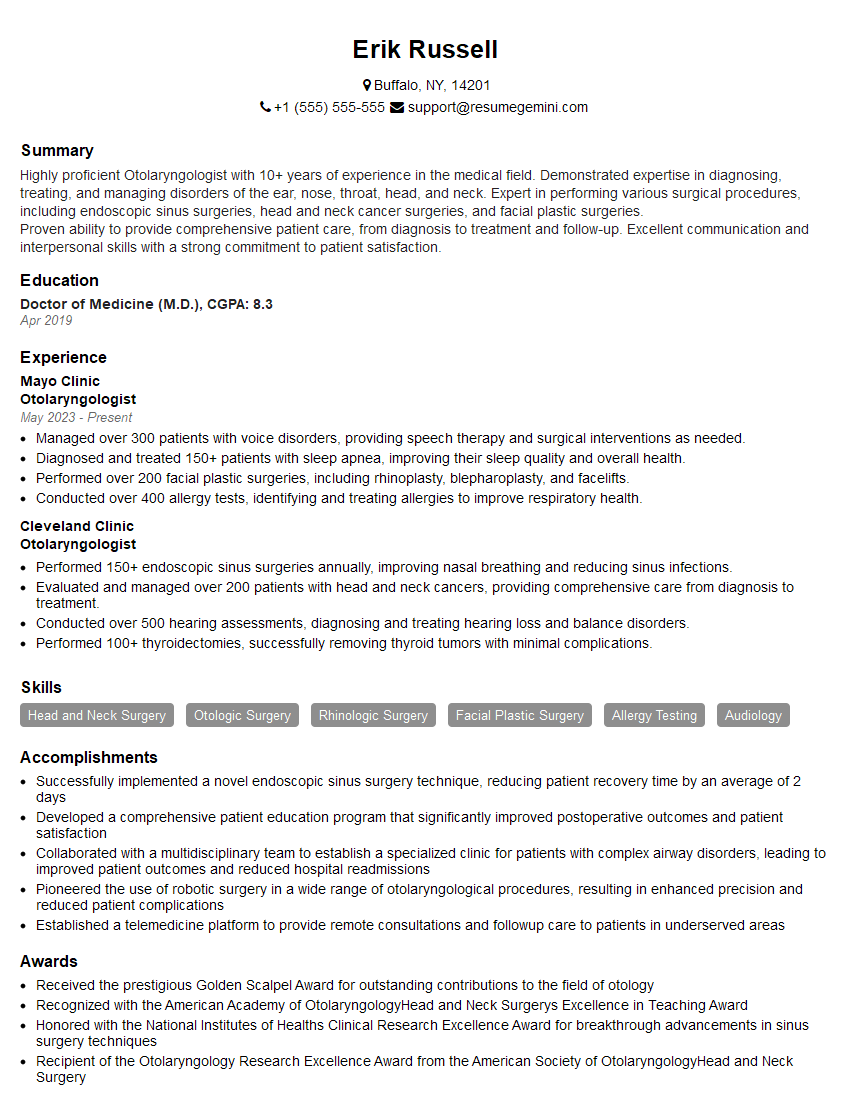
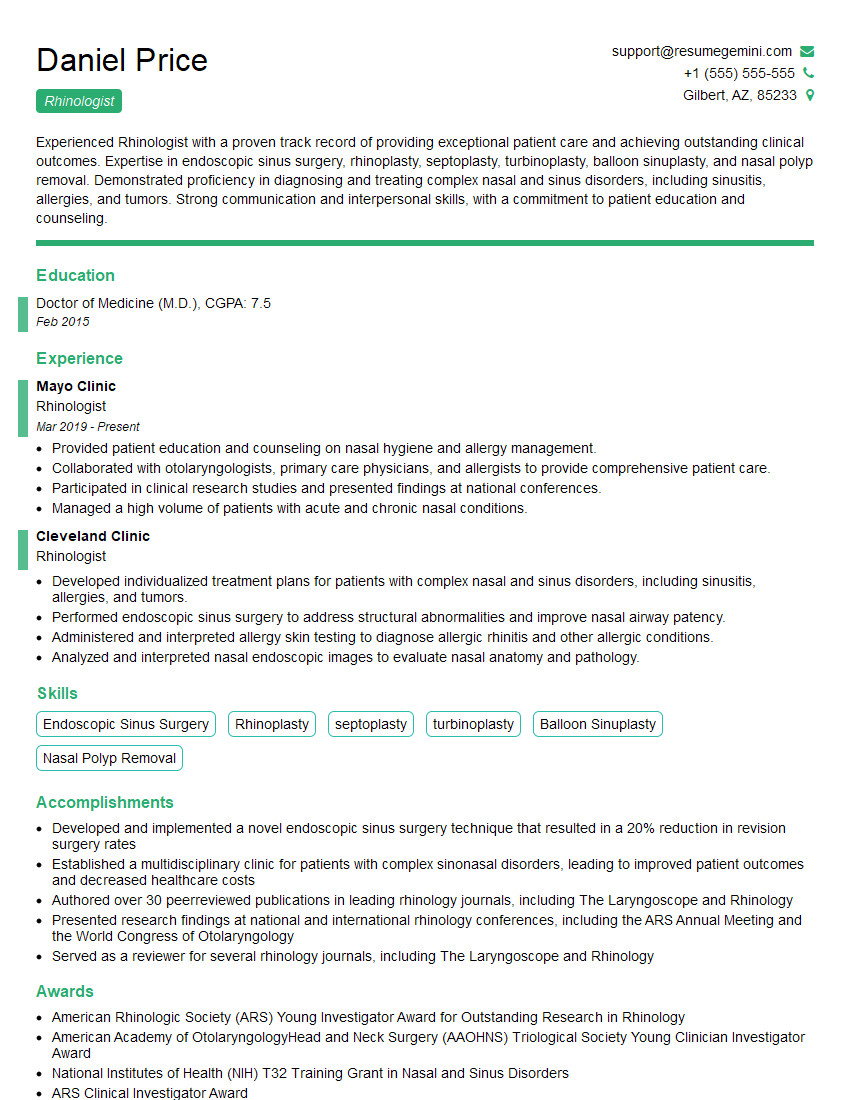
Mastering turbinoplasty is crucial for advancing your career in otolaryngology and achieving your professional goals. A strong understanding of this procedure demonstrates surgical expertise and patient care proficiency, highly valued by employers. To maximize your job prospects, creating an ATS-friendly resume is essential. ResumeGemini is a trusted resource to help you build a professional and impactful resume that highlights your skills and experience. Examples of resumes tailored specifically to turbinoplasty are available to guide your resume building process.
Explore more articles
Users Rating of Our Blogs
Share Your Experience
We value your feedback! Please rate our content and share your thoughts (optional).
What Readers Say About Our Blog
To the interviewgemini.com Webmaster.
Very helpful and content specific questions to help prepare me for my interview!
Thank you
To the interviewgemini.com Webmaster.
This was kind of a unique content I found around the specialized skills. Very helpful questions and good detailed answers.
Very Helpful blog, thank you Interviewgemini team.