Cracking a skill-specific interview, like one for Medical diagnosis and treatment plan development, requires understanding the nuances of the role. In this blog, we present the questions you’re most likely to encounter, along with insights into how to answer them effectively. Let’s ensure you’re ready to make a strong impression.
Questions Asked in Medical diagnosis and treatment plan development Interview
Q 1. Explain your approach to differential diagnosis.
Differential diagnosis is the process of distinguishing between two or more diseases or conditions that share similar symptoms or signs. It’s like being a detective, carefully examining clues to reach the most likely conclusion. My approach is systematic and involves several key steps:
- Detailed History Taking: I begin by thoroughly interviewing the patient, gathering information about their symptoms, medical history, family history, lifestyle, and any potential exposures. This often reveals crucial details that point towards specific diagnoses.
- Physical Examination: A comprehensive physical exam is essential. I observe, palpate, auscultate, and percuss to identify any physical findings that might support or refute possible diagnoses. For instance, listening to the heart sounds can help differentiate between various cardiac conditions.
- Diagnostic Testing: Based on the history and physical exam, I order appropriate laboratory tests (blood work, urine analysis, etc.), imaging studies (X-rays, CT scans, MRIs), or other diagnostic procedures to confirm or rule out suspected conditions. This step is crucial for precise diagnosis.
- Data Analysis & Interpretation: Once the results from tests and examinations are available, I systematically analyze them. I compare and contrast the findings with known disease patterns to arrive at a list of plausible diagnoses, weighing the likelihood of each.
- Refining the Diagnosis: Often, the initial list of possibilities needs further refinement. I may need to conduct additional tests or consult with specialists to narrow down the differential to the most probable diagnosis.
For example, a patient presenting with chest pain could potentially have angina, pericarditis, or even a pulmonary embolism. By systematically gathering information through history, examination, and testing (e.g., ECG, cardiac enzymes, D-dimer), I can differentiate between these conditions and arrive at the correct diagnosis.
Q 2. Describe a challenging diagnostic case and how you resolved it.
One particularly challenging case involved a young woman presenting with recurrent abdominal pain, weight loss, and fatigue. Initial investigations, including blood tests and ultrasound, were unremarkable. The differential diagnosis was broad, including irritable bowel syndrome, inflammatory bowel disease, and even early-stage malignancy.
What made this case challenging was the lack of clear diagnostic pointers. We proceeded systematically: we repeated blood tests looking for subtle abnormalities; we performed a colonoscopy and endoscopy which showed mild inflammation but not enough to definitively diagnose IBD. Finally, we considered more advanced imaging – a CT enterography – which revealed a subtle mass in her small bowel. Further investigations confirmed a rare type of small bowel lymphoma.
This case highlighted the importance of persistence, considering less likely possibilities, and using advanced diagnostic tools when initial investigations fail to provide a clear answer. Early detection and subsequent targeted treatment were crucial to achieving a positive outcome for the patient.
Q 3. How do you prioritize patient care when facing multiple urgent cases?
Prioritizing patient care in urgent situations requires a structured approach combining clinical judgment and established triage systems. Think of it as a battlefield surgeon – making quick, decisive decisions under pressure.
- Triage System: I utilize a standardized triage system, like the ESI (Emergency Severity Index), which categorizes patients based on the urgency of their condition. This allows me to quickly identify those needing immediate attention.
- ABCDE Approach: For each patient, I follow the ABCDE approach (Airway, Breathing, Circulation, Disability, Exposure) to assess the immediate life-threatening issues. Patients with compromised airways or circulation take priority.
- Rapid Assessment & Stabilization: For urgent cases, I conduct a rapid assessment to identify the chief complaint and implement stabilization measures immediately (e.g., administering oxygen, managing bleeding). This buys time for a more detailed assessment later.
- Teamwork & Delegation: I efficiently delegate tasks to the nursing staff and other medical professionals to ensure that tasks are performed effectively and promptly. Coordination is key.
- Continuous Monitoring & Re-evaluation: I continuously monitor all patients, especially those with serious conditions, and reassess their status frequently. Priorities can shift rapidly, so constant monitoring is necessary.
Imagine a scenario with multiple patients arriving after a car accident: a patient with severe bleeding requires immediate attention, whereas someone with minor injuries can wait. This approach ensures that resources are allocated efficiently and lives are saved.
Q 4. What are the key elements of a comprehensive treatment plan?
A comprehensive treatment plan is more than just prescribing medication; it’s a holistic approach designed to address all aspects of the patient’s condition and improve their overall well-being. Key elements include:
- Diagnosis: A clearly stated diagnosis forms the foundation. Without a precise diagnosis, treatment is ineffective.
- Goals: Specific, measurable, achievable, relevant, and time-bound (SMART) goals need to be set. These could range from pain reduction to disease remission.
- Treatment Modalities: This includes medication, surgery, physiotherapy, lifestyle modifications (diet, exercise), and other therapies. The plan should detail the specific treatment chosen, dosage, frequency, and duration.
- Monitoring & Evaluation: The plan outlines how the treatment response will be monitored (e.g., blood tests, imaging studies) and how the plan will be adjusted based on the patient’s response.
- Patient Education: Comprehensive patient education is paramount. Patients need to understand their diagnosis, treatment plan, potential side effects, and what to expect. This ensures active patient participation.
- Referral & Follow-up: If needed, the plan should include referrals to specialists or other healthcare providers. Appropriate follow-up appointments should be scheduled to assess progress and make necessary adjustments.
For instance, a treatment plan for hypertension would include blood pressure monitoring, lifestyle modifications (diet, exercise), medication (if necessary), and regular follow-up appointments to adjust medication and track progress.
Q 5. How do you assess patient adherence to treatment plans?
Assessing patient adherence to treatment plans requires a multi-faceted approach that combines objective and subjective methods.
- Medication Adherence: Pill counts, electronic medication monitoring, and pharmacy refill records can track medication adherence objectively. We can also use technology such as smart pill dispensers.
- Lifestyle Changes: Assessment of adherence to lifestyle modifications (diet, exercise) often involves patient self-reporting. This information can be verified through dietary recalls, activity trackers, or other objective measures.
- Patient Interviews & Feedback: Regular follow-up appointments provide opportunities to discuss adherence directly with the patient. Open communication helps identify barriers and address concerns.
- Clinical Measures: Improvements in symptoms or laboratory values suggest treatment effectiveness, indirectly indicating adherence.
- Patient Reported Outcome Measures (PROMs): Using standardized questionnaires to assess patients’ subjective experience and health status can provide valuable insights into the success of the treatment plan.
For example, if a patient with diabetes is not consistently monitoring their blood glucose levels or following their dietary recommendations, their HbA1c level will likely be high, highlighting poor adherence. Addressing the underlying reasons for non-adherence (e.g., lack of understanding, financial constraints) is key to improving outcomes.
Q 6. Describe your experience with electronic health records (EHRs) in diagnosis and treatment.
Electronic health records (EHRs) have revolutionized healthcare, dramatically impacting diagnosis and treatment. I find them invaluable for several reasons:
- Improved Access to Information: EHRs provide quick access to complete patient history, laboratory results, imaging reports, and previous consultations, enabling informed decisions. This prevents unnecessary tests and speeds up the diagnostic process.
- Enhanced Coordination of Care: EHRs facilitate seamless communication among healthcare providers, ensuring everyone has access to the latest information. This is especially crucial in complex cases requiring multidisciplinary care.
- Reduced Medical Errors: EHRs have built-in alerts and reminders for medication interactions, allergies, and other potential issues, minimizing medical errors. For example, an alert might appear if a patient has an allergy to a prescribed medication.
- Improved Documentation: EHRs provide a structured format for documentation, ensuring consistency and completeness. This is critical for medical-legal reasons and facilitates efficient review of patient information.
- Data Analytics & Research: EHR data can be used for population health management, disease surveillance, and medical research, leading to advancements in healthcare.
However, challenges remain such as the time needed to input and maintain detailed information. Despite these challenges, EHRs are indispensable tools in modern healthcare.
Q 7. How do you manage uncertainty and incomplete information during diagnosis?
Uncertainty and incomplete information are inherent aspects of medical practice. Managing these situations effectively is crucial for providing safe and effective care.
- Acknowledging Uncertainty: It’s essential to acknowledge the uncertainty and clearly communicate this to the patient. Honesty builds trust and manages expectations.
- Gathering More Information: Systematically gather additional information through further questioning, physical examination, diagnostic testing, or consultation with specialists to reduce uncertainty.
- Prioritize Safety: Prioritize the patient’s safety by taking a conservative approach when faced with ambiguity. This might involve closely monitoring the patient, avoiding interventions with significant risks, or deferring decisions until more information is available.
- Shared Decision-Making: Engage the patient in shared decision-making, explaining the uncertainties and potential treatment options, and allowing them to participate in the decision-making process.
- Regular Re-evaluation: Regularly re-evaluate the patient’s condition and adjust the plan as more information becomes available. This iterative approach reflects the evolving nature of many medical conditions.
For example, if a patient presents with atypical symptoms, I might initiate close observation and repeat some investigations rather than immediately embarking on extensive and potentially invasive procedures.
Q 8. What is your approach to integrating patient preferences into treatment plans?
Integrating patient preferences into treatment plans is paramount for achieving optimal outcomes and patient satisfaction. It’s not just about providing the medically soundest option; it’s about collaboratively deciding on a path that aligns with the patient’s values, lifestyle, and goals. My approach is multifaceted:
Shared Decision-Making: I initiate open conversations, explaining the diagnostic findings, various treatment options, their potential benefits and risks in clear, understandable language, avoiding overwhelming medical jargon. I encourage patients to ask questions and express their concerns freely.
Understanding Patient Values: I actively listen to understand what matters most to the patient – is it minimizing side effects, maximizing life expectancy, maintaining quality of life, or something else? This understanding informs the choice of treatment strategies.
Personalized Treatment Plans: Based on the shared understanding, we collaboratively develop a treatment plan that reflects the patient’s preferences. This might involve weighing the pros and cons of different treatment modalities together, considering factors like treatment duration, required lifestyle changes, and potential financial burdens. For example, if a patient prioritizes minimizing disruption to their work life, we might opt for less intensive therapy, even if a more aggressive approach exists.
Documentation and Follow-up: The patient’s preferences are meticulously documented in their medical record. Regular follow-up appointments are crucial to monitor treatment adherence, address concerns, and make necessary adjustments to ensure the plan remains aligned with the patient’s evolving needs and preferences.
Q 9. How do you stay updated on the latest medical advancements and guidelines?
Staying current in medicine requires a proactive and multi-pronged approach. I utilize several strategies:
Continuing Medical Education (CME): I actively participate in CME courses, conferences, and webinars offered by reputable medical organizations. These events provide updates on the latest research, treatment protocols, and guidelines.
Professional Journals and Publications: I regularly read peer-reviewed medical journals like The New England Journal of Medicine, The Lancet, and JAMA to keep abreast of groundbreaking research and clinical trials.
Professional Organizations: Membership in relevant medical societies, such as the American Medical Association or specialty-specific organizations, provides access to educational resources, newsletters, and updates on evolving clinical guidelines.
Online Resources and Databases: I utilize reputable online databases like PubMed and UpToDate for quick access to the latest research articles and evidence-based guidelines. These resources are invaluable for staying informed on emerging treatments and diagnostic techniques.
Collaboration with Colleagues: Engaging in discussions with colleagues, attending departmental meetings, and participating in case conferences provides valuable opportunities for knowledge exchange and learning from others’ experiences.
Q 10. Explain your understanding of evidence-based medicine and its role in treatment decisions.
Evidence-based medicine (EBM) is the conscientious, explicit, and judicious use of current best evidence in making decisions about the care of individual patients. It’s not just about following the latest trends; it’s a systematic approach to integrating the best available research with clinical expertise and patient values.
In practice, EBM involves a structured process:
Formulating a clear clinical question: This usually follows the PICO format (Patient, Intervention, Comparison, Outcome).
Searching for the best evidence: This involves systematic literature reviews, meta-analyses, and randomized controlled trials (RCTs) whenever possible. The quality of evidence is carefully evaluated.
Critically appraising the evidence: This step involves assessing the validity, reliability, and applicability of the research findings to the individual patient’s clinical scenario. We need to consider the study’s limitations and potential biases.
Integrating the evidence with clinical expertise and patient values: Even with strong evidence, the final treatment decision requires considering the patient’s unique circumstances, preferences, and comorbidities. For example, a treatment shown to be highly effective in large-scale trials might not be suitable for a patient with specific contraindications.
EBM ensures that my treatment decisions are not only based on the best available scientific knowledge but also tailored to the individual patient’s needs.
Q 11. How do you handle disagreements with colleagues regarding diagnosis or treatment?
Disagreements among colleagues are inevitable in medicine, and handling them professionally is vital for optimal patient care. My approach emphasizes collaboration and respectful communication:
Open and Respectful Dialogue: I initiate a discussion in a calm and respectful manner, clearly stating my position, supported by evidence-based reasoning and relevant data. I actively listen to my colleague’s perspective and try to understand their reasoning.
Data-Driven Approach: We review the patient’s medical history, diagnostic findings, and relevant literature together, aiming to identify the discrepancies in our interpretations and reach a consensus based on the available evidence.
Seeking a Second Opinion: If a consensus cannot be reached, I am comfortable suggesting seeking a second opinion from a senior colleague or specialist to resolve the disagreement.
Documentation: All discussions and disagreements, including the eventual decision and rationale, are carefully documented in the patient’s medical record to maintain transparency and accountability.
Prioritizing Patient Welfare: Throughout the process, the patient’s best interests remain paramount. We work together to ensure the patient receives appropriate and timely care, regardless of our initial differences in opinion.
Q 12. Describe your experience working with interdisciplinary healthcare teams.
I have extensive experience working within interdisciplinary healthcare teams. I recognize the significant contributions of various healthcare professionals – nurses, pharmacists, physical therapists, social workers, etc. – to patient care and believe that collaborative work is essential for providing holistic and effective treatment. My approach involves:
Effective Communication: Clear and concise communication is key. I regularly participate in team meetings, case conferences, and patient rounds, actively sharing information and actively listening to input from other team members.
Respectful Collaboration: I value the expertise of each team member and actively solicit their opinions, respecting their professional perspectives. I believe in fostering a collaborative environment where everyone feels comfortable expressing their ideas and concerns.
Shared Responsibility: Patient care is a shared responsibility. I collaborate with other team members to develop and implement holistic treatment plans, ensuring continuity of care and coordinated efforts. For example, coordinating with a physical therapist to ensure a patient receives appropriate rehabilitation after surgery.
Coordination of Care: I take the lead in coordinating various aspects of patient care, making sure everyone is aware of the treatment plan and potential complications. I often communicate directly with other team members, such as referring a patient to a specialist or arranging home healthcare services.
Q 13. Explain how you assess patient risk factors and incorporate them into treatment plans.
Assessing patient risk factors is a crucial step in developing effective and safe treatment plans. I use a systematic approach that combines:
Comprehensive Patient History: A thorough history taking, including details about the patient’s medical history, family history, lifestyle (diet, exercise, smoking, alcohol consumption), and social circumstances, is essential for identifying potential risk factors.
Physical Examination: A comprehensive physical examination helps identify signs and symptoms that may indicate underlying risk factors, such as hypertension, obesity, or elevated cholesterol levels.
Diagnostic Testing: Depending on the patient’s condition and risk profile, I order appropriate diagnostic tests (e.g., blood tests, imaging studies) to further assess and quantify risk factors.
Risk Stratification Tools: I utilize validated risk stratification tools specific to the patient’s condition to quantify their risk of adverse events or complications. These tools provide a structured approach to risk assessment and help personalize the treatment strategy.
Incorporating Risk Factors into Treatment Plans: Once risk factors are identified and quantified, I incorporate them into the treatment plan to mitigate potential adverse effects. This might involve modifications to the treatment regimen, close monitoring, or preventative measures.
For example, a patient with a history of heart disease and hypertension would require a more cautious approach to pain management, avoiding medications that could exacerbate cardiovascular risk.
Q 14. What strategies do you employ to minimize medical errors in diagnosis and treatment?
Minimizing medical errors requires a multi-faceted approach that involves a combination of individual vigilance, systemic improvements, and technological advancements:
Double-Checking and Verification: I employ meticulous double-checking procedures for medication dosages, lab results, and diagnostic interpretations. This involves independent verification by another healthcare professional whenever possible.
Standardized Protocols and Checklists: Utilizing standardized protocols and checklists for common procedures and treatments minimizes variations in practice and reduces the likelihood of human error. Checklists serve as reminders of essential steps to prevent errors.
Effective Communication: Clear and effective communication among healthcare professionals is vital to avoid miscommunication and prevent errors. I ensure that all crucial information is documented correctly and promptly relayed to the relevant team members.
Use of Technology: Technology plays a crucial role in minimizing errors. Electronic health records (EHRs) help reduce transcription errors, provide alerts for potential drug interactions, and offer decision support tools to guide treatment decisions.
Incident Reporting and Learning: A culture of open reporting and learning from medical errors is crucial. I participate in incident reporting systems and actively contribute to discussions on error prevention and improvement strategies. Root cause analysis of errors helps identify systemic issues and implement preventative measures.
Q 15. How do you communicate complex medical information to patients and their families?
Communicating complex medical information requires a patient-centered approach. I begin by assessing the patient’s and family’s understanding of medical terminology and their preferred learning style. I avoid jargon and use plain language, supplemented by visual aids like diagrams or models whenever appropriate. I break down complex information into smaller, manageable chunks, checking for understanding after each point. For instance, instead of saying ‘You have a myocardial infarction,’ I might explain, ‘You’ve had a heart attack, which means part of your heart muscle isn’t getting enough blood.’ I encourage questions and answer them thoroughly and honestly, acknowledging uncertainties if they exist. I also provide written materials summarizing the discussion and resources for further learning. Finally, I tailor my communication to the emotional state of the patient and family, offering empathy and support.
For example, when explaining a cancer diagnosis, I would start by acknowledging the emotional impact before diving into the specifics of the disease, treatment options, and prognosis. I would involve the patient and family in decision-making and answer all their questions, no matter how difficult they might be.
Career Expert Tips:
- Ace those interviews! Prepare effectively by reviewing the Top 50 Most Common Interview Questions on ResumeGemini.
- Navigate your job search with confidence! Explore a wide range of Career Tips on ResumeGemini. Learn about common challenges and recommendations to overcome them.
- Craft the perfect resume! Master the Art of Resume Writing with ResumeGemini’s guide. Showcase your unique qualifications and achievements effectively.
- Don’t miss out on holiday savings! Build your dream resume with ResumeGemini’s ATS optimized templates.
Q 16. How do you determine the appropriate level of care for a patient?
Determining the appropriate level of care involves a holistic assessment of the patient’s condition, considering several factors. This includes the severity and acuity of the illness, the patient’s overall health status, functional capacity, social support system, and available resources. For instance, a patient with a minor infection might only require outpatient management, while a patient experiencing a severe heart attack needs immediate hospitalization and intensive care. I use standardized tools like the Glasgow Coma Scale (GCS) for neurological assessments and APACHE II score for critical care patients to objectively assess severity. I also consider the patient’s preferences and wishes in shared decision-making, ensuring that the chosen level of care aligns with their values and goals. In some cases, a multidisciplinary team approach, including specialists, social workers, and case managers, is necessary to ensure comprehensive care planning.
Q 17. Describe your experience with managing patients with chronic conditions.
Managing patients with chronic conditions requires a long-term, proactive approach that focuses on disease management and improving quality of life. My experience includes working with patients with diabetes, hypertension, heart failure, and asthma. For each, I develop personalized care plans in collaboration with the patient, setting realistic goals and expectations. This includes regular monitoring of vital signs and laboratory results, patient education on self-management techniques, and medication management. I emphasize the importance of lifestyle modifications, such as diet and exercise, to improve outcomes. I also address psychological and social factors that can impact disease management, such as depression or lack of social support. Regular follow-up appointments and proactive communication are crucial for preventing exacerbations and improving overall health outcomes. For example, in managing a diabetic patient, I might incorporate regular HbA1c testing, blood pressure monitoring, foot exams, and patient education on insulin administration or dietary adjustments.
Q 18. Explain your understanding of the ethical considerations in medical diagnosis and treatment.
Ethical considerations are paramount in medical diagnosis and treatment. These include respecting patient autonomy (the right to make decisions about their own care), beneficence (acting in the patient’s best interest), non-maleficence (avoiding harm), and justice (fair and equitable distribution of healthcare resources). Informed consent is crucial, ensuring patients understand the benefits and risks of any procedure or treatment before making a decision. Maintaining patient confidentiality is also essential, adhering to HIPAA regulations and other relevant privacy laws. I’m committed to upholding the highest ethical standards, including managing conflicts of interest and addressing ethical dilemmas with the assistance of ethics committees when necessary. For example, in end-of-life care, I ensure the patient’s wishes are respected, even if they differ from medical recommendations. Similarly, if faced with resource allocation decisions, I work to ensure fairness and equity in the distribution of healthcare resources.
Q 19. How do you approach a diagnostic dilemma when initial tests are inconclusive?
When initial diagnostic tests are inconclusive, a systematic approach is vital. This involves reviewing the initial findings carefully, considering alternative diagnoses, and ordering further investigations. This might include more specialized imaging studies, additional laboratory tests, or consultations with specialists. I also thoroughly reassess the patient’s history and physical examination findings. For instance, if a chest X-ray is inconclusive for a suspected pneumonia, a CT scan may be indicated. If blood tests are non-specific, more targeted tests might reveal the underlying cause. Collaboration with colleagues and specialists is essential, providing different perspectives and expertise. It’s crucial to keep the patient informed of the diagnostic process, explaining the rationale for further investigations and managing their expectations. In certain cases, a period of watchful waiting might be appropriate if the symptoms are not severe and risk of significant harm is low.
Q 20. What are the limitations of different diagnostic modalities (e.g., imaging, blood tests)?
Diagnostic modalities, while invaluable, have limitations. Imaging techniques like X-rays, CT scans, and MRI scans can provide detailed anatomical information, but they may miss subtle lesions or have limitations in differentiating between certain conditions. For instance, an X-ray might miss early-stage lung cancer or differentiate between similar-appearing lesions. Blood tests are useful for screening and monitoring various conditions, but they can be non-specific and may produce false positives or negatives. For instance, an elevated white blood cell count can indicate several infections or inflammatory conditions. The sensitivity and specificity of these tests also vary, influencing their effectiveness in confirming or ruling out diagnoses. Therefore, it is crucial to consider these limitations when interpreting results and integrating them with the clinical picture.
Q 21. How do you balance the benefits and risks of different treatment options?
Balancing benefits and risks is crucial in treatment decision-making. I use a shared decision-making approach, carefully weighing the potential benefits of each treatment against its associated risks, side effects, and costs. This involves discussing the evidence base for different treatment options, clearly outlining the potential benefits and harms of each, and addressing the patient’s values and preferences. For example, when choosing between surgery and radiation therapy for a particular cancer, I would present the data on survival rates, potential side effects like scarring or radiation toxicity, recovery time, and quality of life outcomes. I would collaboratively make a decision with the patient that aligns with their unique circumstances and goals. I use decision support tools like decision aids, which help patients understand the complex information and make informed choices. Ultimately, my goal is to help patients make the best decisions for their individual situations.
Q 22. Describe your approach to palliative care and end-of-life decisions.
My approach to palliative care centers around providing comfort and improving the quality of life for patients facing serious illnesses. It’s not about giving up; it’s about shifting the focus from cure to care. End-of-life decisions are deeply personal and involve close collaboration with the patient, their family, and the entire healthcare team.
I believe in open and honest communication, ensuring the patient and their family understand their prognosis, treatment options (including the option of no treatment), and potential outcomes. We discuss their goals and preferences, which might include pain management, symptom control, emotional support, and spiritual guidance. This shared decision-making process respects patient autonomy and ensures the care plan aligns with their values.
For example, I recently worked with a patient with advanced cancer. Instead of focusing solely on aggressive chemotherapy with significant side effects, we prioritized pain management and comfort measures. This allowed him to spend his final weeks at home with his family, participating in activities he enjoyed. The focus was on maximizing his quality of life, not prolonging his suffering.
Ethical considerations are paramount in end-of-life care. I adhere strictly to professional guidelines and regulations concerning advanced directives, such as living wills and durable power of attorney for healthcare. I ensure that all decisions are made with careful consideration of ethical principles, including beneficence, non-maleficence, autonomy, and justice.
Q 23. How do you document your diagnostic and treatment decisions thoroughly and accurately?
Thorough and accurate documentation is fundamental to providing safe and effective care. I utilize a structured approach to ensure all relevant information is captured consistently and legibly. This includes using standardized medical terminology, clear and concise language, and following the institution’s established documentation protocols.
My documentation includes a detailed history of the present illness, past medical history, family history, social history, review of systems, physical examination findings, diagnostic test results, assessment, plan, and progress notes. I ensure that all diagnostic and treatment decisions are clearly justified, referencing the evidence base and rationale behind each choice. For instance, if I prescribe a medication, I document the indication, dosage, route of administration, expected outcome, and potential adverse effects. I also note any patient education provided.
I regularly review and update the patient’s electronic medical record (EMR) to reflect changes in their condition and treatment plan. Timely and accurate documentation is crucial for continuity of care, ensuring that all healthcare providers involved have access to the necessary information. It also protects against medical errors and legal liabilities. I use EMR features like templates and structured data entry to streamline the process and enhance accuracy.
Q 24. What is your experience with medical coding and billing procedures?
I have extensive experience with medical coding and billing procedures, essential for ensuring accurate reimbursement for services rendered. My knowledge covers various coding systems, including ICD-10 (International Classification of Diseases, Tenth Revision) for diagnoses and CPT (Current Procedural Terminology) for procedures. I am proficient in using EMR systems with integrated coding and billing functionalities.
I understand the importance of accurately selecting the appropriate codes to reflect the patient’s diagnoses and the services provided. Incorrect coding can lead to claim denials, delays in payment, and financial losses for the practice. I regularly attend continuing education courses to stay updated on coding guidelines and changes to reimbursement policies. My understanding extends to compliance with HIPAA regulations to maintain patient confidentiality and data security during billing processes.
For instance, I can accurately code a patient’s visit for a specific diagnosis (e.g., using ICD-10 code for hypertension) and then link those codes to the appropriate CPT codes for the services provided (e.g., evaluation and management codes based on the level of complexity of the visit). I am also familiar with modifiers, which are used to provide additional information about the services performed.
Q 25. How do you identify and manage potential adverse drug reactions?
Identifying and managing potential adverse drug reactions (ADRs) is a critical aspect of patient safety. My approach is proactive and involves several steps. First, I take a thorough medication history, including over-the-counter medications, herbal supplements, and any allergies. I carefully review the patient’s current medications for potential drug interactions.
Second, I educate the patient about possible ADRs associated with their medications and encourage them to report any unusual symptoms. I regularly monitor for signs and symptoms of ADRs during follow-up appointments, paying close attention to organ systems potentially affected by the medications. I am aware of common ADRs associated with various drug classes and have experience in recognizing less common ones.
Third, if I suspect an ADR, I thoroughly document it in the patient’s record, and conduct relevant investigations, which may include laboratory tests or consultation with specialists. I use resources such as the FDA MedWatch reporting system to report serious ADRs. If an ADR occurs, I collaborate with the patient to develop a plan to manage it, potentially adjusting the dosage, switching to an alternative medication, or implementing supportive care.
For example, if a patient on a new blood pressure medication experiences a persistent cough, I’d investigate this potential ADR and potentially consider alternative medication options to manage their hypertension without the adverse respiratory effects.
Q 26. How do you use data analytics in your approach to diagnosis and treatment?
Data analytics plays a significant role in enhancing my diagnostic and treatment approach. I leverage electronic health records (EHRs) and other data sources to identify patterns, trends, and insights that can improve patient outcomes. This involves utilizing tools and techniques to analyze large datasets and gain a deeper understanding of patient populations.
For instance, I use EHR data to identify patients at high risk for specific conditions, enabling proactive interventions and preventive measures. I can analyze data on treatment efficacy for various conditions within my patient population, guiding treatment choices toward evidence-based and optimal strategies. Predictive modeling can be useful in predicting patient responses to treatment and identifying individuals who may benefit from specific interventions.
Furthermore, I can utilize data analytics to monitor the effectiveness of treatment plans over time, making adjustments as needed to optimize outcomes. Analyzing population-level data can lead to the identification of areas for quality improvement within the healthcare system, and can lead to better health outcomes for the community as a whole. For example, observing a pattern of high readmission rates for heart failure patients might prompt a review of discharge protocols and lead to the development of better post-discharge support programs.
Q 27. Describe your experience with telehealth and its implications for patient care.
Telehealth has significantly expanded access to healthcare and improved patient care, particularly in remote or underserved areas. My experience with telehealth includes using various platforms for virtual consultations, remote patient monitoring, and educational resources.
Virtual consultations allow me to interact with patients remotely, addressing routine needs and managing chronic conditions. Remote patient monitoring enables continuous monitoring of vital signs and other health data, facilitating early detection of issues and timely interventions. This continuous monitoring can be especially important for patients with chronic conditions, like heart failure or diabetes. Telehealth also allows for better patient engagement through online educational resources, providing individuals with the knowledge and tools to better manage their own health.
However, telehealth presents unique challenges. The absence of a physical examination can limit diagnostic capabilities. Ensuring patient privacy and data security is paramount. Effective telehealth also requires adequate patient technology literacy and reliable internet access. Addressing these challenges is crucial to leveraging the full potential of telehealth and ensuring equitable access to quality care.
Q 28. Explain your experience with implementing and monitoring treatment plans.
Implementing and monitoring treatment plans is an iterative process requiring careful planning, communication, and ongoing evaluation. My approach begins with collaboratively developing a personalized plan that aligns with the patient’s goals and preferences. This plan outlines specific interventions, including medications, therapies, lifestyle modifications, and follow-up schedules. The plan should be clearly documented in the patient’s medical record.
Following implementation, I closely monitor the patient’s response to the treatment, adjusting the plan as needed based on their progress. This includes regularly assessing the efficacy and safety of the interventions, documenting any side effects, and communicating with the patient throughout the process. This ongoing communication involves providing clear explanations, answering questions, and addressing concerns. I use various methods such as follow-up appointments, phone calls, and patient portals to facilitate communication and ongoing monitoring.
Regular review and adjustments are essential. I frequently use data (lab results, vital signs, patient reported outcomes) to assess the plan’s effectiveness. For example, if a patient with diabetes isn’t achieving target blood glucose levels despite medication and lifestyle modifications, I’d reassess their treatment plan, potentially adjusting medication, exploring different therapies, or referring them to a diabetes educator. Continuous monitoring and plan adjustments aim to ensure optimal patient outcomes and satisfaction.
Key Topics to Learn for Medical Diagnosis and Treatment Plan Development Interviews
- Differential Diagnosis: Understanding the process of systematically differentiating between competing diagnoses based on patient history, physical examination findings, and diagnostic test results. This includes mastering the art of interpreting various diagnostic tests and weighing their relative importance.
- Evidence-Based Medicine: Applying current best evidence to clinical decision-making. This involves critically appraising medical literature, understanding research methodologies, and incorporating clinical guidelines into practice. Practical application includes selecting appropriate diagnostic tests and treatments based on the strength of scientific evidence.
- Treatment Planning & Goal Setting: Developing individualized treatment plans aligned with patient preferences, values, and goals. This requires understanding the natural history of diseases, the efficacy and safety of various treatments, and the potential for adverse effects. Consider factors like patient adherence and monitoring treatment efficacy.
- Patient Communication & Shared Decision-Making: Effectively communicating complex medical information to patients and their families, actively involving them in the decision-making process, and building a strong therapeutic alliance. This involves adapting communication style to the individual patient and their level of understanding.
- Risk Assessment & Management: Identifying and mitigating potential risks associated with various diagnostic and treatment options. This includes understanding disease progression, potential complications, and the benefits and harms of interventions.
- Ethical Considerations: Navigating ethical dilemmas related to diagnosis and treatment, including issues of informed consent, resource allocation, and end-of-life care. Understanding relevant ethical frameworks and principles is crucial.
- Documentation and Record Keeping: Maintaining accurate and comprehensive medical records according to professional standards. This includes appropriate use of medical terminology and clear articulation of clinical reasoning.
Next Steps
Mastering medical diagnosis and treatment plan development is crucial for career advancement in healthcare. It demonstrates a strong understanding of clinical medicine and positions you as a valuable asset to any team. To maximize your job prospects, it’s essential to create a compelling and ATS-friendly resume that highlights your skills and experience. ResumeGemini is a trusted resource that can help you build a professional resume that showcases your expertise in this critical area. Examples of resumes tailored to Medical Diagnosis and Treatment Plan Development are available to provide you with inspiration and guidance.
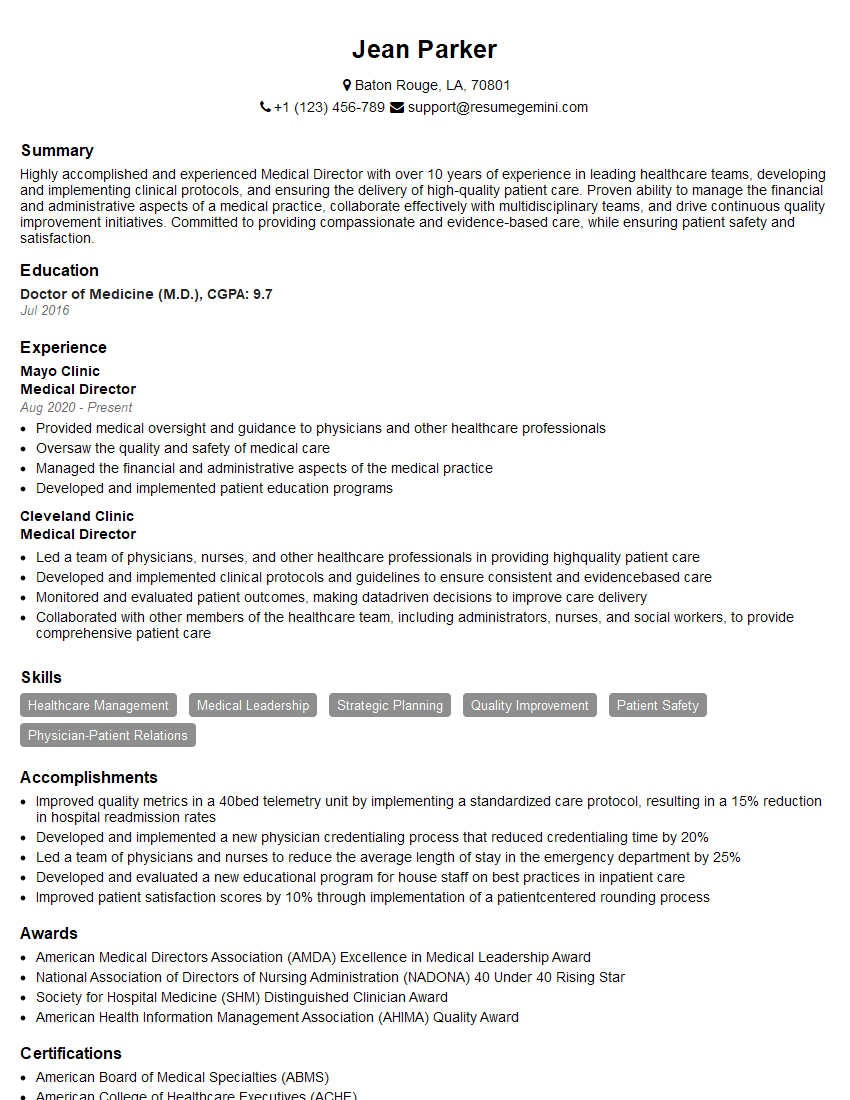
Medical Director Resume Sample
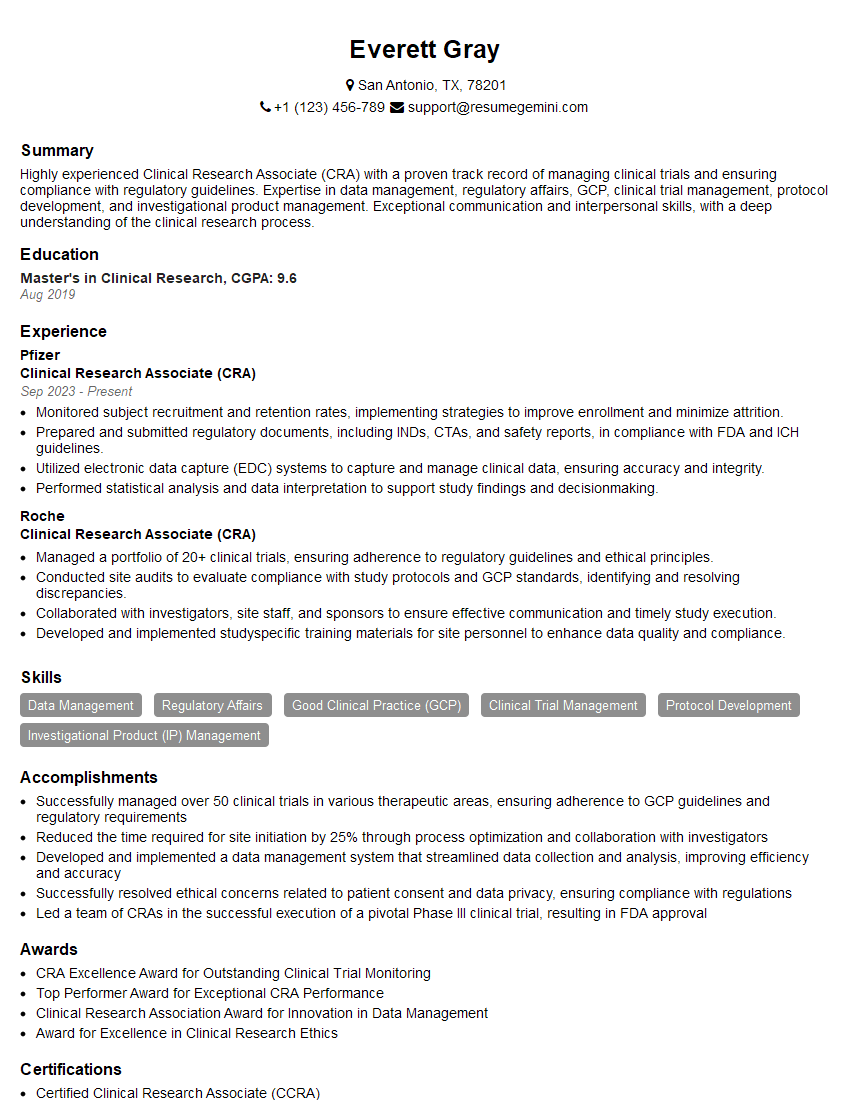
Clinical Research Associate (CRA) Resume Sample
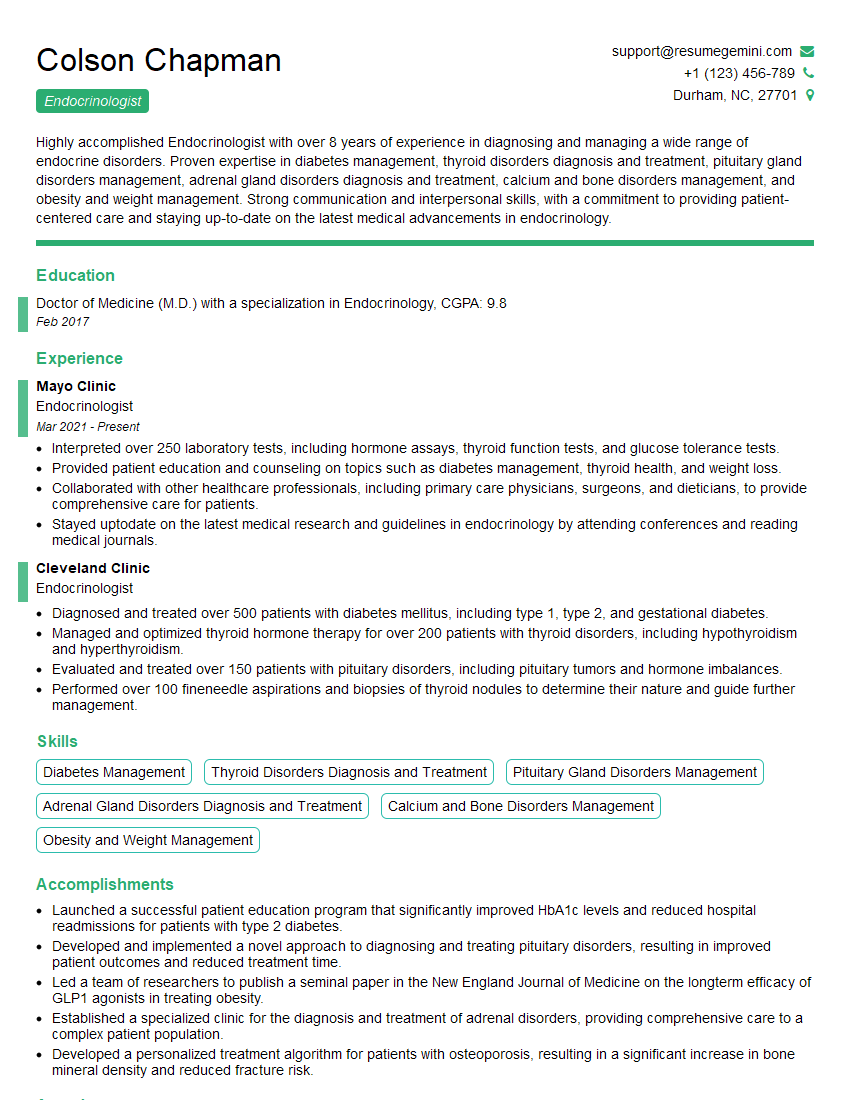
Endocrinologist Resume Sample
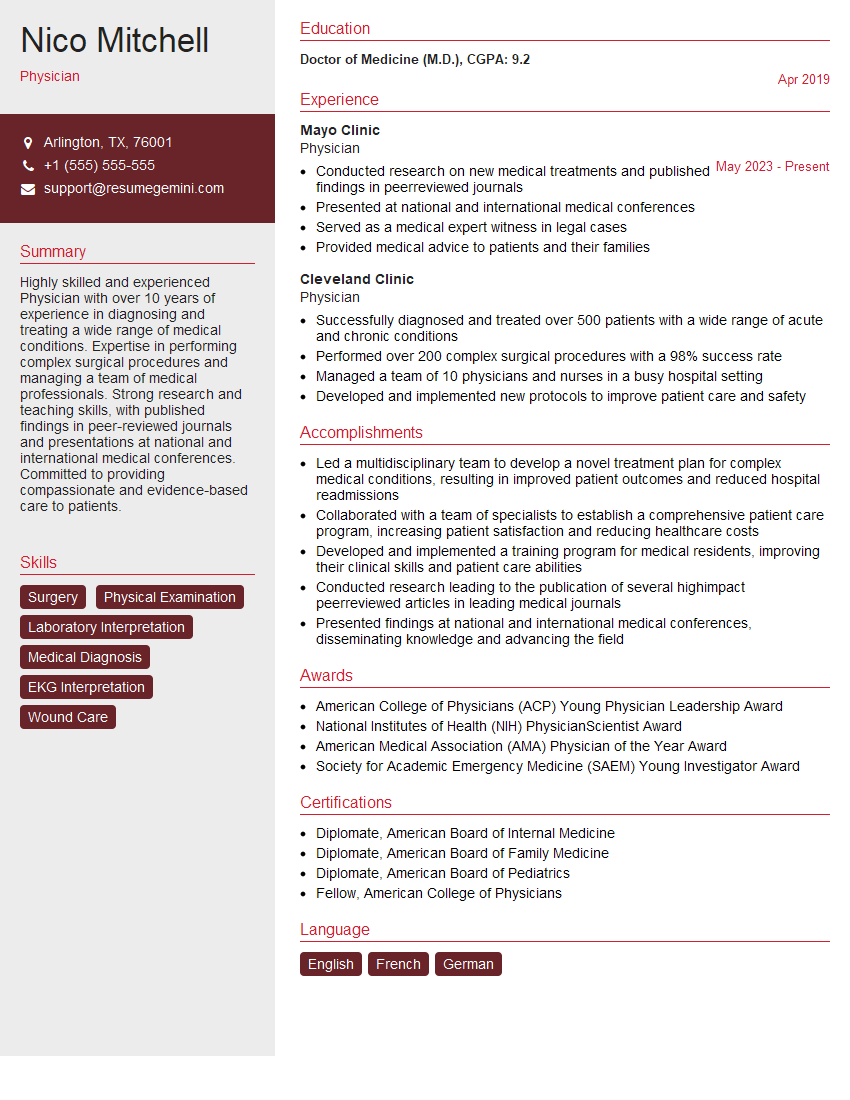
Physician Resume Sample
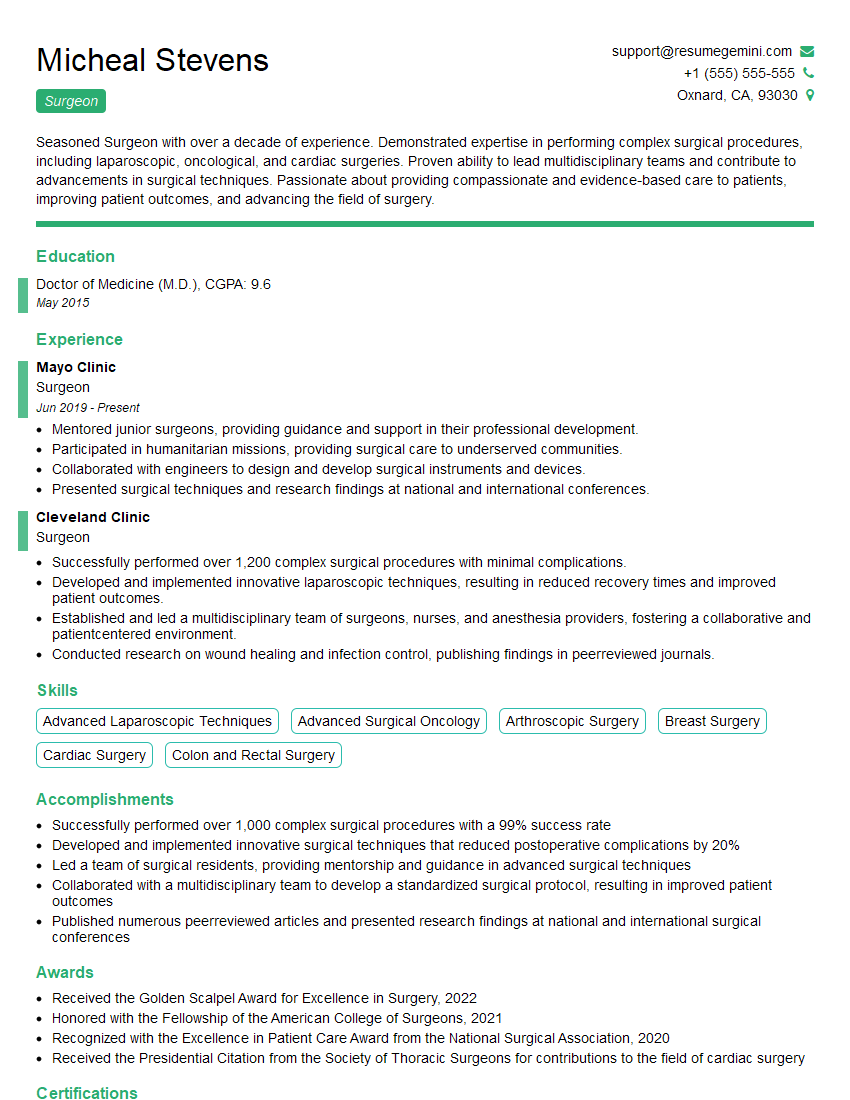
Surgeon Resume Sample
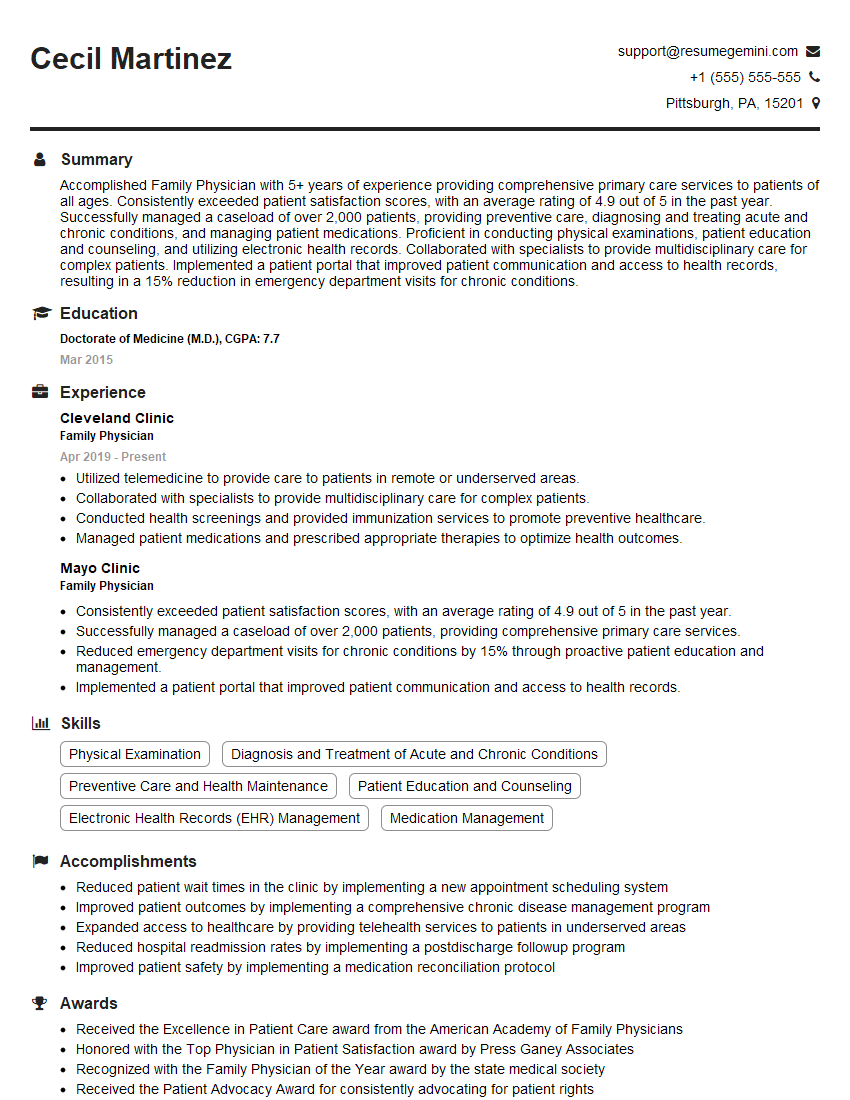
Family Physician Resume Sample
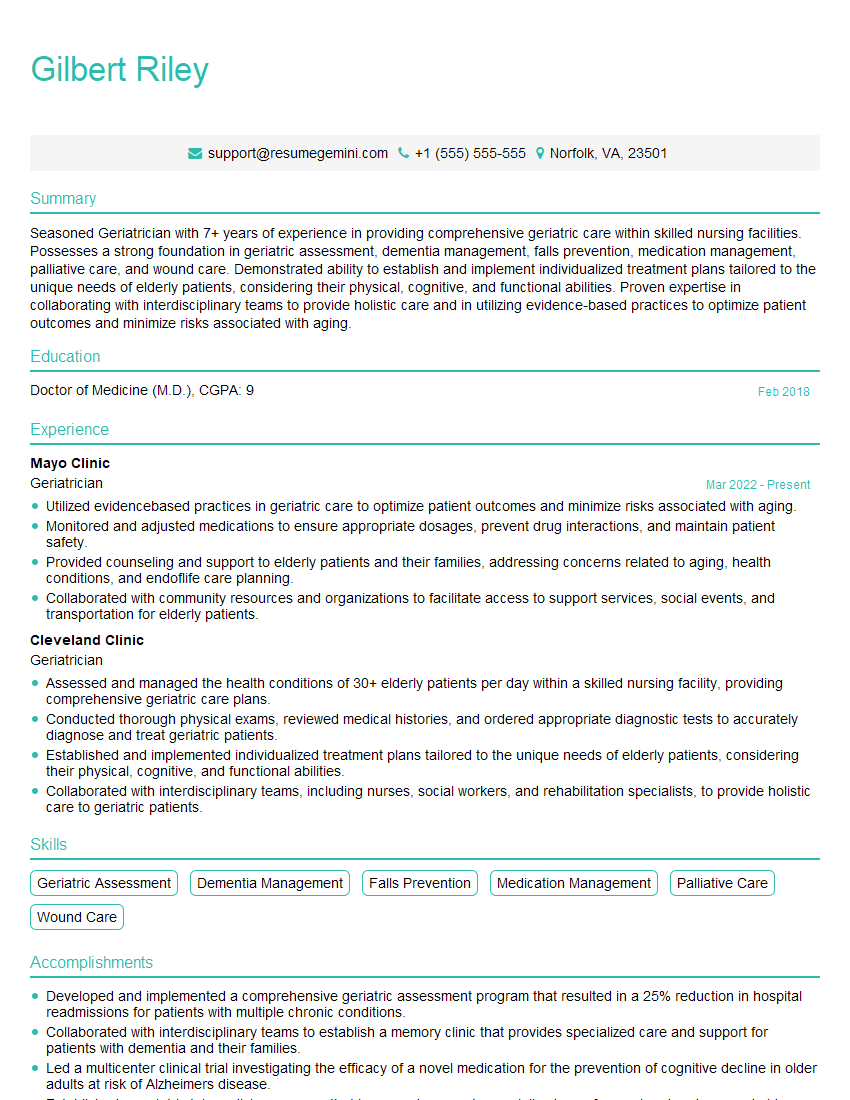
Geriatrician Resume Sample
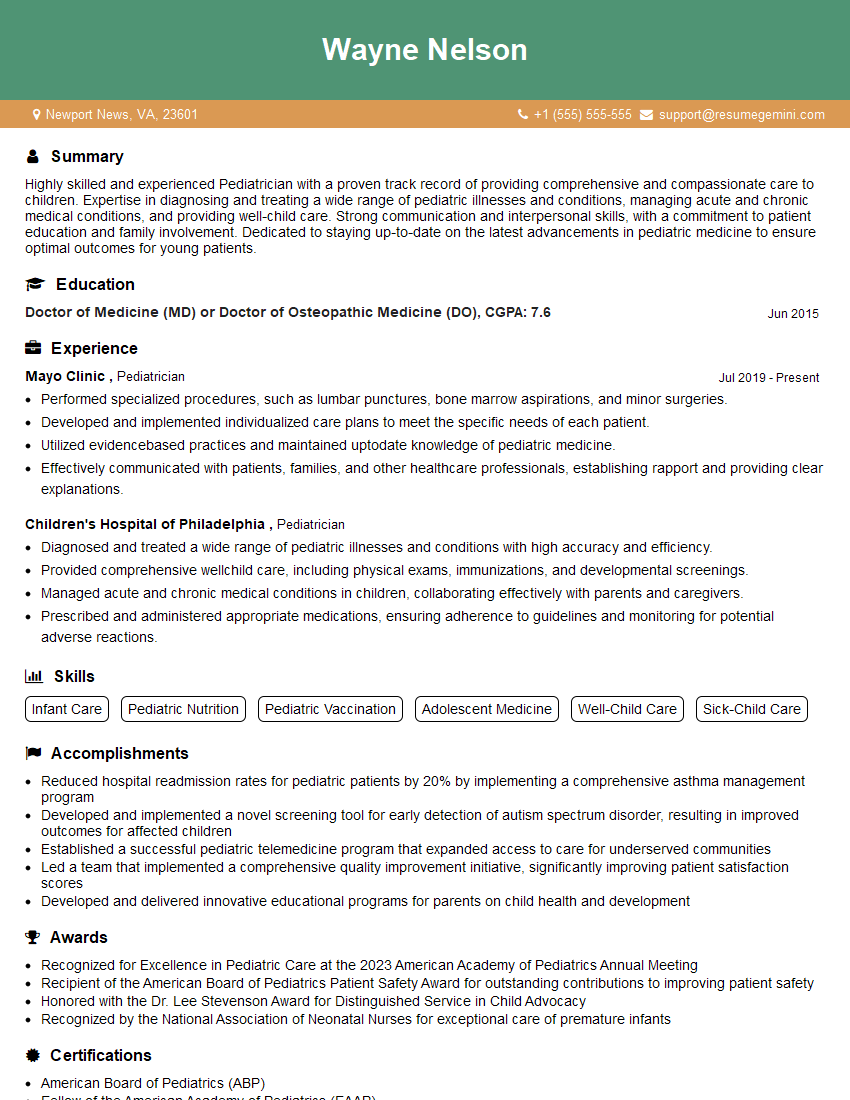
Pediatrician Resume Sample
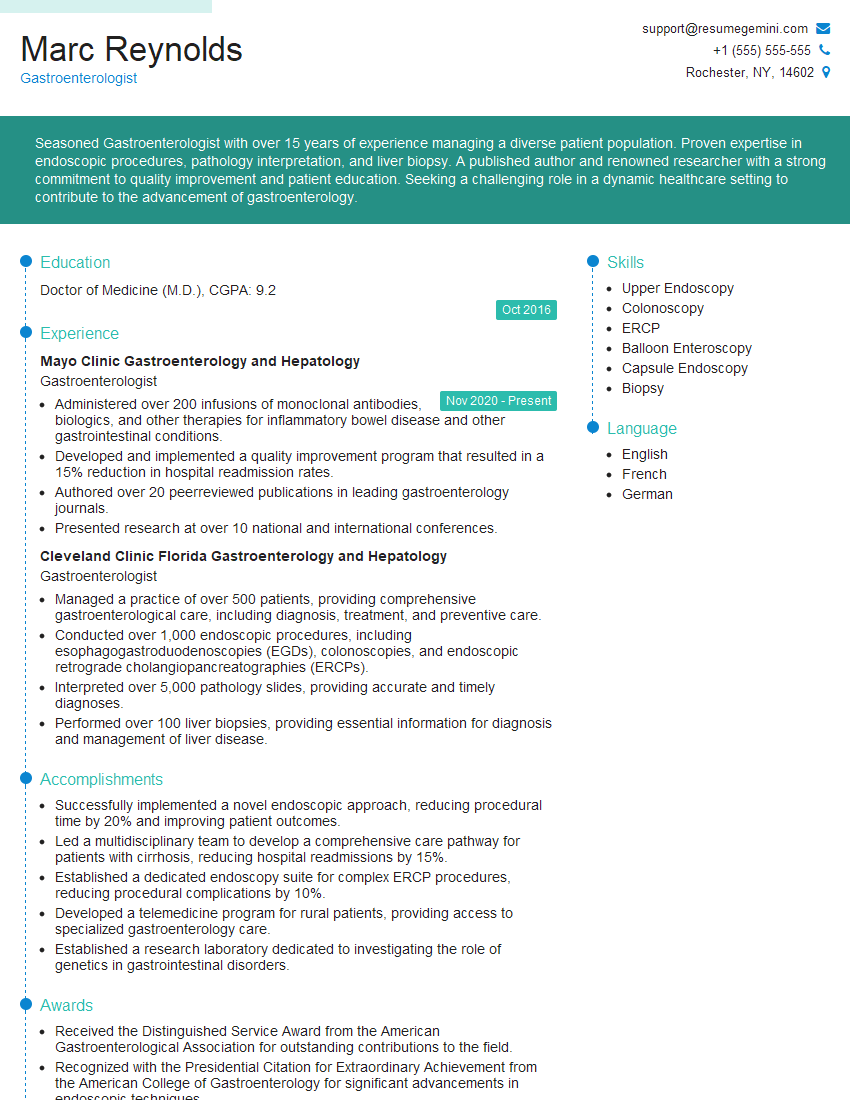
Gastroenterologist Resume Sample
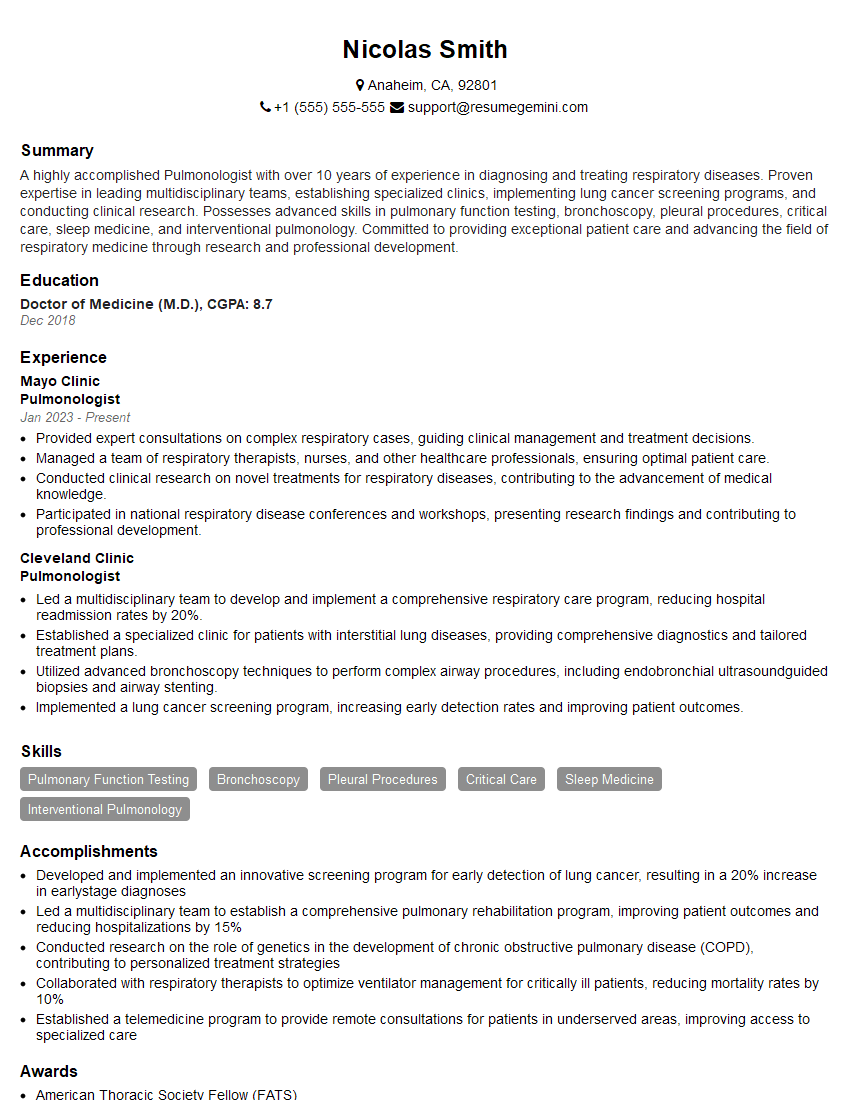
Pulmonologist Resume Sample
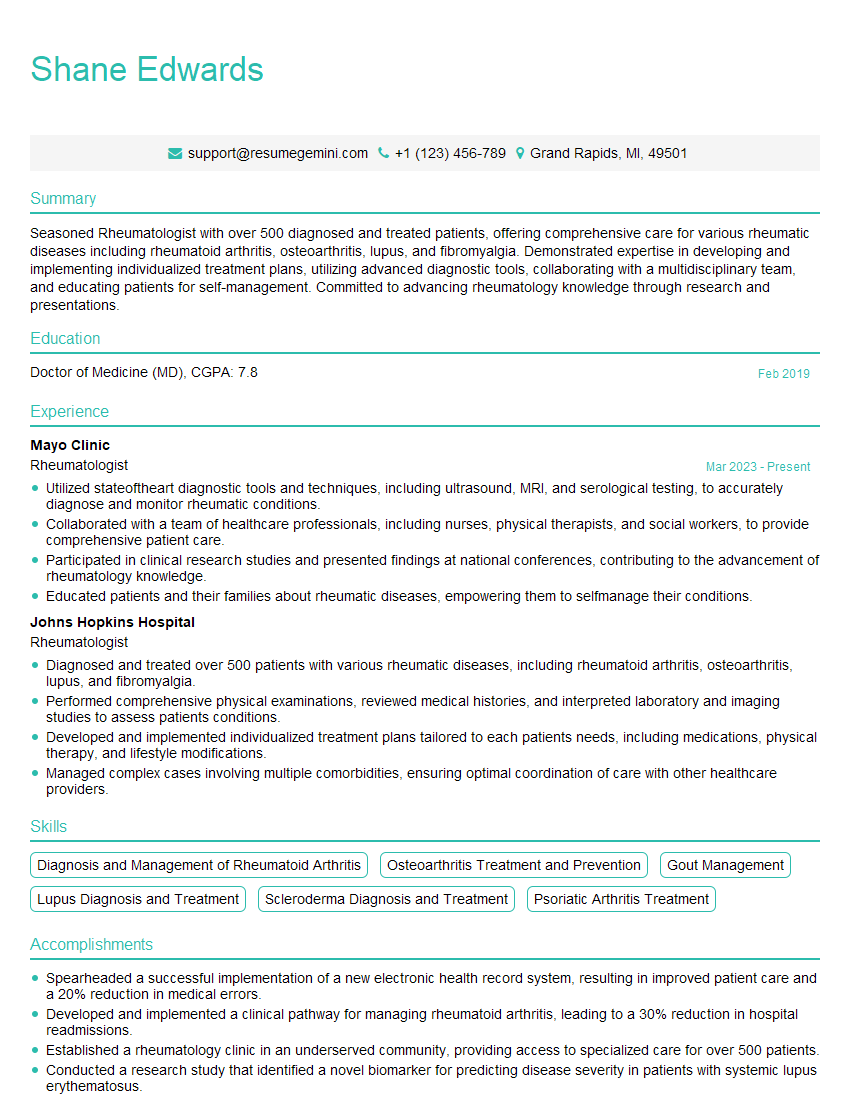
Rheumatologist Resume Sample
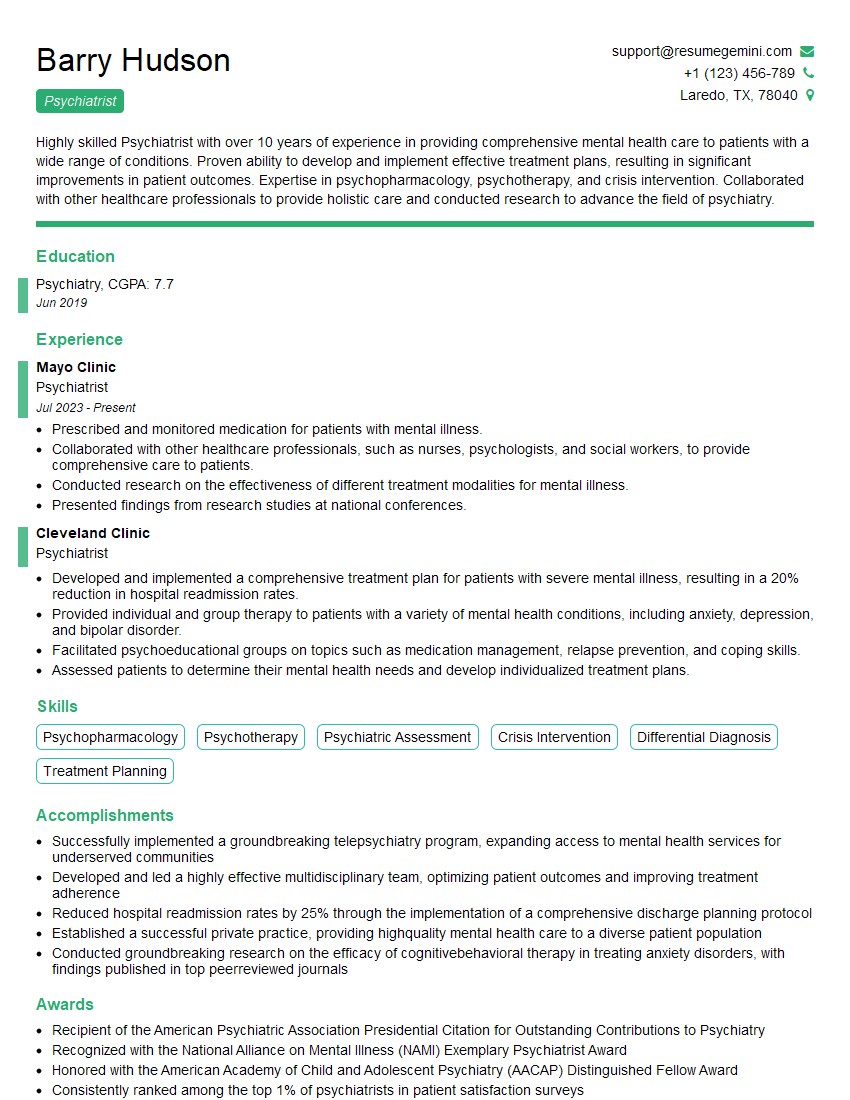
Psychiatrist Resume Sample
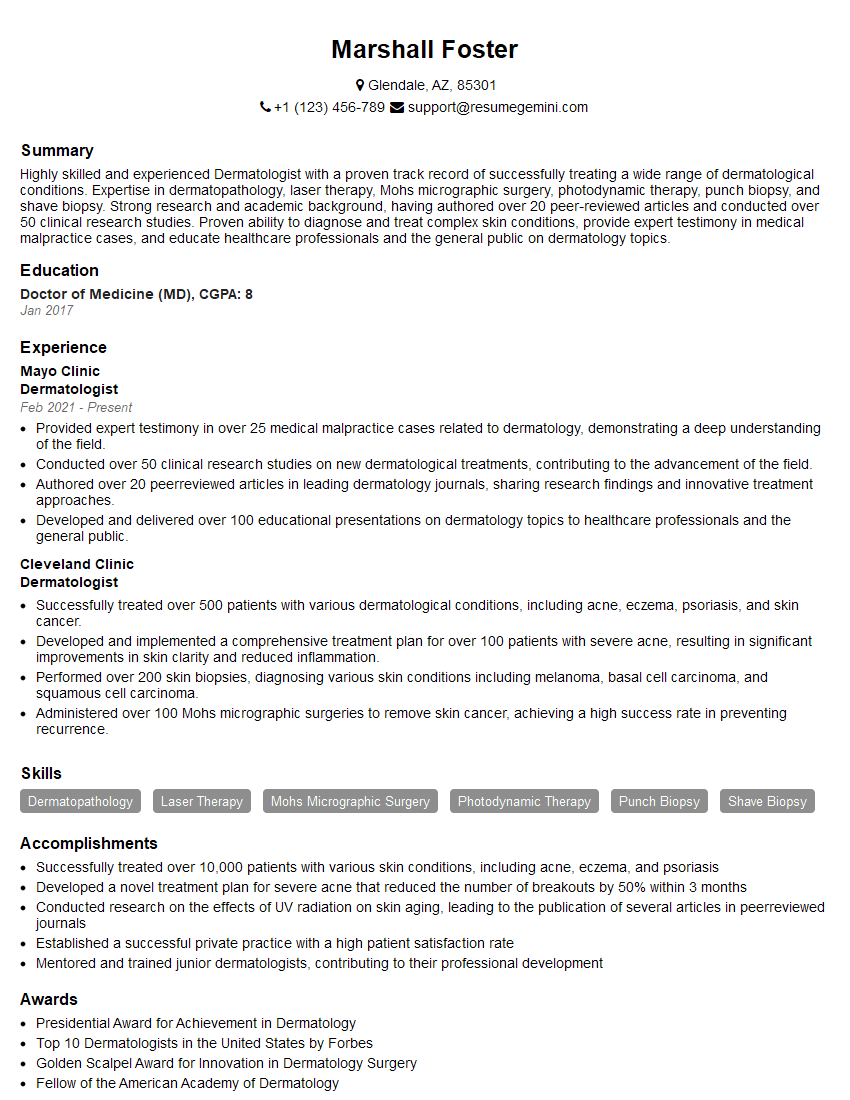
Dermatologist Resume Sample
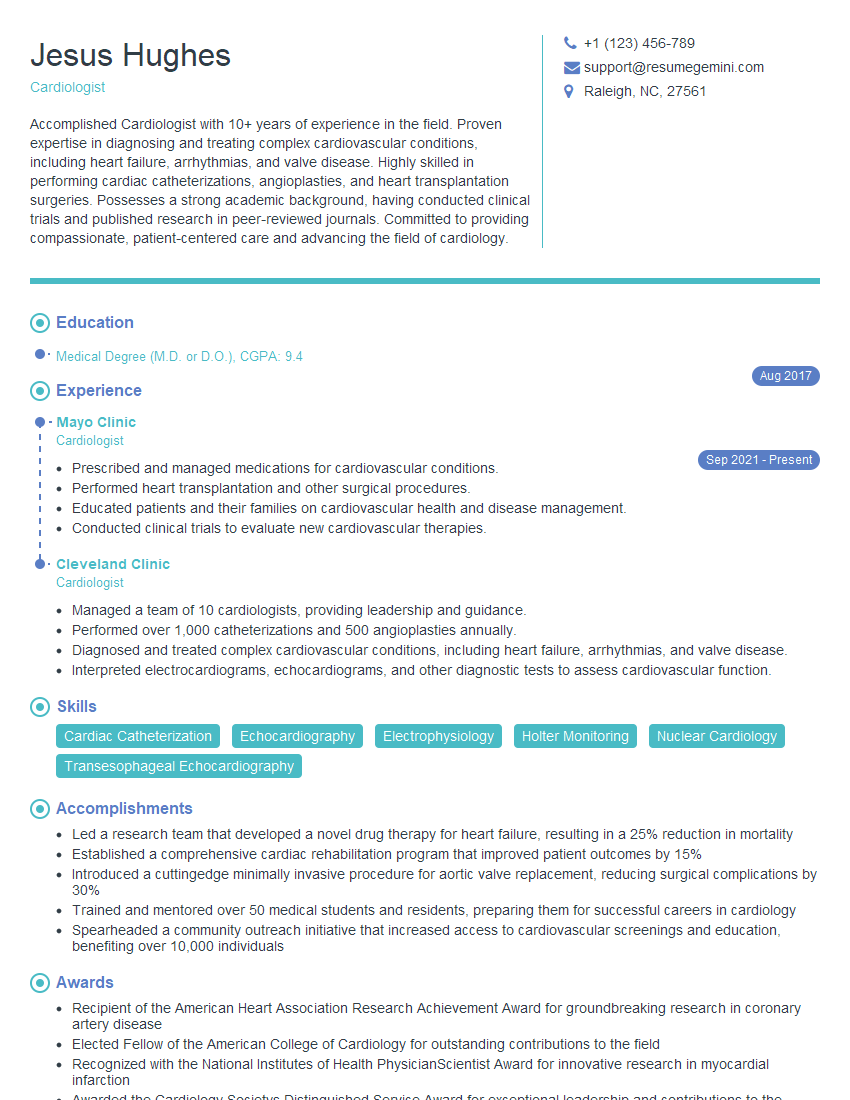
Cardiologist Resume Sample
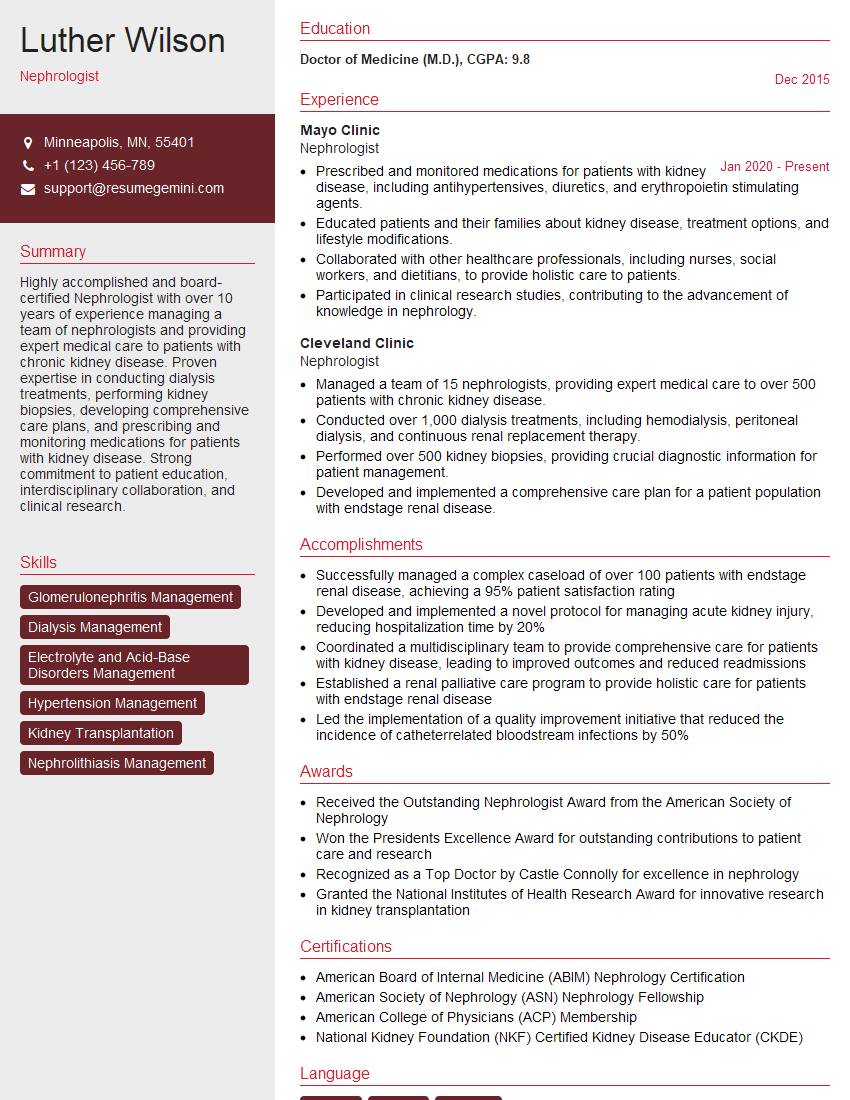
Nephrologist Resume Sample
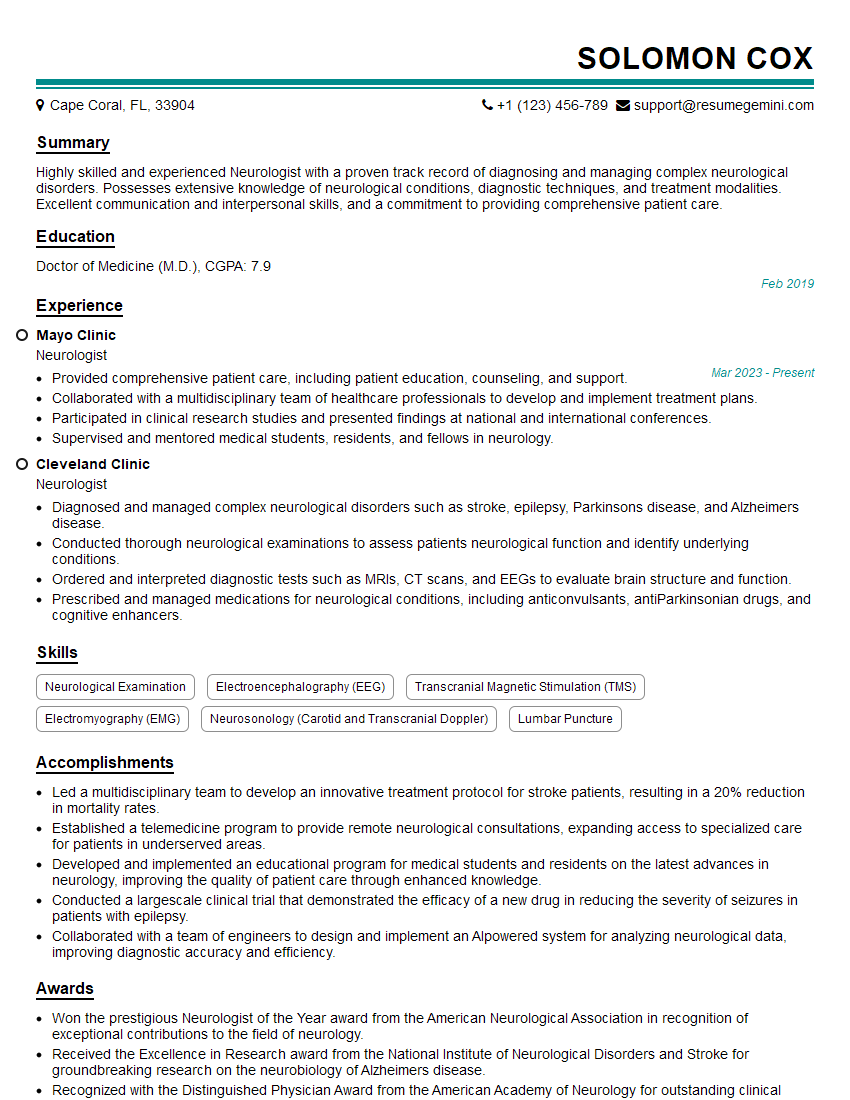
Neurologist Resume Sample
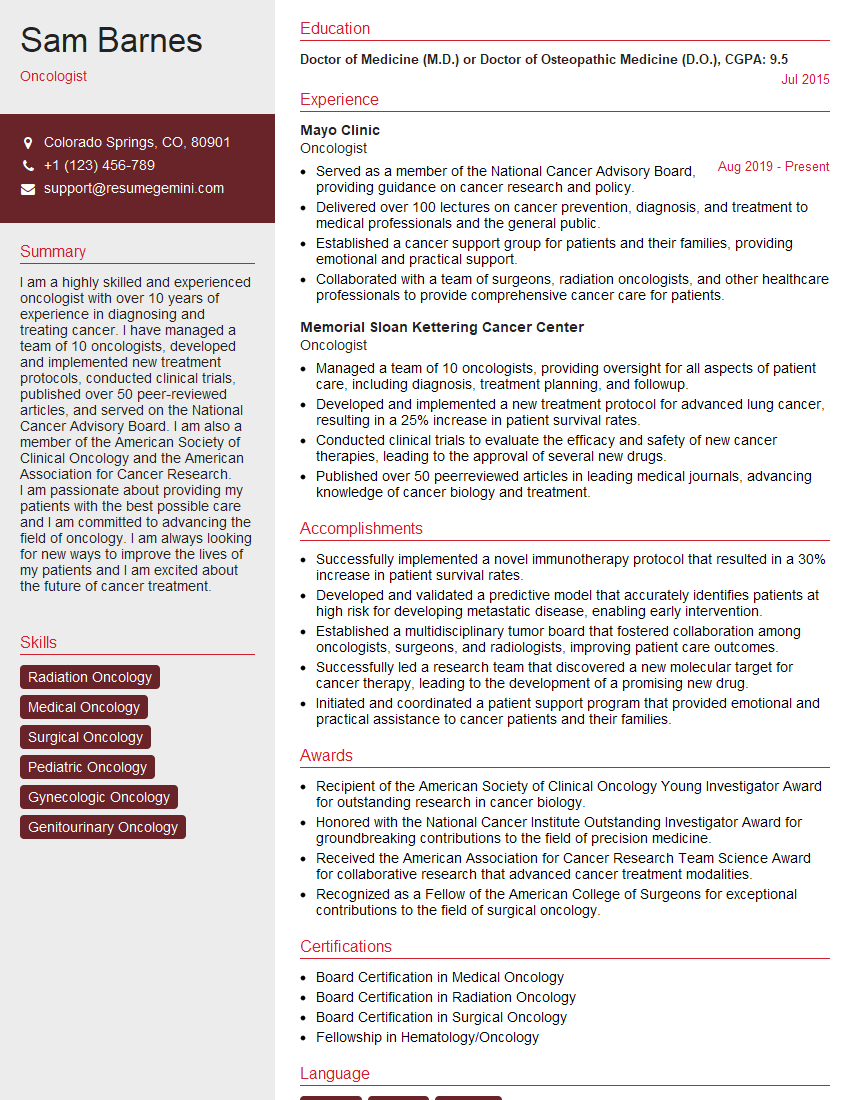
Oncologist Resume Sample
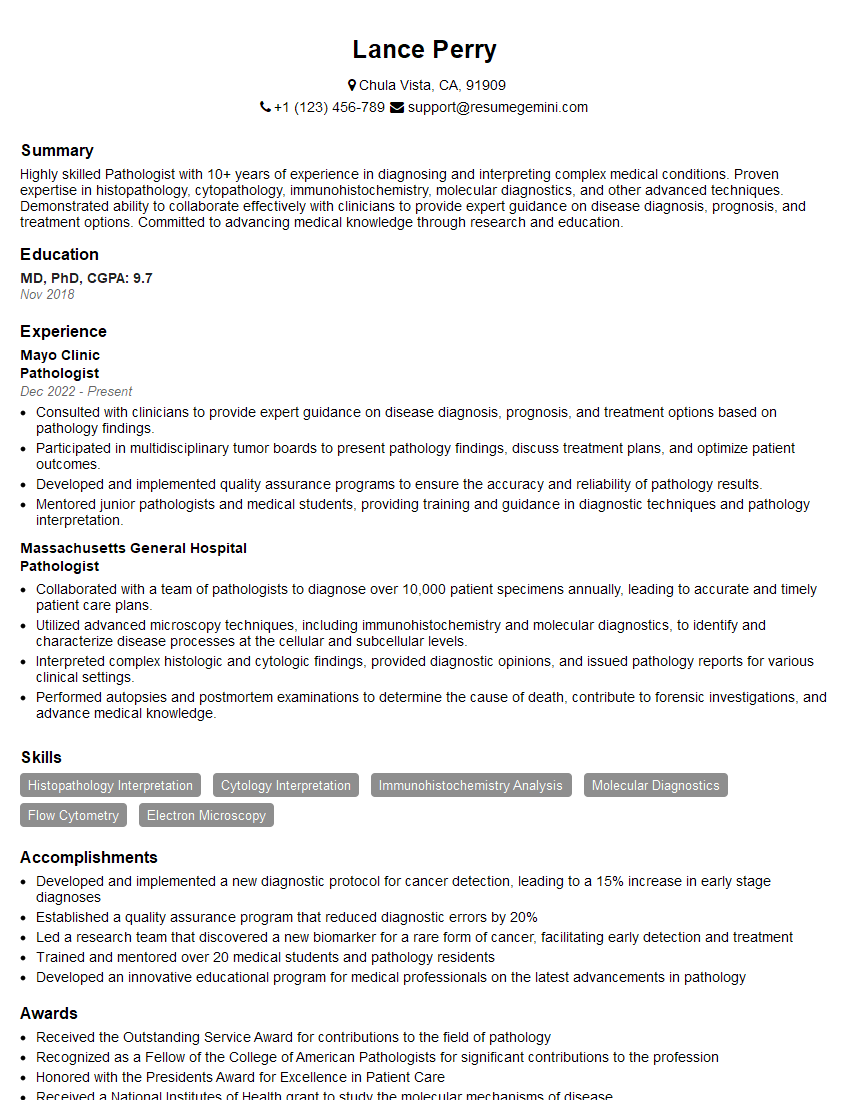
Pathologist Resume Sample
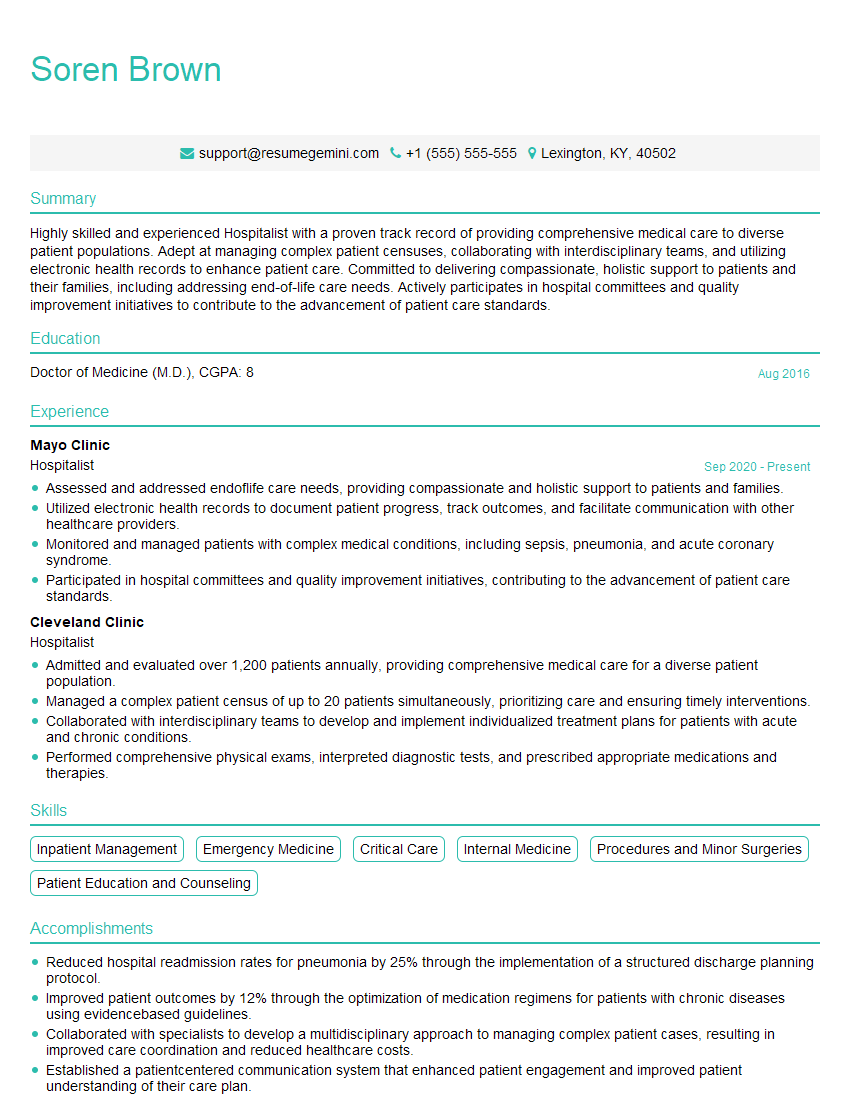
Hospitalist Resume Sample
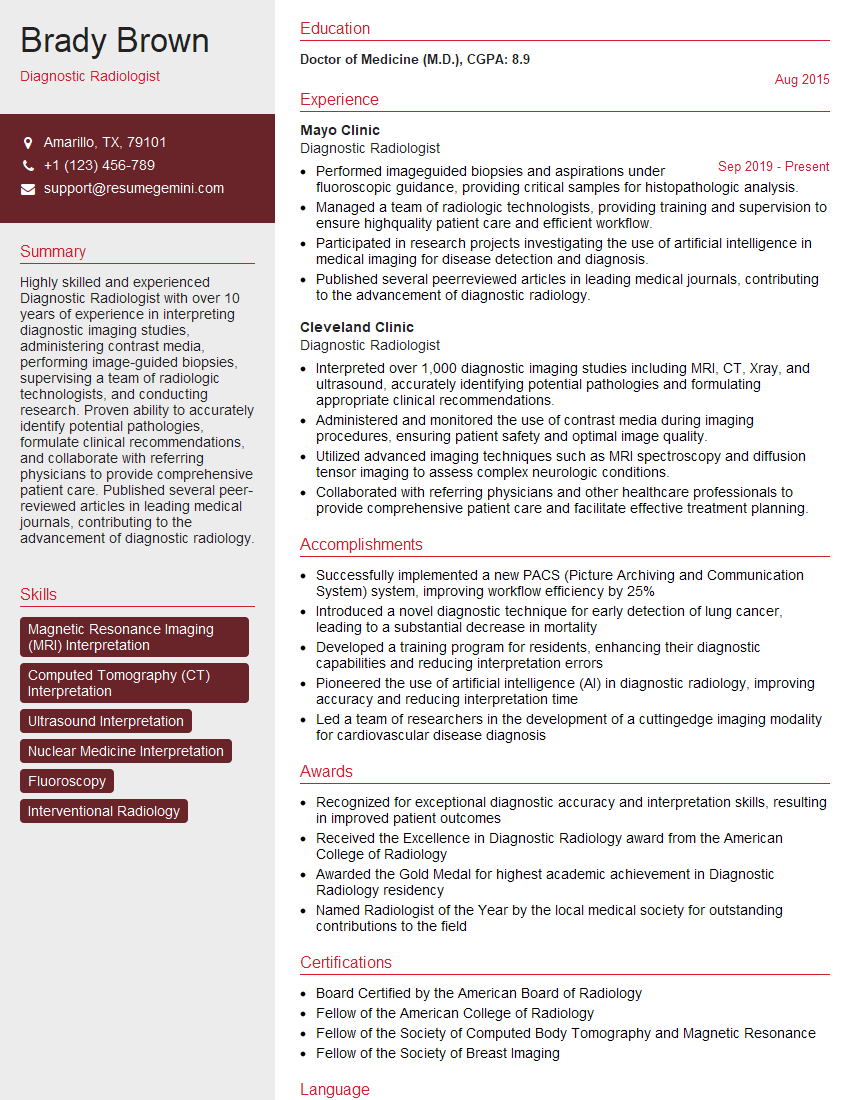
Diagnostic Radiologist Resume Sample
Explore more articles
Users Rating of Our Blogs
Share Your Experience
We value your feedback! Please rate our content and share your thoughts (optional).
What Readers Say About Our Blog
To the interviewgemini.com Webmaster.
Very helpful and content specific questions to help prepare me for my interview!
Thank you
To the interviewgemini.com Webmaster.
This was kind of a unique content I found around the specialized skills. Very helpful questions and good detailed answers.
Very Helpful blog, thank you Interviewgemini team.