Every successful interview starts with knowing what to expect. In this blog, we’ll take you through the top Skilled in microscopy, cell culture, and molecular biology techniques interview questions, breaking them down with expert tips to help you deliver impactful answers. Step into your next interview fully prepared and ready to succeed.
Questions Asked in Skilled in microscopy, cell culture, and molecular biology techniques Interview
Q 1. Describe your experience with different types of microscopy (e.g., brightfield, fluorescence, confocal).
My microscopy experience encompasses a wide range of techniques, from basic brightfield to advanced confocal microscopy. Brightfield microscopy, the simplest form, uses transmitted light to visualize samples, ideal for observing cell morphology. I’ve extensively used it for routine cell counting and assessing cell health. Fluorescence microscopy allows visualization of specific cellular components or processes using fluorescent probes. For instance, I’ve used it to study the localization of specific proteins within cells using immunofluorescence. Confocal microscopy takes fluorescence imaging further by eliminating out-of-focus light, producing high-resolution 3D images. This technique was crucial in my research on the dynamics of intracellular trafficking. I am also familiar with other techniques like phase-contrast microscopy for visualizing unstained cells and electron microscopy for ultrastructural studies, although my direct experience with these latter two is less extensive than with brightfield, fluorescence, and confocal.
For example, in one project, we used confocal microscopy to image GFP-tagged proteins within living cells, tracking their movement in real-time. This gave us unprecedented insights into the cellular mechanisms under study. In another project, brightfield microscopy was sufficient for routine monitoring of cell growth and morphology during cell culture experiments.
Q 2. Explain the principles of cell culture contamination and prevention strategies.
Cell culture contamination is a major hurdle in research, significantly impacting experimental results. The most common contaminants are bacteria, yeast, fungi, and mycoplasma. Bacterial contamination is easily noticeable through turbidity in the media and changes in pH, while fungal contamination often appears as filamentous structures. Mycoplasma contamination, however, is insidious and often undetected without specific testing, potentially leading to subtle yet significant changes in cellular behavior. Cross-contamination between cell lines is another significant concern.
Prevention involves rigorous aseptic techniques, including working in a laminar flow hood, using sterile reagents and consumables, and proper sterilization of equipment. Regularly checking for contamination through visual inspection and periodic mycoplasma testing are essential. Proper maintenance of cell culture incubators, including periodic cleaning and UV sterilization, is also crucial. Implementing strict laboratory procedures and training are also key in minimizing the chances of contamination.
Imagine a scenario where a single contaminated cell line infiltrates a clean cell line. This can completely ruin weeks of meticulous work. Therefore, implementing robust prevention strategies is critical for the success and reproducibility of cell culture research.
Q 3. What are the different types of cell culture media and their applications?
Cell culture media are carefully formulated solutions that provide nutrients and support for cell growth. The choice of media depends on the cell type and experimental needs. Common media include:
- Dulbecco’s Modified Eagle Medium (DMEM): A widely used general-purpose medium supporting various cell types.
- RPMI 1640: Commonly used for lymphocyte cultures.
- Ham’s F-12: Often used for specialized cell lines requiring a more defined media composition.
- Minimum Essential Medium (MEM): A basic medium often supplemented to meet specific cell requirements.
These basal media are often supplemented with serum (e.g., fetal bovine serum or FBS), which provides growth factors and other essential components. Serum-free media are also available for applications where serum components could interfere with experiments, such as those involving protein expression analysis. Specific media formulations exist for various cell types, such as specialized media for neuronal or stem cell cultures. The selection of the appropriate media is paramount for successful cell culture and reliable experimental outcomes.
Q 4. How do you perform aseptic techniques in cell culture?
Aseptic techniques are critical to maintaining sterile cell cultures. These practices aim to prevent contamination from microorganisms. Key steps include:
- Working in a laminar flow hood: This creates a sterile environment to perform all cell culture manipulations. It is vital to properly clean the hood before and after use.
- Using sterile reagents and consumables: All solutions, media, tips, and flasks must be sterile. Autoclaving is the primary method for sterilization.
- Proper hand hygiene: Washing hands thoroughly with soap and water or using hand sanitizer before and after handling materials is vital.
- Careful handling of cell cultures: Avoid unnecessary movements or agitation to minimize the risk of airborne contamination.
- Regular cleaning and sterilization of equipment: Regular cleaning and disinfection of incubators, centrifuges, and other equipment prevents the buildup of contaminants.
Think of it like performing surgery: every detail matters to prevent contamination. A single lapse in aseptic technique can compromise the entire experiment.
Q 5. Describe your experience with PCR techniques (e.g., qPCR, RT-PCR).
I have extensive experience with various PCR techniques, including qPCR and RT-PCR. Polymerase Chain Reaction (PCR) is a powerful molecular biology technique for amplifying specific DNA sequences. qPCR, or quantitative PCR, allows for the quantification of DNA or RNA templates through the use of fluorescent probes, providing information on the relative amount of a target sequence. RT-PCR, or reverse transcription PCR, allows for the amplification of RNA sequences by first converting them to complementary DNA (cDNA) using reverse transcriptase. This is essential for analyzing gene expression levels.
For example, I’ve used qPCR to determine the expression levels of specific genes in response to various treatments, while RT-PCR has been used to analyze gene expression in different tissues or cell types. In one study, we utilized qPCR to measure the effect of a drug on gene expression, quantifying the fold change in target gene expression after treatment. Another project involved using RT-PCR to detect the presence of a specific viral RNA in clinical samples.
Q 6. Explain the process of plasmid DNA isolation and purification.
Plasmid DNA isolation and purification involves several steps to obtain high-quality plasmid DNA from bacterial cells. Typically, the process begins with bacterial cell growth and harvesting. Cells are then lysed to release plasmid DNA. This is often followed by alkaline lysis to denature chromosomal DNA, leaving plasmid DNA relatively intact. After neutralization, the chromosomal DNA re-anneals, while plasmid DNA remains mostly single-stranded. Subsequently, the plasmid DNA is purified away from the other cellular components through methods such as centrifugation or column-based purification using silica membranes. The purified plasmid DNA can then be analyzed by electrophoresis to confirm its purity and concentration.
The entire process requires meticulous attention to detail, and the choice of methods depends on the scale and the downstream applications. For example, a miniprep kit is commonly used for small-scale purification, while larger-scale preparations might involve alternative methods to obtain sufficient quantities of high-quality plasmid DNA.
Q 7. What are the different types of electrophoresis techniques and their applications?
Electrophoresis techniques separate molecules based on their size and charge using an electric field. Common types include:
- Agarose gel electrophoresis: This method separates DNA or RNA fragments based on their size. The smaller fragments migrate faster through the gel matrix than the larger ones. This is routinely used for analyzing PCR products or plasmid DNA.
- Polyacrylamide gel electrophoresis (PAGE): Offers higher resolution than agarose gels, ideal for separating proteins based on their size and charge. SDS-PAGE (sodium dodecyl sulfate-polyacrylamide gel electrophoresis) is commonly used to determine protein molecular weight.
- Pulsed-field gel electrophoresis (PFGE): Used to separate very large DNA fragments, such as those found in chromosomes. This technique uses alternating electric fields to allow larger DNA fragments to migrate through the gel.
Each method has specific applications. For example, agarose gel electrophoresis is a common technique for quickly analyzing PCR products, while SDS-PAGE is essential for protein analysis such as Western blotting. PFGE finds application in studying chromosomal rearrangements in genetics and microbiology. The choice of technique depends on the type and size of the molecule being analyzed.
Q 8. Describe your experience with Western blotting and its applications.
Western blotting is a powerful technique used to detect specific proteins within a complex mixture of proteins extracted from cells or tissues. It’s like a highly specific fishing expedition, where your ‘bait’ is an antibody that only binds to your target protein. The process involves separating proteins by size using gel electrophoresis, transferring these proteins onto a membrane, and then probing the membrane with antibodies to detect the protein of interest.
First, proteins are separated by size using SDS-PAGE (Sodium Dodecyl Sulfate-Polyacrylamide Gel Electrophoresis). Smaller proteins migrate faster through the gel than larger ones. Then, these separated proteins are transferred to a membrane (typically nitrocellulose or PVDF), creating a replica of the gel. Next, the membrane is incubated with a primary antibody that specifically recognizes the target protein. After washing away unbound antibody, a secondary antibody (conjugated to an enzyme or fluorophore) is added, which binds to the primary antibody. This secondary antibody allows for detection – either through chemiluminescence (light emission) or fluorescence, producing a signal that indicates the presence and abundance of the target protein.
I’ve used Western blotting extensively in my research, for example, to study the expression levels of a specific signaling protein under different treatment conditions. This helped determine the efficacy of a novel drug candidate. Another application was to confirm the successful overexpression of a genetically modified protein in cell culture.
Q 9. How do you troubleshoot common problems encountered in cell culture (e.g., contamination, low cell viability)?
Maintaining healthy cell cultures is crucial for reliable experimental results. Contamination and low cell viability are two major hurdles. Contamination can be bacterial, fungal, or mycoplasmal, often leading to cloudy media, unusual pH changes, or altered cell morphology. Low cell viability might stem from various factors, such as insufficient nutrients, improper incubation conditions, or toxicity from reagents.
Troubleshooting contamination starts with careful visual inspection of the culture. Cloudy media or unusual growth patterns strongly suggest contamination. Microscopic examination can confirm the type of contaminant. Strict sterile techniques, including proper aseptic practices in handling media and cells, are essential to prevent contamination. If contamination occurs, discarding the culture and beginning with a new, uncontaminated stock is vital. For low cell viability, I begin by checking the culture media (is it fresh, at the correct pH, and supplemented appropriately?). Incubation conditions (temperature, CO2 levels, humidity) are then verified. If the problem persists, I’ll consider the cell passage number (senescent cells are less viable) and the potential toxicity of added reagents. Cell viability assays (like MTT or trypan blue exclusion) can quantitatively assess cell health.
Q 10. Explain the principles of fluorescence microscopy and its limitations.
Fluorescence microscopy leverages the ability of certain molecules (fluorophores) to absorb light at one wavelength (excitation) and emit light at a longer wavelength (emission). Imagine it like a tiny, glowing highlighter that specifically targets and illuminates structures or molecules within a cell. A light source excites the fluorophores, and the emitted fluorescence is detected and magnified to form an image.
Different fluorophores emit light at distinct wavelengths, allowing researchers to visualize multiple components simultaneously. This technique is incredibly valuable for studying subcellular structures, protein localization, and dynamic cellular processes. For instance, using fluorescently labeled antibodies, I can visualize the location of a particular protein within a cell. However, limitations exist. Photobleaching, where the fluorophore loses its fluorescence over time due to exposure to light, can be a significant problem. Autofluorescence, where cellular components emit their own fluorescence, can interfere with the signal from the specific fluorophore. Additionally, the resolution of fluorescence microscopy is limited by the wavelength of light used; it cannot resolve structures smaller than about 200 nanometers.
Q 11. Describe your experience with image analysis software (e.g., ImageJ, Fiji).
ImageJ/Fiji is a powerful, open-source image analysis platform that I utilize extensively for analyzing microscopy images. It’s incredibly versatile, providing tools for everything from basic measurements (area, intensity) to advanced image processing techniques like deconvolution and 3D reconstruction.
For example, I use ImageJ/Fiji to quantify the fluorescence intensity of specific cellular structures, like measuring the intensity of a fluorescently labeled protein in different cellular compartments. I’ve also used it to perform colocalization analysis – identifying the extent to which two fluorescently labeled molecules are present in the same location within a cell. Furthermore, for time-lapse microscopy, I use ImageJ to track the movement of cells or organelles over time. I’m proficient in writing macros in ImageJ’s scripting language to automate repetitive tasks, thereby increasing the efficiency and reproducibility of my image analysis workflows.
Q 12. How do you design and interpret experiments using molecular biology techniques?
Designing and interpreting molecular biology experiments requires careful planning and a deep understanding of the underlying principles. It begins with defining a clear hypothesis, which will guide the experimental design. This hypothesis should be testable and should lead to specific, measurable outcomes. Next, I select appropriate molecular biology techniques to test the hypothesis. This selection will depend on the specific question being asked and the available resources.
For instance, if I want to investigate the effect of a specific gene on cell growth, I might use techniques like RNA interference (RNAi) or CRISPR-Cas9 gene editing to knock down or delete the gene. I then assess the effect on cell proliferation using assays like MTT or cell counting. After performing the experiments, the data is rigorously analyzed using appropriate statistical methods. Data visualization is key for effective communication, using graphs and tables to clearly present the findings. Finally, interpreting the results in the context of the original hypothesis is crucial. Do the results support the hypothesis? If not, why not? Careful consideration of potential confounding factors and experimental limitations is paramount. I keep detailed and accurate lab notebooks throughout the entire process, ensuring complete traceability and reproducibility.
Q 13. Explain the principles of gene cloning and expression.
Gene cloning is the process of isolating and making many copies of a specific gene. It’s like photocopying a specific page from a very large book (the genome). This involves cutting the gene of interest from its source DNA using restriction enzymes (molecular scissors), and inserting it into a vector (a carrier molecule, often a plasmid). This recombinant DNA molecule is then introduced into a host organism (e.g., bacteria), where the gene is replicated along with the vector’s DNA. Gene expression, on the other hand, is the process by which the information encoded in a gene is used to synthesize a functional gene product, typically a protein. This involves transcription (making an RNA copy of the gene) and translation (using the RNA copy to synthesize a protein).
In a practical example, I might clone a gene encoding a fluorescent protein into a plasmid vector and transform this plasmid into cells. The cells then express the fluorescent protein, which I could then visualize using fluorescence microscopy. Controlling gene expression is often achieved by using inducible promoters – these are promoters that only turn on gene expression in response to a specific trigger (like a chemical inducer), granting precise control over protein production.
Q 14. Describe your experience with CRISPR-Cas9 gene editing technology.
CRISPR-Cas9 is a revolutionary gene editing technology that allows for precise modification of DNA sequences. It’s like having incredibly accurate molecular scissors and a highly specific address system for targeting DNA. The system consists of two key components: Cas9, a nuclease enzyme that cuts DNA, and a guide RNA (gRNA), a short RNA molecule that directs Cas9 to a specific location in the genome. The gRNA sequence is designed to be complementary to the target DNA sequence, ensuring that Cas9 cuts at the precise location.
Once Cas9 cuts the DNA, the cell’s natural DNA repair mechanisms kick in. These mechanisms can be exploited to introduce specific changes to the genome, such as inserting, deleting, or replacing DNA sequences. I’ve used CRISPR-Cas9 to generate cell lines with targeted gene knockouts for studying gene function. One project involved knocking out a gene known to be involved in cancer progression to investigate its role in tumor growth. Precise design of the gRNA is crucial for successful CRISPR editing, and off-target effects (unintended cuts at other genomic locations) need to be carefully considered and minimized using appropriate controls and analysis methods.
Q 15. What are the ethical considerations in genetic engineering?
Genetic engineering, while offering immense potential for advancements in medicine and agriculture, raises several ethical considerations. These concerns primarily revolve around safety, accessibility, and societal impact.
- Safety: The potential for unintended consequences, such as the creation of harmful organisms or unforeseen health risks in genetically modified foods, necessitates stringent safety protocols and rigorous testing. For example, the potential for horizontal gene transfer from genetically modified crops to wild relatives is a major concern.
- Accessibility and Equity: The high cost of genetic engineering technologies could exacerbate existing health disparities, making treatments and benefits inaccessible to many. Ensuring equitable access to these advancements is crucial. Consider the ethical implications of gene therapies being affordable only for the wealthy.
- Societal Impact: Genetic engineering raises complex questions about human enhancement, designer babies, and the potential for genetic discrimination. The long-term societal consequences of widespread genetic modification need careful consideration and public dialogue. For instance, using gene editing to enhance physical or cognitive abilities raises questions about fairness and competition.
- Informed Consent: Obtaining truly informed consent, especially in cases of germline editing (changes passed to future generations), presents a significant ethical challenge. Individuals must fully understand the potential risks and long-term consequences before making such life-altering decisions.
Navigating these ethical complexities requires a multidisciplinary approach, involving scientists, ethicists, policymakers, and the public in open and transparent discussions to establish responsible guidelines and regulations.
Career Expert Tips:
- Ace those interviews! Prepare effectively by reviewing the Top 50 Most Common Interview Questions on ResumeGemini.
- Navigate your job search with confidence! Explore a wide range of Career Tips on ResumeGemini. Learn about common challenges and recommendations to overcome them.
- Craft the perfect resume! Master the Art of Resume Writing with ResumeGemini’s guide. Showcase your unique qualifications and achievements effectively.
- Don’t miss out on holiday savings! Build your dream resume with ResumeGemini’s ATS optimized templates.
Q 16. Explain the principles of DNA sequencing and its applications.
DNA sequencing is the process of determining the precise order of nucleotides (adenine, guanine, cytosine, and thymine) within a DNA molecule. Think of it like spelling out a long word using only four letters. Understanding this sequence is critical for many biological applications.
Several methods exist, including Sanger sequencing (a foundational method) and next-generation sequencing (NGS) technologies, which are significantly faster and cheaper. NGS methods allow for the sequencing of entire genomes simultaneously.
Applications of DNA sequencing are vast and constantly expanding:
- Human Genomics: Identifying genetic variations associated with diseases, predicting disease risk, and developing personalized medicine approaches.
- Microbial Genomics: Studying microbial communities (microbiomes) in various environments (human gut, soil, etc.), understanding microbial pathogenesis, and developing new antibiotics.
- Forensic Science: DNA fingerprinting for criminal investigations and paternity testing.
- Agriculture: Improving crop yields, developing disease-resistant crops, and enhancing nutritional value.
- Evolutionary Biology: Studying evolutionary relationships between organisms and tracking genetic changes over time.
The impact of DNA sequencing on our understanding of life is profound, constantly driving innovation and revolutionizing many fields.
Q 17. Describe your experience with different types of cell lines (e.g., primary cells, immortalized cells).
My experience encompasses work with both primary and immortalized cell lines. Primary cells, derived directly from tissues, are more representative of in vivo conditions but have a limited lifespan, meaning they can only be cultured for a limited number of passages before they senesce and die. This makes long-term experiments challenging. For example, I’ve worked with primary human fibroblasts, which are crucial for studying wound healing, but their limited lifespan requires careful planning of experimental designs.
Immortalized cell lines, on the other hand, have been genetically modified to bypass senescence, allowing them to proliferate indefinitely. HeLa cells, for instance, are an infamous example of an immortalized cell line. While they offer advantages for long-term studies, they can exhibit phenotypic changes compared to their primary counterparts, potentially altering experimental results. I’ve extensively used immortalized cell lines such as HEK293 (human embryonic kidney cells) for transfection experiments and reporter gene assays, where their ease of culture and high transfection efficiency are highly advantageous. The choice between primary and immortalized cell lines depends greatly on the specific research question and experimental design.
Q 18. How do you maintain cell lines in culture?
Maintaining cell lines requires meticulous attention to detail and sterile technique to prevent contamination. The process generally involves the following steps:
- Incubation: Cells are typically cultured in incubators at 37°C with 5% CO2 to mimic physiological conditions.
- Media Preparation: Appropriate growth media, containing nutrients and growth factors, is crucial. The choice of media depends on the specific cell line. For example, DMEM (Dulbecco’s Modified Eagle Medium) is commonly used for many cell lines, while specialized media are needed for others.
- Passaging: As cells reach confluency (when they cover the surface of the culture vessel), they need to be passaged (subcultured) to prevent overgrowth and maintain optimal growth conditions. This involves detaching the cells from the surface (usually using trypsin), diluting them in fresh media, and plating them into new culture vessels.
- Mycoplasma Testing: Regularly testing for mycoplasma contamination is essential, as this bacterium can significantly affect experimental results.
- Cryopreservation: Freezing cell lines in liquid nitrogen using cryoprotective agents (like DMSO) allows for long-term storage and prevents loss of valuable cell lines.
Careful monitoring of cell morphology under a microscope is key to detecting any signs of contamination or stress.
Q 19. Explain the concept of cell cycle and its regulation.
The cell cycle is the series of events that lead to cell growth and division. It’s a tightly regulated process, ensuring accurate duplication of the genome and equal distribution of cellular components to daughter cells. The main phases are:
- G1 (Gap 1): Cell growth and preparation for DNA synthesis.
- S (Synthesis): DNA replication.
- G2 (Gap 2): Cell growth and preparation for mitosis.
- M (Mitosis): Cell division, including nuclear division (karyokinesis) and cytoplasmic division (cytokinesis).
The cell cycle is controlled by several checkpoints, ensuring that each phase is completed accurately before proceeding to the next. These checkpoints are regulated by cyclins and cyclin-dependent kinases (CDKs), which activate and deactivate various proteins involved in DNA replication and cell division. Dysregulation of the cell cycle can lead to uncontrolled cell growth, a hallmark of cancer. For example, mutations in genes encoding cyclins or CDKs can contribute to cancer development.
Q 20. How do you perform cell counting and viability assays?
Cell counting and viability assays are fundamental techniques in cell biology. Cell counting determines the number of cells present in a sample, while viability assays assess the proportion of live and dead cells.
Cell Counting: This is often performed using a hemocytometer, a specialized counting chamber with a grid. Cells are diluted and a small volume is loaded onto the hemocytometer. The number of cells in several squares is counted, and the total cell concentration is calculated using a formula that takes into account the dilution factor and the volume of the counting chamber. Automated cell counters are also available, offering higher throughput and precision.
Viability Assays: Several methods exist to assess cell viability, including:
- Trypan Blue Exclusion Assay: This is a simple and widely used method. Trypan blue, a dye that only enters cells with compromised membranes (dead cells), is added to the cell suspension. Live cells exclude the dye and appear clear, while dead cells stain blue. The number of live and dead cells can then be counted using a hemocytometer.
- MTT Assay: This colorimetric assay measures the metabolic activity of live cells. Live cells reduce MTT (a yellow tetrazolium salt) to formazan (purple crystals), which can be quantified using a spectrophotometer. Higher formazan absorbance indicates higher cell viability.
The choice of method depends on the experimental context and the requirements for accuracy and throughput.
Q 21. Describe your experience with flow cytometry.
Flow cytometry is a powerful technique that allows for the analysis of individual cells in a heterogeneous population. It uses a flow cytometer, an instrument that measures the physical and chemical characteristics of cells as they pass through a laser beam. Think of it as a high-speed cell sorter.
My experience includes using flow cytometry for various applications:
- Cell Sorting: Isolating specific cell populations based on their characteristics (e.g., size, granularity, and expression of specific surface markers). This is invaluable for studying specific cell types or enriching a cell population for downstream experiments. For instance, isolating CD4+ T cells from a blood sample for further analysis.
- Cell Cycle Analysis: Assessing the distribution of cells across different phases of the cell cycle using DNA-binding dyes.
- Immunophenotyping: Identifying different cell types within a mixed population based on the expression of surface markers using fluorescently labeled antibodies. This allows for detailed characterization of immune cells, for example.
- Intracellular Staining: Analyzing the expression of intracellular proteins by permeabilizing the cells and staining with specific antibodies.
Flow cytometry data analysis involves using specialized software to generate histograms and scatter plots, which allow for the identification and quantification of different cell populations. The technique has been indispensable in my research for characterizing cell populations, identifying rare cell types, and studying cellular responses to various treatments.
Q 22. Explain the principles of immunofluorescence microscopy.
Immunofluorescence microscopy is a powerful technique used to visualize the location and distribution of specific proteins or other molecules within cells and tissues. It leverages the specificity of antibodies to target molecules of interest, coupled with fluorescent dyes to make them visible under a microscope.
The process begins with fixing and permeabilizing the cells or tissue to allow antibody access. Then, a primary antibody, specifically designed to bind to the target molecule, is added. After washing away unbound primary antibody, a secondary antibody conjugated to a fluorescent dye (like fluorescein isothiocyanate (FITC) or rhodamine) is added. This secondary antibody binds to the primary antibody, indirectly labeling the target molecule with the fluorophore. Finally, the sample is imaged using a fluorescence microscope, revealing the location of the target molecule within the cellular context.
For example, if you want to visualize the microtubule network in a cell, you would use an antibody specific to tubulin (a major microtubule protein). The fluorescent signal would then highlight the intricate microtubule structure throughout the cell.
Q 23. What are the different types of antibodies and their applications?
Antibodies are essential tools in many biological techniques. There are several types, each with specific applications:
- Polyclonal antibodies: These are a mixture of antibodies produced by different B cells, all recognizing various epitopes (specific sites) on the same antigen. They offer high sensitivity but may have lower specificity than monoclonal antibodies.
- Monoclonal antibodies: These are identical antibodies produced by a single B cell clone, recognizing a single epitope. They boast high specificity and are crucial for highly targeted applications.
- Primary antibodies: These directly bind to the target antigen. They are highly specific, making them the foundation of immunofluorescence and western blotting.
- Secondary antibodies: These bind to the primary antibody, often conjugated to enzymes (for ELISA or western blotting) or fluorescent dyes (for immunofluorescence). They amplify the signal and increase sensitivity.
Applications span diverse fields: Monoclonal antibodies are used in diagnostic tests like pregnancy tests and in therapies like cancer treatments. Polyclonal antibodies find use in research techniques like western blotting and immunoprecipitation. The choice of antibody type depends on the specific application and the desired level of sensitivity and specificity.
Q 24. Explain the process of protein purification and characterization.
Protein purification aims to isolate a specific protein from a complex mixture, like a cell lysate. It involves several steps, often starting with cell lysis to release proteins. Then, a series of purification techniques are employed based on the protein’s properties (size, charge, affinity for specific ligands).
Common methods include:
- Chromatography: Techniques such as size-exclusion chromatography, ion-exchange chromatography, and affinity chromatography separate proteins based on their size, charge, or binding affinity to a specific ligand.
- Electrophoresis: SDS-PAGE (sodium dodecyl sulfate polyacrylamide gel electrophoresis) separates proteins by size, while isoelectric focusing separates them by their isoelectric point (pI).
After purification, characterization determines the protein’s identity, purity, and function. Methods include:
- Mass spectrometry: Identifies the protein based on its mass-to-charge ratio.
- Western blotting: Confirms the presence and size of the protein.
- Enzyme assays: Determine the protein’s enzymatic activity.
For example, purifying a specific kinase enzyme involves steps like cell lysis, affinity chromatography using a substrate analog as a ligand, and SDS-PAGE to confirm purity. Mass spectrometry would then confirm the protein’s identity.
Q 25. Describe your experience with mass spectrometry.
My experience with mass spectrometry (MS) includes using it for protein identification and quantification. I’m proficient in sample preparation techniques, including digestion with trypsin, and data analysis using software like Proteome Discoverer. I have utilized both MALDI-TOF (Matrix-Assisted Laser Desorption/Ionization-Time of Flight) and LC-MS/MS (Liquid Chromatography-Tandem Mass Spectrometry) for various projects. In one project, I used LC-MS/MS to identify post-translational modifications on a protein of interest, providing crucial insights into its regulation.
I’m comfortable with the entire workflow, from sample preparation and instrument operation to data interpretation. Data analysis includes searching spectral data against protein databases to identify proteins, quantifying protein abundances, and analyzing post-translational modifications.
Q 26. How do you analyze data obtained from microscopy, cell culture, and molecular biology experiments?
Data analysis from microscopy, cell culture, and molecular biology experiments is crucial for drawing meaningful conclusions. The specific approach depends on the type of experiment and data collected.
Microscopy: Image analysis software (e.g., ImageJ) is used for quantification (e.g., measuring fluorescence intensity, cell counting, colocalization analysis). Statistical analysis is essential to determine if observed differences are significant.
Cell culture: Data like cell viability, proliferation rates, and metabolic activity are analyzed using statistical software (e.g., GraphPad Prism) to determine trends and significance. For example, a cell viability assay might use a t-test to compare treatment groups.
Molecular biology: Data from PCR, Western blotting, and ELISA are analyzed using statistical software. PCR data (e.g., Ct values) are used for relative quantification of gene expression. Western blot data requires densitometry for quantification of protein levels. ELISA data is directly analyzed for determining the concentration of the target analyte.
In all cases, appropriate statistical tests (e.g., t-tests, ANOVA) and visualization techniques (e.g., graphs, charts) are employed to present and interpret the data effectively.
Q 27. Describe a challenging problem you faced in the lab and how you overcame it.
I encountered a challenging problem while attempting to establish a new cell line. The cells consistently died within a few days of culture despite using standard protocols. I initially suspected contamination, but thorough testing ruled that out. After weeks of troubleshooting, I discovered that the issue wasn’t the protocol itself but the batch of fetal bovine serum (FBS) we were using. Switching to a new batch from a different supplier immediately resolved the problem. This taught me the importance of meticulous record-keeping, thorough troubleshooting, and the necessity of considering all potential variables – even seemingly minor ones like the source of reagents.
Q 28. What are your strengths and weaknesses as a researcher?
My strengths include a strong foundation in multiple techniques (microscopy, cell culture, molecular biology), a meticulous approach to experimental design and execution, and a proactive attitude toward problem-solving. I am a quick learner and adapt easily to new technologies and challenges.
A weakness I am actively working on is time management, particularly when dealing with multiple ongoing projects. To improve, I am implementing project management tools and prioritizing tasks more effectively.
Key Topics to Learn for a Microscopy, Cell Culture, and Molecular Biology Techniques Interview
- Microscopy:
- Types of microscopy (brightfield, fluorescence, confocal, electron) and their applications.
- Sample preparation techniques for different microscopy methods.
- Image analysis and interpretation, including quantification and data visualization.
- Troubleshooting common microscopy issues and limitations.
- Cell Culture:
- Aseptic techniques and sterile working practices.
- Cell line maintenance, including passaging, subculturing, and cryopreservation.
- Cell viability assays and assessing cell health.
- Understanding cell growth kinetics and optimization of culture conditions.
- Working with different cell types (adherent vs. suspension).
- Molecular Biology Techniques:
- DNA/RNA extraction, purification, and quantification.
- PCR (including qPCR and RT-qPCR) principles and applications.
- Gel electrophoresis and related techniques (Southern, Northern, Western blotting).
- Cloning and gene expression techniques.
- Understanding experimental design and data interpretation in molecular biology experiments.
- Problem-Solving and Critical Thinking:
- Analyzing experimental results and identifying potential sources of error.
- Developing solutions to technical challenges encountered in the lab.
- Interpreting and presenting scientific data effectively.
Next Steps
Mastering microscopy, cell culture, and molecular biology techniques is crucial for career advancement in a wide range of scientific fields. A strong foundation in these areas opens doors to exciting opportunities and demonstrates your practical skills to potential employers. To maximize your job prospects, focus on creating an ATS-friendly resume that highlights your accomplishments and skills effectively. ResumeGemini is a trusted resource to help you build a professional and impactful resume that showcases your expertise. We provide examples of resumes tailored to candidates skilled in microscopy, cell culture, and molecular biology techniques to help guide you. Let us help you present your qualifications in the best possible light.
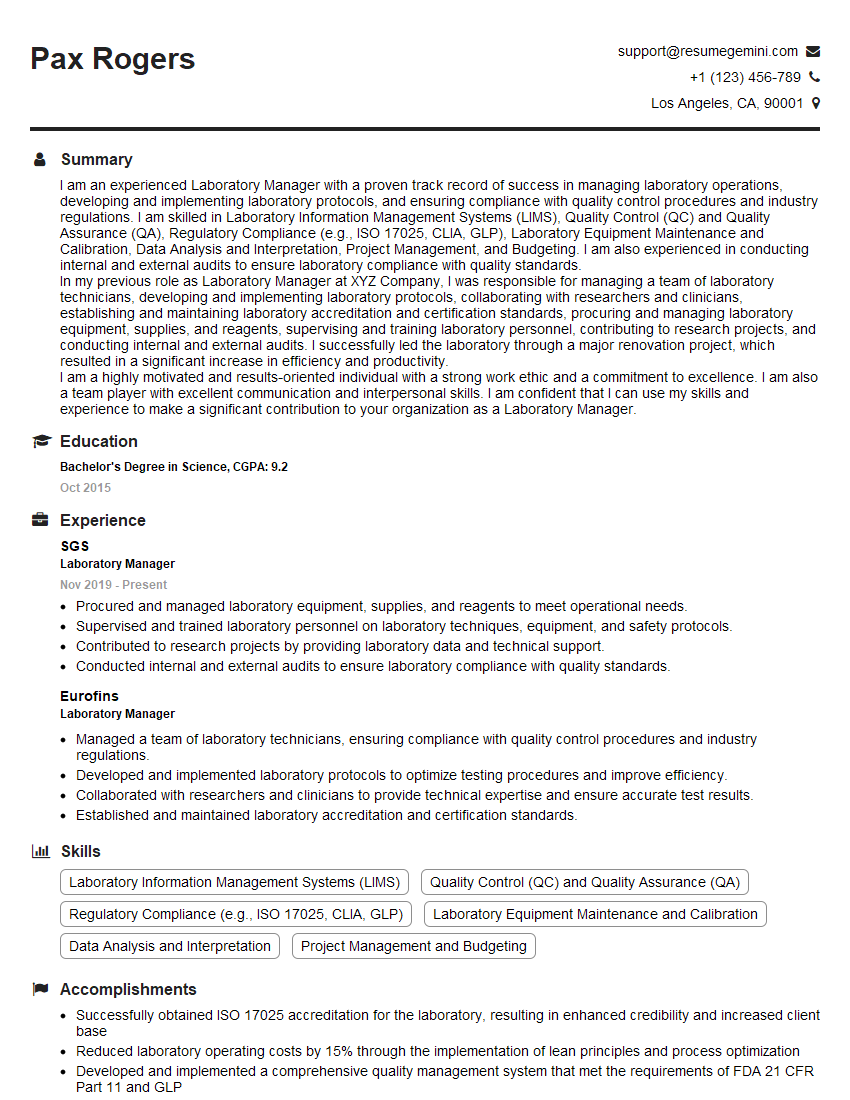
Laboratory Manager Resume Sample
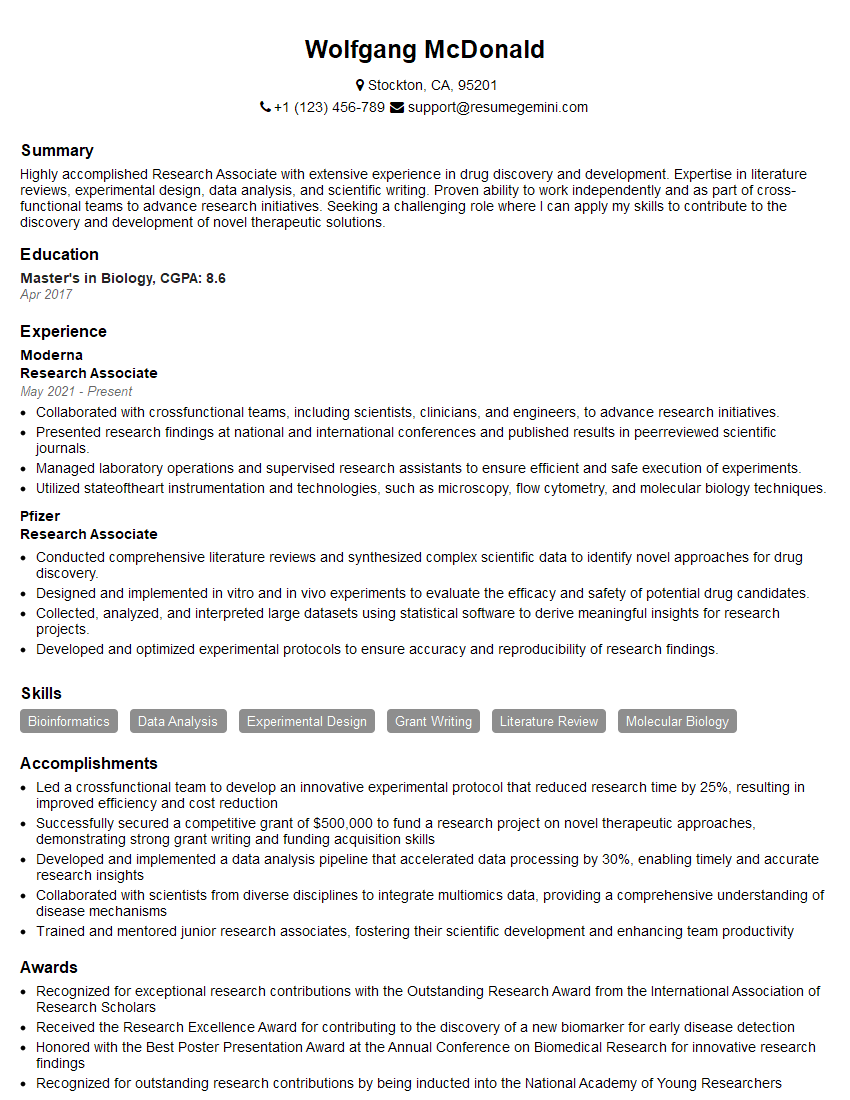
Research Associate Resume Sample

Senior Scientist Resume Sample
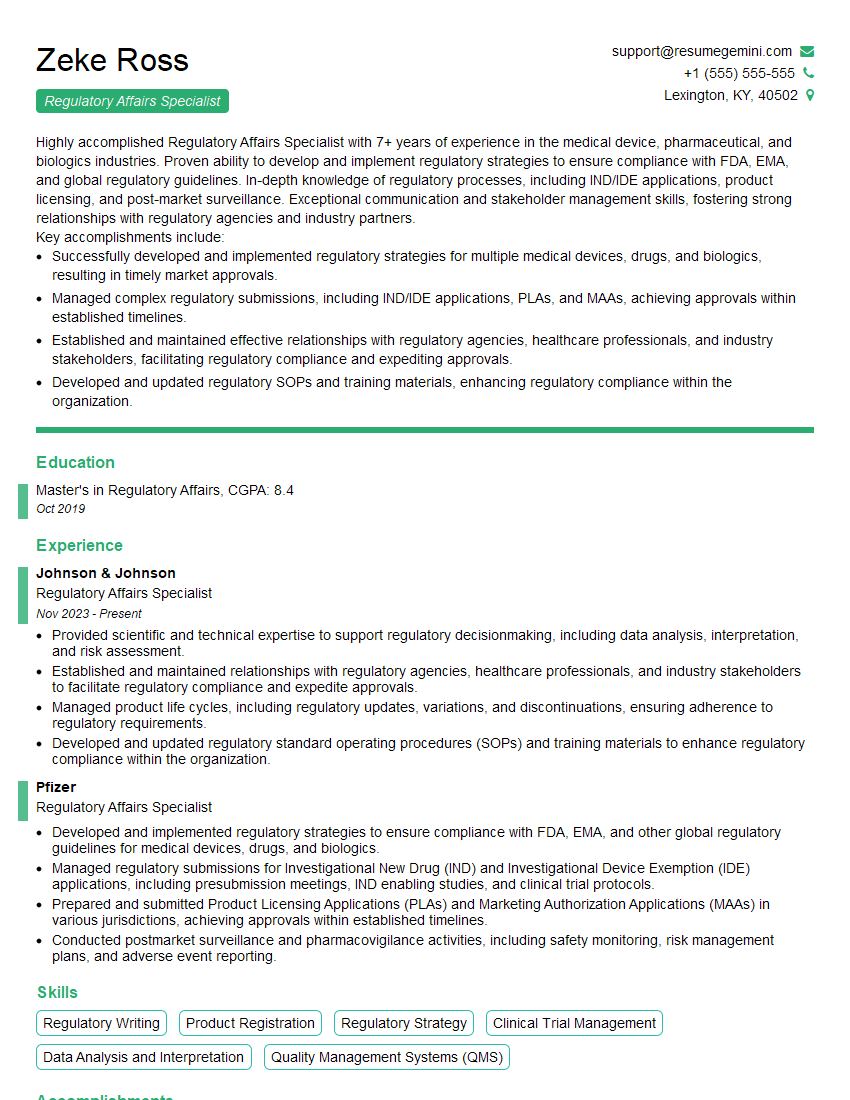
Regulatory Affairs Specialist Resume Sample
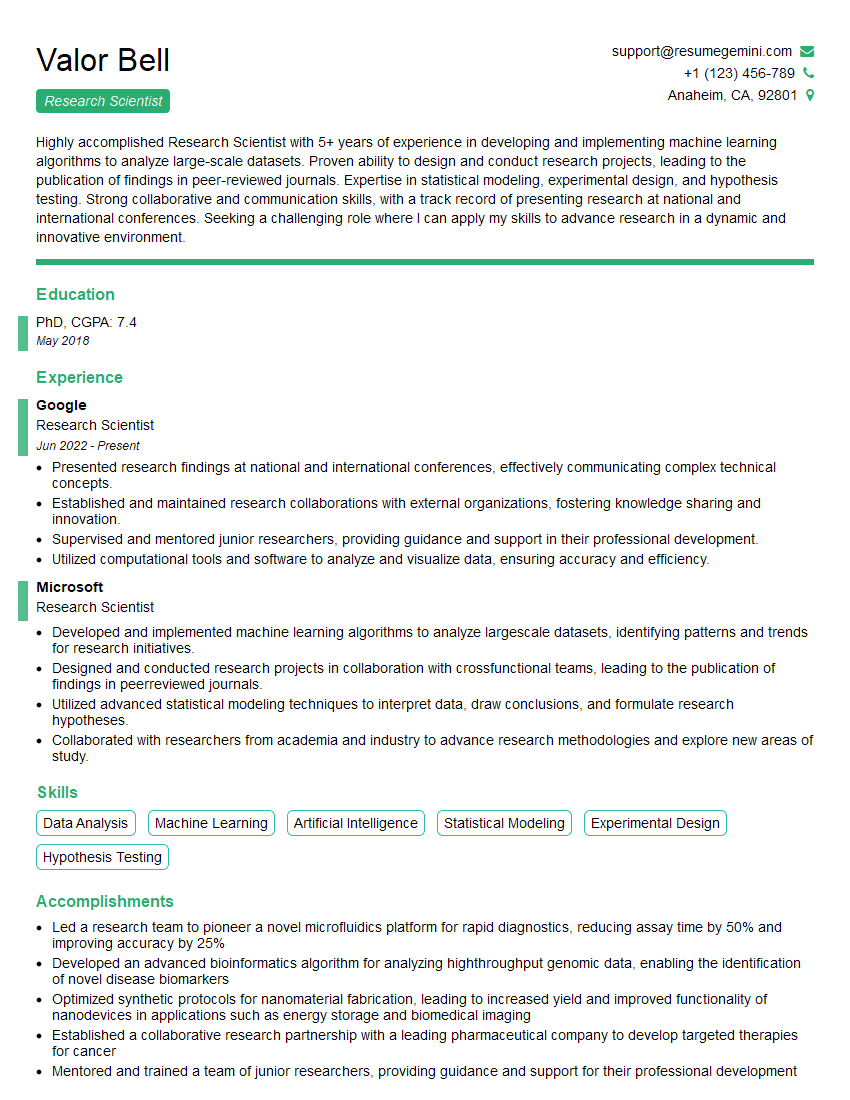
Research Scientist Resume Sample
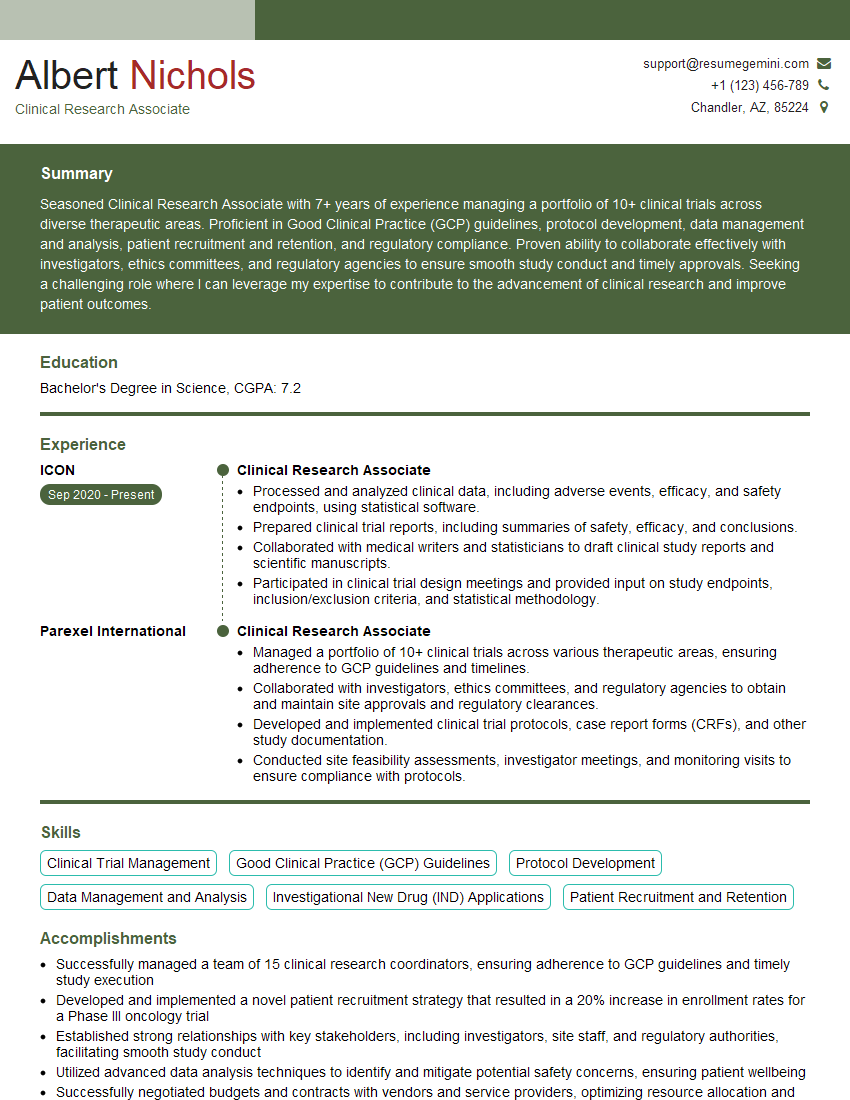
Clinical Research Associate Resume Sample
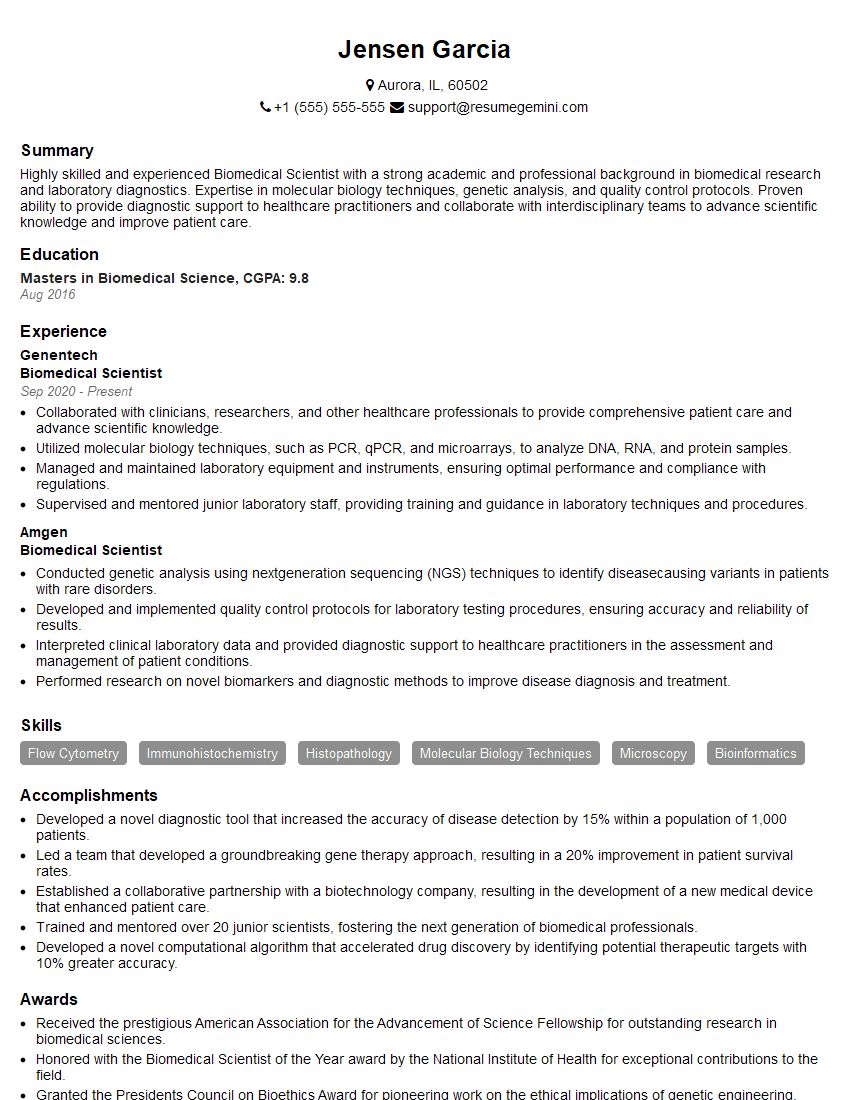
Biomedical Scientist Resume Sample
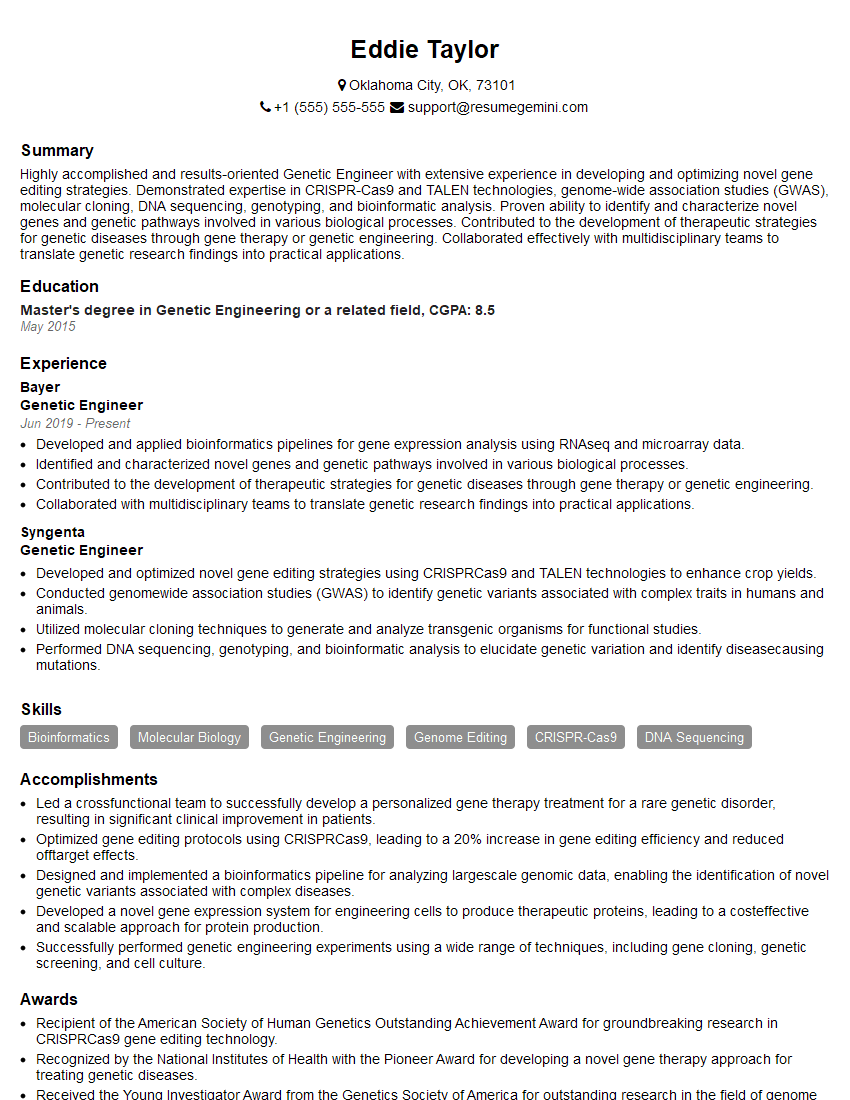
Genetic Engineer Resume Sample
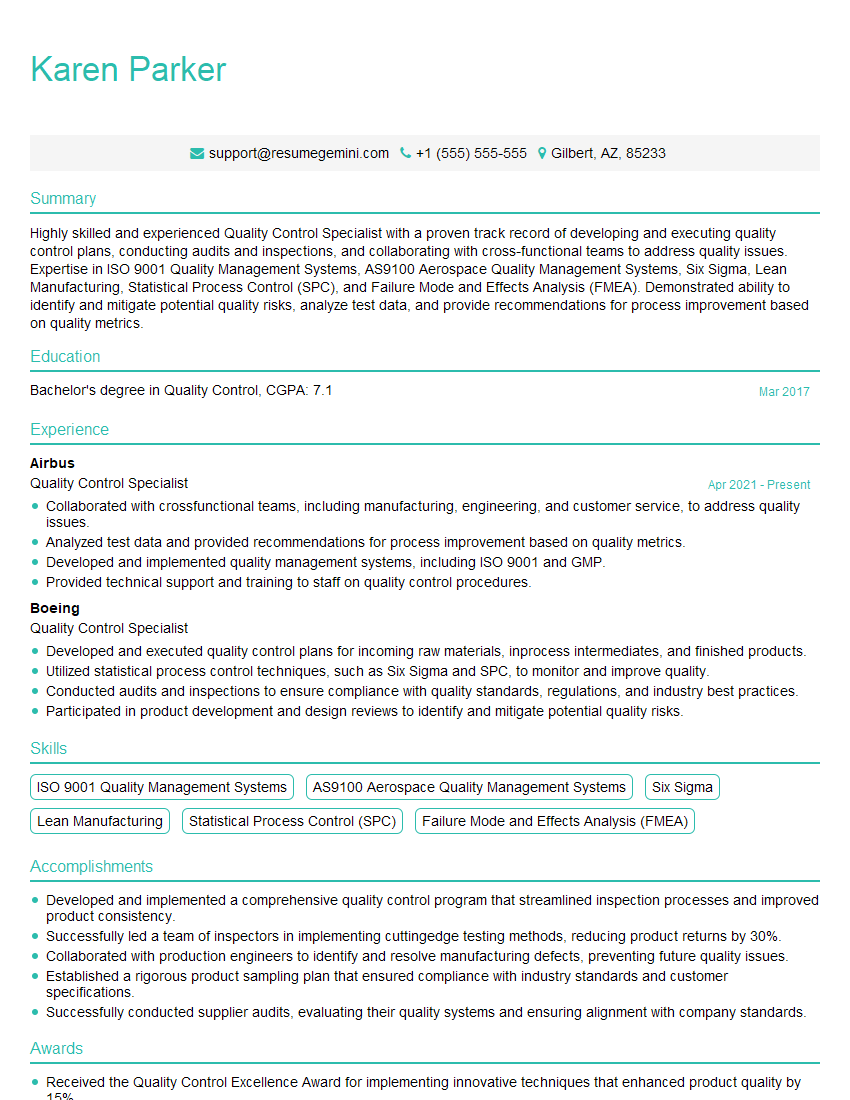
Quality Control Specialist Resume Sample
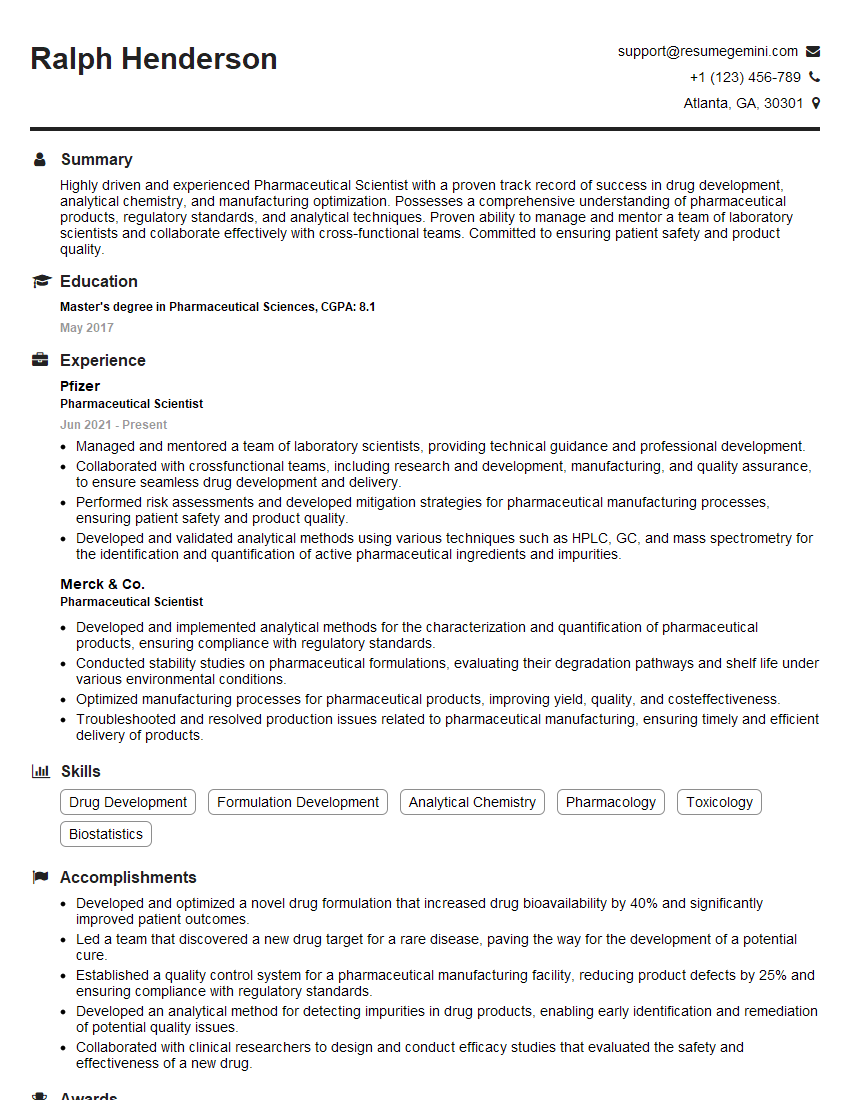
Pharmaceutical Scientist Resume Sample
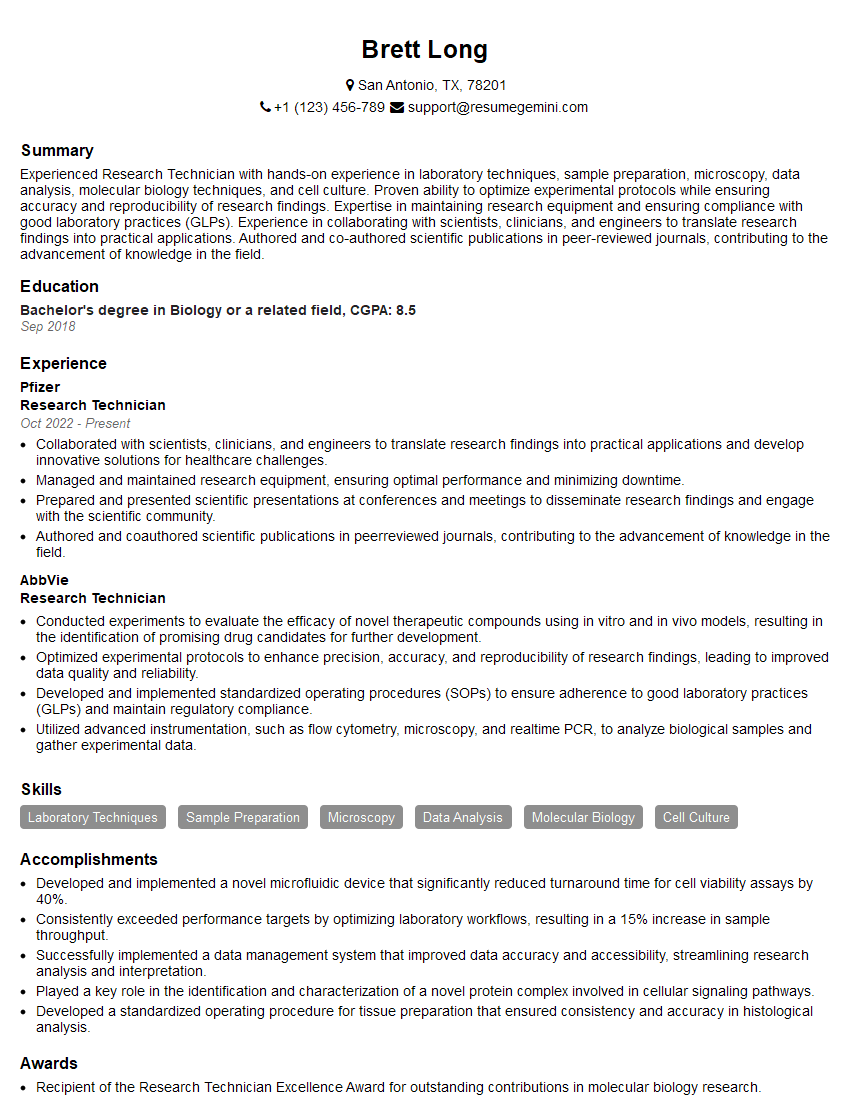
Research Technician Resume Sample
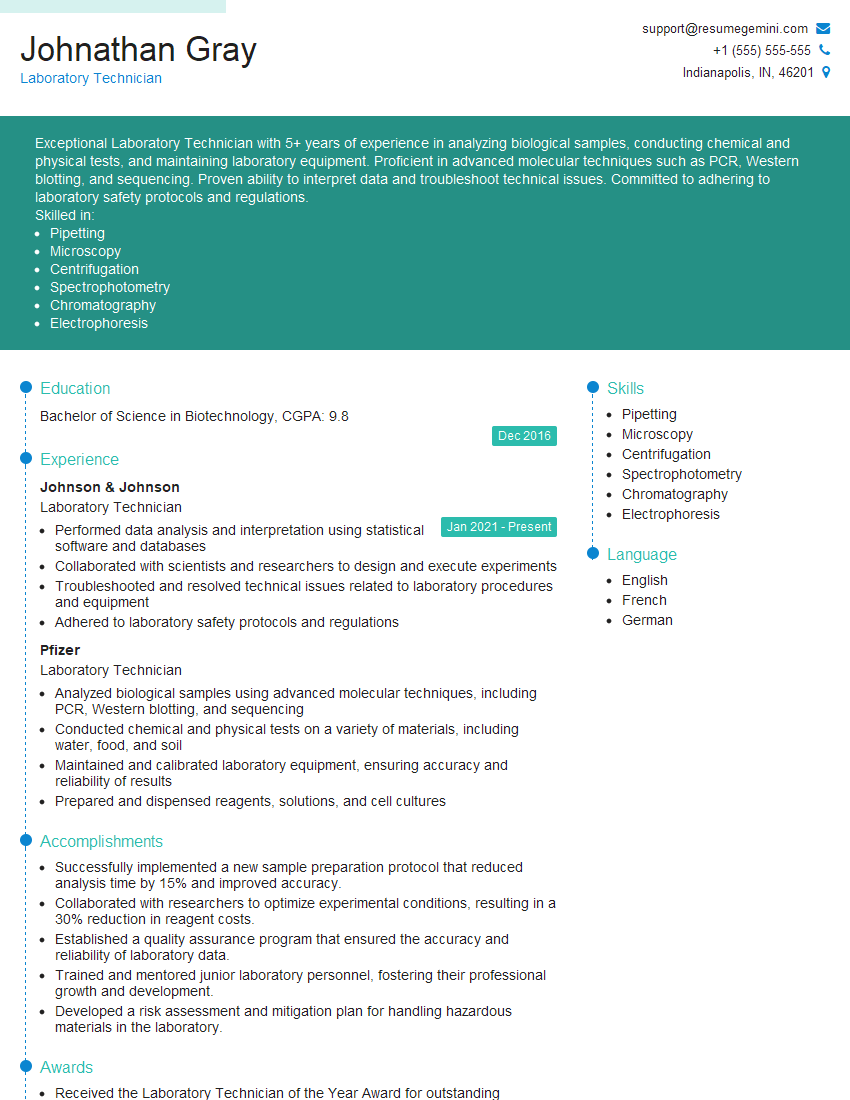
Laboratory Technician Resume Sample
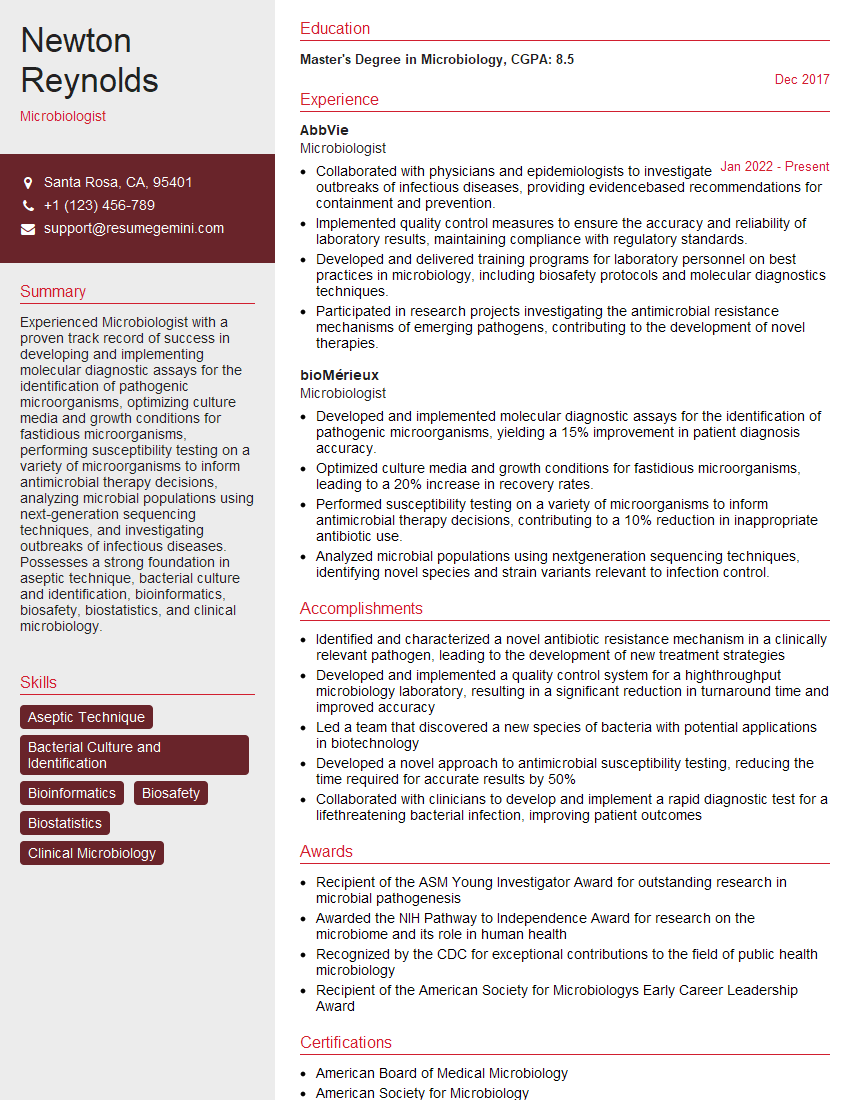
Microbiologist Resume Sample

Molecular Biologist Resume Sample
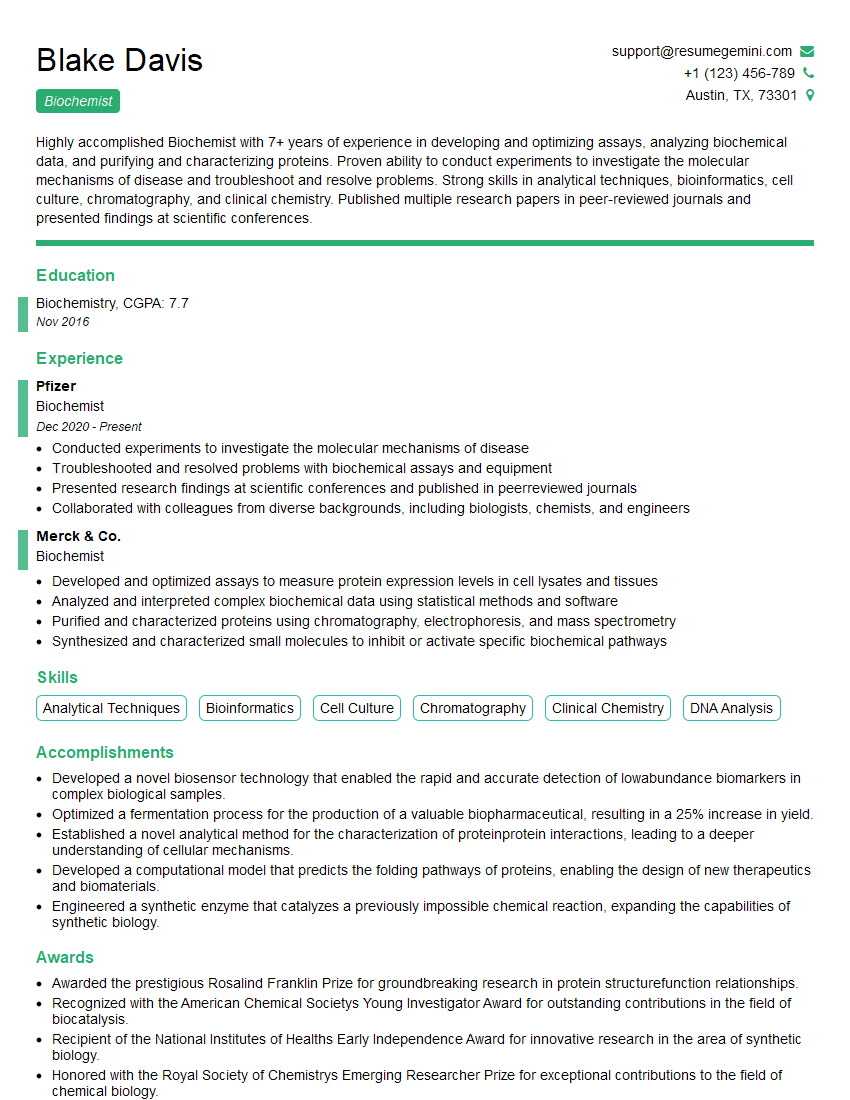
Biochemist Resume Sample
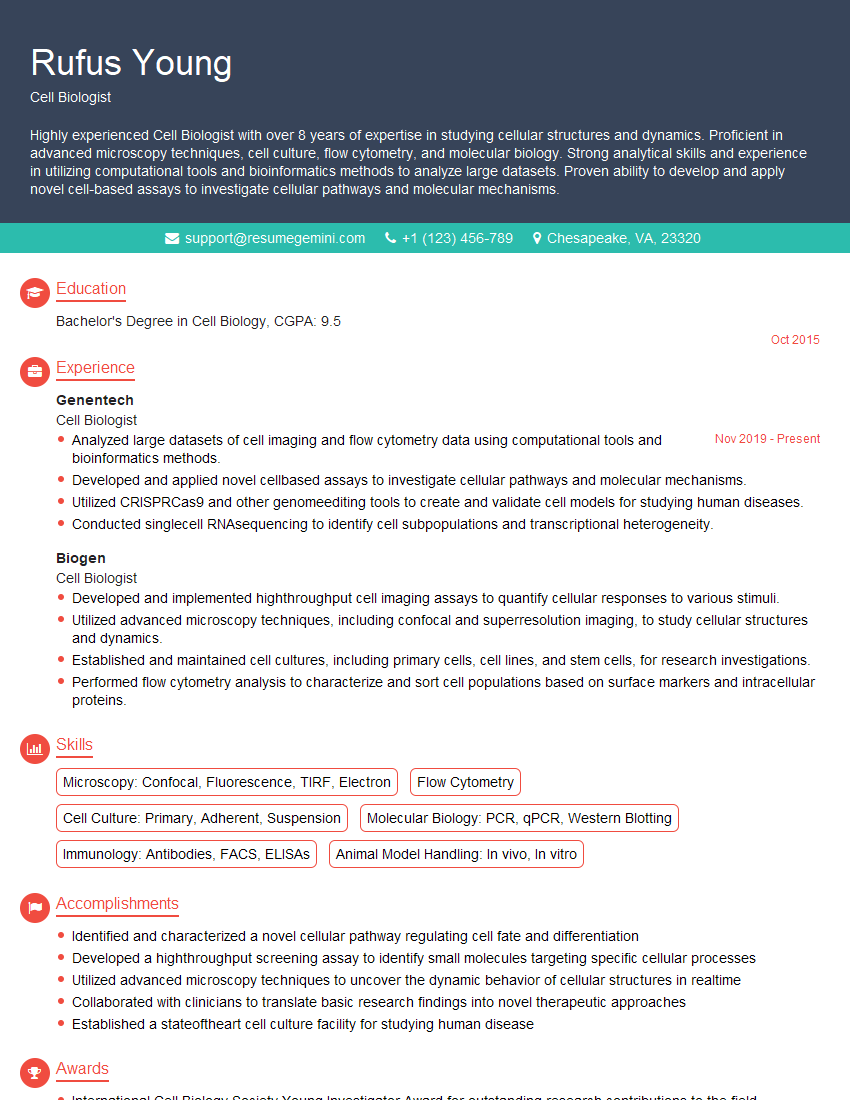
Cell Biologist Resume Sample

Analytical Chemist Resume Sample
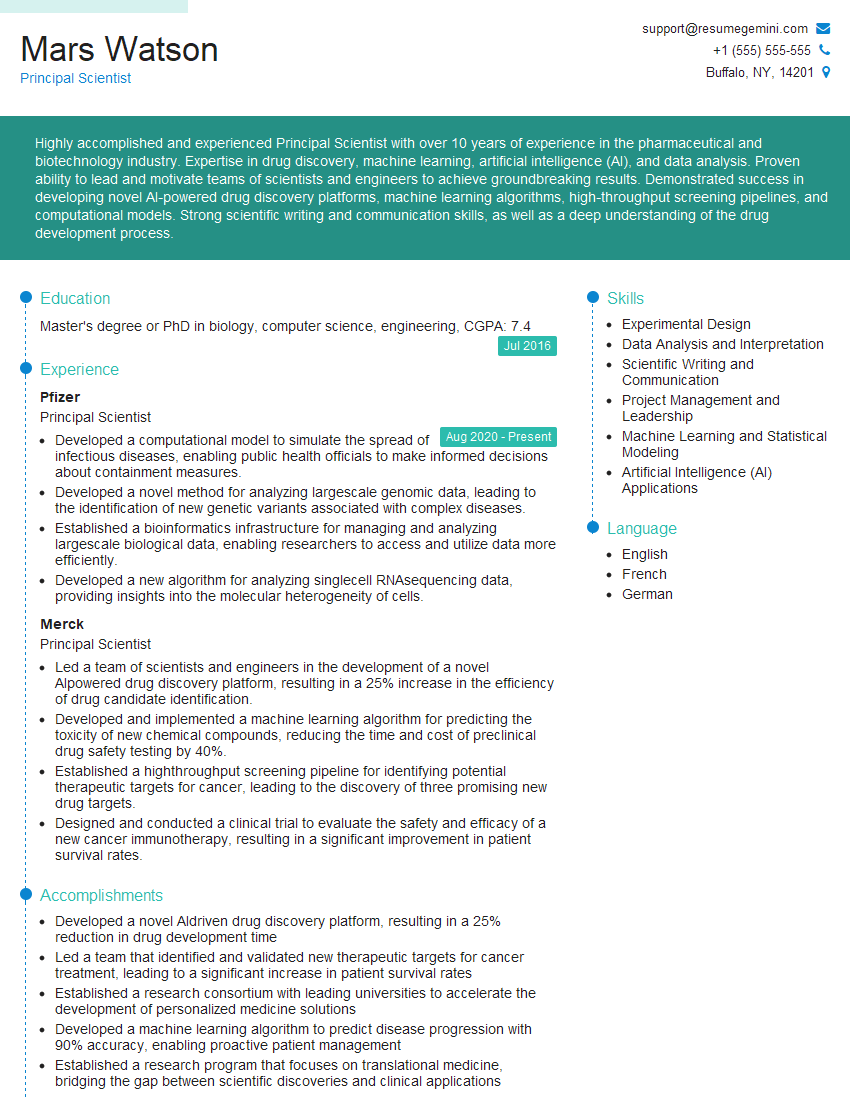
Principal Scientist Resume Sample
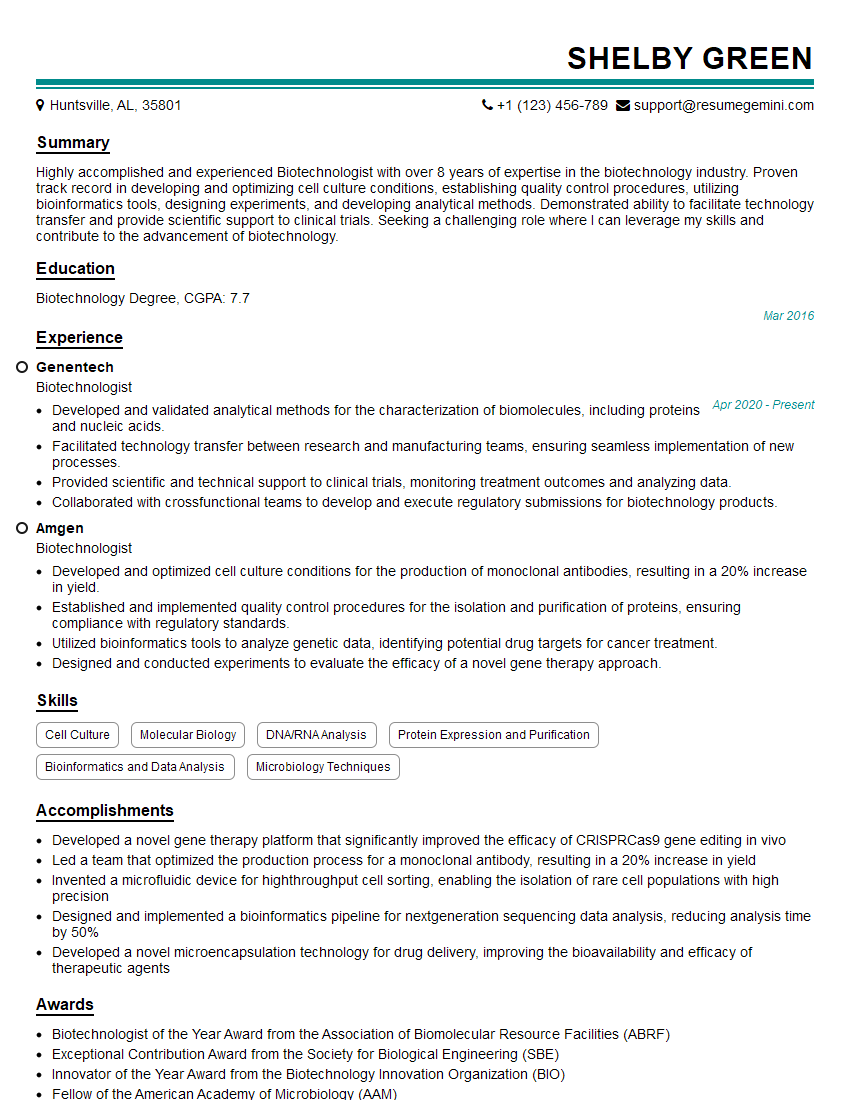
Biotechnologist Resume Sample
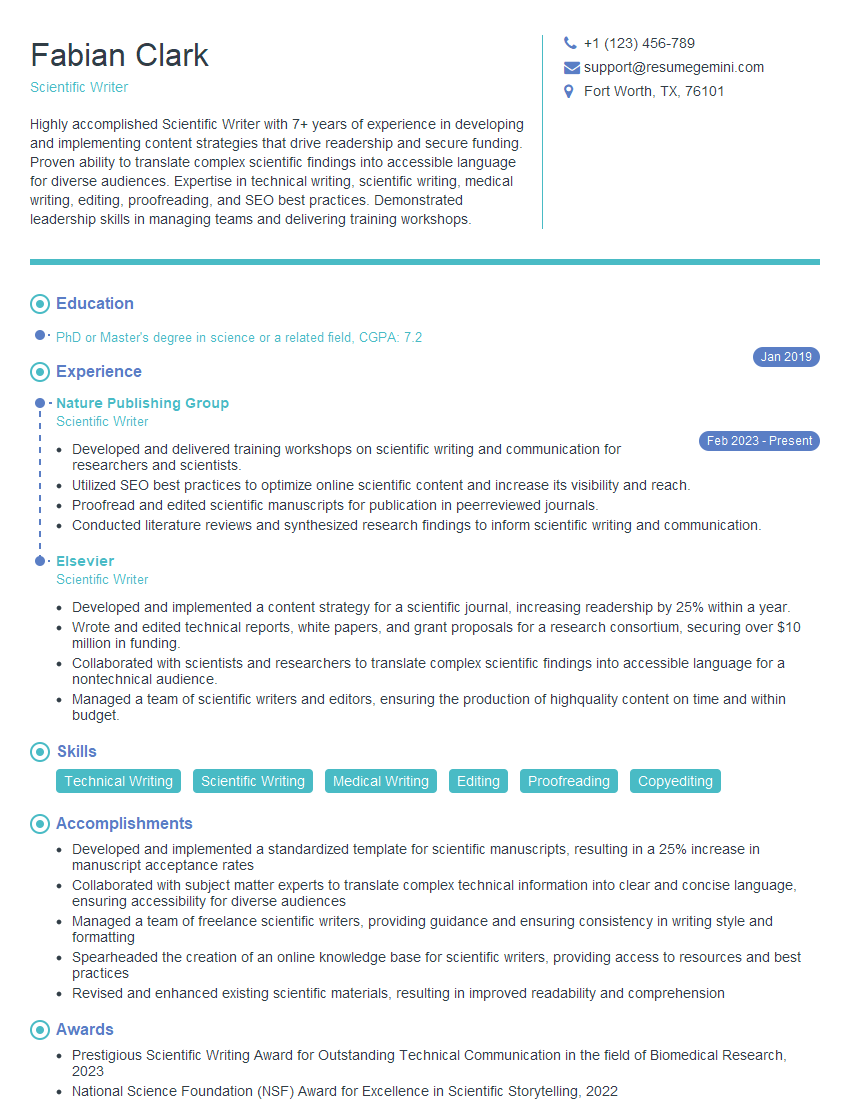
Scientific Writer Resume Sample
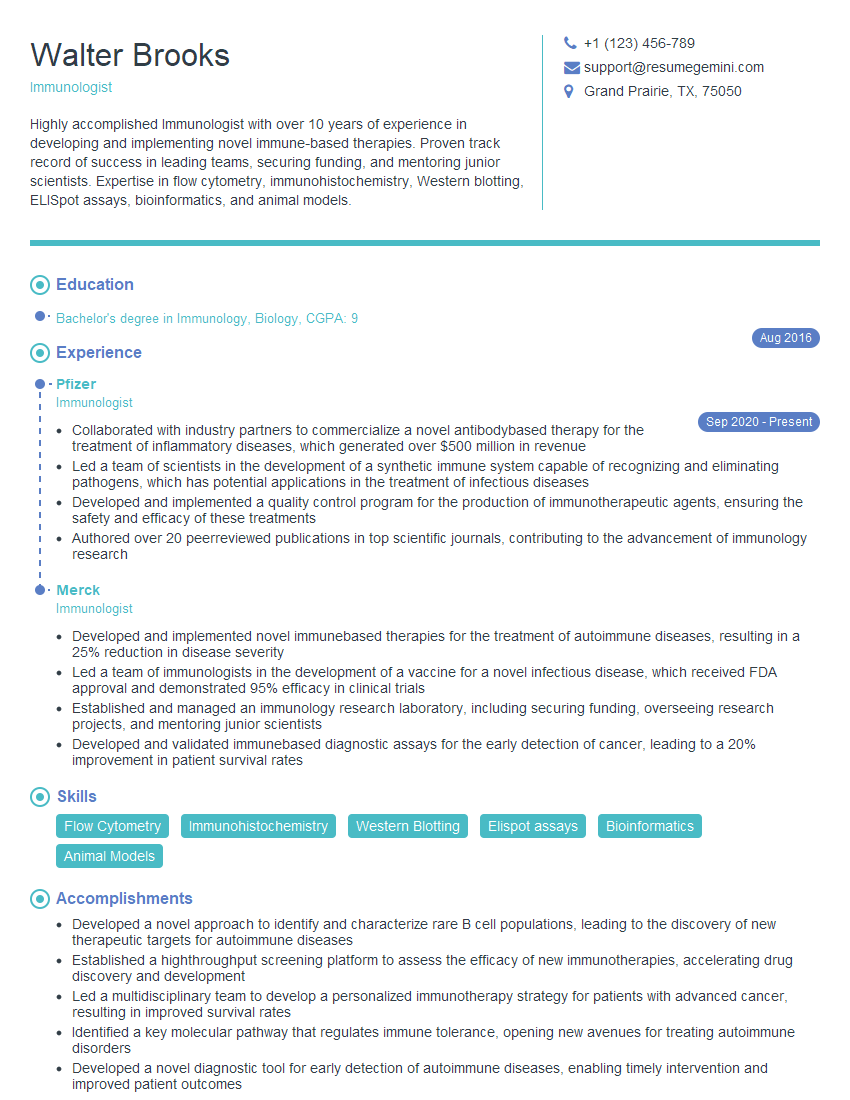
Immunologist Resume Sample
- Laboratory Manager
- Research Associate
- Senior Scientist
- Regulatory Affairs Specialist
- Research Scientist
- Clinical Research Associate
- Biomedical Scientist
- Genetic Engineer
- Quality Control Specialist
- Pharmaceutical Scientist
- Research Technician
- Laboratory Technician
- Microbiologist
- Molecular Biologist
- Biochemist
- Cell Biologist
- Analytical Chemist
- Principal Scientist
- Biotechnologist
- Scientific Writer
- Immunologist
Explore more articles
Users Rating of Our Blogs
Share Your Experience
We value your feedback! Please rate our content and share your thoughts (optional).
What Readers Say About Our Blog
To the interviewgemini.com Webmaster.
Very helpful and content specific questions to help prepare me for my interview!
Thank you
To the interviewgemini.com Webmaster.
This was kind of a unique content I found around the specialized skills. Very helpful questions and good detailed answers.
Very Helpful blog, thank you Interviewgemini team.