Every successful interview starts with knowing what to expect. In this blog, we’ll take you through the top Mental Health Knowledge interview questions, breaking them down with expert tips to help you deliver impactful answers. Step into your next interview fully prepared and ready to succeed.
Questions Asked in Mental Health Knowledge Interview
Q 1. Explain the difference between anxiety and depression.
While anxiety and depression often coexist, they are distinct conditions. Anxiety is characterized by excessive worry, fear, and nervousness, often manifesting as physical symptoms like rapid heartbeat, sweating, and trembling. It’s a future-oriented state, focused on potential threats. Depression, on the other hand, is a pervasive feeling of sadness, hopelessness, and loss of interest or pleasure. It’s more present-oriented, focused on a sense of persistent negativity and low mood. Think of it this way: anxiety is like constantly anticipating a storm, while depression is like being stuck in the middle of a relentless downpour.
For example, someone with anxiety might excessively worry about a job interview for weeks leading up to it, experiencing physical symptoms of nervousness. Someone with depression might feel persistently sad and unmotivated, losing interest in activities they once enjoyed, even after a successful job interview.
Q 2. Describe the symptoms of PTSD.
Post-traumatic stress disorder (PTSD) develops after experiencing or witnessing a terrifying event, such as a serious accident, a natural disaster, a violent assault, or war. Symptoms can be grouped into four main categories: intrusive memories (flashbacks, nightmares), avoidance (avoiding places, people, or thoughts related to the trauma), negative alterations in cognition and mood (feelings of detachment, guilt, distorted beliefs), and altered arousal and reactivity (irritability, difficulty sleeping, hypervigilance).
For instance, a person who survived a car accident might experience intrusive flashbacks of the crash, avoid driving, have difficulty sleeping due to nightmares, and exhibit heightened startle responses. The severity and specific symptoms can vary greatly between individuals.
Q 3. What are the different types of therapy modalities and their applications?
Many therapy modalities exist, each with unique applications. Some prominent examples include:
- Cognitive Behavioral Therapy (CBT): Focuses on identifying and changing negative thought patterns and behaviors. Effective for anxiety, depression, and PTSD.
- Dialectical Behavior Therapy (DBT): Teaches skills to manage intense emotions and improve relationships. Highly effective for borderline personality disorder.
- Psychodynamic Therapy: Explores unconscious patterns and past experiences to understand current emotional difficulties. Helpful for exploring deep-seated issues and improving self-awareness.
- Acceptance and Commitment Therapy (ACT): Emphasizes accepting difficult thoughts and feelings while committing to valued actions. Useful for anxiety, depression, and chronic pain.
- Exposure Therapy: Gradually exposes individuals to feared stimuli to reduce avoidance and anxiety. Frequently used for phobias and PTSD.
The choice of therapy depends on the individual’s specific needs, diagnosis, and preferences. A therapist will work collaboratively with the client to determine the most appropriate approach.
Q 4. How would you assess a patient’s risk for suicide?
Assessing suicide risk is a crucial part of mental health practice. It requires a comprehensive approach, considering several factors. This includes:
- Ideation: Has the individual expressed thoughts of suicide? How detailed are these thoughts?
- Plan: Do they have a specific plan, including method, time, and location?
- Intent: How strongly are they considering carrying out the plan? Do they seem ambivalent or determined?
- Means: Do they have access to lethal means (e.g., firearms, medications)?
- History: Have they attempted suicide before? Is there a family history of suicide?
- Protective Factors: What factors might prevent suicide (e.g., strong social support, religious beliefs)?
A thorough assessment often involves direct questioning, reviewing past medical records, and consulting with family or significant others. Any indication of serious risk necessitates immediate intervention, possibly involving hospitalization.
Q 5. What are the ethical considerations in mental health practice?
Ethical considerations in mental health are paramount. Key principles include:
- Confidentiality: Protecting client information is crucial, with exceptions only in specific legal circumstances (e.g., imminent danger to self or others).
- Informed Consent: Clients must understand the treatment plan and its potential risks and benefits before agreeing to it.
- Boundaries: Maintaining professional boundaries is essential to prevent exploitation or harm to the client.
- Competence: Therapists should only practice within their areas of expertise.
- Non-maleficence and Beneficence: Therapists have a duty to avoid harm (non-maleficence) and actively promote the client’s well-being (beneficence).
- Justice: Providing equitable access to care for all individuals, regardless of background or social status.
Ethical dilemmas often arise, requiring careful consideration and potentially consultation with supervisors or ethics committees.
Q 6. Explain the concept of transference and countertransference.
Transference and countertransference are crucial concepts in therapeutic relationships. Transference refers to the unconscious redirection of feelings from one person to another, often from a client to their therapist. These feelings may stem from past relationships and are projected onto the therapist. Countertransference is the therapist’s emotional reaction to the client, influenced by their own personal experiences and unresolved issues.
For example, a client might unconsciously treat their therapist as a critical parent figure, mirroring past experiences of parental disapproval. The therapist, in turn, might experience countertransference by feeling defensive or irritated in response to the client’s behavior. Recognizing and managing these dynamics is vital for a successful therapeutic relationship.
Q 7. Describe the stages of grief and loss.
While the experience of grief is highly individual, several stages are commonly identified, although they are not necessarily linear or experienced by everyone:
- Denial: Initially refusing to accept the loss.
- Anger: Feeling frustrated, resentful, or rageful toward the deceased, oneself, or others.
- Bargaining: Attempting to negotiate with a higher power to undo or change the loss.
- Depression: Experiencing profound sadness, hopelessness, and withdrawal.
- Acceptance: Coming to terms with the loss and adjusting to a new reality.
It’s important to note that grief is a complex process that unfolds at its own pace. There’s no right or wrong way to grieve, and professional support can be invaluable during this challenging time.
Q 8. How do you manage a patient experiencing a severe panic attack?
Managing a severe panic attack requires a calm and reassuring approach, focusing on immediate safety and symptom reduction. The first priority is to ensure the patient’s safety and prevent self-harm.
- Immediate Actions: I would guide the patient to a quiet, safe space, helping them to sit or lie down. I would speak in a slow, calm, and reassuring tone, validating their experience and letting them know they are safe.
- Breathing Techniques: I would teach them controlled breathing exercises, such as slow, deep breaths, inhaling through the nose and exhaling slowly through the mouth. This helps to regulate the body’s physiological response to panic. Think of it like teaching someone to ‘ride the wave’ of the panic instead of being swept away by it.
- Grounding Techniques: To help the patient focus on the present moment and reduce the feeling of being overwhelmed, I would use grounding techniques. This might involve focusing on their senses – what they see, hear, feel, smell, and taste. For instance, I might ask them to describe the color of the wall, the sounds around them, or the temperature of the room.
- Medication (if applicable): If the patient has a prescribed medication for panic attacks, I would assist them in taking it as directed.
- Follow-up: After the acute phase subsides, a discussion about the triggers of the panic attack, coping mechanisms, and the need for long-term management (e.g., therapy, medication) is crucial.
For example, I once worked with a patient who experienced panic attacks triggered by crowded spaces. After the immediate crisis was managed, we worked together to develop a gradual exposure therapy plan to help them manage their fear of crowds.
Q 9. What are the common side effects of antidepressants?
Antidepressants, while highly effective for many, can have a range of side effects. These vary depending on the specific medication and individual patient. It’s vital to emphasize that not everyone experiences these side effects, and many are mild and transient.
- Common Side Effects: These can include nausea, headache, drowsiness, insomnia, constipation, dry mouth, weight changes, decreased libido, and dizziness.
- Less Common but Serious Side Effects: More serious side effects, though less frequent, may include serotonin syndrome (a rare but potentially life-threatening condition characterized by high fever, agitation, and muscle rigidity), increased suicidal thoughts (especially in young adults), and cardiovascular problems.
It’s important to note that these side effects are often manageable. For example, drowsiness might be minimized by taking the medication at bedtime, while nausea can be lessened by taking it with food. Regular monitoring and open communication between the patient and their prescribing physician is essential to address any side effects that arise.
Q 10. How would you handle a patient who is non-compliant with treatment?
Non-compliance with treatment is a significant challenge in mental healthcare. It’s crucial to understand the underlying reasons for non-compliance before addressing it.
- Understanding the Reasons: This might involve exploring potential barriers – financial constraints, stigma, side effects of medication, lack of understanding about the treatment plan, or mistrust of the healthcare system. Open and empathetic communication is vital.
- Collaborative Approach: Rather than directly confronting the patient, I would aim for a collaborative approach. I would work with the patient to understand their perspective and collaboratively develop a treatment plan they can realistically adhere to. This might involve adjusting medication, altering the therapy schedule, or exploring alternative treatment options.
- Motivational Interviewing: Techniques from motivational interviewing, such as exploring the patient’s ambivalence towards treatment and highlighting their intrinsic motivation for change, can be incredibly helpful.
- Engaging Support Systems: Involving family members or other support systems can also significantly improve adherence, provided the patient consents to this.
For instance, a patient might be struggling to afford medication. In such a case, exploring options like reduced-cost programs or generic alternatives becomes crucial. Another patient might be experiencing debilitating side effects; adjusting their medication or exploring alternative treatment modalities might be necessary.
Q 11. Explain the Diagnostic and Statistical Manual of Mental Disorders (DSM-5).
The Diagnostic and Statistical Manual of Mental Disorders, Fifth Edition (DSM-5), is the standard classification of mental disorders used by mental health professionals in the United States. It provides a common language and standard criteria for the classification of mental disorders, aiding in diagnosis, treatment planning, and research.
- Purpose: It aims to provide a reliable and valid system for diagnosing mental disorders, allowing clinicians to communicate effectively and facilitating research on the prevalence, etiology, and treatment of these disorders.
- Structure: The DSM-5 is organized by diagnostic categories, each with specific criteria that must be met for a diagnosis to be made. It includes descriptions of each disorder, including symptoms, diagnostic features, and associated features.
- Criticisms: While widely used, the DSM-5 has faced criticism regarding the potential for overdiagnosis, the influence of pharmaceutical companies, and the lack of consideration for cultural and contextual factors. Despite these criticisms, it remains the dominant diagnostic tool in the field.
Essentially, the DSM-5 acts as a detailed manual for mental health professionals, providing a framework for understanding and diagnosing a wide range of mental health conditions. However, it’s crucial to remember that it’s a tool to guide clinical judgment, not a rigid set of rules that should dictate every clinical decision.
Q 12. What are some evidence-based treatments for schizophrenia?
Schizophrenia is a severe mental illness, and evidence-based treatments focus on both managing symptoms and improving the patient’s overall quality of life.
- Antipsychotic Medications: These are the cornerstone of schizophrenia treatment. They work to reduce positive symptoms (hallucinations, delusions) and sometimes negative symptoms (flat affect, social withdrawal). There are different types of antipsychotics, with varying side effect profiles, and choosing the right medication for each patient requires careful consideration.
- Psychosocial Interventions: These include individual therapy, family therapy, and supported employment or education programs. These therapies aim to help patients manage symptoms, develop coping skills, improve social functioning, and achieve their personal goals.
- Cognitive Behavioral Therapy (CBT): CBT can be very effective in helping patients identify and challenge negative thought patterns and beliefs that contribute to their symptoms.
- Social Skills Training (SST): SST focuses on improving social interaction skills, which can be significantly impaired in schizophrenia.
The most effective approach usually involves a combination of medication and psychosocial interventions, tailored to the individual needs of the patient. For example, a patient might benefit from a combination of antipsychotic medication, individual therapy to address negative symptoms, and social skills training to improve their interactions with others.
Q 13. Describe your experience with crisis intervention.
My experience with crisis intervention has been extensive, encompassing various settings from inpatient units to community-based crisis teams. The core principle is always prioritizing safety – both the patient’s and others’.
- Assessment and De-escalation: My approach involves initially establishing rapport and conducting a thorough assessment to understand the situation and the patient’s immediate needs. De-escalation techniques are crucial, involving calm communication, active listening, and empathy. The goal is to reduce the patient’s distress and prevent escalation of the crisis.
- Collaboration with Emergency Services: When necessary, I collaborate closely with emergency medical services, law enforcement, and other relevant agencies to ensure the patient receives appropriate and timely care. This often involves making decisions in high-pressure situations that require quick thinking and strong clinical judgment.
- Safety Planning: Once the immediate crisis is addressed, developing a safety plan is crucial. This involves identifying potential triggers, developing coping strategies, and establishing support systems to prevent future crises.
- Follow-up Care: Ensuring access to appropriate follow-up care, such as inpatient hospitalization, outpatient therapy, or medication management, is essential to help the patient recover and prevent future episodes.
I recall an instance where a young patient was experiencing a severe psychotic episode. By using de-escalation techniques, maintaining a calm presence, and collaborating effectively with the emergency response team, we were able to ensure the patient received immediate medical attention and a safe transition to inpatient care without further incident.
Q 14. How do you build rapport with patients?
Building rapport is fundamental to effective mental health care. It’s about creating a trusting and safe therapeutic alliance where patients feel comfortable sharing their experiences and working collaboratively towards their goals.
- Active Listening: This involves paying close attention to what the patient is saying, both verbally and nonverbally. It includes reflecting back what they’ve shared to ensure understanding and showing empathy for their experiences.
- Empathy and Validation: Demonstrating empathy, understanding, and validating their feelings, even if you don’t necessarily agree with their perspective, is crucial. Let them know you are hearing and understanding their concerns.
- Respect and Unconditional Positive Regard: Treating patients with respect and unconditional positive regard, irrespective of their behaviors or choices, helps foster a sense of safety and trust.
- Transparency and Collaboration: Openly discussing treatment plans, goals, and potential challenges creates a sense of collaboration and shared responsibility, rather than a hierarchical doctor-patient dynamic.
- Cultural Sensitivity: Being mindful of cultural differences and adapting communication styles accordingly shows respect and improves the therapeutic alliance.
For example, I once had a patient who was initially hesitant to open up. By actively listening, validating their feelings, and demonstrating genuine interest in their life, I gradually built a strong therapeutic relationship that allowed them to explore difficult issues and make significant progress in their therapy.
Q 15. How would you handle a patient expressing anger or hostility?
Handling a patient’s anger or hostility requires a calm and empathetic approach. It’s crucial to prioritize safety for both the patient and myself. My first step is to ensure a safe environment, perhaps moving to a less stimulating area if needed. Then, I would validate their feelings without condoning the behavior. For example, I might say, “I understand you’re feeling very angry right now, and that’s understandable given the situation.” This acknowledges their emotional state without minimizing it. I’d then actively listen, letting them express their anger without interruption (unless it escalates to a threat). Once they’ve had a chance to express themselves, I’d collaboratively work to identify the underlying cause of their anger. This could involve exploring triggers, unmet needs, or past experiences. Finally, we’d collaboratively develop coping strategies for managing anger in the future, such as deep breathing exercises, mindfulness techniques, or assertive communication skills. If the anger is severe or persistent, I would consider involving a crisis team or adjusting their treatment plan.
Career Expert Tips:
- Ace those interviews! Prepare effectively by reviewing the Top 50 Most Common Interview Questions on ResumeGemini.
- Navigate your job search with confidence! Explore a wide range of Career Tips on ResumeGemini. Learn about common challenges and recommendations to overcome them.
- Craft the perfect resume! Master the Art of Resume Writing with ResumeGemini’s guide. Showcase your unique qualifications and achievements effectively.
- Don’t miss out on holiday savings! Build your dream resume with ResumeGemini’s ATS optimized templates.
Q 16. Explain the concept of cognitive behavioral therapy (CBT).
Cognitive Behavioral Therapy (CBT) is a highly effective, evidence-based approach that focuses on the interconnectedness of thoughts, feelings, and behaviors. The core principle is that our thoughts directly influence our feelings and behaviors, and by changing negative or unhelpful thought patterns, we can positively impact our emotions and actions. Think of it like this: if you believe you’re going to fail a test (thought), you might feel anxious (feeling) and avoid studying (behavior). CBT aims to identify and challenge these negative thought patterns (e.g., “I’m going to fail”), replacing them with more realistic and helpful ones (e.g., “I can study effectively and improve my chances of success”). This process often involves techniques like cognitive restructuring, behavioral experiments, and relaxation training. For example, a patient struggling with social anxiety might practice social interactions in a safe and controlled environment, gradually challenging their avoidance behaviors while simultaneously addressing their underlying negative thoughts about social situations.
Q 17. Describe your experience with dialectical behavior therapy (DBT).
My experience with Dialectical Behavior Therapy (DBT) has been extensive and incredibly rewarding. DBT is particularly effective for individuals with borderline personality disorder and those experiencing intense emotional dysregulation. It integrates mindfulness, distress tolerance, emotion regulation, and interpersonal effectiveness skills. I’ve witnessed firsthand how DBT helps patients manage their emotions, improve relationships, and reduce self-harming behaviors. In my practice, I’ve used DBT skills training groups to teach patients specific techniques for coping with difficult emotions and situations. Individual DBT therapy allows for personalized application of these skills and addresses unique challenges. One particularly impactful case involved a patient with chronic suicidal ideation. Through DBT, she learned distress tolerance skills such as radical acceptance and mindfulness, significantly reducing her self-harm episodes and improving her overall quality of life. The emphasis on validation and acceptance within DBT creates a strong therapeutic alliance, which is crucial for success.
Q 18. What are the legal and ethical implications of mandated reporting?
Mandated reporting is a legal and ethical obligation for mental health professionals to report certain information to the authorities. This typically includes instances of child abuse or neglect, elder abuse, and threats of harm to oneself or others. The legal implications involve potential legal repercussions for failing to report, including fines or loss of license. Ethically, mandated reporting is guided by the principle of beneficence – protecting vulnerable individuals from harm – and a commitment to public safety. However, there’s a balance to strike between protecting vulnerable populations and maintaining client confidentiality. For example, I must report a client who threatens to harm their child, even though it compromises confidentiality. The ethical considerations involve carefully weighing the potential harm to the child against the client’s right to privacy, while ensuring that the reporting process is handled with sensitivity and respect for the client’s dignity. Strict adherence to legal guidelines and careful documentation are vital.
Q 19. How do you maintain confidentiality in your practice?
Maintaining confidentiality is paramount in my practice. I adhere to strict ethical guidelines and legal regulations, such as HIPAA in the US. This includes only sharing information with others involved in the client’s care with their explicit consent. I secure client records using appropriate physical and electronic measures, and I avoid discussing clients in public or with unauthorized individuals. There are exceptions, such as mandated reporting situations described previously, where legally I am required to break confidentiality to protect others. Even in those situations, I strive to provide the necessary information to the authorities in a way that minimizes unnecessary disclosure of the client’s private information. Transparency about confidentiality policies is crucial. I clearly explain my confidentiality practices to all clients during the initial session and obtain their informed consent. I emphasize that there are exceptions, such as mandated reporting, and clearly outline these situations.
Q 20. How do you manage your own stress and burnout as a mental health professional?
Self-care is not a luxury, but a necessity for mental health professionals. The demanding nature of this work can lead to burnout and compassion fatigue. To manage my own stress and prevent burnout, I prioritize several key strategies. This includes maintaining a healthy work-life balance, setting clear boundaries between work and personal life, and engaging in regular self-reflection to process the emotional demands of my work. I also utilize stress-reducing techniques such as regular exercise, mindfulness practices, spending time in nature, and maintaining strong social connections with supportive friends and family. Seeking supervision and engaging in peer support groups are crucial for processing difficult cases and preventing emotional exhaustion. Regularly reviewing my own mental and emotional wellbeing is essential and I don’t hesitate to seek support from a therapist if needed, remembering that seeking support is a strength, not a weakness.
Q 21. Describe your experience working with diverse populations.
I have extensive experience working with diverse populations, including individuals from various cultural backgrounds, socioeconomic statuses, genders, sexual orientations, and abilities. My approach emphasizes cultural humility, recognizing that I can never fully understand another person’s experience, but that I can strive to create a safe and inclusive space where they feel respected and heard. I actively engage in ongoing education and training to enhance my cultural competence and awareness of diverse perspectives. For example, I am mindful of potential biases in my own thinking and strive to incorporate culturally appropriate interventions. I might adjust my therapeutic style to better meet a client’s cultural preferences and beliefs. Understanding the impact of systemic factors like poverty, discrimination, and trauma on mental health is essential for providing culturally sensitive and effective care. This holistic approach ensures that my clients feel understood and respected as individuals within the context of their unique experiences.
Q 22. Explain the difference between psychosis and neurosis.
Psychosis and neurosis are outdated terms from older diagnostic systems, but understanding the distinction they represented helps clarify some fundamental differences in mental health presentations. Essentially, psychosis refers to a loss of contact with reality, characterized by symptoms like hallucinations (seeing or hearing things that aren’t there) and delusions (fixed, false beliefs). Think of it as a disconnect from the shared understanding of reality. Neurosis, on the other hand, encompassed conditions where individuals retained contact with reality but experienced significant distress and impairment due to anxiety, depression, or obsessive-compulsive symptoms. This is more about internal struggles and distress impacting daily functioning, rather than a break from reality. While these terms are not used clinically in the same way today, understanding this historical distinction helps in recognizing the different symptom clusters and severity levels.
For example, someone experiencing psychosis might believe they are being controlled by aliens (a delusion) and hear voices giving them instructions (a hallucination). Someone with a neurotic condition, like severe anxiety, might experience constant worry and physical symptoms like rapid heartbeat, but still understand that their fears are disproportionate to the actual risk.
Q 23. What are the common symptoms of bipolar disorder?
Bipolar disorder is characterized by extreme mood swings between periods of intense euphoria or irritability (mania or hypomania) and periods of profound sadness and hopelessness (depression). These mood swings are significantly more intense and longer-lasting than normal mood fluctuations.
- Manic episodes: These involve elevated mood, inflated self-esteem, decreased need for sleep, racing thoughts, impulsive behavior, increased energy, and potentially risky behaviors like excessive spending or substance use.
- Hypomanic episodes: Similar to manic episodes, but less severe and don’t significantly impair daily functioning.
- Depressive episodes: Characterized by persistent sadness, loss of interest or pleasure, fatigue, feelings of worthlessness, sleep disturbances, changes in appetite, and difficulty concentrating.
It’s crucial to remember that bipolar disorder is a spectrum; the severity and frequency of these episodes can vary greatly between individuals. Someone might experience rapid cycling, where they switch between manic and depressive states rapidly, or have longer periods of stability between episodes. Accurate diagnosis and management require professional evaluation.
Q 24. How would you differentiate between normal grief and depression?
Differentiating between normal grief and depression can be challenging, as some symptoms overlap. However, key distinctions exist.
- Normal grief involves sadness, longing, and emotional pain following a significant loss. While intense, it typically includes periods of acceptance and moments of positive memories. It’s a natural response to loss.
- Depression, on the other hand, is characterized by persistent low mood, loss of interest or pleasure in activities, feelings of worthlessness or excessive guilt, fatigue, sleep disturbances, and changes in appetite, that significantly impair daily functioning for an extended period.
Here’s a helpful comparison: Normal grief may involve intense sadness, but it usually doesn’t involve persistent feelings of worthlessness or suicidal thoughts. Normal grief tends to lessen over time, while depression can persist or even worsen without treatment. The presence of suicidal thoughts, significant impairment in daily functioning, and prolonged intense sadness are key indicators of depression rather than normal grief. If unsure, seeking professional help is crucial.
Q 25. Describe your approach to conducting a thorough mental health assessment.
A thorough mental health assessment is a multi-faceted process aiming to understand an individual’s current mental state and history. My approach follows a structured yet flexible framework:
- Building rapport and establishing trust: This is paramount. Creating a safe and non-judgmental environment allows the individual to feel comfortable sharing sensitive information.
- Gathering information through a comprehensive interview: This includes exploring the individual’s history (developmental, family, social, medical, and psychiatric), current symptoms, coping mechanisms, and support systems. I use open-ended questions to encourage detailed narratives.
- Mental status examination (MSE): This structured assessment evaluates cognitive functions (attention, memory, orientation), mood, affect, thought processes, perception, and behavior. It provides a snapshot of the individual’s current mental state.
- Collateral information: When appropriate and with consent, I gather information from family members, friends, or other healthcare professionals to obtain a broader perspective.
- Psychological testing (if needed): This can involve standardized tests to assess specific areas like intelligence, personality, or cognitive abilities. Testing is used selectively based on the individual’s needs and presentation.
- Formulation and diagnosis: Based on the gathered information, I develop a comprehensive understanding of the individual’s situation, formulate a working diagnosis consistent with the DSM-5 criteria, and discuss treatment options.
This process is iterative; the assessment may evolve as more information is gathered and the therapeutic relationship deepens. The goal is to develop a collaborative treatment plan that addresses the individual’s specific needs and goals.
Q 26. Explain the different types of personality disorders.
Personality disorders are enduring patterns of inner experience and behavior that deviate markedly from the expectations of the individual’s culture, are pervasive and inflexible, onset can be traced back to at least adolescence or early adulthood, are stable over time, and lead to distress or impairment.
The DSM-5 categorizes them into three clusters:
- Cluster A (Odd or Eccentric): This includes Paranoid, Schizoid, and Schizotypal personality disorders, characterized by unusual or eccentric behaviors and social detachment.
- Cluster B (Dramatic, Emotional, or Erratic): This encompasses Antisocial, Borderline, Histrionic, and Narcissistic personality disorders, marked by dramatic, impulsive, or erratic behaviors and interpersonal difficulties.
- Cluster C (Anxious or Fearful): This includes Avoidant, Dependent, and Obsessive-Compulsive personality disorders, characterized by anxiety, fear, and inhibited behavior.
It’s important to note that personality disorders are complex and require careful diagnostic assessment by a qualified professional. Treatment typically involves long-term psychotherapy, focusing on improving coping mechanisms and interpersonal relationships.
Q 27. What is your understanding of trauma-informed care?
Trauma-informed care is an approach to working with individuals who have experienced trauma (abuse, neglect, violence, or other adverse experiences) that recognizes the pervasive impact of trauma on all aspects of their lives.
Key principles of trauma-informed care include:
- Safety: Creating a safe and supportive environment where individuals feel physically and emotionally safe.
- Trustworthiness and transparency: Building trust through clear communication and respecting individual autonomy.
- Choice, collaboration, and empowerment: Empowering individuals to make choices and participate in their treatment decisions.
- Peer support: Recognizing the importance of peer support and creating opportunities for connection with others who have shared experiences.
A trauma-informed approach avoids re-traumatizing individuals and instead focuses on their strengths and resilience. It recognizes that trauma can affect an individual’s behavior, emotions, and relationships, and treatment should address these impacts in a sensitive and understanding manner.
Q 28. How do you collaborate with other healthcare professionals?
Collaboration with other healthcare professionals is essential for providing holistic and effective mental health care. I routinely collaborate with:
- Primary care physicians (PCPs): To coordinate medical care, monitor medication side effects, and address any co-occurring medical conditions.
- Psychiatrists: For medication management and consultation on complex cases.
- Social workers: To connect individuals with community resources, support systems, and practical assistance.
- Other therapists and counselors: To provide a range of therapeutic approaches and share expertise.
- Case managers: To coordinate care and services.
Collaboration involves regular communication, shared decision-making, and a commitment to the individual’s well-being. Effective communication, using electronic health records (EHRs) and regular case conferences, is crucial to ensure a coordinated and comprehensive approach to care.
Key Topics to Learn for Your Mental Health Knowledge Interview
A strong understanding of these key areas will significantly boost your interview confidence and showcase your expertise.
- Diagnostic Criteria and Classification: Understanding the DSM-5 or ICD-11 criteria for common mental health disorders (e.g., anxiety, depression, schizophrenia). Be prepared to discuss the differences and implications of various diagnostic approaches.
- Treatment Modalities: Familiarize yourself with evidence-based treatments such as Cognitive Behavioral Therapy (CBT), Dialectical Behavior Therapy (DBT), psychopharmacology, and their applications in different clinical settings. Consider the ethical implications of treatment choices.
- Ethical and Legal Considerations: Master the principles of confidentiality, informed consent, mandated reporting, and professional boundaries within the context of mental health care. Be prepared to discuss challenging ethical dilemmas.
- Assessment and Case Formulation: Develop your skills in conducting thorough assessments, integrating information from various sources (e.g., interviews, observations, psychological tests), and formulating comprehensive case conceptualizations.
- Crisis Intervention and Risk Management: Understand strategies for managing acute mental health crises, identifying and mitigating risks of self-harm or harm to others, and collaborating with relevant stakeholders (e.g., emergency services, family members).
- Cultural Competence and Diversity: Demonstrate awareness of the impact of cultural factors on mental health presentations and treatment approaches. Be prepared to discuss culturally sensitive practices and strategies for working with diverse populations.
- Collaboration and Teamwork: Highlight your ability to effectively collaborate with multidisciplinary teams (e.g., psychiatrists, social workers, nurses) and communicate effectively with clients and their families.
Next Steps: Unlock Your Career Potential
Mastering mental health knowledge is crucial for career advancement in this vital field. A well-crafted resume is your first impression – make it count! Building an ATS-friendly resume significantly increases your chances of getting noticed by recruiters. We recommend using ResumeGemini to create a professional and impactful resume tailored to the specific requirements of mental health positions. ResumeGemini provides examples of resumes specifically designed for professionals with Mental Health Knowledge, helping you stand out from the competition. Take the next step towards your dream career today!
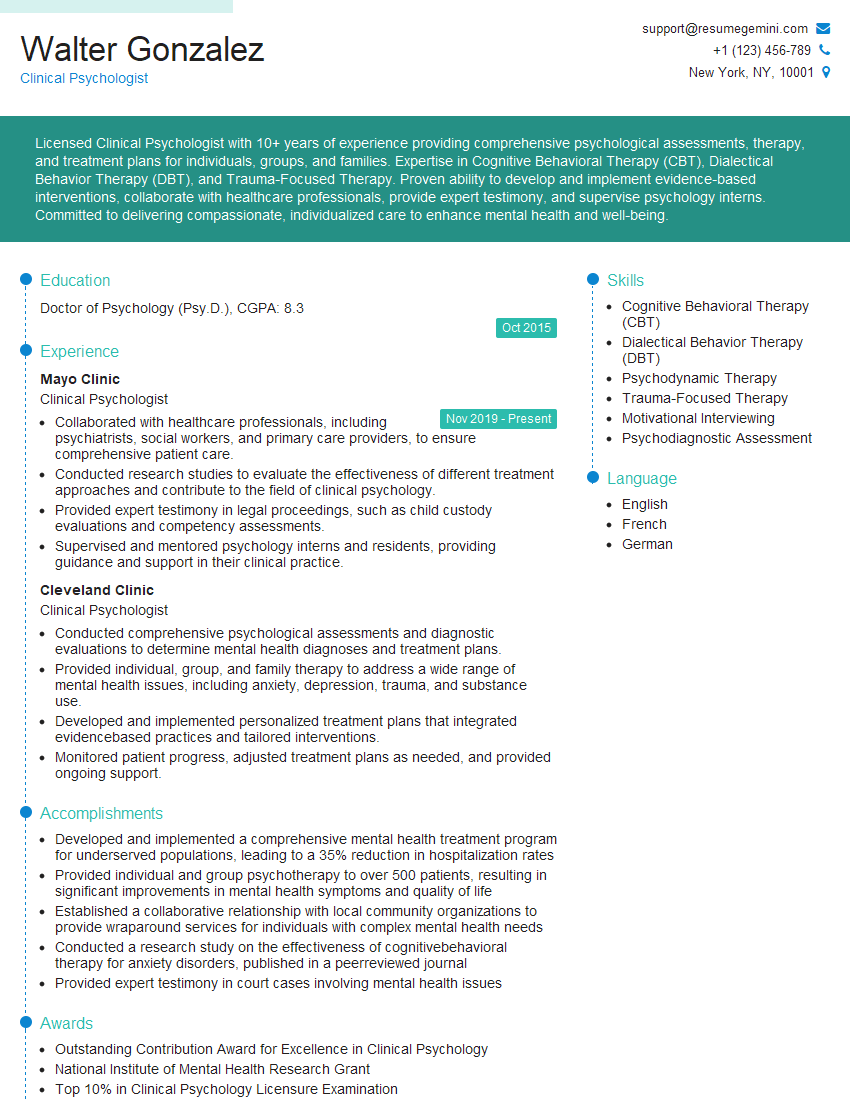
Clinical Psychologist Resume Sample
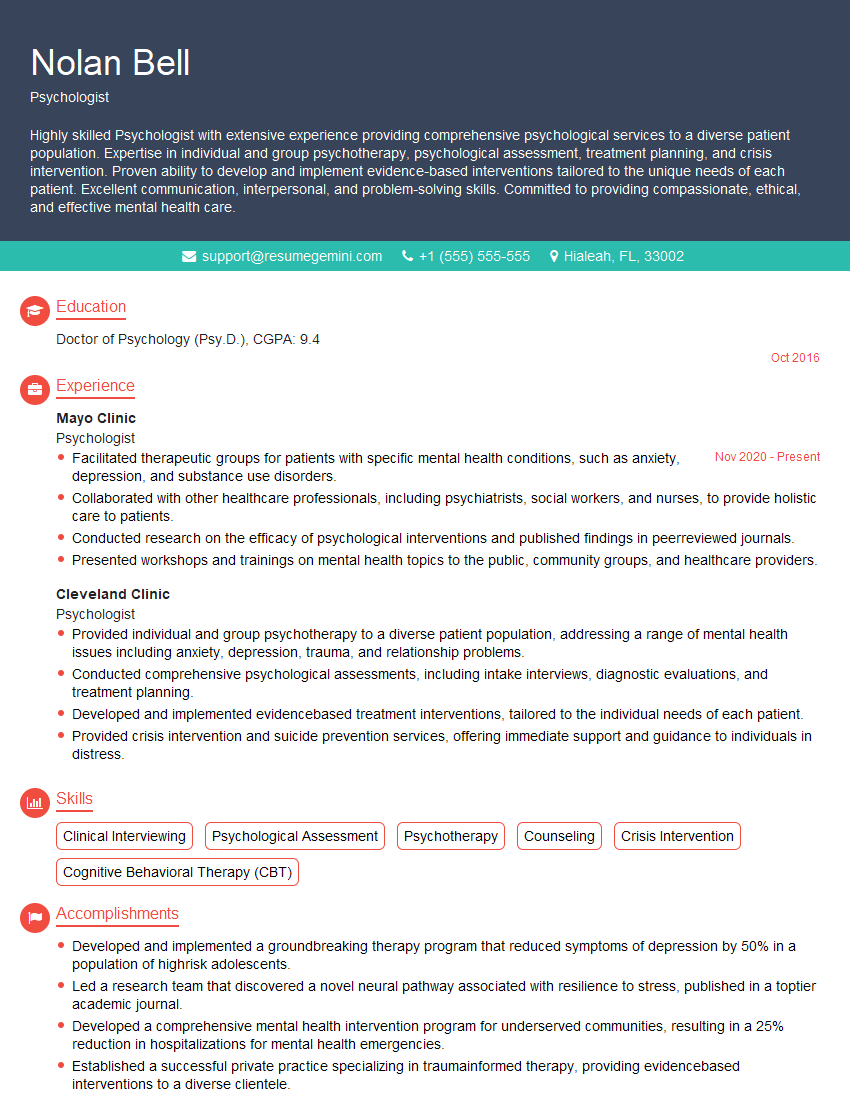
Psychologist Resume Sample
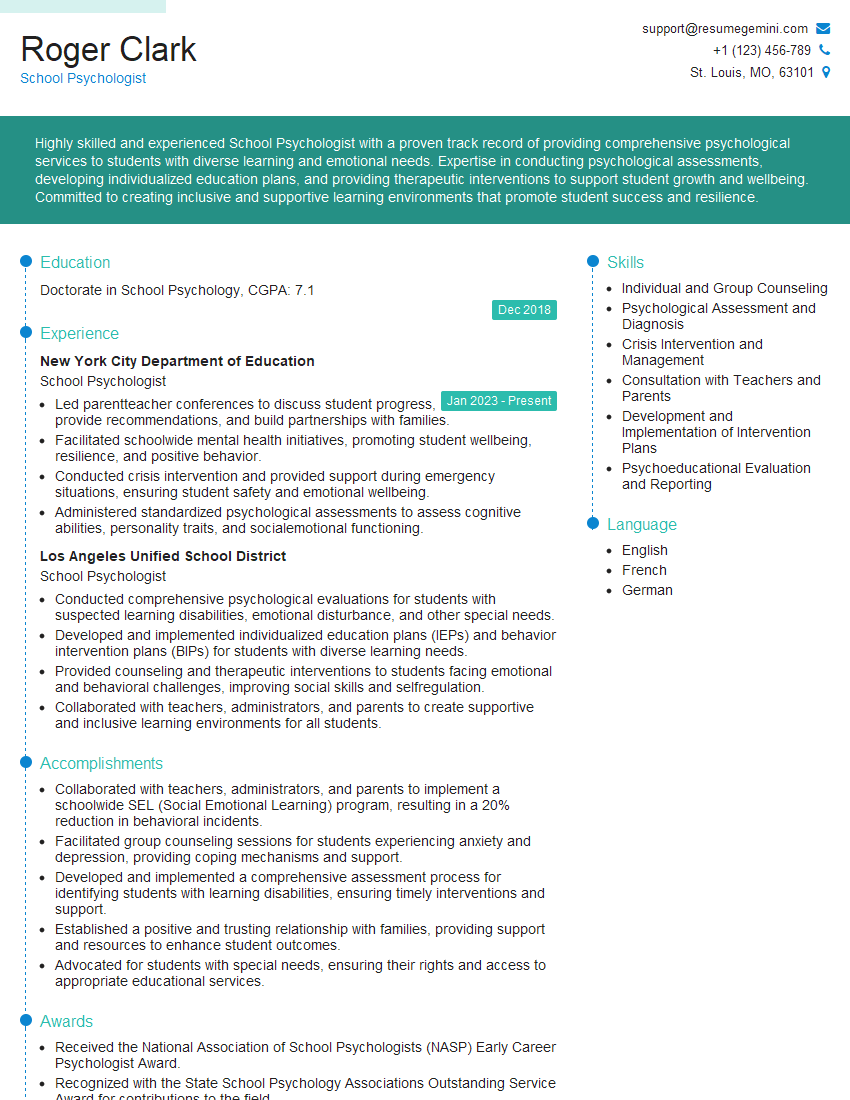
School Psychologist Resume Sample
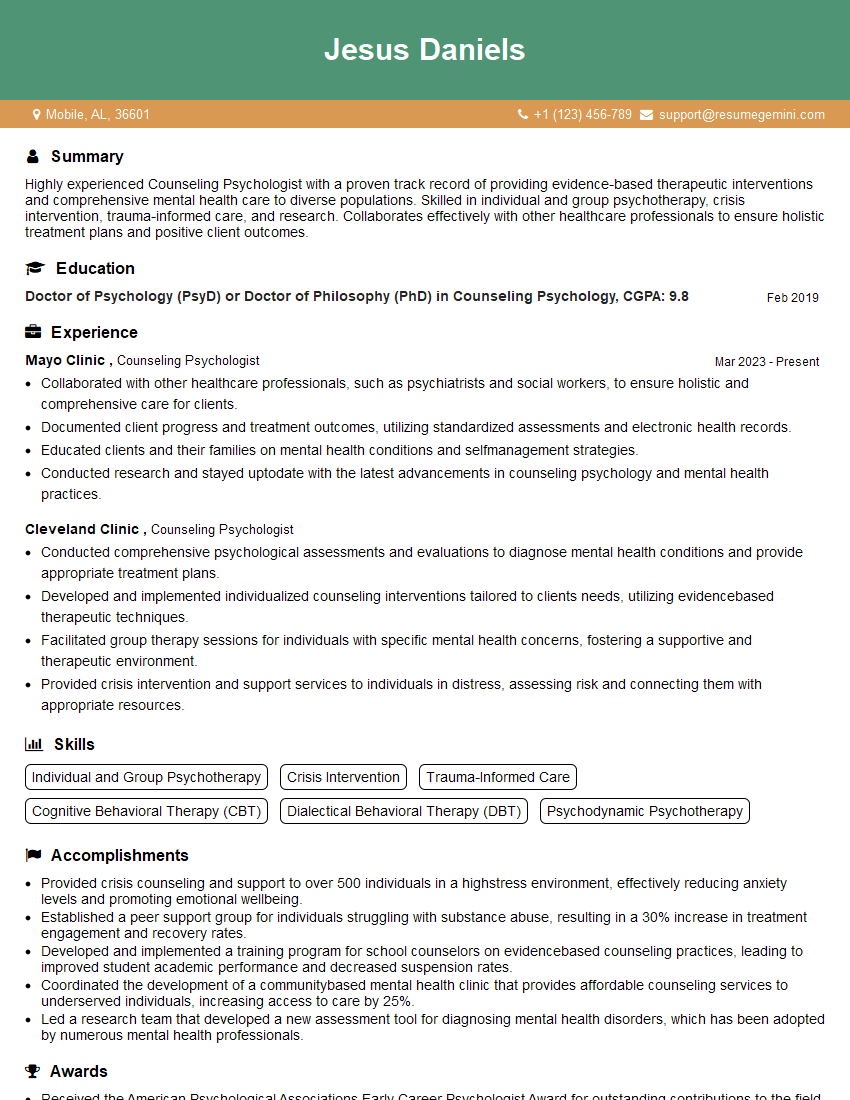
Counseling Psychologist Resume Sample
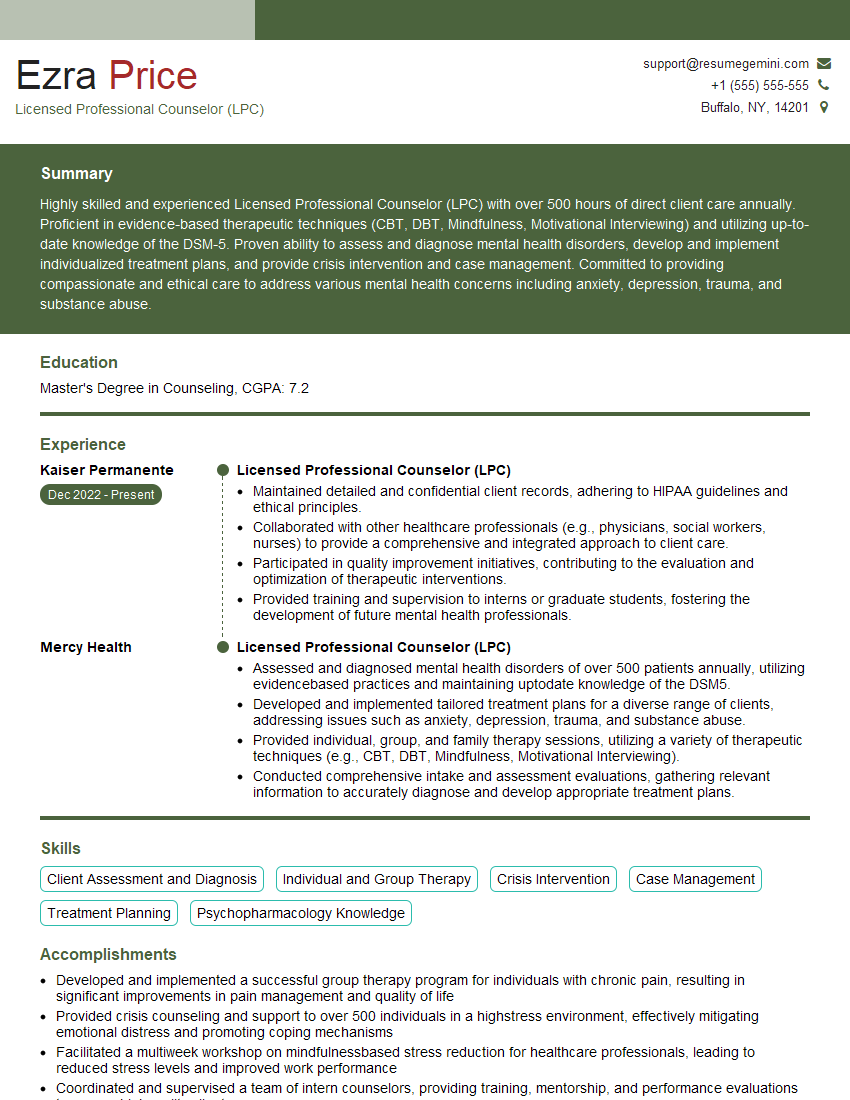
Licensed Professional Counselor (LPC) Resume Sample
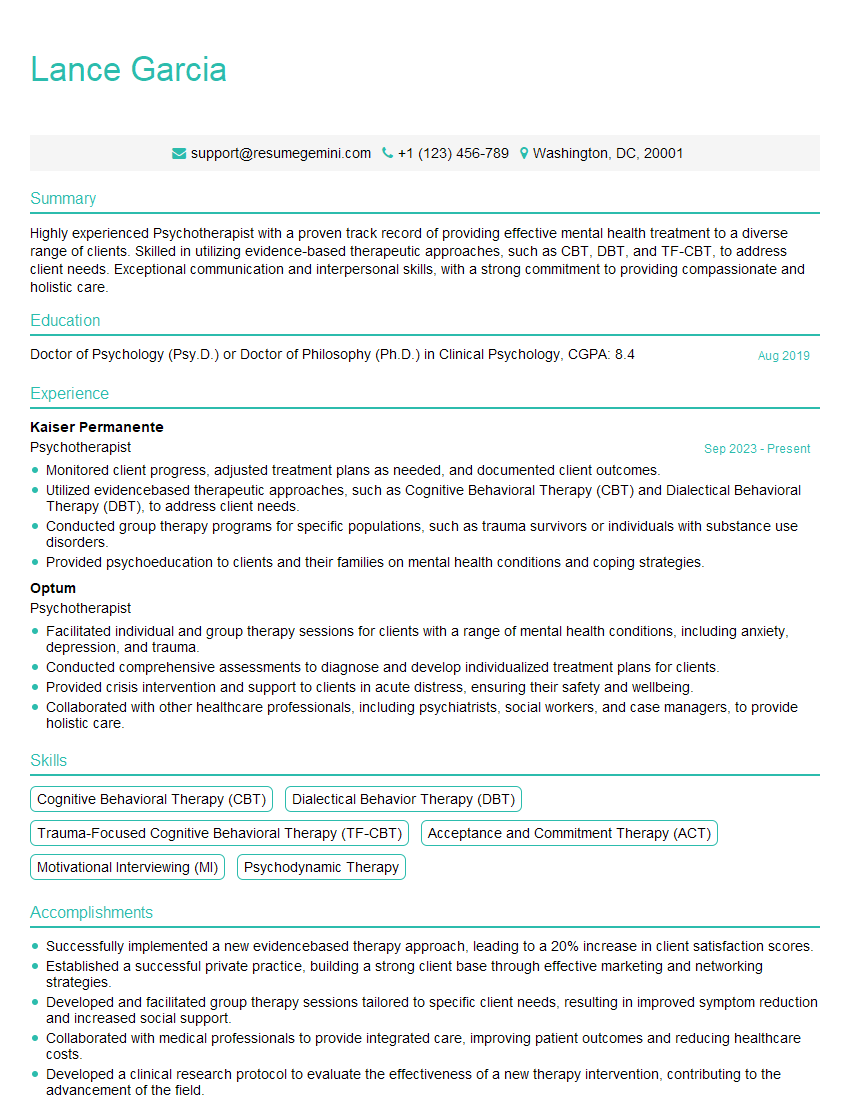
Psychotherapist Resume Sample
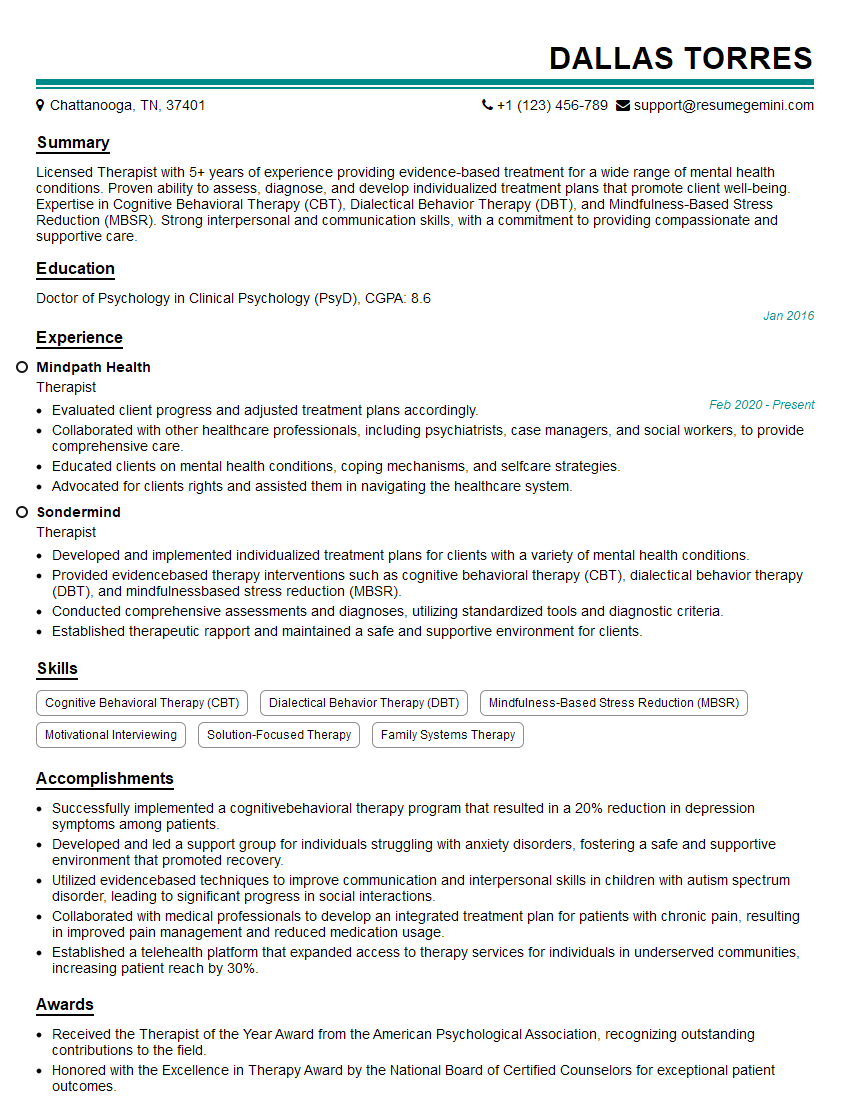
Therapist Resume Sample

Mental Health Counselor Resume Sample
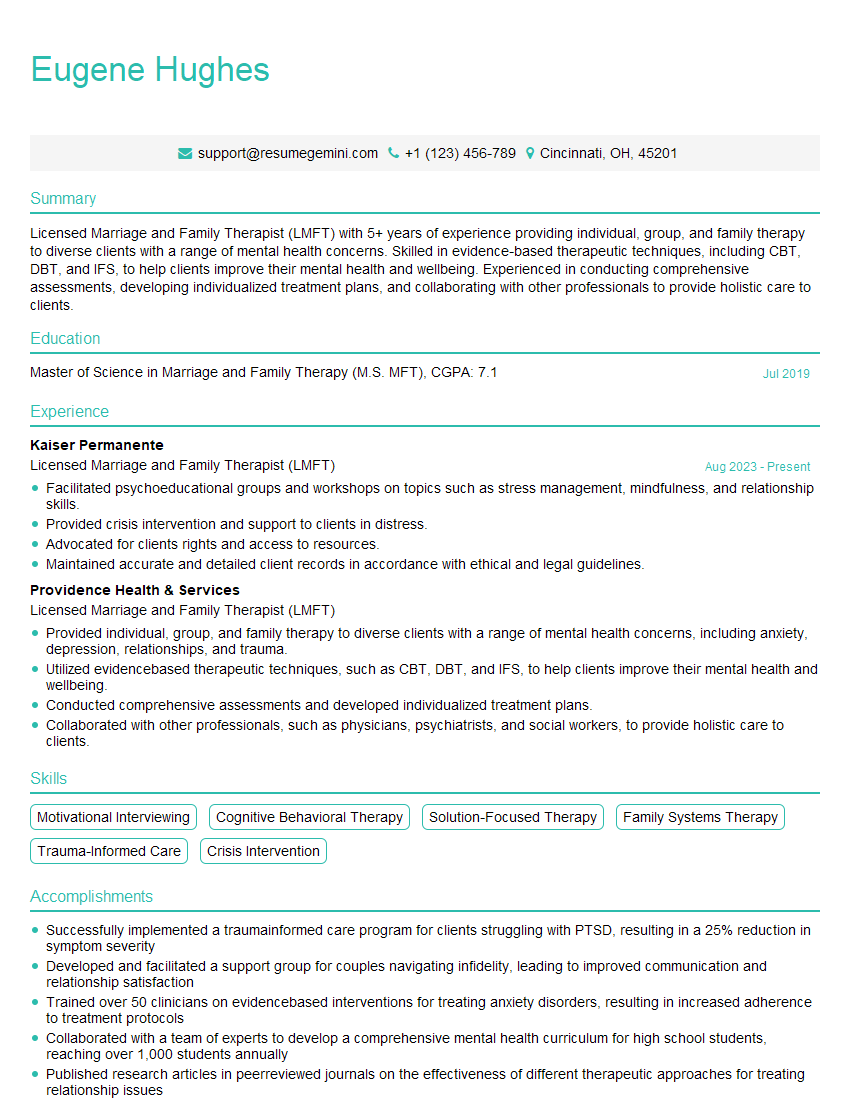
Licensed Marriage and Family Therapist (LMFT) Resume Sample

Rehabilitation Counselor Resume Sample
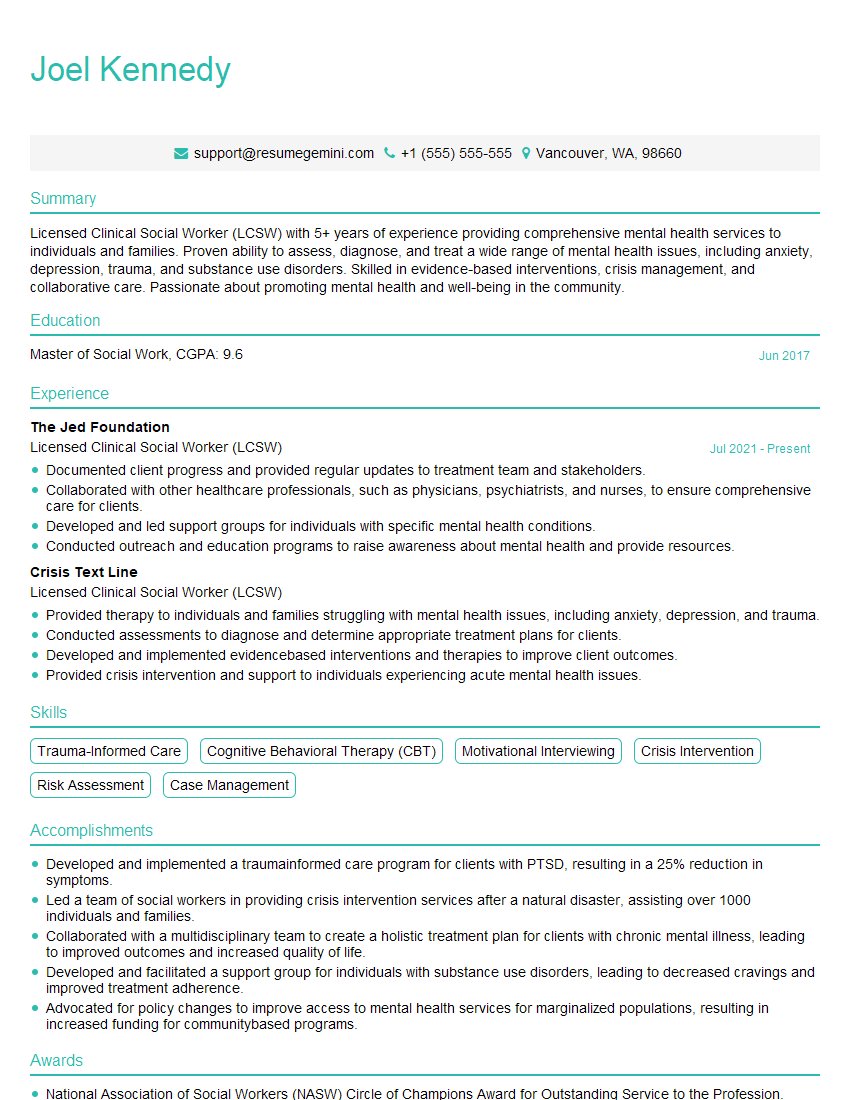
Licensed Clinical Social Worker (LCSW) Resume Sample
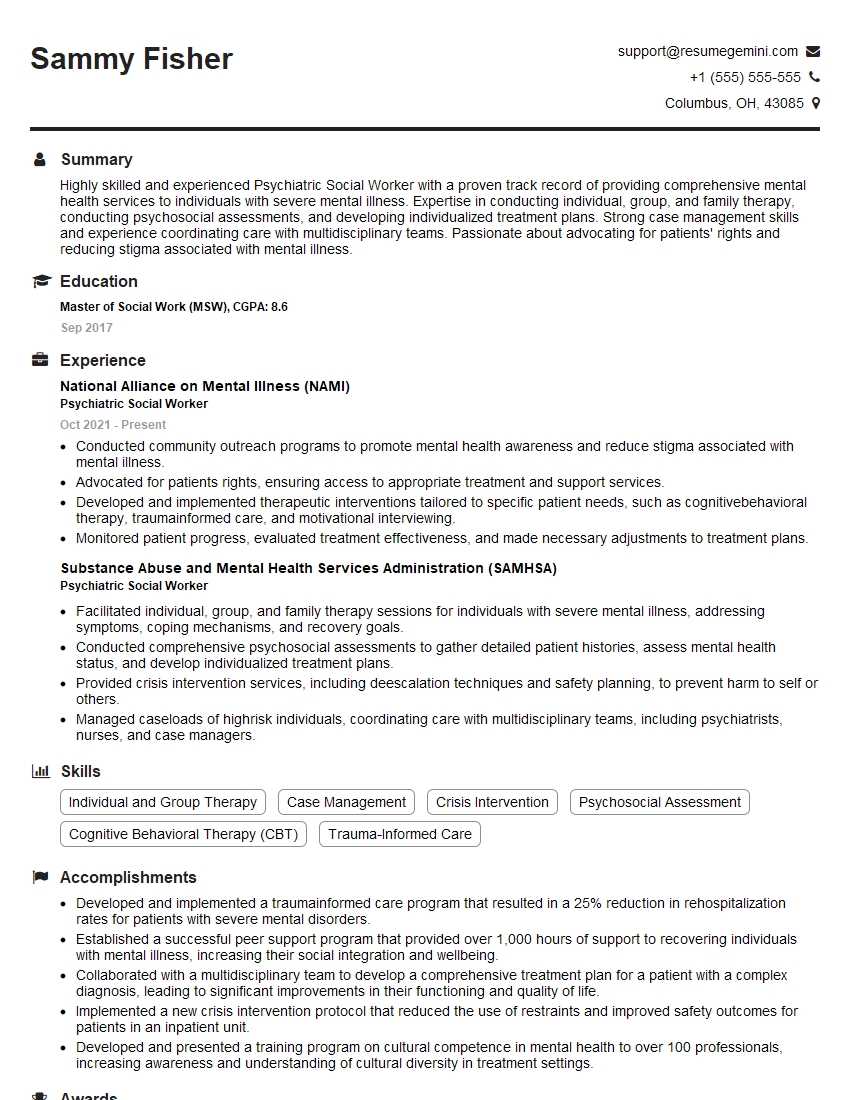
Psychiatric Social Worker Resume Sample
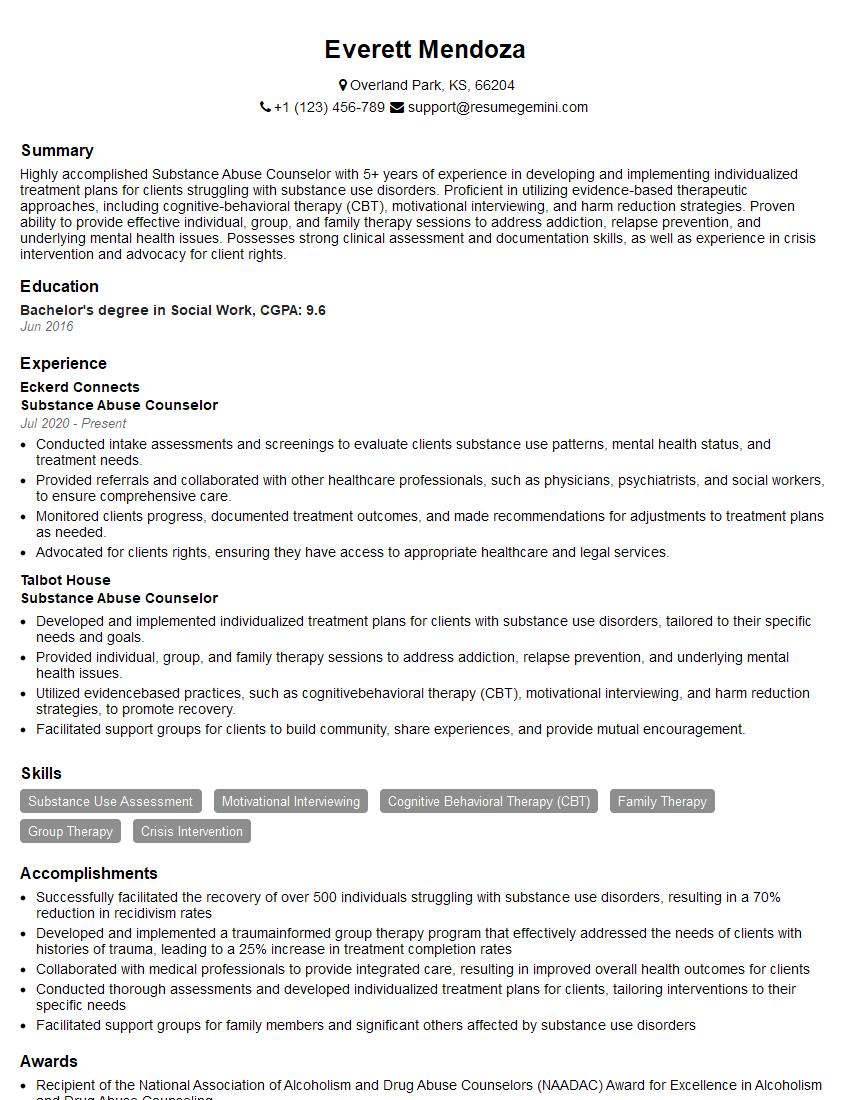
Substance Abuse Counselor Resume Sample
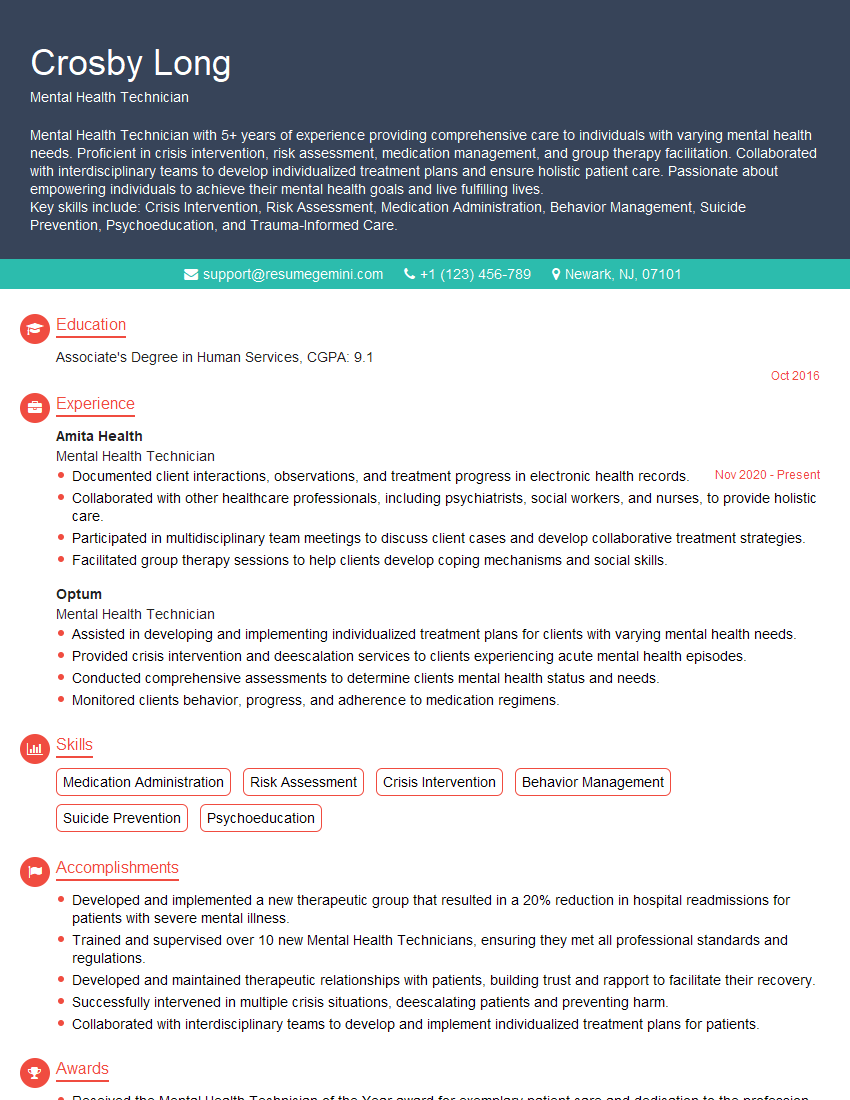
Mental Health Technician Resume Sample
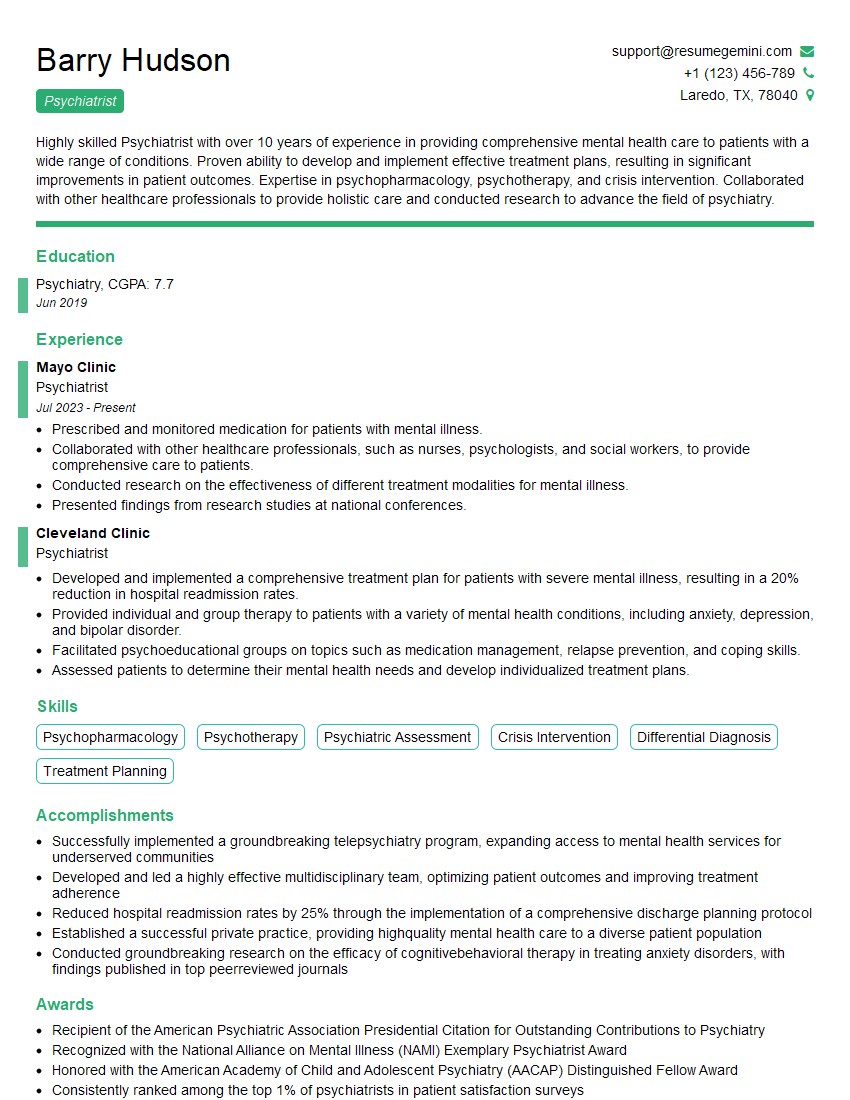
Psychiatrist Resume Sample
- Clinical Psychologist
- Psychologist
- School Psychologist
- Counseling Psychologist
- Licensed Professional Counselor (LPC)
- Psychotherapist
- Therapist
- Mental Health Counselor
- Licensed Marriage and Family Therapist (LMFT)
- Rehabilitation Counselor
- Licensed Clinical Social Worker (LCSW)
- Psychiatric Social Worker
- Substance Abuse Counselor
- Mental Health Technician
- Psychiatrist
Explore more articles
Users Rating of Our Blogs
Share Your Experience
We value your feedback! Please rate our content and share your thoughts (optional).
What Readers Say About Our Blog
To the interviewgemini.com Webmaster.
Very helpful and content specific questions to help prepare me for my interview!
Thank you
To the interviewgemini.com Webmaster.
This was kind of a unique content I found around the specialized skills. Very helpful questions and good detailed answers.
Very Helpful blog, thank you Interviewgemini team.