The thought of an interview can be nerve-wracking, but the right preparation can make all the difference. Explore this comprehensive guide to Massecuite Filtration interview questions and gain the confidence you need to showcase your abilities and secure the role.
Questions Asked in Massecuite Filtration Interview
Q 1. Explain the principles of massecuite filtration.
Massecuite filtration is a crucial step in sugar refining, where the final crystalline sugar (massecuite) is separated from the remaining molasses. The principle relies on the difference in particle size between the sugar crystals and the molasses. Essentially, we force the massecuite through a filter medium, allowing the crystals to be retained while the molasses passes through. This is very similar to brewing coffee – the coffee grounds (crystals) are trapped by the filter, while the liquid coffee (molasses) goes through.
This process involves applying pressure or vacuum to the massecuite, driving the molasses through the filter medium, leaving behind a sugar cake. The cleaner the separation, the higher the sugar recovery and purity.
Q 2. Describe different types of massecuite filters used in sugar production.
Several types of massecuite filters exist, each with its advantages and disadvantages:
- Rotary Vacuum Filters: These are the most common type, using a rotating drum covered with a filter cloth. The massecuite is fed onto the drum, where vacuum draws the molasses through the cloth, forming a sugar cake on the drum’s surface. This cake is then washed to remove residual molasses and finally scraped off.
- Plate and Frame Filters: These employ a series of plates and frames, with filter cloths placed between them. Massecuite is pumped into the frames, and pressure forces the molasses through the cloths. These are simpler but less efficient for continuous large-scale operations than rotary vacuum filters.
- Continuous Pressure Filters: This type uses a series of rotating filter elements under pressure. They offer high capacity and continuous operation but are complex and expensive.
The choice of filter depends on factors like production scale, massecuite properties, desired purity, and budget.
Q 3. What are the key factors affecting massecuite filtration efficiency?
Massecuite filtration efficiency hinges on several critical factors:
- Crystal Size and Distribution: Uniform, larger crystals filter more efficiently than fine or irregularly sized crystals. Fine crystals can clog the filter cloth.
- Massecuite Viscosity: Higher viscosity molasses leads to slower filtration rates. Temperature adjustments can help to control this.
- Filter Cloth Properties: The permeability, strength, and cleanliness of the filter cloth are vital. A clogged or damaged cloth significantly reduces efficiency.
- Pressure or Vacuum: Appropriate pressure or vacuum is crucial. Too little pressure results in slow filtration, while excessive pressure could damage the filter cloth or equipment.
- Filter Aid Usage: Proper use of filter aids improves the cake permeability, leading to faster filtration and reduced molasses losses.
- Washing Efficiency: Effective cake washing is essential to maximize sugar recovery and purity.
Q 4. How do you optimize cake washing in massecuite filtration?
Optimizing cake washing is crucial to maximize sugar recovery and minimize molasses losses. This involves a multi-step approach:
- Effective Washing Techniques: Using counter-current washing, where fresh wash water is applied against the flow of molasses, maximizes the removal of molasses from the sugar cake.
- Wash Water Management: Careful control of wash water volume and flow rate prevents excessive dilution and loss of sugar.
- Washing Time: Sufficient time must be allocated to ensure thorough washing. The washing time is balanced against efficiency; prolonged washing increases water usage without significant purity gains.
- Wash Water Purity: Using clean, high-quality water prevents contamination of the washed sugar.
- Monitoring and Control: Regular monitoring of the wash water’s purity and the washed sugar’s quality provides essential feedback for optimization.
Q 5. Explain the role of filter aid in massecuite filtration.
Filter aids are porous materials added to the massecuite to improve filterability. They increase the permeability of the cake, leading to faster filtration rates and better clarity of the filtrate (molasses). Common filter aids include diatomaceous earth and perlite. Think of it like adding sand to a clogged drain – it improves the flow of water.
Adding filter aid increases the porosity of the filter cake, providing channels for the molasses to flow through more easily, resulting in higher efficiency and less molasses loss. The selection of filter aid depends on the massecuite properties and desired filtration performance.
Q 6. What are the common problems encountered in massecuite filtration, and how are they addressed?
Several problems can arise during massecuite filtration:
- Clogging of the filter cloth: This is often due to fine crystals or the presence of impurities. Regular cleaning and replacement of the filter cloth are necessary. Pre-filtration of the massecuite may also be required.
- Slow filtration rates: This can result from high viscosity massecuite, improper pressure, or a clogged filter cloth. Adjustments to temperature, pressure, and filter aid addition can address this.
- Excessive molasses loss: This indicates inefficiency in the filtration or washing process. Optimizing washing techniques and filter aid use can mitigate this.
- Sugar losses in the filtrate: This indicates inadequate filtration or washing. Improved washing procedures and potentially filter cloth adjustment can address this.
Troubleshooting involves systematic investigation, starting with visual inspection, then analyzing the massecuite properties, filter cloth condition, and operating parameters. Data-driven adjustments are often the most effective approach.
Q 7. Describe the maintenance procedures for massecuite filters.
Regular maintenance is essential to ensure efficient and trouble-free operation of massecuite filters:
- Filter cloth cleaning and replacement: Regular cleaning and timely replacement of the filter cloth are vital to maintain permeability and prevent clogging.
- Inspection of filter elements: Regular inspections are needed to identify and repair any damage or wear.
- Vacuum pump maintenance: Proper maintenance of the vacuum pump ensures efficient operation.
- Cleaning of the filter housing and other components: Regular cleaning of all components prevents build-up of sugar and molasses.
- Lubrication of moving parts: Proper lubrication reduces friction and wear.
A preventive maintenance schedule should be established and followed rigorously to minimize downtime and maximize the filter’s lifespan. Documentation of maintenance procedures and observations is crucial for troubleshooting and optimization.
Q 8. How do you monitor and control the filtration process parameters?
Monitoring and controlling massecuite filtration parameters is crucial for efficient and consistent sugar production. We utilize a combination of automated systems and manual checks. Key parameters include:
- Vacuum Level: Continuously monitored using vacuum gauges. Maintaining optimal vacuum is vital for efficient filtration. Too low a vacuum slows filtration; too high risks damaging the filter cloth.
- Filtration Rate: Measured in volume per unit time (e.g., m³/hr). A decreasing filtration rate signals potential problems, prompting investigation.
- Cake Dryness: Assessed by periodically checking the moisture content of the filter cake. This helps optimize the filtration cycle and prevents excessive sugar loss.
- Temperature: Monitored using thermocouples. Maintaining the correct temperature is crucial for efficient crystallization and prevents premature fouling.
- Pressure Difference: The difference between the pressure upstream and downstream of the filter is measured, providing insights into cake resistance.
Control is achieved through automated systems regulating vacuum pumps, filter press operation, and temperature control. Manual adjustments are made as needed based on real-time monitoring data. For example, if the filtration rate drops significantly, we may adjust the vacuum level or consider cleaning the filter cloth. Regular calibration of instruments ensures accuracy.
Q 9. Explain the importance of vacuum in massecuite filtration.
Vacuum is absolutely essential in massecuite filtration. It creates a pressure difference across the filter medium, driving the filtrate (syrup) through the cake (crystallized sugar) and leaving behind the dry sugar crystals. Think of it like a powerful suction pulling the liquid out. A higher vacuum level generally translates to a faster filtration rate and a drier filter cake, thus improving efficiency and sugar recovery.
Without sufficient vacuum, the filtration rate becomes drastically slower, leading to longer processing times, increased energy consumption, and potentially a higher moisture content in the final sugar product. This negatively impacts sugar quality and can lead to post-processing problems.
Q 10. How do you troubleshoot a decrease in filtration rate?
A decrease in filtration rate is a common problem in massecuite filtration. Troubleshooting involves a systematic approach:
- Check the vacuum level: A low vacuum is the most common culprit. Verify the vacuum pump’s operation and check for leaks in the system.
- Inspect the filter cloth: A clogged or damaged filter cloth significantly reduces the filtration rate. Visual inspection and possibly replacement might be necessary.
- Analyze the massecuite properties: An unusually high solids content, fine crystals, or the presence of impurities can lead to a slower filtration rate. Adjusting the crystallization process upstream might be necessary.
- Examine the filter cake: A tightly packed cake indicates high resistance to flow. This might require adjustments to the feed rate or the vacuum level.
- Assess the filter press operation: Check for any mechanical issues in the filter press itself that might be hindering filtration.
Often, the problem is a combination of factors. For instance, a partially clogged filter cloth coupled with high massecuite solids can drastically reduce the filtration rate. A thorough investigation is crucial to pinpoint the root cause and implement the correct solution.
Q 11. What are the safety protocols associated with operating massecuite filters?
Safety is paramount when operating massecuite filters. Protocols include:
- Lockout/Tagout Procedures: Before any maintenance or cleaning, the filter must be properly isolated and locked out to prevent accidental startup.
- Personal Protective Equipment (PPE): Workers must wear appropriate PPE, including safety glasses, gloves, and protective clothing to prevent chemical splashes and physical injuries.
- Confined Space Entry Procedures: If entering the filter press for cleaning or maintenance, strict confined space entry procedures must be followed, including atmospheric monitoring and having a standby person.
- Emergency Shutdown Procedures: Clearly defined emergency shutdown procedures must be in place and all operators must be trained on their use.
- Regular Inspections: Regular inspection of the equipment for leaks, wear, and tear is crucial for preventing accidents.
Comprehensive safety training and adherence to established protocols are essential to minimize risks and maintain a safe working environment.
Q 12. Describe the process of cleaning and sanitizing massecuite filters.
Cleaning and sanitizing massecuite filters is critical for preventing bacterial growth and ensuring product quality. The process generally involves:
- Disassembly (if necessary): Depending on the filter design, some components might need to be disassembled for thorough cleaning.
- Washing: The filter cloth and other components are washed with water to remove loose sugar crystals and debris. Sometimes, specialized cleaning agents are used to remove stubborn residues.
- Sanitization: A suitable sanitizing agent (e.g., a diluted solution of chlorine or other approved disinfectant) is used to kill bacteria and prevent contamination. The contact time should be sufficient to ensure effective sanitization.
- Rinsing: Thorough rinsing with clean water is crucial to remove any residual cleaning or sanitizing agents.
- Reassembly and Inspection: Components are reassembled, and the filter is inspected for proper function before resuming operation.
The specific cleaning and sanitizing agents and procedures should be chosen based on the filter material and the regulatory requirements. Proper documentation of the cleaning and sanitizing process is essential for traceability and quality control.
Q 13. Explain the impact of crystal size on filtration rate.
Crystal size has a significant impact on filtration rate. Larger crystals form a more porous cake, offering less resistance to the flow of filtrate. This results in a faster filtration rate. Conversely, smaller crystals create a denser cake with higher resistance, leading to a slower filtration rate and potentially a wetter cake. Imagine trying to drain water through a pile of large pebbles versus a pile of fine sand; the pebbles allow for much faster drainage.
Optimizing crystal size during the crystallization process is therefore crucial for efficient filtration. This involves controlling factors such as supersaturation, temperature, and agitation.
Q 14. How do you determine the optimal filter cycle time?
Determining the optimal filter cycle time involves balancing several factors: filtration rate, cake dryness, and overall production efficiency. A shorter cycle time leads to more frequent filter discharges and cleaning but yields a drier cake. A longer cycle time reduces the frequency of cleaning but might result in a wetter cake and lower efficiency due to decreased filtration rates later in the cycle.
We use data from previous runs and real-time monitoring data to find the sweet spot. This often involves analyzing the filtration rate curve over time and determining when the rate drops significantly, indicating a diminishing return. Economic analysis also factors in, weighing the costs of cleaning against the potential losses from a wetter cake. The goal is to maximize sugar recovery while minimizing downtime and energy consumption.
Q 15. How do you analyze massecuite filtrate for quality control?
Analyzing massecuite filtrate for quality control is crucial for optimizing sugar recovery and maintaining product purity. We primarily assess its:
- Purity: This is determined using techniques like polarimetry to measure the sucrose content and refractometry to determine the total dissolved solids. A higher purity indicates less sugar loss in the filtrate.
- Color: Darker filtrate suggests the presence of impurities which can impact the final sugar product’s quality. Color is measured using spectrophotometry.
- Clarity: Turbidity is measured and indicates the presence of suspended solids that weren’t removed during filtration. High turbidity suggests inefficiencies in the filtration process.
- pH: The pH of the filtrate reflects the overall process conditions. Significant deviations from the optimal range can indicate problems upstream, such as issues with liming or clarification.
By regularly monitoring these parameters, we can identify trends and promptly address any deviations from the desired quality, minimizing losses and ensuring consistent product quality. For example, if the purity is consistently low, we might need to investigate the effectiveness of our crystallization process or consider adjustments to the washing stage. Similarly, high turbidity might indicate the need for filter media replacement or adjustments to the centrifuge operation.
Career Expert Tips:
- Ace those interviews! Prepare effectively by reviewing the Top 50 Most Common Interview Questions on ResumeGemini.
- Navigate your job search with confidence! Explore a wide range of Career Tips on ResumeGemini. Learn about common challenges and recommendations to overcome them.
- Craft the perfect resume! Master the Art of Resume Writing with ResumeGemini’s guide. Showcase your unique qualifications and achievements effectively.
- Don’t miss out on holiday savings! Build your dream resume with ResumeGemini’s ATS optimized templates.
Q 16. Explain the importance of proper cake discharge.
Proper cake discharge is paramount to efficient massecuite filtration. Incomplete discharge leads to:
- Reduced Throughput: The residual massecuite in the centrifuge occupies valuable space, reducing the cycle time and overall processing capacity.
- Increased Sugar Losses: The trapped sugar in the remaining cake represents a direct loss of yield and revenue.
- Higher Moisture Content: The retained massecuite in the discharged cake leads to higher moisture content, affecting the quality and drying requirements of the final sugar.
- Potential for Equipment Damage: Accumulated material can cause mechanical stress and lead to damage or malfunction of the centrifuge.
Effective cake discharge depends on factors like centrifuge design, speed of rotation, the angle of the basket, and the use of appropriate discharge mechanisms (e.g., knife discharge, scroll discharge). Regular inspection and maintenance of these components are essential to ensure a smooth and complete discharge process. A well-maintained centrifuge, optimized operating parameters, and operator training are key to minimize cake retention and maximize efficiency.
Q 17. What are the economic considerations in choosing a massecuite filtration system?
Choosing a massecuite filtration system involves a careful economic evaluation considering several factors:
- Capital Costs: This includes the initial investment in the filtration equipment, installation, and auxiliary infrastructure.
- Operating Costs: This encompasses energy consumption, labor costs, maintenance expenses (including filter media replacement), and waste disposal.
- Sugar Recovery: A system with higher sugar recovery translates to greater revenue and reduced losses. This is a critical factor often outweighing others.
- Maintenance and Downtime: Systems with higher reliability and less downtime minimize production disruption and loss of output.
- Throughput: The capacity of the system to handle the massecuite volume needs to match the factory’s production rate.
A cost-benefit analysis is usually performed, comparing different systems (e.g., different centrifuge types, vacuum belt filter) based on their life cycle costs. Factors like available space, environmental regulations, and the specific properties of the massecuite being processed also influence the decision. For example, a higher capital cost centrifuge might be justified if it delivers significantly higher sugar recovery and reduced downtime, thus resulting in lower long-term operating costs.
Q 18. Describe the different types of centrifuge used for massecuite processing.
Several types of centrifuges are used for massecuite processing, each with its advantages and limitations:
- Horizontal Basket Centrifuges: These centrifuges have a horizontal rotating basket. They are relatively simple and robust but might be less efficient for fine massecuites.
- Vertical Basket Centrifuges: These have a vertical rotating basket, often featuring a screw conveyor for efficient cake discharge. They generally offer higher capacities and better control over the process.
- Decanter Centrifuges: These are continuous centrifuges with a rotating bowl and a scroll conveyor for solid-liquid separation. They handle large volumes and provide continuous operation, minimizing downtime, but are typically more complex and expensive.
- Pusher Centrifuges: These centrifuges use a reciprocating piston to push the solid cake out of the rotating basket. They are quite efficient and suitable for handling a wide range of massecuite properties.
The selection depends on several factors such as the massecuite properties (crystals size, viscosity), the desired capacity, and budget constraints. Larger sugar refineries might prefer decanter centrifuges due to their continuous operation, whereas smaller plants might opt for simpler horizontal or vertical basket centrifuges.
Q 19. How do you calculate the filtration rate?
The filtration rate in massecuite processing is usually expressed as the volume of filtrate collected per unit area of filter surface per unit time. A common unit is liters per square meter per hour (L/m²/h). It’s calculated as:
Filtration Rate (L/m²/h) = (Volume of filtrate collected (L)) / (Filter area (m²) * Time (h))
For instance, if 100 liters of filtrate are collected over 2 hours from a filter with an area of 5 square meters, the filtration rate would be:
Filtration Rate = 100 L / (5 m² * 2 h) = 10 L/m²/h
Regular monitoring of the filtration rate is crucial. A decreasing filtration rate indicates potential problems such as filter blinding or changes in massecuite properties. This information helps optimize the filtration process, identify potential issues, and make necessary adjustments such as filter media replacement or operational parameter changes.
Q 20. What are the advantages and disadvantages of different filter media?
Various filter media are used in massecuite filtration, each with its strengths and weaknesses:
- Cotton Cloth: Relatively inexpensive, but prone to blinding and has a shorter lifespan compared to other options.
- Polyester Cloth: Offers higher strength and longer life than cotton, resistant to tearing and abrasion, and can withstand higher temperatures.
- Polypropylene Cloth: Chemically inert, resistant to a wide range of chemicals and solvents, and offers good filtration efficiency but may be more expensive than cotton or polyester.
- Filter Papers/Sheets: Used as a pre-coat or in conjunction with cloths to enhance filtration efficiency, but can be more costly and require more frequent changes.
The choice depends on factors such as the type of massecuite, desired filtration rate, cost considerations, and the need for chemical resistance. For example, if chemical compatibility is crucial, polypropylene would be preferred. If cost is a primary concern, cotton might be chosen despite its shorter lifespan. Regular inspection and replacement of the filter media are essential to maintain optimal filtration performance and prevent premature failure.
Q 21. How do you deal with filter blinding during operation?
Filter blinding, the reduction of filtration rate due to the accumulation of solids on the filter media surface, is a common problem in massecuite filtration. Several strategies can be employed to address this:
- Pre-coating: Applying a layer of fine material (e.g., diatomaceous earth) onto the filter medium before filtration helps create a more uniform filtration surface and prevent early blinding.
- Backwashing: Reversing the flow of filtrate through the filter medium can help dislodge some of the accumulated solids, temporarily restoring filtration efficiency.
- Filter Media Cleaning: Cleaning the filter medium using appropriate solvents or techniques is necessary during downtime to remove solids that cannot be removed by backwashing.
- Chemical Cleaning: In cases of severe blinding, chemical cleaning agents might be necessary to remove stubborn deposits.
- Regular Filter Media Replacement: Periodic replacement of the filter media, based on monitored filtration rates and visual inspection, is essential for maintaining optimal performance.
The best approach depends on the severity of the blinding, the type of filter medium, and available resources. Regular monitoring of the filtration rate and pressure differential across the filter helps in the early detection of blinding and timely intervention. Preventing severe blinding is always more cost-effective than dealing with it.
Q 22. Explain the concept of mud removal in massecuite filtration.
Mud removal in massecuite filtration is crucial for obtaining high-quality sugar crystals. Massecuite, a mixture of sugar crystals and molasses, contains fine solid impurities often referred to as ‘mud’. This mud needs to be effectively separated to prevent it from contaminating the final sugar product and hindering the filtration process itself. Efficient mud removal ensures higher purity, better crystal recovery, and increased operational efficiency.
The process typically involves several steps, including pre-filtration to remove larger particles and then using specialized filters like rotary vacuum filters or centrifuges. These machines utilize different mechanisms, such as centrifugal force (in centrifuges) or vacuum pressure (in vacuum filters), to separate the solid sugar crystals from the liquid molasses and mud. The effectiveness of mud removal depends on factors such as the filter cloth selection, the massecuite consistency, and the operating parameters of the filtration equipment. A poorly executed mud removal step can lead to reduced sugar purity and lower yields.
Q 23. Describe the role of automation in massecuite filtration.
Automation plays a vital role in modern massecuite filtration, significantly improving efficiency, consistency, and safety. Automated systems monitor and control various parameters, such as temperature, pressure, feed rate, and filtrate clarity. This allows for precise adjustments to optimize the filtration process in real-time. For instance, an automated system can dynamically adjust the vacuum pressure in a rotary vacuum filter based on the massecuite consistency and filter cake buildup, ensuring optimal filtration rate while minimizing filter cloth clogging.
Furthermore, automated systems enhance operator safety by minimizing manual intervention in potentially hazardous environments. They also improve data collection and analysis, which enables better process optimization and troubleshooting. Think of it like a self-driving car for your filtration system—it makes the journey smoother, safer, and more efficient.
Q 24. How does temperature affect massecuite filtration?
Temperature significantly impacts massecuite filtration. Lower temperatures generally result in increased viscosity of the molasses, making the filtration process slower and less efficient. The molasses becomes thicker, hindering the flow and potentially causing filter cake blinding. Conversely, higher temperatures can reduce viscosity, leading to a faster filtration rate. However, excessively high temperatures can damage the sugar crystals, affecting their quality and potentially causing increased solubility and crystal degradation.
The ideal temperature is a delicate balance, often dependent on the type of sugar being processed and the specific filtration equipment used. Finding the optimal temperature often involves experimentation and process optimization strategies to achieve the best combination of filtration rate and sugar crystal quality. It’s a bit like baking a cake – you need the right temperature to get the perfect texture and avoid burning or underbaking.
Q 25. How do you ensure the consistent quality of the final product?
Ensuring consistent quality of the final sugar product requires a multi-faceted approach involving stringent quality control at every stage of the massecuite filtration process. This includes meticulous monitoring of parameters such as purity, color, crystal size distribution, and moisture content. Regular checks of the filter cloth condition and timely replacement are also essential. Automated systems equipped with sensors and sophisticated control algorithms play a vital role in maintaining consistency by precisely controlling operational parameters and detecting potential deviations from optimal settings.
Furthermore, strict adherence to established Standard Operating Procedures (SOPs) and regular calibration of equipment are crucial. A robust quality control program involves sampling and analysis at various stages of the process and the use of statistical process control (SPC) techniques to identify and address any trends towards variability or quality degradation. Think of it as a continuous improvement cycle – constantly monitoring and adjusting to maintain the highest standards.
Q 26. What are the environmental considerations of massecuite filtration?
Environmental considerations in massecuite filtration are paramount. The process generates wastewater containing organic matter and potentially harmful chemicals. Proper treatment of this wastewater is critical to minimize environmental impact. Effective wastewater treatment strategies include biological treatment, chemical precipitation, and membrane filtration to remove pollutants before discharge. Responsible management of filter cloth disposal is also important, since many are made of synthetic materials. Minimizing water usage in the process, through efficient equipment design and operational optimization, is also a critical area of focus.
Furthermore, reducing energy consumption during the filtration process is vital for environmental sustainability. This can be achieved through the use of energy-efficient equipment, optimization of process parameters, and integration of renewable energy sources. Sustainable practices are not just about regulatory compliance; they are vital for the long-term viability and social responsibility of the sugar industry.
Q 27. Explain the process of troubleshooting a centrifuge malfunction.
Troubleshooting a centrifuge malfunction involves a systematic approach. First, identify the specific problem: Is it reduced throughput, inconsistent cake dryness, excessive vibration, or leakage? Then, systematically check the following:
- Visual inspection: Check for any visible damage to the centrifuge components, such as cracks, wear, or misalignment.
- Operational parameter review: Analyze the recorded data to identify any deviations from optimal operating conditions (speed, feed rate, etc.).
- Filter cloth condition: Inspect the filter cloth for clogging, damage, or improper installation.
- Mechanical components: Check for wear and tear in bearings, seals, and drive mechanisms.
- Electrical system: Examine the electrical controls, wiring, and motor for any faults.
If the problem persists after these checks, consult the centrifuge’s maintenance manual and contact specialized technicians for further diagnosis and repair. A methodical approach minimizes downtime and prevents more serious damage.
Q 28. Describe your experience with different types of filter cloths.
My experience encompasses a range of filter cloths used in massecuite filtration, each with its own advantages and disadvantages. I’ve worked with woven cloths made of synthetic fibers such as polyester and polypropylene, which offer good chemical resistance and durability but can be prone to blinding if not properly chosen for the specific massecuite characteristics. I’ve also used non-woven cloths, which generally offer higher permeability but might have a shorter lifespan. The choice depends on factors like massecuite properties, desired filtration rate, cycle time, and cost considerations.
In some applications, we’ve experimented with specialized filter cloths designed to minimize cake adhesion and improve cleaning efficiency. The selection of a suitable filter cloth involves balancing its cost with its performance and lifecycle. Careful consideration must be given to the cloth’s permeability, chemical compatibility, and resistance to abrasion. Each cloth type represents a trade-off – a more durable cloth might be less permeable, impacting the filtration rate. The selection process is like choosing the right tool for a job – each possesses unique strengths making it suitable for specific needs.
Key Topics to Learn for Massecuite Filtration Interview
- Crystallization and Nucleation: Understanding the principles behind sugar crystal formation and the factors influencing crystal size and shape. Consider the impact of different operating parameters.
- Filtration Mechanisms: Explore the various filtration techniques used in massecuite processing (e.g., rotary vacuum filters, pressure filters). Analyze the theoretical underpinnings and practical limitations of each method.
- Cake Washing and Purity: Learn about the importance of effectively washing the filter cake to maximize sugar recovery and minimize impurities. Discuss strategies for optimizing wash efficiency.
- Filter Media Selection: Understand the properties of different filter media (e.g., cloth, screens) and how their selection impacts filtration rate, cake properties, and overall efficiency. Consider factors like permeability and cost.
- Process Control and Optimization: Explore the role of automated control systems in monitoring and optimizing massecuite filtration processes. Discuss strategies for troubleshooting common operational problems and improving overall performance.
- Troubleshooting and Maintenance: Develop a strong understanding of common issues encountered in massecuite filtration, such as filter blinding, cake cracking, and reduced filtration rates. Outline preventative maintenance strategies and troubleshooting techniques.
- Energy Efficiency and Sustainability: Discuss the environmental impact of massecuite filtration and strategies for minimizing energy consumption and waste generation. Explore techniques for improving sustainability.
- Safety Procedures and Regulations: Familiarize yourself with relevant safety regulations and best practices for operating massecuite filtration equipment. This is crucial for demonstrating your commitment to workplace safety.
Next Steps
Mastering Massecuite Filtration opens doors to exciting career opportunities in the sugar processing industry, offering potential for advancement and specialization. A strong understanding of these processes is highly valued by employers. To maximize your job prospects, create an ATS-friendly resume that highlights your skills and experience effectively. ResumeGemini is a trusted resource that can help you build a professional and impactful resume tailored to the sugar industry. Examples of resumes tailored to Massecuite Filtration are available to guide you, ensuring your qualifications shine through.

Operations Manager Resume Sample
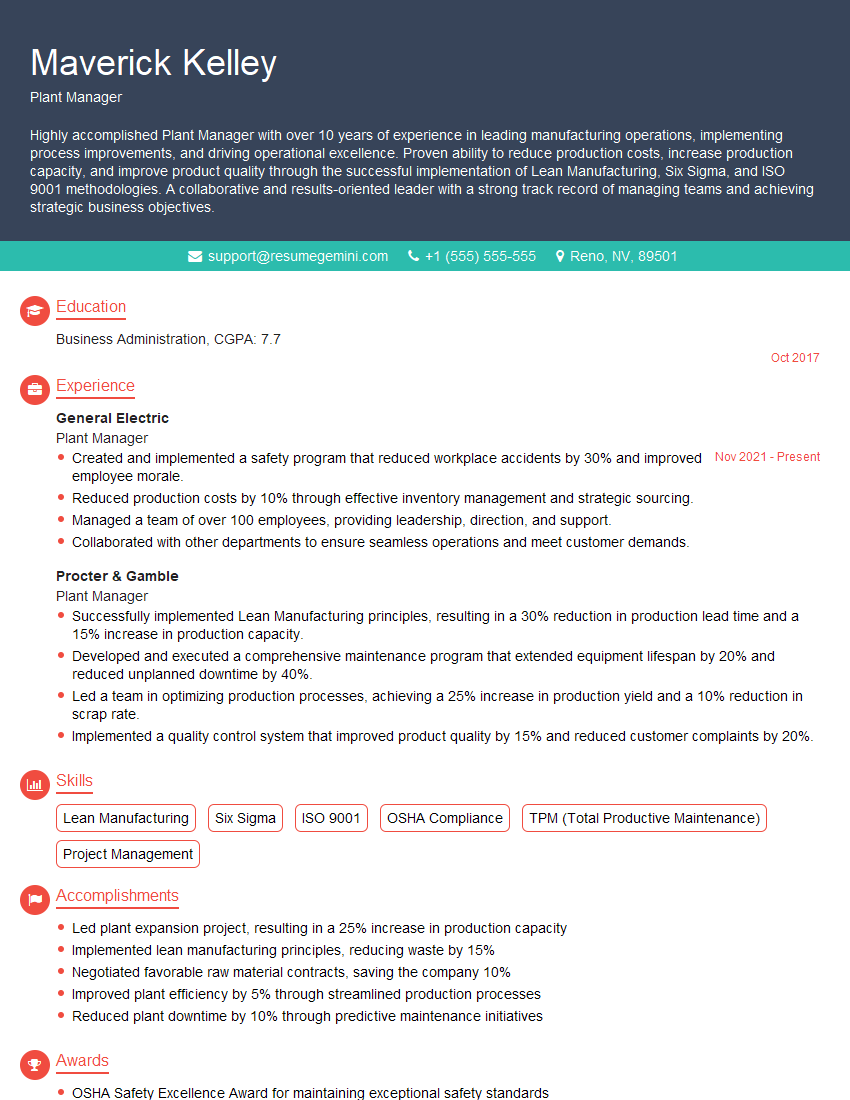
Plant Manager Resume Sample
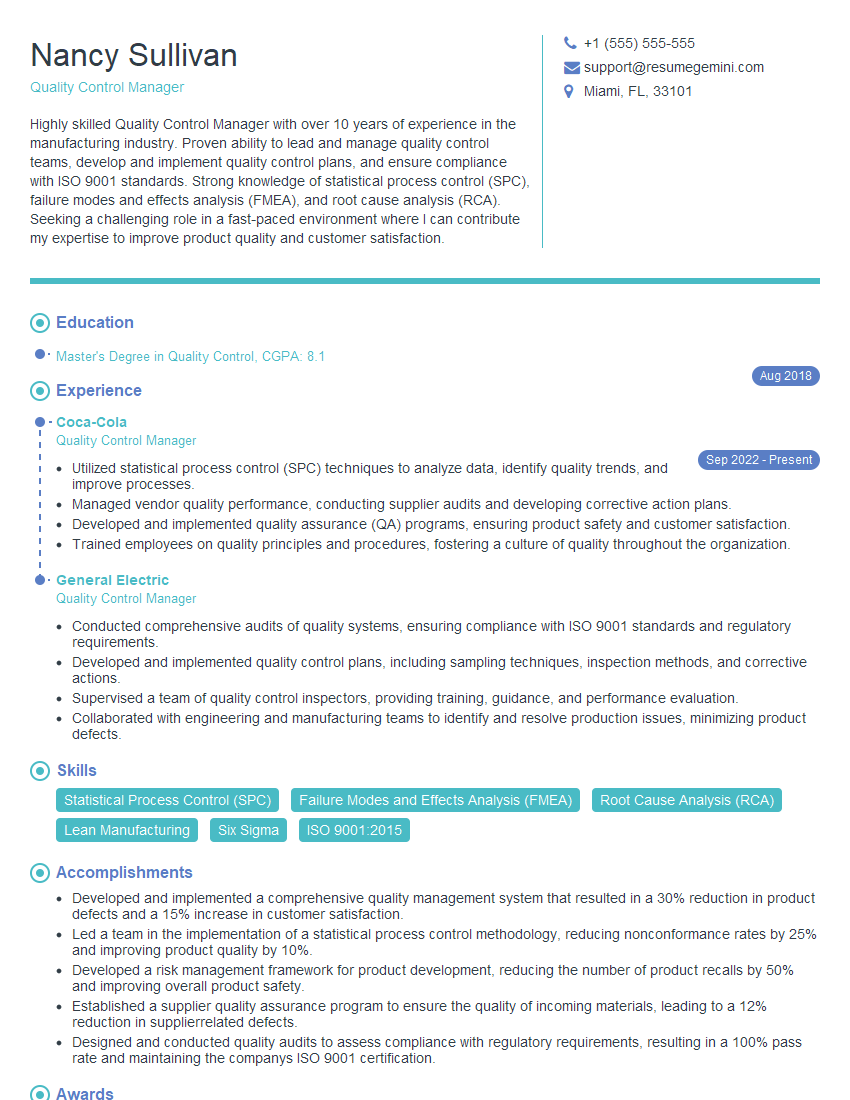
Quality Control Manager Resume Sample
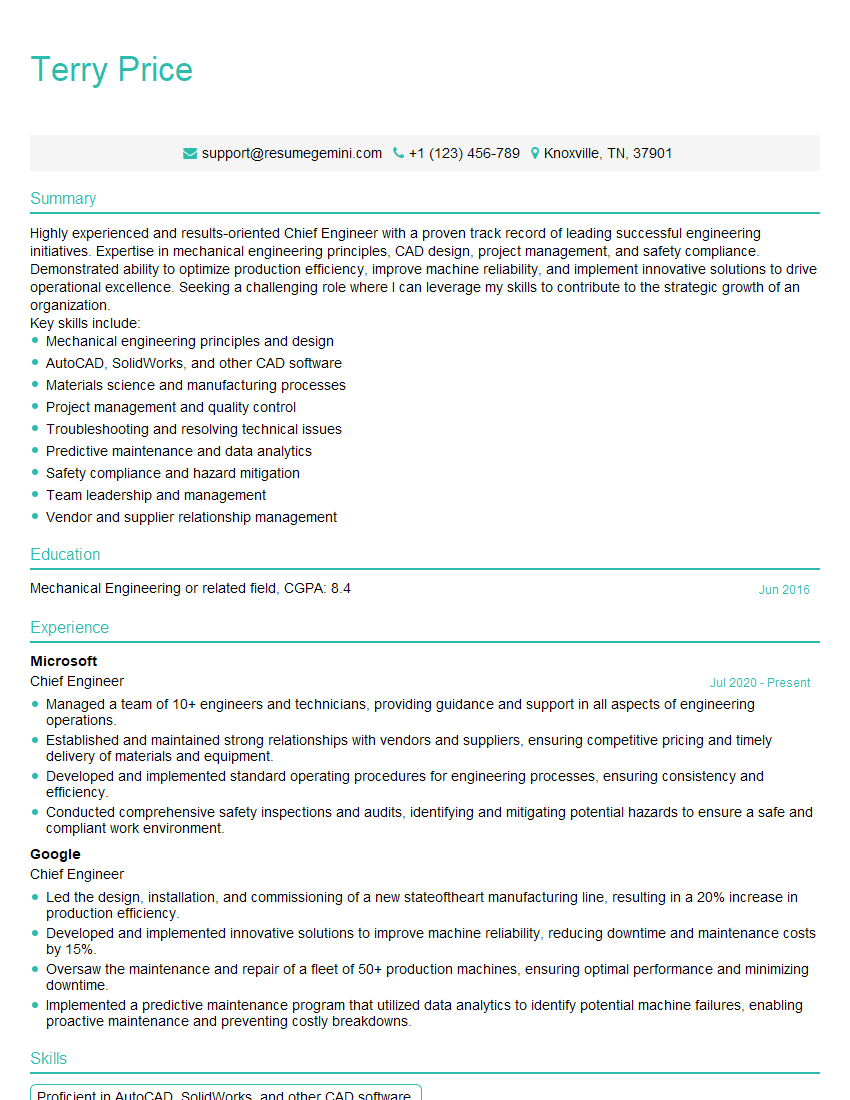
Chief Engineer Resume Sample

Project Engineer Resume Sample
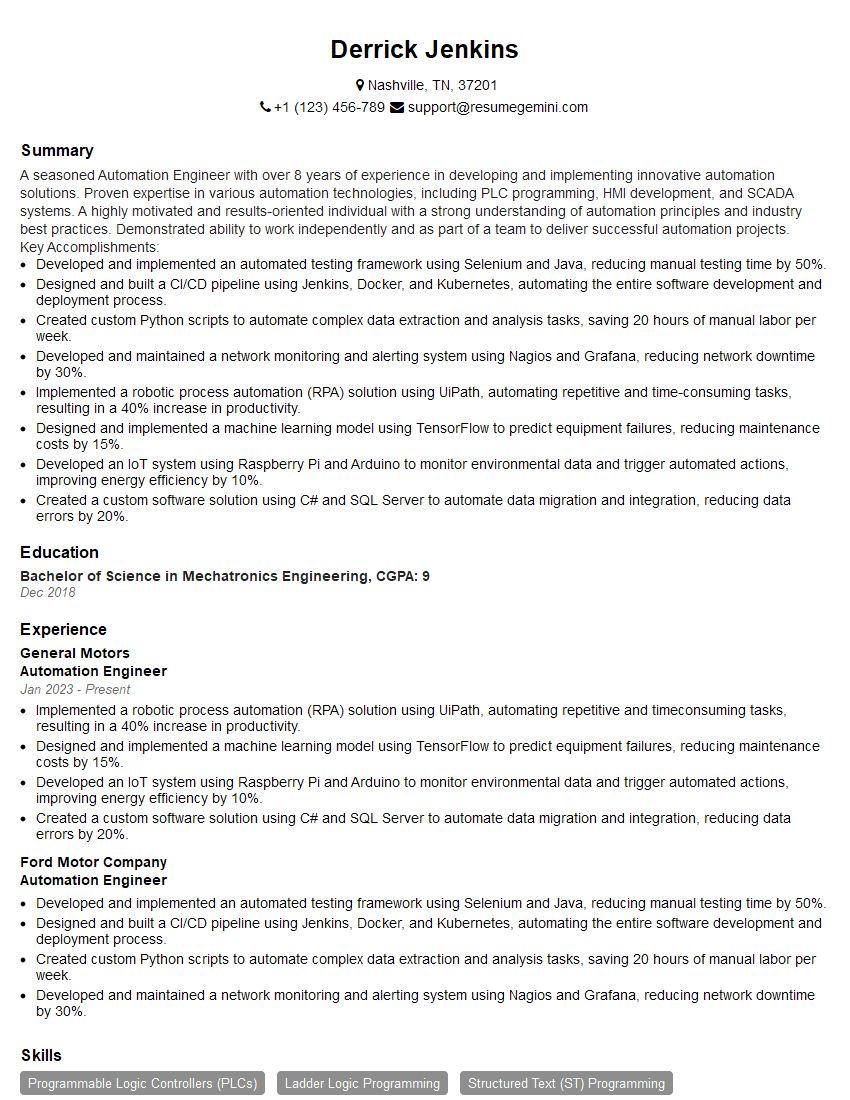
Automation Engineer Resume Sample
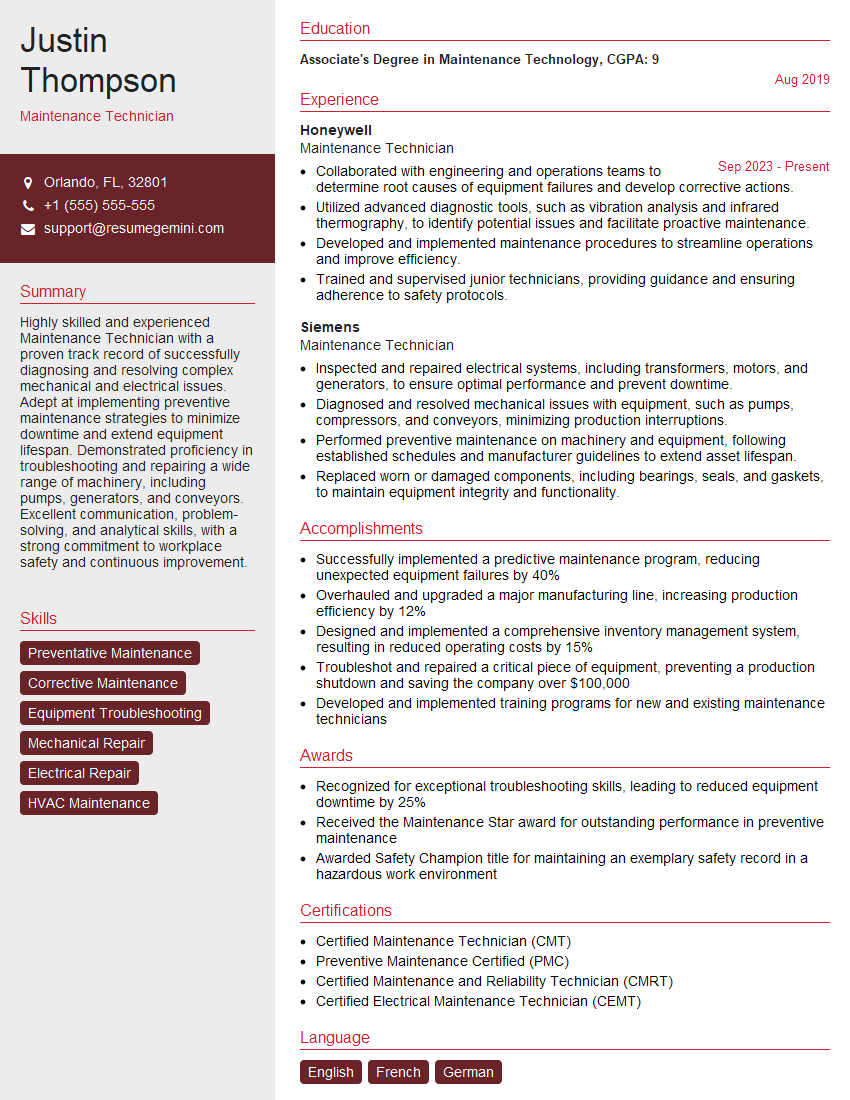
Maintenance Technician Resume Sample
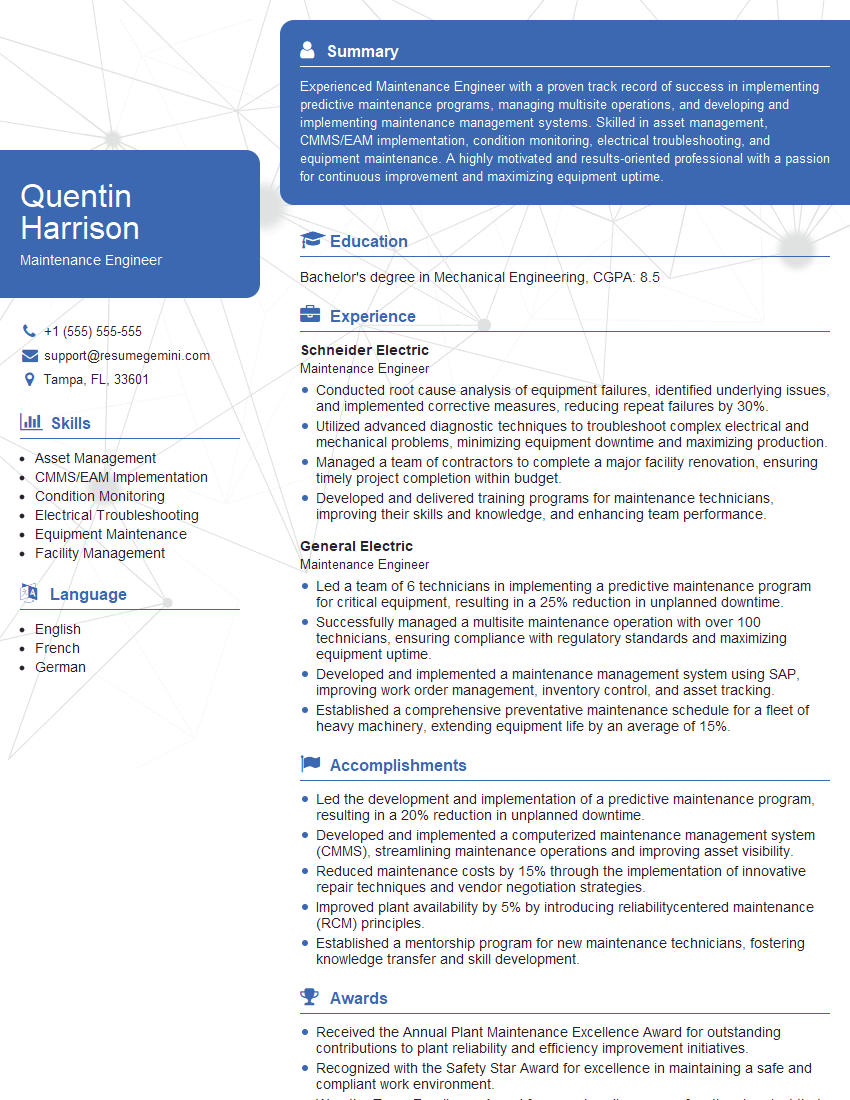
Maintenance Engineer Resume Sample

Control Systems Engineer Resume Sample
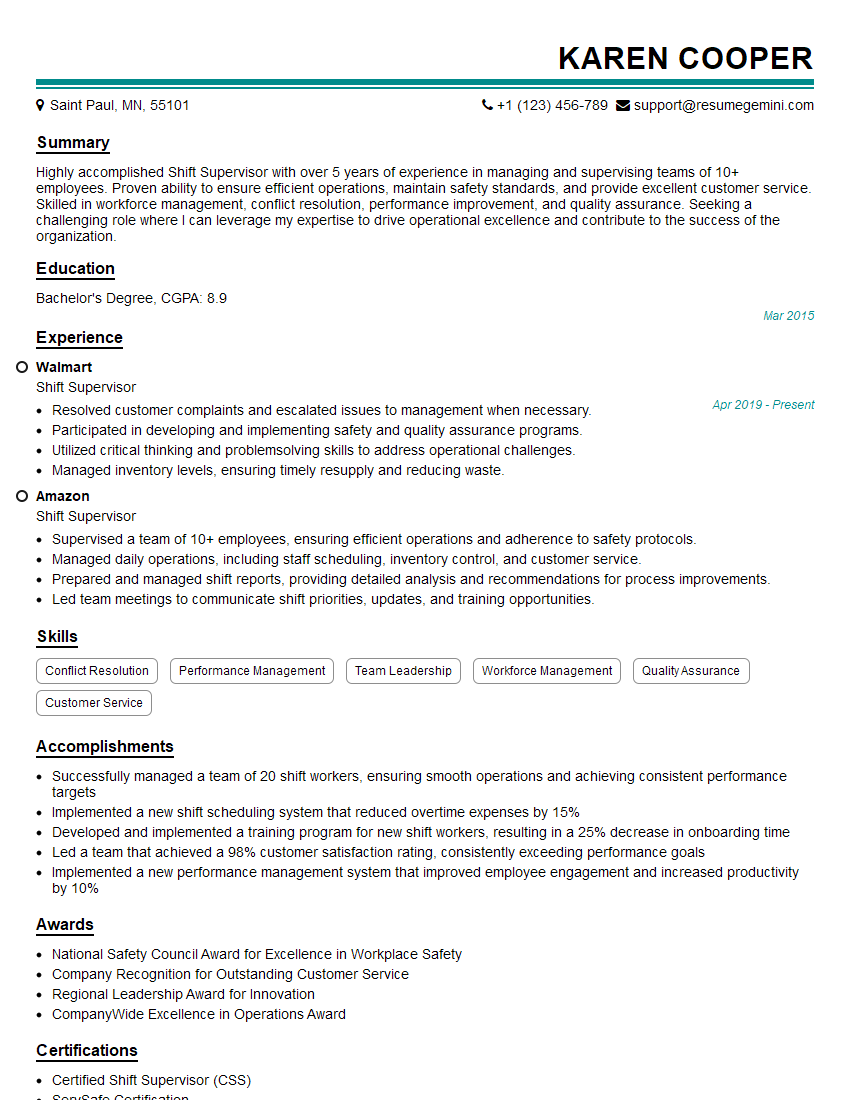
Shift Supervisor Resume Sample
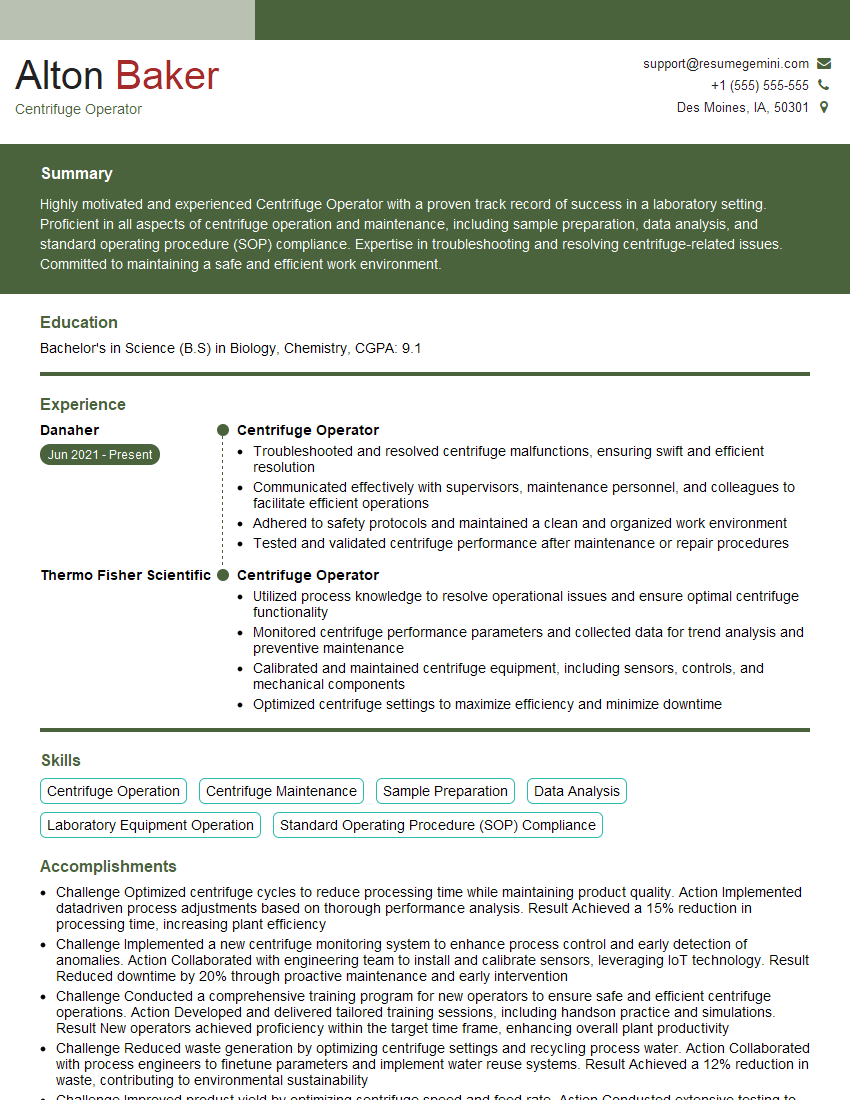
Centrifuge Operator Resume Sample
Explore more articles
Users Rating of Our Blogs
Share Your Experience
We value your feedback! Please rate our content and share your thoughts (optional).
What Readers Say About Our Blog
To the interviewgemini.com Webmaster.
Very helpful and content specific questions to help prepare me for my interview!
Thank you
To the interviewgemini.com Webmaster.
This was kind of a unique content I found around the specialized skills. Very helpful questions and good detailed answers.
Very Helpful blog, thank you Interviewgemini team.