The right preparation can turn an interview into an opportunity to showcase your expertise. This guide to Method Time Measurement interview questions is your ultimate resource, providing key insights and tips to help you ace your responses and stand out as a top candidate.
Questions Asked in Method Time Measurement Interview
Q 1. Explain the fundamental principles of Method Time Measurement (MTM).
Method Time Measurement (MTM) is a widely used pre-determined time system that analyzes manual tasks into basic motions. Its fundamental principle lies in breaking down complex actions into smaller, standardized movements, each with a pre-defined time value. These time values are based on extensive research and experimentation, resulting in a highly accurate and consistent method for estimating task times. This allows for efficient planning, scheduling, and cost estimation in various industries.
Imagine building with LEGOs. Instead of timing the entire build, MTM allows you to time each individual movement – picking up a brick, placing it, rotating it – and summing those times to get the total construction time. Each of these small actions has a predefined time, determined by factors such as distance moved and the size/weight of the brick (in the MTM analogy).
Q 2. What are the different levels of MTM analysis?
MTM analysis exists at several levels, each offering different granularities and applications:
- MTM-1: This is the most basic level, analyzing movements into fundamental motions such as reach, grasp, move, position, and release. It’s highly detailed and provides the most accurate time estimates but can be more time-consuming to apply.
- MTM-2: This system simplifies the process by combining several MTM-1 motions into larger units, reducing the number of motions to analyze. This provides a good balance between accuracy and efficiency.
- MTM-3: This system focuses on larger work units and is useful for broader process analysis and less detailed timing. It’s faster to use but sacrifices some level of precision.
- MTM-UAS (Universal Analyzing System): This system further streamlines the process by using a hierarchical structure that combines aspects of MTM-1 and MTM-2, leading to an adaptable and effective tool for various applications.
Choosing the right level depends on the desired accuracy and the complexity of the task. For example, a highly repetitive task on an assembly line might benefit from MTM-2 or even MTM-UAS for efficiency, while a complex surgical procedure might necessitate the detail of MTM-1 for accurate timing.
Q 3. Describe the process of conducting a time study using MTM.
Conducting a time study using MTM involves the following steps:
- Task Decomposition: Break down the task into its fundamental motions using the chosen MTM system (e.g., MTM-1, MTM-2).
- Motion Description: Carefully describe each motion, including details such as distance moved, weight of the object handled, and the precision required.
- Time Determination: Using the appropriate MTM tables or software, determine the time value for each motion based on its description.
- Time Calculation: Sum the individual motion times to obtain the total time for the task.
- Allowance Addition: Add allowances for factors like fatigue, personal needs, and unavoidable delays. These allowances are typically expressed as percentages.
- Verification: Review the analysis and compare the estimated time with actual observation, adjusting the analysis where needed for greater accuracy.
For instance, if analyzing a simple assembly operation involving reaching for a screw, grasping it, and positioning it, each action would be coded according to MTM standards and its corresponding time would be extracted from the MTM data tables. These times are added together, and allowances are factored in to provide the final, estimated task time.
Q 4. How does MTM differ from other time study methods?
MTM distinguishes itself from other time study methods primarily through its predetermined nature. Unlike stopwatch time studies, which rely on direct observation and timing of the actual task performance, MTM uses pre-established time values for basic motions. This eliminates the need for extensive on-site observations and reduces the subjectivity inherent in traditional stopwatch studies. Stopwatch studies are also susceptible to worker performance variation, something largely mitigated by MTM’s standardized approach.
Other methods like work sampling provide a statistical estimate of time spent on various activities, whereas MTM provides a detailed, element-by-element analysis.
Q 5. What are the advantages and disadvantages of using MTM?
Advantages of MTM:
- High Accuracy: Provides more precise time estimates than traditional methods.
- Consistency: Reduces variability due to the use of standardized time values.
- Reduced Observation Time: Requires less on-site observation compared to stopwatch time studies.
- Improved Planning: Enables better planning and scheduling of tasks.
- Cost Reduction: Can lead to significant cost savings through improved efficiency.
Disadvantages of MTM:
- Complexity: Requires specialized training and expertise to apply effectively.
- Time-Consuming (Initially): The initial analysis of a task can be time-consuming, especially for complex operations.
- Cost of Training: Investment in training personnel is required.
- Limited Applicability: Might not be suitable for all types of tasks, especially those involving significant variability or unforeseen circumstances.
Q 6. How do you select the appropriate MTM system for a specific task?
Selecting the appropriate MTM system depends on several factors:
- Task Complexity: Simple, repetitive tasks might be suitable for MTM-2 or MTM-UAS, while intricate tasks require the detail of MTM-1.
- Accuracy Requirements: High-precision applications necessitate MTM-1, whereas less precise estimations may be acceptable with higher-level systems.
- Time Constraints: MTM-3 or MTM-UAS offer faster analysis but with less detail.
- Analyst Expertise: The analyst’s familiarity with different MTM systems should be considered.
- Available Resources: Access to software and trained personnel are crucial factors.
A thorough task analysis is crucial before making a decision. For example, if you’re analyzing a highly repetitive assembly line task, a higher-level system might suffice. However, for designing a complex surgical procedure, the precision offered by MTM-1 is indispensable.
Q 7. Explain the concept of ‘basic motion time’ in MTM.
In MTM, ‘basic motion time’ represents the time taken to perform a fundamental motion element. These are pre-determined time values, established through extensive research and empirical data. Each basic motion, like reaching, grasping, moving, positioning, or releasing, has an associated time determined by factors such as distance, weight, precision, etc. These times are not based on an average worker but rather incorporate a predetermined allowance for normal performance.
For example, the time to reach for an object a specific distance will be different from reaching for the same object at a different distance; similarly, the time to grasp a heavy object will be longer than that of a lighter object. These variations are pre-defined within the MTM system, eliminating the need for individual timing.
Q 8. How do you account for fatigue and allowances in MTM?
MTM (Methods-Time Measurement) incorporates allowances for fatigue and other factors to ensure the resulting time standards are realistic and achievable. We don’t just measure the basic time for an operation; we add allowances to account for the human element.
Fatigue allowances address the natural decrease in work efficiency over time. These are typically expressed as percentages added to the basic time. The percentage depends on the nature of the work; strenuous, repetitive tasks require higher allowances than less demanding ones. For example, a highly repetitive assembly line task might have a 15% fatigue allowance, while a less physically demanding task might only have a 5% allowance. These percentages are often determined based on industry standards and internal data analysis.
Other allowances, often categorized as ‘delay allowances’, account for factors like personal needs (rest breaks), unavoidable delays (machine downtime, material shortages), and contingencies (unexpected problems). These allowances are also expressed as percentages added to the basic time and are often determined through observation, historical data, or work sampling studies. The total allowance is the sum of the fatigue and delay allowances.
For example, if the basic time for an operation is 10 seconds, and we have a 10% fatigue allowance and a 5% delay allowance, the total time would be 10 seconds * (1 + 0.10 + 0.05) = 11.5 seconds.
Q 9. What are the common sources of error in MTM studies?
Errors in MTM studies can stem from various sources, and minimizing these is crucial for accurate results. Let’s break down some common pitfalls:
- Inaccurate Timing: The most basic error is simply mistiming the operation. This can happen due to improper use of timing devices, distractions during observation, or the observer failing to account for all elements of the task.
- Incorrect Element Breakdown: The task must be broken down into its fundamental motions accurately. If some elements are missed or combined, the time standard will be skewed.
- Improper Application of MTM Data: MTM system data must be applied correctly and consistently. Misinterpreting the data or using the wrong values can lead to substantial errors.
- Observer Bias: The observer’s preconceived notions can influence their observations and timings. This is particularly true when the observer is also involved in the task’s design or improvement.
- Lack of Standardization: Inconsistency in the way the task is performed across different operators can introduce variability. Standardizing the method is key for accurate MTM studies.
- Inadequate Training: Proper training for both the observers and the performers is essential. If the performers aren’t clear on the expected motions, the timings will be unreliable.
Addressing these potential errors requires careful planning, thorough training, and rigorous quality control throughout the entire study.
Q 10. How do you validate the results of an MTM study?
Validating MTM study results is crucial for ensuring their accuracy and reliability. We employ several strategies:
- Comparison with Actual Performance: This is the most direct approach. After implementing the MTM-derived standard, we compare the actual performance time against the predicted time. A statistically significant difference indicates a potential problem in the study methodology.
- Multiple Observations: Multiple observations by different observers help to reduce bias and identify outliers. We use statistical methods like control charts to monitor and control the variability in measurements.
- Peer Review: Having another experienced MTM analyst review the study ensures that the methods and data are sound and that no significant errors were made.
- Work Sampling: This method complements MTM by providing an independent estimate of the time spent on various parts of the task. The results of work sampling can be used to cross-validate the MTM data.
- Statistical Analysis: We perform statistical analyses on the MTM data to identify and quantify uncertainties. This helps to build confidence in the validity of the time standards and understand the margin of error.
Through a combination of these methods, we can establish the confidence level associated with the MTM-derived standards.
Q 11. Describe your experience using MTM software.
I have extensive experience using various MTM software packages. My proficiency spans from data entry and analysis to the creation of detailed process charts. I’m particularly adept at using software to simulate different scenarios and optimize workflows. For instance, I’ve utilized software to model changes to workplace layout and predict the effect on cycle times.
In my previous roles, I’ve used software to manage large datasets of MTM data, generating reports to support management decisions regarding productivity improvements, capacity planning, and labor costing. I am familiar with the functionalities of various software packages, including their capabilities for data import/export, different data visualization tools, and reporting features. The software’s ability to integrate with other systems, like ERP or manufacturing execution systems (MES), is a valuable aspect I consider when selecting a platform.
Moreover, my experience includes using software to train new MTM analysts. The ability to create custom training exercises within the software environment is beneficial for effective knowledge transfer.
Q 12. How do you handle unexpected variations in task performance during an MTM study?
Unexpected variations during an MTM study require careful investigation and appropriate adjustments. The key is to understand the root cause of the variation.
First, we’d thoroughly document the variation, including details about the task, the operator, and the environmental conditions. Second, we investigate whether the variation is a result of a systemic issue (e.g., a faulty tool) or a random occurrence (e.g., a momentary distraction). Third, if the variation is systemic, we’d incorporate the necessary correction into the process and the MTM data. For example, if a tool consistently caused a delay, we would revise the MTM standard to incorporate that delay.
If the variation is random and infrequent, we may choose to exclude it from the analysis, provided there is a sufficient number of observations. If it is a more significant or frequent occurrence, we might need to refine the way the task is broken down into elements, or reconsider the methodology being used. Finally, it’s critical to maintain a detailed record of all variations and the steps taken to address them. This ensures transparency and allows for continuous improvement in the MTM study process.
Q 13. Explain the concept of ‘MOST’ (Maynard Operation Sequence Technique) and how it relates to MTM.
MOST (Maynard Operation Sequence Technique) is a powerful workflow analysis technique closely related to MTM. While MTM focuses on the detailed timing of individual motions, MOST provides a higher-level view of the entire operation, analyzing the sequence of actions involved. It’s often used in conjunction with MTM, complementing the detailed motion analysis with a broader process perspective.
MOST uses pre-defined symbols to represent various actions in a sequence, creating a visual representation of the workflow. This helps to identify potential bottlenecks and inefficiencies that might be missed in a purely motion-based analysis. Once potential improvements are identified using MOST, MTM can be used to analyze the time savings of each change.
For example, MOST might reveal that a certain sequence of operations could be improved by rearranging the steps. After the rearrangement, MTM could then be used to analyze the individual motions in the revised sequence, providing a precise estimate of the time saved.
In essence, MOST provides the strategic overview while MTM offers the tactical, detailed analysis. They work together to provide a comprehensive approach to process improvement.
Q 14. How can MTM data be used to improve process efficiency?
MTM data is a powerful tool for boosting process efficiency. It allows us to:
- Identify and Eliminate Bottlenecks: By analyzing the time required for each element of an operation, MTM highlights time-consuming steps, allowing for targeted improvements.
- Optimize Workflows: MTM data helps to refine work sequences, leading to smoother, more efficient operations. This might involve rearranging steps, changing tools, or improving workplace layout.
- Set Realistic Time Standards: Accurate time standards ensure fair workload distribution and realistic production targets.
- Improve Labor Costing and Budgeting: Accurate time standards make labor costing more precise, supporting better budgeting and resource allocation decisions.
- Evaluate the Impact of Process Changes: MTM allows us to quantitatively assess the efficiency gains resulting from changes in methods, tools, or equipment.
- Design More Efficient Processes: MTM can be applied during the design phase of new processes, allowing for the creation of optimized workflows from the start.
In short, MTM data provides the insights needed to design and manage highly efficient processes, leading to significant gains in productivity and cost savings.
Q 15. How do you determine the sample size for an MTM study?
Determining the appropriate sample size for an MTM study is crucial for ensuring the accuracy and reliability of the results. It’s not a one-size-fits-all answer; it depends on several factors, including the desired level of precision, the variability of the task being studied, and the acceptable margin of error.
We typically use statistical methods to calculate the sample size. This often involves considering the standard deviation of the observed times and the confidence level desired. For example, if we’re aiming for a 95% confidence level with a 5% margin of error, we’d need a larger sample size than if we were comfortable with a 90% confidence level and a 10% margin of error. A pilot study, involving a smaller initial sample, can help estimate the standard deviation before determining the final sample size for the main study. The more complex or variable the task, the larger the sample size needed. We might also stratify our sample if there are different sub-tasks or worker skill levels to ensure representative data.
Imagine analyzing the time it takes to assemble a circuit board. If the assembly process is highly standardized and consistent across workers, a smaller sample size might suffice. However, if the assembly involves many different components and worker skill significantly impacts completion time, a larger sample size is necessary to accurately reflect the variability.
Career Expert Tips:
- Ace those interviews! Prepare effectively by reviewing the Top 50 Most Common Interview Questions on ResumeGemini.
- Navigate your job search with confidence! Explore a wide range of Career Tips on ResumeGemini. Learn about common challenges and recommendations to overcome them.
- Craft the perfect resume! Master the Art of Resume Writing with ResumeGemini’s guide. Showcase your unique qualifications and achievements effectively.
- Don’t miss out on holiday savings! Build your dream resume with ResumeGemini’s ATS optimized templates.
Q 16. Describe your experience in developing MTM standards for a particular industry.
In my previous role, I was involved in developing MTM standards for the automotive manufacturing industry, specifically for the assembly of car doors. This involved a multi-stage process. We started by selecting representative tasks within door assembly, including tasks such as installing hinges, attaching window regulators, and fitting interior panels. For each task, we meticulously analyzed the elemental motions using MTM-1 or MTM-UAS, depending on the level of detail required. This involved observing skilled workers performing the tasks and breaking down the motions into fundamental elements like reach, grasp, move, position, and release. We then assigned pre-defined time values to each element based on the MTM system.
We also factored in allowances for fatigue, personal needs, and other unavoidable delays. Once the time values for individual elements were established, we summed them to get the total time for each task. This process was rigorously repeated across multiple observations to establish a reliable average time. Finally, these times were documented, reviewed, and standardized for use by the company’s engineers and production planners.
A key challenge was ensuring consistency in observation and measurement. Strict training for the observers was crucial to minimize subjective bias. The resulting standards were then used to improve efficiency, reduce production time, and facilitate accurate planning and budgeting for new models. The project underscored the importance of rigorous data collection and the thorough analysis necessary to build accurate and widely accepted MTM standards.
Q 17. How can MTM be used in conjunction with other lean manufacturing techniques?
MTM complements lean manufacturing techniques beautifully. Lean principles focus on eliminating waste and improving efficiency, and MTM provides a precise method for measuring and analyzing the work content of tasks.
For instance, MTM can be used in conjunction with value stream mapping to identify bottlenecks in a production process. By analyzing the time taken for each step in the process using MTM, areas of inefficiency become readily apparent. This allows for targeted improvements, such as process redesign or worker training, to eliminate waste.
Another example is its use with 5S methodology. By precisely measuring the time required for tasks, it can inform the optimization of workspace layout, reducing unnecessary movement and improving efficiency. MTM can help to quantify the improvements in workflow achieved by implementing 5S, demonstrating the tangible benefits of lean initiatives.
Furthermore, MTM data can support the implementation of Kanban or other pull systems by providing accurate estimates of cycle times and facilitating better planning for material flow and workflow balance.
Q 18. What are the limitations of using MTM?
While MTM is a powerful tool, it does have limitations. One significant limitation is the reliance on detailed observation and the potential for observer bias. The accuracy of the results is heavily dependent on the skill and consistency of the person conducting the time study. Improper training or inconsistent application of MTM standards can lead to inaccurate estimations.
Another limitation is the difficulty of accounting for unexpected interruptions or variations in worker performance. While allowances are included, unpredictable events can still affect the accuracy of the predicted times. The model assumes a certain level of consistency in worker performance and environmental conditions, which might not always hold true in a dynamic real-world setting.
Finally, MTM can be time-consuming and resource-intensive, particularly for complex tasks. The detailed breakdown of movements and the subsequent data analysis require significant effort and expertise. The cost of implementing MTM can outweigh the benefits in certain situations, especially for small-scale projects or tasks with minimal variability.
Q 19. How do you communicate MTM results to non-technical stakeholders?
Communicating MTM results to non-technical stakeholders requires a clear and concise approach, avoiding jargon. Instead of focusing on elemental times or TMUs (Time Measurement Units), I would use visual aids like charts and graphs showing the overall time reduction achieved or the improvement in efficiency.
For example, a simple bar chart comparing the ‘before’ and ‘after’ times for a specific task can effectively demonstrate the impact of improvements. I might also present the findings in terms of cost savings or increased production output – metrics that are easily understood by business leaders and management. A narrative explaining the process in simple terms and highlighting the key findings would further enhance comprehension. This includes providing tangible examples of how the MTM-based improvements translated into real-world benefits, like faster production or reduced labor costs.
Using real-world analogies can also help. For instance, comparing the improvement to speeding up a journey by improving route planning or removing obstacles. The focus should always be on the practical implications of the MTM analysis and the positive impact on the business.
Q 20. How do you handle situations where MTM data conflicts with actual observed times?
When MTM data conflicts with actual observed times, a thorough investigation is necessary. The first step involves carefully reviewing the MTM analysis to ensure accuracy and identify any potential errors in the measurement or calculation process. This includes checking for any discrepancies in the breakdown of elemental movements and the assigned time values.
Next, I’d analyze the observed times to determine if there are any unusual factors contributing to the discrepancy. This could involve examining environmental conditions, worker performance, equipment malfunctions, or unexpected interruptions during the observation period.
If the discrepancies persist after a thorough review, it may suggest that the initial MTM standards are not entirely accurate for this specific context. In such situations, we might need to refine the MTM standards, potentially by adjusting allowances or adding additional elements to better reflect the complexities of the task. It’s important to document all findings and proposed adjustments, ensuring transparency and accountability.
A collaborative approach, involving both MTM experts and individuals directly involved in the task, is crucial in resolving these conflicts. It’s vital to understand the reasons behind the differences to build more accurate and reliable MTM standards for future use.
Q 21. Explain the concept of ‘MTM-UAS’ (Universal Analyzing System).
MTM-UAS (Universal Analyzing System) is a more recent and sophisticated version of MTM that provides a more comprehensive and flexible approach to work measurement. Unlike earlier MTM systems like MTM-1, which focused primarily on manual dexterity, MTM-UAS incorporates a wider range of activities, including machine operation, manual handling, and cognitive tasks.
It employs a hierarchical structure, breaking down tasks into increasingly finer levels of detail, allowing for greater accuracy and adaptability to different situations. This hierarchical structure means that it can handle more complex tasks. The system also offers a wider range of elements and associated times, allowing for more precise modeling of different types of movements and actions.
Another significant advantage of MTM-UAS is its ability to incorporate different levels of complexity and skill. This makes it particularly useful in situations where there is significant variation in worker proficiency or task complexity. It allows for a more nuanced analysis that takes these variations into account, leading to more reliable time estimates. This adaptability makes it suitable for a broader range of industries and applications than earlier MTM methods.
Q 22. How do you use MTM to identify and eliminate bottlenecks in a production process?
Method Time Measurement (MTM) is a powerful technique for analyzing and optimizing workflows. To identify bottlenecks, we first conduct a detailed MTM study of the entire production process. This involves breaking down each task into its fundamental elements – reaching, moving, grasping, positioning, etc. – and assigning pre-determined time values based on MTM standards. By comparing the times for each task, we can pinpoint tasks that take significantly longer than others or have high variability. These are potential bottlenecks.
For example, if assembly of a particular component consistently takes much longer than other stages, it becomes a bottleneck limiting overall production. Once identified, we can use MTM to evaluate potential improvements. This might involve redesigning the workstation layout for better ergonomics, simplifying the assembly process, or introducing new tools or equipment. We can then re-measure the time for the improved process to quantify the impact of the changes, ensuring efficiency gains are clearly demonstrated.
Think of it like a highway with a narrow lane. The narrow lane (bottleneck) slows down the entire traffic flow. MTM helps us identify that narrow lane, measure its impact, and explore ways to widen it – perhaps by adding a lane or improving the flow.
Q 23. Describe a situation where you had to adapt MTM methodology to a unique situation.
During a project for a specialized medical device manufacturer, we encountered a unique situation: the assembly involved handling extremely delicate and fragile components. Standard MTM reaching and moving times were inappropriate because of the extra care and precision required. We adapted the methodology by:
- Developing task-specific time values: We conducted detailed time studies, observing expert assemblers, and creating modified MTM values reflecting the increased time needed for careful handling.
- Incorporating a ‘fragility factor’: We introduced a multiplier to account for the additional time spent on careful handling and error prevention. This factor adjusted the standard MTM values, making them more realistic for the delicate assembly.
- Using video recording and detailed analysis: We recorded the assembly process and analyzed the videos frame-by-frame to identify the exact movements and times involved, ensuring greater accuracy in our adapted MTM values.
This adaptation allowed us to provide accurate time estimates and identify opportunities for improvement while acknowledging the unique challenges of handling fragile components. The result was a more realistic schedule and a reduction in assembly errors.
Q 24. How do you ensure the accuracy and reliability of your MTM data?
Accuracy and reliability in MTM data are crucial. We ensure this through rigorous methods, including:
- Experienced analysts: Our team comprises certified MTM analysts with extensive training and experience in applying the methodology correctly.
- Multiple observations: We perform multiple observations for each task to account for variation and ensure a representative sample. The more observations, the greater the accuracy.
- Statistical analysis: We use statistical methods to analyze the data, identify outliers, and calculate confidence intervals, providing insights into data variability.
- Use of standardized equipment and procedures: Consistent tools and methods are employed, minimizing variability caused by environmental or procedural changes.
- Regular calibration and verification of equipment: Any measurement equipment used needs to be maintained and calibrated, maintaining accuracy in measurements.
- Regular internal audits and reviews: We regularly review our methods and data to identify potential inaccuracies or areas for improvement. This is essential for continuous improvement in data quality.
Q 25. What are some common challenges encountered when implementing MTM?
Implementing MTM can present several challenges:
- Cost and time investment: Conducting thorough MTM studies requires significant time and resources. It’s an upfront investment that pays off in long-term efficiency gains.
- Analyst training and certification: Accurate MTM application necessitates well-trained and certified analysts, which requires investment in training programs.
- Resistance to change: Workers might resist changes to established practices, so careful change management is needed. Involving workers in the process helps minimize resistance.
- Dealing with variations in work methods: Maintaining consistency and standardization across the workforce can be difficult. Clear guidelines and training are crucial to minimize this variability.
- Complexity of highly variable tasks: Tasks with high variability can be challenging to analyze and time accurately using MTM. Breaking down these tasks into smaller, more consistent elements can help overcome this.
- Maintaining MTM data over time: Ensuring MTM standards stay accurate and updated as processes change is an ongoing effort.
Q 26. How do you maintain the accuracy of MTM standards over time?
Maintaining the accuracy of MTM standards requires a proactive approach. We need to regularly review and update the standards, accounting for:
- Technological advancements: New tools and technologies can impact task times. Updates to MTM standards reflect these technological improvements.
- Process changes: Modifications in the production process need corresponding adjustments to MTM times. Regular audits and time studies are crucial here.
- Changes in worker skills and experience: Worker proficiency affects task times. Adjustments might be needed to account for skill level differences.
- Changes in workplace layout and ergonomics: Alterations in workstation design and ergonomics can impact task times and need to be reflected in the updated MTM standards.
- Periodic re-studies of key tasks: A periodic re-examination of critical tasks ensures the accuracy of the MTM data over time. This is particularly important when introducing significant process changes.
It’s an iterative process, constantly refining and updating MTM values to accurately reflect current workplace realities.
Q 27. How can MTM be used for cost estimation and budgeting?
MTM is invaluable for cost estimation and budgeting. Once we’ve established the time required for each task in a process using MTM, we can directly link that time to labor costs. This provides a reliable basis for accurate project budgeting. By accurately estimating task times, we can predict the total labor hours needed for a project and calculate the associated costs.
For example, if MTM analysis reveals that assembling a product takes 10 minutes per unit, and the labor rate is $20 per hour, then the direct labor cost per unit is $3.33 ($20/60 minutes * 10 minutes). This allows for accurate costing for materials, overhead and profit margin, creating a detailed and comprehensive budget for production. By reducing the time taken via MTM analysis and workflow optimization, we can directly reduce labor cost and total project cost.
This precise costing allows for better bidding, cost control, and improved profitability by identifying areas for cost reduction and process optimization before the project begins.
Q 28. What are some future trends and developments in the field of MTM?
The future of MTM is likely to see increased integration with:
- Digital technologies: Software tools are streamlining the MTM process, automating data collection and analysis, making the process faster and more accurate.
- Artificial Intelligence (AI) and Machine Learning (ML): AI and ML can aid in predicting task times more accurately, potentially automating some parts of the MTM process and enhancing the ability to analyze large datasets effectively.
- Virtual and Augmented Reality (VR/AR): VR/AR technologies may allow for more efficient and realistic simulations of tasks, facilitating training and testing of improved workflows before actual implementation.
- Data analytics and visualization: Sophisticated data analytics and visualization tools will provide more insightful presentations of MTM data, making it easier to identify bottlenecks and areas for improvement.
- Integration with other industrial engineering techniques: MTM is likely to be used in conjunction with other industrial engineering tools, such as Lean methodologies and Six Sigma, for holistic process optimization.
The trend will be towards more accurate, faster, and data-driven process optimization with a focus on human-centered design and integration with other industry-standard techniques.
Key Topics to Learn for Method Time Measurement Interview
- Basic Principles: Understanding the fundamental concepts of Method Time Measurement (MTM), including its history, purpose, and core methodologies.
- MTM-1 and MTM-2: Familiarize yourself with the differences and applications of these common MTM systems. Understand their strengths and limitations in various work scenarios.
- Predetermined Motion Time Systems (PMTS): Explore the broader context of MTM within the family of PMTS and how they compare and contrast.
- Data Collection and Analysis: Master the techniques for accurately collecting data, analyzing movement patterns, and calculating standard times using MTM.
- Practical Application: Develop your ability to apply MTM principles to real-world industrial engineering problems, such as work improvement, production planning, and cost estimation.
- Software Applications: Gain familiarity with software tools used for MTM analysis and reporting. Understand how these tools streamline the process.
- Error Reduction and Accuracy: Learn techniques to minimize errors during data collection and analysis to ensure the reliability of MTM studies.
- Communication and Presentation: Practice clearly communicating your findings and recommendations based on MTM analyses to both technical and non-technical audiences.
- Advanced MTM Techniques: Explore advanced concepts such as MTM-UAS and other specialized MTM applications as your experience allows.
Next Steps
Mastering Method Time Measurement significantly enhances your value in industrial engineering and related fields, opening doors to advanced roles and increased earning potential. A strong resume is crucial for showcasing your skills to potential employers. To maximize your job prospects, create an ATS-friendly resume that highlights your MTM expertise. ResumeGemini is a trusted resource for building professional, impactful resumes. We provide examples of resumes tailored to Method Time Measurement to help you present your qualifications effectively. Take the next step towards your dream career today!

Operations Manager Resume Sample
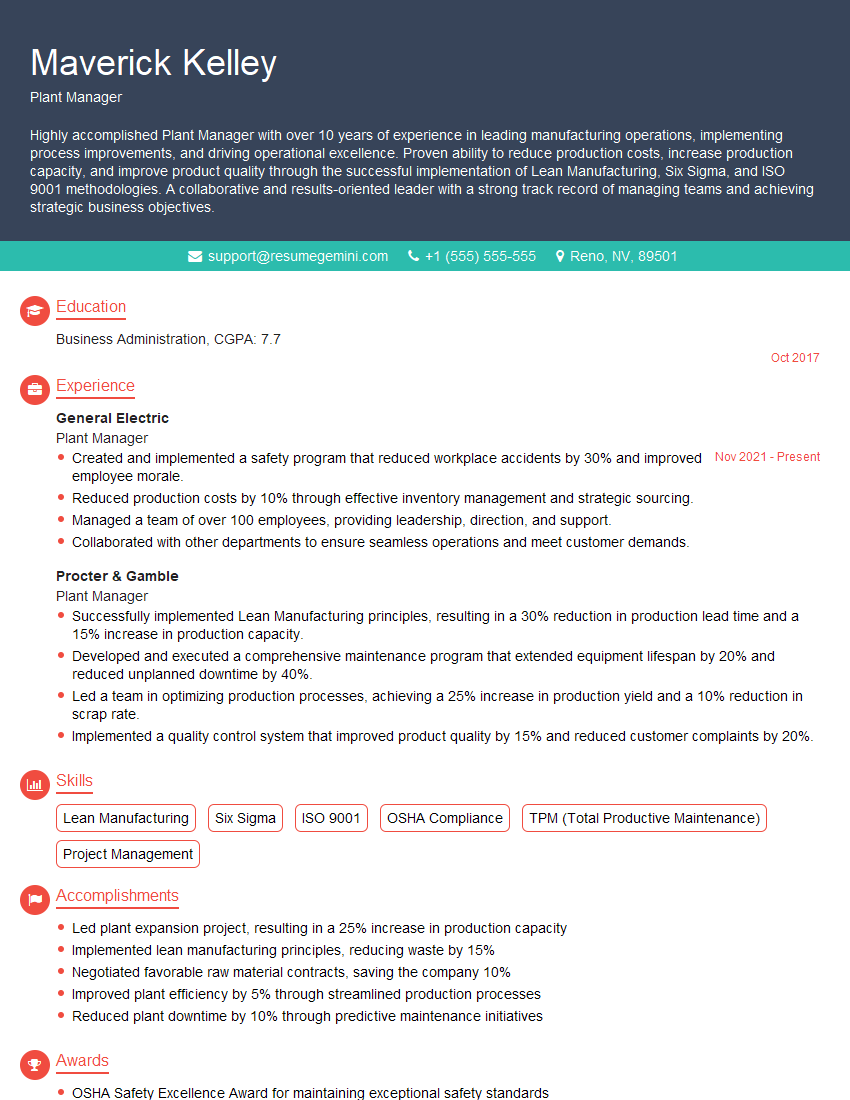
Plant Manager Resume Sample

Production Supervisor Resume Sample

Project Manager Resume Sample
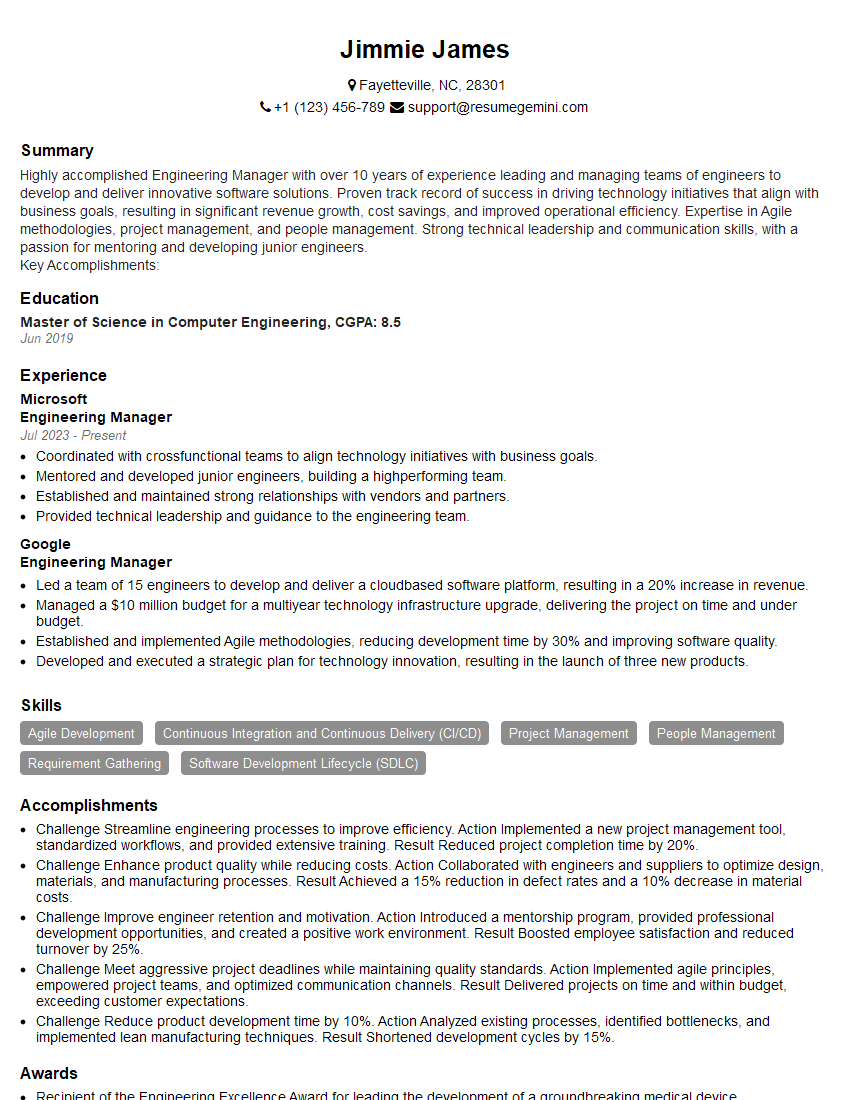
Engineering Manager Resume Sample
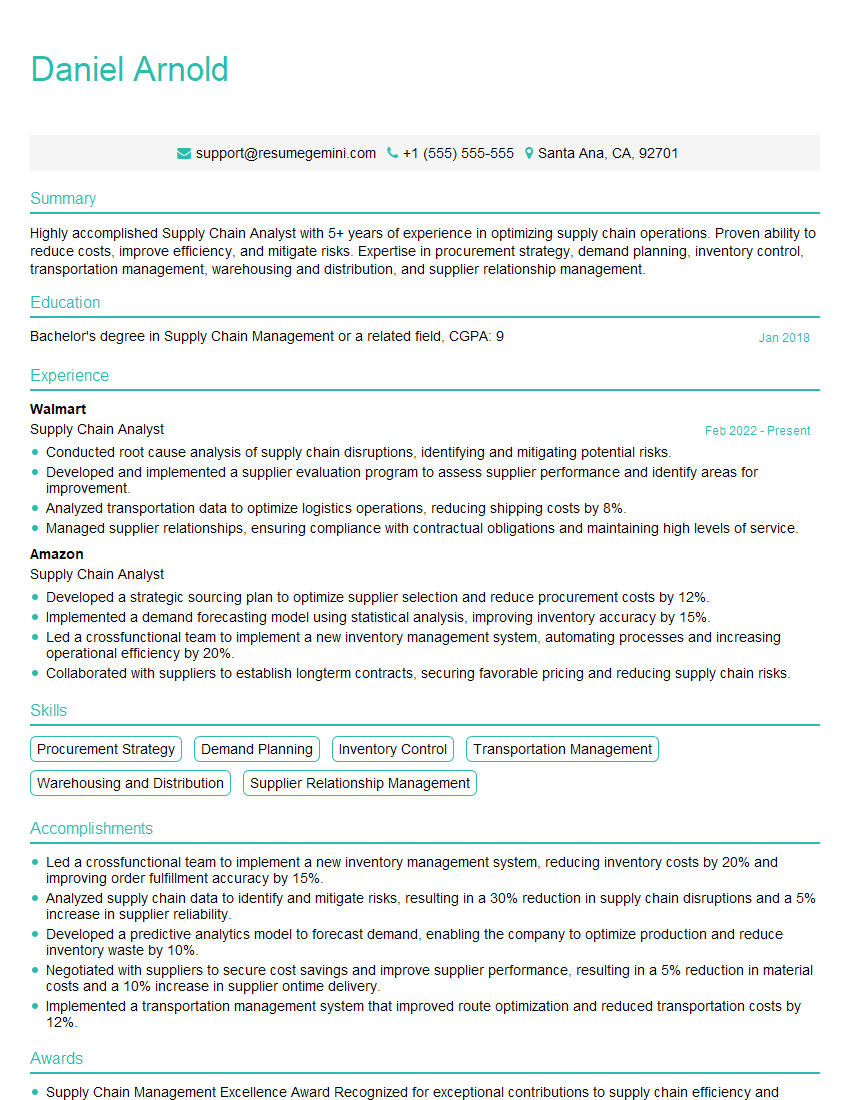
Supply Chain Analyst Resume Sample
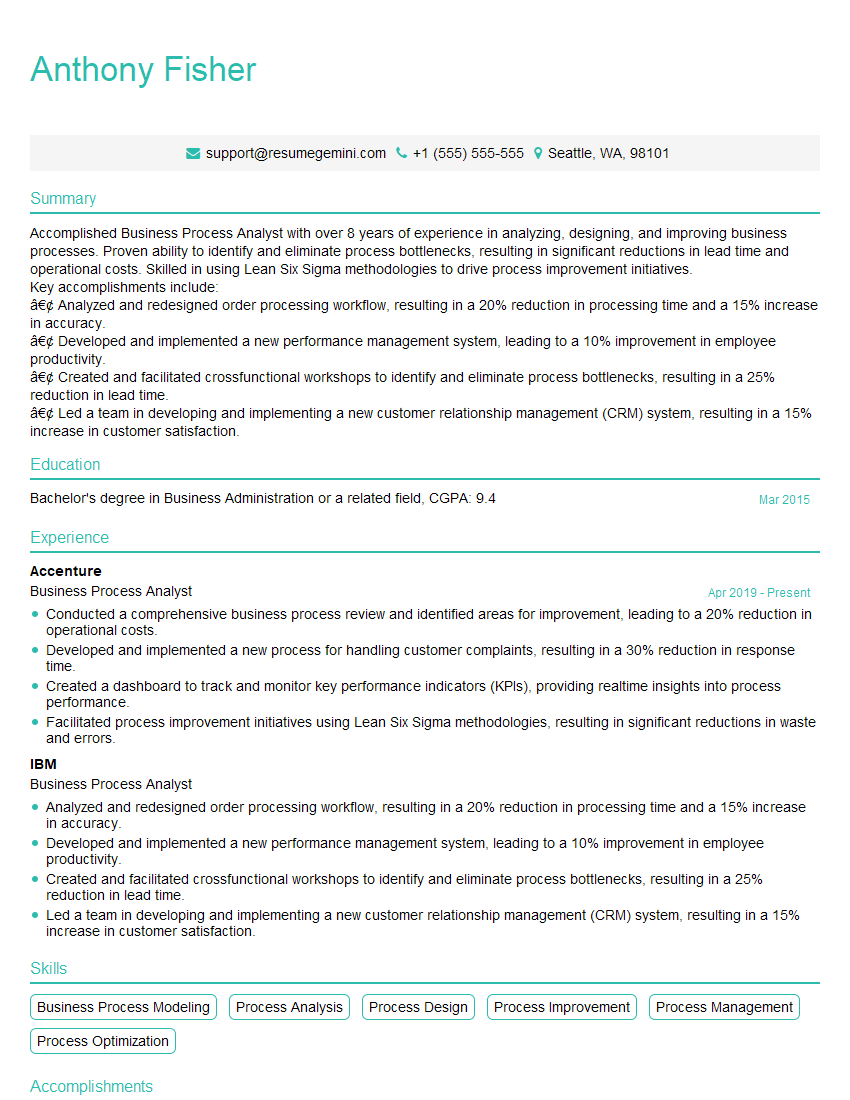
Business Process Analyst Resume Sample
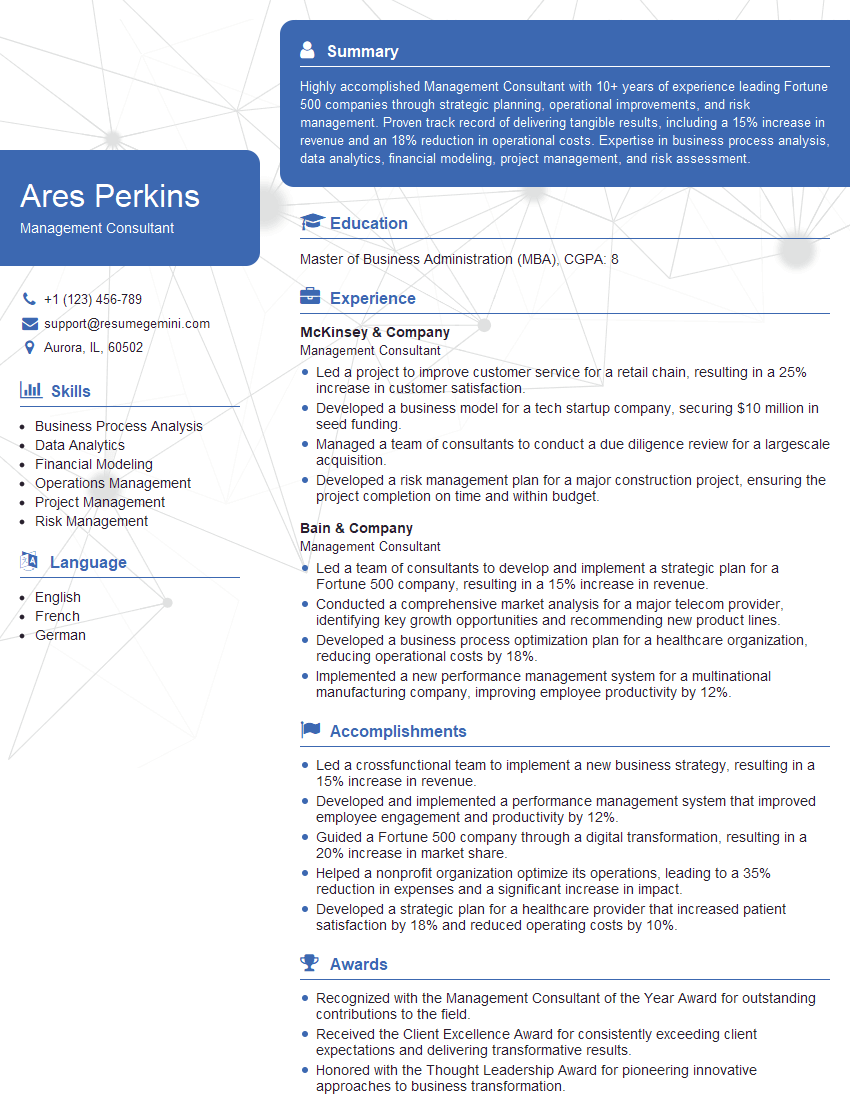
Management Consultant Resume Sample
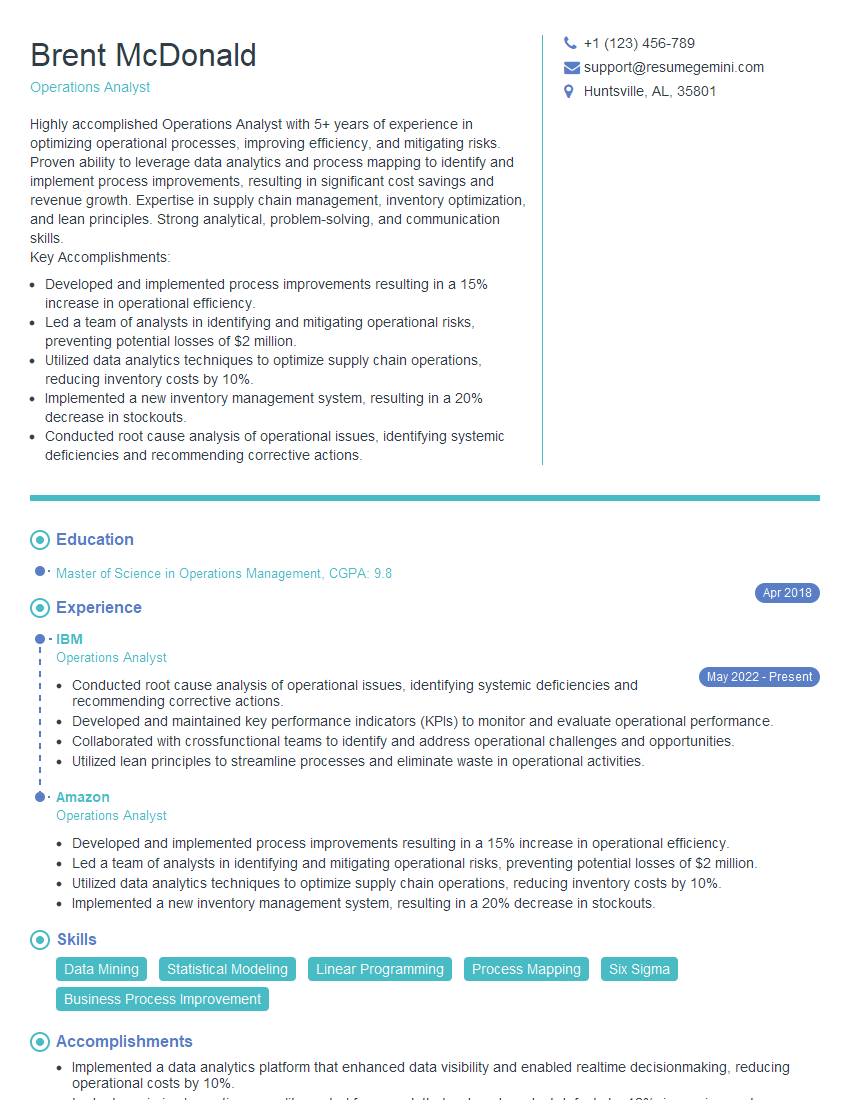
Operations Analyst Resume Sample

Operations Research Analyst Resume Sample
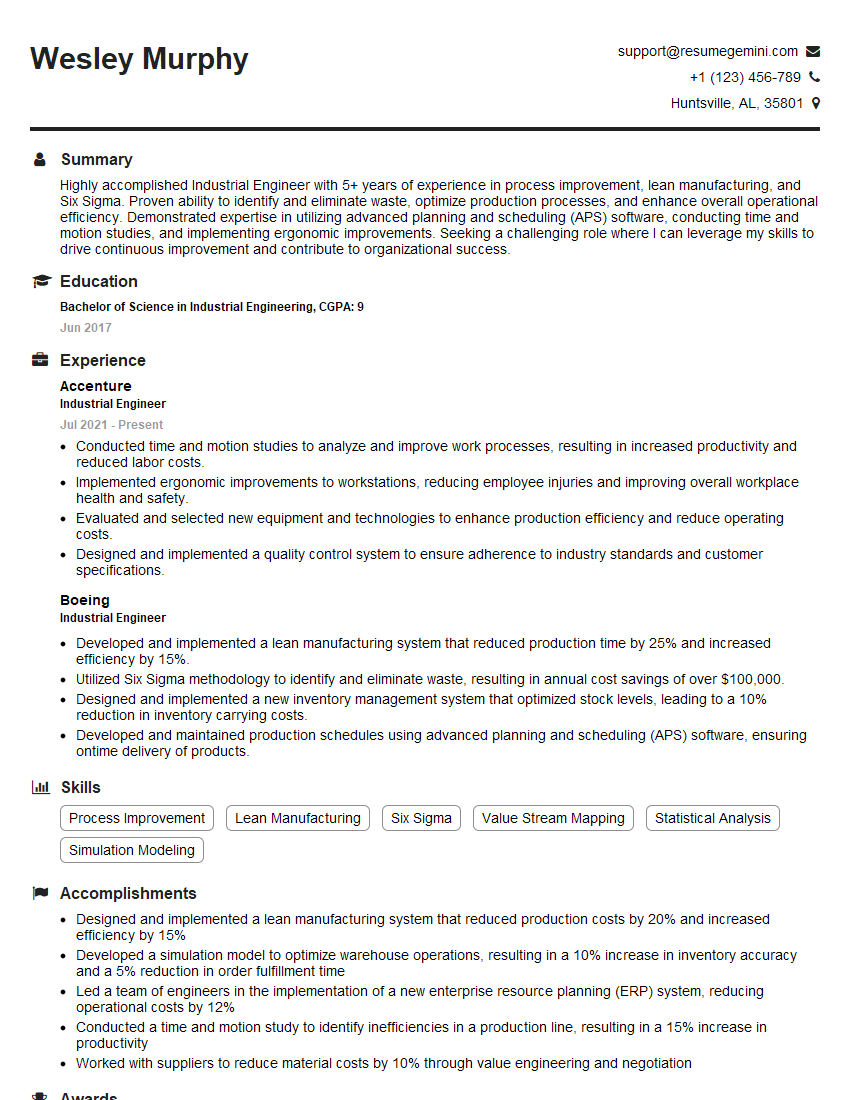
Industrial Engineer Resume Sample
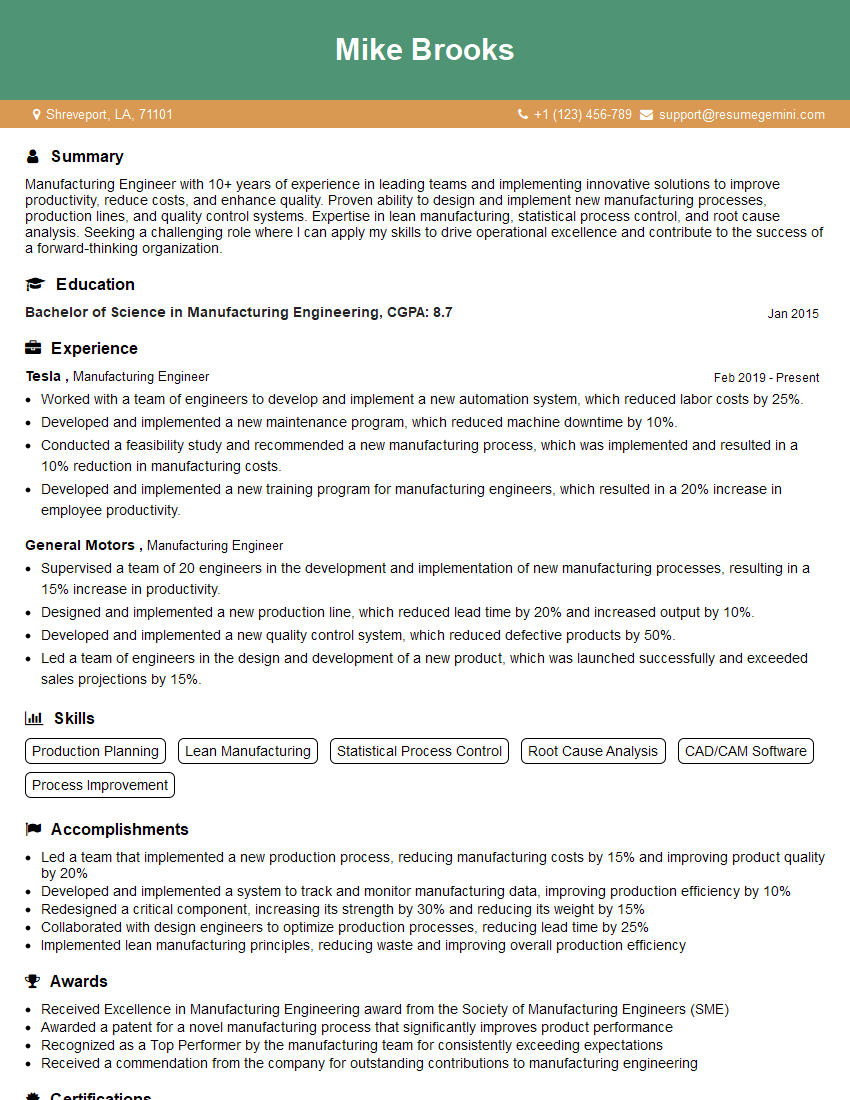
Manufacturing Engineer Resume Sample
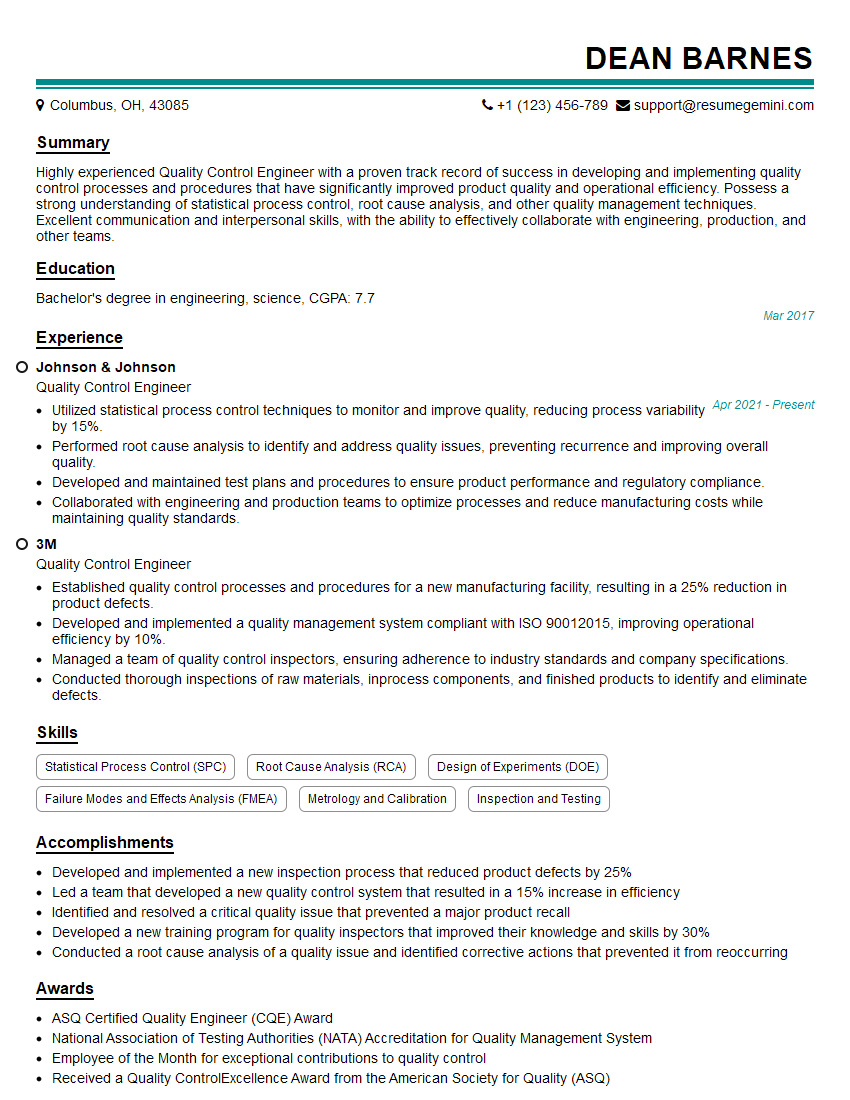
Quality Control Engineer Resume Sample
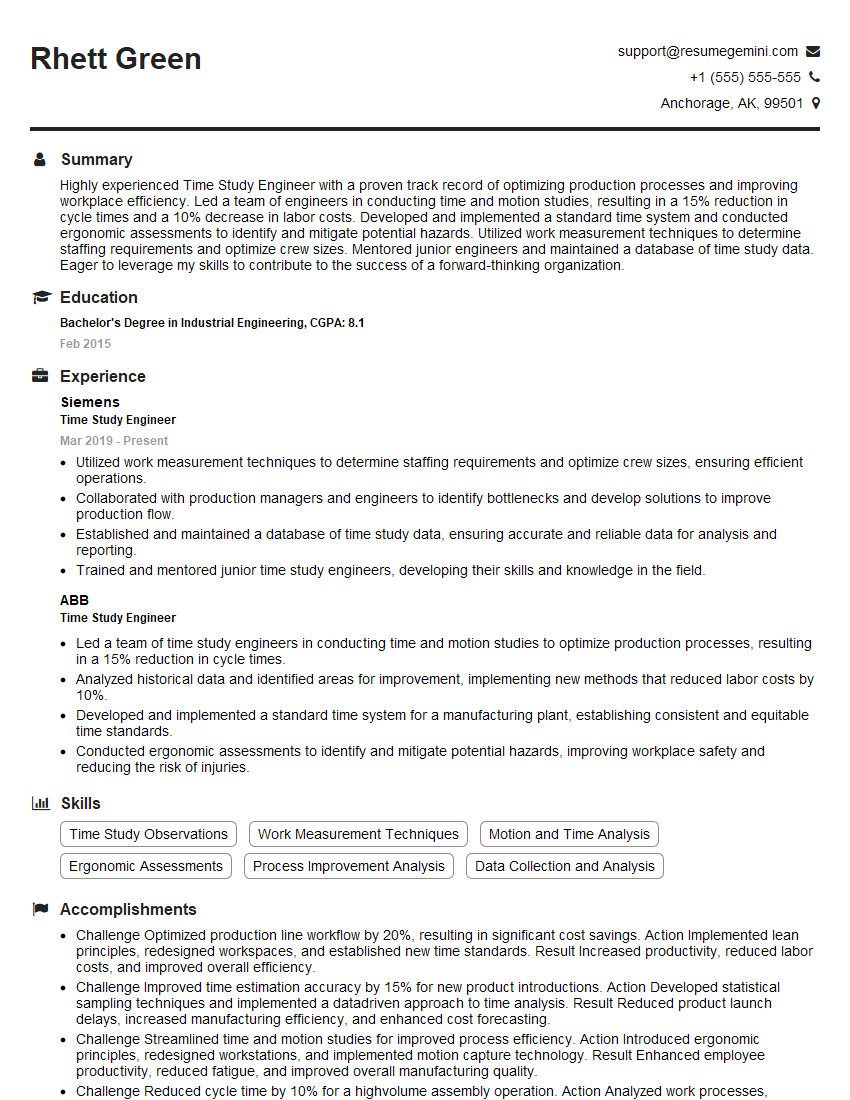
Time Study Engineer Resume Sample
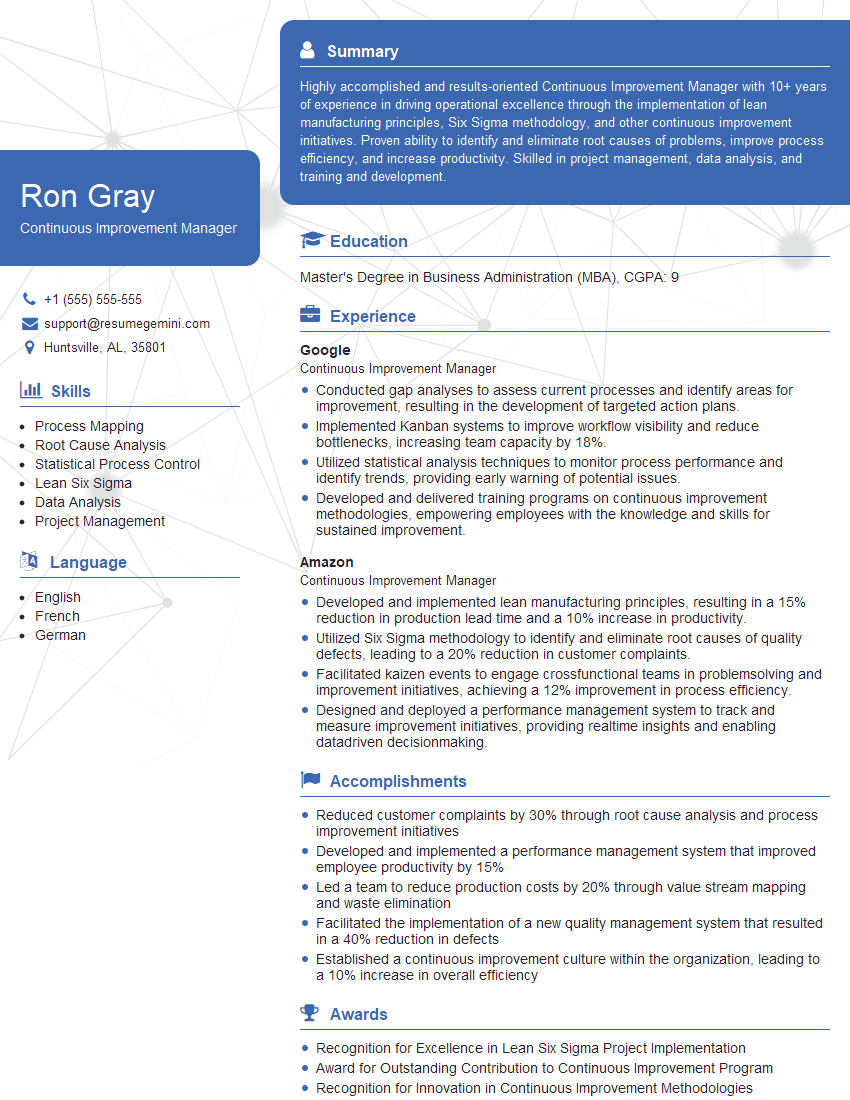
Continuous Improvement Manager Resume Sample
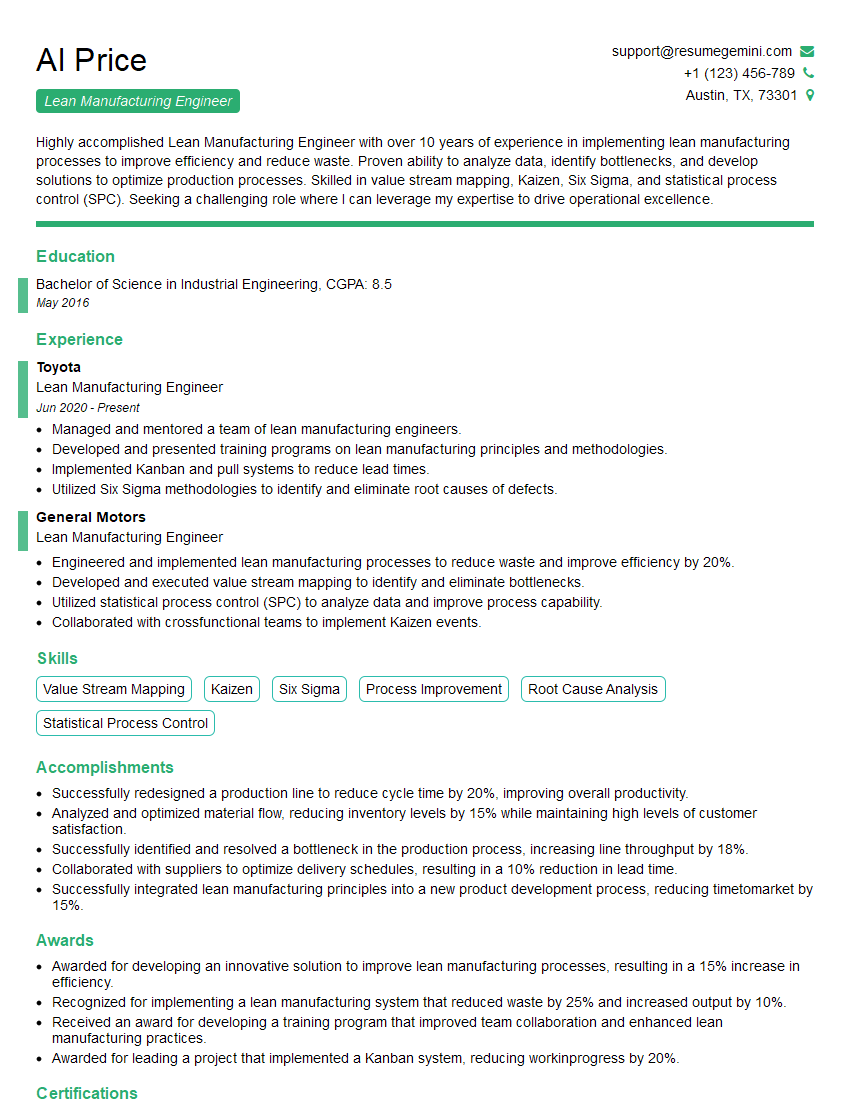
Lean Manufacturing Engineer Resume Sample
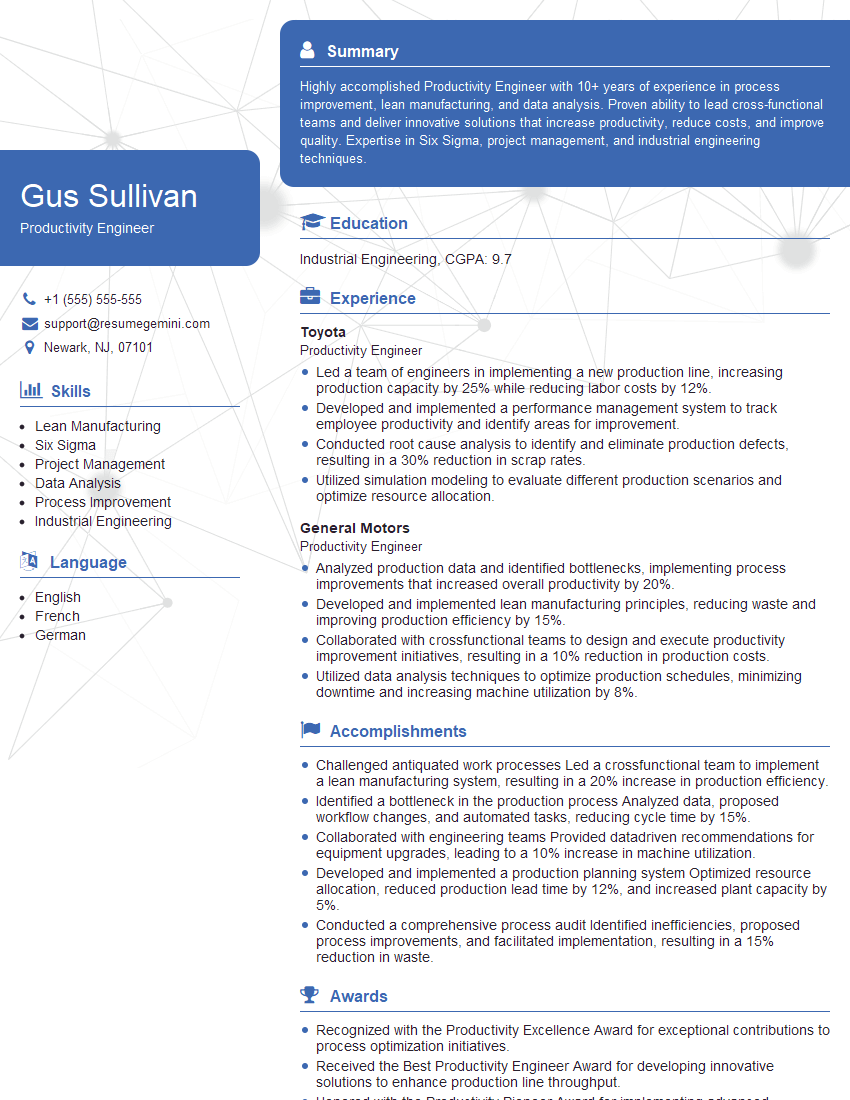
Productivity Engineer Resume Sample
- Operations Manager
- Plant Manager
- Production Supervisor
- Project Manager
- Engineering Manager
- Supply Chain Analyst
- Business Process Analyst
- Management Consultant
- Operations Analyst
- Operations Research Analyst
- Industrial Engineer
- Manufacturing Engineer
- Quality Control Engineer
- Time Study Engineer
- Continuous Improvement Manager
- Lean Manufacturing Engineer
- Productivity Engineer
Explore more articles
Users Rating of Our Blogs
Share Your Experience
We value your feedback! Please rate our content and share your thoughts (optional).
What Readers Say About Our Blog
To the interviewgemini.com Webmaster.
Very helpful and content specific questions to help prepare me for my interview!
Thank you
To the interviewgemini.com Webmaster.
This was kind of a unique content I found around the specialized skills. Very helpful questions and good detailed answers.
Very Helpful blog, thank you Interviewgemini team.