The thought of an interview can be nerve-wracking, but the right preparation can make all the difference. Explore this comprehensive guide to Mitigating Contamination Risk interview questions and gain the confidence you need to showcase your abilities and secure the role.
Questions Asked in Mitigating Contamination Risk Interview
Q 1. Explain the difference between cross-contamination and direct contamination.
The difference between cross-contamination and direct contamination lies in the source and pathway of the contaminant. Direct contamination occurs when a contaminant comes into direct contact with a product or surface. Think of it like a single, straight shot. For example, if a worker handling raw meat then touches a ready-to-eat salad without washing their hands, that’s direct contamination. The contaminant (bacteria from the raw meat) moves directly to the salad.
Cross-contamination, on the other hand, is indirect. It involves the transfer of a contaminant from one surface or product to another via an intermediary. Imagine a domino effect. Raw chicken juices drip onto a cutting board, then those juices contaminate a clean cutting board used for vegetables, ultimately contaminating the vegetables. The contaminant doesn’t directly move from the chicken to the vegetables; it travels via the cutting board.
Understanding this distinction is critical for designing effective contamination control strategies. Preventing direct contamination often involves simple practices like hand hygiene, while preventing cross-contamination requires a more holistic approach, encompassing surface sanitation, equipment cleaning, and workflow design.
Q 2. Describe your experience with implementing a contamination control plan.
In my previous role at a pharmaceutical manufacturing facility, I was instrumental in implementing a comprehensive contamination control plan. We started with a thorough risk assessment, identifying potential sources and pathways of contamination throughout the manufacturing process. This included evaluating raw materials, equipment, personnel, and the environment itself. We then developed Standard Operating Procedures (SOPs) that detailed cleaning, sanitization, and personnel hygiene practices. These SOPs incorporated elements like:
- Detailed cleaning protocols for different equipment types.
- Regular environmental monitoring for microbial contamination.
- Personnel training on proper hygiene and gowning techniques.
- Equipment calibration and validation of cleaning efficacy.
A key challenge was ensuring consistent compliance with the SOPs. We addressed this through audits and staff training, alongside clear communication and continuous improvement strategies. By meticulously tracking data, like environmental monitoring results and audit findings, we could pinpoint areas needing improvement and proactively mitigate risks.
Q 3. What are the key elements of a successful contamination risk assessment?
A successful contamination risk assessment hinges on several key elements. It begins with defining the scope – what product, process, and environment are you assessing? Next, you need to identify all potential contamination sources, including raw materials, personnel, equipment, and the surrounding environment. This requires brainstorming sessions and review of past incidents or near misses. Then, we assess the likelihood of each source contaminating the product and the severity of the potential consequence. This often involves using a risk matrix to prioritize concerns. For example, a high likelihood of microbial contamination with high severity (e.g., pathogenic bacteria) would be a top priority.
Crucially, the assessment should incorporate controls already in place and their effectiveness. This provides a baseline and helps identify gaps. Lastly, the assessment should be documented, regularly reviewed, and updated to reflect changes in the manufacturing process or new insights. This dynamic approach ensures the risk assessment remains relevant and effective.
Q 4. How do you identify potential contamination sources in a manufacturing environment?
Identifying contamination sources in a manufacturing environment is a systematic process. It begins with a visual inspection of the facility, equipment, and materials. Look for anything that could introduce contaminants – dust, debris, insects, spills, etc. Beyond visual inspection, we employ various techniques, including:
- Environmental monitoring: Sampling air, surfaces, and water for microbial contamination, particulate matter, or other relevant contaminants.
- Material analysis: Testing raw materials for the presence of contaminants.
- Personnel monitoring: Checking personnel for the presence of contaminants on their clothing or skin.
- Process mapping: Identifying potential points of contamination during the manufacturing process.
- Root cause analysis: Investigating past contamination events to identify underlying causes and implement corrective actions.
The most effective approach combines these different methods to build a comprehensive understanding of the contamination landscape. A multidisciplinary team, involving production, quality control, and engineering, is essential for a successful identification process.
Q 5. What methods do you use to validate the effectiveness of cleaning and sanitization procedures?
Validating cleaning and sanitization procedures involves demonstrating that they consistently achieve the required level of cleanliness and microbial reduction. This is done through a combination of methods:
- Visual inspection: Checking for visible residues or soiling after cleaning.
- ATP bioluminescence testing: Measuring adenosine triphosphate (ATP), an indicator of microbial and organic residue.
- Microbial testing: Swabbing surfaces and analyzing them for the presence of specific microorganisms or total microbial counts. This might use plate counts or other more sensitive techniques.
- Residue testing: Analyzing for chemical residues from cleaning agents or other materials.
The frequency of validation depends on the criticality of the area and the potential risk. Highly sensitive areas, such as cleanrooms, will require more frequent validation. Validation data is meticulously documented and reviewed to demonstrate the ongoing effectiveness of the cleaning and sanitization procedures. If a procedure fails to meet the validation criteria, corrective and preventive actions are immediately implemented.
Q 6. Explain the principles of GMP (Good Manufacturing Practices) related to contamination control.
Good Manufacturing Practices (GMP) provide a framework for ensuring the quality and safety of manufactured products. Concerning contamination control, GMP emphasizes several key principles:
- Facility design and construction: Facilities should be designed to minimize contamination risks, with features like appropriate ventilation, temperature control, and hygienic materials.
- Equipment design and maintenance: Equipment should be designed to be easily cleaned and sanitized and regularly maintained to prevent contamination.
- Hygiene and sanitation: Strict hygiene protocols should be in place for personnel, including gowning procedures and handwashing.
- Material handling: Materials should be handled in a way that prevents contamination throughout the process.
- Pest control: Measures should be in place to prevent pest infestation.
- Documentation and record keeping: Meticulous records must be kept for all aspects of contamination control, including cleaning logs, environmental monitoring results, and training records.
Adherence to GMP principles is essential for preventing contamination and ensuring the quality and safety of products. Failure to comply can result in product recalls, regulatory sanctions, and damage to the company’s reputation.
Q 7. Describe your experience with microbial testing and analysis.
My experience with microbial testing and analysis spans several years and various methodologies. I’ve been involved in the design and execution of environmental monitoring programs, performing both routine and non-routine testing. This includes the use of various techniques such as:
- Plate counts: To quantify the total microbial load on surfaces or in air samples.
- Membrane filtration: For quantifying microorganisms in liquids.
- Specific microbial identification: Using techniques like PCR or other molecular methods to identify specific microorganisms, such as pathogens.
- Endotoxin testing: Assessing for the presence of bacterial endotoxins, which can cause serious adverse reactions.
Beyond the technical aspects, I’m proficient in data analysis and interpretation, developing reports, and using data to inform improvements to contamination control strategies. I have experience in validating testing methods, ensuring accuracy and reliability of results. This expertise is crucial for maintaining a safe and compliant manufacturing environment.
Q 8. How do you investigate and address a contamination event?
Investigating and addressing a contamination event requires a systematic approach. Think of it like solving a crime scene – we need to identify the culprit, understand the extent of the damage, and implement measures to prevent recurrence.
- Identification and Containment: The first step is to immediately isolate the contaminated area to prevent further spread. This might involve closing off a production line, quarantining materials, or restricting access to a specific laboratory section. We then identify the type and extent of contamination through testing (e.g., microbial analysis, chemical analysis). For example, if a batch of pharmaceutical product is suspected to be contaminated with endotoxins, we’d employ a Limulus Amebocyte Lysate (LAL) test.
- Root Cause Analysis: Once the contamination is identified, a thorough investigation is conducted to pinpoint the source. This often involves reviewing production records, examining equipment, interviewing personnel, and analyzing environmental monitoring data. Tools like fault tree analysis or 5 Whys can be invaluable in this process. Let’s say we find high levels of particulate matter in a cleanroom – we’d investigate potential sources like HVAC system malfunction, inadequate cleaning procedures, or personnel practices.
- Corrective Actions: Based on the root cause analysis, corrective actions are implemented to eliminate the contamination source and prevent reoccurrence. This could range from equipment repair and recalibration to enhanced cleaning protocols, revised training programs, and changes in manufacturing procedures. If the source is identified as faulty equipment, we might replace or repair it, and if it’s a personnel issue, we’d provide additional training and reinforce best practices.
- Verification and Validation: After implementing corrective actions, we must verify their effectiveness through further testing and monitoring. This ensures that the contamination problem is resolved and that the implemented solutions prevent future incidents. We would, for instance, retest the product batch if we believe we’ve resolved a contamination issue through a change in the manufacturing process.
Q 9. What are some common contamination sources in a pharmaceutical setting?
Contamination sources in a pharmaceutical setting are diverse and can originate from various points in the production process. Think of it as a chain of potential vulnerabilities, each requiring vigilance.
- Raw Materials: Impurities or contaminants present in incoming raw materials are a primary concern. This requires stringent supplier qualification and incoming material testing.
- Personnel: Human activity, including shedding of skin particles, hair, or microorganisms, can introduce contamination. Strict adherence to hygiene practices and appropriate use of PPE are crucial.
- Equipment: Faulty or poorly maintained equipment can harbor contaminants. Regular cleaning, sterilization, and validation of equipment are necessary.
- Environment: The surrounding environment, including air, water, and surfaces, can contribute to contamination. Maintaining cleanroom standards, environmental monitoring, and controlled HVAC systems are essential.
- Cross-Contamination: Contamination can spread from one product, batch, or area to another. Strict segregation of materials, equipment, and areas is crucial to mitigate cross-contamination.
Q 10. What are the critical control points (CCPs) in your specific industry related to contamination?
Critical Control Points (CCPs) in pharmaceutical manufacturing are steps in the process where contamination can be prevented, eliminated, or reduced to acceptable levels. Identifying them is paramount for ensuring product safety and quality. These points vary depending on the specific product and process, but some common examples include:
- Raw Material Handling: Ensuring the purity and integrity of incoming raw materials is a CCP, usually involving testing and quality checks.
- Sanitization and Cleaning: Thorough cleaning and sanitization of equipment and facilities are CCPs, with defined procedures and validation of effectiveness.
- Aseptic Processing: For sterile products, maintaining aseptic conditions during processing is a crucial CCP, requiring specific environmental controls and operator training.
- In-Process Testing: Sampling and testing at various stages of the manufacturing process allows for early detection of contamination, making these testing points CCPs.
- Sterilization Processes: Validation of sterilization processes (e.g., autoclaving, gamma irradiation) is critical, ensuring these steps effectively eliminate contaminants.
Q 11. How do you ensure effective training of personnel on contamination control procedures?
Effective training on contamination control is not a one-time event but an ongoing process. Think of it as continuous education to keep employees up-to-date with best practices and emerging challenges. The process should incorporate:
- Initial Training: Comprehensive initial training covering all relevant GMP (Good Manufacturing Practices), SOPs (Standard Operating Procedures), and safety protocols is vital. This should include both theoretical knowledge and hands-on practice.
- Regular Refresher Training: Regular refresher courses reinforce learned knowledge and address any updates in regulations or best practices. This could be through online modules, workshops, or on-the-job training.
- Practical Assessments: Regular practical assessments, simulations, and audits verify that employees can apply the learned knowledge effectively. This might include mock contamination scenarios or observation of their work practices.
- Documentation: Maintaining detailed records of all training activities and assessments ensures accountability and provides evidence of compliance.
- Interactive Methods: Utilizing engaging methods like videos, interactive simulations, and group discussions can enhance knowledge retention and understanding.
Q 12. What are some common indicators of contamination in different types of environments (e.g., food production, pharmaceutical, laboratory)?
Indicators of contamination vary depending on the environment and the type of contaminant. Think of it as looking for different clues depending on the type of crime scene.
- Food Production: Visible mold or bacteria growth, unusual odors, changes in texture or color, and off-flavors are common indicators. Microbial testing confirms suspicions.
- Pharmaceutical: Microbial contamination is detected through sterility testing, particulate matter analysis (using light obscuration or microscopy), and endotoxin testing (LAL assay). Visible signs like discoloration or precipitates may also indicate contamination.
- Laboratory: Unwanted microbial growth in cultures, unusual results in experiments, presence of contaminants in reagents, and cross-contamination between samples are all indicators. Proper lab notebook documentation helps track issues.
Q 13. How do you manage waste effectively to prevent cross-contamination?
Effective waste management is crucial to prevent cross-contamination. It’s about treating waste as a potential source of contamination and managing it accordingly.
- Segregation: Proper segregation of waste streams (e.g., contaminated vs. non-contaminated, different types of hazardous waste) is paramount to prevent mixing and cross-contamination.
- Color-Coded Containers: Using color-coded containers helps in easy identification and handling of different waste streams. This ensures that different types of waste aren’t mixed together.
- Appropriate Disposal Methods: Waste should be disposed of according to regulations and established procedures. This might involve autoclaving, incineration, or specialized waste handling companies.
- Documentation: Maintaining thorough records of waste generation, handling, and disposal is crucial for traceability and compliance with regulatory requirements.
- Training: Training personnel on proper waste handling procedures ensures consistent practices and minimizes the risk of cross-contamination.
Q 14. Explain your experience with different types of personal protective equipment (PPE) used to prevent contamination.
My experience encompasses a wide range of PPE used to prevent contamination, selected based on the specific hazard and environment. The choice of PPE is not arbitrary; it’s risk-based and depends on the specific contamination risk.
- Gloves: Different types of gloves (e.g., nitrile, latex, sterile gloves) are used to protect hands from contact with contaminants. The type of glove is chosen based on the type of work and the potential hazards.
- Gowns/Coveralls: Gowns or coveralls provide full-body protection from contamination, especially in cleanrooms or aseptic processing areas.
- Masks/Respirators: Masks protect against airborne contaminants. Respirators offer higher levels of protection against specific types of contaminants, such as particulate matter or biological agents.
- Shoe Covers/Booties: Shoe covers protect against floor contamination, preventing transfer to other areas. They are frequently used in cleanrooms.
- Hairnets/Caps: Hairnets and caps prevent hair from falling into the product or the environment. They help maintain cleanroom standards.
Proper donning and doffing procedures are essential to maximize the effectiveness of PPE and minimize the risk of self-contamination or contaminating the environment. Regular inspection and maintenance of the PPE are equally important.
Q 15. How do you monitor environmental conditions (temperature, humidity, air quality) to minimize contamination risk?
Monitoring environmental conditions is crucial for preventing contamination. Think of it like maintaining a delicate ecosystem – if the conditions aren’t right, unwanted ‘guests’ (contaminants) can thrive. We utilize a multi-pronged approach involving continuous monitoring and data logging.
Temperature and Humidity: We employ calibrated sensors strategically placed throughout the facility. These sensors are integrated into a data acquisition system, providing real-time readings and historical trends. Deviations from pre-defined parameters trigger alerts, allowing for immediate corrective actions. For example, a sudden temperature spike in a cleanroom could indicate a malfunctioning HVAC system, potentially jeopardizing product sterility.
Air Quality: Particulate counters measure the number and size of airborne particles. This is vital, particularly in cleanrooms, where even microscopic particles can contaminate sensitive products. We also monitor for specific gases or volatile organic compounds (VOCs) depending on the process, utilizing gas detectors and analyzers. Imagine a pharmaceutical cleanroom – even trace amounts of certain VOCs could compromise drug potency or safety.
Data Analysis and Reporting: The collected data undergoes regular analysis to identify patterns, trends, and potential problems. This enables proactive adjustments to environmental control systems and helps us anticipate and mitigate potential contamination events. We generate reports that highlight critical metrics and any deviations from established norms, which is essential for regulatory compliance and continuous improvement.
Career Expert Tips:
- Ace those interviews! Prepare effectively by reviewing the Top 50 Most Common Interview Questions on ResumeGemini.
- Navigate your job search with confidence! Explore a wide range of Career Tips on ResumeGemini. Learn about common challenges and recommendations to overcome them.
- Craft the perfect resume! Master the Art of Resume Writing with ResumeGemini’s guide. Showcase your unique qualifications and achievements effectively.
- Don’t miss out on holiday savings! Build your dream resume with ResumeGemini’s ATS optimized templates.
Q 16. What are the regulatory requirements concerning contamination control in your specific industry?
Regulatory requirements vary significantly depending on the industry. My experience is in the pharmaceutical manufacturing sector, where adherence to Good Manufacturing Practices (GMP) is paramount. These guidelines, enforced by agencies like the FDA (in the US) and EMA (in Europe), dictate strict controls over environmental conditions, equipment cleaning and sterilization, personnel training, and record-keeping. Specific regulations pertain to particulate matter limits in cleanrooms, microbial contamination levels, and the validation of sterilization processes. Failure to comply results in severe penalties, including product recalls and facility closure.
For instance, the FDA’s 21 CFR Part 211 outlines the current good manufacturing practice (CGMP) requirements for finished pharmaceuticals. These regulations demand meticulous documentation and validation of every step in the manufacturing process, including environmental monitoring data, to ensure product quality and safety. We must rigorously maintain records to demonstrate continuous compliance and undergo regular inspections.
Q 17. Describe your experience with implementing and maintaining a cleanroom environment.
I have extensive experience in designing, implementing, and maintaining cleanroom environments, specifically ISO Class 7 and 8 cleanrooms in a pharmaceutical setting. This involved everything from the initial design and construction oversight to ongoing monitoring and maintenance. The process is multifaceted and requires a thorough understanding of cleanroom principles.
Design and Construction: This includes selecting appropriate materials to minimize particle shedding, designing air handling systems for proper air circulation and filtration (HEPA filtration is critical), and implementing controlled access procedures. This stage also encompasses the creation of detailed Standard Operating Procedures (SOPs).
Environmental Monitoring: This involves continuous monitoring of temperature, humidity, pressure differentials, and air quality (particle counts and microbial monitoring) as previously discussed. We use automated systems to collect and analyze data.
Cleaning and Disinfection: This is an ongoing process, involving regular cleaning of surfaces with validated disinfectants and periodic sterilization of equipment. Regular audits are conducted to identify potential weaknesses in our cleaning protocols. Personnel training on proper aseptic techniques is paramount.
Maintenance and Calibration: Regular maintenance of HVAC systems, equipment, and monitoring devices is essential to ensure the integrity of the cleanroom environment. Calibration of monitoring equipment is crucial for the accuracy of collected data, ensuring compliance.
Q 18. Explain the different methods used for surface disinfection and sterilization.
Surface disinfection and sterilization are crucial steps in contamination control, with the choice of method depending on the level of cleanliness required and the type of surface. Disinfection reduces the number of microorganisms, while sterilization eliminates all forms of microbial life.
Disinfection: Methods include using chemical disinfectants (e.g., alcohol, quaternary ammonium compounds, chlorine-based solutions), UV light, and dry heat. The selection depends on the type of surface and the target organisms. For example, alcohol is effective against many bacteria and viruses but is less effective against spores. We validate the effectiveness of disinfectants used through standardized testing methods.
Sterilization: More rigorous methods like autoclaving (steam sterilization), dry heat sterilization, ethylene oxide gas sterilization, and gamma irradiation are employed to achieve sterility. Autoclaving is a common method for heat-resistant materials, while ethylene oxide is used for heat-sensitive items. Sterility assurance is validated through biological indicators (e.g., spores) that are incorporated during the sterilization process.
The selection of the appropriate method requires a thorough risk assessment, considering the type of contamination, the material being treated, and the required sterility assurance level.
Q 19. How do you determine the appropriate sampling methods to assess contamination levels?
Choosing the right sampling method depends on what you’re looking for. Are you checking for bacteria, endotoxins, particles, or something else? It is crucial to choose the method that is both effective at capturing the contaminant and appropriate for the surface.
Contact Plates: Used for surface contamination, these plates are pressed against a surface to collect microbial samples. It’s like taking a fingerprint of the microbial population.
Swabs: Used for collecting samples from various surfaces and equipment. Swabbing allows for more targeted sampling in hard-to-reach areas.
Air Sampling: Uses devices like impaction samplers or air pumps to collect airborne particles or microorganisms. This is vital in assessing cleanroom air quality. Imagine this as a vacuum cleaner for contaminants, capturing what’s floating in the air.
Surface Bioburden Testing: Methods such as rinsing or elution are used to collect microbes from larger surfaces and equipment. The collected samples are then analyzed to determine the level of contamination.
The frequency of sampling and the number of samples depend on the risk assessment, the criticality of the area, and regulatory requirements. A well-defined sampling plan, validated by internal and external audits, is essential for ensuring data integrity and compliance.
Q 20. What statistical methods are used to interpret contamination data?
Contamination data is rarely simple; it’s often riddled with variability. Statistical methods are essential for interpreting this data objectively and drawing meaningful conclusions.
Descriptive Statistics: We use means, medians, standard deviations, and ranges to summarize the data and understand its distribution. This gives us a quick overview of contamination levels.
Statistical Process Control (SPC): Control charts (e.g., Shewhart charts) are used to monitor contamination levels over time, identify trends, and detect deviations from acceptable limits. Think of it as a dashboard showing contamination levels and alerting us to potential issues.
Hypothesis Testing: Used to compare contamination levels between different areas, time points, or treatments. For example, we might compare contamination levels before and after implementing a new cleaning procedure.
Regression Analysis: This helps us understand the relationships between environmental factors (temperature, humidity) and contamination levels.
The selection of appropriate statistical methods depends on the type of data (continuous, discrete), the research question, and the regulatory requirements.
Q 21. What is your experience with HACCP (Hazard Analysis and Critical Control Points)?
HACCP (Hazard Analysis and Critical Control Points) is a systematic approach to identifying and controlling potential hazards that can compromise the safety and quality of products. While not directly related to environmental monitoring in the same way, it is a crucial framework for managing contamination risks, especially in food and pharmaceutical industries. My experience with HACCP involves integrating it with our environmental monitoring program.
Hazard Identification: We identify potential contamination sources, including microbial contamination, chemical contamination, and physical contaminants.
Critical Control Points (CCPs) Identification: We determine the steps in the process where contamination control is essential. Examples of CCPs in a pharmaceutical setting could include environmental monitoring of cleanrooms, sterilization processes, and cleaning validation.
Critical Limits: We establish acceptable limits for each CCP, which may involve setting thresholds for environmental parameters (temperature, humidity, microbial counts). These values are based on scientific data and regulatory guidelines.
Monitoring Procedures: We define procedures for monitoring CCPs and implementing corrective actions when deviations occur. This involves regular environmental monitoring and deviation investigations, as previously described.
Corrective Actions: We have documented procedures for addressing deviations from critical limits. This includes taking immediate steps to mitigate contamination risks and implementing preventive measures to prevent future occurrences.
Record Keeping: We maintain detailed records of all HACCP-related activities, including monitoring data, corrective actions, and training records. These records are essential for demonstrating compliance with regulatory requirements.
Implementing HACCP has significantly improved our proactive approach to contamination control and enhances our ability to promptly address potential safety and quality concerns. It’s a preventative system, aiming to stop contamination before it becomes a problem.
Q 22. How do you manage and document deviations related to contamination control?
Managing and documenting deviations in contamination control is crucial for maintaining product quality and regulatory compliance. It involves a systematic approach, starting with immediate action to contain the deviation, followed by thorough investigation and corrective actions.
Our process begins with immediate isolation of the affected area and materials. We then document the deviation using a standardized form, including date, time, location, nature of the deviation, personnel involved, and any observed impact. This detailed documentation serves as a critical record for traceability and future analysis.
Next, we conduct a thorough investigation, following a predefined protocol, often involving a root cause analysis (RCA) as discussed later. This identifies the underlying reasons for the deviation. Based on the RCA, we implement corrective actions to prevent recurrence, which are also meticulously documented. Finally, we conduct a verification process to confirm the effectiveness of the corrective actions. All documentation is reviewed and approved by appropriate personnel before being archived in a secure, easily accessible system. For instance, a deviation might involve an unexpected rise in particle count in a cleanroom; our documentation would detail the exact time, location, particle count readings, potential sources (e.g., a malfunctioning HEPA filter, an improperly garbed worker), the actions taken (e.g., shutdown, filter replacement, staff retraining), and verification of the problem’s resolution.
Q 23. Explain your experience with root cause analysis for contamination events.
Root cause analysis (RCA) is fundamental to preventing contamination events. My experience involves using various RCA methodologies, including the 5 Whys, Fishbone diagrams, and Fault Tree Analysis, to systematically uncover the root cause, not just the symptoms.
For example, in a case of microbial contamination in a pharmaceutical product, a simple observation might be ‘product failed sterility testing.’ The 5 Whys method would drill down: Why? – ‘Contamination detected.’ Why? – ‘Positive microbial growth.’ Why? – ‘Improper cleaning procedure.’ Why? – ‘Insufficient training.’ Why? – ‘Lack of updated SOPs.’ This reveals the root cause: inadequate training and outdated Standard Operating Procedures (SOPs). This then leads to developing effective corrective actions, such as retraining all staff and updating the SOPs to reflect best practices. The effectiveness of these actions is then rigorously monitored and verified.
I also use data analysis tools to identify trends and patterns in contamination events, potentially revealing systemic issues needing proactive intervention. Each RCA is meticulously documented and contributes to our overall contamination prevention strategy. We use a formal report format to ensure consistency and capture key information, including the identified root cause, corrective actions implemented, and preventive measures to avoid future occurrences.
Q 24. What is your understanding of ISO 14644 related to cleanroom environments?
ISO 14644 is a crucial standard defining cleanroom environments. It provides classification systems based on airborne particle concentration, ensuring consistency and comparability across different cleanrooms globally. This standard is essential for industries requiring extremely controlled environments like pharmaceuticals, microelectronics, and aerospace.
My understanding encompasses not just the classification of cleanrooms (based on the number of particles per cubic meter of air for different particle sizes), but also the critical aspects of design, construction, operation, and monitoring. ISO 14644 outlines requirements for testing and monitoring the cleanliness levels, including regular particle counting, microbiological monitoring, and environmental monitoring of other parameters like temperature and humidity. Compliance with this standard is often mandated by regulatory bodies and is key to demonstrating a commitment to product quality and safety. I am experienced in interpreting the data generated from cleanroom monitoring and ensuring corrective actions are taken promptly when deviations from the required cleanliness levels are detected.
Q 25. How do you balance contamination risk mitigation with production efficiency?
Balancing contamination risk mitigation and production efficiency requires a careful approach, avoiding unnecessary compromises. It’s not a case of choosing one over the other but rather finding the optimal balance.
This involves implementing a risk-based approach. We assess the potential impact of contamination on the product and the likelihood of contamination occurring. For example, a higher risk product requiring sterile conditions would warrant more stringent measures, even if it impacts production speed slightly. This might include more frequent environmental monitoring, stricter gowning procedures, or enhanced cleaning and disinfection protocols. Conversely, a product with lower contamination risk may allow for slightly less stringent controls to increase efficiency. This evaluation involves careful risk assessment and a detailed cost-benefit analysis.
Continuous improvement is key. We regularly review our contamination control strategies and processes, seeking efficiency improvements without compromising quality. This might involve adopting new technologies, streamlining procedures, or optimizing cleaning cycles. Effective communication with production teams is crucial, ensuring everyone understands the importance of contamination control and its role in overall production success.
Q 26. Describe a time you had to make a critical decision regarding contamination control.
During a large-scale production run of a sensitive medical device, we detected elevated levels of particulate matter in a critical processing area. This deviation posed a significant risk of product contamination and potential regulatory violations. I had to make a rapid, informed decision on how to proceed.
Initially, the inclination was to continue production while investigating the source of the elevated particulate matter. However, given the potential for widespread contamination and the severity of potential consequences, I made the decision to immediately halt production. This decision, while costly in terms of production downtime, prioritized product safety and regulatory compliance. We initiated a thorough investigation, which pinpointed a faulty HEPA filter as the source of the increased particle counts. Replacing the filter and subsequent rigorous testing confirmed the issue was resolved and production resumed safely and quickly.
The situation highlighted the criticality of decisive action in contamination control. While production efficiency is vital, prioritizing product safety and regulatory compliance ultimately protects the company’s reputation and customer well-being. The prompt response averted a potentially disastrous situation.
Q 27. How do you stay current with the latest regulations and best practices in contamination control?
Staying current in the rapidly evolving field of contamination control is paramount. My strategy involves a multifaceted approach.
First, I actively participate in professional organizations, like the Institute of Environmental Sciences and Technology (IEST), attending conferences and workshops to learn about emerging technologies, best practices, and regulatory changes. Second, I subscribe to relevant industry publications and journals, keeping abreast of the latest research and advancements in contamination control technologies and methodologies. Third, I engage in continuous professional development through online courses and training programs to deepen my knowledge and expertise. Finally, I actively network with colleagues and experts in the field, sharing knowledge and best practices. This multi-pronged approach ensures that our contamination control strategies are always aligned with the most up-to-date regulations and industry best practices.
Key Topics to Learn for Mitigating Contamination Risk Interview
- Contamination Sources & Pathways: Identifying potential sources of contamination (biological, chemical, physical) and understanding how they spread within various environments (e.g., manufacturing, healthcare, food processing).
- Risk Assessment & Management: Applying methodologies like HACCP (Hazard Analysis and Critical Control Points) or similar frameworks to assess risks, prioritize hazards, and establish control measures.
- Good Manufacturing Practices (GMP) & Standard Operating Procedures (SOPs): Understanding and applying GMP principles and developing/adhering to SOPs to maintain a contamination-free environment. This includes cleaning and sanitation protocols.
- Personal Protective Equipment (PPE) & Hygiene Practices: Selecting and correctly using appropriate PPE and understanding the importance of strict hygiene protocols for preventing contamination.
- Monitoring & Auditing: Implementing effective monitoring programs to detect contamination and conducting regular audits to ensure compliance with regulations and standards. This includes understanding data analysis related to contamination control.
- Contamination Control Technologies: Familiarity with various technologies used to mitigate contamination, such as filtration, sterilization, and disinfection techniques. Understanding their strengths and limitations is crucial.
- Regulatory Compliance: Knowledge of relevant regulations and standards (e.g., FDA, ISO) pertaining to contamination control in your specific industry.
- Incident Response & Investigation: Developing and implementing plans to handle contamination incidents, conducting thorough investigations, and implementing corrective actions to prevent recurrence.
- Communication & Training: Effectively communicating risk information to colleagues and stakeholders, and delivering training programs on contamination prevention and control.
Next Steps
Mastering the mitigation of contamination risk is crucial for career advancement in various high-stakes industries. Demonstrating this expertise through a strong resume is key to unlocking exciting opportunities. Creating an ATS-friendly resume significantly increases your chances of getting your application noticed. We highly recommend using ResumeGemini to build a professional and impactful resume that highlights your skills and experience in this crucial area. ResumeGemini provides examples of resumes tailored to Mitigating Contamination Risk to help you get started. Take the next step in your career journey – build a resume that showcases your abilities and helps you land your dream job.
Operations Manager Resume Sample
Production Manager Resume Sample
Quality Control Manager Resume Sample
Maintenance Supervisor Resume Sample
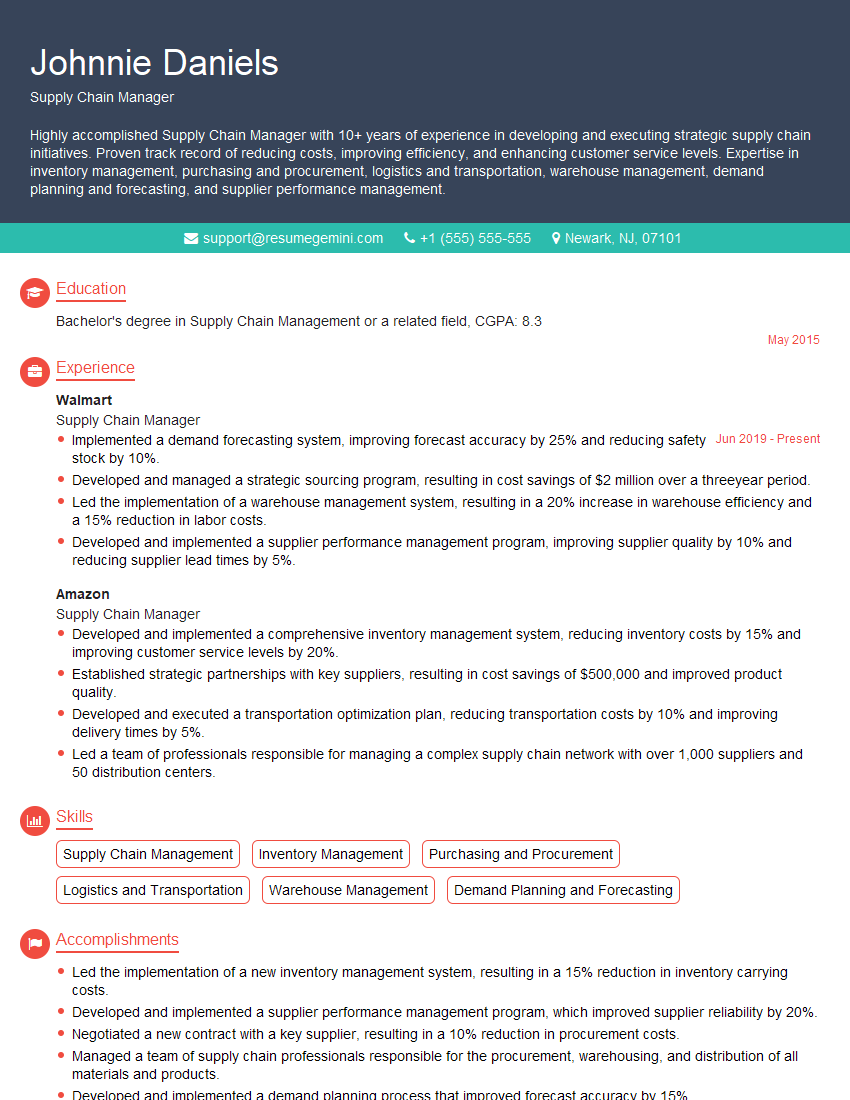
Supply Chain Manager Resume Sample

Compliance Officer Resume Sample
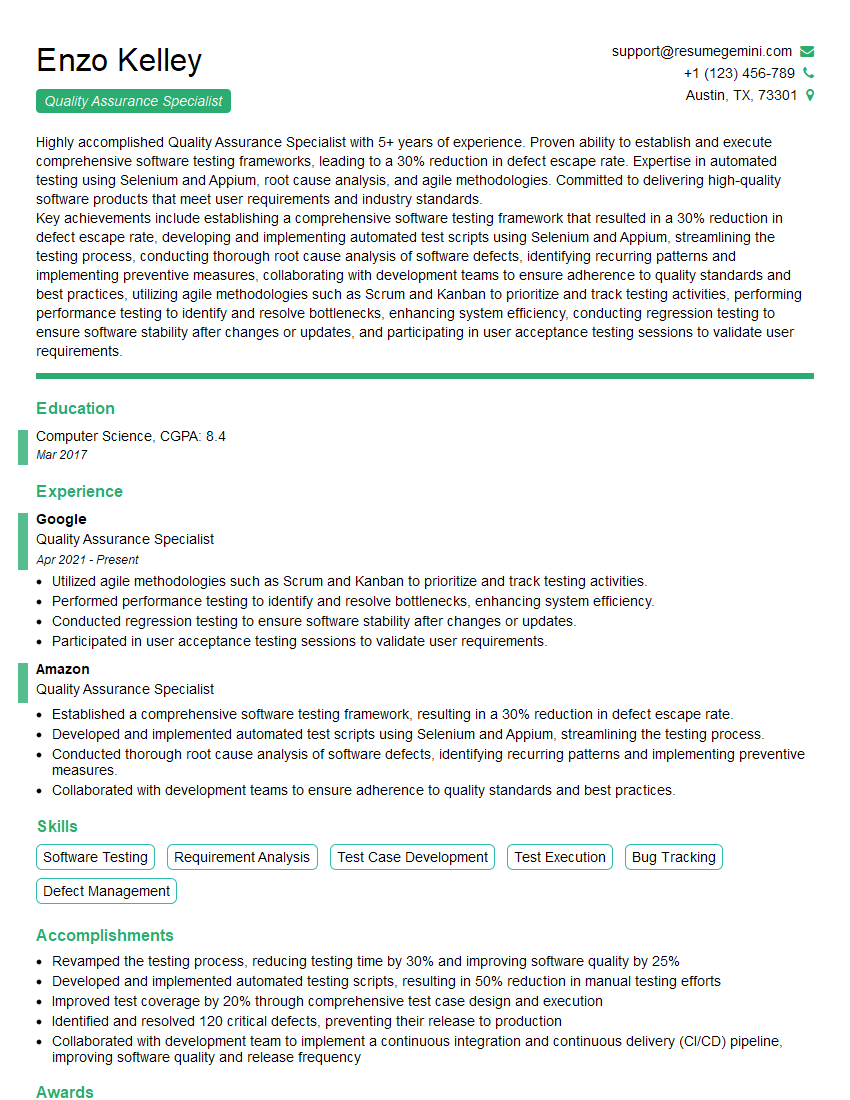
Quality Assurance Specialist Resume Sample
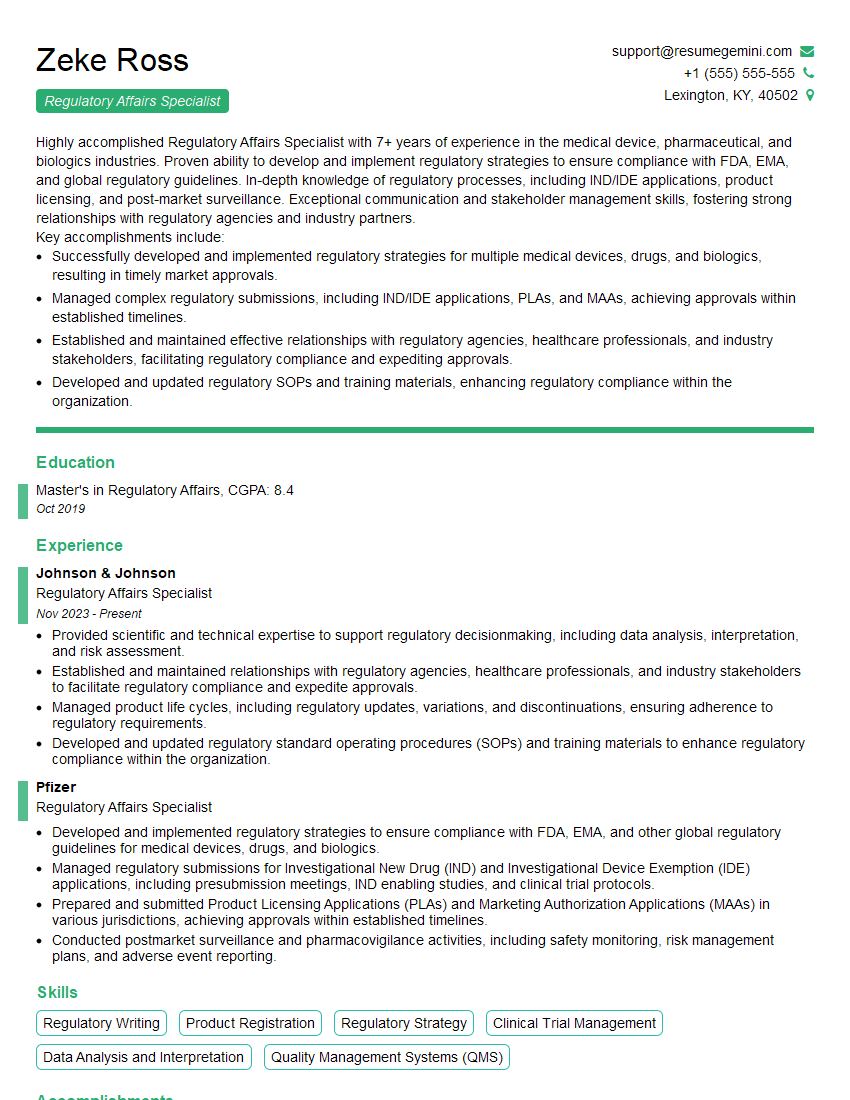
Regulatory Affairs Specialist Resume Sample
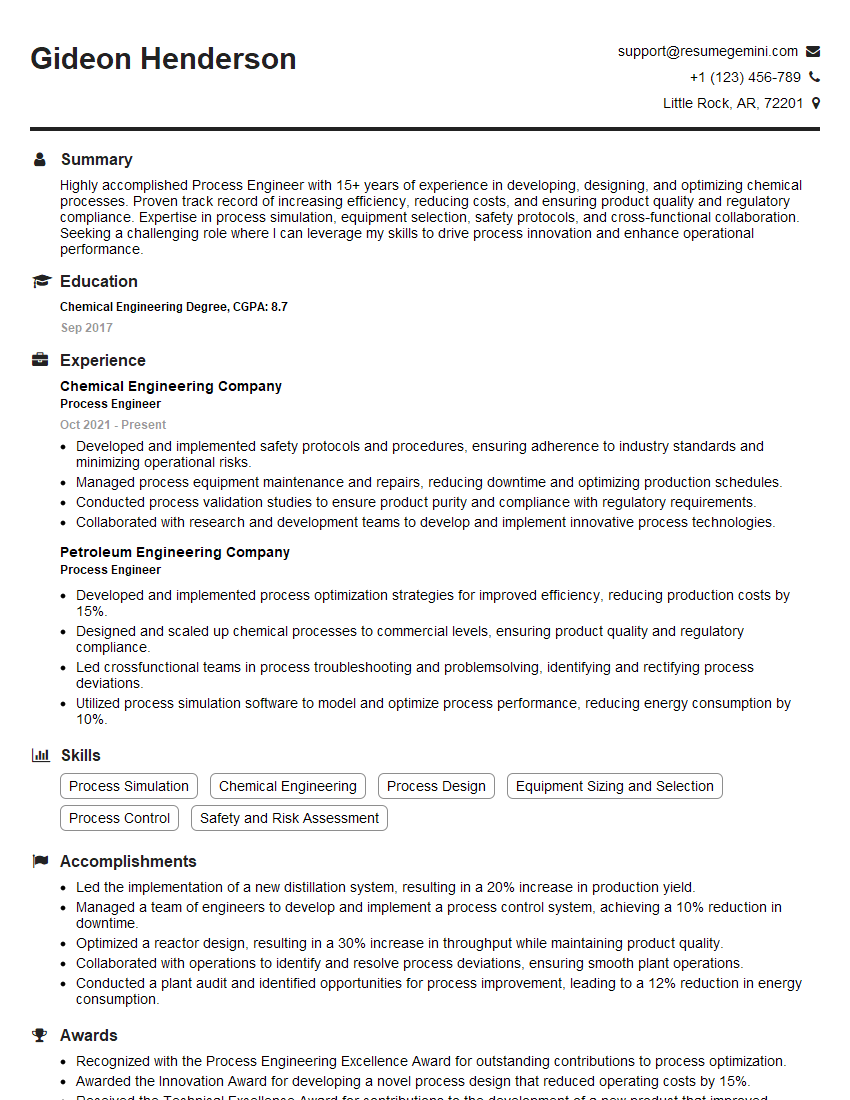
Process Engineer Resume Sample
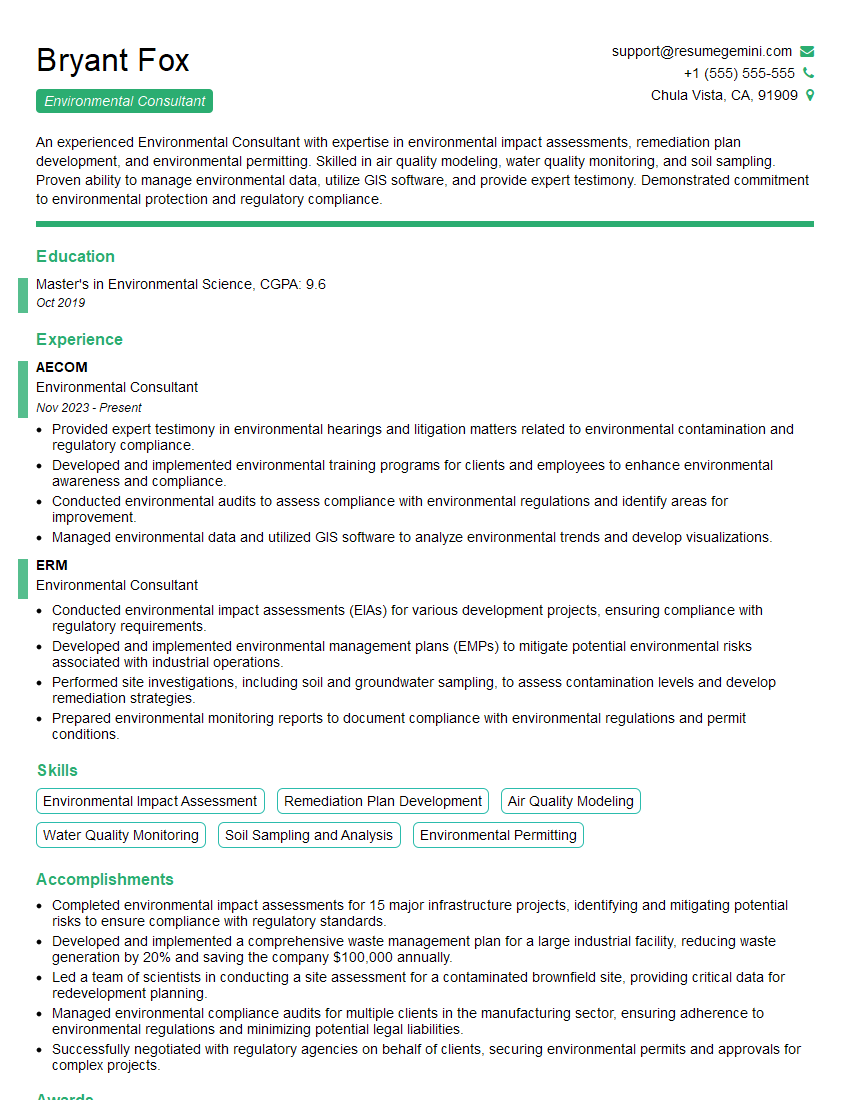
Environmental Consultant Resume Sample
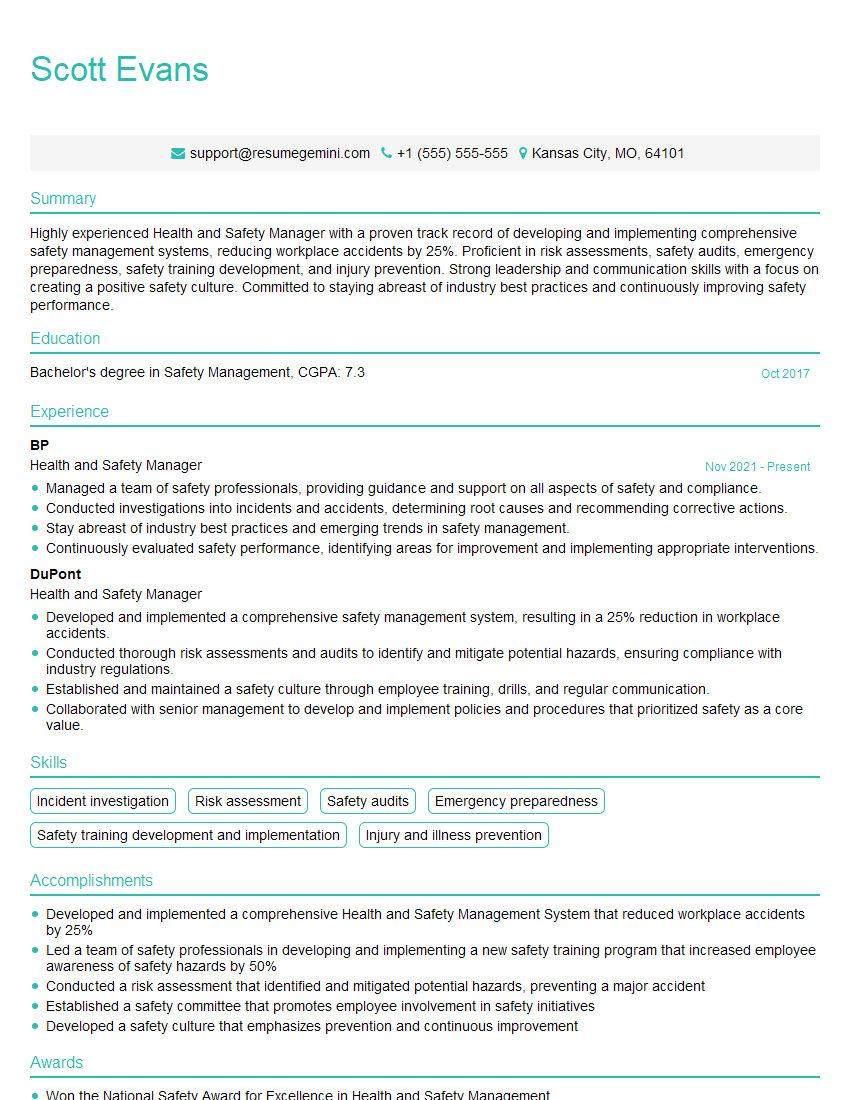
Health and Safety Manager Resume Sample
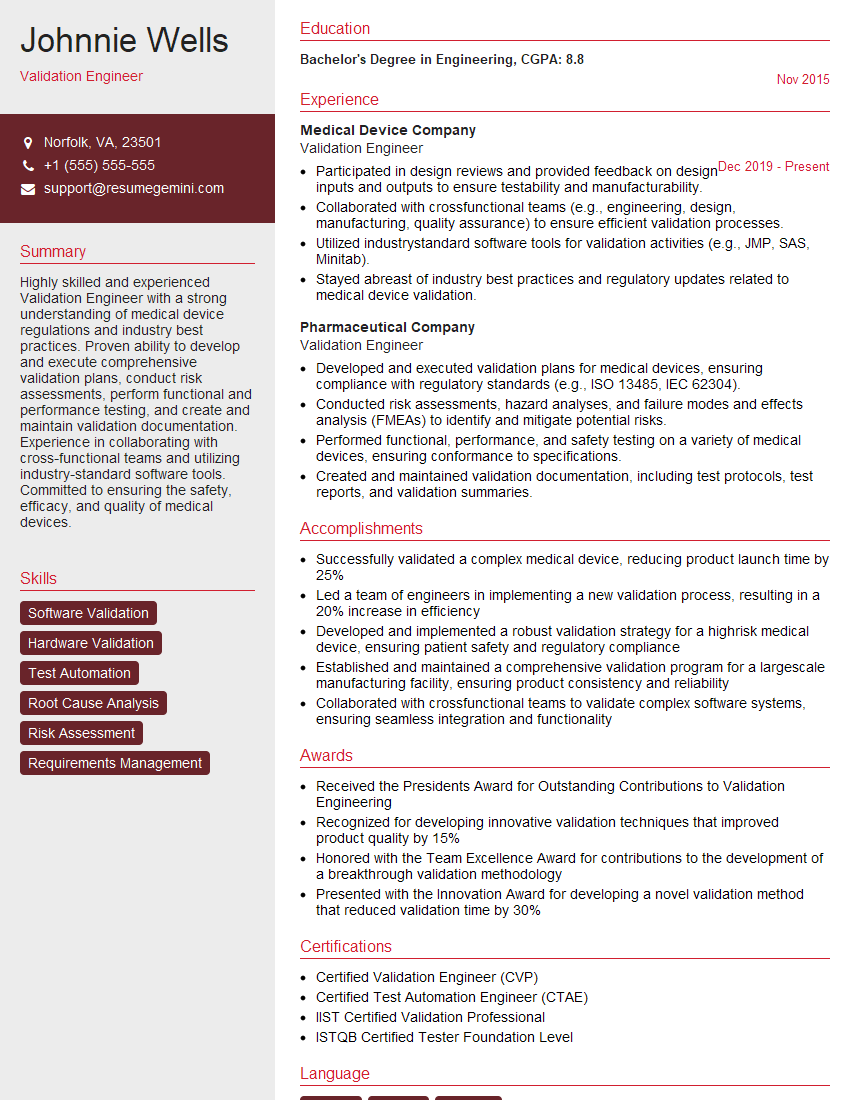
Validation Engineer Resume Sample
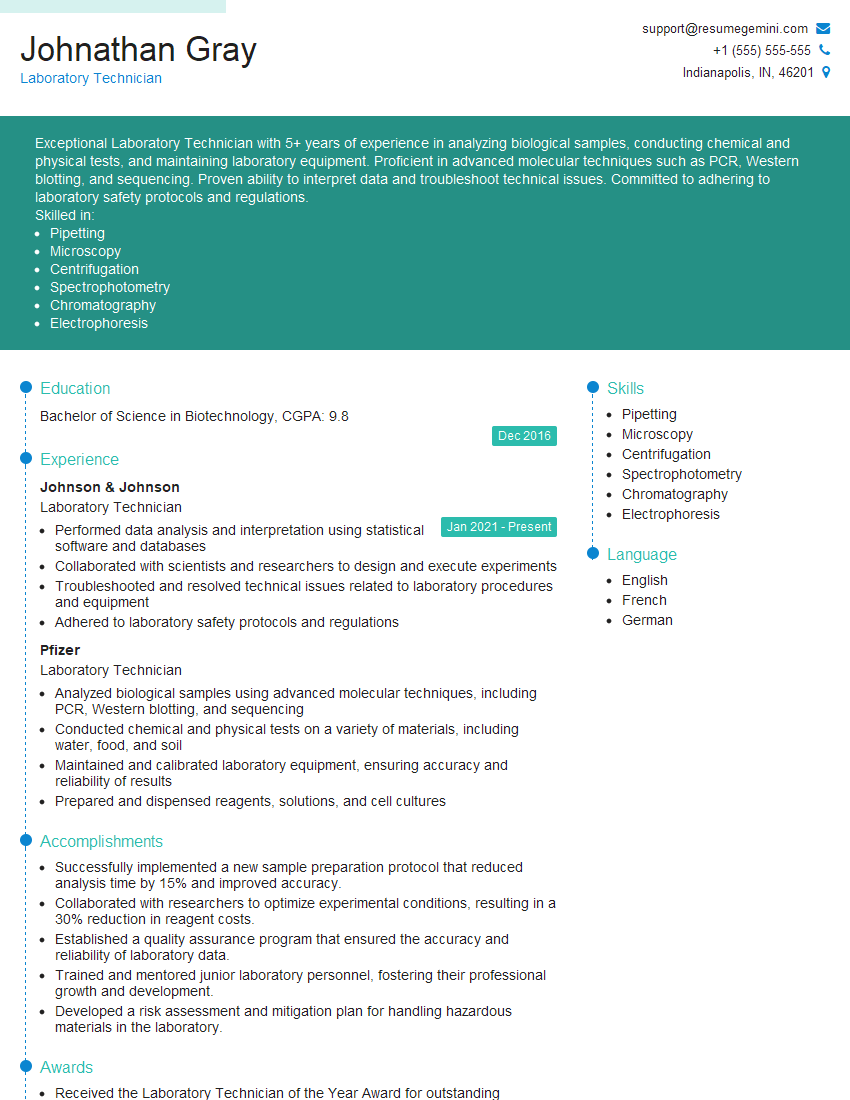
Laboratory Technician Resume Sample
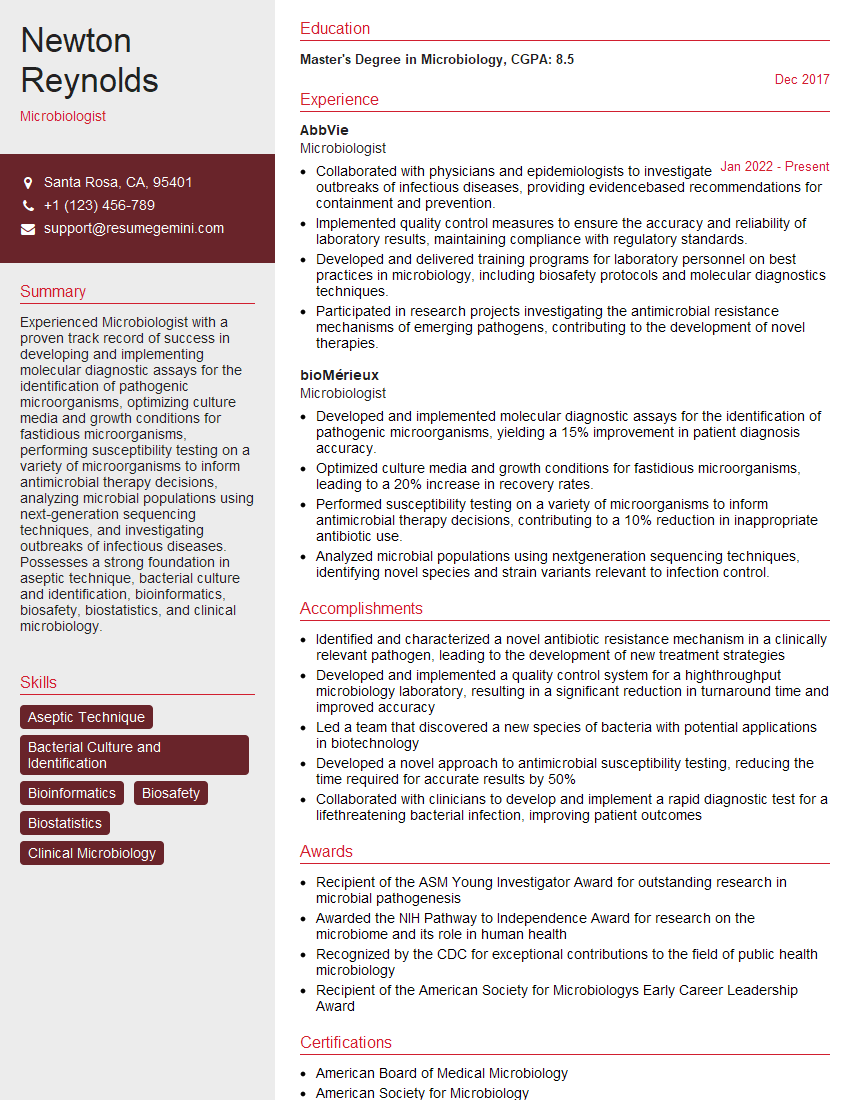
Microbiologist Resume Sample
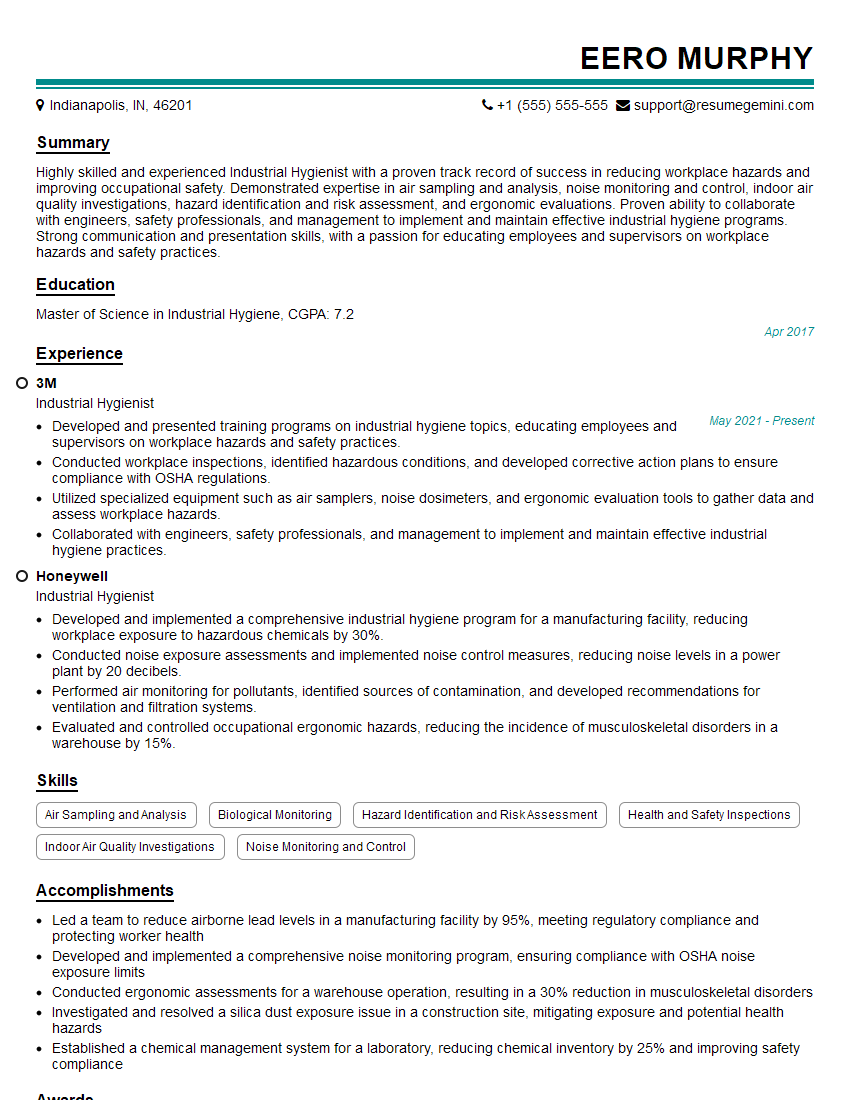
Industrial Hygienist Resume Sample
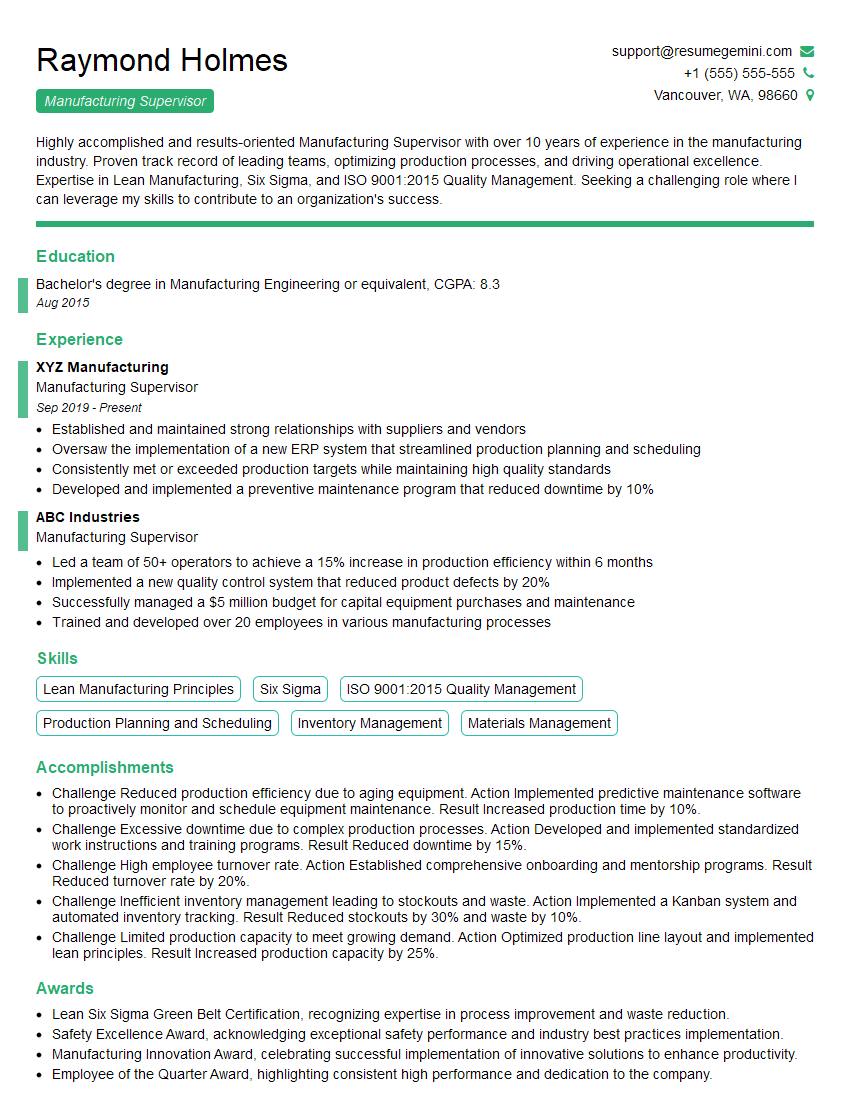
Manufacturing Supervisor Resume Sample
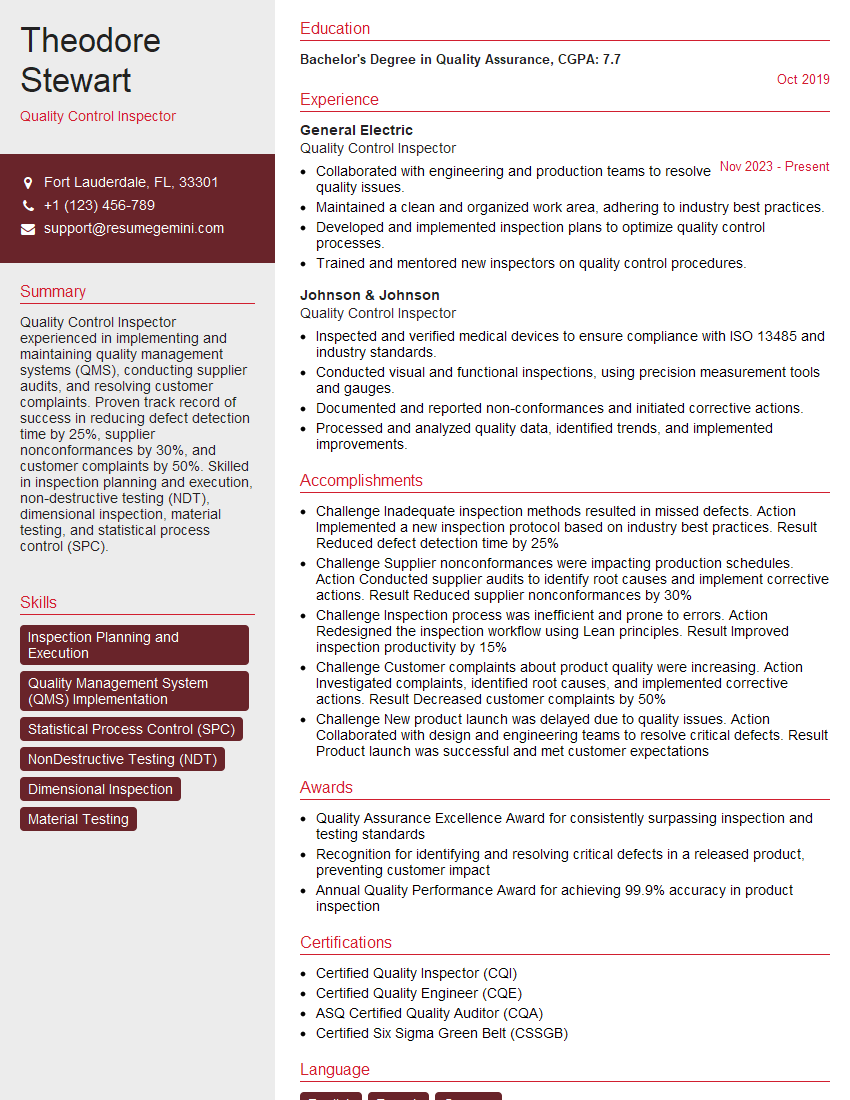
Quality Control Inspector Resume Sample
- Operations Manager
- Production Manager
- Quality Control Manager
- Maintenance Supervisor
- Supply Chain Manager
- Compliance Officer
- Quality Assurance Specialist
- Regulatory Affairs Specialist
- Process Engineer
- Environmental Consultant
- Health and Safety Manager
- Validation Engineer
- Laboratory Technician
- Microbiologist
- Industrial Hygienist
- Manufacturing Supervisor
- Quality Control Inspector
Explore more articles
Users Rating of Our Blogs
Share Your Experience
We value your feedback! Please rate our content and share your thoughts (optional).
What Readers Say About Our Blog
To the interviewgemini.com Webmaster.
Very helpful and content specific questions to help prepare me for my interview!
Thank you
To the interviewgemini.com Webmaster.
This was kind of a unique content I found around the specialized skills. Very helpful questions and good detailed answers.
Very Helpful blog, thank you Interviewgemini team.