The right preparation can turn an interview into an opportunity to showcase your expertise. This guide to Monitoring and Evaluating Group Progress interview questions is your ultimate resource, providing key insights and tips to help you ace your responses and stand out as a top candidate.
Questions Asked in Monitoring and Evaluating Group Progress Interview
Q 1. Describe your experience using different data collection methods for monitoring group progress.
My experience in data collection for monitoring group progress spans a variety of methods, tailored to the specific context and group dynamics. I’ve successfully utilized quantitative and qualitative approaches, often combining them for a richer understanding.
Quantitative Methods: These methods involve numerical data. For example, I’ve used surveys with Likert scales to measure team satisfaction and project completion rates. I’ve also employed performance dashboards that track key metrics in real-time, providing immediate feedback on progress. Think of tracking the number of bugs fixed per sprint in a software development team or sales figures for a sales team.
Qualitative Methods: These methods explore deeper insights and perspectives. I’ve conducted focus groups and interviews to gain a richer understanding of team dynamics, challenges faced, and areas for improvement. Observation, while seemingly simple, offers invaluable insights into team collaboration and working styles. For example, observing a team meeting to understand communication patterns and identify potential bottlenecks.
Mixed Methods: Often, the most effective approach combines both quantitative and qualitative data. For instance, survey results might reveal low morale, which can then be explored further through interviews to understand the root causes and develop targeted interventions.
Q 2. How do you identify key performance indicators (KPIs) relevant to group progress?
Identifying relevant KPIs for group progress requires a deep understanding of the group’s goals and objectives. It’s crucial to establish a clear link between the KPIs and the overall strategic aims. I use a structured approach:
Define Objectives: First, clearly define the specific, measurable, achievable, relevant, and time-bound (SMART) objectives of the group. What are they trying to accomplish?
Identify Key Activities: Determine the key activities or tasks that contribute to achieving those objectives.
Select Relevant Metrics: Choose metrics that directly reflect the success or progress of those key activities. These metrics should be easily measurable and provide actionable insights. For example, if the objective is to improve customer satisfaction, a relevant KPI could be the average customer satisfaction score.
Data Availability: Ensure that the data needed to track the chosen KPIs is readily available or can be easily collected.
Regular Review: KPIs should be regularly reviewed and adjusted as needed to reflect changing priorities and new information.
Q 3. Explain your approach to developing a monitoring and evaluation framework.
Developing a robust M&E framework is crucial for effective monitoring and evaluation. My approach is iterative and involves several key steps:
Needs Assessment: I start with a thorough needs assessment to understand the context, objectives, and data needs. This often involves stakeholder consultations to align expectations and ensure buy-in.
Indicator Selection: I work collaboratively to identify relevant KPIs as outlined in the previous answer.
Data Collection Plan: I develop a detailed data collection plan, specifying the methods, timelines, and responsibilities for data collection. This includes identifying data sources, defining data collection instruments, and establishing data quality control procedures.
Data Analysis Plan: I establish a plan for analyzing the collected data, outlining the methods and tools that will be used. This often involves selecting appropriate statistical techniques or qualitative analysis frameworks.
Reporting and Communication Plan: I create a plan for disseminating the findings to stakeholders in a clear and accessible format, ensuring that the information is timely and relevant.
Adaptive Management: The framework isn’t static. I build in mechanisms for regular review and adaptation, allowing for adjustments based on emerging challenges or changes in context.
Q 4. What tools and software are you proficient in for data analysis related to group performance?
I’m proficient in several tools for data analysis related to group performance. My expertise includes:
Spreadsheet Software (Excel, Google Sheets): For basic data entry, cleaning, and analysis, including creating charts and graphs to visualize performance trends.
Statistical Software (SPSS, R, Stata): For more complex statistical analysis, such as regression analysis or hypothesis testing, to delve deeper into the data and identify significant relationships.
Data Visualization Tools (Tableau, Power BI): For creating interactive dashboards and reports that effectively communicate findings to stakeholders. This allows for a more engaging presentation of data and easier understanding of trends and patterns.
Project Management Software (Asana, Jira, Trello): These tools often integrate with other systems, allowing for the seamless extraction of performance data directly related to task completion, deadlines, and resource allocation.
Q 5. How do you ensure data accuracy and reliability in your monitoring and evaluation work?
Data accuracy and reliability are paramount. I employ several strategies to ensure this:
Data Validation: Implementing rigorous data validation procedures during data entry and cleaning to identify and correct errors. This includes checks for consistency, completeness, and accuracy.
Multiple Data Sources: Using multiple data sources whenever possible to triangulate information and confirm findings. This reduces reliance on any single source and increases confidence in the results.
Data Quality Control: Establishing clear protocols for data collection, processing, and storage to minimize errors and ensure consistency. This could involve training data collectors and developing standardized procedures.
Regular Audits: Conducting regular audits of the data collection and analysis processes to identify areas for improvement and ensure data quality.
Documentation: Maintaining thorough documentation of all data collection and analysis procedures to enhance transparency and traceability.
Q 6. Describe a situation where you had to adjust your M&E plan due to unexpected challenges.
In a project evaluating the effectiveness of a new training program for customer service representatives, we encountered unexpected high staff turnover during the implementation phase. This significantly impacted our planned data collection schedule and sample size. We adapted by:
Adjusting the Timeline: Extending the data collection period to account for the delays caused by the staff turnover.
Modifying Sampling Strategy: Adjusting our sampling strategy to account for the reduced number of participants in the training program and ensuring we had sufficient data to draw meaningful conclusions.
Incorporating Qualitative Data: Conducting exit interviews with departing staff to explore the reasons for their departure and any impact on the training program’s effectiveness. This qualitative data added context and insight beyond the quantitative data.
Communicating Changes: Clearly communicating the changes to our M&E plan to stakeholders, explaining the reasons for the adjustments and ensuring their continued support.
Q 7. How do you communicate monitoring and evaluation findings to stakeholders?
Communicating M&E findings effectively is critical. I tailor my communication approach to the specific audience and the nature of the findings. My methods include:
Formal Reports: For detailed reports providing in-depth analysis and findings, often including data visualizations and statistical summaries. These are suitable for senior management or funding agencies.
Infographics and Visualizations: For a more concise and engaging summary of key findings, ideal for broader audiences who may not have the time or expertise for detailed reports.
Presentations: Using presentations to verbally communicate findings to stakeholders, incorporating visuals and answering questions to ensure understanding.
Stakeholder Meetings: Facilitating interactive meetings to discuss findings, address concerns, and collaboratively develop recommendations for improvement.
Storytelling: Weaving narratives around the data to make it more relatable and impactful. I focus on showcasing the impact of the group’s activities and highlighting success stories.
Q 8. How do you use data to inform decision-making regarding group progress and interventions?
Data is the lifeblood of effective monitoring and evaluation (M&E). To inform decision-making regarding group progress and interventions, I employ a multi-faceted approach. It starts with defining clear, measurable indicators linked to project goals. This ensures we collect data relevant to the specific outcomes we’re aiming for. For instance, if the goal is improved literacy rates in a youth group, we’d track reading levels, test scores, and participation in literacy programs.
Once data is collected (through surveys, observations, assessments, etc.), I use descriptive statistics to understand the overall trends and patterns in the group’s progress. For example, are literacy scores improving over time? Are certain subgroups showing greater or lesser improvement? Are there correlations between participation in specific activities and improved outcomes? Then, I utilize statistical analysis, potentially employing regression models or other techniques to identify which interventions are most effective and for which subgroups. This allows me to make data-driven adjustments to our strategies, ensuring optimal resource allocation and maximum impact.
For example, if we find that a particular tutoring program is significantly correlated with improved literacy scores, we’d likely allocate more resources to expanding that program. Conversely, if a different initiative shows little to no impact, we might re-evaluate its design or discontinue it.
Q 9. What are the limitations of quantitative and qualitative data in measuring group progress?
Both quantitative and qualitative data offer valuable insights, but each has its limitations. Quantitative data, while providing numerical measurements of progress (e.g., test scores, attendance rates), may not capture the ‘why’ behind the numbers. It can lack context and fail to reveal the complexities of human behavior and group dynamics. For example, a high attendance rate doesn’t necessarily mean high engagement or learning.
Qualitative data, obtained through interviews, focus groups, and observations, provides rich contextual information and allows for deeper understanding of individuals’ experiences and perspectives. However, it can be subjective, time-consuming to collect and analyze, and may not be easily generalizable to larger populations. For example, a single interview cannot represent the views of an entire group.
To overcome these limitations, I advocate for a mixed-methods approach, combining both quantitative and qualitative data to gain a comprehensive understanding of group progress. This triangulation strengthens the validity and reliability of our findings. The quantitative data provides the ‘what,’ while the qualitative data sheds light on the ‘why,’ leading to more nuanced and effective decision-making.
Q 10. How do you ensure ethical considerations are addressed in your M&E activities?
Ethical considerations are paramount in all M&E activities. I adhere to a strict code of ethics that prioritizes participant confidentiality, informed consent, and data security. Before any data collection begins, I ensure participants are fully informed about the purpose of the study, how their data will be used, and their right to withdraw at any time. Data anonymity and security are crucial, utilizing appropriate encryption and data management protocols to protect participant privacy.
Furthermore, I am mindful of potential biases in data collection and analysis. I strive to use objective and standardized procedures, and I avoid leading questions or interventions that might influence participants’ responses. Finally, I ensure that all findings are reported transparently and accurately, without misrepresenting or selectively presenting data to support a particular outcome. Transparency is key to building trust and credibility with all stakeholders.
For example, all participants receive a consent form clearly outlining the study’s purpose and potential risks and benefits. Data is then anonymized and stored securely, following all relevant data protection regulations.
Q 11. What is your experience with different types of evaluations (e.g., formative, summative)?
I have extensive experience with various evaluation types. Formative evaluations occur throughout a project’s lifespan, providing ongoing feedback to improve implementation. They are iterative, allowing for adjustments to strategies and interventions as needed. Think of it as ‘course correction’ while the project is underway. For example, during a formative evaluation of a youth leadership program, we might conduct mid-program surveys to assess participant satisfaction and identify areas for improvement in the curriculum or training.
Summative evaluations, on the other hand, occur at the end of a project to assess overall achievements against pre-defined goals. They provide a final assessment of impact. This might involve comparing pre- and post-intervention scores on key indicators, analyzing changes in attitudes or behaviors, or conducting a cost-benefit analysis. For example, a summative evaluation of the same leadership program would assess whether participants demonstrated improved leadership skills post-program and compare this to the initial goals.
Process evaluations focus on how a program is implemented, assessing efficiency, fidelity to the design, and resource use. This might involve reviewing program documents, conducting staff interviews, and tracking resource allocation. A process evaluation of the youth leadership program could analyze whether the program was delivered as planned and whether resources were used efficiently.
Q 12. How do you prioritize various aspects of a project when conducting monitoring and evaluation?
Prioritizing aspects of a project during M&E requires a strategic approach that aligns with overall project goals and available resources. I begin by clarifying the key performance indicators (KPIs) linked to the project’s most critical outcomes. These KPIs form the backbone of our M&E plan. For instance, in a community development project, critical outcomes might include improved access to clean water, increased income levels, and reduced malnutrition rates. These become our highest priorities.
Then, I assess the feasibility of collecting data on each KPI, considering factors such as data availability, cost, and time constraints. Some data may be readily accessible, while others might require more extensive data collection efforts. This assessment helps prioritize data collection activities, focusing on the most critical KPIs first. Data collection efficiency is key. Finally, I allocate resources—both human and financial—proportionally to the importance of each KPI. This ensures that the most critical aspects of the project receive adequate attention during M&E.
Q 13. Explain your understanding of different M&E frameworks (e.g., Results Based Management).
I’m familiar with various M&E frameworks, including Results Based Management (RBM). RBM emphasizes a results-oriented approach, starting with clearly defined outcomes and working backward to identify the necessary activities and inputs. It places strong emphasis on establishing a clear chain of results linking activities to outcomes and ultimately to the overall goals of the project.
A key aspect of RBM is the development of a Results Framework, which visually maps out this chain of results, including indicators to measure progress at each stage. This framework ensures transparency and accountability and enables ongoing monitoring and adjustment based on performance. Other frameworks like the Logical Framework Approach (LFA) share similarities in emphasizing a structured approach to planning, implementation, and evaluation. However, the frameworks differ slightly in their emphasis and methodology.
My experience includes adapting and applying different frameworks to diverse projects, ensuring they’re tailored to the specific context and goals.
Q 14. How do you measure the impact of group interventions on specific outcomes?
Measuring the impact of group interventions requires a robust evaluation design. It begins with clearly defining the specific outcomes the interventions aim to achieve. These outcomes should be measurable, specific, achievable, relevant, and time-bound (SMART). For example, if the intervention aims to reduce youth unemployment, a clear outcome might be a 20% reduction in unemployment rates among participating youth within one year.
Next, a baseline assessment is conducted before the intervention begins to establish the initial state of the target outcomes. Then, data is collected throughout and after the intervention to assess changes. This may involve comparing pre- and post-intervention data, using control groups (groups that don’t receive the intervention) to isolate the impact of the intervention, or employing statistical techniques to control for confounding factors.
To measure impact effectively, I use a variety of methods including quantitative methods such as surveys and statistical analysis, as well as qualitative methods like interviews and focus groups to provide a comprehensive understanding of the intervention’s effects. For example, to measure the impact of a job training program, we’d track employment rates, wages, and participant satisfaction, and conduct interviews to gain insights into the program’s effectiveness and areas for improvement.
Q 15. How do you handle conflicting data or interpretations in your M&E work?
Conflicting data or interpretations are inevitable in Monitoring and Evaluation (M&E). My approach is systematic and prioritizes transparency. First, I meticulously document the source of each data point and the methodology used to collect it. This helps identify potential biases or inconsistencies early on. Second, I use a triangulation approach, comparing data from multiple sources – surveys, interviews, observations – to verify information. If discrepancies persist, I engage in a thorough qualitative analysis, exploring the underlying reasons for the conflict. This often involves revisiting the data collection process, conducting additional interviews with key stakeholders, or reviewing relevant contextual factors. Finally, I present all findings transparently, acknowledging the uncertainties and limitations of the data, and propose recommendations based on the most robust evidence. For example, in a project evaluating community health programs, conflicting data emerged from self-reported health status versus observed health indicators. Triangulation through community health worker observations helped resolve the conflict, revealing a significant underreporting bias in self-reported data due to cultural sensitivities.
Career Expert Tips:
- Ace those interviews! Prepare effectively by reviewing the Top 50 Most Common Interview Questions on ResumeGemini.
- Navigate your job search with confidence! Explore a wide range of Career Tips on ResumeGemini. Learn about common challenges and recommendations to overcome them.
- Craft the perfect resume! Master the Art of Resume Writing with ResumeGemini’s guide. Showcase your unique qualifications and achievements effectively.
- Don’t miss out on holiday savings! Build your dream resume with ResumeGemini’s ATS optimized templates.
Q 16. Describe your experience with using data visualization techniques to present M&E findings.
Data visualization is crucial for effective communication of M&E findings. My experience spans various techniques, including bar charts, line graphs, pie charts, maps, and dashboards. I tailor the choice of visualization to the specific data and audience. For instance, a simple bar chart effectively compares the performance of different program components, while a geographic map can highlight regional variations in program impact. I’ve used interactive dashboards to display real-time data, allowing stakeholders to explore trends and delve deeper into the data. In one project evaluating environmental conservation efforts, we used geographic information systems (GIS) to create maps showing deforestation rates over time, clearly illustrating the impact of our interventions. These visuals proved far more compelling and easily understood than lengthy textual reports.
Q 17. How do you involve stakeholders in the M&E process?
Stakeholder involvement is paramount to successful M&E. I ensure participation through multiple channels:
- Participatory planning: Stakeholders collaborate in defining indicators, data collection methods, and reporting formats from the outset.
- Regular feedback loops: I organize workshops, meetings, and focus group discussions to share progress reports, gather feedback, and adapt the M&E strategy accordingly.
- Co-creation of reports: Stakeholders are actively involved in interpreting findings, drawing conclusions, and developing recommendations based on the evidence.
- Capacity building: I train stakeholders in data analysis and interpretation techniques so they can take ownership of the M&E process.
This collaborative approach fosters ownership, strengthens trust, and ensures the M&E system is relevant and sustainable. For instance, in a community development project, actively involving community members in data collection not only ensured data quality but also empowered them to participate in shaping the project’s future direction.
Q 18. Describe your experience working with different types of data (e.g., numerical, textual, visual).
My experience encompasses diverse data types. Numerical data provides quantifiable measures of progress (e.g., number of participants, budget expenditure). Textual data, such as interview transcripts or meeting minutes, offers rich qualitative insights into the program’s processes and impact. Visual data, such as photographs or videos, can document program activities and provide a visual record of changes. I integrate these different data types to create a holistic picture. For example, in a project evaluating the effectiveness of a teacher training program, we used numerical data to measure student test scores, textual data from teacher interviews to understand their perspectives on the training, and visual data from classroom observations to capture teaching practices. Combining these data sources provided a richer and more nuanced understanding of program impact than any single data type could offer. I use qualitative data analysis software to manage and analyze textual data, and statistical software for numerical data.
Q 19. How do you measure the efficiency and effectiveness of group processes?
Measuring efficiency and effectiveness requires a multi-faceted approach. Efficiency focuses on resource utilization (time, money, personnel), while effectiveness assesses the achievement of program goals. I use a combination of indicators to measure both:
- Efficiency indicators: These could include the cost per participant, time taken to complete a task, or staff productivity rates.
- Effectiveness indicators: These will be tied to the specific program goals. Examples include the number of people reached, the percentage of goals achieved, or changes in knowledge, attitudes, or behaviors.
It’s also crucial to consider the context, using both quantitative and qualitative data to paint a complete picture. For example, a program might be highly efficient in terms of cost per participant but less effective in achieving its goals due to unforeseen challenges. A thorough M&E system highlights both aspects, allowing for informed decision-making and adjustments.
Q 20. How do you ensure the sustainability of monitoring and evaluation systems?
Sustainability of M&E systems requires careful planning and implementation. Key strategies include:
- Embedding M&E within organizational structures: M&E should be integrated into the routine work of the organization, not treated as a separate project.
- Building local capacity: Training local staff to manage and conduct M&E ensures the system can continue functioning after external support ends.
- Developing user-friendly tools and systems: Simple, easily accessible tools make data collection and analysis manageable for local staff.
- Establishing data management protocols: Clear procedures for data collection, storage, and security are essential for long-term data integrity.
- Securing ongoing funding: A sustainable M&E system requires resources for data collection, analysis, and reporting. This often requires demonstrating the value of M&E to stakeholders and integrating it into budget proposals.
Think of it like building a house – you need a solid foundation (trained staff, robust systems), durable materials (user-friendly tools, clear protocols), and ongoing maintenance (regular reviews and updates) for it to stand the test of time.
Q 21. How do you adapt your M&E approach based on the context and type of group being monitored?
Adaptability is key to successful M&E. My approach varies depending on the context and the group being monitored. For example, M&E for a large-scale national program requires a different approach than for a small community-based initiative. Factors influencing my approach include:
- Group size and diversity: M&E strategies for homogenous groups can be simpler than for diverse groups.
- Group goals and objectives: Indicators and data collection methods must align with the specific goals of the group.
- Resource availability: M&E approaches must be realistic and feasible given available resources.
- Cultural context: Sensitivity to cultural norms and practices is vital when designing and implementing M&E systems.
In one instance, working with a remote indigenous community, we adapted our data collection methods to incorporate participatory approaches using storytelling and visual aids to ensure inclusivity and address limited literacy levels. Flexibility and a willingness to adapt are crucial for relevant and effective M&E.
Q 22. How do you identify and address challenges in data collection for remote or geographically dispersed groups?
Monitoring and evaluating geographically dispersed groups presents unique data collection challenges. Addressing these requires a multifaceted approach focusing on accessibility, technology, and communication.
- Technology Solutions: We leverage technology like online surveys (e.g., SurveyMonkey, Qualtrics), mobile data collection apps (e.g., ODK Collect), and secure cloud-based platforms for data storage and analysis. This ensures accessibility regardless of location and allows for real-time data monitoring. For areas with limited internet access, we might utilize offline data collection methods and synchronize data once connectivity is available.
- Communication Strategies: Clear and consistent communication is crucial. This includes providing comprehensive training to data collectors on the tools and procedures. Regular check-ins, via phone calls, video conferencing, or even SMS messages, ensure clarity and address any emerging issues promptly. We also utilize multiple communication channels to cater to diverse preferences and technological capabilities.
- Data Validation and Quality Control: Robust data validation checks and quality control measures are crucial. This includes cross-referencing data, performing consistency checks, and conducting spot checks on data collection processes. Clear guidelines on data entry and cleaning are also vital to maintain data integrity. We might employ data validation techniques like range checks and consistency checks to identify and correct errors before analysis.
- Building Trust and Rapport: Building trust and rapport with participants in remote areas is paramount. This often requires involving local community leaders, building relationships over time, and ensuring participants understand the purpose of the data collection and how it will benefit them. Respect for cultural sensitivities is also critical.
For example, in a project monitoring the impact of a rural development program, we used a combination of mobile data collection apps and SMS surveys to gather data from widely dispersed villages. This ensured accessibility while allowing for real-time monitoring of progress.
Q 23. Explain your experience using logic models to plan and evaluate group progress.
Logic models are invaluable tools for planning and evaluating group progress. They provide a visual representation of the program’s theory of change, outlining the relationships between inputs, activities, outputs, outcomes, and impacts.
My experience involves using logic models in several phases:
- Planning: We collaboratively develop a logic model with stakeholders, clarifying the program’s goals, activities, and expected outcomes. This shared understanding ensures everyone is aligned and contributes to a successful evaluation. The model helps identify potential risks and challenges early in the project lifecycle.
- Evaluation Design: The logic model guides the design of the M&E plan. It informs the selection of indicators, data collection methods, and evaluation timelines. For example, if the outcome is improved literacy, the model would indicate the associated indicators, such as test scores, and the data collection methods like testing or observations.
- Data Analysis and Reporting: After data collection, the logic model helps in interpreting the results. We analyze whether the activities produced the expected outputs, leading to desired outcomes and ultimately impacts. It guides the narrative in reports, illustrating the program’s progress and areas needing improvement.
For instance, in a community health project, the logic model clearly showed the relationship between providing training to community health workers (inputs), the number of health workers trained (outputs), their increased knowledge and skills (outcomes), and improved community health indicators (impact). This enabled a targeted evaluation focusing on each stage of the model.
Q 24. How do you ensure the timely reporting of monitoring and evaluation findings?
Timely reporting is essential for effective monitoring and evaluation. To ensure this, we employ a structured approach encompassing planning, data management, and communication:
- Establish a Clear Reporting Schedule: We establish a realistic and detailed reporting schedule at the outset of the project, specifying deadlines for data collection, analysis, and report writing. This schedule is shared with all stakeholders to maintain transparency.
- Utilize Data Management Systems: We use efficient data management systems for streamlining data entry, cleaning, analysis, and storage. This minimizes data processing time and facilitates efficient report generation.
- Develop Templates and Reporting Formats: We develop standardized report templates and formats to maintain consistency and facilitate efficient report writing. This includes clear visuals and concise language, making the data accessible to diverse audiences.
- Establish a Communication Plan: A well-defined communication plan ensures that reports are disseminated to stakeholders in a timely and effective manner. This could involve email distribution, presentations, or online platforms. Feedback mechanisms are also included to ensure reports are useful and actionable.
For instance, we might set up weekly progress reports for internal monitoring, and monthly reports for external stakeholders, along with a final comprehensive report at project completion.
Q 25. Describe a situation where you had to troubleshoot a problem with data collection or analysis.
In a recent project evaluating a microfinance program, we encountered inconsistencies in loan repayment data reported by different field officers. The initial analysis showed unusually high repayment rates in some areas compared to others, raising concerns about data accuracy.
To troubleshoot, we:
- Reviewed data collection procedures: We revisited the training materials and data collection protocols with the field officers, identifying gaps in their understanding of data recording procedures.
- Conducted field visits: We conducted targeted field visits to the areas with inconsistent data, directly observing data collection methods and interviewing borrowers.
- Implemented data validation checks: We strengthened data validation checks within our database system, flagging inconsistencies in real-time.
- Revised training materials: We revised the training materials to address the identified gaps, clarifying data entry procedures and emphasizing data quality.
- Implemented a more robust quality control system: We established a more rigorous data quality control system, involving independent verification of data by a supervisor and more frequent data checks during the field work itself.
This multi-pronged approach identified the root cause – inconsistent data recording practices – and enabled us to correct the errors and improve data quality for subsequent reporting.
Q 26. How do you manage your time effectively when working on multiple M&E projects simultaneously?
Managing multiple M&E projects simultaneously requires effective time management and prioritization. My approach includes:
- Prioritization: I prioritize projects based on urgency and importance, focusing on deadlines and stakeholder needs. A project management tool like Trello or Asana helps organize tasks and deadlines.
- Time Blocking: I allocate specific time blocks for each project, ensuring dedicated time for data analysis, report writing, and communication. Minimizing interruptions during these blocks is key.
- Delegation: Where possible, I delegate tasks to team members, ensuring they have the necessary resources and support. Clear roles and responsibilities prevent duplication of effort.
- Regular Reviews: I conduct regular reviews of progress across all projects, adjusting timelines as needed and addressing any potential bottlenecks promptly.
- Effective Communication: Open and consistent communication with stakeholders and team members ensures everyone is informed and aligned on priorities.
Thinking of it like a juggler, each project is a ball, and my goal is to keep all the balls in the air without dropping any. Careful planning, prioritization, and focused execution are crucial for success.
Q 27. How do you maintain the confidentiality of sensitive data collected during M&E activities?
Maintaining confidentiality is paramount in M&E. We adhere to strict ethical guidelines and implement robust data security measures:
- Anonymization and De-identification: We anonymize or de-identify data wherever possible, removing any personally identifiable information before analysis and reporting. This protects individual privacy.
- Secure Data Storage: We use secure data storage solutions, including password-protected computers, encrypted files, and cloud-based platforms with strong security features. Access to data is restricted to authorized personnel only.
- Informed Consent: We obtain informed consent from all participants, ensuring they understand how their data will be used and protected. This transparency builds trust and assures ethical compliance.
- Data Access Control: We implement strict data access control measures, limiting access to data based on roles and responsibilities. This ensures that only authorized personnel can access sensitive information.
- Compliance with Data Protection Laws: We strictly adhere to relevant data protection laws and regulations, including GDPR and HIPAA, where applicable.
Data confidentiality is not merely a compliance requirement; it’s a cornerstone of trust. Building and maintaining that trust is vital for the success and integrity of any M&E program.
Q 28. How do you stay current with best practices in monitoring and evaluation?
Staying current with best practices requires a proactive and multi-faceted approach.
- Professional Development: I actively participate in professional development opportunities, including conferences, workshops, and online courses, focusing on emerging trends and methodologies in M&E.
- Networking: I maintain a strong professional network through participation in M&E professional associations, attending conferences, and engaging in online forums. This allows me to learn from peers and stay abreast of the latest developments.
- Literature Review: I regularly review relevant academic journals, publications, and online resources to stay informed about best practices and emerging technologies.
- Case Studies and Examples: I actively seek out case studies and examples of successful M&E programs to learn from their successes and challenges. This provides practical insights into the application of best practices.
- Mentorship and Collaboration: I actively seek mentorship opportunities and collaborate with other M&E professionals, sharing knowledge and experiences to learn from each other.
Continuous learning is not just beneficial, it’s essential for providing high-quality M&E services in an ever-evolving field.
Key Topics to Learn for Monitoring and Evaluating Group Progress Interview
- Defining Key Performance Indicators (KPIs): Understanding how to select and define relevant KPIs that accurately reflect group progress towards goals. This includes considering both quantitative and qualitative metrics.
- Data Collection Methods: Exploring various methods for gathering data on group performance, including surveys, observations, interviews, and document reviews. Learn to choose the most appropriate methods for different contexts.
- Data Analysis & Interpretation: Mastering techniques for analyzing collected data to identify trends, patterns, and areas for improvement. This includes understanding descriptive statistics, data visualization, and identifying potential biases.
- Reporting & Communication: Developing clear and concise reports that effectively communicate group progress to stakeholders. Practicing effective communication strategies for presenting data and insights.
- Developing Action Plans: Based on data analysis, learn how to formulate actionable strategies to address challenges and capitalize on opportunities to improve group performance.
- Risk Management & Mitigation: Identifying potential risks that could impact group progress and developing strategies to mitigate these risks proactively.
- Adaptive Monitoring & Evaluation: Understanding the importance of flexibility and adapting your monitoring and evaluation plan based on evolving circumstances and feedback.
- Ethical Considerations: Addressing the ethical implications of data collection, analysis, and reporting, ensuring data privacy and integrity.
Next Steps
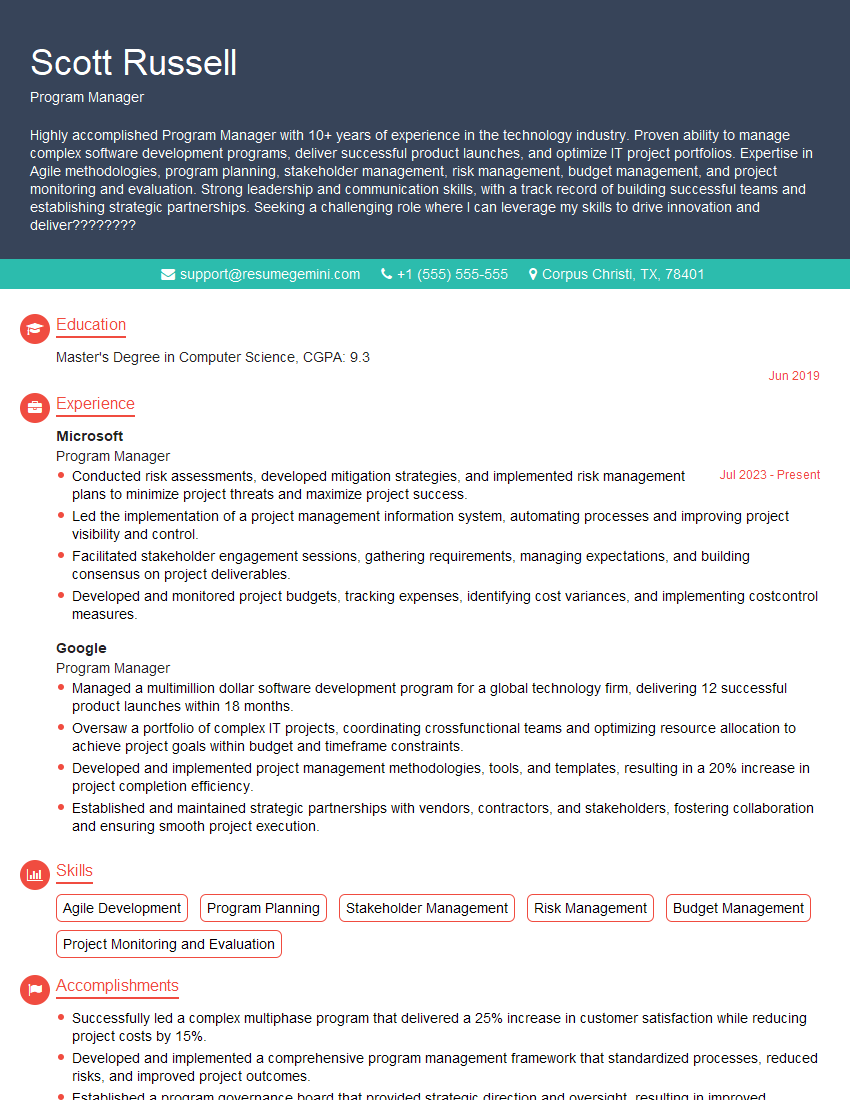
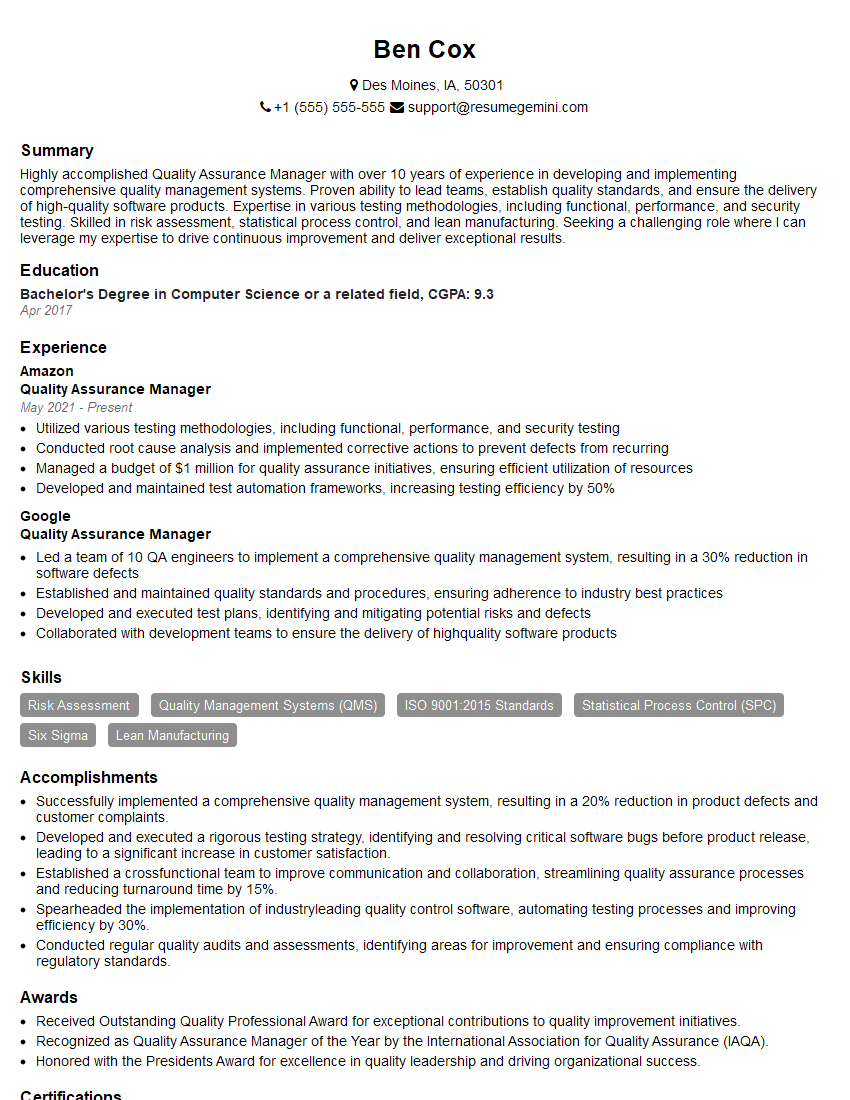
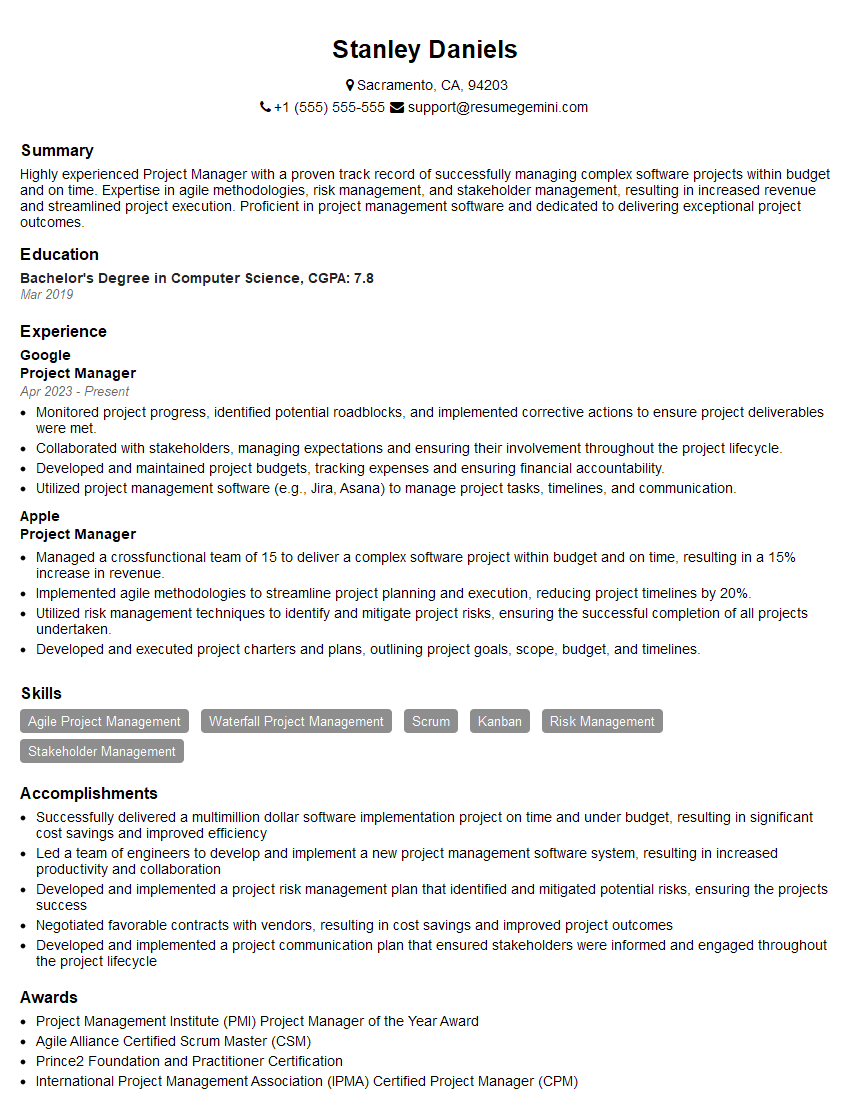
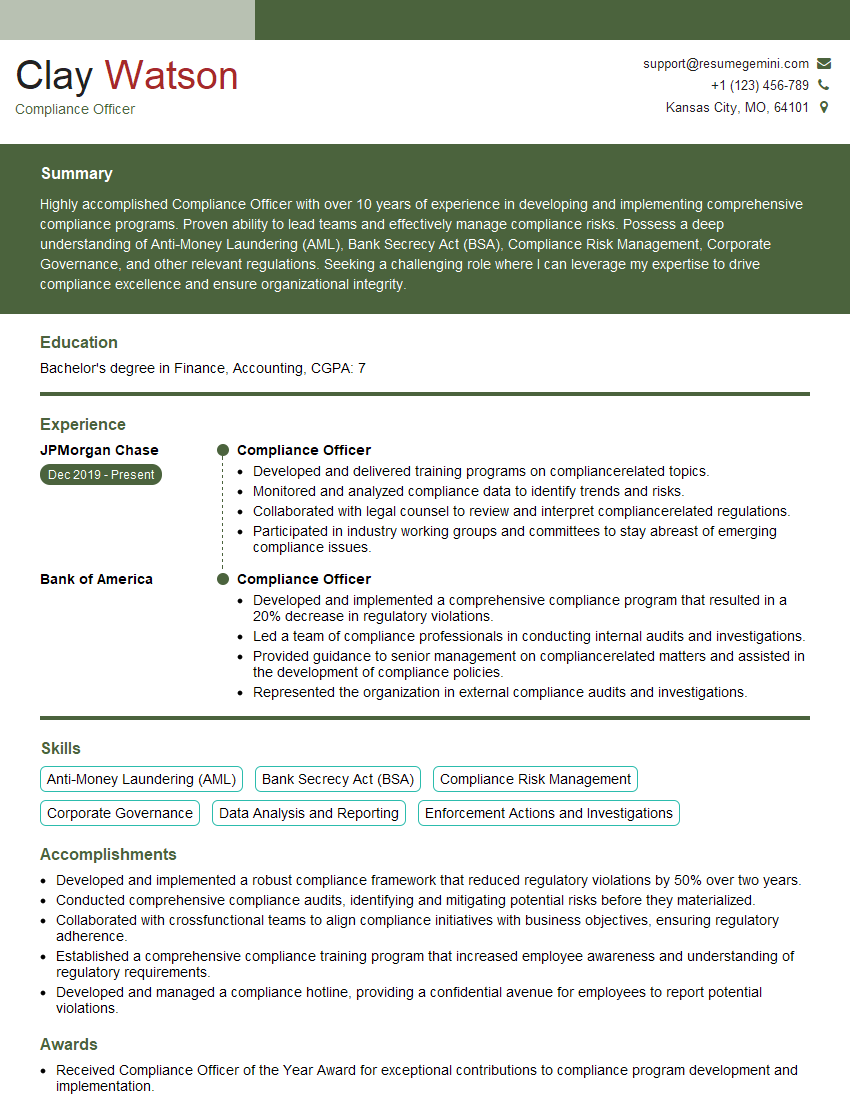
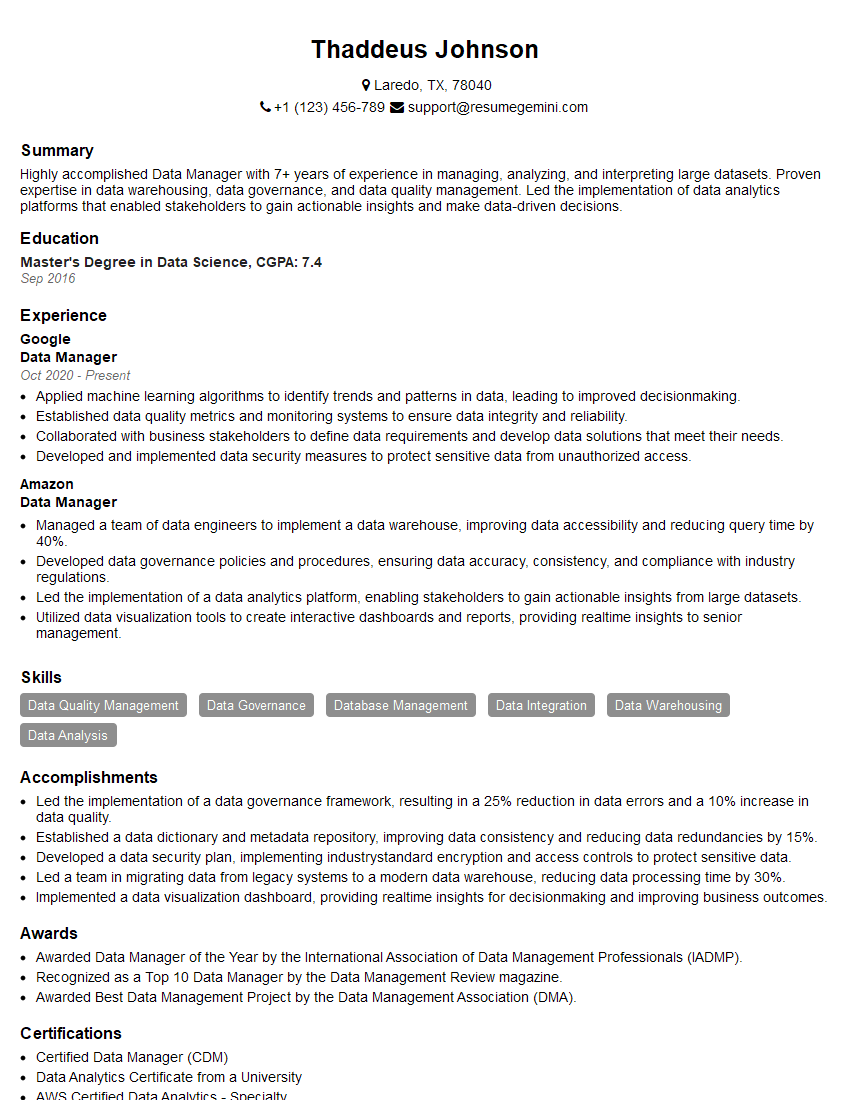
Mastering the art of Monitoring and Evaluating Group Progress is crucial for career advancement in many fields. It demonstrates your ability to contribute meaningfully to team success, identify areas for improvement, and drive positive change. To enhance your job prospects, creating a strong, ATS-friendly resume is essential. ResumeGemini can be a valuable resource in this process, providing tools and templates to build a compelling and effective resume that highlights your skills and experience. Examples of resumes tailored to Monitoring and Evaluating Group Progress are available within ResumeGemini to help guide you.
Explore more articles
Users Rating of Our Blogs
Share Your Experience
We value your feedback! Please rate our content and share your thoughts (optional).
What Readers Say About Our Blog
To the interviewgemini.com Webmaster.
Very helpful and content specific questions to help prepare me for my interview!
Thank you
To the interviewgemini.com Webmaster.
This was kind of a unique content I found around the specialized skills. Very helpful questions and good detailed answers.
Very Helpful blog, thank you Interviewgemini team.