The thought of an interview can be nerve-wracking, but the right preparation can make all the difference. Explore this comprehensive guide to Multi-Organ Transplantation interview questions and gain the confidence you need to showcase your abilities and secure the role.
Questions Asked in Multi-Organ Transplantation Interview
Q 1. Describe the process of organ allocation in multi-organ transplantation.
Organ allocation in multi-organ transplantation is a complex process aimed at ensuring equitable distribution of scarce resources to the most deserving recipients. It’s governed by a sophisticated system prioritizing factors like medical urgency, tissue compatibility (HLA matching), and waiting time. A central allocation network, often regional or national, utilizes computer algorithms to match available organs with potential recipients based on these criteria. For example, a patient needing a heart and a lung would be assessed for both organs simultaneously, considering the compatibility of both organs and the recipient’s overall health status. The system considers multiple factors to optimize the chances of successful transplantation and minimize organ wastage. It’s a constantly evolving process with updates to algorithms and criteria based on advancements in the field and analysis of transplant outcomes.
- Medical Urgency: Patients with the most critical need receive priority.
- Tissue Compatibility (HLA Matching): The closer the match between donor and recipient Human Leukocyte Antigen (HLA) types, the lower the risk of rejection.
- Waiting Time: Fairness dictates that patients waiting longer receive consideration.
- Geographical Proximity: Minimizing transportation time helps to preserve organ viability.
Q 2. Explain the role of immunosuppression in preventing rejection after multi-organ transplantation.
Immunosuppression is crucial after multi-organ transplantation to prevent the recipient’s immune system from attacking the transplanted organs, a process known as rejection. This involves a cocktail of medications, carefully tailored to each patient’s needs, that suppress the immune response. These drugs aim to reduce the activity of T-cells and B-cells, the key players in the immune system that recognize and attack foreign tissue. Common immunosuppressants include corticosteroids, calcineurin inhibitors (like cyclosporine and tacrolimus), and anti-proliferative agents (like azathioprine and mycophenolate mofetil). Finding the right balance is critical; sufficient suppression is needed to prevent rejection, but excessive suppression increases vulnerability to infections and other side effects. Immunosuppression is a lifelong commitment for most multi-organ transplant recipients, and medication regimens are regularly adjusted based on blood tests and clinical assessments.
Imagine the transplanted organs as foreign invaders. Immunosuppression acts like a peacekeeping force, preventing a full-scale war between the recipient’s immune system and the new organs.
Q 3. What are the common complications associated with multi-organ transplantation?
Multi-organ transplantation carries a significant risk of complications. Some are immediate, occurring in the days or weeks following surgery, while others develop over time. Common complications include:
- Infection: Immunosuppressive drugs weaken the immune system, making recipients highly susceptible to infections, ranging from common colds to life-threatening pneumonia or sepsis.
- Rejection: Despite immunosuppression, the recipient’s body may still attack the transplanted organs, causing damage and organ dysfunction.
- Grafts-versus-host disease (GvHD): In some cases, immune cells from the donor organ may attack the recipient’s tissues.
- Kidney dysfunction: Often impacted by immunosuppressants or pre-existing conditions.
- Cardiovascular problems: Increased risk of heart disease, hypertension, and stroke, partially due to immunosuppressive drugs.
- Diabetes: Some immunosuppressants can contribute to the development of diabetes.
- Cancer: Immunosuppression increases the risk of certain cancers.
The severity and frequency of these complications are influenced by various factors such as the patient’s overall health, the quality of the donated organs, and the effectiveness of the immunosuppressive regimen.
Q 4. How do you manage a patient experiencing acute rejection after multi-organ transplantation?
Managing acute rejection after multi-organ transplantation requires a prompt and aggressive response. Diagnosis typically involves clinical symptoms (e.g., organ dysfunction), biopsy of the transplanted organ, and blood tests. Treatment usually involves increasing the dose of existing immunosuppressants, adding new medications (like monoclonal antibodies targeting specific immune cells), or using corticosteroids intravenously. In severe cases, additional therapies might be necessary. The goal is to quickly suppress the rejection process and restore organ function. Close monitoring of the patient’s vital signs, organ function, and immune response is crucial during and after treatment. This often involves frequent blood tests and organ biopsies. The approach is highly individualized depending on the severity of rejection, the specific organs involved, and the patient’s overall health. Early detection and intervention significantly improve the chances of successful management.
Q 5. Discuss the criteria for selecting suitable organ recipients.
Selecting suitable organ recipients involves a careful evaluation of several criteria:
- Medical Urgency: How severely ill is the patient? Are their lives at risk without a transplant?
- Compatibility: Tissue typing to determine HLA compatibility between donor and recipient. Closer matches minimize rejection risk.
- Overall Health: Recipients must be medically fit enough to undergo the surgery and tolerate the immunosuppression.
- Lifestyle Factors: Patients must demonstrate commitment to post-transplant care and medication adherence.
- Psychosocial Factors: A strong support system is essential for success. Mental health and the ability to cope with the challenges of transplantation are important.
- Absence of Contraindications: Conditions such as active infections, uncontrolled malignancy, and severe cardiovascular disease may preclude transplantation.
This process aims to maximize the chances of a successful transplant while ensuring fair allocation of resources. A multidisciplinary team—including surgeons, transplant coordinators, and physicians—evaluates each potential recipient thoroughly.
Q 6. What are the ethical considerations surrounding multi-organ transplantation?
Multi-organ transplantation raises several ethical considerations:
- Organ Allocation: Ensuring equitable distribution of scarce organs among deserving patients is paramount. Balancing urgency, compatibility, and fairness is a complex challenge.
- Informed Consent: Potential recipients must fully understand the risks and benefits of the procedure before consenting.
- Donor Selection: Determining brain death and ensuring appropriate consent for organ donation requires careful attention to legal and ethical guidelines.
- Cost and Access: The high cost of transplantation raises concerns about access for patients from disadvantaged socioeconomic backgrounds.
- Resource Allocation: Determining how many resources (medical personnel, hospital beds, medications) should be allocated to the intensive care required for multi-organ transplant patients.
Ethical committees play a crucial role in guiding decisions and establishing guidelines to ensure that transplantation is conducted fairly, safely, and respectfully.
Q 7. Explain the principles of preservation and transportation of donor organs.
Preservation and transportation of donor organs are critical to ensuring their viability and suitability for transplantation. The process begins with careful organ retrieval from the donor, minimizing ischemic (oxygen deprivation) time. Organs are then flushed with a special preservation solution designed to maintain cell viability and reduce cellular damage. This solution maintains temperature and electrolyte balance within the cells. The organs are then placed in a specialized transport container that maintains a controlled temperature and environment during transportation. The container is equipped to monitor organ temperature and condition throughout transport. Rapid and efficient transport, often using specialized air or ground transport, is crucial to minimize the ischemic time. This ensures that the organs reach the recipient hospital in optimal condition for successful transplantation. Sophisticated monitoring and tracking systems throughout this process ensure the organs arrive safely and on time.
Think of this process as a high-stakes race against time. Every minute counts in preserving the viability of these precious organs.
Q 8. Describe the surgical techniques involved in multi-organ transplantation.
Multi-organ transplantation is a complex procedure requiring highly specialized surgical techniques. The approach varies depending on the organs involved, but generally involves simultaneous or sequential transplantation of multiple organs. Think of it like a highly orchestrated symphony, where each surgical team plays their part perfectly.
Simultaneous transplantation, for instance, might involve a simultaneous liver-kidney transplant. This requires two surgical teams working concurrently, one focused on the liver transplant and the other on the kidney. The procedure begins with careful organ placement and vascular anastomosis (connecting blood vessels). Microsurgical techniques are employed for precision and to minimize trauma. Organ preservation solutions are vital to maintain organ viability during the procedure.
Sequential transplantation involves performing one transplant followed by another, often with a short time interval between. This allows for assessment of the first organ’s function before proceeding with the second. For example, a patient might receive a heart transplant, followed by a lung transplant a few hours later, once the heart’s function has stabilized.
Regardless of the approach, meticulous attention to detail is paramount, as any error can have severe consequences. Thorough hemostasis (stopping bleeding) and careful tissue handling are critical. Post-operative monitoring is intense, focusing on organ function and early detection of complications.
Q 9. How do you assess the recipient’s overall health and suitability for multi-organ transplantation?
Assessing recipient suitability for multi-organ transplantation is a rigorous process, involving a multidisciplinary team of specialists including surgeons, cardiologists, hepatologists, nephrologists, immunologists, and intensivists. We need to evaluate multiple factors to ensure the patient has a reasonable chance of survival and a good quality of life post-transplant.
- Comprehensive medical history and physical examination: This identifies any underlying conditions that could complicate the transplant or increase the risk of rejection.
- Extensive laboratory tests: Blood tests assess organ function, immune status, and the presence of infections.
- Imaging studies: CT scans, MRIs, and ultrasounds provide detailed images of the recipient’s organs and help evaluate their suitability.
- Psychological evaluation: This assesses the patient’s ability to cope with the physical and emotional demands of the transplant and lifelong immunosuppression.
- Social support system assessment: Adequate support at home is essential for a successful post-transplant recovery.
- HLA typing and crossmatching: This is crucial to minimize the risk of organ rejection (discussed in more detail later).
Ultimately, the decision to proceed with a multi-organ transplant is made collaboratively, considering all factors and weighing the benefits against the risks. Each case is unique, and a thorough evaluation is vital to ensure the procedure is undertaken only when there is a reasonable chance of success.
Q 10. What are the long-term risks and complications of multi-organ transplantation?
Multi-organ transplantation carries significant long-term risks and complications, some of which can be life-threatening. These risks arise from several sources including the surgical procedure itself, the immunosuppression required to prevent rejection, and the potential for opportunistic infections.
- Rejection: The recipient’s immune system may attack the transplanted organs, leading to organ damage. This requires close monitoring and may necessitate increased immunosuppression or even re-transplantation.
- Infection: Immunosuppressive medications weaken the immune system, making recipients vulnerable to various infections, some of which can be life-threatening.
- Organ dysfunction: Transplanted organs may not function optimally, requiring ongoing management and support.
- Cardiovascular complications: Immunosuppressants can contribute to hypertension, hyperlipidemia, and increased risk of cardiovascular disease.
- Kidney dysfunction: Many immunosuppressants are nephrotoxic (harmful to the kidneys).
- Diabetes: Some immunosuppressive medications can induce or worsen diabetes.
- Malignancies: Long-term immunosuppression increases the risk of certain types of cancer.
- Graft-versus-host disease (GVHD): If the donor tissue contains immune cells that attack the recipient’s tissues.
Careful post-transplant monitoring and management are vital to mitigate these risks. This includes regular blood tests, imaging studies, and close follow-up with the transplant team.
Q 11. Discuss the importance of the pre-operative assessment in multi-organ transplantation.
The pre-operative assessment in multi-organ transplantation is arguably the most critical phase. It’s like meticulously preparing for a complex expedition – failing to properly prepare can lead to disaster. The goal is to identify any potential problems and optimize the recipient’s health before surgery.
This comprehensive assessment involves identifying any medical conditions that could affect the outcome, such as cardiovascular disease, diabetes, or infections. It also involves assessing the recipient’s psychological and social support systems to ensure they’re prepared for the demands of the procedure and post-operative recovery. A thorough evaluation of the recipient’s immune status is essential to determine the suitability for transplantation and the appropriate immunosuppression regimen. This often involves detailed HLA typing (discussed later). Finally, the availability and quality of the donor organs need to be carefully considered.
A well-executed pre-operative assessment significantly improves the chances of a successful transplant and minimizes post-operative complications. It’s a meticulous process requiring a collaborative effort by numerous specialists, ensuring the patient is appropriately prepared for this complex procedure.
Q 12. What is the role of HLA matching in multi-organ transplantation?
Human Leukocyte Antigens (HLA) are proteins on the surface of cells that play a critical role in the immune system’s recognition of self versus non-self. In organ transplantation, HLA matching between the donor and recipient is crucial to minimizing the risk of rejection. The closer the HLA match, the lower the risk of rejection.
HLA genes are highly polymorphic, meaning they have many different variants. HLA typing involves identifying the specific HLA alleles present in both the donor and recipient. The goal is to find the best possible match, ideally a perfect match for the major HLA genes. The more alleles that match, the lower the risk of rejection. However, perfect matches are rare, and highly similar matches are also considered acceptable.
Think of it like a lock and key: HLA molecules act like locks, and the recipient’s immune system has keys. A close HLA match means that the immune system’s keys are less likely to fit the donor’s organ lock, reducing the risk of the immune system attacking the transplant.
Q 13. Explain the concept of cross-matching in organ transplantation.
Crossmatching is a crucial laboratory test performed to assess the compatibility between the donor’s organ and the recipient’s immune system. It involves mixing the recipient’s serum (containing antibodies) with the donor’s lymphocytes (white blood cells). If the recipient has pre-formed antibodies against the donor’s HLA antigens, a positive crossmatch will occur, indicating a high risk of hyperacute rejection (very rapid rejection).
A positive crossmatch signifies incompatibility and usually contraindicates transplantation, as it indicates the recipient’s immune system is likely to immediately attack the transplanted organ. A negative crossmatch, on the other hand, suggests compatibility and a lower risk of immediate rejection.
It’s essentially a final check before transplantation, providing a vital safety measure. While HLA matching focuses on the presence of specific HLA antigens, crossmatching directly assesses the recipient’s immune response to the donor organ. This two-pronged approach helps minimize the risk of rejection and improves transplant success rates.
Q 14. How do you manage infections in multi-organ transplant recipients?
Managing infections in multi-organ transplant recipients is a major challenge due to their compromised immune systems from immunosuppressive medications. It requires a proactive and multi-faceted approach.
- Prophylactic antibiotics: These are often given to prevent infections, particularly in the early post-transplant period.
- Antifungal and antiviral medications: These are used to prevent or treat fungal and viral infections.
- Strict infection control measures: Recipients are usually placed in isolation or protective environments to minimize exposure to pathogens.
- Rapid diagnosis and treatment of infections: Any signs or symptoms of infection are immediately investigated and treated aggressively.
- Vaccination: Appropriate vaccines are given to protect against preventable infections.
- Careful monitoring of blood counts and immune function: This helps identify individuals at increased risk of infection.
The approach is highly individualized, depending on the recipient’s specific risk factors and the type of infection. Early detection and prompt treatment are crucial to prevent serious complications. Often, specialized infectious disease consultants are involved in the management of infections in transplant recipients to ensure the most effective and timely intervention.
Q 15. Discuss the role of imaging studies in the evaluation of transplant recipients.
Imaging plays a crucial role in evaluating transplant recipients, both before and after transplantation. Pre-transplant, imaging helps assess the recipient’s organ function and identify any anatomical abnormalities that might complicate the procedure. Post-transplant, imaging is essential for monitoring graft function and detecting complications, particularly rejection.
For example, ultrasound is often used to assess blood flow to the transplanted organ. A decrease in blood flow can be an early sign of rejection. Computed tomography (CT) scans and magnetic resonance imaging (MRI) provide detailed anatomical images, allowing for the detection of structural changes within the transplanted organ or nearby tissues. These changes could be suggestive of rejection, infection, or other complications. For instance, CT might reveal an increase in organ size or edema (swelling) indicating potential rejection. MRI, with its superior soft tissue contrast, is particularly useful for evaluating the biliary system after liver transplantation, detecting complications like biliary leaks or strictures.
Nuclear medicine techniques like PET scans can also be valuable, particularly in assessing the metabolic activity of the transplanted organ. A decrease in metabolic activity could signal rejection, while increased activity could suggest infection or other inflammatory processes.
Career Expert Tips:
- Ace those interviews! Prepare effectively by reviewing the Top 50 Most Common Interview Questions on ResumeGemini.
- Navigate your job search with confidence! Explore a wide range of Career Tips on ResumeGemini. Learn about common challenges and recommendations to overcome them.
- Craft the perfect resume! Master the Art of Resume Writing with ResumeGemini’s guide. Showcase your unique qualifications and achievements effectively.
- Don’t miss out on holiday savings! Build your dream resume with ResumeGemini’s ATS optimized templates.
Q 16. Explain the principles of immunosuppressive drug therapy.
Immunosuppressive drug therapy is fundamental to preventing organ rejection after transplantation. The goal is to suppress the recipient’s immune system sufficiently to prevent it from attacking the transplanted organ while minimizing the risk of infection and other side effects. This is a delicate balancing act!
The principles are based on targeting different components of the immune system. Commonly used drugs include:
- Calcineurin inhibitors (e.g., Tacrolimus, Cyclosporine): These drugs block the activation of T cells, a crucial type of immune cell in organ rejection.
- Antimetabolites (e.g., Mycophenolate mofetil, Azathioprine): These drugs interfere with DNA synthesis, inhibiting the proliferation of lymphocytes (immune cells).
- mTOR inhibitors (e.g., Sirolimus, Everolimus): These target the mammalian target of rapamycin, affecting T-cell activation and proliferation.
- Corticosteroids (e.g., Prednisone): These have potent anti-inflammatory effects and can be used in both induction and maintenance immunosuppression, although their long-term use carries significant risks.
The specific drug regimen is tailored to the individual patient, considering factors like the type of transplant, the recipient’s health status, and the risk of rejection. Often, a combination of drugs is used to achieve optimal immunosuppression while reducing the risk of side effects associated with any single drug.
Q 17. How do you monitor for organ rejection after multi-organ transplantation?
Monitoring for organ rejection after multi-organ transplantation requires a multifaceted approach combining clinical evaluation, laboratory tests, and imaging studies. It’s a continuous process, not a one-time event.
Clinical Evaluation: Regular monitoring of vital signs (temperature, blood pressure, heart rate, respiratory rate), along with assessment of the patient’s overall condition, including alertness and general well-being, is crucial. Any subtle changes warrant further investigation.
Laboratory Tests: Blood tests are regularly performed to monitor kidney function (creatinine, BUN), liver function (liver enzymes), and signs of inflammation (e.g., C-reactive protein). These provide insights into the health of the transplanted organs. Another important blood test is the biopsy, which we will discuss later.
Imaging Studies: As discussed previously, ultrasound, CT, and MRI scans can help to visualize the transplanted organs and detect any structural abnormalities. A decrease in blood flow to the transplanted organ, abnormal size, and other imaging findings can alert the medical team to possible rejection.
Biopsy: In cases of suspected rejection, a biopsy of the transplanted organ is often performed. This involves removing a small tissue sample for microscopic examination, which allows for definitive diagnosis of rejection. The biopsy provides the gold standard for the diagnosis of rejection.
Q 18. Describe the use of corticosteroids in transplant rejection management.
Corticosteroids, like prednisone, are powerful anti-inflammatory drugs frequently used in transplant rejection management. They work by suppressing the immune response and reducing inflammation, thereby mitigating the damage caused by the rejection process. However, their prolonged use carries significant risks.
In acute rejection, corticosteroids are often administered as a pulse therapy – a high dose given intravenously over a short period. This helps to rapidly control the rejection process. However, this is usually a short-term strategy. For example, a patient might receive high-dose methylprednisolone for 3-5 days followed by a tapering course of oral prednisone over several weeks.
The long-term use of corticosteroids is associated with significant side effects, including increased risk of infection, osteoporosis, diabetes, hypertension, and weight gain. Therefore, their use in maintenance immunosuppression is generally minimized to reduce these risks. The goal is to use them effectively in treating acute rejection episodes while minimizing the long-term adverse effects. They’re part of a larger strategy; not the whole answer.
Q 19. What are the signs and symptoms of acute rejection in different organs?
The signs and symptoms of acute rejection vary depending on the transplanted organ. It’s important to remember that early detection is crucial for successful treatment.
- Kidney: Decreased urine output, fluid retention (edema), rising creatinine levels, and hypertension.
- Liver: Jaundice (yellowing of skin and eyes), abdominal pain, rising liver enzymes, and coagulation abnormalities.
- Heart: Shortness of breath, chest pain, heart rhythm disturbances, and decreased cardiac output.
- Lung: Shortness of breath, cough, decreased oxygen levels, and chest X-ray findings suggesting fluid buildup.
- Intestine: Abdominal pain, diarrhea, fever, and signs of intestinal obstruction.
It’s important to note that these symptoms can also be caused by other conditions, making accurate diagnosis challenging. This is why careful monitoring and a thorough workup are crucial.
Q 20. Explain the management of chronic rejection in multi-organ transplant patients.
Chronic rejection is a gradual and progressive process that can occur months or years after transplantation. It’s characterized by the slow deterioration of organ function, which is often irreversible. Management focuses on slowing the progression of the disease and improving the patient’s quality of life, as curing chronic rejection is often impossible.
Strategies for managing chronic rejection include:
- Optimization of Immunosuppression: Careful adjustments to the immunosuppressive drug regimen may be necessary to balance the risk of rejection with the risk of side effects. This requires close monitoring of the patient’s clinical condition and laboratory tests.
- Treatment of Underlying Conditions: Addressing any contributing factors to chronic rejection, such as infections or other medical problems, is essential.
- Supportive Care: This involves providing the best possible supportive care to manage symptoms and improve the patient’s overall well-being. This might include management of complications such as hypertension, diabetes, or infections.
- Monitoring: Regular monitoring of organ function and overall health is crucial to detect any worsening of the condition early.
Unfortunately, chronic rejection can lead to a gradual decline in organ function, eventually necessitating re-transplantation or other supportive measures to maintain the patient’s life.
Q 21. Discuss the role of the transplant team in patient care.
The transplant team plays a vital role in the patient’s care, encompassing a multidisciplinary approach to ensure the best possible outcomes. The team typically includes:
- Transplant Surgeons: Perform the transplantation procedure.
- Transplant Nephrologists (for kidney transplants), Hepatologists (for liver transplants), Cardiologists (for heart transplants) etc.: Manage medical aspects of the patient’s care pre- and post-transplantation, focusing on their specific organ expertise.
- Immunologists: Manage immunosuppressive therapy, monitoring for rejection and managing complications.
- Infectious Disease Specialists: Manage infections, which are a significant risk for transplant patients.
- Pharmacists: Manage the patient’s medications and monitor for drug interactions.
- Nurses: Provide direct patient care, administer medications, monitor for complications, and educate the patient.
- Social Workers: Provide psychosocial support and assistance with financial and other practical issues.
The transplant team works collaboratively to coordinate all aspects of patient care, ensuring seamless communication and a comprehensive approach to managing the complexities of multi-organ transplantation. The holistic approach is key to improving outcomes and enhancing the patient’s quality of life.
Q 22. Describe the challenges associated with multi-organ transplantation.
Multi-organ transplantation, while offering a lifeline to patients with end-stage organ failure, presents numerous formidable challenges. These challenges span the entire process, from donor identification and organ procurement to surgery, immunosuppression, and long-term patient management.
- Surgical Complexity: Performing simultaneous transplants of multiple organs requires meticulous surgical planning and execution. The procedure is lengthy and technically demanding, increasing the risk of complications such as bleeding, infection, and organ rejection.
- Immunosuppression: Suppressing the immune system to prevent organ rejection is crucial, but it significantly increases the risk of infections and malignancies. Finding the right balance is a delicate act requiring careful monitoring and adjustment.
- Donor Organ Availability: The scarcity of suitable donor organs remains a major bottleneck. Finding a donor with compatible organs for multiple recipients is exceptionally challenging, often requiring complex logistical coordination and prioritizing patients based on medical urgency and suitability.
- Ischemia-Reperfusion Injury: The time organs spend outside the body (ischemia) before transplantation and the initial restoration of blood flow (reperfusion) can cause damage. This risk is amplified in multi-organ transplants where multiple organs are subjected to this process.
- Resource Intensive: Multi-organ transplants require a multidisciplinary team of surgeons, intensivists, nurses, and other specialists. They are also extraordinarily expensive, placing a significant burden on healthcare systems.
- Long-term Management: Post-transplant care is extensive and requires lifelong monitoring for rejection, infection, and other complications. Patient adherence to medication regimens and regular follow-up appointments is critical for long-term success.
Q 23. What are the recent advancements in multi-organ transplantation?
Recent advancements have significantly improved the outcomes of multi-organ transplantation. These advancements focus on improving organ preservation, surgical techniques, immunosuppression strategies, and patient monitoring.
- Improved Organ Preservation Techniques: Machine perfusion techniques, which maintain organ viability outside the body, have improved organ quality and reduced ischemia-reperfusion injury. This allows for longer preservation times and expands the donor pool.
- Minimally Invasive Surgical Techniques: The adoption of laparoscopic and robotic techniques has reduced surgical trauma, leading to shorter hospital stays and faster recovery times. These techniques are being explored and refined even in multi-organ procedures.
- Personalized Immunosuppression: Advances in understanding the immune system allow for more tailored immunosuppression strategies, reducing the risk of rejection while minimizing side effects. This involves monitoring individual patient responses and adjusting medication accordingly.
- Advanced Imaging and Monitoring: Real-time imaging technologies and sophisticated monitoring systems enable early detection of complications such as rejection or infection, allowing for timely intervention.
- 3D-Printing and Modeling: 3D-printing is being utilized to create organ models and surgical guides, enabling surgeons to plan complex procedures with greater accuracy and precision. This helps to optimize surgical approaches and reduce complications.
Q 24. How do you approach the psychological and emotional needs of transplant patients?
Addressing the psychological and emotional needs of transplant patients is paramount to their overall well-being and successful outcomes. The transplantation journey involves significant physical, emotional, and financial strain.
- Pre-transplant Counseling: Providing thorough information about the procedure, potential risks, and post-transplant life helps alleviate anxiety and prepare patients for the challenges ahead. We often engage psychologists early in the process.
- Support Groups and Peer Networks: Connecting patients with support groups provides a platform to share experiences, coping strategies, and emotional support. The shared experience is incredibly valuable.
- Individual Psychotherapy: Addressing specific anxieties, fears, and coping mechanisms through individual therapy can provide patients with personalized tools to manage the stress associated with transplantation.
- Family Involvement: Involving family members in the process helps provide a strong support system and ensures effective communication. Open communication channels reduce misunderstandings and uncertainty.
- Long-term Follow-up: Providing ongoing psychological support throughout the recovery process is crucial, particularly given the lifelong commitment to medication and follow-up appointments. Addressing issues like medication adherence through behavioral strategies is often very beneficial.
For example, I recently worked with a patient who experienced significant anxiety about rejection. Through a combination of individual therapy and support group participation, she was able to develop effective coping mechanisms and maintain a positive outlook throughout her recovery.
Q 25. Describe your experience in managing complex transplant cases.
I have extensive experience managing complex transplant cases, including several multi-organ transplants. One case involved a young patient requiring a simultaneous heart-lung-liver transplant. The patient had a rare genetic disorder resulting in severe organ damage.
This case highlighted the critical importance of thorough pre-operative planning, involving specialists from cardiology, pulmonology, hepatology, and immunology. The multidisciplinary team approach allowed us to effectively address the numerous challenges this case presented. We carefully coordinated the procurement of suitable organs from a donor with compatible blood type and tissue match. The surgery itself was extraordinarily complex, requiring a highly skilled surgical team.
Post-operatively, managing immunosuppression to prevent rejection while minimizing the risk of infection was critical. We closely monitored the patient’s organ function, immune response, and overall health. Regular monitoring and careful adjustments were crucial to his successful outcome. The patient is currently thriving, several years post-transplant, a testament to the careful planning, coordinated effort, and meticulous post-operative care.
Q 26. How do you handle unexpected complications during a multi-organ transplant procedure?
Unexpected complications during a multi-organ transplant are unfortunately not uncommon. Our approach involves a structured, systematic response emphasizing rapid assessment, effective communication, and decisive action.
- Rapid Assessment and Diagnosis: Immediate assessment of the patient’s condition is paramount, utilizing advanced imaging and laboratory tests to determine the nature and severity of the complication.
- Multidisciplinary Team Response: A rapid response team, consisting of surgeons, intensivists, nurses, and other specialists, is activated to address the issue collaboratively.
- Decision-Making and Intervention: Based on the assessment, a prompt and effective intervention plan is developed and implemented, which might include surgical intervention, medication adjustments, or supportive care.
- Continuous Monitoring and Adjustment: Close and ongoing monitoring of the patient’s vital signs, organ function, and other indicators is essential to evaluate the effectiveness of interventions and make necessary adjustments.
- Post-Incident Review and Learning: After each unexpected complication, a thorough review is conducted to identify contributing factors and implement measures to prevent similar incidents in the future. We learn from each instance.
Q 27. Discuss your understanding of the regulatory framework surrounding organ transplantation.
The regulatory framework surrounding organ transplantation is complex and essential for ensuring ethical practices, equitable allocation of organs, and patient safety. Key aspects include:
- Organ Procurement and Transplantation Network (OPTN): In the United States, the OPTN is a national network that manages the organ allocation system, ensuring equitable distribution based on medical need and other criteria. It aims to promote fairness and efficiency.
- Organ Donation Laws: Laws related to organ donation, including consent processes and regulations governing organ procurement organizations, are crucial in facilitating donation and transplantation. These often include policies related to informed consent and next-of-kin involvement.
- Ethical Considerations: Ethical guidelines address issues such as informed consent, patient selection, and conflict of interest. These considerations are central to maintaining the integrity of the transplantation process. This also covers areas such as allocation prioritization based on various ethical frameworks.
- Data Privacy and Confidentiality: Regulations protect the privacy and confidentiality of patient data related to organ donation and transplantation. This is crucial for patient trust and to uphold privacy rights.
- Monitoring and Enforcement: Regulatory bodies monitor compliance with transplantation regulations and enforce penalties for violations. This serves to ensure ethical standards and maintain public trust in the system.
Q 28. Explain the importance of patient education in the success of multi-organ transplantation.
Patient education plays a crucial role in the success of multi-organ transplantation. It empowers patients to actively participate in their care and improves their chances of long-term survival.
- Pre-transplant Education: Providing comprehensive information about the procedure, medications, potential complications, and lifestyle changes prepares patients for the challenges ahead. Thorough understanding empowers patients to participate more effectively in their own care.
- Medication Adherence: Educating patients about the importance of adhering to their immunosuppression regimen is critical in preventing organ rejection. This often requires comprehensive instruction on medication administration, side effect management, and the importance of consistent medication intake.
- Infection Prevention: Educating patients on strategies to reduce the risk of infection, such as hand hygiene and avoiding crowded places, is crucial given their immunosuppressed state. This is a critical component for preventing serious infections post-transplant.
- Lifestyle Modifications: Patients need to understand the importance of lifestyle changes, such as diet, exercise, and stress management, to promote optimal health and organ function. A healthy lifestyle is crucial to maximize long-term outcomes.
- Ongoing Support and Follow-up: Regular follow-up appointments and ongoing education ensure patients have the necessary support and guidance to manage their condition effectively over the long term. This helps to address emerging concerns, monitor organ function, and ensure continued adherence to medication regimens.
For example, I often use visual aids and interactive sessions to help patients understand complex medical information and medication regimens. This approach improves understanding and increases patient engagement in their own care.
Key Topics to Learn for Multi-Organ Transplantation Interview
- Immunosuppression Strategies: Understanding the complexities of immunosuppressive regimens, including their mechanisms of action, potential side effects, and monitoring strategies. Consider the differences in immunosuppression protocols across various organ combinations.
- Organ Procurement and Allocation: Familiarize yourself with the ethical and logistical considerations of organ allocation, including the UNOS system (or equivalent in your region) and the criteria used for recipient selection. Explore the practical challenges in organ procurement and preservation.
- Surgical Techniques and Perioperative Management: Review the surgical approaches used in multi-organ transplantation, focusing on both the technical aspects and the critical perioperative care required. This includes considerations for vascular anastomosis and potential complications.
- Post-transplant Monitoring and Management: Understand the long-term management of transplant recipients, encompassing routine monitoring of organ function, detection and management of rejection episodes, and addressing potential complications like infection or malignancy.
- Ethical and Legal Considerations: Be prepared to discuss ethical dilemmas related to organ donation and transplantation, including informed consent, resource allocation, and end-of-life care. Consider the legal framework surrounding organ transplantation in your jurisdiction.
- Multi-Organ Interactions and Systemic Effects: Explore the complex interplay between different transplanted organs and their impact on overall patient health. This includes understanding potential synergistic or antagonistic effects of different immunosuppressants.
- Advanced Imaging Techniques: Familiarize yourself with the various imaging modalities used to assess graft function and detect complications, such as ultrasound, CT scans, and MRI.
- Problem-Solving in Complex Cases: Prepare to discuss your approach to solving complex clinical scenarios involving complications or unexpected outcomes in multi-organ transplantation. Highlight your analytical skills and decision-making abilities.
Next Steps
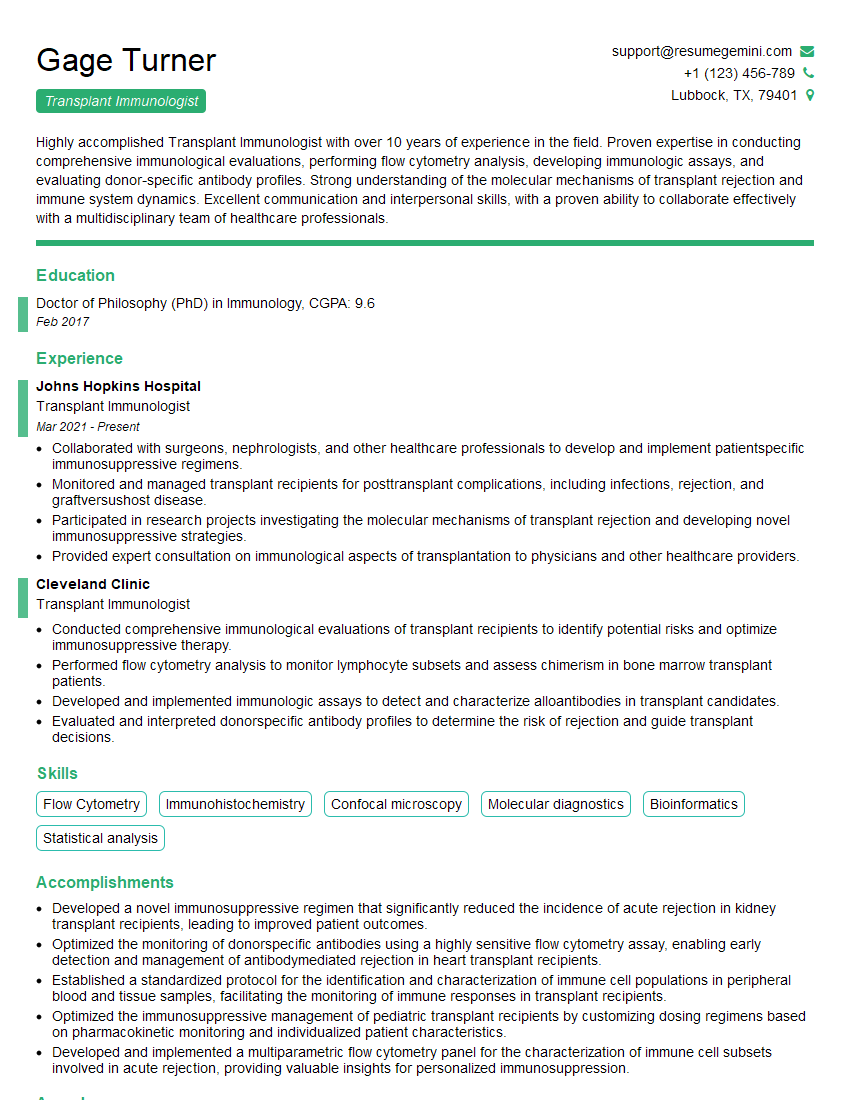
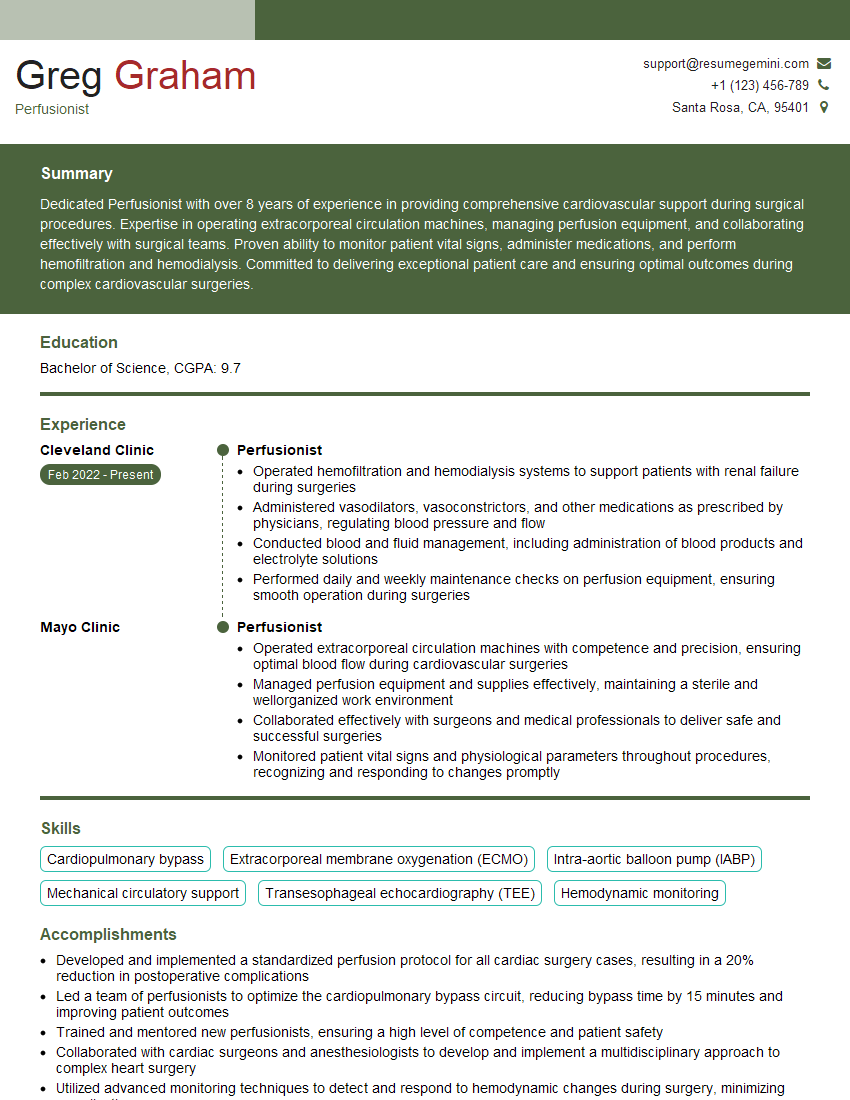
Mastering multi-organ transplantation signifies a significant advancement in your career, opening doors to specialized roles and leadership opportunities within the field. A strong, ATS-friendly resume is crucial for showcasing your expertise and securing your desired position. ResumeGemini is a trusted resource to help you build a professional and impactful resume, designed to get noticed by recruiters. Examples of resumes tailored specifically to multi-organ transplantation are available to further guide your preparation. Investing time in crafting a compelling resume is an essential step in maximizing your job prospects.
Explore more articles
Users Rating of Our Blogs
Share Your Experience
We value your feedback! Please rate our content and share your thoughts (optional).
What Readers Say About Our Blog
To the interviewgemini.com Webmaster.
Very helpful and content specific questions to help prepare me for my interview!
Thank you
To the interviewgemini.com Webmaster.
This was kind of a unique content I found around the specialized skills. Very helpful questions and good detailed answers.
Very Helpful blog, thank you Interviewgemini team.