Cracking a skill-specific interview, like one for Electrical Codes and Standards Knowledge (e.g., NEC, IEEE), requires understanding the nuances of the role. In this blog, we present the questions you’re most likely to encounter, along with insights into how to answer them effectively. Let’s ensure you’re ready to make a strong impression.
Questions Asked in Electrical Codes and Standards Knowledge (e.g., NEC, IEEE) Interview
Q 1. Explain the difference between NEC and IEEE standards.
The National Electrical Code (NEC) and IEEE standards, while both crucial for electrical safety and design, serve different purposes. The NEC is a legally enforceable code primarily concerned with installation safety in the United States and is adopted and enforced at the state and local levels. It focuses on practical, on-site safety, providing a minimum acceptable level of safety. IEEE standards, on the other hand, are developed by the Institute of Electrical and Electronics Engineers and are more focused on engineering practices, design, and performance standards. They are consensus-based documents, often more detailed and technically complex than the NEC, covering a wider range of electrical engineering topics. Think of it this way: the NEC tells you how to safely *install* a circuit, while IEEE standards may provide the underlying *theory* and detailed calculations behind that design.
For example, the NEC might specify the minimum size wire for a given load and installation method, while an IEEE standard might delve into the detailed calculation of voltage drop and ampacity for that same scenario, providing more in-depth considerations beyond the basic safety requirements of the NEC.
Q 2. What are the key articles in the NEC related to grounding and bonding?
Several key NEC articles address grounding and bonding, ensuring electrical safety and preventing dangerous voltage surges. Article 250, “Grounding,” is the cornerstone, providing general requirements for grounding electrode systems, grounding conductors, and bonding. Key subsections within Article 250 include:
- 250.4 Grounding Electrode System: This section details the requirements for establishing a reliable connection between the electrical system and the earth. It outlines the different types of grounding electrodes (e.g., driven rods, water pipes) and their interconnection.
- 250.6 Grounding Conductor Requirements: This covers the size and material requirements for grounding conductors, ensuring sufficient current-carrying capacity.
- 250.100 Bonding: This explains the process of bonding non-current-carrying metal parts (like metal conduit and equipment enclosures) together and to the grounding electrode system to reduce the risk of shock hazards.
- 250.120 Equipment Grounding Conductor: This details the requirements for the equipment grounding conductor, which provides a low-impedance path for fault currents to ground.
Other articles like Article 230 (Services) and Article 555 (Recreational Vehicles and Mobile Homes) also have significant grounding and bonding requirements specific to their applications. Always refer to the most recent edition of the NEC for the most accurate and up-to-date information, as codes and standards are frequently updated to address new technologies and safety concerns.
Q 3. Describe the requirements for arc flash hazard analysis and mitigation according to the NEC.
The NEC doesn’t explicitly mandate arc flash hazard analysis, but it strongly implies the need through requirements for appropriate personal protective equipment (PPE) when working on energized electrical equipment. OSHA and NFPA 70E are the primary standards driving arc flash hazard analysis and mitigation. NFPA 70E provides detailed requirements for arc flash risk assessments, including calculations of incident energy levels. Based on these calculations, appropriate PPE and safe work practices are determined. The NEC supports this process by establishing requirements for the installation of equipment that can contribute to the risk of arc flash incidents (such as switchgear, panelboards, and busways), providing guidelines that indirectly impact arc flash mitigation. For instance, proper labeling, use of appropriately rated devices, and maintenance practices all contribute to reducing the risk.
In essence, the NEC indirectly supports arc flash hazard analysis and mitigation by setting safety standards for equipment installation, while NFPA 70E dictates the process of risk assessment and mitigation itself. Ignoring arc flash hazards can lead to severe injuries or fatalities, highlighting the critical importance of adhering to these standards.
Q 4. Explain the importance of overcurrent protection devices and their selection criteria.
Overcurrent protection devices (OCPDs), such as fuses and circuit breakers, are essential for safeguarding electrical circuits and equipment from damage due to overcurrents caused by short circuits, overloads, and ground faults. Their primary function is to interrupt the flow of current when it exceeds a safe level. Proper selection of OCPDs is crucial for ensuring both safety and functionality.
Selection criteria depend on factors such as:
- Ampacity of the circuit: The OCPD must have a rating equal to or less than the ampacity of the conductors supplying the circuit to prevent overheating. For example, a 20-amp circuit would use a 20-amp breaker.
- Type of load: Different loads have different current demands, requiring appropriately rated OCPDs. Motor loads often require OCPDs with higher interrupting ratings.
- Fault current interrupting capacity (IC): The OCPD must have a sufficient interrupting capacity to safely interrupt the fault current available in the system. This is determined by the system’s short-circuit current. Using an OCPD with an insufficient interrupting rating could result in catastrophic equipment failure and potential fire.
- Coordination with other protective devices: In complex systems, OCPDs must be coordinated to ensure that the correct device trips first in the event of a fault. This minimizes downtime and protects sensitive equipment.
Incorrect selection of OCPDs can lead to equipment failure, fires, and even injury. A qualified electrician should always perform OCPD selection, ensuring proper sizing, type, and coordination for the specific application.
Q 5. What are the different types of grounding systems and their applications?
Grounding systems connect electrical equipment and systems to the earth, providing a safe path for fault currents to flow, thus protecting against electric shock and preventing dangerous voltage build-up. Several types exist, each suited for different applications:
- Grounding Electrode System (GES): This is the foundational element, consisting of one or more grounding electrodes driven into the earth (ground rods, water pipes). The GES ensures a low-impedance path for fault currents to dissipate into the earth.
- Plate Grounding: This involves burying large conductive plates into the ground, useful in applications requiring exceptionally low resistance grounding, such as areas with high soil resistivity.
- Rod Grounding: Common and relatively inexpensive, it uses multiple ground rods driven into the earth, providing a low-resistance path. The number of rods and their arrangement depends on the soil conductivity.
- Pipe Grounding: Utilizing existing metallic underground piping systems to enhance the GES is often efficient when such pipes are readily available and made of conductive materials.
- System Grounding (Grounding of the electrical system): This involves connecting the neutral point of a power system to the GES. There are different grounding methods (e.g., grounded-wye, ungrounded delta), each with its own implications for safety and fault current behavior.
The choice of grounding system depends on factors like the soil resistivity, size and type of electrical system, and safety requirements. Poor grounding can lead to significant safety hazards. A thorough site assessment by a qualified professional is essential to select and implement the appropriate grounding system.
Q 6. How do you determine the ampacity of a conductor?
Determining the ampacity of a conductor, the maximum current it can carry continuously under specified conditions without exceeding its temperature rating, is crucial for safe electrical installations. It’s not a simple calculation but depends on several factors.
The NEC’s Chapter 9, “Tables,” provides ampacity tables (e.g., Table 310.15(B)(16)) listing the allowable ampacity for different conductor types (copper, aluminum), sizes, and installation methods (e.g., in free air, in conduit, in raceways). These tables consider factors such as conductor insulation type, ambient temperature, and the number of conductors in a raceway. To determine ampacity:
- Identify the conductor material (copper or aluminum): This affects the allowable current carrying capacity.
- Determine the conductor size (AWG or kcmil): Larger conductors have higher ampacity.
- Determine the installation method: The ampacity is lower when conductors are grouped together in conduit or raceway compared to being in free air.
- Account for ambient temperature: Higher temperatures reduce the ampacity of conductors.
- Consult the appropriate NEC ampacity table: Use the table relevant to the conductor type, size, installation method, and ambient temperature to find the ampacity.
- Apply any applicable derating factors: If multiple conductors are in a conduit, you might need to derate the ampacity based on the fill of the conduit. Derating factors are also often needed for high ambient temperature conditions.
It’s critical to use the correct NEC table and apply all applicable derating factors to ensure safe and compliant electrical installations. Underestimating ampacity could lead to overheating, fire hazards, and equipment failure.
Q 7. Describe the requirements for installing and maintaining electrical equipment in hazardous locations.
Installing and maintaining electrical equipment in hazardous locations (classified as Class I, II, or III by NEC Article 500) requires strict adherence to specific requirements to prevent ignition of flammable materials. These locations often involve the presence of flammable gases, dusts, or fibers.
Key requirements include:
- Proper classification of the hazardous location: This involves identifying the type of hazardous material (gases, dusts, fibers) and its concentration, determining the appropriate classification (e.g., Class I, Division 1).
- Use of intrinsically safe equipment: In Class I, Division 1 locations, intrinsically safe equipment, designed to prevent ignition even under fault conditions, is often mandatory.
- Use of explosion-proof equipment: Equipment with explosion-proof enclosures, capable of withstanding internal explosions without igniting external flammable atmospheres, is essential in many hazardous locations.
- Specialized wiring methods: Wiring methods must be suitable for the specific hazardous location, often involving conduit, seals, and other measures to prevent the spread of ignition sources.
- Regular inspection and maintenance: Thorough inspections and maintenance are critical to ensure continued safety in these environments, as deterioration can compromise the equipment’s protective features.
- Special labeling and markings: Equipment and enclosures must carry the appropriate markings signifying their suitability for use in hazardous locations.
Failure to comply with these requirements can lead to catastrophic explosions and fires, resulting in significant property damage and potential loss of life. Work in hazardous locations should only be performed by qualified personnel with appropriate training and experience.
Q 8. What are the requirements for electrical installations in commercial buildings according to the NEC?
The National Electrical Code (NEC) outlines extensive requirements for electrical installations in commercial buildings, focusing on safety and code compliance. These requirements cover various aspects, from service entrances and grounding to wiring methods, overcurrent protection, and specific equipment installations. Key areas include:
- Service Entrance: The NEC dictates the size and type of service equipment (e.g., switchboards, panelboards) based on the building’s anticipated load. Proper grounding and bonding are crucial for safety.
- Branch Circuits: The NEC specifies the ampacity (current-carrying capacity) of branch circuit conductors based on the connected load and dictates the use of appropriate overcurrent protection devices (circuit breakers or fuses).
- Wiring Methods: The type of wiring (e.g., conduit, cable, raceway) must be suitable for the location (e.g., wet, dry, hazardous) and comply with NEC standards. Proper support and spacing are also vital.
- Grounding and Bonding: A comprehensive grounding system is mandatory to protect against electrical shock and equipment damage. All metal enclosures and equipment must be properly bonded to ensure a low-impedance path to ground.
- Lighting and Appliances: Specific requirements apply to lighting fixtures, receptacle outlets, and appliance installations, considering factors like location, load, and accessibility.
- Special Occupancies: Commercial buildings often house specialized areas (e.g., kitchens, labs, healthcare facilities) with unique electrical requirements outlined in specific NEC articles.
Failure to comply with the NEC can lead to significant safety hazards, costly repairs, and legal ramifications. Regular inspections and adherence to these standards are essential for safe and efficient commercial building operation.
Q 9. Explain the concept of voltage drop and its implications in electrical systems.
Voltage drop refers to the reduction in voltage between the source and the load in an electrical circuit. It’s caused by the resistance of the conductors carrying the current. Imagine water flowing through a pipe; the longer and narrower the pipe, the greater the pressure drop. Similarly, a longer and thinner wire will experience a higher voltage drop.
Implications of excessive voltage drop include:
- Reduced Equipment Performance: Motors may run slower, lighting may be dimmer, and electronic equipment may malfunction or fail to operate correctly.
- Overheating of Conductors: Higher current due to voltage drop can cause excessive heat generation, potentially leading to fire hazards.
- Increased Energy Costs: Higher current due to voltage drop leads to increased energy consumption and higher electricity bills.
To mitigate voltage drop, proper conductor sizing based on load, distance, and anticipated current is crucial. Using larger conductors with lower resistance is a common solution. It’s also important to optimize circuit design and use appropriate voltage levels.
Q 10. How do you calculate the size of conductors for a given load?
Conductor sizing is determined by calculating the required ampacity (current-carrying capacity) based on the connected load. This calculation involves several steps:
- Determine the Load: Calculate the total current drawn by all the connected loads (lights, motors, appliances, etc.). This is often expressed in amperes (amps).
- Consider the Load Type: Different types of loads have different current demands and power factors. Motors, for instance, often require more current than resistive loads (like incandescent bulbs).
- Apply Applicable Correction Factors: NEC tables and standards provide correction factors for ambient temperature, installation methods (e.g., conduit fill, open air), and other factors that affect the conductor’s ampacity.
- Determine the Required Ampacity: After applying correction factors, determine the total required ampacity of the conductor.
- Select the Appropriate Conductor Size: Consult NEC tables to select a conductor size with an ampacity that meets or exceeds the calculated required ampacity.
Example: Suppose a motor draws 20 amps at a 0.8 power factor. After applying correction factors, the required ampacity might become 25 amps. Consulting the NEC table, you would select a conductor size that has an ampacity of 25 amps or greater.
Remember that this is a simplified explanation. A thorough understanding of NEC tables and standards is necessary for accurate and safe conductor sizing.
Q 11. What are the safety precautions to take when working with high-voltage equipment?
Working with high-voltage equipment is extremely dangerous and requires strict adherence to safety precautions. The key principles are:
- Lockout/Tagout (LOTO): Always use LOTO procedures to de-energize and isolate the equipment before any work begins. This prevents accidental energization.
- Personal Protective Equipment (PPE): Appropriate PPE must be worn, including insulated gloves, safety glasses, arc flash protective clothing (depending on the voltage), and insulated tools.
- Grounding and Bonding: Ensure the equipment is properly grounded and bonded to prevent electrical shock and minimize the risk of arc flash.
- Training and Competency: Only trained and qualified personnel should work on high-voltage equipment. Regular training and competency assessments are essential.
- Work Permits: Often, work permits are required, especially in industrial settings, to formally authorize work on high-voltage systems.
- Emergency Response Plan: A well-defined emergency response plan should be in place, including procedures for dealing with electrical shocks, fires, or other emergencies.
Working with high voltage is not to be taken lightly. A single mistake can have fatal consequences. Prioritize safety above all else.
Q 12. Explain the different types of transformers and their applications.
Transformers are essential components in electrical systems, used to step up or step down voltage levels. Several types exist:
- Step-Up Transformers: Increase the voltage from a lower level to a higher level. Commonly used in power transmission systems to reduce power loss over long distances.
- Step-Down Transformers: Decrease the voltage from a higher level to a lower level. Used in distribution systems to supply power to homes and businesses at safe voltages.
- Isolation Transformers: Provide electrical isolation between the primary and secondary sides, offering enhanced safety by preventing ground faults from propagating.
- Autotransformers: Have only one winding, with a portion of the winding shared by both primary and secondary circuits. Often used for voltage regulation or tapping.
- Instrument Transformers: Used for measuring current and voltage in high-voltage circuits without requiring direct contact with the high-voltage lines. These include current transformers (CTs) and potential transformers (PTs).
The choice of transformer type depends on the specific application’s voltage requirements, safety needs, and efficiency considerations. For example, step-down transformers are critical for bringing high-voltage transmission lines down to the 120/240V levels used in homes.
Q 13. What are the common causes of electrical fires and how can they be prevented?
Electrical fires are a serious hazard, often resulting from several common causes:
- Overloaded Circuits: When too many appliances or devices are connected to a single circuit, exceeding its ampacity, excessive heat can generate, potentially igniting nearby materials.
- Faulty Wiring: Worn, damaged, or improperly installed wiring can create short circuits or arcing, generating significant heat and posing a fire risk.
- Overheated Appliances: Appliances with faulty heating elements, motors, or other components can overheat and ignite nearby materials.
- Loose Connections: Loose connections in wiring or at receptacles can create resistance, generating heat and potentially causing a fire.
- Arcing and Sparking: Arcing and sparking can ignite flammable materials nearby, especially in dusty or combustible environments.
Fire prevention involves:
- Regular Inspections: Regularly inspect electrical systems and appliances for signs of damage or overheating.
- Proper Wiring: Ensure all wiring is properly installed and maintained by qualified electricians.
- Avoid Overloading Circuits: Avoid plugging too many appliances into a single circuit or using extension cords excessively.
- Use Ground Fault Circuit Interrupters (GFCIs): Install GFCIs in bathrooms, kitchens, and other wet locations to prevent electrical shocks and potential fires.
- Use Arc Fault Circuit Interrupters (AFCIs): Install AFCIs in bedrooms and other areas to detect and interrupt arc faults, a common cause of electrical fires.
Preventing electrical fires is crucial for safety and minimizing property damage. Proactive maintenance and careful operation of electrical systems are key.
Q 14. Describe the importance of proper documentation in electrical installations.
Proper documentation in electrical installations is essential for safety, maintenance, and future modifications. Comprehensive documentation ensures that:
- Safety is maintained: Detailed drawings, schematics, and descriptions of the electrical system help identify potential hazards and facilitate safe maintenance.
- Troubleshooting is simplified: When issues arise, accurate documentation aids in quickly pinpointing the problem’s source.
- Future modifications are easier: Clear documentation helps electricians understand the existing system, facilitating safe and efficient modifications or upgrades.
- Compliance is demonstrated: Documentation helps ensure compliance with electrical codes and standards, aiding in inspections and audits.
- Ownership and responsibility is clear: Documentation establishes a clear record of the installation, including responsible parties and dates of work.
Common types of documentation include:
- Wiring Diagrams: Detailed drawings showing the layout of the electrical system.
- Panel Schedules: Lists of circuit breakers and their associated circuits.
- One-Line Diagrams: Simplified representations of the electrical system, showing major components and their connections.
- Test Results: Records of tests performed to verify system functionality and safety.
Thorough documentation is not just a best practice; it’s a vital aspect of responsible electrical installation and ensures long-term safety and efficiency.
Q 15. What are the requirements for electrical signage and labeling?
Electrical signage and labeling are crucial for safety and compliance. They inform individuals about potential hazards and the proper operation of electrical equipment. Requirements vary slightly depending on the jurisdiction and the specific application, but generally follow guidelines established by the National Electrical Code (NEC) and OSHA.
- Warning Signs: Highly visible signs are mandatory near high-voltage equipment, switchboards, and other potentially dangerous areas. These signs must clearly communicate the hazards and necessary precautions (e.g., ‘Danger – High Voltage,’ ‘Authorized Personnel Only’).
- Equipment Labels: Individual pieces of equipment, such as panels, transformers, and motors, usually require labels indicating voltage, amperage, and other critical operational parameters. These labels often include manufacturer information and safety warnings.
- Color Coding: Standardized color codes (e.g., red for danger, green for safe) are commonly used to identify wires, switches, and other components. This ensures quick identification of circuits and their functions.
- Legibility and Durability: Signs and labels must be legible from a safe distance and constructed from durable materials to withstand the environment. They must be easily visible and maintained in good condition.
For example, in a commercial kitchen, clear signage is required near the main electrical panel, indicating potential shock hazards and the need for qualified personnel to perform maintenance. Each piece of equipment, like ovens and refrigerators, should also have its own labels indicating voltage and other critical specifications. Failure to comply with these requirements can lead to accidents, fines, and legal issues.
Career Expert Tips:
- Ace those interviews! Prepare effectively by reviewing the Top 50 Most Common Interview Questions on ResumeGemini.
- Navigate your job search with confidence! Explore a wide range of Career Tips on ResumeGemini. Learn about common challenges and recommendations to overcome them.
- Craft the perfect resume! Master the Art of Resume Writing with ResumeGemini’s guide. Showcase your unique qualifications and achievements effectively.
- Don’t miss out on holiday savings! Build your dream resume with ResumeGemini’s ATS optimized templates.
Q 16. Explain the process of obtaining necessary permits for electrical work.
The process of obtaining electrical permits is crucial for ensuring that work is performed safely and to code. It generally involves these steps:
- Submit an Application: The first step involves completing an application form provided by the local authority having jurisdiction (AHJ). This typically includes details about the project, the location, and the type of work.
- Provide Necessary Documentation: Along with the application, you’ll usually need to submit blueprints or plans detailing the electrical work, calculations demonstrating compliance with NEC, and possibly other supporting documents demonstrating the competence of the electrical professionals involved.
- Plan Review: The AHJ reviews the submitted documents to ensure compliance with all applicable codes and regulations. This can involve site visits or further clarifications. This ensures that the proposed electrical system is safe and meets all regulatory requirements.
- Permit Issuance: Once the plan is approved, the AHJ will issue a permit allowing the work to commence. This permit will typically have a number that should be displayed prominently on the job site.
- Inspection: During and after the work, inspections are scheduled with the AHJ to verify that the work complies with the approved plans and the NEC. Failure to pass inspection may result in delays or the need to correct issues before final approval.
- Permit Closure: Once the final inspection is passed and all requirements are met, the permit is closed. This marks the official completion of the permitted electrical work.
For example, a contractor installing a new electrical service to a house would need to submit blueprints showing the proposed service panel, conduit runs, and wiring to the AHJ, receive plan approval and the permit, then have inspections at different phases, including rough-in and final inspections, before the permit is closed. This ensures compliance and safety throughout the whole project.
Q 17. How do you ensure compliance with local and national electrical codes?
Ensuring compliance with local and national electrical codes is paramount for safety and legal reasons. This requires a multifaceted approach:
- Stay Updated: Continuously monitor changes in the NEC and local amendments to stay abreast of the latest requirements. The NEC is updated regularly, and keeping up with these changes is vital for compliance.
- Thorough Plan Review: Before any work begins, meticulously review the project plans to confirm that they comply with all applicable codes. This includes calculations, material specifications, and installation methods.
- Utilize Approved Materials and Methods: Employ only materials and methods listed in the NEC or approved by the AHJ. Using unapproved materials or techniques can significantly increase risks and void warranties.
- Regular Inspections: Conduct periodic inspections during construction and after completion to verify the system’s compliance. This often involves self-inspections followed by AHJ inspections.
- Documentation: Maintain comprehensive documentation of all design, installation, inspection, and testing procedures. This provides a clear record of compliance and assists with troubleshooting or future modifications.
- Professional Development: Engage in ongoing professional development to stay informed about the latest codes, best practices, and safety procedures. Regular training courses and workshops help maintain competency.
For instance, when designing a new commercial building’s electrical system, a proper review of the NEC and local codes is critical to ensure that all aspects of the design, from the service panel to the lighting fixtures, meet the required safety standards. This meticulous attention to detail is vital to prevent hazards and ensure the safety of the building’s occupants.
Q 18. Describe your experience with electrical inspections and testing procedures.
My experience with electrical inspections and testing procedures is extensive. I’m proficient in various testing methods and equipment, ensuring the safety and reliability of electrical installations.
- Visual Inspection: I routinely perform thorough visual inspections, checking for proper wiring techniques, correct installation of equipment, adherence to code requirements, and signs of damage or deterioration.
- Insulation Resistance Testing: I utilize megohmmeters to measure insulation resistance, ensuring adequate protection against electrical shock. Low resistance indicates potential insulation failure, requiring immediate attention.
- Grounding Continuity and Resistance Testing: I conduct grounding continuity and resistance tests to verify that the grounding system is effective in protecting against ground faults. This is crucial for safety.
- Circuit Continuity Testing: I verify the continuity of circuits to identify open circuits or shorts, ensuring proper operation. This often involves using a multimeter.
- Polarity Testing: I confirm the correct polarity of circuits to prevent equipment damage and safety hazards.
- Arc Flash Hazard Analysis: I have experience performing arc flash hazard analysis to determine the potential for arc flash incidents and implement appropriate safety measures.
For example, during a recent inspection of a commercial building’s electrical panel, I discovered a loose grounding connection. This could have resulted in a dangerous ground fault. Immediate corrective action was taken to rectify the issue, preventing a potential hazard.
Q 19. What are the key differences between the various grounding electrode systems?
Grounding electrode systems are designed to provide a low-impedance path for fault currents, protecting people and equipment from electrical shock and damage. Several systems exist, each with its strengths and weaknesses:
- Ground Rod System: This common system uses one or more driven ground rods, typically copper-clad steel, driven into the earth. It’s simple and relatively inexpensive, but its effectiveness depends on soil resistivity.
- Plate Electrode System: A large metal plate buried in the earth provides a larger contact area than a rod, potentially offering lower resistance in high-resistivity soil. It’s more expensive than a rod system and requires more excavation.
- Water Pipe Electrode System: This system utilizes metallic water pipes as a grounding electrode. However, its effectiveness can be affected by the pipe material, the presence of non-conductive pipe sections, and the presence of insulating joints.
- Concrete-Encased Electrode System: This uses a conductive element embedded in the concrete foundation or footing. It’s effective but relies on the integrity of the concrete and the conductivity of the element.
- Combination Systems: Many installations use a combination of different grounding electrodes to provide redundancy and improve overall system effectiveness. This approach is particularly useful in situations with high soil resistivity.
The choice of system depends on factors such as soil conditions, the size of the installation, and cost considerations. For instance, in areas with highly resistive soil, a combination of ground rods and a plate electrode might be the most effective approach. Proper design and testing of the grounding system are essential to ensure its efficacy.
Q 20. Explain the role of surge protection devices in electrical systems.
Surge protection devices (SPDs) are crucial components that safeguard electrical systems from transient overvoltages, commonly known as surges. These surges can be caused by lightning strikes, switching operations, or other electrical disturbances. SPDs are designed to divert these damaging surges to ground, protecting sensitive equipment and preventing damage.
- Types of SPDs: SPDs are available in various types, including metal-oxide varistors (MOVs), gas discharge tubes (GDTs), and silicon avalanche diodes (SADs). Each type has different voltage clamping characteristics and energy handling capabilities.
- Location: SPDs are strategically placed at various points in the electrical system, including the service entrance, subpanels, and individual equipment. This provides layered protection.
- Coordination: SPDs need to be properly coordinated to ensure that they operate in sequence, preventing damage to other SPDs and components.
- Maintenance: Regular inspection and testing of SPDs are essential to ensure their continued effectiveness. Damaged or worn SPDs need to be replaced immediately.
Imagine a lightning strike hitting near a building’s power line. Without SPDs, the resulting surge could damage expensive electronic equipment, even causing fires. However, properly installed SPDs would divert the surge to ground, protecting the equipment from damage. Therefore, SPDs are a critical element of a comprehensive electrical safety system.
Q 21. How familiar are you with the National Electrical Code (NEC) 2020 or latest edition?
I am very familiar with the 2020 edition of the National Electrical Code (NEC), and I also stay updated on the latest amendments and changes. The NEC is the cornerstone of electrical safety in the United States, and a thorough understanding of its requirements is fundamental to my practice. I routinely use the NEC to guide my design decisions, inspections, and testing procedures. I understand its various articles and sections, including those related to grounding, bonding, overcurrent protection, wiring methods, and more. My understanding extends beyond simply knowing the code’s rules; it also includes an understanding of the rationale behind these requirements and the potential consequences of non-compliance.
Understanding the NEC is not merely about memorizing numbers and sections; it involves grasping the principles behind the safety regulations. This understanding enables me to apply the code effectively to diverse situations and make sound engineering judgments to ensure the safety and reliability of the electrical systems I work with. For instance, I can readily explain the differences in grounding requirements between different types of electrical systems and the importance of proper coordination of overcurrent protection devices.
Q 22. Describe your experience with different types of wiring methods (e.g., conduit, cable trays).
My experience encompasses a wide range of wiring methods, crucial for ensuring safe and efficient electrical systems. I’ve extensively worked with conduit systems, which offer excellent protection for conductors against physical damage and environmental factors. The choice of conduit—rigid metal conduit (RMC), intermediate metal conduit (IMC), electrical metallic tubing (EMT), or flexible metallic conduit (FMC)—depends on the application, environmental conditions, and code requirements. For instance, RMC is preferred in high-impact areas, while EMT is a cost-effective choice for less demanding installations.
I’m also proficient with cable tray systems, ideal for organizing and supporting large numbers of cables. Cable trays provide easy access for maintenance and expansion, and they’re particularly useful in situations with high cable density, such as data centers or industrial settings. Proper cable tray design involves careful consideration of load capacity, spacing, and support structures to prevent overloading and sagging. I’ve successfully designed and implemented cable tray systems adhering to NEC Article 318 and relevant industry best practices.
Beyond these, I’m familiar with other methods like underground wiring, surface metal raceways, and open wiring on insulators, always selecting the method best suited to the project’s specific needs and adhering to the strict safety regulations of the NEC and local codes.
Q 23. What are your experiences in applying IEEE standards to electrical design and project implementation?
My experience with IEEE standards is extensive, particularly in power system analysis and design. I’ve consistently applied IEEE standards like IEEE 1584 (for arc flash hazard analysis), IEEE C37 (for power system relays), and IEEE 738 (for grounding) to ensure projects meet the highest safety and performance standards. For example, in a recent substation design project, I used IEEE C37.20 to specify protective relays ensuring proper coordination and fault clearing times. The simulations confirmed that protection schemes complied with all relevant IEEE standards and provided reliable protection for the system.
Furthermore, I’ve utilized IEEE standards in documenting electrical designs, generating calculations and reports, and ensuring compliance with industry best practices. This rigorous approach significantly improves project reliability and minimizes potential hazards. Applying these standards consistently is integral to my design process, leading to efficient and safe electrical systems.
Q 24. How do you handle discrepancies between different electrical codes or standards?
Handling discrepancies between electrical codes and standards necessitates a methodical approach. First, I identify the conflicting requirements, meticulously documenting each. Next, I research the context of each standard or code—understanding its purpose and application. This often reveals that the apparent conflict is due to differing scopes or priorities. For instance, a local code might have stricter requirements for specific installations than the NEC.
If the conflict remains unresolved after thorough research, I consult with other experienced engineers or relevant authorities (like local inspectors) to find a consensus solution. The goal is to prioritize safety and compliance, choosing the most stringent requirement whenever direct reconciliation isn’t possible. I always document the decision-making process, including the rationale behind the chosen path. This clear documentation ensures transparency and traceability for future reference.
Q 25. Explain your approach to troubleshooting electrical problems.
My approach to troubleshooting electrical problems is systematic and follows a structured process. It begins with a thorough safety assessment, ensuring the area is de-energized before any direct investigation. I start by gathering information: reviewing schematics, observing symptoms, and interviewing personnel to understand the problem’s history. I employ various diagnostic tools, such as multimeters, clamp meters, and insulation resistance testers, to identify the source of the fault.
Next, I isolate the faulty component through systematic testing. Once the faulty component is identified, I evaluate the root cause. This might involve examining connections, insulation integrity, or environmental factors. Finally, I implement the necessary repairs, ensuring the system is tested and verified before re-energization. I diligently document every step of the process, including findings, solutions, and preventive measures to minimize the chances of recurrence.
Q 26. How do you stay updated on changes and revisions to electrical codes and standards?
Staying updated on electrical code and standard revisions is critical for maintaining professional competency and ensuring project compliance. I subscribe to relevant publications, such as NFPA’s official updates for the NEC, and actively participate in industry conferences and training sessions to stay abreast of the latest changes and technological advancements. Online resources, professional organizations like IEEE, and notifications from code-writing bodies are also invaluable sources.
I also maintain a library of current code books and related publications. Regularly reviewing these documents, alongside actively participating in continuing education opportunities, helps maintain my knowledge and ensures that my designs consistently meet current best practices and safety standards.
Q 27. Describe a situation where you had to make a critical decision related to electrical safety.
During a large industrial facility upgrade, we discovered significant discrepancies between the as-built drawings and the actual wiring configuration. This posed a serious safety risk, as the existing system didn’t match the documented protection schemes. We had to quickly make a critical decision: shut down a significant portion of the plant’s operations to ensure worker safety while simultaneously undertaking a complete reevaluation of the electrical system.
This involved coordinating with plant management, safety officers, and our team to develop a phased shutdown plan that minimized operational disruption. We prioritized safety, conducting thorough inspections and testing before re-energizing any portion of the facility. This situation highlighted the importance of accurate documentation and regular inspections to maintain electrical safety and ensure compliance. The outcome was a completely revised and accurate documentation of the electrical system, improving safety and operational efficiency.
Q 28. Explain your familiarity with software used for electrical design and simulations.
My familiarity with electrical design and simulation software is extensive. I’m proficient in software packages like ETAP, SKM PowerTools, and AutoCAD Electrical. ETAP is invaluable for power system analysis, short-circuit calculations, and arc flash studies. I use SKM PowerTools extensively for protection coordination studies, ensuring proper relay settings and system protection. AutoCAD Electrical assists in creating detailed electrical drawings and schematics, ensuring accuracy and consistency in documentation.
Furthermore, I’m comfortable using simulation software to model and analyze complex electrical systems before physical implementation. This predictive capability allows for the identification and mitigation of potential problems early in the design phase, preventing costly rework and ensuring a safe and efficient end product.
Key Topics to Learn for Electrical Codes and Standards Knowledge (e.g., NEC, IEEE) Interview
- NEC Article 210 Branch Circuits: Understand branch circuit requirements, ampacity calculations, and overcurrent protection selection. Be prepared to discuss real-world applications in residential and commercial settings.
- Grounding and Bonding (NEC Article 250): Master the principles of grounding and bonding systems. Know how to identify and troubleshoot grounding issues. Be ready to explain the importance of safety and code compliance.
- Wiring Methods and Materials (NEC Chapter 3): Familiarize yourself with different wiring methods (e.g., conduit, cable, raceway) and their applications. Understand the requirements for selecting appropriate materials based on the environment and application.
- Overcurrent Protection (NEC Article 240): Thoroughly grasp the concepts of fuses and circuit breakers. Be able to explain their operation and selection criteria for various applications.
- Motor Control and Protection (NEC Article 430): Understand the requirements for motor circuit design and protection. Be able to apply your knowledge to real-world scenarios involving different motor types and sizes.
- IEEE Standards (relevant to your experience): Research and understand specific IEEE standards pertinent to your work experience and the job description. Focus on the practical implications of these standards.
- Code Interpretation and Application: Develop your ability to interpret code requirements and apply them to specific situations. Practice solving hypothetical problems related to code compliance.
- Safety Regulations and Practices: Demonstrate a strong understanding of electrical safety regulations and practices, emphasizing the importance of preventing accidents and injuries.
Next Steps
Mastering Electrical Codes and Standards like the NEC and IEEE is crucial for career advancement in the electrical field. It demonstrates your commitment to safety, professionalism, and technical expertise, making you a highly valuable asset to any team. To increase your job prospects, focus on creating an ATS-friendly resume that effectively highlights your skills and experience. ResumeGemini is a trusted resource that can help you build a professional and impactful resume. We provide examples of resumes tailored to showcase expertise in Electrical Codes and Standards knowledge (e.g., NEC, IEEE) to help you get started.

Electrical Superintendent Resume Sample
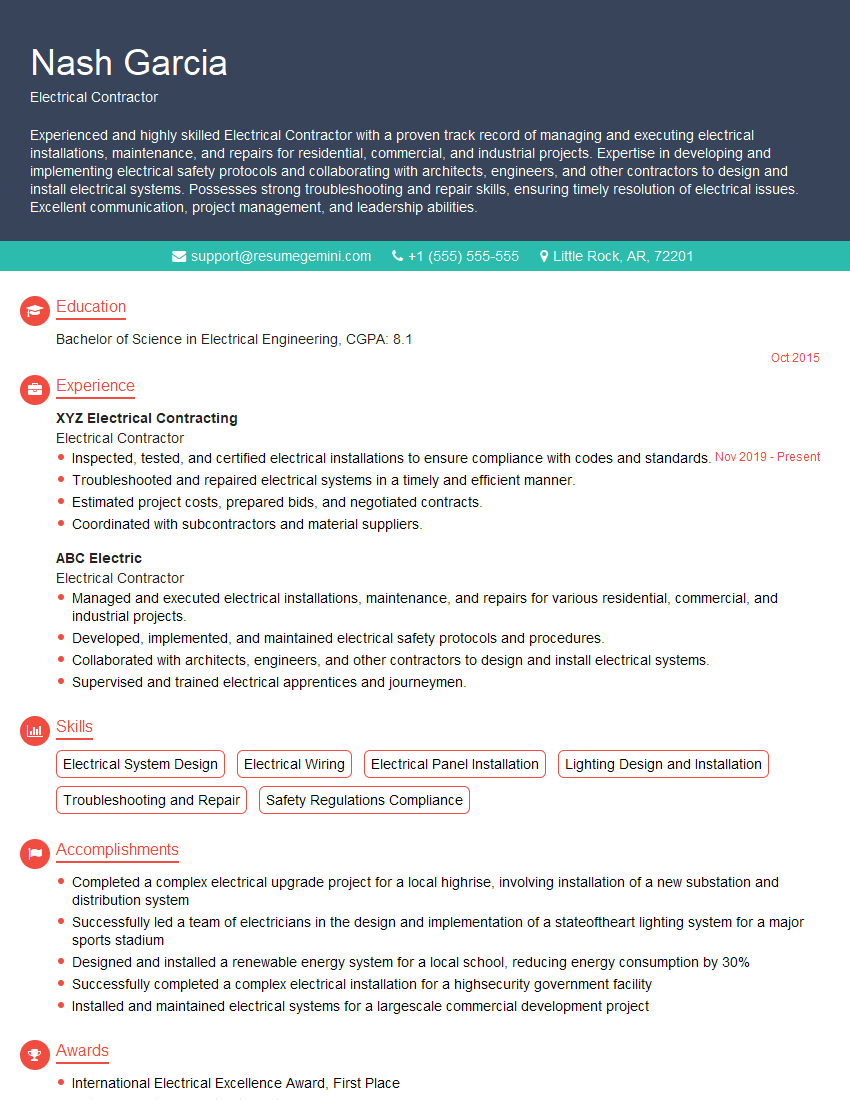
Electrical Contractor Resume Sample
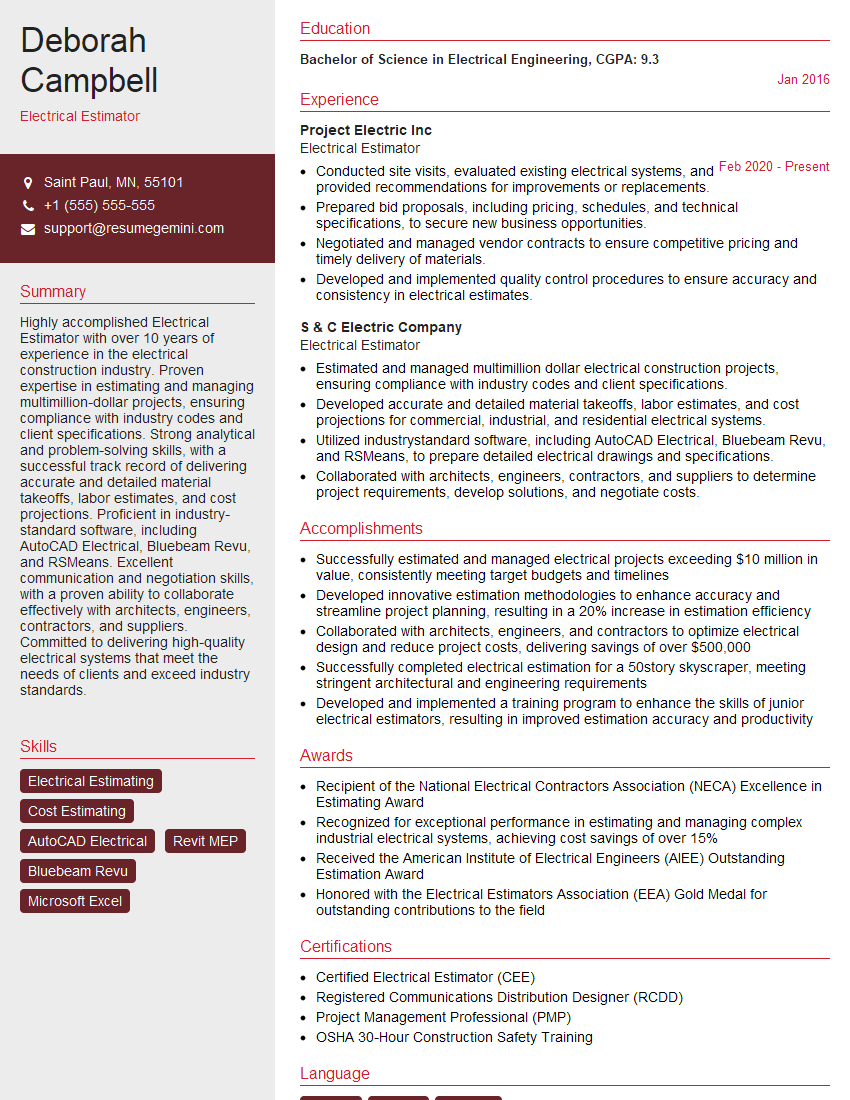
Electrical Estimator Resume Sample
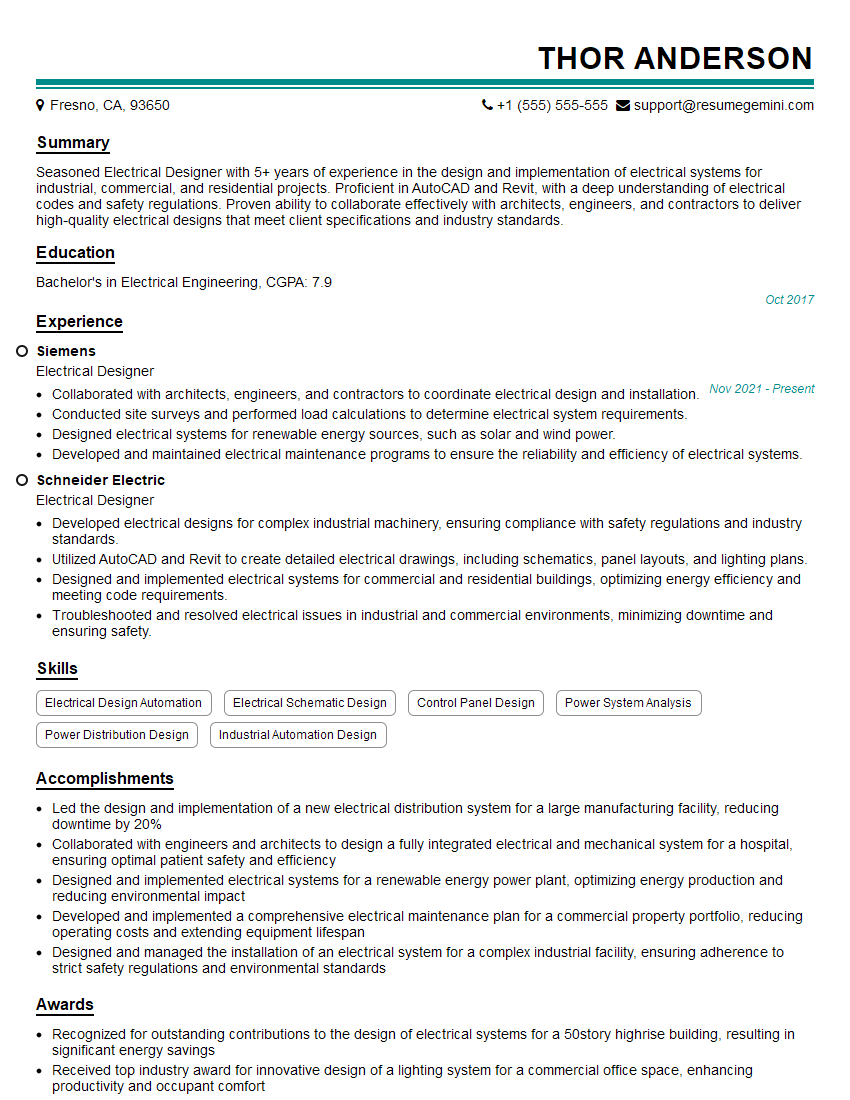
Electrical Designer Resume Sample
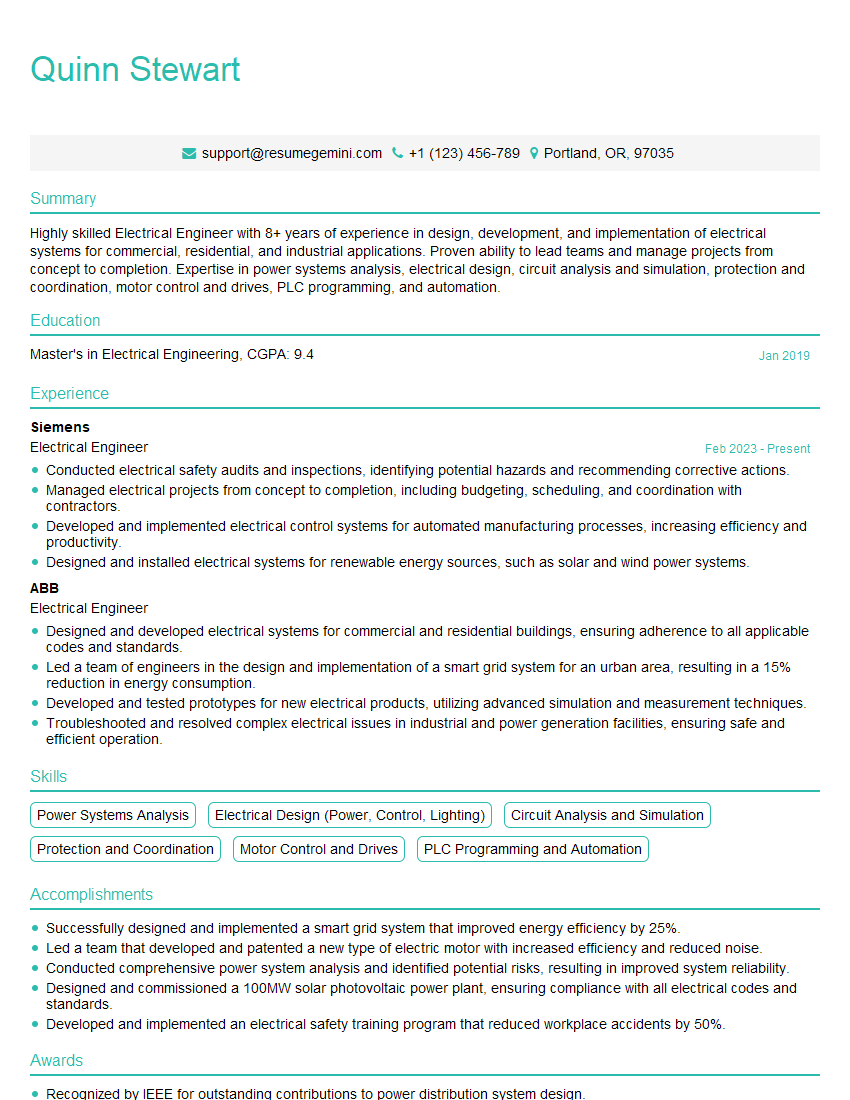
Electrical Engineer Resume Sample

Power Systems Engineer Resume Sample
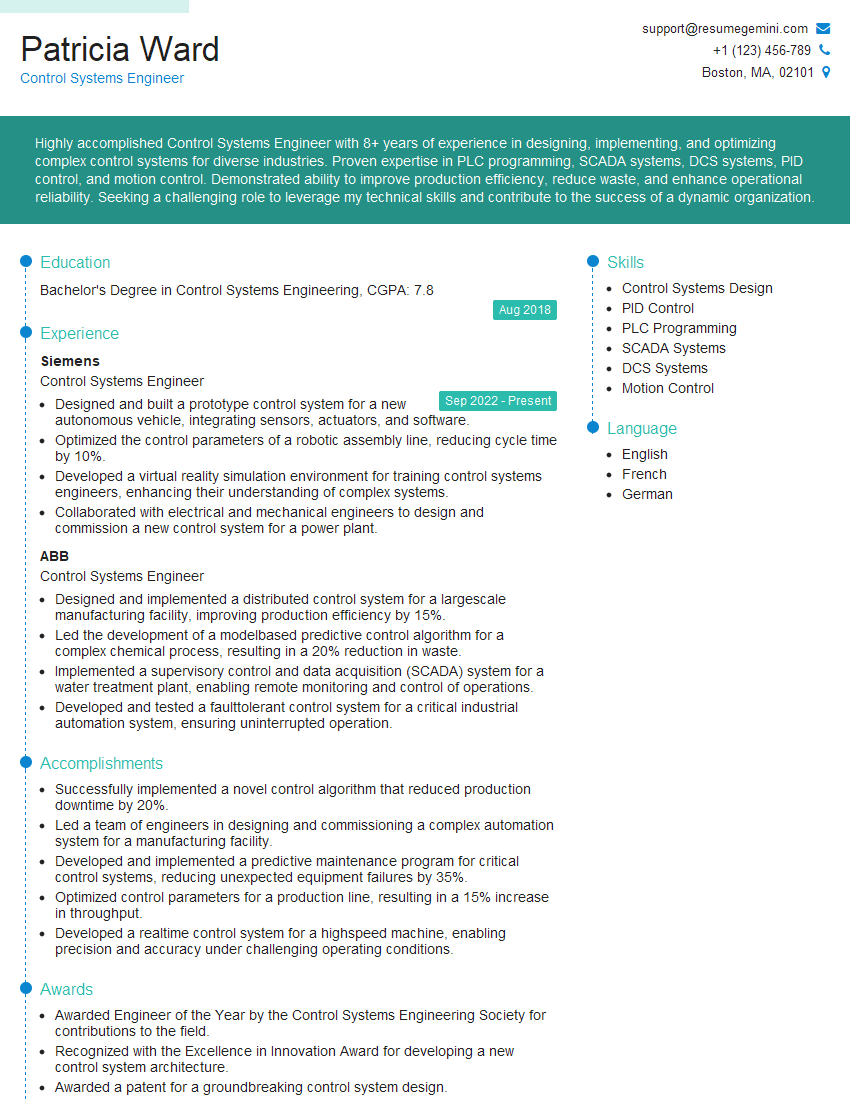
Control Systems Engineer Resume Sample

Electrical Drafter Resume Sample
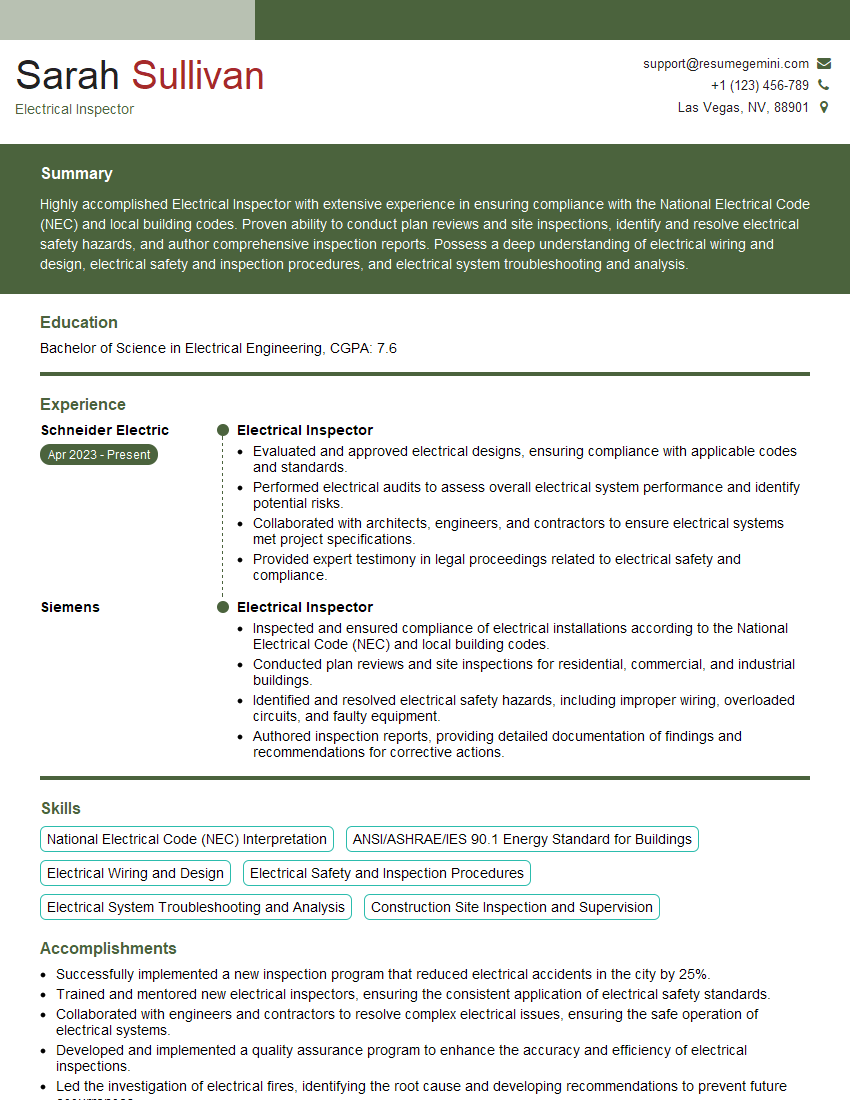
Electrical Inspector Resume Sample
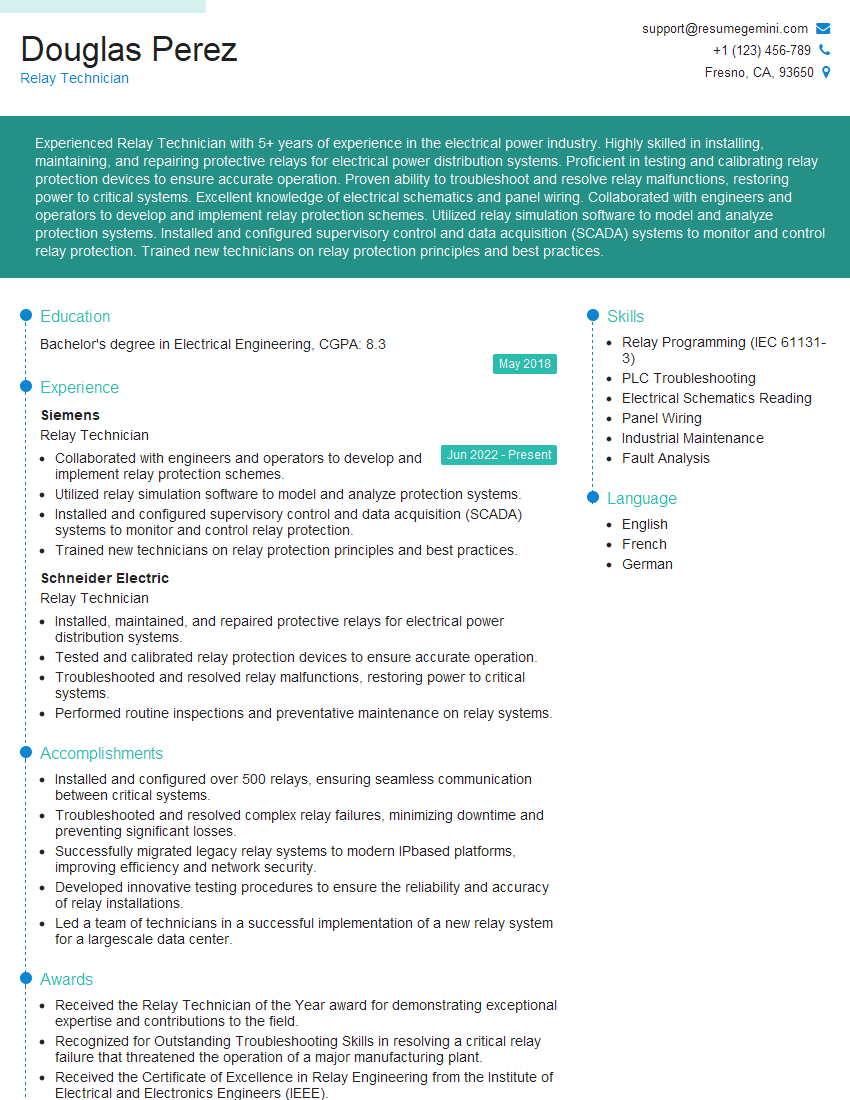
Relay Technician Resume Sample
Explore more articles
Users Rating of Our Blogs
Share Your Experience
We value your feedback! Please rate our content and share your thoughts (optional).
What Readers Say About Our Blog
To the interviewgemini.com Webmaster.
Very helpful and content specific questions to help prepare me for my interview!
Thank you
To the interviewgemini.com Webmaster.
This was kind of a unique content I found around the specialized skills. Very helpful questions and good detailed answers.
Very Helpful blog, thank you Interviewgemini team.