Every successful interview starts with knowing what to expect. In this blog, we’ll take you through the top Multidisciplinary Care interview questions, breaking them down with expert tips to help you deliver impactful answers. Step into your next interview fully prepared and ready to succeed.
Questions Asked in Multidisciplinary Care Interview
Q 1. Describe your experience in facilitating effective communication within a multidisciplinary team.
Effective communication is the cornerstone of successful multidisciplinary care. My approach centers around fostering a culture of open dialogue, active listening, and mutual respect. I believe in establishing clear communication channels from the outset, utilizing various methods to reach all team members effectively.
- Regular Team Meetings: Structured meetings with a pre-defined agenda ensure everyone is informed and can contribute their expertise. These meetings are not just for updates but also for brainstorming and problem-solving.
- Clear Role Definition: Ensuring each team member understands their role and responsibilities minimizes confusion and duplication of effort. A well-defined communication matrix can clarify who is responsible for what information and to whom it should be communicated.
- Utilizing Various Communication Tools: I’m proficient in using various communication platforms like secure messaging systems, email, and shared online documentation to ensure timely and efficient information dissemination. The choice of tool depends on the urgency and sensitivity of the information.
- Active Listening and Feedback: I encourage active listening during discussions, ensuring everyone feels heard and valued. Regular feedback loops allow for adjustments and improvements in communication strategies.
For instance, in a recent case involving a complex geriatric patient, I implemented a daily huddle using a secure messaging app to share critical updates on the patient’s condition and treatment plan, preventing delays and ensuring everyone was on the same page.
Q 2. Explain your approach to conflict resolution within a multidisciplinary care setting.
Conflict is inevitable in any team, especially in a multidisciplinary setting with diverse perspectives and priorities. My approach to conflict resolution is proactive and collaborative, focusing on finding mutually acceptable solutions rather than assigning blame.
- Early Identification and Intervention: Addressing conflicts early, before they escalate, is crucial. I actively monitor team dynamics and address any emerging tensions promptly and constructively.
- Facilitated Discussion: When conflict arises, I facilitate a structured discussion where all involved parties can express their concerns and perspectives in a safe and respectful environment. This often involves active listening and rephrasing to ensure understanding.
- Focus on Shared Goals: I remind the team of the shared goal – providing the best possible care for the patient – and help them refocus their energy on collaborative solutions that align with this objective.
- Mediation and Negotiation: If needed, I act as a mediator, helping the parties find common ground and negotiate a mutually agreeable solution. This might involve compromise or finding creative alternatives.
- Documentation: All agreements and decisions are clearly documented to ensure transparency and accountability.
For example, I once mediated a disagreement between a physician and a physical therapist regarding a patient’s rehabilitation plan. By facilitating a discussion that emphasized the patient’s overall well-being and collaboratively exploring different approaches, we arrived at a plan that satisfied both professionals and benefited the patient.
Q 3. How do you ensure patient-centered care within a multidisciplinary team?
Patient-centered care is paramount in any healthcare setting, and it’s especially crucial in a multidisciplinary team. I ensure patient-centeredness by consistently involving the patient and their family in the care planning process and ensuring their preferences, values, and goals are respected.
- Shared Decision-Making: I strongly advocate for shared decision-making, where the patient and their family are actively involved in making choices about their care. This requires clear communication and providing them with sufficient information to understand their options.
- Patient and Family Voice: I actively solicit the patient’s and their family’s feedback and incorporate their perspectives into the care plan. This demonstrates respect and ensures the plan aligns with their needs and preferences.
- Regular Communication with Patients: I maintain open and frequent communication with patients, providing updates on their progress, addressing their concerns, and ensuring they understand their treatment plan.
- Individualized Care Plans: I ensure the care plan is tailored to the specific needs and circumstances of each patient, recognizing that a one-size-fits-all approach is ineffective.
In one instance, a patient expressed discomfort with a particular aspect of their treatment plan. By actively listening to their concerns and collaborating with the team, we were able to modify the plan to better meet their needs and improve their overall experience.
Q 4. How do you contribute to effective care planning and coordination in a multidisciplinary setting?
Effective care planning and coordination are vital in a multidisciplinary setting. My contribution involves leading the planning process, ensuring clear communication of the plan, and monitoring its progress closely.
- Facilitating Care Plan Development: I lead the development of comprehensive and individualized care plans, ensuring the input of all relevant professionals. This involves identifying the patient’s goals, establishing measurable outcomes, and outlining the roles and responsibilities of each team member.
- Regular Monitoring and Evaluation: I closely monitor the progress of the care plan and regularly evaluate its effectiveness. Any necessary adjustments are made in consultation with the team and the patient.
- Coordination of Care: I coordinate the activities of different team members to ensure a seamless and integrated approach to patient care. This involves clear communication, regular updates, and proactive problem-solving.
- Use of Technology: I utilize technology, such as electronic health records and shared online platforms, to facilitate efficient information sharing and care coordination.
For example, in a case of a patient with multiple chronic conditions, I facilitated the development of a comprehensive care plan that outlined specific goals for each discipline, ensuring the plan was integrated and coordinated effectively. This resulted in improved patient outcomes and reduced the risk of errors or omissions.
Q 5. Describe a time you had to negotiate competing priorities within a multidisciplinary team.
In a previous role, we faced competing priorities when a critically ill patient required simultaneous intensive respiratory support and complex surgical intervention. The respiratory therapist prioritized immediate ventilation support, while the surgical team advocated for urgent surgery to address a life-threatening condition. Both were undeniably critical, but scheduling was impossible without compromising one aspect of care.
My approach involved:
- Clearly Defining the Problem: I convened an immediate meeting to clearly define the competing priorities and the potential consequences of delaying either intervention.
- Gathering Expert Opinions: We involved senior clinicians from both disciplines to assess the risks and benefits of each approach, considering the patient’s overall condition and prognosis.
- Data-Driven Decision-Making: We used available data, including the patient’s vital signs, blood gas results, and imaging studies, to inform our decision-making process.
- Negotiating a Compromise: Ultimately, we negotiated a phased approach, initially focusing on stabilizing the patient’s respiratory condition while preparing for the necessary surgery. This required close monitoring and coordination between the teams.
This experience highlighted the need for clear communication, collaborative problem-solving, and a willingness to compromise when dealing with competing priorities in a multidisciplinary setting. The patient ultimately received both interventions and experienced positive outcomes, emphasizing the importance of a unified and collaborative approach.
Q 6. Explain your understanding of the roles and responsibilities of different healthcare professionals in a multidisciplinary team.
Understanding the roles and responsibilities of different healthcare professionals is crucial for effective multidisciplinary care. Each professional brings unique expertise and contributes to a holistic approach to patient care. A strong understanding of these roles minimizes duplication of effort, avoids conflict, and ensures efficient use of resources.
- Physicians: Primarily responsible for diagnosis, treatment, and overall medical management of the patient.
- Nurses: Provide direct patient care, including medication administration, wound care, and monitoring vital signs. They also play a critical role in patient education and communication.
- Physical Therapists: Focus on improving physical function and mobility through exercise and rehabilitation programs.
- Occupational Therapists: Assist patients in performing daily living activities and adapting their environment to enhance independence.
- Speech Therapists: Address communication and swallowing disorders.
- Social Workers: Provide psychosocial support and help patients and families navigate the healthcare system and address social determinants of health.
- Pharmacists: Ensure appropriate medication management and address potential drug interactions.
Understanding these roles allows for effective delegation of tasks, clear communication channels, and ultimately, better patient outcomes. For instance, knowing that a social worker can assist with discharge planning allows the nursing staff to focus on providing direct patient care.
Q 7. How do you utilize technology to improve communication and collaboration within a multidisciplinary team?
Technology plays a significant role in enhancing communication and collaboration within multidisciplinary teams. I utilize several technological tools to improve efficiency and effectiveness.
- Electronic Health Records (EHRs): EHRs provide a centralized repository for patient information, ensuring all team members have access to the most up-to-date data. This minimizes the risk of errors and facilitates seamless information sharing.
- Secure Messaging Systems: These systems allow for quick and secure communication between team members, facilitating timely updates and reducing reliance on less secure methods like emails.
- Telehealth Platforms: Telehealth enables virtual consultations and collaborative care, especially beneficial for patients in remote areas or those with mobility issues.
- Shared Online Platforms: Cloud-based platforms allow for the sharing of documents, care plans, and other relevant information, ensuring everyone is working from the same information source.
- Video Conferencing: Video conferencing allows for face-to-face interactions among team members, regardless of their physical location. This is especially useful for conducting virtual team meetings and case discussions.
For example, using a shared online platform to collaboratively update a patient’s care plan ensures everyone has access to the most current version, reducing the potential for confusion or errors. The use of telehealth has also enabled me to provide timely consultations for patients who may have difficulty accessing in-person care.
Q 8. How do you evaluate the effectiveness of a multidisciplinary care plan?
Evaluating the effectiveness of a multidisciplinary care plan requires a multifaceted approach. We can’t simply look at one metric; it’s about assessing whether the plan achieved its goals across various dimensions.
- Outcome Measures: We track quantifiable data like reduced hospital readmission rates, improved patient reported outcome measures (PROMs) such as pain scores or functional ability, and achievement of specific treatment targets (e.g., blood pressure control). For example, if the plan aimed to reduce falls in elderly patients, we’d meticulously track fall incidents post-implementation.
- Patient Satisfaction: Feedback from patients and their families is crucial. We use surveys and interviews to gauge their experiences with the team’s communication, coordination, and overall care quality. A satisfied patient often translates to better adherence to the plan.
- Process Evaluation: We analyze the efficiency and effectiveness of the care plan’s processes. Did the team members collaborate effectively? Were there any delays or bottlenecks? Were resources utilized optimally? Regular team meetings and process mapping help identify areas for improvement.
- Cost-Effectiveness: We evaluate whether the care plan was delivered within the allocated budget and whether the cost was justified by the improvements in patient outcomes. This involves analyzing resource utilization, length of stay, and other financial metrics.
By combining these different perspectives, we gain a holistic understanding of the care plan’s success and identify areas needing adjustment or refinement. It’s an iterative process; we continuously monitor and refine the plan based on the data collected.
Q 9. How do you manage patient expectations within a multidisciplinary care environment?
Managing patient expectations in a multidisciplinary setting is about clear, consistent, and empathetic communication. Transparency is key.
- Realistic Goal Setting: From the outset, we collaboratively set realistic, achievable goals with the patient and their family. This involves explaining the limitations of treatment and potential challenges honestly. For instance, if a patient is recovering from a stroke, we would discuss the potential for ongoing limitations and the importance of rehabilitation while emphasizing the potential for improvement.
- Regular Updates: Consistent communication ensures patients stay informed. We utilize various channels—face-to-face meetings, phone calls, emails, and patient portals—to provide regular updates on progress, anticipated timelines, and any changes to the care plan. This keeps patients involved and prevents misunderstandings.
- Role Clarification: Patients need to understand the roles of each member of the multidisciplinary team. We clearly explain who is responsible for what aspect of care, preventing confusion and fostering trust. A simple diagram showing team roles and responsibilities can be helpful.
- Addressing Concerns Proactively: We encourage open communication and create a safe space for patients to express concerns or anxieties. We address these issues promptly and involve the relevant team members as needed. This active listening and problem-solving builds strong patient-provider relationships.
By fostering open communication and realistic expectations, we reduce anxiety and improve patient satisfaction, leading to better adherence to the treatment plan and improved outcomes.
Q 10. Describe your experience with patient and family education within a multidisciplinary team.
Patient and family education is a cornerstone of effective multidisciplinary care. My experience involves a collaborative approach where every team member contributes to educating the patient based on their expertise.
- Tailored Education: We personalize education materials to the patient’s learning style, literacy level, and cultural background. For example, using visual aids for visual learners or providing written materials in the patient’s preferred language.
- Shared Responsibility: We don’t leave education solely to one team member. The physician explains the diagnosis and treatment plan, the nurse educates on medication management and wound care, the physiotherapist guides on rehabilitation exercises, and so forth. This ensures comprehensive coverage and reinforces learning.
- Multi-modal Approach: We use a variety of methods – written materials, videos, demonstrations, and group sessions – to reinforce learning. This caters to diverse learning styles and maximizes comprehension.
- Follow-up and Assessment: We don’t simply provide information and assume it’s been understood. We assess comprehension using methods like teach-back techniques, questionnaires, or informal conversations. We provide further education or clarification as needed.
- Family Involvement: We actively involve the family in the education process as they often play a vital role in the patient’s care. We provide them with information and resources to support the patient’s recovery.
A recent example involved educating a family about managing a diabetic patient’s blood sugar levels at home. We provided written materials, conducted a hands-on demonstration on blood glucose monitoring, and scheduled follow-up sessions to answer their questions and address concerns. This comprehensive approach ensures the patient and family are empowered to actively participate in the management of their condition.
Q 11. How do you handle disagreements or differing opinions among members of a multidisciplinary team?
Disagreements within a multidisciplinary team are inevitable, but they are opportunities for growth and improved patient care. Open and respectful communication is paramount.
- Structured Discussion: We utilize structured meetings with agendas to address disagreements constructively. Each team member presents their perspective supported by evidence and data. This prevents emotional responses and ensures all viewpoints are heard.
- Mediation if Necessary: If a disagreement cannot be resolved within the team, a neutral mediator can facilitate a discussion and help find common ground. This person might be a senior team member or an external consultant.
- Evidence-Based Decision Making: We base decisions on the best available evidence and patient preferences. This provides an objective basis for resolving conflicts. We review relevant guidelines and research to support the decision-making process.
- Focus on Patient Well-being: We remind the team that the ultimate goal is optimal patient care. Framing the discussion in terms of what’s best for the patient often helps to resolve differences in opinions.
- Documentation: Thorough documentation of the discussion, differing opinions, and the final decision made is essential for transparency and accountability.
For example, a disagreement might arise about the best treatment approach for a particular patient. By presenting evidence for different approaches, actively listening to all viewpoints, and prioritizing patient preferences, we can reach a consensus that benefits the patient.
Q 12. How do you ensure the safety and well-being of patients under multidisciplinary care?
Ensuring patient safety and well-being under multidisciplinary care requires a systematic approach that integrates various strategies.
- Clear Communication and Coordination: This is the bedrock of safety. Effective handoffs, shared electronic health records, regular team meetings, and clear communication protocols minimize errors and ensure everyone is on the same page. For example, using standardized communication tools like SBAR (Situation, Background, Assessment, Recommendation) for reporting critical information.
- Risk Assessment and Management: We conduct regular risk assessments to identify potential hazards and develop strategies to mitigate them. This includes medication reconciliation, fall risk assessments, and infection control protocols. The team collectively works to minimize risks.
- Medication Safety: Robust medication reconciliation processes, double-checking of medication orders, and clear medication labeling are essential for preventing medication errors. We emphasize the importance of medication reconciliation at every transition of care.
- Error Reporting and Analysis: A culture of open reporting of near misses and errors allows us to identify system-level issues and implement changes to prevent future occurrences. We conduct root cause analyses to identify underlying causes of errors.
- Patient Education and Empowerment: Empowering patients to be active participants in their care improves safety. We encourage patients to ask questions, report concerns, and be involved in decision-making.
For instance, if a patient is at high risk for falls, the multidisciplinary team collaboratively implements strategies like providing assistive devices, modifying the home environment, and implementing regular checks.
Q 13. Describe your experience with developing and implementing care plans in a multidisciplinary setting.
Developing and implementing care plans in a multidisciplinary setting is a collaborative process. My experience involves a structured approach.
- Assessment and Goal Setting: We begin by conducting a comprehensive assessment of the patient’s needs, preferences, and goals. This involves input from all relevant team members, including physicians, nurses, therapists, social workers, and others. We collaboratively define measurable and achievable goals.
- Care Plan Development: We use a standardized care plan template that incorporates input from all team members. This ensures consistency and completeness. The plan outlines specific interventions, timelines, responsibilities, and expected outcomes.
- Interprofessional Collaboration: Regular team meetings are crucial for discussing progress, addressing challenges, and making adjustments to the care plan as needed. This ensures everyone is aware of the patient’s condition and the plan’s progress.
- Implementation and Monitoring: We monitor the patient’s progress closely and make necessary adjustments to the care plan based on ongoing assessment and evaluation. This is an iterative process involving regular review and modification.
- Documentation: Thorough documentation of the care plan, progress notes, and communication among team members is essential for accountability and continuity of care. This ensures all team members have access to the latest information.
For example, in developing a care plan for a patient with multiple comorbidities, the team would collaboratively establish goals addressing each condition (e.g., managing diabetes, improving mobility, and addressing depression). This would necessitate input and coordination from specialists like endocrinologists, physiotherapists, and psychiatrists.
Q 14. How do you prioritize tasks effectively in a busy multidisciplinary care setting?
Prioritization in a busy multidisciplinary setting requires a strategic approach. It’s not about doing everything, but about doing the right things.
- Urgency and Importance Matrix: We utilize a matrix to prioritize tasks based on their urgency and importance. Urgent and important tasks receive immediate attention, while less urgent but important tasks are scheduled accordingly. This prevents being overwhelmed by less critical tasks.
- Delegation and Collaboration: Effective delegation is key. We assign tasks to the most appropriate team member based on their skills and expertise. This not only maximizes efficiency but also empowers team members.
- Time Management Techniques: We use time management techniques like time blocking, Pomodoro technique, or Eisenhower Matrix to allocate time effectively and minimize distractions. This ensures focused work periods and better task completion.
- Regular Team Meetings: Effective team meetings allow for collective prioritization. We discuss upcoming tasks, identify potential bottlenecks, and coordinate efforts to manage the workload efficiently. This prevents duplication of effort and maximizes resource utilization.
- Technology and Tools: We leverage technology like project management software and electronic health records to streamline workflows, track progress, and improve communication. This enables better coordination and efficiency.
For example, during a busy shift, the team might prioritize immediate patient needs like managing pain, administering medications, and addressing critical clinical issues before addressing less urgent but important tasks such as discharge planning or completing administrative paperwork.
Q 15. How do you adapt your communication style to different members of a multidisciplinary team?
Effective communication in a multidisciplinary team requires adapting your style to the individual’s role and communication preferences. Think of it like speaking different languages – you wouldn’t use the same tone and vocabulary with a physician as you would with a social worker or a patient’s family member.
- Physicians: I prioritize concise, evidence-based communication, focusing on clinical findings and treatment options. I use precise medical terminology where appropriate but ensure clarity for those who may not have the same level of medical understanding.
- Nurses: Communication is more collaborative, focusing on practical details of care delivery and patient updates. I aim for a supportive and efficient exchange of information, focusing on immediate needs and potential challenges.
- Social Workers: My communication emphasizes the psychosocial aspects of care, focusing on the patient’s emotional well-being, support systems, and resources. I create a safe space for open and empathetic discussion.
- Family Members: I use clear, simple language, avoiding jargon, and actively listen to their concerns and perspectives. I ensure they understand the treatment plan and their role in the patient’s recovery.
Ultimately, active listening, empathy, and clear, concise communication are key to building strong working relationships within the multidisciplinary team, regardless of the individual’s role.
Career Expert Tips:
- Ace those interviews! Prepare effectively by reviewing the Top 50 Most Common Interview Questions on ResumeGemini.
- Navigate your job search with confidence! Explore a wide range of Career Tips on ResumeGemini. Learn about common challenges and recommendations to overcome them.
- Craft the perfect resume! Master the Art of Resume Writing with ResumeGemini’s guide. Showcase your unique qualifications and achievements effectively.
- Don’t miss out on holiday savings! Build your dream resume with ResumeGemini’s ATS optimized templates.
Q 16. Explain your understanding of ethical considerations within multidisciplinary care.
Ethical considerations in multidisciplinary care are paramount. They revolve around ensuring patient-centered care, upholding confidentiality, maintaining professional boundaries, and promoting shared decision-making. Key ethical principles include:
- Beneficence: Acting in the patient’s best interests, prioritizing their well-being.
- Non-maleficence: Avoiding harm to the patient.
- Autonomy: Respecting the patient’s right to make informed decisions about their care.
- Justice: Ensuring equitable access to care and resources.
- Confidentiality: Protecting the patient’s private information.
Conflicts can arise, for example, when differing opinions on treatment plans emerge. In such situations, a structured process, involving open discussion and considering all perspectives, is crucial. Ethical guidelines and organizational policies provide a framework for navigating such challenges. Ultimately, the patient’s well-being and autonomy remain the guiding principles.
Q 17. Describe your experience with documentation and record-keeping in a multidisciplinary environment.
Accurate and timely documentation is critical in multidisciplinary care. It ensures continuity of care, facilitates effective communication among team members, and provides a legal record of the patient’s treatment and progress. My experience involves utilizing electronic health records (EHRs) to document assessments, interventions, treatment plans, progress notes, and discharge summaries. I ensure my documentation is:
- Clear and concise: Using precise language and avoiding jargon.
- Complete and accurate: Including all relevant information.
- Objective: Based on factual observations, avoiding subjective opinions.
- Timely: Documenting care immediately after providing it.
- Legible: Ensuring all entries are easily understood.
I am also familiar with using standardized assessment tools and templates for consistent and efficient record-keeping. I understand the importance of complying with all legal and regulatory requirements for documentation.
Q 18. How do you maintain confidentiality and privacy within a multidisciplinary team?
Maintaining confidentiality and privacy is a cornerstone of ethical practice. In a multidisciplinary setting, this requires adhering to strict protocols and guidelines. My approach includes:
- Access Control: Utilizing secure electronic systems and physical spaces to limit access to patient information only to authorized personnel.
- Data Security: Adhering to best practices for data security to prevent unauthorized access, disclosure, or alteration of patient information.
- HIPAA Compliance: Strict adherence to the Health Insurance Portability and Accountability Act (HIPAA) guidelines or equivalent regulations in different jurisdictions.
- Professional Boundaries: Only discussing patient information within the context of the multidisciplinary team and only with those who have a legitimate need to know.
- Patient Consent: Always obtaining informed consent from patients before sharing their information with anyone outside the core care team.
I understand that breaches of confidentiality can have serious legal and ethical consequences. Protecting patient privacy is a priority in every aspect of my work.
Q 19. How do you measure the outcomes of multidisciplinary care?
Measuring the outcomes of multidisciplinary care requires a multifaceted approach. We don’t just look at clinical outcomes like blood pressure or wound healing, but also broader measures of patient well-being and quality of life. This often involves a combination of quantitative and qualitative data:
- Quantitative Data: This includes measurable data like readmission rates, length of hospital stay, mortality rates, patient satisfaction scores (using validated questionnaires), and specific clinical metrics (e.g., blood glucose control for diabetes patients).
- Qualitative Data: This involves gathering information through interviews, focus groups, or chart reviews to understand the patient’s experience, their perception of their care, and their overall satisfaction. This provides rich insights that quantitative measures alone cannot capture.
We regularly review these outcomes to identify areas for improvement in our processes and approaches to care. This involves team meetings, data analysis, and continuous quality improvement (CQI) initiatives. The goal is to demonstrate the effectiveness of our multidisciplinary approach and adapt our strategies based on what we learn.
Q 20. How do you contribute to a positive and supportive team environment?
Contributing to a positive and supportive team environment involves active participation and a commitment to collaboration. My approach includes:
- Respectful Communication: Treating all team members with courtesy and consideration, valuing their contributions and perspectives.
- Active Listening: Paying attention to what others say, asking clarifying questions, and demonstrating empathy.
- Collaboration: Working effectively with others, sharing information openly, and contributing to shared goals.
- Conflict Resolution: Addressing disagreements constructively and finding mutually acceptable solutions.
- Support and Mentorship: Offering support to colleagues, sharing knowledge and experience, and mentoring junior members of the team.
By fostering a culture of trust, respect, and open communication, we create an environment where everyone feels valued and empowered to contribute their best work. A strong team dynamic ultimately benefits the patient.
Q 21. Describe a situation where you had to advocate for a patient within a multidisciplinary team.
In one instance, a patient with a complex medical history was receiving conflicting advice from different specialists. The cardiologist recommended a high-intensity exercise regimen, while the pulmonologist expressed concerns about the patient’s respiratory condition. The patient, understandably, was confused and anxious. I advocated for the patient by:
- Facilitating Communication: I organized a meeting with all the involved specialists to discuss the patient’s case collaboratively.
- Presenting Evidence: I presented the patient’s complete medical history and highlighted the potential risks and benefits of each approach, ensuring a clear understanding of the patient’s unique circumstances.
- Patient Advocacy: I actively listened to the patient’s concerns and preferences, ensuring their voice was heard and considered in the decision-making process.
- Negotiating a Solution: We ultimately agreed on a modified exercise plan that addressed both the cardiologist’s and pulmonologist’s concerns, prioritizing the patient’s safety and well-being.
The successful resolution demonstrated the importance of collaborative decision-making and the value of patient advocacy within a multidisciplinary team. The patient felt heard, understood, and confident in their treatment plan.
Q 22. How do you handle challenging patients or family members within a multidisciplinary care context?
Handling challenging patients and families in multidisciplinary care requires a multifaceted approach prioritizing empathy, clear communication, and collaborative problem-solving. It’s not about ‘winning’ an argument, but about finding common ground and shared goals for the patient’s well-being.
- Active Listening and Empathy: I begin by actively listening to their concerns, validating their feelings, and demonstrating empathy. For example, if a family member is upset about a treatment plan, I wouldn’t dismiss their feelings but acknowledge their anxieties and explain the rationale behind the plan in a clear, understandable way.
- Collaborative Problem-Solving: I facilitate a collaborative discussion involving all relevant team members, including the patient (if capable), family, doctors, nurses, social workers, and other specialists. We brainstorm solutions together, considering everyone’s perspectives and concerns. This collaborative process empowers everyone and fosters a sense of shared responsibility.
- Setting Realistic Expectations: I work to set realistic expectations about the patient’s prognosis and treatment outcomes. Transparency and honesty build trust, even when delivering difficult news. I ensure that all parties understand the limitations of medical interventions and the potential for setbacks.
- Conflict Resolution Strategies: I utilize conflict resolution techniques like mediation and negotiation to address disagreements constructively. If necessary, I involve a mediator or ethics committee to help resolve complex ethical dilemmas.
- Utilizing Support Systems: I connect the patient and family with appropriate support systems, such as support groups, counseling services, or community resources, to provide emotional and practical assistance.
For instance, in one case, a family was resistant to a recommended surgery for their elderly mother. Through active listening, we discovered their concern stemmed from fear of post-operative complications. By involving a surgeon who patiently explained the procedure and addressed their concerns, we gained their trust and consent.
Q 23. How do you ensure continuity of care during transitions within a multidisciplinary team?
Continuity of care during transitions is paramount in multidisciplinary care. It requires seamless information sharing, clear communication protocols, and a structured handover process to prevent gaps in care and ensure patient safety.
- Structured Handover Meetings: We conduct regular, structured handover meetings between shifts and during transitions of care (e.g., from hospital to rehabilitation). These meetings follow a standardized format, including a summary of the patient’s condition, current treatment plan, and any pertinent information relevant to the next team.
- Electronic Health Records (EHR): Utilizing a comprehensive EHR system is crucial. This allows all team members to access the most up-to-date information about the patient’s medical history, current status, and treatment plan, regardless of their location or specialty.
- Shared Care Plans: We develop and regularly update shared care plans that outline the patient’s goals, treatment strategies, and responsibilities of each team member. These plans ensure everyone is on the same page and prevents duplication or omission of care.
- Clear Communication Channels: We establish clear communication channels, such as email, secure messaging, or phone, for quick and efficient information exchange between team members. This is vital for managing urgent issues and ensuring timely responses.
- Regular Patient Consultations: Regular consultations with the patient (and their family if appropriate) are crucial to confirm understanding and address any concerns they may have. This helps maintain continuity and ensures the patient feels involved in their care.
For example, before a patient’s discharge from the hospital, we hold a detailed handover meeting with the community health team to ensure a smooth transition of care, preventing any interruptions or delays in medication or therapy.
Q 24. Explain your understanding of legal and regulatory requirements related to multidisciplinary care.
My understanding of legal and regulatory requirements in multidisciplinary care is extensive. These regulations ensure patient safety, privacy, and ethical practice. Key areas include:
- HIPAA (Health Insurance Portability and Accountability Act): I am acutely aware of HIPAA regulations regarding patient privacy and data security. I strictly adhere to these guidelines when accessing, sharing, or discussing patient information.
- Informed Consent: I ensure that all patients (or their legal guardians) provide informed consent before any medical procedure or treatment. This involves explaining the risks, benefits, and alternatives in a clear and understandable manner.
- Patient Self-Determination Act: I am familiar with the Patient Self-Determination Act, which guarantees patients’ rights to make decisions regarding their medical care, including advance directives such as living wills and durable power of attorney for healthcare.
- State and Federal Regulations: I am aware of and compliant with all relevant state and federal regulations pertaining to healthcare practice in my area. This includes licensing requirements, reporting obligations (e.g., for suspected abuse or neglect), and professional standards of conduct.
- Medical Malpractice: I understand the legal implications of medical malpractice and the importance of maintaining high standards of care to avoid potential liability.
Understanding these regulations is not just about avoiding legal repercussions; it’s about ensuring ethical practice and protecting patient rights. This requires ongoing education and staying updated on changes in legislation.
Q 25. How do you identify and address potential risks within a multidisciplinary care setting?
Identifying and addressing risks in multidisciplinary care requires a proactive and systematic approach. We employ several strategies:
- Risk Assessment Tools: We utilize standardized risk assessment tools to identify potential hazards related to medication errors, falls, infections, pressure ulcers, and other patient safety issues. These assessments are regularly reviewed and updated.
- Incident Reporting System: A robust incident reporting system allows team members to report near misses or actual incidents without fear of reprisal. These reports are analyzed to identify trends and implement corrective actions.
- Regular Team Meetings: Regular team meetings provide a platform to discuss potential risks, review incident reports, and share best practices. These meetings encourage open communication and collaborative problem-solving.
- Medication Reconciliation: We perform medication reconciliation at each transition point (admission, transfer, discharge) to ensure accuracy and prevent medication errors.
- Infection Control Protocols: Strict adherence to infection control protocols minimizes the risk of hospital-acquired infections. This includes hand hygiene, proper sterilization techniques, and isolation procedures when necessary.
For example, after an incident involving a patient fall, we conducted a thorough root cause analysis to identify contributing factors (e.g., inadequate lighting, lack of side rails) and implemented corrective actions to prevent similar incidents in the future.
Q 26. Describe your experience with using data to inform decisions within a multidisciplinary team.
Data plays a crucial role in informing decisions within multidisciplinary teams. We utilize data from various sources to track outcomes, identify areas for improvement, and optimize patient care.
- Performance Indicators: We track key performance indicators (KPIs) such as readmission rates, length of stay, patient satisfaction scores, and infection rates. This data informs our quality improvement initiatives.
- Patient-Specific Data: We analyze patient-specific data, including medical history, lab results, vital signs, and treatment responses, to personalize care plans and optimize treatment strategies.
- Data Visualization: Data visualization tools, such as dashboards and charts, help us present complex data in an easily understandable format for the entire team. This facilitates data-driven discussions and informed decision-making.
- Statistical Analysis: When necessary, we employ statistical analysis techniques to identify trends, correlations, and causal relationships within the data. This enables evidence-based decision-making.
- Data-Driven Quality Improvement: We use data to identify areas where we can improve the quality and efficiency of care. For example, if our readmission rate for a particular condition is high, we can use data to analyze contributing factors and implement interventions to reduce it.
In a recent project, we used data on patient falls to identify risk factors (e.g., age, medication use) and develop a targeted fall prevention program, resulting in a significant reduction in fall incidents.
Q 27. How do you ensure cultural competency within a multidisciplinary team?
Cultural competency is essential in multidisciplinary care. It involves understanding and respecting the diverse cultural backgrounds, beliefs, and values of patients and their families, ensuring that care is culturally sensitive and appropriate.
- Cultural Awareness Training: We provide regular cultural awareness training for all team members to improve understanding of different cultural perspectives on health, illness, and healthcare practices.
- Language Access Services: We ensure access to qualified interpreters and translators to facilitate communication with patients who speak different languages. This is crucial for effective care delivery.
- Culturally Sensitive Communication: We encourage team members to adopt culturally sensitive communication styles, considering nonverbal cues, personal space, and communication preferences.
- Collaboration with Community Resources: We actively collaborate with community resources and cultural organizations to ensure our services are accessible and culturally relevant to the diverse populations we serve.
- Incorporating Cultural Practices: Where appropriate and safe, we strive to incorporate patients’ cultural practices into their care plans, showing respect for their beliefs and traditions.
For example, we made sure to involve a religious leader when a patient requested spiritual support, respecting their religious beliefs and integrating that support into their treatment plan.
Q 28. Explain your understanding of quality improvement initiatives within multidisciplinary care.
Quality improvement (QI) initiatives are integral to multidisciplinary care. These initiatives aim to enhance the safety, effectiveness, efficiency, and patient-centeredness of care.
- Plan-Do-Study-Act (PDSA) Cycles: We utilize the PDSA cycle, a structured approach to implementing and evaluating changes. This iterative process allows us to test interventions, measure outcomes, and make adjustments based on the data.
- Root Cause Analysis: When adverse events occur, we conduct root cause analyses to identify the underlying factors contributing to the event and implement preventative measures.
- Benchmarking: We benchmark our performance against best practices and other healthcare organizations to identify areas for improvement and set realistic goals.
- Data-Driven Decision Making: Our QI initiatives are guided by data analysis. We track key performance indicators and use this data to inform our interventions and evaluate their effectiveness.
- Team-Based Approach: QI initiatives are a team effort. We involve all relevant stakeholders, including clinicians, administrators, and patients, to ensure a comprehensive and effective approach.
For instance, to reduce medication errors, we implemented a bar-coding system for medications and enhanced our medication reconciliation process. We tracked error rates before and after the implementation to evaluate the effectiveness of the intervention.
Key Topics to Learn for Multidisciplinary Care Interview
- Team Dynamics and Communication: Understanding effective communication strategies within multidisciplinary teams, including conflict resolution and collaborative decision-making. Practical application: Describe a scenario where you successfully navigated a disagreement within a team to achieve a positive outcome for a patient.
- Patient-Centered Care: Applying the principles of patient-centered care within a multidisciplinary framework. Practical application: Explain how you would ensure a patient’s voice is heard and their preferences are respected during the care planning process.
- Care Coordination and Case Management: Mastering the skills of coordinating care across different healthcare professionals and settings. Practical application: Describe your experience in tracking patient progress, identifying potential issues, and coordinating interventions to improve patient outcomes.
- Ethical Considerations in Multidisciplinary Care: Navigating ethical dilemmas and ensuring patient rights are upheld in a collaborative care environment. Practical application: Discuss a challenging ethical situation you encountered and how you addressed it within a multidisciplinary team.
- Legal and Regulatory Frameworks: Understanding relevant legal and regulatory requirements related to multidisciplinary care and patient confidentiality. Practical application: Explain how you maintain patient confidentiality while collaborating with multiple healthcare providers.
- Technology and Data Management in Multidisciplinary Care: Utilizing electronic health records (EHRs) and other technologies to facilitate communication and improve care coordination. Practical application: Discuss your experience with using technology to improve team communication and patient care.
- Interprofessional Education and Collaboration: Understanding the principles and benefits of interprofessional education and its impact on improving patient outcomes. Practical application: Describe a successful interprofessional collaboration you were part of and its impact.
Next Steps
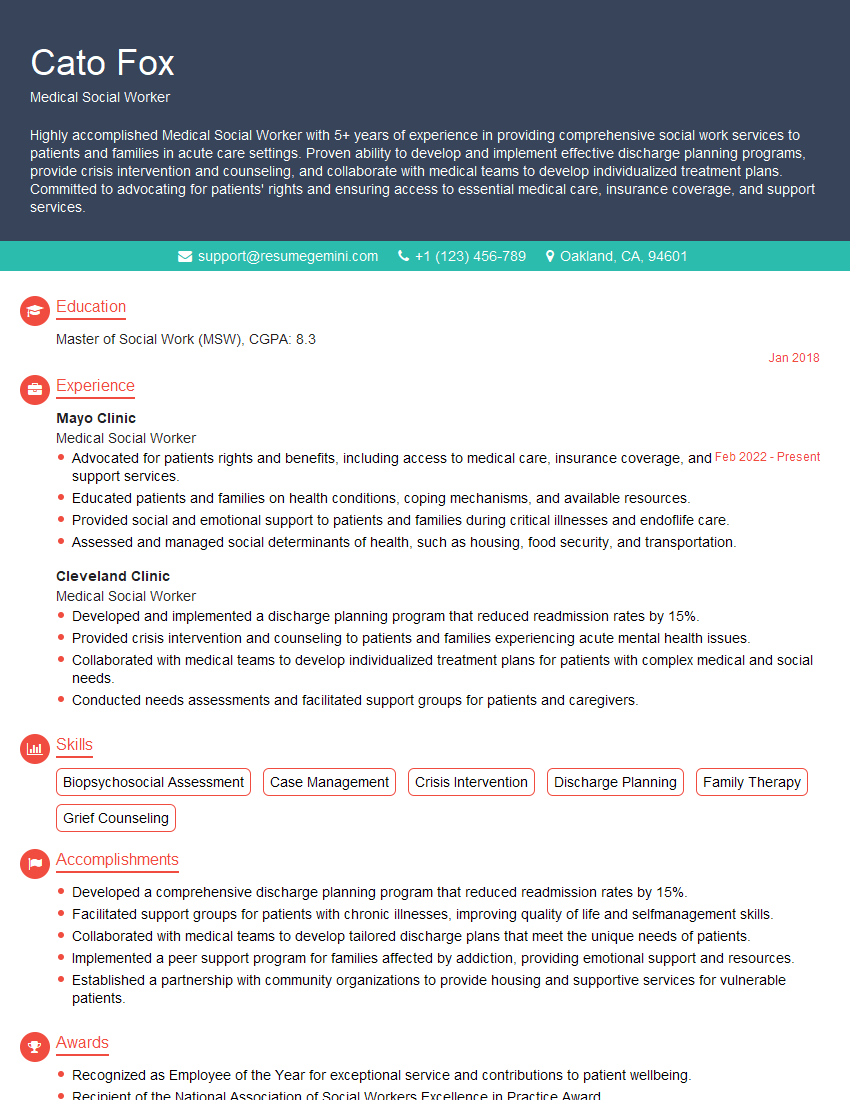
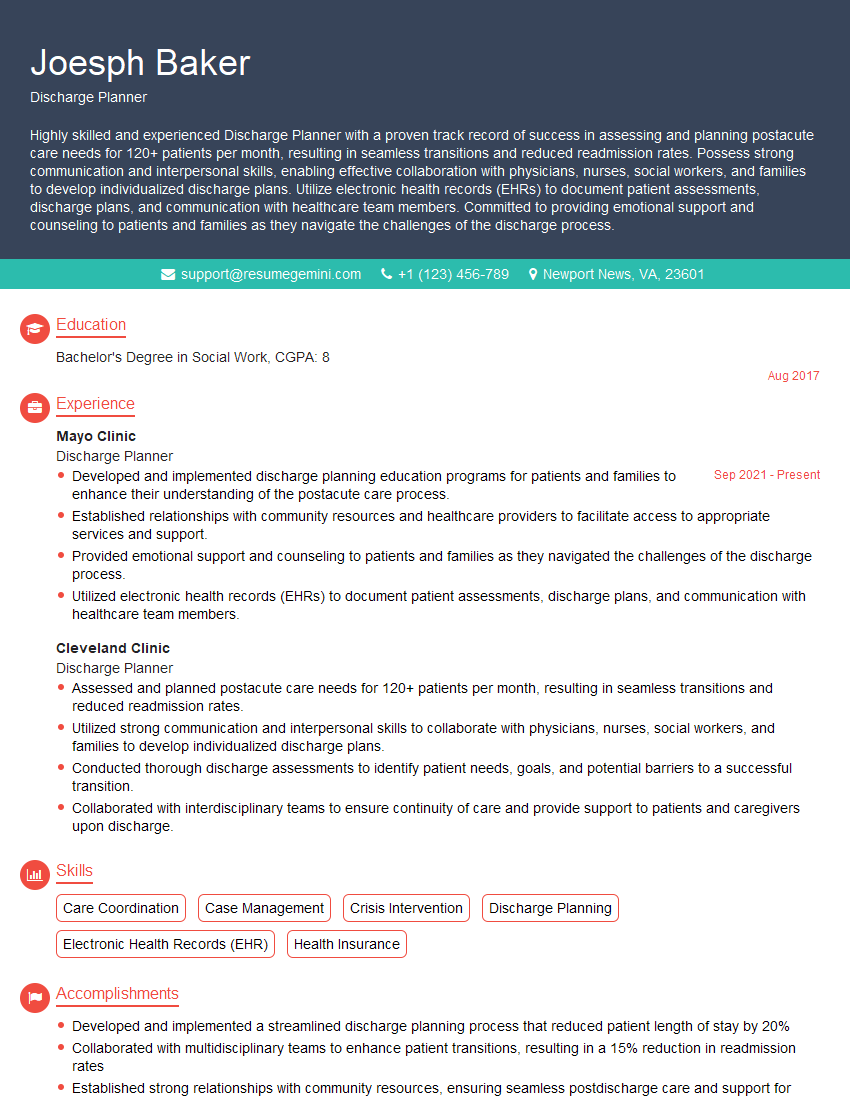
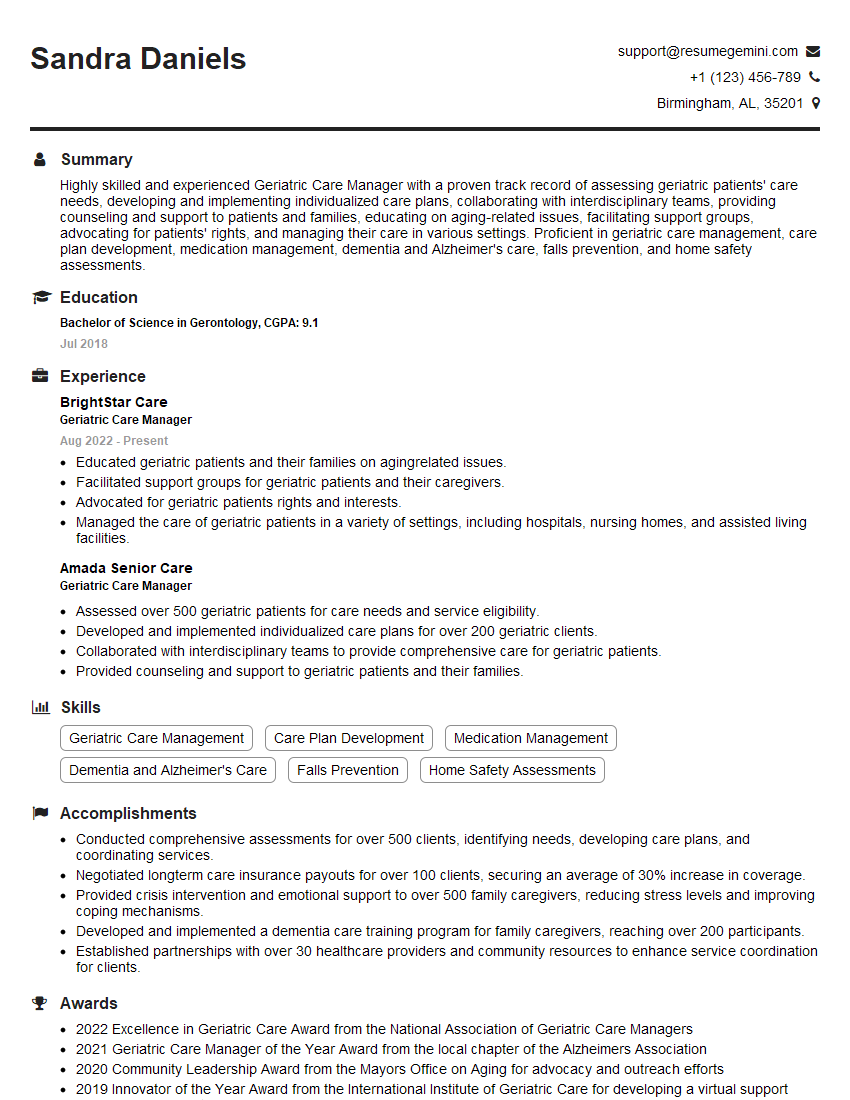
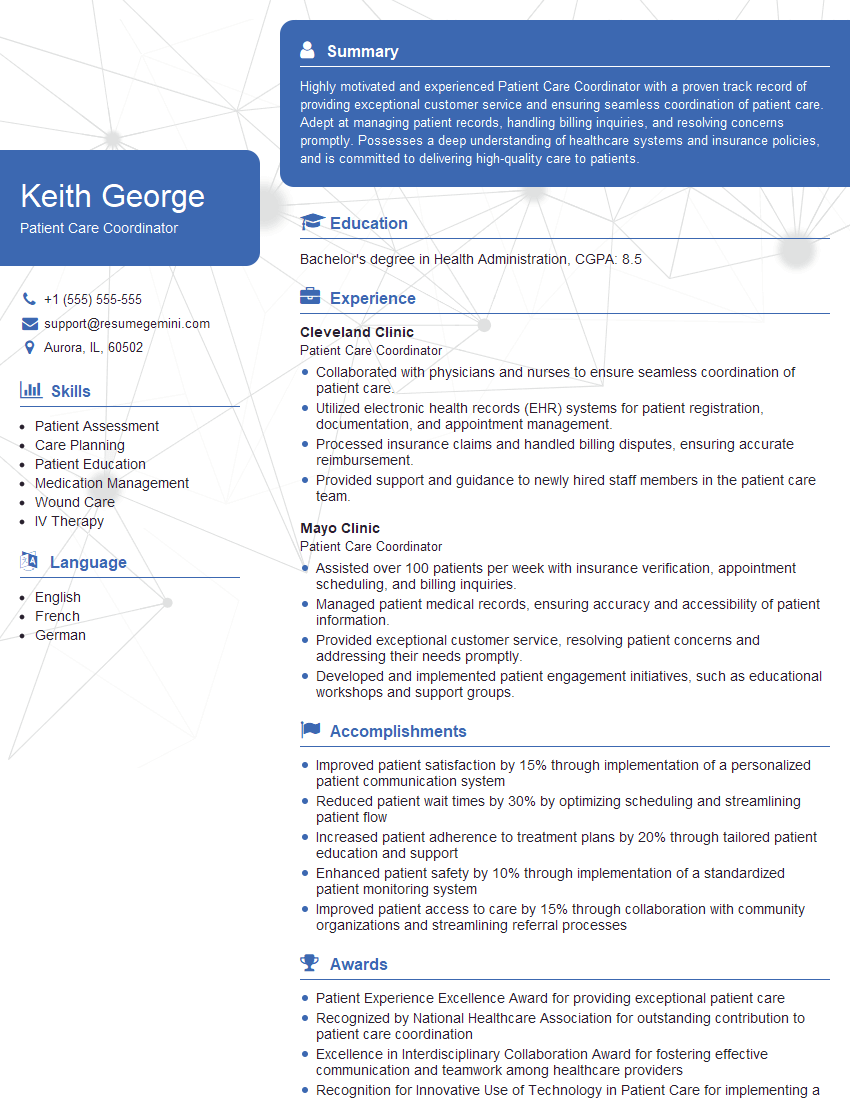
Mastering Multidisciplinary Care principles significantly enhances your career prospects, opening doors to leadership roles and specialized areas within healthcare. A strong, ATS-friendly resume is crucial for showcasing your skills and experience to potential employers. To elevate your job search, we strongly recommend using ResumeGemini to build a compelling and effective resume. ResumeGemini offers a user-friendly platform and provides examples of resumes tailored to Multidisciplinary Care, helping you present your qualifications effectively. This will significantly increase your chances of landing your dream job.
Explore more articles
Users Rating of Our Blogs
Share Your Experience
We value your feedback! Please rate our content and share your thoughts (optional).
What Readers Say About Our Blog
To the interviewgemini.com Webmaster.
Very helpful and content specific questions to help prepare me for my interview!
Thank you
To the interviewgemini.com Webmaster.
This was kind of a unique content I found around the specialized skills. Very helpful questions and good detailed answers.
Very Helpful blog, thank you Interviewgemini team.