Every successful interview starts with knowing what to expect. In this blog, we’ll take you through the top Musculoskeletal Injection Therapy interview questions, breaking them down with expert tips to help you deliver impactful answers. Step into your next interview fully prepared and ready to succeed.
Questions Asked in Musculoskeletal Injection Therapy Interview
Q 1. Describe the different types of musculoskeletal injections you are proficient in administering.
My proficiency in musculoskeletal injection therapy encompasses a range of techniques tailored to specific conditions. This includes administering corticosteroids, hyaluronic acid, platelet-rich plasma (PRP), and local anesthetics. Corticosteroid injections are commonly used for inflammatory conditions like tendinitis and bursitis, aiming to reduce pain and inflammation. Hyaluronic acid injections are often used for osteoarthritis, lubricating the joint and improving its function. PRP injections leverage the body’s own healing mechanisms to promote tissue regeneration. Finally, local anesthetics provide temporary pain relief during procedures or for acute pain management.
- Corticosteroid Injections: These are the most common type I administer, targeting specific inflamed joints, tendons, or bursae.
- Hyaluronic Acid Injections: I use these primarily for knee osteoarthritis, aiming to improve joint lubrication and reduce pain.
- Platelet-Rich Plasma (PRP) Injections: This advanced therapy is used in cases of chronic tendon injuries or other slow-healing conditions, promoting tissue regeneration and reducing pain.
- Local Anesthetic Injections: These provide immediate pain relief and are frequently used before other procedures, such as joint aspirations or nerve blocks.
Q 2. Explain the indications and contraindications for corticosteroid injections.
Corticosteroid injections are indicated for inflammatory musculoskeletal conditions causing significant pain and functional limitations. Examples include tendinitis, bursitis, epicondylitis, and some forms of arthritis. However, there are several contraindications. These include active infections at the injection site, systemic infections, diabetes poorly controlled, osteoporosis, local skin infections, bleeding disorders, pregnancy, and local allergy to corticosteroids.
Careful consideration is crucial. For instance, a patient with poorly controlled diabetes might experience delayed wound healing, increasing the risk of infection following the injection. Similarly, a patient with osteoporosis may be at increased risk of fractures due to the weakening effects of corticosteroids on bone density. Therefore, a thorough patient history and physical examination are vital before proceeding.
Q 3. What are the potential complications associated with musculoskeletal injections?
While generally safe, musculoskeletal injections carry potential complications. These can range from minor to severe. Minor complications include pain, swelling, bruising, and temporary skin discoloration at the injection site. These usually resolve within a few days to weeks. More serious complications, though less frequent, include infection, nerve damage, tendon rupture, and fat atrophy(localized loss of fat). Vascular injury, though rare, is a serious complication that requires immediate attention.
It’s crucial to follow strict aseptic techniques to minimize the risk of infection. Proper patient selection, image guidance (such as ultrasound), and meticulous injection technique significantly reduce the incidence of these complications. Patient education regarding potential complications and the importance of recognizing and reporting any unusual symptoms is also critical.
Q 4. How do you ensure proper patient selection for injection therapy?
Proper patient selection is paramount for successful and safe musculoskeletal injection therapy. This involves a thorough evaluation that includes a detailed patient history, physical examination, and often imaging studies (X-rays, MRI, or ultrasound). I assess the patient’s symptoms, the duration and severity of their pain, their functional limitations, and their response to conservative treatments. I also carefully review their medical history to identify any contraindications to the procedure.
For instance, a patient with chronic, debilitating pain unresponsive to conservative management might be a suitable candidate for injection therapy, while a patient with an active infection at the injection site would definitely not be. The goal is to match the specific injection therapy to the specific condition and to ensure that the patient understands the risks and benefits involved.
Q 5. Describe your experience with ultrasound-guided injections.
Ultrasound guidance has revolutionized musculoskeletal injection therapy. It allows for real-time visualization of the target anatomy, ensuring accurate placement of the needle and minimizing the risk of complications. I regularly use ultrasound guidance for injections into joints, tendons, bursae, and nerves, particularly in challenging anatomical locations. The ultrasound image allows me to identify the target structure precisely and avoid adjacent structures such as blood vessels and nerves. This increases the accuracy of the injection and the likelihood of a successful outcome.
For example, in a patient with lateral epicondylitis (tennis elbow), ultrasound guidance allows me to visualize the inflamed extensor tendons and place the injection precisely into the affected area, minimizing the risk of injection into the radial nerve. This enhances efficacy and patient safety.
Q 6. Explain the process of obtaining informed consent for musculoskeletal injections.
Obtaining informed consent is an essential part of ethical and legal practice. Before any procedure, I engage in a thorough discussion with the patient, explaining the nature of the procedure, its potential benefits and risks, alternative treatment options, and the potential complications. This discussion is tailored to the patient’s individual needs and understanding. I ensure the patient comprehends the information provided before they sign the consent form.
The consent form is not simply a document to be signed; it’s a record of a shared decision-making process. I make sure the patient understands that they have the right to refuse the procedure at any time, and I address any questions or concerns they may have. This ensures the patient feels empowered and comfortable with the decision.
Q 7. How do you manage post-injection complications?
Post-injection complications are managed based on their severity and nature. Minor complications such as pain, swelling, and bruising are often managed conservatively with rest, ice, compression, and elevation (RICE). Over-the-counter pain relievers such as ibuprofen or acetaminophen may be recommended. If an infection is suspected, prompt evaluation and treatment with antibiotics are crucial. Severe complications like nerve injury or tendon rupture require specialized management, which may involve surgical intervention or referral to a specialist.
Close monitoring of the patient is essential following the injection, with instructions for recognizing and reporting any concerning symptoms. Regular follow-up appointments allow for assessment of the injection’s effectiveness and management of any complications.
Q 8. What are your preferred techniques for nerve blocks?
My preferred nerve block techniques are guided by the specific nerve targeted and patient anatomy. I utilize a combination of image-guided techniques, primarily fluoroscopy and ultrasound, to ensure accurate needle placement and minimize complications. For example, a cervical nerve root block might use fluoroscopy to visualize the needle approaching the nerve root, while an ultrasound-guided peripheral nerve block, such as a radial nerve block at the elbow, allows real-time visualization of needle tip placement relative to the nerve and surrounding structures. I always prioritize a technique that minimizes patient discomfort and maximizes the chances of successful blockade. I frequently employ techniques like the landmark approach, particularly for common blocks where anatomical landmarks are well-defined, but always strive for image guidance when complex anatomy or patient factors warrant it. The choice also hinges on factors such as the patient’s body habitus and the presence of any anatomical variations.
- Fluoroscopy-guided nerve blocks: Provides precise visualization of needle placement in relation to bony structures. This is invaluable for blocks near the spine or in areas with complex anatomy.
- Ultrasound-guided nerve blocks: Offers real-time visualization of nerves, blood vessels, and surrounding tissues. This allows for adjustments during the procedure and minimizes the risk of inadvertent vessel puncture.
- Landmark-based nerve blocks: While simpler, this approach requires extensive anatomical knowledge and is primarily used for superficial nerves or those with readily palpable landmarks. This is always complemented by careful aspiration before injection to confirm the needle is not in a vessel.
Q 9. Describe your experience with viscosupplementation injections.
Viscosupplementation is a technique I employ frequently for the treatment of osteoarthritis, particularly in the knee. My experience involves administering hyaluronic acid-based injections intra-articularly, meaning directly into the joint space. This is typically a series of injections, not just a single one, given weekly or bi-weekly. The goal is to supplement the synovial fluid, which naturally lubricates the joint and cushions the cartilage. In patients with osteoarthritis, this fluid is often diminished, leading to pain and stiffness. Hyaluronic acid acts as a viscosity modifier, improving the joint’s lubrication and shock absorption. I carefully assess patient response and adjust the treatment plan accordingly. Sometimes, I will combine viscosupplementation with other therapies like physical therapy for enhanced outcomes. I meticulously document patient progress, noting any pain reduction, improved range of motion, or functional improvements. This provides valuable feedback regarding efficacy and guidance for subsequent treatments. One particularly memorable case involved a 70-year-old patient with severe knee osteoarthritis who experienced significant pain relief and improved mobility after a course of viscosupplementation, allowing her to resume her daily activities with greater ease.
Q 10. How do you differentiate between various types of joint pain based on presentation?
Differentiating joint pain requires a comprehensive approach, combining patient history, physical examination findings, and sometimes imaging studies. I carefully assess the nature of the pain (sharp, dull, aching), its location, onset, duration, aggravating and relieving factors, and any associated symptoms like swelling, stiffness, or limited range of motion. For instance, inflammatory arthritis often presents with morning stiffness, symmetrical joint involvement, and systemic symptoms like fever or fatigue, in contrast to osteoarthritis, which is typically characterized by pain that worsens with activity and improves with rest. Traumatic joint injury would present acutely post trauma, and the examination often reveals evidence of instability or deformity. I then correlate the clinical findings with imaging such as X-rays, ultrasound, or MRI to further differentiate between various etiologies and guide appropriate management strategies, including the potential for injection therapy.
- Inflammatory Arthritis (e.g., Rheumatoid Arthritis): Symmetrical joint involvement, morning stiffness, systemic symptoms.
- Osteoarthritis (OA): Pain worsens with activity, improves with rest, joint crepitus on examination, may have osteophytes on X-ray.
- Trauma: Acute onset following injury, potential for instability, deformity.
- Septic Arthritis: Rapid onset, severe pain, fever, marked joint swelling and tenderness. Immediate medical attention is required.
Q 11. What imaging modalities do you utilize to guide injections?
Image guidance is crucial for precise and safe injections, particularly in areas with complex anatomy. I primarily use fluoroscopy and ultrasound, selecting the modality based on the specific injection and the clinical scenario. Fluoroscopy is excellent for visualizing bony landmarks and needle placement near the spine or in deep structures, whereas ultrasound provides real-time visualization of soft tissues, including nerves, ligaments, tendons, and joint spaces, making it ideal for peripheral joint injections and nerve blocks. In specific cases, CT or MRI might be used to pre-plan complex procedures or to evaluate anatomy prior to injection.
- Fluoroscopy: X-ray imaging that allows real-time visualization of the needle’s path. Useful for spinal injections and injections near bone.
- Ultrasound: Uses sound waves to create real-time images of soft tissues. Excellent for peripheral joint and nerve injections.
- CT/MRI (less common for real-time guidance): Primarily used for pre-procedural planning or anatomical assessment.
Q 12. How do you manage patients with allergies or bleeding disorders prior to injection?
Managing patients with allergies or bleeding disorders requires a meticulous approach to ensure safety. For patients with allergies, I thoroughly review their allergy history, paying particular attention to medications, contrast agents (if fluoroscopy is used), and disinfectants. I may choose alternative medications, employ a different imaging modality, or alter my sterilization technique to minimize the risk of allergic reactions. In cases of bleeding disorders, a careful assessment of their coagulation profile (PT/PTT, INR) is essential. I would consult with the hematologist to determine the appropriateness of the procedure and to plan strategies to minimize bleeding risk, which may involve adjusting the anticoagulation regimen temporarily. In some cases, we may opt for a different treatment plan altogether.
Q 13. Describe your sterile technique and infection control practices.
Sterile technique and infection control are paramount. I adhere to strict aseptic procedures throughout the injection process, starting with hand hygiene, wearing sterile gloves, gown, and mask, and using sterile drapes and instruments. The injection site is thoroughly cleaned and disinfected using an appropriate antiseptic solution. I use sterile needles and syringes, and all medications are prepared using aseptic techniques. I always ensure proper disposal of sharps and other contaminated materials following the procedure. Patient education on post-injection care, including signs of infection, is vital. I meticulously document all aspects of the procedure, including the medications used, the volumes injected, the technique employed, and any observed complications.
Q 14. What are the key anatomical landmarks you utilize for injections?
Anatomical landmarks are critical, especially in landmark-based injections, although image guidance is usually preferred for safety. The specific landmarks depend heavily on the injection site. For example, a shoulder injection might utilize the acromion process and coracoid process, while a hip injection relies on the greater trochanter and anterior superior iliac spine. For spinal injections, I use bony landmarks like spinous processes and intervertebral spaces. Thorough knowledge of anatomical variations is crucial. In complex cases, the utilization of image guidance is always prioritized to supplement knowledge of anatomical landmarks and improve safety.
Q 15. How do you assess the effectiveness of a musculoskeletal injection?
Assessing the effectiveness of a musculoskeletal injection is multifaceted and depends heavily on the type of injection administered and the patient’s specific condition. We utilize a combination of methods to gauge success.
Pain Score Reduction: This is often the primary metric. We use standardized pain scales, such as the Visual Analog Scale (VAS) or Numeric Rating Scale (NRS), to track pain levels before, immediately after, and at follow-up appointments. A significant decrease in pain scores indicates positive treatment response. For example, a patient reporting 8/10 pain pre-injection and 3/10 post-injection demonstrates a significant improvement.
Functional Improvement: We assess how the injection impacts the patient’s ability to perform daily activities. This might involve questionnaires evaluating range of motion, strength, or activities of daily living (ADLs). A patient reporting improved ability to walk, climb stairs, or perform their job after the injection is a key indicator of success.
Imaging Studies: In some cases, imaging such as ultrasound or MRI may be used before and after the injection to assess changes in inflammation, joint effusion, or soft tissue abnormalities. For instance, a decrease in the size of a tear or bursitis following a corticosteroid injection suggests a positive outcome.
Clinical Examination: We perform a thorough physical exam to assess improvements in joint range of motion, muscle strength, and palpation tenderness. A reduction in tenderness at the injection site and an increase in range of motion are positive signs.
Patient-Reported Outcomes: We value the patient’s subjective experience. Open communication allows us to understand how the injection has impacted their quality of life, even if numerical pain scores don’t fully capture the improvement.
Career Expert Tips:
- Ace those interviews! Prepare effectively by reviewing the Top 50 Most Common Interview Questions on ResumeGemini.
- Navigate your job search with confidence! Explore a wide range of Career Tips on ResumeGemini. Learn about common challenges and recommendations to overcome them.
- Craft the perfect resume! Master the Art of Resume Writing with ResumeGemini’s guide. Showcase your unique qualifications and achievements effectively.
- Don’t miss out on holiday savings! Build your dream resume with ResumeGemini’s ATS optimized templates.
Q 16. What are the common adverse events associated with platelet-rich plasma (PRP) injections?
Platelet-rich plasma (PRP) injections, while generally well-tolerated, can have some adverse events. These are typically mild and transient, but it’s crucial to discuss them with patients beforehand.
Pain and Swelling: Pain and swelling at the injection site are the most common side effects. These usually resolve within a few days with simple measures like ice and elevation.
Bruising: Minor bruising is possible due to the needle puncture.
Infection: Infection is a rare but serious complication. Strict aseptic techniques are essential to minimize this risk.
Bleeding: Increased risk of bleeding may occur in patients on blood thinners or with bleeding disorders. Careful assessment and monitoring are necessary.
Delayed Onset Muscle Soreness: Some patients experience delayed muscle soreness several hours or even a day after the injection.
It’s important to note that the overall risk profile of PRP is considered low compared to surgical intervention or other treatments.
Q 17. Explain the differences between local anesthetic injections and corticosteroid injections.
Local anesthetic injections and corticosteroid injections serve different purposes in musculoskeletal therapy and have distinct mechanisms of action.
Local Anesthetic Injections: These injections primarily aim to provide temporary pain relief by blocking nerve conduction. The effect is usually short-lived, lasting only a few hours to a few days. They are commonly used for diagnostic purposes (e.g., identifying the source of pain) or for providing immediate pain relief during a procedure.
Corticosteroid Injections: These injections have anti-inflammatory and immunosuppressive effects. They target the underlying inflammatory process contributing to pain and joint dysfunction. The effect is longer-lasting, potentially providing pain relief for weeks or months. They are commonly used to treat inflammatory conditions like bursitis, tendinitis, and osteoarthritis.
Think of it this way: local anesthetics are like a temporary pain reliever, whereas corticosteroids are more like a treatment for the root cause of the inflammation and pain.
Q 18. What is your experience with prolotherapy or other regenerative injection therapies?
I have extensive experience with prolotherapy and other regenerative injection therapies. Prolotherapy involves injecting a dextrose solution into ligaments and tendons to stimulate healing and strengthen weakened tissues. I’ve found it particularly useful in treating chronic musculoskeletal pain related to ligament laxity and instability. Other regenerative therapies, such as platelet-rich fibrin matrix (PRFM) and autologous conditioned serum (ACS), share a similar goal of stimulating the body’s natural healing process. I carefully select the appropriate therapy based on the patient’s condition and the specific tissue involved. For example, I might choose prolotherapy for a patient with chronic ankle instability but PRP for a patient with a rotator cuff tear.
While these therapies show promise, it’s important to manage patient expectations. They are not a quick fix, and the results can vary. Success often depends on patient compliance with a comprehensive treatment plan that includes physical therapy and lifestyle modifications.
Q 19. How do you counsel patients on expectations and recovery after an injection?
Counseling patients about expectations and recovery is a crucial part of the injection process. I always ensure they understand that the injection is not a standalone cure but rather one component of a broader treatment strategy.
Realistic Expectations: I discuss the potential benefits and limitations of the injection, emphasizing that pain relief might be gradual and not immediate. I also discuss the possibility that the injection may not provide complete pain relief for some individuals.
Recovery Timeline: I provide a realistic estimate of the recovery period, acknowledging that it varies depending on the type of injection, the condition being treated, and the individual patient’s response. I advise patients to listen to their bodies and avoid overexertion.
Potential Side Effects: We review potential side effects (pain, swelling, bruising) and discuss appropriate management strategies (ice, elevation, over-the-counter pain relievers).
Follow-up Care: I schedule follow-up appointments to monitor progress, adjust treatment as needed, and answer any questions.
Open communication and collaboration are key to successful patient outcomes. I encourage patients to actively participate in their recovery by following prescribed exercises and lifestyle modifications.
Q 20. Describe your experience with managing chronic pain patients using injections.
Managing chronic pain patients using injections requires a holistic approach. Injections are often just one part of a broader pain management strategy that also incorporates medication management, physical therapy, and psychological support.
My approach focuses on a thorough diagnostic evaluation to identify the underlying cause of the patient’s pain and ruling out any serious conditions. I utilize a multi-modal approach to pain management, combining injections with other therapies to achieve optimal results. It’s important to carefully weigh the risks and benefits of each injection type, considering the patient’s overall health and the potential side effects. For example, in patients with osteoarthritis, I may use a combination of corticosteroid injections for temporary symptom relief and physical therapy to improve joint function and strength. For patients with fibromyalgia, I may use trigger point injections in combination with medication management and lifestyle modifications to address their chronic pain.
Regular follow-up is crucial to assess the effectiveness of the treatment and adjust the strategy as needed. Honest and open communication with the patient is key to build a strong therapeutic alliance and optimize outcomes.
Q 21. How do you maintain accurate and complete documentation for injection procedures?
Maintaining accurate and complete documentation for injection procedures is paramount for legal and clinical reasons. My documentation process adheres to strict guidelines and includes:
Pre-procedure Documentation: This includes a detailed patient history, physical examination findings, imaging reports (if available), and a clear indication of the diagnosis and the rationale for the injection procedure. All patient consent forms must be properly documented.
Intra-procedure Documentation: This comprises the specific type and volume of medication used, the injection sites, the patient’s response during and immediately following the procedure, and any complications encountered. For example, I would document if the patient experienced any pain or discomfort during the injection or had any immediate reaction to the medication.
Post-procedure Documentation: This includes documenting post-procedure pain levels (using validated pain scales), instructions given to the patient, follow-up appointment scheduling, and any relevant complications or adverse events. If there is any post-procedural pain or swelling, this information must be meticulously documented.
All documentation is kept in the electronic medical record system, adhering to all legal and regulatory standards, ensuring patient privacy and security. This comprehensive approach helps to ensure that patient care is optimized and all information is easily retrievable for reference, quality assurance, and legal purposes.
Q 22. How do you stay current with the latest advancements in musculoskeletal injection therapy?
Staying current in musculoskeletal injection therapy requires a multi-faceted approach. It’s not a static field; new techniques, medications, and research findings constantly emerge. I prioritize several key strategies:
- Peer-reviewed publications: I regularly read journals like the American Journal of Physical Medicine & Rehabilitation and Pain Medicine to stay abreast of the latest clinical trials and research papers on injection techniques and outcomes.
- Professional organizations: Active membership in organizations like the American Academy of Orthopaedic Surgeons (AAOS) and the American Society of Anesthesiologists (ASA) provides access to continuing medical education (CME) courses, webinars, and conferences that focus on the latest advancements. These events often feature leading experts presenting their research and clinical experiences.
- Conferences and workshops: Attending national and international conferences on pain management and interventional musculoskeletal procedures allows for direct interaction with experts and exposure to innovative techniques. Hands-on workshops are particularly valuable for refining skills.
- Mentorship and collaboration: I actively engage in professional collaborations and seek mentorship from experienced colleagues in the field. Discussing challenging cases and sharing best practices are critical for continuous learning and improvement.
- Online resources: Reputable online resources, such as those provided by professional organizations, offer valuable updates on guidelines, protocols, and new technologies. However, critical appraisal of information found online is crucial to avoid misinformation.
This combined approach ensures I maintain a comprehensive understanding of the evolving landscape of musculoskeletal injection therapy and apply the most effective and safest techniques to my patients.
Q 23. Describe a challenging case involving musculoskeletal injections and how you addressed it.
One challenging case involved a patient with chronic, debilitating sacroiliac (SI) joint pain unresponsive to conservative management. She had undergone previous unsuccessful SI joint injections, and her pain was significantly impacting her quality of life. The challenge lay in accurately targeting the affected SI joint due to anatomical variability and the presence of scar tissue from previous procedures.
My approach involved a thorough review of her imaging (X-rays and MRI), which helped identify the specific location of the inflammation and potential contributing factors. I then utilized fluoroscopy for real-time visualization during the procedure. This allowed for precise needle placement and confirmation of the injection location within the SI joint. Furthermore, I used a smaller gauge needle than in previous attempts to minimize trauma and potential for further inflammation. I also combined a local anesthetic with a corticosteroid to provide both immediate pain relief and long-term anti-inflammatory effects.
Post-procedure, we implemented a comprehensive rehabilitation program including physical therapy to address underlying biomechanical issues. This multidisciplinary approach proved successful, leading to substantial pain reduction and improved functionality for the patient. The case highlighted the importance of using advanced imaging guidance techniques, selecting appropriate needle sizes, and adopting a holistic treatment plan to manage complex musculoskeletal pain.
Q 24. Explain the use of fluoroscopy in musculoskeletal injections.
Fluoroscopy is an invaluable imaging technique in musculoskeletal injections. It uses X-rays to provide real-time visualization of the needle’s position as it’s advanced towards the target area. This dynamic imaging allows for precise needle placement, reducing the risk of complications such as nerve damage, vascular injury, or inaccurate medication delivery.
Imagine trying to thread a needle through a complex maze in the dark versus doing it under a bright light – fluoroscopy is that ‘bright light.’ It dramatically improves the accuracy of injections, particularly in areas with complex anatomy like the facet joints of the spine or the hip joint. It’s especially useful when injecting into structures that are difficult to palpate reliably. Before injecting, the fluoroscope confirms the correct position of the needle tip. During the injection, it verifies medication spread and ensures it stays within the targeted anatomical area.
While fluoroscopy involves exposure to ionizing radiation, the benefits in terms of safety and accuracy often outweigh the risks when performed by a trained professional following established safety protocols. The radiation dose is minimized by using pulse fluoroscopy and appropriate shielding techniques.
Q 25. What are the legal and ethical considerations related to musculoskeletal injection therapy?
Musculoskeletal injection therapy, like any medical procedure, comes with crucial legal and ethical considerations. Consent is paramount; patients must fully understand the procedure, potential benefits and risks, and alternative treatment options before providing informed consent. This includes detailing the possibility of complications, such as infection, bleeding, or nerve damage.
Maintaining meticulous documentation is essential. This includes detailed records of the patient’s medical history, the reason for the injection, the type and amount of medication administered, the injection technique used, and any post-procedure complications or adverse effects. This documentation protects both the patient and the practitioner in the event of legal disputes.
Another key aspect is adherence to established guidelines and protocols. Following established safety procedures, like proper sterilization techniques and disposal of medical waste, minimizes the risk of infection and ensures patient safety. Professional boundaries and ethical considerations also apply, particularly regarding patient autonomy and confidentiality.
Staying within one’s scope of practice and competence is crucial. Practitioners must only perform procedures for which they are adequately trained and certified. Referral to specialists, when necessary, is essential for patient safety and optimal outcomes. Finally, maintaining professional liability insurance is vital to manage potential legal risks associated with the practice of musculoskeletal injection therapy.
Q 26. Describe your experience with different needle sizes and gauges used in injections.
The choice of needle size and gauge for musculoskeletal injections depends heavily on the target area, the viscosity of the injected medication, and patient-specific factors. Gauge refers to the diameter of the needle, with smaller gauges indicating larger diameters. For example, a 22-gauge needle is smaller than a 25-gauge needle.
For many injections, we often use 22- to 25-gauge needles. Smaller gauge needles (e.g., 25 gauge) are generally preferred for less invasive procedures and areas with delicate structures to minimize trauma. Larger gauge needles (e.g., 22 gauge) might be necessary when injecting thicker viscoelastic solutions or when greater volume is required. Needle length varies accordingly, depending on the depth of the target structure.
For example, a 25-gauge, 1-inch needle might be suitable for a superficial injection, while a 22-gauge, 3.5-inch needle could be needed for a deeper injection into the facet joint of the spine. The choice is always carefully considered to balance the need for effective medication delivery with the minimization of patient discomfort and potential complications.
Q 27. How do you determine the appropriate dosage of medication for musculoskeletal injections?
Determining the appropriate medication dosage for musculoskeletal injections requires a careful assessment of several factors. There’s no one-size-fits-all answer; it’s a personalized approach. I consider the patient’s age, weight, overall health status, the specific condition being treated, the size and location of the target area, and the type of medication being used.
Generally, we start with the lowest effective dose to minimize the risk of adverse effects. Dosage guidelines from reputable sources, such as package inserts and clinical practice guidelines, provide a starting point. However, these guidelines are often ranges, not strict numbers, and require clinical judgment based on the individual patient.
For example, the dosage of a corticosteroid for a knee injection will differ significantly from the dosage used for a spinal injection. Additionally, previous patient responses to similar treatments, including both the efficacy and presence of side effects, inform future dosage adjustments. Close monitoring of the patient’s response after the injection, including pain levels and any adverse reactions, is crucial for optimizing treatment and adapting the dosage in subsequent injections if necessary. Ultimately, the goal is to achieve optimal pain relief while minimizing potential side effects.
Q 28. How do you differentiate between septic and aseptic injection site reactions?
Differentiating between septic and aseptic injection site reactions is critical for patient management. Both can cause inflammation and pain at the injection site, but they differ significantly in their etiology and treatment. Aseptic reactions are sterile inflammatory responses to the injection itself, while septic reactions result from infection.
Aseptic reactions typically present with localized pain, swelling, redness, and warmth at the injection site. These symptoms usually peak within 24-72 hours and gradually resolve within a few days to weeks with conservative management, such as ice, rest, and over-the-counter analgesics. There’s usually no fever or systemic symptoms.
Septic reactions, on the other hand, are far more serious. They involve infection at the injection site, and symptoms are more severe. The patient may experience intense pain, significant swelling, erythema (redness) that extends beyond the injection site, localized warmth, and potentially fever, chills, and other systemic symptoms indicative of infection. Pus formation at the injection site may also be present. Septic reactions require immediate medical attention, including cultures to identify the infecting organism and appropriate antibiotic therapy. The site may also require drainage of any collected pus.
In summary, the severity and systemic involvement of symptoms are key differentiators. Mild, localized inflammation that resolves within a week or two suggests an aseptic reaction, while severe, rapidly progressing inflammation with systemic symptoms strongly indicates a septic reaction requiring urgent medical attention.
Key Topics to Learn for Musculoskeletal Injection Therapy Interview
- Anatomy and Physiology of the Musculoskeletal System: Thorough understanding of relevant anatomy, including joint structures, ligaments, tendons, bursae, and nerves. Focus on areas commonly treated with injections.
- Injection Techniques: Mastery of various injection techniques (e.g., fluoroscopic guidance, ultrasound guidance, blind injection), including patient positioning, needle selection, and aspiration techniques. Understanding the advantages and disadvantages of each approach.
- Indications and Contraindications: Comprehensive knowledge of conditions appropriately treated with musculoskeletal injections (e.g., osteoarthritis, bursitis, tendonitis) and contraindications for specific procedures and patient populations.
- Types of Injections and Medications: Familiarity with different types of injections (e.g., corticosteroids, hyaluronic acid, platelet-rich plasma) and their indications, mechanisms of action, and potential side effects.
- Patient Assessment and Communication: Skills in conducting thorough patient history taking, physical examinations, and formulating appropriate treatment plans. Emphasize effective communication techniques to build rapport and manage patient expectations.
- Complications and Management: Awareness of potential complications associated with musculoskeletal injections (e.g., infection, nerve damage, bleeding) and strategies for prevention and management.
- Legal and Ethical Considerations: Understanding of relevant legal and ethical standards, including informed consent, documentation, and risk management.
- Advanced Imaging Interpretation: Ability to interpret relevant imaging studies (e.g., X-rays, ultrasound, MRI) to guide injection procedures and assess treatment outcomes.
- Evidence-Based Practice: Understanding of the latest research and clinical guidelines supporting the use of musculoskeletal injection therapy. Ability to discuss and critically evaluate relevant scientific literature.
- Post-Injection Care and Patient Education: Knowledge of appropriate post-injection care instructions and the importance of educating patients on potential complications and rehabilitation strategies.
Next Steps
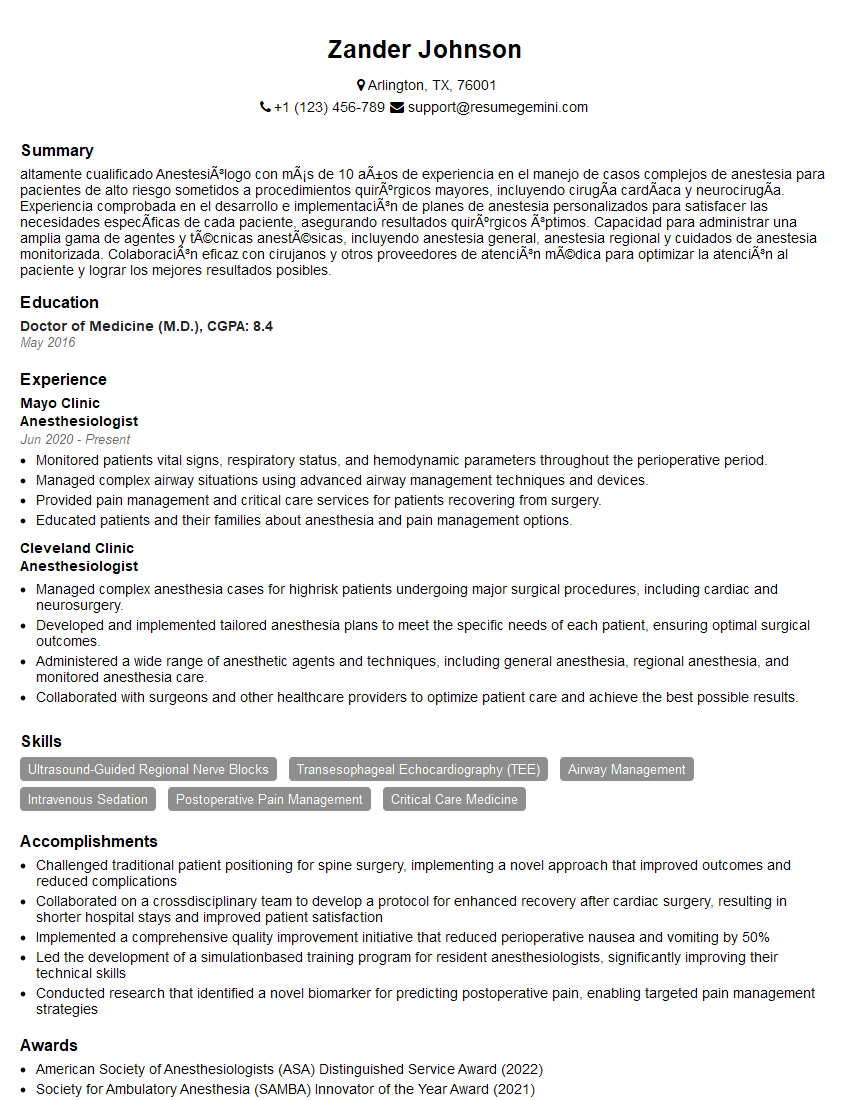
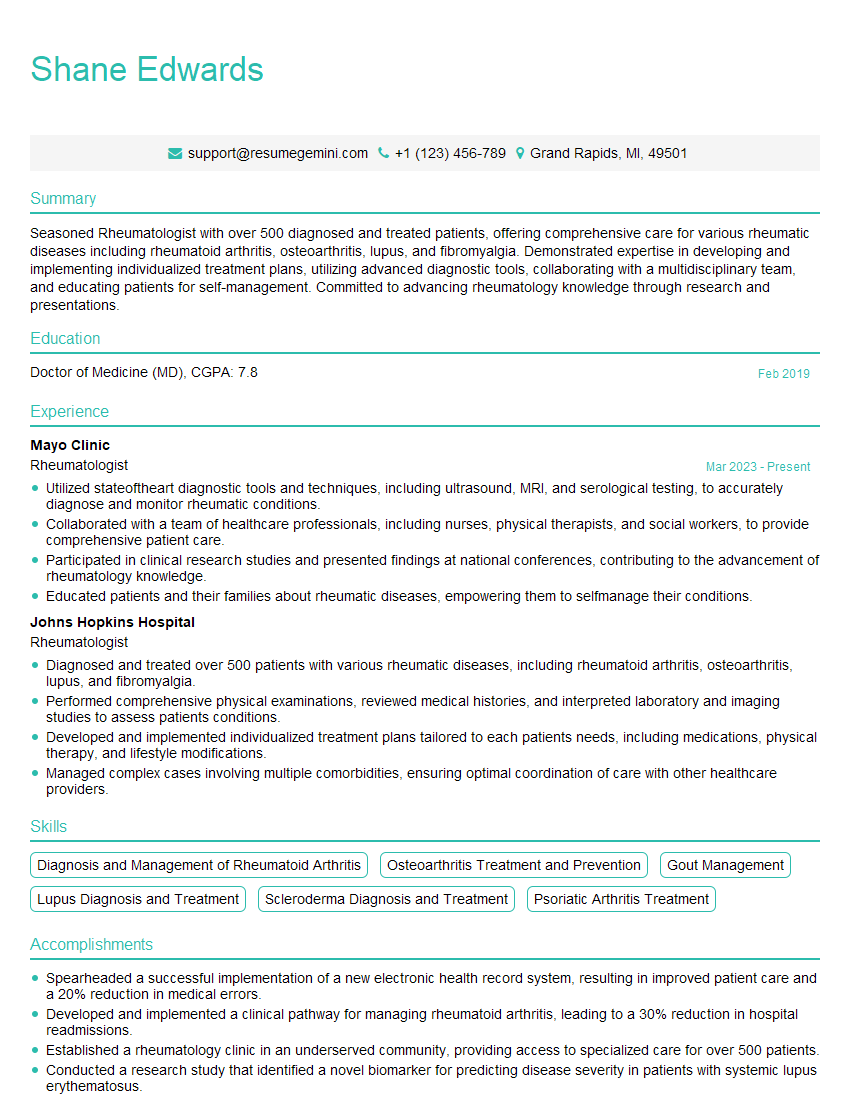
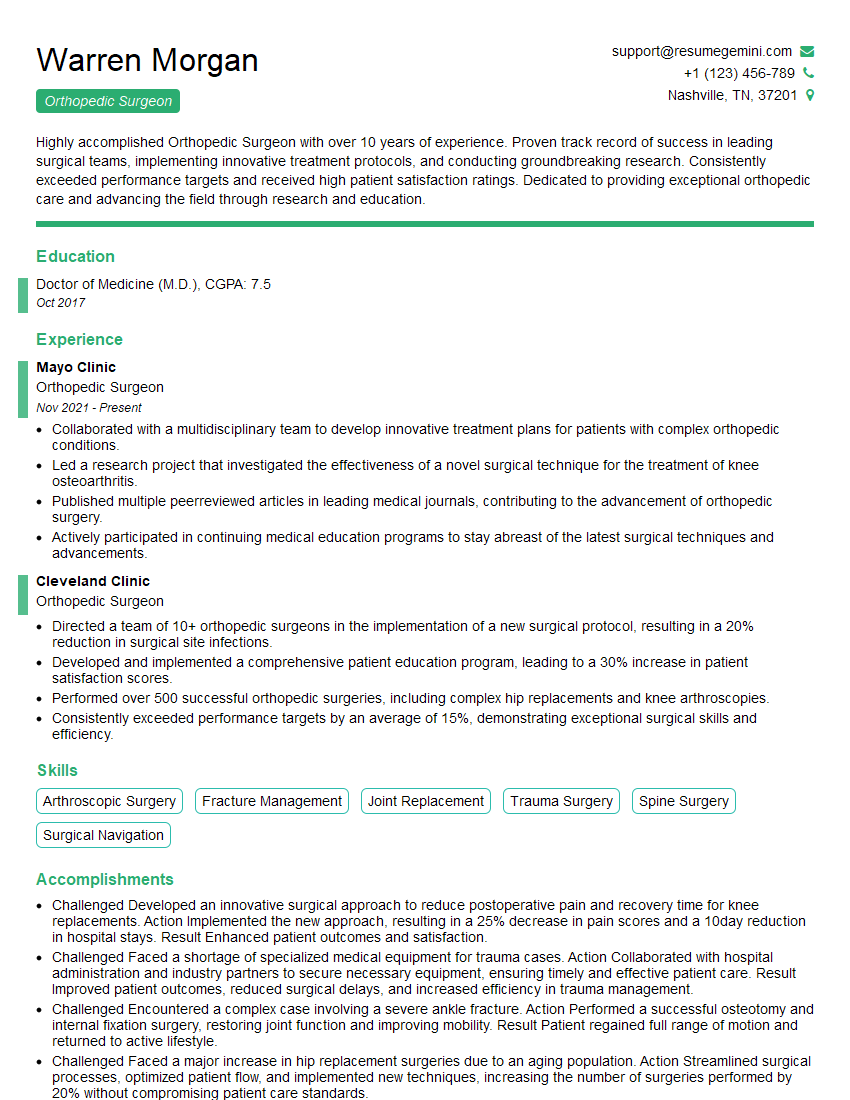
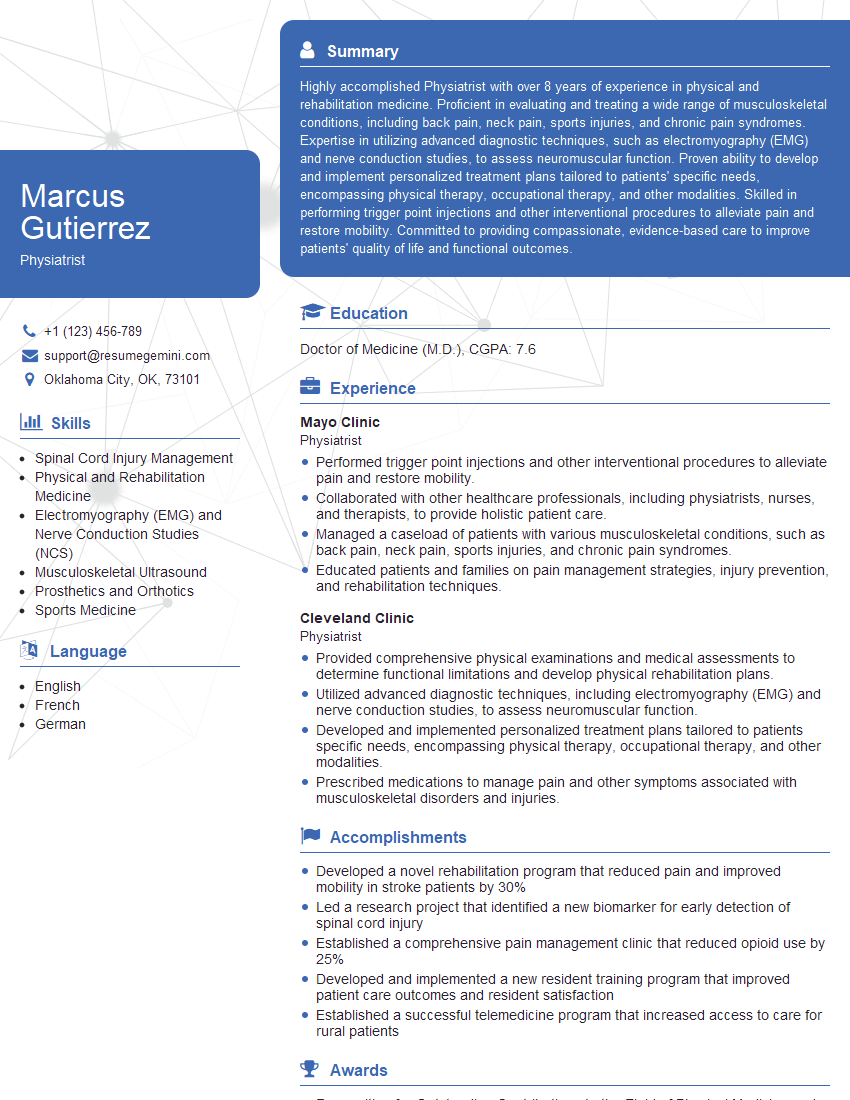
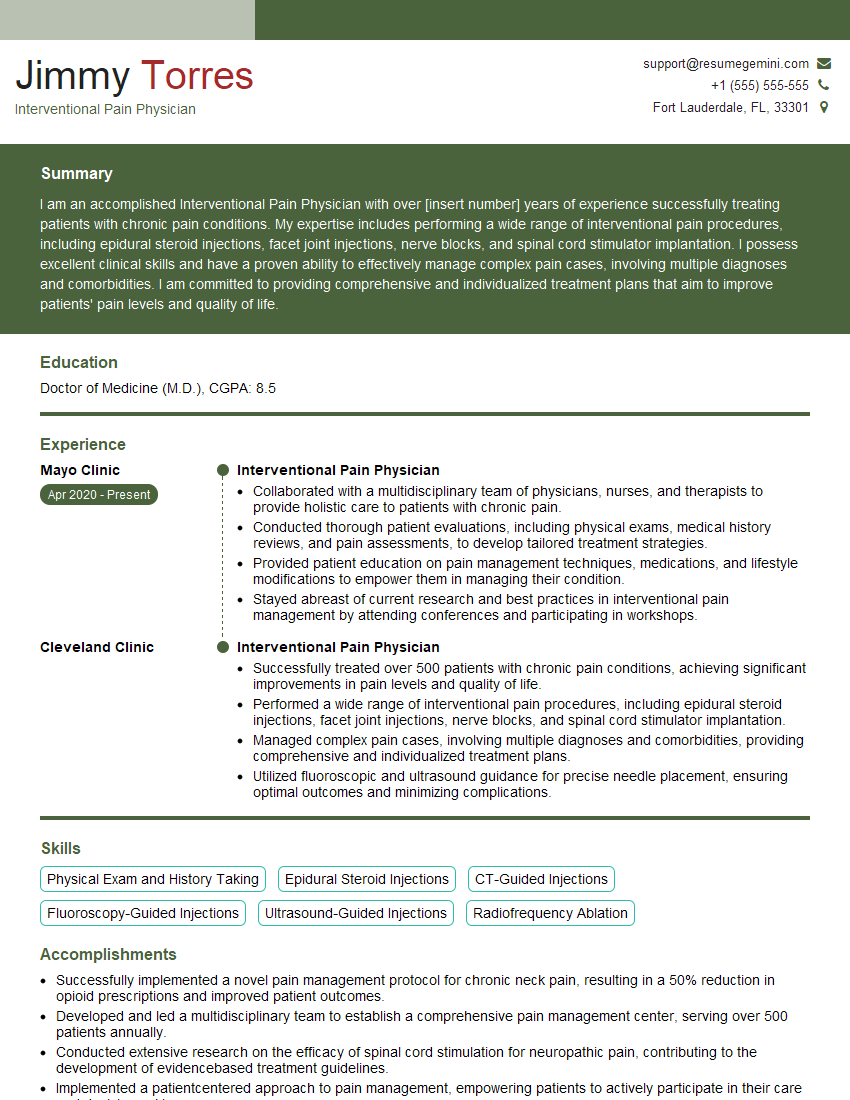
Mastering Musculoskeletal Injection Therapy is crucial for career advancement and opens doors to specialized roles with increased responsibility and earning potential. To maximize your job prospects, crafting an ATS-friendly resume is essential. ResumeGemini can significantly enhance your resume-building experience, providing tools and resources to create a professional and impactful document that highlights your skills and experience. Examples of resumes tailored to Musculoskeletal Injection Therapy are available, providing valuable templates and inspiration for your own resume creation.

Explore more articles
Users Rating of Our Blogs
Share Your Experience
We value your feedback! Please rate our content and share your thoughts (optional).
What Readers Say About Our Blog
To the interviewgemini.com Webmaster.
Very helpful and content specific questions to help prepare me for my interview!
Thank you
To the interviewgemini.com Webmaster.
This was kind of a unique content I found around the specialized skills. Very helpful questions and good detailed answers.
Very Helpful blog, thank you Interviewgemini team.