Are you ready to stand out in your next interview? Understanding and preparing for Music in Healthcare interview questions is a game-changer. In this blog, we’ve compiled key questions and expert advice to help you showcase your skills with confidence and precision. Let’s get started on your journey to acing the interview.
Questions Asked in Music in Healthcare Interview
Q 1. Describe your experience using music therapy interventions for patients with Alzheimer’s disease.
My experience with music therapy for Alzheimer’s patients centers on leveraging music’s power to access and stimulate preserved memory pathways. Many patients, even in advanced stages, retain strong emotional connections to music from their younger years. I’ve found that familiar songs, particularly those from their formative years (20s-40s), can evoke powerful emotional responses, triggering memories and enhancing engagement. For example, playing a patient’s favorite big band tune might elicit a smile, a tap of the foot, or even verbal reminiscences about past experiences associated with that music. The therapeutic benefits extend beyond simple emotional stimulation. Music-based activities like singing familiar songs together can improve cognitive function, reduce agitation, and promote a sense of calm and well-being. We often incorporate personalized playlists built around the patient’s life history, using interviews with family members to determine preferences and significant musical moments.
Q 2. Explain the different music therapy techniques you’re proficient in.
My proficiency spans a range of music therapy techniques. I regularly use receptive music therapy, where patients listen to pre-selected music tailored to their needs and preferences. This can involve relaxing classical music for anxiety reduction or lively, upbeat tunes to stimulate engagement. I’m also skilled in active music therapy, encouraging patients to participate actively through singing, playing instruments (even simple percussion instruments), or rhythmic movement. Improvisational music therapy is another key tool; it allows for spontaneous musical expression, which can be particularly beneficial in helping patients express emotions they might struggle to articulate verbally. Finally, music and movement activities, integrating music with physical movement like dance or simple stretches, are frequently employed to improve motor skills, coordination, and overall physical well-being.
Q 3. How do you assess a patient’s musical preferences and abilities before designing a treatment plan?
Assessing a patient’s musical preferences and abilities is crucial before developing any treatment plan. This involves a multi-faceted approach. First, I conduct thorough interviews with the patient (if capable) and their family or caregivers to gather information about their musical history, including favorite genres, artists, songs, and instruments. This creates a foundation for personalized playlists and activities. I then observe the patient’s responses to different types of music, noting their engagement levels, emotional reactions, and physical responses (like increased alertness or relaxation). Direct musical interaction – even simple exposure to various styles – provides invaluable insight into their abilities, preferences and current cognitive capacity. For example, if a patient responds positively to familiar melodies but struggles with complex rhythms, the treatment plan will prioritize simpler musical structures. I also consider any physical limitations, such as impaired hearing or motor skills, ensuring the chosen activities are achievable and safe.
Q 4. What are the ethical considerations in using music therapy within a healthcare setting?
Ethical considerations in music therapy are paramount. Confidentiality is essential; all patient information, including musical preferences and responses, must be kept strictly private. Informed consent is another vital aspect; patients (or their legal guardians) must understand the nature of the therapy, its potential benefits and risks, and be able to make autonomous decisions about participation. Maintaining professional boundaries is crucial, avoiding any inappropriate personal relationships with patients. Cultural sensitivity is essential to ensure the chosen music and activities are respectful of the patient’s background and beliefs. Furthermore, it’s ethically important to recognize the limitations of music therapy and to refer patients to other healthcare professionals if needed. It’s never a replacement for medical care, but a supportive adjunct.
Q 5. Describe a situation where you had to adapt your music therapy approach based on a patient’s response.
I recall a patient with severe anxiety who initially responded poorly to the calming classical music I’d planned. Instead of persisting, I observed her subtle cues – a slight tapping of her fingers to a more upbeat rhythm playing in the background. I then shifted the session to incorporate rhythmic drumming activities, which allowed for a more active and engaging experience. This proved far more effective in reducing her anxiety; the rhythmic focus seemed to channel her nervous energy into a constructive outlet. This highlighted the need for flexibility and ongoing assessment. We adapted to her preferences in the moment, which is key to successful therapeutic interactions.
Q 6. How do you document your music therapy sessions and track patient progress?
Documentation is critical. For each session, I maintain detailed written records including the patient’s responses to different musical stimuli, the chosen activities, the patient’s engagement level (both emotional and physical), and any observable changes in mood, behavior, or cognitive function. This might involve simple notes, or more formalized charting depending on facility protocols. These records track progress towards therapeutic goals, allowing for ongoing evaluation and adjustments to the treatment plan. We use a combination of subjective and objective measures. Subjective measures include observations of the patient’s mood and behavior, while objective measures may include things like standardized mood scales or recordings of the session to better quantify the patient’s responsiveness and engagement. This comprehensive documentation is crucial for communicating with other healthcare professionals and demonstrating the effectiveness of the music therapy interventions.
Q 7. What are the key differences between improvisational and receptive music therapy approaches?
Improvisational music therapy is active and spontaneous. The therapist and patient create music together, allowing for free expression of emotions and thoughts through sound. It’s a powerful tool for emotional release and self-discovery. It requires a high level of therapeutic skill and sensitivity. Receptive music therapy, on the other hand, involves listening to pre-selected music chosen to achieve specific therapeutic goals, such as relaxation, stimulation, or reminiscence. It doesn’t require active musical participation from the patient but rather utilizes the power of music to evoke desired emotional or cognitive responses. Both approaches are valuable, with the choice dependent on the patient’s needs, abilities, and therapeutic goals. For example, a patient struggling with anxiety might benefit from receptive music therapy with calming music, while a patient needing emotional expression could benefit from improvisational therapy.
Q 8. How do you collaborate with other healthcare professionals (e.g., physicians, nurses) in a multidisciplinary team?
Collaboration in a multidisciplinary healthcare team is crucial for effective patient care. As a music therapist, I actively participate in team meetings, contributing my expertise in using music to address a patient’s physical, emotional, and cognitive needs. I regularly communicate with physicians, nurses, and other therapists to share assessment findings, treatment plans, and progress updates. For instance, if a patient is experiencing anxiety post-surgery, I might collaborate with the physician to understand medication side effects that could influence the music therapy approach, while working with the nurses to create a calming environment for sessions. This integrated approach ensures a holistic treatment plan and allows us to adjust strategies based on the patient’s overall condition.
I believe in shared decision-making. I actively listen to other team members’ perspectives and integrate their input into my treatment plan. This collaborative spirit fosters mutual respect and strengthens the effectiveness of the entire therapeutic process. A recent example involved a stroke patient. The physical therapist informed me of the patient’s limited range of motion in their right arm. Knowing this, I adapted my music therapy sessions to incorporate activities that gently encouraged movement and improved hand-eye coordination, aligning perfectly with the physical therapy goals.
Q 9. Explain your understanding of evidence-based practices in music therapy.
Evidence-based practice (EBP) in music therapy means integrating the best available research with clinical expertise and patient preferences to deliver effective and ethical treatment. It involves a systematic process of searching for relevant research, critically evaluating its quality, and using the findings to guide my practice. I regularly consult peer-reviewed journals, databases like PubMed and research publications from organizations like the American Music Therapy Association (AMTA) to stay updated on the latest research findings. For instance, if I’m working with a patient with Alzheimer’s disease, I wouldn’t just rely on my intuition; I’d research the effectiveness of specific music interventions in improving memory recall and cognitive function in this population before deciding on my treatment approach.
EBP is not merely about applying research findings blindly. I also consider the unique needs and preferences of each patient, adapting evidence-based approaches to fit their individual circumstances. This involves establishing therapeutic relationships and openly discussing goals and preferences with the patient (or their family, if appropriate). This patient-centered approach ensures that the treatment plan is relevant, engaging and, most importantly, beneficial for the individual.
Q 10. How do you manage challenging patient behaviors during music therapy sessions?
Managing challenging patient behaviors requires a calm, empathetic, and flexible approach. I first try to understand the underlying cause of the behavior. Is the patient experiencing pain, frustration, anxiety, or a lack of understanding? Once I identify the potential trigger, I adapt the session accordingly. For example, if a patient becomes agitated during a session, I might switch to calmer music, reduce the intensity of the activity, or offer a brief rest period.
Communication is key. I use clear and concise language, ensuring the patient understands what’s expected of them during the session. If a patient displays disruptive behavior, I address it respectfully, while maintaining clear boundaries. I might say something like, “I understand you’re feeling frustrated, but let’s try to focus on the music for now.” If the behavior persists or escalates, I collaborate with the care team to explore alternative approaches or potentially refer to other specialists who could better address the issue. Safety is paramount, and I always prioritize the well-being of both the patient and myself.
Q 11. Describe your experience using technology in music therapy (e.g., software, assistive devices).
Technology plays an increasingly significant role in modern music therapy. I utilize various software and assistive devices to enhance the therapeutic process. For instance, I use music composition software to create personalized compositions tailored to a patient’s preferences and therapeutic goals. This might involve incorporating specific rhythms or melodies known to elicit positive emotional responses. Ableton Live and GarageBand are examples of software I utilize.
Assistive technology is also crucial when working with patients with physical limitations. For instance, adaptive musical instruments, such as adapted keyboards or percussion instruments, allow individuals with motor impairments to engage in music making. Likewise, I often utilize assistive listening devices to ensure clear audibility for patients with hearing difficulties. Integrating technology not only broadens the therapeutic options available but also strengthens patient engagement and participation, fostering a more enriching and effective therapeutic experience.
Q 12. How do you address cultural differences in music preferences and treatment approaches?
Addressing cultural differences is fundamental to ethical and effective music therapy. I begin by acknowledging and respecting the diversity of musical preferences and cultural beliefs. Before initiating treatment, I engage in a thorough cultural assessment, seeking to understand the patient’s background, musical experiences, and any cultural sensitivities related to music and healing. This might involve asking about their preferred genres, instruments, or musical traditions.
I actively incorporate culturally relevant music into therapy sessions, whenever appropriate and with the patient’s consent. For instance, I may use traditional folk songs or rhythms from a patient’s cultural background to create a sense of familiarity and comfort. I also tailor my therapeutic approach to align with the patient’s cultural values and beliefs, striving to provide culturally sensitive and appropriate care. Understanding cultural nuances ensures that the treatment is not only effective but also respectful and meaningful for the individual.
Q 13. What is your approach to maintaining professional boundaries with patients?
Maintaining professional boundaries is paramount in the therapeutic relationship. I strictly adhere to professional codes of ethics, establishing clear boundaries from the outset of treatment. This involves maintaining a professional demeanor, avoiding dual relationships (e.g., socializing outside of therapy sessions), and ensuring appropriate physical and emotional distance. I am always mindful of my role as a therapist and avoid any actions that could compromise the therapeutic relationship or blur professional boundaries.
I ensure transparency by openly discussing the nature and limits of the therapeutic relationship with patients. I explain my role, the goals of therapy, and the importance of confidentiality. I encourage open communication, so patients feel comfortable voicing any concerns or questions they might have about the therapeutic process or boundaries. This clear and consistent communication creates a safe and respectful therapeutic environment.
Q 14. How do you ensure patient confidentiality and adhere to HIPAA regulations?
Patient confidentiality is of utmost importance. I strictly adhere to HIPAA regulations and all relevant privacy laws. I ensure that all patient information, including medical records, treatment plans, and session notes, is stored securely and accessed only by authorized personnel. I use password-protected electronic health records and follow all procedures outlined by my organization to ensure compliance with HIPAA regulations.
During sessions, I avoid discussing patients with others outside of the treatment team, unless it is necessary for collaborative care and with the patient’s consent. All communications, both written and verbal, relating to patient information are handled with utmost discretion and professionalism. It’s not just a matter of following regulations; it’s about upholding my commitment to providing a safe and trusting space for my patients.
Q 15. What continuing education activities have you undertaken to enhance your music therapy skills?
Maintaining proficiency in music therapy requires continuous learning. I regularly engage in continuing education activities to stay abreast of the latest research and best practices. This includes attending workshops and conferences focused on specific areas like neurologic music therapy, music and palliative care, and trauma-informed music therapy. For instance, I recently completed a certification course on using improvisation techniques in trauma recovery. I also actively participate in online continuing education courses offered by organizations like the American Music Therapy Association (AMTA) and actively read peer-reviewed journals like the *Journal of Music Therapy*. These activities allow me to expand my therapeutic toolkit and adapt my approaches to meet the evolving needs of diverse patient populations.
Career Expert Tips:
- Ace those interviews! Prepare effectively by reviewing the Top 50 Most Common Interview Questions on ResumeGemini.
- Navigate your job search with confidence! Explore a wide range of Career Tips on ResumeGemini. Learn about common challenges and recommendations to overcome them.
- Craft the perfect resume! Master the Art of Resume Writing with ResumeGemini’s guide. Showcase your unique qualifications and achievements effectively.
- Don’t miss out on holiday savings! Build your dream resume with ResumeGemini’s ATS optimized templates.
Q 16. Describe your experience developing and implementing individual or group music therapy programs.
I have extensive experience developing and implementing both individual and group music therapy programs across various healthcare settings. In one instance, I developed an individualized music therapy program for a patient recovering from a stroke, focusing on improving fine motor skills and cognitive function through rhythmic activities and melodic dictation. This involved weekly sessions tailored to her progress, using instruments like hand drums and adapted keyboards. In a group setting, I facilitated a music therapy program for adolescents dealing with anxiety, utilizing songwriting and group improvisation to foster self-expression and emotional regulation. This involved creating a safe and supportive environment where participants could share their experiences through music. My programs always incorporate a thorough assessment of the patient’s needs and preferences, a collaborative approach with the healthcare team, and regular evaluation of progress to ensure optimal outcomes.
Q 17. How do you measure the effectiveness of your music therapy interventions?
Measuring the effectiveness of music therapy interventions is crucial. I utilize a multifaceted approach that combines both quantitative and qualitative data. Quantitative methods include using standardized assessment tools to track changes in specific areas like pain levels (using visual analog scales), mood (using standardized mood questionnaires), and cognitive function (using neuropsychological tests). For example, I might use the Profile of Mood States (POMS) to measure changes in mood before and after a session. Qualitative data is gathered through observations of patient behavior, clinical notes, and direct feedback from the patient and their family. This combined approach provides a holistic picture of the impact of the intervention. For instance, observing a patient’s increased engagement in daily activities following a series of music therapy sessions is a valuable qualitative indicator of effectiveness, alongside any numerical improvements in standardized test scores.
Q 18. Explain your understanding of the role of music in pain management.
Music plays a significant role in pain management by influencing both the physiological and psychological aspects of pain experience. Physiologically, music can affect the autonomic nervous system, potentially reducing heart rate and blood pressure, which can indirectly lessen the perception of pain. Psychologically, music can distract from pain, create a sense of relaxation and control, and foster positive emotions that help manage the emotional distress associated with pain. For example, slow-tempo music with calming melodies can induce relaxation and reduce anxiety, while rhythmic music can be used for distraction during painful procedures. The choice of music is personalized based on the patient’s preferences and the specific type of pain being managed.
Q 19. How do you address patient anxiety and stress through music therapy?
Music therapy offers effective strategies for addressing patient anxiety and stress. Techniques include guided imagery with music, where patients are guided to visualize relaxing scenes while listening to calming music. Relaxation exercises combined with breathing techniques and soothing music can reduce muscle tension and promote a sense of calm. Improvisational music therapy can provide a safe outlet for emotional expression, allowing patients to process their feelings through music creation. Furthermore, listening to preferred music can provide a sense of comfort and familiarity, reducing feelings of isolation and anxiety. The specific technique used depends on the individual’s needs and preferences, ensuring the therapeutic approach is tailored and effective.
Q 20. Explain your experience using music therapy to improve communication skills in patients.
Music therapy can significantly improve communication skills in patients with various communication challenges. For patients with aphasia (language impairment), for example, melodic intonation therapy (MIT) can help them re-establish spoken language by utilizing the preserved melodic aspects of their brain function. Singing familiar songs or using rhythmic cues can aid in verbal expression. For nonverbal patients, music can facilitate non-verbal communication through active listening, instrumental playing, or rhythmic movement. Observing their responses to different musical stimuli can provide valuable insights into their emotions and preferences, leading to improved understanding and interaction. The approach adapts to the patient’s individual communication abilities, using music as a bridge to facilitate expression and interaction.
Q 21. How do you adapt music therapy techniques for patients with physical disabilities?
Adapting music therapy techniques for patients with physical disabilities requires careful consideration of their individual limitations and capabilities. For patients with limited mobility, adapted instruments or assistive technologies can be used. For instance, a patient with limited hand function might use adapted percussion instruments or a keyboard with switches. For patients with visual impairments, auditory cues and tactile instruments are emphasized. Vocal exercises might be modified to accommodate respiratory limitations. The focus remains on maximizing participation and fostering creative expression within the patient’s physical constraints. The ultimate aim is to provide a therapeutic experience that is inclusive, empowering, and beneficial regardless of the patient’s physical limitations.
Q 22. What are your strengths and weaknesses as a music therapist?
My greatest strengths as a music therapist lie in my ability to build rapport with patients, adapt my approach to diverse needs, and creatively integrate music into therapeutic interventions. I’m highly proficient in various music therapy techniques, including improvisational music therapy, receptive music therapy, and songwriting. I excel at assessing patients’ musical preferences and using them to tailor sessions. For example, I recently worked with a young adult struggling with anxiety who responded remarkably well to calming instrumental music, specifically nature soundscapes. We used this as a foundation to explore relaxation techniques.
However, like all professionals, I also recognize areas for growth. My weakness is sometimes over-committing, taking on too many patients at once. I’m actively working on refining my time management skills and learning to delegate when appropriate to ensure optimal care for all my patients. This involves better use of scheduling software and strategic prioritization of tasks.
Q 23. What are your salary expectations for this position?
My salary expectations align with the industry standard for experienced music therapists with my qualifications and experience in this region. I am open to discussing a competitive salary range based on the specifics of the position and benefits package offered.
Q 24. Why are you interested in this specific music therapy position?
I’m deeply interested in this specific music therapy position because of [Organization’s Name]’s commitment to [mention specific aspect of the organization’s mission or values that resonates with you, e.g., innovative treatment approaches, community outreach, specific patient population]. The opportunity to work within a collaborative team focused on [mention specific team goal or project] aligns perfectly with my career goals and passion for providing high-quality, evidence-based music therapy. I am particularly drawn to the opportunity to [mention specific aspect of the job description that excites you, e.g., develop new programs, work with a specific technology, mentor junior therapists].
Q 25. Describe your experience with [Specific software or technology relevant to the job description].
I have extensive experience using [Specific software or technology, e.g., Music Therapist’s Assistant (MTA) software]. I’m proficient in utilizing its features for charting, progress tracking, session planning, and generating reports. For instance, I used MTA to meticulously document a client’s progress in reducing anxiety symptoms through guided imagery set to calming music. The software’s data visualization tools allowed me to clearly demonstrate the efficacy of the intervention to the client’s physician. I’m also comfortable learning new software and integrating technology to enhance the effectiveness of my therapeutic practice.
Q 26. What is your preferred music therapy approach for [Specific patient population mentioned in job description]?
My preferred music therapy approach for [Specific patient population, e.g., children with autism spectrum disorder] is a multi-modal approach that combines elements of improvisational music therapy and receptive music therapy. With improvisational therapy, I provide a safe space for the child to express themselves non-verbally through music, fostering communication and emotional regulation. Receptive music therapy, using carefully selected music pieces, can help to calm or stimulate the child depending on their needs, improving focus and self-regulation. The approach is always individualized, tailoring the music and techniques to the specific needs and preferences of each child.
For example, with one autistic child, I found that improvising on a keyboard alongside them, matching their energy and tempo, helped them feel safe and engaged. We then transitioned to using calming classical music during periods of heightened anxiety.
Q 27. How do you handle situations where a patient is resistant to music therapy?
Patient resistance to music therapy is common and requires a sensitive and adaptable approach. I begin by actively listening to understand the reasons for their resistance. This might involve open-ended questions about their feelings towards music and therapy in general. It is crucial to respect their boundaries and preferences. Then, I offer alternative approaches, perhaps exploring different genres of music, instruments, or activities within a music therapy session. Collaboration is key—we work together to find a therapeutic entry point that feels comfortable and safe for the patient. For example, I’ve had patients initially hesitant about singing who later found comfort in playing percussion instruments. The key is patience, understanding, and flexibility.
Q 28. How do you ensure the safety of your patients during music therapy sessions?
Ensuring patient safety during music therapy sessions is paramount. This involves several key steps: First, a thorough assessment of the patient’s physical and emotional state is conducted before each session. This helps identify any potential risks or safety concerns. The therapeutic environment is designed to be safe and comfortable, free from hazards. I closely monitor patients during sessions, paying attention to their verbal and non-verbal cues. If any signs of distress or discomfort arise, I immediately adjust the session accordingly. I also adhere to all relevant professional ethical guidelines and regulations to maintain a safe therapeutic environment. Furthermore, I maintain clear communication with the patient’s care team to ensure collaboration and coordination of care.
Key Topics to Learn for Your Music in Healthcare Interview
- Therapeutic Applications of Music: Understand the diverse ways music therapy is used in various healthcare settings (hospitals, rehabilitation centers, private practice), including pain management, stress reduction, and emotional regulation. Explore different music therapy techniques and their effectiveness.
- Music and Neurological Conditions: Learn about the impact of music on patients with neurological conditions like Alzheimer’s disease, Parkinson’s disease, and stroke. Explore how music can improve cognitive function, motor skills, and communication.
- Music and Psychological Well-being: Investigate the role of music in addressing mental health challenges such as anxiety, depression, and trauma. Consider different musical approaches for different patient populations and therapeutic goals.
- Ethical Considerations in Music Therapy: Familiarize yourself with the ethical guidelines and professional standards governing music therapy practice. This includes issues of confidentiality, informed consent, and cultural sensitivity.
- Assessment and Treatment Planning: Understand the process of assessing a patient’s musical preferences and needs, and developing an individualized music therapy treatment plan. This includes goal setting, intervention strategies, and evaluation methods.
- Research and Evidence-Based Practice: Explore the research supporting the effectiveness of music therapy in various healthcare contexts. Be prepared to discuss current research trends and their implications for clinical practice.
- Interprofessional Collaboration: Understand the importance of collaboration with other healthcare professionals (doctors, nurses, physical therapists, etc.) to provide holistic patient care. Be prepared to discuss effective communication and teamwork skills.
Next Steps
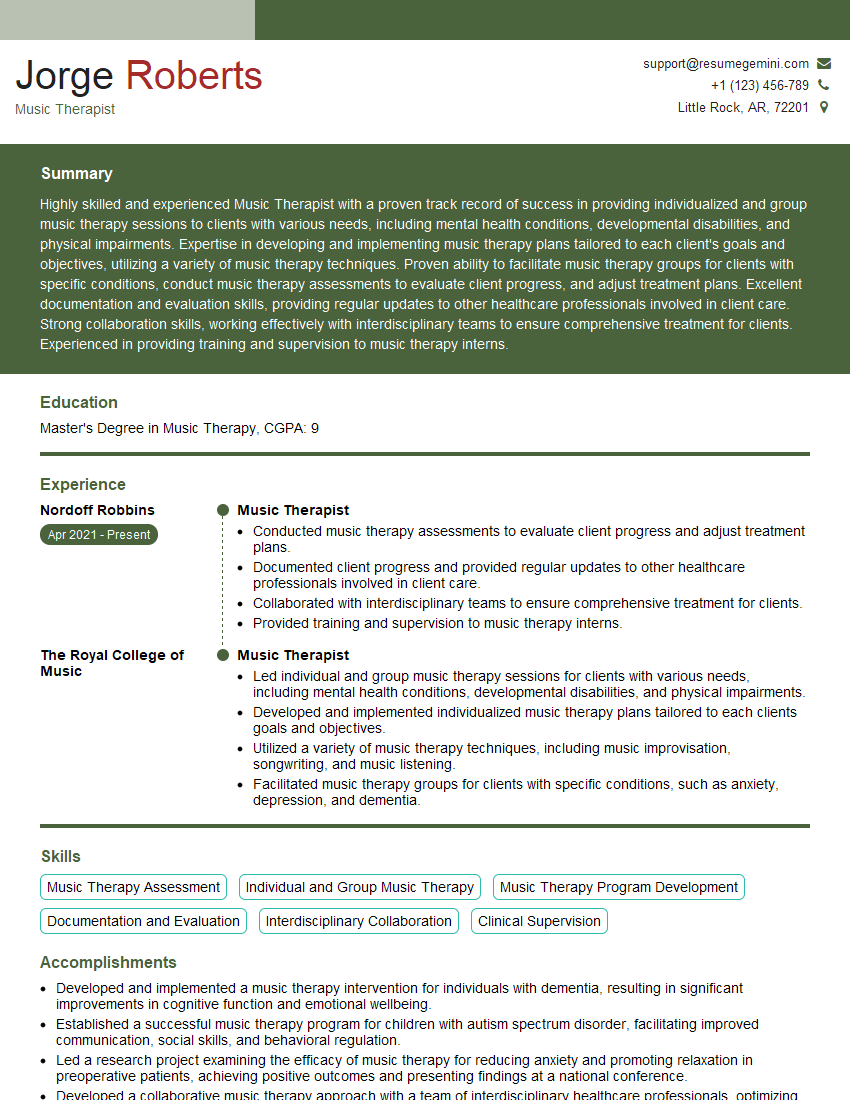
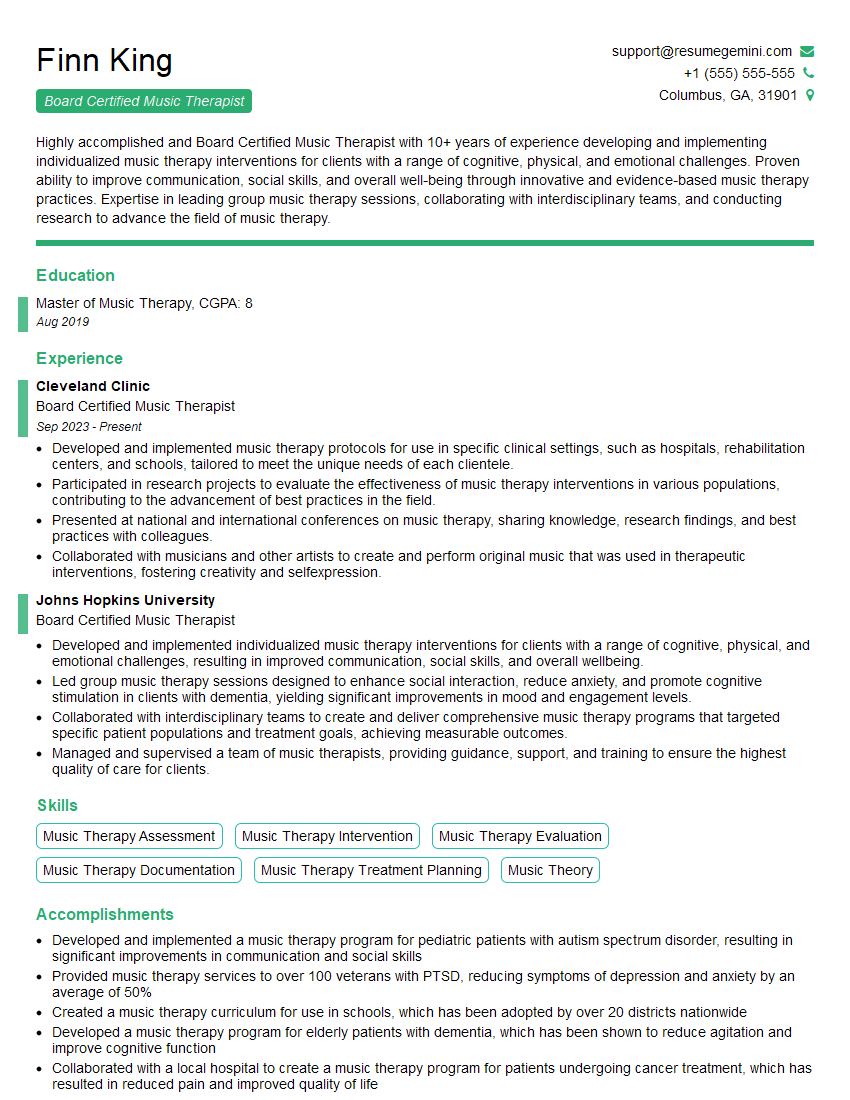
Mastering the principles of Music in Healthcare opens doors to rewarding and impactful careers. To maximize your job prospects, it’s crucial to present your skills and experience effectively. Creating an ATS-friendly resume is essential for getting your application noticed by potential employers. ResumeGemini is a trusted resource to help you build a professional and impactful resume that showcases your unique qualifications. We provide examples of resumes tailored to Music in Healthcare to guide you through the process. Take the next step towards your dream career – build a winning resume with ResumeGemini today!
Explore more articles
Users Rating of Our Blogs
Share Your Experience
We value your feedback! Please rate our content and share your thoughts (optional).
What Readers Say About Our Blog
To the interviewgemini.com Webmaster.
Very helpful and content specific questions to help prepare me for my interview!
Thank you
To the interviewgemini.com Webmaster.
This was kind of a unique content I found around the specialized skills. Very helpful questions and good detailed answers.
Very Helpful blog, thank you Interviewgemini team.