The right preparation can turn an interview into an opportunity to showcase your expertise. This guide to Music Therapy for Speech and Language Disorders interview questions is your ultimate resource, providing key insights and tips to help you ace your responses and stand out as a top candidate.
Questions Asked in Music Therapy for Speech and Language Disorders Interview
Q 1. Describe your experience using music therapy to improve articulation.
Improving articulation through music therapy involves leveraging the inherent rhythmic and melodic structures of music to enhance speech production. We use techniques like rhythmic speech exercises, where clients match their speech to a rhythmic pattern played on an instrument or a metronome. This helps improve timing and coordination of speech movements. For example, a client struggling with /s/ sounds might practice saying the word “sun” while simultaneously clapping along to a steady beat. This rhythmic cueing helps them produce the sound more accurately and consistently. We also use melodic intonation therapy (MIT), where speech is embedded within a melody. The melodic contour provides a supportive framework for accurate speech sound production, particularly beneficial for clients with apraxia or dysarthria. Think of it like singing a sentence; the melody acts as scaffolding, making articulation easier.
I’ve found that incorporating songs with repetitive phrases and clear pronunciation further aids articulation. A child struggling with consonant blends might readily sing “Peter Piper picked a peck of pickled peppers” because the song’s inherent rhythm and repetition make it less cognitively demanding than isolated word practice. The fun, engaging aspect of music also promotes motivation and adherence to therapy.
Q 2. Explain your approach to assessing a client’s speech and language needs using music therapy.
Assessing a client’s speech and language needs using music therapy begins with a comprehensive evaluation that goes beyond traditional speech tests. We start by observing the client’s spontaneous vocalizations, noting their pitch, rhythm, and intonation. Then, we engage them in informal singing and musical activities to gauge their vocal range, melodic ability, and rhythmic understanding. These observations can highlight strengths and challenges that might not surface during standard speech assessments. For example, a client may exhibit limited spontaneous speech but readily sing along to familiar tunes, revealing preserved melodic intonation.
Next, we use formal assessments adapted to the musical context. This can include singing specific words or phrases, playing rhythm patterns on instruments, or participating in improvisational activities. These structured tasks allow us to quantify their vocal capabilities, rhythmic accuracy, and their ability to integrate speech with music. This data, combined with information gathered from caregivers and other professionals, paints a holistic picture of the client’s strengths, challenges, and preferences, informing the personalized music therapy plan.
Q 3. What music therapy techniques are most effective for treating apraxia of speech?
Apraxia of speech, a motor speech disorder affecting speech planning and programming, responds well to specific music therapy techniques. Melodic Intonation Therapy (MIT) is a cornerstone of treatment. By embedding speech into a melody, we bypass some of the motor planning difficulties, allowing clients to produce speech more easily. The melodic contour provides a scaffold, guiding the articulation process. We gradually reduce melodic support as the client progresses, transferring the skills to spoken language.
Rhythmic cueing, using instruments or a metronome to provide a rhythmic framework, is equally effective. This helps improve timing and sequencing of speech sounds. For instance, we might use a rhythmic pattern to support the client in saying a target phrase, progressively fading the rhythmic cue as their ability improves. Singing familiar songs, and then adapting them to include the target sounds or words, can also be beneficial. The familiar melody reduces the cognitive load, allowing the client to focus on the articulation. These approaches promote neuroplasticity, helping to retrain the brain to produce speech more effectively.
Q 4. How do you adapt music therapy interventions for clients with various cognitive abilities?
Adapting music therapy for clients with diverse cognitive abilities is crucial for effective intervention. We begin by understanding the client’s cognitive profile. For clients with mild cognitive impairments, we might adapt complex songs into simpler forms or use visual aids alongside musical activities. For individuals with more significant cognitive impairments, we focus on simpler musical elements like rhythm and vocalization, incorporating repetitive patterns and sensory experiences. This might involve using simple percussion instruments or singing simple songs with repetitive phrases.
The key is to choose activities that are stimulating and engaging but not overwhelming. We assess the client’s attention span and adjust the session length and complexity accordingly. We might break down tasks into smaller, more manageable steps, offering positive reinforcement after each successful attempt. For example, a client with dementia might not be able to learn a new song, but they might enjoy singing along to a familiar lullaby, stimulating positive memories and enhancing engagement.
Q 5. Discuss your experience using music therapy with clients with autism spectrum disorder.
Music therapy offers a unique avenue for engaging clients with Autism Spectrum Disorder (ASD). Many individuals with ASD find comfort and connection through music, making it an ideal therapeutic modality. We often use music to enhance communication skills, emotional regulation, and social interaction. For example, we might use songs to practice turn-taking, a critical component of social communication. A simple back-and-forth song, where the client and therapist take turns singing different lines, promotes turn-taking and reciprocal interaction.
Sensory integration is another key element. Music’s inherent sensory richness can be calming or stimulating, depending on the chosen instruments and musical styles. We tailor our approach to the individual’s sensory sensitivities, using calming music for anxiety reduction or more rhythmic, stimulating music to enhance engagement and focus. Music-assisted movement activities can help improve gross and fine motor skills, often impaired in individuals with ASD. We might use instruments like shakers or drums to accompany simple movements or dance routines, promoting body awareness and coordination.
Q 6. Explain your understanding of the evidence-based practices in music therapy for speech and language disorders.
Evidence-based practice in music therapy for speech and language disorders relies heavily on research demonstrating the efficacy of specific techniques. Melodic Intonation Therapy (MIT) for aphasia has a robust evidence base, showcasing its effectiveness in improving expressive language. Similarly, the use of rhythmic cueing for apraxia of speech is supported by numerous studies. The effectiveness of music therapy often stems from its multisensory approach; activating multiple areas of the brain, promoting neural plasticity, and facilitating recovery.
However, it’s crucial to recognize that while music therapy shows promise, a holistic approach is necessary. Music therapy is frequently used in conjunction with traditional speech and language therapy techniques to maximize positive outcomes. This combined approach leverages the strengths of both therapies, resulting in a more comprehensive and individualized treatment plan. Continuous monitoring and evaluation are critical to adapt interventions and measure progress, aligning with the principles of evidence-based practice.
Q 7. How do you incorporate client preferences and goals into your music therapy sessions?
Client preferences and goals are paramount in music therapy. Every session begins with an assessment of the client’s interests and preferences. We inquire about their favorite songs, musical styles, and instruments. This information is then integrated into the session plans, creating a personalized experience that enhances engagement and motivation. For instance, if a client loves rock music, we might use rock songs to practice articulation or rhythmic skills.
Collaboratively setting achievable goals is crucial. We work with the client (and their caregivers, if appropriate) to identify realistic and meaningful targets. These goals might focus on improved articulation, increased vocalization, or enhanced social communication skills. Regular feedback sessions ensure that the therapy remains aligned with the client’s progress and evolving needs. We continuously adapt the sessions based on their feedback and progress, making the process both effective and enjoyable. The client’s active participation in shaping the therapy ensures its relevance and success.
Q 8. Describe a situation where you had to modify a music therapy plan due to client progress or challenges.
Modifying a music therapy plan is a crucial aspect of providing effective and individualized care. It’s not a sign of failure, but rather a testament to the dynamic nature of therapy and the client’s unique journey. For example, I once worked with a young boy with apraxia of speech who initially responded well to rhythmic vocalizations and simple songs to improve his articulation. However, after several sessions, his progress plateaued. He became frustrated with the repetitive nature of the exercises. To address this, we shifted the focus to songwriting. This allowed him to express himself creatively, explore language in a less structured way, and improve his prosody and overall communication skills. The change involved incorporating his interests (cars and dinosaurs!) into song lyrics and using instruments to provide a sensory-motor experience. This modification, based on observation of his frustration and lack of progress, proved significantly more motivating and resulted in renewed progress. We then gradually reintroduced some of the earlier rhythmic exercises, but within the context of his self-composed songs, ensuring they remained engaging.
Q 9. What are the ethical considerations in using music therapy with vulnerable populations?
Ethical considerations are paramount when working with vulnerable populations in music therapy. Confidentiality is crucial. I always ensure that all interactions are conducted in a private and safe space, and that any information shared by the client or their family remains strictly confidential, adhering to HIPAA regulations. Informed consent is another key element. This involves explaining the therapy process, potential benefits and risks, and ensuring the client or their legal guardian fully understands and agrees to participate. Building trust and rapport is essential, particularly with individuals who have experienced trauma or have difficulty communicating. This requires sensitivity, patience, and a non-judgmental approach. Cultural sensitivity is also important – understanding the client’s background, beliefs and preferences to ensure the music therapy is culturally appropriate and avoids causing unintentional harm or offense. Additionally, maintaining professional boundaries is critical; this includes clear communication about the therapeutic relationship and avoiding dual relationships.
Q 10. How do you document client progress in music therapy for speech and language disorders?
Documentation is vital for tracking progress and ensuring accountability. My documentation includes a comprehensive initial assessment which outlines the client’s speech and language abilities, musical preferences, and therapeutic goals. Then, for each session, I record specific objectives, the music therapy interventions used, the client’s responses, and any observable changes in their speech, language, or overall communication skills. I use a combination of qualitative and quantitative data. Quantitative data might involve tracking the number of words spoken, the accuracy of articulation, or improvements in vocal range or fluency. Qualitative data includes observations on the client’s engagement, motivation, emotional responses, and overall participation. This information is then synthesized into progress reports, which are shared with the client, their family, and other healthcare professionals involved in their care. These reports may include graphs charting progress over time or samples of the client’s work, such as song lyrics or instrumental performances. The overall aim is to paint a comprehensive picture of the client’s journey and highlight the effectiveness of the music therapy interventions.
Q 11. How do you collaborate with other healthcare professionals (SLPs, OTs, etc.)?
Collaboration is essential for providing holistic care. I regularly communicate with Speech-Language Pathologists (SLPs), Occupational Therapists (OTs), and other professionals involved in a client’s care. This collaboration often starts with an initial meeting to discuss the client’s strengths, challenges, and overall therapeutic goals. We might share assessment data, discuss intervention strategies, and coordinate our efforts to avoid duplication and ensure a consistent approach. Regular communication, perhaps through written reports or case conferences, enables us to monitor the client’s progress and adjust our interventions as needed. For instance, if the OT observes improved fine motor skills, I might incorporate activities that require more complex instrumental play. Similarly, if the SLP notices improvement in articulation, we may adjust the music therapy targets to focus on more complex linguistic structures. This collaborative approach ensures that the client receives a comprehensive and integrated treatment plan.
Q 12. Explain your understanding of different musical approaches used in speech and language therapy (e.g., singing, songwriting, instrumental play).
Various musical approaches are used, each with its strengths. Singing is excellent for developing vocal skills, improving breath support, and enhancing articulation. It allows for natural repetition and the incorporation of rhythm and melody to support language acquisition. Songwriting is a powerful tool for self-expression and creativity. It encourages language development through the creation of lyrics, and it can help clients express emotions and experiences they may find challenging to articulate verbally. Instrumental play offers a non-vocal avenue for expression and communication. It can improve fine motor skills, coordination, and timing, which are all beneficial for speech and language development. The choice of approach depends on the client’s individual needs, abilities, and preferences. For example, a client with receptive language challenges might benefit from receptive music therapy, like listening to music with specific instructions, while a client with expressive language difficulties might thrive on creating music themselves. I tailor my approach to meet the client’s specific goals, making sure that it is enjoyable and engaging.
Q 13. How do you measure the effectiveness of your music therapy interventions?
Measuring effectiveness involves a multi-faceted approach. We rely on both subjective and objective measures. Subjective measures include client and family reports, observations of changes in mood, communication, and participation. Objective measures involve standardized assessments of speech and language skills, pre- and post-intervention comparisons of articulation accuracy, vocabulary, or fluency, and quantifiable data collected during sessions, such as number of words produced or successful communication attempts. I also use informal measures like observing the client’s engagement, their ability to follow instructions, and their overall confidence in their communication abilities. The most important measure is the client’s improvement in their day-to-day communication and quality of life. By combining these various approaches, I can build a comprehensive picture of the effectiveness of the music therapy interventions and inform further treatment planning.
Q 14. Describe your experience with different types of music therapy assessment tools.
My experience encompasses a range of assessment tools. Formal assessments may include standardized speech and language tests adapted for use within a musical context, such as evaluating articulation during singing or assessing language comprehension through musical tasks. Informal assessments are also frequently used, such as observing spontaneous vocalizations, assessing a client’s response to different musical stimuli, and evaluating their performance on musical tasks. For example, I might use a structured observation checklist to gauge a client’s ability to maintain rhythm, follow musical cues, or express emotions through music. Furthermore, I create personalized assessments that are tailored to the individual client’s needs and goals, perhaps focusing on specific aspects of speech and language such as prosody or fluency. The choice of assessment tool depends on the client’s age, abilities, and specific therapeutic goals.
Q 15. What are the limitations of using music therapy for speech and language disorders?
While music therapy offers significant benefits for speech and language disorders, it’s crucial to acknowledge its limitations. It’s not a standalone cure and shouldn’t be presented as such. Success depends heavily on factors like the client’s motivation, the severity and type of disorder, and the therapist’s skill.
- Individual Differences: Responses to music therapy vary greatly. What works wonders for one client might be ineffective for another. For example, a client with severe apraxia of speech might benefit less from melodic intonation therapy compared to a client with mild phonological disorders.
- Co-occurring Conditions: The presence of other conditions, such as autism spectrum disorder or intellectual disabilities, can influence the effectiveness of music therapy. These conditions may impact a client’s ability to engage or respond to the therapeutic process.
- Resource Limitations: Access to qualified music therapists, appropriate resources, and consistent therapy sessions are essential. Limited resources can hinder the effectiveness and sustainability of treatment.
- Measurement Challenges: Quantifying the precise impact of music therapy can be challenging. While we see improvements, objectively measuring those improvements requires standardized assessments and ongoing monitoring.
For instance, I once worked with a young boy who had significant receptive language delays. While music therapy helped improve his engagement and overall communication, it didn’t completely resolve his underlying receptive language challenges; he needed concurrent speech therapy to address that specific issue. It’s crucial to work collaboratively with other professionals for comprehensive care.
Career Expert Tips:
- Ace those interviews! Prepare effectively by reviewing the Top 50 Most Common Interview Questions on ResumeGemini.
- Navigate your job search with confidence! Explore a wide range of Career Tips on ResumeGemini. Learn about common challenges and recommendations to overcome them.
- Craft the perfect resume! Master the Art of Resume Writing with ResumeGemini’s guide. Showcase your unique qualifications and achievements effectively.
- Don’t miss out on holiday savings! Build your dream resume with ResumeGemini’s ATS optimized templates.
Q 16. How do you handle client resistance or frustration during music therapy sessions?
Client resistance or frustration is a common challenge in any therapy, including music therapy. It’s crucial to understand the underlying cause of the resistance. Is it related to the activity itself, the therapeutic relationship, or an underlying emotional issue?
- Active Listening and Empathy: I begin by actively listening to the client and validating their feelings. Creating a safe and non-judgmental environment is paramount. Sometimes, simply acknowledging their frustration helps diffuse the situation.
- Adapting the Approach: If the resistance stems from a specific activity, I might modify it, offering alternative musical styles, instruments, or activities. Perhaps they are overwhelmed by a complex song; simplifying it or focusing on a smaller component can make it more manageable.
- Collaboration and Choice: Offering choices empowers the client and increases their sense of control. For example, “Would you prefer to sing this song or play these instruments?” This simple act can drastically increase engagement.
- Setting Realistic Goals: If frustration arises from unmet expectations, it’s important to establish realistic goals and celebrate small victories along the way.
- Breaks and Non-Musical Activities: Sometimes, a break from musical activities is necessary. Incorporating brief periods of non-musical activities that are engaging and relaxing can help reduce frustration and reset the session.
I remember a client who initially resisted singing. We started with instrumental activities, allowing her to explore sounds and rhythms without the pressure of vocalization. Gradually, we introduced singing, starting with simple songs and using percussion instruments to reinforce the rhythm. Through patient adaptation and collaboration, she eventually began to enjoy singing and made significant progress.
Q 17. What is your understanding of neurologic music therapy and its applications?
Neurologic music therapy (NMT) is a specialized approach that utilizes music to address cognitive, sensory, and motor impairments resulting from neurological conditions. It’s grounded in the understanding of brain plasticity and how music interacts with the brain’s neural pathways.
- Applications: NMT is applied to various conditions like stroke, traumatic brain injury, Parkinson’s disease, and Alzheimer’s disease. It can help improve:
- Communication skills (speech and language)
- Motor skills (coordination, dexterity)
- Cognitive functions (attention, memory)
- Emotional regulation
- Techniques: NMT often uses structured techniques, including rhythmic auditory stimulation (RAS) for improving gait and speech, melodic intonation therapy (MIT) for improving fluency in aphasia, and other specialized interventions based on the individual’s needs and diagnosis.
- Evidence Base: While research supporting the efficacy of NMT is growing, it’s vital to select interventions supported by scientific evidence. Careful assessment and monitoring of progress are crucial.
For example, RAS uses rhythmic auditory cues to synchronize movement, particularly beneficial in rehabilitation post-stroke. The rhythmic beat helps re-establish neural connections responsible for motor control.
Q 18. Describe your experience using technology (e.g., apps, software) in music therapy sessions.
Technology has significantly enhanced music therapy. I use various apps and software to enhance engagement and personalize treatment plans.
- Music creation and composition software: Programs like GarageBand and Ableton Live allow clients to create their own music, fostering creativity and self-expression while targeting specific speech and language goals. For example, a client might compose a song about their feelings, incorporating specific vocabulary targets.
- Interactive music games and apps: Numerous apps offer engaging activities that incorporate music and speech elements. These apps can be tailored to address specific goals, such as improving articulation, vocabulary, or auditory processing.
- Telehealth platforms: Platforms like Zoom or Skype allow for remote music therapy sessions, extending access to care for individuals with limited mobility or geographic constraints. I can share screens to display lyrics, musical notation, or interactive exercises.
- Assistive technology integration: I integrate assistive technology like AAC (Augmentative and Alternative Communication) devices into music therapy sessions to enhance communication and expression for clients with significant speech difficulties. For instance, I might integrate a client’s AAC device into the lyrics of a song.
For instance, I use a specific app that analyzes a client’s vocal patterns and provides feedback on their pitch, intonation, and rhythm, which can help in improving their speech clarity and fluency.
Q 19. How do you address the emotional needs of clients during music therapy?
Addressing the emotional needs of clients is crucial in music therapy. Music possesses a unique ability to tap into emotions, and I use this aspect to create a therapeutic space where clients feel safe and understood.
- Creating a Safe Space: Building a strong therapeutic relationship based on trust and empathy is paramount. I encourage self-expression, validating and acknowledging the client’s feelings without judgment.
- Active Listening and Reflective Responses: I utilize active listening techniques, reflecting back clients’ emotions and experiences to ensure they feel heard and understood. This can be done verbally or through musical responses.
- Musical Expression of Emotions: Music can be a powerful outlet for emotions. I might encourage clients to improvise, compose, or select music that reflects their feelings. This can lead to valuable insights and promote emotional processing.
- Mindfulness and Relaxation Techniques: Incorporating mindfulness practices and relaxation techniques, such as guided imagery with soothing music, can help clients manage anxiety, stress, and other negative emotions.
For example, I’ve worked with clients who experience anxiety surrounding speech therapy. Using calming music and incorporating creative musical activities that don’t directly target speech helped them reduce anxiety and build confidence.
Q 20. What professional development activities have you pursued to enhance your skills in music therapy for speech and language disorders?
Continuous professional development is essential in music therapy. I actively pursue various activities to refine my skills in music therapy for speech and language disorders.
- Continuing Education Courses and Workshops: I regularly attend workshops and courses focused on specific techniques like NMT, MIT, and evidence-based practices for treating various speech and language disorders. These courses often include practical training and case studies.
- Conferences and Symposiums: Participation in national and international conferences allows me to learn about cutting-edge research, new techniques, and best practices from leading experts in the field.
- Mentorship and Collaboration: I actively seek mentorship from experienced colleagues and collaborate with other professionals (speech-language pathologists, occupational therapists) to gain diverse perspectives and refine my therapeutic approaches. This cross-disciplinary collaboration enhances the effectiveness of therapy.
- Supervision: Regular supervision from a licensed music therapist provides valuable feedback and guidance on refining my practice, ensuring ethical and evidence-based practice.
- Self-directed Learning: I regularly engage in self-directed learning, reading professional journals, reviewing research articles, and keeping up-to-date with the latest advancements in music therapy and speech-language pathology.
For instance, I recently completed a course on using technology in music therapy and am integrating new apps and software into my practice.
Q 21. Explain your understanding of the role of family and caregivers in music therapy.
Family and caregivers play a vital role in the success of music therapy for speech and language disorders. Their involvement significantly influences a client’s progress and overall well-being.
- Collaboration and Communication: I foster open communication with families, involving them in the goal-setting process and sharing progress reports regularly. Understanding the client’s home environment and routines is crucial to tailoring the therapy plan effectively.
- Home Practice: I collaborate with families to design home practice activities that reinforce the skills learned during therapy sessions. These might include singing songs, playing musical games, or practicing specific speech exercises using musical cues.
- Emotional Support: Families provide essential emotional support to the client. I work alongside them to create a positive and supportive environment, both during therapy and at home.
- Advocacy: Families can advocate for their child’s needs, ensuring access to necessary resources and supporting their continued progress. I provide them with resources and information to help them advocate effectively.
- Training and Education: I provide families with training on the principles and techniques of music therapy and empower them to participate actively in the treatment process. They gain a deeper understanding of their child’s challenges and how music therapy addresses them.
For example, I often involve parents in therapy sessions, showing them techniques they can easily replicate at home. This ensures consistency and maximizes the therapeutic impact.
Q 22. Describe your approach to creating a safe and therapeutic environment for clients.
Creating a safe and therapeutic environment is paramount in music therapy. It’s about fostering a sense of trust and comfort where clients feel empowered to express themselves without judgment. My approach is multifaceted:
- Building Rapport: I begin by actively listening to the client, understanding their needs and concerns, and tailoring the session to their preferences. This might involve discussing their favorite music genres or instruments, or simply acknowledging their anxieties about therapy.
- Non-Judgmental Space: I explicitly communicate that there’s no right or wrong in our sessions. Mistakes are seen as opportunities for learning and growth. I emphasize the process over perfection. For instance, if a client struggles with a melody, I’ll focus on celebrating their effort rather than dwelling on the imperfection.
- Sensory Considerations: The physical environment is crucial. I ensure the room is well-lit, comfortable in temperature, and free from distractions. The music equipment is appropriately set up to prevent frustration or discomfort. For clients with sensory sensitivities, we might adjust lighting, sounds, and even the seating arrangement.
- Flexibility and Adaptability: Every client is unique. I adapt my approach to meet their individual needs, recognizing that what works for one may not work for another. This includes adjusting session length, activity types, and even the music chosen based on their responses and preferences.
For example, with a child who is shy, I might start with simple rhythm games and gradually introduce singing or instrument play as they become more comfortable. With an adult with anxiety, creating a calming atmosphere through slow, gentle music and relaxation techniques is essential before engaging in more active therapies.
Q 23. How do you maintain client confidentiality and adherence to professional ethics?
Client confidentiality and ethical practice are foundational to my work. I adhere strictly to the American Music Therapy Association (AMTA) Code of Ethics. This means:
- HIPAA Compliance: I ensure all client information, including session notes and recordings (if any), is securely stored and protected according to HIPAA regulations.
- Informed Consent: Before starting therapy, I obtain informed consent from the client (or their legal guardian) outlining the therapy goals, procedures, limitations, and confidentiality protocols.
- Confidentiality: I do not discuss client information with anyone outside of the treatment team without explicit permission, except in cases where mandated reporting is required (e.g., suspected child abuse).
- Professional Boundaries: I maintain clear professional boundaries with clients, avoiding dual relationships or any actions that could compromise the therapeutic relationship. This includes not accepting gifts or engaging in social interactions outside of the therapy setting.
- Supervision and Continuing Education: I engage in regular supervision with a qualified supervisor, ensuring I am constantly reviewing my practice and staying up-to-date with best practices and ethical guidelines in music therapy. Continuing education enhances my knowledge and allows me to integrate evidence-based strategies into my work.
For instance, if a client reveals sensitive personal information, I acknowledge their trust and reassure them that their confidentiality is my priority. If I’m uncertain about a situation’s ethical implications, I always consult with my supervisor before proceeding.
Q 24. Describe your experience with different types of voice disorders and how music therapy addresses them.
My experience encompasses various voice disorders, and music therapy offers unique interventions. For example:
- Aphonia (loss of voice): Music therapy can gently reintroduce voice through humming, chanting, or using instruments that don’t require vocalization initially. We progress gradually, building confidence and vocal strength.
- Dysphonia (hoarseness or voice quality changes): We may use vocal exercises embedded within songs or musical games to improve breath support, vocal resonance, and relaxation techniques to reduce vocal strain.
- Spasmodic Dysphonia (voice spasms): Gentle singing and vocal exercises can help manage the spasms and improve voice control. The therapeutic relationship itself can be crucial for alleviating stress and anxiety, which often exacerbate the condition. I’d work collaboratively with a speech-language pathologist.
- Vocal nodules or polyps: Gentle vocal exercises and relaxation techniques can help promote healing while managing the condition. Close collaboration with an ENT physician is essential.
In each case, I tailor the intervention to the specific diagnosis and severity. The goal is to improve vocal function, increase confidence in communication, and enhance the client’s overall quality of life. I always work closely with other professionals, like speech-language pathologists and otolaryngologists, to create a holistic treatment plan.
Q 25. What are some common challenges encountered when using music therapy with older adults experiencing speech difficulties?
Working with older adults experiencing speech difficulties presents unique challenges:
- Cognitive Decline: Some clients may have cognitive impairments that affect their ability to follow instructions or participate actively in musical activities. I adapt sessions by using simpler songs, repetitive patterns, and visual cues.
- Physical Limitations: Physical impairments like arthritis or reduced mobility can limit participation. I modify activities accordingly, perhaps using adapted instruments or focusing on listening and singing rather than playing.
- Hearing Loss: Difficulty hearing can impact their engagement in the therapy. I adjust volume appropriately and provide visual aids to support auditory information.
- Motivation and Engagement: Some older adults may have reduced motivation or be hesitant to participate. Building rapport and making activities relevant to their interests and experiences are crucial. Remembering past musical experiences, or focusing on familiar songs and melodies can significantly improve engagement.
- Medical Conditions: Pre-existing medical conditions and medications may affect cognitive and physical function, necessitating flexible adaptation of the therapy plan.
For example, with a client experiencing memory loss, I may use familiar songs from their youth as a starting point. If a client has limited mobility, we might focus on singing and listening to music rather than playing instruments. A collaborative approach with geriatric care professionals and family members is also beneficial.
Q 26. How do you ensure your music therapy sessions are culturally sensitive and appropriate?
Cultural sensitivity is crucial in music therapy. I strive to create inclusive sessions by:
- Understanding Cultural Backgrounds: I begin by learning about the client’s cultural background, including their musical preferences and traditions. This understanding informs the choice of music and activities.
- Incorporating Cultural Music: I use music from the client’s cultural background whenever possible, respecting its significance and meaning. This can significantly enhance engagement and create a sense of connection.
- Adapting Activities: I modify activities to be respectful of cultural norms and beliefs. For example, I would be mindful of any religious or spiritual sensitivities when selecting songs or themes.
- Respectful Communication: I use inclusive language and communication styles that are sensitive to the client’s cultural background and beliefs. This also includes being sensitive to potential language barriers and utilizing interpreters when necessary.
- Ongoing Learning: I actively seek out opportunities to learn more about various cultures and their musical traditions to continually refine my culturally sensitive approach.
For example, if working with a client from a culture with strong oral traditions, I might incorporate storytelling through song or rhythmic chants into the therapy sessions. Being open to learning and demonstrating respect for diverse musical experiences is key to effective and ethical practice.
Q 27. What are your salary expectations for this position?
My salary expectations are commensurate with my experience, qualifications, and the responsibilities of this position. I am open to discussing a competitive salary range based on the specifics of the role and the organization’s compensation structure.
Q 28. What are your long-term career goals in music therapy?
My long-term career goals involve becoming a leading expert in music therapy for speech and language disorders. This includes:
- Advanced Training and Specialization: Pursuing further education and certifications to deepen my expertise in specific areas, such as neurogenic communication disorders or the use of technology in music therapy.
- Research and Publication: Conducting research to contribute to the field’s knowledge base and publishing my findings in peer-reviewed journals.
- Mentorship and Supervision: Mentoring and supervising aspiring music therapists, helping to cultivate the next generation of professionals.
- Advocacy and Outreach: Advocating for increased access to music therapy services and raising awareness of its benefits for individuals with speech and language disorders.
- Professional Leadership: Taking on leadership roles within professional organizations to contribute to the advancement of the field.
Ultimately, I aim to make a significant contribution to the field of music therapy, improving the lives of individuals with communication challenges through innovative and evidence-based practices.
Key Topics to Learn for Music Therapy for Speech and Language Disorders Interview
- Neurological Music Therapy Principles: Understanding the brain’s response to music and how it impacts speech and language development. This includes exploring concepts like neuroplasticity and its role in rehabilitation.
- Assessment Techniques: Mastering various assessment methods to evaluate a client’s speech, language, and musical abilities. This involves practical application of standardized and informal assessments, adapting methods based on individual needs.
- Intervention Strategies: Developing and implementing tailored music therapy interventions addressing specific speech and language disorders. Examples include melodic intonation therapy, rhythmic speech training, and using music to improve vocal quality and articulation.
- Treatment Planning & Goal Setting: Creating individualized treatment plans aligning with client needs and incorporating measurable goals. This requires understanding the process of setting realistic, achievable objectives and tracking progress effectively.
- Ethical Considerations & Documentation: Understanding ethical guidelines in music therapy practice and maintaining thorough, accurate clinical documentation. This involves navigating client confidentiality, informed consent, and professional boundaries.
- Collaboration & Communication: Effectively collaborating with speech-language pathologists, other healthcare professionals, and families. This emphasizes the importance of clear communication and interdisciplinary teamwork.
- Evidence-Based Practice: Staying current with research and applying evidence-based practices in your interventions. This involves critically evaluating research studies and integrating findings into your clinical work.
Next Steps
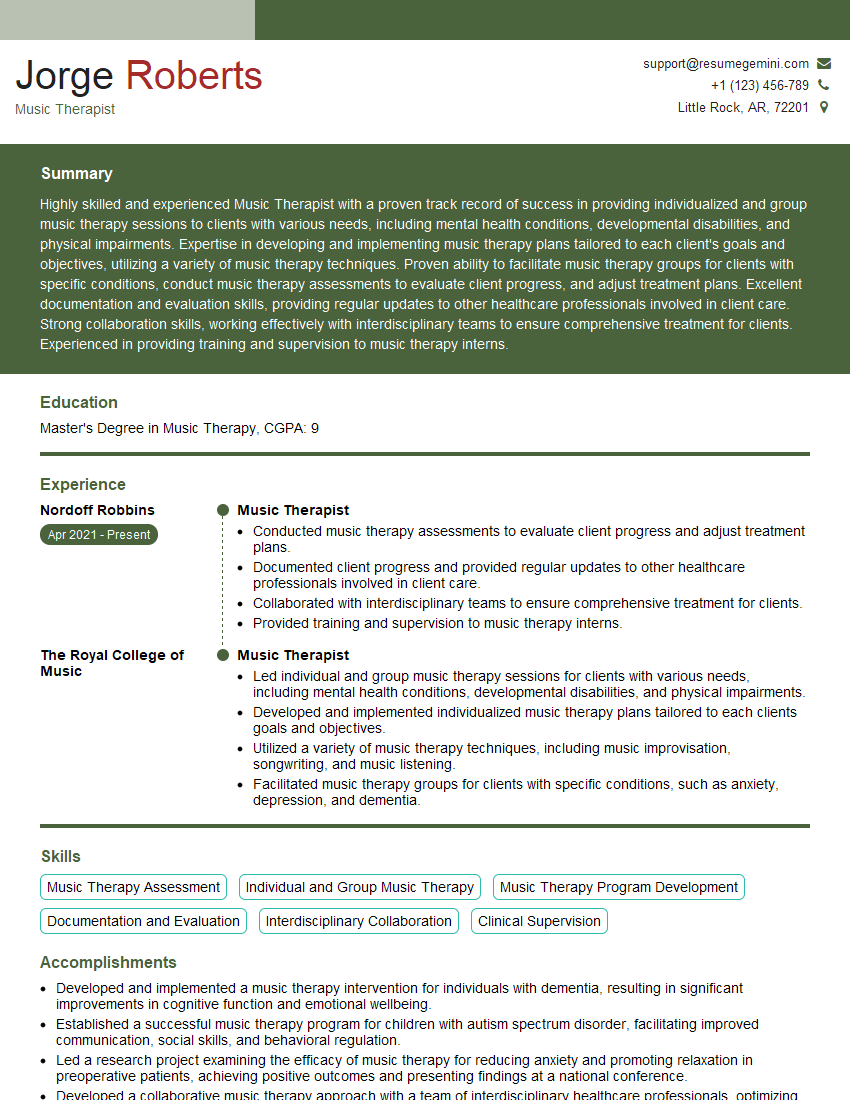
Mastering Music Therapy for Speech and Language Disorders opens doors to a rewarding career with significant impact on clients’ lives. To maximize your job prospects, a strong, ATS-friendly resume is crucial. ResumeGemini can help you craft a compelling resume that highlights your skills and experience effectively. They offer examples of resumes tailored specifically to Music Therapy for Speech and Language Disorders, giving you a head start in presenting yourself to potential employers. Invest time in building a resume that showcases your unique strengths and qualifications—it’s your first impression, make it count!
Explore more articles
Users Rating of Our Blogs
Share Your Experience
We value your feedback! Please rate our content and share your thoughts (optional).
What Readers Say About Our Blog
To the interviewgemini.com Webmaster.
Very helpful and content specific questions to help prepare me for my interview!
Thank you
To the interviewgemini.com Webmaster.
This was kind of a unique content I found around the specialized skills. Very helpful questions and good detailed answers.
Very Helpful blog, thank you Interviewgemini team.