Interviews are more than just a Q&A session—they’re a chance to prove your worth. This blog dives into essential Nebulizer Therapy interview questions and expert tips to help you align your answers with what hiring managers are looking for. Start preparing to shine!
Questions Asked in Nebulizer Therapy Interview
Q 1. Describe the different types of nebulizers and their applications.
Nebulizers come in several types, each suited to different needs and patient populations. The most common are:
- Jet Nebulizers: These use compressed air or oxygen to create a mist. They’re relatively inexpensive and widely available, but can be noisy and less efficient than other types. Think of them like a tiny air compressor creating a fine spray.
- Ultrasonic Nebulizers: These use high-frequency vibrations to produce a mist. They’re quieter and often more efficient than jet nebulizers, using less medication. However, they can heat the medication slightly, which might be a concern for some drugs.
- Mesh Nebulizers: These use a vibrating mesh to atomize the medication. They’re generally very quiet, efficient, and deliver medication quickly. They’re also portable, making them convenient for home use. Imagine a tiny sieve vibrating rapidly to create a mist.
Applications: Jet nebulizers are often used in hospital settings for their reliability and ability to handle larger volumes of medication. Ultrasonic nebulizers are popular for home use due to their quiet operation. Mesh nebulizers are becoming increasingly common due to their efficiency and portability, and are suitable for both home and hospital use. The choice depends on factors like the patient’s age, the medication being used, and the treatment setting.
Q 2. Explain the principles of aerosol generation in nebulizer therapy.
Aerosol generation in nebulizer therapy relies on breaking down liquid medication into tiny droplets small enough to be inhaled deep into the lungs. The principles vary slightly depending on the nebulizer type, but generally involve:
- Atomization: The process of turning liquid into a fine mist. This is achieved through high-pressure air (jet nebulizers), high-frequency vibrations (ultrasonic nebulizers), or a vibrating mesh (mesh nebulizers).
- Particle Size: The size of the droplets is crucial. Ideally, droplets should be within the respirable range (1-5 micrometers) to reach the lower airways (bronchioles and alveoli). Larger droplets tend to settle in the upper airways (nose and throat).
- Delivery: The generated aerosol is delivered to the patient via a mouthpiece or face mask. The patient inhales the mist, depositing the medication in the respiratory tract.
Think of it like spraying a perfume bottle: a fine mist allows the scent to spread widely, while a coarse spray will only wet a small area. Similarly, a fine aerosol ensures that medication reaches deep into the lungs.
Q 3. What are the common medications administered via nebulizer?
Many medications can be administered via nebulizer, most commonly bronchodilators and corticosteroids used to treat respiratory conditions like asthma and COPD. Examples include:
- Bronchodilators: Albuterol (salbutamol), Levalbuterol, Ipratropium bromide. These relax the muscles around the airways, making it easier to breathe.
- Corticosteroids: Budesonide, Fluticasone. These reduce inflammation in the airways.
- Mucolytics: Acetylcysteine. These help to thin and loosen mucus.
- Antibiotics: Tobramycin, Aztreonam. These are sometimes used in severe cases of respiratory infection.
The specific medication prescribed will depend on the patient’s diagnosis and individual needs. It’s crucial that medications are only administered as prescribed by a healthcare professional.
Q 4. How do you select the appropriate nebulizer for a patient?
Nebulizer selection involves considering several factors:
- Patient’s Age and Ability: Infants and young children might need nebulizers with smaller volume chambers and easy-to-use masks. Patients with limited dexterity might benefit from simpler designs.
- Medication Properties: Some medications are better suited to specific nebulizer types. For example, certain viscous medications might require a jet nebulizer with a larger chamber to prevent clogging.
- Treatment Setting: Portable mesh nebulizers are ideal for home use, whereas larger, more robust jet nebulizers might be preferred in hospital settings.
- Treatment Frequency: If frequent treatments are required, a fast and efficient nebulizer like a mesh nebulizer might be preferable.
- Cost and Availability: Jet nebulizers are generally the most affordable, while mesh nebulizers tend to be more expensive.
Careful consideration of these factors allows for the selection of a nebulizer that optimizes medication delivery and patient comfort.
Q 5. What are the potential complications and side effects of nebulizer therapy?
While generally safe, nebulizer therapy can have potential complications and side effects:
- Bronchospasm: Paradoxically, some medications can cause bronchospasm (constriction of the airways) in susceptible individuals.
- Cough and Irritation: The aerosol itself can irritate the airways, causing coughing and throat irritation.
- Infection: Improper cleaning and sterilization of the nebulizer can lead to infection.
- Medication-Specific Side Effects: Side effects vary depending on the medication administered. For example, corticosteroids can cause oral thrush (a fungal infection of the mouth) if not rinsed thoroughly after treatment.
- Hypersensitivity Reactions: Allergic reactions to the medication are possible, though rare.
Proper technique, regular cleaning, and careful monitoring can minimize these risks. Patients should report any unusual symptoms to their healthcare provider immediately.
Q 6. How do you monitor a patient’s response to nebulizer treatment?
Monitoring a patient’s response to nebulizer treatment involves assessing both their subjective and objective improvements. Subjective responses include asking the patient about their breathing ease, cough severity, and overall comfort. Objective monitoring may include:
- Pulse Oximetry: Measuring oxygen saturation in the blood to assess the effectiveness of bronchodilators.
- Peak Expiratory Flow (PEF): Measuring the maximum speed of air expelled from the lungs to monitor airway function. A higher PEF usually indicates improved lung function.
- Auscultation (listening to lung sounds): Checking for wheezing, crackles, or other abnormal sounds to gauge the status of the airways.
- Vital Signs: Monitoring heart rate, respiratory rate, and blood pressure to look for any adverse effects.
Regular assessments help determine the treatment’s effectiveness and to make necessary adjustments to the medication or treatment plan.
Q 7. Explain the procedure for administering nebulizer treatment.
Administering nebulizer treatment involves several key steps:
- Hand Hygiene: Wash hands thoroughly before starting.
- Medication Preparation: Prepare the medication as per the prescription instructions. Usually, the medication is diluted in sterile saline solution.
- Nebulizer Assembly: Assemble the nebulizer according to the manufacturer’s instructions.
- Medication Loading: Add the prepared medication to the nebulizer chamber.
- Connection to Air Source: Connect the nebulizer to an air compressor or oxygen source.
- Patient Positioning: Ensure the patient is in a comfortable position, usually sitting upright.
- Treatment Delivery: Instruct the patient on proper breathing techniques, typically slow and deep breaths during treatment. This ensures optimal drug delivery to the lungs.
- Medication Administration: Administer the medication until the nebulizer chamber is almost empty, usually lasting several minutes.
- Post-Treatment Cleaning: Thoroughly clean and sterilize the nebulizer according to the manufacturer’s guidelines.
Remember to always follow the specific instructions provided by the healthcare professional and the nebulizer manufacturer. Patient education is crucial to ensure correct usage and optimal outcomes.
Q 8. How do you troubleshoot common nebulizer malfunctions?
Troubleshooting nebulizer malfunctions often involves a systematic approach. First, ensure the power source is working correctly and the nebulizer is properly plugged in. Then, check the medication reservoir for sufficient medication and proper placement. Is the medication correctly diluted according to the prescription? A common issue is a clogged air tube or mouthpiece; inspect these carefully and replace them if necessary. If the nebulizer is still not working, verify that the compressor is functioning by listening for its characteristic hum and observing whether air is flowing. If the compressor is faulty, it may need repair or replacement. Finally, always check the connections between the compressor, tubing, and medication cup to ensure a secure fit.
For instance, imagine a patient’s nebulizer isn’t producing mist. We first check the power. Then we look at the medication level and ensure it’s mixed correctly. We then check for blockages in the tubing by running water through it. If these steps don’t solve the problem, then a faulty compressor is likely.
Q 9. What are the safety precautions to be taken during nebulizer therapy?
Safety during nebulizer therapy is paramount. Always supervise children using nebulizers and ensure they understand not to play with the equipment. Avoid using flammable materials near the nebulizer or compressor, as the compressor can generate heat. Ensure the medication used is precisely as prescribed by a physician, both in terms of dosage and type. Never share nebulizers; this can transmit infections. Proper hand hygiene before and after use is essential. Avoid inhaling directly from the medication cup, and always maintain a safe distance from the nebulizer’s mist to avoid accidental ingestion. Regularly inspect the equipment for damage or wear and tear, discarding any components that show signs of deterioration. Remember to always disconnect the power supply after use.
For example, a child using a nebulizer must always be under adult supervision. And using a shared nebulizer without proper disinfection could easily transmit infections like RSV or influenza.
Q 10. How do you educate patients and families about nebulizer use at home?
Educating patients and families on home nebulizer use involves clear, step-by-step instructions. Begin by demonstrating the proper assembly and use of the nebulizer. Explain the importance of following the prescribed medication regimen precisely. Show them how to clean and disinfect the equipment after each use. Emphasize the need for proper handwashing. Explain potential side effects and what to do if they occur. Provide written instructions and contact information for follow-up questions or concerns. Consider providing visual aids like diagrams or videos. Encourage the patient to ask questions and practice assembling and using the nebulizer under supervision.
For instance, we might use a demonstration to show how to attach the tubing and medication cup correctly. We also provide a written checklist that patients can use as a reference at home and encourage them to call us with any questions. We emphasize the importance of washing their hands and cleaning the nebulizer. We could create a short video demonstrating the correct procedure.
Q 11. What are the contraindications for nebulizer therapy?
Contraindications for nebulizer therapy are relatively few, but significant. Patients with a known hypersensitivity to the medication being nebulized should obviously avoid its use. Severe respiratory distress, such as acute respiratory failure, where the patient’s respiratory effort is too compromised for effective nebulization, could be another contraindication. In some instances, the specific medication in the nebulizer treatment may have its own contraindications beyond simply hypersensitivity. Always check the medication’s prescribing information.
For example, if a patient is severely short of breath and struggling to breathe, nebulizer therapy might not be the best option due to their inability to coordinate breathing with the treatment. Another example would be a patient with a known allergy to a specific bronchodilator being prescribed in the nebulizer solution.
Q 12. How do you assess a patient’s suitability for nebulizer therapy?
Assessing patient suitability for nebulizer therapy involves several steps. First, consider the patient’s respiratory condition. Is nebulizer therapy appropriate for the specific diagnosis? Assess the patient’s ability to coordinate their breathing with the nebulizer treatment. Consider the patient’s age and cognitive ability; young children or individuals with cognitive impairments may require additional supervision. Evaluate the patient’s ability to understand and follow instructions for the correct use and cleaning of the nebulizer. Finally, review the patient’s medication history for any contraindications. If the patient has difficulty cooperating with the treatment or understanding the instructions, alternative medication delivery systems may be more appropriate.
For example, an elderly patient with dementia might require more support and supervision than a young adult with asthma. A patient with severe COPD might not be suitable for the treatment if their breathing effort is too compromised.
Q 13. Explain the importance of proper hygiene and disinfection of nebulizers.
Proper hygiene and disinfection of nebulizers are crucial to prevent the spread of infection. After each use, thoroughly rinse all detachable parts with warm water and mild detergent. Sterilize the equipment according to the manufacturer’s instructions, often involving boiling or using a specialized cleaning solution. Never share nebulizers. Regularly inspect the equipment for any signs of damage or wear and tear. Discard and replace any components that show signs of deterioration. Failure to maintain proper hygiene can lead to serious infections and compromise treatment effectiveness.
Think of a nebulizer like a toothbrush; you wouldn’t share it, and you wouldn’t use it for weeks without cleaning it. Failing to disinfect a nebulizer can introduce bacteria into the lungs of the patient, potentially leading to infections such as pneumonia.
Q 14. Describe different types of nebulizer masks and their uses.
Nebulizer masks come in various types, each suited to different age groups and needs. Infant masks are small and designed to fit snugly over a baby’s face, minimizing medication loss. Pediatric masks are larger but still designed for children. Adult masks are larger and cover the nose and mouth. There are also nasal cannulas which deliver medication directly to the nose, and specialized masks for specific respiratory needs. The choice of mask depends on the patient’s age, comfort level, and the specific respiratory condition being treated. A proper fit is essential to ensure that the medication is effectively delivered to the respiratory tract, maximizing its therapeutic effect.
For example, an infant will require a small, tightly fitting mask to minimize the escape of medication. An adult with nasal congestion might benefit from a nasal cannula. The choice of mask needs to be made carefully to ensure correct and comfortable medication delivery.
Q 15. What are the advantages and disadvantages of using nebulizers compared to other drug delivery methods?
Nebulizers offer a valuable method for delivering medication directly to the lungs, particularly beneficial for respiratory conditions. Let’s compare them to other methods:
- Advantages over other methods (e.g., inhalers): Nebulizers are often preferred for patients who have difficulty using inhalers, such as young children or those with severe respiratory compromise. They deliver a larger volume of medication, potentially achieving better distribution throughout the lungs. They can also deliver medications not readily available in inhaler forms.
- Disadvantages compared to other methods: Nebulizers are generally slower and less portable than inhalers, requiring a power source and more time to administer treatment. They are also less efficient in medication delivery, with a portion of the medication being lost to the environment. They tend to be more cumbersome and less convenient to use at home.
Example: A young child struggling with croup might benefit from a nebulizer delivering epinephrine, as coordinating inhaler use might be impossible. However, for a healthy adult with asthma who can manage an inhaler proficiently, an inhaler offers a faster, more convenient, and less wasteful method of treatment.
Career Expert Tips:
- Ace those interviews! Prepare effectively by reviewing the Top 50 Most Common Interview Questions on ResumeGemini.
- Navigate your job search with confidence! Explore a wide range of Career Tips on ResumeGemini. Learn about common challenges and recommendations to overcome them.
- Craft the perfect resume! Master the Art of Resume Writing with ResumeGemini’s guide. Showcase your unique qualifications and achievements effectively.
- Don’t miss out on holiday savings! Build your dream resume with ResumeGemini’s ATS optimized templates.
Q 16. How do you manage patient anxiety or fear during nebulizer treatment?
Managing patient anxiety during nebulizer treatment is crucial for successful therapy. Many patients, especially children, find the mask or mouthpiece uncomfortable or frightening. Here’s a multi-pronged approach:
- Establish Trust: Start with a calm and reassuring demeanor. Explain the procedure in simple, age-appropriate terms. Let them touch and explore the equipment before starting the treatment.
- Distraction Techniques: For children, engaging them with a favorite toy, book, or video during treatment can significantly reduce anxiety. For adults, conversation or relaxation techniques might be helpful.
- Positive Reinforcement: Praise and positive feedback throughout the process are invaluable. Celebrate small successes and completion of the treatment.
- Medication Considerations: If anxiety is a major issue, consider discussing the possibility of a pre-treatment medication with the physician to help alleviate apprehension.
Example: When treating a child, I often let them help assemble the nebulizer (age-appropriate parts) and choose their favorite cartoon to watch during treatment. The sense of control and distraction often works wonders.
Q 17. How do you ensure accurate medication delivery during nebulizer therapy?
Accurate medication delivery is paramount. Here’s how we ensure it:
- Precise Measurement: Using appropriately calibrated syringes or medication cups is non-negotiable. Always double-check measurements to avoid errors.
- Proper Technique: Ensuring a good seal around the mouthpiece or mask is critical. The patient should breathe normally, rather than forcefully. This allows optimal drug absorption.
- Regular Equipment Checks: Nebulizers need regular cleaning and maintenance to ensure optimal function. Clogged tubing or malfunctioning equipment can dramatically affect drug delivery.
- Medication Compatibility: Only approved medications should be used in a nebulizer. Combining incompatible drugs can result in reduced efficacy or harmful reactions.
Example: I always meticulously check the medication concentration and measure it precisely using a calibrated syringe. I will demonstrate proper breathing techniques to the patient and ensure a comfortable and effective seal around the mask or mouthpiece.
Q 18. How do you document nebulizer treatments accurately and completely?
Accurate and complete documentation is essential for tracking treatment progress and ensuring patient safety. This includes:
- Patient Identification: Accurate name and medical record number are essential.
- Date and Time: Precise documentation of treatment start and end times.
- Medication: Name, dosage, and route of administration.
- Treatment Duration: Length of the nebulizer treatment.
- Patient Response: Any observed effects of the medication (e.g., improved breathing, reduced coughing).
- Adverse Events: Any observed side effects or adverse reactions.
- Equipment Used: Specify the type of nebulizer used.
Example: My documentation would include something like: “03/15/2024 10:00 AM – Nebulized Albuterol 2.5mg via Pari LC Sprint II nebulizer. Treatment duration: 15 minutes. Patient reported improved breathing after treatment. No adverse effects noted.”
Q 19. What are the signs and symptoms of adverse reactions to nebulized medications?
Adverse reactions to nebulized medications can range from mild to severe. Prompt recognition is crucial:
- Mild Reactions: Cough, throat irritation, mild shortness of breath, nausea, headache.
- Severe Reactions: Difficulty breathing (worsening dyspnea), wheezing, chest tightness, rapid heart rate, hypotension, hives, angioedema (swelling of the face, lips, and tongue), anaphylaxis (a life-threatening allergic reaction).
Recognizing and Responding: If any adverse reaction occurs, immediately stop the treatment, assess the patient’s condition, and notify the physician. Severe reactions require immediate emergency medical intervention.
Example: If a patient starts wheezing excessively during treatment, I would stop the nebulizer immediately, assess their oxygen saturation and respiratory rate, and alert the physician, who may order a different course of action.
Q 20. Describe your experience with different nebulizer systems (e.g., jet, ultrasonic, mesh).
My experience spans various nebulizer systems:
- Jet Nebulizers: These are the most common type, using compressed air to create a fine mist. They are generally reliable and relatively inexpensive, but they can be noisy and treatment times can be longer compared to other types.
- Ultrasonic Nebulizers: These use high-frequency vibrations to generate a mist. They are quieter than jet nebulizers and often have shorter treatment times, but they may not be suitable for all medications. They may also produce larger particles compared to jet nebulizers.
- Mesh Nebulizers: These use a vibrating mesh to atomize the medication, resulting in a very fine mist. They are generally quieter and faster than jet nebulizers, with potentially higher drug delivery efficiency, but they are usually more expensive and require more careful handling.
The choice of system often depends on patient needs, medication type, and available resources.
Q 21. How do you assess the effectiveness of nebulizer therapy in a patient?
Assessing the effectiveness of nebulizer therapy involves a multi-faceted approach:
- Clinical Observation: Monitor respiratory rate, effort, oxygen saturation, and lung sounds before, during, and after treatment. Note any changes in cough, sputum production, and overall breathing comfort.
- Patient-Reported Outcomes: Assess how the patient feels, focusing on subjective improvements in breathing, activity levels, and overall well-being.
- Objective Measurements: In certain settings, more objective measurements such as peak expiratory flow (PEF) or arterial blood gases might be used to assess lung function and quantify treatment effectiveness.
- Treatment Response: Evaluate whether the symptoms are improved after the treatment. Is there a decrease in coughing or shortness of breath, and improved oxygen levels?
Example: If a patient’s respiratory rate decreases, oxygen saturation improves, and they report feeling significantly less short of breath after treatment, this strongly indicates the effectiveness of the nebulizer therapy. In such a case, the treatment is considered successful. However, if there is little or no improvement in their condition despite the treatment, it may be necessary to adjust the medication or treatment plan.
Q 22. Explain the importance of medication compatibility in nebulizer treatments.
Medication compatibility in nebulizer therapy is crucial for ensuring treatment effectiveness and patient safety. Mixing incompatible medications can lead to chemical reactions, reducing drug efficacy or even creating harmful byproducts. For instance, mixing certain antibiotics with bronchodilators can lead to precipitation, meaning the medication forms a solid and doesn’t get aerosolized properly, rendering it useless. Always consult a medication compatibility chart or a pharmacist before combining medications in a nebulizer. This prevents adverse reactions and ensures the patient receives the intended therapeutic benefit.
Think of it like cooking – you wouldn’t just throw all ingredients together without knowing the outcome. Similarly, medications need to be compatible to work correctly and safely in a nebulizer.
Q 23. What are the current guidelines and best practices for nebulizer therapy?
Current guidelines for nebulizer therapy emphasize evidence-based practices to optimize treatment and minimize risks. These include using the correct medication concentration and dosage, selecting the appropriate nebulizer device for the patient’s condition and age, ensuring proper cleaning and disinfection of equipment to prevent infections, and closely monitoring the patient’s response to treatment. The frequency of treatments should also be tailored to the individual patient’s needs and response. Patient education is a key element. Patients should understand the correct use of the nebulizer, medication administration, and potential side effects. Guidelines are regularly updated by professional organizations such as the American Association for Respiratory Care (AARC), so staying abreast of the latest recommendations is essential.
- Sterile Solutions: Always use sterile solutions and medications.
- Proper Cleaning: Thorough cleaning and disinfection of the nebulizer equipment after each use.
- Medication Administration: Correct dosage and administration techniques to maximize drug delivery.
- Patient Monitoring: Closely monitoring the patient’s response and adjusting the treatment plan accordingly.
Q 24. How do you handle a situation where a patient experiences difficulty breathing during nebulizer treatment?
Difficulty breathing during nebulizer treatment is a serious situation requiring immediate action. First, I’d stop the treatment immediately and assess the patient’s respiratory status, including their oxygen saturation, heart rate, and respiratory rate. If oxygen saturation is dropping or the patient’s breathing is becoming labored, I’d administer supplemental oxygen and potentially initiate other supportive measures like placing the patient in a more comfortable position (high-Fowler’s). If the situation worsens, I’d summon emergency medical assistance. The cause of the breathing difficulty needs to be determined; it could be due to the medication itself (rare but possible allergic reaction or medication side effect), worsening of the underlying respiratory condition, or other unrelated factors. A careful review of the medication used, the patient’s history, and a thorough assessment is essential.
Imagine a fire alarm going off – you act immediately and address the situation efficiently. Similarly, respiratory distress requires an immediate and well-coordinated response.
Q 25. How do you address patient non-compliance with nebulizer therapy?
Patient non-compliance with nebulizer therapy is a common challenge. Addressing this requires a multi-pronged approach. First, I’d explore the reasons for non-compliance through open communication. Are there barriers like forgetfulness, difficulty understanding the treatment plan, side effects, or lack of access to medication or equipment? Once the reasons are identified, tailored interventions can be implemented. This could involve simplifying the treatment regimen, providing clear and concise instructions, using reminders (pill organizers, alarms), involving family members in the treatment process, and addressing any concerns or misconceptions about the treatment.
For example, if a patient is struggling with remembering to take their medication, we might introduce a daily planner or set reminders on their phone. If side effects are an issue, we would work with the prescribing physician to try a different medication or adjust the dosage.
Q 26. What are the implications of using contaminated nebulizer equipment?
Using contaminated nebulizer equipment can have serious consequences, leading to healthcare-associated infections (HAIs). These infections can range from mild respiratory tract infections to life-threatening pneumonia, particularly in immunocompromised patients. Contamination can occur due to improper cleaning and disinfection, using non-sterile solutions, or cross-contamination between patients. The risk is significantly amplified with reusable nebulizers. Therefore, stringent infection control measures are essential. This includes thorough cleaning and disinfection with appropriate agents after each use, using disposable parts whenever possible, and ensuring that the nebulizer is only used by one patient (unless it’s a single-use device).
It is critical to emphasize the importance of hand hygiene before and after handling the equipment, preventing cross-contamination, and using only sterile solutions.
Q 27. Describe your experience with different types of respiratory distress in relation to nebulizer therapy.
My experience encompasses a wide range of respiratory distress conditions, from mild asthma exacerbations to severe cases of pneumonia and COPD. Nebulizer therapy plays a crucial role in managing many of these conditions. In asthma, bronchodilators delivered via nebulizer help to relax the airways, relieving bronchospasm. In pneumonia, nebulized antibiotics can directly deliver medication to the lungs, improving treatment efficacy. In COPD, nebulized bronchodilators and mucolytics can help to improve breathing and clear mucus from the airways. The choice of medication and the frequency of treatments depend heavily on the severity and the specific type of respiratory distress experienced by the patient.
Each case is unique, requiring individualized assessment and a tailored approach. For example, a patient experiencing acute respiratory distress would require immediate attention and potentially different medication and treatment frequency compared to a patient with stable COPD.
Q 28. What are your strategies for improving patient adherence to nebulizer treatment plans?
Improving patient adherence requires building a strong therapeutic relationship based on trust and understanding. Clear and concise explanations of the treatment plan, addressing any patient concerns, and providing regular follow-up are essential. Involving family members in the education process can improve support and adherence. Simplifying the treatment regimen to make it easier to follow is crucial. Techniques like using daily pill organizers or setting reminders on smartphones can enhance compliance. Regular monitoring, including assessing the patient’s understanding of the treatment and their ability to handle the equipment, allows for proactive adjustments and problem-solving.
I always try to personalize the plan, making it as easy as possible for the individual. One size doesn’t fit all when it comes to adherence. Success involves a combination of medical expertise, compassionate communication, and innovative strategies to support the patient’s journey.
Key Topics to Learn for Nebulizer Therapy Interview
- Nebulizer Principles: Understanding aerosol generation, particle size distribution, and deposition in the respiratory tract. This includes the physics behind different nebulizer types.
- Nebulizer Types and their Applications: Compare and contrast jet nebulizers, ultrasonic nebulizers, and mesh nebulizers. Discuss the advantages and disadvantages of each type in various clinical scenarios (e.g., pediatric vs. adult patients, acute vs. chronic conditions).
- Medication Delivery: Explain how different medications are delivered via nebulization and the factors influencing drug delivery efficiency (e.g., medication viscosity, nebulizer output, patient breathing pattern).
- Patient Assessment and Monitoring: Describe the process of assessing a patient’s suitability for nebulizer therapy, monitoring their response to treatment, and recognizing potential complications.
- Troubleshooting and Maintenance: Discuss common problems encountered with nebulizers and their solutions. Explain the importance of proper cleaning and maintenance procedures to ensure optimal performance and prevent infection.
- Respiratory Physiology and Pathophysiology: Demonstrate a strong understanding of respiratory diseases treated with nebulizer therapy (e.g., asthma, COPD, cystic fibrosis) and how nebulization addresses the underlying pathophysiological mechanisms.
- Safety and Infection Control: Discuss infection control protocols related to nebulizer use, including proper handling, cleaning, and sterilization techniques.
- Ethical Considerations: Briefly address ethical implications related to the use of nebulizer therapy, such as patient autonomy and informed consent.
Next Steps
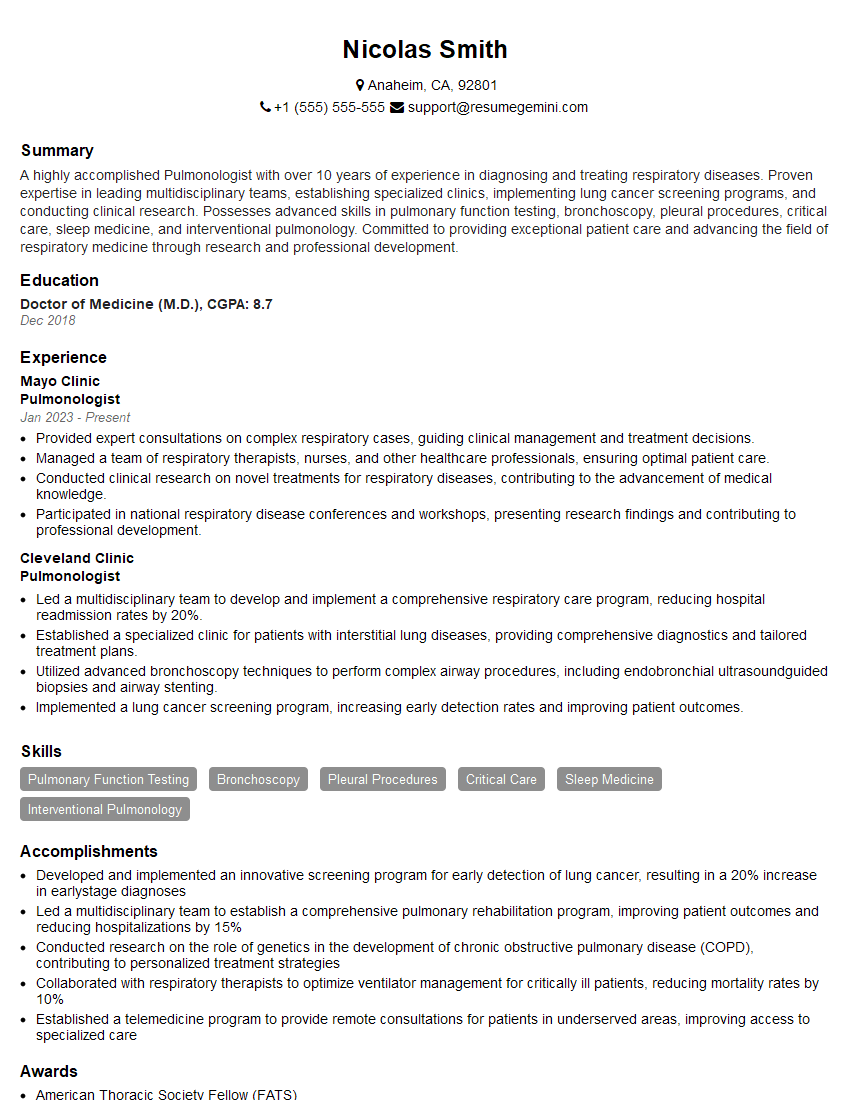
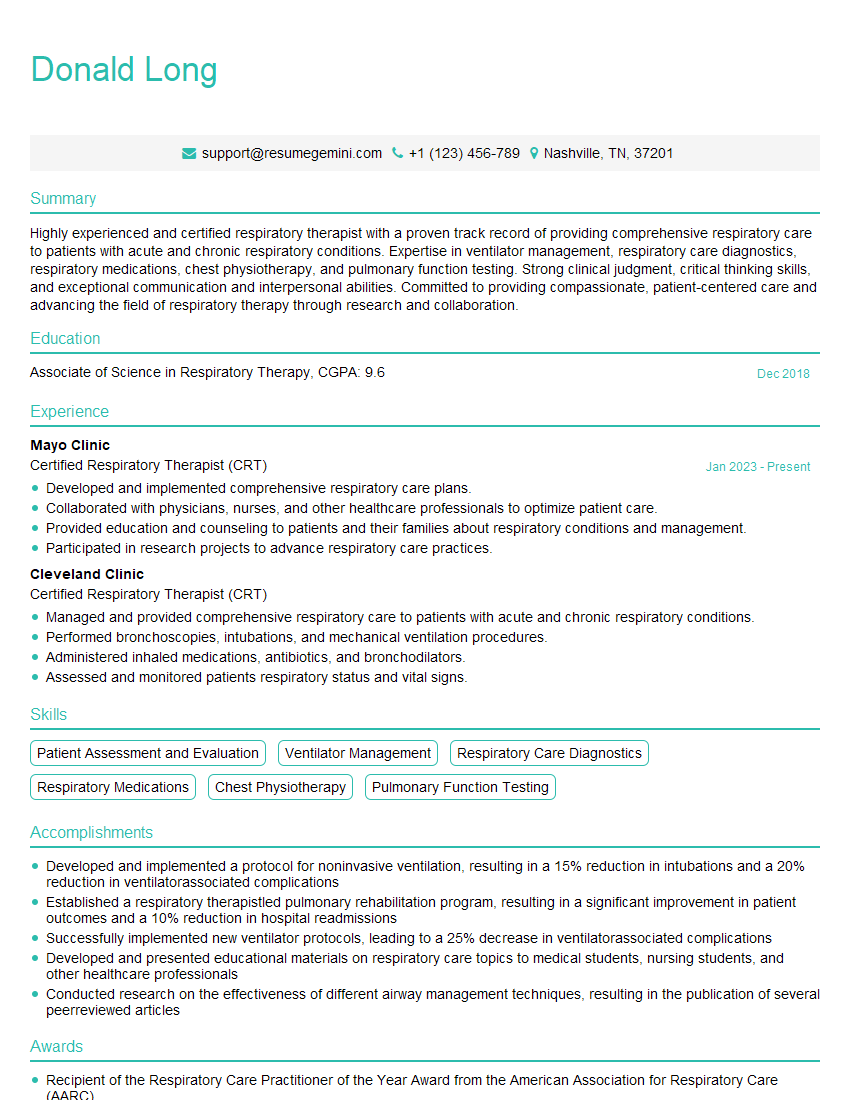
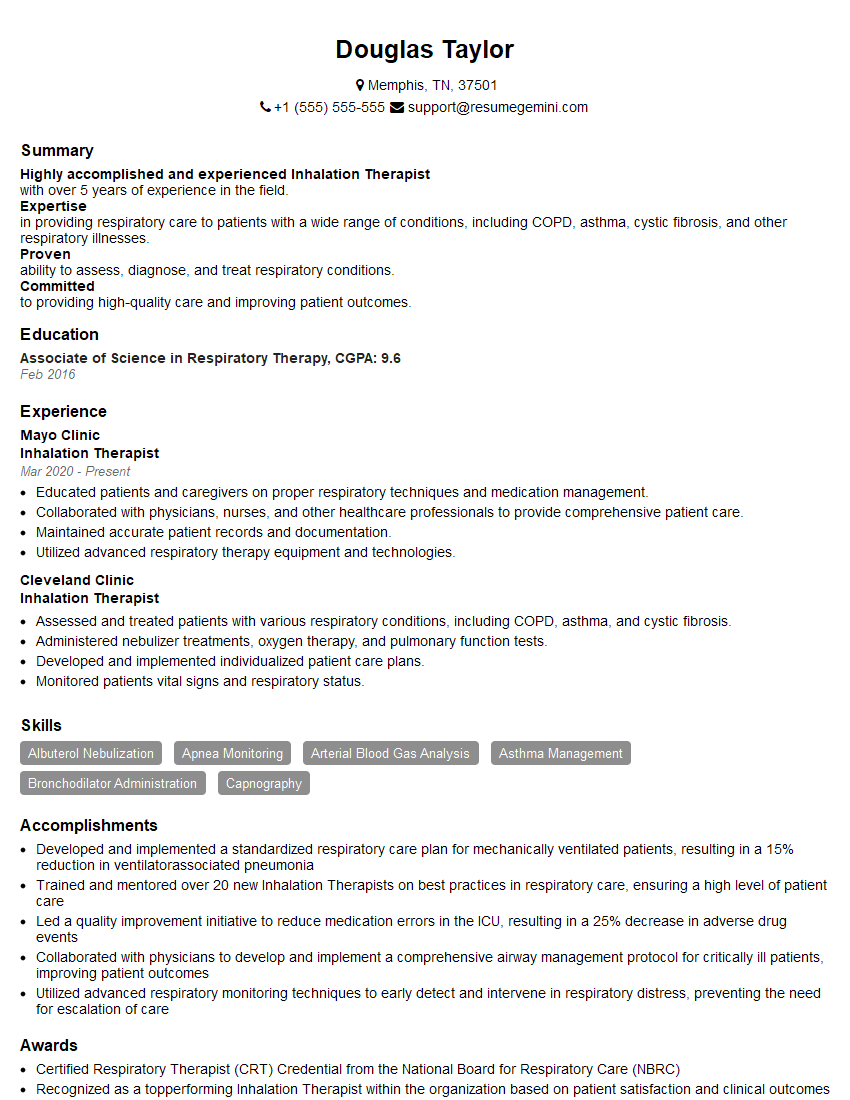
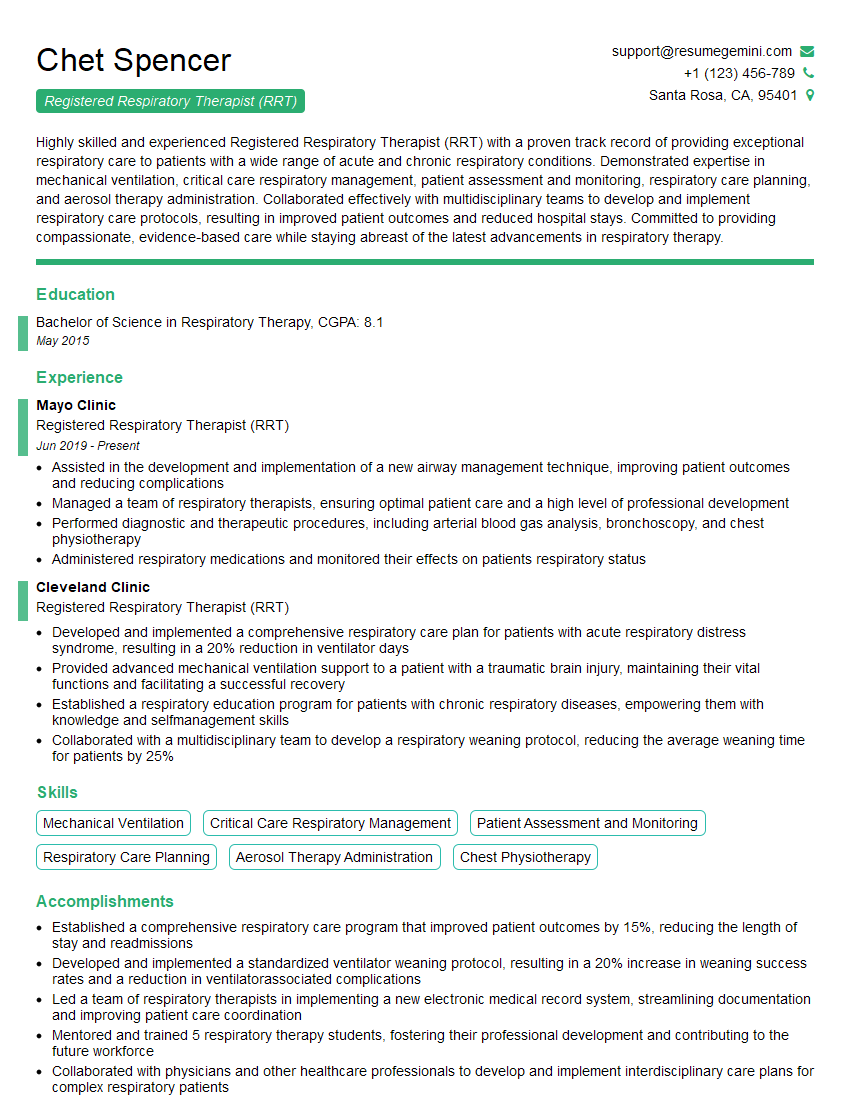
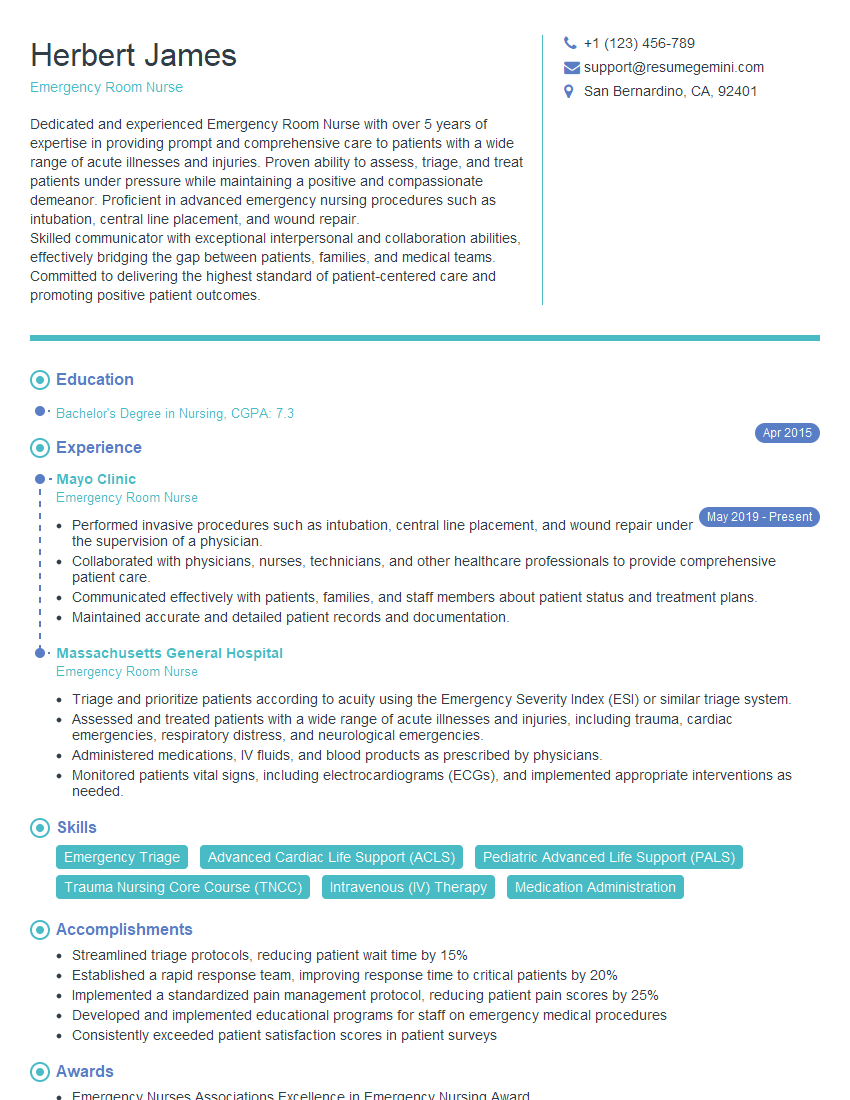
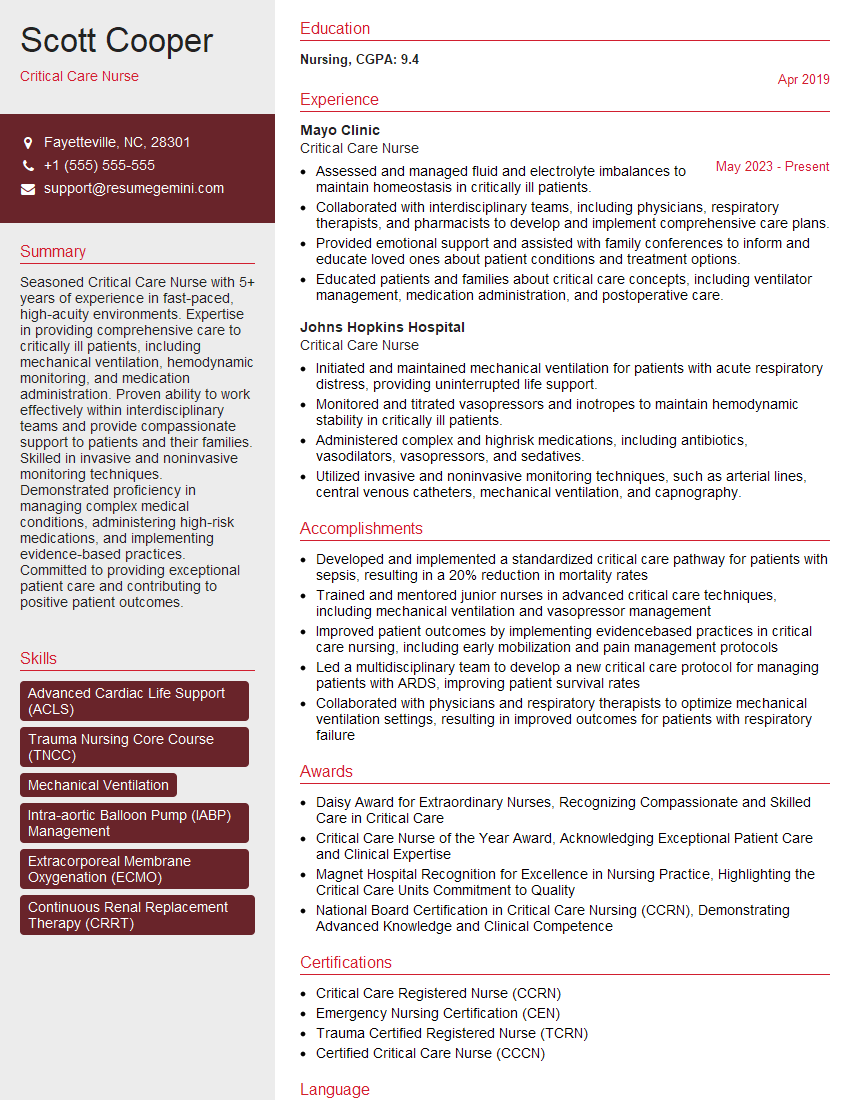
Mastering Nebulizer Therapy opens doors to rewarding careers in respiratory care, demonstrating your expertise in delivering critical medication and improving patient outcomes. To maximize your job prospects, it’s crucial to present your skills effectively. Crafting an ATS-friendly resume is key to getting your application noticed. ResumeGemini is a trusted resource that can help you build a professional and impactful resume, ensuring your qualifications shine. Examples of resumes tailored to Nebulizer Therapy are available to guide you.
Explore more articles
Users Rating of Our Blogs
Share Your Experience
We value your feedback! Please rate our content and share your thoughts (optional).
What Readers Say About Our Blog
To the interviewgemini.com Webmaster.
Very helpful and content specific questions to help prepare me for my interview!
Thank you
To the interviewgemini.com Webmaster.
This was kind of a unique content I found around the specialized skills. Very helpful questions and good detailed answers.
Very Helpful blog, thank you Interviewgemini team.