The right preparation can turn an interview into an opportunity to showcase your expertise. This guide to Nerve Blocks and Injections interview questions is your ultimate resource, providing key insights and tips to help you ace your responses and stand out as a top candidate.
Questions Asked in Nerve Blocks and Injections Interview
Q 1. Describe the different types of nerve blocks.
Nerve blocks are categorized in several ways, often overlapping. One common categorization is based on the targeted nerve structure:
- Peripheral Nerve Blocks: These target specific peripheral nerves, providing analgesia (pain relief) to a particular region of the body. Examples include brachial plexus blocks (arm and hand), femoral nerve blocks (thigh and leg), and sciatic nerve blocks (leg and foot). They are incredibly useful for post-surgical pain management or specific painful conditions in the extremities.
- Central Nerve Blocks: These target nerves within the central nervous system, such as the epidural space (around the spinal cord) or the intrathecal space (within the spinal cord). Epidural anesthesia, commonly used during labor and delivery or some surgeries, is a prime example. Central nerve blocks offer broader area analgesia compared to peripheral blocks.
- Other types of nerve blocks include field blocks (infiltrating local anesthetic around a surgical site), plexus blocks (targeting a network of nerves), and sympathetic blocks (targeting sympathetic nerves to reduce pain and inflammation).
Another classification method is based on the technique used: ultrasound-guided, fluoroscopy-guided, or landmark-based. The choice depends on the complexity of the anatomy, the patient’s condition, and the practitioner’s expertise.
Q 2. Explain the mechanism of action of local anesthetics used in nerve blocks.
Local anesthetics used in nerve blocks work by reversibly blocking the transmission of nerve impulses along nerve fibers. This is achieved by binding to voltage-gated sodium channels in the neuronal cell membrane. These channels are essential for the propagation of action potentials, which are electrical signals that carry nerve impulses. By blocking these channels, local anesthetics prevent the generation and conduction of these signals, resulting in analgesia (pain relief), anesthesia (loss of sensation), and potentially paralysis (loss of motor function), depending on the concentration and type of anesthetic.
Think of it like this: a nerve impulse is like an electrical current flowing through a wire. The sodium channels are like switches that turn the current on. Local anesthetics act like a switch blocker, preventing the current from flowing and thus stopping the nerve impulse.
Different local anesthetics have varying potencies and durations of action. Common examples include lidocaine, bupivacaine, and ropivacaine. The specific choice depends on factors like desired duration of analgesia, potential for toxicity, and patient-specific factors.
Q 3. What are the contraindications and complications associated with nerve blocks?
Contraindications and complications of nerve blocks are crucial considerations. Absolute contraindications (situations where the block should never be performed) may include a patient allergy to the anesthetic or a bleeding disorder. Relative contraindications (situations where the benefit must be weighed against the risks) include infection at the injection site, severe coagulopathy, and patient refusal.
Potential complications can be local or systemic. Local complications can include hematoma (blood clot) at the injection site, nerve injury (from needle insertion), infection, and local anesthetic systemic toxicity (LAST) if the anesthetic accidentally enters the bloodstream. Systemic complications are less frequent but can be serious, including cardiovascular issues, respiratory depression, and neurological effects.
Careful patient selection, meticulous technique, and constant monitoring are essential to minimize these risks.
Q 4. How do you select the appropriate needle size and type for a nerve block procedure?
Needle selection is crucial for a successful nerve block. The ideal needle size and type are determined by several factors, including the target nerve’s depth and size, the patient’s body habitus, and the chosen technique (e.g., ultrasound-guided vs. landmark-based).
Generally, smaller gauge needles (e.g., 22-25 gauge) are preferred to minimize trauma, but larger needles (e.g., 18-20 gauge) may be necessary for some blocks or for injecting larger volumes of local anesthetic. The needle type is also important. Bevelled needles are commonly used, and some practitioners prefer insulated needles, particularly during ultrasound-guided blocks, to reduce the risk of current spread during the injection.
For example, a superficial nerve block might use a smaller needle, while a deeper block like a brachial plexus block might require a larger needle. Experience and anatomical knowledge guide the selection process. Trial and error is not recommended! Thorough understanding of anatomy and injection technique is paramount.
Q 5. Describe your approach to ultrasound-guided nerve blocks.
Ultrasound guidance has revolutionized nerve block techniques, significantly improving accuracy and safety. My approach involves a structured process:
- Patient Preparation and Positioning: The patient is positioned comfortably to optimize the ultrasound visualization of the target nerve.
- Ultrasound Imaging: Using a high-frequency linear transducer, I visualize the target nerve, surrounding anatomy (blood vessels, muscles, and bone), and injection site.
- Needle Insertion and Visualization: The needle is advanced under real-time ultrasound guidance, observing its trajectory carefully to ensure the needle tip approaches the target nerve safely and avoiding adjacent structures.
- Test Injection and Local Anesthetic Deposition: Before injecting a full dose, a small test injection of saline or local anesthetic is given to assess for any unexpected vascular puncture. If no vascular uptake is seen (no spread of the fluid along a vessel), the full dose is injected around the nerve.
- Post-Procedure Assessment: After the injection, I reassess the ultrasound image to check for spread of the local anesthetic and potential complications like hematoma formation. I monitor the patient closely for signs and symptoms of toxicity or other complications.
Using ultrasound makes the procedure safer and more efficient by allowing visualization of the nerves, blood vessels and surrounding tissue. It avoids the potential complications associated with a ‘blind’ landmark technique.
Q 6. How do you manage potential complications like hematoma or infection after a nerve block?
Management of complications after a nerve block is crucial. Hematoma formation, a relatively common complication, is usually managed conservatively with observation and ice packs. Larger hematomas may require aspiration (removal of the blood clot) with a needle. Infection is less frequent but can be a serious complication. Signs of infection (redness, swelling, pain, pus) require prompt treatment with antibiotics and possibly surgical drainage.
Early detection and prompt management are critical. The patient should be educated on potential complications and advised on when to seek immediate medical attention.
For example, a small hematoma will typically resolve on its own within a few days, while a large hematoma might necessitate intervention. Any signs of infection should warrant immediate attention to prevent potentially serious consequences.
Q 7. Explain the difference between a peripheral nerve block and a central nerve block.
The key difference between peripheral and central nerve blocks lies in the location of the nerve targeted. Peripheral nerve blocks target nerves in the peripheral nervous system, outside the brain and spinal cord, providing analgesia to a specific region of the body. Examples include brachial plexus blocks for arm surgery or femoral nerve blocks for knee surgery.
Central nerve blocks, on the other hand, target nerves within the central nervous system, such as the epidural or intrathecal spaces. These provide more extensive analgesia, often affecting a larger area of the body. Epidural anesthesia during childbirth or spinal anesthesia for lower abdominal surgery are prime examples. Central nerve blocks usually involve more extensive knowledge of anatomy and carry higher risk potential than peripheral blocks.
In essence, peripheral blocks are localized, targeting specific nerves in the limbs or torso, while central blocks offer broader coverage, affecting larger body areas but also potentially involving more complex anatomy.
Q 8. Describe your experience with different types of nerve stimulators used in nerve blocks.
Nerve stimulators are indispensable tools in performing nerve blocks accurately and safely. They allow for precise localization of the target nerve before injecting the anesthetic, minimizing the risk of unintended nerve damage. I have extensive experience using various types, including monopolar and bipolar stimulators, each with its own advantages and limitations.
Monopolar stimulators use a single needle electrode to deliver electrical impulses and detect nerve stimulation. They are widely used and relatively inexpensive. However, accurate localization can be challenging in certain anatomical areas.
Bipolar stimulators use two electrodes within a single needle. This offers greater precision in targeting specific nerves, as the electrical field is more confined. While they provide better targeting, they are often more costly.
Stimulation parameters such as current amplitude and pulse width are adjusted during the procedure to elicit a characteristic muscle twitch or paresthesia (a tingling sensation) indicating successful nerve contact. The type of stimulator chosen often depends on the specific nerve block being performed and the anatomical challenges involved.
For instance, in a brachial plexus block, the bipolar stimulator’s precision is invaluable in navigating the complex anatomy of the neck and shoulder to effectively target the nerve roots. Conversely, a monopolar stimulator might suffice for a simpler block, such as a digital nerve block.
Q 9. How do you assess the effectiveness of a nerve block?
Assessing the effectiveness of a nerve block involves a multi-faceted approach combining clinical evaluation and patient feedback. A successful block should result in analgesia (pain relief) in the targeted area. We assess this through several key methods:
Clinical Examination: This involves assessing the patient’s pain levels using standardized pain scales (e.g., visual analog scale or numerical rating scale) both before and after the procedure. We also check for any residual sensation or motor function in the affected area, comparing it to the baseline assessment.
Sensory Testing: Pinprick or light touch testing helps determine the extent of sensory block. This verifies if the anesthetic has effectively numbed the desired area.
Motor Testing: Assessing muscle strength and function ensures that unintended motor block hasn’t occurred. This is particularly important for blocks near motor nerves.
Patient Feedback: Subjective patient reporting of pain relief is crucial. The patient’s description of their pain and the degree to which it has been reduced provides invaluable insight into the block’s success.
For example, after an intercostal nerve block for post-thoracotomy pain, we would assess the patient’s pain scores, check for absence of sensation along the dermatomal distribution of the blocked nerves, and ensure that there is no significant muscle weakness in the chest wall.
Q 10. What are the different types of injections used in pain management?
Pain management utilizes a variety of injection techniques, each designed to target specific pain generators. The choice of injection depends on the source and nature of the pain. These include:
Nerve Blocks: These target specific peripheral nerves to interrupt pain signals from a particular region of the body (e.g., brachial plexus block, lumbar plexus block).
Joint Injections: These are aimed at treating pain originating from joints. Facet joint injections, for example, target joints in the spine. Other joint injections can target the shoulder, knee, or hip.
Trigger Point Injections: These target hyperirritable spots in muscles, often associated with myofascial pain syndrome.
Epidural Injections: These involve injecting medication into the epidural space, the area surrounding the spinal cord, often used for back pain or post-surgical analgesia.
Intra-articular Injections: These inject medication directly into a joint cavity to reduce inflammation and pain.
In a patient with chronic low back pain, for example, we might consider a combination of epidural steroid injection, facet joint injections, and trigger point injections depending on the specific pain generators identified during the physical examination.
Q 11. Describe the technique for performing an epidural injection.
Performing an epidural injection requires meticulous technique and strict adherence to safety protocols. The procedure typically involves the following steps:
Patient Positioning and Preparation: The patient is positioned either sitting or lying on their side with their back arched. The injection site is thoroughly cleaned and disinfected.
Landmarking: Anatomical landmarks are identified to guide needle placement, usually using palpation and sometimes fluoroscopy (X-ray guidance) to ensure accuracy.
Needle Insertion: A Tuohy needle (a specialized epidural needle) is carefully inserted through the skin and subcutaneous tissue into the epidural space. The loss of resistance technique or a combination of loss of resistance and fluoroscopy is used to confirm proper needle placement.
Test Dose: A small amount of contrast medium or local anesthetic is injected. Any potential adverse reactions, such as a sudden increase in heart rate or blood pressure, indicates inappropriate needle placement and the injection should be stopped.
Medication Injection: Once correct placement is confirmed, the prescribed medication (e.g., local anesthetic, steroid) is slowly injected.
Needle Withdrawal and Dressing: The needle is carefully withdrawn, and a sterile dressing is applied to the injection site.
It’s crucial to monitor the patient closely for any complications post-procedure, such as hypotension (low blood pressure), neurological deficits, or infection.
Q 12. Explain the procedure for a facet joint injection.
Facet joint injections are performed to diagnose and treat pain stemming from the facet joints of the spine. The procedure typically involves these steps:
Patient Positioning and Preparation: The patient is typically positioned prone (lying face down) or in a lateral decubitus position (lying on their side). The skin is sterilized.
Landmarking: Precise anatomical landmarks are identified to guide the needle to the target facet joint. Fluoroscopy (real-time X-ray imaging) is usually employed to visualize the needle’s position and ensure accurate placement.
Needle Insertion: A needle is inserted under fluoroscopic guidance and advanced until it reaches the target facet joint. The medial branch nerve, which innervates the facet joint, is identified.
Contrast Injection (optional): A small amount of contrast dye may be injected to confirm the correct position of the needle within the facet joint.
Medication Injection: Once the needle is correctly positioned, the local anesthetic and/or corticosteroid medication is injected.
Needle Withdrawal: After the injection, the needle is carefully withdrawn, and a bandage is applied.
Post-procedure, patients are monitored for any adverse effects, such as bleeding or infection, and their pain levels are reassessed.
Q 13. How do you determine the appropriate dosage of local anesthetic for a nerve block?
Determining the appropriate dosage of local anesthetic for a nerve block is crucial for achieving adequate analgesia while minimizing the risk of systemic toxicity. The dosage is individualized based on several factors:
Patient Factors: Age, weight, overall health, and any pre-existing medical conditions significantly influence the appropriate dose. Elderly or frail patients generally require lower doses.
Type of Block: The volume and type of anesthetic needed vary drastically depending on the type of block (e.g., a brachial plexus block will require a higher dose than a digital nerve block).
Type of Anesthetic: Different local anesthetics have varying potencies and toxicities. The choice of anesthetic and its concentration are crucial. For example, bupivacaine is often chosen for longer-lasting blocks, whereas lidocaine provides shorter-duration analgesia.
Clinical Context: The specific clinical situation, such as the presence of infection or inflammation, can affect the choice of anesthetic and the dosage.
In clinical practice, we use established guidelines and our own experience to calculate the dose, often employing a weight-based calculation or using established protocols for specific nerve blocks. It’s always better to err on the side of caution and start with a lower dose, which can be increased incrementally as needed. Careful monitoring of the patient during and after the block is critical to detect any adverse effects early.
Q 14. What are the safety precautions you take to avoid nerve damage during a nerve block procedure?
Avoiding nerve damage during a nerve block procedure requires meticulous attention to detail and strict adherence to safety protocols. Key precautions include:
Accurate Anatomical Knowledge: A thorough understanding of the relevant neuroanatomy is paramount. Knowing the precise location of nerves, blood vessels, and surrounding structures is essential for safe needle placement.
Use of Nerve Stimulators: As mentioned earlier, nerve stimulators significantly reduce the risk of unintended nerve damage by allowing precise localization of the target nerve before injection.
Aspiration Before Injection: Aspirating the syringe before injecting the anesthetic helps ensure that the needle tip is not within a blood vessel. This prevents accidental intravascular injection, a major cause of anesthetic toxicity.
Slow Injection Rate: Injecting the anesthetic slowly minimizes the risk of nerve compression or damage.
Careful Monitoring: Close monitoring of the patient during the procedure for any signs of systemic toxicity or neurological compromise is crucial.
Use of Imaging Guidance (when necessary): Fluoroscopy or ultrasound guidance can be extremely helpful in complex anatomical areas, ensuring accurate needle placement and avoiding damage to critical structures.
One specific example relates to brachial plexus blocks; using a nerve stimulator and ultrasound is very common. The use of these techniques reduces the risk of inadvertent pneumothorax (collapsed lung) or vascular puncture.
Q 15. How do you manage patient anxiety during a nerve block procedure?
Managing patient anxiety before a nerve block is crucial for a successful procedure. It’s not just about the pain; fear and apprehension can significantly raise a patient’s stress levels and even impact the efficacy of the anesthetic. My approach is multi-faceted.
- Pre-procedural education: I dedicate ample time to explaining the procedure in detail, using clear, simple language, and avoiding medical jargon. I show them diagrams and videos to visually illustrate what will happen. This helps demystify the process and reduces uncertainty.
- Building rapport: I prioritize building a strong doctor-patient relationship. Listening to their concerns, answering their questions patiently, and addressing their anxieties directly are paramount. A calm and reassuring demeanor is key.
- Pharmacological interventions: In cases of significant anxiety, I might prescribe a mild anxiolytic, such as oral diazepam, prior to the procedure, after carefully considering the patient’s medical history and potential drug interactions.
- Non-pharmacological techniques: Techniques like distraction (music, conversation), relaxation exercises (deep breathing), and even providing a comforting hand to hold can be very effective. I tailor my approach to each patient’s individual needs and preferences.
For example, I recently had a patient who was extremely nervous about a cervical nerve block. By spending extra time explaining the procedure, using simple analogies, and letting them listen to their favorite music during the procedure, we were able to have a successful and stress-free experience.
Career Expert Tips:
- Ace those interviews! Prepare effectively by reviewing the Top 50 Most Common Interview Questions on ResumeGemini.
- Navigate your job search with confidence! Explore a wide range of Career Tips on ResumeGemini. Learn about common challenges and recommendations to overcome them.
- Craft the perfect resume! Master the Art of Resume Writing with ResumeGemini’s guide. Showcase your unique qualifications and achievements effectively.
- Don’t miss out on holiday savings! Build your dream resume with ResumeGemini’s ATS optimized templates.
Q 16. Describe your experience with different types of local anesthetics.
My experience encompasses a wide range of local anesthetics, each with its own advantages and disadvantages. The choice depends on the specific procedure, patient factors (allergies, medical history), and the desired duration of anesthesia.
- Lidocaine: A widely used, relatively safe anesthetic with a rapid onset and intermediate duration. It’s my go-to for many procedures due to its predictable effects.
- Bupivacaine: Offers longer-lasting anesthesia compared to lidocaine, ideal for longer procedures or post-operative pain management. However, it has a slower onset of action.
- Ropivacaine: Similar to bupivacaine but with a slightly lower risk of cardiotoxicity, making it a good alternative in certain patients.
- Chloroprocaine: Provides rapid onset and short duration of action, frequently used in obstetric anesthesia or for shorter procedures where a quick recovery is desired.
- Adjuvants: I often combine local anesthetics with adjuvants like epinephrine (to prolong the duration of action and reduce bleeding) or sodium bicarbonate (to reduce the pain of injection). The judicious use of adjuvants can optimize the efficacy and safety of the nerve block.
For instance, in a shoulder nerve block, I might choose bupivacaine with epinephrine to provide prolonged post-operative analgesia while minimizing bleeding during the procedure. In contrast, for a shorter procedure like a finger nerve block, I might opt for lidocaine, given its rapid onset and shorter duration.
Q 17. What are the advantages and disadvantages of using image guidance for nerve blocks?
Image guidance, using fluoroscopy or ultrasound, has revolutionized nerve block techniques. It significantly improves the accuracy and safety of the procedure.
- Advantages:
- Increased accuracy: Real-time visualization allows precise needle placement, minimizing the risk of nerve damage, vascular puncture, and inadvertent injection into adjacent tissues.
- Reduced complications: The lower risk of complications leads to improved patient outcomes and satisfaction.
- First-pass success: Image guidance can significantly increase the success rate of the nerve block on the first attempt, reducing patient discomfort and procedure time.
- Disadvantages:
- Increased cost: The use of imaging equipment adds to the overall cost of the procedure.
- Radiation exposure (fluoroscopy): Fluoroscopy involves ionizing radiation, necessitating careful radiation protection measures. Ultrasound is a radiation-free alternative.
- Learning curve: Proper use of image guidance requires specialized training and experience.
In my practice, I routinely use ultrasound guidance for many nerve blocks, particularly peripheral nerve blocks, as it provides excellent visualization without the risks associated with radiation. For more complex procedures involving the spine, fluoroscopy might be necessary.
Q 18. How do you document the procedure of a nerve block?
Meticulous documentation is essential for both legal and medical reasons. My documentation of a nerve block procedure follows a standardized format to ensure completeness and clarity.
- Patient demographics: Name, age, medical record number, etc.
- Indication: Reason for the nerve block.
- Procedure details: Type of nerve block, specific nerves targeted, approach used, local anesthetic employed, volume and concentration of anesthetic, adjuvants used if any.
- Image guidance: Type of imaging used (ultrasound, fluoroscopy), relevant images documenting needle placement.
- Procedure findings: Description of any difficulties encountered, unexpected findings (e.g., anatomical variations), or signs of complications.
- Post-procedure assessment: Neurological exam of the affected area, patient’s pain level, and any complications noted.
- Physician signature and date.
I maintain a detailed record of the procedure in the electronic health record, including any relevant images. This comprehensive documentation is crucial for tracking outcomes, monitoring complications, and ensuring quality of care.
Q 19. What are the common complications of epidural steroid injections?
Epidural steroid injections, while effective in managing some types of back pain, carry potential complications.
- Bleeding: Though rare, bleeding at the injection site can occur, particularly in patients on anticoagulants.
- Infection: Infection is a potential risk with any injection procedure, requiring strict adherence to sterile techniques.
- Nerve damage: Accidental puncture or irritation of a nerve root can lead to neurological deficits, such as weakness or numbness.
- Headache: Post-dural puncture headache, a severe headache caused by leakage of cerebrospinal fluid, can occur, though it’s more common with lumbar punctures.
- Allergic reactions: Allergic reactions to the steroids or other medications used are possible.
- Increased intracranial pressure: In rare cases, epidural steroid injections can increase intracranial pressure.
Minimizing these risks involves careful patient selection, proper technique, strict adherence to sterile procedures, and close post-procedure monitoring.
Q 20. How do you manage a patient who experiences a failed nerve block?
A failed nerve block can be frustrating for both the patient and the physician. My approach involves a systematic evaluation and a plan for managing the situation.
- Re-evaluation: I carefully reassess the patient’s pain, examine the area, and review the procedure notes to identify any potential reasons for the failure (e.g., incorrect needle placement, inadequate anesthetic spread).
- Repeat block: If the cause is identifiable (e.g., slight needle misplacement), a repeat block with image guidance might be attempted.
- Alternative techniques: A different type of nerve block, targeting a different nerve or using a different approach, might be considered.
- Additional analgesics: If a nerve block is not feasible or unsuccessful, I would explore alternative pain management options, such as oral or intravenous analgesics, or other interventional pain management strategies.
- Referral: In complex cases, or if the pain persists despite multiple attempts, referral to a pain management specialist might be necessary.
Open and honest communication with the patient is vital throughout this process. It is important to manage their expectations and ensure that they are aware of the options and limitations. For example, I recently had a patient with chronic shoulder pain who didn’t respond well to the initial block. After reassessment and discussion, we decided to try a different type of block, which ultimately led to significant pain relief.
Q 21. Describe your experience with nerve blocks in specific anatomical regions (e.g., shoulder, knee, lumbar spine).
My experience with nerve blocks spans various anatomical regions, each with its unique challenges and techniques.
- Shoulder: I frequently perform supraclavicular, infraclavicular, axillary, and interscalene nerve blocks for shoulder surgery or chronic pain. Ultrasound guidance is invaluable for these blocks, ensuring accurate needle placement and avoiding complications.
- Knee: Femoral, sciatic, and popliteal nerve blocks are commonly used for knee surgeries and pain management. The anatomy of the knee region is relatively straightforward, though accurate needle placement is still crucial to avoid nerve injury.
- Lumbar spine: Epidural and selective nerve root blocks are performed for low back pain and radiculopathy. These are more complex procedures and often require fluoroscopy for precise needle placement and optimal anesthetic delivery.
Each anatomical region demands a detailed understanding of the neuroanatomy, as well as expertise in the various approaches and techniques used. Careful patient selection and meticulous attention to detail are essential for minimizing risks and achieving optimal outcomes.
Q 22. What is your approach to managing post-procedural pain after a nerve block?
Managing post-procedural pain after a nerve block is crucial for patient comfort and recovery. My approach is multifaceted and begins even before the procedure. Preemptive analgesia, such as oral or intravenous medications, can significantly reduce post-block pain. During the procedure itself, I carefully select the anesthetic and adjuvant medications based on the patient’s individual needs and the anticipated pain level. This might include adding a long-acting local anesthetic like bupivacaine or adding opioids like morphine or fentanyl to the mix.
Post-procedure, I emphasize a multimodal analgesic approach, combining medications like nonsteroidal anti-inflammatory drugs (NSAIDs), acetaminophen, and potentially opioids if needed, always titrating to the patient’s pain level and carefully monitoring for side effects. We also employ non-pharmacological methods such as ice packs, elevation of the affected limb, and patient education on pain management techniques like relaxation exercises. Regular pain assessments are crucial, and I adjust the analgesic regimen accordingly. For example, if a patient reports breakthrough pain, I might add a short-acting analgesic or adjust the dosage of their current medication.
Finally, early mobilization and physical therapy, as appropriate, play a vital role in reducing pain and accelerating recovery. A clear and comprehensive discharge plan, including detailed instructions on medication usage, pain management strategies, and follow-up appointments, is essential to ensure a smooth transition from the procedure to home.
Q 23. How do you communicate the risks and benefits of nerve blocks to patients?
Open and honest communication is paramount when discussing the risks and benefits of nerve blocks with patients. I begin by explaining the procedure in simple, easy-to-understand terms, avoiding medical jargon. I use visual aids like diagrams or videos whenever possible to illustrate the process and the targeted nerves.
I then clearly outline the potential benefits, such as pain relief, reduced need for opioids, faster recovery, and improved mobility. For example, I might say, “This nerve block can significantly reduce your post-surgical pain, allowing you to move around more easily and go home sooner.”
Equally important is explaining the potential risks, which can include bleeding, infection, nerve damage, and allergic reactions. I emphasize that these complications are rare but possible and answer any questions the patient may have thoroughly and patiently. I use a shared decision-making approach, ensuring the patient feels empowered to make an informed choice. The patient’s understanding and consent are paramount.
Q 24. What is your experience with different types of needles used in injections?
My experience encompasses a wide range of needles used in injections, each with its own advantages and disadvantages. The selection of needle type depends heavily on the specific nerve block being performed, the location of the target nerve, and the patient’s individual characteristics.
- Short bevel needles: are often used for superficial injections, offering better control and reducing the risk of penetrating through the nerve.
- Long bevel needles: are generally favored for deeper injections to minimize tissue trauma.
- Pencil-point needles: are designed to minimize tissue deformation, making them suitable for delicate procedures.
- Different gauge needles: (ranging from 22 gauge to 27 gauge) are selected based on the viscosity of the injected solution and the depth of the injection site. Thinner needles are generally preferred to minimize patient discomfort.
I am proficient in using various needle types and am always mindful of factors like patient comfort, minimizing trauma, and optimal anesthetic distribution. This includes understanding the appropriate needle length for different anatomical locations and using the smallest gauge possible to achieve the desired result. For instance, for a peripheral nerve block in the wrist, a smaller gauge and shorter needle would be preferred compared to an intercostal nerve block requiring a longer needle.
Q 25. What are the steps you take to ensure proper asepsis during an injection procedure?
Maintaining proper asepsis during an injection procedure is paramount to preventing infection. My approach follows strict protocols designed to minimize the risk of contamination. I begin by thoroughly washing my hands with an antimicrobial soap and water for at least 30 seconds.
Next, I prepare the injection site using an antiseptic solution, typically chlorhexidine or povidone-iodine, according to established guidelines. The skin is cleaned in a concentric circular motion, moving outward from the center to prevent recontamination. The procedure is then performed using sterile gloves, drapes, and needles to create a sterile field. I always ensure that the needle is sterile and never reused.
Furthermore, I carefully monitor the patient’s vital signs during and after the procedure to detect any early signs of infection, such as fever, increased heart rate, or localized redness. Post-procedure, I provide the patient with clear instructions on wound care and signs to watch for that may indicate infection.
Q 26. How do you dispose of used needles and syringes safely?
Safe disposal of used needles and syringes is of utmost importance to prevent accidental needle sticks and the spread of infectious diseases. Immediately after the procedure, I carefully recap the needle using the one-handed scoop technique to avoid needle stick injuries. The needle and syringe are then placed into a puncture-resistant sharps container, and this container is properly labeled according to our institution’s policy.
Full sharps containers are disposed of according to regulatory guidelines and hospital protocols, which usually involve regulated medical waste disposal systems and incineration. This process is crucial for ensuring the safety of healthcare workers and the wider community.
Q 27. Describe a challenging case involving a nerve block and how you handled it.
One challenging case involved a patient requiring a cervical plexus block for post-surgical pain management following a neck dissection. The patient had significant scarring and anatomical distortion from the prior surgery, making landmark-based nerve localization extremely difficult. Ultrasound guidance was crucial in this instance.
Initially, standard landmarks were unreliable, but using ultrasound, we could visualize the relevant nerves and surrounding structures. This allowed us to precisely position the needle and successfully administer the block without compromising the patient’s safety. This case highlighted the importance of adapting to individual patient anatomy and utilizing advanced imaging techniques like ultrasound for complex nerve blocks. Accurate placement, even in challenging situations, is crucial for optimal pain relief and avoidance of potential complications.
Q 28. How do you stay up-to-date on the latest advancements in nerve blocks and injections?
Staying current in the rapidly evolving field of nerve blocks and injections is a continuous process. I actively participate in continuing medical education (CME) courses and workshops focused on regional anesthesia and pain management. I regularly review relevant peer-reviewed journals such as Regional Anesthesia and Pain Medicine and attend national and international conferences to learn about the latest techniques and research findings.
Furthermore, I actively engage with professional organizations such as the American Society of Regional Anesthesia and Pain Medicine (ASRA) to access updated guidelines and best practices. Maintaining memberships and participating in professional networks allows for continuous learning and exchange of knowledge with colleagues in the field. Online resources and continuing education modules also significantly contribute to my ongoing professional development.
Key Topics to Learn for Nerve Blocks and Injections Interview
- Anatomy and Physiology: Understanding the relevant nerve anatomy, including peripheral nerve distribution and target sites for various blocks. This includes knowledge of relevant vascular structures and potential complications.
- Types of Nerve Blocks: Mastering the classification and indications for different nerve block techniques (e.g., peripheral nerve blocks, regional anesthesia, central neuraxial blocks). This also includes understanding the differences in approaches and techniques.
- Injection Techniques: Familiarize yourself with various needle insertion techniques, landmark identification, and image guidance (ultrasound, fluoroscopy) used in nerve blocks and injections. Practice describing the steps involved in a safe and effective procedure.
- Pharmacology: Deepen your knowledge of local anesthetics, their mechanisms of action, pharmacokinetics, and potential adverse effects. Understanding the principles of selecting appropriate anesthetic agents for different procedures is crucial.
- Complications and Management: Be prepared to discuss potential complications (e.g., nerve injury, hematoma, infection) and strategies for their prevention and management. Knowing how to troubleshoot common issues is essential.
- Patient Assessment and Selection: Develop your understanding of the process of selecting appropriate patients for nerve blocks and injections, considering their medical history, physical examination findings, and potential contraindications.
- Post-Procedure Care: Learn about the importance of post-procedure monitoring and patient education. This includes recognizing signs of complications and providing appropriate instructions to patients.
- Ethical and Legal Considerations: Familiarize yourself with the ethical and legal implications related to informed consent, documentation, and potential malpractice issues associated with nerve blocks and injections.
Next Steps
Mastering Nerve Blocks and Injections demonstrates a high level of clinical skill and expertise, significantly enhancing your career prospects in various healthcare settings. To stand out in the competitive job market, creating a strong, ATS-friendly resume is paramount. ResumeGemini is a trusted resource to help you build a professional and impactful resume that effectively highlights your qualifications. We provide examples of resumes tailored to Nerve Blocks and Injections to guide you in showcasing your skills and experience. Invest time in crafting a compelling resume; it’s your first impression and a key to unlocking your career aspirations.
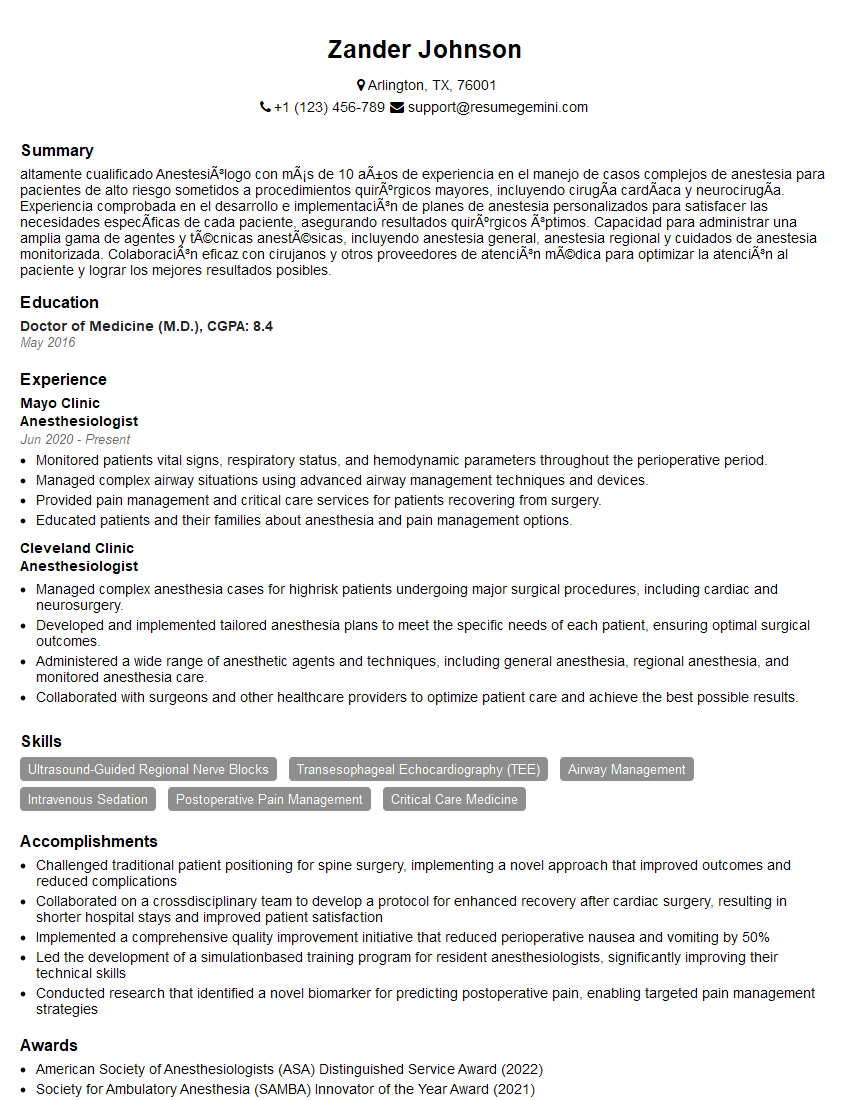
Anesthesiologist Resume Sample
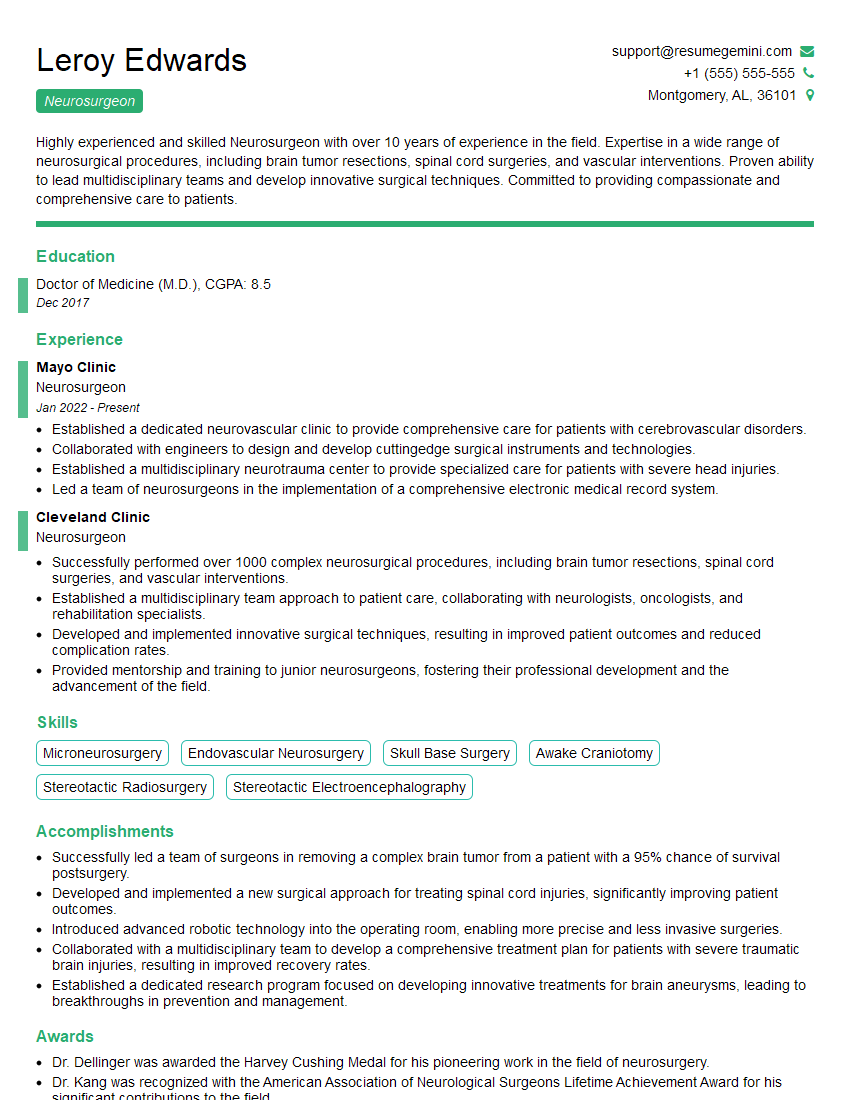
Neurosurgeon Resume Sample
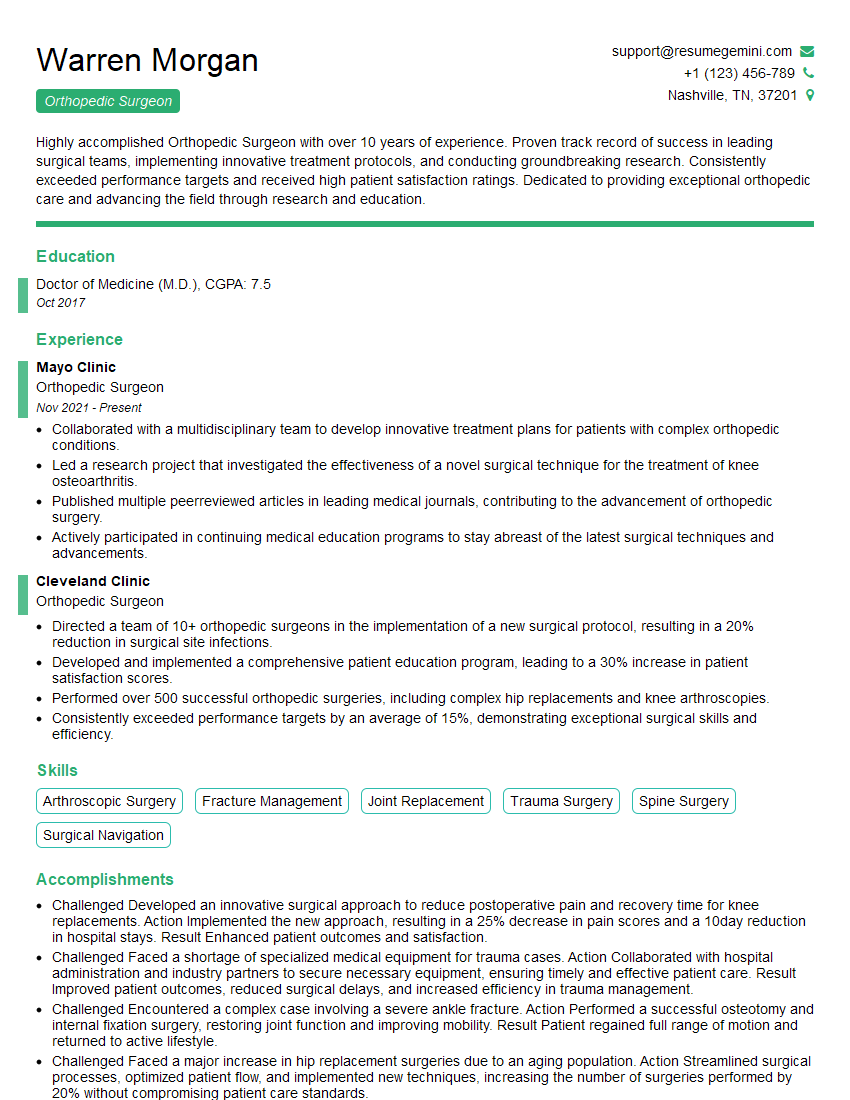
Orthopedic Surgeon Resume Sample
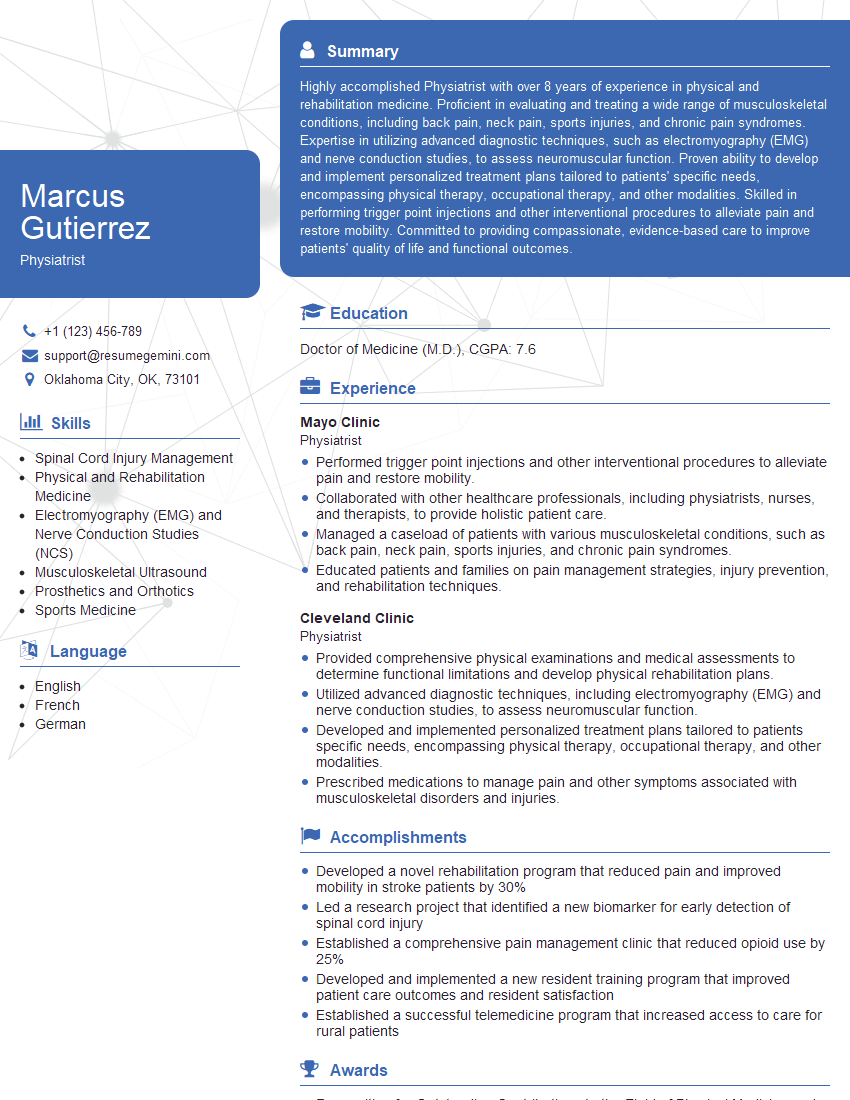
Physiatrist Resume Sample
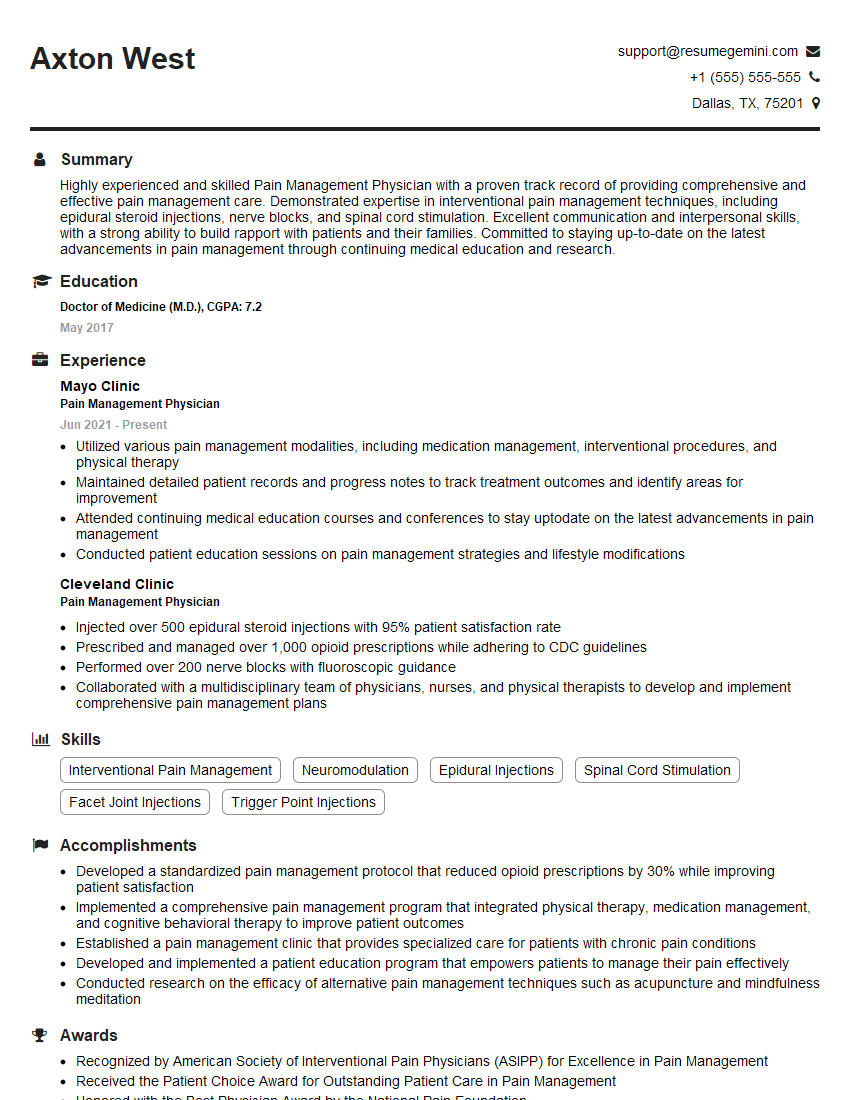
Pain Management Physician Resume Sample
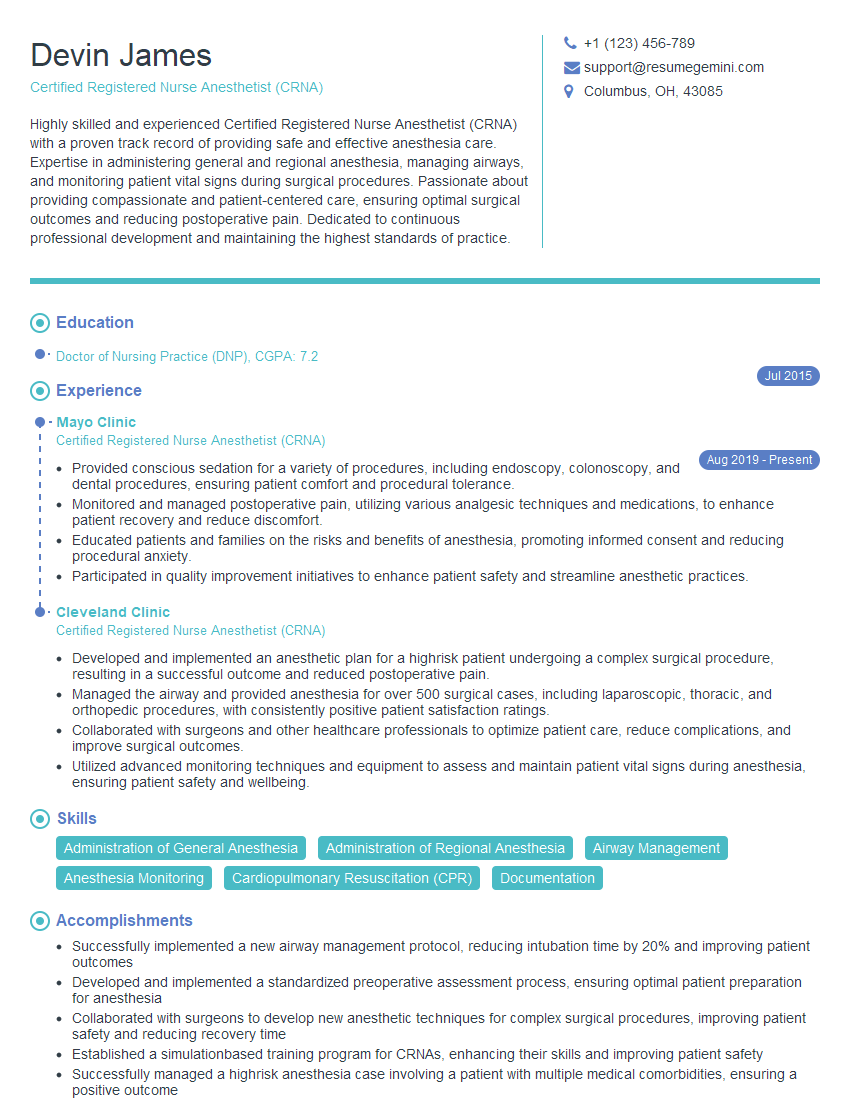
Certified Registered Nurse Anesthetist (CRNA) Resume Sample
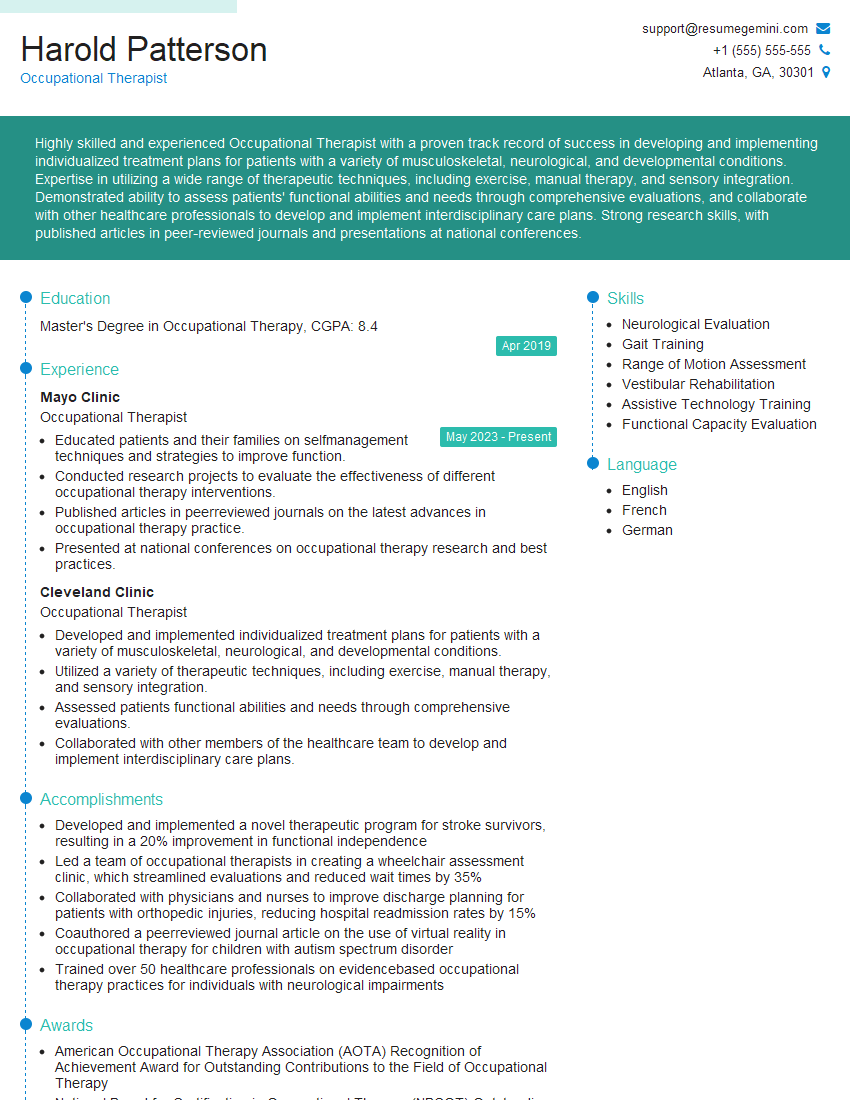
Occupational Therapist Resume Sample

Medical Sales Representative Resume Sample
Explore more articles
Users Rating of Our Blogs
Share Your Experience
We value your feedback! Please rate our content and share your thoughts (optional).
What Readers Say About Our Blog
To the interviewgemini.com Webmaster.
Very helpful and content specific questions to help prepare me for my interview!
Thank you
To the interviewgemini.com Webmaster.
This was kind of a unique content I found around the specialized skills. Very helpful questions and good detailed answers.
Very Helpful blog, thank you Interviewgemini team.