Preparation is the key to success in any interview. In this post, we’ll explore crucial Nuclear Energy and Climate Change Mitigation interview questions and equip you with strategies to craft impactful answers. Whether you’re a beginner or a pro, these tips will elevate your preparation.
Questions Asked in Nuclear Energy and Climate Change Mitigation Interview
Q 1. Explain the principles of nuclear fission and fusion.
Nuclear fission and fusion are both nuclear reactions that release tremendous amounts of energy, but they achieve this through different processes. Imagine splitting a giant atom versus merging smaller ones.
Fission involves splitting a heavy atomic nucleus (like uranium-235 or plutonium-239) into two lighter nuclei. This process is initiated by bombarding the nucleus with neutrons. The resulting nuclei have less mass than the original nucleus, and this ‘missing’ mass is converted into energy according to Einstein’s famous equation, E=mc². This energy is released as kinetic energy of the fission fragments and as energy carried away by emitted neutrons and gamma rays. This controlled chain reaction is the basis of nuclear power generation.
Fusion, on the other hand, involves combining two light atomic nuclei (like isotopes of hydrogen, deuterium and tritium) into a heavier nucleus (like helium). This process requires extremely high temperatures and pressures to overcome the electrostatic repulsion between the positively charged nuclei. Once fused, the resulting nucleus has a slightly smaller mass than the sum of the original nuclei. This mass difference is converted into a vast amount of energy, even greater than that released in fission. Fusion powers the sun and other stars.
In essence, fission is like breaking a large glass bottle into smaller pieces, while fusion is like combining many tiny grains of sand to form a larger, more stable structure. Both processes unlock immense energy, but fusion promises cleaner and potentially more sustainable energy production in the future, though its technological challenges remain significant.
Q 2. Describe the different types of nuclear reactors.
Nuclear reactors are categorized in several ways, primarily by the type of fuel they use, the coolant they employ, and the way they moderate neutrons. Some common types include:
- Pressurized Water Reactors (PWRs): The most common type globally, PWRs use water as both coolant and moderator. The water is kept under high pressure to prevent boiling.
- Boiling Water Reactors (BWRs): Similar to PWRs, but the water is allowed to boil, generating steam directly to drive turbines. This simplifies the design somewhat.
- CANDU reactors (CANada Deuterium Uranium): These reactors use heavy water (D2O) as both coolant and moderator and natural uranium as fuel, needing no uranium enrichment.
- Gas-cooled reactors (GCRs): These reactors use gases like carbon dioxide or helium as coolants. They offer advantages in terms of high operating temperatures and safety features.
- Fast breeder reactors (FBRs): These advanced reactors use fast neutrons to breed more fissile material from fertile material (like uranium-238), potentially significantly extending the lifespan of nuclear fuel.
Each reactor type has its own unique design features, safety characteristics, and economic considerations. The choice of reactor type often depends on factors like resource availability, safety regulations, and energy demand.
Q 3. What are the safety measures employed in nuclear power plants?
Nuclear power plants incorporate multiple layers of safety systems to prevent accidents and mitigate the consequences of potential failures. These include:
- Redundant safety systems: Critical systems are duplicated or triplicated to ensure that even if one fails, the others can maintain safety.
- Containment structures: These robust structures encase the reactor core to prevent the release of radioactive materials into the environment in case of an accident.
- Emergency core cooling systems (ECCS): These systems are designed to cool down the reactor core in the event of a loss of coolant accident (LOCA).
- Reactor shutdown systems: Multiple independent systems are in place to quickly and safely shut down the reactor in case of abnormal conditions.
- Radiation monitoring and control systems: Continuous monitoring of radiation levels inside and outside the plant ensures early detection of any leaks or anomalies.
- Operator training and emergency preparedness: Highly trained personnel are essential for safe operation and effective response to emergencies. Regular drills and simulations help them maintain readiness.
The safety of nuclear power plants is a high priority, and these multiple layers of protection significantly reduce the risk of accidents. However, risks are never entirely eliminated, and ongoing research and improvements are always crucial.
Q 4. Discuss the challenges of nuclear waste disposal.
Nuclear waste disposal presents a significant challenge because of the long half-lives of some radioactive isotopes. This means some waste remains dangerous for thousands of years. The main challenges are:
- Long-term storage: Spent nuclear fuel and other high-level radioactive wastes need to be isolated from the biosphere for extremely long periods to prevent environmental contamination.
- Geological stability: The chosen disposal site needs to be geologically stable and resistant to earthquakes, groundwater movement, and other geological processes.
- Public acceptance: Finding a suitable site requires broad public acceptance and understanding of the need for long-term waste management.
- Cost: Developing and implementing a safe and sustainable nuclear waste disposal program is extremely costly.
Current strategies focus on deep geological repositories, where waste is encapsulated and placed deep underground in stable geological formations. Research continues into advanced methods to reduce the volume and radioactivity of waste.
Q 5. Explain the concept of carbon capture and storage (CCS).
Carbon capture and storage (CCS) is a technology that aims to reduce greenhouse gas emissions from large point sources, such as power plants and industrial facilities. Think of it as trapping the carbon dioxide before it reaches the atmosphere.
The process typically involves three main steps:
- Capture: Carbon dioxide (CO2) is separated from the flue gases of power plants or industrial processes using various technologies, including absorption, adsorption, or membrane separation.
- Transport: The captured CO2 is then compressed and transported via pipelines or ships to a storage site.
- Storage: The CO2 is injected into geological formations, such as depleted oil and gas reservoirs, saline aquifers, or unmineable coal seams, where it is stored permanently.
While CCS offers a potential pathway to mitigate climate change, it is not a silver bullet. It’s energy-intensive, expensive, and its long-term effectiveness requires careful monitoring and management. Moreover, the availability of suitable storage sites is a limiting factor.
Q 6. What are the various renewable energy sources and their limitations?
Renewable energy sources offer a sustainable alternative to fossil fuels. Key examples include:
- Solar energy: Harnessing the sun’s energy through photovoltaic (PV) cells or concentrated solar power (CSP) plants. Limitations include intermittency (sunlight is not always available) and land-use requirements.
- Wind energy: Converting wind energy into electricity using wind turbines. Limitations include intermittency (wind is not always blowing) and potential environmental impacts on birds and bats.
- Hydropower: Generating electricity from the flow of water in rivers or dams. Limitations include environmental impacts on river ecosystems, and the geographical limitations of suitable sites.
- Geothermal energy: Utilizing heat from the Earth’s interior to generate electricity or provide direct heating. Limitations include geographical limitations, and potential induced seismicity.
- Biomass energy: Burning organic matter (wood, crops) to produce energy. Limitations include sustainability concerns related to deforestation and land-use competition.
Each renewable energy source has its advantages and disadvantages, and the optimal choice depends on local conditions and energy needs. Integrating diverse renewable sources can help mitigate the limitations of individual technologies.
Q 7. Describe the greenhouse effect and its impact on climate change.
The greenhouse effect is a natural process that keeps the Earth’s surface warm enough to support life. Certain gases in the atmosphere, known as greenhouse gases (GHGs), trap heat radiated from the Earth’s surface. Think of it like a blanket around the planet.
These GHGs include water vapor, carbon dioxide (CO2), methane (CH4), nitrous oxide (N2O), and others. Sunlight passes through the atmosphere, warming the Earth’s surface. The Earth then radiates heat back into space, but GHGs absorb some of this heat and re-radiate it back towards the surface, maintaining a warmer temperature than would otherwise be possible.
Human activities, particularly the burning of fossil fuels and deforestation, have significantly increased the concentration of GHGs in the atmosphere, enhancing the greenhouse effect. This leads to global warming, causing a range of impacts including:
- Rising global temperatures: Leading to more frequent and intense heatwaves.
- Sea level rise: Due to thermal expansion of water and melting glaciers and ice sheets.
- Changes in precipitation patterns: Including more intense rainfall in some regions and prolonged droughts in others.
- Ocean acidification: Due to increased absorption of CO2 by the oceans.
- More frequent and intense extreme weather events: Including hurricanes, floods, and wildfires.
Mitigating climate change requires reducing GHG emissions through a combination of strategies, including transitioning to renewable energy sources, improving energy efficiency, and implementing CCS technologies. Adapting to the impacts of climate change is also crucial.
Q 8. How does nuclear energy contribute to climate change mitigation?
Nuclear energy plays a crucial role in climate change mitigation because it’s a low-carbon source of electricity generation. Unlike fossil fuels, nuclear power plants don’t directly emit greenhouse gases like carbon dioxide (CO2) during operation. This is significant because CO2 is the primary driver of global warming. The electricity generated can then power homes, industries, and transportation systems, replacing electricity generated from fossil fuel sources and thus reducing overall emissions.
Think of it like this: Imagine two ways to bake a cake – one using a wood-burning oven (fossil fuels), which releases smoke (CO2), and the other using an electric oven powered by nuclear energy (nuclear power), which doesn’t produce smoke. Both bake the cake, but one contributes to air pollution significantly more than the other.
Q 9. What are the economic aspects of nuclear power compared to renewables?
The economic aspects of nuclear power versus renewables are complex and vary considerably based on factors like technology, location, and government policies. Nuclear power plants have high upfront capital costs due to the construction of sophisticated reactors and necessary safety infrastructure. However, their operating costs are relatively low once operational, leading to a consistent and predictable energy supply. Renewables, such as solar and wind, typically have lower upfront capital costs, particularly for smaller-scale projects, but their output is intermittent and dependent on weather conditions. This intermittency requires additional investment in energy storage or backup power sources to ensure a reliable supply.
For example, a large-scale nuclear power plant requires billions of dollars in upfront investment, but it can generate electricity consistently for decades with relatively low fuel costs. Solar farms may have lower upfront costs but require considerable land area, and their energy output fluctuates throughout the day and with the seasons. Therefore, a comprehensive lifecycle cost analysis is vital for comparing the economic viability of different energy sources.
Q 10. Discuss the role of policy in promoting sustainable energy solutions.
Policy plays a pivotal role in fostering sustainable energy solutions by creating a supportive environment for investment, innovation, and deployment. Governments can utilize a variety of policy tools, including carbon pricing (e.g., carbon taxes or cap-and-trade systems), subsidies for renewable energy technologies, tax credits for energy efficiency improvements, and mandates for renewable energy procurement.
For instance, countries with robust carbon pricing mechanisms incentivize businesses to reduce their carbon footprint, creating demand for low-carbon electricity sources like nuclear. Subsidies can accelerate the adoption of renewables by reducing their initial costs and making them more competitive. Renewable portfolio standards (RPS) require electricity suppliers to obtain a certain percentage of their electricity from renewable sources, driving growth in the renewable energy sector.
Effective policy requires a holistic approach, considering not only economic incentives but also environmental regulations and public acceptance to ensure that energy transitions are equitable and sustainable.
Q 11. Explain the different types of nuclear fuel cycles.
Nuclear fuel cycles describe the steps involved in producing, using, and managing nuclear fuel from mining uranium to the disposal of spent fuel. Different cycles exist, primarily categorized by how much of the energy potential within the uranium is utilized.
- Once-through cycle: This is the simplest cycle, where uranium is enriched, used in a reactor, and then disposed of as high-level radioactive waste. Most reactors worldwide currently use this cycle.
- Reprocessing cycle: After use in a reactor, the spent fuel is reprocessed to extract plutonium and uranium isotopes that can be reused as fuel, significantly extending the resource utilization and reducing waste volume. This cycle is more complex and presents proliferation concerns.
- Breeder reactor cycle: This advanced cycle uses breeder reactors that produce more fissile material (like plutonium) than they consume. This could potentially extend the usability of uranium resources significantly but is technologically complex and poses proliferation challenges.
The choice of fuel cycle significantly impacts the long-term sustainability and environmental impact of nuclear energy. Reprocessing, while offering advantages in resource utilization, requires careful management of highly radioactive materials. Breeder reactors present both vast potential and significant technical and safety hurdles.
Q 12. What are the environmental impacts of nuclear power generation?
While nuclear power doesn’t emit greenhouse gases during operation, it does have environmental impacts. The primary concern is the generation of radioactive waste, which requires long-term storage and management. Uranium mining and processing can also have environmental impacts, such as habitat disruption and water pollution. Additionally, the risk of accidents, although statistically low, has significant consequences.
For example, the accident at Chernobyl highlighted the potential for severe environmental contamination, while Fukushima demonstrated the vulnerability of nuclear power plants to natural disasters. However, it’s important to note that the environmental impact of nuclear power is significantly lower than that of fossil fuels when considering greenhouse gas emissions and air pollution over the entire lifecycle.
Modern nuclear reactors incorporate advanced safety features and design to minimize the risk of accidents. Research into advanced reactor designs and waste management strategies aims to further mitigate these environmental impacts.
Q 13. Describe the process of nuclear reactor decommissioning.
Nuclear reactor decommissioning is a complex and lengthy process involving the safe shutdown, dismantling, and disposal or decontamination of a nuclear power plant after its operational lifespan. The process involves several stages:
- Shutdown and defueling: The reactor is safely shut down, and the nuclear fuel is removed and transported to a storage facility.
- Decommissioning planning: Detailed plans are developed outlining the decommissioning strategy, taking into account safety, environmental protection, and regulatory requirements.
- Dismantlement: The reactor and associated structures are systematically dismantled, with radioactive materials carefully removed and handled.
- Site restoration: The site is decontaminated and restored to a safe condition for future use.
- Waste disposal: Radioactive waste is disposed of according to stringent regulations, often involving long-term geological storage.
Decommissioning is a costly and time-consuming process, typically spanning decades. The chosen strategy (e.g., immediate dismantlement, SAFSTOR – safe storage, or ENSTOR – entombment) depends on factors such as the reactor type, the regulatory framework, and the economic considerations.
Q 14. What are the ethical considerations surrounding nuclear energy?
Ethical considerations surrounding nuclear energy are multifaceted and complex. Concerns include the potential for nuclear proliferation, the risk of accidents and their consequences, and the challenges of managing long-term radioactive waste. The equitable distribution of risks and benefits associated with nuclear power is also a critical ethical concern. The potential for accidents causing large-scale environmental damage and human suffering raises significant ethical questions, demanding careful consideration of safety protocols and regulatory oversight.
Another important ethical consideration involves intergenerational equity. The long-term nature of radioactive waste management means that future generations will bear the responsibility of managing this waste, posing an ethical obligation to minimize waste generation and ensure its safe and responsible disposal. Transparent and participatory decision-making processes involving affected communities are essential to address these ethical challenges and ensure that nuclear energy development is conducted in a socially responsible manner.
Q 15. How do you assess the risk associated with nuclear accidents?
Assessing the risk associated with nuclear accidents involves a multi-faceted approach, combining probabilistic risk assessment (PRA) with expert judgment. PRA uses quantitative methods to estimate the likelihood and consequences of various accident scenarios. This involves identifying potential initiating events (e.g., equipment failure, human error), analyzing the propagation of these events through the system, and evaluating the potential release of radioactive material. The consequences are assessed in terms of potential health effects, environmental damage, and economic impacts. Expert judgment plays a critical role in refining PRA models, particularly in areas where data are limited, such as the human factor.
For example, the Fukushima Daiichi accident highlighted the importance of considering extreme external events (like tsunamis) in risk assessments. Similarly, the Chernobyl accident demonstrated the catastrophic potential of design flaws and inadequate safety procedures. The analysis also incorporates safety systems, emergency response plans, and the effectiveness of containment structures in mitigating the consequences of accidents. This holistic approach allows for a comprehensive understanding of potential risks and guides the development of safety measures to minimize them.
Career Expert Tips:
- Ace those interviews! Prepare effectively by reviewing the Top 50 Most Common Interview Questions on ResumeGemini.
- Navigate your job search with confidence! Explore a wide range of Career Tips on ResumeGemini. Learn about common challenges and recommendations to overcome them.
- Craft the perfect resume! Master the Art of Resume Writing with ResumeGemini’s guide. Showcase your unique qualifications and achievements effectively.
- Don’t miss out on holiday savings! Build your dream resume with ResumeGemini’s ATS optimized templates.
Q 16. Explain the concept of a nuclear criticality accident.
A nuclear criticality accident occurs when a fissile material (like uranium or plutonium) undergoes an uncontrolled chain reaction, resulting in a sudden and significant release of energy in the form of radiation. This chain reaction happens when the amount of fissile material exceeds a critical mass, causing a rapid increase in neutron population. The severity of the accident depends on factors such as the amount of fissile material, its enrichment, and the presence of moderating materials (which slow down neutrons, increasing the likelihood of fission). The consequences can range from a minor radiation release to a catastrophic event with widespread contamination and serious health impacts.
Imagine a pile of kindling: if you carefully add matches, you get a controlled fire. However, if you dump a large amount of kindling and ignite it all at once, you get an uncontrolled inferno. Similarly, careful control of fissile material is essential in nuclear facilities to prevent a criticality accident. Strict safety protocols, such as criticality control systems and administrative controls, are essential to prevent these accidents.
Q 17. What is the role of isotopes in nuclear medicine?
Isotopes play a crucial role in nuclear medicine, primarily as radioactive tracers and therapeutic agents. Radioactive isotopes emit radiation, allowing them to be detected and tracked within the body. In diagnostic imaging, isotopes like Technetium-99m are used in techniques such as single-photon emission computed tomography (SPECT) and are injected into the bloodstream to image internal organs and detect abnormalities. These isotopes emit gamma radiation, which is detected by specialized cameras to create images.
Therapeutic applications utilize isotopes that emit particles capable of destroying cancerous cells. For instance, Iodine-131 is commonly used to treat thyroid cancer. The choice of isotope depends on its physical properties (half-life, type of radiation emitted), and the specific application. Physicians carefully select appropriate doses to balance therapeutic effectiveness against potential side effects from radiation exposure. The use of isotopes in nuclear medicine has revolutionized diagnosis and treatment, providing non-invasive methods for detecting and treating various diseases.
Q 18. Describe different climate change models and their limitations.
Climate change models are complex computer programs that simulate the Earth’s climate system, incorporating factors such as atmospheric composition, ocean currents, ice cover, and land use. These models utilize fundamental physical laws and empirical data to project future climate conditions under different scenarios of greenhouse gas emissions. Different models vary in their complexity, spatial resolution, and the representation of specific processes. Examples include Global Climate Models (GCMs) that simulate the entire globe at relatively coarse resolution and Regional Climate Models (RCMs) that focus on smaller regions with higher resolution.
Limitations of climate models stem from several factors: imperfect understanding of climate processes, uncertainties in future emissions, and limitations in computational power. These models cannot perfectly capture all the complexities of the climate system. Moreover, projecting future climate scenarios involves uncertainties inherent in predicting human behavior and technological development. Despite these limitations, climate models provide invaluable insights into the potential impacts of climate change and inform adaptation and mitigation strategies. The results from multiple models are often compared and analyzed to identify robust conclusions.
Q 19. How do you analyze the effectiveness of climate mitigation strategies?
Analyzing the effectiveness of climate mitigation strategies requires a multi-pronged approach. This includes assessing the projected reductions in greenhouse gas emissions from different strategies, evaluating their economic costs, and examining their social and environmental impacts. Cost-benefit analysis plays a key role, comparing the economic costs of implementing a strategy to the economic benefits of avoiding future climate change damages. Integrated Assessment Models (IAMs) are used to analyze the effectiveness of mitigation strategies across various sectors and time scales. These models typically combine economic models with climate models to assess the interactions between economic activity and climate change.
For example, assessing the effectiveness of carbon pricing mechanisms (such as carbon taxes or cap-and-trade systems) would involve analyzing their impact on emissions across various sectors, determining their economic effects on different groups, and evaluating any potential unintended consequences (e.g., carbon leakage).
Q 20. What are the potential impacts of climate change on the nuclear fuel cycle?
Climate change poses several potential impacts on the nuclear fuel cycle. Rising sea levels and extreme weather events (like floods, hurricanes, and droughts) could damage nuclear power plants, uranium mines, and spent fuel storage facilities, leading to potential safety risks and radioactive releases. Changes in water availability could affect the cooling of nuclear power plants, and increased temperatures could affect the efficiency of some nuclear processes. Furthermore, altered precipitation patterns could affect uranium mining operations and the disposal of radioactive waste.
For example, coastal nuclear power plants could face increased risks of flooding and storm surges, requiring enhanced protective measures. Changes in precipitation patterns could impact the stability of spent fuel storage pools, requiring new strategies for waste management. Adaptation strategies for the nuclear fuel cycle need to incorporate climate change projections to ensure the long-term safety and sustainability of nuclear energy.
Q 21. Explain the concept of nuclear proliferation and its implications.
Nuclear proliferation refers to the spread of nuclear weapons technology and materials to states or non-state actors that do not possess them. This poses a significant threat to international security, as the acquisition of nuclear weapons by more actors increases the risk of nuclear conflict, accidental use, or the potential for terrorism. The implications are far-reaching, including the possibility of large-scale death and destruction, global instability, and the potential for triggering nuclear arms races.
Several measures are in place to mitigate the risk of nuclear proliferation, including the Nuclear Non-Proliferation Treaty (NPT), which aims to prevent the spread of nuclear weapons and promote peaceful uses of nuclear energy. International safeguards, inspections, and export controls are also implemented to limit the transfer of sensitive nuclear materials and technology. However, the challenge of preventing proliferation remains significant, requiring continuous efforts to enhance international cooperation, improve monitoring capabilities, and address the underlying causes of nuclear ambition.
Q 22. Describe the role of international cooperation in addressing climate change.
Addressing climate change is a global challenge requiring unprecedented international cooperation. No single nation can effectively tackle this issue alone; greenhouse gases released anywhere affect the entire planet. International cooperation manifests in several crucial ways:
Global Agreements: The Paris Agreement, for example, sets targets for emissions reduction and encourages collaboration among nations. It’s a framework for collective action, outlining reporting mechanisms and promoting technology transfer.
Joint Research and Development: International collaborations are vital for advancing clean energy technologies like renewable energy sources, carbon capture, and storage. Sharing research findings and pooling resources accelerates innovation and deployment.
Financial Assistance: Developed nations often provide financial support to developing countries to help them transition to cleaner energy sources and adapt to the impacts of climate change. This ensures a fairer and more equitable global response.
Data Sharing and Monitoring: Accurate and consistent monitoring of greenhouse gas emissions requires international collaboration on data collection, analysis, and reporting. This fosters transparency and accountability.
Capacity Building: Sharing expertise and training opportunities helps developing countries build their capacity to address climate change effectively. This includes education and training programs on sustainable development and climate-resilient infrastructure.
For instance, the International Energy Agency (IEA) plays a crucial role in coordinating international efforts on energy security and climate change mitigation through data analysis, policy recommendations, and technological assessments.
Q 23. What are the technological challenges in developing fusion energy?
Fusion energy, the power source of the sun, holds immense promise for clean, abundant energy. However, several technological hurdles need to be overcome before it becomes a viable energy source:
Achieving and Maintaining Ignition: Initiating and sustaining the fusion reaction requires extremely high temperatures and pressures, typically over 100 million degrees Celsius. Containing this plasma and preventing it from touching the reactor walls (which would cool it down and quench the reaction) is a major challenge. This is usually tackled using powerful magnetic fields.
Plasma Confinement: The superheated plasma must be confined for a sufficiently long time to achieve net energy gain – meaning more energy is produced than is required to initiate and sustain the reaction. This needs highly sophisticated and precise magnetic confinement systems.
Material Science: The reactor must withstand extreme temperatures and neutron bombardment. Developing materials capable of enduring these harsh conditions is a crucial materials science challenge.
Engineering Complexity: Building and maintaining a fusion reactor is an enormously complex engineering undertaking. The scale and precision required are unparalleled in other engineering fields.
Energy Efficiency: Even after achieving ignition, maximizing the energy output relative to the energy input needed to run the reactor remains crucial for economic viability.
ITER (International Thermonuclear Experimental Reactor) is a large international collaboration aimed at demonstrating the scientific and technological feasibility of fusion power, tackling these challenges head-on. Success hinges on ongoing advancements in materials science, plasma physics, and engineering.
Q 24. How do you ensure the security of nuclear materials?
Ensuring the security of nuclear materials is paramount to prevent their diversion for illicit purposes, such as the creation of nuclear weapons or dirty bombs. A multi-layered approach is crucial, encompassing:
Physical Protection: This involves securing nuclear materials with robust physical barriers, surveillance systems, and armed guards. The design and implementation must be tailored to the specific threat level and material type. Facilities must be fortified against intrusion and sabotage.
Accountability and Transparency: Strict accounting and tracking of nuclear materials are essential. International organizations, such as the IAEA (International Atomic Energy Agency), conduct inspections and verify the safeguards implemented by member states. This promotes transparency and reduces the risk of diversion.
International Cooperation: Cooperation between countries is fundamental to preventing the proliferation of nuclear weapons and materials. Agreements like the Nuclear Non-Proliferation Treaty (NPT) establish obligations for states, including reporting on nuclear activities and undertaking safeguards agreements with the IAEA. Information sharing and joint efforts to strengthen security measures are vital.
State-Level Regulations: Each nation develops its own regulatory framework for the use, transport, and storage of nuclear materials. These regulations need to be stringent and compliant with international standards. Regular audits and inspections help ensure adherence to those standards.
Personnel Security: Thorough background checks and security clearances are essential for individuals working with nuclear materials. This helps mitigate insider threats and ensures only trusted personnel have access to sensitive materials.
The IAEA plays a key role in providing guidance, conducting inspections, and supporting states in strengthening their nuclear security capabilities. The effectiveness of the security system relies heavily on continuous improvement and adaptation to emerging threats.
Q 25. Discuss the role of advanced nuclear reactors in reducing greenhouse gas emissions.
Advanced nuclear reactors, including small modular reactors (SMRs) and high-temperature reactors (HTRs), offer significant potential for reducing greenhouse gas emissions. They achieve this in several ways:
High Efficiency: Advanced reactors often have improved thermal efficiency compared to traditional reactors, meaning they generate more electricity from the same amount of nuclear fuel, thus reducing the fuel cycle’s environmental impact.
Reduced Waste: Some advanced reactor designs produce less radioactive waste, and the waste they do produce is less long-lived, simplifying waste management and reducing long-term risks.
Enhanced Safety Features: Many advanced reactor designs incorporate passive safety features that reduce the reliance on active systems, improving their inherent safety and reducing the risk of accidents.
Potential for Hydrogen Production: High-temperature reactors can be coupled with electrolysis to efficiently produce hydrogen, a clean fuel that can be used in various sectors, thereby reducing reliance on fossil fuels.
Diverse Applications: SMRs are particularly promising for applications in remote locations or for providing baseload power to support renewable energy grids. This improves grid stability and allows for a greater share of renewable power.
The deployment of these advanced reactors, however, requires overcoming challenges related to cost, regulatory approval, and public acceptance. Extensive research and development are ongoing to address these challenges and unlock the full potential of advanced nuclear reactors in climate change mitigation.
Q 26. Explain the various methods used for monitoring greenhouse gas concentrations.
Monitoring greenhouse gas (GHG) concentrations involves a combination of methods, providing a comprehensive understanding of atmospheric changes:
Ground-Based Monitoring Stations: A global network of stations measures GHG concentrations continuously using sophisticated instruments. Data from these stations provides long-term trends and regional variations.
Satellite-Based Observations: Satellites provide a global perspective on GHG concentrations, offering spatial and temporal coverage unavailable from ground-based stations. They can detect GHG emissions from various sources, including industrial facilities and agricultural practices.
Aircraft Measurements: Aircraft are used for targeted measurements of GHGs in specific areas, such as plumes from power plants or industrial complexes. These provide detailed data on emission sources and transport.
Oceanographic Measurements: The oceans absorb a significant portion of atmospheric CO2. Measuring CO2 levels in the ocean provides valuable information about the carbon cycle and its interaction with the atmosphere.
Ice Core Analysis: By analyzing the gas trapped within ice cores, scientists can reconstruct past atmospheric GHG concentrations, extending our understanding of climate variability over centuries and millennia.
These different methods are complementary, and data from various sources are integrated using sophisticated models to obtain a holistic picture of GHG concentrations and their changes over time. This is vital for informing climate policy and assessing the effectiveness of mitigation efforts.
Q 27. Describe the challenges of integrating renewable energy sources into the grid.
Integrating renewable energy sources (RES), such as solar and wind power, into the electricity grid presents significant challenges:
Intermittency: Solar and wind power are intermittent; their output fluctuates depending on weather conditions. This variability makes it difficult to maintain grid stability and reliability.
Transmission Infrastructure: Renewable energy sources are often located in remote areas, requiring significant investments in new transmission lines and infrastructure to connect them to the grid.
Grid Management: Integrating large amounts of intermittent RES requires sophisticated grid management systems that can balance supply and demand in real time. This often involves advanced forecasting techniques and smart grid technologies.
Energy Storage: Addressing intermittency often involves energy storage solutions, such as batteries, pumped hydro, or compressed air energy storage. These solutions can be expensive and require significant infrastructure.
Balancing Supply and Demand: Matching fluctuating renewable generation with demand requires careful planning and coordination. This might involve demand-side management programs, backup generation sources, or power trading mechanisms.
Addressing these challenges requires a combination of technological advancements, policy support, and careful grid planning. Smart grids, advanced forecasting models, and energy storage solutions are essential for enabling the seamless integration of RES and maintaining a stable and reliable power supply.
Q 28. How do you evaluate the environmental impact of different energy sources?
Evaluating the environmental impact of different energy sources requires a comprehensive life-cycle assessment (LCA), considering all stages from resource extraction to waste disposal. Key factors include:
Greenhouse Gas Emissions: This is a critical factor, focusing on CO2, methane (CH4), and nitrous oxide (N2O) emissions across the energy source’s entire life cycle.
Air and Water Pollution: Evaluating the emission of pollutants such as particulate matter, sulfur oxides, and nitrogen oxides into the air and water is crucial. The impacts on human health and ecosystems need to be quantified.
Land Use and Habitat Loss: The impact of energy production on land use, biodiversity, and habitat loss should be considered. For instance, large-scale hydropower projects can significantly alter river ecosystems.
Water Consumption: The amount of water used for energy production is a significant environmental factor, particularly for thermal power plants and some renewable energy technologies.
Waste Generation: The type, quantity, and management of waste generated throughout the life cycle of each energy source are crucial aspects, including hazardous waste from nuclear power and mining waste from renewable energy technologies.
LCA is a complex process involving data collection, modelling, and impact assessment. Different methodologies and databases exist, but the goal remains consistent: to provide a comprehensive and scientifically sound evaluation of the environmental trade-offs associated with different energy sources. This information is invaluable for informing policy decisions and promoting sustainable energy choices.
Key Topics to Learn for Nuclear Energy and Climate Change Mitigation Interviews
- Nuclear Fission & Fusion: Understand the fundamental principles, comparing and contrasting the two processes, and their applications in energy production.
- Nuclear Reactor Types & Design: Familiarize yourself with various reactor designs (PWR, BWR, CANDU, etc.), their operational characteristics, and safety features. Be prepared to discuss their advantages and disadvantages in the context of climate change mitigation.
- Nuclear Fuel Cycle: Master the stages involved, from uranium mining and enrichment to spent fuel management and waste disposal, including the environmental impact at each stage.
- Nuclear Safety & Security: Demonstrate a strong understanding of radiation protection, reactor safety systems, and measures to prevent nuclear proliferation and terrorism.
- Climate Change Science & Mitigation Strategies: Review the scientific basis of climate change, and discuss the role of nuclear energy as a low-carbon energy source within a broader strategy of mitigation (including renewable energy sources and energy efficiency).
- Life Cycle Assessment (LCA) of Nuclear Energy: Be prepared to discuss the environmental impacts of nuclear energy throughout its entire lifecycle, comparing it to other energy sources.
- Public Perception & Policy: Understand the societal and political aspects surrounding nuclear energy, including public perception, regulatory frameworks, and international agreements.
- Problem-Solving & Critical Thinking: Practice applying your knowledge to hypothetical scenarios involving reactor incidents, waste management challenges, or policy debates. Develop your ability to articulate solutions clearly and concisely.
- Renewable Energy Integration: Explore the potential synergies and challenges of integrating nuclear energy with renewable energy sources to create a robust and sustainable energy system.
Next Steps
Mastering the intricacies of nuclear energy and climate change mitigation positions you at the forefront of a crucial global challenge, opening doors to rewarding and impactful careers. A well-crafted resume is essential to showcase your expertise effectively to potential employers. Building an ATS-friendly resume significantly increases your chances of getting noticed. We highly recommend using ResumeGemini, a trusted resource for creating professional and impactful resumes. ResumeGemini provides examples of resumes tailored to the Nuclear Energy and Climate Change Mitigation sector, helping you present your qualifications in the most compelling way possible.
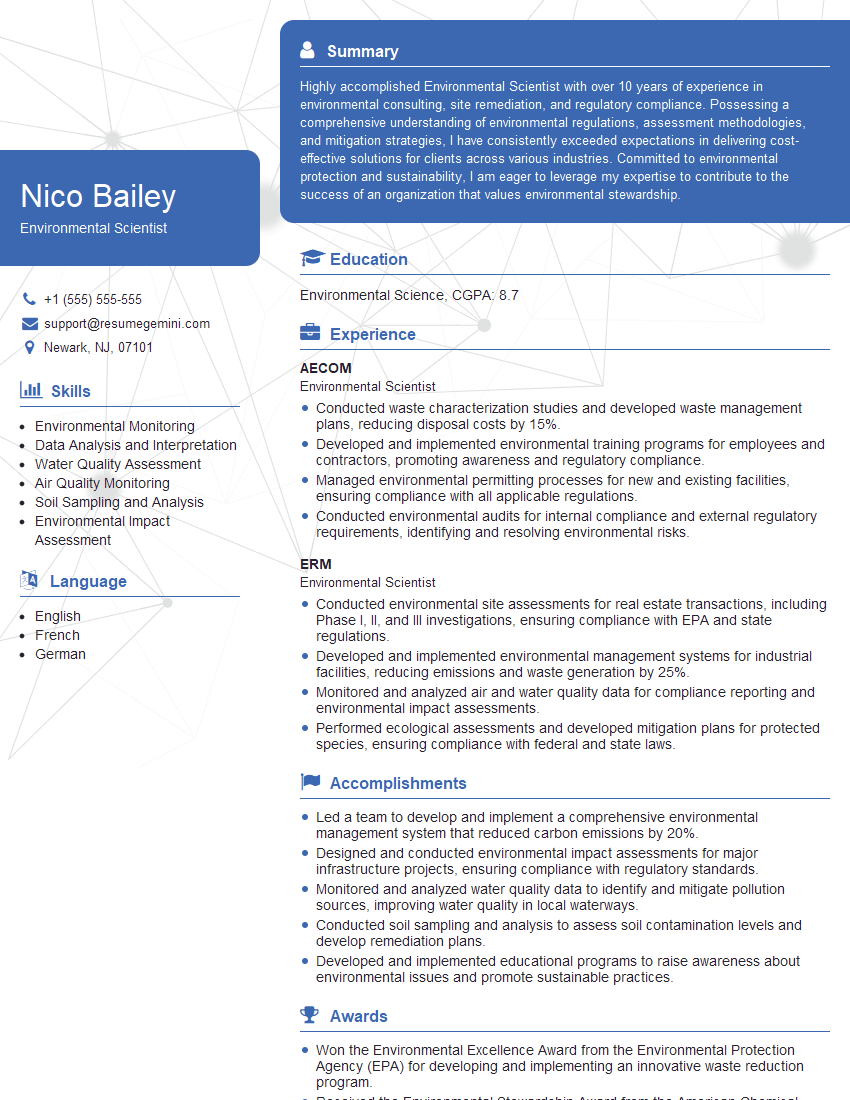
Environmental Scientist Resume Sample

Sustainability Consultant Resume Sample
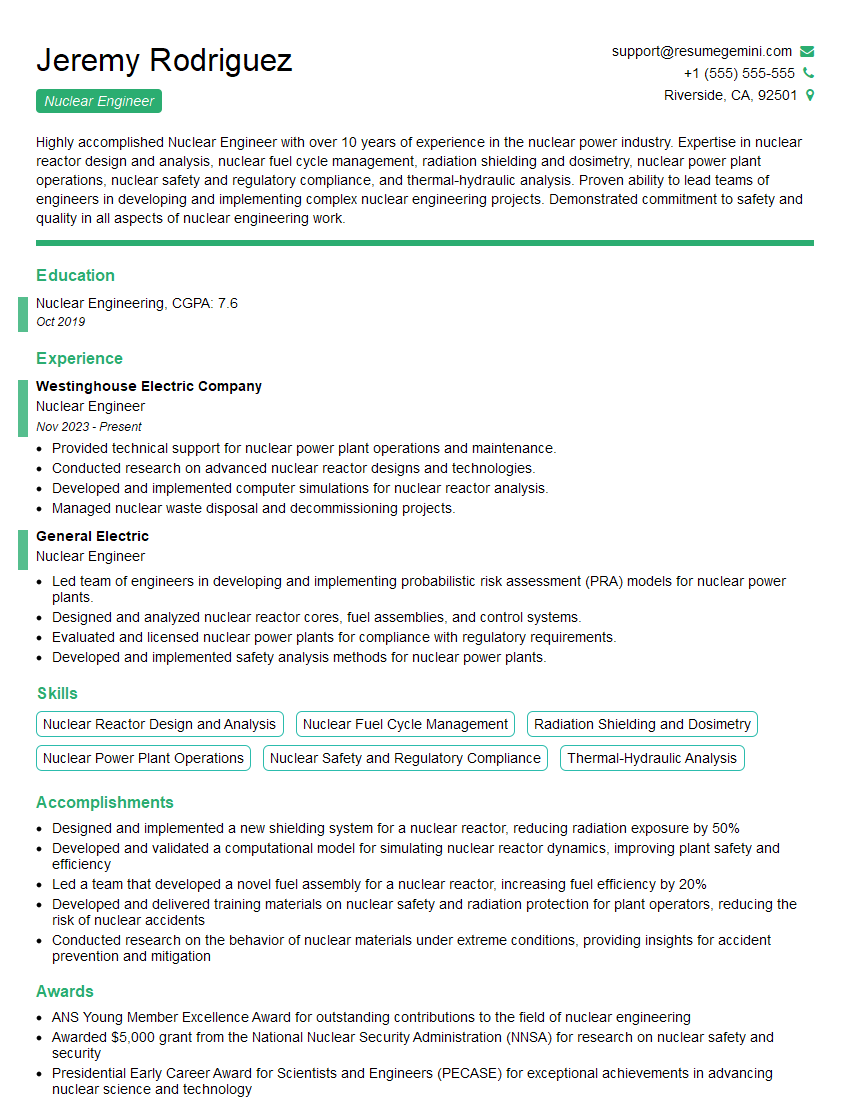
Nuclear Engineer Resume Sample
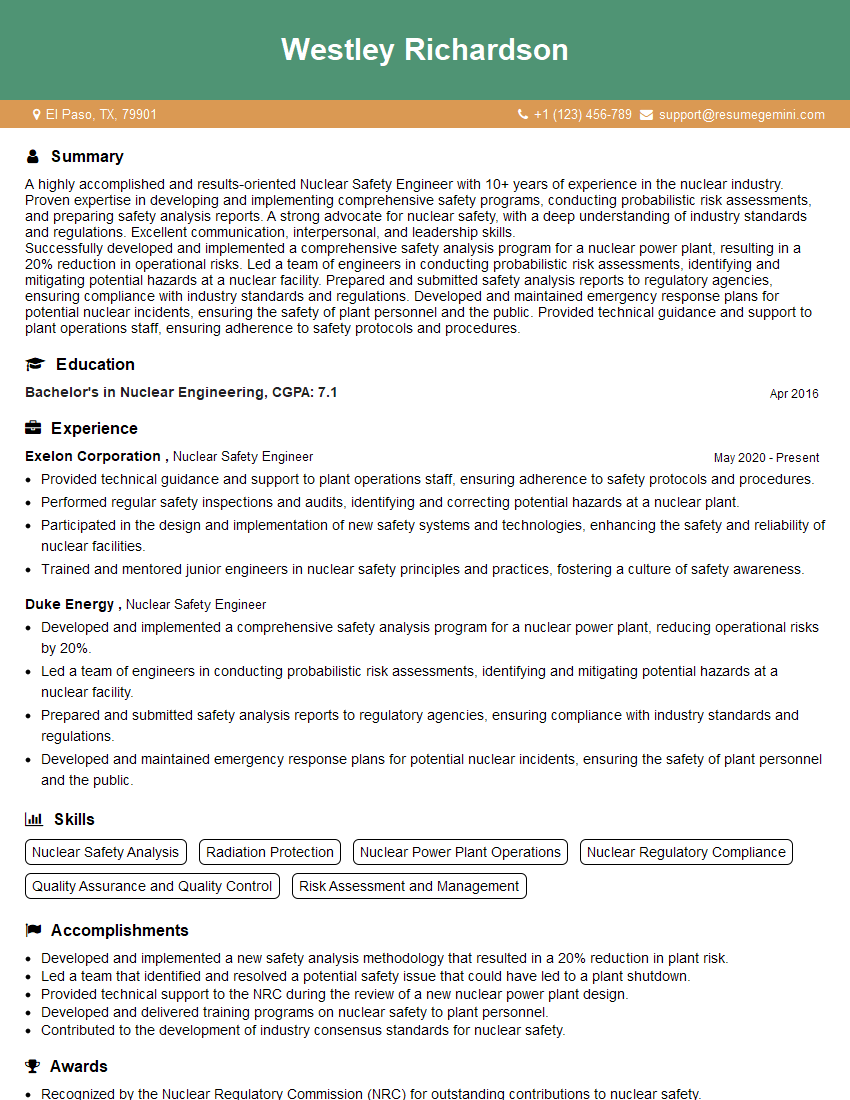
Nuclear Safety Engineer Resume Sample
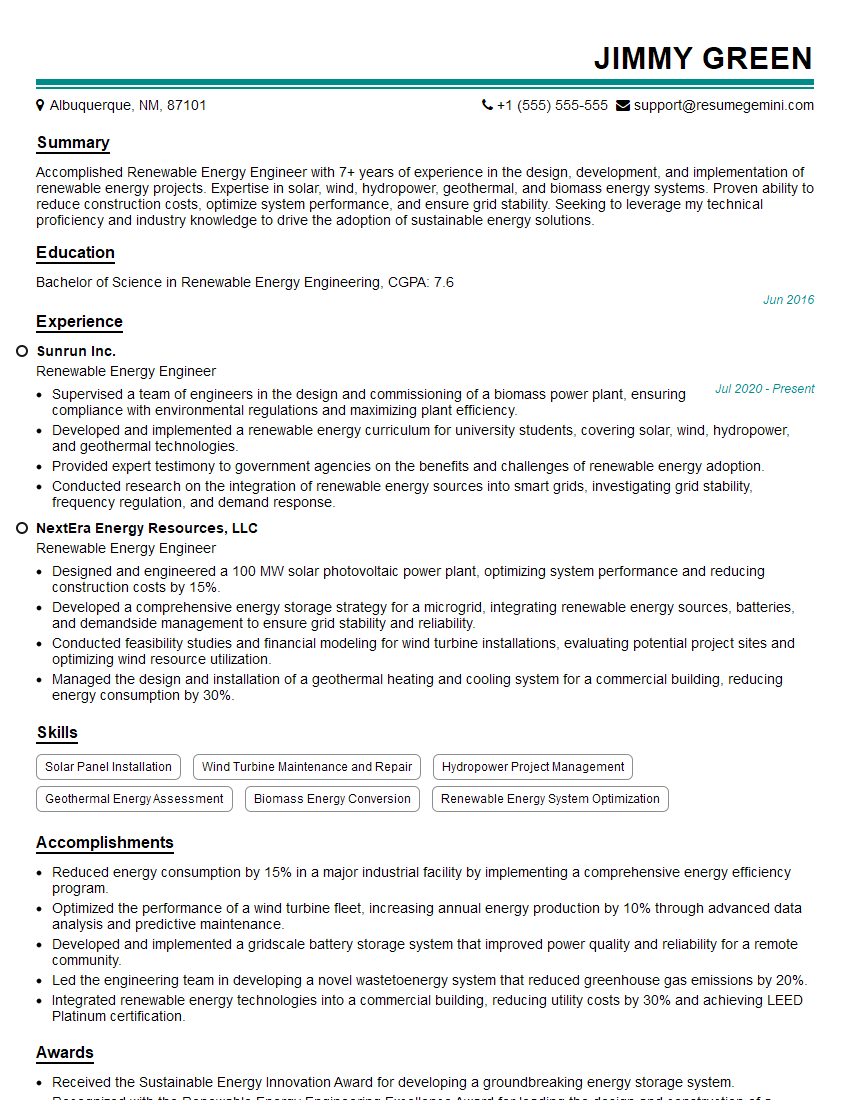
Renewable Energy Engineer Resume Sample

Nuclear Physicist Resume Sample
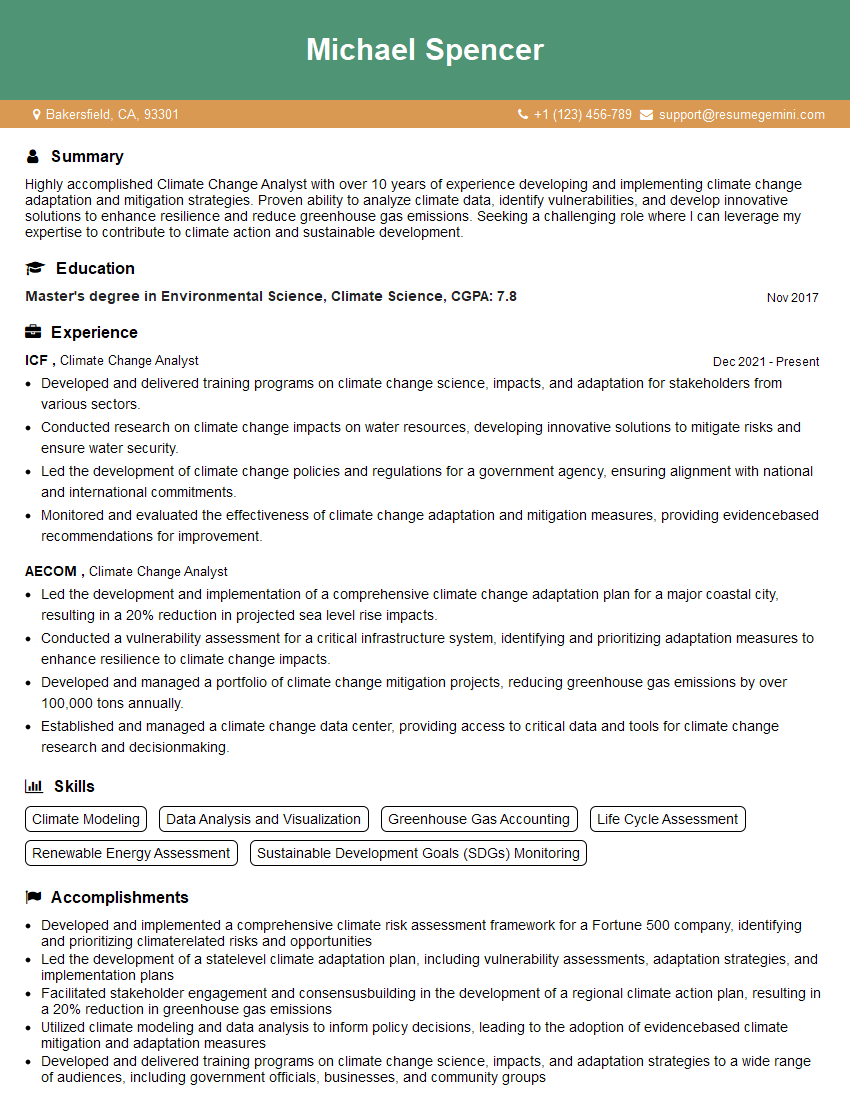
Climate Change Analyst Resume Sample
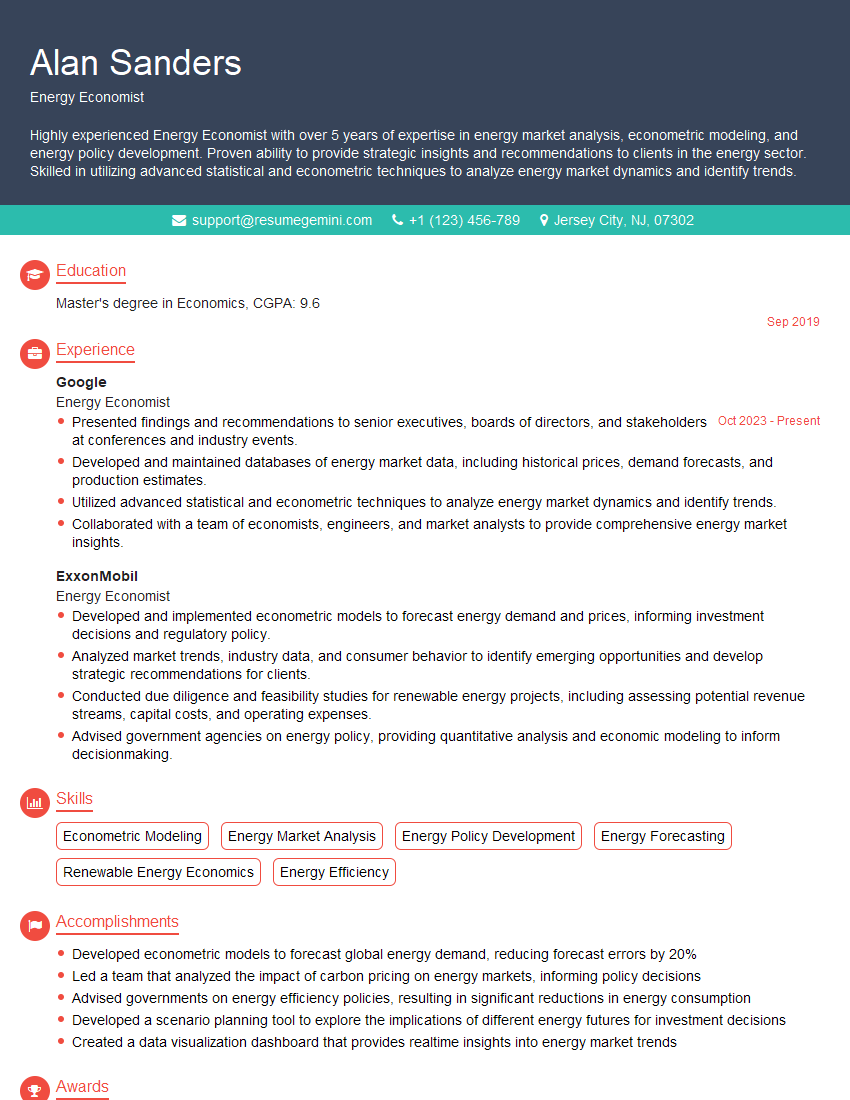
Energy Economist Resume Sample
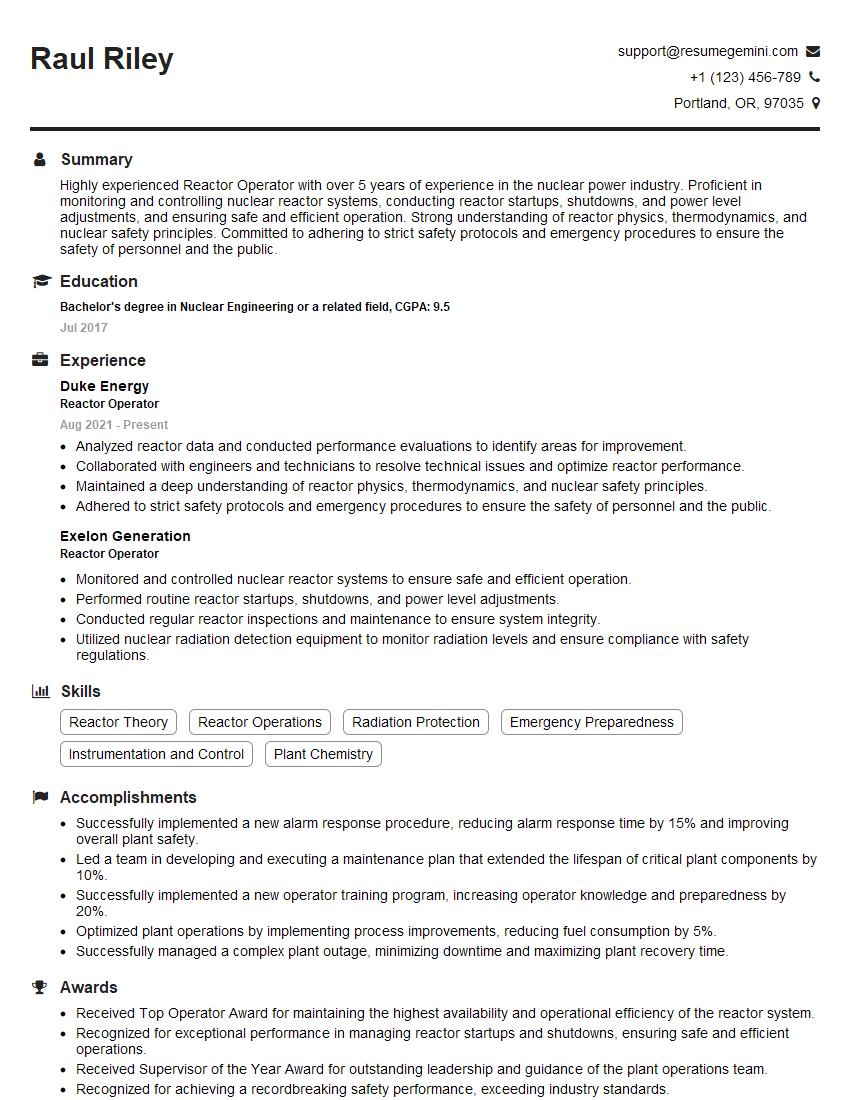
Reactor Operator Resume Sample
Explore more articles
Users Rating of Our Blogs
Share Your Experience
We value your feedback! Please rate our content and share your thoughts (optional).
What Readers Say About Our Blog
To the interviewgemini.com Webmaster.
Very helpful and content specific questions to help prepare me for my interview!
Thank you
To the interviewgemini.com Webmaster.
This was kind of a unique content I found around the specialized skills. Very helpful questions and good detailed answers.
Very Helpful blog, thank you Interviewgemini team.