Interviews are more than just a Q&A session—they’re a chance to prove your worth. This blog dives into essential Operation of Testing Equipment interview questions and expert tips to help you align your answers with what hiring managers are looking for. Start preparing to shine!
Questions Asked in Operation of Testing Equipment Interview
Q 1. Describe your experience with different types of testing equipment.
My experience encompasses a wide range of testing equipment, from basic multimeters and oscilloscopes to sophisticated automated test systems. I’ve worked extensively with equipment used in various industries, including electronics manufacturing, telecommunications, and automotive testing. For example, in electronics manufacturing, I’ve used automated test equipment (ATE) to perform functional tests on circuit boards, identifying faulty components and ensuring product quality. In telecommunications, I’ve used network analyzers to measure signal strength and quality, troubleshooting network issues. My experience also includes using environmental test chambers to simulate various environmental conditions, such as temperature and humidity, on products to assess their durability and reliability.
- Multimeters: Used for measuring voltage, current, and resistance.
- Oscilloscopes: Used for visualizing and analyzing electrical signals.
- Network Analyzers: Used for measuring signal strength and quality in telecommunication networks.
- Automated Test Equipment (ATE): Used for automated testing of electronic components and assemblies.
- Environmental Test Chambers: Used to simulate various environmental conditions.
Q 2. Explain the calibration process for a specific type of testing equipment.
Let’s take the calibration of a digital multimeter (DMM) as an example. The calibration process ensures the DMM provides accurate measurements. It involves comparing the DMM’s readings to those of a known standard, typically a traceable standard calibrated by a national metrology institute or a certified calibration laboratory. The process usually follows these steps:
- Preparation: The DMM is allowed to warm up to stabilize its internal components. The standard and the DMM are connected using appropriate leads.
- Measurement: The DMM is used to measure various voltage, current, and resistance values provided by the standard. Each measurement is recorded.
- Comparison: The DMM’s readings are compared to the known values from the standard. Any discrepancies are noted.
- Adjustment (if necessary): Some DMMs allow for internal adjustments to correct minor discrepancies. This is done following the manufacturer’s instructions.
- Documentation: A calibration certificate is generated, documenting the date, test results, and any adjustments made. This certificate confirms the DMM’s accuracy within specified tolerances.
Calibration frequency depends on usage, but is usually done annually or more frequently if the DMM is used extensively or in critical applications. Failure to calibrate regularly can lead to inaccurate measurements and potentially costly errors.
Q 3. How do you troubleshoot malfunctions in testing equipment?
Troubleshooting malfunctions starts with systematically identifying the problem. I typically follow a structured approach:
- Safety First: Always disconnect the equipment from power before starting any troubleshooting.
- Visual Inspection: Check for any obvious physical damage, loose connections, or signs of overheating.
- Check Connections: Ensure all cables and connectors are securely connected and that there are no shorts or breaks in the wiring.
- Review Operating Procedures: Verify that the equipment is being operated according to the manufacturer’s instructions.
- Consult Documentation: Refer to the equipment’s manuals, troubleshooting guides, or online resources for common problems and solutions.
- Diagnostic Tests: If the problem persists, perform appropriate diagnostic tests, such as checking fuses, using a known good signal source or measuring internal voltages (with caution and understanding of safety).
- Seek Expert Help: If the problem is beyond my expertise, I seek assistance from qualified technicians or the manufacturer’s service department.
For example, if an oscilloscope displays a distorted waveform, I’d first check the probe connections, then the input settings, and finally consider internal issues needing professional repair. This methodical approach helps identify the root cause of the malfunction quickly and safely.
Q 4. What safety precautions do you take when operating testing equipment?
Safety is paramount when operating testing equipment. My safety precautions include:
- Proper Training: I ensure I have received adequate training on the safe operation of all equipment I use.
- Personal Protective Equipment (PPE): I wear appropriate PPE, such as safety glasses and gloves, when necessary.
- Grounding: I ensure that the equipment is properly grounded to prevent electrical shocks.
- Power Isolation: I disconnect power before making any adjustments or repairs to the equipment.
- Lockout/Tagout Procedures: I follow lockout/tagout procedures to prevent accidental energization of equipment during maintenance or repair.
- Work Area Safety: I maintain a clean and organized work area, free from clutter and tripping hazards.
- Awareness of Hazards: I am always aware of potential hazards associated with the equipment, such as high voltage, ionizing radiation, or moving parts.
For instance, when working with high-voltage equipment, I would use insulated tools and follow strict safety protocols to avoid electric shock.
Q 5. What are the common sources of error in testing equipment and how do you mitigate them?
Common sources of error in testing equipment include:
- Calibration Errors: Out-of-calibration equipment leads to inaccurate measurements. Regular calibration is essential.
- Environmental Factors: Temperature, humidity, and electromagnetic interference can affect the accuracy of measurements.
- Operator Error: Incorrect setup, improper use of equipment, or misreading results contribute to errors.
- Equipment Degradation: Wear and tear on components can affect accuracy and reliability over time. Regular maintenance is crucial.
- Faulty Connections: Loose or damaged connections can cause inaccurate or intermittent readings.
Mitigating these errors involves regular calibration, proper environmental control, comprehensive operator training, preventative maintenance, and thorough checks of connections. Using appropriate test procedures and documenting results also contributes to minimizing errors.
Q 6. Describe your experience with preventative maintenance on testing equipment.
Preventative maintenance is critical to ensure equipment accuracy and longevity. My approach involves:
- Regular Cleaning: Keeping the equipment clean prevents dust and debris buildup, which can interfere with operation.
- Visual Inspection: Regularly checking for physical damage, loose connections, or signs of wear.
- Functional Tests: Periodically performing functional tests to verify the equipment is working correctly.
- Calibration: Regular calibration ensures measurement accuracy.
- Component Replacement: Replacing worn or damaged components before they cause failures.
- Documentation: Maintaining detailed records of all maintenance activities.
For instance, I would regularly clean the optical components of an oscilloscope to maintain image clarity. I also keep detailed logs of calibration dates and maintenance activities to track the health of the equipment.
Q 7. How do you ensure the accuracy and reliability of test results?
Ensuring accurate and reliable test results requires a multi-faceted approach:
- Equipment Calibration: Regularly calibrated equipment is fundamental to accurate results.
- Proper Test Procedures: Following established test procedures minimizes errors and ensures consistency.
- Environmental Control: Controlling environmental factors such as temperature and humidity reduces their impact on measurements.
- Data Logging and Analysis: Properly logging data and analyzing results allows for identification of trends and potential errors.
- Operator Proficiency: Well-trained operators are essential in minimizing human error.
- Traceability: Maintaining traceability of standards and equipment calibration ensures results are verifiable.
For example, documenting the calibration date and certificate number for every piece of equipment used in a test allows for complete traceability and ensures data integrity. Using statistically sound analysis methods helps identify outliers and potential errors in collected data.
Q 8. Explain your understanding of different testing methodologies.
Testing methodologies are the systematic approaches used to verify that a product or system meets its specified requirements. Different methodologies cater to various testing needs and project contexts. They range from simple methods suitable for small projects to complex, multi-stage processes for large-scale systems.
Unit Testing: This focuses on individual components or modules of the system, ensuring they function correctly in isolation. Think of it like checking each individual gear in a clock before assembling it.
Integration Testing: After unit testing, integration testing verifies the interaction between different modules. It’s like checking if all the gears in the clock work together smoothly after assembly.
System Testing: This involves testing the entire system as a whole to ensure it meets all the specified requirements. It’s the final test of the whole clock’s functionality.
Regression Testing: This is performed after making changes to the system to ensure that new modifications haven’t broken existing functionalities. Think of it as re-testing the clock after making any minor adjustments.
Acceptance Testing: This final stage verifies that the system meets the customer’s expectations and is ready for deployment. It’s the customer’s final approval before the clock is shipped.
The choice of methodology depends on factors like project size, complexity, and available resources. For instance, a small project might only require unit and system testing, while a large software project would necessitate a comprehensive approach involving all methodologies mentioned above.
Q 9. How familiar are you with relevant safety standards and regulations?
Safety is paramount in my work. I am intimately familiar with relevant safety standards and regulations, including IEC 61010 (for electrical equipment), ISO 9001 (for quality management systems), and OSHA guidelines (for workplace safety). My experience includes working with equipment carrying high voltages, handling hazardous materials, and ensuring proper grounding and safety protocols are strictly adhered to. I understand the importance of risk assessments and actively participate in safety training programs to stay updated on best practices. In practice, this means regularly checking equipment for any damage, ensuring proper calibration, and adhering to lock-out/tag-out procedures when working with energized systems. For example, before working on a high voltage power supply, I would always ensure it is properly disconnected, grounded, and verified to be de-energized using a multimeter.
Q 10. What software or systems do you use to record and analyze test data?
Data recording and analysis are critical aspects of my role. I am proficient in using various software and systems including:
LabVIEW: For automated testing and data acquisition, particularly useful for complex, high-speed measurements.
MATLAB: For advanced data analysis, signal processing, and generating comprehensive reports. I can leverage its capabilities to extract meaningful insights from raw data.
Spreadsheet software (Excel, Google Sheets): For basic data organization, visualization, and initial analysis. This is useful for summarizing results and creating quick reports.
Specialized instrument software: Many instruments have their own software for data acquisition and analysis. I’m experienced with many such packages supplied by manufacturers such as Keysight Technologies and Tektronix.
My choice of software depends on the complexity of the test and the type of data being acquired. For simple measurements, a spreadsheet might suffice, while complex tests often necessitate the use of LabVIEW or MATLAB for automated data collection and robust analysis.
Q 11. Describe your experience working with specific testing equipment (e.g., oscilloscopes, multimeters, etc.).
I have extensive experience working with a wide range of testing equipment, including oscilloscopes, multimeters, function generators, power supplies, spectrum analyzers, and network analyzers. For instance, I’ve used oscilloscopes to analyze waveforms, identifying signal integrity issues and timing problems. Multimeters have been critical for basic measurements such as voltage, current, and resistance. Function generators are used for stimulus testing, injecting specific signals to evaluate the response of a device under test. I’ve also utilized spectrum analyzers to analyze frequency components, identifying noise and interference in various communication systems.
One particular example involves troubleshooting a high-frequency circuit. I used a high-bandwidth oscilloscope to observe the signals, a spectrum analyzer to pinpoint the noise source, and a network analyzer to characterize the impedance matching. This multi-instrument approach allowed me to systematically isolate and resolve the problem. I’m comfortable with both manual and automated testing, and I always prioritize safety procedures while operating this equipment.
Q 12. How do you interpret test results and identify potential issues?
Interpreting test results involves comparing measured values with expected values and identifying any discrepancies. This requires a strong understanding of the system being tested and the underlying principles involved. I usually follow these steps:
Visual Inspection: First, I visually inspect the data for obvious anomalies like unexpected spikes or unusual patterns.
Comparison with Specifications: I then compare the measured values with the predefined specifications or requirements. This involves checking tolerances and acceptable ranges.
Data Analysis: I use statistical methods and data analysis tools (like those mentioned previously) to identify trends and correlations in the data. This could involve calculating averages, standard deviations, and performing regression analysis.
Root Cause Analysis: If discrepancies are identified, I proceed with a root cause analysis to determine the underlying issue. This could involve further testing, circuit analysis, or review of the test setup.
For example, if a power supply’s output voltage is consistently outside the acceptable tolerance, I would investigate potential issues like faulty components, improper calibration, or inadequate heat sinking. This would involve more detailed testing and possibly replacing or repairing components.
Q 13. How do you document your testing procedures and findings?
Comprehensive documentation is crucial for reproducibility and traceability. My documentation typically includes:
Test Plan: Outlines the objectives, scope, methodology, and resources required for the testing.
Test Procedures: Detailed step-by-step instructions for executing each test, including equipment setup, test conditions, and measurement techniques.
Test Data: Raw data collected during the testing, including timestamps, waveforms, and other relevant parameters. Usually stored in a secure, organized format.
Test Results: Summary of the test results, including pass/fail status, deviations from specifications, and any identified issues.
Test Reports: Formal reports that summarize the test plan, procedures, results, and conclusions. This forms a permanent record of the testing activity.
I use a combination of electronic and physical documentation, ensuring proper version control and accessibility. This meticulous approach ensures clarity, accuracy and supports future reference.
Q 14. How do you handle discrepancies or inconsistencies in test results?
Discrepancies or inconsistencies in test results require careful investigation. My approach involves:
Re-run the Test: First, I repeat the test to confirm the inconsistency. This helps rule out any random errors.
Review Test Setup: I carefully examine the test setup to ensure all connections are correct, instruments are calibrated, and test conditions are consistent with the test plan.
Check Equipment Calibration: I verify that all instruments are properly calibrated and functioning correctly. Out-of-calibration instruments can lead to significant errors.
Analyze the Data: I re-analyze the data to identify any patterns or anomalies that might explain the discrepancies. This might involve using advanced statistical analysis techniques.
Investigate External Factors: I consider external factors, such as environmental conditions (temperature, humidity), that could influence the test results.
Consult with Experts: If the issue remains unresolved, I might consult with other engineers or specialists for their expertise.
Documenting these steps meticulously is critical, ensuring transparency and informing any corrective actions. The aim is not just to resolve immediate discrepancies, but also to prevent them in future tests.
Q 15. Describe your experience with data analysis and reporting.
Data analysis and reporting are crucial for extracting meaningful insights from testing data. My experience involves collecting, cleaning, analyzing, and visualizing data from various testing equipment, ranging from simple multimeters to sophisticated automated systems. This encompasses everything from calculating basic statistics like mean, standard deviation, and variance to employing more advanced techniques like regression analysis and hypothesis testing to identify trends and potential issues.
For example, in a recent project involving the testing of automotive components, I analyzed thousands of data points collected from a durability test. By using statistical software and creating charts and graphs, I was able to pinpoint specific stress points leading to component failure, facilitating design improvements. I typically use tools like Excel, R, and Python for data analysis and create reports using tools like Tableau or Power BI, ensuring clear and concise presentation of findings.
Career Expert Tips:
- Ace those interviews! Prepare effectively by reviewing the Top 50 Most Common Interview Questions on ResumeGemini.
- Navigate your job search with confidence! Explore a wide range of Career Tips on ResumeGemini. Learn about common challenges and recommendations to overcome them.
- Craft the perfect resume! Master the Art of Resume Writing with ResumeGemini’s guide. Showcase your unique qualifications and achievements effectively.
- Don’t miss out on holiday savings! Build your dream resume with ResumeGemini’s ATS optimized templates.
Q 16. Explain your experience with automated testing systems.
My experience with automated testing systems spans several years and includes various platforms and technologies. I’m proficient in designing, implementing, and maintaining automated test scripts using languages such as Python and LabVIEW. I have experience integrating these systems with different types of testing equipment, enabling efficient and repeatable tests.
For instance, I developed an automated test system for a semiconductor manufacturing facility that significantly reduced testing time while improving accuracy. The system used a vision system to inspect components and a robotic arm to perform the test, all controlled via a custom Python script. This system was integrated with a central database allowing for real-time data monitoring and reporting. Furthermore, I’m familiar with various automated test equipment (ATE) architectures and have experience troubleshooting and maintaining these complex systems.
Q 17. What is your experience with statistical process control (SPC)?
Statistical Process Control (SPC) is essential for monitoring and improving the quality of testing processes. My experience with SPC involves using control charts (e.g., X-bar and R charts, p-charts, c-charts) to identify trends, variations, and out-of-control conditions in testing data. This allows for proactive identification of potential problems and prevents defects from reaching the customer.
For example, in a previous role, I implemented an SPC system for a quality control lab. By analyzing control charts for various testing parameters, we were able to identify a systematic bias in one particular measurement device. This led to the recalibration of the device and a significant improvement in the accuracy and precision of the testing process. I also use capability analysis (Cp, Cpk) to assess the capability of the processes to meet specified requirements.
Q 18. How do you stay updated on new technologies and advancements in testing equipment?
Staying updated in the rapidly evolving field of testing equipment requires a multi-pronged approach. I regularly attend industry conferences and webinars, focusing on emerging technologies and best practices. I also subscribe to relevant journals and online publications, and actively participate in online forums and communities related to testing and instrumentation.
Furthermore, I dedicate time to self-learning through online courses and tutorials available on platforms like Coursera and edX. I actively seek out opportunities to work with new technologies and equipment, as this hands-on experience is invaluable for maintaining up-to-date expertise. This proactive approach helps me adapt quickly to the ever-changing landscape of testing equipment and methodologies.
Q 19. Describe a time you had to troubleshoot a complex equipment problem.
During a high-stakes reliability test on a critical aerospace component, the automated testing system unexpectedly shut down mid-test. Initial diagnostics pointed to a software glitch, but standard troubleshooting steps were ineffective. I systematically approached the problem by first confirming the software was correctly installed and configured, then checked the system logs for detailed error messages.
After examining the logs, I discovered a communication error between the test controller and the data acquisition system. By checking cabling and network connections, I pinpointed a loose cable. Re-seating the cable resolved the issue, and the test resumed with minimal downtime. This experience reinforced the importance of detailed documentation, systematic troubleshooting, and thorough understanding of the entire system architecture.
Q 20. What are your preferred methods for documenting test procedures?
My preferred method for documenting test procedures is to use a combination of clear and concise written instructions, detailed diagrams (flow charts, schematics), and relevant screenshots or screen recordings where necessary. I strive for consistency and accuracy, ensuring documents are easily understandable by others. I utilize templates to standardize the format and content of test procedures to maintain a consistent level of clarity across multiple documents.
For example, I incorporate sections detailing safety precautions, equipment setup procedures, step-by-step test execution instructions, data recording procedures, and expected results. I use version control systems like Git to manage different versions of the documents and track revisions to maintain a robust and well-documented history of test procedures. This allows for easy referencing and updates as equipment or processes evolve.
Q 21. How do you prioritize tasks when working with multiple pieces of testing equipment?
When working with multiple pieces of testing equipment simultaneously, prioritization is essential to maximize efficiency and ensure timely completion of tasks. I typically use a combination of techniques to prioritize my workload. First, I assess the urgency and importance of each task, considering factors such as deadlines, potential impact of delays, and resource availability.
Secondly, I employ a task management system, such as a Kanban board or project management software, to visually track progress and allocate time effectively. This allows for continuous monitoring and adjustments to the schedule as needed. Finally, I communicate openly with colleagues and stakeholders to coordinate tasks and avoid conflicts. This collaborative approach ensures that everyone is aware of priorities and can work together to efficiently complete all tasks.
Q 22. Describe your experience working in a team environment.
Throughout my career, I’ve consistently thrived in collaborative team environments. I believe in the power of diverse perspectives and actively contribute to a positive and productive team dynamic. For example, during a recent project involving the calibration of a complex automated test system, our team faced a critical deadline. I took the initiative to lead a brainstorming session, which resulted in a streamlined workflow. This involved delegating tasks based on individual strengths, regular check-ins to address any roadblocks, and open communication to ensure everyone was aligned on the goals. We successfully completed the project ahead of schedule and within budget. This experience reinforced my belief in the importance of clear communication, shared responsibility, and mutual support within a team.
- Active listening and providing constructive feedback
- Contributing ideas and solutions proactively
- Respecting diverse perspectives and working styles
- Effectively delegating tasks and coordinating efforts
Q 23. How do you handle pressure and tight deadlines?
Handling pressure and tight deadlines is a crucial aspect of my role. I approach such situations methodically, prioritizing tasks based on urgency and importance. For instance, when faced with the unexpected failure of a critical piece of testing equipment during a product launch cycle, I immediately implemented a crisis management plan. This involved quickly assessing the damage, identifying alternative equipment or workarounds, and communicating the situation transparently to stakeholders. Prioritization and clear communication were vital in keeping the project on track. I’m adept at breaking down complex tasks into smaller, manageable units, which allows for better time management and prevents feeling overwhelmed. I also utilize time-blocking techniques and routinely review my progress to maintain focus and ensure deadlines are met.
Q 24. What are your strengths and weaknesses in operating testing equipment?
My strengths lie in my proficiency with a wide range of testing equipment, including oscilloscope analysis, spectral analysis, and automated test equipment programming. I am particularly skilled in troubleshooting complex equipment malfunctions. For instance, I recently resolved an intermittent failure in a high-frequency signal generator by carefully examining the waveform characteristics and pinpointing a faulty internal component. My ability to quickly diagnose and resolve such issues minimizes downtime and maintains the efficiency of testing processes. However, I recognize that my knowledge of some emerging technologies, like advanced AI-powered test systems, could be enhanced. I’m actively pursuing training opportunities to expand my expertise in this area. Continuous learning is essential in this fast-paced field.
Q 25. What are your salary expectations?
My salary expectations are in line with the industry standard for someone with my experience and skillset in this region. I’m open to discussing a competitive compensation package that reflects the value I can bring to your team. I’m more interested in a role that offers growth opportunities and a challenging work environment than a specific salary figure.
Q 26. Why are you interested in this position?
I’m highly interested in this position because it offers a unique opportunity to leverage my expertise in testing equipment operation within a dynamic and innovative environment. The company’s commitment to quality and cutting-edge technology aligns perfectly with my professional goals. The opportunity to contribute to the development and testing of [mention specific product or project if known] is particularly exciting. I’m confident that my skills and experience would make me a valuable asset to your team.
Q 27. Where do you see yourself in five years?
In five years, I envision myself as a seasoned expert in testing equipment, potentially leading a team or taking on more significant project management responsibilities. I’m committed to continuous professional development and aim to stay at the forefront of technological advancements in the field. I also aspire to share my knowledge and expertise by mentoring junior colleagues and contributing to industry best practices. My goal is to grow within a company that values innovation and provides opportunities for career advancement.
Q 28. Do you have any questions for me?
Yes, I do. I’d be interested in learning more about the specific technologies and testing methodologies used within your team. Also, I’d like to know more about the company’s approach to professional development and training opportunities for employees. Finally, could you elaborate on the long-term career progression within the company?
Key Topics to Learn for Operation of Testing Equipment Interview
- Equipment Calibration and Verification: Understanding calibration procedures, maintaining calibration records, and troubleshooting calibration issues. Practical application: Describing your experience calibrating specific equipment types and resolving discrepancies.
- Safety Procedures and Protocols: Knowledge of relevant safety regulations, proper handling of equipment, and emergency procedures. Practical application: Explaining your approach to maintaining a safe working environment while operating testing equipment.
- Data Acquisition and Analysis: Understanding different data acquisition methods, interpreting test results, and identifying anomalies. Practical application: Illustrating your ability to analyze data from various testing equipment and draw meaningful conclusions.
- Troubleshooting and Maintenance: Identifying common equipment malfunctions, performing basic maintenance tasks, and escalating complex issues to appropriate personnel. Practical application: Describing a situation where you successfully troubleshot a malfunctioning piece of testing equipment.
- Specific Equipment Knowledge: Demonstrating in-depth knowledge of the types of testing equipment relevant to the job description (e.g., oscilloscopes, multimeters, spectrum analyzers). Practical application: Discussing your hands-on experience with specific equipment and your understanding of its capabilities and limitations.
- Test Methodology and Design: Understanding the principles behind different testing methodologies and designing effective tests to gather meaningful data. Practical application: Explaining your approach to designing a test plan for a given scenario.
Next Steps
Mastering the operation of testing equipment is crucial for career advancement in many technical fields, opening doors to exciting opportunities and higher earning potential. A strong understanding of these concepts will significantly improve your interview performance and showcase your valuable skills to potential employers. To maximize your job prospects, invest time in creating an ATS-friendly resume that highlights your key accomplishments and skills. ResumeGemini is a trusted resource for building professional resumes, and we provide examples of resumes tailored to Operation of Testing Equipment to help guide you. Take the next step towards your dream career today!
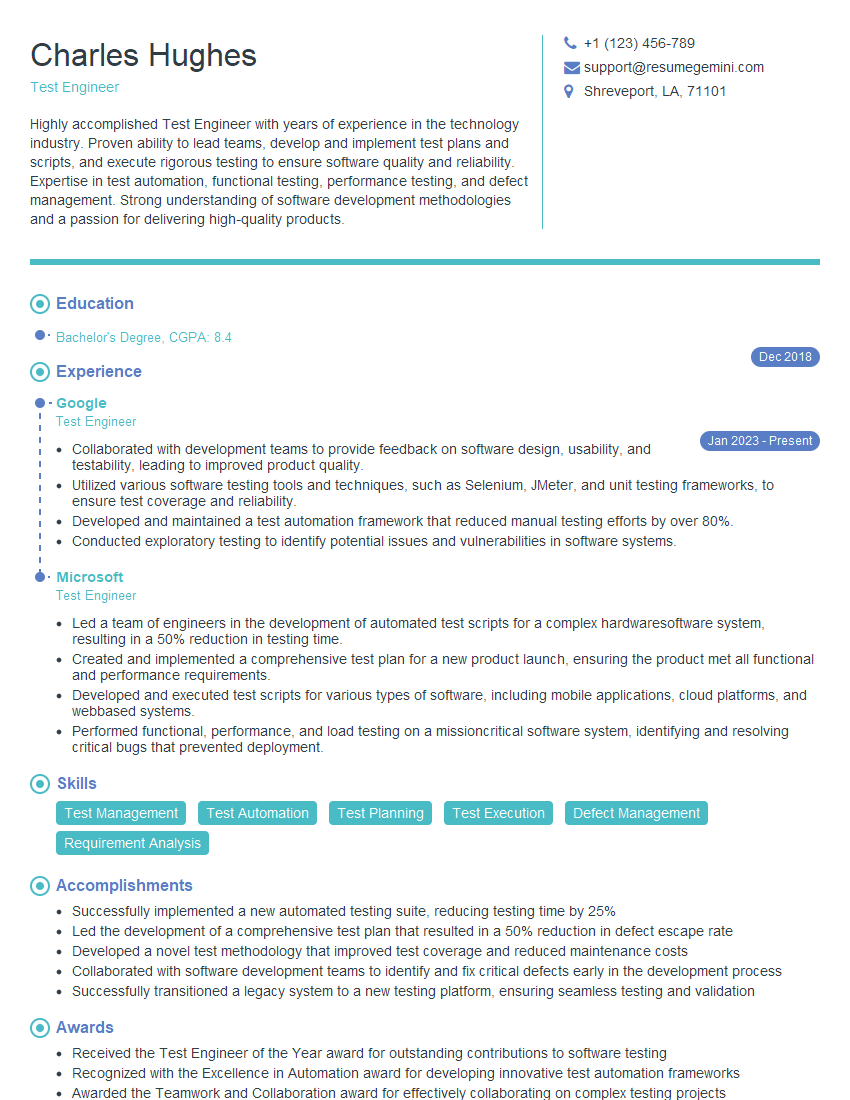
Test Engineer Resume Sample
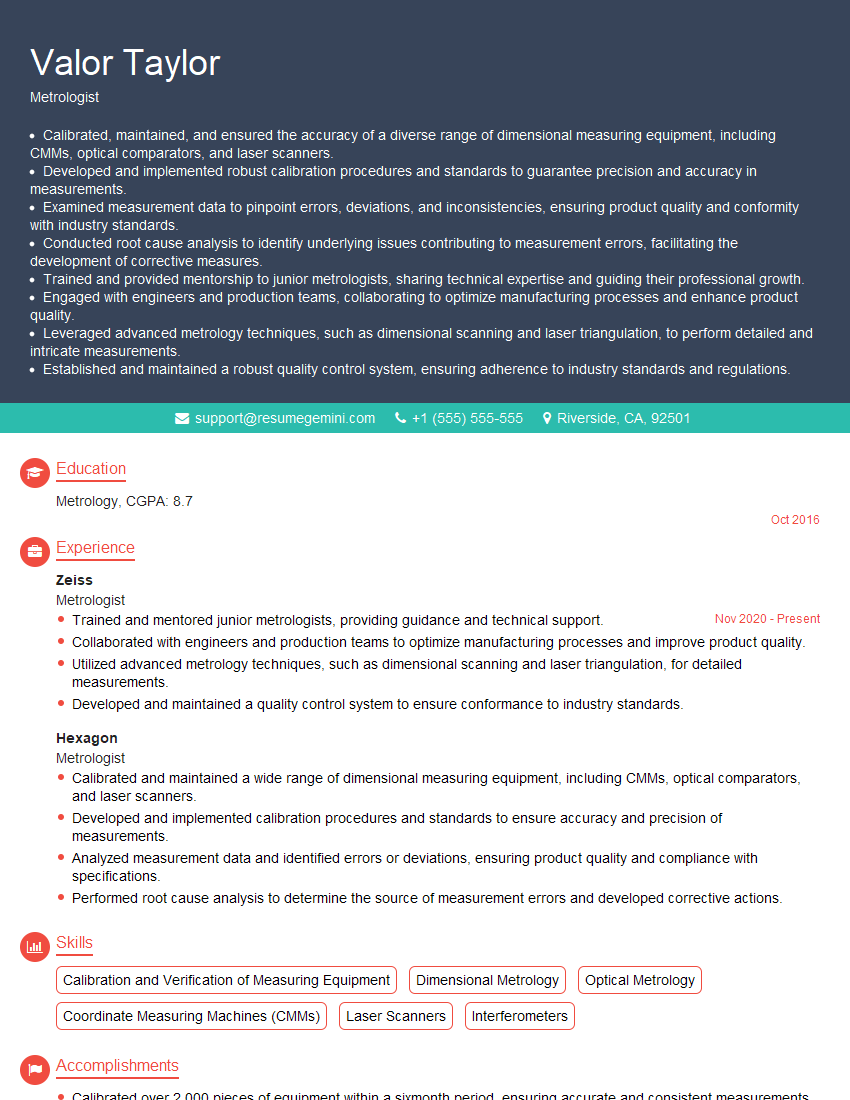
Metrologist Resume Sample
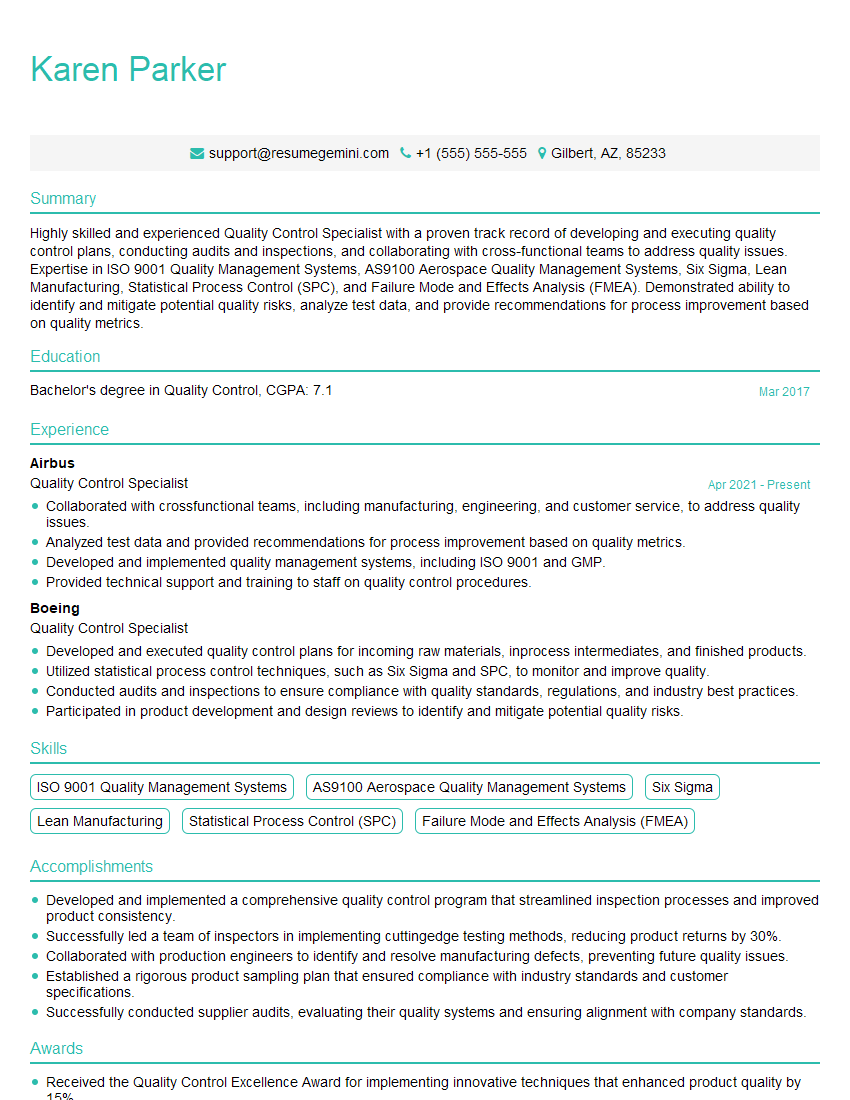
Quality Control Specialist Resume Sample
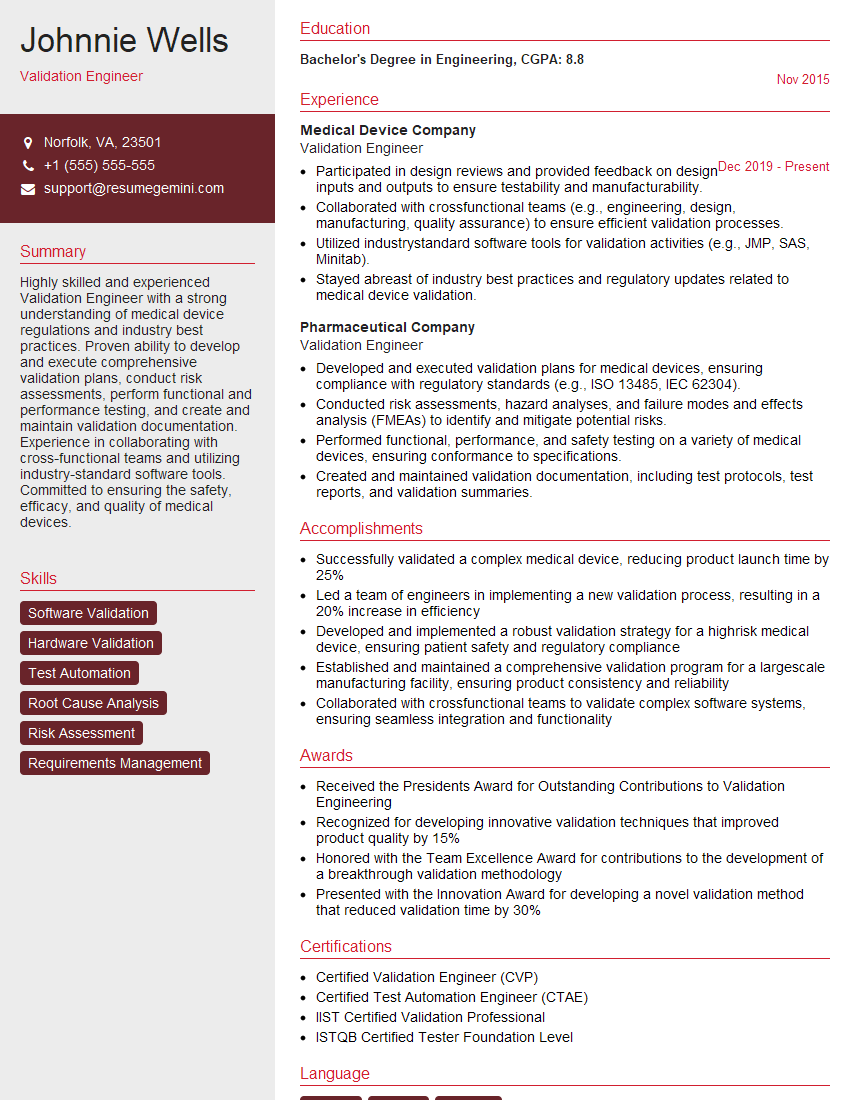
Validation Engineer Resume Sample
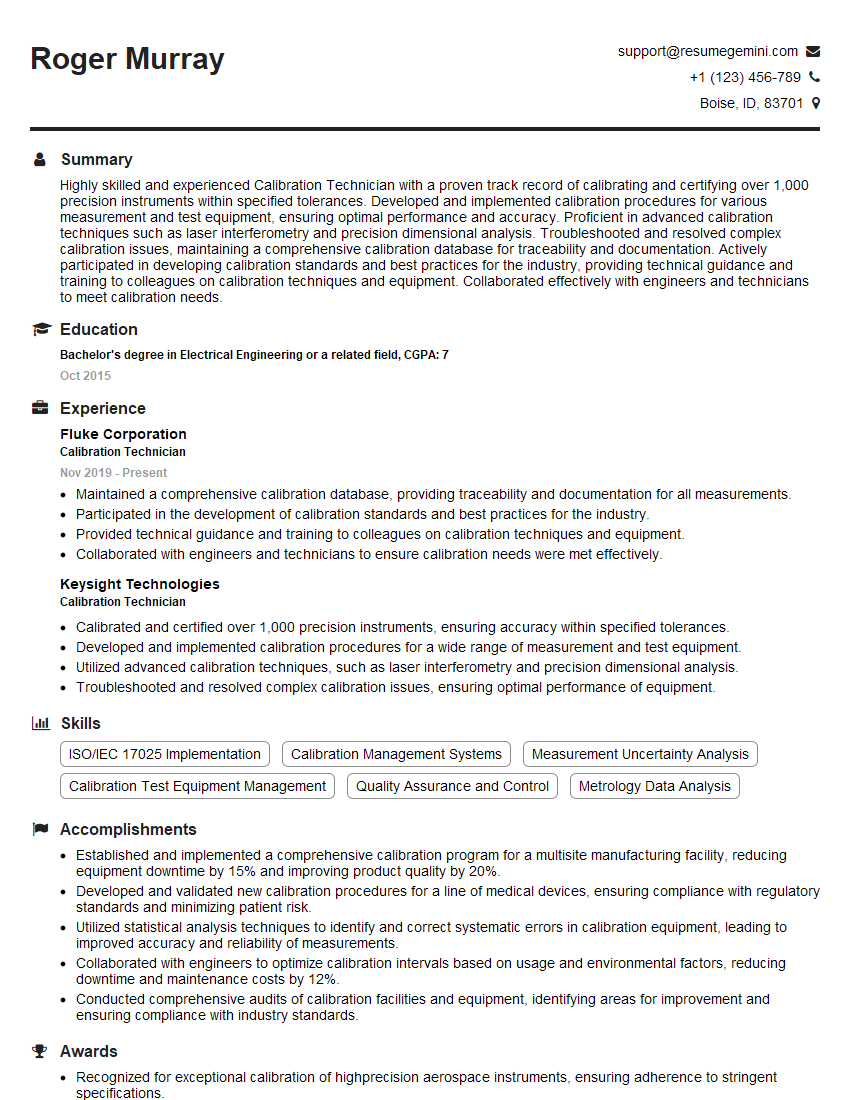
Calibration Technician Resume Sample
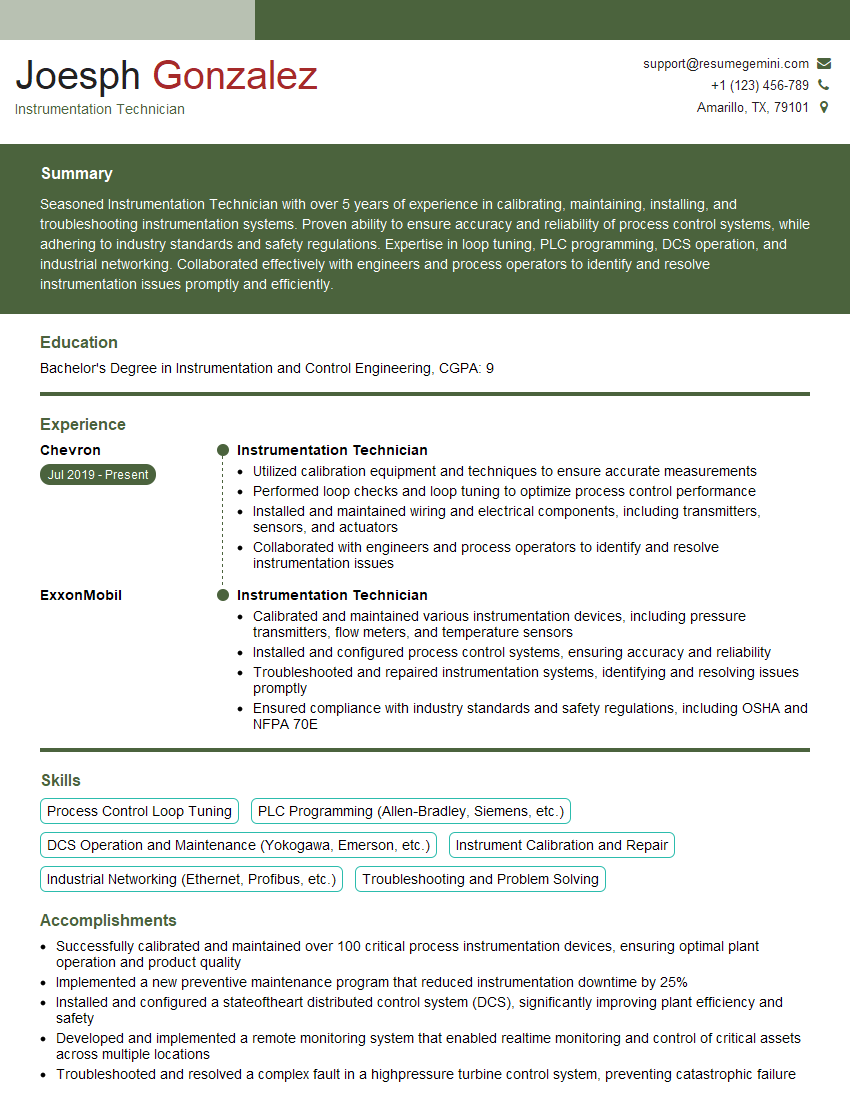
Instrumentation Technician Resume Sample
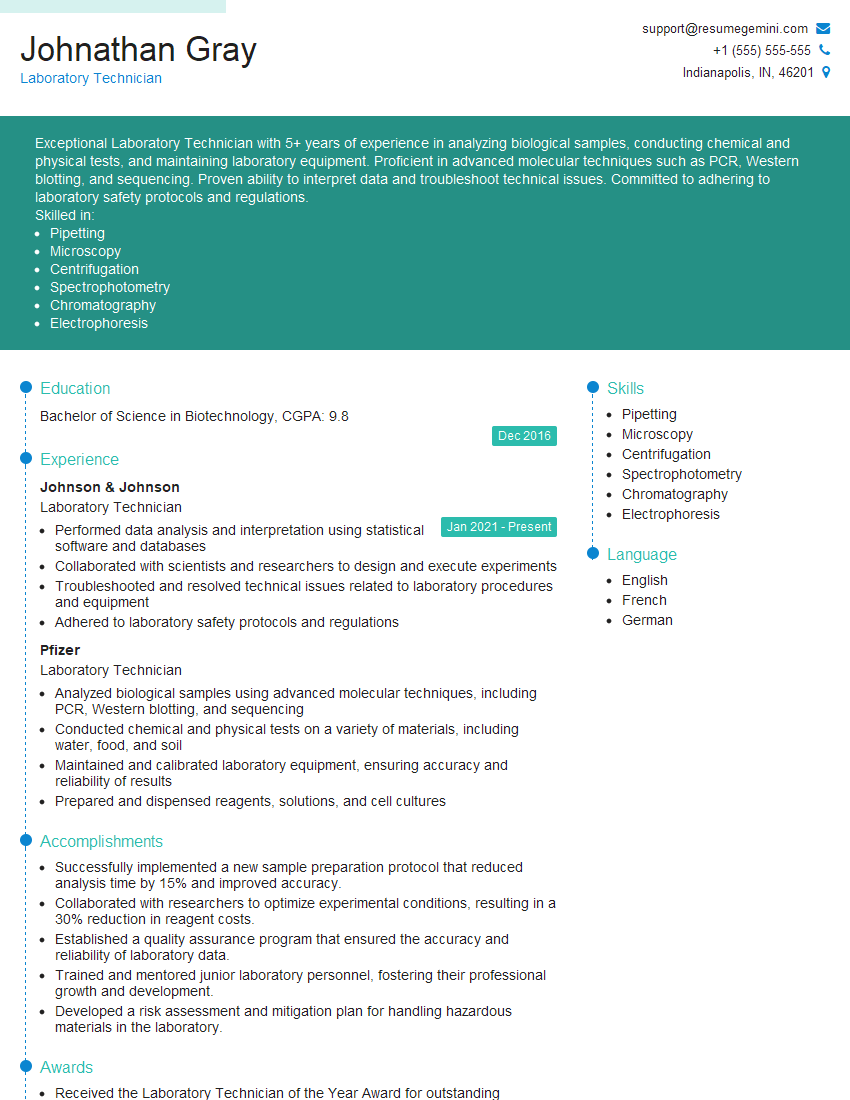
Laboratory Technician Resume Sample
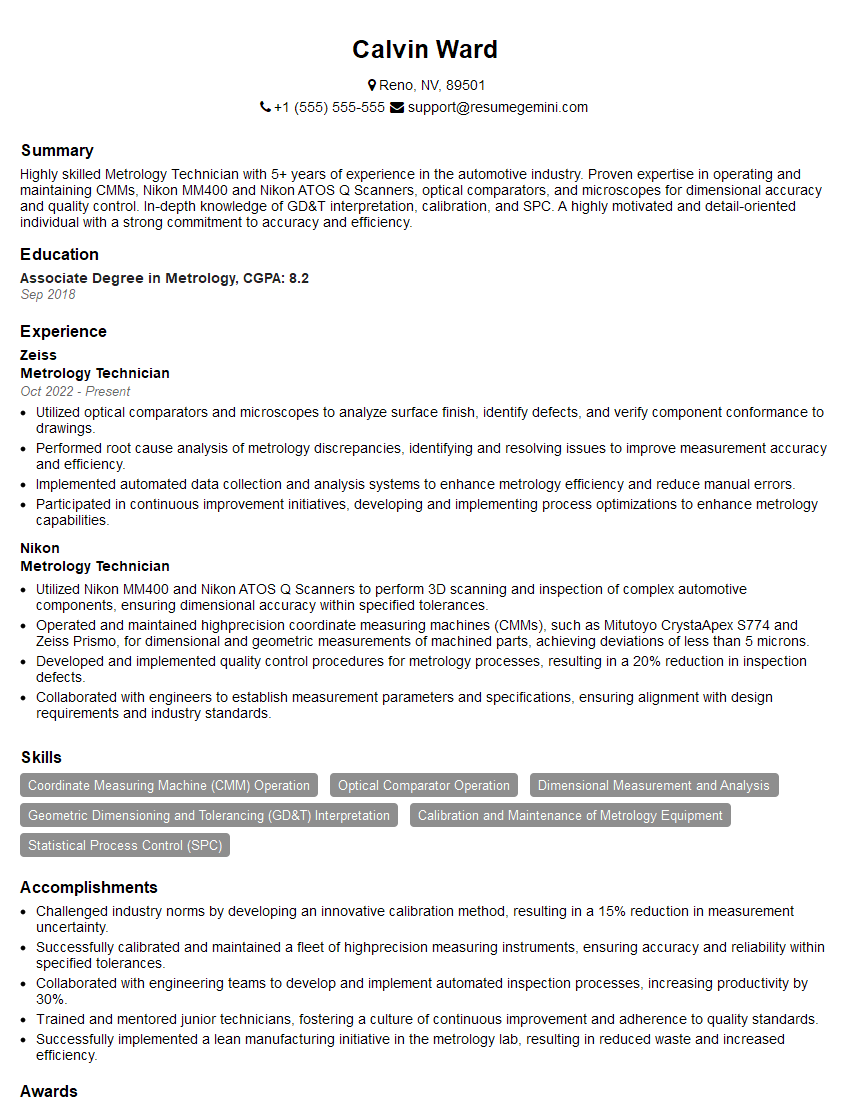
Metrology Technician Resume Sample
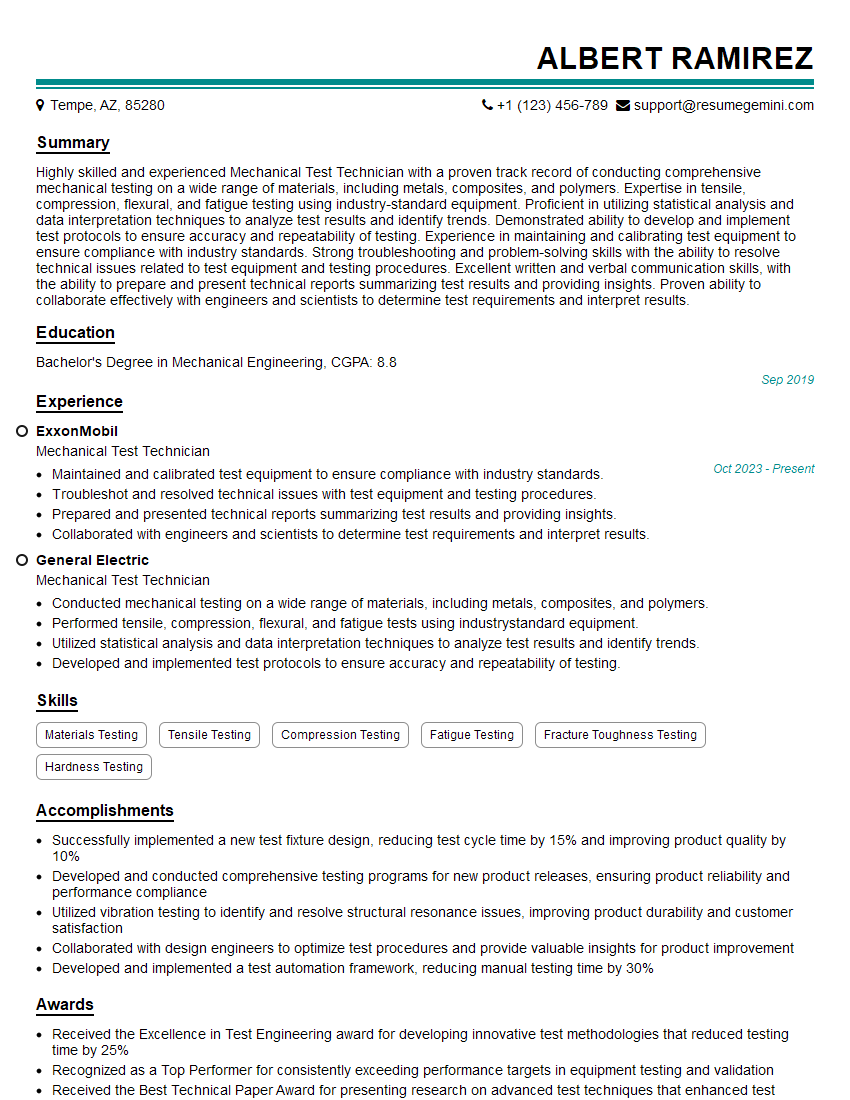
Mechanical Test Technician Resume Sample
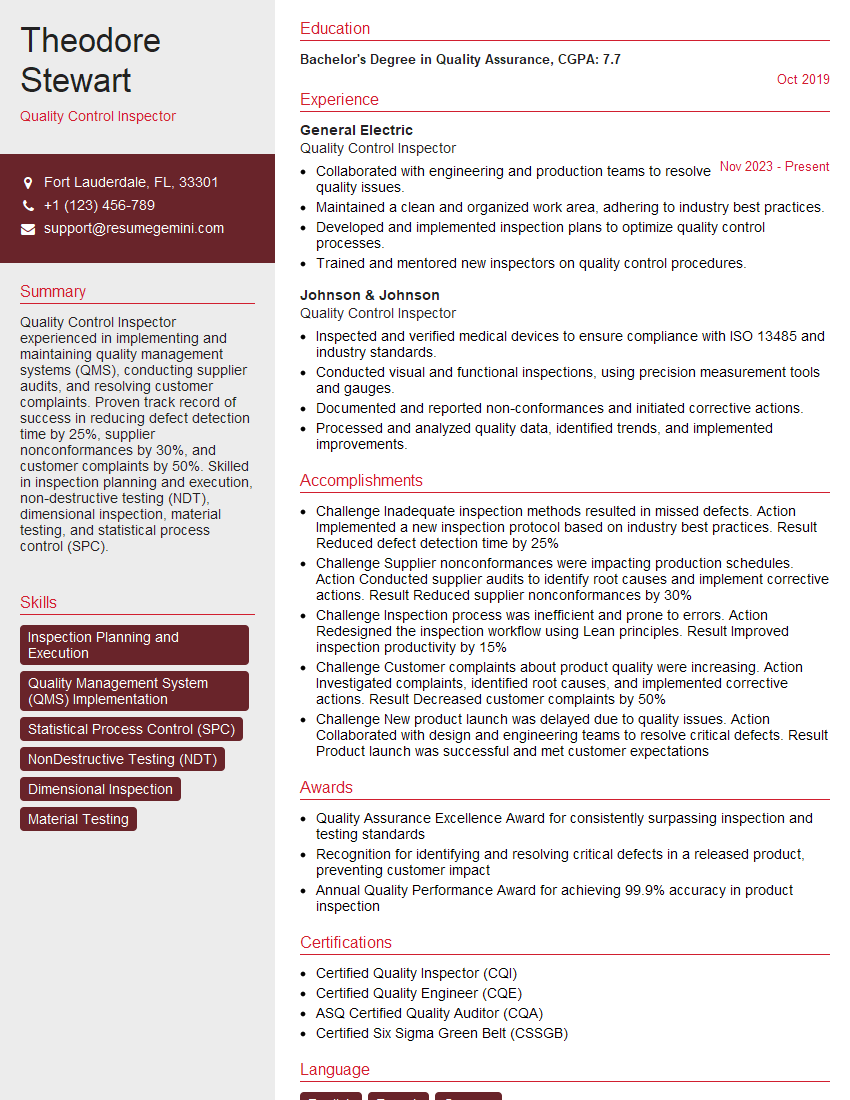
Quality Control Inspector Resume Sample
Explore more articles
Users Rating of Our Blogs
Share Your Experience
We value your feedback! Please rate our content and share your thoughts (optional).
What Readers Say About Our Blog
To the interviewgemini.com Webmaster.
Very helpful and content specific questions to help prepare me for my interview!
Thank you
To the interviewgemini.com Webmaster.
This was kind of a unique content I found around the specialized skills. Very helpful questions and good detailed answers.
Very Helpful blog, thank you Interviewgemini team.