The right preparation can turn an interview into an opportunity to showcase your expertise. This guide to Outage Management and Investigation interview questions is your ultimate resource, providing key insights and tips to help you ace your responses and stand out as a top candidate.
Questions Asked in Outage Management and Investigation Interview
Q 1. Describe your experience with root cause analysis techniques for outages.
Root cause analysis (RCA) is crucial for preventing future outages. My approach involves a structured methodology, often employing the “5 Whys” technique to drill down to the underlying issue. I also utilize more formal methods like fishbone diagrams (Ishikawa diagrams) to visually map potential contributing factors. For example, if an application outage occurred, the initial symptom might be “The website is down.” Applying the 5 Whys: 1. Why is the website down? Because the database is unavailable. 2. Why is the database unavailable? Because the server crashed. 3. Why did the server crash? Because of insufficient memory. 4. Why was there insufficient memory? Because of a memory leak in a poorly written script. 5. Why was the script poorly written? Because of inadequate code review processes. This reveals the root cause – deficient code review – allowing us to implement preventive measures like improved coding standards and stricter testing protocols. Beyond the 5 Whys, fault tree analysis offers a more formal, quantitative approach, especially useful for complex systems with multiple potential failure points.
I’ve also had success using Failure Mode and Effects Analysis (FMEA), which helps proactively identify potential failure modes and their severity, enabling us to prioritize mitigation strategies. In one instance, an FMEA identified a critical vulnerability in our network infrastructure before it could lead to a widespread outage, saving our company significant downtime and reputational damage.
Q 2. Explain the difference between an incident and a problem in ITIL framework.
In the ITIL framework, an incident is an unplanned interruption to an IT service or reduction in the quality of an IT service. Think of it as a single event – the actual outage itself. An incident needs immediate resolution to restore service. A problem, however, is the underlying cause of one or more incidents. It’s the root reason why the incident occurred. Addressing the problem prevents similar incidents from happening in the future. For example, a power surge (incident) causing multiple server crashes (multiple incidents) might be caused by a faulty uninterruptible power supply (UPS) (problem). Resolving the incident involves rebooting the servers, but resolving the problem requires replacing or repairing the UPS.
Q 3. How do you prioritize multiple simultaneous outages?
Prioritizing multiple simultaneous outages requires a well-defined escalation process and a clear understanding of the impact each outage has on business operations. I use a combination of factors including:
- Business Impact: Outages affecting critical business functions (e.g., payment processing, customer support) take precedence over those with minimal impact (e.g., a rarely used internal tool).
- Number of Affected Users: An outage affecting thousands of users is prioritized over one affecting only a few.
- Service Level Agreements (SLAs): SLAs often define response and resolution times for different services, guiding the prioritization process. Penalties for non-compliance must be considered.
- Recovery Time Objective (RTO): Outages with shorter RTOs are typically prioritized since they have stricter time-sensitive deadlines.
I often employ a prioritization matrix that visually represents these factors, allowing the team to quickly assess and agree on the order of resolution. Transparency is critical; all stakeholders are kept informed of the prioritization rationale and the status of each outage.
Q 4. What metrics do you use to measure the effectiveness of outage management?
Measuring the effectiveness of outage management involves tracking several key metrics. These include:
- Mean Time To Detection (MTTD): How quickly an outage is identified.
- Mean Time To Restoration (MTTR): How long it takes to restore service after detection.
- Mean Time Between Failures (MTBF): The average time between outages, indicating system reliability. A higher MTBF is desirable.
- Service Availability: The percentage of time a service is operational.
- Outage Frequency: The number of outages within a given period.
- Customer Satisfaction (CSAT): Measuring customer experience during and after an outage is vital.
By tracking these metrics over time, we can identify trends, pinpoint areas for improvement, and demonstrate the effectiveness of implemented changes. For instance, if MTTR is consistently high, it might indicate a need for improved incident response procedures or additional training.
Q 5. What is your experience with Service Level Agreements (SLAs)?
I have extensive experience working with Service Level Agreements (SLAs). I understand the importance of clearly defining metrics, responsibilities, and consequences for non-compliance. My experience includes negotiating SLAs with vendors and internal stakeholders, ensuring they are realistic, measurable, and aligned with business needs. I have been involved in processes for monitoring SLA performance, identifying breaches, and implementing corrective actions. For instance, I’ve worked with a cloud provider to establish SLAs that guarantee specific uptime and recovery times for our critical applications. Regular reviews of our SLAs are crucial to ensure they remain relevant and effective as our business and technical needs evolve. Failing to meet an SLA might trigger penalties or other actions outlined in the agreement, reinforcing the importance of proactive outage management.
Q 6. Describe your experience with outage communication and escalation procedures.
Effective outage communication is vital for minimizing disruption and maintaining trust. My experience includes developing and implementing communication plans that clearly outline roles, responsibilities, and escalation paths. I’ve used various communication channels, including email, SMS, phone calls, and online dashboards, to keep stakeholders informed promptly and accurately. The key is a tiered approach, starting with internal teams and escalating to external stakeholders as needed. Regular updates are crucial, and it’s essential to be transparent about the situation, even if the information is not entirely positive. During a critical outage, I’ve personally overseen communications to customers, providing regular updates and managing their expectations. A well-defined communication plan should include templates for various outage scenarios, pre-approved messaging, and a designated communication manager to ensure consistency and avoid misinformation.
Q 7. How do you use monitoring tools to detect and respond to outages?
Monitoring tools are fundamental to detecting and responding to outages. I have experience using a variety of monitoring systems, including Nagios, Zabbix, and Datadog. These tools provide real-time visibility into system performance, allowing us to identify issues before they impact users. We configure alerts based on thresholds for key metrics like CPU utilization, memory usage, network latency, and application response times. When an alert triggers, it automatically escalates the issue to the appropriate team, initiating the incident response process. Using dashboards and visualizations, we gain a comprehensive view of the system’s health, proactively identifying potential problems. For example, an unexpected spike in database query latency might be an early warning sign of a database issue, allowing us to investigate and resolve it before it causes a service interruption. Regular review of monitoring alerts, even those that do not immediately trigger outages, is critical to identifying and fixing minor issues that can prevent major problems in the future.
Q 8. What is your experience with various outage recovery strategies?
Outage recovery strategies depend heavily on the nature of the outage and the affected system. My experience encompasses a wide range, from simple fixes like restarting a server to complex multi-stage recoveries involving network reconfigurations and data restoration.
Redundancy and Failover: I’ve extensively utilized redundant systems and failover mechanisms. For instance, in one project, we implemented a geographically diverse setup with automatic failover to a secondary data center in case of a primary site outage, minimizing downtime to under 5 minutes. This involved configuring load balancers, DNS failover, and database replication.
Rollback Strategies: I’m adept at employing rollback strategies using version control systems like Git. This allows us to quickly revert to a previous stable version of software or configuration in case of deployment failures causing an outage. In a past incident, a faulty software update triggered a service interruption. Rolling back to the previous version solved the issue within minutes.
Emergency Procedures and Runbooks: I’ve developed and implemented detailed runbooks for various outage scenarios, outlining specific steps to follow, including escalation paths and communication protocols. Clear, concise runbooks ensure a consistent and effective response, minimizing confusion during critical situations.
Third-Party Support: In situations requiring specialized expertise, I’ve effectively coordinated with third-party vendors for faster resolution. This includes coordinating with cloud providers for infrastructure-related issues and with software vendors for application-specific problems.
Q 9. Explain your understanding of Mean Time To Repair (MTTR) and Mean Time Between Failures (MTBF).
Mean Time To Repair (MTTR) measures the average time it takes to restore a system or component to full operational functionality after a failure. A low MTTR indicates efficient recovery processes. Mean Time Between Failures (MTBF) measures the average time between failures of a system or component. A high MTBF signifies high system reliability and robustness.
Think of it like a car: MTTR is how long it takes to fix a flat tire, while MTBF is how many miles you drive before getting a flat. Both are critical metrics for assessing system performance and identifying areas for improvement. In my work, we constantly monitor both MTTR and MTBF to track the effectiveness of our preventative maintenance and recovery procedures. Tracking these metrics helps us justify investments in new technologies or processes designed to reduce MTTR and increase MTBF.
Q 10. How do you ensure proper documentation of outages and their resolutions?
Proper documentation is crucial for effective outage management and future prevention. We utilize a comprehensive documentation system, encompassing the following:
Detailed Outage Reports: These reports include timestamps, affected systems, initial symptoms, troubleshooting steps, root cause analysis, and remediation actions. We use a ticketing system that automatically logs these details.
Root Cause Analysis (RCA): We perform thorough RCAs to understand the underlying causes of outages, going beyond immediate symptoms to identify systemic issues. This often involves analyzing logs, network traces, and system performance data.
Lessons Learned Documents: These documents summarize findings from RCA and outline preventative measures to avoid similar incidents. This is a vital knowledge repository for the team.
Centralized Knowledge Base: All documentation is stored in a centralized, easily accessible knowledge base, ensuring that information is readily available to all team members.
We use a combination of automated tools and manual processes to capture and manage this information. The goal is to create a complete and accurate record of every outage, enabling continuous improvement.
Q 11. Describe your experience with post-outage reviews and lessons learned.
Post-outage reviews are critical for identifying areas for improvement. My experience includes facilitating these reviews, bringing together relevant stakeholders to discuss the event systematically. We typically follow a structured process:
Timeline Reconstruction: We meticulously reconstruct the timeline of events, pinpointing when the outage began, escalation steps taken, and resolution times.
Root Cause Analysis Discussion: We discuss the RCA findings, challenging assumptions and ensuring a shared understanding of the root cause.
Action Item Definition: We clearly define action items, assigning responsibilities and setting deadlines for addressing identified issues.
Documentation Updates: We update our knowledge base and runbooks based on the lessons learned, ensuring that future responses are more effective.
One memorable instance involved a prolonged outage caused by a misconfiguration in our load balancer. The post-outage review led to improved training for our engineers on load balancer configuration and the implementation of automated checks to prevent similar errors.
Q 12. Explain your experience with different types of network topologies and their impact on outage management.
Different network topologies significantly impact outage management. My experience spans various topologies:
Star Topology: Simple to manage, but a central node failure can cause widespread outages. We mitigate this risk with redundancy at the central node.
Mesh Topology: Highly resilient, offering multiple paths for data transmission. Outage isolation is easier as failure in one link doesn’t necessarily affect the entire network.
Ring Topology: Offers redundancy, but failure in one link can disrupt the entire ring. We use self-healing mechanisms to address this.
Hybrid Topologies: These combine elements of different topologies to leverage their strengths. Managing these requires a deep understanding of each component’s function and potential failure points.
Understanding the topology is essential for identifying the impact of a failure and devising an effective recovery strategy. For example, in a mesh network, isolating the faulty component is often easier than in a star network.
Q 13. How do you handle stakeholder communication during an outage?
Effective stakeholder communication is paramount during an outage. My approach involves:
Rapid Initial Notification: We quickly inform all stakeholders about the outage, providing a concise summary of the situation and estimated restoration time (even if it’s a preliminary estimate).
Regular Updates: We provide regular updates throughout the recovery process, keeping stakeholders informed of progress and any significant changes.
Transparent Communication: We are open about the challenges faced and potential delays. Honesty builds trust and reduces anxiety.
Multiple Communication Channels: We utilize multiple channels (email, SMS, phone calls, online dashboards) to reach all stakeholders efficiently.
Dedicated Communication Point: We designate a single point of contact to manage communication, preventing conflicting information.
In one incident, proactive communication through multiple channels prevented widespread panic and reputational damage. Clear and frequent updates reassured clients and internal teams.
Q 14. What is your experience with capacity planning and its role in preventing outages?
Capacity planning is proactive outage prevention. It involves forecasting future demand and ensuring sufficient resources are available to meet that demand. My experience includes:
Demand Forecasting: I use historical data, growth projections, and trend analysis to predict future resource needs (bandwidth, storage, compute power).
Resource Allocation: I strategically allocate resources to optimize performance and minimize bottlenecks. This involves balancing costs and performance requirements.
Performance Monitoring and Tuning: We continuously monitor system performance to identify potential capacity issues before they lead to outages. This includes optimizing database queries, adjusting server configurations, and scaling cloud infrastructure as needed.
Stress Testing: Regular stress testing allows us to identify capacity limitations and validate our planned resources before they are needed in production.
By proactively addressing capacity issues, we significantly reduce the likelihood of outages caused by resource exhaustion. Investing in capacity planning is a cost-effective way to improve system reliability and prevent disruptions.
Q 15. Describe your experience with automated outage detection systems.
Automated outage detection systems are crucial for modern outage management. They leverage various technologies to proactively identify service disruptions, significantly reducing the time it takes to respond and minimizing the impact on customers. My experience spans several systems, including those based on network monitoring tools like Nagios and Zabbix, as well as more sophisticated AI-powered solutions that use machine learning to predict potential outages based on historical data and real-time network behavior.
For example, in my previous role, we implemented a system that monitored key performance indicators (KPIs) across our entire network infrastructure. If a KPI fell below a pre-defined threshold, the system automatically generated an alert, providing details about the affected area and the severity of the issue. This allowed our team to respond quickly, often before customers even reported the outage. Another system I worked with used sophisticated algorithms to analyze network traffic patterns and identify anomalies that could indicate impending failure, providing us with valuable predictive capabilities.
These systems are not just about alerting; they also provide valuable data for root cause analysis, helping us understand the underlying causes of outages and implement preventative measures. The key is selecting and configuring the system appropriately to align with your specific infrastructure and needs, paying close attention to false positive rates and ensuring seamless integration with existing workflows.
Career Expert Tips:
- Ace those interviews! Prepare effectively by reviewing the Top 50 Most Common Interview Questions on ResumeGemini.
- Navigate your job search with confidence! Explore a wide range of Career Tips on ResumeGemini. Learn about common challenges and recommendations to overcome them.
- Craft the perfect resume! Master the Art of Resume Writing with ResumeGemini’s guide. Showcase your unique qualifications and achievements effectively.
- Don’t miss out on holiday savings! Build your dream resume with ResumeGemini’s ATS optimized templates.
Q 16. Explain your experience with change management processes and their impact on outage prevention.
Change management is paramount in preventing outages. It’s a structured process designed to minimize disruption during any modifications to IT systems or infrastructure. My experience highlights the importance of rigorous change control procedures, including thorough risk assessments, impact analysis, and robust testing before any changes are implemented in a production environment.
I’ve worked with ITIL-based change management frameworks, ensuring adherence to procedures such as change requests, approvals, and post-implementation reviews. A critical aspect is the involvement of all relevant stakeholders, including operations, development, and security teams. This collaborative approach ensures everyone is aware of the changes, understands the potential impact, and contributes to a smooth implementation.
A practical example: During a planned software upgrade, we used a phased rollout approach, carefully monitoring the impact of the changes on each segment of our user base. This allowed us to quickly identify and resolve any unexpected issues before the upgrade impacted the entire system. This strategy minimized downtime and ensured a seamless transition for our customers. Effective change management ultimately reduces the risk of human error and configuration discrepancies, both major contributors to outages.
Q 17. How do you balance the need for rapid outage resolution with thorough root cause analysis?
Balancing rapid resolution with thorough root cause analysis is a delicate act. The immediate priority is to restore service quickly, minimizing customer impact. However, a rushed resolution without a proper investigation can lead to recurring outages. My approach involves a two-pronged strategy: simultaneously addressing the immediate problem and launching a parallel investigation to determine the root cause.
Think of it like fighting a fire: you first focus on extinguishing the flames (restoring service) and then start investigating the cause of the fire (root cause analysis) to prevent future incidents. We use a tiered escalation process, with initial focus on immediate remediation. Once service is restored, a dedicated team starts a post-incident review (PIR), collecting data from various sources including logs, monitoring systems, and interviews with affected personnel.
Tools such as network analysis tools and performance monitors become critical during this investigation. The PIR results are meticulously documented, identifying contributing factors, areas for improvement, and preventative measures. This systematic approach ensures that while immediate restoration is prioritized, a comprehensive investigation is conducted to prevent similar events in the future. We also employ techniques like ‘5 Whys’ to drill down to the root cause effectively.
Q 18. What is your experience with using various ticketing systems for outage management?
My experience with ticketing systems encompasses various platforms, including ServiceNow, Jira, and Remedy. These systems are essential for managing the entire lifecycle of an outage, from initial reporting to resolution and post-incident analysis. I am proficient in configuring and customizing these systems to meet our specific needs, tailoring workflows to ensure efficient ticket routing, escalation, and resolution.
For instance, I’ve configured ServiceNow to automatically escalate high-priority incidents to senior engineers, ensuring immediate attention to critical issues. I’ve also integrated ticketing systems with monitoring tools to automatically create tickets when an outage is detected, reducing manual intervention and response times. The use of custom fields and reporting features allows for tracking key metrics such as Mean Time To Repair (MTTR), Mean Time Between Failures (MTBF), and other critical KPIs to measure the effectiveness of our outage management process.
Beyond basic ticket management, I’ve leveraged these systems for reporting, generating insightful dashboards to track outage trends and identify areas for improvement. This data-driven approach is vital in optimizing our response strategies and preventative maintenance efforts.
Q 19. Describe a time you had to deal with a critical outage under pressure. What was your approach?
During a major software update, a critical database failure occurred, resulting in a complete system outage impacting all customer-facing applications. The pressure was immense, given the widespread disruption and potential financial impact. My approach was to remain calm and methodical, focusing on a structured response based on established incident management processes.
First, we activated our emergency response plan, bringing together all relevant teams. I delegated tasks clearly, ensuring everyone understood their roles and responsibilities. We quickly established communication channels to provide updates to our customers and management. Concurrently, we worked on a parallel path: restoring service using a backup database while simultaneously investigating the root cause of the failure. The team worked tirelessly, resolving the issue within four hours, a time significantly shorter than initially anticipated.
After restoring service, a thorough post-incident review identified the cause – a configuration error during the software deployment. This experience highlighted the importance of rigorous testing, robust rollback procedures, and clearly defined communication protocols in handling critical outages. It also emphasized the value of a well-trained and collaborative team capable of working under pressure and adhering to established procedures.
Q 20. How do you utilize data analytics to improve outage management?
Data analytics plays a pivotal role in improving outage management. By analyzing historical outage data, we can identify patterns, predict potential problems, and optimize our response strategies. This involves collecting data from various sources, including ticketing systems, monitoring tools, and network logs.
We use data visualization tools to create dashboards that show key metrics, such as the frequency, duration, and impact of outages. This helps us identify recurring issues and prioritize areas for improvement. For instance, we discovered a correlation between specific network configurations and recurring outages in a particular data center through data analysis. This led to a redesign of that network segment, effectively eliminating the recurring problem.
Predictive analytics techniques, such as machine learning, are employed to forecast potential outages based on historical data and real-time network behavior. This allows for proactive measures, such as preventative maintenance or system upgrades, to minimize the risk of future disruptions. In essence, data-driven insights enable a proactive and intelligent approach to outage management, transforming reactive problem-solving into preventative strategies.
Q 21. What experience do you have with disaster recovery planning and execution?
Disaster recovery planning is crucial for business continuity. My experience includes developing and executing comprehensive disaster recovery plans for various IT systems and infrastructure components. This involves identifying critical systems, defining recovery time objectives (RTOs) and recovery point objectives (RPOs), and establishing backup and recovery procedures.
I’ve worked with different recovery strategies, including hot site, cold site, and cloud-based solutions. For example, we implemented a hot site solution for our primary data center, ensuring minimal downtime in case of a major disruption. Regular disaster recovery drills and simulations are conducted to ensure that the plan is effective and that the team is adequately prepared. These drills help us identify any gaps or weaknesses in the plan and refine our procedures accordingly.
A key aspect is the integration of the disaster recovery plan with the overall business continuity plan, ensuring a coordinated response to a wide range of potential threats. This includes communication plans, stakeholder notification procedures, and post-incident recovery procedures. A comprehensive and well-tested disaster recovery plan is essential for ensuring business resilience and minimizing the impact of unforeseen events.
Q 22. How familiar are you with ITIL best practices for incident and problem management?
ITIL (Information Technology Infrastructure Library) provides a widely accepted framework for IT service management. My familiarity with ITIL best practices for incident and problem management is extensive. I’ve applied these principles throughout my career, focusing on the incident management process (detecting, logging, resolving, and closing incidents) and the problem management process (identifying, analyzing, and resolving underlying causes of incidents to prevent recurrence). Specifically, I’m proficient in using the incident lifecycle stages: identification, categorization, prioritization, diagnosis, resolution, and closure. Similarly, I understand the problem management lifecycle, including problem identification, diagnosis, and resolution, implementing permanent fixes to eliminate the root cause. I’ve successfully employed the use of Root Cause Analysis (RCA) methodologies like the 5 Whys and fishbone diagrams within the ITIL framework to effectively resolve recurring issues and improve overall service reliability. For instance, in a previous role, applying ITIL’s problem management process helped us identify a recurring DNS issue caused by a misconfiguration in our firewall, preventing future disruptions.
Q 23. What are some common causes of network outages in your experience?
Network outages are a complex issue, and the causes are varied. In my experience, some of the most common culprits include:
- Hardware failures: This could range from failing network interface cards (NICs) in servers or routers to malfunctioning switches, cables, or power supplies. A specific example involved a faulty switch causing a complete outage in one of our data centers.
- Software glitches: Bugs in operating systems, network management applications, or even misconfigurations in network devices (firewalls, routers) can lead to service disruptions. I recall an incident where a poorly implemented software update triggered a cascading failure across multiple network segments.
- Connectivity issues: Problems with internet service providers (ISPs), fiber cuts, or even issues with physical cabling can bring networks down. A severe storm once caused a significant fiber cut, resulting in a widespread outage.
- Cybersecurity incidents: Distributed Denial of Service (DDoS) attacks, malware infections, or unauthorized access can significantly impact network availability and performance. We had an incident where a sophisticated DDoS attack overwhelmed our network, necessitating an immediate mitigation strategy.
- Human error: Accidental misconfigurations, incorrect settings, or even accidental cable disconnections are surprisingly frequent causes of network outages. This highlights the importance of robust change management processes.
Often, outages are caused by a combination of these factors. A thorough investigation is crucial to pinpoint the root cause.
Q 24. How do you differentiate between hardware, software, and network-related outages?
Differentiating between hardware, software, and network outages requires a systematic approach. Think of it like a layered cake: the network is the foundation, software runs on the hardware, and hardware is the physical layer.
- Hardware outages: These involve physical components failing. Symptoms might include complete loss of connectivity on specific devices or segments, consistent error messages pointing to hardware, or physical signs of damage. For example, a failing hard drive in a server could cause a service outage.
- Software outages: These originate from issues within software applications or operating systems. Symptoms often include intermittent connectivity, specific applications failing while others function normally, or error messages related to software processes. A buggy application causing a server crash is a classic example.
- Network outages: These involve disruptions to the network infrastructure itself, affecting multiple devices or services. Symptoms could include complete loss of internet access, widespread connectivity problems, or failure of multiple services simultaneously. A router failure, for example, could bring down large parts of the network.
Effective troubleshooting requires checking each layer systematically. If you isolate the problem to a specific device, it might be hardware. If multiple devices are affected, the problem is more likely network-related. If only specific applications fail, it points towards software.
Q 25. Describe your experience with working in a collaborative environment during an outage.
Collaborative work is paramount during outages. In my experience, effective teams rely on clear communication, defined roles, and a structured approach. I’ve been part of numerous teams responding to major incidents, utilizing communication tools like Slack or Microsoft Teams to facilitate real-time collaboration and information sharing. We employ a standardized communication protocol, ensuring all team members receive updates simultaneously. My role usually involves coordinating the investigation, assigning tasks to specialists (network engineers, system administrators, security analysts), and keeping stakeholders informed. A successful example was an outage caused by a DDoS attack. Our team, composed of engineers from different specialties, worked in unison, following established runbooks, to quickly mitigate the attack and restore service. Clear communication ensured that each team member knew their role, preventing duplicated efforts and promoting efficient problem resolution.
Q 26. How do you stay updated on the latest technologies and best practices in outage management?
Staying updated is critical in this rapidly evolving field. I achieve this through various methods:
- Industry conferences and webinars: Attending conferences like those hosted by organizations focusing on network management and security keeps me abreast of the latest technologies and best practices.
- Professional certifications: Pursuing certifications, such as those offered by Cisco or CompTIA, demonstrates commitment to ongoing learning and validates my expertise.
- Online courses and tutorials: Platforms like Coursera and Udemy offer excellent resources for enhancing my technical skills and understanding emerging trends.
- Industry publications and blogs: Regularly reading publications and blogs dedicated to network management and IT operations ensures I stay informed about new tools, techniques, and challenges.
- Networking with peers: Participating in online forums and attending industry events enables me to exchange knowledge and learn from the experiences of other professionals.
This multi-faceted approach ensures that my knowledge base remains current and relevant, enabling me to effectively handle complex outage scenarios.
Q 27. What are your salary expectations for this role?
My salary expectations are commensurate with my experience and skills, and aligned with the industry standard for a senior-level outage management and investigation specialist in this region. I am open to discussing a specific range after learning more about the compensation and benefits package offered for this role.
Key Topics to Learn for Outage Management and Investigation Interview
- Outage Classification and Prioritization: Understanding different outage types (planned vs. unplanned, customer impact levels), and mastering prioritization techniques based on criticality and impact.
- Root Cause Analysis (RCA): Applying various RCA methodologies (e.g., 5 Whys, Fishbone diagrams) to pinpoint the underlying causes of outages and prevent recurrence. Practical application includes documenting findings clearly and concisely for reports.
- Outage Restoration Strategies: Familiarize yourself with various restoration methods, including switching, rerouting, and repair procedures. Consider the practical implications of each strategy in different scenarios.
- Data Analysis and Reporting: Understanding how to collect, analyze, and present outage data to stakeholders. This includes using relevant metrics (e.g., Mean Time To Repair (MTTR), System Average Interruption Duration (SAIDI)) to track performance and identify improvement areas.
- Communication and Collaboration: Effective communication with internal teams, external partners, and customers during and after outages is crucial. Practice articulating complex technical issues clearly and concisely.
- Safety Procedures and Regulations: Demonstrate a strong understanding of safety protocols and industry regulations relevant to outage management and investigation, including working safely in potentially hazardous environments.
- Outage Prevention Strategies: Explore proactive measures to minimize outages, such as predictive maintenance, equipment upgrades, and system improvements. Consider the cost-benefit analysis involved in implementing preventative measures.
- Incident Management Systems and Tools: Familiarity with commonly used software and systems for managing outages (e.g., ticketing systems, outage management platforms). Be ready to discuss your experience with such tools.
Next Steps
Mastering Outage Management and Investigation is key to advancing your career in the utilities or related sectors. This field demands strong analytical, problem-solving, and communication skills – highly sought-after attributes in today’s job market. To significantly enhance your job prospects, create an ATS-friendly resume that effectively showcases your skills and experience. ResumeGemini is a trusted resource that can help you build a professional and impactful resume tailored to the demands of this competitive field. Examples of resumes specifically tailored to Outage Management and Investigation are available to guide you.
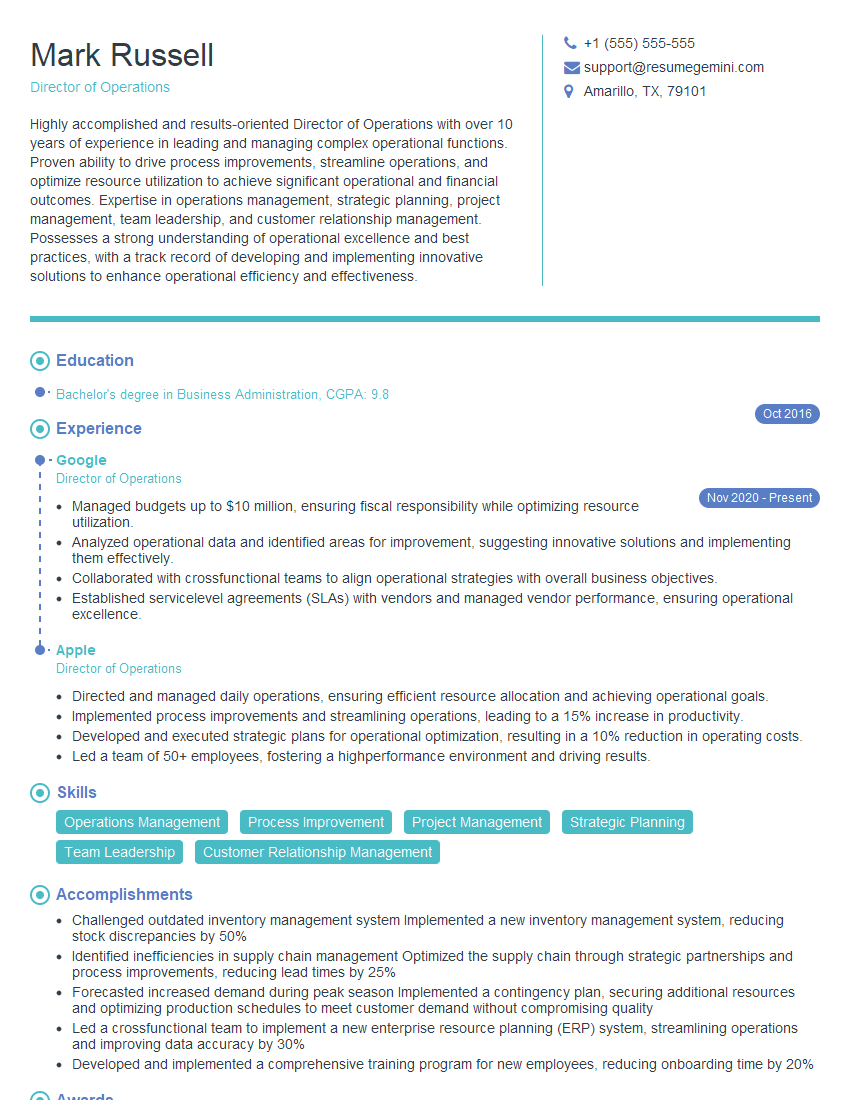
Director of Operations Resume Sample
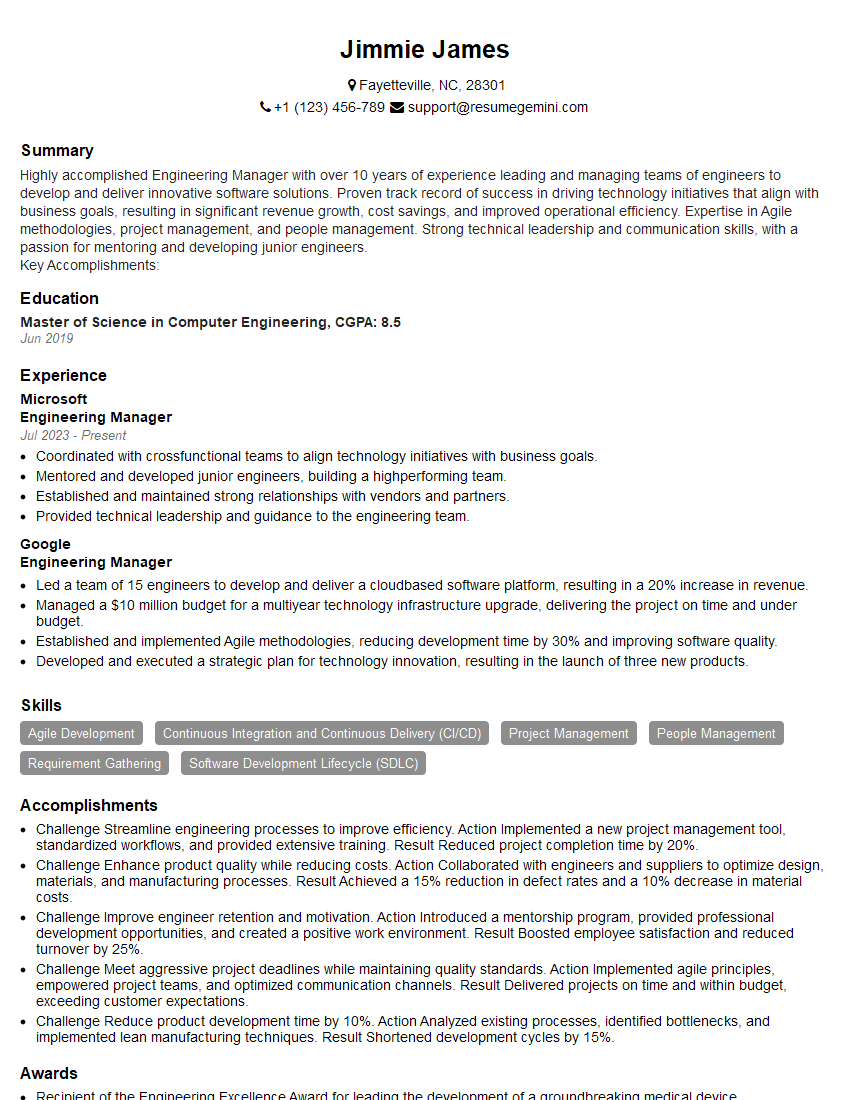
Engineering Manager Resume Sample
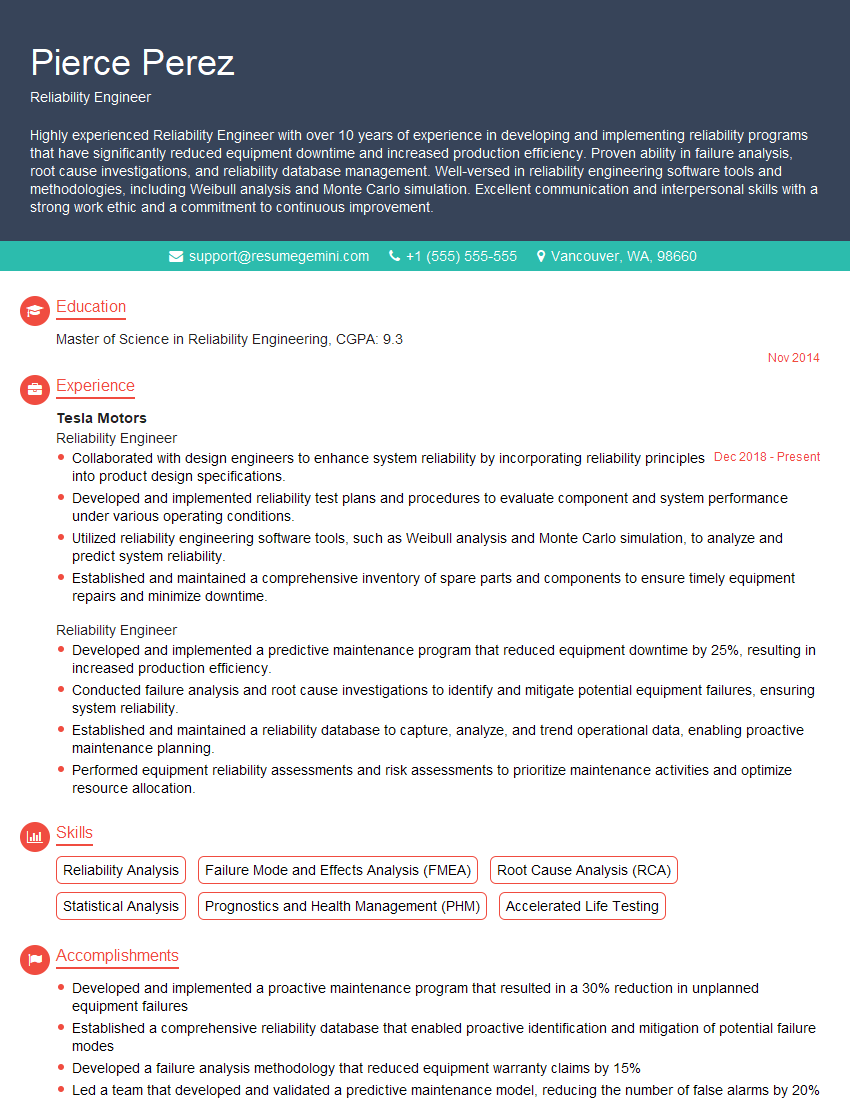
Reliability Engineer Resume Sample

Network Administrator Resume Sample
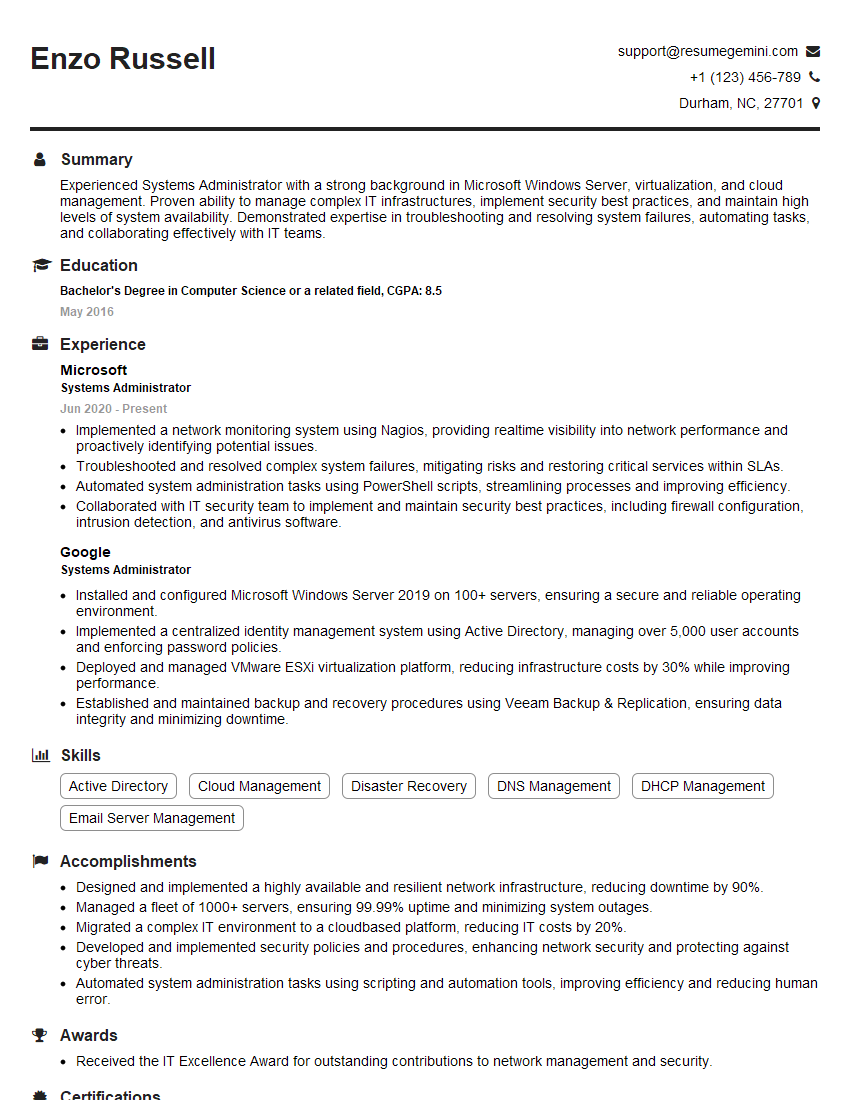
Systems Administrator Resume Sample
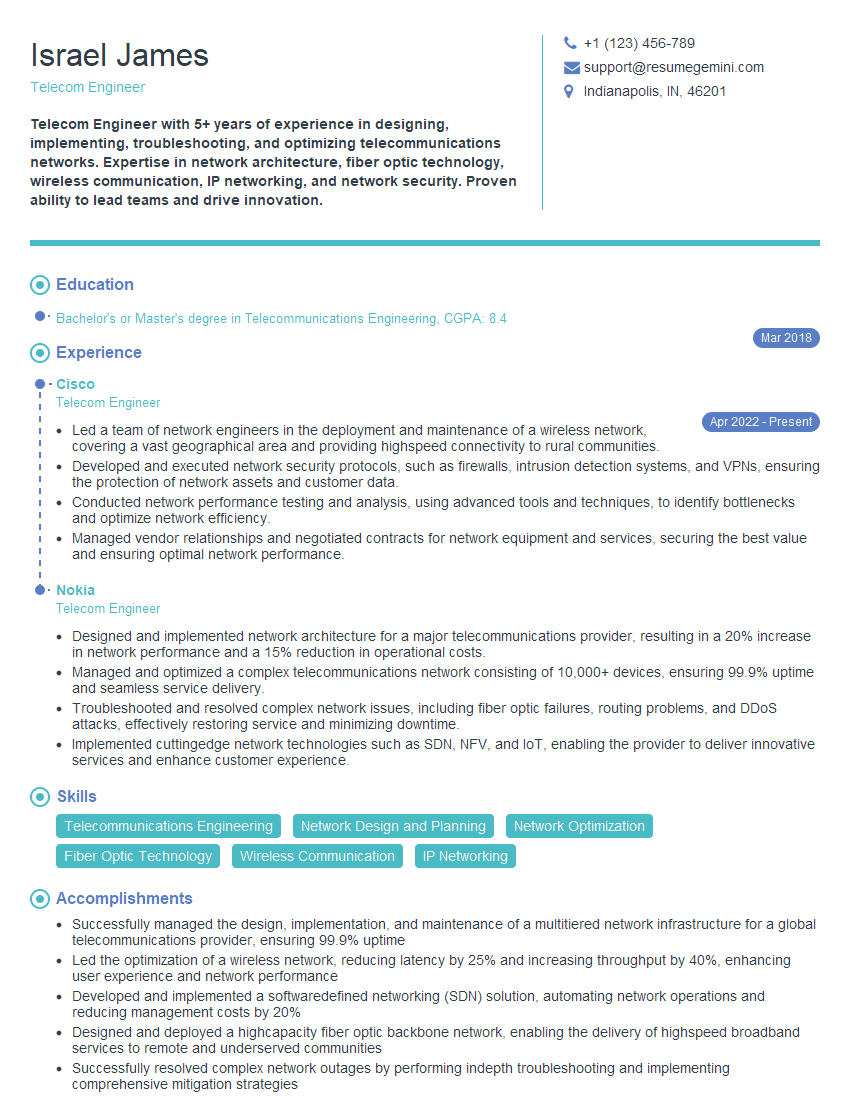
Telecom Engineer Resume Sample
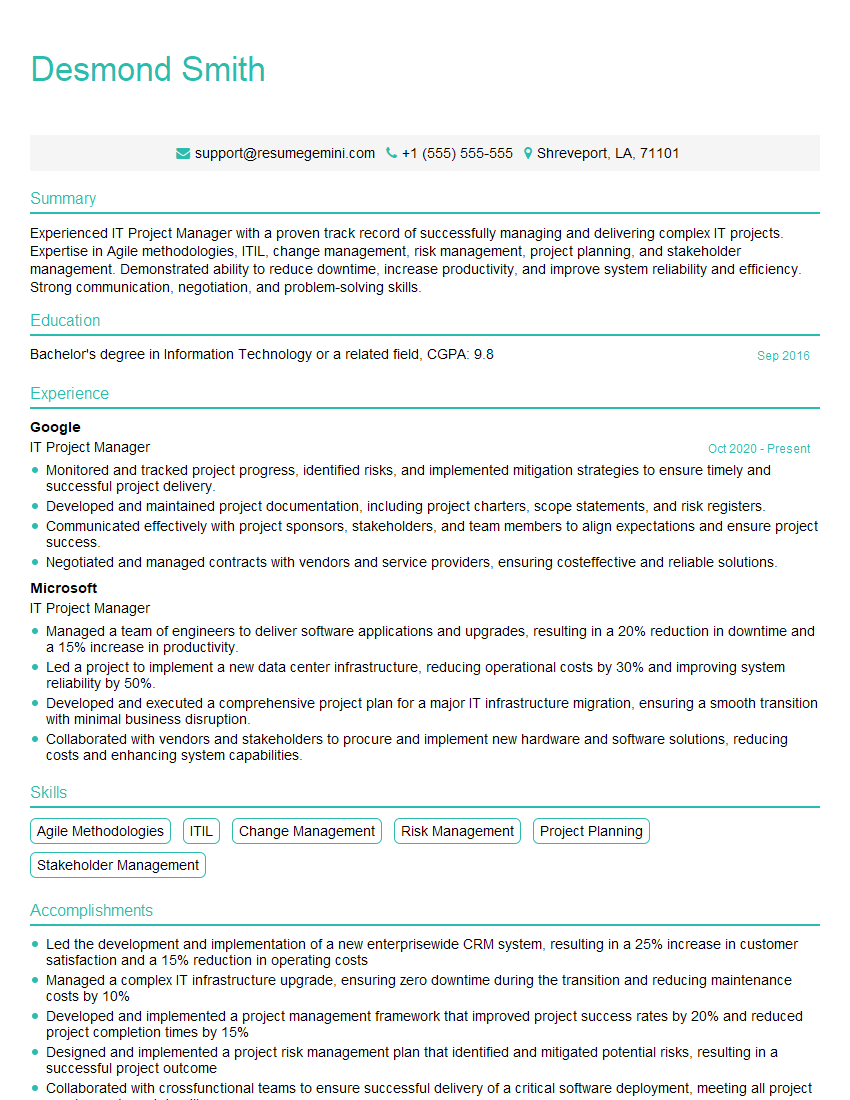
IT Project Manager Resume Sample
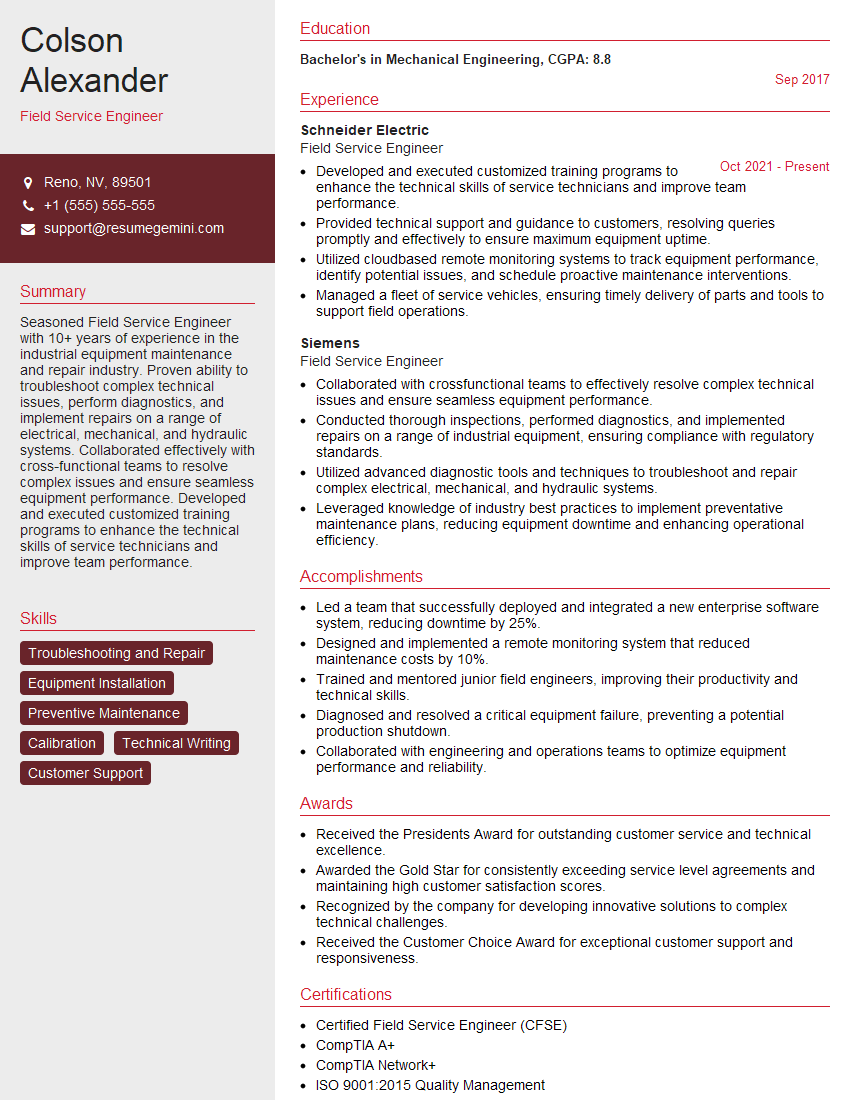
Field Service Engineer Resume Sample
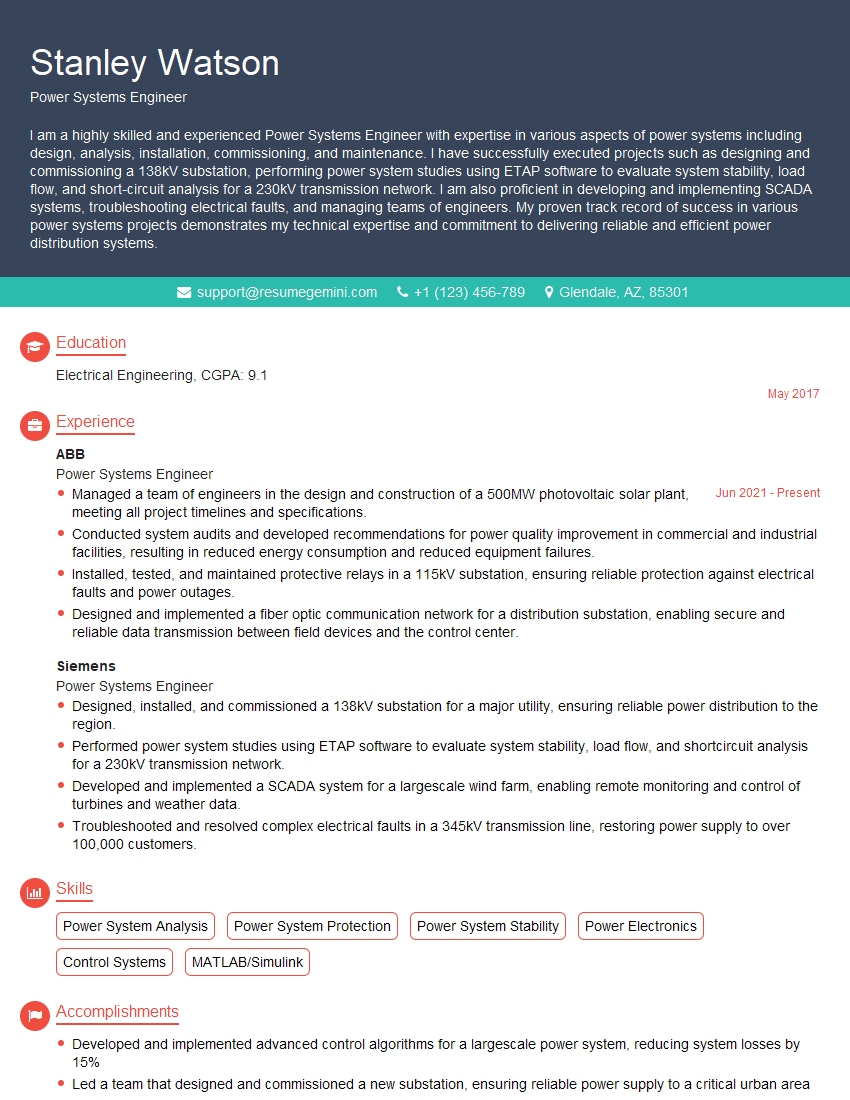
Power Systems Engineer Resume Sample
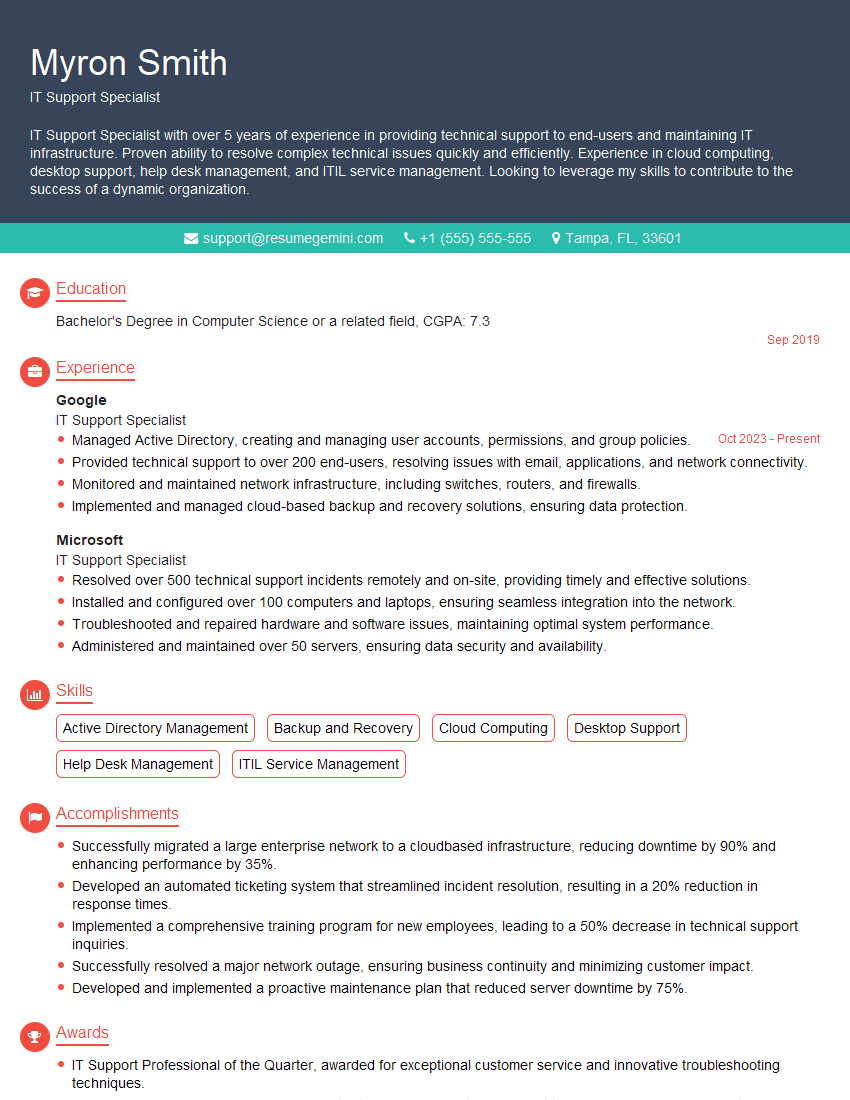
IT Support Specialist Resume Sample
Explore more articles
Users Rating of Our Blogs
Share Your Experience
We value your feedback! Please rate our content and share your thoughts (optional).
What Readers Say About Our Blog
To the interviewgemini.com Webmaster.
Very helpful and content specific questions to help prepare me for my interview!
Thank you
To the interviewgemini.com Webmaster.
This was kind of a unique content I found around the specialized skills. Very helpful questions and good detailed answers.
Very Helpful blog, thank you Interviewgemini team.