Every successful interview starts with knowing what to expect. In this blog, we’ll take you through the top Outcome Measurement and Functional Assessment interview questions, breaking them down with expert tips to help you deliver impactful answers. Step into your next interview fully prepared and ready to succeed.
Questions Asked in Outcome Measurement and Functional Assessment Interview
Q 1. Define outcome measurement and explain its importance in healthcare.
Outcome measurement is the systematic process of assessing the effects of an intervention or program on individuals or populations. It focuses on the changes or improvements observed in predefined outcomes after a specific intervention. In healthcare, this is crucial because it allows us to determine if treatments, therapies, or programs are actually achieving their intended goals. Without it, we’re essentially operating in the dark, unable to know what works, what doesn’t, and how to improve.
For example, if we’re evaluating a new diabetes management program, outcome measurement would involve tracking participants’ blood sugar levels, weight, and adherence to the program over time. Significant improvements in these areas would indicate the program’s success. Conversely, a lack of improvement or even deterioration would signal the need for adjustments or alternative approaches.
Q 2. What are the key differences between process, outcome, and impact evaluation?
These three types of evaluation focus on different aspects of a program or intervention:
- Process Evaluation: This assesses how a program was implemented. Did the program run as planned? Were resources used efficiently? Were the intended activities carried out effectively? Think of it as evaluating the ‘mechanics’ of the program.
- Outcome Evaluation: This focuses on the immediate effects of the program on the target population. Did the program achieve its intended goals? Did participants show improvements in their health or well-being as measured by specific outcomes? This is what we’ve already discussed extensively.
- Impact Evaluation: This assesses the long-term effects of the program, often looking at broader societal or community-level changes. Did the program lead to sustainable changes in behavior or health outcomes? Did it create a lasting positive impact beyond the immediate results? This is often a longer-term assessment, sometimes involving follow-up studies several months or years later.
Think of it like planting a tree (the program): process evaluation looks at how well the tree was planted (resources, technique); outcome evaluation looks at whether the tree is growing (immediate results); impact evaluation considers the long-term effects of the mature tree (e.g., shade, oxygen production).
Q 3. Describe three common outcome measures used in your field.
Three common outcome measures frequently used are:
- Functional Independence Measure (FIM): This is a widely used tool to assess the level of a person’s independence in performing daily activities, such as eating, dressing, and mobility. It’s often used in rehabilitation settings to track progress over time.
- Patient-Reported Outcome Measures (PROMs): These are questionnaires or scales that directly capture the patient’s perspective on their health status, symptoms, or quality of life. Examples include pain scales, depression scales, and generic quality-of-life questionnaires. They offer a crucial patient-centered perspective.
- Quality of Life (QoL) scores: These measures assess an individual’s overall well-being, incorporating physical, emotional, social, and environmental factors. Many validated QoL instruments exist, tailored to specific populations or conditions, allowing for a comprehensive assessment of the impact of an intervention.
Q 4. Explain the concept of functional assessment and its application in rehabilitation.
Functional assessment is a systematic process of evaluating a person’s abilities and limitations in performing everyday tasks and activities. It’s not just about identifying impairments; it’s about understanding how those impairments affect their ability to function in their daily lives. In rehabilitation, it’s a cornerstone of goal setting and intervention planning.
For example, a stroke patient may have weakness on one side of their body (an impairment). A functional assessment would go beyond that to explore how this weakness impacts their ability to dress, bathe, or walk. It would identify specific challenges and help develop targeted interventions to improve these functional abilities, ultimately leading to greater independence and improved quality of life. The focus is on restoring functional abilities to enhance participation in desired roles and activities.
Q 5. What are the ethical considerations involved in collecting outcome data?
Ethical considerations in collecting outcome data are paramount. Key issues include:
- Informed Consent: Participants must fully understand the purpose of data collection, how their data will be used, and their right to withdraw at any time. This requires clear and accessible communication.
- Confidentiality and Privacy: All data must be collected, stored, and analyzed in a manner that protects the participant’s identity and sensitive information. Strict adherence to data protection regulations is essential.
- Data Security: Robust measures must be in place to prevent unauthorized access, use, or disclosure of data. This might include encryption, password protection, and secure data storage.
- Data Integrity: Data must be accurately recorded and handled to ensure its validity and reliability. This involves careful documentation of procedures and appropriate quality control measures.
Failing to address these ethical considerations can lead to breaches of trust, legal issues, and compromised research integrity.
Q 6. How do you ensure the reliability and validity of outcome measures?
Ensuring reliability and validity of outcome measures involves several steps:
- Reliability: This refers to the consistency of the measure. A reliable measure will produce similar results when administered repeatedly under the same conditions. This is often assessed using statistical methods like test-retest reliability and inter-rater reliability.
- Validity: This refers to the accuracy of the measure. Does it actually measure what it’s intended to measure? Different types of validity include content validity (does it cover all relevant aspects?), criterion validity (does it correlate with other established measures?), and construct validity (does it measure the underlying theoretical construct?).
To enhance reliability and validity, we utilize established, standardized measures whenever possible. We also ensure proper training of personnel involved in data collection to minimize errors and ensure consistent administration. Regular calibration of equipment and ongoing monitoring of data quality are also crucial.
Q 7. Describe a situation where you had to choose appropriate outcome measures for a specific program or intervention.
In a recent project evaluating a community-based exercise program for older adults, we needed to select appropriate outcome measures. We had to consider several factors:
- Program Goals: The program aimed to improve physical function, social engagement, and quality of life.
- Target Population: We were working with a diverse group of older adults with varying levels of physical ability and health conditions.
- Feasibility: We needed measures that were easy to administer, cost-effective, and practical in a community setting.
Considering these factors, we chose a combination of measures including the Short Physical Performance Battery (SPPB) to assess physical function, a social interaction questionnaire to gauge social engagement, and a shortened version of the SF-36 health survey to measure quality of life. These measures provided a balanced assessment, aligning with the program goals and the capabilities of the participants and setting.
Q 8. How do you interpret and present outcome data to different audiences?
Interpreting and presenting outcome data effectively hinges on understanding your audience. For clinicians, I focus on clinically meaningful changes, using visualizations like graphs showing improvement over time or comparing treatment groups. I’ll translate statistical jargon into plain language, highlighting practical implications for patient care. For researchers, I delve into statistical significance, effect sizes, and confidence intervals, ensuring the presentation meets rigorous scientific standards. For administrators, the focus shifts to cost-effectiveness, program impact on a larger scale, and the return on investment. I might use summary tables, dashboards, or even infographics tailored to their needs and data literacy levels. For example, a simple bar graph clearly shows the average improvement in a patient’s depression score after a specific therapy, while a more complex analysis showing subgroup effects might only be relevant for research colleagues.
Ultimately, the key is to choose the right format and level of detail for each audience, ensuring the data is both understandable and actionable.
Q 9. What statistical methods are you familiar with for analyzing outcome data?
My statistical toolbox is quite extensive, encompassing both descriptive and inferential statistics. For descriptive statistics, I routinely use measures of central tendency (mean, median, mode), variability (standard deviation, range), and distributions (histograms, box plots) to summarize the outcome data. Inferential statistics are crucial for drawing conclusions about the population based on the sample data. I frequently employ t-tests (independent and paired) to compare means between groups or at different time points. Analysis of variance (ANOVA) is used when comparing means across three or more groups. For more complex scenarios involving multiple variables, I utilize regression analysis (linear, logistic, etc.) to understand the relationships between predictors and outcomes. Non-parametric tests, like the Mann-Whitney U test or the Wilcoxon signed-rank test, are employed when data don’t meet the assumptions of parametric tests. I’m also proficient in using statistical software packages such as SPSS, R, and SAS to conduct these analyses.
Q 10. Explain the concept of effect size and its importance in interpreting results.
Effect size quantifies the magnitude of an intervention’s impact, irrespective of sample size. It’s crucial because statistical significance (p-value) alone can be misleading. A small effect might be statistically significant in a large sample, while a large, impactful effect might not reach significance in a small sample. Effect size measures, such as Cohen’s d for comparing means or odds ratios for binary outcomes, provide a standardized measure of the treatment’s practical importance. For instance, a Cohen’s d of 0.8 indicates a large effect, suggesting substantial improvement in the outcome variable. In a study comparing two anxiety treatments, a large effect size would imply that one treatment resulted in a clinically significant reduction in anxiety symptoms compared to the other, which is more relevant than knowing only that the difference is statistically significant. Reporting both effect size and p-value provides a more comprehensive picture of the results, giving a better understanding of both statistical and practical significance.
Q 11. How do you address missing data in outcome measurement studies?
Missing data is a common challenge in outcome measurement. Ignoring it can bias the results. My approach depends on the nature and extent of the missing data. For small amounts of missing data (generally less than 5%), I might use complete-case analysis, but this is often not ideal as it reduces power. If the missing data is random, I might use imputation methods to fill in the missing values. Common imputation techniques include mean/median imputation (simple, but potentially biased), regression imputation (predicting missing values based on other variables), and multiple imputation (generating several plausible imputed datasets and combining the results). The choice depends on the mechanism of missing data. If the missingness is non-random (e.g., people with severe symptoms drop out of a study), more advanced techniques or sensitivity analyses are needed to assess the potential impact of the missing data on the study findings.
Q 12. Describe your experience with different types of functional assessments (e.g., observational, self-report).
I have extensive experience with various functional assessment methods. Observational assessments involve systematically observing and recording a person’s behavior in their natural environment. This could involve direct observation using structured checklists or coding systems to quantify the frequency, duration, and intensity of target behaviors. For example, I might observe a child’s classroom behavior to assess attention deficits. Self-report measures rely on individuals’ own descriptions of their behaviors, thoughts, and feelings. This can include standardized questionnaires, interviews, or diaries. For instance, I might use a standardized depression scale to assess a patient’s mood. I also utilize informant-report measures, where information about an individual’s behavior or functioning is obtained from someone familiar with them (e.g., a parent, caregiver, or teacher). Each method has strengths and weaknesses; combining them often provides a richer, more comprehensive understanding of an individual’s functioning.
Q 13. How do you integrate functional assessment data with outcome measurement data?
Integrating functional assessment and outcome measurement data is critical for understanding the ‘why’ behind outcome changes. Functional assessments help identify the factors contributing to the individual’s behaviors or difficulties, while outcome measures track changes in those behaviors over time. For instance, if an outcome measure shows a decrease in a child’s disruptive classroom behaviors after a behavioral intervention, the functional assessment can help determine if the decrease was due to improved self-regulation skills, increased teacher support, or changes in the classroom environment. This integrated approach strengthens the conclusions we can draw about the effectiveness of the intervention. By analyzing the relationship between the functional variables (e.g., antecedents, behaviors, consequences) and the outcome measures, we can build a more complete picture of the intervention’s impact and refine treatment strategies if needed.
Q 14. How do you tailor outcome measures to diverse populations?
Tailoring outcome measures to diverse populations is crucial for ensuring fairness and accuracy. This involves considering factors like age, cultural background, language proficiency, and literacy levels. For example, when working with elderly individuals, I might opt for measures with larger font sizes and simpler language, or use methods that minimize cognitive load. Similarly, when working with individuals from diverse linguistic backgrounds, using translated and culturally adapted measures is essential, ensuring the measure is both valid and reliable in that specific context. It’s also crucial to consider potential cultural biases embedded within assessment tools and interpret results accordingly. Engaging community members in the design and adaptation of measures is key to ensure that the chosen measures are relevant, accessible and meaningful for all participants.
Q 15. What are the limitations of using standardized outcome measures?
Standardized outcome measures, while valuable for consistency and comparison across studies, have limitations. They may not fully capture the nuances of individual experiences. For instance, a standardized depression scale might not adequately reflect the unique stressors and coping mechanisms of a particular patient. Here’s a breakdown of key limitations:
- Lack of Specificity: Standardized measures often use general questions, potentially overlooking the unique aspects of an individual’s situation. For example, a generic quality-of-life measure might not capture the specific challenges faced by someone with a rare disease.
- Cultural Bias: Instruments developed in one cultural context might not be appropriate for diverse populations. Questions or response options might not resonate with individuals from different cultural backgrounds, leading to inaccurate or misleading results.
- Floor and Ceiling Effects: Some measures may not be sensitive enough to detect changes in individuals at the extremes of the scale (e.g., someone already experiencing severe depression may not show improvement on a scale that lacks sensitivity at the low end).
- Patient Burden: Lengthy questionnaires can lead to respondent fatigue, impacting the accuracy and completeness of the data. This is particularly important with vulnerable populations.
- Limited Applicability: A measure designed for one population or condition might not be suitable for another, limiting its generalizability.
To mitigate these limitations, we often use a mixed-methods approach, combining standardized measures with qualitative data, such as interviews or observations, to gain a richer, more comprehensive understanding of outcomes.
Career Expert Tips:
- Ace those interviews! Prepare effectively by reviewing the Top 50 Most Common Interview Questions on ResumeGemini.
- Navigate your job search with confidence! Explore a wide range of Career Tips on ResumeGemini. Learn about common challenges and recommendations to overcome them.
- Craft the perfect resume! Master the Art of Resume Writing with ResumeGemini’s guide. Showcase your unique qualifications and achievements effectively.
- Don’t miss out on holiday savings! Build your dream resume with ResumeGemini’s ATS optimized templates.
Q 16. Describe your experience with electronic health record (EHR) data extraction for outcome measurement.
My experience with EHR data extraction for outcome measurement involves leveraging structured data fields (like diagnosis codes, medication lists, and lab results) along with unstructured data (progress notes, discharge summaries). I’ve used tools like SQL and R to extract and analyze these data, often employing natural language processing (NLP) techniques for unstructured data. For example, I worked on a project where we extracted data from discharge summaries to assess patient functional status post-stroke using keywords related to mobility, self-care, and cognitive function. We then analyzed the extracted data to measure the effect of an intervention on functional recovery. The process involved:
- Data Identification and Selection: Identifying relevant data fields and variables within the EHR system related to the specific outcomes of interest.
- Data Extraction: Using appropriate tools and techniques, like SQL queries or APIs, to extract the necessary data.
- Data Cleaning and Transformation: Standardizing data formats, handling missing values, and correcting inconsistencies to ensure data quality.
- Data Analysis: Using statistical software (e.g., R, SPSS) to analyze the extracted data and calculate outcome measures.
Careful attention to data privacy and security protocols is crucial throughout this process. For example, we always use de-identified datasets and adhere to HIPAA regulations.
Q 17. How do you ensure data security and privacy when collecting and analyzing outcome data?
Data security and privacy are paramount in outcome measurement. My approach adheres strictly to relevant regulations like HIPAA (in the US) and GDPR (in Europe). This includes:
- Data De-identification: Removing or masking any personally identifiable information (PII) from the data before analysis. This might include removing names, addresses, dates of birth, etc.
- Secure Storage: Storing data on encrypted servers with restricted access, using strong passwords and multi-factor authentication.
- Access Control: Limiting access to the data only to authorized personnel who have a legitimate need to know.
- Data Encryption: Encrypting data both at rest and in transit to protect against unauthorized access.
- Regular Security Audits: Conducting regular security audits and vulnerability assessments to identify and address potential security risks.
- Compliance Training: Providing regular training to staff on data privacy and security best practices.
Furthermore, I document all data handling procedures, ensuring transparency and accountability in the research process. All analyses are conducted in a secure environment, and results are only shared with authorized parties.
Q 18. What are some common challenges in implementing outcome measurement programs?
Implementing outcome measurement programs often faces several challenges. These range from resource constraints to issues with data quality and staff buy-in. Some common challenges include:
- Resource Constraints: Implementing and maintaining an outcome measurement program requires financial resources for software, staff training, and data analysis.
- Staff Buy-in and Training: Success depends on the active participation of clinicians and staff. Adequate training and ongoing support are essential.
- Data Collection Burden: The process of collecting outcome data can be time-consuming, potentially adding to the workload of already busy clinicians.
- Data Quality Issues: Missing data, inconsistent data entry, and inaccuracies in data collection can compromise the validity and reliability of the results. Robust data quality control procedures are needed.
- Lack of Integration with Existing Systems: Outcome measurement systems must integrate seamlessly with existing EHRs and other clinical information systems to avoid workflow disruptions.
- Choosing Appropriate Measures: Selecting outcome measures that are relevant, reliable, and valid for the specific population and condition is crucial.
Addressing these challenges often requires careful planning, stakeholder engagement, and the use of efficient data collection and analysis tools.
Q 19. How do you address discrepancies between reported outcomes and observed functional performance?
Discrepancies between reported outcomes (e.g., patient self-report) and observed functional performance (e.g., clinician observation) are common. Several factors contribute to this, including:
- Reporting Bias: Patients may underreport or overreport their symptoms or functional abilities due to various reasons, such as social desirability bias or denial.
- Cognitive Impairment: Cognitive impairments can affect a patient’s ability to accurately report their condition.
- Pain Perception: Subjective experiences, such as pain, can influence both self-report and observed performance.
- Environmental Factors: The setting in which assessments are conducted can affect performance.
To address these discrepancies, I utilize a multi-method approach that combines self-report measures with objective assessments, such as performance-based tests and clinician observations. Triangulating data from multiple sources helps provide a more holistic and accurate picture of the individual’s functional status. For example, if a patient reports high levels of independence in self-care but struggles during an actual demonstration, we investigate the reasons for this discrepancy, potentially uncovering hidden challenges or unmet needs.
Q 20. How do you use outcome data to inform program improvement and decision-making?
Outcome data is crucial for program improvement and decision-making. We use it to:
- Track Progress: Monitor the effectiveness of interventions and programs over time.
- Identify Areas for Improvement: Highlight areas where programs are succeeding and where they fall short.
- Allocate Resources: Inform decisions about resource allocation and program prioritization based on demonstrable effectiveness.
- Benchmark Performance: Compare performance against benchmarks and best practices.
- Support Evidence-Based Practice: Make data-driven decisions about the adoption of new interventions and approaches.
- Communicate Results: Share results with stakeholders (patients, clinicians, administrators) to increase transparency and accountability.
For example, if outcome data shows that a particular intervention is not effective, we might revise the intervention, change the delivery method, or explore alternative approaches. This iterative process of data collection, analysis, and program refinement is essential for ongoing improvement.
Q 21. Describe your experience with different data visualization techniques for presenting outcome data.
Data visualization is essential for effectively communicating outcome data. I use a variety of techniques depending on the audience and the data being presented. Common techniques include:
- Bar Charts and Histograms: Useful for comparing groups or showing the distribution of a variable.
- Line Graphs: Ideal for displaying trends over time.
- Scatter Plots: Useful for examining the relationship between two variables.
- Box Plots: Show the distribution of data, including median, quartiles, and outliers.
- Heatmaps: Excellent for visualizing large datasets with many variables.
- Interactive Dashboards: Allow users to explore data dynamically and create custom visualizations.
The choice of visualization technique depends on the specific data and the message you want to convey. For example, a line graph might be used to show the improvement in a patient’s functional status over time, while a bar chart might be used to compare the outcomes of two different treatment groups. Clear labeling, concise titles, and thoughtful design are crucial for creating effective and easily understandable visualizations.
Q 22. How do you stay current with advancements in outcome measurement and functional assessment methodologies?
Staying current in the dynamic fields of outcome measurement and functional assessment requires a multifaceted approach. It’s not just about reading the latest journal articles; it’s about active engagement within the professional community.
- Professional Organizations: I actively participate in organizations like the Academy of Managed Care Pharmacy (AMCP) and the International Society for Pharmacoeconomics and Outcomes Research (ISPOR), attending conferences and webinars to learn about new methodologies and research findings. These events often feature presentations and workshops on cutting-edge techniques.
- Peer-Reviewed Literature: I regularly review journals like Health Services Research, Medical Care, and Value in Health, focusing on articles that explore innovative measurement tools and analytical approaches. I also utilize online databases like PubMed to conduct targeted literature searches on specific topics.
- Continuing Education: I actively pursue continuing education opportunities, including online courses and workshops, to stay abreast of new developments in statistical analysis, data visualization, and the application of new technologies in outcome measurement.
- Networking: Networking with colleagues at conferences and through online professional communities allows me to exchange ideas, learn about best practices, and stay informed about emerging trends. Discussions with peers often reveal practical challenges and innovative solutions I might not encounter elsewhere.
This combination of active learning and professional engagement ensures I’m consistently updated on the latest advancements and best practices in the field.
Q 23. How do you handle conflicting results from different outcome measures?
Conflicting results from different outcome measures are common and often require careful consideration. The key is not to simply dismiss one measure in favor of another, but rather to understand the reasons for the discrepancy. Think of it like looking at a patient from different angles – each test provides a different piece of information.
- Assess the Measures Themselves: First, I thoroughly examine the properties of each measure. Are they measuring the same construct? Do they have comparable reliability and validity? One measure might be more sensitive to change than another. For instance, a patient-reported outcome measure may capture the impact on daily life better than a clinician-administered test.
- Consider Patient Context: The patient’s individual circumstances, comorbidities, and treatment adherence can all affect the results. It’s crucial to consider these factors when interpreting seemingly contradictory findings.
- Investigate Methodological Differences: Differences in the timing of assessments, sample sizes, or data collection methods can also influence results. For example, a shorter study might show less impact than a longer one.
- Qualitative Data: Sometimes, incorporating qualitative data, such as patient interviews or focus groups, can provide valuable context and help explain the quantitative discrepancies. This can shed light on the ‘why’ behind the conflicting results.
- Sensitivity Analysis: Employing statistical methods such as sensitivity analysis can help determine how robust the results are to different assumptions or variations in the data. This helps quantify the uncertainty associated with the conflicting results.
By systematically exploring these areas, I can often develop a more nuanced understanding of the situation, leading to more informed clinical decisions.
Q 24. Explain the role of patient-reported outcomes (PROs) in clinical practice.
Patient-reported outcomes (PROs) are crucial in modern clinical practice because they provide a direct voice to the patient experience. They capture the aspects of health that are most meaningful to patients, often providing insights not revealed by clinician-reported or other objective measures.
- Comprehensive Assessment: PROs offer a more holistic view of a patient’s health status, encompassing symptoms, functional limitations, quality of life, and overall well-being. They capture the impact of an illness or treatment on a patient’s daily life in ways that other measures may miss.
- Personalized Care: PROs enable personalized medicine by tailoring treatments to individual patient needs and preferences. For example, a patient’s report on their pain levels and functional limitations may guide clinicians in choosing appropriate pain management techniques.
- Treatment Efficacy: PROs are invaluable for assessing the effectiveness of interventions. By tracking changes in PROs over time, clinicians can objectively monitor treatment response and adjust the care plan as needed.
- Improving Patient Communication: Using PROs can open communication channels between patients and their healthcare providers, strengthening the patient-clinician relationship and fostering shared decision-making.
- Regulatory Considerations: In many contexts, including drug development and regulatory submissions, PROs are now considered essential evidence of treatment benefits and safety profiles.
Integrating PROs into clinical practice necessitates careful selection of validated instruments and attention to data interpretation within the broader clinical context.
Q 25. How do you involve stakeholders in the design and implementation of outcome measurement programs?
Stakeholder involvement is paramount in designing and implementing successful outcome measurement programs. A program lacking buy-in from key players is unlikely to succeed. I use a participatory approach that involves all stakeholders from the outset.
- Identifying Stakeholders: This includes patients, clinicians, administrators, payers, and researchers, depending on the specific context of the program. Each group has unique perspectives and priorities.
- Establishing Communication Channels: Regular meetings, surveys, and feedback mechanisms are essential to maintain open communication and foster collaboration. This keeps everyone informed and involved.
- Defining Objectives and Metrics: Stakeholders collaboratively define the program’s goals and identify the appropriate outcome measures that align with those goals. This ensures that the program addresses the needs of all involved parties.
- Data Sharing and Transparency: Openly sharing data and analysis results fosters trust and accountability. It helps ensure that everyone is on the same page and understands the implications of the findings.
- Continuous Feedback and Improvement: Regular feedback loops allow for continuous refinement and improvement of the program based on stakeholder input and evolving needs. This demonstrates commitment to a collaborative process.
This collaborative approach ensures that the program is relevant, sustainable, and delivers meaningful results for all involved.
Q 26. Describe your experience with developing or adapting outcome measures.
I have extensive experience in developing and adapting outcome measures, often tailoring existing instruments to specific populations or clinical settings or creating new measures when needed. The process is meticulous and iterative.
- Needs Assessment: First, I carefully define the specific constructs needing measurement, considering the target population and the clinical questions to be answered. For example, if I was assessing the effectiveness of a new physical therapy program for stroke patients, I would need measures addressing motor function, balance, and activities of daily living.
- Literature Review: I review existing literature to identify potentially suitable instruments. This includes assessing their psychometric properties (reliability, validity, responsiveness) to ensure they are fit for purpose.
- Instrument Adaptation (if necessary): Existing instruments may require adaptation for cultural or linguistic appropriateness, or to reflect the specific needs of the study population. This process often involves rigorous testing and validation.
- Development of New Measures (if necessary): If no existing instrument is suitable, I will participate in the development of a new instrument. This involves defining items, pilot testing, and psychometric validation through statistical analysis. This is a rigorous process ensuring the new measure is reliable and valid.
- Cognitive Interviewing: I regularly utilize cognitive interviewing techniques to evaluate the clarity and understandability of the items and response options in the measure. This ensures that the measure is easy for patients to understand and complete.
Throughout the entire process, I adhere to rigorous methodological standards to ensure the resulting measures are reliable, valid, and responsive to change.
Q 27. How do you use outcome data to demonstrate the value of healthcare services?
Outcome data is crucial for demonstrating the value of healthcare services. It allows us to move beyond simply describing what we do to showing what we achieve.
- Defining Value: First, we need to clearly define what constitutes ‘value’ in the context of the specific services. This might encompass improved patient outcomes, reduced costs, increased efficiency, or enhanced patient satisfaction. This needs to be aligned with stakeholder needs and priorities.
- Selecting Relevant Outcomes: Appropriate outcome measures are chosen based on the defined value proposition. This could include clinically meaningful endpoints, patient-reported outcomes, and economic outcomes such as cost savings.
- Data Analysis: Rigorous statistical analyses are performed to assess the impact of the services on the selected outcomes. This often includes comparing outcomes to relevant benchmarks or control groups.
- Reporting and Communication: The results are clearly communicated to stakeholders using various formats, including reports, presentations, and data visualizations. This includes highlighting both successes and areas for improvement.
- Value Frameworks: Presenting the data within a structured value framework (e.g., a cost-effectiveness analysis or a budget impact model) helps stakeholders understand the return on investment associated with the healthcare services.
By using a combination of robust data collection and analysis, and clear and transparent reporting, we can effectively demonstrate the true value and impact of healthcare services.
Key Topics to Learn for Outcome Measurement and Functional Assessment Interview
- Defining Outcomes and Functional Assessments: Understanding the core differences and relationships between outcome measurement and functional assessment, including the selection of appropriate assessment tools.
- Practical Application: Case Studies: Analyze real-world examples of how outcome measurement and functional assessment are used to track progress, inform intervention strategies, and demonstrate program effectiveness. Consider different populations and settings.
- Data Collection and Analysis Methods: Mastering various data collection techniques (e.g., observation, interviews, questionnaires) and statistical analysis methods to interpret data effectively and draw meaningful conclusions. Explore different types of scales and their applications.
- Ethical Considerations: Discuss issues of confidentiality, informed consent, and cultural sensitivity in the context of outcome measurement and functional assessment.
- Selecting Appropriate Assessment Tools: Understanding the strengths and limitations of different assessment tools and how to select the most appropriate tools for specific situations and populations.
- Reporting and Communication of Findings: Effectively communicating assessment results to diverse audiences, including clients, families, and professionals, using clear and concise language, appropriate visuals, and tailored presentations.
- Program Evaluation and Improvement: Using outcome data to evaluate the effectiveness of programs and services and to identify areas for improvement. This includes understanding different evaluation models.
- Technology in Outcome Measurement: Explore the use of technology and software in data collection, analysis, and reporting for enhanced efficiency and accuracy.
Next Steps
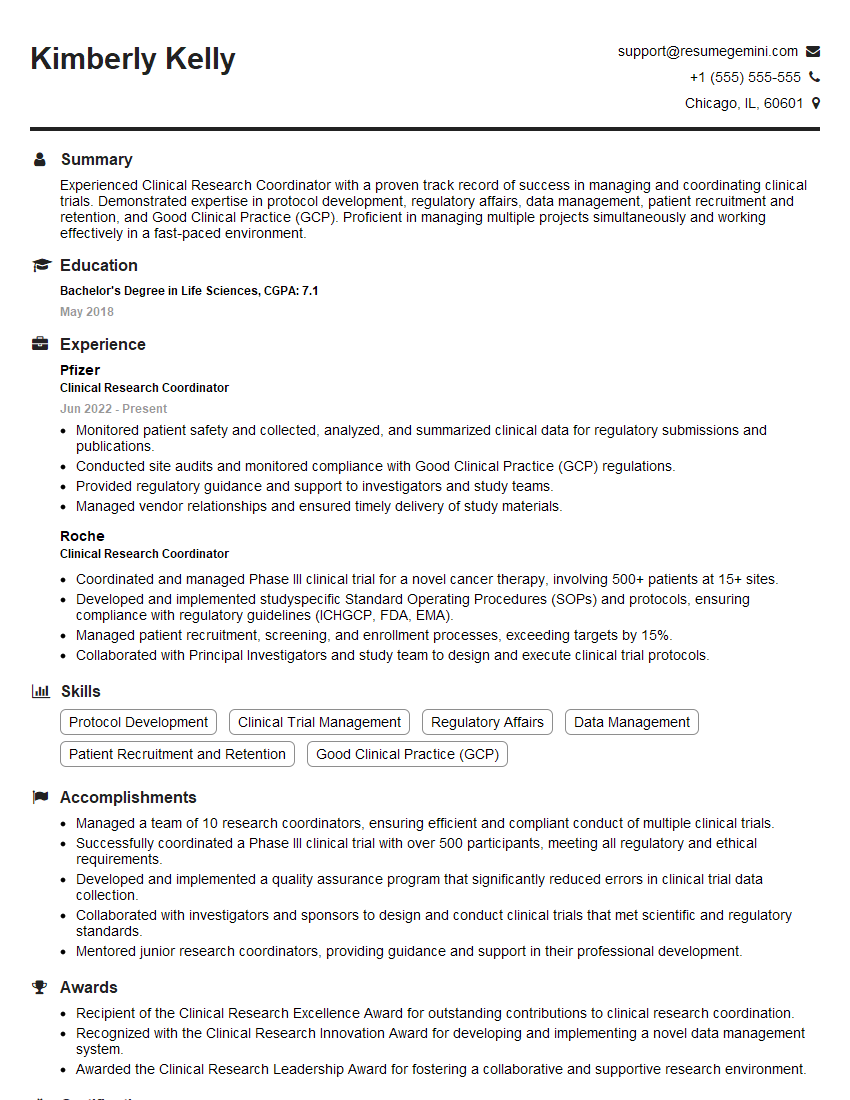
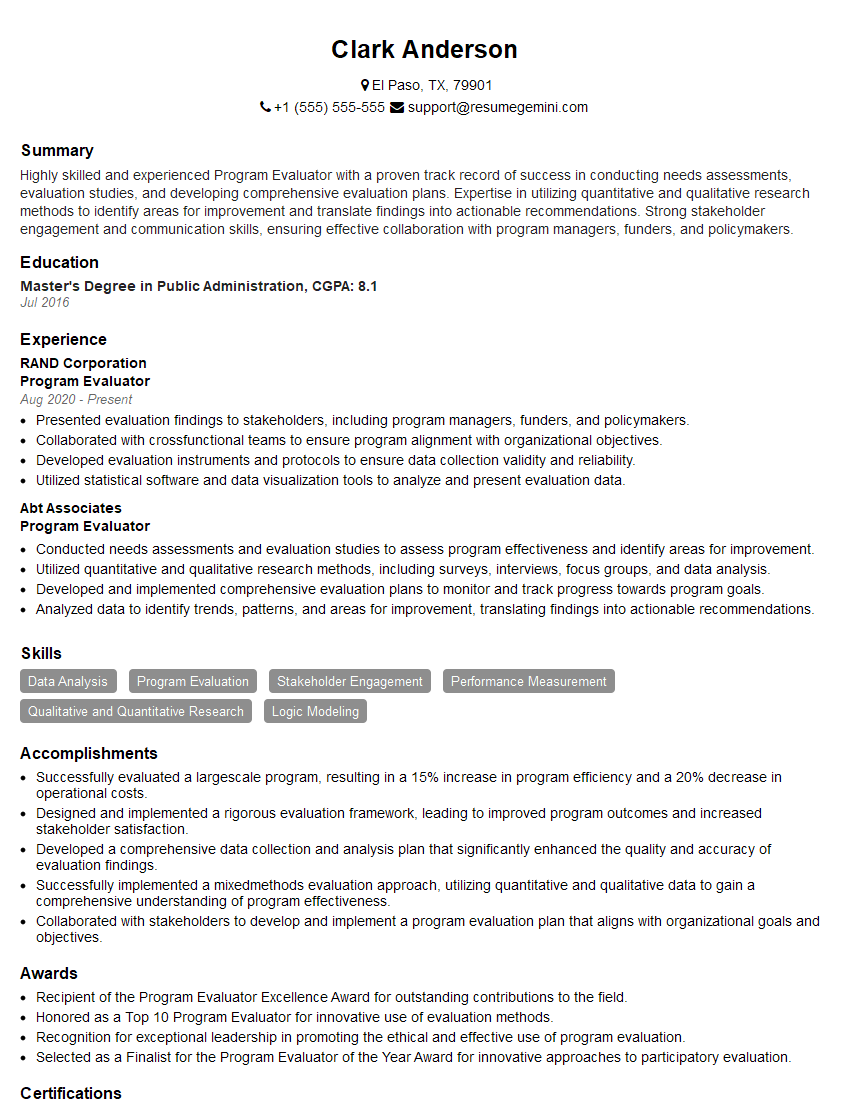
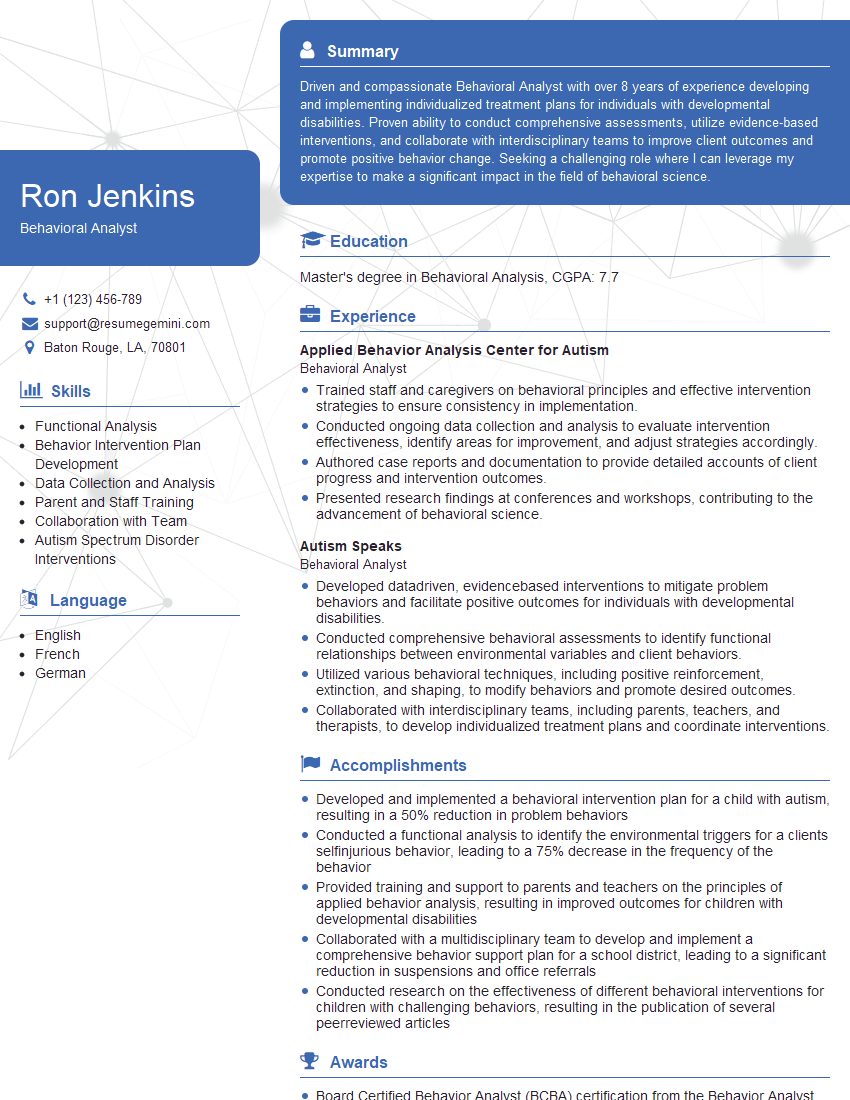
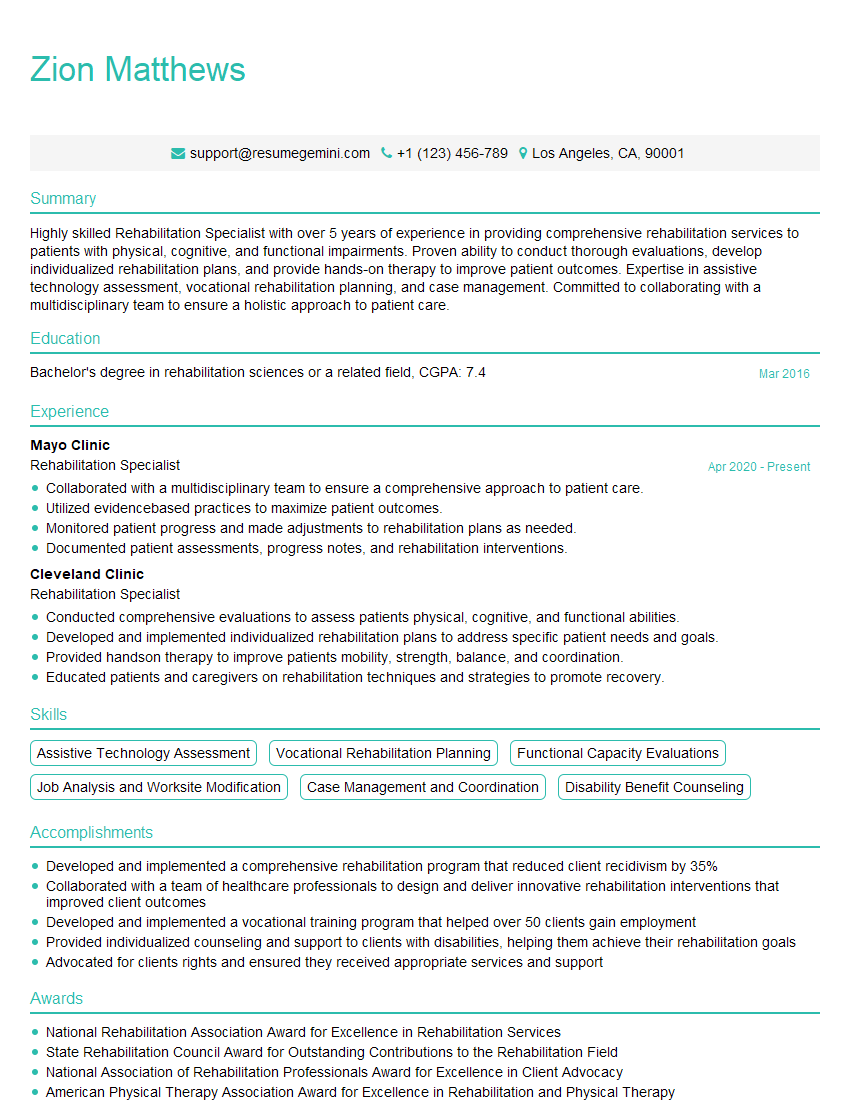
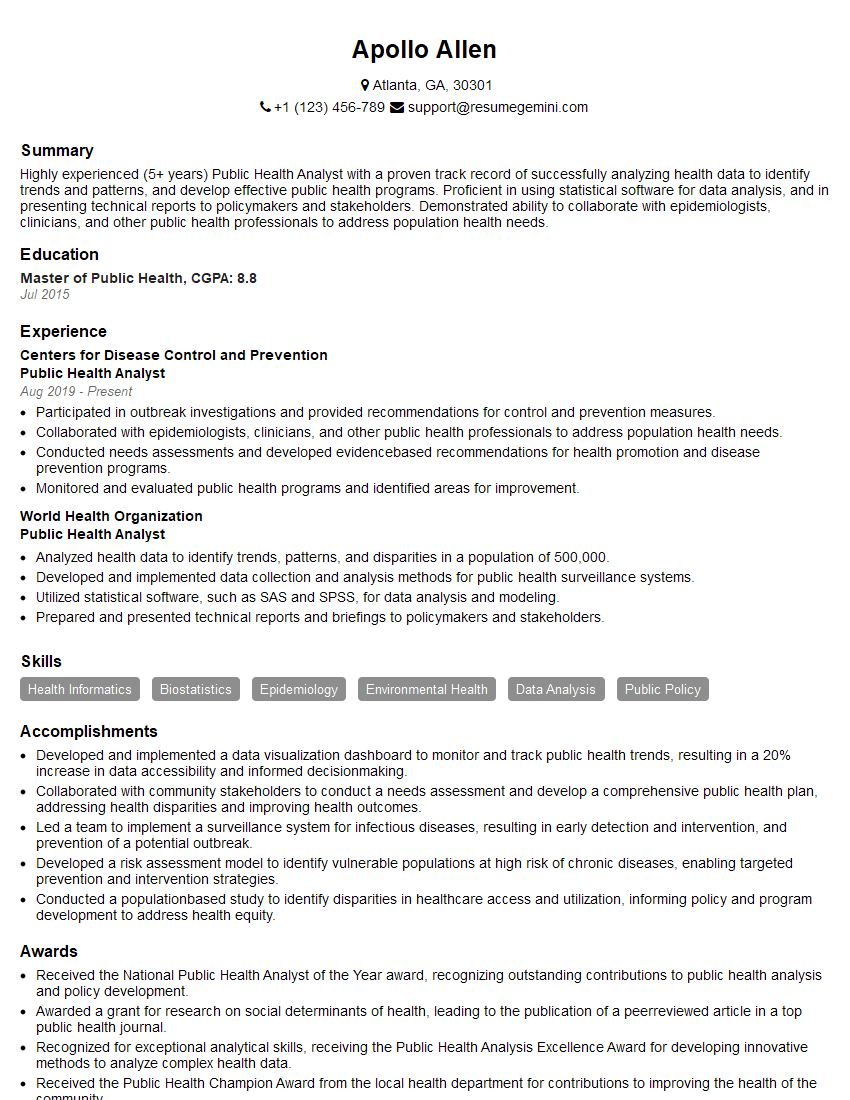
Mastering Outcome Measurement and Functional Assessment is crucial for career advancement in many fields, opening doors to impactful roles and increased earning potential. A strong resume is essential for showcasing your skills and experience to potential employers. Crafting an ATS-friendly resume is key to getting your application noticed. We highly recommend using ResumeGemini to build a professional and effective resume that highlights your expertise in Outcome Measurement and Functional Assessment. ResumeGemini offers examples of resumes tailored to this specific field to help you get started. Invest time in building a compelling resume – it’s your first impression and a critical step in landing your dream job.
Explore more articles
Users Rating of Our Blogs
Share Your Experience
We value your feedback! Please rate our content and share your thoughts (optional).
What Readers Say About Our Blog
To the interviewgemini.com Webmaster.
Very helpful and content specific questions to help prepare me for my interview!
Thank you
To the interviewgemini.com Webmaster.
This was kind of a unique content I found around the specialized skills. Very helpful questions and good detailed answers.
Very Helpful blog, thank you Interviewgemini team.