Preparation is the key to success in any interview. In this post, we’ll explore crucial System Flushing interview questions and equip you with strategies to craft impactful answers. Whether you’re a beginner or a pro, these tips will elevate your preparation.
Questions Asked in System Flushing Interview
Q 1. Describe the different types of system flushing techniques.
System flushing techniques are broadly categorized based on the method of fluid movement and the type of contaminants targeted. Think of it like cleaning a house – you might use a broom for sweeping (low-velocity), a pressure washer for stubborn dirt (high-velocity), or specialized cleaners for specific stains (chemical flushing).
- Low-Velocity Flushing: This involves using gravity or low-pressure pumps to move the flushing fluid through the system. It’s suitable for removing loosely adhered debris in relatively clean systems. Think of gently rinsing a garden hose with water.
- High-Velocity Flushing: This employs high-pressure pumps to forcefully remove tightly bonded contaminants. It’s ideal for heavily soiled systems, but care must be taken to avoid damage. Imagine using a pressure washer to clean a patio.
- Chemical Flushing: This involves introducing a chemically active fluid to dissolve or neutralize specific contaminants like scale or corrosion products. Think of using a specialized cleaner to remove grease from a kitchen.
- Combination Flushing: Many projects benefit from a combination of techniques. For instance, a system might undergo low-velocity flushing followed by high-velocity flushing and finally chemical treatment for optimal cleanliness.
Q 2. Explain the importance of pre-flushing procedures.
Pre-flushing procedures are crucial for preventing damage to sensitive system components and ensuring the effectiveness of the main flushing operation. It’s like pre-treating a stain before washing a garment. Imagine trying to clean a heavily rusted pipe – the rust could clog filters in the main flushing process and damage equipment.
- Protection of sensitive equipment: Pre-flushing removes loose debris that could damage pumps, valves, or other delicate components during the main flushing.
- Improved flushing efficiency: By removing larger debris, pre-flushing ensures the main flushing operation can focus on finer particles, leading to a more efficient and thorough clean.
- Reduced downtime: Pre-flushing can significantly reduce the overall flushing time by minimizing the need for repeated cleaning or filter changes.
A common pre-flushing method involves a low-velocity flush with clean water, followed by an inspection to assess the extent of contamination before proceeding with a more rigorous cleaning.
Q 3. What are the common contaminants found in systems requiring flushing?
The types of contaminants encountered vary widely depending on the system’s age, material, and use. Think of the different types of dirt you might find in different parts of your home.
- Scale: Mineral deposits formed from dissolved solids in the water.
- Corrosion products: Rust, oxides, and other materials resulting from metal degradation.
- Silt and sediment: Fine particles of sand, clay, and other materials.
- Welding slag: Residual material from welding operations.
- Biological matter: Bacteria, algae, and other organisms that can grow in stagnant water.
- Construction debris: Leftover materials from the system’s installation.
Identifying the specific contaminants present is crucial for selecting the appropriate flushing technique and fluid.
Q 4. How do you determine the appropriate flushing velocity for a given system?
Determining the appropriate flushing velocity is a critical step to ensure effective cleaning without causing damage. It’s like choosing the right speed for a vacuum cleaner – too slow and it’s ineffective, too fast and it might damage the carpet.
The ideal velocity depends on several factors, including:
- Pipe diameter and length: Smaller pipes require lower velocities to prevent erosion.
- Contaminant type: Loose debris may require lower velocities than tightly adhering scale.
- System material: Certain materials are more susceptible to erosion at higher velocities.
- Fluid viscosity: Thicker fluids require higher velocities for effective transport.
Engineers often use specialized software or empirical formulas to calculate the optimum velocity, taking into account these factors. Safety margins are always included to avoid potential damage.
Q 5. Explain the process of selecting the correct flushing fluid.
Selecting the right flushing fluid is paramount to achieving effective cleaning without harming the system. It’s like choosing the right detergent for your laundry – you wouldn’t use bleach on delicate fabrics.
Factors to consider include:
- Contaminant type: A chemical flush might be needed for scale, while water is sufficient for loose debris.
- System material: Certain fluids may be corrosive to specific materials.
- Environmental regulations: Disposal requirements must be considered.
- Fluid compatibility: The fluid should not react negatively with the system components.
Often, a tiered approach is used – starting with water, and progressing to chemical solutions only if necessary, after careful consideration of material compatibility and environmental concerns. Detailed fluid compatibility charts are typically consulted.
Q 6. Describe different methods for monitoring flushing effectiveness.
Monitoring flushing effectiveness is crucial to ensure the desired level of cleanliness is achieved. It’s like checking your laundry – you wouldn’t want to dry clothes that are still dirty.
- Visual inspection: Examining the discharged fluid for the presence of contaminants.
- Particle counters: Measuring the number and size of particles in the fluid.
- Turbidity meters: Assessing the cloudiness of the fluid, indicating the presence of suspended solids.
- Chemical analysis: Determining the concentration of specific contaminants.
- Sampling and testing: Collecting samples at various points to monitor the cleaning process.
The choice of monitoring methods depends on the system complexity and the specific contaminants being targeted. A combination of methods is often preferred for a comprehensive assessment.
Q 7. How do you ensure complete removal of debris during the flushing process?
Ensuring complete debris removal requires a systematic approach, combining appropriate techniques and diligent monitoring. It’s like thoroughly cleaning a complex piece of machinery – you need a multi-faceted approach.
- Optimized flushing velocity and duration: Maintaining the appropriate flow rate for the duration needed to dislodge and remove contaminants.
- Strategic placement of flushing points: Ensuring all areas of the system are effectively flushed.
- Regular inspection and cleaning of filters: Preventing filter clogging that could hinder effective cleaning.
- Multiple flushing cycles: Repeating the process as needed to achieve the desired level of cleanliness.
- Use of appropriate flushing fluids and techniques: Choosing methods that target specific contaminants.
- Post-flush inspection: A final visual inspection of the system to ensure complete debris removal before recommissioning.
A thorough post-flush inspection, including visual checks and potentially non-destructive testing (NDT), is critical to ensure the effectiveness of the entire process.
Q 8. What safety precautions are necessary during system flushing?
Safety is paramount during system flushing. We always start with a thorough risk assessment, identifying potential hazards like high pressure, hazardous materials, and confined space entry. This assessment informs our safety plan, which includes:
- Personal Protective Equipment (PPE): This is crucial and includes safety glasses, gloves appropriate for the fluid being flushed, steel-toe boots, and potentially respirators depending on the fluid. For example, when flushing a system containing chemicals, specialized suits might be required.
- Lockout/Tagout Procedures (LOTO): Before commencing any flushing operation, all energy sources to the system must be isolated and locked out to prevent accidental activation. This prevents serious injury from unexpected pressure surges or movement of machinery.
- Confined Space Entry Procedures (if applicable): If flushing requires entry into confined spaces, we strictly adhere to confined space entry permits, atmospheric monitoring, and the presence of a standby person.
- Emergency Response Plan: A detailed plan should be in place to address potential emergencies, including leaks, spills, and injuries. This plan should be readily available and understood by all personnel involved.
- Proper Training: All personnel participating in the flushing operation must receive adequate training on safety procedures and the specific risks associated with the system and fluids involved.
Regular safety briefings before and during the operation are vital to maintaining a safe work environment.
Q 9. What are the potential risks associated with improper system flushing?
Improper system flushing can lead to several serious consequences:
- System Damage: Using incorrect flushing procedures or equipment can damage system components, leading to costly repairs or replacements. For instance, using excessively high pressure could burst pipes or damage delicate sensors.
- Contamination: Incomplete flushing can leave behind residues of contaminants, compromising the intended use of the system. In a pharmaceutical setting, this could result in product contamination, leading to recalls or worse.
- Safety Hazards: Inadequate flushing can lead to unexpected pressure surges or the release of hazardous materials, posing serious risks to personnel. For example, residual chemicals can react unpredictably with new fluids.
- Inaccurate System Performance: If the system isn’t properly flushed, it may not function as intended, leading to operational inefficiencies or failures.
- Environmental Damage: Improper disposal of flushing fluids can result in environmental pollution and regulatory non-compliance. This is especially true for systems containing hazardous materials.
In short, proper flushing ensures both safety and system integrity. Cutting corners can have far-reaching and expensive consequences.
Q 10. Explain the role of filtration in the flushing process.
Filtration plays a vital role in system flushing, ensuring that the flushed fluid is effectively cleaned before disposal. The filtration method depends on the type of contaminants and the required level of cleanliness. Common filtration methods include:
- Mesh Filters: These are used to remove larger particles, such as debris and scale.
- Paper Filters: These are employed to remove finer particles and suspended solids.
- Cartridge Filters: Offering a variety of pore sizes, these are highly efficient for removing a range of contaminants.
- Membrane Filters: These provide the highest level of filtration, removing even microscopic particles and bacteria, essential in sterile applications.
Think of it like cleaning a water filter in your home – the filter traps sediment and impurities, ensuring clean water comes out. In system flushing, filtration ensures the removed fluid is cleaned and safe for disposal, and importantly, it ensures the system is free from contaminants.
Q 11. How do you handle unexpected problems during a flushing operation?
Unexpected problems during a flushing operation require a calm and methodical approach. My first step is to immediately stop the operation and assess the situation. This could involve anything from a minor leak to a major system failure.
- Identify the Problem: Determine the cause of the problem using visual inspection, pressure gauges, and other diagnostic tools.
- Implement Emergency Procedures: If necessary, activate the emergency response plan, which includes shutting down the system, securing the area, and contacting emergency services.
- Repair or Mitigate: Once the problem is understood, we proceed with repairs or implement mitigation strategies. This might involve fixing a leak, replacing a faulty component, or adjusting the flushing parameters.
- Document Everything: All unexpected events, corrective actions, and their impact on the flushing operation are thoroughly documented.
- Re-evaluate: Once the problem is resolved, we re-evaluate the safety and operational aspects before resuming the flushing operation.
A recent example involved a sudden pressure drop during a high-pressure flushing operation. Quick investigation revealed a small, previously unnoticed crack in a pipe. The operation was immediately halted, the damaged section isolated, repaired, and pressure testing conducted before restarting.
Q 12. Describe your experience with different types of flushing equipment.
My experience encompasses a wide range of flushing equipment, from simple hand-held flushing units to sophisticated automated systems. I’ve worked with:
- High-Pressure Flushing Pumps: These are crucial for removing stubborn deposits in pipelines and other complex systems.
- Low-Pressure Flushing Pumps: Ideal for delicate systems where high pressure could cause damage. I’ve used these extensively in sensitive instrumentation.
- Recirculating Flushing Systems: These systems reuse the flushing fluid, reducing waste and cost. This is particularly beneficial when using expensive chemicals or environmentally sensitive fluids.
- Automated Flushing Systems: These systems control pressure, flow rate, and other parameters automatically, enhancing efficiency and consistency. I’ve managed projects involving large-scale systems utilizing programmable logic controllers (PLCs).
The choice of equipment depends critically on the system’s specific requirements and the nature of the contaminants to be removed. Selecting the appropriate equipment ensures effective and safe flushing.
Q 13. How do you document and report the results of a system flushing operation?
Documentation is a crucial aspect of any system flushing operation. We maintain a detailed record of the entire process, including:
- Pre-Flushing Inspection: A detailed report of the system’s condition before the flushing operation begins, including photographs and diagrams.
- Flushing Procedure: A step-by-step record of the flushing process, including the type of equipment used, flow rates, pressures, and the duration of each step.
- Fluid Analysis: Records of the fluid samples taken before, during, and after the flushing operation, along with the results of the analysis, verifying the removal of contaminants.
- Post-Flushing Inspection: A thorough inspection of the system after flushing, including verification of cleanliness and any necessary repairs or replacements.
- Disposal Records: Proper documentation of the disposal of flushing fluids, ensuring compliance with all environmental regulations.
This comprehensive documentation serves as a record of compliance, a reference for future maintenance, and as evidence of the effectiveness of the flushing operation. Reports are typically generated using specialized software and include relevant data visualization.
Q 14. How do you determine when a system is sufficiently flushed?
Determining when a system is sufficiently flushed depends on the specific application and the acceptable levels of contamination. We use a combination of methods:
- Visual Inspection: A visual inspection of the system to ensure that it is free of visible contaminants. This is a primary but not sufficient method.
- Fluid Analysis: Regular sampling and analysis of the flushing fluid provide quantitative data on the concentration of contaminants. We continue flushing until the contaminant levels fall below predetermined acceptable limits, usually specified by relevant standards or client requirements.
- Pressure Testing: This is important to ensure system integrity after flushing. If the system pressure holds, the pipes are likely free of significant flaws.
- Particle Counting: This method is crucial for high-purity systems and involves counting the number of particles in the fluid sample. The acceptable limit depends on the application, for example, in microelectronics the particle count needs to be very low.
The process continues until all these criteria are met. It’s not just about removing contaminants but ensuring the system is clean, functional, and ready for its intended purpose. This iterative approach ensures a thorough and effective flush.
Q 15. What are the common causes of system flushing failure?
System flushing failures can stem from various sources, often interconnected. Imagine trying to flush a clogged drain – if the blockage is severe, flushing won’t work. Similarly, in a piping system, inadequate flushing can result from several issues.
- Insufficient Flushing Time/Velocity: The most common cause. If the flow rate is too low or the duration too short, contaminants won’t be effectively removed. Think of a gentle rinse versus a forceful blast of water.
- Inadequate Flushing Procedure: A poorly designed flushing plan—one that doesn’t account for system complexities like dead legs (sections of pipe with minimal flow) or intricate valve arrangements—will fail to achieve cleanliness.
- System Blockages: Debris, weld splatter, or foreign objects lodged in the pipes can impede flow and prevent thorough cleaning, much like a partially blocked drain.
- Improper Flushing Solution (Chemical Flushing): Using the wrong chemicals or incorrect concentration can be ineffective, damaging, or even dangerous.
- Insufficient Cleaning After Flushing: Following a chemical flush, residual chemicals need proper neutralization and removal to prevent corrosion or other issues. This crucial step is often overlooked.
- Inadequate Monitoring: Without proper monitoring of pressure, flow rate, and water quality, it’s impossible to ensure effective flushing.
Career Expert Tips:
- Ace those interviews! Prepare effectively by reviewing the Top 50 Most Common Interview Questions on ResumeGemini.
- Navigate your job search with confidence! Explore a wide range of Career Tips on ResumeGemini. Learn about common challenges and recommendations to overcome them.
- Craft the perfect resume! Master the Art of Resume Writing with ResumeGemini’s guide. Showcase your unique qualifications and achievements effectively.
- Don’t miss out on holiday savings! Build your dream resume with ResumeGemini’s ATS optimized templates.
Q 16. How do you troubleshoot a system that is not flushing properly?
Troubleshooting a poorly flushing system requires a systematic approach. It’s like diagnosing a car problem – you need to check different parts until you find the culprit.
- Visual Inspection: Begin with a thorough visual inspection of the system, looking for obvious blockages or abnormalities. This is your first clue!
- Pressure and Flow Rate Measurement: Check the pressure drop across different sections of the system. A significant pressure drop indicates a blockage. Measuring the flow rate will confirm if it’s adequate for effective flushing.
- Water Quality Analysis: Analyze water samples taken at various points throughout the system to determine the level of contamination remaining. This provides quantitative data on flushing effectiveness.
- Check Flushing Procedure: Verify that the flushing procedure is being followed correctly, including flow rates, flushing time, and the order of operations. A missed step could be the problem.
- Identify Dead Legs and Low-Flow Areas: These areas are prone to stagnation and require special attention. Consider using higher flow rates or specialized techniques.
- Review System Design: If the problems persist, review the original system design to identify potential design flaws that may hinder flushing.
- Leak Testing: After flushing, test for leaks to ensure system integrity.
Q 17. Explain the difference between chemical and mechanical flushing.
Chemical and mechanical flushing are two distinct methods for cleaning piping systems. Think of it like cleaning your dishes – you might scrub (mechanical) or use a detergent (chemical).
- Mechanical Flushing: This involves using high-velocity water or other fluids to physically remove debris and contaminants from the pipes. It’s like using a high-pressure hose to clean a sidewalk. Effectiveness depends heavily on the flow rate and duration.
- Chemical Flushing: This utilizes chemical solvents or detergents to dissolve or loosen deposits within the pipes. It’s like using dish soap to break down grease. The choice of chemicals depends on the type of contaminant and the piping material. Careful consideration of safety and environmental impact is crucial.
Often, a combination of both methods is used for optimal results. For instance, you might use mechanical flushing to remove loose debris, followed by chemical flushing to dissolve any remaining scale or deposits.
Q 18. What are the environmental considerations related to system flushing?
Environmental considerations are paramount during system flushing, especially with chemical flushing. We have a responsibility to protect our environment.
- Wastewater Disposal: The wastewater generated during flushing, particularly chemical flushing, often contains contaminants. Proper disposal is essential and usually involves treatment to meet regulatory requirements.
- Chemical Selection: Choose environmentally friendly chemicals whenever possible. Biodegradable and non-toxic options should be prioritized to minimize environmental impact.
- Spill Prevention and Containment: Implement measures to prevent accidental spills of flushing solutions, protecting soil and water resources.
- Air Emissions: Some chemical flushing solutions may release volatile organic compounds (VOCs). Appropriate ventilation and emission control strategies are necessary.
Detailed planning, proper disposal, and a commitment to using eco-friendly materials are vital for responsible environmental management during system flushing operations.
Q 19. Describe your experience with different piping materials and their impact on flushing.
Different piping materials react differently to flushing procedures. It’s like using different cleaning agents on different surfaces—some are more delicate than others.
- Steel Pipes: Relatively robust and can tolerate high-velocity flushing and various chemical solutions. However, aggressive chemicals might cause corrosion.
- PVC Pipes: Susceptible to damage from certain chemicals. Gentle flushing techniques and careful chemical selection are necessary.
- Copper Pipes: Can be corroded by certain chemicals, so chemical compatibility needs to be carefully considered. High-velocity flushing might also cause damage.
- Stainless Steel Pipes: More resistant to corrosion than carbon steel, offering more flexibility in chemical selection. Still, compatibility should be verified.
The material’s compatibility with the chosen flushing method and solution is critical for maintaining system integrity. Always consult material specifications and manufacturers’ recommendations before commencing flushing.
Q 20. How do you ensure the integrity of the system after flushing?
Ensuring system integrity after flushing involves a series of checks and tests, much like a post-operation checkup after surgery.
- Leak Detection: A thorough leak test is essential to identify any damage caused during the flushing process. This may involve pressure testing or visual inspection.
- Material Compatibility Check: Verify that the flushing process didn’t damage the piping material or fittings. Look for signs of corrosion, cracking, or other degradation.
- Water Quality Testing: Analyze the water quality after flushing to ensure that contaminants have been adequately removed and that the system is clean and safe for operation.
- System Functionality Testing: Check the entire system’s functionality, including valve operation, pressure regulation, and flow patterns, to ensure everything is working correctly.
Documentation of all these tests and inspections is crucial for maintaining accurate records and demonstrating system integrity.
Q 21. How do you manage waste generated during the flushing process?
Waste management during system flushing is crucial. It’s like responsibly disposing of household waste—you wouldn’t simply dump it anywhere.
- Waste Characterization: Determine the composition and properties of the waste generated (e.g., solids, chemicals, etc.) to ensure proper handling and disposal.
- Pre-treatment (if necessary): Depending on the waste’s nature, pre-treatment might be required to neutralize chemicals or separate solids from liquids.
- Disposal Method Selection: Choose an appropriate disposal method based on local regulations and the waste characteristics. Options include sending it to a wastewater treatment plant, specialized hazardous waste facility, or recycling.
- Record Keeping: Maintain detailed records of waste generation, pre-treatment, and disposal methods to comply with regulatory requirements and demonstrate responsible waste management practices.
Environmental regulations surrounding wastewater disposal are strict. Proper management is not just environmentally sound; it is legally mandated.
Q 22. What are the key performance indicators (KPIs) for a successful flushing operation?
Key Performance Indicators (KPIs) for a successful flushing operation ensure the system is clean and free from debris, meeting operational standards. We track several critical metrics. Firstly, water quality is paramount; we monitor turbidity (cloudiness) and particle counts, aiming for levels specified in project requirements and relevant standards (like AWWA standards for potable water systems). Secondly, flow rate and pressure are measured at various points to ensure consistent and adequate flushing across the entire system. Deviations indicate potential blockages or other issues. Thirdly, visual inspection of the flushed water and flushed components at key locations plays a vital role, providing qualitative data on the effectiveness of the flushing process. Lastly, time and cost efficiency are also considered; we aim to complete the flushing process within the planned timeline and budget while adhering to high quality standards. For example, on a recent project flushing a large HVAC system, we aimed for turbidity levels below 5 NTU and meticulously documented flow rates at each branch. Meeting these KPIs ensured the system functioned optimally after commissioning.
Q 23. Explain your experience with different types of system designs and their effect on flushing strategies.
My experience spans various system designs, significantly impacting flushing strategies. For instance, complex piping networks in large industrial plants require a phased approach, employing strategic isolation of sections to ensure thorough flushing without causing widespread disruption. This often involves using specialized flushing equipment like air/water flushing systems to remove debris effectively. In contrast, simpler systems, such as smaller residential water lines, might only need a straightforward flushing procedure involving opening hydrants or taps for a specific duration. Furthermore, the material of the piping itself influences the strategy. For example, systems with sensitive materials may need gentler flushing techniques to avoid damage. I’ve worked on projects involving steel, copper, PVC, and HDPE pipes, adapting the flushing plan based on material compatibility. Experience with different looped versus branched systems also shapes the approach. Looped systems require a more systematic flushing plan to avoid recirculating contaminants, whereas branched systems are often flushed sequentially from the main line towards the extremities. For example, I once optimized a flushing plan for a large hospital’s complex network of medical gas lines, adapting the process to the system’s unique layout and material sensitivities to ensure safe operation.
Q 24. How do you ensure compliance with relevant regulations and standards during system flushing?
Compliance with regulations and standards is fundamental to safe and effective flushing. We adhere to guidelines established by organizations like the American Water Works Association (AWWA), the International Association for Plumbing and Mechanical Officials (IAPMO), and relevant local codes. This includes selecting appropriate flushing methods, documenting procedures meticulously, and ensuring water quality meets regulatory limits after flushing. Detailed records including flow rates, turbidity levels, dates, times, and personnel involved are meticulously maintained. This documentation facilitates audits and ensures traceability, demonstrating compliance to regulatory bodies. For example, when flushing a potable water system, we strictly adhere to AWWA standards for water quality, keeping detailed logs of turbidity and bacterial testing results. Non-compliance can lead to significant legal and operational consequences, therefore stringent adherence to these standards is not optional, but paramount to the successful execution of our projects.
Q 25. Describe your experience with commissioning and testing after flushing.
Commissioning and testing after flushing are critical steps to verify system integrity and performance. This typically involves a thorough visual inspection for any remaining debris, checking for leaks, and verifying that all system components are functioning correctly. We use a variety of tests including pressure testing, flow testing, and sometimes specialized tests depending on the system’s function (e.g., bacterial testing for potable water systems). Testing results are documented and compared against design specifications. Any discrepancies are investigated and rectified before the system is deemed ready for operation. For example, following a recent flushing of a chilled water system, we conducted a pressure test to ensure the system could handle the designed operating pressure without leaks. Any failure to pass this testing would lead to system remediation and retesting.
Q 26. How do you develop a flushing plan for a new system?
Developing a flushing plan for a new system starts with a thorough review of the system design drawings and specifications. This allows us to identify critical areas, potential problem spots, and optimal flushing points. Next, we determine the appropriate flushing method (e.g., air flushing, water flushing, or a combination), considering the system’s size, complexity, and materials. A detailed step-by-step procedure is then developed, outlining the sequence of flushing operations, the duration of each step, and the monitoring parameters to be tracked. The plan also includes safety precautions, waste disposal procedures, and a schedule of tasks. Crucially, the plan is reviewed and approved by relevant stakeholders before implementation. For instance, a recent project involved creating a flushing plan for a new industrial plant’s water distribution network. The plan outlined a staged flushing approach, starting with smaller branches and progressing towards the main lines, with continuous monitoring of water quality parameters and pressure differentials.
Q 27. What are the benefits of using automated flushing systems?
Automated flushing systems offer numerous advantages over manual methods. They improve consistency and reduce the risk of human error, ensuring more thorough and efficient cleaning. Automated systems often provide real-time data monitoring, allowing for immediate adjustments to the flushing process if needed. They also reduce labor costs and improve safety by minimizing manual handling of equipment and potentially hazardous materials. They may even be programmable for regular automated cleaning cycles, ensuring consistent cleanliness. Think of them as a sophisticated, self-regulating cleaning crew. For example, a large city’s water distribution system might utilize an automated flushing system to periodically flush sections of the network, preventing sediment buildup and maintaining optimal water quality. This provides efficiency and a continuous process that reduces the need for large-scale manual flushing projects, saving both time and money.
Q 28. How do you estimate the cost and duration of a system flushing project?
Estimating the cost and duration of a system flushing project involves several factors. The size and complexity of the system are key considerations; larger, more complex systems require more time and resources. The selected flushing method and required equipment also impact costs. Specialized equipment like air compressors, pumps, and testing instruments add to the expense. Labor costs, including skilled personnel for planning, execution, and supervision, are also significant. The project’s location and accessibility can influence the duration and cost. Finally, unforeseen complications and potential need for remediation can increase both cost and time. A detailed cost breakdown is usually prepared, encompassing all these factors. For example, I once estimated the cost of flushing a large hospital’s HVAC system by considering labor costs, equipment rental, material costs, and potential downtime. This produced a comprehensive cost estimate that was then utilized for budgeting and project scheduling purposes.
Key Topics to Learn for System Flushing Interview
- Types of System Flushing: Understand the differences between various flushing methods (e.g., chemical, air, water) and their applications in different systems.
- Fluid Dynamics and System Design: Grasp the underlying principles of fluid flow and pressure dynamics as they relate to effective flushing procedures. Analyze how system design influences the choice of flushing method and its effectiveness.
- Contaminant Identification and Removal: Learn to identify common contaminants found in various systems (e.g., debris, scale, chemicals) and the best practices for their removal through appropriate flushing techniques.
- Equipment and Instrumentation: Familiarize yourself with the tools and instruments used in system flushing, including pumps, filters, flow meters, and particle counters. Understand their operation and limitations.
- Safety Procedures and Regulations: Master the safety protocols and regulatory compliance requirements associated with system flushing operations. This includes understanding potential hazards and mitigation strategies.
- Flushing Procedure Development & Optimization: Develop a strong understanding of how to design, implement, and optimize a system flushing procedure based on the specific system requirements and constraints.
- Troubleshooting and Problem-Solving: Be prepared to discuss common issues encountered during system flushing and the strategies used to resolve them effectively. Develop your analytical skills to identify the root cause of problems and suggest solutions.
- Data Analysis and Reporting: Understand how to collect, analyze, and interpret data obtained during the flushing process. Practice generating clear and concise reports summarizing the results and recommendations.
Next Steps
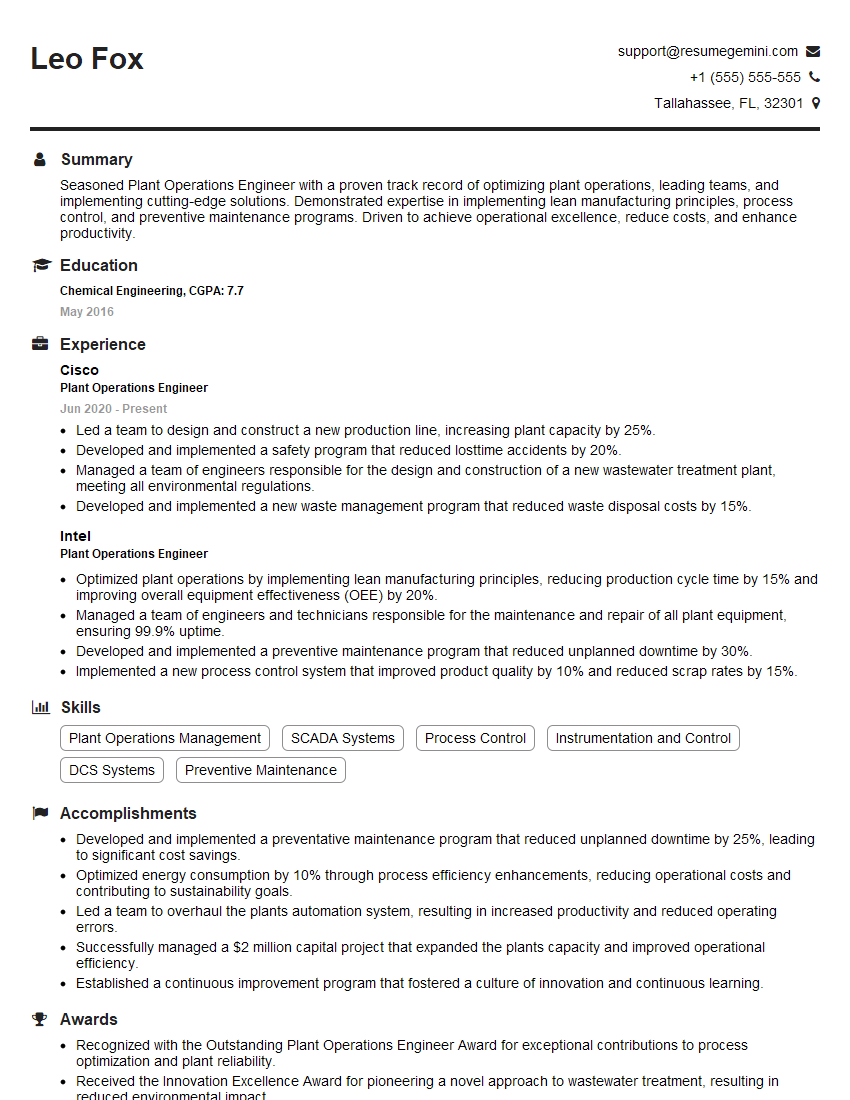
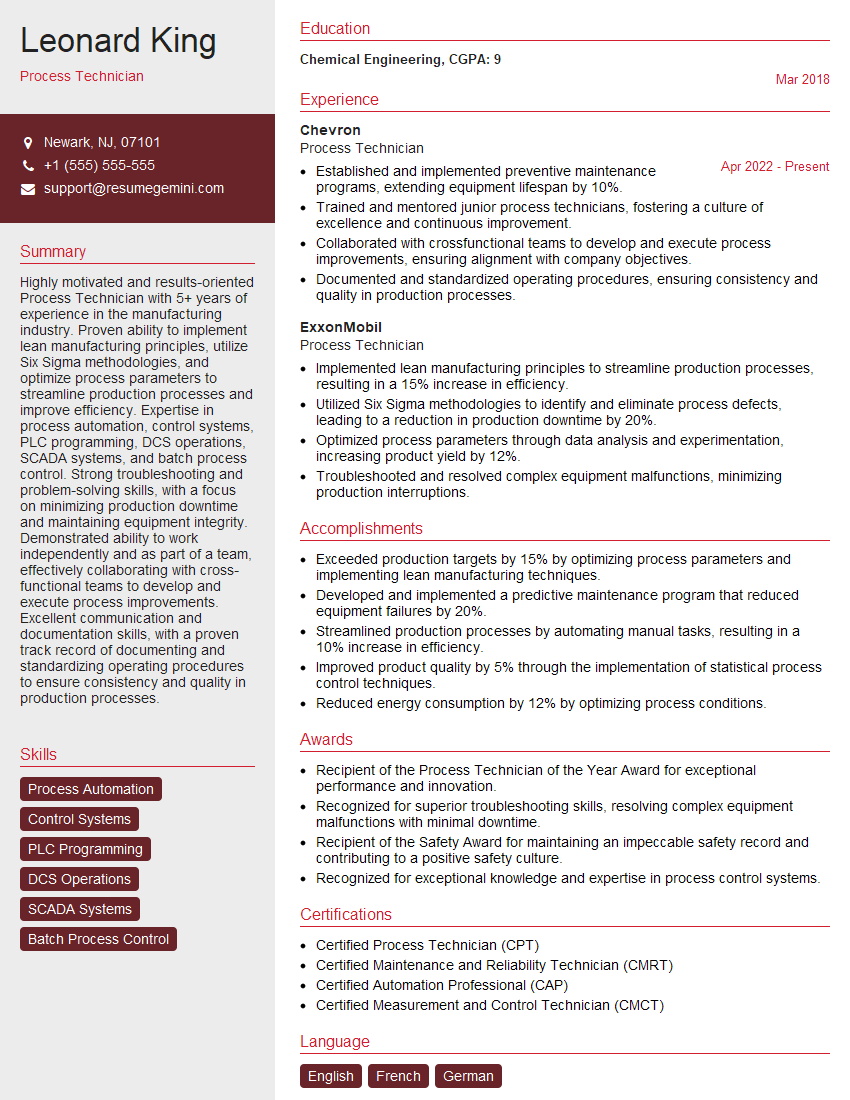
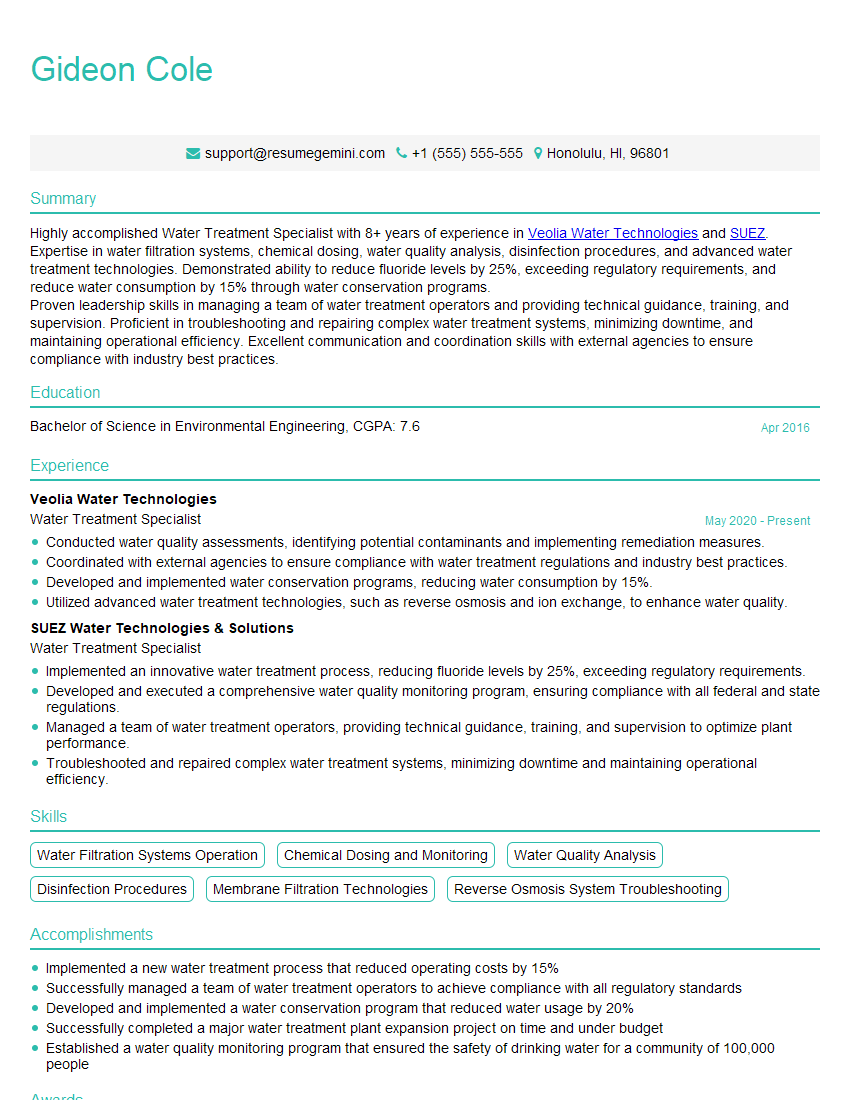
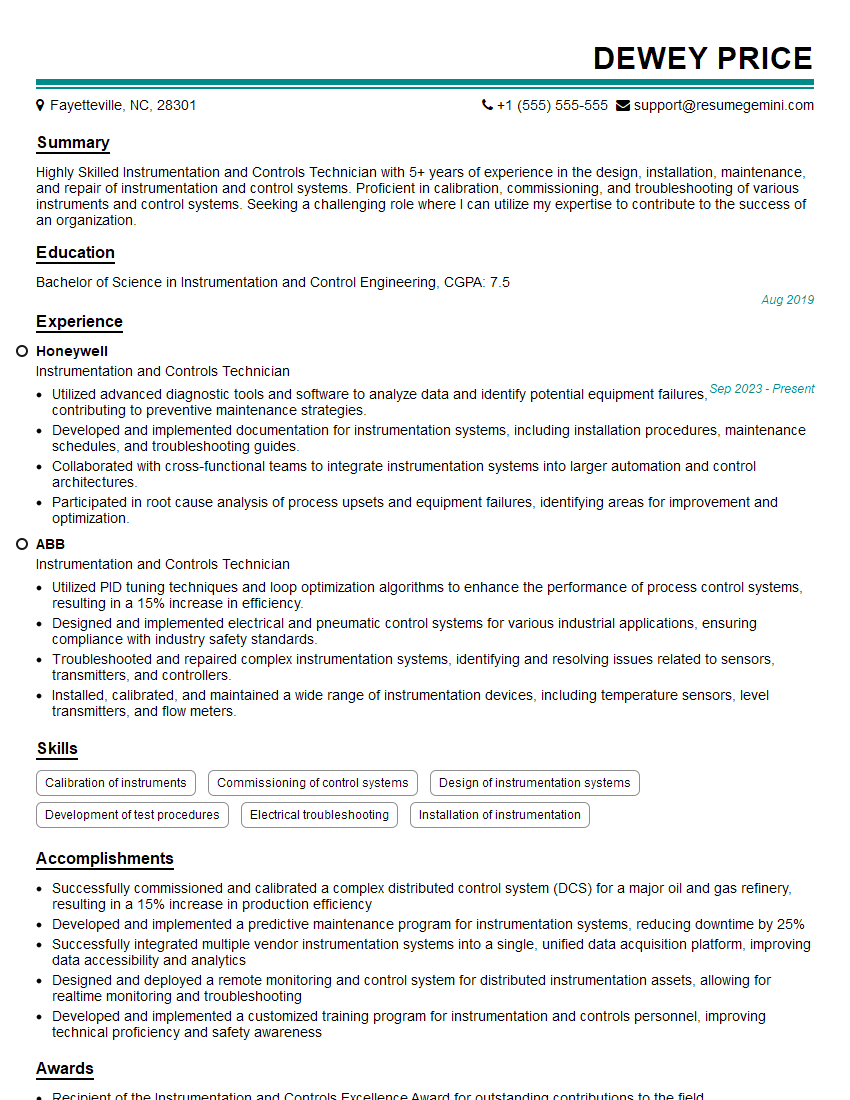
Mastering system flushing opens doors to exciting career opportunities in various industries requiring specialized knowledge of fluid dynamics and process engineering. To maximize your chances of landing your dream role, focus on crafting a compelling, ATS-friendly resume that highlights your skills and experience. ResumeGemini is a trusted resource for building professional resumes that stand out to recruiters. Take advantage of their tools and resources to create a standout resume, and remember that examples of resumes tailored to System Flushing are available to help guide you.
Explore more articles
Users Rating of Our Blogs
Share Your Experience
We value your feedback! Please rate our content and share your thoughts (optional).
What Readers Say About Our Blog
To the interviewgemini.com Webmaster.
Very helpful and content specific questions to help prepare me for my interview!
Thank you
To the interviewgemini.com Webmaster.
This was kind of a unique content I found around the specialized skills. Very helpful questions and good detailed answers.
Very Helpful blog, thank you Interviewgemini team.