Feeling uncertain about what to expect in your upcoming interview? We’ve got you covered! This blog highlights the most important Pelvic Organ Prolapse Surgery interview questions and provides actionable advice to help you stand out as the ideal candidate. Let’s pave the way for your success.
Questions Asked in Pelvic Organ Prolapse Surgery Interview
Q 1. Describe the different types of pelvic organ prolapse.
Pelvic organ prolapse (POP) occurs when the pelvic organs – the bladder (cystocele), uterus (uterine prolapse), rectum (rectocele), or small bowel (enterocele) – descend from their normal position and bulge into the vagina. Think of it like a hammock losing its support. The severity varies, with some women experiencing minimal symptoms, while others face significant discomfort and functional limitations.
- Cystocele: Prolapse of the bladder into the vagina.
- Uterine Prolapse: Descent of the uterus into the vagina. This is only relevant in women who have not had a hysterectomy.
- Rectocele: Prolapse of the rectum into the vagina.
- Enterocele: Prolapse of the small bowel into the vagina.
- Apical Prolapse: Prolapse of the vaginal apex (the top of the vagina), often involving the cervix or vaginal cuff after hysterectomy.
Often, women experience a combination of these prolapses.
Q 2. Explain the staging systems used for pelvic organ prolapse.
POP staging systems describe the severity of prolapse. The most common is the POP-Q system, a standardized measurement system that uses specific anatomical landmarks within the vagina to quantify the descent of the pelvic organs. It assigns numeric values based on the location of the different points. For instance, a higher number for the Ba point (for the posterior fornix) indicates a more severe rectocele. Other simpler systems exist, like Baden-Walker system, which utilizes a grading system based on clinical examination with grades 1-4 indicating increasing severity. Accurate staging is crucial for determining the best treatment strategy.
Q 3. What are the common risk factors associated with pelvic organ prolapse?
Several factors increase the risk of developing POP. These can be categorized into things that weaken the supporting structures or increase the pressure on the pelvic floor.
- Vaginal childbirth: Especially vaginal deliveries with large babies or prolonged labor.
- Age: The tissues supporting the pelvic organs naturally weaken with age.
- Chronic cough: Conditions like COPD or asthma can increase intra-abdominal pressure.
- Constipation: Straining during bowel movements puts stress on the pelvic floor.
- Obesity: Increased abdominal pressure.
- Connective tissue disorders: Conditions like Ehlers-Danlos syndrome affect the strength of connective tissue.
- Hormonal changes: Menopause and reduced estrogen levels contribute to weakening of the pelvic floor tissues.
- Genetics: Family history of POP.
It’s important to note that many women with these risk factors never develop POP, highlighting the complexity of the condition.
Q 4. Discuss the various surgical techniques used to treat pelvic organ prolapse.
Surgical techniques for POP repair are diverse and tailored to the individual’s specific prolapse type and severity. The choice between a vaginal or abdominal approach depends on several factors including the patient’s anatomy, the type and extent of the prolapse and the surgeon’s experience.
- Anterior colporrhaphy: Repair of a cystocele through a vaginal approach.
- Posterior colporrhaphy: Repair of a rectocele through a vaginal approach.
- Sacrocolpopexy: A more extensive procedure that uses mesh to suspend the vagina to the sacrum (a bone in the lower spine). It’s often used for apical prolapse and can be done abdominally or laparoscopically.
- Uterine suspension or hysterectomy: For uterine prolapse, the uterus can be suspended or removed.
- Colpocleisis: A procedure that closes off the vagina. It’s generally reserved for women who are not interested in sexual intercourse.
Minimally invasive techniques like laparoscopic or robotic surgery are becoming increasingly common, offering smaller incisions and quicker recovery times.
Q 5. Compare and contrast different mesh materials used in POP repair.
Mesh materials are often used in POP repair, particularly in sacrocolpopexy, to provide additional support. Different meshes vary in their composition, pore size, and strength. The ideal mesh is still a topic of ongoing research and debate.
- Synthetic meshes: Made from polypropylene or other materials, offer high strength but can sometimes lead to complications like mesh erosion or infection.
- Bioabsorbable meshes: These meshes are designed to gradually dissolve over time, reducing the risk of long-term complications, but they may not offer the same level of immediate support as synthetic meshes.
The choice of mesh depends on several factors such as patient risk factors, surgeon preference, and type of prolapse being repaired. Careful patient selection and meticulous surgical technique are crucial to minimize complications.
Q 6. What are the advantages and disadvantages of vaginal vs. abdominal approaches to POP repair?
Both vaginal and abdominal approaches have their advantages and disadvantages in POP repair.
- Vaginal approach: Advantages include smaller incisions, shorter hospital stays, and generally faster recovery. However, it may not be suitable for all types and severities of prolapse.
- Abdominal approach (laparoscopic or open): Advantages include better visualization and access to all pelvic structures, allowing for more complex repairs and potentially better long-term outcomes in some cases. However, it involves larger incisions, longer recovery periods, and a greater risk of complications.
The optimal surgical approach is determined on a case-by-case basis, taking into consideration the patient’s anatomy, the extent of prolapse, the surgeon’s expertise, and the patient’s preferences.
Q 7. How do you manage complications such as mesh erosion or recurrence after POP surgery?
Complications like mesh erosion (where the mesh protrudes through the vaginal wall) and recurrence (re-prolapse) are potential challenges after POP surgery. Management strategies vary depending on the specific complication.
- Mesh erosion: Often requires surgical removal of the eroded mesh, sometimes with additional reconstructive surgery.
- Recurrence: May involve a repeat surgical repair, potentially with different techniques or materials than the initial surgery. In some cases, conservative management like pessaries might be considered.
Careful patient selection, meticulous surgical technique, and postoperative follow-up are essential to minimize these complications. Open communication with the patient is also vital to ensure expectations are managed and appropriate support is provided.
Q 8. Describe your experience with robotic-assisted pelvic surgery.
Robotic-assisted pelvic surgery has revolutionized the field, offering enhanced precision and minimally invasive approaches to pelvic organ prolapse (POP) repair. My experience spans several years and numerous cases, encompassing various prolapse types and patient profiles. The da Vinci surgical system, for example, allows for smaller incisions, improved visualization through a magnified 3D image, and greater dexterity than traditional laparoscopy. This translates to reduced surgical trauma, less blood loss, shorter hospital stays, and faster recovery times for patients. I find the robotic platform particularly useful in complex cases, such as recurrent prolapse or those involving significant anatomical distortion. A specific example involved a patient with a complex apical prolapse and enterocele where the robotic precision allowed for meticulous dissection and repair, resulting in an excellent outcome without the need for extensive abdominal incisions.
The use of robotic technology isn’t without its learning curve. It requires specialized training and a good understanding of both robotic technology and pelvic anatomy. However, the benefits – improved patient outcomes, reduced complications, and enhanced surgical precision – far outweigh the challenges.
Q 9. Explain the importance of pre-operative patient counseling in POP surgery.
Pre-operative patient counseling is paramount in POP surgery. It’s not simply about explaining the procedure; it’s about establishing a strong patient-physician relationship built on trust and mutual understanding. This process involves a thorough discussion of the patient’s symptoms, their impact on quality of life, and their expectations for surgery. We need to explain, in easily understandable terms, the different surgical options available – from minimally invasive techniques like sacrocolpopexy or sacrospinous fixation to more traditional open procedures – along with their respective risks, benefits, and potential complications.
Crucially, we need to manage patient expectations. While surgery can significantly improve symptoms, it doesn’t always guarantee a complete cure. Some patients may experience recurrence, and there are potential side effects such as urinary or bowel dysfunction. Openly addressing these possibilities helps patients make informed decisions and reduces the chances of post-operative disappointment. I often use anatomical models and diagrams to help patients visualize the prolapse and understand the surgical approach. I also strongly encourage them to bring a support person to the consultation to assist with information processing and decision-making.
Q 10. How do you assess the patient’s functional outcome after POP surgery?
Assessing a patient’s functional outcome after POP surgery is a multi-faceted process that goes beyond simply checking for anatomical correction of the prolapse. We use a combination of objective and subjective measures. Objective measures include pelvic examinations to assess prolapse recurrence, and imaging studies like ultrasound or MRI to evaluate anatomical changes. Subjective measures are equally important. We employ validated questionnaires such as the Pelvic Organ Prolapse/Incontinence Sexual Questionnaire (PISQ) or the Pelvic Floor Distress Inventory (PFDI) to quantify the patient’s symptoms, including pelvic pressure, urinary and bowel symptoms, and sexual function. These questionnaires provide numerical scores that allow us to track improvement over time.
Additionally, I always have a detailed conversation with the patient about their perceived improvement in daily activities. For example, I’ll ask about their ability to engage in activities like exercise, lifting, and sexual intercourse, which were previously affected by the prolapse. This holistic approach – combining objective findings with subjective patient reports – provides a comprehensive picture of post-operative success.
Q 11. What are the common post-operative complications of POP surgery and how do you manage them?
While POP surgery generally has a high success rate, several complications can occur. These include bleeding, infection, injury to surrounding structures like the bladder or bowel, mesh erosion (if mesh is used), and persistent or recurrent prolapse. The management of these complications depends on their severity and nature. Minor bleeding usually resolves spontaneously or with conservative management, while major bleeding might require surgical intervention. Infections require antibiotic treatment, sometimes necessitating drainage of an abscess. Injury to the bladder or bowel needs prompt surgical repair. Mesh erosion may require mesh removal and/or further reconstructive surgery. Recurrent prolapse often necessitates revision surgery, employing different techniques to address the underlying anatomical issues.
Effective communication with the patient is crucial throughout the post-operative period. I provide clear and realistic expectations about the recovery process and address any concerns or anxieties promptly. Close monitoring, including regular follow-up appointments and potentially imaging studies, helps detect and manage complications early on.
Q 12. Discuss your experience with minimally invasive surgical techniques for POP.
My experience with minimally invasive surgical techniques for POP is extensive. These techniques, including laparoscopic and robotic approaches, have become my preferred methods for many patients. Laparoscopic sacrocolpopexy, for instance, involves using small incisions and specialized instruments to suspend the vaginal apex to the sacrum, correcting apical prolapse. This technique offers several advantages over open surgery, including reduced pain, shorter hospital stays, faster recovery, and improved cosmesis. Robotic assistance, as mentioned earlier, further enhances precision and dexterity, especially in complex cases.
I also utilize other minimally invasive techniques such as vaginal mesh repairs for anterior and posterior compartment prolapses. The choice of technique depends on several factors including the patient’s anatomy, the type and severity of prolapse, and patient preferences. The decision-making process always involves a shared-decision making approach where I present the options and their benefits and risks, allowing the patient to participate actively in the decision.
Q 13. Explain the role of imaging in the diagnosis and management of pelvic organ prolapse.
Imaging plays a vital role in both the diagnosis and management of pelvic organ prolapse. Pelvic examination is the cornerstone of diagnosis, but imaging helps confirm the findings and provide a more detailed anatomical assessment. Transvaginal ultrasound is commonly used to assess the degree of prolapse and identify associated conditions like uterine prolapse or cystocele. MRI provides excellent anatomical detail and can be helpful in complex cases where other imaging techniques are insufficient. Defecography, a specialized imaging technique, can be used to evaluate rectal prolapse and assess anorectal function.
In the management of POP, imaging can help guide surgical planning. Pre-operative imaging helps surgeons assess the anatomy and plan the surgical approach. Post-operative imaging can be used to assess the success of the surgery and detect any complications. For instance, post-operative MRI can be used to detect mesh erosion or other complications following mesh surgery. Imaging is an integral part of a comprehensive approach to POP diagnosis and management, assisting in accurate diagnosis, surgical planning, and monitoring outcomes.
Q 14. How do you counsel patients regarding the risks and benefits of different surgical options?
Counseling patients about the risks and benefits of different surgical options is a crucial part of my practice. I believe in a shared decision-making approach, where I provide patients with all the necessary information and empower them to make the choice that best aligns with their values and preferences. This process begins with a thorough explanation of the patient’s condition and its impact on their daily lives. Then, I carefully outline the various surgical options – their success rates, potential complications (including rare but serious ones), recovery times, and long-term outcomes. I often use visual aids like diagrams or anatomical models to facilitate understanding.
I tailor my communication style to each patient, ensuring that the information is presented in a clear, concise, and empathetic manner. I encourage patients to ask questions and address any concerns they may have. The goal is not to convince the patient of a specific surgical option, but rather to equip them with the knowledge needed to make an informed decision that’s right for them. I always emphasize that there’s no one-size-fits-all approach, and the best option depends on individual factors such as the severity of the prolapse, the patient’s overall health, and their personal preferences.
Q 15. Describe your experience with different types of vaginal prolapse repairs.
My experience encompasses a wide range of vaginal prolapse repair techniques, tailored to the individual patient’s anatomy and the specific type and severity of prolapse. These techniques broadly fall into categories based on the support structures used for repair.
- Anterior repair (for cystocele): This addresses prolapse of the bladder. Techniques include Burch colposuspension (using sutures to lift the bladder neck), and traditional anterior repair using native tissue to reinforce the vaginal wall.
- Posterior repair (for rectocele): This targets prolapse of the rectum. Methods include traditional posterior repair, using native tissue to support the posterior vaginal wall and perineorrhaphy (repair of the perineum).
- Apical repair (for uterine prolapse or vaginal vault prolapse): This addresses prolapse of the uterus (before hysterectomy) or the top of the vagina after hysterectomy. Options include sacrospinous fixation (attaching the vaginal vault to the sacrospinous ligament) and uterosacral ligament suspension.
- Combined repairs: Often, patients have more than one type of prolapse. In these cases, we perform a combined procedure addressing all affected areas simultaneously, such as an anterior and posterior repair.
The choice of technique always considers patient factors like age, overall health, desire for future childbearing, and the severity of the prolapse. For example, a younger patient wishing to conceive might benefit from a less invasive approach using native tissue, whereas an older patient with significant prolapse might require a more extensive procedure, potentially involving mesh.
Career Expert Tips:
- Ace those interviews! Prepare effectively by reviewing the Top 50 Most Common Interview Questions on ResumeGemini.
- Navigate your job search with confidence! Explore a wide range of Career Tips on ResumeGemini. Learn about common challenges and recommendations to overcome them.
- Craft the perfect resume! Master the Art of Resume Writing with ResumeGemini’s guide. Showcase your unique qualifications and achievements effectively.
- Don’t miss out on holiday savings! Build your dream resume with ResumeGemini’s ATS optimized templates.
Q 16. How do you manage patients with recurrent prolapse?
Managing recurrent prolapse requires a meticulous approach, starting with a thorough evaluation to determine the cause of recurrence. This often involves a detailed physical examination, imaging studies (like MRI), and possibly a review of previous surgical reports.
- Identifying the cause: Recurrence can result from inadequate initial repair, tissue weakness, persistent straining (e.g., due to chronic constipation), or patient factors. Careful assessment helps pinpoint the underlying problem.
- Non-surgical management: Pelvic floor physical therapy plays a vital role in addressing underlying muscle weakness and improving patient symptoms. Behavioral modifications, like dietary changes for constipation, are also crucial.
- Surgical options: If non-surgical methods fail, surgical intervention is often necessary. The choice of surgery depends on the cause of recurrence and the prior surgical history. Options include different types of repairs using native tissue or mesh (carefully considering the patient’s preferences and risk factors related to mesh complications). Sacral colpopexy, a more extensive procedure, might be considered for severe or recurrent apical prolapse.
- Patient counseling: Open communication with the patient is vital, emphasizing realistic expectations and the possibility of recurrence, even after revision surgery. Shared decision-making ensures the patient is actively involved in their treatment plan.
For instance, a patient with recurrent apical prolapse after a previous sacrospinous fixation might be a candidate for sacral colpopexy, which offers more robust support.
Q 17. What is your approach to the management of patients with concomitant urinary incontinence and prolapse?
Patients with concomitant urinary incontinence and prolapse often require a coordinated approach that addresses both conditions. The treatment strategy depends on the severity of each condition and patient preferences.
- Conservative management: Pelvic floor muscle training (PFMT) or biofeedback can improve both incontinence and prolapse symptoms in some cases. Lifestyle modifications like weight management and bladder training can also be helpful.
- Combined surgical approach: Simultaneous surgical correction of both conditions is often the most effective approach. For example, a patient with stress urinary incontinence (SUI) and cystocele might undergo a Burch colposuspension (to address SUI) combined with an anterior repair (to correct the cystocele).
- Sequential surgery: In some cases, addressing one problem first might be beneficial. For instance, if the prolapse is severe, correcting it initially can improve the results of later incontinence surgery.
- Mesh considerations: The use of mesh in such cases needs careful consideration, weighing the potential benefits against the risks of mesh complications. The decision is always individualized and informed by patient-specific factors and surgeon expertise.
Example: A patient with significant SUI and a large cystocele might benefit from a combined Burch colposuspension and anterior repair, ideally done in a single procedure to minimize the overall burden on the patient.
Q 18. Explain the role of pelvic floor physical therapy in the management of pelvic organ prolapse.
Pelvic floor physical therapy (PFPT) plays a crucial role in the management of pelvic organ prolapse, both before and after surgery. It’s a cornerstone of conservative management and a vital component of post-operative rehabilitation.
- Pre-operative PFPT: Strengthening pelvic floor muscles can improve symptoms, reduce prolapse severity, and potentially delay or avoid surgery. PFPT teaches patients techniques to engage their pelvic floor muscles effectively.
- Post-operative PFPT: PFPT helps facilitate tissue healing, improve muscle function, and prevent recurrence. It addresses muscle weakness, promotes proper body mechanics, and aids in managing pain and discomfort.
- Biofeedback: This technique allows patients to visualize their muscle contractions, enabling more effective training and improved muscle control.
- Education and lifestyle modifications: PFPT educates patients on proper lifting techniques, bowel and bladder habits, and other lifestyle changes that can minimize strain on the pelvic floor.
Consider a patient with mild prolapse symptoms. A comprehensive PFPT program focusing on muscle strengthening and lifestyle modification can often alleviate symptoms and avoid the need for surgery. Even for patients undergoing surgery, PFPT is crucial for optimizing outcomes.
Q 19. Describe your experience with sacral colpopexy.
Sacral colpopexy is a major surgical procedure for the correction of apical prolapse (uterine or vaginal vault prolapse). It involves suspending the vaginal apex to the sacrum using a synthetic mesh.
- Technique: The procedure involves creating a space behind the vagina, placing mesh to create a strong lift, and securing the mesh to the sacrum. This provides robust support to the vaginal apex.
- Advantages: Sacral colpopexy offers high success rates and is particularly suitable for patients with severe or recurrent prolapse who have failed less invasive procedures.
- Disadvantages: It’s a more invasive procedure than other repairs, carrying a higher risk of complications, such as bowel or bladder injury, mesh erosion, or infection. Patient selection is crucial.
- Post-operative care: Post-operative care involves pain management, dietary adjustments (to prevent constipation), and pelvic floor physical therapy.
Example: A patient with severe recurrent vaginal vault prolapse after multiple failed repairs might be an ideal candidate for sacral colpopexy, offering a durable solution with a high likelihood of success, despite the inherent risks of the procedure.
Q 20. How do you select appropriate surgical approach for a specific patient with prolapse?
Selecting the appropriate surgical approach for a patient with prolapse is a complex decision involving multiple factors. It’s a shared decision-making process between the surgeon and patient.
- Type and severity of prolapse: The specific type (anterior, posterior, apical) and severity of prolapse dictate the surgical options.
- Patient factors: Age, overall health, desire for future childbearing, previous surgeries, and the patient’s preference for minimally invasive versus major surgery all play a significant role.
- Comorbidities: The presence of other conditions, such as urinary incontinence or bowel dysfunction, needs consideration in treatment planning.
- Risk assessment: Potential benefits and risks of each surgical option (including complications) must be thoroughly discussed with the patient.
- Surgical expertise: The surgeon’s experience and expertise with different surgical techniques also influence the decision-making process.
For example, a young nulliparous woman with mild cystocele might be offered an anterior repair with native tissue, while an older woman with severe prolapse and a history of failed surgeries may be considered for a sacral colpopexy.
Q 21. What are the indications and contraindications for using mesh in POP repair?
The use of mesh in POP repair is a topic of ongoing debate. Mesh can provide stronger support than native tissue repairs, but it also carries potential risks.
- Indications: Mesh is often considered for patients with severe prolapse, recurrent prolapse, or those who have failed previous native tissue repairs. It can also be used in situations where significant tissue weakness makes a native tissue repair less likely to succeed.
- Contraindications: Mesh should be used cautiously in patients with a history of infection, significant connective tissue disorders, or known allergies to mesh materials. Patients with a high risk of complications, such as obesity or smoking, need careful consideration. The current literature suggests caution should be exercised due to the risk of complications.
- Mesh types: Various types of mesh are available, each with its own properties and associated risks. The choice of mesh is based on patient-specific factors and surgeon preference.
- Informed consent: When mesh is considered, a thorough discussion of the benefits, risks, and alternatives is crucial, ensuring the patient makes an informed decision.
Example: A patient with a large recurrent apical prolapse and significant tissue deficiency might be a suitable candidate for mesh augmentation during sacral colpopexy. However, a patient with a history of pelvic infections would be a poor candidate for mesh.
Q 22. Describe your experience with the use of biomaterials in POP repair.
My experience with biomaterials in pelvic organ prolapse (POP) repair is extensive. We utilize a range of biomaterials, choosing the most appropriate option based on the individual patient’s anatomy, prolapse type, and overall health. This includes both synthetic and biological materials. Synthetic meshes, for example, offer strength and support, often used in cases of significant apical prolapse or recurrent prolapse. However, we carefully consider the potential complications associated with mesh, such as erosion or infection. Biological materials, such as porcine or bovine collagen, are often chosen for their biocompatibility and potential for better tissue integration. These are frequently utilized in cases of less severe prolapse or in situations where a patient presents a higher risk profile for mesh complications. The selection process is a collaborative decision, taking into account patient preferences and expectations alongside a thorough risk-benefit analysis.
For instance, I recently treated a patient with a significant apical prolapse and significant comorbidities. Due to her health profile, we opted for a less invasive approach using a collagen-based graft in conjunction with native tissue repair. The result was excellent with minimal postoperative complications. In contrast, a younger, healthier patient with a similar prolapse might have been a better candidate for a synthetic mesh repair.
Q 23. How do you assess the success rate of your POP surgeries?
Assessing the success of POP surgery is multi-faceted. It involves a combination of objective and subjective measures. Objectively, we use clinical examination to assess the anatomical reduction of prolapse, often using the Pelvic Organ Prolapse Quantification (POP-Q) system. This standardized system allows for accurate pre- and postoperative comparisons, providing a quantitative measure of success. We also consider the absence of complications such as infection, mesh erosion, or recurrence. Subjectively, we rely on patient-reported outcomes. This includes assessing symptom improvement, specifically improvement in urinary and bowel function, as well as overall quality of life. Patient satisfaction is a crucial factor in determining the success of the procedure.
For example, a patient might have a significant reduction in POP-Q points post-surgery, but still report persistent bowel symptoms. This necessitates further investigation and potentially adjustments to the treatment plan. A holistic approach, combining objective measurements with patient feedback, yields the most comprehensive evaluation of surgical success.
Q 24. What are the latest advancements in the field of pelvic organ prolapse surgery?
The field of POP surgery is constantly evolving. Recent advancements include minimally invasive techniques such as laparoscopic and robotic-assisted surgeries. These approaches lead to smaller incisions, reduced pain, and faster recovery times compared to traditional open surgeries. There’s also significant ongoing research into novel biomaterials, focusing on improved biocompatibility and integration with surrounding tissues. Furthermore, advancements in imaging techniques, like 3D ultrasound and MRI, allow for more precise preoperative planning and assessment of prolapse severity. There’s also a growing emphasis on patient-specific surgical planning and individualized approaches.
One particularly exciting area is the development of bioabsorbable meshes, which offer the potential benefits of traditional mesh with the added advantage of eventual resorption by the body, potentially minimizing the risk of long-term complications. However, these are still under investigation and not universally adopted yet.
Q 25. Describe your experience with managing patients with complex prolapse.
Managing patients with complex prolapse requires a highly individualized approach. Complex cases often involve multiple organ prolapses (e.g., cystocele, rectocele, enterocele) or significant anatomical distortion. These patients often require extensive preoperative planning, potentially including imaging studies and consultations with other specialists. The surgical strategy must address all involved organs, often utilizing a combination of techniques and potentially incorporating biomaterials. Postoperative management is equally important, focusing on close monitoring and prompt intervention if complications arise. A multidisciplinary team approach, involving physical therapists and other specialists, is crucial for optimal outcomes.
For example, a patient presenting with a complex prolapse involving all three compartments (anterior, apical, posterior) might require a multi-stage surgical approach, spreading the procedures across different operative sessions. This is done to reduce the risks associated with a lengthy single procedure and to optimize patient recovery.
Q 26. How do you manage patients with comorbidities that affect POP surgery?
Comorbidities significantly influence the management of POP surgery. Conditions such as diabetes, heart disease, chronic lung disease, and obesity increase the risk of postoperative complications, such as infection, wound healing problems, and cardiovascular events. A thorough preoperative evaluation is essential to identify and mitigate these risks. This might involve optimizing medical management of comorbidities before surgery, selecting less invasive surgical techniques, and implementing enhanced postoperative monitoring. Patient selection is a crucial aspect, and in some cases, surgery might not be the ideal option due to the patient’s overall health status.
For instance, a patient with poorly controlled diabetes might require a longer course of antibiotics post-surgery and more frequent wound checks to minimize the risk of infection. A comprehensive and individualized approach considering both the prolapse and the patient’s comorbidities is key to optimizing surgical outcomes.
Q 27. What are the ethical considerations related to mesh usage in POP repair?
The ethical considerations surrounding mesh usage in POP repair are multifaceted. Informed consent is paramount; patients must fully understand the benefits, risks, and alternatives to mesh, including the potential for long-term complications. This requires a thorough discussion detailing the potential for mesh erosion, infection, pain, and the need for revision surgery. Surgeons should have a strong grasp of the available data regarding mesh complications, and should actively participate in ongoing research to improve patient outcomes and minimize risk. Transparency and honesty are crucial in this informed consent process.
Furthermore, the ethical implications extend to the selection criteria for mesh use. Mesh should not be used indiscriminately; it should be reserved for cases where the benefits outweigh the potential risks. Continual professional development and adherence to the latest guidelines are crucial for making ethical and responsible decisions regarding mesh usage.
Q 28. Explain your understanding of the current controversies surrounding mesh in POP surgery.
The controversies surrounding mesh in POP repair primarily stem from concerns about the high rate of complications reported by some patients. These include mesh erosion, infection, pain, dyspareunia (painful intercourse), and the need for revision surgery. The controversy also relates to the lack of robust long-term data on the safety and efficacy of mesh in all POP types. There’s ongoing debate regarding the appropriateness of mesh usage in different POP subtypes and patient populations. Some clinicians advocate for a more conservative approach, prioritizing native tissue repair techniques wherever possible. The debate centers on balancing the benefits of mesh in providing effective anatomical support with the potential for significant complications.
It’s crucial to acknowledge the diverse perspectives and experiences of both clinicians and patients while continuing to refine surgical techniques and patient selection criteria to reduce complications and improve long-term outcomes. Ongoing research and rigorous data collection are critical in addressing these ongoing controversies.
Key Topics to Learn for Pelvic Organ Prolapse Surgery Interview
- Anatomy and Physiology: Thorough understanding of the pelvic floor muscles, ligaments, and organs involved in prolapse. Include knowledge of normal and abnormal anatomy.
- Types of Prolapse: Master the classification and differentiation of various types of prolapse (e.g., uterine, vaginal vault, cystocele, rectocele, enterocele). Understand the staging systems used.
- Diagnostic Approaches: Familiarize yourself with physical examination techniques, imaging modalities (e.g., ultrasound, MRI), and other diagnostic tools used in assessing prolapse.
- Surgical Techniques: Explore a range of surgical approaches, including both open and minimally invasive techniques (e.g., sacrocolpopexy, sacrospinous fixation, vaginal hysterectomy). Understand the indications and contraindications for each.
- Surgical Planning and Patient Selection: Develop your ability to evaluate patients, assess their suitability for different surgical options, and manage expectations effectively.
- Post-operative Care and Complications: Understand potential complications (e.g., infection, bleeding, recurrence) and the management strategies employed.
- Mesh Considerations: Be prepared to discuss the use of mesh in prolapse repair, including types of mesh, potential complications associated with mesh, and current controversies surrounding its use.
- Conservative Management Options: Know the role of non-surgical approaches, such as pelvic floor physical therapy and pessaries, in the management of prolapse.
- Current Research and Trends: Stay updated on the latest advancements in surgical techniques, materials, and research findings related to pelvic organ prolapse surgery.
- Ethical and Legal Considerations: Understand the ethical implications of surgical decisions and potential legal ramifications.
Next Steps
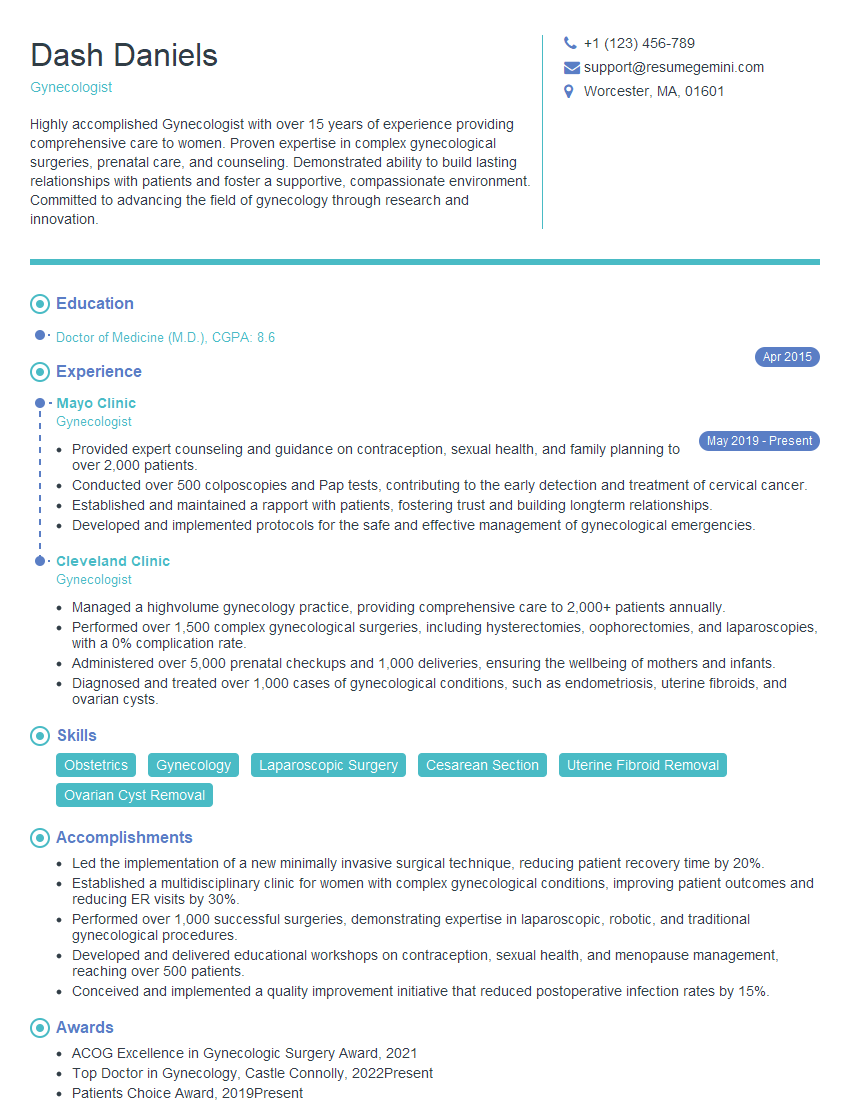
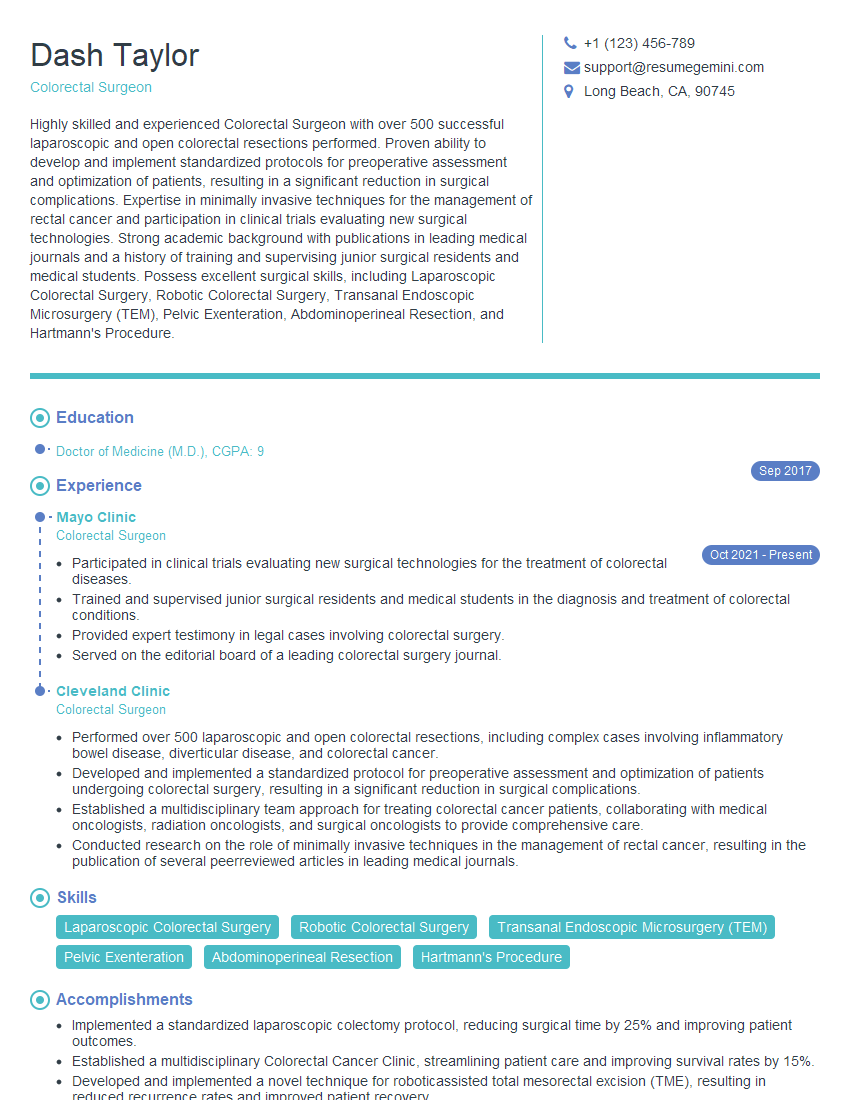
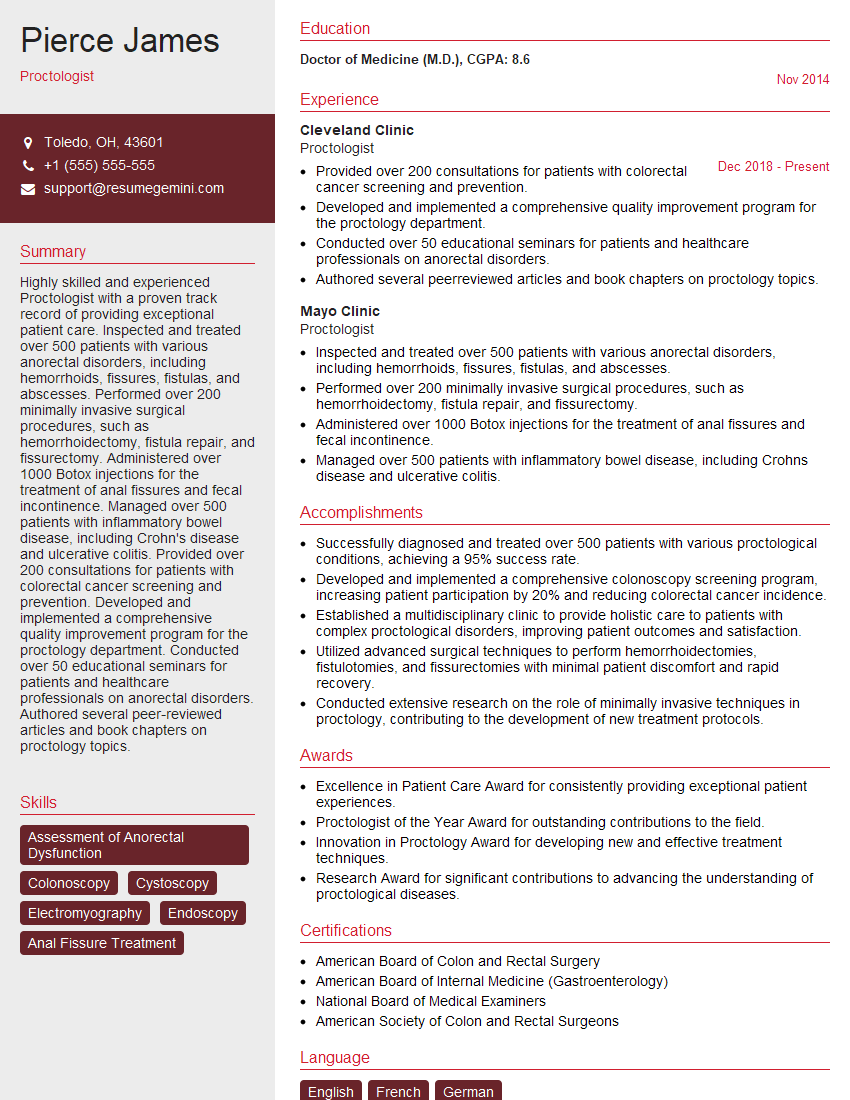
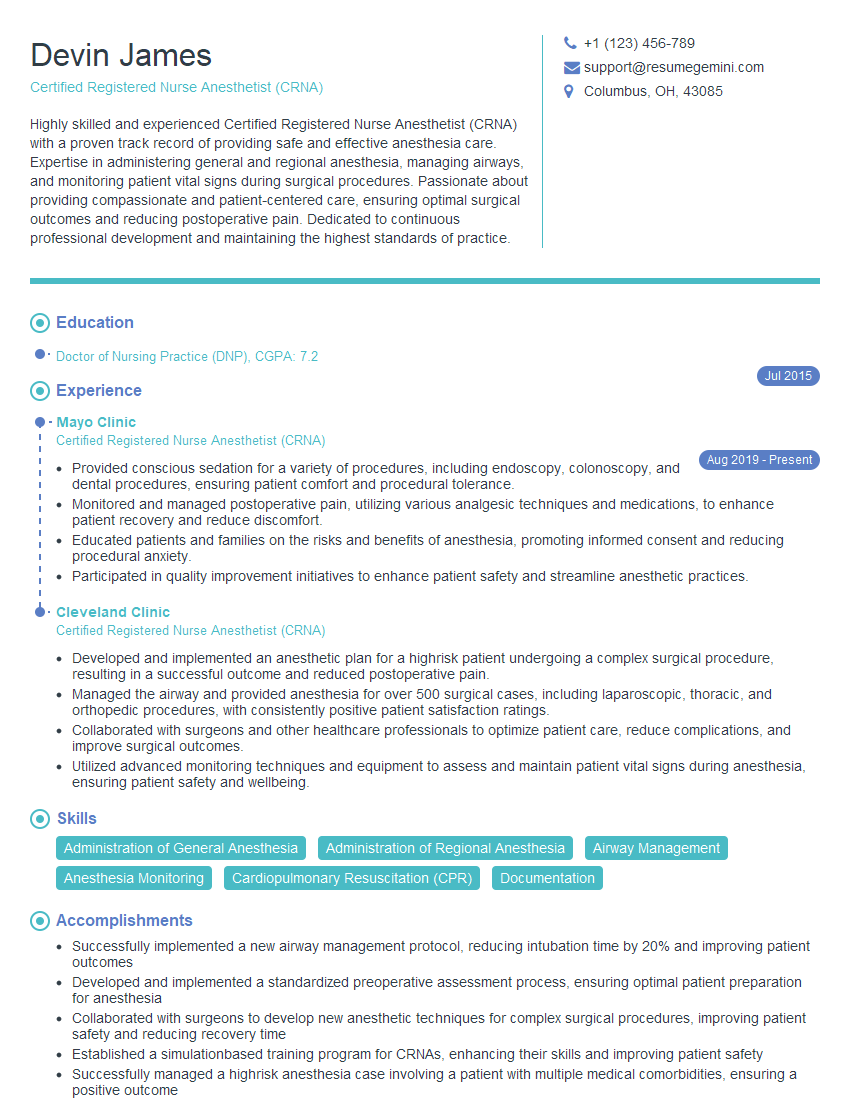
Mastering Pelvic Organ Prolapse Surgery is crucial for advancing your career in this specialized field. A strong understanding of these complex procedures and related concepts will significantly enhance your interview performance and overall career prospects. To maximize your chances of securing your dream role, it’s essential to create a compelling and ATS-friendly resume that showcases your skills and experience effectively. ResumeGemini is a trusted resource that can help you build a professional and impactful resume tailored to the specific requirements of Pelvic Organ Prolapse Surgery positions. Examples of resumes specifically designed for this field are available to help guide you.
Explore more articles
Users Rating of Our Blogs
Share Your Experience
We value your feedback! Please rate our content and share your thoughts (optional).
What Readers Say About Our Blog
To the interviewgemini.com Webmaster.
Very helpful and content specific questions to help prepare me for my interview!
Thank you
To the interviewgemini.com Webmaster.
This was kind of a unique content I found around the specialized skills. Very helpful questions and good detailed answers.
Very Helpful blog, thank you Interviewgemini team.