Interviews are opportunities to demonstrate your expertise, and this guide is here to help you shine. Explore the essential Performed other related duties as assigned interview questions that employers frequently ask, paired with strategies for crafting responses that set you apart from the competition.
Questions Asked in Performed other related duties as assigned Interview
Q 1. Describe a time you had to adapt to a significant change in your job responsibilities.
Adapting to significant changes in job responsibilities is crucial for career growth. It requires flexibility, a proactive mindset, and a willingness to learn. In my previous role, the company implemented a new CRM system. My initial responsibilities focused on data entry. However, the transition required me to learn the system’s functionalities thoroughly and adapt my data entry processes to optimize its use.
This meant not only learning the software itself but also understanding how the new data architecture impacted reporting, analysis, and team collaboration. To successfully transition, I took several steps:
- Formal Training: I enrolled in the company’s official CRM training program, ensuring a solid understanding of its features and functionalities.
- Self-directed Learning: I supplemented formal training with online tutorials and documentation to familiarize myself with advanced features.
- Collaboration: I actively engaged with colleagues already proficient in the system, seeking their guidance and learning from their best practices.
- Practical Application: I applied my learning by meticulously documenting processes and creating internal guides to help my team adapt.
The result was a smoother transition not only for me but for the entire team. My initiative in learning the new system allowed me to improve team efficiency and become a valuable resource for my colleagues.
Q 2. How do you prioritize tasks when faced with multiple competing demands?
Prioritizing tasks effectively is a vital skill in any demanding role. I use a combination of techniques to ensure that the most crucial tasks are addressed first. My approach incorporates several key elements:
- Urgency and Importance Matrix: I categorize tasks based on their urgency and importance. Urgent and important tasks take top priority; important but not urgent tasks are scheduled; urgent but not important tasks are delegated if possible; and unimportant tasks are eliminated or postponed.
- Time Blocking: I dedicate specific time blocks to particular types of tasks to improve focus and avoid context switching. This allows me to dedicate sufficient uninterrupted time to complex tasks.
- SMART Goals: Tasks are broken down into smaller, manageable components using the SMART (Specific, Measurable, Achievable, Relevant, Time-bound) framework. This improves focus and tracks progress.
- Regular Review: I review my priorities regularly, typically at the start and end of each day, to adjust based on changing circumstances.
For example, if I have an urgent deadline for a report and several other important but less urgent projects, I would allocate most of my time to the report. However, I would also schedule time slots for the other projects to ensure they are completed without compromising quality. I use project management software to efficiently manage this prioritization.
Q 3. Can you provide an example of a time you successfully completed an unexpected task?
Unexpected tasks are a common occurrence, and successfully handling them showcases adaptability and problem-solving skills. In one instance, our team’s database experienced a critical failure. While my primary role didn’t involve database administration, I understood the severity of the situation and offered assistance.
My approach was methodical:
- Assessment: I first assessed the problem by gathering information about the error messages and the extent of the system outage.
- Research: I immediately consulted the database administrator’s documentation and online resources to find potential solutions.
- Collaboration: I worked closely with the IT team, providing information and assisting in the troubleshooting process.
- Execution: I followed the steps outlined in the documentation and collaborated with the IT team to restore the database.
Although I lacked formal database administration experience, my proactive approach and willingness to help significantly contributed to the swift resolution of the issue. This experience highlighted my capability to tackle unfamiliar challenges and contribute beyond my core responsibilities.
Q 4. How do you handle pressure when faced with multiple urgent requests?
Handling pressure with multiple urgent requests requires a calm and organized approach. I find that effective communication, prioritization, and time management are essential. I utilize several strategies:
- Communication: I acknowledge each request and set clear expectations, such as estimated completion times or potential delays. This keeps stakeholders informed and manages expectations.
- Prioritization: I apply my urgency/importance matrix (as described above) to determine the order in which to address requests. I clearly communicate my prioritization to involved parties.
- Time Management: I utilize time-blocking to allocate specific time slots to address each urgent request. This ensures that I dedicate focused time to each task without feeling overwhelmed.
- Delegation: If possible, I delegate tasks that can be efficiently handled by others. This frees up my time to focus on the most critical issues.
For instance, if I receive three urgent requests – one from a senior manager, one from a key client, and one from a colleague – I would prioritize based on the urgency and potential impact of each. The manager’s and client’s requests would likely take precedence, while I would communicate a realistic timeframe for the colleague’s request.
Q 5. Describe your approach to learning new skills or software quickly.
Learning new skills and software quickly is a continuous process for me. My approach is structured and focuses on both theoretical understanding and practical application.
- Structured Learning: I begin with formal training or tutorials. I prefer structured learning materials with clear progression. I take notes and actively participate in any exercises or assessments provided.
- Hands-on Practice: I believe in learning by doing. I dedicate time to practicing the new skills through projects, simulations, or real-world applications.
- Focused Practice: I schedule dedicated time for learning, avoiding distractions. I break down complex tasks into smaller, manageable chunks to avoid feeling overwhelmed.
- Seek Feedback: I actively seek feedback from colleagues or mentors, particularly on early projects, to identify areas for improvement and solidify my understanding.
For example, when learning a new programming language, I would start with online courses, focusing on the fundamentals before moving to more complex concepts. I would then create small programs to practice what I’ve learned, constantly testing and refining my code.
Q 6. Have you ever had to troubleshoot a problem outside your typical job description? How did you approach it?
Troubleshooting problems outside my typical job description requires a problem-solving mindset and a willingness to learn. In one situation, a crucial piece of office equipment malfunctioned, hindering several teams’ work. While I wasn’t responsible for IT support, I stepped in to help.
My approach involved:
- Information Gathering: I started by gathering information on the equipment’s error messages and the nature of the malfunction. I also spoke with colleagues to understand the impact of the outage.
- Online Research: I utilized online resources such as vendor manuals and support forums to diagnose the problem.
- Structured Troubleshooting: I systematically checked power connections, cables, and any obvious physical issues. I followed a methodical approach to systematically eliminate possible causes.
- Seeking Expert Advice: Once I’d exhausted my troubleshooting options, I contacted IT support, providing them with the information I’d gathered. This expedited the resolution process.
While I didn’t fix the problem completely, my proactive efforts in troubleshooting and information gathering significantly aided the IT team, shortening the downtime and minimizing the disruption to workflows.
Q 7. How do you manage your time effectively when dealing with both routine and unexpected tasks?
Effectively managing time between routine and unexpected tasks requires a flexible approach. I use a combination of planning and adaptability.
- Prioritized Task List: I maintain a detailed prioritized task list, differentiating between routine and unexpected tasks. Routine tasks are scheduled into my day, while unexpected tasks are incorporated as needed, based on their urgency and importance.
- Time Blocking: I dedicate specific time blocks to routine tasks, providing consistent, uninterrupted time for focused work. I allocate buffer time to handle unexpected tasks.
- Flexibility: I’m prepared to adapt my schedule to incorporate urgent or unexpected tasks. This requires a degree of flexibility in my routine.
- Delegation: I delegate routine tasks where possible, freeing up time to address unexpected tasks or more important projects.
- Regular Review: I regularly review my schedule and task list, adjusting priorities as needed. This ensures that my time is used efficiently and that urgent tasks are addressed promptly.
This ensures that I maintain a balance between consistent progress on routine tasks and the responsiveness required for unexpected situations. For instance, a scheduled presentation prep might be temporarily interrupted if an urgent client request arises. I would address the urgent request, then return to presentation prep. This flexible, proactive approach keeps me organized and productive in a dynamic work environment.
Q 8. Give an example of a time you went above and beyond your assigned duties.
Going above and beyond isn’t about doing extra work just for the sake of it; it’s about proactively identifying opportunities to enhance team performance and project success. For instance, during a particularly hectic project launch where our marketing team was struggling to meet deadlines for social media content, I noticed a gap in our automated posting schedule. Although it wasn’t directly part of my role as a data analyst, I volunteered to create a script to automate the process. This saved the team significant time and allowed them to focus on higher-priority tasks, ultimately contributing to a successful launch. The result was not only a smoother launch but also enhanced team collaboration and my own skill development in automation scripting.
Q 9. How do you handle situations where instructions are unclear or incomplete?
When instructions are unclear or incomplete, I employ a structured approach. First, I clarify my understanding of the overall objective. Then, I systematically identify the specific points of ambiguity. I don’t hesitate to seek clarification from my supervisor or relevant team members. I’ll often ask clarifying questions like, “Could you elaborate on X?” or “What is the desired outcome for Y?” Documenting these clarifications prevents future misunderstandings. If direct clarification isn’t immediately possible, I proceed using my best judgment, while acknowledging the potential need for revisions based on further information. Transparency is key – I always keep my supervisor updated on my progress and any assumptions I’ve made.
Q 10. Describe a time you had to work independently on a task without specific instructions.
In a previous role, I was tasked with optimizing our client database. There were no specific instructions beyond “Improve efficiency and accuracy.” I began by analyzing existing data quality, identifying inconsistencies and redundancies. I then developed a plan that included data cleansing, standardization procedures, and the implementation of a new validation system. I documented each step meticulously, and consulted industry best practices to guide my approach. Regular self-evaluation and frequent updates to my supervisor ensured I stayed on track and delivered a solution that met, and exceeded, expectations. The project’s success hinged on my ability to independently prioritize tasks and make informed decisions based on data analysis and professional best practices. The enhanced database saved the company significant time and improved data-driven decision making.
Q 11. How do you determine the priority of tasks when facing competing deadlines?
Prioritizing competing deadlines requires a clear understanding of project dependencies and business impact. I use a combination of methods: First, I list all tasks, assigning each a deadline and assessing its impact. Then, I identify any dependencies (i.e., task A must be completed before task B can begin). Finally, I use a prioritization matrix, considering urgency and importance, to create a ranked list. Tasks with high urgency and high importance take precedence. I frequently communicate my prioritized plan to my supervisor and team to ensure alignment and transparency. This ensures that the most critical tasks are addressed first, mitigating risks and maximizing efficiency. Think of it like a triage system in a hospital – the most critical patients are seen first.
Q 12. How comfortable are you with ambiguity in your job duties?
I’m very comfortable with ambiguity. In fact, I thrive in environments where I can take initiative and develop innovative solutions. Ambiguity, to me, presents an opportunity for creativity and problem-solving. I see it not as a roadblock, but as a challenge to be overcome. My structured approach to problem-solving and my proactive communication style allow me to manage uncertainty effectively. While I appreciate clear directions, I’m adept at translating broad goals into actionable steps.
Q 13. Describe your experience with multitasking and context switching.
Multitasking and context switching are integral parts of my daily workflow. I’ve honed my ability to manage multiple tasks efficiently through careful planning and organization. I use tools like task management software to track progress, set reminders, and maintain focus. I avoid multitasking in the truest sense; instead, I practice task-switching, focusing on one task at a time, then switching to another, minimizing the cognitive load and improving accuracy. Regular breaks also help to maintain concentration and avoid burnout. I find that time-blocking and setting realistic expectations are crucial for efficient task-switching.
Q 14. How do you proactively identify areas where you can contribute beyond your core responsibilities?
Proactively identifying areas for contribution involves a combination of observation, analysis, and communication. I regularly review ongoing projects, looking for bottlenecks or areas where I can lend my skills. For example, I might notice a need for data analysis to support a marketing campaign, or an opportunity to improve efficiency in a reporting process. Once identified, I present my ideas to my supervisor or team, outlining the potential benefits and offering concrete solutions. I believe in a collaborative approach; I don’t just suggest improvements, but offer my assistance in implementing them. This shows initiative, demonstrates my commitment to the team’s success, and helps me develop valuable new skills.
Q 15. How do you manage your workload when unexpected tasks arise?
Unexpected tasks are a regular part of most jobs. My approach focuses on prioritization and communication. First, I assess the urgency and importance of the unexpected task compared to my existing workload. I use a prioritization matrix, sometimes visualized as a simple four-quadrant chart (Urgent/Important, Important/Not Urgent, Urgent/Not Important, Not Urgent/Not Important), to quickly categorize tasks. Then, I communicate with my manager to ensure alignment on priorities. Sometimes, this means re-negotiating deadlines or delegating less critical tasks to free up time. If the new task is truly urgent and crucial, I will immediately adjust my schedule to address it. Otherwise, I integrate it into my existing schedule, ensuring all deadlines are met to the best of my ability. Think of it like a juggler—you’re constantly adjusting the balls (tasks) to keep them all in the air without dropping any.
Career Expert Tips:
- Ace those interviews! Prepare effectively by reviewing the Top 50 Most Common Interview Questions on ResumeGemini.
- Navigate your job search with confidence! Explore a wide range of Career Tips on ResumeGemini. Learn about common challenges and recommendations to overcome them.
- Craft the perfect resume! Master the Art of Resume Writing with ResumeGemini’s guide. Showcase your unique qualifications and achievements effectively.
- Don’t miss out on holiday savings! Build your dream resume with ResumeGemini’s ATS optimized templates.
Q 16. Can you share an example of a time you learned a new skill to complete a task?
During a project involving data analysis, we needed to implement a new data visualization tool. While I had experience with data analysis, I lacked proficiency in the specific tool – Tableau. To complete the task efficiently, I dedicated evenings and weekends to learning Tableau. I utilized online tutorials, practiced with sample datasets, and even completed a few online courses. This self-directed learning enabled me to not only complete the visualization task successfully but also expand my skillset, which proved beneficial in subsequent projects. The extra effort was worthwhile; the resulting visualizations were highly effective in communicating complex data to stakeholders.
Q 17. How do you ensure accuracy and efficiency when handling diverse tasks?
Accuracy and efficiency are paramount. My approach involves a methodical process. First, I meticulously review all instructions and requirements for each task. Next, I break down complex tasks into smaller, manageable steps, using checklists or project management software to ensure nothing is overlooked. I prioritize tasks based on their importance and deadlines. I implement regular quality checks throughout the process, and maintain detailed documentation of my work, which aids in error detection and troubleshooting. Finally, I leverage technology to automate repetitive tasks where possible, maximizing efficiency. Think of it like building a house: a solid foundation (clear instructions and planning) followed by careful construction (breaking down tasks) and regular inspections (quality checks) will lead to a strong, well-built final product.
Q 18. How do you stay organized and manage your time when handling multiple projects?
Managing multiple projects requires a structured approach. I utilize project management tools like Asana or Trello to track tasks, deadlines, and progress across all projects. These tools allow for task assignment, progress monitoring, and collaboration with team members. I establish clear priorities for each project, aligning them with my manager’s objectives. Time blocking helps allocate dedicated time slots for specific tasks or projects, ensuring focused work. Regular review of my schedule and project progress helps me identify potential bottlenecks and adjust my approach accordingly. Effective communication with stakeholders is also crucial to manage expectations and prevent delays.
Q 19. Describe a situation where you had to adapt to a changing work environment.
When our department transitioned to a new CRM system, I had to adapt quickly. The old system was intuitive, but the new one had a completely different interface and workflow. I actively participated in the training sessions and sought out additional resources, like online forums and tutorials, to familiarize myself with the new system. I also reached out to colleagues for guidance and support. While initially challenging, this experience demonstrated my adaptability and willingness to learn new technologies. The transition wasn’t seamless, but by actively engaging in the learning process and collaborating with others, I successfully transitioned to the new system and maintained productivity.
Q 20. How do you handle constructive criticism and feedback regarding tasks outside your main responsibilities?
Constructive criticism is valuable for improvement. I approach feedback with an open mind, focusing on understanding the specific areas needing improvement. I actively listen to the feedback, ask clarifying questions if needed, and reflect on the suggestions. I document the feedback to ensure I don’t forget crucial details. Then, I create a plan to implement the recommended changes, often setting small, achievable goals to address the feedback effectively. I follow up with my manager to demonstrate my progress and demonstrate my commitment to continuous improvement.
Q 21. How do you ensure you understand the priorities of your manager when handling ‘other duties’?
Understanding my manager’s priorities when handling ‘other duties’ is crucial. I achieve this through proactive communication and clarification. Before undertaking any ‘other duties’ tasks, I ensure I have a clear understanding of the task’s scope, objectives, and expected outcome. I confirm the priority level compared to my existing responsibilities. Regular check-ins with my manager, seeking clarification when needed, prevents misunderstandings and ensures I’m focusing my efforts on the most important tasks. This approach ensures that I am contributing effectively and meeting my manager’s expectations.
Q 22. How do you balance your core responsibilities with the completion of other related tasks?
Balancing core responsibilities with additional tasks requires a structured approach. I prioritize tasks based on urgency and importance using methods like the Eisenhower Matrix (urgent/important). This helps me dedicate sufficient time to critical projects while still addressing other related duties effectively. I break down larger tasks into smaller, manageable steps to prevent feeling overwhelmed. Regularly reviewing my to-do list and adjusting priorities as needed ensures nothing slips through the cracks. For example, if I have a major project deadline approaching, I’ll allocate dedicated blocks of time each day while still finding time slots for smaller, related tasks like responding to emails or attending brief meetings.
Visual tools like Kanban boards can also be incredibly helpful in visualizing workflow and tracking progress across multiple tasks. This allows me to quickly identify potential bottlenecks and readjust my schedule proactively.
Q 23. What strategies do you use to manage stress and maintain productivity when faced with unexpected demands?
Managing stress and maintaining productivity under pressure involves a multi-pronged strategy. Firstly, I prioritize effective time management to avoid feeling rushed. This includes setting realistic deadlines, breaking down large tasks, and utilizing time-blocking techniques. Secondly, I actively incorporate stress-reducing techniques into my daily routine, such as short breaks for mindful exercises or physical activity. These help me regain focus and clarity.
Open communication is crucial. If unexpected demands arise, I proactively discuss them with my manager and colleagues to explore potential solutions and re-allocate resources if necessary. Finally, maintaining a healthy work-life balance is key; ensuring I have time for personal activities and relaxation helps prevent burnout and maintains my overall productivity.
Q 24. Describe a time you had to collaborate with colleagues on a task outside your defined role.
In a previous role, our team was launching a new product, and while my primary responsibility was marketing materials, a critical software bug emerged. Though outside my direct job description, I volunteered to assist the development team by helping test the software and gather user feedback. This involved collaborating closely with the developers to understand the issue, replicating it, and providing detailed reports on potential fixes. Ultimately, my contribution helped accelerate the resolution, allowing us to maintain our launch schedule.
This experience highlights the importance of teamwork and collaborative problem-solving in dynamic work environments. Even tasks outside one’s defined role can contribute significantly to a team’s overall success.
Q 25. How do you ensure the quality of your work when taking on unexpected assignments?
When undertaking unexpected assignments, I ensure quality by thoroughly understanding the requirements and expectations beforehand. I clarify any ambiguities with my manager or the relevant stakeholders to avoid misinterpretations. I then develop a detailed plan with clear milestones and checkpoints. This structured approach allows me to track progress and address potential quality issues early on. Rigorous self-review and seeking feedback from colleagues are essential parts of my quality control process. This ensures that the final output meets the highest standards, even if the task is outside my usual area of expertise.
Q 26. What are your preferred methods for documenting and tracking progress on various tasks?
I utilize a combination of digital and analog methods to document and track my progress. Project management software like Asana or Trello are incredibly useful for managing multiple projects and tasks simultaneously. These tools allow me to create detailed task lists, assign deadlines, and track progress visually. I also use a notebook for brainstorming and capturing quick notes, often sketching out ideas or flowcharts. This combination allows me to leverage the power of digital organization while still retaining the flexibility of handwritten notes for more creative or less structured tasks.
Q 27. How do you communicate effectively with your manager regarding unexpected tasks or workload changes?
Communicating effectively with my manager about unexpected tasks or workload changes is crucial. I proactively inform them as soon as possible, providing a clear and concise summary of the situation, including the nature of the task, its estimated time commitment, and any potential impact on my existing responsibilities. I also propose solutions or suggest alternative approaches to manage the increased workload, showing initiative and problem-solving skills. This transparent communication fosters trust and ensures that we collaboratively find the most efficient and effective way forward.
Q 28. Describe a time you used your initiative to address a problem outside your direct job description.
During a period of high employee turnover, I noticed a significant backlog in customer support requests. While my role was primarily focused on sales, I recognized the negative impact this backlog would have on customer satisfaction and the company’s reputation. I took the initiative to develop and implement a streamlined system for prioritizing and managing these requests. This involved collaborating with the remaining support staff and creating a standardized response protocol. My proactive approach helped alleviate the backlog and improved customer satisfaction, demonstrating my commitment to exceeding expectations even outside my core responsibilities.
Key Topics to Learn for “Performed Other Related Duties as Assigned” Interview
The phrase “Performed other related duties as assigned” is a common catch-all in job descriptions. Mastering it for your interview means demonstrating your adaptability and proactive approach to work. Instead of focusing on specific tasks, interviewers are assessing your underlying skills and qualities.
- Adaptability and Flexibility: Discuss situations where you successfully adapted to changing priorities or unexpected tasks. Highlight your ability to learn quickly and apply new skills effectively. Think about examples showcasing your resourcefulness.
- Proactive Problem-Solving: Showcase instances where you identified a problem, took initiative to find a solution, and implemented it successfully. Even small examples demonstrating initiative are valuable. Emphasize your ability to think critically and find solutions independently.
- Teamwork and Collaboration: Describe how you’ve worked effectively with others, contributed to team goals, and supported colleagues. This shows you’re not just an individual contributor but a team player willing to support others.
- Time Management and Prioritization: Explain how you manage multiple tasks and competing priorities. Provide specific examples of how you organize your workload and meet deadlines effectively, even under pressure.
- Communication Skills: Highlight your ability to communicate clearly and effectively with colleagues, supervisors, and potentially clients. This includes both written and verbal communication.
Next Steps
Mastering the “Performed other related duties as assigned” aspect of your interview significantly enhances your candidacy. It showcases crucial soft skills employers highly value. To increase your chances of landing your dream job, create an ATS-friendly resume that effectively highlights these skills. ResumeGemini is a trusted resource to help you build a professional and impactful resume that catches recruiters’ attention. We provide examples of resumes tailored to effectively showcase these skills, helping you present yourself in the best possible light. Use our resources to craft a resume that accurately reflects your capabilities and secures you that interview!
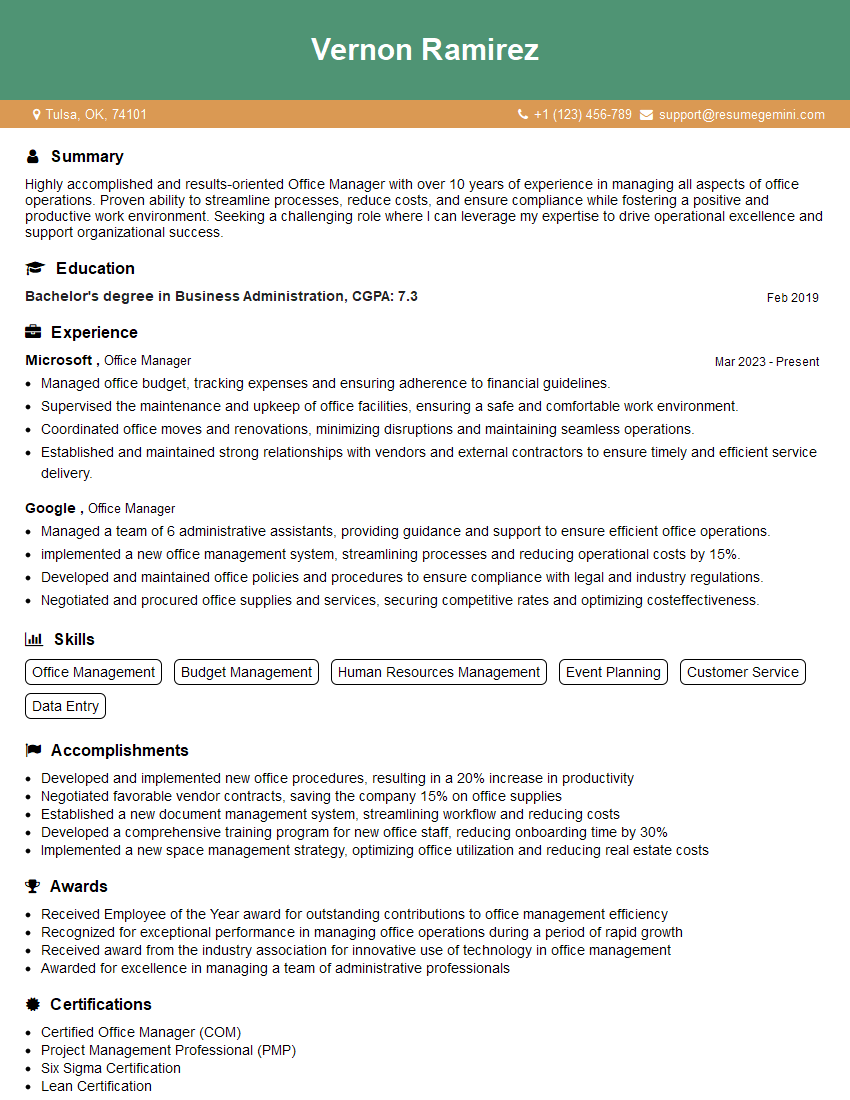
Office Manager Resume Sample
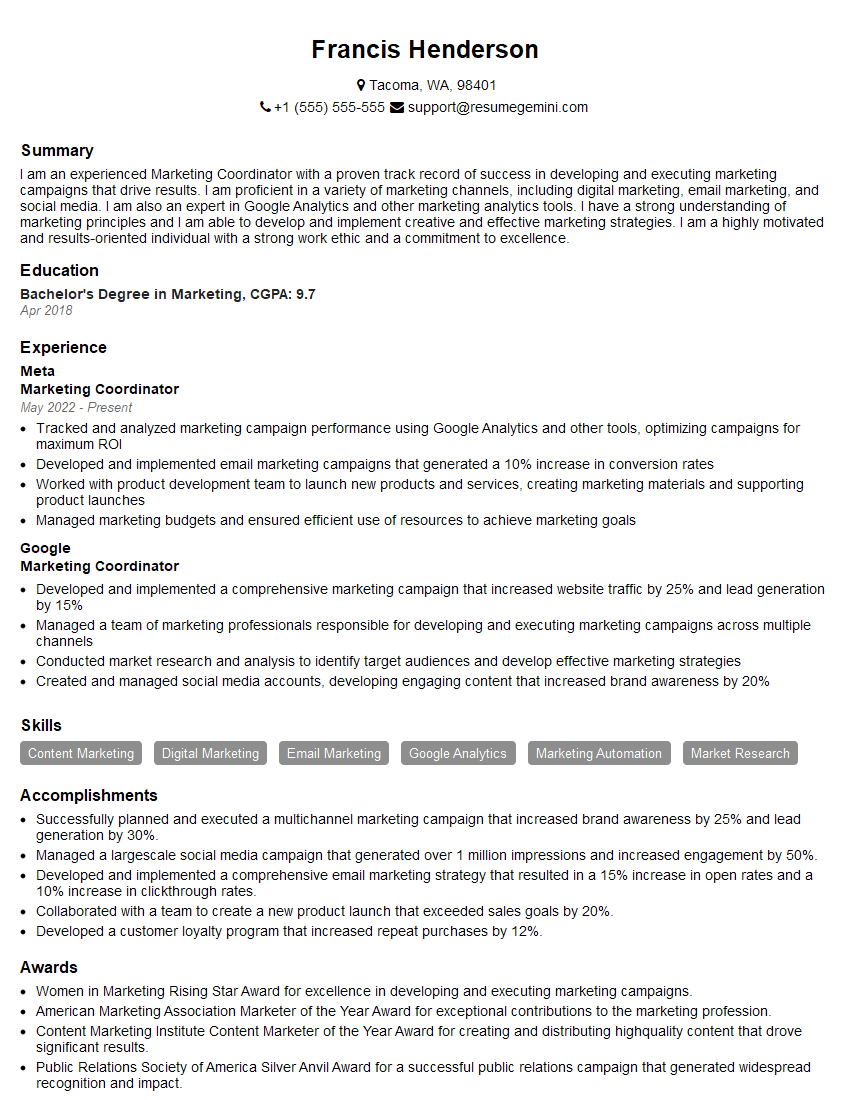
Marketing Coordinator Resume Sample
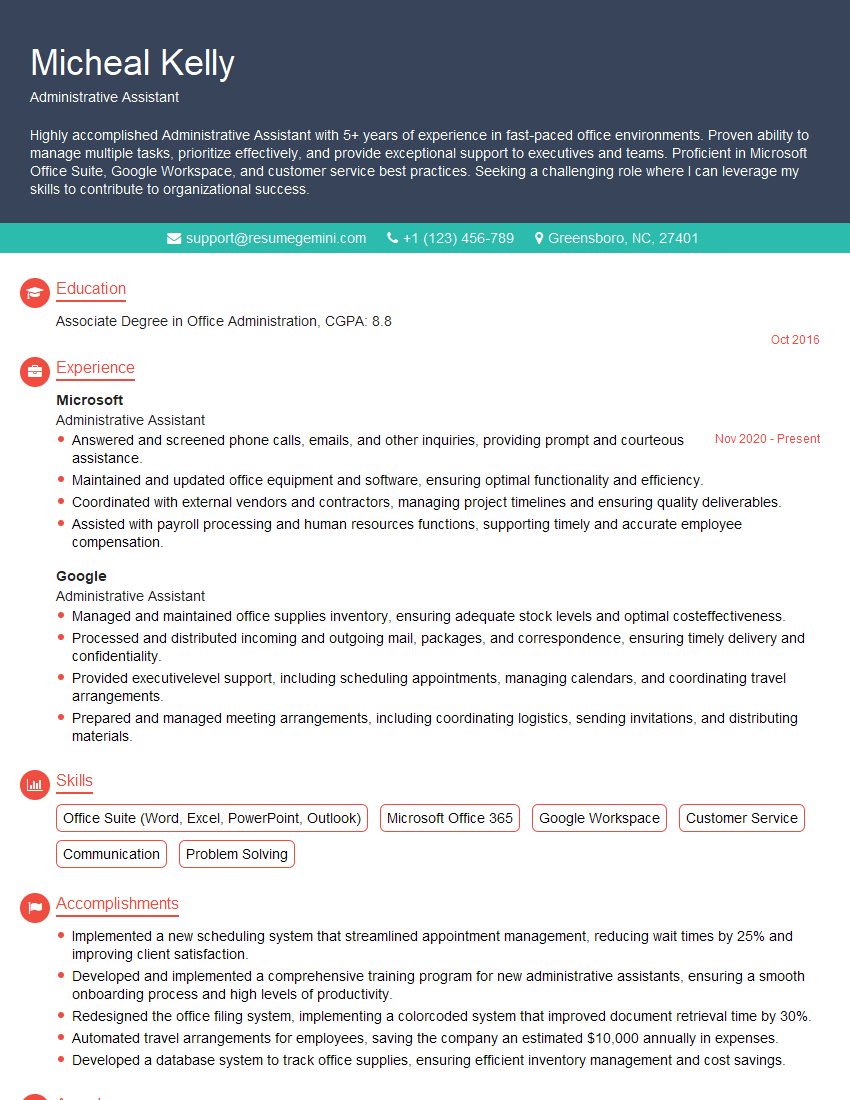
Administrative Assistant Resume Sample
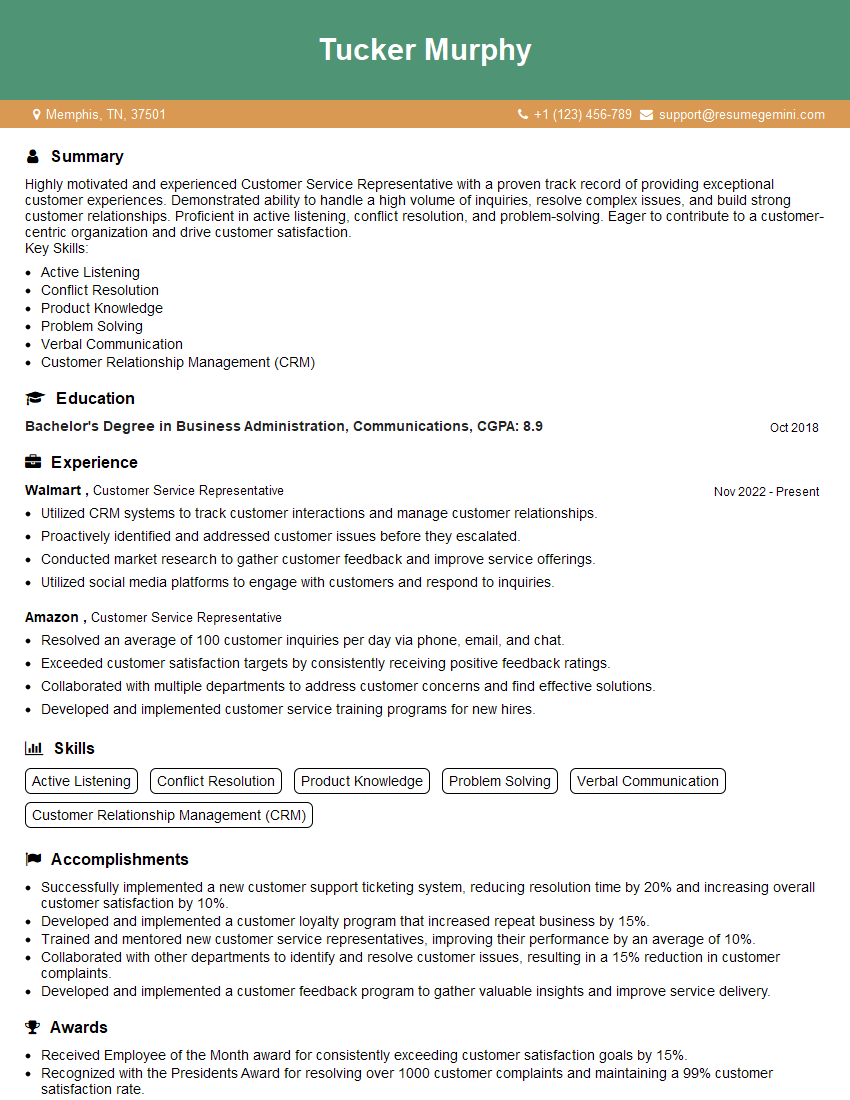
Customer Service Representative Resume Sample
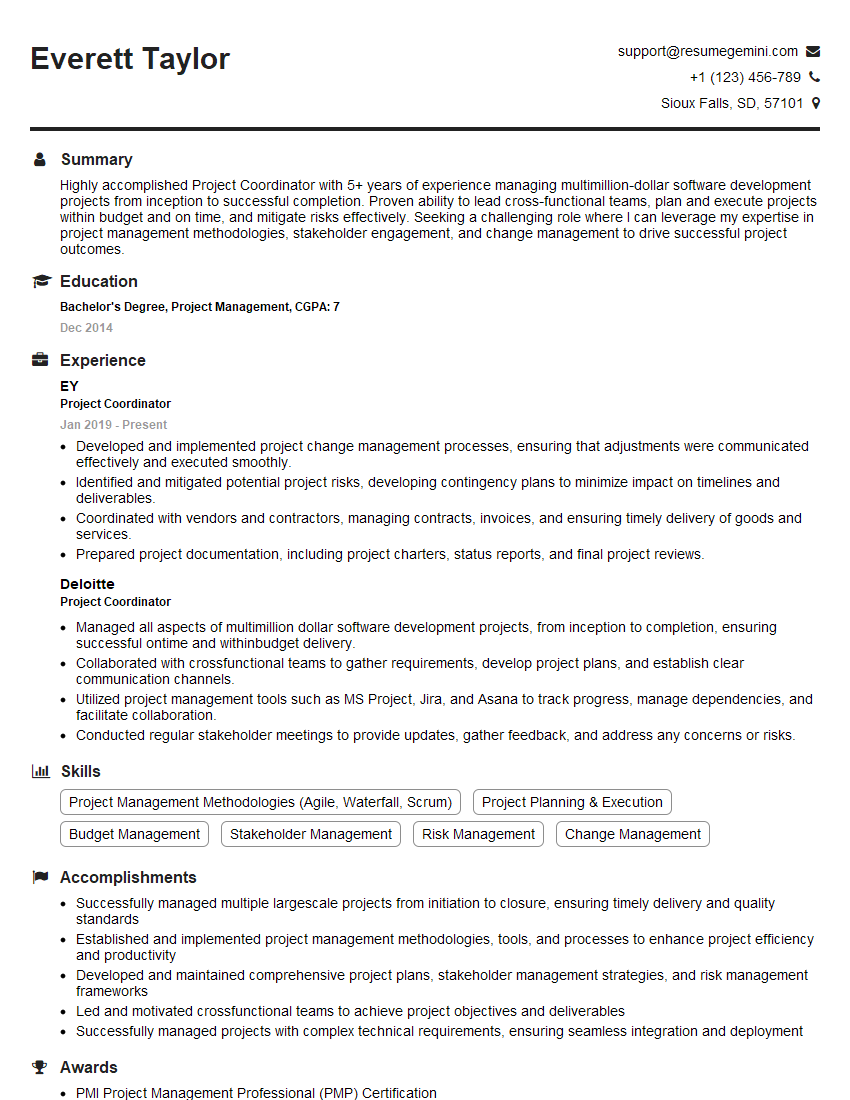
Project Coordinator Resume Sample

Compliance Officer Resume Sample
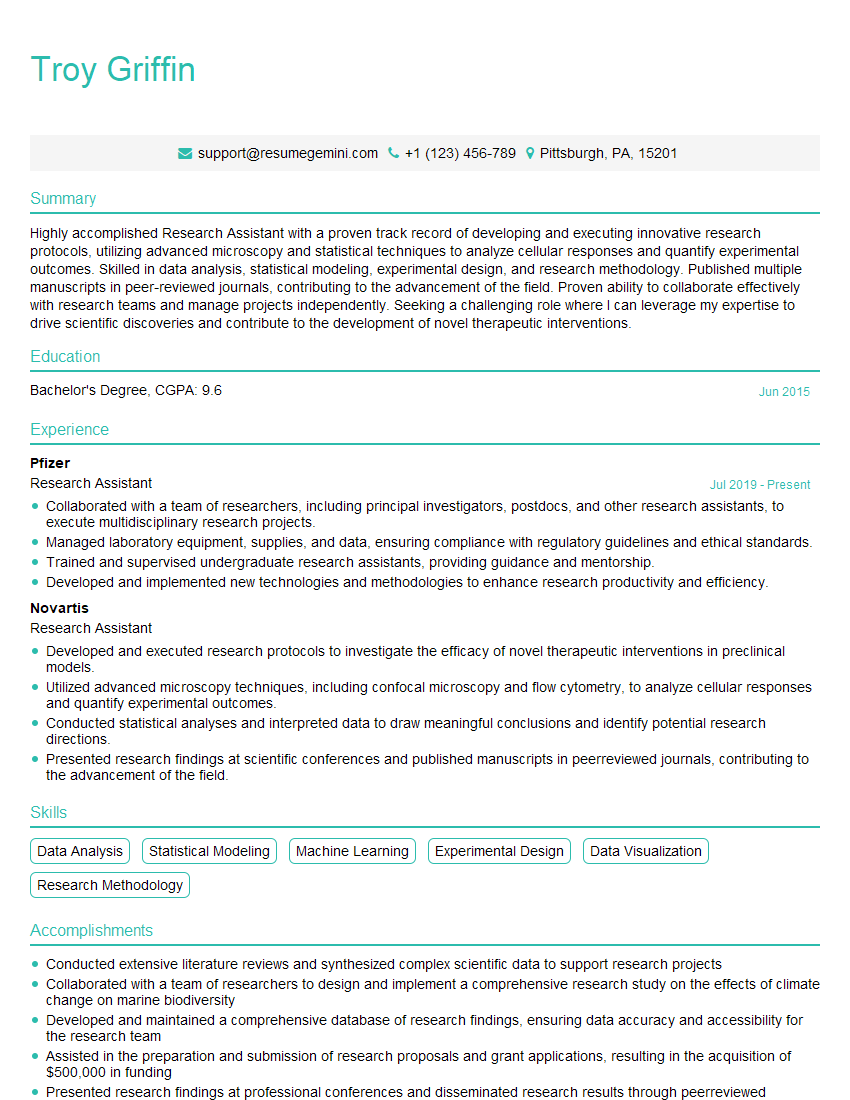
Research Assistant Resume Sample
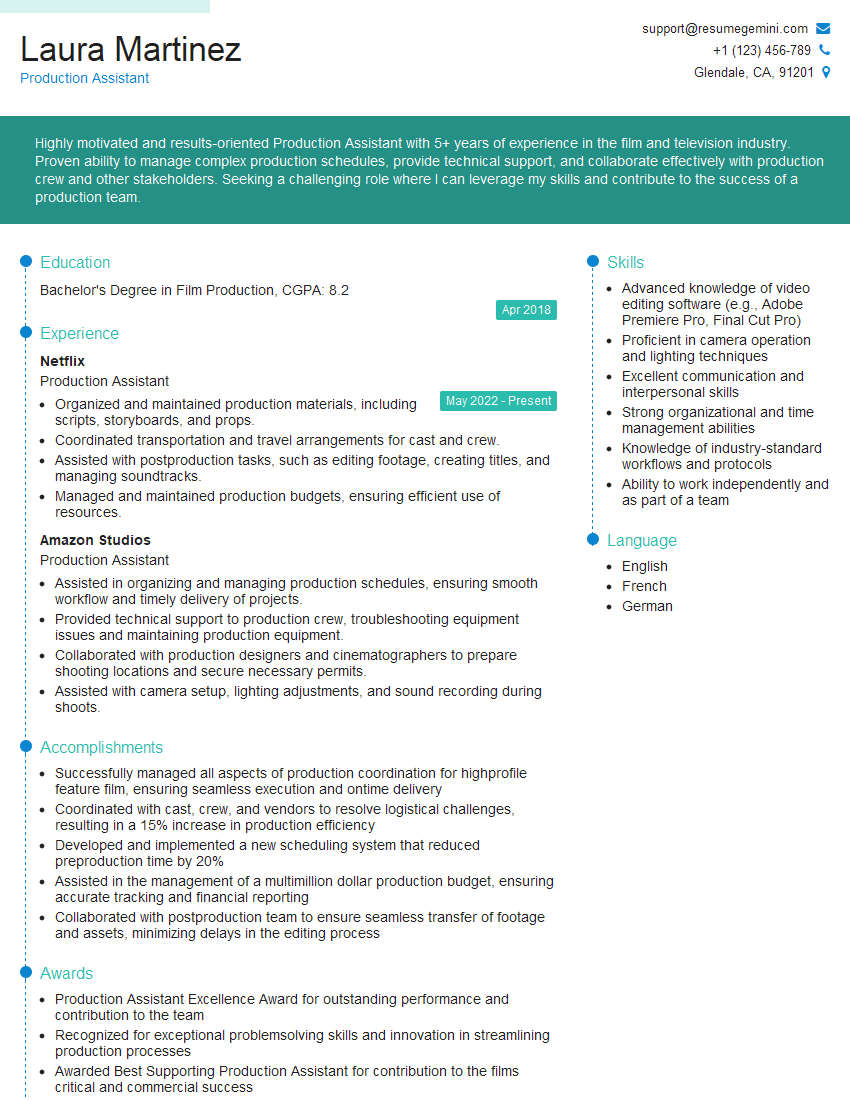
Production Assistant Resume Sample
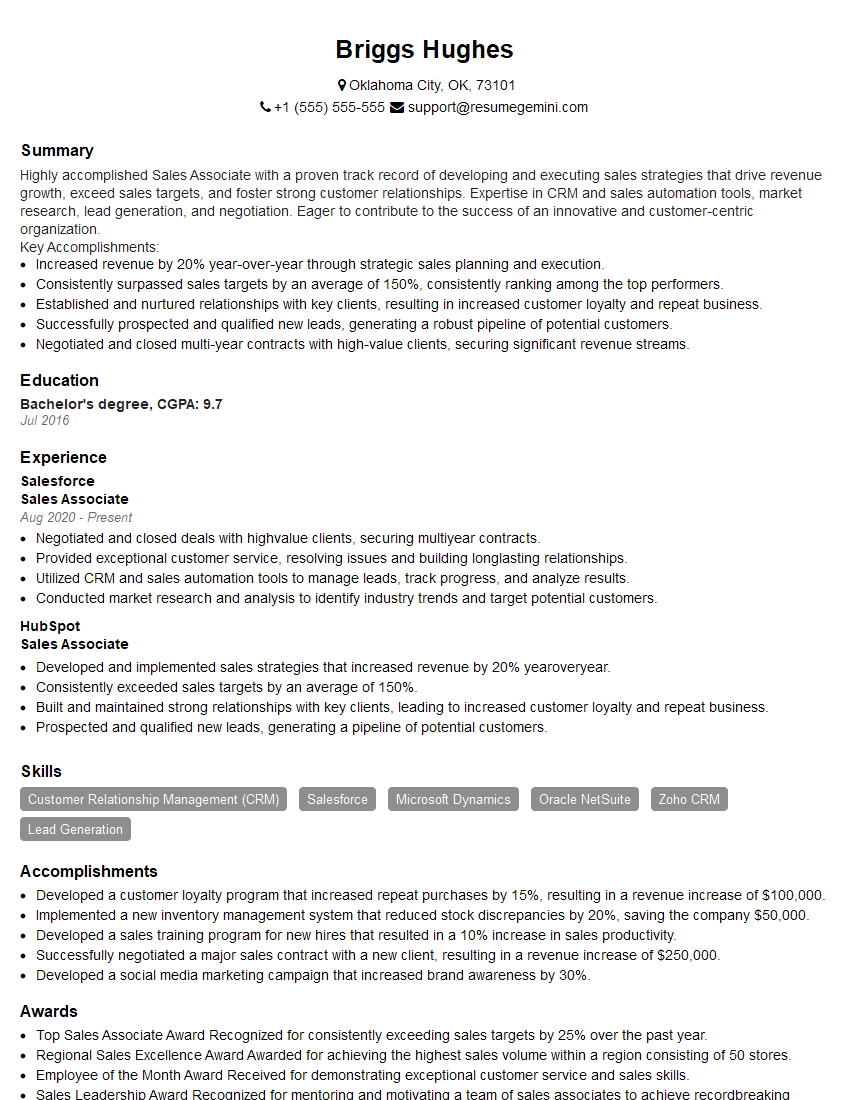
Sales Associate Resume Sample
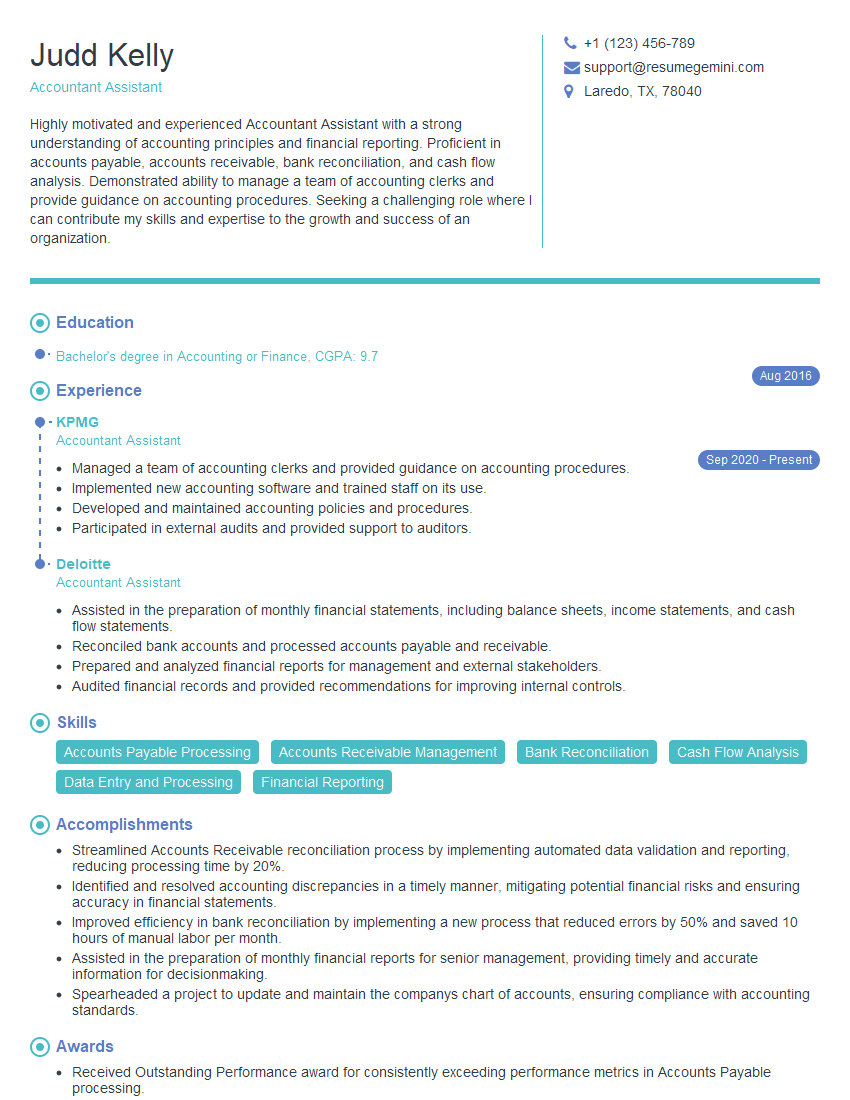
Accountant Assistant Resume Sample
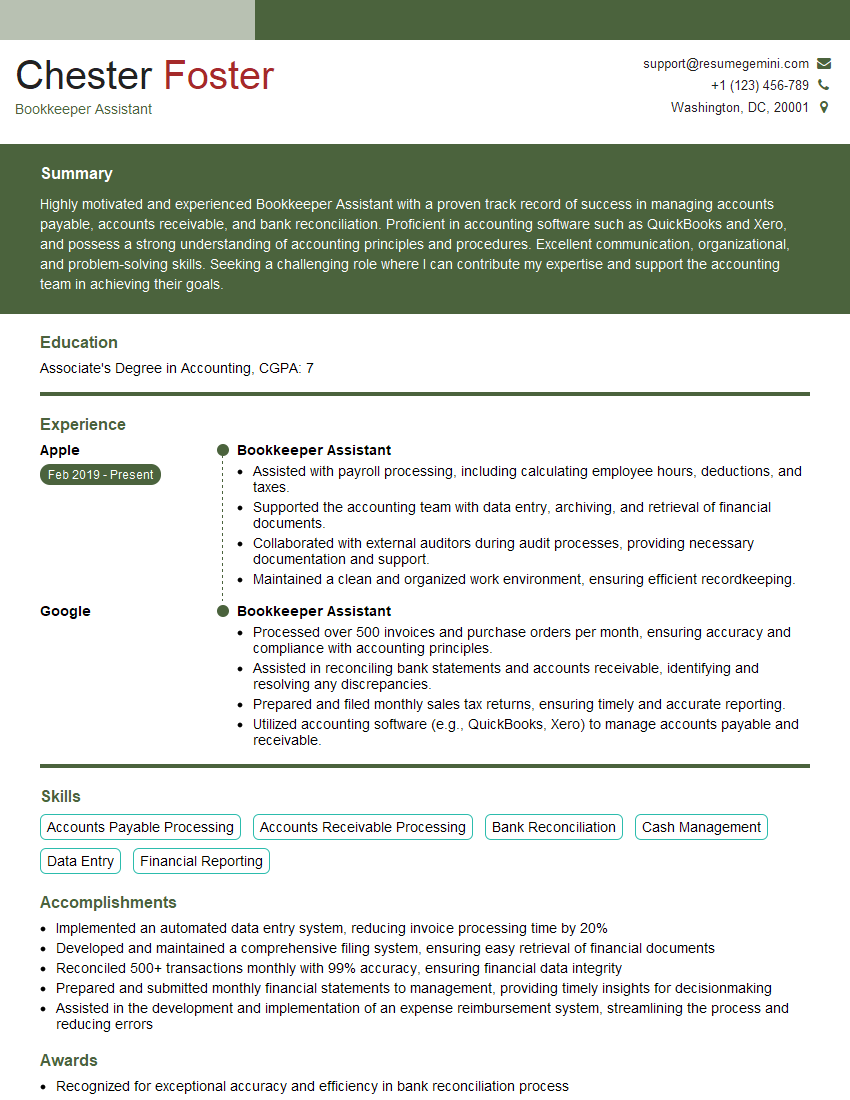
Bookkeeper Assistant Resume Sample
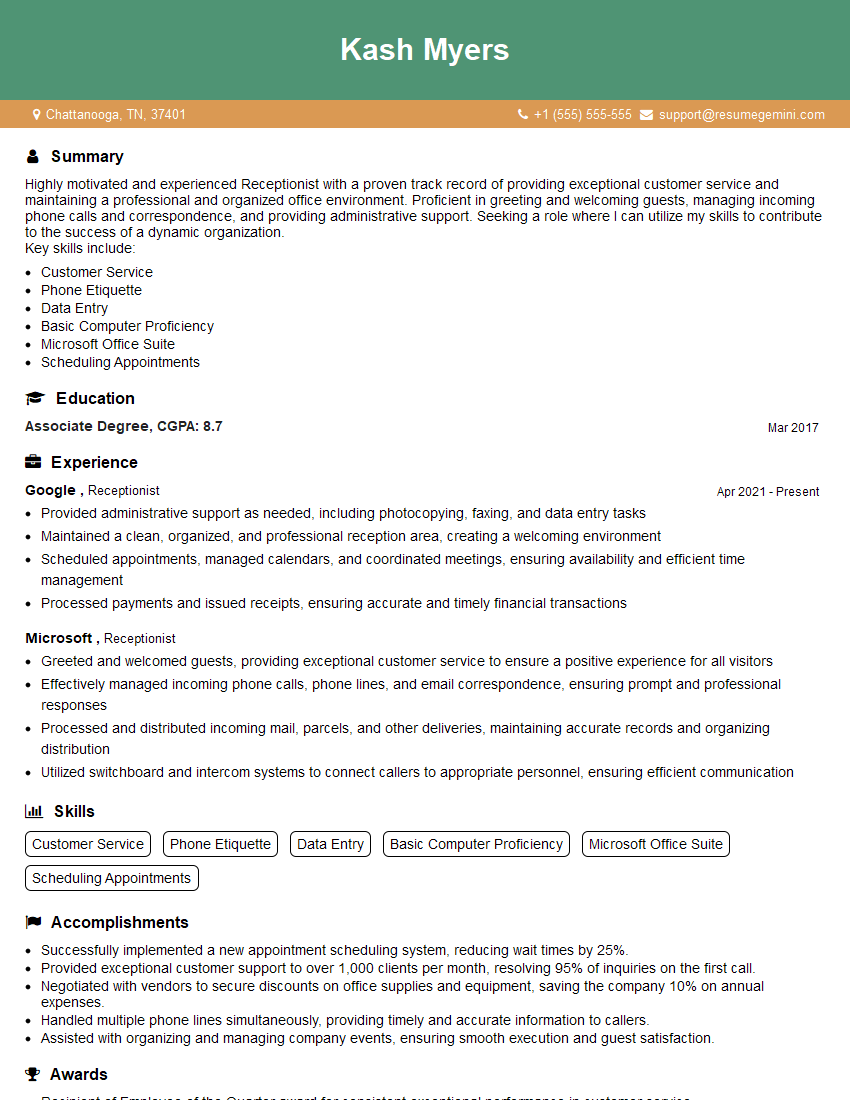
Receptionist Resume Sample
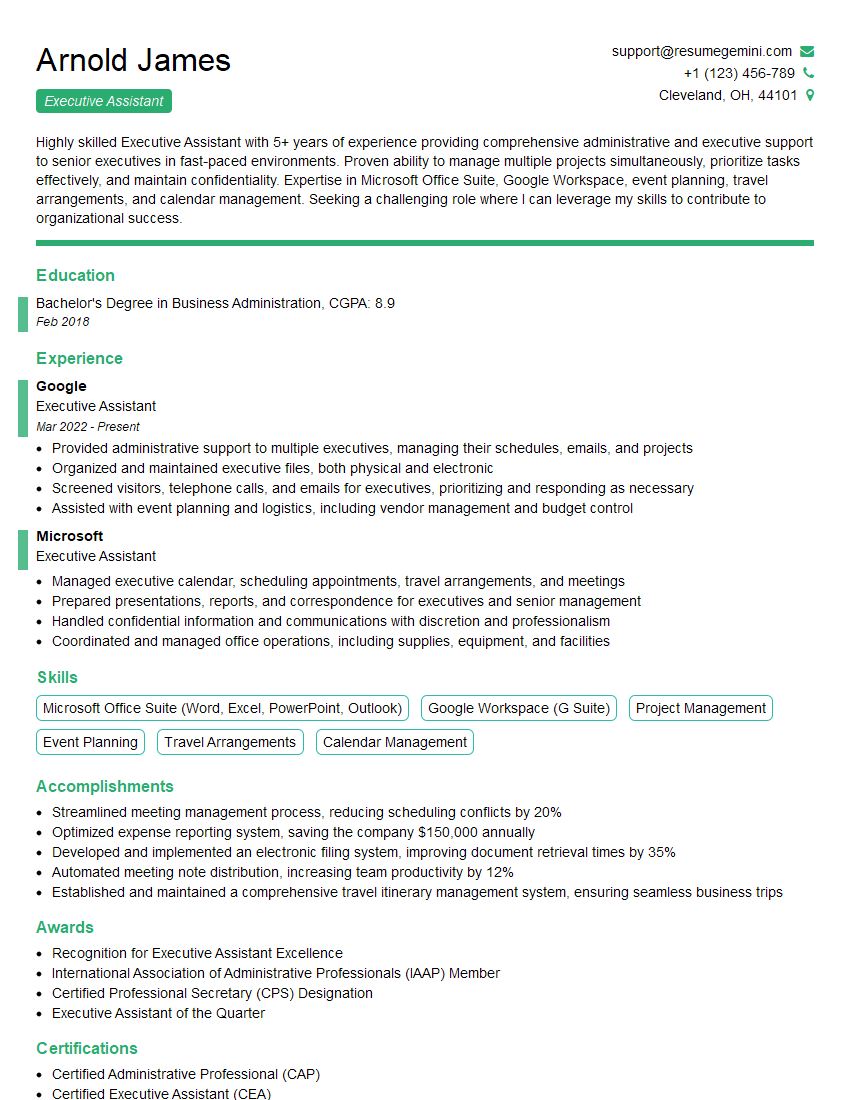
Executive Assistant Resume Sample
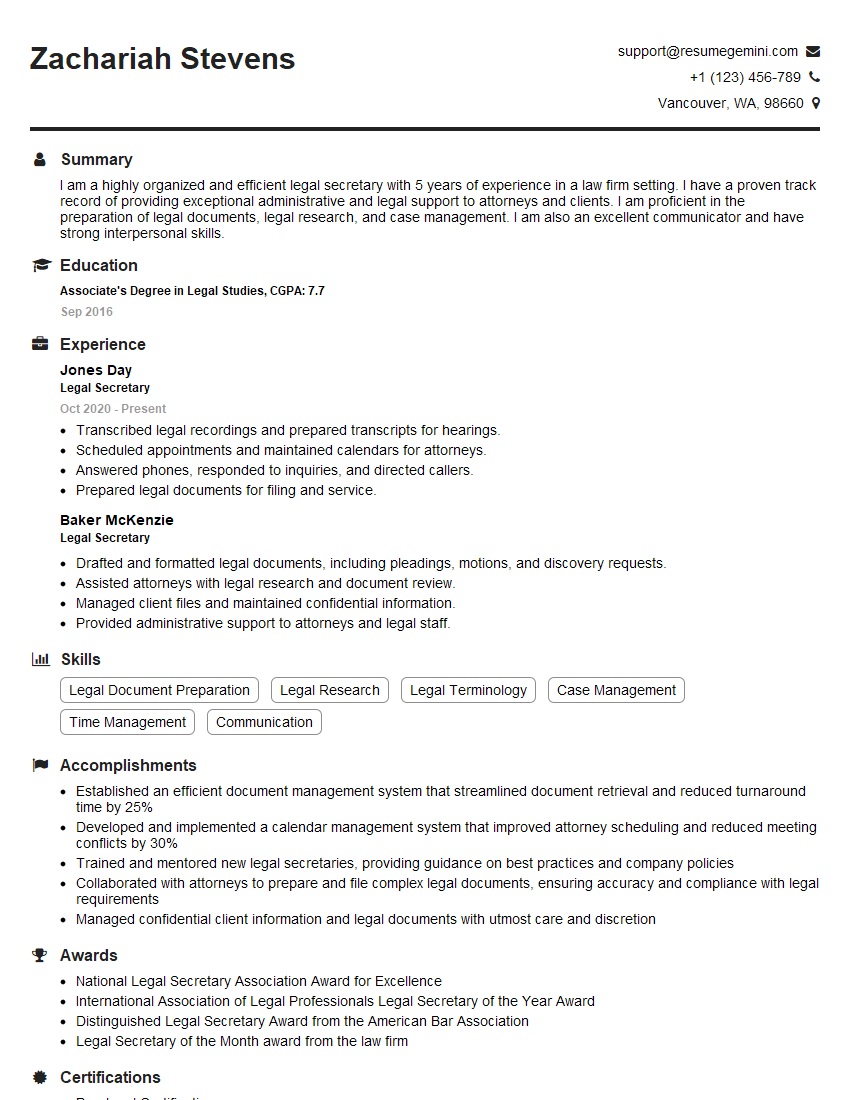
Legal Secretary Resume Sample
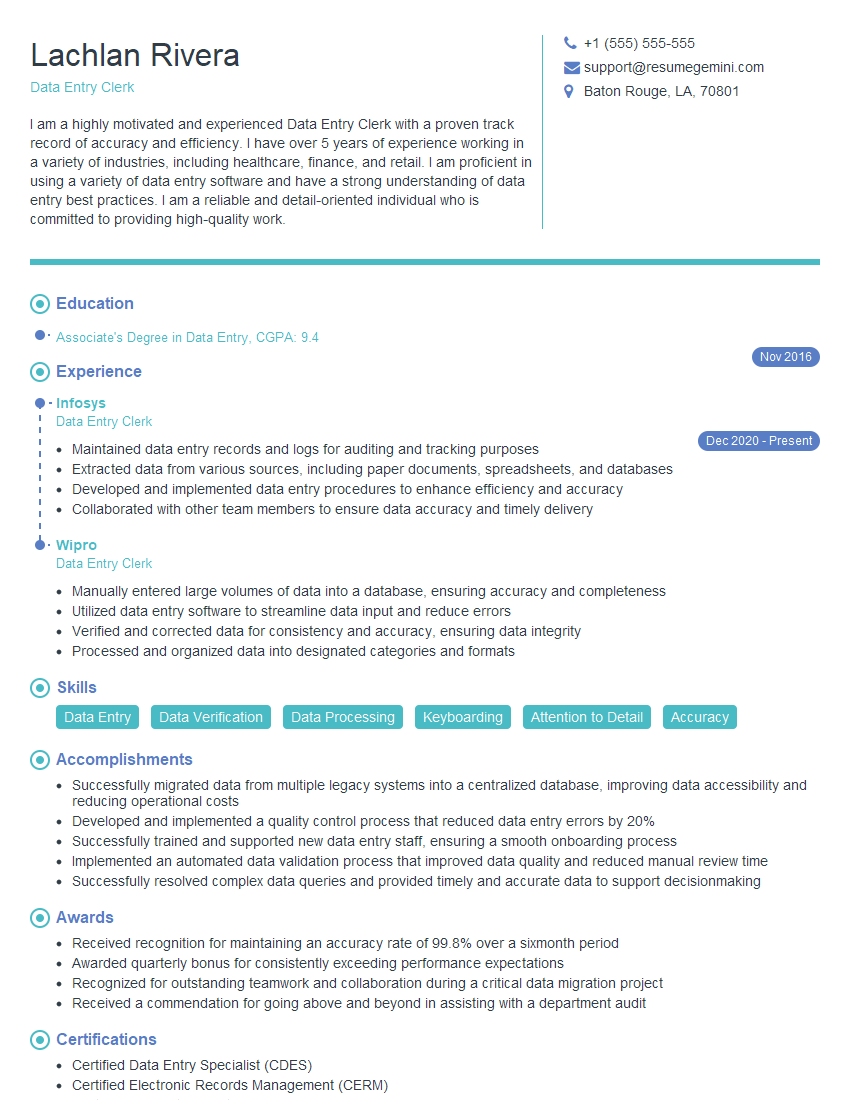
Data Entry Clerk Resume Sample

Operations Assistant Resume Sample
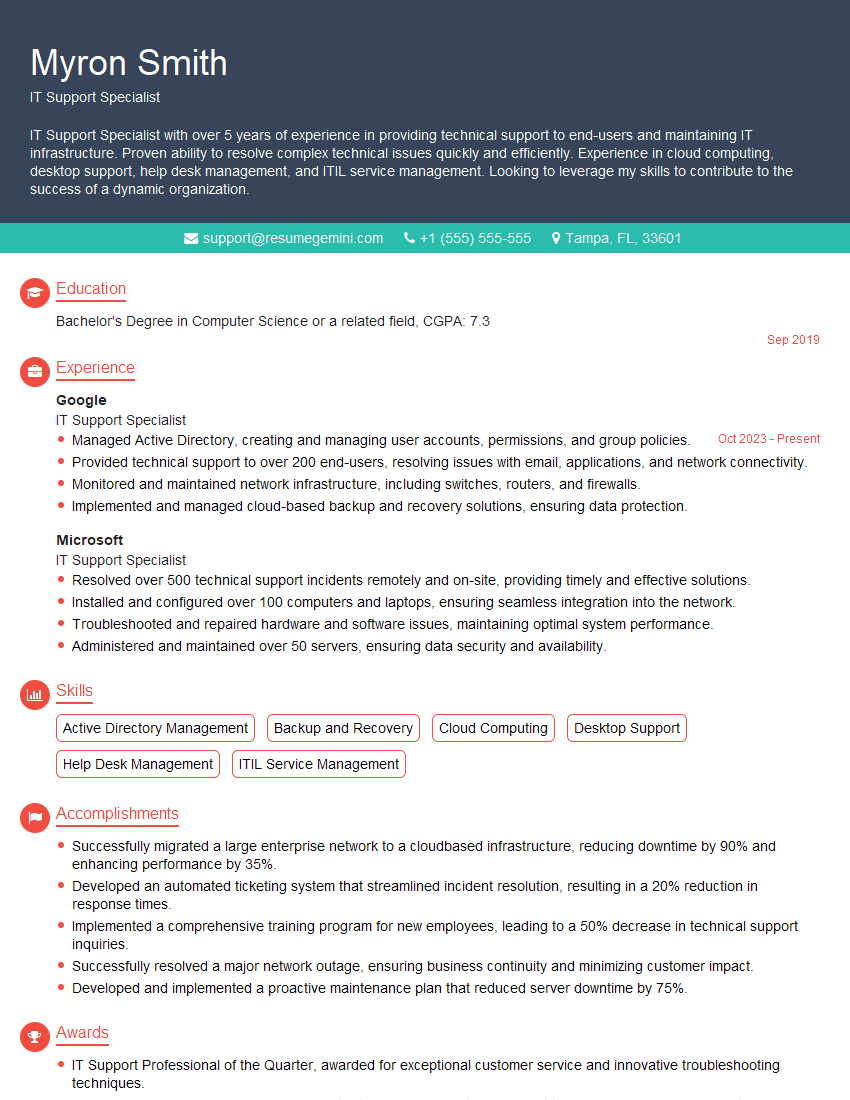
IT Support Specialist Resume Sample
- Office Manager
- Marketing Coordinator
- Administrative Assistant
- Customer Service Representative
- Project Coordinator
- Compliance Officer
- Research Assistant
- Production Assistant
- Sales Associate
- Accountant Assistant
- Bookkeeper Assistant
- Receptionist
- Executive Assistant
- Legal Secretary
- Data Entry Clerk
- Operations Assistant
- IT Support Specialist
Explore more articles
Users Rating of Our Blogs
Share Your Experience
We value your feedback! Please rate our content and share your thoughts (optional).
What Readers Say About Our Blog
To the interviewgemini.com Webmaster.
Very helpful and content specific questions to help prepare me for my interview!
Thank you
To the interviewgemini.com Webmaster.
This was kind of a unique content I found around the specialized skills. Very helpful questions and good detailed answers.
Very Helpful blog, thank you Interviewgemini team.