Unlock your full potential by mastering the most common Performing Diagnostic Tests interview questions. This blog offers a deep dive into the critical topics, ensuring you’re not only prepared to answer but to excel. With these insights, you’ll approach your interview with clarity and confidence.
Questions Asked in Performing Diagnostic Tests Interview
Q 1. Explain the principle behind ELISA.
ELISA, or Enzyme-Linked Immunosorbent Assay, is a powerful technique used to detect the presence of a substance, typically an antigen (like a virus or bacteria) or an antibody, in a liquid sample. It works on the principle of antigen-antibody binding. Imagine it like a lock and key: a specific antibody (the key) will only bind to its corresponding antigen (the lock).
The process involves coating a plate with an antigen or antibody. Then, the sample (e.g., blood serum) is added. If the target substance is present, it will bind to the coated substance. Next, an enzyme-linked antibody specific to the target is added. This antibody binds to the already-bound substance. Finally, a substrate is added that reacts with the enzyme, producing a detectable signal (color change, fluorescence) indicating the presence and often the quantity of the target substance.
For example, an ELISA test can be used to detect antibodies against HIV in a blood sample. The presence of these antibodies indicates a past or present infection.
Q 2. Describe the process of PCR testing.
PCR, or Polymerase Chain Reaction, is a revolutionary technique used to amplify a specific segment of DNA, making it detectable even when present in minute quantities. It’s like making millions of photocopies of a specific page from a book. Imagine you have a single DNA molecule containing a virus’s genetic material—PCR allows you to create billions of copies, making it easily identifiable.
The process involves three main steps, repeated many times (cycles):
- Denaturation: Heating the DNA to separate the double helix into single strands.
- Annealing: Cooling the DNA to allow short, single-stranded DNA sequences called primers to bind to specific regions of the target DNA.
- Extension: Raising the temperature slightly to allow a DNA polymerase enzyme to synthesize new DNA strands, starting from the primers and using the single-stranded DNA as a template.
Each cycle doubles the amount of target DNA. After multiple cycles, there’s enough DNA to be detected by various methods, like gel electrophoresis. PCR is used extensively in infectious disease diagnosis, genetic testing, and forensic science.
Q 3. What are the limitations of rapid diagnostic tests?
Rapid diagnostic tests (RDTs) offer quick results, often within minutes, but this speed comes with limitations. Their primary drawback is lower sensitivity and specificity compared to more complex lab tests like ELISA or PCR.
- Lower Sensitivity: RDTs may miss infections, especially in early stages or when the pathogen load is low. This means a false negative result is more likely.
- Lower Specificity: RDTs might produce false-positive results, indicating a positive result when the individual is not actually infected. This can lead to unnecessary treatment or quarantine.
- Potential for User Error: RDTs often rely on visual interpretation of results, which can be subjective and prone to errors.
- Limited Shelf Life: RDTs may have limited shelf life, affecting their accuracy over time.
For example, a rapid influenza test might miss an early-stage infection or give a false positive if the reagents are degraded.
Q 4. How do you ensure the accuracy and reliability of diagnostic test results?
Ensuring the accuracy and reliability of diagnostic test results is paramount. It involves meticulous attention to detail throughout the entire process, from sample collection to result reporting.
- Proper Sample Collection and Handling: Using appropriate collection techniques, maintaining the integrity of the sample, and avoiding contamination are crucial.
- Calibration and Maintenance of Equipment: Regular calibration and maintenance of diagnostic instruments ensure accuracy and consistency.
- Use of Positive and Negative Controls: Including positive and negative controls in each test run verifies the assay’s functionality and minimizes false results.
- Adherence to Standard Operating Procedures (SOPs): Strict adherence to SOPs provides consistency and minimizes variations in the testing process.
- Quality Assurance (QA) and Quality Control (QC): Implementing a comprehensive QA/QC program ensures that the entire testing process is reliable and accurate.
- Proper Data Analysis and Interpretation: Correctly interpreting the results is vital. Errors in interpretation can lead to misdiagnosis.
For instance, in a clinical lab setting, we regularly perform quality control checks on our equipment and reagents to ensure that our results are within acceptable limits of error.
Q 5. What quality control measures are essential in a diagnostic testing laboratory?
Quality control in a diagnostic testing laboratory is a multifaceted process aimed at ensuring accurate and reliable results. Key measures include:
- Internal Quality Control (IQC): Running controls with each test batch to assess the performance of the assays and equipment. This is like a daily health check for your equipment and reagents.
- External Quality Assessment (EQA): Participating in EQA programs, where proficiency testing samples are sent to the lab for analysis. This allows comparison against other labs and highlights areas for improvement.
- Regular Maintenance and Calibration: Scheduled maintenance and calibration of equipment ensure accurate measurements and consistent performance.
- Reagent Management: Proper storage, handling, and expiration date monitoring of reagents.
- Personnel Training and Competency Assessment: Ensuring technicians are well-trained and competent in all aspects of the testing process.
- Documentation and Record Keeping: Maintaining detailed records of all test results, procedures, and calibrations—a complete audit trail.
For example, we participate in external quality assessment programs for various tests, such as blood glucose and cholesterol measurements, to ensure our results are consistent with national and international standards.
Q 6. Explain the difference between sensitivity and specificity in diagnostic testing.
Sensitivity and specificity are crucial metrics in evaluating the performance of a diagnostic test. Think of them as two sides of the same coin: both are essential for accurate diagnosis.
- Sensitivity: This refers to the test’s ability to correctly identify individuals who have the condition (true positives). A highly sensitive test will rarely miss a case of the disease, minimizing false negatives. It’s like a wide net that catches most of the fish (individuals with the disease).
- Specificity: This refers to the test’s ability to correctly identify individuals who do not have the condition (true negatives). A highly specific test will rarely incorrectly identify someone as having the disease, minimizing false positives. It’s like a precise net that only catches the target fish (individuals with the disease) and avoids catching other types.
A perfect test would have both 100% sensitivity and 100% specificity, but this is rarely achieved in practice. The ideal balance between sensitivity and specificity depends on the clinical context.
For example, a screening test for a serious disease might prioritize high sensitivity to avoid missing cases, even if it means a higher rate of false positives. In contrast, a confirmatory test might prioritize high specificity to reduce the number of false positives.
Q 7. Describe your experience with troubleshooting diagnostic equipment.
Troubleshooting diagnostic equipment is a regular part of my work. My approach is systematic and involves a combination of technical knowledge and problem-solving skills.
I begin by carefully analyzing the error message or malfunction. This might involve checking the equipment’s log files for error codes. Then, I systematically check the various components, starting with the simplest solutions, such as ensuring proper power supply, reagent levels, and connectivity.
If the issue persists, I consult the equipment’s manual or contact the manufacturer’s technical support. I’ve had to deal with everything from clogged tubing in a flow cytometer to software glitches in PCR machines. In one instance, a seemingly simple issue of erratic results turned out to be a problem with the calibration of a centrifuge. A methodical approach is key; often times the simple solutions are overlooked.
Documentation is critical; I maintain detailed records of each troubleshooting episode, including the problem, steps taken, and the final resolution. This ensures efficient troubleshooting in the future and contributes to ongoing quality control measures.
Q 8. How do you interpret and report diagnostic test results?
Interpreting and reporting diagnostic test results is a crucial step in patient care. It involves a meticulous process of analyzing the raw data generated by the test, comparing it against established reference ranges, and then translating those findings into a clear and concise report for the clinician. This report must be readily understandable and avoid technical jargon whenever possible.
The process begins with a careful review of the test results, considering factors like the patient’s age, gender, medical history, and the reason for ordering the test. For example, a slightly elevated white blood cell count might be insignificant in a healthy individual but highly concerning in a patient with a known infection. Next, I cross-reference the numerical results with established reference intervals (the normal range of values for the test). I look for any values falling outside this range, which could indicate abnormalities.
Finally, I write the report in a structured manner, including the patient’s identifying information, the date and time of the test, the test results, a brief interpretation of the findings, and any relevant recommendations. The interpretation section is especially important, aiming to clearly explain what the results mean in relation to the patient’s clinical presentation. I’d use clear and concise language, for instance, instead of saying ‘Elevated serum creatinine,’ I might write, ‘Kidney function tests suggest possible impairment.’ The report might include flags for critical results, requiring immediate attention from the ordering physician. Quality assurance is paramount, and I always double-check the report before it’s released to the clinician.
Q 9. What are the ethical considerations involved in diagnostic testing?
Ethical considerations in diagnostic testing are paramount and center around patient autonomy, confidentiality, and beneficence. The principle of autonomy means patients have the right to refuse testing or to be fully informed about the implications of undergoing a test before giving their consent. This requires obtaining informed consent, explaining the benefits, risks, and limitations of the test in a language the patient can understand. For example, before a genetic test, a thorough discussion of potential psychological and social implications is crucial.
Confidentiality dictates that test results remain private and only shared with those involved in the patient’s direct care, unless the patient provides explicit consent or the information is required by law (e.g., mandatory reporting of certain infectious diseases). Beneficence means ensuring the test is justified and will benefit the patient. Ordering unnecessary tests increases costs, exposes patients to potential risks (e.g., radiation exposure from imaging), and may lead to unnecessary anxiety. Therefore, tests must be medically indicated, and I always question the clinical rationale behind a test request if it seems inappropriate.
Furthermore, ensuring the quality and accuracy of the tests are ethically obligatory, as inaccurate results can lead to misdiagnosis and harm. Finally, avoiding bias in test interpretation is critical, ensuring all patients are treated fairly and equitably, irrespective of their background or social standing.
Q 10. How do you manage conflicting test results?
Conflicting test results are a common challenge in diagnostics. This situation often arises when different tests suggest opposing conclusions about a patient’s condition. Handling this requires a systematic approach. First, I carefully review all the test results, looking for any procedural errors, or factors that could explain the discrepancies, such as variations in test methodology or sample quality. For instance, a discrepancy between blood glucose levels from a finger-prick test and a venous blood sample might reflect differences in how the samples were collected or handled.
Second, I consider the clinical context. Does the patient’s presentation align better with one set of results over another? If the discrepancy is significant, I may consult with the ordering physician to discuss the findings and potentially order additional tests to clarify the situation. This might involve repeating the tests, using a different method, or conducting more specialized tests. For instance, if a chest X-ray suggests pneumonia, but the patient’s blood tests are normal, I might recommend a sputum culture for bacterial identification.
Third, I meticulously document the discrepancies and the actions taken to resolve them in the patient’s medical record. This is crucial for maintaining transparency and accountability. Ultimately, resolving conflicting results often requires a combination of careful analysis, clinical judgment, and collaboration with the treating physician.
Q 11. Explain your understanding of pre-analytical, analytical, and post-analytical phases in diagnostic testing.
Diagnostic testing is broadly divided into three phases: pre-analytical, analytical, and post-analytical. The pre-analytical phase encompasses all steps taken before the actual testing. This includes patient preparation (e.g., fasting, medication adjustments), sample collection (ensuring correct technique and appropriate containers), and sample handling (transport, storage, and processing). Errors in this phase, such as incorrect labeling or improper storage, are the most frequent cause of inaccuracies in laboratory results. Imagine a blood sample left at room temperature for several hours – the results could be significantly skewed.
The analytical phase is the actual testing process. It involves the technical aspects of performing the assay, utilizing equipment, reagents, and methodologies in accordance with established standards and protocols. Quality control procedures are essential here, ensuring reliability and accuracy of the results. A malfunctioning instrument or contaminated reagent can lead to erroneous results during this phase.
The post-analytical phase includes the reporting of results, their interpretation, and communication with the clinicians. This phase involves ensuring the accuracy of result transcription, appropriate interpretation, considering patient-specific factors, flagging critical results, and prompt communication with the healthcare team. A delay in reporting critical results could have severe clinical consequences. These three phases are interconnected, and errors in any one can significantly impact the quality and reliability of the final results.
Q 12. Describe your experience with different types of diagnostic imaging techniques (e.g., X-ray, CT, MRI).
My experience encompasses various diagnostic imaging techniques, including X-ray, CT, and MRI. X-ray imaging uses ionizing radiation to produce images of bones and dense tissues. Its primary role is in identifying fractures, detecting foreign bodies, and evaluating lung abnormalities. For example, I have extensive experience in interpreting chest X-rays, identifying patterns consistent with pneumonia, pleural effusion, or pneumothorax.
Computed Tomography (CT) scans utilize X-rays and computer processing to generate detailed cross-sectional images of the body. CT scans provide higher resolution than conventional X-rays and are valuable for evaluating internal organs, blood vessels, and soft tissues. I have routinely used CT scans for evaluating head trauma, abdominal pain, and evaluating suspected cancer.
Magnetic Resonance Imaging (MRI) uses powerful magnets and radio waves to produce images of organs and tissues. MRI excels in visualizing soft tissues, such as muscles, ligaments, and the brain, with superior detail compared to CT. I am skilled in interpreting MRI scans of the brain, spine, and joints, diagnosing conditions like brain tumors, spinal cord injuries, and ligament tears. My expertise extends to reviewing the technical aspects of image acquisition and quality control, optimizing image quality, and managing potential issues during the scan.
Q 13. How do you handle a critical result?
Handling critical results is a high-priority task, demanding immediate action and careful communication. A critical result is one that indicates a life-threatening condition requiring immediate medical intervention. Upon identifying a critical result, my first step is to immediately verify the result. Is there a technical error? Are there any inconsistencies? This verification step is crucial to avoid unnecessary panic and potentially harmful interventions.
Once verification confirms the critical result, I immediately notify the ordering physician, either by phone or through the hospital’s designated critical value reporting system. I clearly communicate the result, providing all relevant details in a concise and accurate manner. I remain available to answer any questions the physician may have, offering support and assisting with appropriate actions. This might include alerting the nursing staff and informing other necessary healthcare professionals.
Detailed documentation of the critical result, notification process, and subsequent actions taken are critically important. The record should detail the time of notification, the person contacted, the response received, and any further actions undertaken. Adhering to established protocols for handling critical values ensures timely intervention and safeguards patient safety.
Q 14. What safety protocols do you follow while performing diagnostic tests?
Safety protocols are essential in all diagnostic testing, focusing on both patient and personnel safety. Radiation safety is paramount when dealing with X-ray and CT scans, requiring adherence to ALARA principle (As Low As Reasonably Achievable). This includes using appropriate shielding, optimizing imaging parameters to minimize radiation exposure, and ensuring proper training and competency of personnel. Patient safety includes appropriate identification, correct positioning, and monitoring throughout the procedure.
Biosafety is crucial when handling blood and other bodily fluids. Strict adherence to infection control practices, including proper hand hygiene, use of personal protective equipment (PPE) like gloves and gowns, and appropriate disposal of biohazardous materials, is mandatory. For example, when processing a blood sample suspected of containing a bloodborne pathogen, I use universal precautions – treating all samples as potentially infectious.
Equipment safety requires regular maintenance and calibration of all diagnostic equipment, adhering to manufacturer’s instructions. Proper training and certification for personnel operating and maintaining equipment is also essential. In summary, a layered approach to safety, involving strict adherence to guidelines, proper training, and regular safety audits, creates a safe environment for both patients and staff.
Q 15. What software or systems are you familiar with for managing diagnostic test data?
Managing diagnostic test data requires robust software and systems. My experience encompasses several platforms, including Laboratory Information Systems (LIS) like Epic Beaker and Cerner Millennium, as well as more specialized systems like those used in molecular diagnostics and genomics. These systems are crucial for managing patient information, test results, quality control data, and instrument maintenance logs.
For instance, an LIS allows for efficient test ordering, sample tracking, result reporting, and integration with other hospital systems like electronic health records (EHRs). They often include features like barcode scanning to minimize human error and ensure accurate sample identification. More specialized systems may handle complex data analysis, such as those used for next-generation sequencing (NGS) which require bioinformatics pipelines for data processing and interpretation.
Beyond dedicated diagnostic software, I’m also proficient in using spreadsheets (like Excel) and statistical software (like R or SPSS) for data analysis, trend identification, and quality control monitoring. This allows for detailed data visualization and trend analysis to optimize the efficiency of the entire testing process.
Career Expert Tips:
- Ace those interviews! Prepare effectively by reviewing the Top 50 Most Common Interview Questions on ResumeGemini.
- Navigate your job search with confidence! Explore a wide range of Career Tips on ResumeGemini. Learn about common challenges and recommendations to overcome them.
- Craft the perfect resume! Master the Art of Resume Writing with ResumeGemini’s guide. Showcase your unique qualifications and achievements effectively.
- Don’t miss out on holiday savings! Build your dream resume with ResumeGemini’s ATS optimized templates.
Q 16. Describe your experience with maintaining laboratory equipment and performing quality control checks.
Maintaining laboratory equipment and performing quality control checks are fundamental to ensuring accurate and reliable diagnostic results. This involves regular preventative maintenance, troubleshooting malfunctions, and executing quality control procedures.
My experience includes maintaining a variety of equipment, from hematology analyzers and chemistry analyzers to sophisticated molecular diagnostic instruments like PCR machines and flow cytometers. This involves tasks such as cleaning, calibrating, and performing preventative maintenance according to manufacturer’s instructions and established laboratory protocols.
Quality control checks are performed routinely using both internal and external controls. Internal controls are run with each batch of patient samples to ensure the accuracy and precision of the test. External controls, provided by external quality assurance programs, are used to compare our results against other laboratories, ensuring standardization and reliability. Any deviation from expected values triggers troubleshooting and corrective actions, which are meticulously documented. For example, if a control sample consistently falls outside the acceptable range, it could indicate a problem with the instrument’s calibration, reagent quality, or even a procedural error, all of which requires careful investigation.
Q 17. Explain the role of automation in diagnostic testing.
Automation plays a vital role in modern diagnostic testing, significantly improving efficiency, throughput, and reducing human error. It encompasses the use of automated analyzers, robotic systems, and sophisticated software for various aspects of the testing process.
Automated analyzers perform many tests simultaneously, processing a large number of samples quickly and consistently. For example, automated chemistry analyzers can perform dozens of different biochemical assays on hundreds of samples per hour, significantly increasing efficiency compared to manual methods.
Robotic systems automate sample handling, reducing manual steps and minimizing the risk of contamination or error. This is particularly important in high-throughput laboratories. Sophisticated software manages data acquisition, analysis, and reporting, further minimizing human intervention and improving accuracy. For example, in molecular diagnostics, software plays a crucial role in analyzing sequencing data and identifying genetic mutations.
However, it’s critical to understand that automation doesn’t replace the need for human expertise. Technical expertise remains crucial for troubleshooting, quality control, and interpretation of results. The human element is still vital in ensuring the quality and reliability of the testing process.
Q 18. What are some common errors in diagnostic testing and how can they be avoided?
Common errors in diagnostic testing can stem from various sources, including pre-analytical, analytical, and post-analytical phases.
- Pre-analytical errors relate to sample collection, handling, and storage. Examples include incorrect patient identification, improper sample collection techniques (e.g., hemolysis), inadequate labeling, and inappropriate storage conditions. These can be avoided by using standardized procedures, proper training of personnel, and implementing barcode systems.
- Analytical errors occur during the testing process itself. These might include instrument malfunctions, reagent degradation, and incorrect calibration. Regular maintenance, quality control checks, and proper calibration procedures are essential to minimize these errors.
- Post-analytical errors involve reporting and interpretation of results. These can include transcription errors, misinterpretation of results, and delayed reporting. Implementing electronic systems, double-checking results, and providing adequate training for personnel are crucial preventative measures.
A robust quality management system (QMS) is essential to identify, analyze, and prevent errors. This includes continuous monitoring of quality control data, regular audits, and implementation of corrective actions when necessary. A culture of meticulous attention to detail and continuous quality improvement is paramount.
Q 19. How do you stay updated on advancements in diagnostic testing technologies?
Staying updated in the rapidly evolving field of diagnostic testing requires a multi-pronged approach.
- Professional organizations: Active membership in organizations like the American Association for Clinical Chemistry (AACC) or the College of American Pathologists (CAP) provides access to journals, conferences, and continuing education opportunities.
- Peer-reviewed journals: Regularly reading journals like Clinical Chemistry, The Journal of Molecular Diagnostics, and other relevant publications is vital to stay informed about new technologies and research findings.
- Conferences and workshops: Attending conferences and workshops provides opportunities for networking and learning about the latest advancements directly from experts in the field.
- Online resources: Utilizing online resources like PubMed, Medline, and reputable websites of diagnostic manufacturers keeps me updated on the latest research and product information.
- Continuing education: Participating in continuing medical education (CME) courses and workshops ensures my knowledge and skills remain current and aligned with best practices.
By actively engaging in these activities, I maintain a comprehensive understanding of current trends and technological advancements in diagnostic testing.
Q 20. Describe a situation where you had to problem-solve a complex diagnostic testing issue.
In one instance, we experienced a significant discrepancy in results between our laboratory and an external reference laboratory for a particular blood coagulation test. This was a critical test with implications for patient treatment, so immediate action was needed.
Our initial troubleshooting involved checking our instruments, reagents, and procedures. We found no obvious errors. We then systematically reviewed the entire testing process, from sample collection to result reporting, meticulously checking each step. We also compared our quality control data with the reference laboratory’s data.
After a thorough investigation, we discovered a subtle issue with the calibration of one of our instruments. A small calibration drift had occurred, leading to systematically biased results. Once we recalibrated the instrument and re-ran the affected samples, the results aligned perfectly with the reference laboratory. This experience emphasized the critical importance of thorough investigation, systematic troubleshooting, and reliance on comprehensive quality control measures in addressing discrepancies and ensuring accurate results.
Q 21. How do you handle pressure and tight deadlines in a fast-paced diagnostic testing environment?
The diagnostic testing environment often involves pressure and tight deadlines. My approach to managing these involves a combination of efficient organization, prioritization, and teamwork.
I utilize time management techniques such as prioritizing tasks based on urgency and importance, breaking down large tasks into smaller, manageable steps, and utilizing checklists to ensure all steps are completed accurately. I also proactively communicate with colleagues and supervisors to anticipate potential bottlenecks and ensure timely completion of tests.
Furthermore, maintaining a calm and focused demeanor under pressure is crucial. I’ve found that effective communication and collaboration with colleagues not only streamlines workflows but also mitigates stress and fosters a supportive environment, leading to more efficient and accurate test results, even under tight deadlines.
Q 22. What are your strengths and weaknesses in performing diagnostic tests?
My greatest strength lies in my meticulous attention to detail and my proficiency in troubleshooting complex diagnostic test issues. I’m adept at interpreting results, recognizing subtle anomalies, and ensuring the accuracy of every step in the process. For instance, during a recent case involving a patient with ambiguous cardiac enzyme levels, I systematically reviewed the pre-analytical variables, identified a potential hemolysis issue in the sample, and successfully repeated the test, leading to a correct diagnosis. A weakness I’m actively working on is delegation. While I strive for perfection, I sometimes find it difficult to relinquish control of certain tasks. To mitigate this, I’m actively participating in team leadership training to improve my ability to effectively delegate and trust my colleagues’ expertise.
Q 23. How do you ensure patient confidentiality when handling diagnostic test results?
Patient confidentiality is paramount. I adhere strictly to HIPAA regulations and all relevant institutional policies. This includes using secure electronic health record systems, limiting access to test results to authorized personnel only, and ensuring all paper records are stored in locked cabinets. For example, I would never discuss a patient’s results with anyone outside of the designated healthcare team, even family members, unless explicitly authorized by the patient. Additionally, I always ensure I’m using secure channels for communication and promptly report any breaches or suspected breaches to the appropriate authorities.
Q 24. What are your career goals in the field of diagnostic testing?
My career goals are centered around continuous learning and contributing to advancements in diagnostic testing. I aspire to become a lead technologist, utilizing my expertise to mentor and train junior staff. I’m particularly interested in pursuing advanced training in molecular diagnostics, a field that holds immense potential for revolutionizing disease detection and treatment. Ultimately, I envision myself playing a significant role in developing and implementing innovative diagnostic techniques, ultimately improving patient care and outcomes.
Q 25. Explain your understanding of different types of blood tests and their clinical significance.
Blood tests are crucial diagnostic tools encompassing a wide range of analyses. For example, a complete blood count (CBC) assesses red and white blood cell counts, hemoglobin levels, and platelet counts, providing insights into infections, anemia, and other hematological disorders. Chemistry panels measure various metabolites and electrolytes in the blood, helping diagnose kidney function issues, diabetes, and liver disease. Lipid panels measure cholesterol and triglyceride levels, assessing cardiovascular risk. Coagulation studies evaluate blood clotting factors, critical for diagnosing bleeding or clotting disorders. Finally, immunological tests detect antibodies and antigens, important for diagnosing autoimmune diseases and infections. The clinical significance of each test lies in its ability to provide objective measurements that guide diagnosis, treatment, and monitoring of a patient’s condition.
Q 26. Describe your experience with maintaining compliance with regulatory standards in a diagnostic testing laboratory.
Maintaining compliance with regulatory standards, such as those set by CLIA (Clinical Laboratory Improvement Amendments) and CAP (College of American Pathologists), is a non-negotiable aspect of my work. In my previous role, I was responsible for ensuring proper instrument calibration, quality control procedures, and maintaining accurate records. This included participating in proficiency testing programs and adhering to strict protocols for sample handling and processing. For instance, we implemented a rigorous system of chain-of-custody documentation, ensuring the integrity of samples from collection to analysis. We also conducted regular internal audits to proactively identify and correct any deviations from established guidelines, prioritizing patient safety and the reliability of our test results.
Q 27. How do you prioritize tasks when multiple urgent diagnostic tests need to be performed?
Prioritizing urgent diagnostic tests requires a systematic approach. I utilize a triage system based on the urgency and clinical implications of each test. Tests critical for immediate life-saving interventions, such as blood gas analysis during a respiratory crisis or cardiac enzyme levels in a suspected heart attack, are prioritized above others. I then consider turnaround time requirements and the potential impact of delays on patient care. Clear communication with clinicians is also vital, enabling adjustments to priorities based on evolving clinical information. Effective time management and teamwork are essential, ensuring a smooth workflow even under pressure.
Q 28. Describe your understanding of the chain of custody in diagnostic testing.
Chain of custody refers to the documented process ensuring the integrity and traceability of a sample from the time it’s collected until it’s analyzed and the results reported. Maintaining a robust chain of custody is crucial for legal and medical reasons. It prevents sample tampering or misidentification. Each step in the process—collection, transportation, storage, and analysis—must be meticulously documented, including the date, time, individual handling the sample, and any changes in sample condition. Any deviation from established protocols must be clearly documented. This rigorous process ensures the reliability and admissibility of test results in legal proceedings and guarantees accurate patient diagnoses and treatment.
Key Topics to Learn for Performing Diagnostic Tests Interview
- Test Selection & Methodology: Understanding the rationale behind choosing specific diagnostic tests based on patient presentation, symptoms, and medical history. This includes evaluating test sensitivity, specificity, and predictive values.
- Practical Application: Describing your experience in performing various diagnostic tests, from sample collection and handling to operating equipment and interpreting preliminary results. Consider examples showcasing your adherence to safety protocols and best practices.
- Quality Control & Assurance: Understanding and explaining the importance of quality control measures in maintaining accurate and reliable test results. This includes proficiency in calibration, troubleshooting equipment malfunctions, and recognizing potential sources of error.
- Data Interpretation & Analysis: Demonstrating your ability to interpret test results accurately, identify significant findings, and correlate them with clinical information to aid in diagnosis. Discuss your approach to problem-solving when faced with ambiguous or unexpected results.
- Safety & Compliance: Highlighting your understanding and adherence to all relevant safety regulations, infection control protocols, and ethical considerations related to performing diagnostic tests. This includes proper disposal of biohazardous materials and patient confidentiality.
- Troubleshooting & Problem Solving: Illustrating your ability to effectively troubleshoot equipment malfunctions, interpret inconclusive results, and propose alternative diagnostic strategies when necessary.
- Technological Proficiency: Demonstrating familiarity with various diagnostic technologies and equipment, along with an understanding of their limitations and applications. Highlight any specialized training or experience you possess.
Next Steps
Mastering the skills and knowledge required for performing diagnostic tests is crucial for career advancement in the healthcare field, opening doors to specialized roles and increased responsibilities. A strong resume is your key to unlocking these opportunities. Make sure your resume is ATS-friendly to maximize your chances of getting noticed by potential employers. We recommend using ResumeGemini to craft a compelling and effective resume tailored to your experience and the specific requirements of the jobs you’re targeting. ResumeGemini offers examples of resumes tailored to Performing Diagnostic Tests, providing you with valuable templates and inspiration to create a winning application.
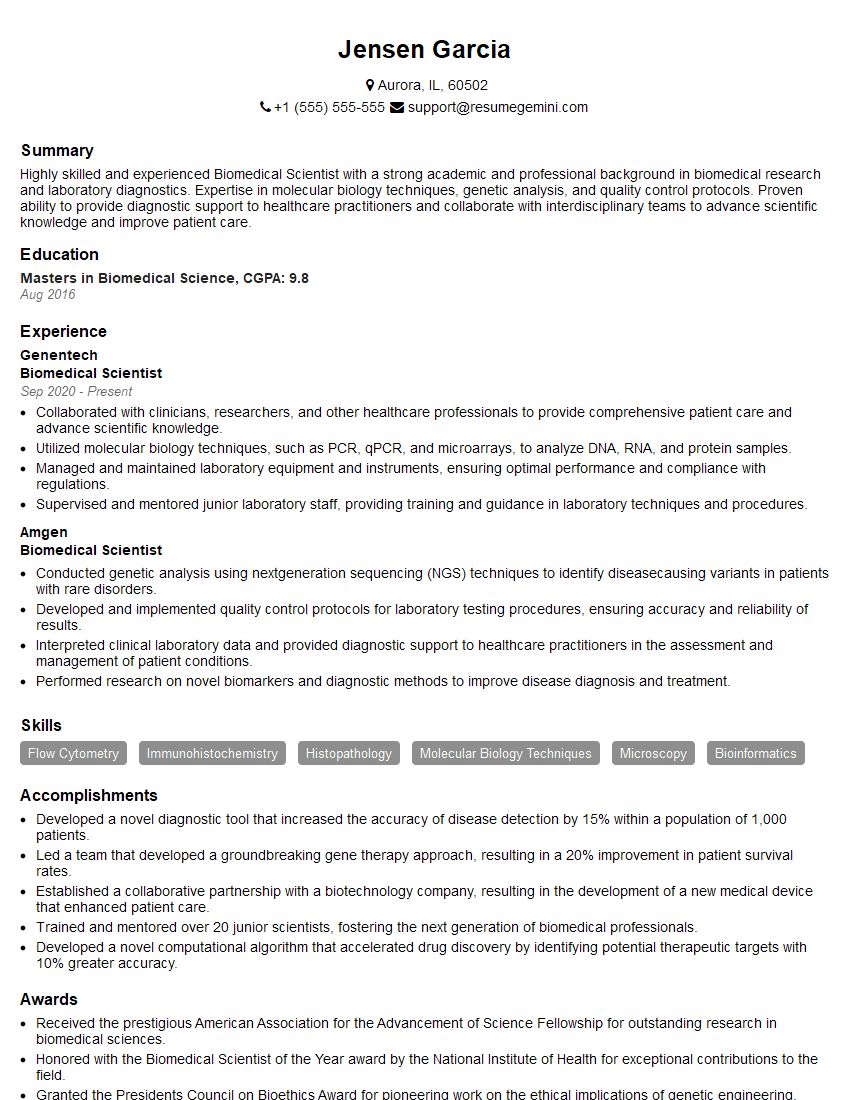
Biomedical Scientist Resume Sample
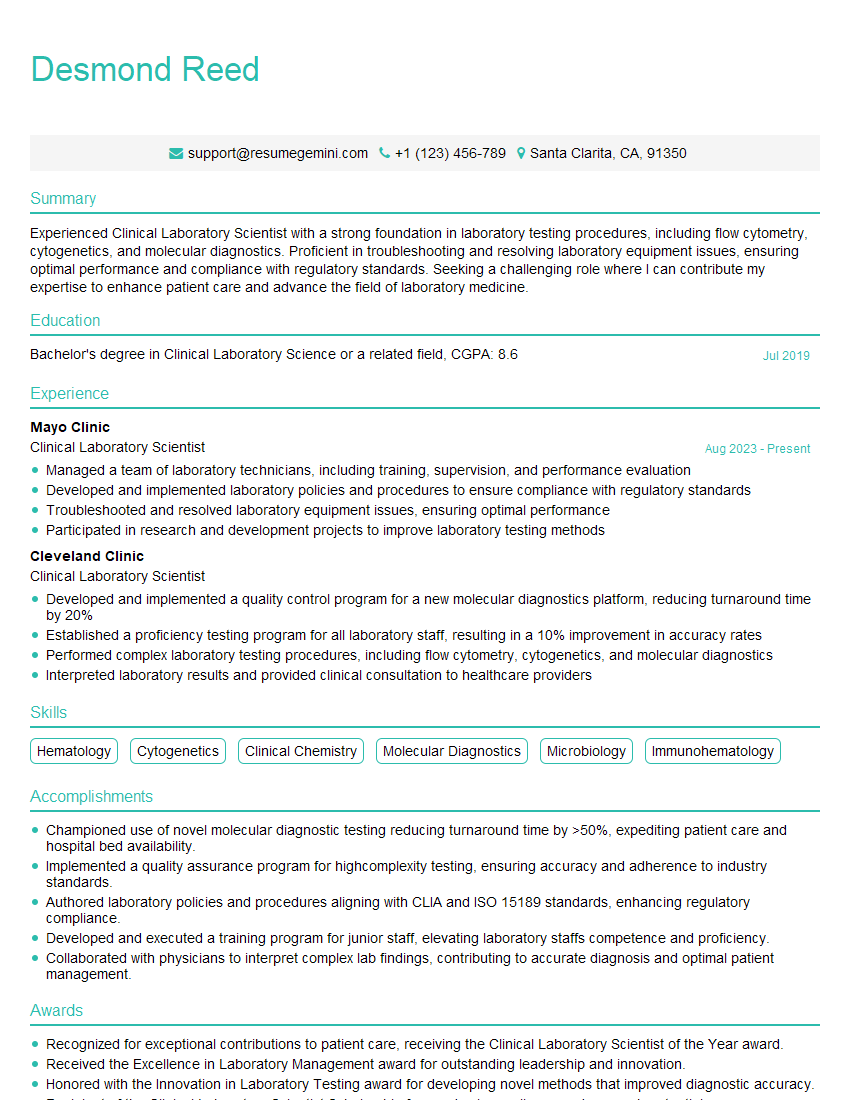
Clinical Laboratory Scientist Resume Sample
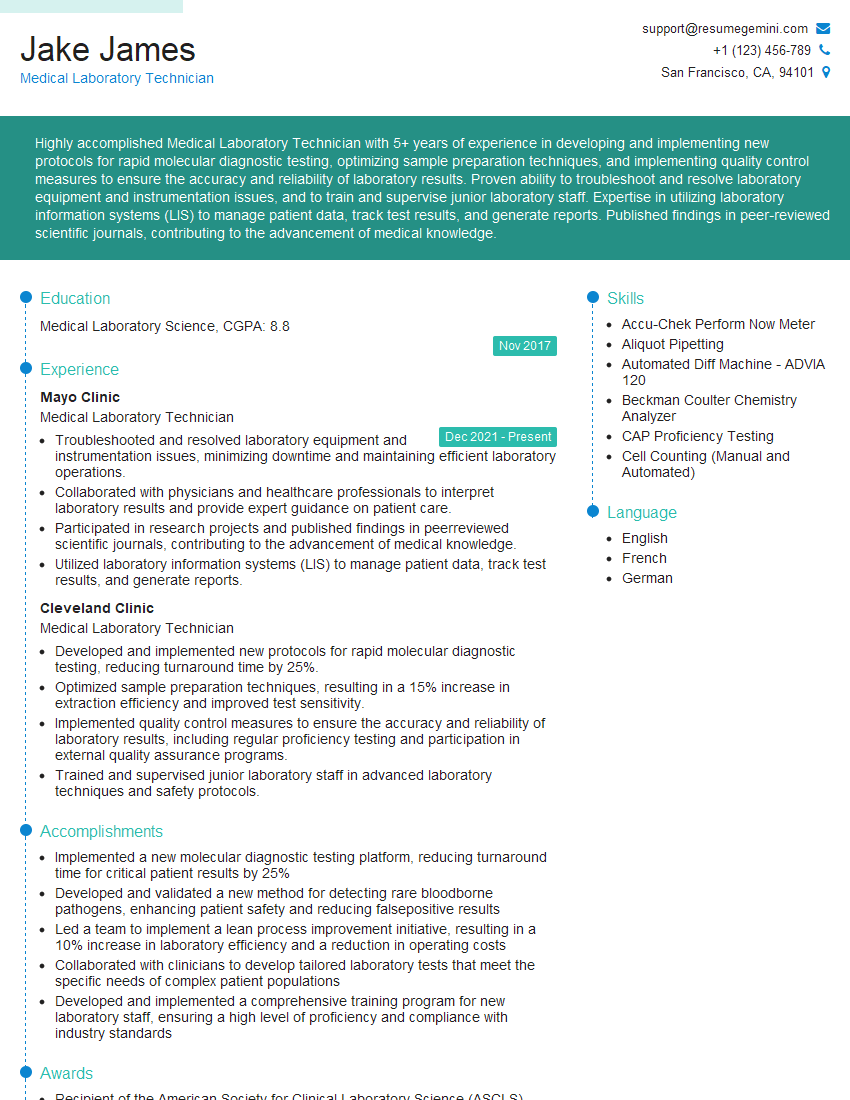
Medical Laboratory Technician Resume Sample
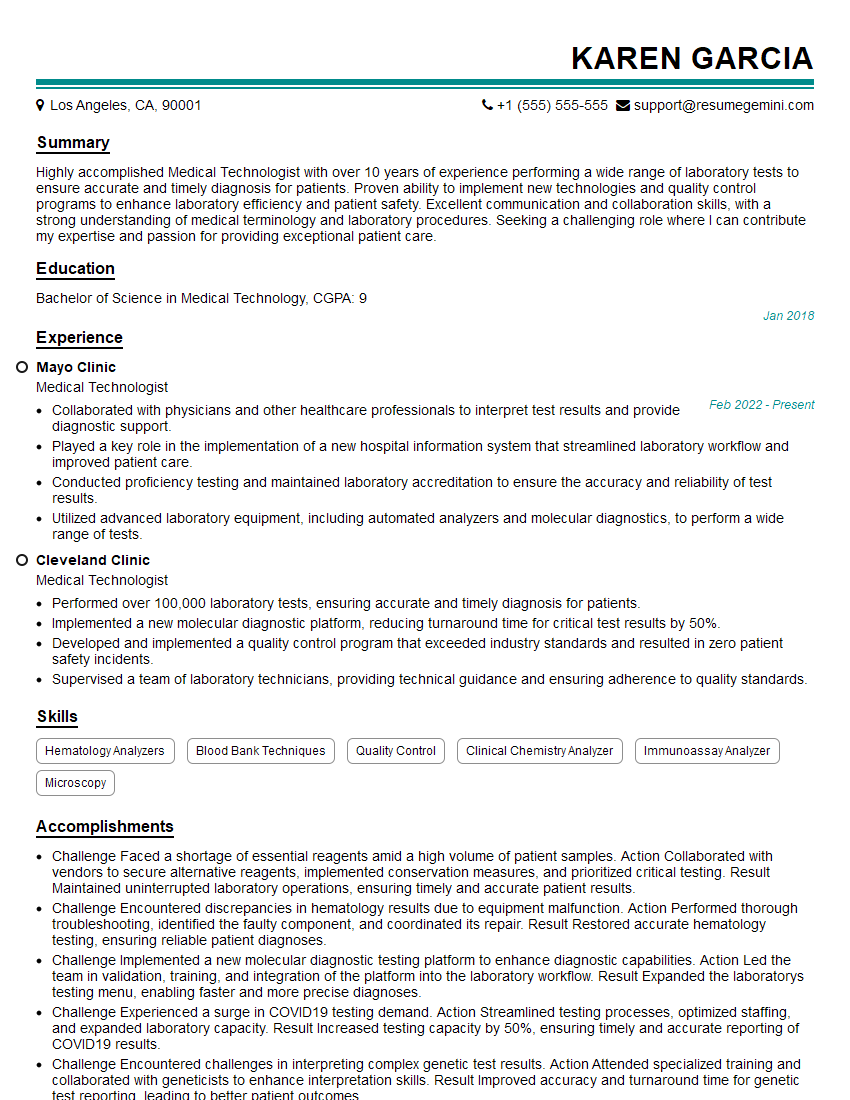
Medical Technologist Resume Sample
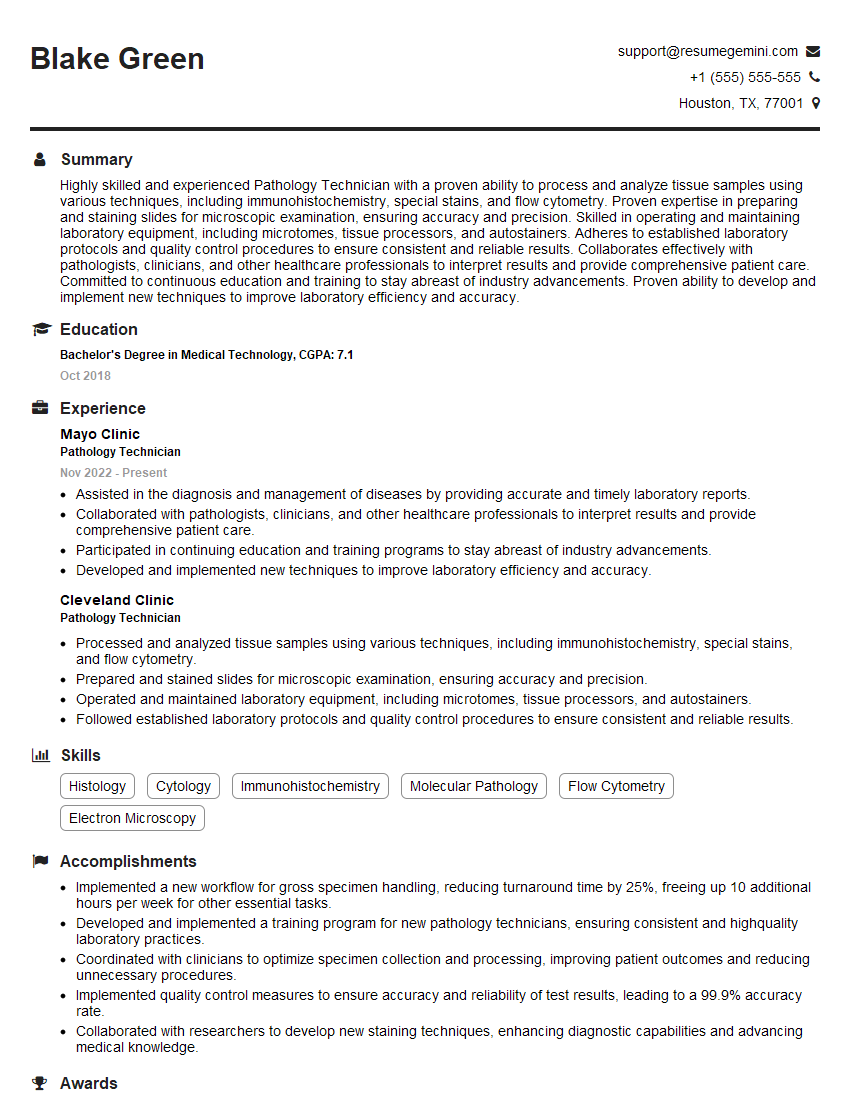
Pathology Technician Resume Sample
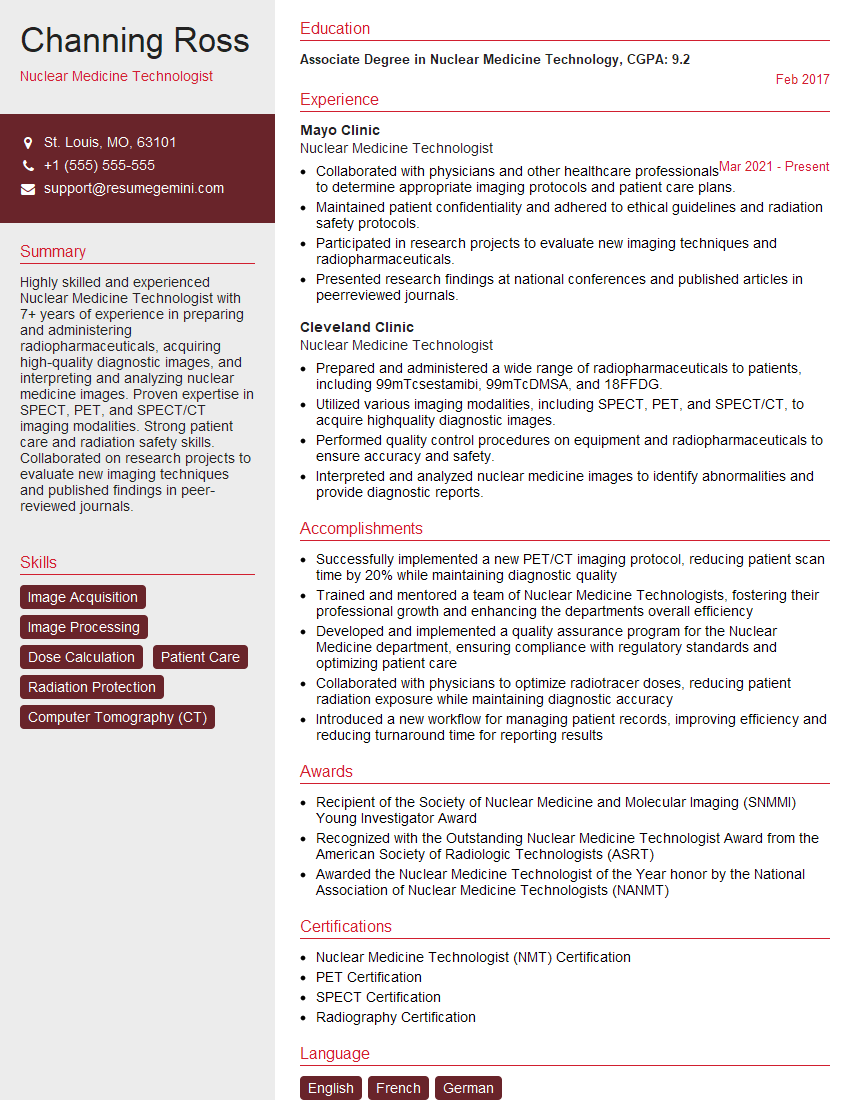
Nuclear Medicine Technologist Resume Sample
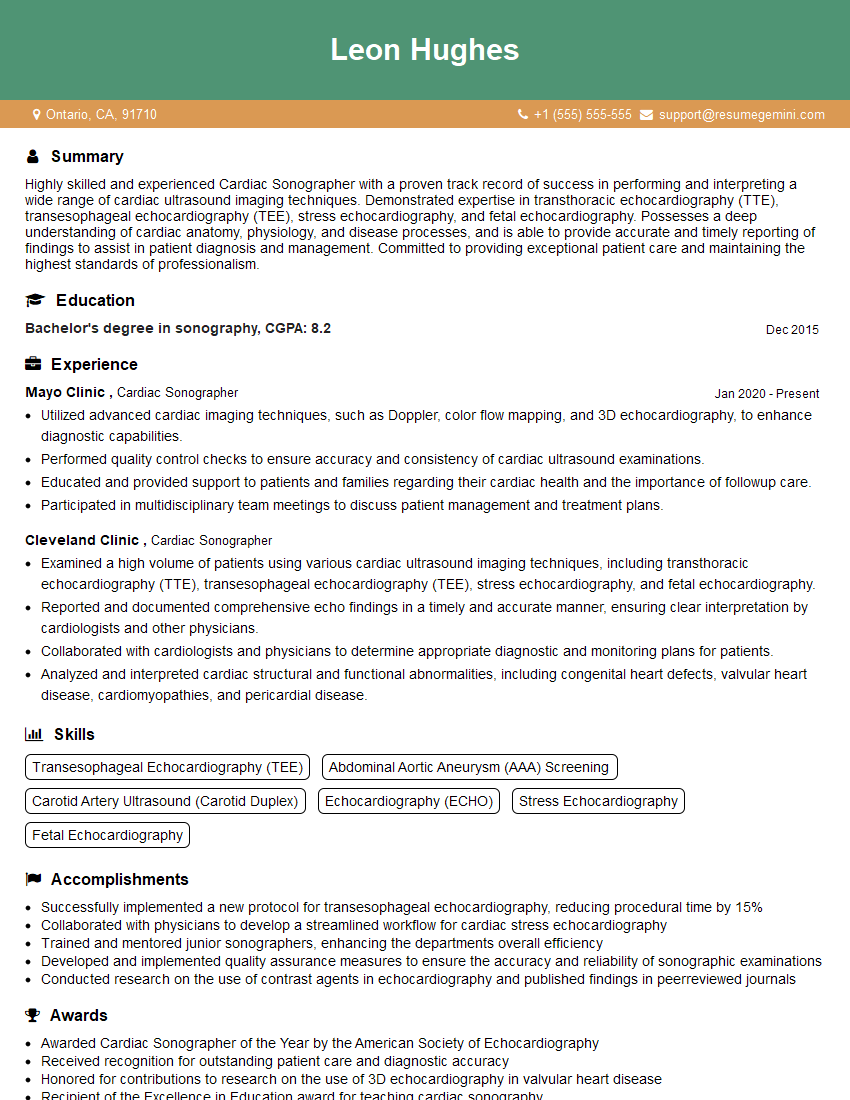
Cardiac Sonographer Resume Sample
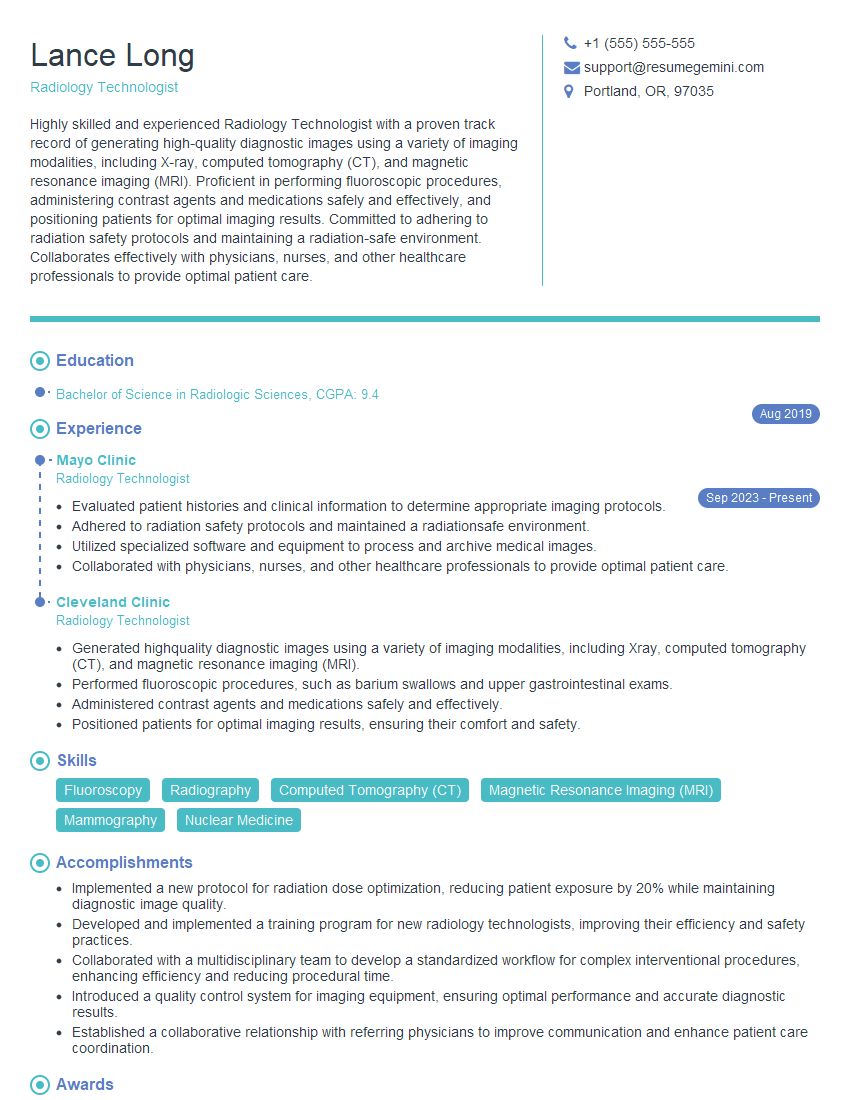
Radiology Technologist Resume Sample
Explore more articles
Users Rating of Our Blogs
Share Your Experience
We value your feedback! Please rate our content and share your thoughts (optional).
What Readers Say About Our Blog
To the interviewgemini.com Webmaster.
Very helpful and content specific questions to help prepare me for my interview!
Thank you
To the interviewgemini.com Webmaster.
This was kind of a unique content I found around the specialized skills. Very helpful questions and good detailed answers.
Very Helpful blog, thank you Interviewgemini team.