Unlock your full potential by mastering the most common Phonological Awareness Therapy interview questions. This blog offers a deep dive into the critical topics, ensuring you’re not only prepared to answer but to excel. With these insights, you’ll approach your interview with clarity and confidence.
Questions Asked in Phonological Awareness Therapy Interview
Q 1. Explain the relationship between phonological awareness and reading acquisition.
Phonological awareness is the cornerstone of reading acquisition. It’s the ability to hear and manipulate the sounds of spoken language, and it directly predicts a child’s success in learning to read. Think of it like this: before a child can build a house (read), they need to understand the individual bricks (phonemes) and how they fit together. Without this understanding of sounds, decoding words becomes incredibly difficult. Strong phonological awareness skills allow children to segment words into sounds, blend sounds to make words, and manipulate sounds within words—all crucial skills for learning to read fluently and accurately. Children who struggle with phonological awareness often struggle with reading, and improving phonological awareness is a key intervention strategy for struggling readers.
Q 2. Describe the key skills involved in phonological awareness.
Key phonological awareness skills build upon each other, progressing from a general awareness of sounds to more complex manipulation. These skills include:
- Rhyme awareness: Identifying words that rhyme (e.g., cat, hat, bat).
- Syllable awareness: Recognizing and counting syllables in words (e.g., ‘butter’ has two syllables).
- Onset-rime awareness: Identifying the beginning sound (onset) and the rest of the word (rime) (e.g., in ‘cat’, ‘c’ is the onset and ‘at’ is the rime).
- Phoneme blending: Combining individual sounds to form a word (e.g., /c/-/a/-/t/ = cat).
- Phoneme segmentation: Breaking down a word into its individual sounds (e.g., cat = /c/-/a/-/t/).
- Phoneme manipulation: Adding, deleting, or substituting sounds within words (e.g., changing ‘cat’ to ‘hat’ by substituting /h/ for /c/).
These skills are interconnected and develop gradually. Mastering one skill often supports the development of others.
Q 3. What are the different levels of phonological awareness?
Phonological awareness is hierarchical; skills develop in stages of increasing complexity. We can categorize these levels as follows:
- Shallow Level: This involves awareness of large units of sound, such as words, syllables, and rhymes. Activities here focus on rhyming, identifying syllables, and recognizing alliteration.
- Deep Level: This involves awareness of smaller units of sound, the phonemes. Activities at this level focus on phoneme blending, segmentation, and manipulation. This is where children are truly manipulating the individual sounds within words.
It’s important to note that a child’s progress through these levels is not always linear. They might demonstrate strong skills in one area while still developing in others.
Q 4. How would you assess a child’s phonological awareness skills?
Assessing a child’s phonological awareness involves using a variety of methods, both formal and informal. Formal assessments use standardized tests with established norms, allowing for comparison to other children of the same age. Informal assessments are more flexible and can be tailored to the child’s individual needs. These assessments might include:
- Informal tasks: These could be simple games like rhyming games, syllable counting activities, or asking the child to blend sounds together to make words.
- Standardized tests: These provide a more objective measure of a child’s skills compared to their peers. Examples include the Test of Phonological Awareness (TOPA) and the Comprehensive Test of Phonological Processing (CTOPP).
- Observation during language activities: Observing the child during play or classroom activities can reveal their ability to manipulate sounds in spontaneous speech.
The assessment should be age-appropriate and focus on a range of phonological awareness skills to obtain a comprehensive understanding of the child’s strengths and weaknesses.
Q 5. What are some common assessment tools used to evaluate phonological awareness?
Several common assessment tools are used to evaluate phonological awareness. The choice depends on factors like the child’s age, suspected difficulties, and the resources available. Some widely used tools include:
- Test of Phonological Awareness (TOPA): This measures rhyming, blending, segmentation, and manipulation skills.
- Comprehensive Test of Phonological Processing (CTOPP): This is a more extensive assessment that evaluates various aspects of phonological processing, including phonological awareness.
- Dynamic Assessment: This approach focuses on assessing a child’s learning potential by observing their responsiveness to specific instructional strategies. It provides insights into the child’s ability to learn new phonological awareness skills with support.
It’s crucial to remember that assessment should be part of a broader evaluation of the child’s overall literacy skills and development.
Q 6. Describe different intervention strategies for improving phonological awareness.
Intervention strategies for improving phonological awareness involve engaging activities that explicitly target specific skills. These activities should be fun, interactive, and tailored to the child’s individual needs and learning style. Examples include:
- Rhyming games: Playing games that involve identifying and generating rhyming words.
- Syllable tapping: Clapping out syllables in words.
- Sound box activities: Using manipulatives to represent sounds in words.
- Blending and segmenting activities: Using pictures or letter cards to blend sounds into words and segment words into sounds.
- Phoneme manipulation activities: Games that involve changing sounds in words (e.g., changing ‘cat’ to ‘hat’).
- Using multisensory techniques: Incorporating visual, auditory, and kinesthetic activities to engage multiple learning channels.
The intensity and duration of intervention depend on the child’s individual needs. Consistent practice and positive reinforcement are crucial for success.
Q 7. How would you differentiate instruction in phonological awareness for children with varying needs?
Differentiating instruction in phonological awareness requires careful consideration of each child’s unique strengths and weaknesses. This includes adjusting the complexity of tasks, the amount of support provided, and the methods used to deliver instruction. For example:
- Children with mild difficulties: These children might benefit from activities that focus on reinforcing existing skills and gradually introducing more challenging tasks.
- Children with significant difficulties: These children might require more intensive intervention, including explicit instruction, multisensory activities, and a high level of support.
- Children with language impairments: These children might require modifications in instruction, focusing on building foundational language skills before targeting phonological awareness. This might involve working on vocabulary development and sentence structure.
- Children with diverse learning styles: Using a variety of teaching methods, including visual aids, auditory cues, and kinesthetic activities, can cater to different learning preferences.
Regular monitoring of progress and adapting the intervention strategy based on the child’s response is essential for ensuring the effectiveness of the instruction.
Q 8. Explain the role of explicit instruction in phonological awareness therapy.
Explicit instruction in phonological awareness therapy is crucial. It means directly teaching children the skills of manipulating sounds in words, rather than relying solely on implicit learning. Think of it like learning to ride a bike – you can’t just be thrown on and expected to succeed; you need guidance on balance, pedaling, and steering. Similarly, children need clear, structured lessons on identifying rhyming words, segmenting words into syllables and phonemes (individual sounds), and blending sounds to form words.
A typical explicit instruction session might involve:
- Modeling: The therapist demonstrates the skill (e.g., segmenting the word ‘cat’ into /c/-/a/-/t/).
- Guided practice: The child practices the skill with the therapist’s support.
- Independent practice: The child works on the skill independently, using games, worksheets, or other activities.
- Feedback: The therapist provides regular feedback to correct errors and reinforce correct responses.
Without explicit instruction, children may struggle to make the necessary connections between sounds and letters, hindering their reading and spelling development.
Q 9. What are the benefits of using games and activities in phonological awareness interventions?
Games and activities are essential in phonological awareness therapy because they transform potentially tedious exercises into engaging experiences. Children learn best when they’re having fun! Games tap into their natural playful nature and motivation, making the learning process enjoyable and less daunting.
The benefits are numerous:
- Increased engagement and motivation: Games keep children actively involved and enthusiastic about learning.
- Improved memory and retention: Playful activities reinforce learning through repetition and engagement.
- Development of multiple skills: Many phonological awareness games also build skills like auditory discrimination, working memory, and attention span.
- Reduced anxiety and pressure: The fun atmosphere minimizes pressure, allowing children to learn at their own pace and build confidence.
For example, using rhyming games like ‘I Spy’ with rhyming words reinforces phonemic awareness. Similarly, using building blocks to represent syllables allows children to visualize the structure of words.
Q 10. How would you adapt your approach to phonological awareness therapy based on a child’s age and developmental level?
Adapting my approach to a child’s age and developmental level is crucial for effective therapy. A preschooler will have different needs than an older elementary student.
My approach involves a careful assessment of the child’s current skills and understanding. For younger children (preschool – early elementary), I’ll focus on basic phonological awareness skills like rhyming, identifying beginning and ending sounds, and syllable segmentation using simple, concrete activities and playful games. For example, I might use picture cards, songs, and manipulative objects. Older children might need more advanced skills, such as phoneme manipulation (adding, deleting, substituting phonemes) and activities focusing on multi-syllable words, requiring a more sophisticated understanding of sounds within words. I might integrate more complex tasks like creating sentences based on provided phonemes or working with spelling patterns.
The key is to gradually increase the complexity of tasks and activities, ensuring the child always feels challenged yet successful, fostering a positive learning experience and building confidence.
Q 11. What are some common challenges encountered when working with children who have phonological awareness deficits?
Several challenges arise when working with children exhibiting phonological awareness deficits. Some common difficulties include:
- Difficulty discriminating between sounds: Children might struggle to distinguish between similar-sounding phonemes (e.g., /b/ and /p/, /m/ and /n/).
- Limited auditory memory: They may have trouble remembering sequences of sounds, making it challenging to blend or segment phonemes.
- Short attention spans: Maintaining focus during therapy sessions can be difficult for some children, impacting learning progress.
- Motivation and engagement issues: Children who struggle may become frustrated, leading to disengagement and reluctance to participate.
- Underlying learning disabilities: Phonological awareness difficulties often co-occur with conditions like dyslexia, requiring a more comprehensive intervention plan.
Addressing these challenges often involves adapting the therapy approach, incorporating multi-sensory activities, providing frequent positive reinforcement, and collaborating with parents and other professionals to create a supportive learning environment.
Q 12. How do you monitor a child’s progress in phonological awareness therapy?
Monitoring progress is ongoing and crucial for adjusting the therapy plan. I use various methods to track a child’s phonological awareness development:
- Regular assessments: I administer formal and informal assessments at regular intervals to gauge their skills and progress in different phonological awareness tasks (rhyming, blending, segmenting, etc.).
- Data collection during therapy sessions: I meticulously record the child’s performance on specific tasks and activities, noting both correct and incorrect responses, to identify areas of strength and weakness.
- Observations of spontaneous language use: I observe the child’s natural language during play and interactions to gauge their progress in applying learned skills in real-life situations.
- Parent and teacher feedback: Regular communication with parents and teachers helps provide additional perspectives on the child’s progress in and out of the therapy setting.
This data informs my decisions regarding the intensity and focus of therapy. If progress is slow, I may need to adjust the activities, introduce new strategies, or address any underlying difficulties.
Q 13. How would you collaborate with parents and other professionals to support a child’s phonological awareness development?
Collaboration is key to successful phonological awareness therapy. I work closely with parents and other professionals, such as teachers and special education specialists, to create a cohesive and supportive learning environment for the child.
Collaboration involves:
- Regular communication: Sharing assessment results, progress reports, and strategies with parents and teachers ensures everyone is on the same page.
- Joint goal setting: Working collaboratively with parents and teachers to set realistic and achievable goals for the child.
- Consistency across settings: Coordinating the intervention strategies used at home, school, and in therapy to maximize the impact of the intervention.
- Sharing resources: Providing parents and teachers with activities and resources they can use to support the child’s phonological awareness development at home and school.
This collaborative approach creates a unified and supportive environment, maximizing the child’s potential and ensuring consistent practice.
Q 14. Describe your experience working with children who have specific learning disabilities, such as dyslexia.
I have extensive experience working with children who have specific learning disabilities, particularly dyslexia. Phonological awareness deficits are a hallmark of dyslexia, so addressing these difficulties is a crucial aspect of my intervention strategy. My approach emphasizes a multi-sensory approach, incorporating visual, auditory, and kinesthetic activities to help children learn and retain information.
For children with dyslexia, I might incorporate:
- Structured literacy instruction: Integrating explicit phonics instruction alongside phonological awareness training.
- Use of visual aids and manipulatives: Using colorful charts, letter tiles, and other visual tools to support learning.
- Emphasis on explicit instruction: Focusing on clear and direct instruction of phonological awareness skills.
- Differentiated instruction: Adapting the intensity and complexity of tasks to meet the individual needs of each child.
- Collaboration with other specialists: Working closely with educational psychologists, special education teachers, and occupational therapists to create a comprehensive intervention plan.
My goal is not only to improve their phonological awareness but to help them develop the foundational skills they need to become successful readers and spellers.
Q 15. What is your understanding of the connection between phonological awareness and oral language development?
Phonological awareness is the bedrock of oral language development. It’s the ability to understand and manipulate the sounds of spoken language, independent of meaning. Think of it as the ‘sound sense’ a child develops. This ‘sound sense’ directly impacts their ability to decode words when learning to read and spell. Strong phonological awareness skills are crucial for successful reading acquisition. A child who can easily identify rhyming words, break words into syllables, or isolate individual sounds within words is much more likely to learn to read smoothly. Conversely, difficulties with phonological awareness often contribute to reading difficulties. It’s a sequential development; mastering simpler skills like rhyming precedes more complex skills like blending and segmenting sounds.
For example, a child with strong phonological awareness can easily identify that ‘cat’ and ‘hat’ rhyme. This understanding lays the groundwork for understanding the relationship between graphemes (letters) and phonemes (sounds) in written language. Without this foundation, a child might struggle to connect the sounds they hear with the letters they see, hindering their reading development.
Career Expert Tips:
- Ace those interviews! Prepare effectively by reviewing the Top 50 Most Common Interview Questions on ResumeGemini.
- Navigate your job search with confidence! Explore a wide range of Career Tips on ResumeGemini. Learn about common challenges and recommendations to overcome them.
- Craft the perfect resume! Master the Art of Resume Writing with ResumeGemini’s guide. Showcase your unique qualifications and achievements effectively.
- Don’t miss out on holiday savings! Build your dream resume with ResumeGemini’s ATS optimized templates.
Q 16. How would you address the needs of a child with a speech sound disorder who also has phonological awareness difficulties?
Addressing a child with both a speech sound disorder (SSD) and phonological awareness difficulties requires a comprehensive and integrated approach. These challenges often coexist and influence each other. The therapy should not treat these issues in isolation.
- Assessment is key: A thorough assessment must identify the specific speech sounds the child struggles to produce (articulation errors) and the phonological processes (patterns of sound errors) present. Simultaneously, a comprehensive phonological awareness assessment will pin-point the specific areas of weakness (e.g., rhyming, blending, segmentation).
- Integrated Intervention: Therapy should directly address both the SSD and phonological awareness deficits simultaneously. For instance, while working on producing the /s/ sound, we might also practice segmenting words containing /s/ to strengthen both articulation and phonological awareness.
- Focus on functional skills: Focus should be placed on skills that directly impact the child’s communication and literacy development. For example, working on improving the child’s ability to blend sounds to read words rather than just practicing isolated sound production in a non-meaningful way.
- Collaboration: Close collaboration between the speech-language pathologist (SLP) and other professionals (e.g., reading specialist, classroom teacher) is vital for creating a consistent and supportive learning environment.
For example, a child struggling to pronounce /r/ and simultaneously having difficulty segmenting sounds in words, might benefit from activities like segmenting words with /r/ (e.g., breaking ‘red’ into /r/-/e/-/d/), while simultaneously practicing articulation exercises to improve the /r/ sound production. The focus remains on functional improvement; how does better sound production and phonological awareness translate to improved reading and communication.
Q 17. Explain the importance of using data-driven decision-making in phonological awareness therapy.
Data-driven decision-making is crucial for effective phonological awareness therapy. It allows for individualized and targeted intervention, maximizing the child’s progress and minimizing wasted time and resources.
- Baseline Assessment: We begin by thoroughly assessing the child’s phonological awareness skills to establish a baseline. This involves using standardized and informal assessments to identify specific areas of strength and weakness.
- Ongoing Monitoring: Regular monitoring of progress using probes and other measures ensures we’re tracking the child’s responses to the intervention. We might use a short, consistent assessment administered weekly to look for improvement.
- Data Analysis: The data collected helps to determine the effectiveness of our interventions. If progress is slow or stalled in a particular area, we adjust our approach accordingly.
- Intervention Adjustment: Data informs adjustments to the intervention. If a specific activity isn’t working, we may need to change the intensity, modify the activity, or try a completely different approach.
For example, if a child shows minimal progress on rhyming activities after several sessions, the data suggests a need to modify the intervention. We might introduce more concrete activities, such as using manipulatives, or shift the focus to other phonological awareness skills that might serve as a stepping stone to rhyming. This cycle of assessment, monitoring, data analysis, and adjustment ensures that therapy remains focused, efficient, and effective.
Q 18. What are some evidence-based practices in phonological awareness intervention?
Evidence-based practices in phonological awareness intervention are rooted in research demonstrating their effectiveness. Some key approaches include:
- Explicit Instruction: Directly teaching phonological awareness skills through clear and structured lessons. This includes modeling, guided practice, and independent practice.
- Multisensory Activities: Engaging multiple senses during activities. For example, using manipulatives or visual aids alongside auditory input to enhance learning.
- Game-Based Learning: Utilizing games and playful activities to make learning fun and engaging, thus boosting motivation and retention.
- Rhyming Activities: Focusing on identifying and generating rhyming words to develop phonemic awareness, the ability to hear and manipulate individual sounds.
- Blending and Segmenting: Explicitly practicing blending phonemes to form words and segmenting words into individual sounds or syllables.
- Phoneme Manipulation: Activities focusing on deleting, substituting, or adding sounds within words to enhance sound awareness and manipulation.
For example, a multisensory approach to blending might involve using letter tiles to build words while simultaneously saying the sounds aloud. This integrates visual, auditory, and kinesthetic learning.
Q 19. How do you ensure that your interventions are culturally responsive and sensitive to diverse learners?
Culturally responsive and sensitive interventions are crucial. We must acknowledge that a child’s background profoundly influences their language development and learning styles.
- Use of Familiar Materials: Using culturally relevant materials and stories in therapy sessions helps to enhance engagement and motivation. We should incorporate familiar characters and contexts.
- Language and Dialect: Recognizing the validity of a child’s home language and dialect is essential. We should avoid imposing a standard dialect if it is different from the child’s home dialect.
- Family Involvement: Including the family in therapy sessions and providing them with resources and guidance is vital for maintaining consistency and creating a supportive home environment.
- Awareness of Cultural Differences: Understanding the child’s cultural background can influence preferred learning styles and interaction patterns. We must adapt our approach to meet their needs.
For instance, incorporating stories and songs from a child’s cultural background into phonological awareness activities can increase their engagement and make the learning process more relevant and meaningful. This shows respect for their cultural identity and fosters a stronger therapeutic relationship.
Q 20. Describe a time when you had to adapt your approach to phonological awareness therapy due to a child’s unique needs.
I once worked with a child who had severe phonological awareness difficulties and significant anxiety related to learning. Initial attempts to use traditional group activities proved unsuccessful. He would withdraw and become frustrated.
I adapted my approach by creating one-on-one sessions using a highly structured and playful approach. We focused on interactive games with manipulatives, utilizing his interests to make the activities more engaging. I also incorporated breaks and positive reinforcement to address his anxiety. Instead of focusing solely on abstract sound manipulation, we used his favorite toys and stories, integrating phonological awareness activities into the play. This approach fostered a sense of trust and improved his participation. His progress was slower but more sustainable, demonstrating the importance of adapting to the child’s individual needs and learning style.
Q 21. How would you explain the concept of phonological awareness to parents?
Explaining phonological awareness to parents requires using simple, relatable language. I’d explain it as the ability to hear and play with the sounds in words. It’s like a child’s ‘sound sense’—the building block for reading and spelling. I often use analogies:
- Think of it like building with LEGOs: Each sound is a LEGO brick. Blending sounds is like putting the bricks together to make a word. Segmenting is taking the word apart into individual sounds (bricks).
- It’s like playing with rhymes: Identifying rhyming words helps children to understand the patterns of sounds in words, which is crucial for reading.
- It’s like musicality with language: Just as music has rhythm and melody, language has sounds and patterns. Phonological awareness helps children recognize these patterns.
I would also emphasize that strong phonological awareness is a key predictor of reading success. By providing parents with simple, age-appropriate activities they can do at home (like rhyming games, syllable clapping, or sound identification), they can actively support their child’s language and literacy development. I always highlight that early intervention is key and even small, consistent efforts can make a big difference.
Q 22. What resources would you recommend to parents to support their child’s phonological awareness development at home?
Supporting phonological awareness at home doesn’t require expensive materials; it’s about making language fun and interactive. Parents can engage their children through everyday activities.
- Rhyming games: Think rhyming books, making up silly rhymes, or playing rhyming games like “I Spy” focusing on sounds. For example, “I spy something that rhymes with cat.”
- Singing songs and nursery rhymes: This naturally exposes children to rhythm, rhyme, and alliteration, fundamental elements of phonological awareness.
- Sound identification games: Play games where you focus on initial sounds. For instance, “What word starts with the /b/ sound like ball?” or “Can you find all the words in this picture book that start with /s/?”
- Syllable clapping: Clap out the syllables in words – “ba-na-na,” “el-e-phant.” Gradually increase the word complexity.
- Sound blending and segmentation: Use manipulatives like blocks or toys. Say “/c/-/a/-/t/,” and have your child blend the sounds to say “cat.” Reverse this with segmentation, breaking words into individual sounds.
- Storytelling and word play: Make up stories together, focusing on sounds, and encourage word play like substituting sounds in familiar words (e.g., changing ‘cat’ to ‘hat’).
Remember, consistency and making it fun are key! Even short, regular sessions are more effective than sporadic, lengthy ones.
Q 23. What professional development activities have you undertaken related to phonological awareness therapy?
My professional development in phonological awareness has been extensive and ongoing. I’ve participated in several workshops and conferences focusing on evidence-based practices in reading intervention. Specifically, I’ve completed advanced training in the Orton-Gillingham approach, which emphasizes explicit and systematic phonics instruction. I’ve also engaged in professional learning communities dedicated to discussing and sharing best practices in phonological awareness therapy with colleagues. This continuous learning ensures I stay abreast of the latest research and methodologies.
Furthermore, I’ve pursued training on the use of dynamic assessment techniques to understand a child’s phonological processing abilities in a more individualized way. This allows me to better tailor my interventions to address each student’s unique strengths and weaknesses.
Q 24. How do you stay current with the latest research and best practices in phonological awareness?
Staying current in phonological awareness requires a multifaceted approach. I regularly read peer-reviewed journals such as the Journal of Speech, Language, and Hearing Research and Reading Research Quarterly. I am a member of professional organizations like the International Dyslexia Association (IDA) and the American Speech-Language-Hearing Association (ASHA), accessing their publications and attending their conferences. These conferences often feature cutting-edge research presentations and workshops, providing opportunities to network with leading experts in the field. I also actively seek out online resources such as reputable websites and research databases (e.g., ERIC) to explore current trends and best practices. Critically evaluating research and discerning evidence-based interventions from fads is a crucial aspect of my professional development.
Q 25. What is your philosophy of working with children and families in the context of phonological awareness therapy?
My philosophy centers around a collaborative and supportive approach. I believe that successful phonological awareness therapy hinges on building a strong partnership between the child, their family, and me. Open communication and shared goals are paramount. I work to create a fun and engaging learning environment where children feel safe to take risks and celebrate their successes. I firmly believe in celebrating small victories along the way to boost their confidence and motivation. This also reduces anxiety and allows for more successful learning.
Furthermore, I emphasize family involvement, providing parents with practical strategies and resources they can utilize at home to reinforce the skills learned in therapy sessions. I view families as essential partners in the child’s language development journey.
Q 26. Describe your experience with using technology to support phonological awareness instruction.
Technology plays a significant role in my phonological awareness instruction. I use a variety of apps and online programs to supplement my in-person sessions. For example, many interactive apps effectively practice blending and segmenting sounds, offering immediate feedback and making learning engaging. Some apps use game-like features to build motivation and track progress, providing valuable data that can inform my therapy sessions. These technologies are especially beneficial for keeping children engaged and motivated, particularly for those who might find traditional methods less stimulating.
However, I am careful to choose programs that align with evidence-based practices and integrate them thoughtfully into my overall treatment plan. Technology is a valuable tool but should not replace direct instruction and interaction. It should complement and enhance the learning process, not dictate it.
Q 27. How would you integrate phonological awareness instruction into a broader literacy curriculum?
Phonological awareness is the cornerstone of reading success and should be seamlessly integrated throughout the literacy curriculum, not treated as an isolated skill. It should be a foundational element of early literacy instruction from the very beginning, starting in preschool and continuing through the early elementary grades. I emphasize embedding phonological awareness activities in various subjects.
- Pre-reading activities: Before reading aloud, engage students in activities like rhyming games, identifying beginning and ending sounds, or segmenting words into syllables.
- During reading instruction: Explicitly teach phonics, paying close attention to sound-letter correspondence and manipulating sounds within words.
- Writing activities: Integrate activities focused on spelling patterns and manipulating sounds in writing exercises.
- Across the curriculum: Integrate phonological awareness into other subject areas, such as science and social studies, by incorporating activities that reinforce these skills.
A crucial aspect is ensuring that these activities are developmentally appropriate and systematically sequenced, progressing from simpler to more complex phonological tasks. Consistent and explicit instruction across all literacy areas is essential for building a strong foundation in reading and writing.
Key Topics to Learn for Phonological Awareness Therapy Interview
- Phoneme Segmentation and Blending: Understanding the ability to break down words into individual sounds (segmentation) and blend sounds together to form words. Practical application: Designing activities to improve a child’s ability to segment and blend phonemes.
- Rhyme and Alliteration: Recognizing rhyming words and words that begin with the same sound. Practical application: Implementing games and activities that utilize rhyme and alliteration to enhance phonological awareness.
- Syllable Awareness: Identifying and manipulating syllables within words. Practical application: Developing strategies to teach children to count and clap out syllables, and to blend and segment syllables.
- Onset-Rime Segmentation: Separating the beginning sound (onset) from the rest of the word (rime). Practical application: Designing intervention strategies that focus on manipulating onsets and rimes to improve reading skills.
- Assessment and Intervention Strategies: Understanding various assessment tools used to evaluate phonological awareness skills and different intervention approaches based on assessment results. Practical application: Choosing and implementing appropriate therapy techniques for diverse learners.
- Relationship to Reading Development: Understanding the crucial role phonological awareness plays in the development of reading and spelling skills. Practical application: Explaining the connection between phonological awareness and reading difficulties to parents and educators.
- Evidence-Based Practices: Familiarity with research-based interventions and their effectiveness in improving phonological awareness. Practical application: Justifying your therapeutic choices with evidence from relevant research.
Next Steps
Mastering Phonological Awareness Therapy opens doors to rewarding careers in education, speech-language pathology, and related fields. A strong foundation in this area is highly sought after, making you a competitive candidate. To maximize your job prospects, create a resume that highlights your skills and experience effectively. An ATS-friendly resume is crucial for getting noticed by recruiters. ResumeGemini is a trusted resource for building professional, ATS-optimized resumes, and we offer examples tailored specifically to Phonological Awareness Therapy roles to help you showcase your expertise. Invest the time to create a compelling resume—it’s your first impression on potential employers.
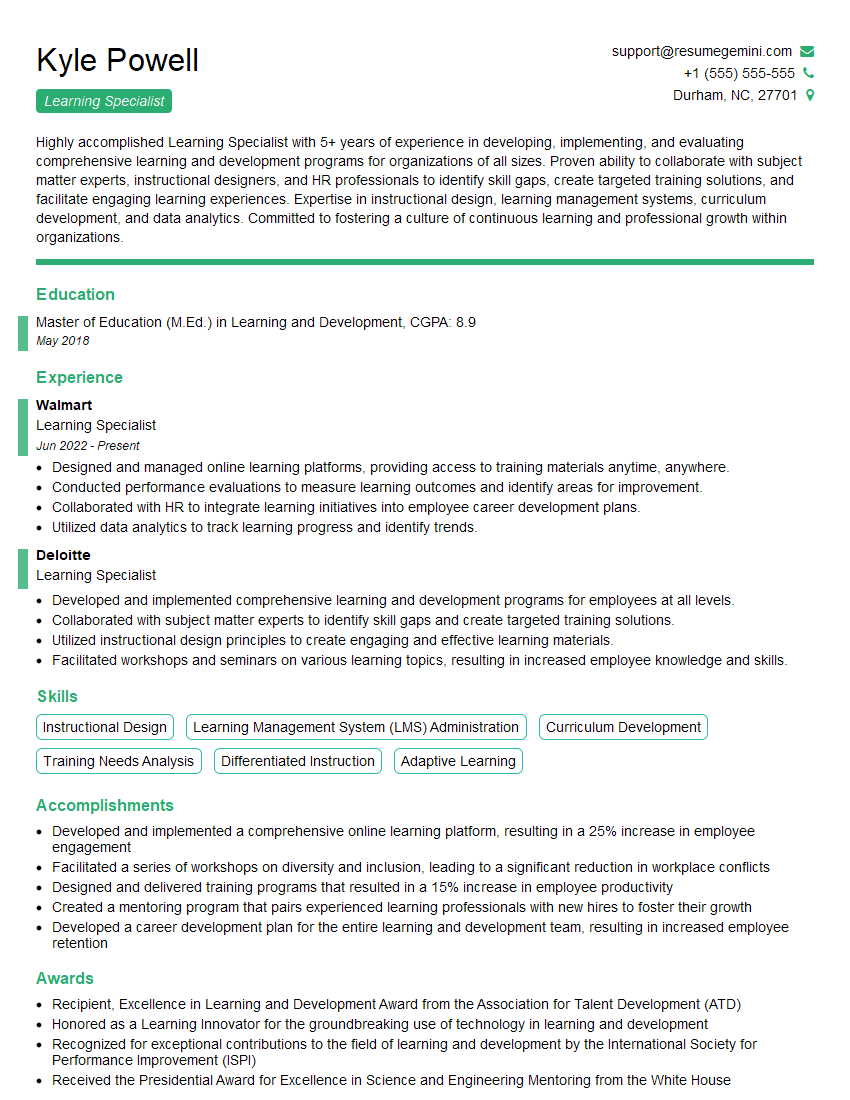
Learning Specialist Resume Sample
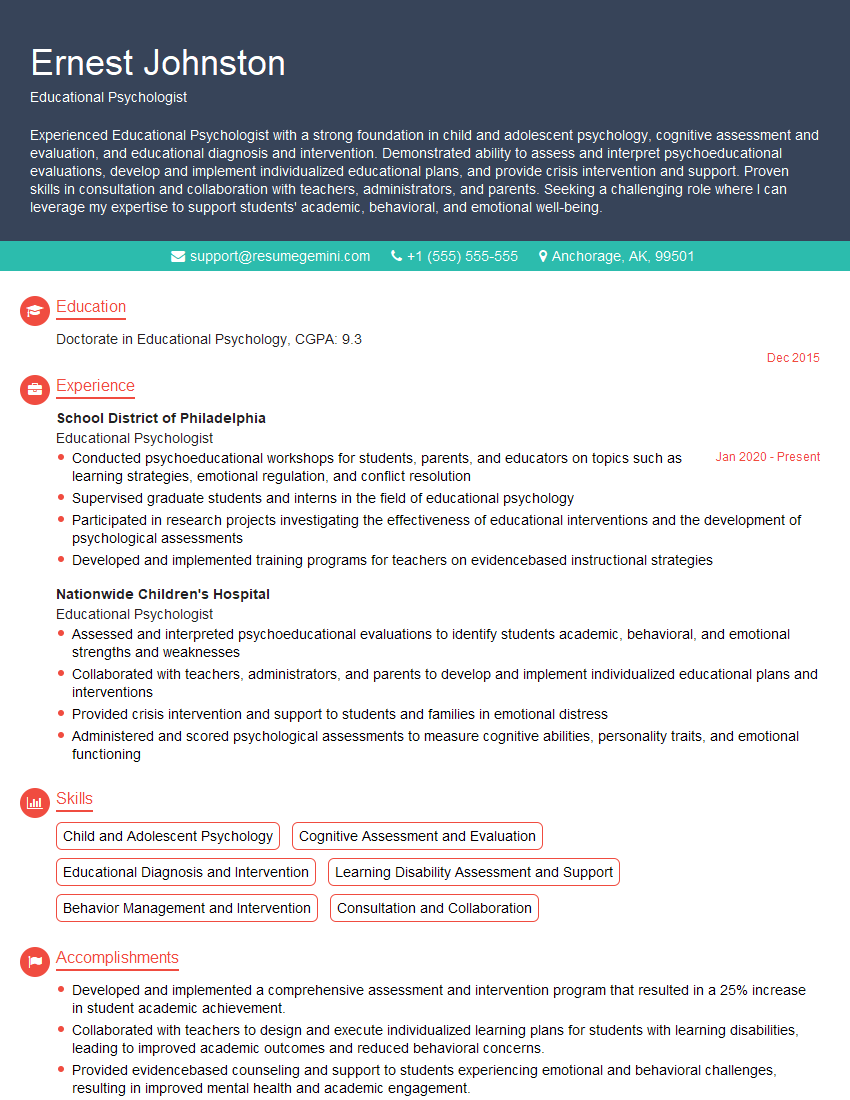
Educational Psychologist Resume Sample
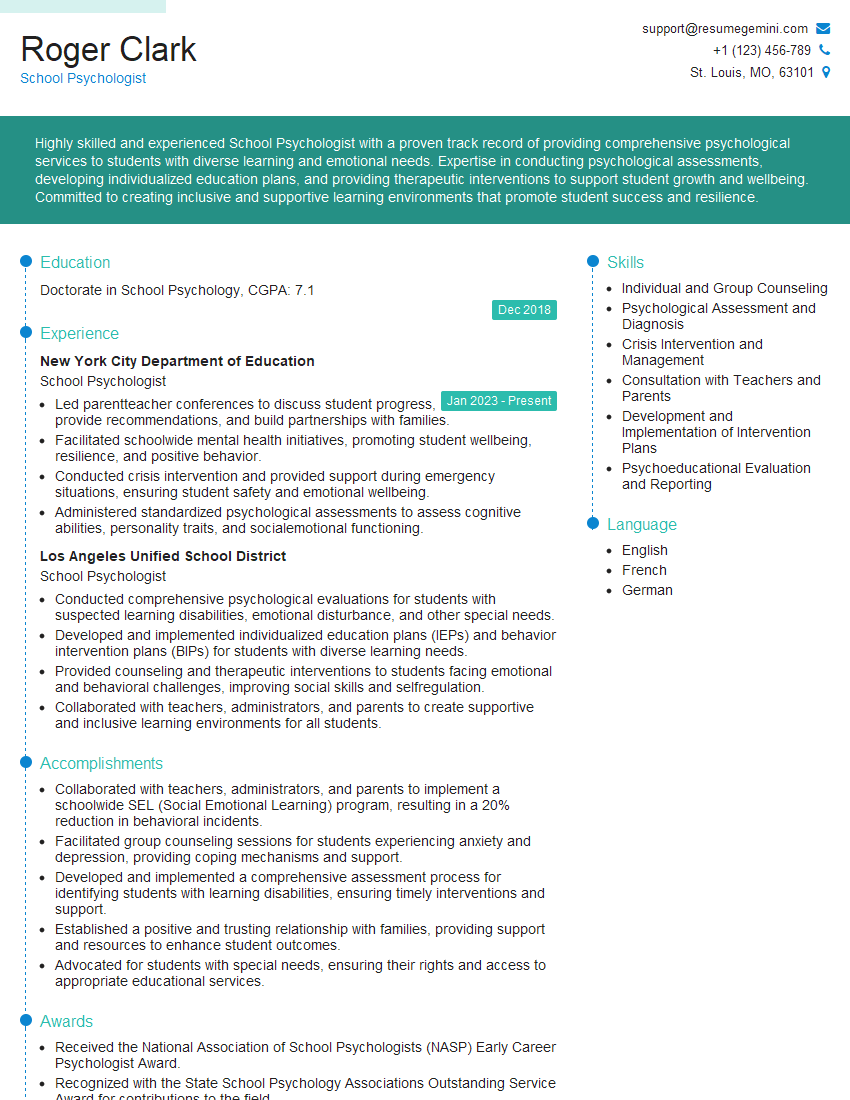
School Psychologist Resume Sample
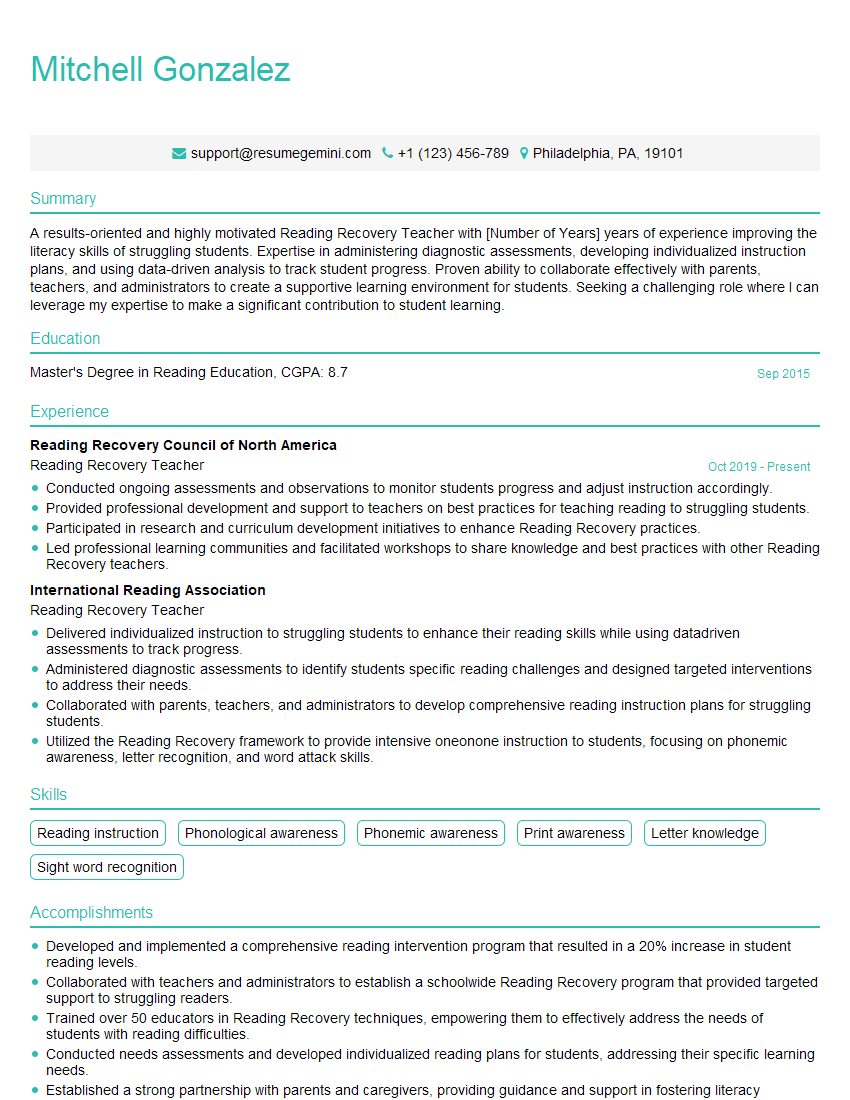
Reading Recovery Teacher Resume Sample
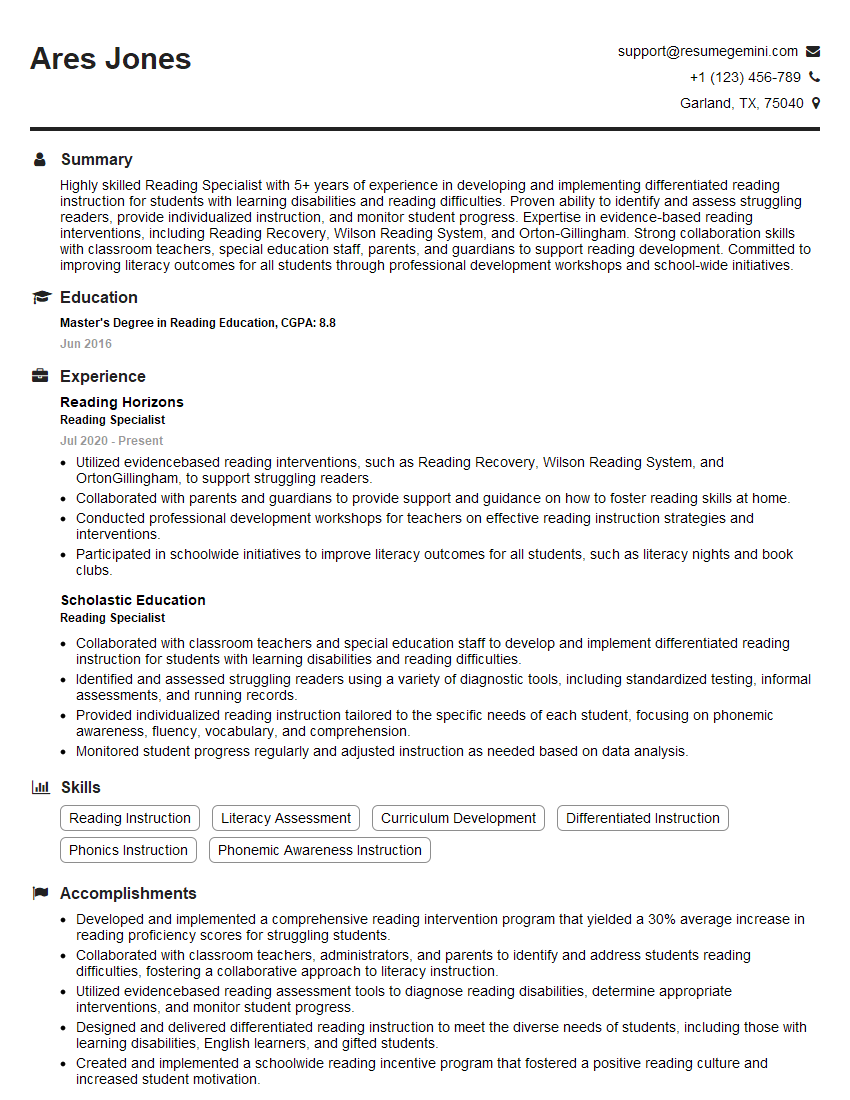
Reading Specialist Resume Sample
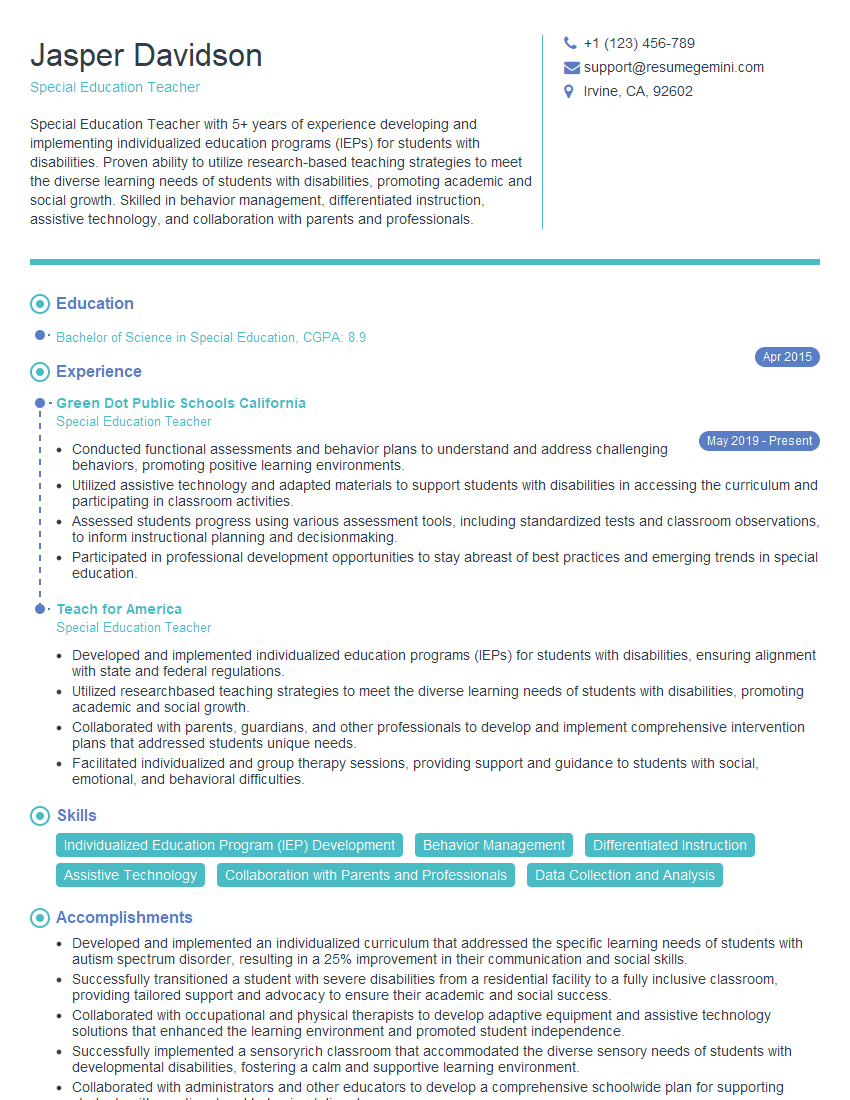
Special Education Teacher Resume Sample
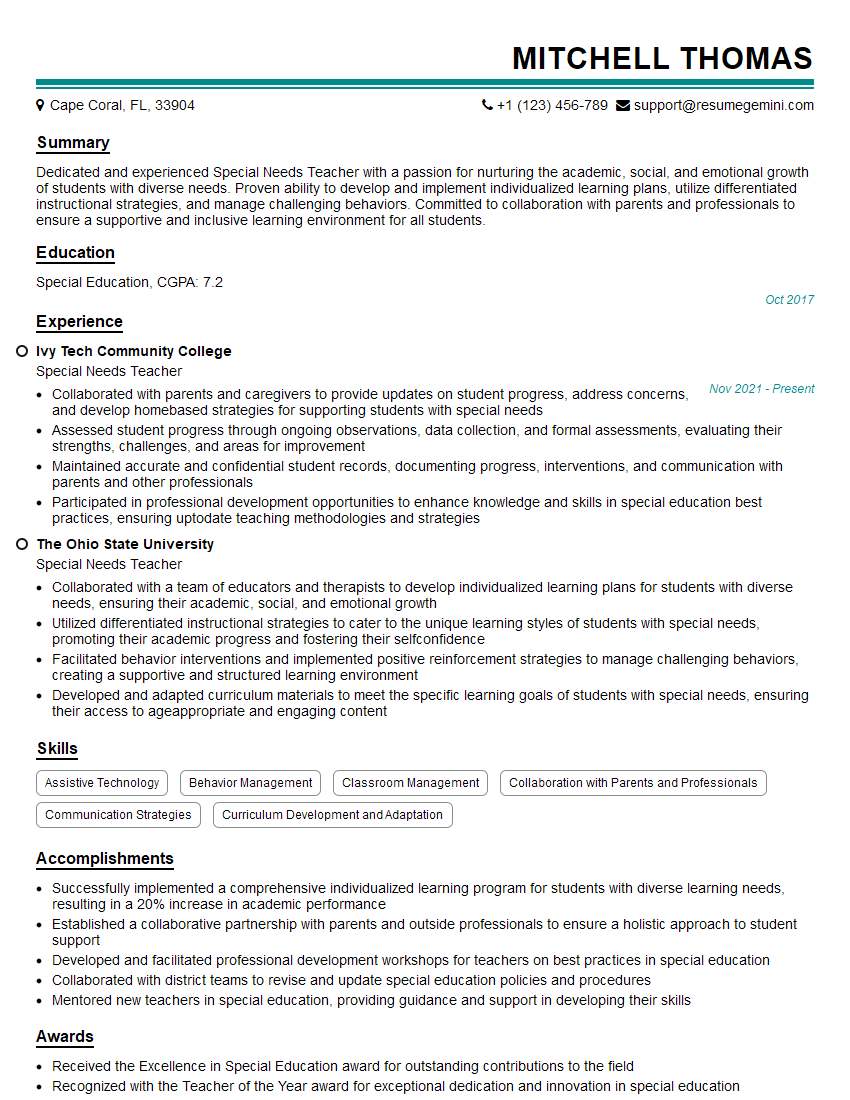
Special Needs Teacher Resume Sample
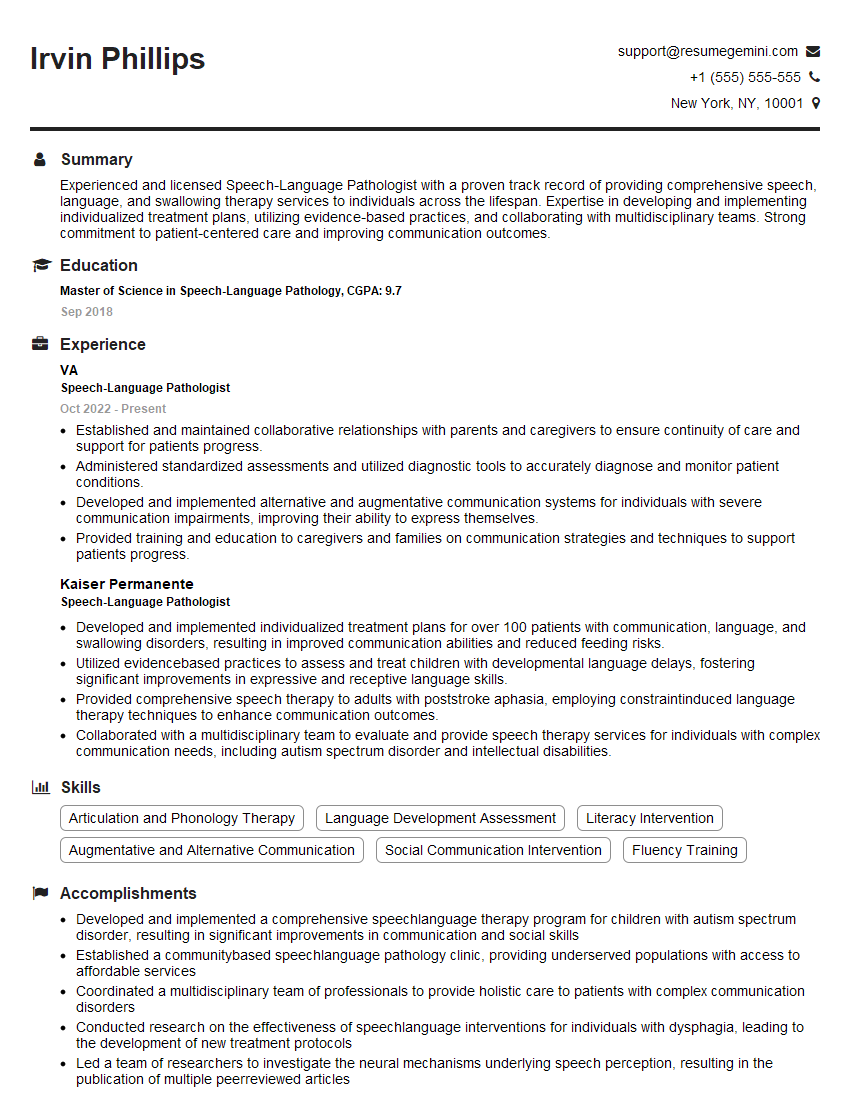
Speech-Language Pathologist Resume Sample
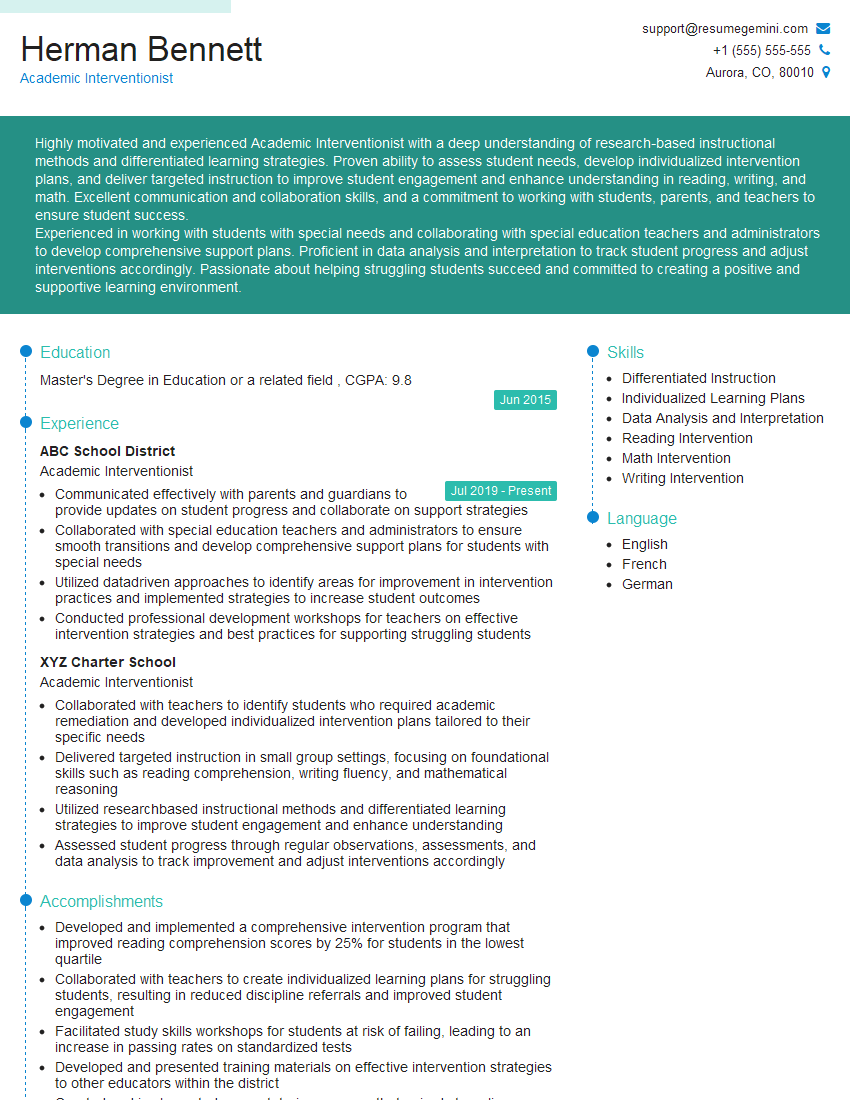
Academic Interventionist Resume Sample
Explore more articles
Users Rating of Our Blogs
Share Your Experience
We value your feedback! Please rate our content and share your thoughts (optional).
What Readers Say About Our Blog
To the interviewgemini.com Webmaster.
Very helpful and content specific questions to help prepare me for my interview!
Thank you
To the interviewgemini.com Webmaster.
This was kind of a unique content I found around the specialized skills. Very helpful questions and good detailed answers.
Very Helpful blog, thank you Interviewgemini team.