The right preparation can turn an interview into an opportunity to showcase your expertise. This guide to Physical examination and medical history taking interview questions is your ultimate resource, providing key insights and tips to help you ace your responses and stand out as a top candidate.
Questions Asked in Physical examination and medical history taking Interview
Q 1. Describe your approach to obtaining a comprehensive medical history from a patient.
Obtaining a comprehensive medical history is the cornerstone of effective patient care. My approach is systematic and patient-centered, aiming to build a narrative that informs diagnosis and treatment. It begins with a warm greeting and establishing rapport. I then employ a structured approach, starting with identifying information (name, age, date of birth, etc.). Next, I delve into the chief complaint—the primary reason for the visit—using open-ended questions like, “Tell me about what brought you in today?” This allows the patient to describe their concerns in their own words. I follow this with a detailed exploration of the history of the present illness (HPI), using the mnemonic SOAP (Subjective, Objective, Assessment, Plan) to guide my questioning. This includes onset, location, character, duration, aggravating and relieving factors, associated symptoms, and any previous treatments. Then, I obtain a thorough review of systems (ROS), systematically inquiring about each body system to uncover any other relevant symptoms, even if seemingly unrelated to the chief complaint. Finally, I gather information about past medical history, surgical history, family history, social history (including lifestyle, occupation, and substance use), and medication history. Throughout the process, I actively listen, clarifying any uncertainties, and validating the patient’s experiences. I always ensure the patient feels heard and understood.
For example, if a patient presents with chest pain, the HPI would go beyond just the pain itself, exploring factors such as radiation, severity, timing, and any associated symptoms like shortness of breath or nausea. The ROS would then encompass questions about other systems like the cardiovascular, respiratory, and gastrointestinal systems to rule out alternative diagnoses.
Q 2. Explain the importance of active listening during patient history taking.
Active listening is crucial for building trust and obtaining accurate information. It’s more than just hearing words; it’s about paying attention to both verbal and nonverbal cues. This includes maintaining eye contact, nodding to show understanding, using verbal affirmations like “I understand,” and mirroring the patient’s emotions. By actively listening, I can detect inconsistencies, identify underlying emotions, and ensure I fully understand the patient’s perspective. This prevents misunderstandings and facilitates a more thorough and accurate history. For instance, a patient might say they’re ‘fine,’ but their body language might suggest anxiety or discomfort. Active listening allows me to explore this discrepancy and uncover potentially crucial information.
Active listening also helps build rapport, as patients feel valued and understood when they are truly heard. This fosters a collaborative environment where they feel comfortable sharing even sensitive information.
Q 3. How do you ensure patient confidentiality during the history-taking process?
Patient confidentiality is paramount and governed by ethical principles and legal regulations like HIPAA (Health Insurance Portability and Accountability Act) in the US. I strictly adhere to these guidelines. This starts with ensuring the privacy of the interview setting. Conversations are held in private rooms, away from prying ears. All medical records are stored securely, both physically and electronically, with access restricted to authorized personnel only. I never discuss patient information with unauthorized individuals, even family members, without the patient’s explicit consent. When discussing cases with colleagues, I always use de-identified information or anonymized case studies. The patient’s right to confidentiality is central to the trust inherent in the doctor-patient relationship, and safeguarding this right is a non-negotiable aspect of my professional practice.
Q 4. What techniques do you use to build rapport with patients during a physical examination?
Building rapport is essential for a successful physical examination. It begins before the examination even starts, during the history taking. Showing genuine empathy and understanding during this phase sets the stage for a comfortable and cooperative examination. During the physical examination itself, I use techniques like introducing each step clearly, explaining the purpose and procedure in simple terms. I make sure to maintain appropriate eye contact and use a gentle touch. I also pay close attention to the patient’s nonverbal cues, responding appropriately to any signs of discomfort or anxiety. For example, if a patient seems apprehensive about a specific procedure, I might pause, explain it again in more detail, or offer reassurance. I always maintain respectful communication and a non-judgmental attitude, creating a safe and trusting environment.
Humor, when appropriate, can also help to ease tension and create a more relaxed atmosphere. It’s crucial to remember that building rapport is an ongoing process that extends throughout the entire patient interaction.
Q 5. Describe the steps involved in performing a thorough cardiovascular examination.
A thorough cardiovascular examination involves a systematic assessment of several key areas. It starts with observing the patient for any visible signs, such as cyanosis (bluish discoloration of the skin), clubbing (abnormal widening of the fingertips), or edema (swelling). Next, I assess the jugular venous pressure (JVP) to estimate right atrial pressure. Palpation of the carotid arteries allows assessment for bruits (abnormal sounds) indicating stenosis. Then, I auscultate the heart in all five auscultatory areas (aortic, pulmonic, tricuspid, mitral, and Erb’s point) using the diaphragm and bell of the stethoscope to identify murmurs, extra heart sounds (such as S3 or S4 gallops), and changes in heart rate and rhythm. I then palpate the apical impulse to assess heart size and location. Finally, I assess the peripheral pulses (radial, brachial, femoral, popliteal, posterior tibial, and dorsalis pedis) for rate, rhythm, and strength, and check for edema in the extremities. Each step is documented thoroughly, including the location, timing, and character of any abnormalities found.
Q 6. How do you assess respiratory function during a physical examination?
Assessing respiratory function involves observation, palpation, percussion, and auscultation. I begin by observing the patient’s respiratory rate, rhythm, and effort. I look for signs of respiratory distress, such as nasal flaring, use of accessory muscles, or cyanosis. Palpation helps assess chest expansion and tactile fremitus (vibrations felt on the chest wall during speech). Percussion reveals the presence of hyperresonance (increased air) or dullness (consolidation or fluid). Finally, auscultation using the stethoscope allows me to listen to breath sounds in various lung fields, identifying normal vesicular sounds, adventitious sounds like crackles, wheezes, or rhonchi, and assessing vocal resonance. I also assess the patient’s cough, sputum production (color, consistency, amount), and any associated symptoms like dyspnea (shortness of breath), chest pain, or hemoptysis (coughing up blood). All findings are systematically recorded.
Q 7. Explain your approach to neurological examination.
A neurological examination evaluates the function of the central and peripheral nervous systems. It typically begins with an assessment of mental status, including level of consciousness, orientation, memory, and cognitive function. Cranial nerve examination assesses the function of each of the 12 cranial nerves through specific tests. Motor system evaluation includes assessment of muscle strength, tone, bulk, and coordination. Sensory system examination tests various sensory modalities, including light touch, pain, temperature, vibration, and proprioception (awareness of body position). Reflexes are tested to evaluate the integrity of reflex arcs. Finally, cerebellar function is assessed through tests of coordination, balance, and gait. The examination is tailored to the patient’s specific concerns and findings during the history. For instance, if a patient reports weakness in one arm, a more focused examination of the motor system in that limb would be warranted.
Q 8. How do you document your findings from a physical examination?
Documenting physical examination findings requires a systematic and detailed approach. I use a structured format, typically following the SOAP (Subjective, Objective, Assessment, Plan) note method or a similar system dictated by my institution. The Subjective section includes the patient’s reported symptoms and medical history. The Objective section is where I meticulously record my physical examination findings. This includes vital signs (heart rate, blood pressure, respiratory rate, temperature, oxygen saturation), followed by a head-to-toe assessment, documenting findings for each body system. For example, for the cardiovascular system, I’d note heart rate and rhythm, presence or absence of murmurs, etc. I use precise medical terminology and avoid vague descriptions. The Assessment section involves my interpretation of the findings, formulating potential diagnoses. Finally, the Plan outlines my proposed treatment, diagnostic tests, and follow-up care.
Example: Instead of writing “heart sounds irregular,” I’d write “Irregularly irregular heart rhythm with a rate of 110 bpm; no murmurs, rubs, or gallops appreciated.” Using quantifiable data and precise terms minimizes ambiguity and ensures clear communication with other healthcare providers.
Q 9. What are the key components of a complete abdominal examination?
A complete abdominal examination involves four key components: inspection, auscultation, percussion, and palpation. This systematic approach minimizes discomfort for the patient and maximizes the information gathered.
- Inspection: This begins with observing the abdomen’s overall shape, contour, and any visible abnormalities like scars, distension, or masses. Skin color and the presence of lesions are also noted.
- Auscultation: Using a stethoscope, I listen to bowel sounds in all four quadrants. The presence, frequency, and character of bowel sounds (e.g., normal, hyperactive, hypoactive, absent) are documented. I also listen for bruits (abnormal vascular sounds) over the abdominal aorta and renal arteries.
- Percussion: This involves tapping the abdomen to assess the density of underlying organs and detect the presence of fluid (ascites) or masses. Dullness might indicate a solid organ, while tympany suggests gas-filled structures.
- Palpation: Gentle palpation is performed initially to assess muscle tone and tenderness. Deeper palpation helps to identify masses, organomegaly (enlarged organs), and areas of tenderness. The order of palpation—starting with light palpation and progressing to deeper palpation—is crucial for minimizing patient discomfort and maximizing diagnostic yield.
The sequence is important; for instance, auscultation should be performed before palpation as palpation can alter bowel sounds.
Q 10. Describe the process of assessing skin integrity during a physical examination.
Assessing skin integrity involves a thorough visual examination, paying attention to several key features. I observe the skin’s color, moisture, temperature, texture, and turgor (elasticity). I look for lesions such as rashes, bruises, ulcers, or wounds, meticulously documenting their location, size, shape, color, and any associated features (e.g., drainage, crusting). I also assess for any signs of infection, such as redness, swelling, warmth, or pain.
Color: Variations from the patient’s normal skin tone, like pallor (pale), cyanosis (blue), jaundice (yellow), or erythema (redness), can indicate underlying conditions.
Turgor: Assessing skin turgor involves gently pinching a fold of skin. Slow return to its normal position indicates dehydration.
Lesions: I use standardized terminology to describe lesions. For instance, I might describe a lesion as a 2cm erythematous, well-circumscribed macule on the patient’s left forearm. Documentation should include the use of precise terms such as macule, papule, vesicle, pustule, nodule, etc., rather than vague terms.
Q 11. How do you identify and document abnormal findings during a physical examination?
Identifying and documenting abnormal findings requires a systematic approach. During the examination, I compare findings to established norms and the patient’s baseline. Any deviation warrants detailed documentation. I use clear and concise language, specifying the location, size, and characteristics of the abnormality. I avoid subjective interpretations and focus on objective observations.
Example: Instead of writing “abnormal heart sounds,” I’d specify: “Grade III systolic ejection murmur heard at the left sternal border, radiating to the carotids, consistent with aortic stenosis.” The use of precise terminology is crucial for conveying information effectively to other healthcare providers.
Documentation: Photographs can be invaluable for documenting skin lesions or other visible abnormalities. It’s crucial to document my findings objectively, avoiding subjective interpretations. The patient’s chart serves as the official record and should be meticulously maintained to ensure accuracy and legal compliance.
Q 12. Explain your understanding of the significance of vital signs in patient assessment.
Vital signs—heart rate, blood pressure, respiratory rate, temperature, and oxygen saturation—provide crucial information about a patient’s physiological state. They serve as a baseline for assessing overall health and detecting early signs of deterioration. Monitoring changes in vital signs is vital in identifying potential complications and guiding treatment decisions. For example, a sudden increase in heart rate or respiratory rate could indicate infection, while a drop in blood pressure could signal shock.
Significance: Vital signs offer a snapshot of cardiovascular, respiratory, and thermoregulatory function. They help to assess the effectiveness of interventions, monitor the patient’s response to treatment, and provide essential data for ongoing medical management. Deviations from the norm warrant further investigation.
Example: A patient with pneumonia might present with an elevated temperature, increased respiratory rate, and potentially decreased oxygen saturation. Monitoring these vital signs allows for timely adjustments to treatment.
Q 13. How do you handle a patient who is reluctant to provide a complete medical history?
Handling a reluctant patient requires empathy, patience, and a non-judgmental approach. I begin by building rapport, creating a safe and comfortable environment. I explain the importance of a complete medical history in providing the best possible care, emphasizing confidentiality and respecting their concerns. I avoid pressuring the patient but gently encourage them to share as much information as they feel comfortable with. It’s important to understand their hesitations – perhaps they feel embarrassed, scared, or distrustful.
Strategies: I use open-ended questions, allowing them to share information at their own pace. I might focus on specific aspects of their health history, gradually building trust and encouraging disclosure. I could explore their concerns and address any misconceptions. If necessary, I might involve family members or a social worker to facilitate communication.
Example: If a patient is reluctant to discuss substance use, I might start by asking general questions about their lifestyle and health habits, gradually approaching the topic with sensitivity and respect. The key is to avoid judgment and ensure they feel heard and understood.
Q 14. Describe a situation where you had to adapt your approach to physical examination based on patient limitations.
I once had a patient with severe osteoarthritis who experienced significant pain and limited range of motion. A standard physical examination wasn’t feasible. I had to modify my approach to minimize discomfort and ensure patient safety.
Adaptation: Instead of performing a full range-of-motion assessment, I focused on passively assessing the joints that were accessible and not overly painful. For palpation, I used lighter pressure to avoid exacerbating pain. I incorporated other methods for assessing function, such as observation during everyday movements (e.g., getting in and out of a chair).
Communication: Throughout the examination, I maintained clear and consistent communication with the patient, explaining each step and ensuring their comfort. I worked closely with the patient, respecting their pain tolerance, and ensuring the exam was tailored to their limitations while still gathering relevant information.
Q 15. How do you interpret and document auscultatory findings (heart and lungs)?
Interpreting and documenting auscultatory findings involves systematically listening to heart and lung sounds using a stethoscope and then accurately recording your observations. For the heart, I listen for rate, rhythm, and the presence of any abnormal sounds like murmurs (whooshing sounds) or rubs (scratching sounds). For the lungs, I assess breath sounds (normal, diminished, or adventitious like crackles or wheezes), and note any presence of rales, rhonchi, or pleural rubs. Documentation is crucial and follows a standardized format. For example, a normal heart finding might be documented as: “Heart rate 72 bpm, regular rate and rhythm, no murmurs, rubs, or gallops.” An abnormal finding, such as a murmur, would be described in detail, including its location, timing (systolic or diastolic), grade (on a scale of 1-6), and quality (e.g., harsh, blowing). Similarly, lung auscultation findings are meticulously documented. For instance: “Breath sounds clear to auscultation bilaterally. No wheezes, crackles, or rhonchi.” Any abnormal findings are described precisely with their location, characteristics (e.g., timing in the respiratory cycle, pitch, and intensity), and any associated symptoms.
Example: A patient presents with shortness of breath. During lung auscultation, I hear crackling sounds (crackles) in the lower lung fields bilaterally, indicative of fluid in the lungs (pulmonary edema). I would document this as: “Auscultation of the lungs reveals bilateral basilar crackles. Breath sounds are diminished in the lower lobes.”
Career Expert Tips:
- Ace those interviews! Prepare effectively by reviewing the Top 50 Most Common Interview Questions on ResumeGemini.
- Navigate your job search with confidence! Explore a wide range of Career Tips on ResumeGemini. Learn about common challenges and recommendations to overcome them.
- Craft the perfect resume! Master the Art of Resume Writing with ResumeGemini’s guide. Showcase your unique qualifications and achievements effectively.
- Don’t miss out on holiday savings! Build your dream resume with ResumeGemini’s ATS optimized templates.
Q 16. Explain your knowledge of common physical examination techniques used for different body systems.
My knowledge of physical examination techniques spans various body systems. For the cardiovascular system, beyond auscultation, I perform palpation to assess heart rate and rhythm, and check for thrills (vibrations) indicating turbulent blood flow. I also assess for peripheral pulses, noting their rate, rhythm, and strength. For the respiratory system, in addition to auscultation, I perform inspection to observe respiratory rate and effort, chest shape and symmetry, and use palpation to assess tactile fremitus (vibrations felt during speech). For the abdominal system, I use inspection, auscultation (bowel sounds), percussion (to assess organ size and density), and palpation (gentle to deep, assessing for tenderness, masses, or organomegaly). For the neurological system, I assess mental status, cranial nerves, motor strength and tone, reflexes, coordination, and sensory function. The integumentary system examination includes inspection for skin lesions, color, turgor, and moisture. For the musculoskeletal system, I assess range of motion, muscle strength, and palpate for tenderness or deformity. Each system has specific techniques and considerations to ensure a comprehensive assessment.
Q 17. How do you differentiate between subjective and objective findings during a physical examination?
Subjective findings are what the patient tells you – their symptoms. These are reported in their own words and include things like pain level, nausea, fatigue, or shortness of breath. Objective findings are what you observe and measure yourself during the physical examination. These are factual, quantifiable observations. For example, a patient complaining of chest pain (subjective) may have elevated blood pressure (objective) and abnormal heart sounds (objective) upon auscultation. Differentiating between subjective and objective data is vital for accurate diagnosis and planning the management. Subjective data helps us understand the patient’s experience and the context of their symptoms. Objective findings provide measurable evidence to support or refute the patient’s subjective complaints and contribute to the overall clinical picture.
Example: A patient reports feeling dizzy (subjective). On examination, I find their blood pressure to be 80/50 mmHg (objective), a finding consistent with orthostatic hypotension.
Q 18. What are some common pitfalls to avoid during physical examination?
Several pitfalls can compromise the accuracy and effectiveness of a physical examination. A major one is bias; preconceived notions about the patient can influence your interpretation of findings. Another is inattention to detail; rushing the exam or overlooking subtle cues can lead to missed diagnoses. Lack of proper technique, for example, inaccurate palpation or auscultation, can also result in errors. Failure to consider the patient’s context (age, medical history, social factors) can lead to misinterpretations. Insufficient communication with the patient – not establishing rapport or not explaining the procedure – can cause anxiety and affect the examination. Finally, ignoring patient cues, dismissing what the patient tells you as subjective without considering it within the larger context, can lead to diagnostic errors. Avoiding these pitfalls requires meticulous attention, methodical technique, and excellent communication skills.
Q 19. Describe your proficiency in using medical terminology and documentation.
I am proficient in using medical terminology and documentation. My documentation is clear, concise, and comprehensive, adhering to standardized formats. I use precise anatomical terms to describe findings and avoid vague language. I use abbreviations sparingly and only when they are universally understood. My charting includes all relevant subjective and objective data, and I am careful to document any inconsistencies or unusual findings. I’m familiar with different electronic health record (EHR) systems and can adapt to various documentation styles. I regularly review medical terminology and update my knowledge to maintain accuracy and efficiency in communication. Correct terminology is vital for effective communication among healthcare professionals and ensuring continuity of care.
Q 20. How do you maintain professional boundaries while performing a physical examination?
Maintaining professional boundaries during a physical examination is paramount. I ensure the patient’s comfort and privacy at all times. Explaining each step of the exam before proceeding is crucial, gaining informed consent at each stage. The examination should only be performed in a well-lit, private area, and chaperones should be available if the patient requests or if the situation warrants it. Maintaining a professional distance both physically and emotionally is key. I use appropriate language, avoid any form of inappropriate behavior, and dress professionally. If there’s a need for a more intimate examination, I explain it clearly and respect the patient’s response, ensuring that they feel safe and respected throughout the process. Documentation is also strictly professional and factual.
Q 21. How do you handle situations where you encounter unexpected findings during a physical exam?
Encountering unexpected findings during a physical exam requires a systematic approach. First, I would carefully re-evaluate the finding to ensure its accuracy. Then, I would consider the differential diagnosis – a list of possible conditions that could explain the unexpected finding. This involves synthesizing the subjective and objective data, including the patient’s medical history, risk factors, and current medications. I may conduct additional tests or examinations to further investigate the finding. For example, if I discover an unexpected lump during a breast exam, I would need to order further imaging (mammography, ultrasound) to determine its nature. I would thoroughly document my findings and any additional investigations. Finally, I would discuss the findings with the patient, explaining the next steps in a clear, calm, and compassionate manner. It’s crucial to balance thoroughness with the patient’s emotional well-being and avoid alarming them unnecessarily.
Q 22. Describe your approach to communicating findings to both patients and other healthcare professionals.
Communicating findings effectively is crucial for both patient care and interprofessional collaboration. With patients, I prioritize clear, concise language, avoiding medical jargon. I explain findings in a way that is easy to understand, using analogies or simple explanations where necessary. For example, if a patient has a heart murmur, I might explain it as a ‘whooshing sound’ heard during the heartbeat, rather than using complex cardiac terminology. I always encourage questions and ensure the patient feels comfortable and informed.
When communicating with other healthcare professionals, I use precise medical terminology and structured reporting. I present my findings systematically, starting with the chief complaint and then outlining the history, physical examination findings, and my assessment and plan. For instance, I might use standardized reporting formats or templates to ensure clarity and consistency. This fosters efficient communication and collaboration, promoting optimal patient care.
Q 23. How do you utilize your findings from the physical examination and medical history to formulate a differential diagnosis?
Formulating a differential diagnosis involves systematically analyzing the information gathered from the medical history and physical examination. I start by identifying the patient’s chief complaint and then build a detailed history, focusing on the relevant systems. The physical examination systematically assesses each system, looking for signs and symptoms that correlate with the history. For example, if a patient presents with chest pain, the history would explore details like the character of the pain, associated symptoms, risk factors for cardiac disease, etc. The physical examination would focus on cardiac auscultation, assessing for murmurs, gallops, and other abnormalities.
Once both are complete, I develop a list of possible diagnoses (the differential diagnosis) based on the pattern of findings. This isn’t a random process; it uses clinical reasoning and pattern recognition honed through experience. For example, chest pain with shortness of breath and abnormal heart sounds might suggest myocardial infarction, while similar pain with fever and lung findings could indicate pneumonia. Laboratory tests and imaging studies are then used to refine the differential and arrive at a definitive diagnosis.
Q 24. How do you prioritize patient needs when multiple issues are presented during history taking?
Prioritizing patient needs when multiple issues are presented requires a structured approach. I use a combination of urgency and impact to determine priority. Life-threatening conditions, such as acute respiratory distress or uncontrolled bleeding, always take precedence. I employ a method of ABCDE assessment (Airway, Breathing, Circulation, Disability, Exposure) to rapidly triage emergencies.
For non-emergent situations, I utilize a combination of factors like the severity of symptoms, potential for long-term complications, and patient preferences. I engage the patient in shared decision-making, discussing the relative urgency and potential consequences of addressing each issue. Documentation is crucial in this process, ensuring that all issues are addressed systematically, even if not concurrently. A clear plan detailing the prioritization of issues, along with the rationale, is included in the patient’s record.
Q 25. What resources do you use to stay updated on best practices for physical examinations?
Staying current in physical examination best practices is essential. I utilize a multi-pronged approach: I regularly review established guidelines and resources such as those from the American Academy of Family Physicians and the American College of Physicians. These organizations provide evidence-based recommendations and updates on examination techniques. I actively participate in continuing medical education (CME) courses and workshops that focus on physical diagnosis, often including hands-on training and case studies.
Furthermore, I subscribe to relevant medical journals and regularly review publications on advancements in physical examination techniques and diagnostic accuracy. Finally, I actively engage in peer learning and discussion with colleagues, sharing experiences and insights to maintain a high level of proficiency.
Q 26. Describe your experience with performing physical examinations on patients of diverse ages and health conditions.
My experience encompasses a wide range of patient populations, from neonates to geriatric patients, and across various health conditions. I adapt my approach to the patient’s age and physical capabilities. For example, examining an infant involves different techniques than examining an elderly patient with decreased mobility. I am skilled in performing physical examinations on patients with a wide array of physical limitations or conditions such as obesity, limited range of motion, or cognitive impairment. My technique is modified to optimize comfort and safety, while still ensuring a comprehensive examination. A crucial aspect of this is building rapport with patients of all ages, creating a safe and comfortable environment to effectively facilitate the exam.
Q 27. How do you ensure the accuracy and completeness of your documentation during and after the physical examination?
Accuracy and completeness of documentation are paramount. I utilize a structured approach to charting, ensuring that all aspects of the history and physical examination are recorded systematically and legibly. I use standardized terminology and abbreviations where appropriate, but always prioritize clarity. During the examination, I record findings immediately, reducing the risk of missed details or inaccuracies due to reliance on memory. I also use tools like flowcharts or templates to ensure consistent recording across all patients. After the examination, I review the documentation for completeness and accuracy before finalizing the record. This thoroughness ensures that my assessment and plan reflect the complete clinical picture.
Q 28. Explain how you would handle a situation where a patient’s stated symptoms do not correlate with your physical examination findings.
Discrepancies between a patient’s stated symptoms and my physical examination findings warrant a thorough investigation. It is crucial to avoid premature conclusions. The first step is to carefully re-evaluate both the history and the physical examination, clarifying details and looking for inconsistencies or areas needing further exploration. This may involve asking open-ended questions to delve deeper into the patient’s description of symptoms or employing additional diagnostic tools during the physical exam.
For instance, if a patient complains of severe abdominal pain, but the physical examination reveals only mild tenderness, I might consider alternative diagnoses, such as psychological factors or atypical presentations of common conditions. I would investigate further by ordering relevant investigations, such as blood tests, imaging studies, or specialist consultations, to identify the underlying cause. This careful process ensures that no critical aspects are overlooked and that the patient receives the appropriate management, even if the initial assessment indicated otherwise. It is important to maintain open communication with the patient throughout this investigative phase.
Key Topics to Learn for Physical Examination and Medical History Taking Interview
- Building Rapport and Effective Communication: Mastering the art of establishing trust and open communication with patients to obtain accurate and complete information.
- Systematic Approach to Medical History Taking: Understanding the structure of a comprehensive medical history, including presenting complaint, history of presenting illness, past medical history, family history, social history, and review of systems. Practical application: Practicing taking a detailed history using a standardized format.
- Performing a Thorough Physical Examination: Learning the techniques and order of a complete physical exam, including vital signs, general appearance, and systematic examination of each body system. Practical application: Practicing physical examination techniques on peers or mannequins, focusing on proper technique and documentation.
- Interpreting Findings and Differential Diagnosis: Developing the ability to analyze collected data from the history and physical examination to formulate a differential diagnosis and prioritize next steps. Practical application: Case studies and problem-solving exercises.
- Documentation and Record Keeping: Understanding the importance of accurate, clear, and concise documentation of findings and clinical reasoning. Practical application: Practicing writing comprehensive patient notes adhering to established medical standards.
- Ethical Considerations and Patient Confidentiality: Understanding and applying ethical principles related to patient care, including informed consent and maintaining confidentiality. Practical application: Analyzing ethical dilemmas related to medical history taking and physical examination.
- Recognizing and Responding to Urgent Clinical Situations: Identifying potential life-threatening conditions during the history and physical examination and taking appropriate action. Practical application: Scenarios and case studies involving urgent or emergent situations.
Next Steps
Mastering physical examination and medical history taking is crucial for success in any healthcare role. These skills are fundamental to providing excellent patient care and are highly valued by employers. To significantly improve your job prospects, focus on crafting an ATS-friendly resume that highlights these abilities. ResumeGemini is a trusted resource that can help you build a professional and impactful resume. Examples of resumes tailored to showcase expertise in physical examination and medical history taking are available to help you create a compelling application that stands out from the competition.
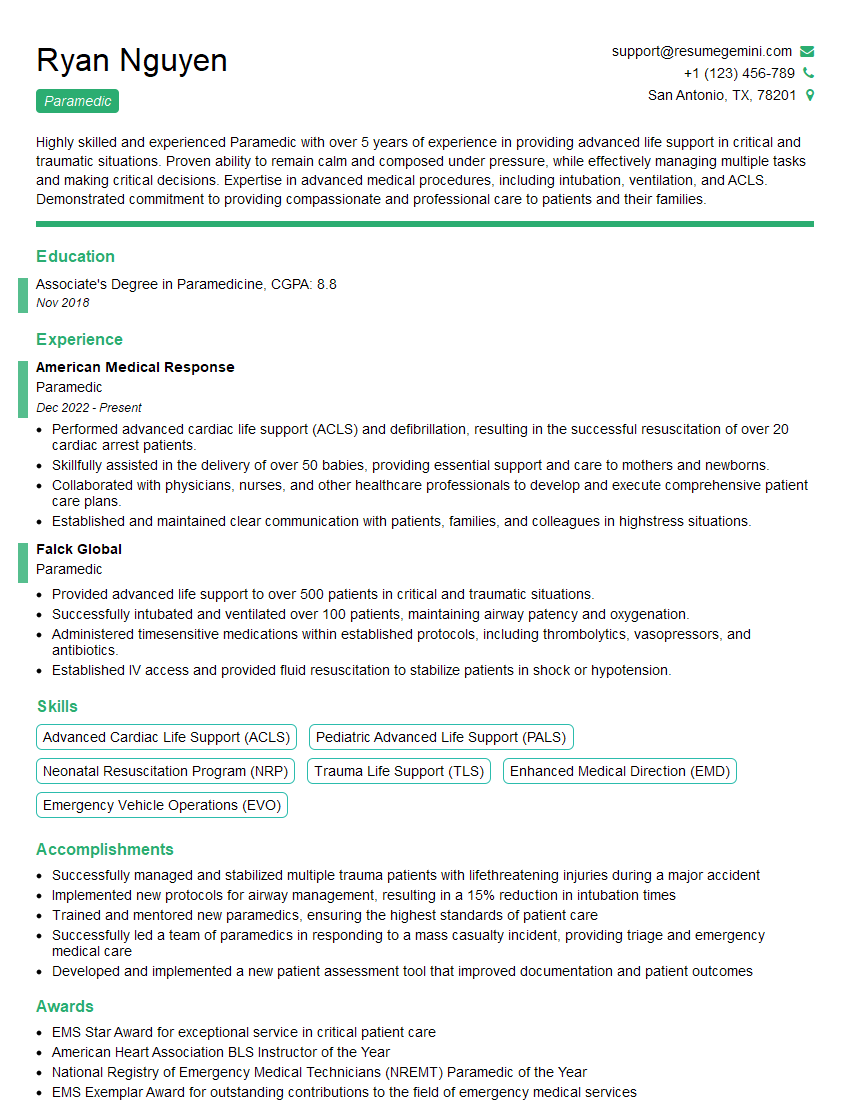
Paramedic Resume Sample
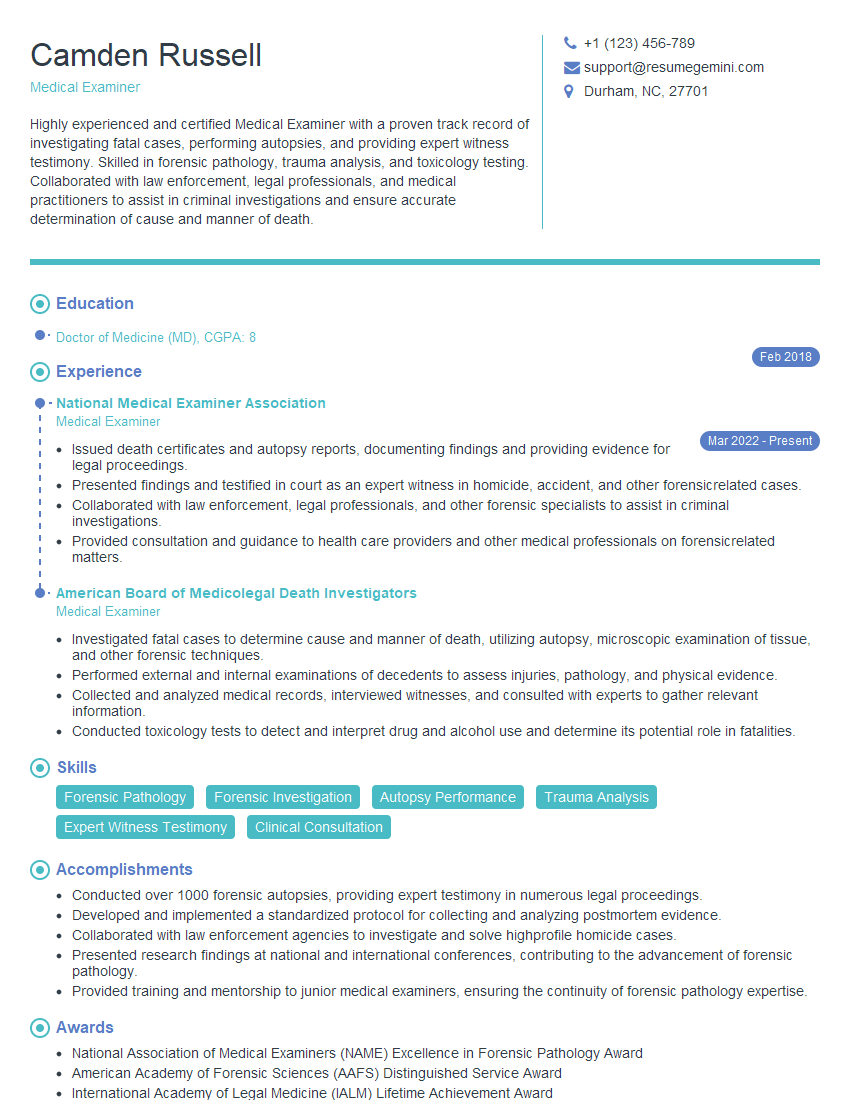
Medical Examiner Resume Sample
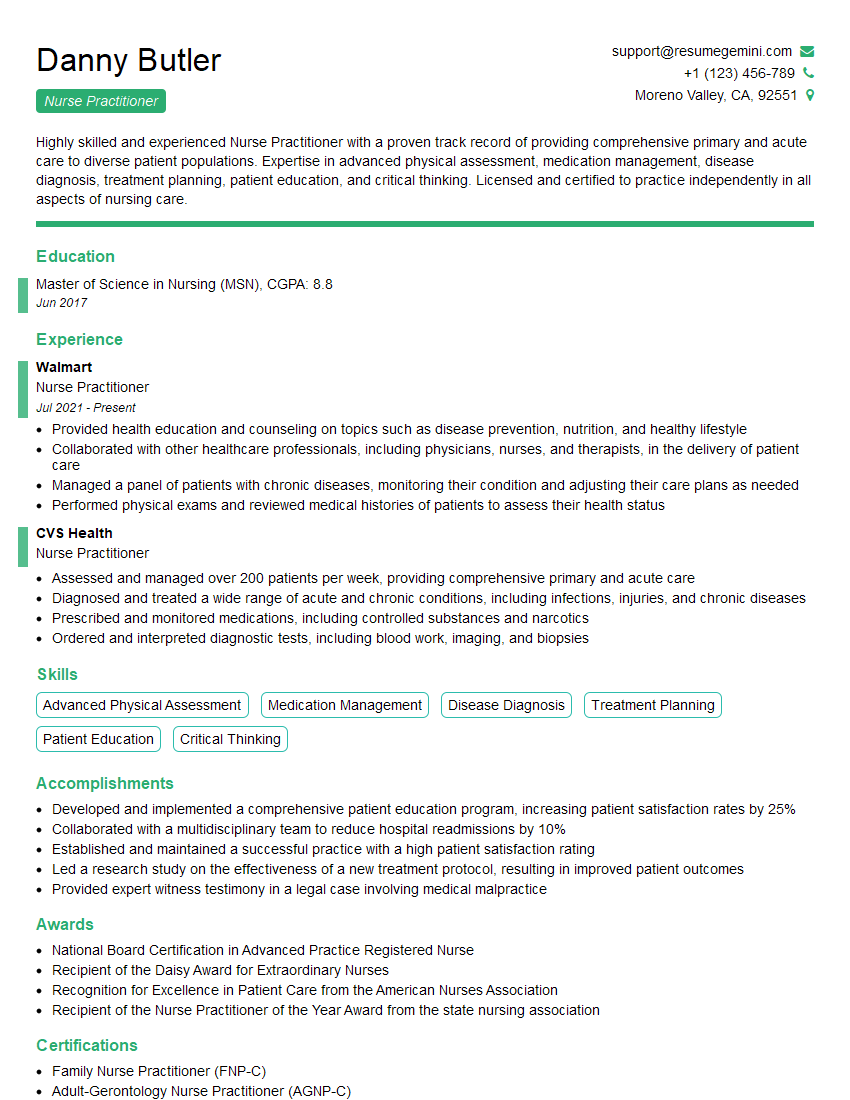
Nurse Practitioner Resume Sample
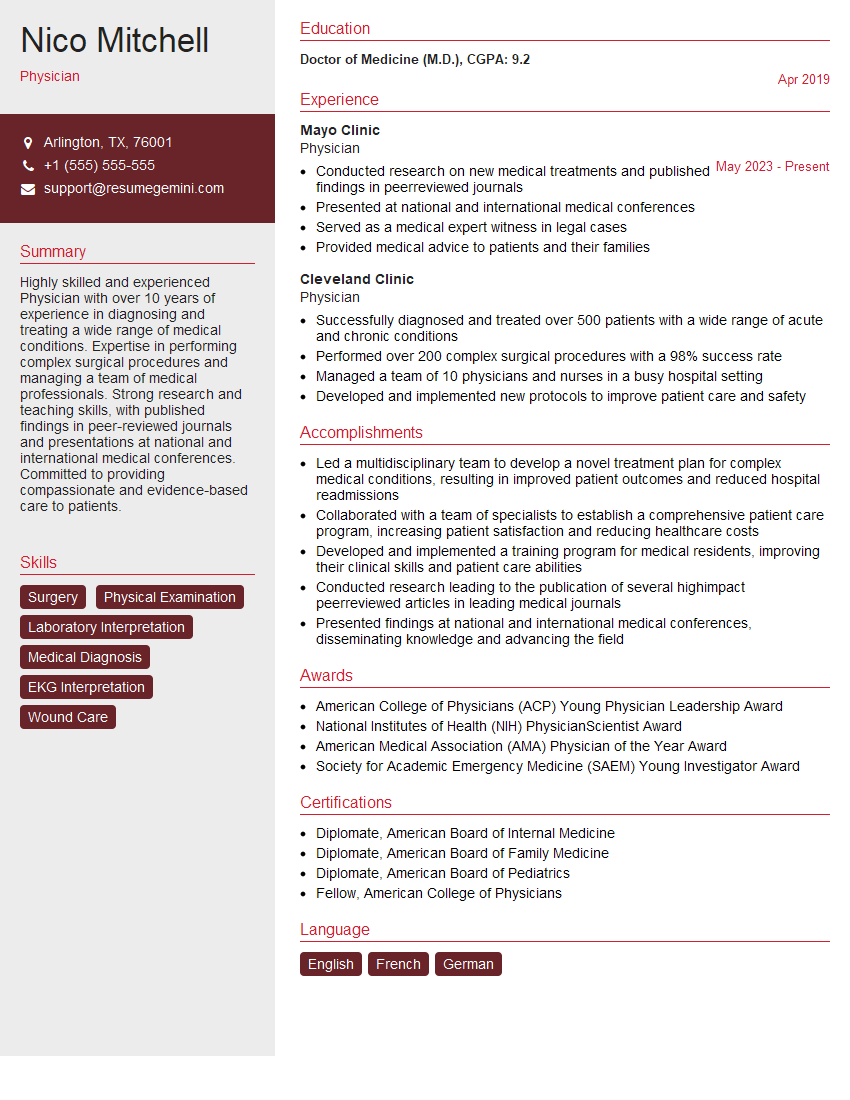
Physician Resume Sample
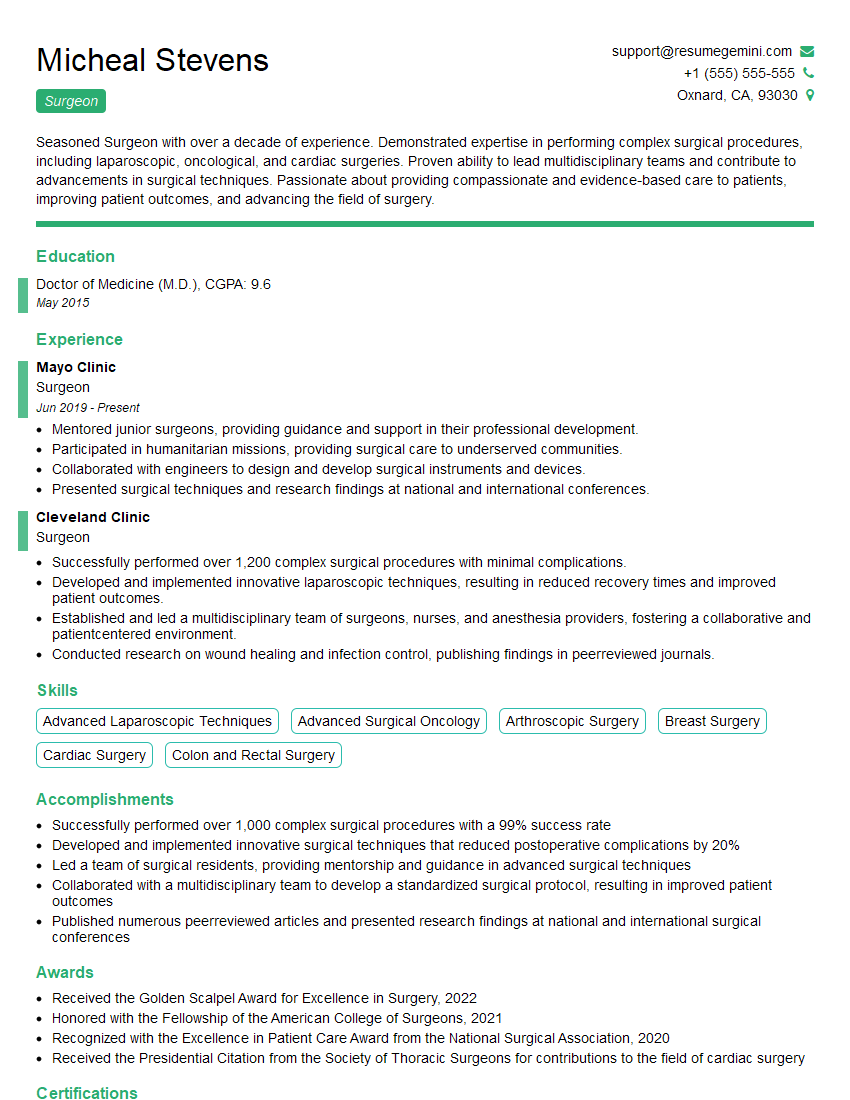
Surgeon Resume Sample
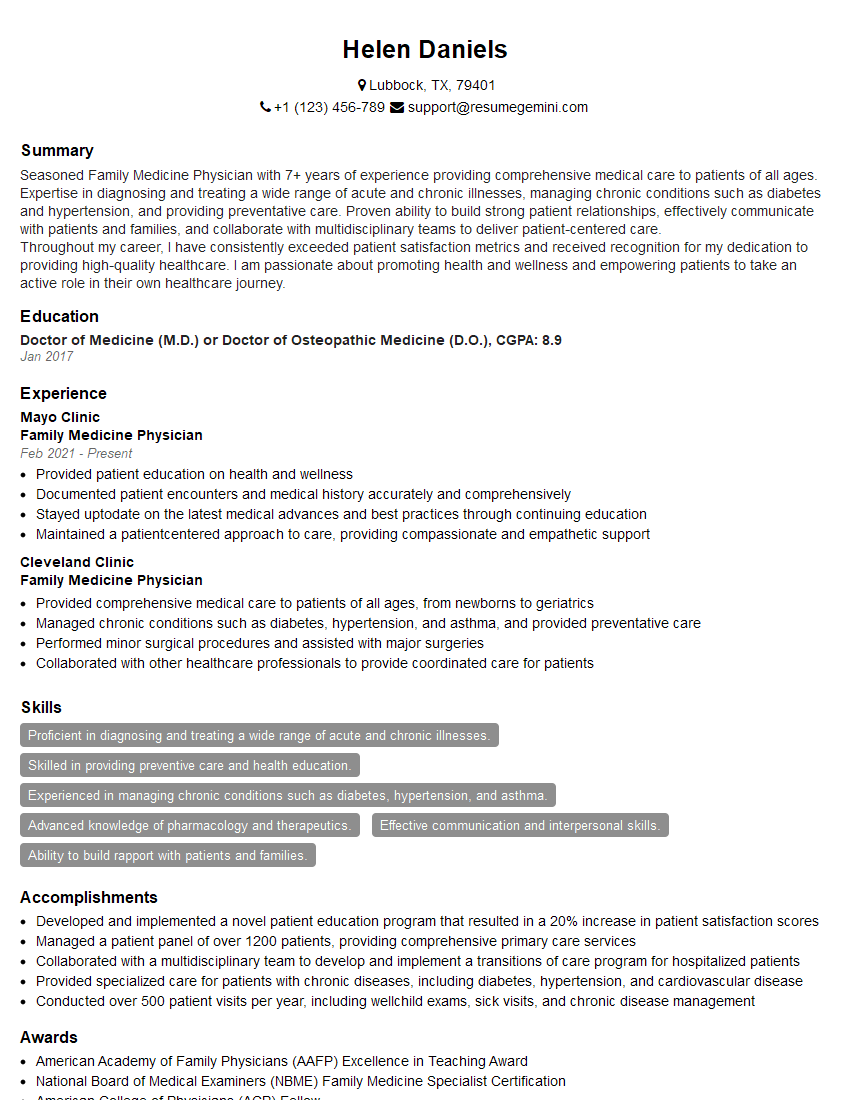
Family Medicine Physician Resume Sample
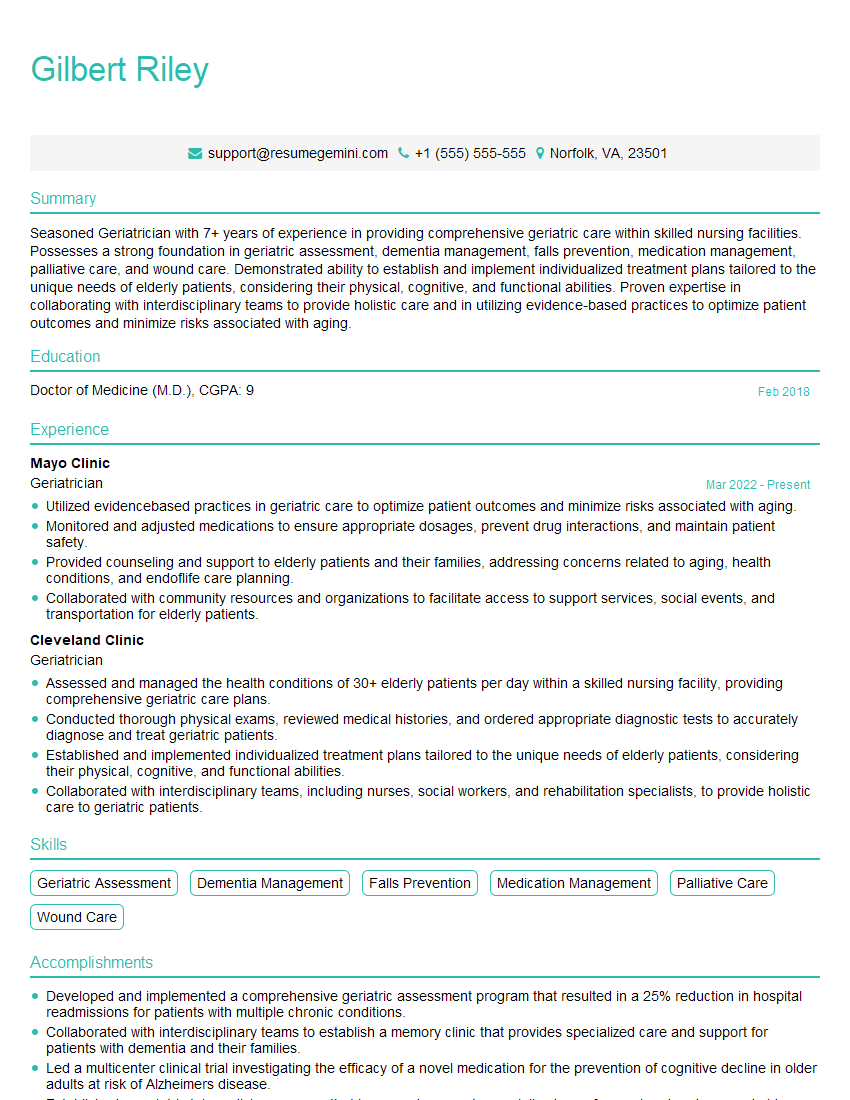
Geriatrician Resume Sample
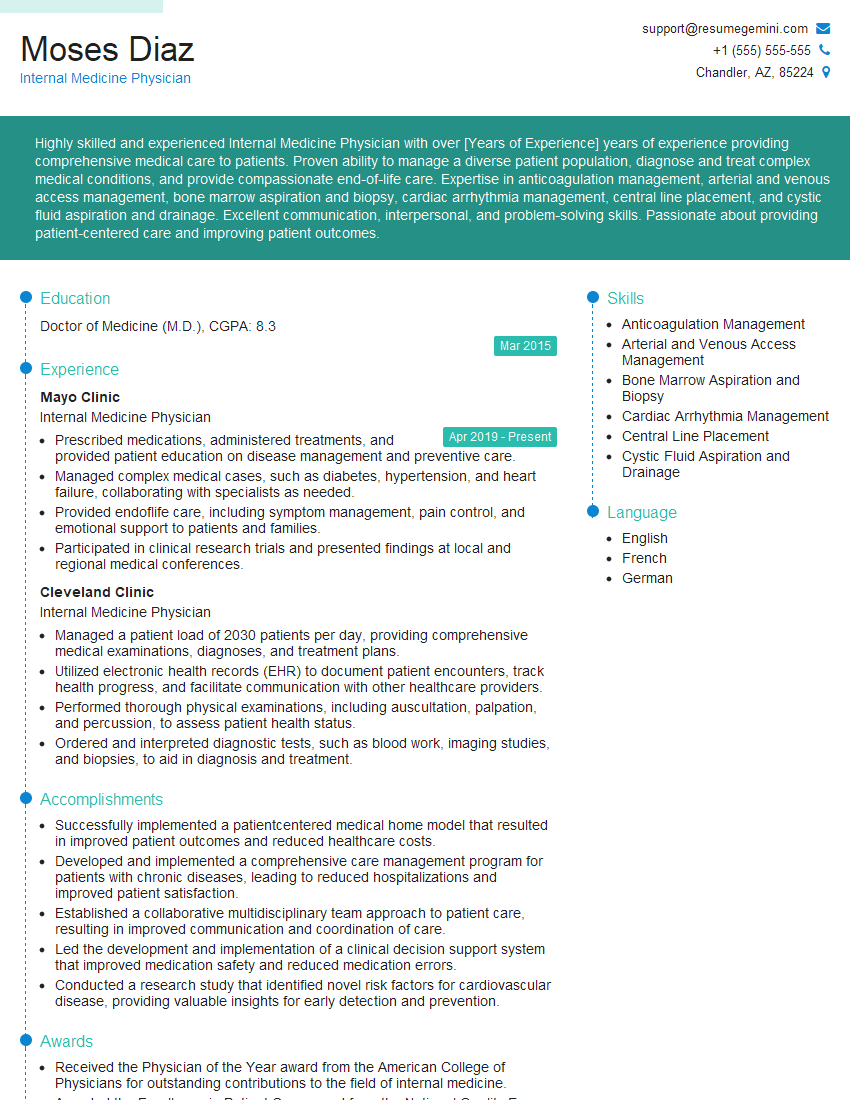
Internal Medicine Physician Resume Sample
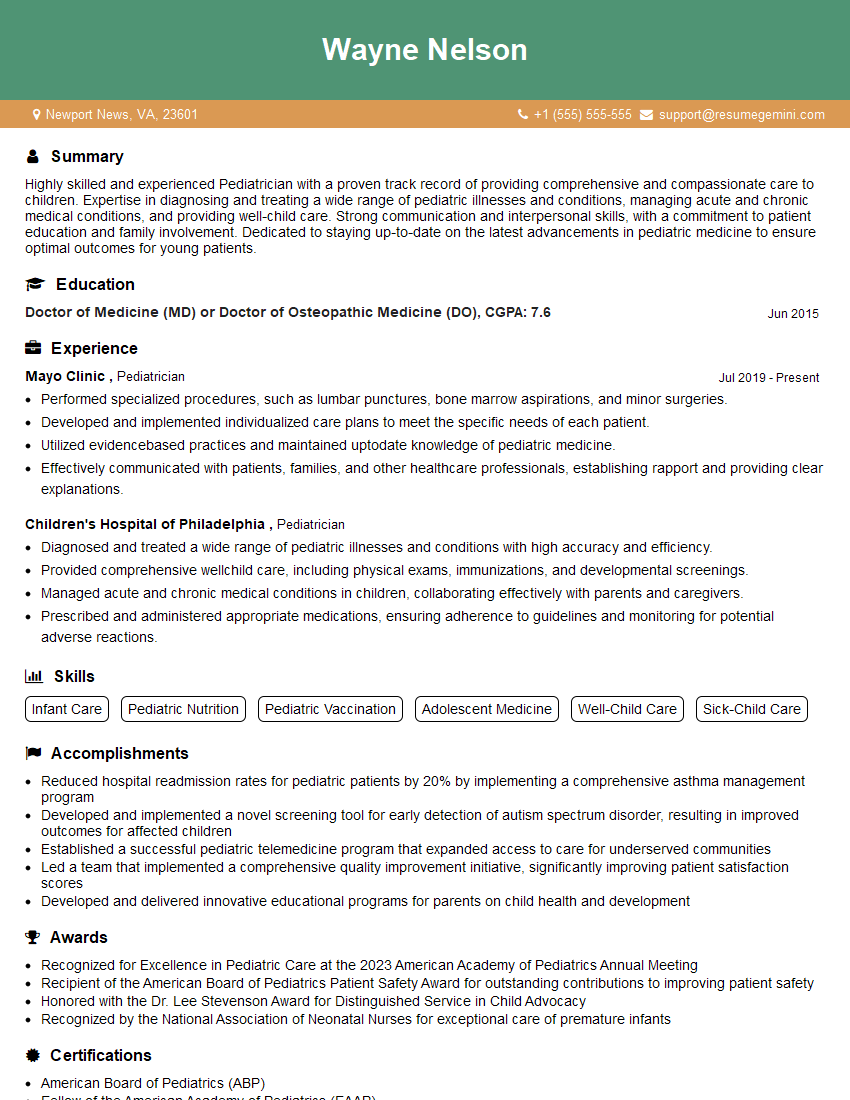
Pediatrician Resume Sample

Physician Assistant Resume Sample
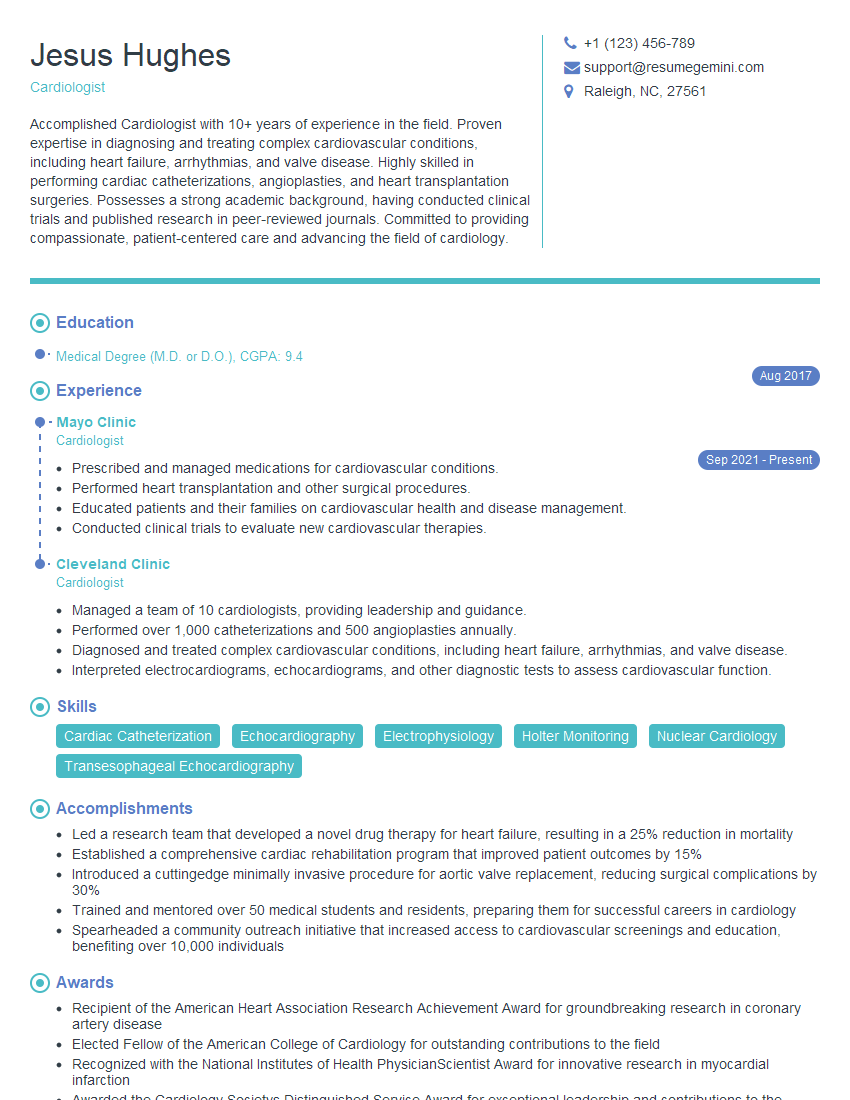
Cardiologist Resume Sample
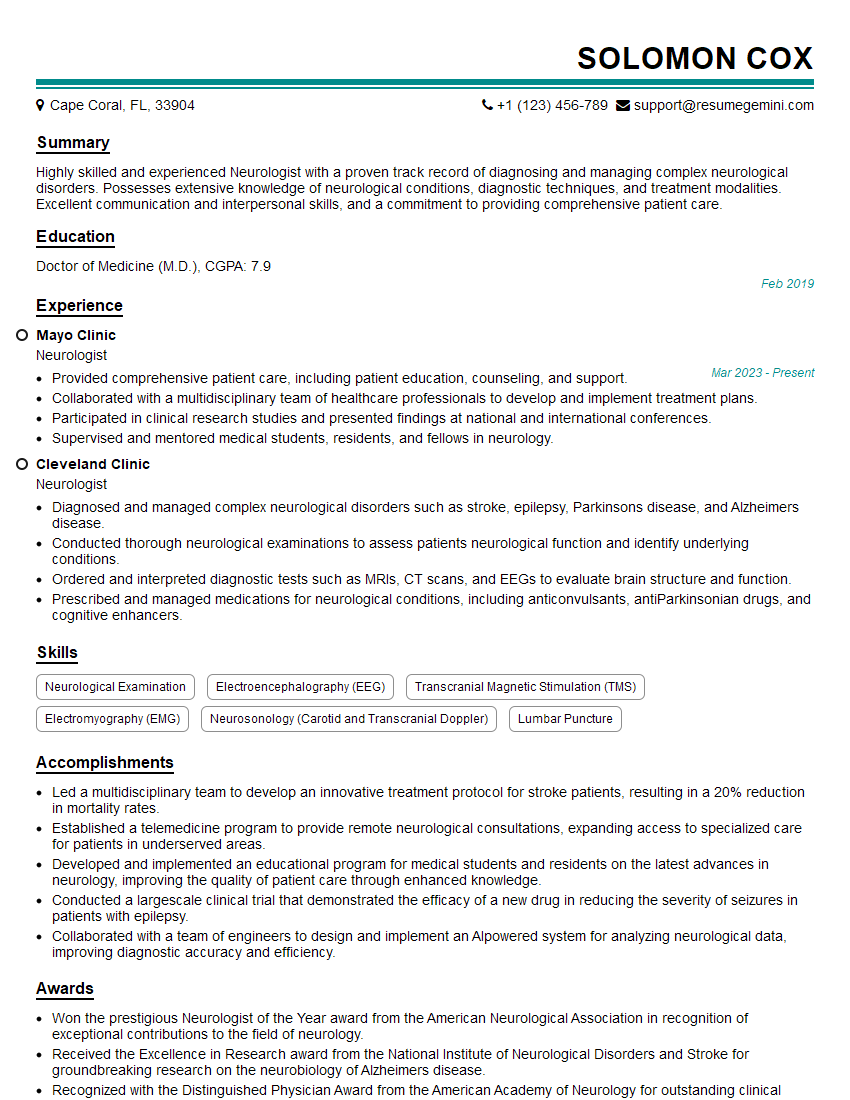
Neurologist Resume Sample
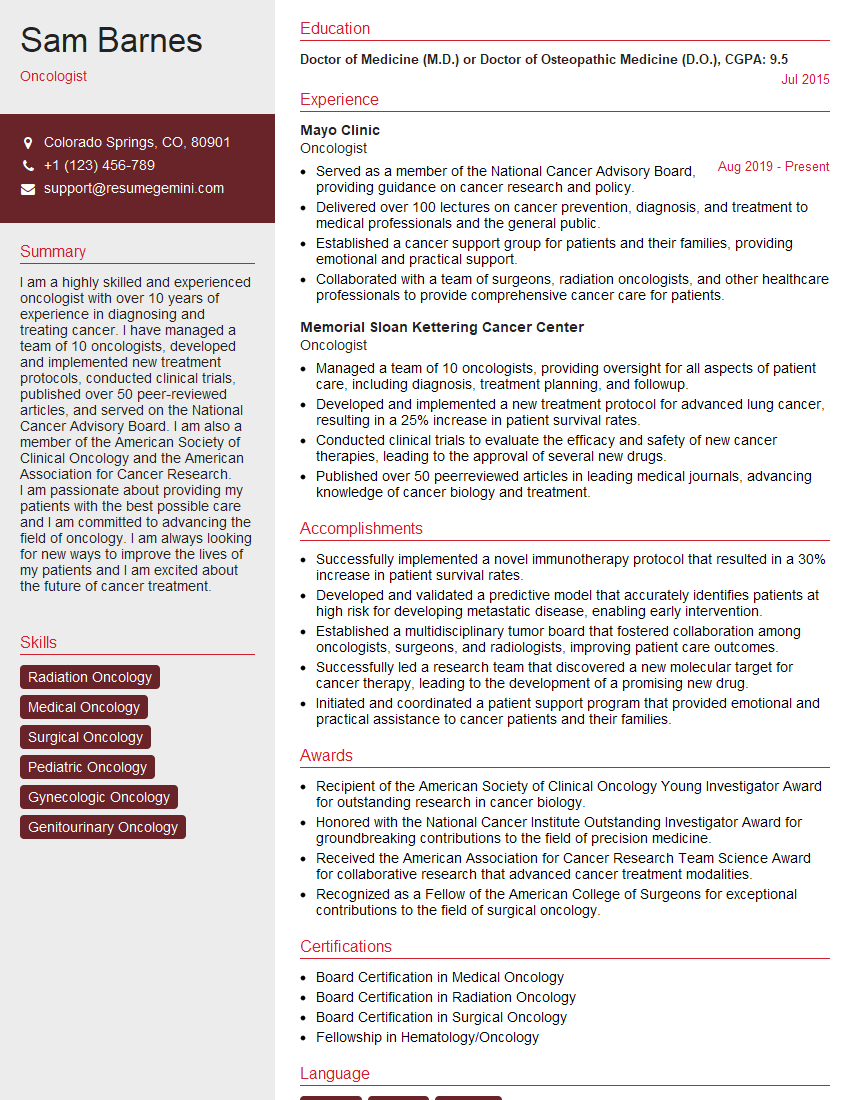
Oncologist Resume Sample
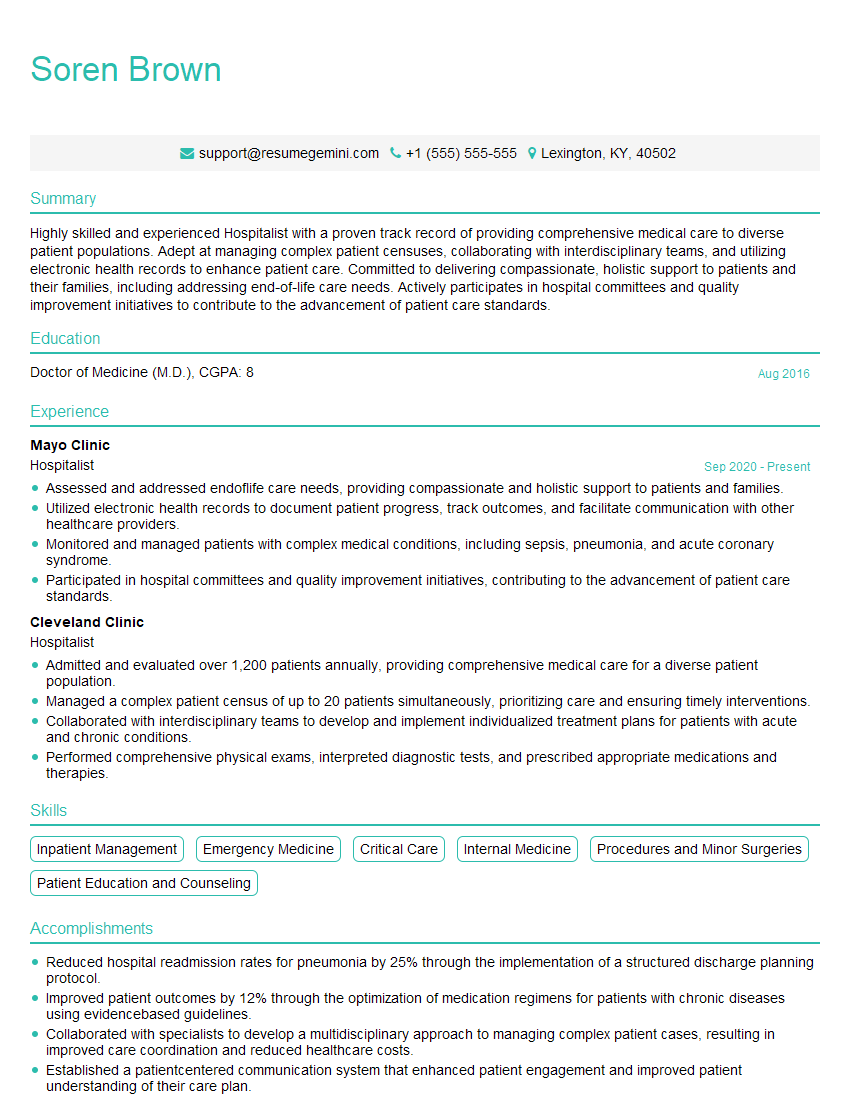
Hospitalist Resume Sample
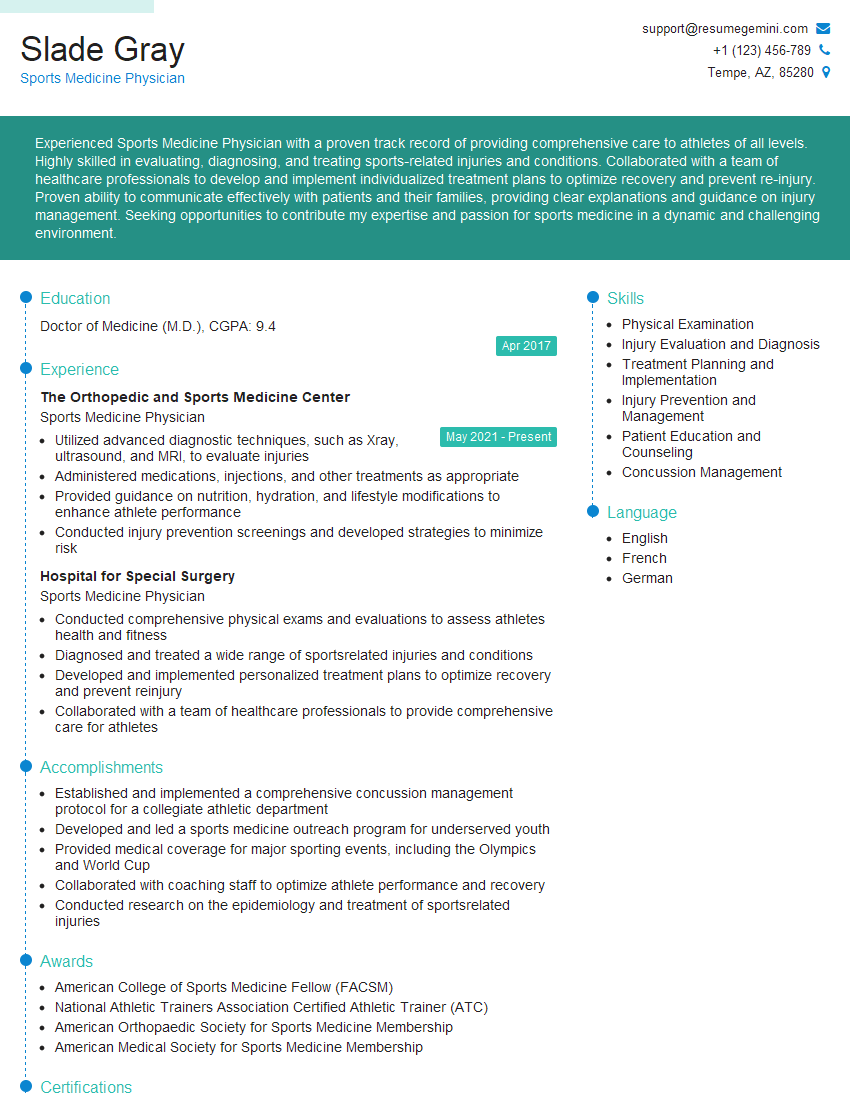
Sports Medicine Physician Resume Sample
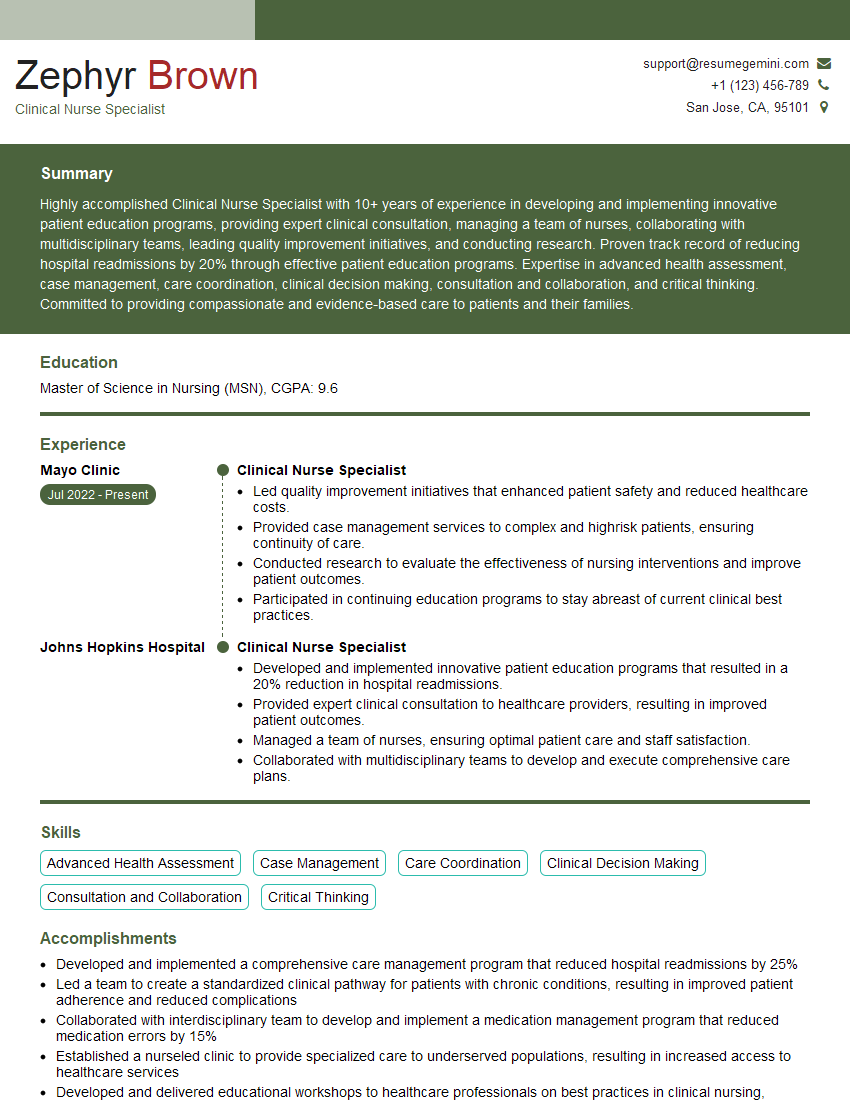
Clinical Nurse Specialist Resume Sample
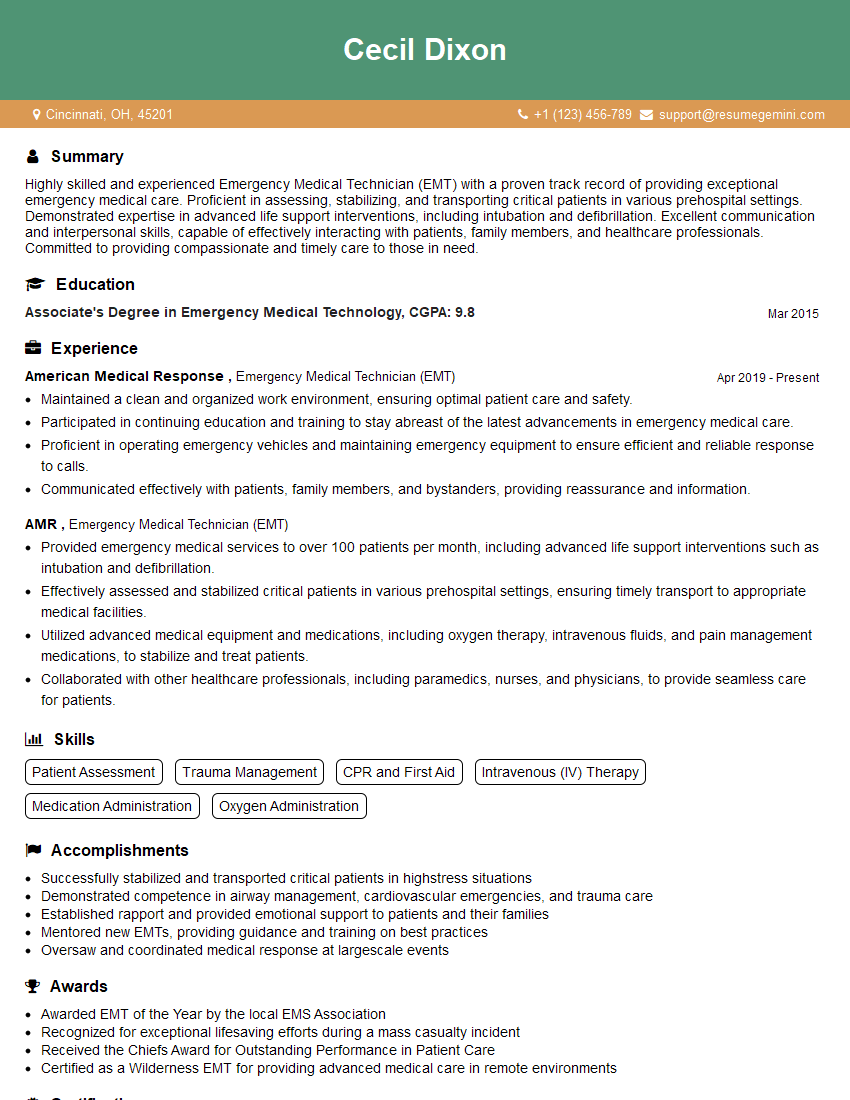
Emergency Medical Technician (EMT) Resume Sample
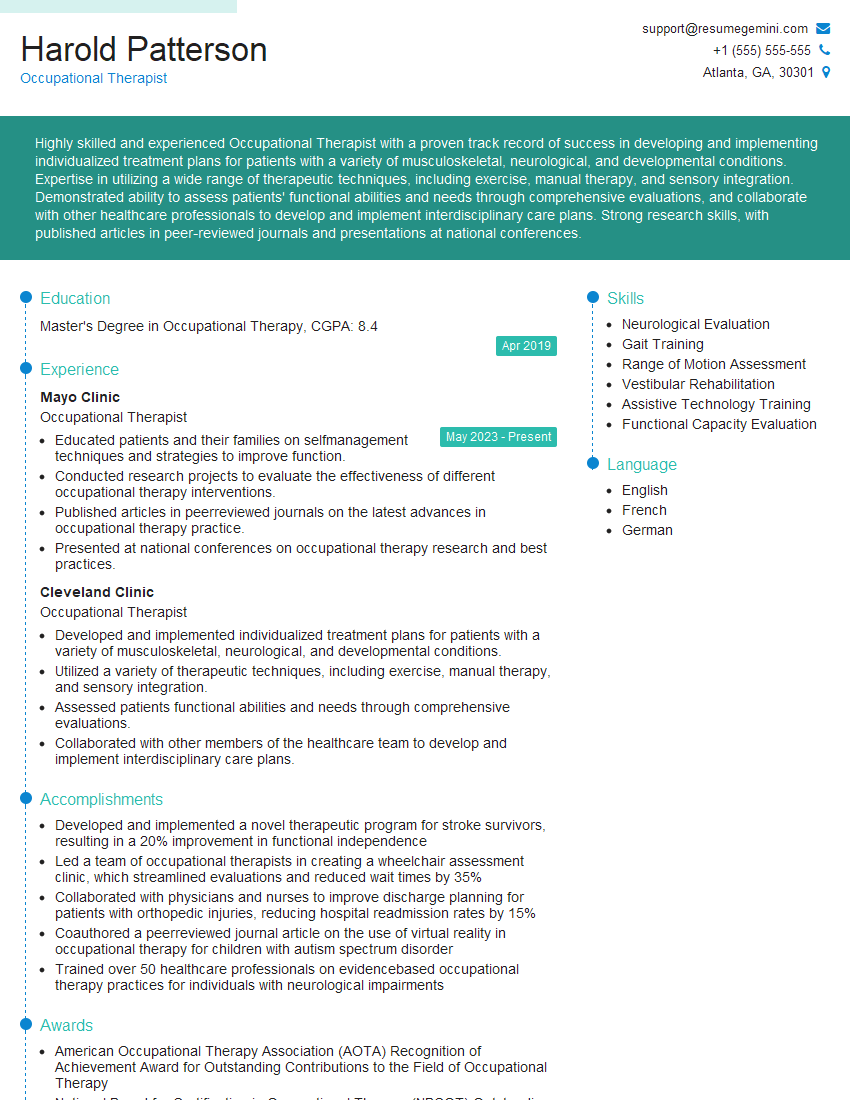
Occupational Therapist Resume Sample
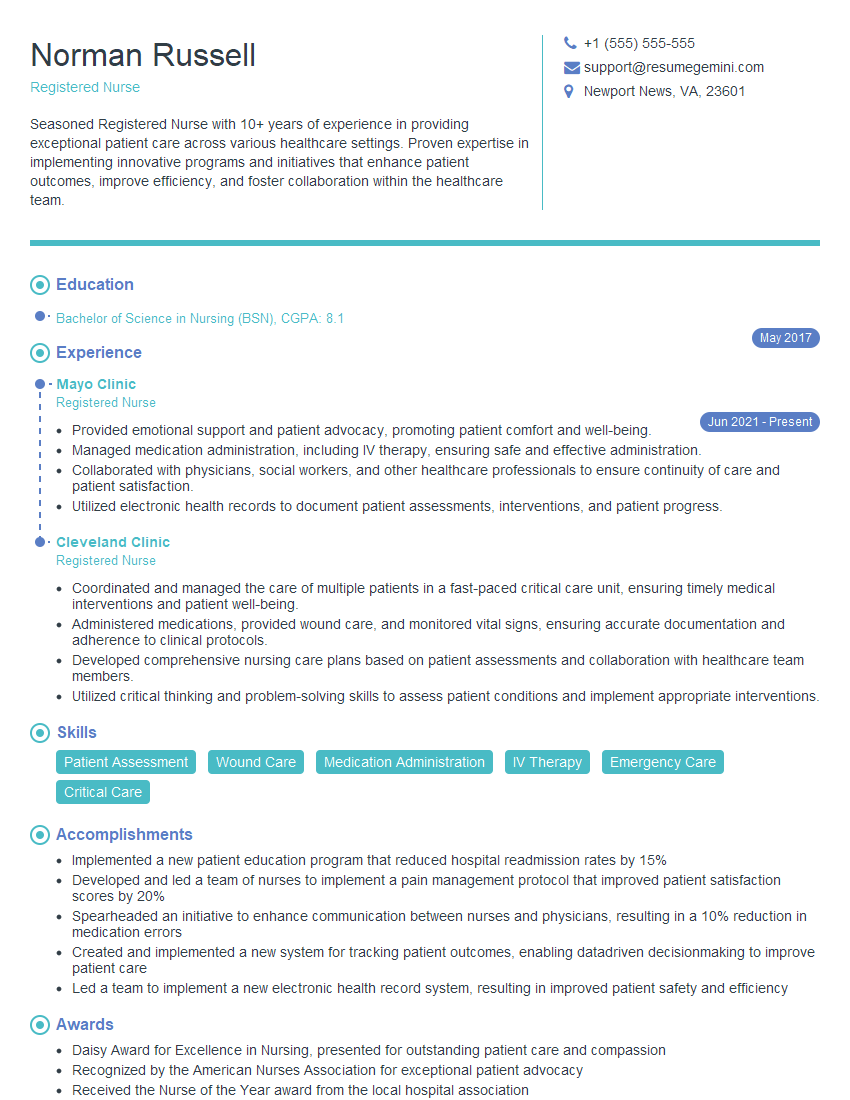
Registered Nurse Resume Sample
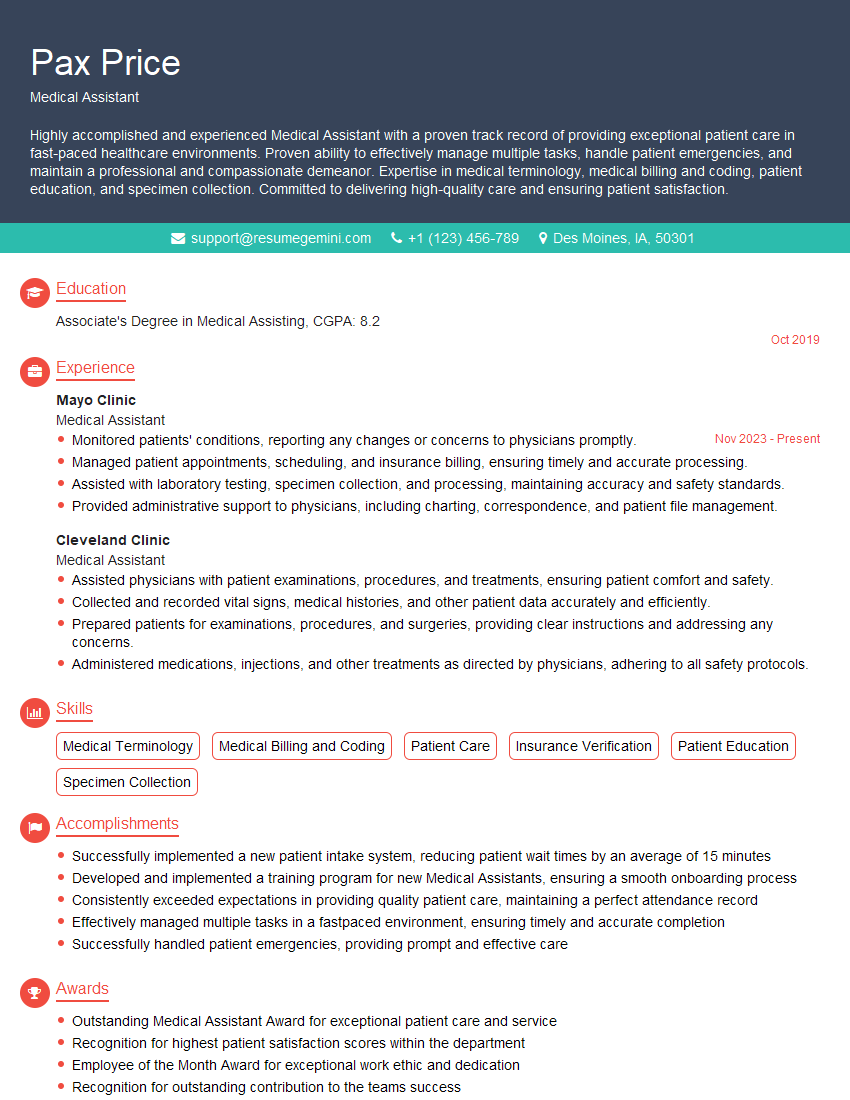
Medical Assistant Resume Sample
- Paramedic
- Medical Examiner
- Nurse Practitioner
- Physician
- Surgeon
- Family Medicine Physician
- Geriatrician
- Internal Medicine Physician
- Pediatrician
- Physician Assistant
- Cardiologist
- Neurologist
- Oncologist
- Hospitalist
- Sports Medicine Physician
- Clinical Nurse Specialist
- Emergency Medical Technician (EMT)
- Occupational Therapist
- Registered Nurse
- Medical Assistant
Explore more articles
Users Rating of Our Blogs
Share Your Experience
We value your feedback! Please rate our content and share your thoughts (optional).
What Readers Say About Our Blog
To the interviewgemini.com Webmaster.
Very helpful and content specific questions to help prepare me for my interview!
Thank you
To the interviewgemini.com Webmaster.
This was kind of a unique content I found around the specialized skills. Very helpful questions and good detailed answers.
Very Helpful blog, thank you Interviewgemini team.