Are you ready to stand out in your next interview? Understanding and preparing for Political Institutions interview questions is a game-changer. In this blog, we’ve compiled key questions and expert advice to help you showcase your skills with confidence and precision. Let’s get started on your journey to acing the interview.
Questions Asked in Political Institutions Interview
Q 1. Explain the difference between a presidential and parliamentary system.
The core difference between presidential and parliamentary systems lies in the relationship between the executive and legislative branches. In a presidential system, like the United States, the executive (President) is separately elected and holds a fixed term, independent of the legislature. The President appoints the cabinet, and there’s a clear separation of powers. Think of it like two separate teams – the executive and the legislature – working somewhat independently but with checks and balances between them.
Conversely, in a parliamentary system, such as the United Kingdom, the executive (Prime Minister and cabinet) is drawn from and accountable to the legislature (Parliament). The Prime Minister is typically the leader of the party with the majority in Parliament. If the Prime Minister loses the legislature’s confidence, they can be removed from power through a vote of no confidence. This is more like one team, where the executive is directly responsible to the legislative body.
To illustrate, imagine a company. A presidential system is like having a CEO (President) who is separately elected by the shareholders (citizens) and who manages the company independently of the board (legislature). A parliamentary system is more like having the CEO (Prime Minister) chosen from among the board members, who are accountable to the board and can be replaced if they don’t perform well.
Q 2. Describe the functions of the three branches of government (in a specific country).
Let’s examine the three branches of the United States government: the legislative, executive, and judicial.
- Legislative Branch (Congress): This branch is responsible for making laws. It’s bicameral, consisting of the Senate and the House of Representatives. Congress’s functions include: creating laws, approving budgets, declaring war, regulating commerce, and overseeing government agencies.
- Executive Branch (President and Cabinet): This branch enforces laws passed by Congress. The President is the head of state and government, commanding the armed forces, conducting foreign policy, and appointing federal judges and officials. The cabinet, composed of secretaries heading various departments, advises the President and carries out his or her policies.
- Judicial Branch (Supreme Court and lower courts): This branch interprets laws and ensures they are applied fairly. The Supreme Court is the highest court, and its decisions shape the legal landscape. Lower courts hear cases and apply Supreme Court precedents.
An example of their interaction: Congress (legislative) passes a law; the President (executive) signs it into effect; and if a legal challenge arises, the Judicial branch interprets the law and decides on its constitutionality.
Q 3. What are the key features of a federal system?
A federal system divides governmental power between a central (national) government and several regional governments (states or provinces). Key features include:
- Division of Powers: Specific powers are assigned to the national government, others to regional governments, and some powers may be shared. This division is often outlined in a constitution.
- Supremacy of the Constitution: The constitution serves as the supreme law of the land, defining the relationship between the national and regional governments.
- Independent Governments: Both the national and regional governments have their own sets of institutions, such as legislatures, executives, and judiciaries, which operate independently within their respective spheres of authority.
- Checks and Balances: Mechanisms exist to prevent any one level of government from becoming too powerful. This might involve judicial review at the national or regional level, or intergovernmental cooperation.
The United States, Canada, and Australia are prominent examples of federal systems. In the US, for instance, the national government handles foreign policy and national defense, while states manage education and local law enforcement. This division prevents the central government from becoming overbearing while allowing states some autonomy.
Q 4. How do interest groups influence policymaking?
Interest groups, also known as pressure groups or lobby groups, significantly influence policymaking by advocating for specific interests. They use various strategies:
- Lobbying: Direct communication with lawmakers and government officials to persuade them to support their cause.
- Campaign Contributions: Providing financial support to candidates who align with their interests.
- Public Awareness Campaigns: Shaping public opinion through media campaigns and grassroots mobilization.
- Litigation: Using legal challenges to influence policy outcomes.
For example, environmental groups lobby for stricter environmental regulations, while business associations advocate for policies that benefit their members. The influence of interest groups can be both beneficial (promoting diverse perspectives) and detrimental (leading to policy capture by powerful interests). It is vital to ensure transparency and balance to mitigate potential negative impacts.
Q 5. Explain the concept of checks and balances.
Checks and balances are a system of government where each branch of government can limit the power of the other two branches. This prevents any one branch from becoming too dominant and ensures a balance of power.
- Legislative Checks on Executive: Congress can override presidential vetoes, impeach and remove the president, and approve or reject presidential appointments.
- Legislative Checks on Judicial: Congress can impeach and remove federal judges, and it can propose constitutional amendments to overturn Supreme Court decisions.
- Executive Checks on Legislative: The president can veto legislation passed by Congress.
- Executive Checks on Judicial: The president appoints federal judges.
- Judicial Checks on Legislative: The Supreme Court can declare laws passed by Congress unconstitutional.
- Judicial Checks on Executive: The Supreme Court can declare executive actions unconstitutional.
This system, as seen in the US government, ensures that no single branch becomes autocratic and protects individual liberties. It’s like a three-legged stool – each leg (branch) is essential for stability, and weakening one compromises the whole structure.
Q 6. Discuss the role of political parties in a democracy.
Political parties play a crucial role in a democracy by:
- Providing a platform for political participation: They offer individuals a way to engage in the political process and express their views.
- Aggregating interests: They bring together diverse groups of people with shared political goals.
- Recruiting and training political leaders: Parties identify and develop individuals for leadership positions.
- Formulating policy: They develop detailed policy proposals on a wide range of issues.
- Providing a framework for government: In parliamentary systems, they form governments and hold the executive accountable.
For instance, in the US, the two major parties (Democrats and Republicans) provide a framework for political debate and competition. However, the dominance of two parties can also limit political diversity and lead to polarization. A healthy democracy needs a vibrant party system that represents a wide range of viewpoints.
Q 7. What are some common challenges faced by political institutions?
Political institutions face numerous challenges, including:
- Political Corruption: Abuse of power for personal gain, undermining public trust and efficiency.
- Lack of Accountability: Difficulty holding political leaders responsible for their actions.
- Inefficiency and Bureaucracy: Slow decision-making and cumbersome processes can hinder effective governance.
- Lack of Public Trust: Erosion of public confidence in political institutions can lead to political instability and disengagement.
- Polarization and Gridlock: Intense political divisions can paralyze decision-making and compromise policy effectiveness.
- Adapting to Change: Political institutions need to adapt to changing societal needs and technological advancements, a challenge often met with resistance to reform.
Addressing these challenges requires a multi-pronged approach involving strengthening institutions, promoting transparency and accountability, engaging civil society, and fostering a culture of political participation.
Q 8. How do political institutions adapt to changing social conditions?
Political institutions, like all living organisms, must adapt to survive. Their ability to adapt to changing social conditions is crucial for maintaining stability and legitimacy. This adaptation happens through several mechanisms:
- Formal Amendments: Constitutional amendments are the most formal way. For example, the U.S. Constitution has been amended to address issues like women’s suffrage (19th Amendment) and the abolition of slavery (13th Amendment), reflecting evolving societal views.
- Judicial Interpretation: Courts play a significant role in interpreting existing laws and constitutions in light of new social realities. Landmark Supreme Court cases often reshape the meaning and application of legal frameworks, reflecting societal shifts.
- Legislative Changes: Legislatures regularly enact new laws and revise existing ones to respond to emerging social problems and priorities. For example, environmental protection laws have evolved dramatically in response to growing environmental awareness.
- Political Mobilization and Social Movements: Pressure from civil society, social movements, and public opinion can force institutions to address societal concerns. The Civil Rights Movement in the U.S. is a prime example of how social action can pressure institutions into meaningful reform.
- Informal Practices and Norms: Even without formal changes, institutions can adapt through evolving norms and practices. The way political parties operate, for instance, often changes to accommodate new political realities and strategies.
The speed and effectiveness of this adaptation vary greatly depending on the specific institutional context, the nature of the social change, and the political will to accommodate it. A rigid, inflexible institution may struggle to adapt, potentially leading to instability or even collapse.
Q 9. Explain the concept of judicial review.
Judicial review is the power of a court to review laws or government actions and to declare them invalid if they are inconsistent with a higher law, usually a constitution. Essentially, it’s a check on the power of the legislature and executive branches. It ensures that government actions remain within the bounds of the law and respects fundamental rights.
Imagine a scenario where the parliament passes a law that violates a citizen’s fundamental right to free speech, as enshrined in the constitution. The judiciary, through judicial review, can then assess the validity of that law. If the court finds the law to be unconstitutional, it can strike it down, preventing its implementation and upholding the supremacy of the constitution.
The United States, with its Supreme Court, is a well-known example of a country with robust judicial review. Countries like India and Canada also have strong traditions of judicial review. However, the extent and scope of judicial review varies significantly across countries, depending on their specific constitutional and political systems. Some countries have very limited or no judicial review at all.
Q 10. Discuss the impact of globalization on national political institutions.
Globalization, the increasing interconnectedness of nations through trade, technology, and cultural exchange, has profoundly impacted national political institutions. The effects are complex and multifaceted:
- Increased Interdependence: Globalization necessitates greater international cooperation, leading to the creation of international organizations (like the UN, WTO) and the strengthening of existing ones. National institutions must now navigate a more complex global landscape, often requiring compromises on national sovereignty.
- Economic Liberalization: The spread of market-oriented economies has often led to pressure for deregulation and privatization, impacting the role and scope of national governments and their institutions. This can lead to conflicts between national interests and global economic forces.
- Rise of Transnational Actors: Multinational corporations, NGOs, and other transnational actors increasingly influence national policy-making, adding layers of complexity to national political processes. These actors can exert pressure on governments, bypassing traditional political channels.
- Diffusion of Ideas and Practices: Globalization facilitates the spread of political ideas and institutional models. Countries may adopt policies and practices from other nations, leading to a convergence of political systems in some aspects. However, it doesn’t always result in homogenization.
- Challenges to National Sovereignty: The increasing influence of international organizations and transnational actors can challenge the sovereignty of nation-states, requiring careful negotiation and balancing of national interests with global concerns.
Globalization presents both opportunities and challenges for national political institutions. It necessitates greater flexibility, adaptability, and willingness to cooperate internationally. Institutions that fail to adapt to the pressures of globalization risk being marginalized in the global arena.
Q 11. Describe the role of the bureaucracy in policy implementation.
The bureaucracy, the administrative arm of government, plays a vital role in policy implementation. It translates the broad goals and directives set by the legislature and executive into concrete actions. This involves:
- Rule-making: Bureaucracies develop specific rules and regulations to operationalize laws passed by the legislature. This requires detailed technical expertise and attention to detail.
- Program implementation: Bureaucracies manage government programs and services, ensuring that they reach their intended beneficiaries effectively and efficiently. This can involve resource allocation, service delivery, and monitoring of program outcomes.
- Enforcement: Bureaucracies are responsible for ensuring compliance with laws and regulations. This may involve investigations, inspections, and enforcement actions.
- Data collection and analysis: Bureaucracies collect and analyze data to monitor the effectiveness of policies and programs. This information informs future policy decisions and helps to improve program effectiveness.
- Advice and expertise: Bureaucracies offer specialized expertise and advice to policymakers. Their insights are crucial for crafting effective and evidence-based policies.
However, bureaucracies can also face challenges such as bureaucratic inertia, inefficiency, and lack of accountability. Effective oversight and management are therefore essential to ensure that bureaucracies function effectively in policy implementation. Think of building a house; the legislature designs the blueprint (policy), the executive provides the funding and supervision, and the bureaucracy is the construction crew (implementation) making sure that blueprint becomes reality.
Q 12. What are some common methods of political participation?
Political participation encompasses all the ways citizens engage with the political system to express their opinions and influence government decisions. Common methods include:
- Voting: Participating in elections is a fundamental form of political participation. It allows citizens to choose their representatives and shape the direction of government.
- Joining political parties: Citizens can actively participate in political parties by volunteering, campaigning, or holding office. Parties play a crucial role in organizing and shaping political discourse.
- Contacting elected officials: Citizens can directly communicate with their representatives through letters, emails, phone calls, or meetings to express their views on specific issues.
- Participating in protests and demonstrations: This is a more direct and visible form of participation, allowing citizens to voice their concerns and put pressure on the government.
- Joining interest groups and civil society organizations: These groups advocate for specific causes and can influence policy-making through lobbying, advocacy, and public awareness campaigns.
- Donating to political campaigns: Financial contributions support political candidates and parties and allow citizens to actively support their chosen representatives.
- Running for office: Citizens can directly participate in governance by seeking elected office. This requires significant commitment and effort.
The level and form of political participation vary across countries and among different segments of the population, often influenced by factors like education, socioeconomic status, and political culture.
Q 13. Explain the concept of political legitimacy.
Political legitimacy refers to the belief that a government or political system has the right to rule and that its decisions should be obeyed. It’s not simply about having power, but about the acceptance of that power by the governed. Legitimacy is crucial for stability and effective governance. Without it, a regime may face instability, resistance, and ultimately, collapse.
Several sources contribute to political legitimacy:
- Tradition: Some regimes derive legitimacy from long-standing traditions and historical precedent. Monarchies, for example, often claim legitimacy based on hereditary succession and historical continuity.
- Charisma: Leaders with strong charismatic appeal can build legitimacy through their personal qualities and ability to inspire popular support. Think of historical figures like Mahatma Gandhi or Nelson Mandela.
- Performance: Governments that provide effective governance, economic prosperity, and social services often gain greater legitimacy. Success in meeting the needs of the population builds trust and support.
- Consent: Democratic systems derive legitimacy from the consent of the governed, typically through free and fair elections. The right to choose one’s leaders is a cornerstone of democratic legitimacy.
- Procedures: Fair and transparent processes in government decision-making can enhance legitimacy by demonstrating that decisions are made according to established rules and procedures.
Legitimacy is not static; it can be eroded or enhanced over time depending on government actions and public perceptions. Maintaining legitimacy is an ongoing challenge for all political systems.
Q 14. How do electoral systems shape political outcomes?
Electoral systems are the rules and procedures governing how elections are conducted, and they significantly shape political outcomes. Different electoral systems produce different results and have varying effects on the political landscape:
- Proportional Representation (PR): PR systems aim to allocate seats in proportion to the votes received by each party. This often leads to greater representation of smaller parties and more diverse government coalitions. However, it can also result in unstable governments due to the need for coalition building.
- First-Past-the-Post (FPTP): FPTP, or winner-take-all, awards the seat to the candidate who receives the most votes in a given district. This often leads to two-party dominance and can create situations where a party wins a majority of seats despite not receiving a majority of votes nationally.
- Mixed-Member Proportional (MMP): MMP systems combine elements of PR and FPTP. Voters cast two votes: one for a candidate in their district, and one for a party. This attempts to balance the benefits of representation from both majoritarian and proportional systems.
The choice of electoral system has significant consequences for party system development, government formation, and the overall political representation of a country. For example, a PR system might lead to a multi-party system with coalition governments, while an FPTP system might lead to a two-party system with single-party majority governments. Understanding the mechanics of different electoral systems is crucial to analyzing political outcomes and predicting the effects of various electoral reforms.
Q 15. What are some different types of electoral systems and their strengths/weaknesses?
Electoral systems are the sets of rules that govern how elections are conducted and how votes are translated into seats or positions of power. Different systems offer various advantages and disadvantages.
- First-Past-the-Post (FPTP): This system, used in the UK and US, awards the seat to the candidate with the most votes in each district.
- Strengths: Simple to understand, produces strong majority governments (often).
- Weaknesses: Can lead to disproportionate results (a party can win a majority of seats with less than half the national vote), can discourage smaller parties, and may not accurately reflect the popular will.
- Proportional Representation (PR): Aims to allocate seats proportionally to the votes received. Several types exist, including:
- Party-list PR: Voters choose a party, and seats are allocated based on national or regional vote share.
- Mixed-member proportional (MMP): Combines elements of FPTP and PR, aiming for a more proportional outcome.
- Strengths: More proportional representation, gives smaller parties a better chance, often higher voter turnout.
- Weaknesses: Can lead to coalition governments (which can be unstable), can be more complex to understand.
- Ranked-Choice Voting (RCV): Voters rank candidates in order of preference. If no candidate gets a majority, the candidate with the fewest votes is eliminated, and their votes are redistributed according to the next preference.
- Strengths: Avoids the ‘spoiler effect’ where a third-party candidate draws votes away from a similar main candidate, encourages broader appeal by candidates.
- Weaknesses: Can be more complex to count, requires more voter education.
Career Expert Tips:
- Ace those interviews! Prepare effectively by reviewing the Top 50 Most Common Interview Questions on ResumeGemini.
- Navigate your job search with confidence! Explore a wide range of Career Tips on ResumeGemini. Learn about common challenges and recommendations to overcome them.
- Craft the perfect resume! Master the Art of Resume Writing with ResumeGemini’s guide. Showcase your unique qualifications and achievements effectively.
- Don’t miss out on holiday savings! Build your dream resume with ResumeGemini’s ATS optimized templates.
Q 16. Discuss the impact of social movements on political change.
Social movements are organized efforts by groups of people to promote or resist social change. They significantly impact political change by bringing attention to societal issues, mobilizing public opinion, and pressuring political institutions to respond. The Civil Rights Movement in the US, for instance, effectively used nonviolent resistance to challenge segregation and achieve significant legislative changes. Similarly, the women’s suffrage movement significantly altered the political landscape by securing voting rights for women.
Their impact is seen through various mechanisms:
- Agenda-setting: Movements highlight issues previously ignored by the political mainstream, forcing politicians to address them.
- Framing: They shape public perception of issues, influencing how problems are defined and solutions are proposed.
- Mobilization: Movements organize protests, demonstrations, and campaigns to put pressure on decision-makers.
- Legislative and Policy Change: Successful movements often lead to new laws, regulations, and government policies.
However, the success of a social movement depends on various factors like its organization, resource mobilization, the political climate, and the willingness of the state to respond to its demands.
Q 17. How do political institutions address issues of inequality?
Political institutions employ various mechanisms to address inequality, though their effectiveness is often debated. These mechanisms include:
- Progressive Taxation: Higher earners pay a larger percentage of their income in taxes, which can fund social programs benefiting lower-income groups. This redistribution aims to level the playing field somewhat.
- Social Welfare Programs: These programs, such as unemployment benefits, food stamps, and affordable housing initiatives, provide a safety net for vulnerable populations and mitigate economic hardship.
- Affirmative Action Policies: These aim to address historical and systemic discrimination by providing preferential treatment to historically disadvantaged groups in areas like education and employment. The goal is to create a more level playing field for historically marginalized communities.
- Regulation of Markets: Governments can regulate markets to prevent exploitation and ensure fair competition, which can reduce income inequality.
- Investment in Education and Healthcare: Improving access to quality education and healthcare can boost social mobility and reduce inequality of opportunity.
It’s important to note that these approaches are not without their critics. Some argue that progressive taxation discourages economic growth while others contend that affirmative action policies can lead to reverse discrimination. The effectiveness of these mechanisms varies considerably depending on their design and implementation, as well as the broader political and economic context.
Q 18. Explain the role of media in shaping political discourse.
The media plays a crucial role in shaping political discourse by setting the political agenda, framing issues, and influencing public opinion. It acts as an intermediary between political actors and the public.
- Agenda-Setting: The media decides which issues receive public attention, influencing what citizens consider important and what problems need government attention. Extensive media coverage of a particular issue elevates its importance in the public eye.
- Framing: The way the media presents an issue shapes public understanding and attitudes. The same issue can be framed positively or negatively, significantly influencing public perception. For example, emphasizing the economic benefits of a policy versus its potential environmental consequences drastically alters the public’s perception.
- Public Opinion Formation: Media coverage influences voters’ opinions and attitudes towards political candidates and parties. Negative campaigning, for example, can significantly impact voters’ perception of candidates.
- Political Participation: Media coverage can encourage or discourage political participation. Extensive coverage of elections and political debates can enhance voter turnout.
However, the media’s role is complex. Bias, misinformation, and the concentration of media ownership can distort political discourse and undermine democratic processes. The rise of social media has further complicated the landscape, introducing new challenges related to the spread of fake news and the echo chamber effect.
Q 19. Discuss the concept of political polarization.
Political polarization refers to the divergence of political attitudes toward ideological extremes. It’s characterized by increased ideological homogeneity within political parties and growing hostility between opposing groups. In highly polarized societies, compromise becomes difficult, and gridlock in policymaking is common.
Several factors contribute to political polarization:
- Increased partisan sorting: Voters increasingly align themselves with one political party, leading to less ideological diversity within parties.
- Media polarization: The rise of partisan media outlets reinforces pre-existing beliefs and contributes to echo chambers, where individuals are primarily exposed to information confirming their views.
- Gerrymandering: Manipulating electoral district boundaries can create safe seats for incumbents, reducing competition and encouraging ideological extremism.
- Social and cultural divisions: Deep-seated social and cultural divisions can exacerbate political polarization, as seen in debates about race, religion, and identity.
The consequences of high political polarization can be severe. It can lead to political instability, decreased government effectiveness, and an erosion of public trust in institutions. Finding common ground and fostering constructive dialogue are crucial to mitigating the negative effects of political polarization.
Q 20. How do political institutions manage conflict?
Political institutions manage conflict through various mechanisms, aiming to prevent escalation and promote peaceful resolution. These mechanisms include:
- Constitutions and Laws: These provide a framework for resolving disputes through legal channels, defining rights and responsibilities, and establishing procedures for resolving conflicts.
- Courts and Judicial Systems: Courts provide impartial mechanisms for resolving legal disputes and upholding the rule of law. Judicial review allows courts to examine the constitutionality of laws and government actions.
- Legislative Processes: Legislatures provide forums for debating and resolving conflicts through negotiation and compromise. Committee systems and procedural rules help structure the process.
- Executive Branch: The executive branch plays a key role in maintaining order and enforcing laws. This often involves negotiation and compromise, especially in a system of checks and balances.
- Negotiation and Mediation: Political leaders and institutions often employ negotiation and mediation to resolve disputes peacefully. This might involve third-party mediators facilitating talks between conflicting parties.
- Electoral Processes: Regular, free, and fair elections provide a peaceful mechanism for transferring power and addressing political grievances through the ballot box.
The effectiveness of these conflict management mechanisms varies across political systems. Factors such as the strength of institutions, the rule of law, and the level of political culture influence their success in preventing and resolving conflicts.
Q 21. Explain the concept of devolution.
Devolution is the transfer of power from a central government to regional or local levels of government. It aims to distribute governance responsibilities more effectively and increase local autonomy. Examples include the UK’s devolution to Scotland, Wales, and Northern Ireland, or the devolution of powers to states within the US federal system.
The motivations behind devolution include:
- Improved Governance: Decentralizing power can lead to more efficient and responsive government, as local authorities are often better equipped to understand and address local needs.
- Increased Participation: Devolution can enhance political participation by giving local communities greater control over their affairs.
- Regional Identity and Self-Determination: It can acknowledge and accommodate regional identities and aspirations for greater self-determination.
- Reduced Strain on Central Government: It can lessen the workload on the central government by delegating responsibilities to regional bodies.
However, devolution also presents challenges, such as potential inconsistencies in policies and regulations across different regions, increased complexity in governance, and difficulties in coordinating policies between different levels of government. The success of devolution often depends on the design of the system, the clarity of powers allocated, and the effectiveness of intergovernmental relations.
Q 22. What are some common challenges in international relations?
International relations are inherently complex, fraught with challenges stemming from conflicting national interests, differing ideologies, and power imbalances. Some common challenges include:
- Security Dilemmas: States often engage in arms races, fearing attack, leading to increased insecurity rather than decreased risk. This is exemplified by the Cold War arms race between the US and USSR.
- Economic Interdependence and Conflict: While globalization fosters economic cooperation, competition for resources and markets can also breed conflict, as seen in trade wars and resource scarcity disputes.
- Transnational Issues: Problems like climate change, pandemics, and terrorism transcend national borders, requiring international cooperation but often hindered by national sovereignty concerns. The Paris Agreement on climate change demonstrates both the potential and limitations of global cooperation in addressing transnational issues.
- Human Rights Violations: Disagreements on human rights standards and the lack of effective mechanisms for enforcement create persistent challenges. The ongoing struggle for human rights in many parts of the world showcases this difficulty.
- Power Imbalances and Hegemony: The uneven distribution of power among states can lead to conflict and instability. The rise of China and its relationship with the US offers a modern example of this challenge.
Understanding these challenges is crucial for navigating the complexities of the international system and developing effective strategies for conflict prevention and cooperation.
Q 23. Discuss the role of international organizations in global governance.
International organizations (IOs) play a pivotal role in global governance by providing forums for cooperation, setting standards, and facilitating the implementation of agreements among states. They contribute to:
- Norm Setting: IOs such as the World Health Organization (WHO) establish norms and standards in their respective domains, influencing state behavior and promoting cooperation.
- Conflict Resolution: Organizations like the United Nations (UN) play a key role in mediating conflicts, providing peacekeeping forces, and promoting peaceful resolutions.
- Collective Action: IOs facilitate collective action on global issues like climate change (UNFCCC), trade (WTO), and human rights (UN Human Rights Council) that are difficult for individual states to tackle alone.
- Information Gathering and Dissemination: IOs such as the International Monetary Fund (IMF) and the World Bank collect and disseminate vital economic data, informing policy decisions and fostering transparency.
- Monitoring and Enforcement: While enforcement mechanisms vary across IOs, some organizations actively monitor compliance with international agreements and standards.
However, IOs face challenges such as limited authority, state sovereignty concerns, and funding limitations. Despite these challenges, their role in shaping global governance and promoting international cooperation remains crucial.
Q 24. Explain the impact of technology on political institutions.
Technology has profoundly impacted political institutions, transforming how they operate, interact with citizens, and respond to challenges. This impact can be seen in:
- Increased Access to Information: The internet and social media have democratized access to information, empowering citizens and increasing political participation. However, this also leads to challenges of misinformation and disinformation.
- E-Governance: Online platforms facilitate more efficient government services, improving transparency and accountability. Online voting and e-filing are prominent examples.
- Political Mobilization: Social media platforms provide new avenues for political mobilization, enabling rapid organization and protest movements. The Arab Spring uprisings are a powerful example of this transformative potential.
- Surveillance and Privacy Concerns: Technological advancements in surveillance raise serious concerns about citizen privacy and potential government overreach. The debate surrounding facial recognition technology and data security illustrates this dilemma.
- Cybersecurity Threats: Political institutions face increasing threats from cyberattacks, which can disrupt their operations and compromise sensitive information. The increasing frequency of state-sponsored cyberattacks highlights this.
Political institutions must adapt to these changes by developing appropriate regulations, investing in cybersecurity, and ensuring responsible use of technology while safeguarding citizen rights.
Q 25. How do political institutions respond to crises?
Political institutions respond to crises through a range of mechanisms that vary depending on the nature and severity of the event. Common responses include:
- Emergency Powers: Governments often invoke emergency powers to bypass normal legislative processes and expedite decision-making in the face of immediate threats (e.g., during natural disasters or terrorist attacks). The limitations and potential abuses of such powers are significant concerns.
- Coordination and Collaboration: Crises often necessitate inter-agency and inter-governmental collaboration to effectively address the challenge. The coordinated response to the COVID-19 pandemic, albeit imperfect, provides an example.
- Resource Mobilization: Crises require the rapid mobilization of resources, including financial, human, and material assets. Efficient resource allocation is crucial for an effective response.
- Information Management: Effective communication and information dissemination are critical to managing public expectations and coordinating responses during crises. Public health crises frequently highlight the importance of clear, accurate, and timely information.
- Post-Crisis Review and Reform: Following a crisis, institutions often undertake reviews to identify shortcomings in their response and to implement reforms to prevent similar issues in the future.
The effectiveness of institutional response depends on factors such as preparedness, institutional capacity, and the nature of the crisis itself.
Q 26. Discuss the concept of constitutionalism.
Constitutionalism is a system of government based on a constitution, a supreme law that defines the structure of government, limits its powers, and protects individual rights. Key aspects include:
- Rule of Law: Constitutionalism emphasizes the supremacy of law, ensuring that all individuals and institutions are subject to the law equally.
- Separation of Powers: This principle divides governmental powers among different branches (legislative, executive, and judicial) to prevent tyranny and promote accountability.
- Checks and Balances: Mechanisms are built into the system to allow each branch of government to limit the power of others, further preventing abuses of power.
- Protection of Rights: Constitutions typically enshrine fundamental rights and freedoms, such as freedom of speech, assembly, and religion, limiting governmental interference.
- Judicial Review: This process empowers courts to review the constitutionality of laws passed by the legislature or actions taken by the executive.
Constitutionalism is a cornerstone of democratic governance, promoting stability, accountability, and the protection of individual freedoms. However, the effectiveness of constitutionalism depends on its robust implementation and respect for its principles.
Q 27. Explain the role of civil society in influencing political decisions.
Civil society, encompassing non-governmental organizations (NGOs), community groups, and other independent actors, plays a significant role in influencing political decisions. Their influence stems from:
- Advocacy and Lobbying: Civil society organizations advocate for policies and exert pressure on policymakers through lobbying, public campaigns, and research.
- Mobilization and Participation: Civil society organizations mobilize citizens to participate in political processes, such as protests, elections, and petitions.
- Monitoring and Accountability: Civil society organizations monitor government actions, expose corruption and abuses of power, and hold the government accountable to its citizens.
- Service Provision: Many civil society organizations provide essential services, such as healthcare, education, and disaster relief, filling gaps in government provision.
- Capacity Building: Civil society organizations play a vital role in strengthening democratic governance through education, training, and community development initiatives.
The effectiveness of civil society in influencing political decisions depends on factors such as its organizational capacity, level of public trust, and the political context. However, their role as a vital check on power and advocate for citizen interests remains critical for democratic governance.
Q 28. How can political institutions improve their effectiveness and accountability?
Improving the effectiveness and accountability of political institutions requires a multifaceted approach focusing on:
- Transparency and Openness: Promoting transparency in government operations, including access to information, budget transparency, and open decision-making processes, enhances accountability.
- Strengthening Institutional Capacity: Investing in the capacity of institutions, including training personnel, modernizing infrastructure, and improving efficiency, enhances their ability to perform their functions effectively.
- Promoting Participation and Inclusiveness: Ensuring broad participation in decision-making processes and promoting inclusiveness, especially of marginalized groups, fosters legitimacy and responsiveness.
- Independent Oversight Mechanisms: Establishing independent oversight institutions, such as ombudsmen, auditor generals, and anti-corruption bodies, enhances accountability and reduces the potential for abuse of power.
- Strengthening the Rule of Law: Ensuring the consistent and impartial application of the law, protecting the independence of the judiciary, and respecting human rights are essential for institutional effectiveness and accountability.
- Citizen Engagement: Fostering active citizen engagement through participatory budgeting, public consultations, and feedback mechanisms strengthens accountability and improves responsiveness to citizen needs.
Ultimately, improving institutional effectiveness and accountability requires a commitment from all stakeholders, including government officials, civil society organizations, and citizens themselves.
Key Topics to Learn for Political Institutions Interview
- Comparative Politics: Explore different political systems (e.g., presidential vs. parliamentary), their strengths and weaknesses, and how they impact policy-making.
- Political Economy: Understand the interplay between political institutions and economic systems, including topics like regulation, taxation, and economic development strategies.
- Public Policy Analysis: Develop your skills in analyzing policy processes, evaluating policy effectiveness, and proposing solutions to political challenges.
- Institutional Design and Reform: Examine the structure and function of various political institutions and consider strategies for improving their efficiency and effectiveness. Consider case studies of successful and unsuccessful reforms.
- Political Participation and Representation: Analyze different forms of political participation (voting, lobbying, protests) and how they influence institutional decision-making and representation.
- The Role of the State: Grasp the varying roles and capabilities of the state in different contexts, analyzing its influence on society, the economy, and individual freedoms.
- Governance and Accountability: Understand mechanisms for ensuring government accountability and transparency, including oversight institutions, freedom of the press, and citizen engagement.
- International Relations and Political Institutions: Analyze how international organizations and treaties shape domestic political institutions and vice versa. Consider the impacts of globalization.
- Political Ideologies and their Impact on Institutions: Explore the influence of different political ideologies (e.g., liberalism, conservatism, socialism) on the design and operation of political institutions.
- Problem-Solving in Political Contexts: Practice applying theoretical frameworks to real-world political problems, demonstrating your analytical and critical thinking skills.
Next Steps
Mastering Political Institutions is crucial for career advancement in various fields, including government, policy analysis, international relations, and research. A strong understanding of these concepts demonstrates analytical skills and a deep understanding of how power operates and shapes society. To maximize your job prospects, creating an ATS-friendly resume is essential. ResumeGemini is a trusted resource that can help you build a professional resume tailored to the specific requirements of the Political Institutions field. Examples of resumes tailored to this area are available to guide you.
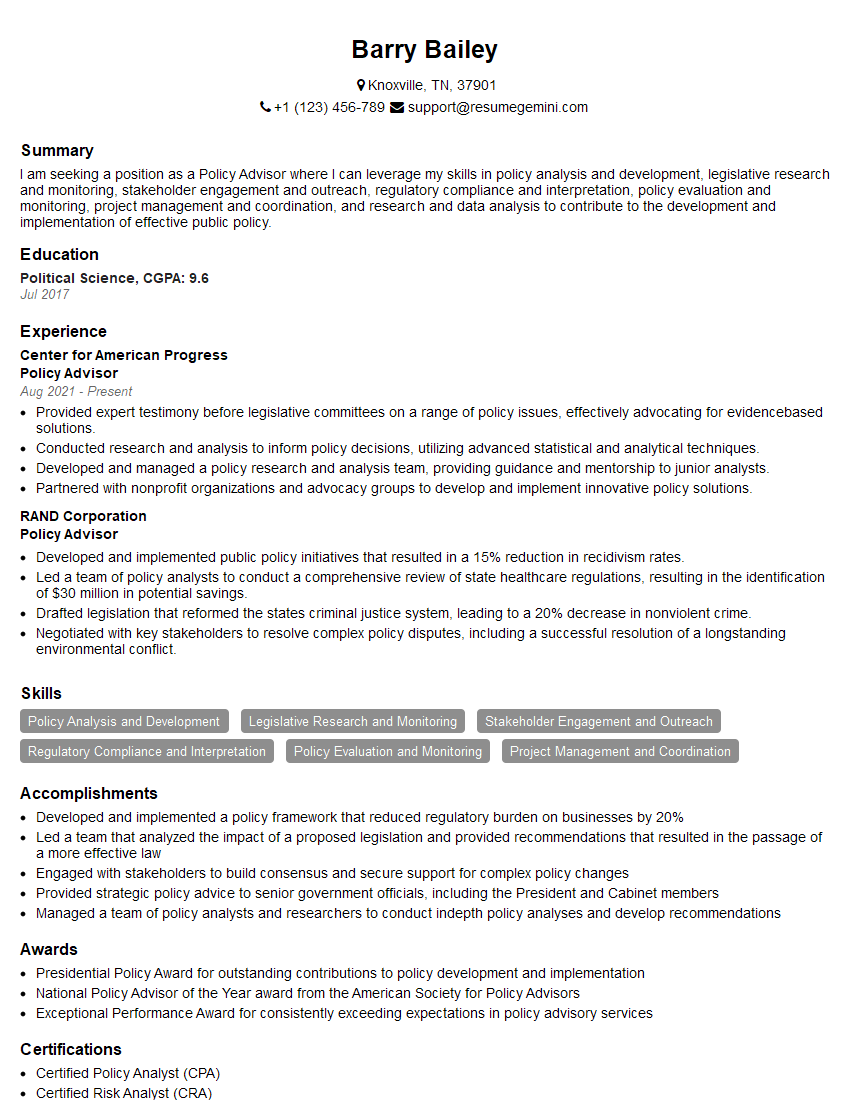
Policy Advisor Resume Sample
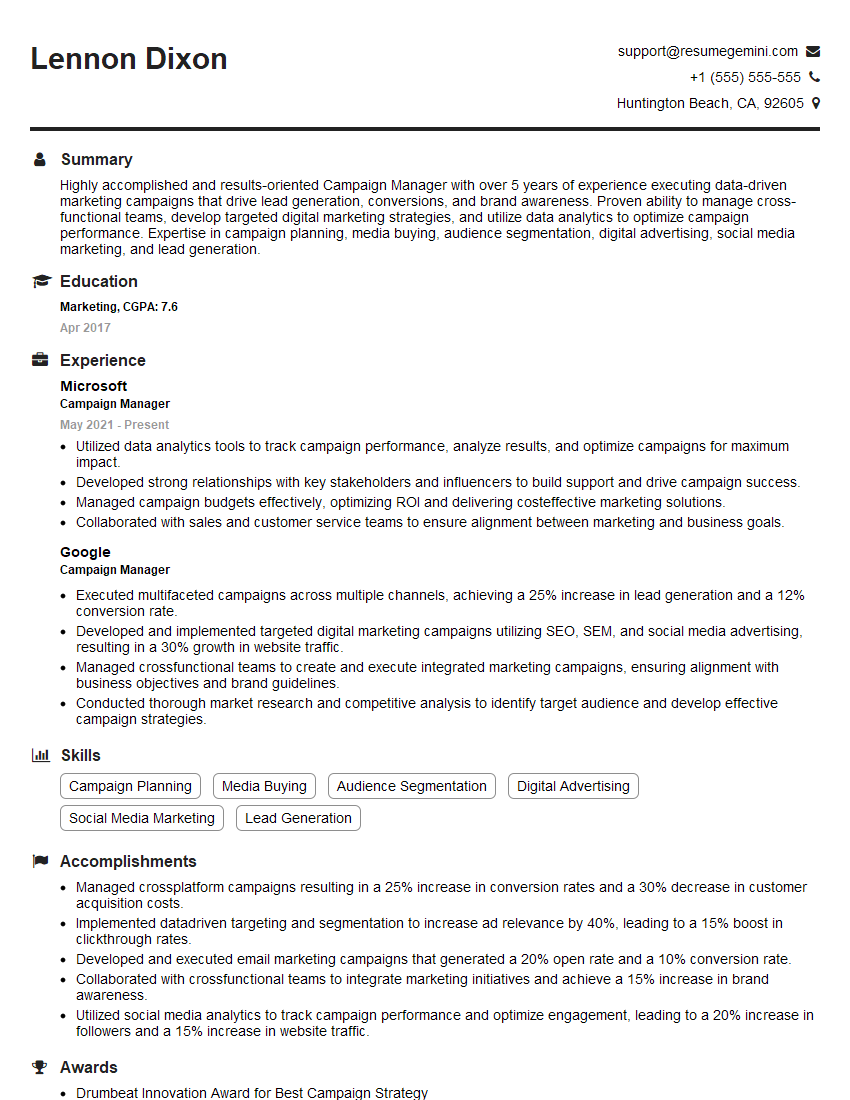
Campaign Manager Resume Sample
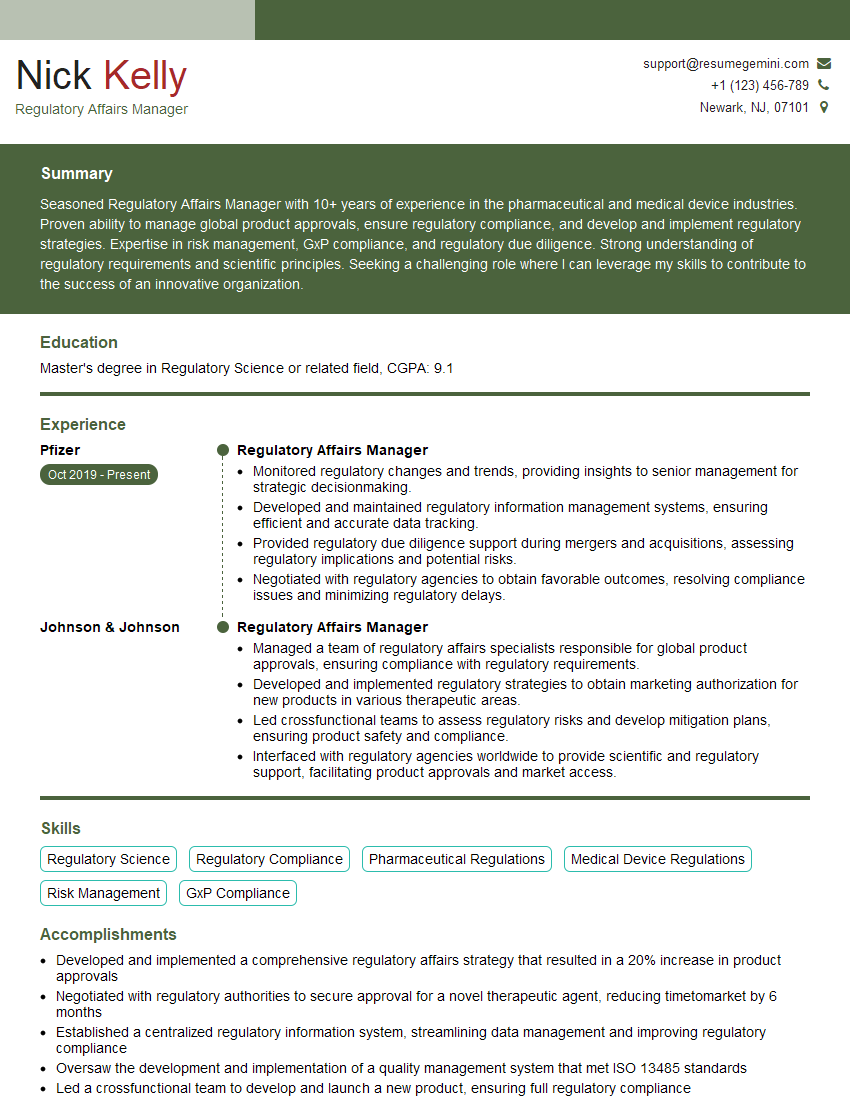
Regulatory Affairs Manager Resume Sample
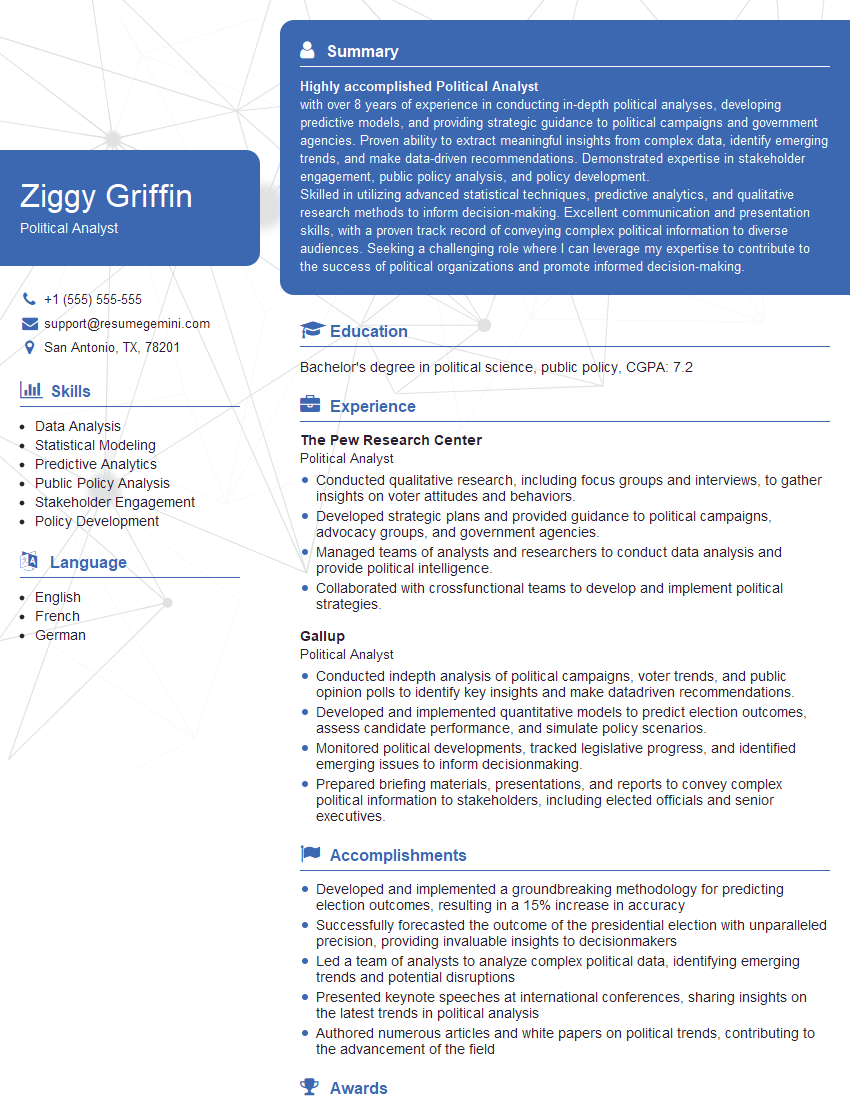
Political Analyst Resume Sample
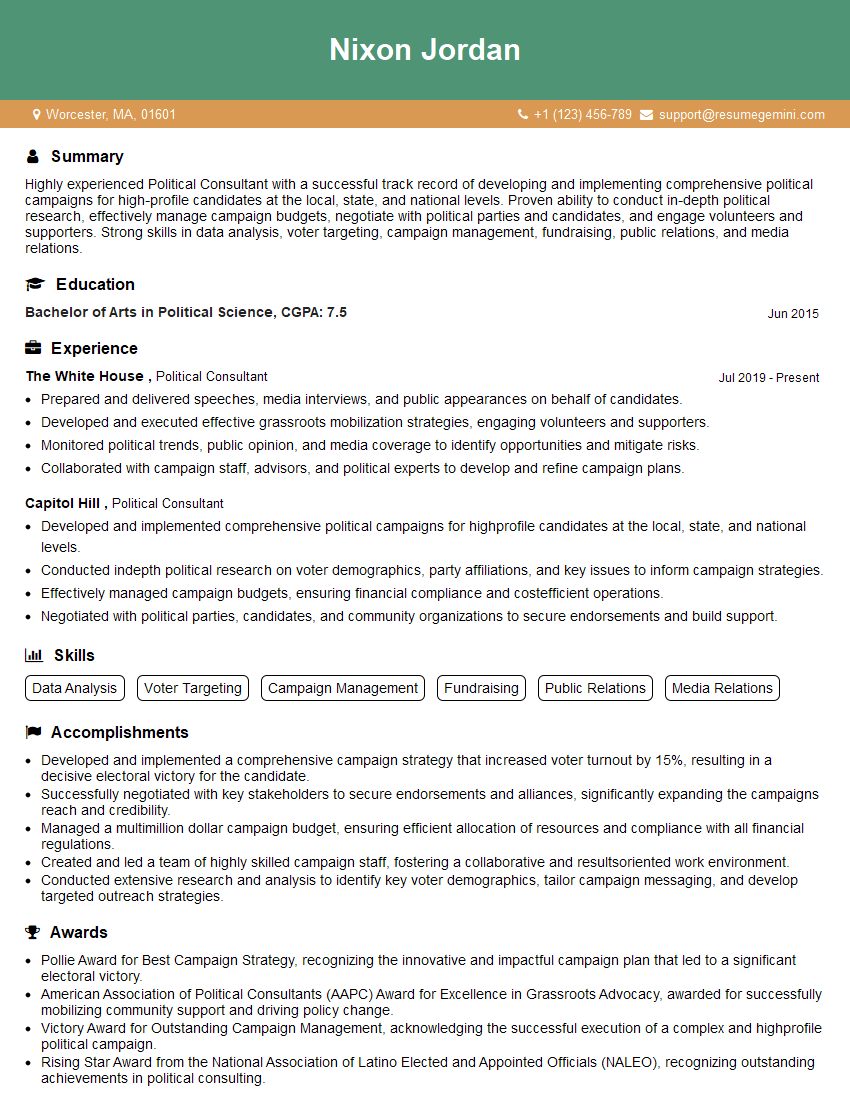
Political Consultant Resume Sample
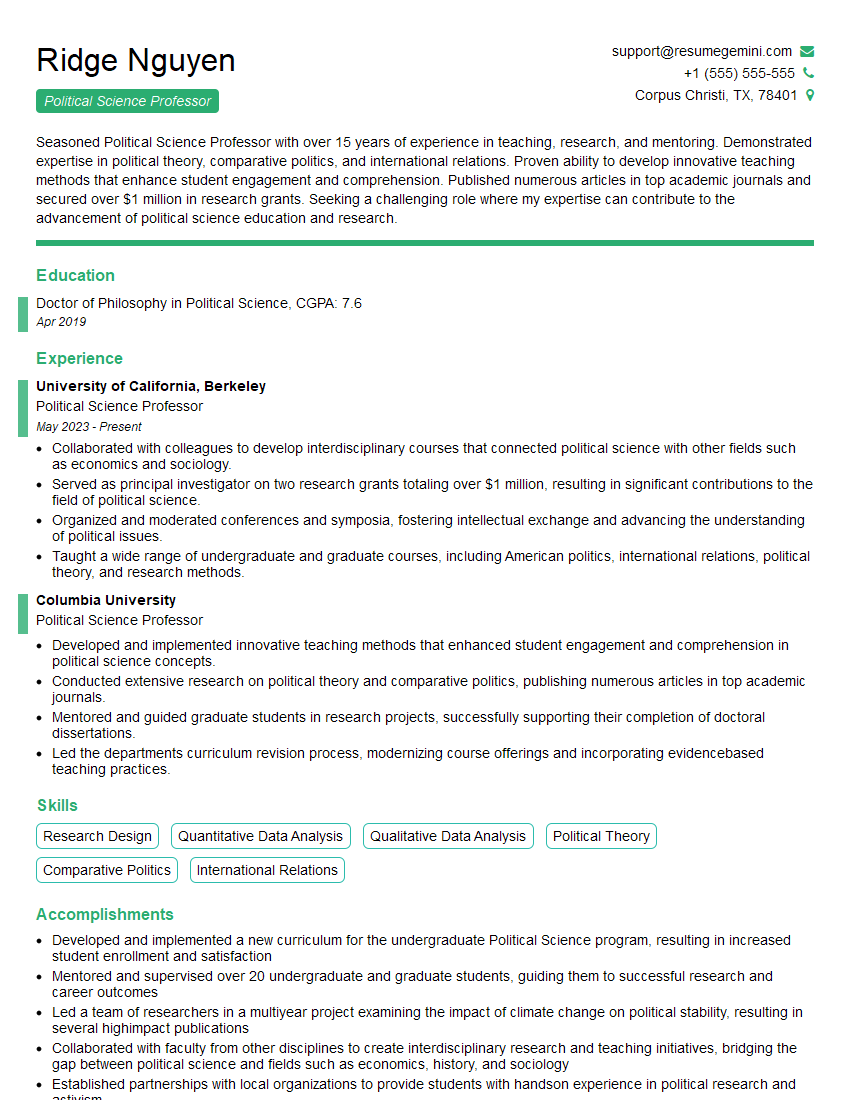
Political Science Professor Resume Sample
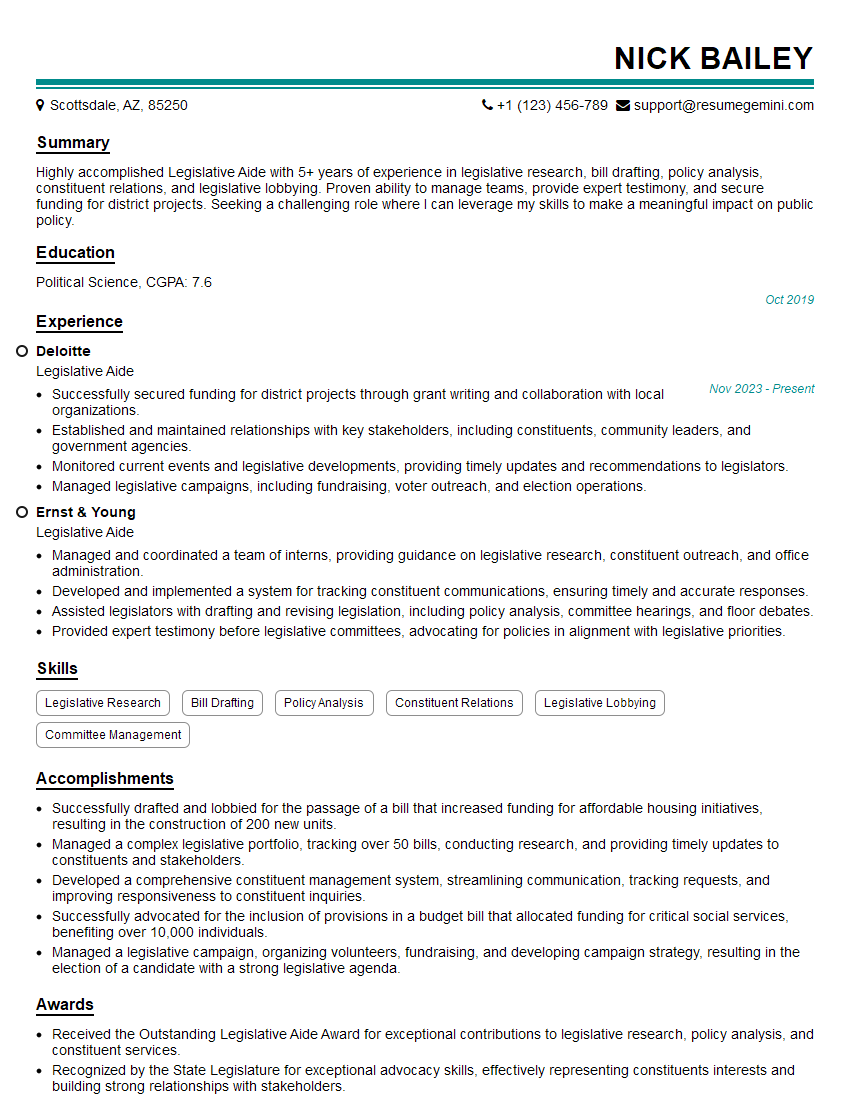
Legislative Aide Resume Sample

Lobbyist Resume Sample
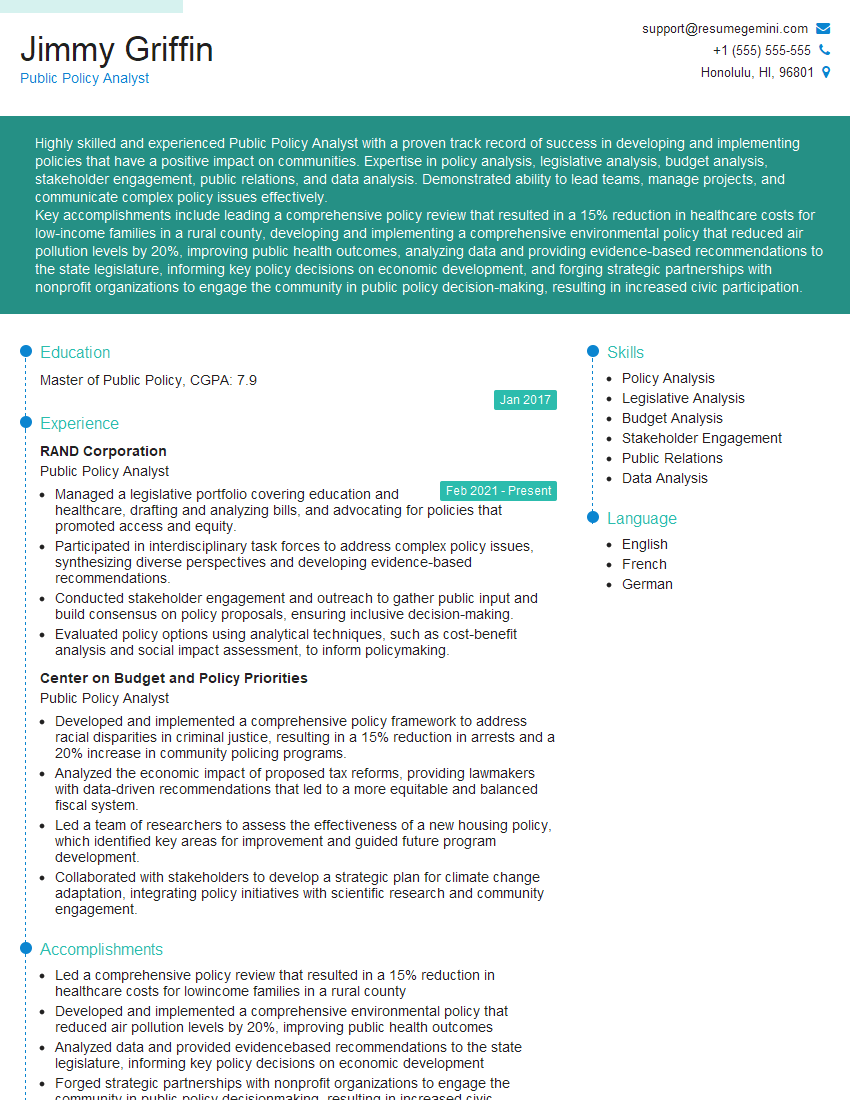
Public Policy Analyst Resume Sample
Explore more articles
Users Rating of Our Blogs
Share Your Experience
We value your feedback! Please rate our content and share your thoughts (optional).
What Readers Say About Our Blog
To the interviewgemini.com Webmaster.
Very helpful and content specific questions to help prepare me for my interview!
Thank you
To the interviewgemini.com Webmaster.
This was kind of a unique content I found around the specialized skills. Very helpful questions and good detailed answers.
Very Helpful blog, thank you Interviewgemini team.