Unlock your full potential by mastering the most common Power System Harmonics interview questions. This blog offers a deep dive into the critical topics, ensuring you’re not only prepared to answer but to excel. With these insights, you’ll approach your interview with clarity and confidence.
Questions Asked in Power System Harmonics Interview
Q 1. Explain the generation mechanisms of harmonics in power systems.
Harmonics in power systems are generated primarily due to the non-linear relationship between voltage and current in certain loads. Unlike purely resistive loads, non-linear loads draw current in a non-sinusoidal fashion, even when supplied with a sinusoidal voltage. This non-sinusoidal current contains harmonic frequencies – multiples of the fundamental frequency (typically 50Hz or 60Hz).
Imagine a water pump: a linear load would pump water smoothly. A non-linear load would be like a pump that only operates in short bursts, leading to a jerky, irregular flow. This irregularity translates to harmonic currents in the electrical system.
Several mechanisms contribute to harmonic generation:
- Rectification: Devices like rectifiers in power supplies and battery chargers convert AC to DC, creating substantial harmonic currents. The abrupt switching action causes current to flow only in pulses, rich in harmonics.
- Switching actions of power electronic devices: Inverters, variable speed drives (VSDs), and switching power supplies use electronic switches that create chopped waveforms. These switching events introduce high-frequency components into the current waveform.
- Saturation of magnetic circuits: Transformers and motors operating close to saturation experience non-linear magnetic flux, generating harmonic currents. This distortion is usually prominent in the lower order harmonics.
- Arcing phenomena: Electrical arcs, such as those in arc furnaces or welding equipment, create highly distorted current waveforms due to their intermittent nature.
These mechanisms, individually or combined, can significantly impact the power system’s quality and efficiency.
Q 2. Describe different types of harmonic sources and their impact on power systems.
Harmonic sources are categorized based on their nature and impact. Understanding the source helps in designing appropriate mitigation strategies.
- Power Electronic Converters: These are major culprits, including variable-speed drives used in industrial motors, switched-mode power supplies in computers and electronics, and rectifiers in various applications. They generate significant amounts of harmonics, particularly odd-numbered harmonics (3rd, 5th, 7th, etc.).
- Arc Furnaces: These industrial furnaces for steelmaking produce highly non-linear loads with significant harmonic distortion. The arc itself generates intermittent currents.
- Large-scale Non-linear Loads: Industries with significant numbers of non-linear loads, such as data centers or manufacturing plants, collectively contribute considerable harmonic currents to the grid.
- Uninterruptible Power Supplies (UPS): While designed to provide a clean power supply, UPS systems themselves can introduce harmonics, particularly when operating at higher loads.
Impact on Power Systems:
- Increased heating in equipment: Harmonics lead to increased RMS currents, exceeding the rated values and causing premature aging and failure of transformers, cables, and other components.
- Overloading of transformers: The increased RMS current due to harmonics can lead to transformer overheating and potentially cause damage.
- Resonance issues: Harmonics can interact with the system’s natural frequencies, causing resonance conditions that dramatically increase voltage and current magnitudes, leading to equipment damage.
- Malfunctioning of protective devices: Harmonics can affect the correct operation of relays and other protective devices, potentially delaying or preventing fault detection.
- Measurement errors: Harmonic currents interfere with accurate energy metering.
Q 3. What are the common effects of harmonics on power system equipment?
Harmonics have several detrimental effects on power system equipment:
- Increased heating in transformers: The increased RMS current caused by harmonics leads to higher core and winding losses, resulting in excessive heat generation and potential insulation failure. This is particularly critical for older transformers not designed for significant harmonic currents.
- Capacitor bank failures: Harmonics cause overheating and premature failure of capacitor banks, vital for power factor correction. Overvoltage due to resonance can be devastating.
- Motor overheating and vibration: Harmonics can cause increased motor losses, leading to overheating and reduced motor lifespan. They can also create torsional vibrations and noise.
- Premature failure of cables and other components: The increased current and potential overvoltages accelerate aging and degrade the insulation of cables, leading to premature failure and potential fire hazards.
- Interference with sensitive electronic equipment: Harmonics can interfere with the operation of electronic equipment, potentially causing malfunctions or data loss. This is especially true for equipment sensitive to high-frequency noise.
- Misoperation of protective relays: Harmonics can lead to inaccurate measurements and potentially lead to incorrect tripping of protective relays, resulting in unintended outages or failure to detect actual faults.
It’s crucial to remember that the severity of these effects depends on the level of harmonic distortion, the equipment’s susceptibility, and the system’s resonance characteristics. Understanding these interactions is essential for effective mitigation.
Q 4. Explain the concept of Total Harmonic Distortion (THD). How is it calculated and what are its limits?
Total Harmonic Distortion (THD) is a measure of the harmonic content in a waveform, indicating the deviation from a pure sinusoidal wave. A higher THD signifies a greater distortion.
It’s calculated differently for voltage and current:
For Voltage THD:
THDV = (√(Σh=2∞ Vh2) / V1) * 100%
where:
V1is the RMS value of the fundamental frequency voltage.Vhis the RMS value of the hth harmonic voltage.
For Current THD:
THDI = (√(Σh=2∞ Ih2) / I1) * 100%
where:
I1is the RMS value of the fundamental frequency current.Ihis the RMS value of the hth harmonic current.
Limits: IEEE standards and other guidelines specify acceptable THD limits for various applications and points in the power system. These limits are typically lower for sensitive loads and higher for robust equipment. For example, THD limits for the point of common coupling (PCC) in industrial settings might be more relaxed than in sensitive areas like hospitals or data centers. Typical limits range from a few percent to less than 5%, depending on the specific application. Exceeding these limits necessitates harmonic mitigation strategies.
Q 5. How do you measure harmonics in a power system?
Measuring harmonics involves using specialized instruments capable of analyzing the frequency content of voltage and current waveforms. The process typically includes these steps:
- Power Quality Analyzer: This instrument is the core of harmonic measurement. It samples the voltage and current waveforms at high speed and performs a Fast Fourier Transform (FFT) to extract the harmonic components.
- Current Transformer (CT) and Voltage Transformer (VT): These are essential for safely measuring the currents and voltages in the power system. Properly rated CTs and VTs are crucial for accurate measurements.
- Software and Data Logging: Modern analyzers typically include software for data analysis, visualization, and reporting. Data logging capabilities allow recording harmonic levels over extended periods to identify trends and patterns.
- Appropriate Measurement Techniques: Factors like grounding, proper instrument connection, and the duration of measurement are crucial for obtaining reliable results. Measurement points should be strategically selected to obtain a representative picture of the harmonic profile.
Example: A power quality analyzer connected to a CT and VT will sample the voltage and current waveforms. The FFT algorithm will then break down the complex waveforms into their constituent frequency components (harmonics), providing details on the amplitude and phase angle of each harmonic. This data is then used to calculate the THD and identify dominant harmonics.
Q 6. What are the common techniques for harmonic mitigation?
Mitigation techniques aim to reduce harmonic currents and voltages to acceptable levels. The choice depends on the source, magnitude, and location of the harmonics:
- Passive Filters: These are tuned filters that present a low impedance path for specific harmonic frequencies, effectively absorbing them. They are cost-effective but less flexible in adapting to changing harmonic profiles. Common types include single-tuned, double-tuned, and higher-order passive filters.
- Active Filters: These inject current waveforms that cancel the harmonic currents, providing a highly flexible and effective solution. They are more expensive than passive filters but can dynamically adapt to changes in harmonic content.
- Harmonic Isolation: This approach involves isolating harmonic sources from sensitive loads using techniques like transformers with specific winding configurations (e.g., delta-wye transformers), or dedicated feeders.
- Load Balancing: Distributing non-linear loads evenly across the system can reduce the overall harmonic impact.
- Improved Power Factor Correction: Using power factor correction capacitors can reduce some harmonic issues but not all, particularly if not correctly designed.
- Source Impedance Reduction: Lowering the impedance of the power system can mitigate resonance problems and reduce harmonic magnification.
- Using Harmonic-Reduced Loads: Substituting existing nonlinear loads with ones that have inherent or added harmonic reduction measures.
Often, a combination of techniques is employed for optimal harmonic mitigation. The selection process typically involves a detailed harmonic study to identify dominant frequencies and assess the best solution considering cost and effectiveness.
Q 7. Describe the function of harmonic filters (passive and active).
Harmonic filters are critical components in mitigating harmonic distortion.
Passive Filters: These filters consist of capacitors, inductors, and sometimes resistors, configured in resonant circuits tuned to specific harmonic frequencies. When a harmonic current flows through the filter, it encounters a low impedance path, diverting the harmonic current to ground, effectively reducing its impact on the system. Passive filters are relatively simple and cost-effective but have limitations. They are effective only at the specific frequencies they are tuned to and can be susceptible to resonance issues if not properly designed and coordinated with other system components. They are generally used for mitigating lower-order harmonics.
Active Filters: Active filters are sophisticated power electronic devices that use advanced control algorithms to dynamically compensate for harmonic currents. They analyze the harmonic content of the load current and inject compensating currents of equal magnitude but opposite phase, effectively neutralizing the harmonics. Active filters are more versatile and can handle a wider range of harmonics compared to passive filters. They can also adapt to changes in load conditions and provide dynamic power factor correction. While more expensive, active filters offer greater flexibility and adaptability, making them suitable for applications with varying harmonic profiles or where precise harmonic control is critical.
Choosing between passive and active filters depends on factors such as cost, the level of harmonic distortion, the required degree of mitigation, and the dynamic nature of the load. For instance, a large industrial plant with highly variable harmonic sources might benefit from an active filter, while a smaller installation with relatively stable harmonic generation could suffice with a passive filter.
Q 8. Explain the principle of operation of a shunt reactor.
Shunt reactors are essentially large inductors connected in parallel with a power system line, primarily used to compensate for excessive capacitive reactance. Think of them as giant ‘sinks’ for reactive power. In long high-voltage transmission lines, the capacitive reactance can be significant, leading to overvoltages, especially during light load conditions. The shunt reactor’s inductive reactance counteracts this capacitive reactance, maintaining a more stable voltage profile.
Principle of Operation: When connected to the system, the shunt reactor draws reactive power, reducing the overall capacitive reactance and thus controlling the voltage level. The amount of reactive power drawn depends on the reactor’s inductance and the system voltage. They are often switched in and out of service depending on load conditions to provide optimal voltage control. For instance, during off-peak hours when the line capacitance dominates, a significant portion of the reactor might be switched in. During peak load hours, its capacity could be reduced or even completely removed.
Practical Application: Shunt reactors are vital in ensuring the stability and reliability of long high-voltage transmission lines, especially those with significant underground cable sections, preventing overvoltages that can damage equipment and disrupt service. You’ll find them commonly in substations connected to transmission lines.
Q 9. Explain the role of power system stabilizers in mitigating harmonics.
Power system stabilizers (PSS) are primarily designed to enhance the stability of synchronous generators, not directly to mitigate harmonics. While they don’t address harmonics directly, their influence on system stability indirectly impacts the harmonic profile. Harmonics can exacerbate system instability, leading to oscillations and potentially system collapse. By improving the overall system stability, PSS indirectly reduces the susceptibility to harmonic-related issues.
Role in Indirect Harmonic Mitigation: A stable system is less prone to harmonic resonance. Resonance occurs when the system’s natural frequencies coincide with harmonic frequencies, amplifying harmonic currents and voltages. PSS helps to damp out these oscillations, reducing the likelihood of resonance and consequently minimizing the impact of harmonics.
Analogy: Imagine a swing set. Harmonics are like a child pushing the swing irregularly, creating erratic motion. PSS acts as a stabilizing mechanism that reduces those irregular pushes by ensuring smoother power generation and transmission, leading to a more stable system less susceptible to being disrupted by harmonic disturbances.
Q 10. Discuss the use of power factor correction capacitors in harmonic mitigation.
Power factor correction (PFC) capacitors are commonly used to improve the power factor of the system by compensating for lagging reactive power. However, their use can inadvertently worsen harmonic problems if not carefully considered. Capacitors, while improving the power factor, present a low impedance path to harmonic currents, potentially creating resonance problems. This is particularly true for higher-order harmonics.
Harmonic Mitigation Strategies with PFC Capacitors: To mitigate the risks, several measures are taken, including:
- Proper Sizing and Placement: Careful selection of capacitor bank size and location is crucial to avoid resonance. Detailed harmonic impedance analysis is required before installing PFC capacitors.
- Tuned Filters: Adding tuned filters in parallel with the capacitors can effectively mitigate specific harmonic frequencies. These filters are designed to present a low impedance path for the target harmonic, diverting them away from the system.
- Distributed Capacitance: Distributing smaller capacitor banks across the system, rather than having one large bank, can decrease the risk of resonance.
Example: A factory with many induction motors might have a low power factor. Adding a large PFC capacitor bank without harmonic analysis could lead to resonance at certain harmonic frequencies, potentially causing overvoltages and equipment damage.
Q 11. Explain the importance of harmonic impedance analysis.
Harmonic impedance analysis is crucial for understanding the system’s response to harmonic currents. It involves determining the impedance of the power system at various harmonic frequencies. This analysis is fundamental for predicting the magnitude and distribution of harmonic currents and voltages within the system. Understanding the system’s harmonic impedance allows engineers to effectively design mitigation strategies.
Importance:
- Resonance Prediction: By identifying resonant frequencies, harmonic impedance analysis helps to prevent resonance conditions. Resonance can lead to significantly amplified harmonic currents and voltages that can damage equipment.
- Mitigation Strategy Design: The analysis guides the design of mitigation strategies, such as filter placement and sizing, to effectively reduce harmonic levels.
- Equipment Selection: It helps in selecting equipment that can withstand the anticipated harmonic levels.
- Troubleshooting: When harmonic problems occur, this analysis helps pinpoint the sources and identify effective solutions.
Example: A distribution system with a high capacitive reactance at a specific harmonic frequency may amplify that harmonic significantly. Harmonic impedance analysis would reveal this resonance point, allowing for the design of a filter to mitigate this amplification.
Q 12. What are the IEEE standards related to power system harmonics?
Several IEEE standards address power system harmonics. Key ones include:
- IEEE 519-2014: This standard, “IEEE Recommended Practices and Requirements for Harmonic Control in Electrical Power Systems,” is a cornerstone for harmonic management. It specifies limits on harmonic current injection from various equipment, providing valuable guidelines for equipment manufacturers and system operators. It also addresses aspects like system impedance analysis and harmonic filtering.
- IEEE 100-2018: The IEEE Dictionary of Electrical and Electronics Terms provides definitions of harmonic-related terms, ensuring consistent terminology across the industry.
- IEEE Std. 1159-2019: This standard offers guidance on harmonic measurements and instrumentation. It helps to standardize the procedures for measuring and analyzing harmonic levels within a system.
These standards offer crucial guidelines and practices for harmonic control and mitigation, ensuring a more reliable and efficient power system operation.
Q 13. How do harmonics affect power transformers?
Harmonics significantly affect power transformers in several ways, primarily through increased losses and overheating:
- Increased Core Losses: Harmonic currents cause increased core losses due to the non-linear magnetization characteristics of the transformer core. These losses manifest as extra heat generation.
- Increased Winding Losses: Harmonic currents also produce increased I²R (resistive) losses in transformer windings, further contributing to overheating.
- Overheating and Insulation Degradation: The combined effect of increased core and winding losses leads to overheating of the transformer, potentially damaging the insulation and shortening its lifespan. Excessive temperatures can reduce the lifespan of insulation materials significantly.
- Magnetizing Current Distortion: Harmonics distort the magnetizing current, leading to saturation and increased core losses.
- Overvoltage Stresses: Resonance can result in amplified harmonic voltages, stressing the transformer’s insulation and potentially causing premature failure.
Practical Example: A power transformer in a facility with many non-linear loads (like variable frequency drives) might experience higher-than-normal temperatures due to harmonic currents, potentially requiring derating or premature replacement.
Q 14. How do harmonics affect motors and drives?
Harmonics have a substantial negative impact on motors and drives, causing several problems:
- Torque Ripple and Vibration: Harmonics in the motor’s supply voltage create torque ripple, leading to increased vibration and noise. This can reduce motor efficiency and lifespan.
- Overheating: Harmonic currents cause additional I²R losses, leading to increased temperature in motor windings and bearings, potentially leading to premature insulation failure.
- Reduced Efficiency: The torque ripple and increased losses reduce the overall efficiency of the motor, increasing energy consumption.
- Premature Failure: The combination of increased heating, vibration, and stress can lead to premature failure of the motor.
- Malfunction of Variable Frequency Drives (VFDs): Harmonics can cause interference and malfunction within VFDs themselves, affecting their operation and control.
Example: A variable speed pump controlled by a VFD might experience excessive vibration and premature bearing failure due to harmonic currents, necessitating costly repairs or replacements.
Q 15. How do harmonics affect power cables?
Harmonics, which are multiples of the fundamental power frequency (typically 50Hz or 60Hz), significantly impact power cables. These higher-frequency currents generate additional losses due to increased skin effect and proximity effect.
The skin effect causes AC current to concentrate near the conductor’s surface, increasing resistance and leading to higher I²R losses at higher frequencies (like harmonics). The proximity effect arises from the interaction between magnetic fields of nearby conductors, further exacerbating losses. This increased heat generation can lead to cable overheating, reduced lifespan, and even cable failure if not properly managed. Moreover, harmonics can induce eddy currents in metallic cable sheaths or armor, resulting in additional losses and heating.
For example, a cable designed for 50Hz operation might experience significantly higher losses and temperature rise when subjected to significant levels of 5th or 7th harmonics (250Hz and 350Hz respectively). This highlights the need for cable selection that considers the harmonic content of the load.
Career Expert Tips:
- Ace those interviews! Prepare effectively by reviewing the Top 50 Most Common Interview Questions on ResumeGemini.
- Navigate your job search with confidence! Explore a wide range of Career Tips on ResumeGemini. Learn about common challenges and recommendations to overcome them.
- Craft the perfect resume! Master the Art of Resume Writing with ResumeGemini’s guide. Showcase your unique qualifications and achievements effectively.
- Don’t miss out on holiday savings! Build your dream resume with ResumeGemini’s ATS optimized templates.
Q 16. Describe different harmonic analysis techniques (FFT, Wavelet transform).
Harmonic analysis techniques help us identify and quantify the various harmonic components present in a power system waveform. Two prominent methods are Fast Fourier Transform (FFT) and Wavelet Transform.
Fast Fourier Transform (FFT): FFT is a widely used digital signal processing technique that decomposes a time-domain signal into its frequency components. It’s computationally efficient and provides a clear picture of the amplitude and phase of each harmonic frequency. Think of it as separating a mixed musical chord into its individual notes. The result is a spectrum showing the amplitude of each harmonic.
Wavelet Transform: Unlike FFT, which analyzes the entire signal at once, the Wavelet Transform analyzes the signal in small, localized time windows. This makes it particularly useful for analyzing non-stationary signals, where the harmonic content changes over time. This approach is beneficial in identifying transient harmonic events or analyzing signals with rapidly changing harmonic characteristics. For instance, a wavelet transform can effectively pinpoint the moment a specific harmonic appears due to a sudden load change.
Both techniques have their strengths and weaknesses; FFT is excellent for steady-state analysis, while Wavelet Transform is better suited for transient analysis. The choice depends on the specific application and the nature of the harmonic distortion.
Q 17. Explain the concept of harmonic resonance.
Harmonic resonance occurs when a harmonic frequency generated by a non-linear load coincides with a natural resonant frequency of the power system. Imagine pushing a child on a swing. If you push at the right frequency (resonant frequency), the swing will oscillate with a much larger amplitude than if you push at a random frequency. Similarly, in a power system, if a harmonic frequency matches a system’s resonance, the amplitude of that harmonic can become significantly magnified, leading to potentially dangerous overvoltages and overcurrents.
This resonance usually happens in systems with high impedance at certain frequencies due to the combined effect of capacitance and inductance in power lines, transformers, and shunt capacitors. This forms a resonant circuit, amplifying specific harmonic frequencies.
Q 18. How to identify harmonic resonance in a power system?
Identifying harmonic resonance involves a combination of analysis and measurements. First, harmonic analysis (using FFT or Wavelet Transform) is performed to determine the harmonic content of the system. Then, impedance measurements at various frequencies are carried out to determine the system’s resonant frequencies. The presence of high impedance at a frequency matching a significant harmonic indicates a potential resonance problem. Specific software tools and techniques are used for this analysis. The next step would be to correlate the harmonics generated by specific loads with the system’s resonant points, pinpointing the source of the resonance.
For example, if the 5th harmonic (250 Hz for a 50 Hz system) shows significantly higher amplitude than others in the harmonic spectrum and impedance measurements show a high impedance peak around 250 Hz, this indicates a potential resonance at the 5th harmonic.
Q 19. What are the challenges in mitigating harmonics in renewable energy systems?
Mitigating harmonics in renewable energy systems presents unique challenges due to the intermittent and variable nature of renewable energy sources and the increasing penetration of power electronic converters (inverters).
Variable Harmonic Content: The output of power electronic converters used in solar PV and wind turbines varies significantly depending on weather conditions and other factors, leading to fluctuating harmonic levels.
Distributed Generation: The decentralized nature of renewable energy sources makes it challenging to monitor and control harmonics across the entire distribution system.
Filter Design Complexity: Designing effective filters that can handle the variable harmonic content and dynamic nature of renewable energy systems is complex and requires sophisticated control strategies.
These challenges necessitate a holistic approach, combining improved filter designs, advanced grid monitoring, and effective communication systems to coordinate harmonic mitigation efforts across the entire system.
Q 20. Discuss the impact of harmonics on power system protection relays.
Harmonics can significantly impact the operation of power system protection relays, leading to both false tripping and failure to trip during actual faults.
High levels of harmonic distortion can saturate the current transformers (CTs) and voltage transformers (VTs) used by protection relays, leading to inaccurate measurements and potentially false tripping. The relay may interpret the distorted waveform as a fault condition, even when no fault exists. Conversely, the presence of high harmonics can mask actual fault signals, preventing the relay from operating correctly when a fault occurs. This could cause delayed fault clearing and increased damage to the power system.
Modern protection relays are designed with improved harmonic filtering and mitigation techniques, but careful consideration of harmonic levels is still crucial during relay selection, setting, and testing. Relays with harmonic rejection capabilities are increasingly used to improve reliability in harmonic-rich environments.
Q 21. Explain the role of harmonic filters in improving power quality.
Harmonic filters are passive or active devices used to mitigate harmonic distortion in power systems. They improve power quality by reducing the amplitude of specific harmonic frequencies.
Passive filters: These are typically tuned LC (inductor-capacitor) circuits designed to resonate at specific harmonic frequencies. They shunt the harmonic currents to ground, thereby reducing harmonic distortion. They are relatively simple and cost-effective but are effective only at specific frequencies.
Active filters: These use power electronic devices to actively inject harmonic currents that cancel out the harmonic currents generated by the non-linear load. Active filters are more versatile and can adapt to changing harmonic content, but they are more complex and expensive than passive filters.
The choice between passive and active filters depends on factors like the level and type of harmonic distortion, system characteristics, cost considerations, and the need for adaptability. Often, a combination of both types might be used for optimal performance. Harmonic filters are essential for maintaining power quality in modern power systems with high levels of non-linear loads.
Q 22. How can you use simulation software (e.g., PSCAD, ETAP) to analyze harmonic problems?
Simulation software like PSCAD and ETAP are invaluable tools for analyzing harmonic problems in power systems. They allow engineers to build detailed models of the system, including sources of harmonics (like non-linear loads – variable speed drives, rectifiers, etc.), power system components (transformers, transmission lines, cables), and harmonic mitigation devices (filters).
The process typically involves:
- Building the model: You input the system parameters, including component impedances, harmonic source characteristics, and filter designs.
- Running the simulation: The software calculates the harmonic currents and voltages throughout the system at different frequencies.
- Analyzing the results: This involves examining the harmonic distortion levels at various points, identifying potential problem areas, and evaluating the effectiveness of any proposed mitigation strategies. Key outputs to inspect are Total Harmonic Distortion (THD) of voltage and current waveforms at critical busbars and equipment locations.
For example, in PSCAD, you might use specialized harmonic analysis modules to simulate the propagation of harmonics from a large industrial drive through a network of transformers and cables to a sensitive load. ETAP offers similar functionalities, enabling you to assess harmonic resonance risks by studying system impedance curves. You can then adjust parameters in the model to test the impact of different filter designs or changes in the system configuration.
Q 23. Describe different types of harmonic filter designs and their applications.
Harmonic filters are crucial for mitigating the negative effects of harmonics. They are passive or active devices designed to absorb or shunt harmonic currents, thereby reducing harmonic distortion. Common types include:
- Passive Filters: These are the most common, consisting of inductors and capacitors tuned to specific harmonic frequencies.
- Single-tuned filters: Designed to attenuate a specific harmonic frequency.
- Multi-tuned filters: Designed to attenuate multiple harmonic frequencies simultaneously.
- High-pass filters: Designed to attenuate lower-order harmonics, typically used in conjunction with other filters.
- Active Filters: These use power electronic converters to actively inject currents that cancel out harmonic currents. They are more flexible and adaptable than passive filters, allowing for dynamic compensation and handling fluctuating harmonic loads. They are however, more expensive than passive solutions.
- Hybrid Filters: Combine passive and active filtering technologies, leveraging the strengths of both approaches. This can provide cost-effective solutions in situations requiring precise control over harmonic compensation.
Applications: The choice of filter depends on the specific application. Single-tuned filters might be appropriate for mitigating a dominant harmonic frequency generated by a specific load. Multi-tuned filters are useful for addressing multiple significant harmonic frequencies. Active filters are often preferred for highly variable harmonic loads or situations requiring precise control.
For instance, a large industrial plant with numerous variable speed drives might employ a combination of multi-tuned passive filters and active filters to manage harmonics effectively.
Q 24. Explain the concept of harmonic load flow analysis.
Harmonic load flow analysis is an extension of traditional power flow analysis. While conventional power flow focuses on fundamental frequency (50Hz or 60Hz), harmonic load flow considers the impact of non-linear loads generating harmonic currents at multiple frequencies. It’s crucial because harmonic currents propagate through the power system, causing voltage distortion and potentially affecting the operation of other equipment.
The analysis involves solving a set of equations representing the power system network at each harmonic frequency. This accounts for the frequency-dependent impedances of the system components and the harmonic current injection from non-linear loads. The results show the voltage and current magnitudes and phases at each bus for each harmonic frequency, allowing engineers to assess the impact of harmonics on various parts of the system. This analysis is important to evaluate the effectiveness of harmonic filters and identify potential resonance points in the system, where harmonic voltages can become excessively amplified.
Imagine a scenario with several large variable-speed drives feeding into a distribution network. Harmonic load flow analysis would help predict the voltage distortion levels at various points in that network, allowing for preemptive mitigation strategies to be implemented.
Q 25. How do you assess the impact of harmonics on the lifespan of power system equipment?
Harmonics can significantly impact the lifespan of power system equipment. Excessive harmonic currents and voltages generate additional stresses on components, leading to premature failure. The effects vary depending on the type of equipment:
- Transformers: Harmonics cause increased eddy current losses and heating in transformer windings, potentially leading to insulation degradation and shortened lifespan.
- Capacitors: Harmonics can cause overvoltage and overcurrent stress, leading to premature capacitor failure. Resonance with system impedances can be particularly damaging.
- Motors: Harmonics can cause excessive torque pulsations and increased heating, resulting in bearing damage and reduced motor efficiency.
- Insulation: Harmonic voltages can stress the insulation of cables and other equipment, reducing its dielectric strength and leading to breakdown.
Assessing the impact requires analyzing the harmonic levels in the system and comparing them to manufacturer’s specifications. Often, thermal analysis is also performed to assess the temperature rise due to harmonic losses. For example, a transformer’s lifespan might be significantly reduced if it’s operating with higher-than-recommended harmonic distortion levels. This is often quantified using accelerated life testing and calculations based on Arrhenius relationships.
Q 26. Discuss the regulatory aspects of harmonic limits in power systems.
Regulatory aspects concerning harmonic limits are crucial to maintaining power system stability and equipment reliability. Standards and regulations vary by region and country, but generally, they specify limits on harmonic current and voltage distortion levels. These are often expressed as Total Harmonic Distortion (THD) percentages or individual harmonic current limits at various points in the power system.
Organizations like IEEE, IEC, and various national standards bodies define these limits for different voltage levels and types of equipment. For example, a utility might impose limits on the harmonic currents injected by large industrial customers to protect the overall network. Non-compliance can lead to penalties or even disconnection from the grid. Furthermore, some countries have regulations mandating the use of harmonic mitigation techniques, especially for large non-linear loads. Compliance often involves detailed harmonic studies and the installation of appropriate filtering systems.
Utilities and regulatory bodies utilize harmonic monitoring systems to track harmonic levels in the network and identify potential violations. This data informs enforcement efforts and helps to identify areas that require additional harmonic mitigation.
Q 27. What are some emerging trends in harmonic mitigation and analysis?
Several emerging trends are shaping the future of harmonic mitigation and analysis:
- Advanced Harmonic Analysis Techniques: Sophisticated algorithms and artificial intelligence are being integrated into harmonic analysis software to improve accuracy and efficiency. This includes advanced modeling techniques that better account for non-linear interactions and dynamic behavior.
- Smart Grid Integration: The increasing integration of renewable energy sources and distributed generation adds complexity to harmonic management. Smart grid technologies and advanced communication networks are being used to monitor and control harmonics in a decentralized manner.
- Use of Wide-Bandgap Devices: Silicon carbide (SiC) and gallium nitride (GaN) power devices are being used to build more efficient and robust harmonic mitigation solutions, particularly for active filtering applications. This leads to smaller, lighter-weight filters with improved performance.
- Data Analytics and Machine Learning: Machine learning algorithms are being used to analyze large datasets from harmonic monitoring systems to predict potential harmonic problems and optimize filter settings. Predictive maintenance of harmonic mitigation equipment is also becoming increasingly important.
These trends are moving towards more proactive and intelligent harmonic management strategies, improving reliability, and reducing the overall cost of harmonic mitigation.
Q 28. Explain your experience in diagnosing and resolving harmonic issues in a real-world power system.
During my time at [Previous Company Name], we encountered significant harmonic distortion problems at a large manufacturing facility. The plant used numerous high-power variable speed drives for their production lines. Initial measurements revealed high levels of harmonic distortion on the facility’s distribution network, leading to concerns about equipment damage and potential grid stability issues.
Our diagnostic approach involved:
- Detailed Harmonic Measurements: We conducted comprehensive harmonic measurements using specialized power quality analyzers to identify the dominant harmonic frequencies and their magnitudes.
- System Modeling: We created a detailed power system model using ETAP software, incorporating the harmonic sources and system impedances.
- Harmonic Load Flow Analysis: We performed harmonic load flow analysis to predict the harmonic distortion levels throughout the system under various operating conditions.
- Mitigation Strategy Development: Based on the analysis, we designed a mitigation strategy involving the installation of a combination of passive multi-tuned filters and an active power filter. The passive filters addressed the dominant harmonic frequencies, while the active filter handled the more unpredictable and dynamic harmonic components.
After implementing the proposed solutions, we conducted post-installation measurements that showed a significant reduction in harmonic distortion levels, bringing them well within regulatory limits. This project demonstrates the combined use of advanced analytical techniques and practical mitigation strategies to solve real-world harmonic problems, safeguarding equipment and maintaining power quality.
Key Topics to Learn for Power System Harmonics Interview
- Harmonic Sources and Their Characteristics: Understand the origin of harmonics in power systems (e.g., non-linear loads like rectifiers, inverters) and their impact on system behavior. Learn to identify and classify different harmonic sources.
- Harmonic Propagation and Impedance: Explore how harmonics propagate through power systems, focusing on the role of system impedance and its frequency dependence. Understand resonance phenomena and potential problems.
- Harmonic Analysis Techniques: Master techniques for analyzing harmonic content in power systems, including FFT analysis, and interpreting the results. Practice identifying dominant harmonics and their magnitudes.
- Harmonic Mitigation Strategies: Become familiar with various methods for mitigating harmonics, such as passive filters (LC filters), active filters, and harmonic current compensation techniques. Understand their advantages and disadvantages.
- Standards and Regulations: Review relevant standards and regulations related to harmonic limits and mitigation in power systems. This demonstrates your awareness of industry best practices.
- Practical Applications and Case Studies: Explore real-world applications of harmonic analysis and mitigation in various power system scenarios (e.g., industrial plants, renewable energy integration). Understanding case studies will showcase your practical knowledge.
- Power Quality Issues and Harmonics: Connect harmonic distortion to broader power quality concerns, including voltage distortion, flicker, and their impact on sensitive equipment.
- Simulation and Modeling: Familiarize yourself with software tools used for simulating and modeling harmonic behavior in power systems. Understanding simulation techniques is valuable for problem-solving.
Next Steps
Mastering Power System Harmonics is crucial for career advancement in the power engineering field. A strong understanding of these concepts opens doors to exciting roles in power system analysis, design, and operation. To enhance your job prospects, it’s vital to create a compelling, ATS-friendly resume that highlights your skills and experience. ResumeGemini is a trusted resource that can help you build a professional and effective resume. ResumeGemini provides examples of resumes tailored to Power System Harmonics, ensuring your application stands out from the competition. Take the next step towards your dream career today!
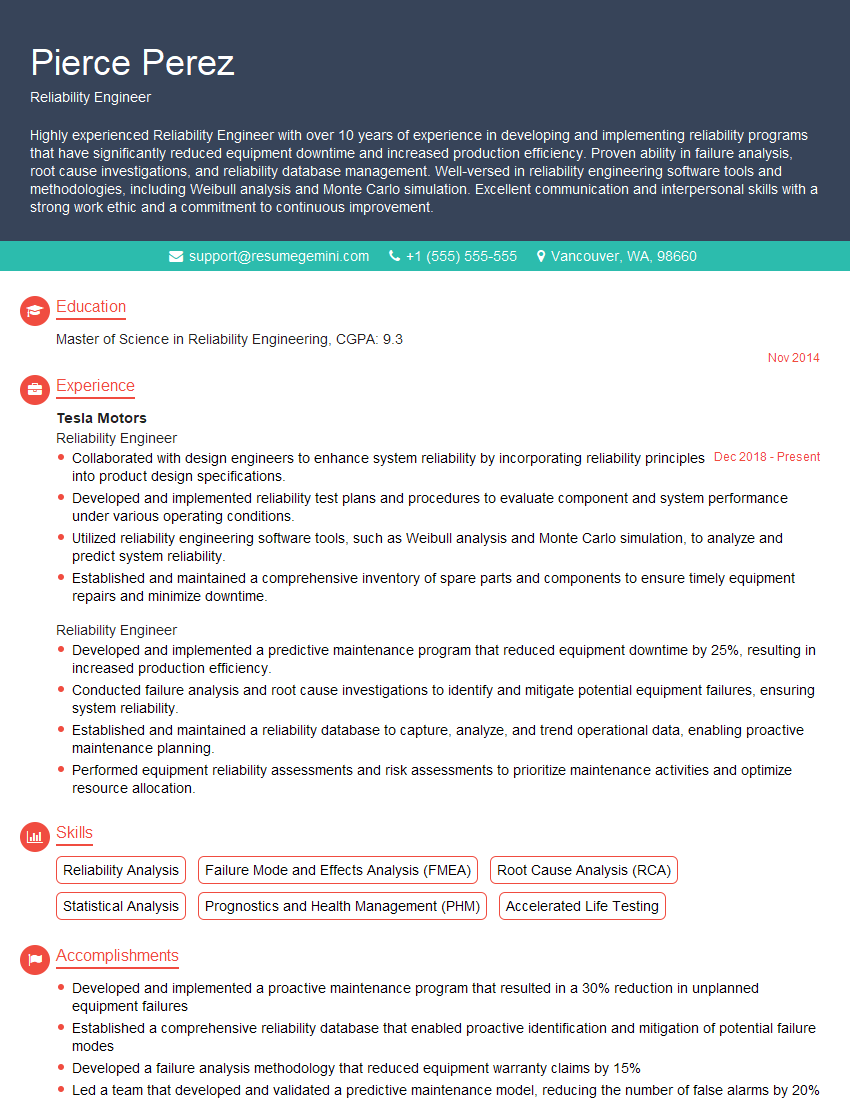
Reliability Engineer Resume Sample

Energy Auditor Resume Sample
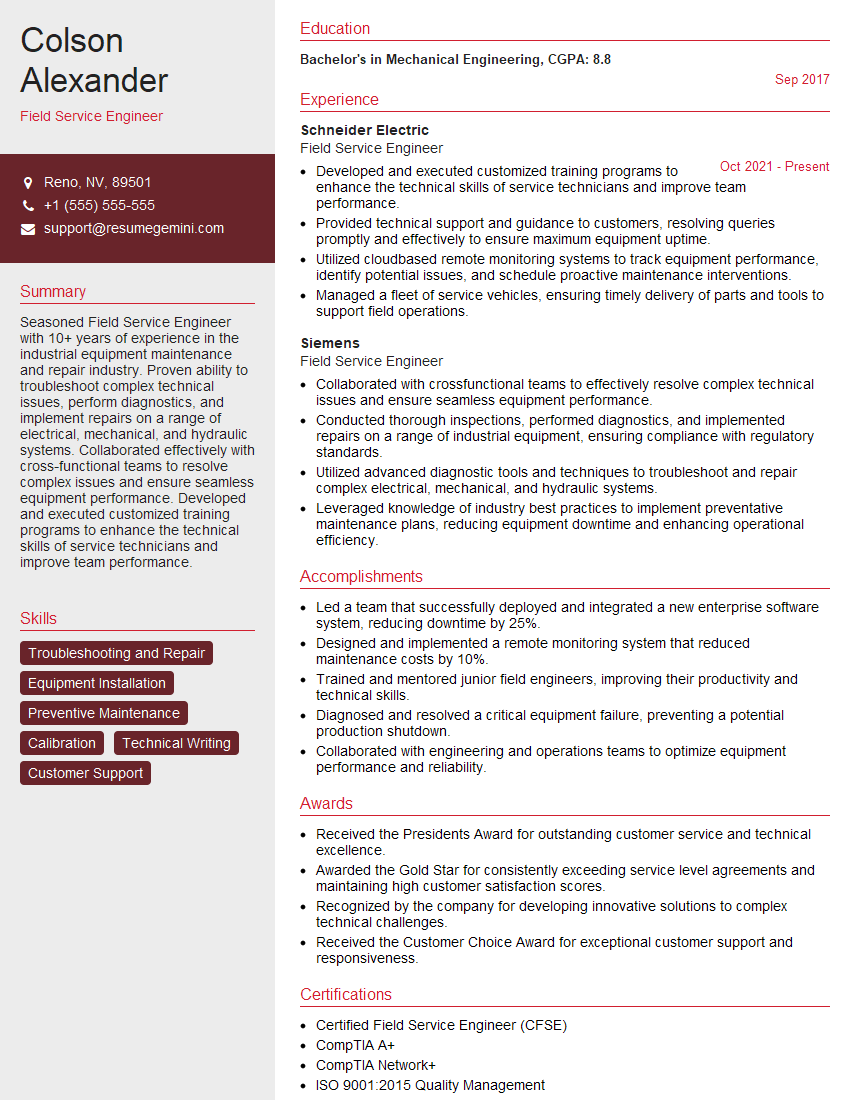
Field Service Engineer Resume Sample
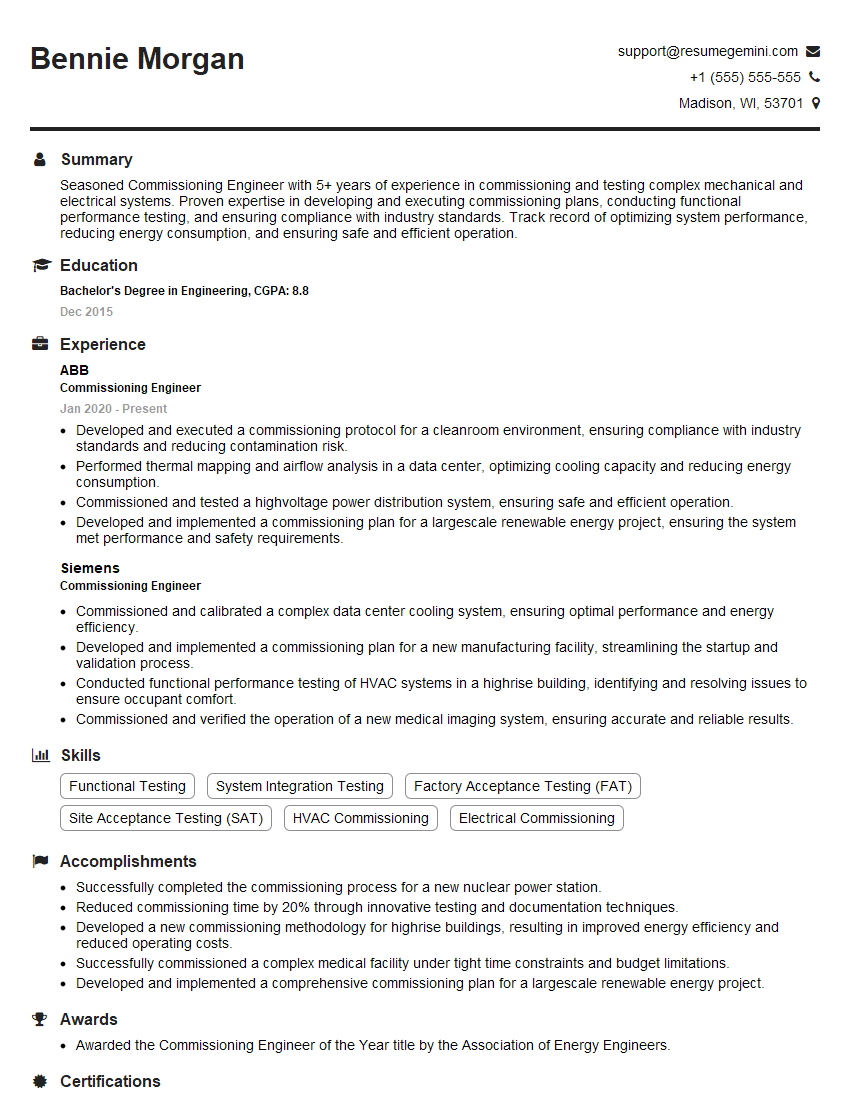
Commissioning Engineer Resume Sample
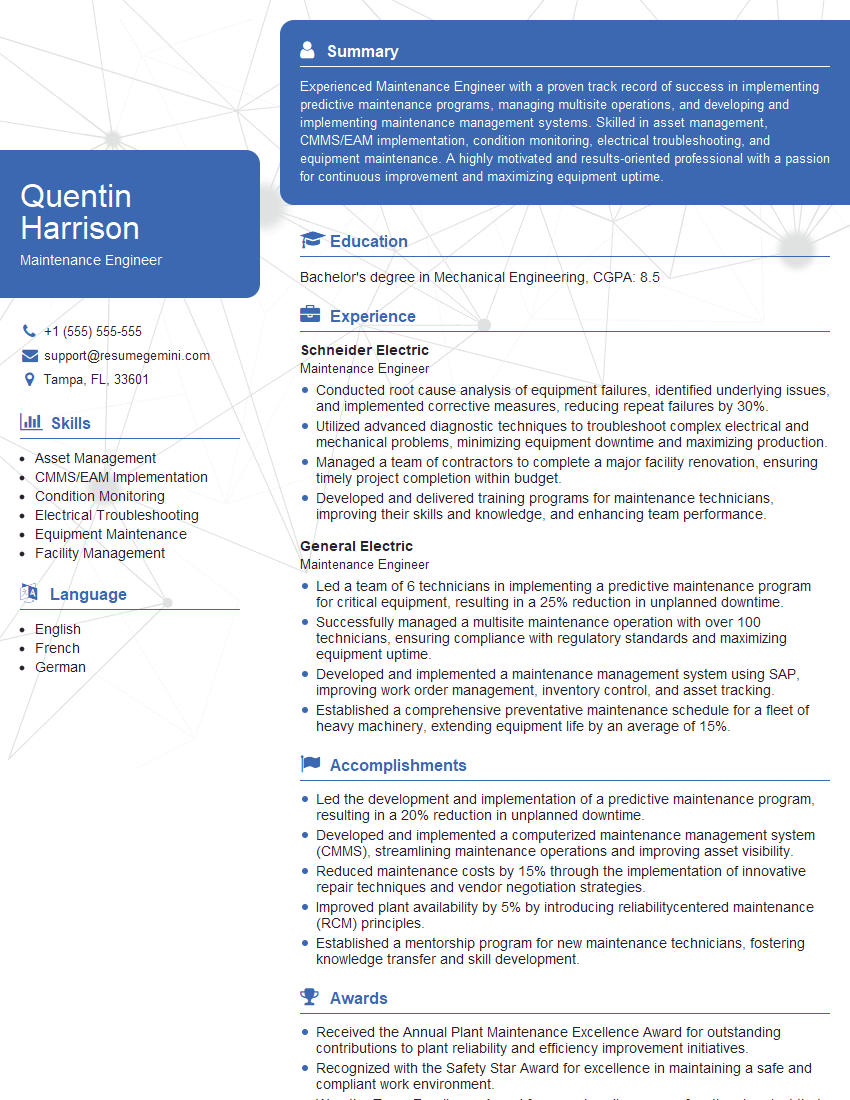
Maintenance Engineer Resume Sample
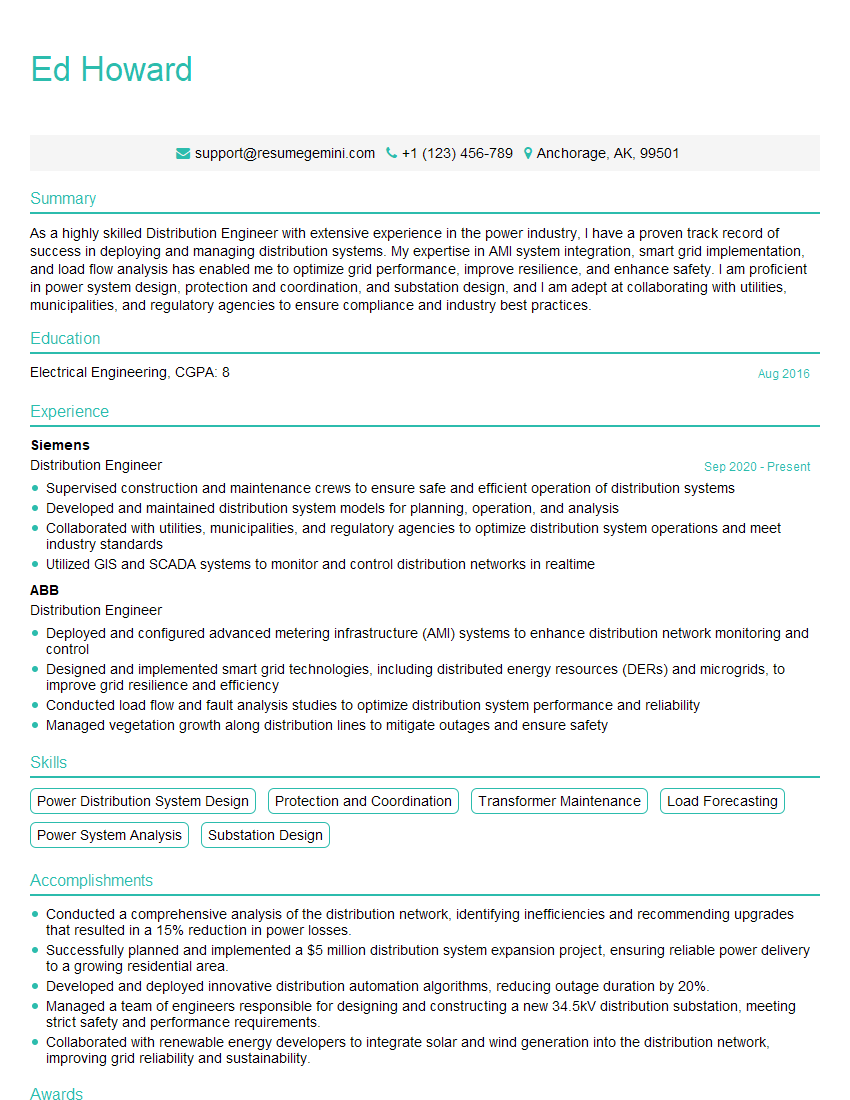
Distribution Engineer Resume Sample
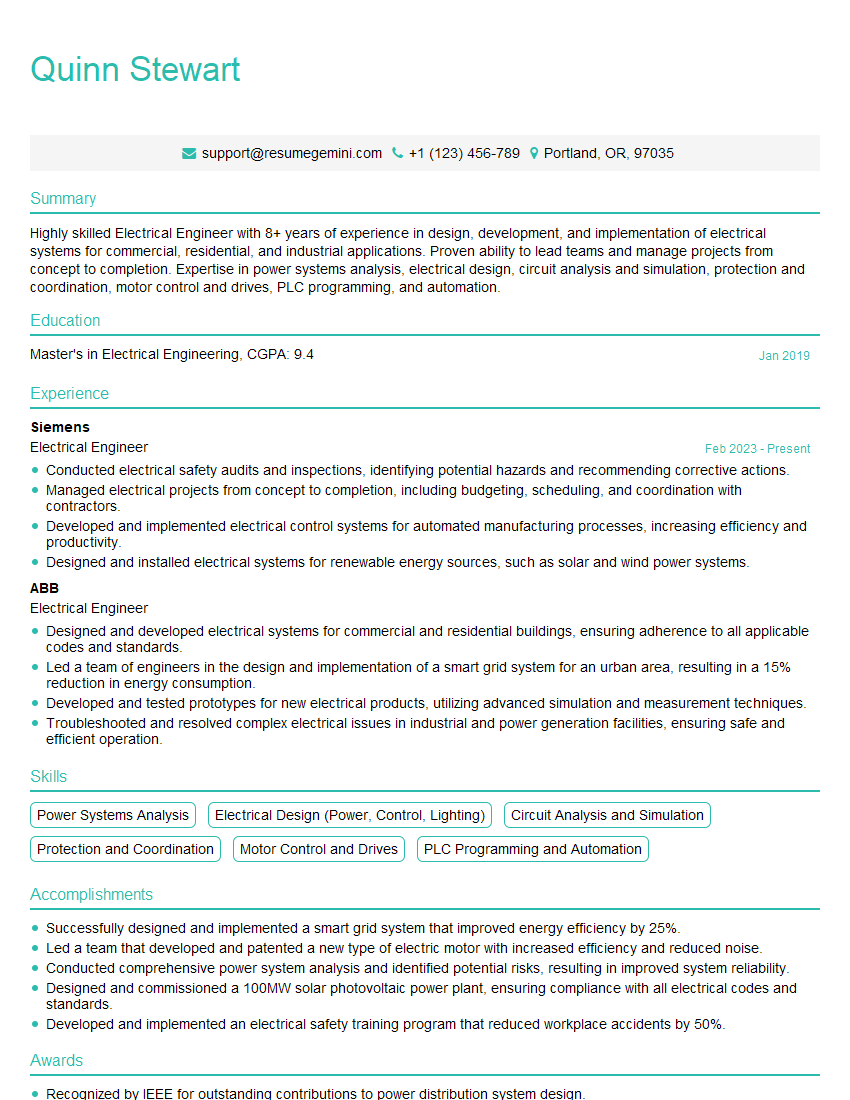
Electrical Engineer Resume Sample
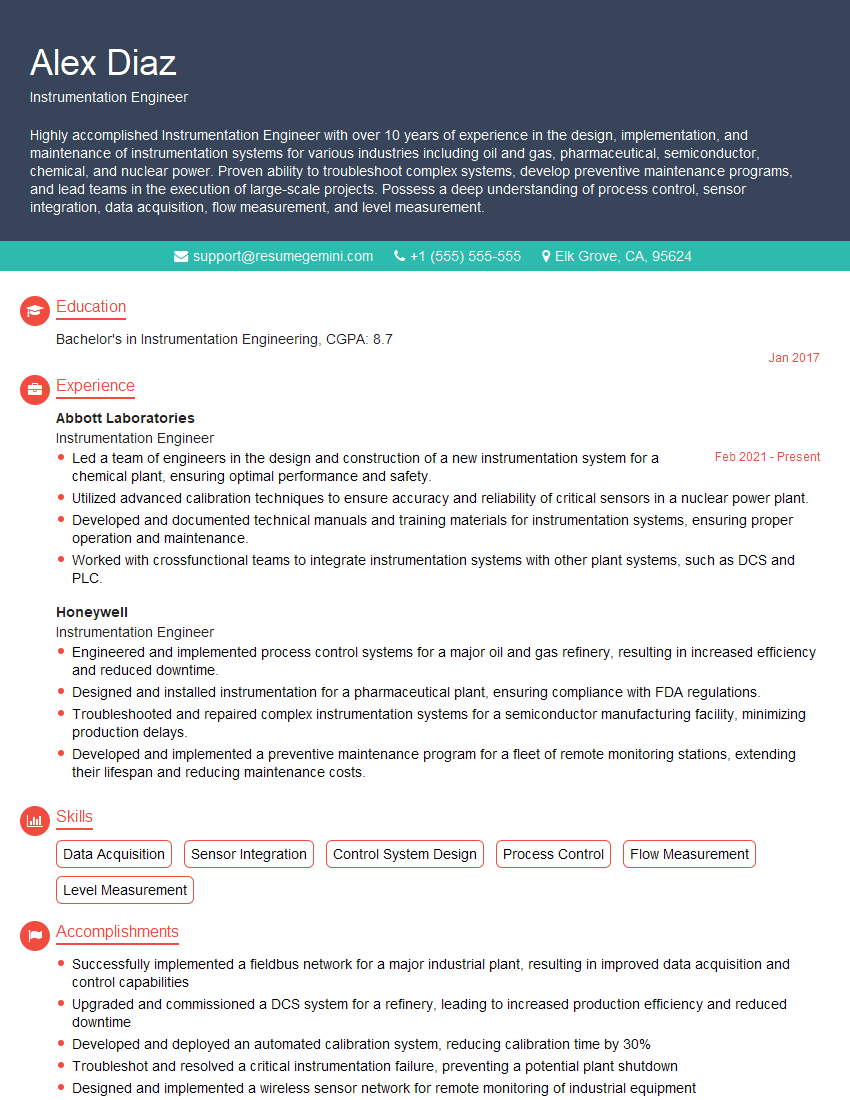
Instrumentation Engineer Resume Sample
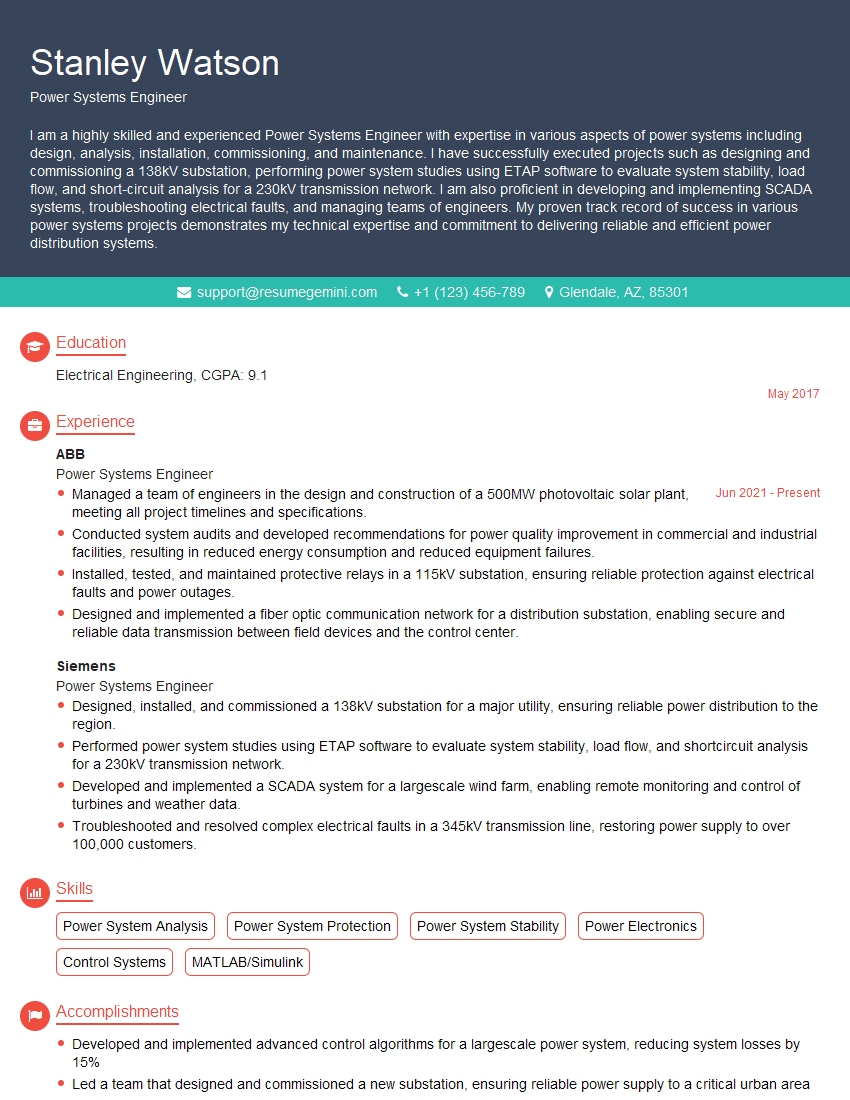
Power Systems Engineer Resume Sample
Smart Grid Engineer Resume Sample

Renewable Energy Engineer Resume Sample
Control Systems Engineer Resume Sample
Explore more articles
Users Rating of Our Blogs
Share Your Experience
We value your feedback! Please rate our content and share your thoughts (optional).
What Readers Say About Our Blog
To the interviewgemini.com Webmaster.
Very helpful and content specific questions to help prepare me for my interview!
Thank you
To the interviewgemini.com Webmaster.
This was kind of a unique content I found around the specialized skills. Very helpful questions and good detailed answers.
Very Helpful blog, thank you Interviewgemini team.