Cracking a skill-specific interview, like one for Professional Demeanor and Confidentiality, requires understanding the nuances of the role. In this blog, we present the questions you’re most likely to encounter, along with insights into how to answer them effectively. Let’s ensure you’re ready to make a strong impression.
Questions Asked in Professional Demeanor and Confidentiality Interview
Q 1. Describe your understanding of professional demeanor in a workplace setting.
Professional demeanor encompasses the way we present ourselves and interact in a workplace setting. It’s about projecting competence, respect, and trustworthiness. This includes our communication style, body language, attire, and overall attitude. Think of it as creating a positive and productive impression on colleagues, clients, and superiors.
- Communication: Clear, concise, and respectful communication is key. Avoid slang, gossip, and interrupting others. Active listening is crucial.
- Body Language: Maintain eye contact, use appropriate hand gestures, and ensure your posture conveys confidence and engagement, not arrogance or disengagement.
- Attire: Dress appropriately for your workplace culture. When in doubt, it’s always better to be slightly overdressed than underdressed.
- Attitude: Maintain a positive and professional attitude, even during challenging times. Be willing to collaborate and help others.
For example, arriving on time for meetings, responding promptly to emails, and offering assistance to a struggling colleague all contribute to a strong professional demeanor. Conversely, consistently arriving late, neglecting communication, or displaying a negative attitude will negatively impact your professional image.
Q 2. How would you handle a situation where a colleague shares confidential information inappropriately?
If a colleague shares confidential information inappropriately, my first step would be a private conversation. I’d address my concern directly but calmly, emphasizing the seriousness of the breach and the potential consequences. I would remind them of company policy regarding confidentiality.
If the behavior continues, I would document the incident, including dates, times, and the nature of the disclosed information. This documentation would protect me and the company. I would then escalate the issue to my supervisor or HR department, following established protocols. It is crucial to act ethically and responsibly, ensuring the company’s interests and the protection of sensitive information are prioritized. Remember, gossip and casual conversations about confidential matters can create significant legal and ethical risks.
Q 3. Explain your approach to maintaining confidentiality in a digital environment.
Maintaining confidentiality in a digital environment requires a multi-layered approach. It’s not just about passwords; it’s about responsible digital citizenship.
- Strong Passwords: Use unique, strong passwords for all work-related accounts. Consider a password manager to assist in managing these passwords securely.
- Data Encryption: Utilize encryption tools whenever possible, especially when transmitting sensitive data via email or storing it on external devices.
- Secure Software: Ensure that all software is up-to-date with security patches. Regularly run virus and malware scans.
- Access Controls: Adhere to company policies regarding access controls and permissions. Only access the information you need and don’t share your login credentials.
- Phishing Awareness: Be vigilant about phishing emails and other social engineering attempts. Never click on suspicious links or download attachments from unknown sources.
- Secure Wi-Fi: Avoid using public Wi-Fi for accessing confidential data whenever possible. If it’s unavoidable, use a VPN.
For example, never emailing sensitive client data without encryption and always using a company-approved VPN when connecting to the company network from a remote location.
Q 4. How do you prioritize maintaining confidentiality when dealing with sensitive client data?
Prioritizing confidentiality when handling sensitive client data is paramount. It’s built on a foundation of adherence to company policies, regulations (like HIPAA or GDPR if applicable), and a commitment to ethical practices. This includes:
- Strict Adherence to Policies: Thoroughly understand and strictly follow all company policies and procedures regarding the handling, storage, and transmission of client data.
- Need-to-Know Basis: Only share client information with those who have a legitimate need to know, and only to the extent necessary.
- Secure Storage: Ensure all client data is stored securely, both physically and digitally, using encryption and access controls as needed.
- Data Minimization: Only collect and retain the minimum amount of client data necessary.
- Regular Audits: Participate in and support regular security audits to identify and address any vulnerabilities.
Imagine a healthcare setting – a nurse would only share patient information with the treating physician or other authorized personnel, strictly following HIPAA guidelines. Any deviation could have serious legal ramifications.
Q 5. How would you respond to a direct question about a confidential matter you are not authorized to discuss?
My response to a direct question about a confidential matter I’m not authorized to discuss would be polite but firm. I would acknowledge the question and then state clearly that I am unable to answer due to confidentiality restrictions. I might say something like:
“I understand you’re curious about that, but due to client confidentiality and company policy, I’m not at liberty to discuss that information.”
It’s crucial to be direct and avoid any ambiguity. Trying to sidestep the question or offer vague answers could be perceived as misleading or evasive.
Q 6. Describe a time you had to balance confidentiality with the need to escalate a serious issue.
In a previous role, I noticed a significant discrepancy in financial reporting. While I couldn’t publicly disclose specific details due to confidentiality agreements with the client, I couldn’t ignore the potential for serious financial implications. I documented my concerns meticulously and privately escalated the issue to my direct supervisor, explaining the situation without revealing sensitive client information. They then initiated a formal internal investigation. This highlights the importance of navigating a balance— protecting client confidentiality while ensuring responsible disclosure to relevant authorities when appropriate.
Q 7. How would you address a situation where you suspect a breach of confidentiality?
If I suspect a breach of confidentiality, my immediate response would be to report my concerns to my supervisor or the appropriate security personnel. I’d document everything I’ve observed, including dates, times, and any evidence supporting my suspicion. This might include unusual login activity, unauthorized access attempts, or the dissemination of confidential information. The seriousness of the potential breach dictates the urgency and the method of escalation, but immediate reporting is crucial to mitigate any further damage.
It’s important to remember that suspected breaches should never be treated lightly. Swift action can significantly limit the scope and impact of a potential data breach.
Q 8. Explain your process for securely handling and disposing of confidential documents.
Securely handling and disposing of confidential documents is paramount to maintaining data integrity and protecting sensitive information. My process involves a multi-layered approach encompassing physical and digital security.
- Physical Documents: I use a secure shredder compliant with industry standards (e.g., cross-cut shredders for optimal security) for all documents containing confidential information. Before shredding, I ensure the documents are visually inspected to confirm no sensitive data remains. After shredding, the shredded materials are disposed of in a locked container or through a secure waste disposal service.
- Digital Documents: For digital files, I utilize robust encryption methods to protect data at rest and in transit. I utilize strong, unique passwords and implement multi-factor authentication where available. When a document is no longer required, I permanently delete it using secure deletion software, which overwrites the data multiple times, making recovery virtually impossible. For sensitive data storage, I always utilize encrypted cloud storage services provided by the company.
- Data Storage: I adhere to the company’s data retention policies and regularly review and purge outdated or unnecessary documents. I always utilize secure, password-protected storage systems for both physical and digital files.
Imagine this: I’m working on a client’s financial report. After the report is finalized and approved, I don’t simply delete it from my computer; I use a secure deletion tool, then shred any printed copies, ensuring complete removal of sensitive data. This comprehensive process safeguards client confidentiality and maintains my professional integrity.
Q 9. What measures do you take to ensure confidentiality during remote work?
Maintaining confidentiality during remote work requires proactive measures to protect sensitive information from unauthorized access. My approach combines technological safeguards with responsible work habits.
- Secure Network: I only connect to the company’s secure virtual private network (VPN) to access sensitive data. This creates an encrypted tunnel that protects my connection and data from prying eyes on public Wi-Fi networks.
- Strong Passwords and Authentication: I use strong, unique passwords for all work-related accounts and enable multi-factor authentication wherever possible. I never share my login credentials with anyone.
- Secure Device Management: I ensure my personal devices (laptop, mobile phone) have up-to-date anti-virus and anti-malware software and regularly update operating systems and applications. I also utilize screen lock features and encryption.
- Data Storage and Transfer: I strictly adhere to company policies regarding cloud storage and file sharing. I only use authorized applications and avoid sharing sensitive data via personal email or messaging platforms.
- Physical Security: When working remotely, I make sure my workspace is secure, preventing unauthorized access to my computer and any physical documents.
For instance, if I’m working on a project from a coffee shop, I never leave my laptop unattended and I always ensure I’m using a secure VPN connection before accessing sensitive client information.
Q 10. How do you demonstrate professionalism when facing difficult or stressful situations?
Professionalism under pressure is about remaining calm, composed, and solution-oriented. My approach is rooted in self-awareness and strategic response.
- Remain Calm: Deep breaths and mindfulness techniques help me center myself, allowing for clear thinking even in stressful situations.
- Active Listening: I focus on understanding the core issue rather than reacting emotionally. This ensures I address the problem effectively.
- Strategic Problem Solving: I approach difficult situations systematically, breaking down complex problems into smaller, manageable tasks. This methodical approach reduces stress and increases the likelihood of a successful resolution.
- Positive Communication: I communicate clearly and calmly, articulating concerns and solutions respectfully, without assigning blame.
- Seek Support: When appropriate, I seek guidance from supervisors or mentors, leveraging their experience to navigate challenging situations.
For example, if I face a tight deadline and unexpected technical issues, I calmly prioritize tasks, communicate with my team about potential delays, and proactively search for solutions instead of panicking.
Q 11. How do you maintain composure and professionalism when dealing with challenging clients or colleagues?
Dealing with challenging clients or colleagues requires a blend of empathy, assertive communication, and a commitment to maintaining professionalism. My approach centers around respect and understanding.
- Active Listening and Empathy: I try to understand their perspective, even if I don’t agree with it. This often defuses tension and fosters better communication.
- Assertive Communication: I express my needs and opinions clearly and respectfully, while acknowledging their point of view. I avoid aggressive or passive-aggressive behaviors.
- Focus on Solutions: I focus on collaboratively finding solutions that meet everyone’s needs, as much as possible.
- Maintain Boundaries: I set clear professional boundaries, ensuring that interactions remain respectful and productive, even in the face of challenging behaviors.
- Document Interactions: When necessary, I document challenging interactions for future reference, ensuring objectivity and clarity. This is particularly useful for situations that require follow-up or escalation.
Imagine a client who is constantly changing their requests. I would actively listen to their concerns, explain the implications of changes, and propose alternative solutions that align with project goals and timelines, while remaining professional and respectful throughout the interaction.
Q 12. How do you manage your emotions and reactions to maintain professionalism?
Managing emotions effectively is crucial for maintaining professionalism. My approach involves self-awareness, emotional regulation, and proactive strategies.
- Self-Awareness: I recognize my triggers and common emotional responses. Understanding my emotional patterns allows me to anticipate potential challenges and prepare appropriate responses.
- Emotional Regulation Techniques: I utilize techniques like deep breathing exercises, mindfulness meditation, or brief moments of reflection to manage intense emotions before reacting.
- Step Away When Needed: If a situation becomes overly stressful, I take a short break to collect myself before engaging further. This prevents impulsive or unprofessional reactions.
- Seek Support: If needed, I reach out to trusted colleagues, mentors, or friends for emotional support and guidance. This helps maintain perspective and prevent burnout.
- Focus on the Task at Hand: In challenging moments, I refocus my attention on completing the task at hand. This keeps me grounded and productive, even under stress.
For instance, if I’m facing a critical review from a superior, instead of becoming defensive, I take a few deep breaths, listen attentively, and then focus on addressing the constructive feedback objectively.
Q 13. Describe your understanding of professional boundaries.
Professional boundaries are the limits that define appropriate behavior in a professional setting. They safeguard both personal and professional well-being, ensuring ethical and productive interactions.
- Time Boundaries: I respect work hours and avoid blurring the lines between professional and personal time. This includes setting clear expectations regarding availability and response times.
- Physical Boundaries: I maintain appropriate physical distance and avoid physical contact unless explicitly invited or appropriate (e.g., a handshake in a formal meeting).
- Emotional Boundaries: I avoid engaging in personal discussions or sharing overly personal information with colleagues. I maintain emotional objectivity, focusing on professional concerns.
- Information Boundaries: I adhere strictly to confidentiality policies, protecting sensitive information and maintaining client trust.
- Communication Boundaries: I use appropriate communication channels and maintain respectful interactions, avoiding personal attacks or unprofessional language.
For example, I wouldn’t engage in prolonged personal conversations with a client during a business meeting. Instead, I’d focus on the meeting agenda, maintaining a professional demeanor and respecting their time.
Q 14. How do you communicate effectively and professionally in both verbal and written communication?
Effective professional communication is the cornerstone of success in any field. My approach prioritizes clarity, conciseness, and respect in both verbal and written interactions.
- Verbal Communication: I speak clearly and concisely, actively listening to understand the other person’s perspective before responding. I use appropriate tone and body language, adapting my communication style to the audience and context.
- Written Communication: I write clearly and concisely, using proper grammar and spelling. I proofread all written materials before sending them, ensuring clarity and accuracy. I tailor my writing style to the purpose and audience, maintaining a professional tone.
- Active Listening: In both verbal and written communication, I practice active listening, asking clarifying questions and confirming understanding to ensure there are no misunderstandings.
- Nonverbal Communication: I maintain appropriate eye contact, use positive body language (like open posture and nodding), and ensure my tone reflects the message being conveyed.
- Choosing the Right Channel: I choose the appropriate communication channel depending on the situation. Sensitive or confidential information should always be communicated through secure channels.
For example, when writing an email to a client, I ensure the subject line is clear, the body is concise and well-organized, and I use a professional closing. In a meeting, I speak directly and maintain eye contact with those I address, actively listening to others’ contributions.
Q 15. How do you handle disagreements with colleagues while maintaining a professional demeanor?
Disagreements are inevitable in any collaborative environment. The key is to address them professionally, focusing on the issue, not the person. I believe in a structured approach:
- Active Listening: I start by carefully listening to my colleague’s perspective, ensuring I understand their viewpoint completely before responding. This demonstrates respect and prevents misunderstandings.
- Respectful Communication: I maintain a calm and respectful tone, even if I strongly disagree. I use ‘I’ statements to express my concerns (‘I feel that…’, ‘I believe that…’) rather than blaming or accusing (‘You always…’, ‘You never…’).
- Focus on Solutions: Instead of dwelling on the disagreement, I actively work towards finding a mutually acceptable solution. This often involves brainstorming together and finding common ground.
- Seeking Mediation if Necessary: If the disagreement persists, I’m not afraid to seek mediation from a supervisor or HR professional to help facilitate a resolution. This shows a commitment to resolving the issue professionally and efficiently.
For example, in a previous project, I had a disagreement with a colleague about the best approach to data analysis. Instead of arguing, we sat down, discussed our different methods, and ultimately agreed on a hybrid approach that incorporated the strengths of both our ideas. The result was a more robust and insightful analysis.
Career Expert Tips:
- Ace those interviews! Prepare effectively by reviewing the Top 50 Most Common Interview Questions on ResumeGemini.
- Navigate your job search with confidence! Explore a wide range of Career Tips on ResumeGemini. Learn about common challenges and recommendations to overcome them.
- Craft the perfect resume! Master the Art of Resume Writing with ResumeGemini’s guide. Showcase your unique qualifications and achievements effectively.
- Don’t miss out on holiday savings! Build your dream resume with ResumeGemini’s ATS optimized templates.
Q 16. Describe a time you had to deliver difficult news while maintaining composure and professionalism.
Delivering difficult news requires tact and empathy. My approach prioritizes clear, concise communication, coupled with genuine concern for the recipient’s feelings. I remember having to inform a client that their project was behind schedule due to unforeseen circumstances. I prepared meticulously, anticipating their potential reactions. I scheduled a private meeting, started by acknowledging their time, expressed my sincere apologies for the delay, clearly explained the reasons, outlined the steps we were taking to rectify the situation, and answered their questions openly and honestly. I focused on solutions and maintained eye contact, projecting confidence and reassuring them of my commitment to their success. The meeting wasn’t easy, but by being direct, transparent, and empathetic, I managed to maintain a professional relationship while delivering difficult news.
Q 17. How do you handle criticism or feedback professionally?
Criticism is an opportunity for growth. I approach feedback constructively, viewing it as a chance to improve my performance. My strategy involves:
- Active Listening and Clarification: I listen attentively, ask clarifying questions, and avoid becoming defensive. This shows I value the feedback and want to understand it fully.
- Seeking Specific Examples: I ask for specific examples to better understand the areas needing improvement. Vague criticism is less helpful.
- Self-Reflection: After receiving feedback, I reflect on it thoughtfully, identifying areas where I can improve and developing action plans.
- Expressing Gratitude: I express my gratitude for the feedback, even if it’s difficult to hear. This demonstrates professionalism and a willingness to learn.
For instance, during a performance review, I received feedback that I could improve my communication skills in team meetings. Instead of getting defensive, I thanked my manager for the feedback, asked for specific examples, and worked on improving my presentation skills by practicing and seeking further guidance.
Q 18. How would you explain a complex issue to someone with limited understanding while maintaining professionalism and confidentiality?
Explaining complex issues to someone with limited understanding requires simplification and clear, concise communication while strictly adhering to confidentiality protocols. My approach would be:
- Assess the Audience’s Knowledge: Before starting, I’d assess the individual’s existing knowledge level to tailor my explanation accordingly. This prevents overwhelming them with unnecessary jargon.
- Use Simple Language and Analogies: I’d avoid technical terms and jargon, instead opting for simple language and relatable analogies to explain complex concepts. Visual aids like diagrams or charts can also be very helpful.
- Break Down Complex Information: I’d break down complex information into smaller, manageable chunks, presenting information progressively to allow for understanding at each step. This prevents information overload.
- Maintain Confidentiality: Throughout the explanation, I would be mindful of maintaining confidentiality, avoiding the disclosure of any sensitive information not relevant to the individual’s need-to-know.
For example, explaining a complex financial report to a non-financial stakeholder would involve focusing on the key takeaways, using simple language and avoiding detailed technical analyses while ensuring any sensitive client data remains protected.
Q 19. How do you ensure that your communication maintains confidentiality while being clear and efficient?
Maintaining confidentiality while ensuring clear and efficient communication requires a multi-faceted approach:
- Secure Communication Channels: I would utilize secure communication channels such as encrypted email or confidential messaging platforms for sensitive information. Never use insecure channels like public Wi-Fi or personal email for sensitive discussions.
- Need-to-Know Basis: Information is shared only on a strict ‘need-to-know’ basis, limiting access to those directly involved and requiring proper authorization.
- Data Protection Policies: Adherence to all organizational data protection policies and regulations is essential, along with proper document handling and disposal.
- Clear and Concise Messaging: Despite maintaining confidentiality, communication needs to be clear and precise to avoid ambiguity or the need for further, potentially insecure, clarification.
For example, when discussing client details, I would only share necessary information with colleagues involved in the project, using secure internal communication platforms and adhering to company data privacy policies.
Q 20. How do you balance the need for transparency with the need for confidentiality?
Balancing transparency and confidentiality requires a nuanced understanding of the context and the information involved. The key lies in selectively disclosing information.
- Identify Sensitive Information: First, I would carefully identify what information is genuinely sensitive and requires protection. This requires a thorough understanding of legal and ethical considerations.
- Prioritize Transparency Where Appropriate: Transparency is crucial for building trust and promoting collaboration, but only where it doesn’t compromise confidentiality. This might involve summarizing key findings without revealing specific details.
- Contextualized Communication: The level of transparency should be tailored to the audience and the situation. I would adjust my communication style to balance the need for transparency with the requirement for confidentiality.
- Legal and Ethical Considerations: Compliance with all applicable laws, regulations, and ethical guidelines is paramount. These guidelines often specify what information can and cannot be shared.
For example, while I might share the general success of a project with the team, I would not disclose specific client details or financial information unless absolutely necessary and authorized.
Q 21. What are the implications of violating confidentiality in your previous role?
Violating confidentiality in my previous role would have had serious implications, both professionally and potentially legally. The consequences could have included:
- Disciplinary Action: This could range from a written warning to termination of employment, depending on the severity of the breach.
- Legal Action: Depending on the nature of the confidential information and the harm caused, legal action could be taken by the company or affected parties, leading to fines or even criminal charges.
- Reputational Damage: A breach of confidentiality would severely damage my professional reputation, making it difficult to find future employment.
- Loss of Trust: Breaching confidentiality would erode the trust placed in me by colleagues, clients, and the company, impacting future work relationships.
It’s crucial to always prioritize confidentiality and adhere strictly to company policies and legal regulations. The potential consequences of a breach are too significant to risk.
Q 22. Describe a time you had to uphold confidentiality despite pressure to reveal sensitive information.
Confidentiality is paramount in any professional setting. Upholding it, even under pressure, requires strong ethical grounding and a clear understanding of your professional responsibilities. I recall a situation where a colleague, highly distressed, pressed me to reveal sensitive client information regarding an ongoing merger negotiation. She felt this information was crucial to resolving a separate, unrelated internal conflict. Despite her emotional plea, I firmly but compassionately explained that disclosing this confidential data would be a serious breach of trust and potentially disastrous for the client and our firm. Instead, I actively listened to her concerns, validated her feelings, and guided her towards appropriate channels within the company to address her internal issue. We found alternative solutions to her problem that didn’t compromise client confidentiality. This reaffirmed the importance of both empathy and unwavering adherence to ethical professional conduct.
Q 23. How do you manage multiple priorities while maintaining your professional demeanor and confidentiality?
Managing multiple priorities while preserving professional demeanor and confidentiality requires a structured approach. I use a combination of time management techniques, prioritization frameworks like Eisenhower Matrix (urgent/important), and robust organizational tools. For example, I might dedicate specific blocks of time to tasks requiring access to sensitive information, ensuring no distractions and appropriate security measures are in place. Simultaneously, I maintain a calm and professional demeanor with colleagues, even when under pressure, by proactively communicating my workload and anticipated deadlines. This transparency helps prevent misunderstandings and fosters a collaborative environment. When dealing with conflicting priorities, I clearly articulate the constraints imposed by confidentiality, explaining why certain tasks need immediate attention while others can be temporarily deferred.
Q 24. How do you stay updated on relevant regulations and policies related to confidentiality?
Staying updated on confidentiality regulations and policies is an ongoing process. I actively subscribe to relevant professional journals and newsletters, participate in continuing education courses and webinars focused on data privacy and security best practices, and regularly review my company’s internal policies and guidelines. Furthermore, I actively monitor changes in relevant legislation, such as GDPR, CCPA, and HIPAA, depending on the industry and geographical location. This proactive approach ensures I am always knowledgeable about the latest legal and ethical standards for handling sensitive information.
Q 25. How do you adapt your communication style to maintain confidentiality across different cultural contexts?
Adapting communication styles across cultures while maintaining confidentiality requires sensitivity and awareness. I begin by understanding the cultural nuances of communication, such as direct vs. indirect communication styles, levels of formality, and appropriate channels for sharing information. For example, in some cultures, face-to-face communication is preferred for sensitive matters, while others might favor email or encrypted messaging. I always prioritize using secure communication channels suitable for the cultural context and the sensitivity of the information. Regardless of the cultural context, I ensure all conversations respect confidentiality agreements and adhere to company policy. Clear, concise communication that avoids ambiguity is vital across all cultures.
Q 26. How do you ensure that all team members understand and adhere to confidentiality policies?
Ensuring team members understand and adhere to confidentiality policies involves a multi-faceted approach. It begins with clear and comprehensive training sessions, covering the specific policies, legal requirements, and potential consequences of breaches. Regular refresher courses and workshops reinforce the importance of confidentiality. I also actively model appropriate behavior, consistently demonstrating my commitment to protecting sensitive information. Open communication and a culture of trust encourage team members to raise concerns and seek guidance without fear of reprisal. Finally, regular audits and monitoring ensure compliance and identify potential vulnerabilities in our practices.
Q 27. What resources or tools do you utilize to maintain confidentiality and security?
Maintaining confidentiality and security relies on a combination of resources and tools. These include secure file storage systems with access control, encrypted communication platforms, password management software, data loss prevention (DLP) tools, and virtual private networks (VPNs) for remote access. Regular security audits and penetration testing help identify vulnerabilities in our systems. We also utilize secure document disposal methods for physical documents. Furthermore, training on best practices, such as strong password hygiene and phishing awareness, is crucial in minimizing human error, which is often a primary vector for security breaches.
Q 28. Describe your understanding of the legal and ethical implications of confidentiality breaches.
Confidentiality breaches have significant legal and ethical implications. Legally, they can result in hefty fines, lawsuits, and reputational damage for both the individual and the organization. The specific legal consequences vary depending on the nature of the breach, the type of information compromised, and the applicable laws (e.g., GDPR, HIPAA). Ethically, a confidentiality breach constitutes a serious violation of trust, harming the reputation and potentially jeopardizing the future relationships with clients, partners, and colleagues. It undermines the integrity of the organization and erodes public confidence. It is crucial to understand that the consequences of a breach extend far beyond the immediate impact and can have long-lasting ramifications.
Key Topics to Learn for Professional Demeanor and Confidentiality Interview
- Understanding Professionalism: Defining and demonstrating professional conduct in various workplace settings. This includes appropriate communication styles, attire, and etiquette.
- Practical Application: Role-playing scenarios to practice handling challenging situations with professionalism and tact. Examples include conflict resolution, responding to criticism, and maintaining composure under pressure.
- Confidentiality Policies & Procedures: Understanding and applying organizational policies regarding confidential information. This includes recognizing sensitive data, maintaining discretion, and adhering to data protection regulations.
- Ethical Decision-Making: Analyzing ethical dilemmas related to confidentiality and professional conduct. Developing strategies for navigating difficult choices that uphold both professional standards and ethical principles.
- Non-Verbal Communication: Recognizing the impact of body language, tone of voice, and facial expressions on conveying professionalism and trustworthiness.
- Maintaining Boundaries: Setting and upholding professional boundaries in interactions with colleagues, clients, and superiors. Knowing when and how to escalate concerns appropriately.
- Digital Professionalism: Understanding professional online conduct, including appropriate use of email, social media, and company communication platforms.
- Problem-Solving in Confidentiality Breaches: Developing strategies for responding to potential or actual confidentiality breaches, including reporting procedures and mitigating the impact.
Next Steps
Mastering professional demeanor and confidentiality is crucial for career advancement. It demonstrates trustworthiness, reliability, and a commitment to ethical practices – qualities highly valued by employers. To significantly boost your job prospects, focus on crafting an ATS-friendly resume that showcases these skills effectively. ResumeGemini is a trusted resource to help you build a professional resume that highlights your strengths and experience. We provide examples of resumes tailored to demonstrate expertise in Professional Demeanor and Confidentiality; review these examples for inspiration and guidance.
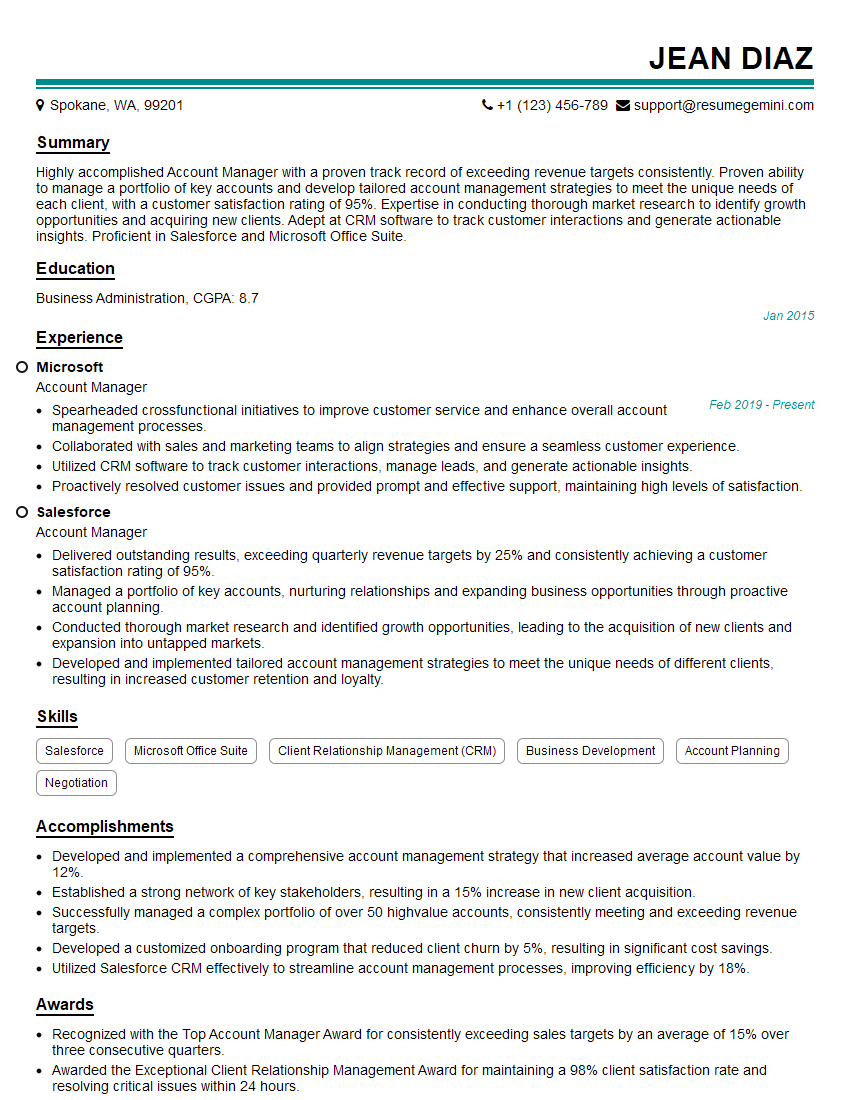
Account Manager Resume Sample
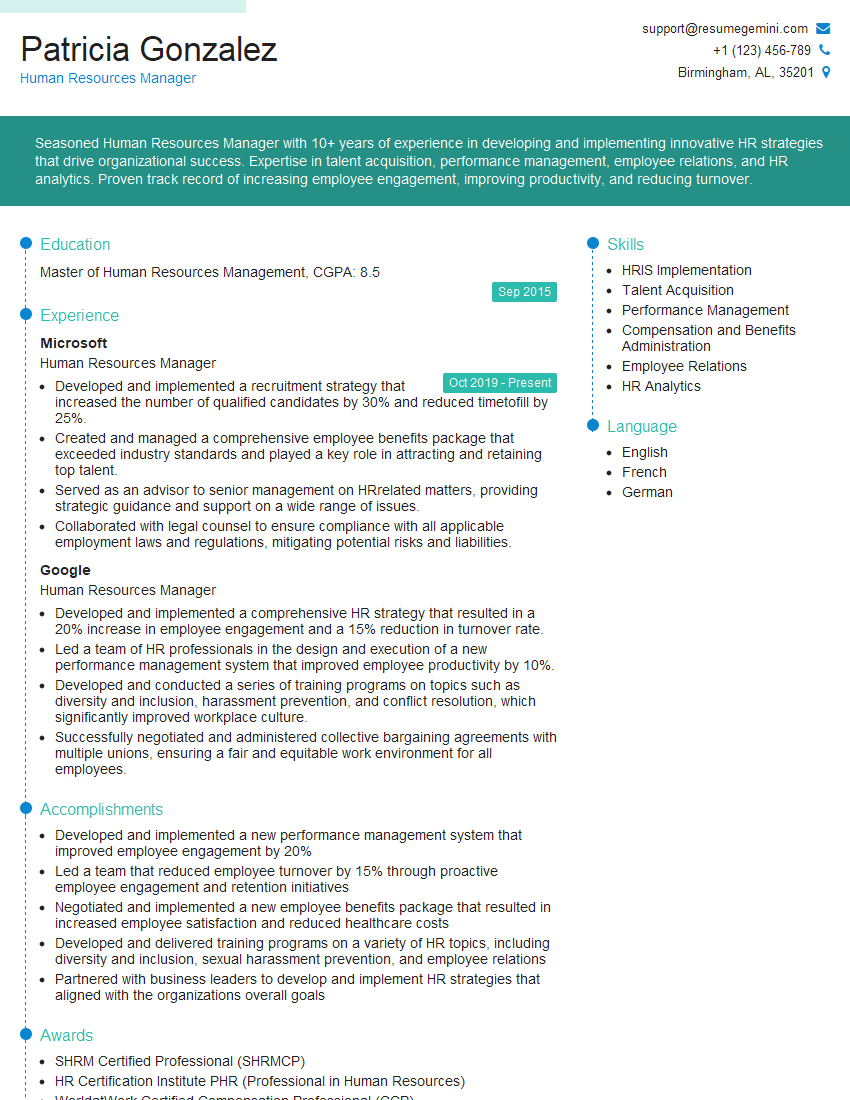
Human Resources Manager Resume Sample

Project Manager Resume Sample

Compliance Officer Resume Sample
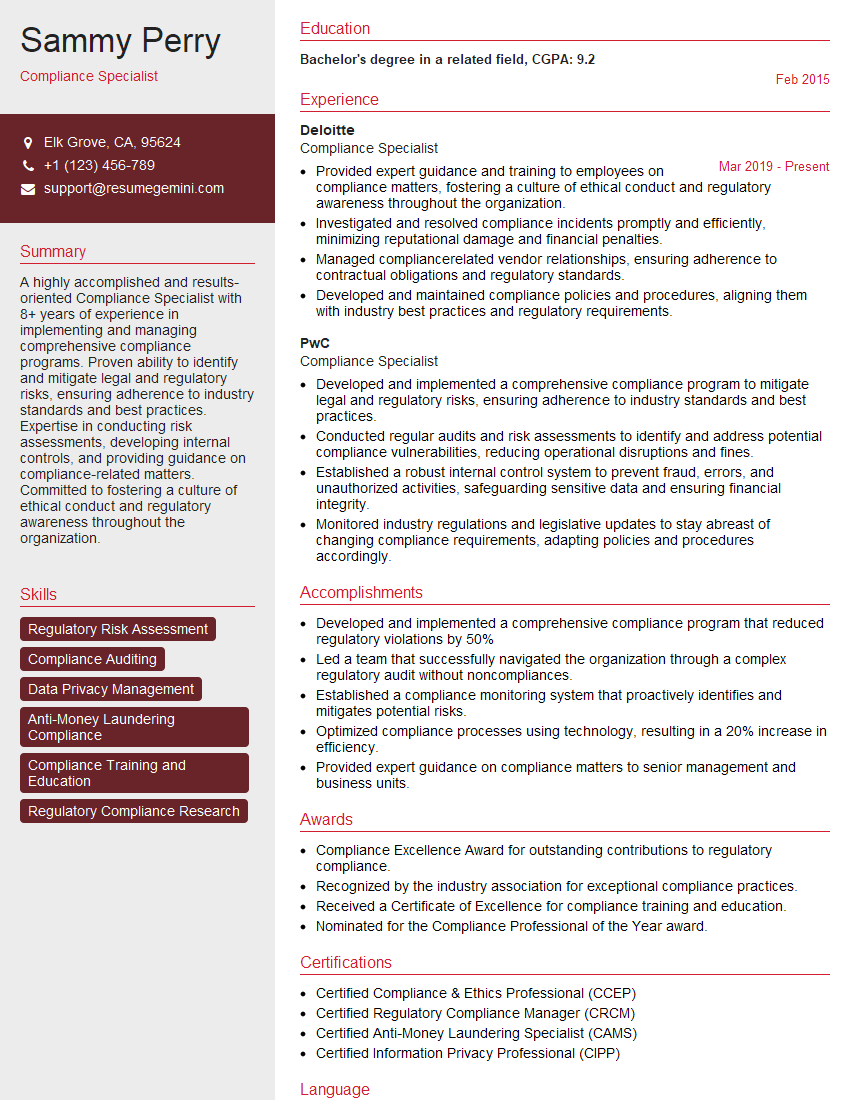
Compliance Specialist Resume Sample
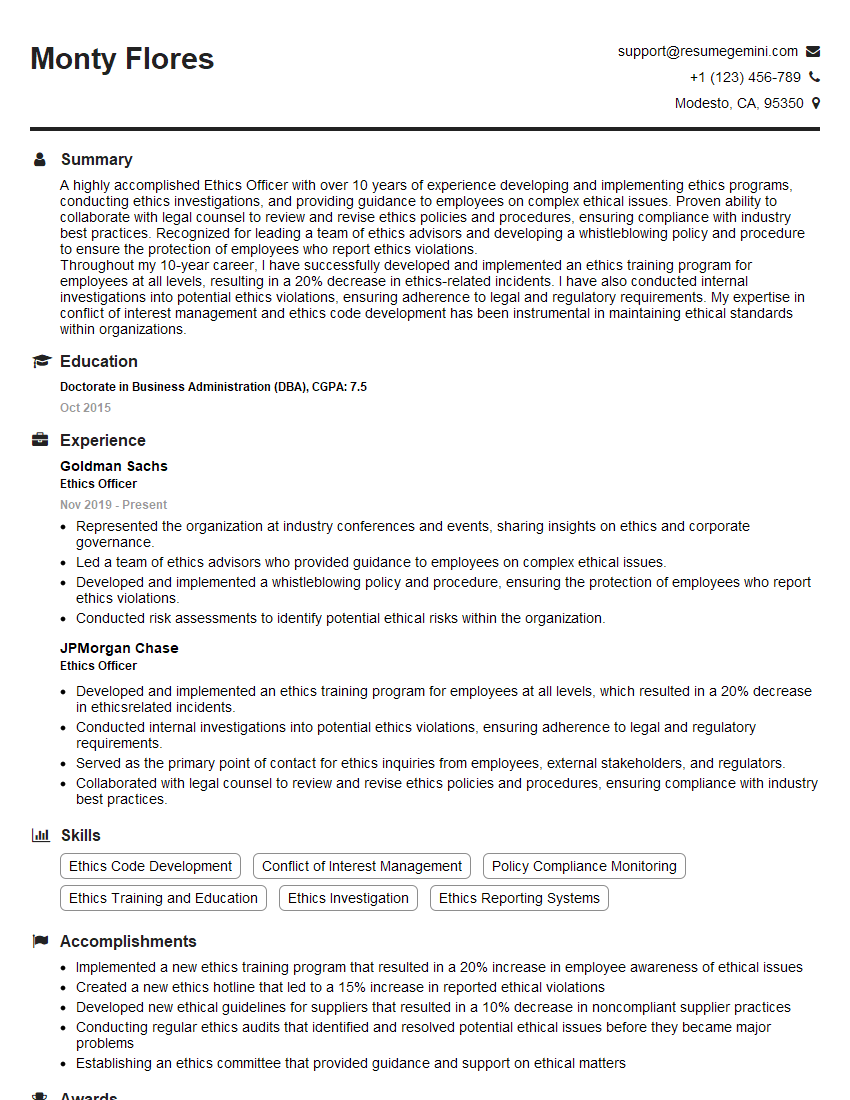
Ethics Officer Resume Sample
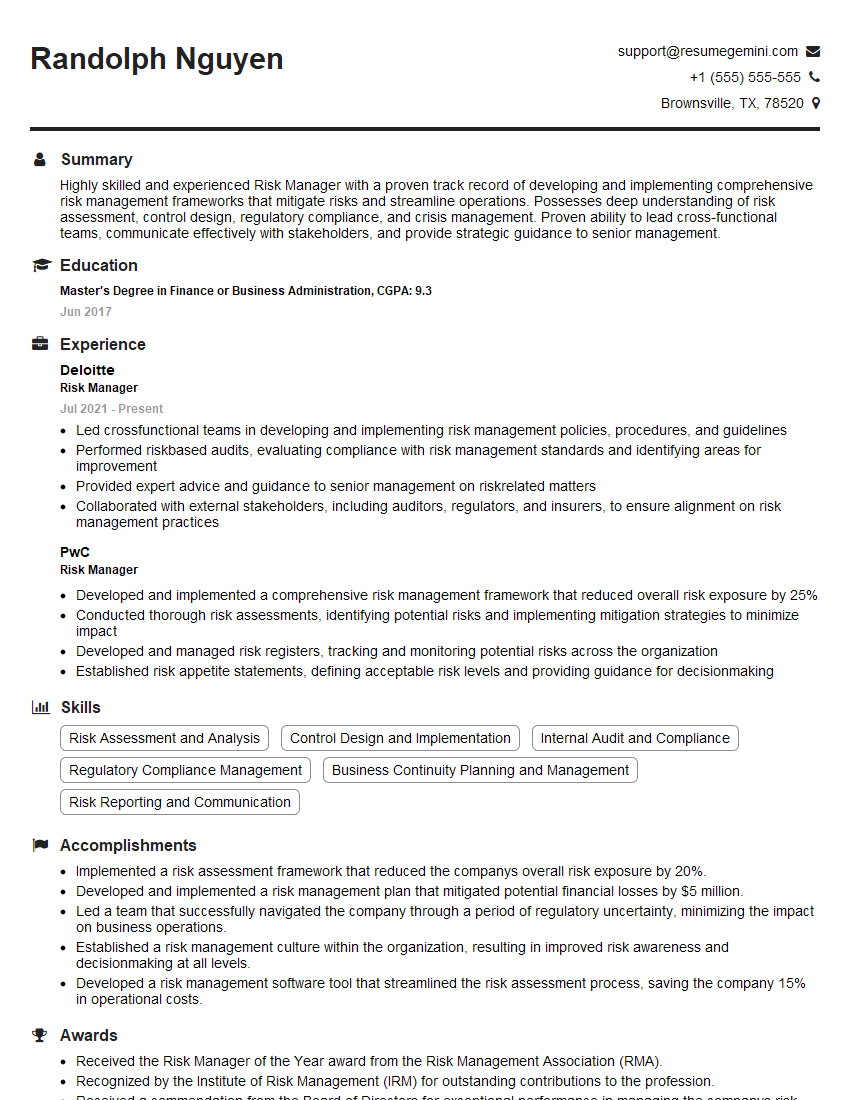
Risk Manager Resume Sample
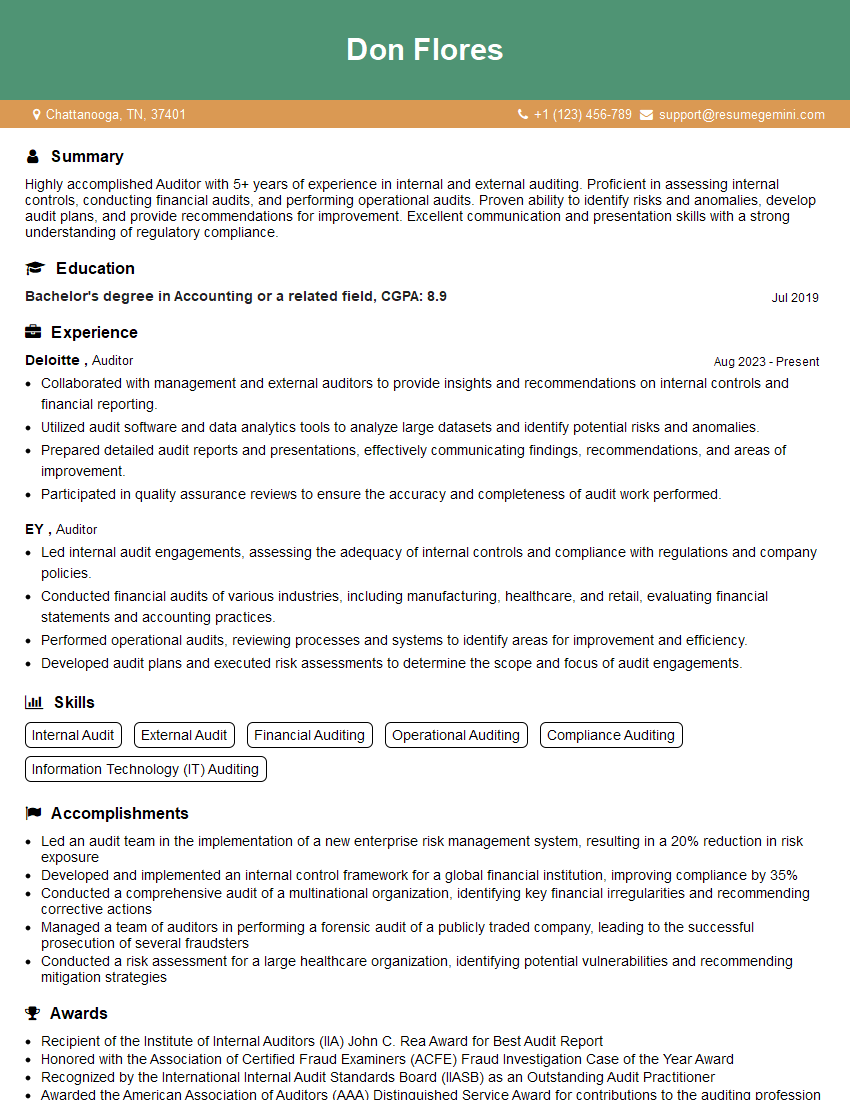
Auditor Resume Sample
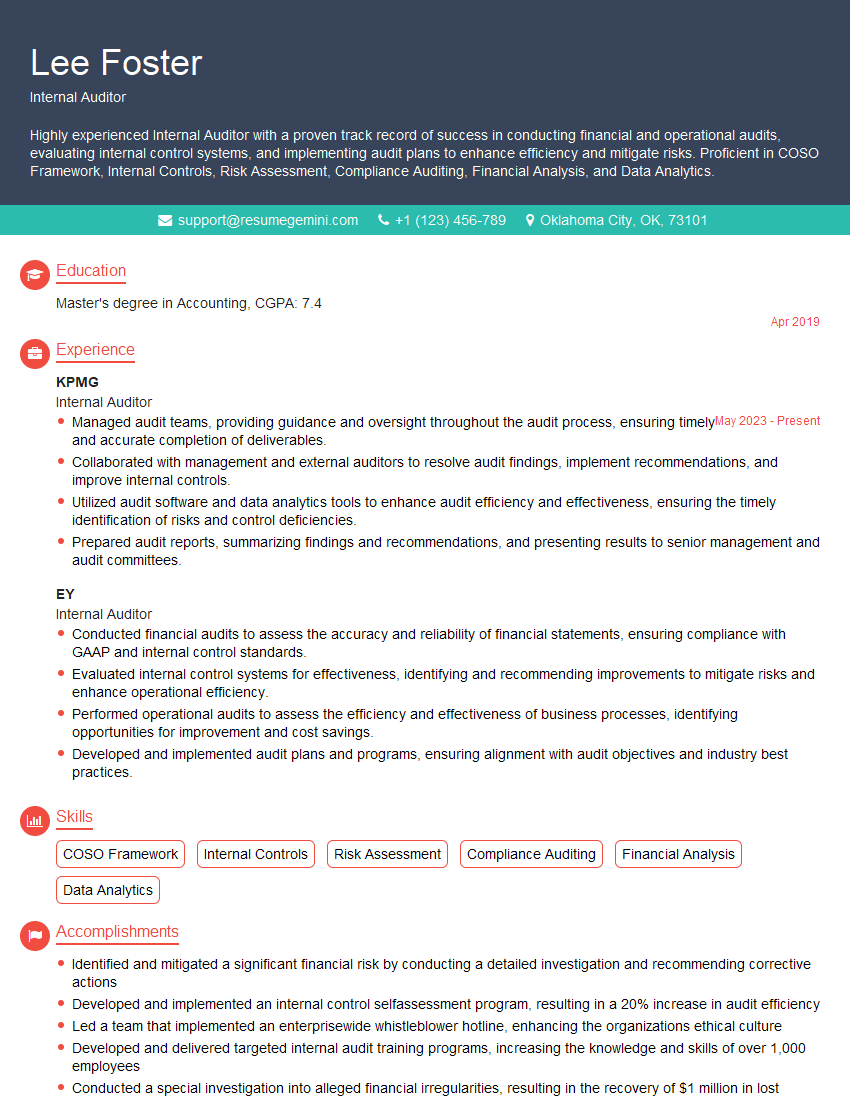
Internal Auditor Resume Sample
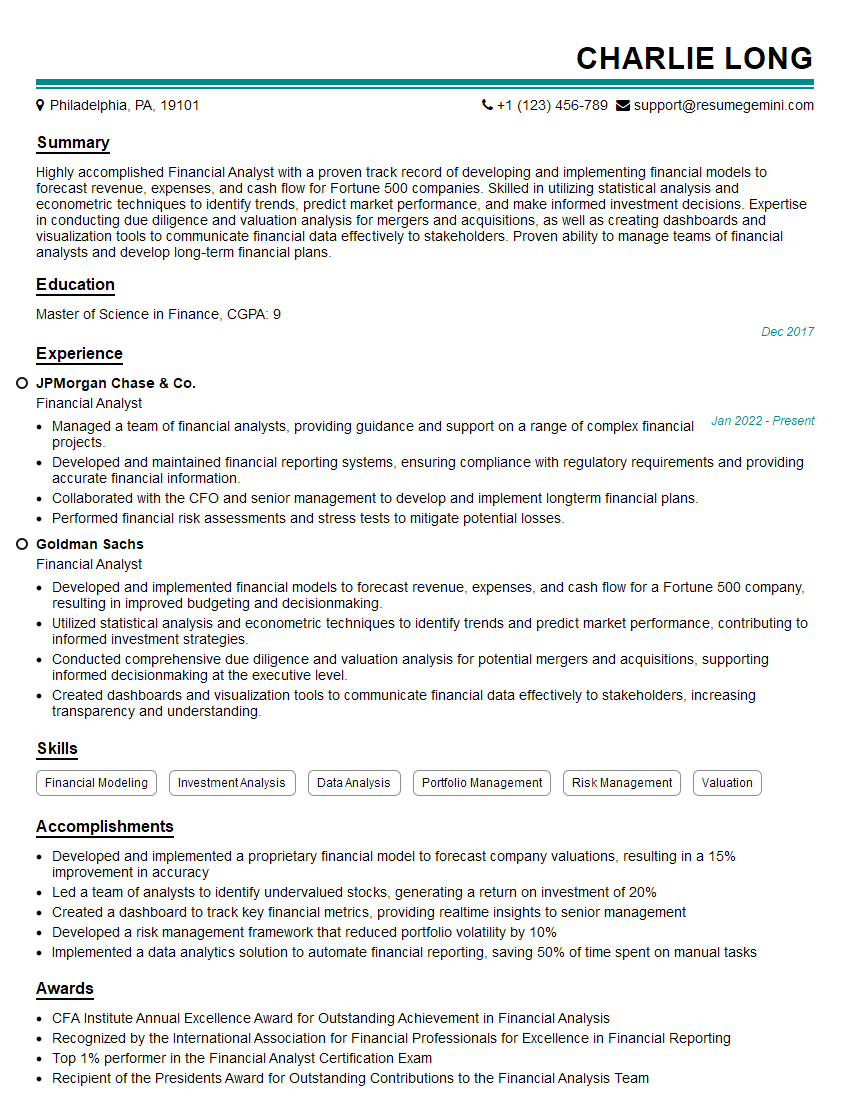
Financial Analyst Resume Sample
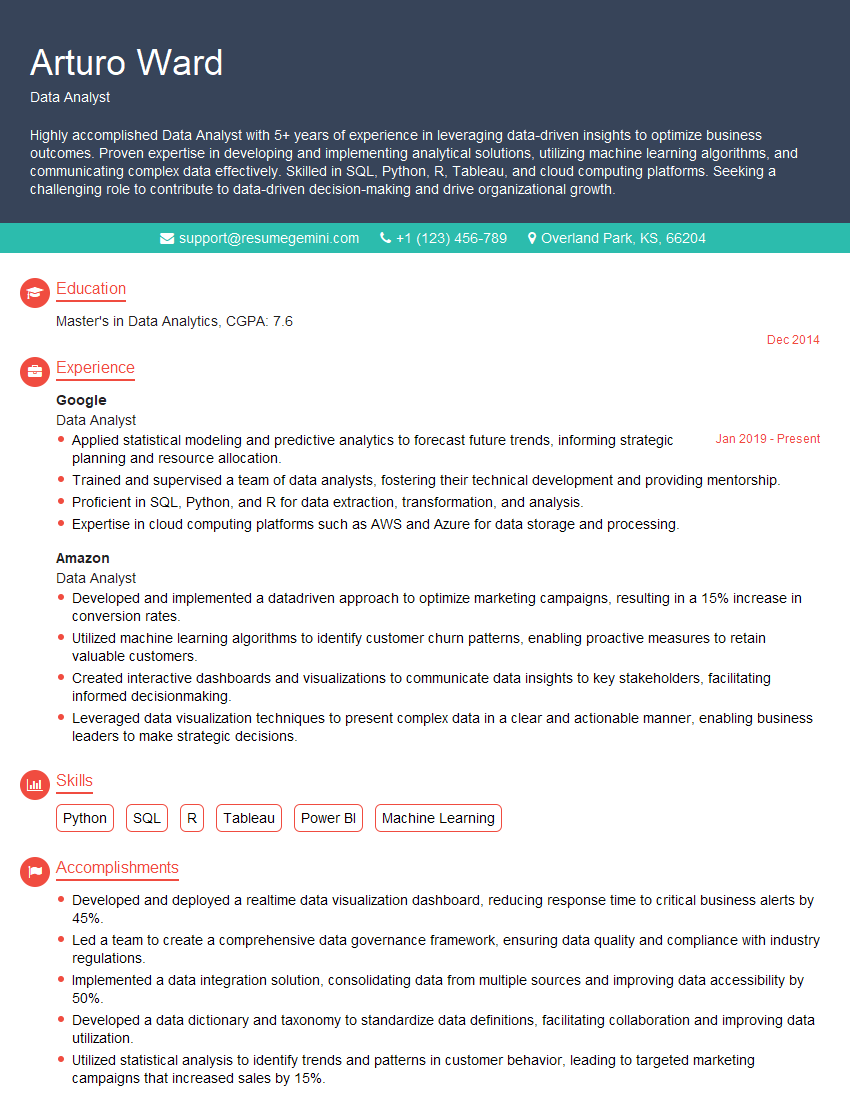
Data Analyst Resume Sample
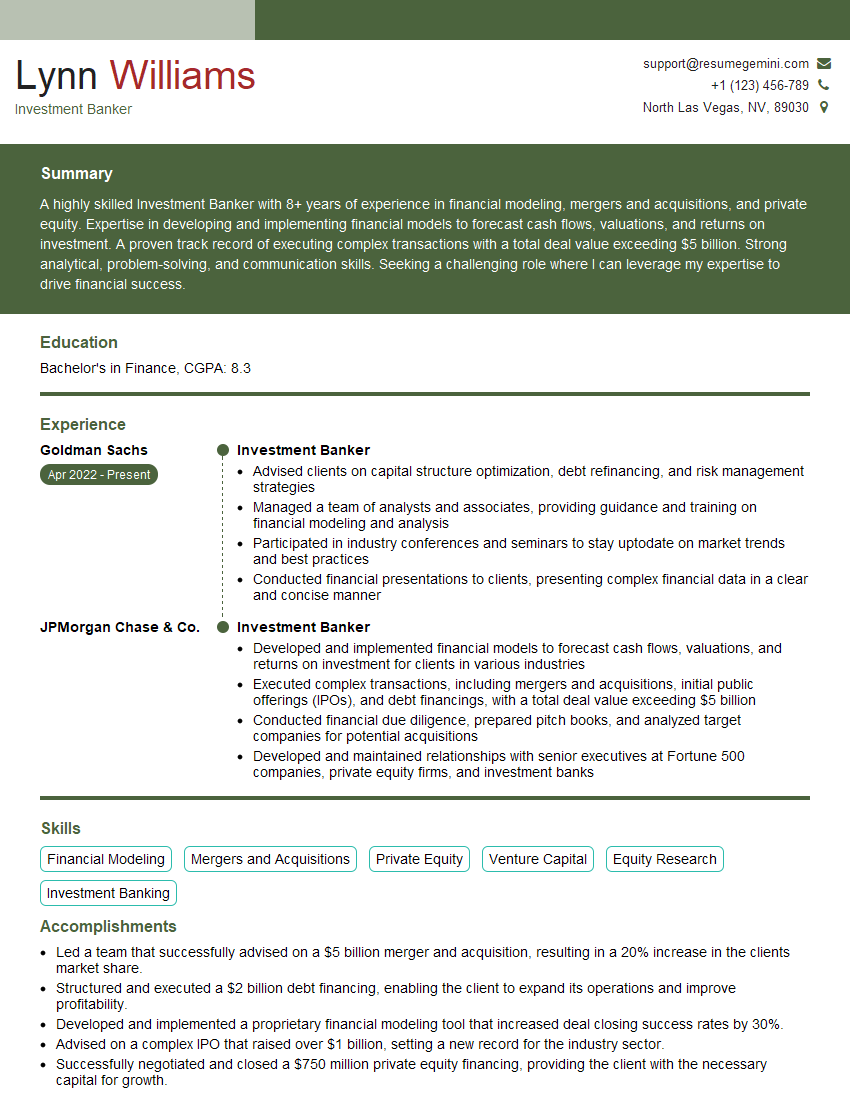
Investment Banker Resume Sample
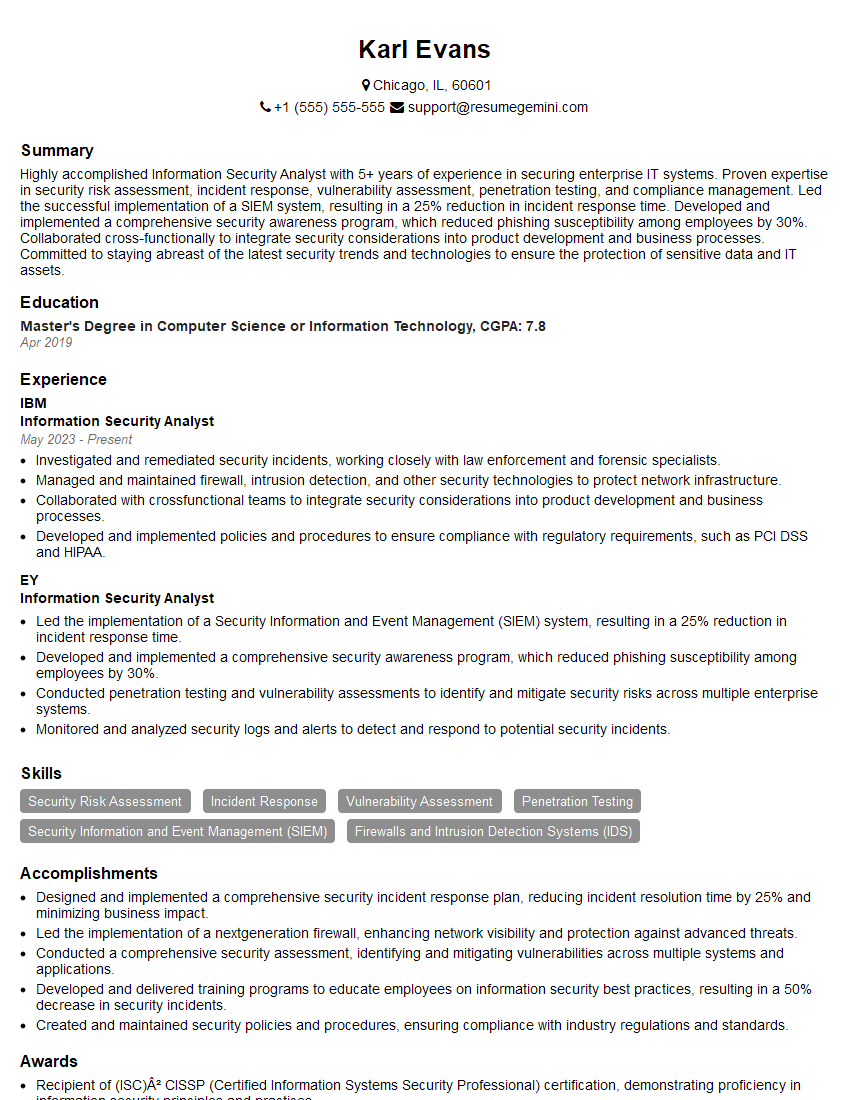
Information Security Analyst Resume Sample
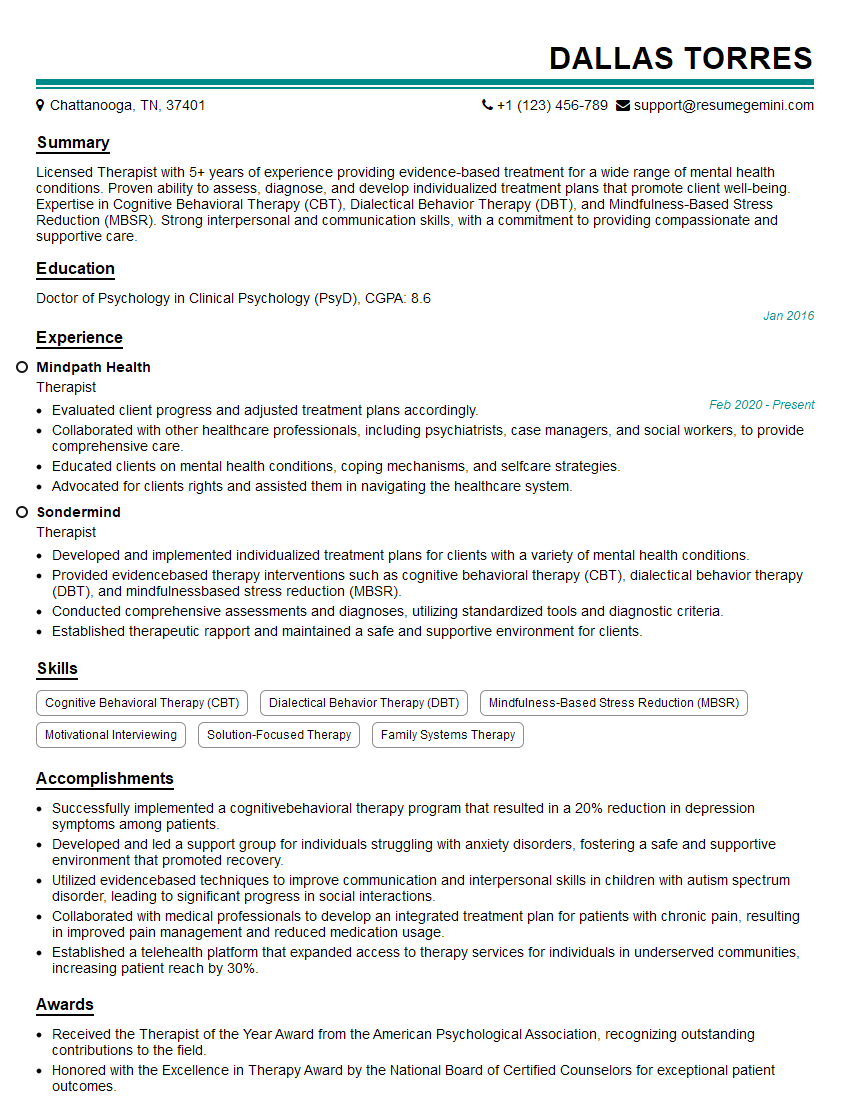
Therapist Resume Sample
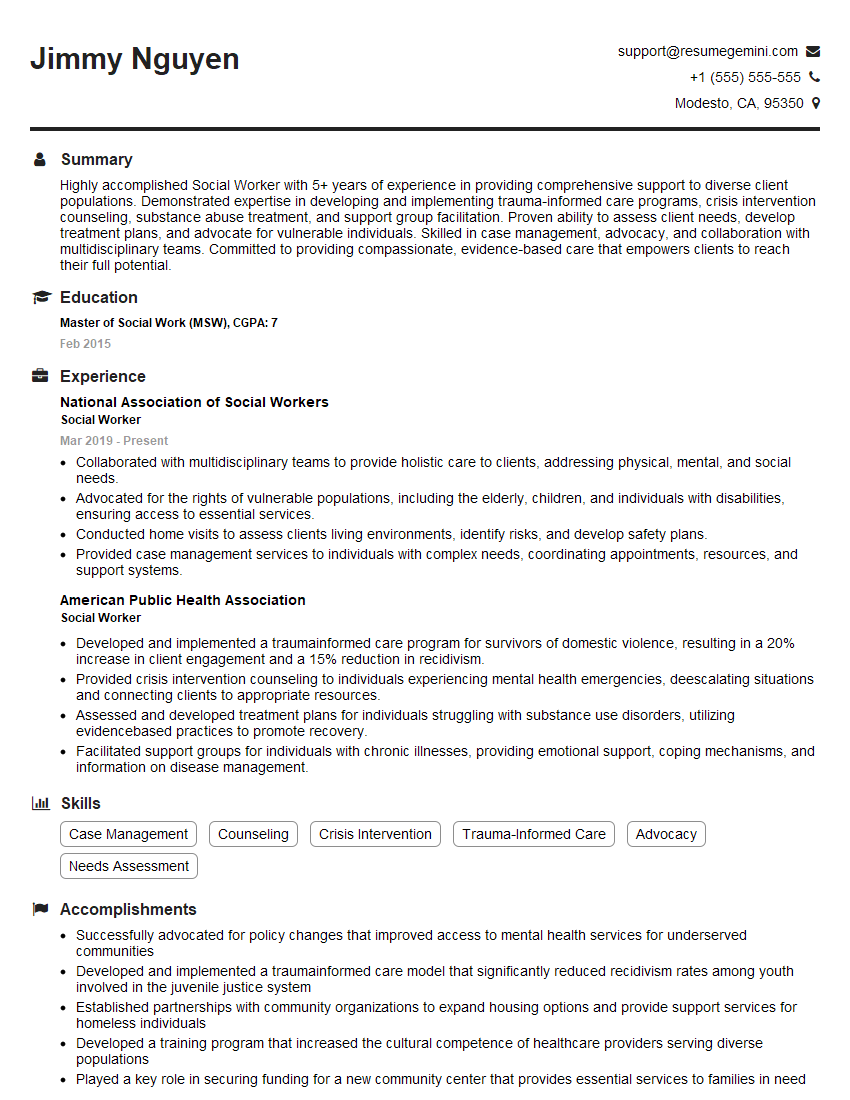
Social Worker Resume Sample
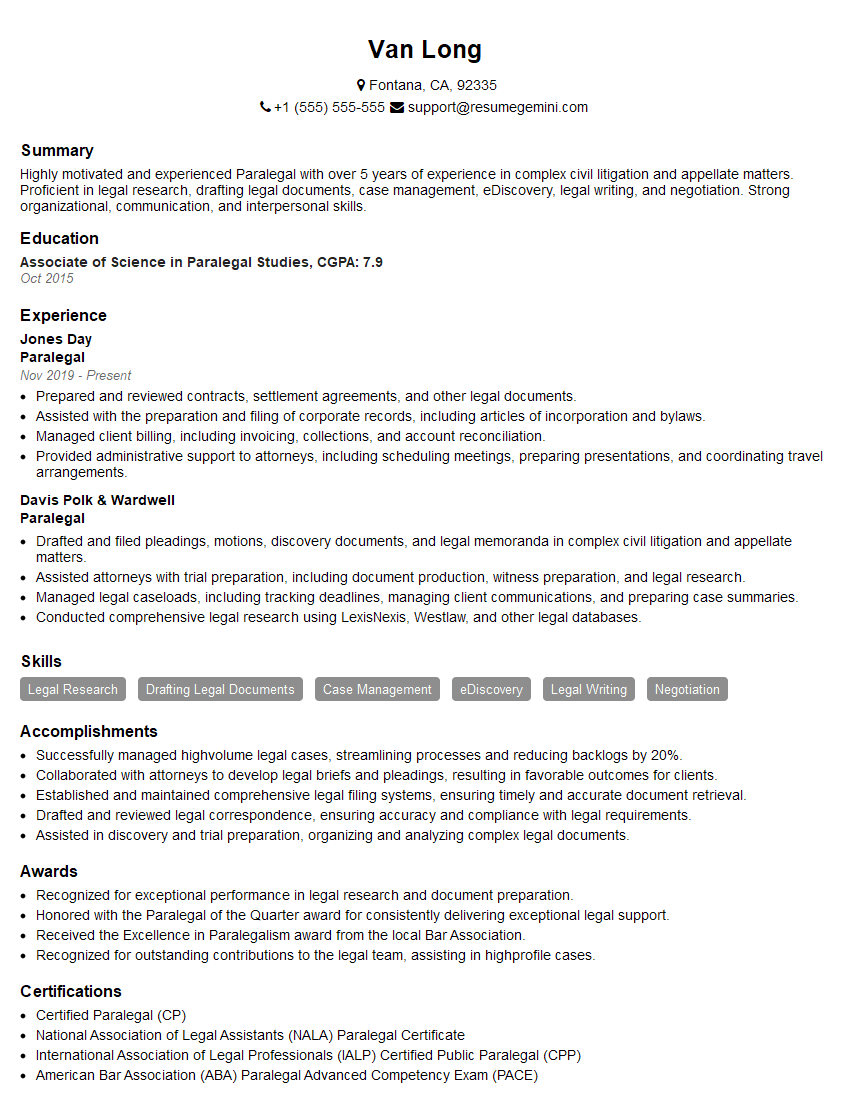
Paralegal Resume Sample
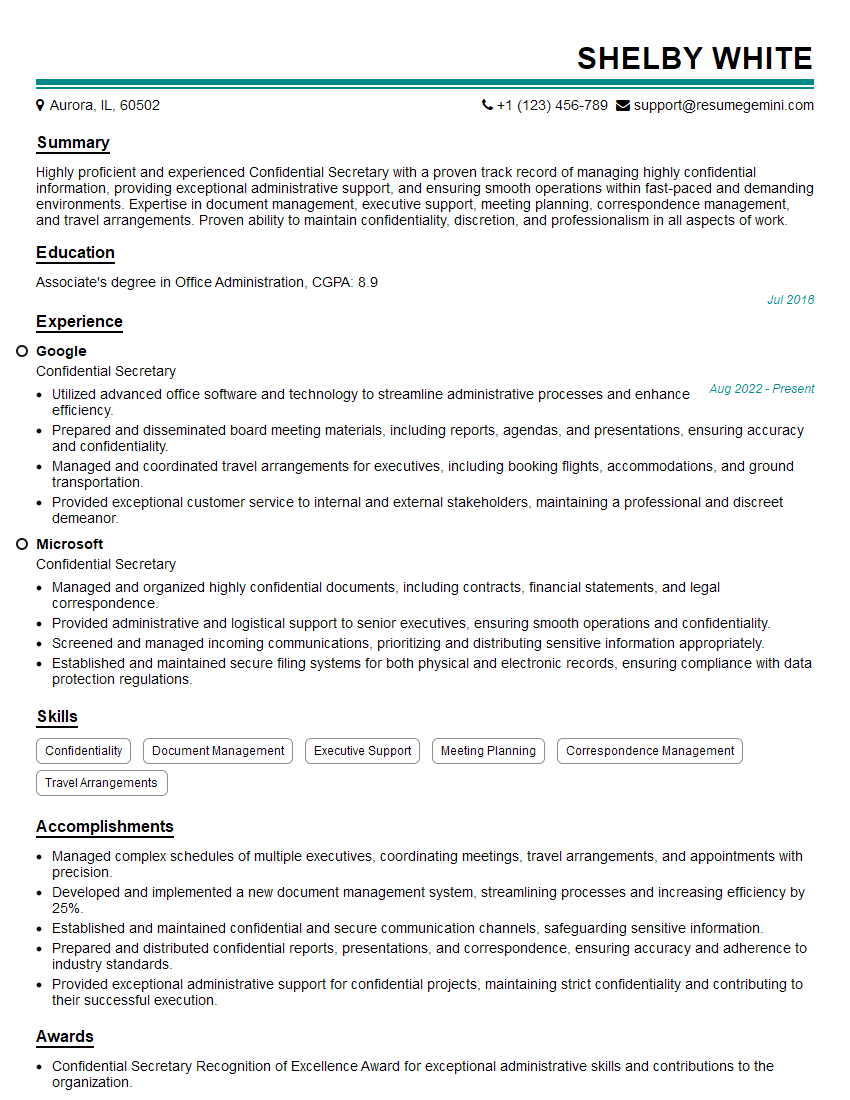
Confidential Secretary Resume Sample
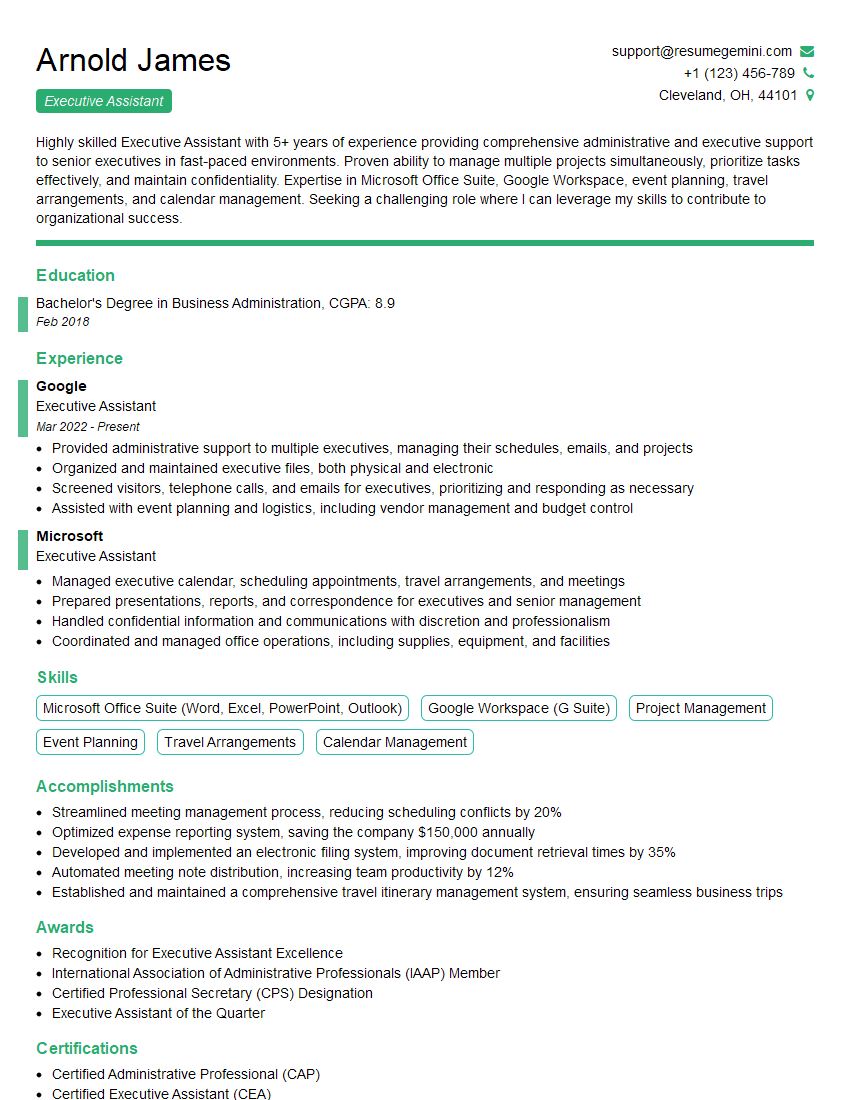
Executive Assistant Resume Sample
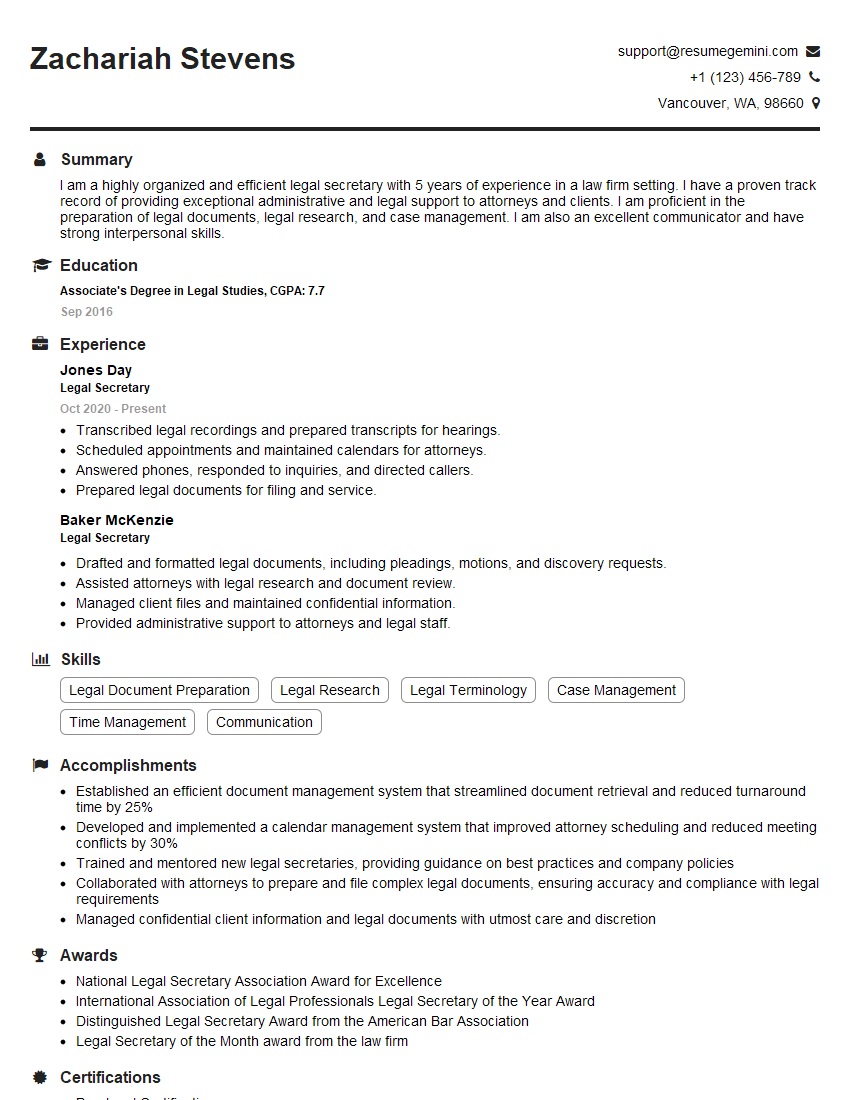
Legal Secretary Resume Sample
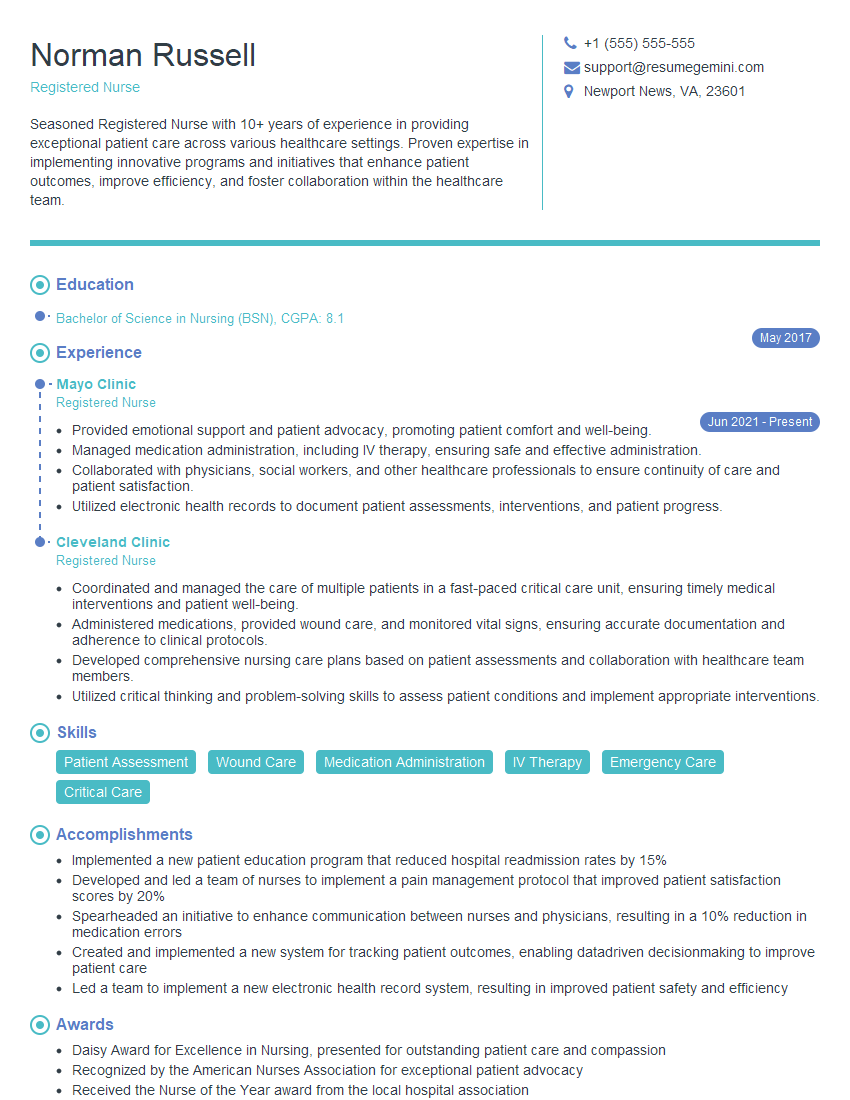
Registered Nurse Resume Sample
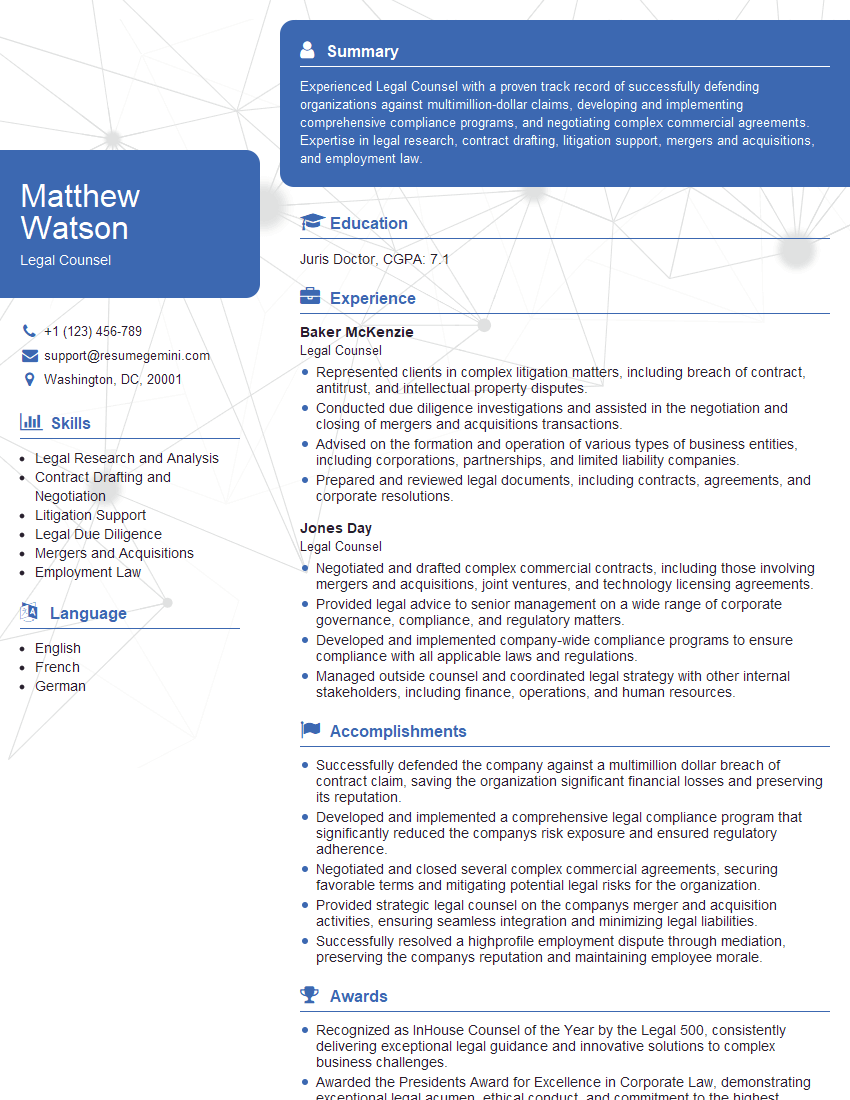
Legal Counsel Resume Sample
- Account Manager
- Human Resources Manager
- Project Manager
- Compliance Officer
- Compliance Specialist
- Ethics Officer
- Risk Manager
- Auditor
- Internal Auditor
- Financial Analyst
- Data Analyst
- Investment Banker
- Information Security Analyst
- Therapist
- Social Worker
- Paralegal
- Confidential Secretary
- Executive Assistant
- Legal Secretary
- Registered Nurse
- Legal Counsel
Explore more articles
Users Rating of Our Blogs
Share Your Experience
We value your feedback! Please rate our content and share your thoughts (optional).
What Readers Say About Our Blog
To the interviewgemini.com Webmaster.
Very helpful and content specific questions to help prepare me for my interview!
Thank you
To the interviewgemini.com Webmaster.
This was kind of a unique content I found around the specialized skills. Very helpful questions and good detailed answers.
Very Helpful blog, thank you Interviewgemini team.