Cracking a skill-specific interview, like one for Providing crisis intervention and support, requires understanding the nuances of the role. In this blog, we present the questions you’re most likely to encounter, along with insights into how to answer them effectively. Let’s ensure you’re ready to make a strong impression.
Questions Asked in Providing crisis intervention and support Interview
Q 1. Describe your experience de-escalating a volatile situation.
De-escalation involves calming a volatile situation to prevent violence or further distress. It requires a calm, empathetic approach focused on understanding the individual’s perspective and needs. My approach hinges on active listening, validating their feelings, and creating a safe space for communication.
For example, I once worked with a young man experiencing a severe psychotic break. He was agitated, shouting, and threatening self-harm. Instead of confronting him directly, I spoke calmly and softly, acknowledging his distress. I mirrored his body language slightly to build rapport, offered him water, and validated his feelings by saying, “I understand you’re feeling overwhelmed right now.” Through slow, deliberate communication, we established trust. I was able to gently guide him to a calmer state and connect him with necessary medical support. This involved respecting his personal space, allowing him to express his feelings without interruption (unless he posed an immediate threat), and refraining from judgmental language or actions.
Another scenario involved a family dispute escalating into shouting and physical threats. By separating the individuals involved and creating a space for each person to express their concerns individually, I helped them understand each other’s perspectives. This allowed for a gradual resolution of their conflicts through empathetic communication, reducing the tension and promoting a more peaceful environment.
Q 2. Explain your understanding of different crisis intervention models (e.g., CIT, SAFE-T).
Crisis intervention models provide frameworks for responding to crises effectively. Crisis Intervention Team (CIT) training, for example, focuses on educating law enforcement on how to interact with individuals experiencing mental health crises. It emphasizes de-escalation techniques and connecting individuals with appropriate mental health services instead of incarceration. The Safety Assessment and Follow-Up (SAFE-T) model is a structured approach that prioritizes a thorough risk assessment, and is used to support individuals at risk for suicide or self-harm.
CIT uses a collaborative approach involving law enforcement, mental health professionals, and community organizations. SAFE-T, on the other hand, utilizes a structured risk assessment tool followed by tailored interventions to mitigate risks. Both models share a focus on safety, empathy, and connecting individuals to appropriate resources. The choice of model depends on the specific context and the needs of the individual in crisis.
Q 3. How do you assess the immediate safety risks in a crisis situation?
Assessing immediate safety risks involves a holistic approach. It’s crucial to consider the individual’s behavior, verbalizations, access to weapons, and potential for self-harm or harm to others. This assessment is often done using a structured risk assessment tool, though clinical judgment is essential.
I would ask direct questions about suicidal or homicidal ideation, substance use, and any history of violence. Observing body language—agitation, pacing, clenched fists—provides crucial nonverbal cues. The environment itself is also assessed. Are there weapons readily available? Is the individual isolated or surrounded by potential supports? The presence of protective factors, such as a strong support system or a history of successful coping strategies, are also important considerations. The assessment is a dynamic process, requiring constant monitoring and readjustment based on changing circumstances.
Q 4. What resources would you utilize to support a client in crisis?
Supporting a client in crisis requires access to a range of resources. These may include:
- Mental health professionals: Psychiatrists, psychologists, and therapists provide diagnosis, treatment, and ongoing support.
- Emergency services: 911, mobile crisis teams, and emergency departments offer immediate intervention in life-threatening situations.
- Social services: Case managers, social workers, and housing agencies connect clients with practical support, such as housing, financial assistance, and substance abuse treatment.
- Support groups and peer support: These provide a sense of community and shared experience, reducing feelings of isolation.
- Hospitals and inpatient facilities: For individuals requiring intensive care and stabilization.
- Crisis hotlines and text lines: Provide immediate emotional support and guidance.
The specific resources utilized would depend entirely on the individual’s needs and the nature of the crisis.
Q 5. Describe a time you had to manage multiple crises simultaneously.
During a particularly challenging period, I managed three simultaneous crises. One client was experiencing a severe panic attack, another was threatening self-harm, and a third was involved in a domestic dispute. Prioritization was key. I immediately contacted emergency services for the client threatening self-harm, which ensured their immediate safety. Simultaneously, I used de-escalation techniques with the client experiencing a panic attack, focusing on calming breathing exercises and grounding techniques. While ensuring the safety of both, I delegated the domestic dispute to a colleague, while providing them with sufficient information for effective intervention. Clear communication and efficient resource allocation enabled me to handle all three situations effectively, ensuring the safety and well-being of all involved. Thorough documentation and post-incident debriefing were crucial for reflection and future learning.
Q 6. How do you maintain your own emotional well-being while providing crisis support?
Maintaining emotional well-being is paramount in this field. Burnout is a real risk, so self-care is non-negotiable. My strategies include:
- Regular supervision: Discussing challenging cases with a supervisor provides a safe space to process emotions and receive support.
- Self-reflection and journaling: Helps me understand my emotional responses and identify potential triggers.
- Mindfulness and stress-reduction techniques: Meditation, yoga, and deep breathing help manage stress and anxiety.
- Maintaining healthy boundaries: Avoiding emotional entanglement with clients and setting clear limits on my availability.
- Seeking personal therapy: Essential for processing vicarious trauma and maintaining my mental health.
- Engaging in activities outside of work: Hobbies, social connections, and time spent in nature replenish my energy levels.
It’s a continuous process of self-awareness and proactively protecting my well-being.
Q 7. Explain your process for identifying and addressing client needs in a crisis.
Identifying and addressing client needs in a crisis follows a structured approach. First, I ensure safety by assessing immediate risks. Then, I engage the individual through active listening and empathy, validating their feelings and experiences.
Next, I collaboratively explore their needs. What triggered the crisis? What immediate support do they require? What are their long-term goals? This involves asking open-ended questions, utilizing a strengths-based approach, and empowering them to participate in their own care. Based on this assessment, I develop a safety plan outlining short-term and long-term goals, connecting them with necessary resources, and coordinating care among different professionals. Ongoing monitoring and reassessment are crucial to ensuring the effectiveness of interventions and adapting to changing needs.
Q 8. How would you handle a client who is reluctant to accept help?
Reluctance to accept help is common in crisis situations. It stems from various factors like shame, fear of judgment, mistrust of authority, or simply feeling overwhelmed. My approach is built on empathy and respect for the individual’s autonomy. I wouldn’t pressure them, but instead, I’d focus on building rapport and establishing trust.
- Active Listening: I’d start by actively listening to their concerns without interruption, validating their feelings, and reflecting back what I hear to show understanding. For example, I might say, “It sounds like you’re feeling very overwhelmed right now. That must be incredibly difficult.”
- Collaboration, not coercion: I’d frame assistance as a collaborative process, focusing on their goals and needs. Instead of saying, “You need to go to the hospital,” I’d ask, “What would make you feel safer right now? What are some options you’re considering?”
- Identifying Strengths and Resources: I’d focus on their strengths and resources, highlighting their resilience and ability to cope. We’d explore their existing support network and identify ways to leverage those connections. Perhaps they have a supportive friend or family member who could offer immediate help.
- Small Steps: I’d break down larger goals into smaller, manageable steps, making the process less daunting. For example, instead of aiming for complete recovery immediately, we might focus on surviving the next hour, then the next day.
Ultimately, the goal is to empower them to make informed choices about their care, recognizing that accepting help is a process, not an event.
Q 9. Describe your approach to collaborating with other professionals in crisis situations.
Collaboration is essential in crisis intervention. A multidisciplinary approach ensures comprehensive and effective support. My approach involves:
- Clear Communication: I prioritize clear and concise communication with all professionals involved, including case managers, therapists, medical personnel, and family members. This includes regular updates and transparent sharing of relevant information while respecting confidentiality.
- Shared Goals: We establish shared goals for the client, ensuring everyone is working towards the same outcome. This might involve a crisis plan, a safety plan, or a transition plan to long-term care.
- Respectful Collaboration: I foster a culture of respect and mutual understanding amongst all parties involved. I value each professional’s expertise and recognize that different perspectives can contribute to a holistic approach.
- Coordination of Care: I ensure that services are coordinated to avoid duplication and create a seamless experience for the client. For example, I’d work with a therapist to ensure consistent messaging and follow-up appointments.
For instance, I recently worked with a client experiencing a severe mental health crisis. By collaborating closely with their psychiatrist and case manager, we were able to quickly coordinate hospitalization, medication adjustments, and post-discharge support services. This coordinated effort resulted in a much improved outcome for the client.
Q 10. How do you ensure confidentiality and client rights during a crisis?
Confidentiality and client rights are paramount. I adhere to strict ethical guidelines and legal regulations. This includes:
- Informed Consent: I obtain informed consent from clients before disclosing any information, explaining the limits of confidentiality. I make sure they understand their rights regarding access to their records and the potential for mandatory reporting in specific circumstances (e.g., child abuse, imminent harm to self or others).
- Data Protection: I follow all applicable data protection laws and regulations, ensuring that client information is stored securely and accessed only by authorized personnel. This includes using secure electronic systems and physically protecting paper records.
- Limits of Confidentiality: I explicitly discuss the limits of confidentiality, including situations where I’m legally obligated to breach confidentiality (duty to warn, mandated reporting). Transparency on this point is key to building trust.
- Client Self-Determination: I support the client’s autonomy and self-determination throughout the crisis, ensuring they are involved in decision-making processes to the extent possible.
For example, if a client expresses suicidal ideation, I would carefully discuss the limits of confidentiality and the need to involve other professionals to ensure their safety, while still respecting their agency and preferences as much as ethically and legally possible.
Q 11. What ethical considerations guide your practice in crisis intervention?
Ethical considerations are foundational to my practice. They guide my actions and decision-making at every stage. Key principles include:
- Beneficence: Acting in the best interests of the client.
- Non-maleficence: Avoiding harm to the client.
- Autonomy: Respecting the client’s right to self-determination.
- Justice: Treating all clients fairly and equitably, regardless of background or circumstances.
- Fidelity: Maintaining trust and loyalty to the client.
These principles are applied practically by meticulously documenting sessions, carefully considering the potential consequences of interventions, engaging in regular supervision to discuss ethical dilemmas, and seeking consultation from colleagues or ethical review boards when faced with complex situations. For instance, if I’m unsure about a particular course of action, I’d seek guidance from a supervisor to ensure I’m acting ethically.
Q 12. How do you adapt your approach to individuals with diverse cultural backgrounds or disabilities?
Adapting my approach to diverse populations is crucial. I recognize that culture, language, and disability significantly impact an individual’s experience and response to crisis. My approach involves:
- Cultural Humility: Continuously learning about different cultures and avoiding making assumptions. I actively seek to understand the client’s unique worldview and how it shapes their experience.
- Language Access: Ensuring access to interpreters or translators for clients who don’t speak the same language. This includes verbal and written communication.
- Disability Sensitivity: Adjusting my communication style and methods to accommodate the client’s specific needs. This may involve using assistive technology or modifying the environment to make it accessible.
- Culturally Sensitive Interventions: Utilizing interventions that are respectful of the client’s cultural values and beliefs. This might involve incorporating cultural practices into crisis management strategies.
For example, when working with an immigrant client, I would consider factors such as their immigration status, cultural norms around mental health, and any potential language barriers. I’d engage in culturally sensitive communication, collaborate with community resources relevant to their culture, and ensure their safety and well-being within the context of their specific cultural background.
Q 13. Explain your understanding of trauma-informed care in crisis intervention.
Trauma-informed care is a fundamental approach in crisis intervention. It recognizes the prevalence of trauma and its impact on individuals’ behaviors and responses to crisis. It shifts the focus from “what’s wrong with you” to “what happened to you?” Key principles include:
- Safety: Creating a safe and supportive environment that minimizes retraumatization.
- Trustworthiness and Transparency: Building trust with the client through clear communication and honesty.
- Peer Support: Empowering clients through peer support and shared experience.
- Collaboration and Empowerment: Working collaboratively with clients, respecting their choices, and empowering them to regain control.
- Choice: Offering clients choices whenever possible, acknowledging their autonomy.
In practice, this means avoiding triggering language or actions, validating the client’s experiences, emphasizing collaboration rather than control, and prioritizing their safety and sense of security above all else. It requires a mindful approach that acknowledges the impact of past trauma on their present crisis.
Q 14. Describe your experience working with individuals experiencing suicidal ideation.
Suicidal ideation is a serious crisis requiring immediate and careful attention. My experience involves a multi-faceted approach emphasizing safety and collaboration.
- Immediate Safety Assessment: I conduct a thorough suicide risk assessment, exploring the client’s suicidal thoughts, plans, and access to lethal means. This involves questions about intent, methods, and any prior attempts.
- Safety Planning: Collaborating with the client to develop a safety plan, identifying coping mechanisms, support systems, and emergency contacts. This might involve creating a list of things to do when suicidal thoughts arise, identifying safe places to go, and establishing connections with crisis hotlines.
- Crisis Stabilization: Utilizing techniques to help the client manage immediate distress, such as grounding techniques, relaxation exercises, and emotional regulation strategies.
- Referral and Follow-up: Referring the client to appropriate mental health professionals for ongoing care, ensuring access to therapy, medication, and ongoing support. I maintain contact and follow up to monitor their progress and ensure their safety.
It’s crucial to remember that suicidal ideation is not a sign of weakness, but a symptom of underlying distress. By working collaboratively with the client, providing immediate support, and linking them to long-term resources, I aim to help them navigate this challenging period and find pathways towards hope and recovery. Each situation is unique, requiring careful consideration and personalized care.
Q 15. How do you document your interventions and client interactions during a crisis?
Accurate and thorough documentation is crucial in crisis intervention. It protects both the client and the professional, ensures continuity of care, and aids in evaluating the effectiveness of interventions. My documentation follows a structured format, typically including:
- Identifying Information: Client’s name, date of birth, contact information (with permission), and relevant identifiers.
- Presenting Problem: A clear and concise description of the crisis situation, including the client’s emotional state, expressed needs, and behaviors observed.
- Interventions Implemented: A detailed account of the strategies used, such as active listening, de-escalation techniques, referral to resources, or safety planning. This includes specific techniques employed and their timing. For example, ‘At 14:30, implemented breathing exercises to manage client’s anxiety.’
- Client Response: Documentation of the client’s response to each intervention, noting any changes in emotional state or behavior.
- Safety Planning: If a safety plan is developed, it’s documented completely, including agreed-upon steps and contact information for support.
- Referral Information: Details of any referrals made to other professionals or services, including the date, time, and name of the person or agency contacted.
- Assessment & Plan: A summary of the overall assessment of the situation and the plan for future action or follow up.
All documentation adheres to strict confidentiality protocols and relevant legal and ethical guidelines.
Career Expert Tips:
- Ace those interviews! Prepare effectively by reviewing the Top 50 Most Common Interview Questions on ResumeGemini.
- Navigate your job search with confidence! Explore a wide range of Career Tips on ResumeGemini. Learn about common challenges and recommendations to overcome them.
- Craft the perfect resume! Master the Art of Resume Writing with ResumeGemini’s guide. Showcase your unique qualifications and achievements effectively.
- Don’t miss out on holiday savings! Build your dream resume with ResumeGemini’s ATS optimized templates.
Q 16. What is your experience with mandated reporting procedures?
Mandated reporting is a critical aspect of crisis intervention. I am thoroughly familiar with the legal requirements regarding reporting child abuse, elder abuse, and/or situations where there is an imminent threat of harm to oneself or others. My experience includes understanding the specific criteria for mandatory reporting in my jurisdiction, knowing which agencies to contact, and the proper procedures for filing a report, which includes maintaining detailed records of the report itself. I always prioritize the safety and well-being of the individual while ensuring compliance with legal obligations. This often involves a delicate balance between protecting confidentiality and fulfilling my legal responsibility to report.
For example, if a client disclosed ongoing physical abuse of a child, I would immediately contact the appropriate child protective services agency, documenting the details of the conversation and the steps taken. I would explain to the client the legal mandate necessitating the report and the importance of child safety. While it’s a difficult conversation, the client’s safety and wellbeing are paramount.
Q 17. Describe a situation where you had to make a difficult decision in a crisis.
I once had a client expressing suicidal ideation with a detailed plan, but also vehemently refusing hospitalization. The decision was fraught with ethical and safety considerations. While respecting the client’s autonomy, I couldn’t ignore the serious risk. I utilized a collaborative approach, exploring their reasons for refusing hospitalization, actively listening to their fears and concerns. Through validation and offering alternative solutions like intensified outpatient therapy and daily check-ins, we reached a compromise where the client agreed to a temporary safety plan including regular contact and close monitoring. This avoided involuntary hospitalization while addressing the immediate risk, ultimately leading to a positive outcome. The situation highlighted the importance of building rapport, understanding the client’s perspective, and finding a balance between safety and autonomy.
Q 18. How do you identify and manage your own biases in providing crisis support?
Self-awareness is crucial. I actively engage in regular reflection on my own biases, seeking supervision and peer consultation to identify and address them. I use techniques like mindfulness and cultural competency training to increase my awareness of my assumptions and how they might influence my interactions with clients from diverse backgrounds. I prioritize creating a safe and non-judgmental space where clients feel comfortable expressing themselves without fear of discrimination. For example, recognizing my own biases towards certain communication styles might lead me to actively seek to understand different cultural communication norms in order to better serve clients from different cultural backgrounds.
Q 19. Explain the importance of self-care for crisis intervention professionals.
Self-care is not a luxury but a necessity for crisis intervention professionals. The emotional toll of working with individuals in crisis can be significant, leading to compassion fatigue, burnout, and vicarious trauma. Prioritizing self-care practices, including regular exercise, healthy eating, sufficient sleep, mindfulness techniques, and engaging in activities that bring joy and relaxation, protects our mental and emotional well-being and enhances our ability to provide effective and compassionate support. Without proper self-care, we risk compromising our ability to serve our clients effectively.
Q 20. Describe a time you had to deal with a client’s resistance to treatment.
I encountered a client who initially resisted therapy, expressing anger and distrust. Instead of forcing the issue, I validated their feelings, acknowledging that it takes courage to seek help and that their reluctance was understandable. We started with building rapport, focusing on small, achievable goals, and adjusting the approach based on their responses. For example, if they were more comfortable discussing practical issues, we started there and gradually moved towards more emotional topics. Over time, through consistent support and demonstrating genuine empathy, they began to open up and engage more actively in the therapeutic process. This experience underscored the importance of patience, flexibility, and respecting the client’s pace of healing.
Q 21. What is your familiarity with crisis communication strategies?
Effective crisis communication is vital. My familiarity includes active listening, empathy-based communication, clear and concise messaging, and adapting communication styles to suit individual needs and preferences. I use validated communication techniques to de-escalate tense situations, avoiding judgmental language and focusing on collaborative problem-solving. This might include using calming vocal tones, simple language, and maintaining eye contact (while respecting cultural norms). For example, during a high-anxiety situation, I would use short, reassuring phrases and focus on validating the individual’s feelings before attempting to offer solutions. In situations requiring communication with others involved, such as family members, I would ensure all communication is done with informed consent and respect for client privacy while also addressing immediate safety concerns.
Q 22. How do you assess the client’s risk of self-harm or harm to others?
Assessing a client’s risk of self-harm or harm to others is paramount in crisis intervention. It’s a dynamic process, not a one-time assessment. I use a holistic approach, combining direct questioning with observation and consideration of contextual factors.
- Direct questioning: I ask specific questions about suicidal thoughts or plans (e.g., ‘Have you been thinking about harming yourself? Do you have a plan?’), past attempts, access to lethal means, and thoughts of harming others.
- Observation: I carefully observe the client’s demeanor, including their affect, body language, and level of agitation. A person who is agitated, exhibiting signs of extreme distress, or speaking in a detached manner might be at higher risk.
- Contextual factors: I consider factors like the client’s history of violence, substance use, current stressors, social support system, and access to resources. A recent significant loss, relationship breakdown, or financial crisis can significantly increase risk.
Based on this information, I use a standardized risk assessment tool – often a combination of structured interviews and validated scales – to quantify the level of risk. This allows for more objective evaluation and informed decision-making. If the risk is high, I immediately implement safety measures, which might include hospitalization or contacting emergency services. The assessment is ongoing, regularly reviewed and adjusted as the situation evolves.
Q 23. How do you utilize active listening and empathy in crisis intervention?
Active listening and empathy are foundational to crisis intervention. Active listening means fully concentrating on what the client is saying, both verbally and nonverbally. It’s about understanding their perspective, not just hearing their words. Empathy involves trying to understand and share the client’s feelings, even if you don’t necessarily agree with their perspectives or actions.
- Techniques I utilize: I use verbal and nonverbal cues to show engagement. This includes maintaining eye contact (appropriately culturally sensitive), nodding, using verbal affirmations like “I understand,” and summarizing to ensure accuracy. I avoid interrupting, offering unsolicited advice, or minimizing their feelings. I aim to create a safe and non-judgmental space.
- Example: If a client says, “I feel completely alone and hopeless,” instead of responding with “You shouldn’t feel that way,” I might say, “That sounds incredibly difficult. It must be incredibly painful to feel so alone.” This acknowledges their emotions without dismissing them.
By demonstrating genuine empathy and active listening, I build rapport and trust, helping the client feel safe and understood, which is crucial for effective crisis intervention.
Q 24. Describe your experience with providing crisis support via phone, video, or in-person.
I have extensive experience providing crisis support across various modalities: phone, video, and in-person. Each setting presents unique challenges and opportunities.
- Phone: Phone calls require exceptional active listening skills as you lack non-verbal cues. I rely heavily on verbal tone, pacing, and paraphrasing to ensure I’m understanding the client’s situation accurately. I might use clarifying questions to ensure I’m picking up on nuances that would be apparent in person. The lack of visual cues can, however, increase the challenge in assessing risk accurately, demanding thorough questioning and an elevated level of vigilance.
- Video: Video calls offer a balance – combining the intimacy of an in-person session with the convenience and accessibility of a phone call. I can observe non-verbal cues like facial expressions and body language, enhancing my risk assessment capabilities. The visual element also helps build rapport quickly. However, technological issues can present challenges, hindering continuity and communication flow.
- In-person: In-person sessions allow for the most complete assessment. I can observe the client’s entire environment, enhancing my ability to assess risk and understand the circumstances influencing the crisis. I can use therapeutic techniques like breathing exercises, grounding techniques, or even physical touch (when appropriate) to help de-escalate the situation. However, in-person sessions can be logistically challenging for those with mobility issues or geographic limitations.
Regardless of the modality, my primary goal is to provide immediate support, assess risk, develop a safety plan, and connect the client to appropriate resources. My approach is flexible and tailored to the unique needs of each client and the situation.
Q 25. Explain your understanding of the legal and regulatory requirements for providing crisis intervention.
Understanding legal and regulatory requirements is critical in crisis intervention. These regulations vary by location, but generally cover areas such as:
- Confidentiality: I adhere strictly to client confidentiality, only breaking it in situations where there is an imminent risk of harm to the client or others (mandated reporting). This includes understanding and applying HIPAA regulations (in the US) or equivalent legislation in other jurisdictions.
- Duty to warn/protect: In situations where a client poses a credible threat to harm someone else, I have a legal and ethical obligation to take steps to protect that person, which might include notifying authorities or the intended victim. I am well-versed in the legal nuances of this duty.
- Documentation: Detailed and accurate documentation of all interactions is crucial. This includes the client’s presentation, risk assessment findings, interventions implemented, and outcomes. Accurate record-keeping is critical for continuity of care and potential legal purposes.
- Scope of practice: I operate strictly within the boundaries of my professional license and training. I am aware of the limits of my expertise and appropriately refer clients to other professionals when necessary (psychiatrists, psychologists, medical doctors).
Staying updated on relevant legal and ethical guidelines is an ongoing process that requires continuous professional development and engagement with professional organizations.
Q 26. How do you help clients develop coping mechanisms and strategies to prevent future crises?
Helping clients develop coping mechanisms is key to preventing future crises. My approach is collaborative and individualized. I work with each client to identify their specific strengths and vulnerabilities.
- Identifying triggers: We explore past crisis events to understand patterns and triggers. This helps the client anticipate potential challenges and develop proactive strategies.
- Coping skills training: I teach various coping skills, including relaxation techniques (deep breathing, progressive muscle relaxation), problem-solving strategies, and stress management techniques (mindfulness, exercise).
- Building support networks: I encourage clients to connect with supportive individuals, such as family, friends, support groups, or faith communities. A strong social support network is a vital buffer against stress and adversity.
- Developing safety plans: We collaboratively create a personalized safety plan outlining steps the client can take to manage a crisis when it arises. This includes identifying warning signs, creating a list of emergency contacts, and planning for safe places to go.
- Referral to therapy: For long-term support, I often refer clients to ongoing therapy, where they can delve more deeply into the underlying issues contributing to their crises.
Ongoing support and check-ins are crucial. The aim is to empower clients to take an active role in their own well-being and resilience.
Q 27. How do you maintain professional boundaries while providing crisis intervention?
Maintaining professional boundaries is essential to providing ethical and effective crisis intervention. It’s about creating a therapeutic relationship that is helpful, not harmful.
- Self-awareness: I regularly reflect on my own emotional responses and potential biases, ensuring these don’t interfere with my ability to provide objective support. Maintaining self-care is essential.
- Professional demeanor: I maintain a professional demeanor throughout interactions, avoiding casual or overly familiar language or behavior. I set clear limits on the time and nature of our interactions.
- Avoiding dual relationships: I avoid developing relationships outside of the professional context (social contact, financial dealings). I do not accept gifts or engage in behaviors that could blur professional boundaries.
- Appropriate self-disclosure: I use self-disclosure sparingly and only when it’s therapeutically beneficial and in service of helping the client. I would never disclose personal information that could jeopardize the therapeutic relationship or cause the client additional distress.
- Supervision: I actively seek supervision to help ensure I am maintaining ethical boundaries.
By prioritizing these practices, I can create a safe space where clients feel comfortable sharing their experiences, while also ensuring I am upholding the highest professional standards.
Q 28. Describe a time you needed to seek supervision or consultation regarding a crisis situation.
I recall a case involving a young adult experiencing a severe psychotic break. Their escalating symptoms included intense paranoia and auditory hallucinations, leading to self-destructive behaviors. Despite my best efforts at de-escalation, their distress remained severe, and I was concerned about their immediate safety. I felt that my skills in crisis intervention were being tested to their limits.
I sought supervision from my clinical supervisor. During this consultation, we discussed the case in detail, exploring the available options and considering ethical considerations. My supervisor helped me to recognize my countertransference reactions and develop strategies to manage my own emotional responses more effectively. Ultimately, with my supervisor’s guidance, we decided to involve the mobile crisis team, which could provide the necessary medical assessment and intervention. This decision helped ensure the client’s safety and the appropriate level of care. This experience reinforced the importance of teamwork, supervision, and seeking guidance when facing complex situations.
Key Topics to Learn for Providing Crisis Intervention and Support Interviews
- Crisis Assessment and De-escalation: Understanding different crisis types, recognizing warning signs, and employing effective communication techniques to calm distressed individuals. Practical application: Role-playing scenarios to practice de-escalation strategies.
- Active Listening and Empathy: Developing skills in truly understanding the client’s perspective, validating their feelings, and conveying genuine care. Practical application: Practicing reflective listening and paraphrasing techniques.
- Safety Planning and Resource Identification: Creating concrete safety plans with clients, identifying available resources (hotlines, shelters, support groups), and coordinating referrals. Practical application: Researching local crisis resources and developing hypothetical safety plans.
- Ethical Considerations and Confidentiality: Understanding professional boundaries, maintaining client confidentiality, and adhering to relevant legal and ethical guidelines. Practical application: Analyzing ethical dilemmas and formulating appropriate responses.
- Self-Care and Resilience: Recognizing the impact of working with individuals in crisis and implementing strategies for self-care to maintain well-being and prevent burnout. Practical application: Exploring self-care techniques and stress management strategies.
- Trauma-Informed Care: Understanding the impact of trauma on individuals and adapting approaches to be sensitive and supportive. Practical application: Learning about trauma-informed practices and how they apply in crisis intervention.
- Cultural Competence: Recognizing the diverse needs of clients from various backgrounds and adapting intervention strategies accordingly. Practical application: Researching cultural considerations and potential communication barriers.
Next Steps
Mastering crisis intervention and support skills is crucial for a rewarding and impactful career in helping professions. It opens doors to diverse roles with significant growth potential. To maximize your job prospects, creating an ATS-friendly resume is essential. ResumeGemini is a trusted resource to help you build a compelling and effective resume that highlights your skills and experience. Examples of resumes tailored to crisis intervention and support roles are available within ResumeGemini to guide you. Invest time in crafting a strong resume—it’s your first impression on potential employers.
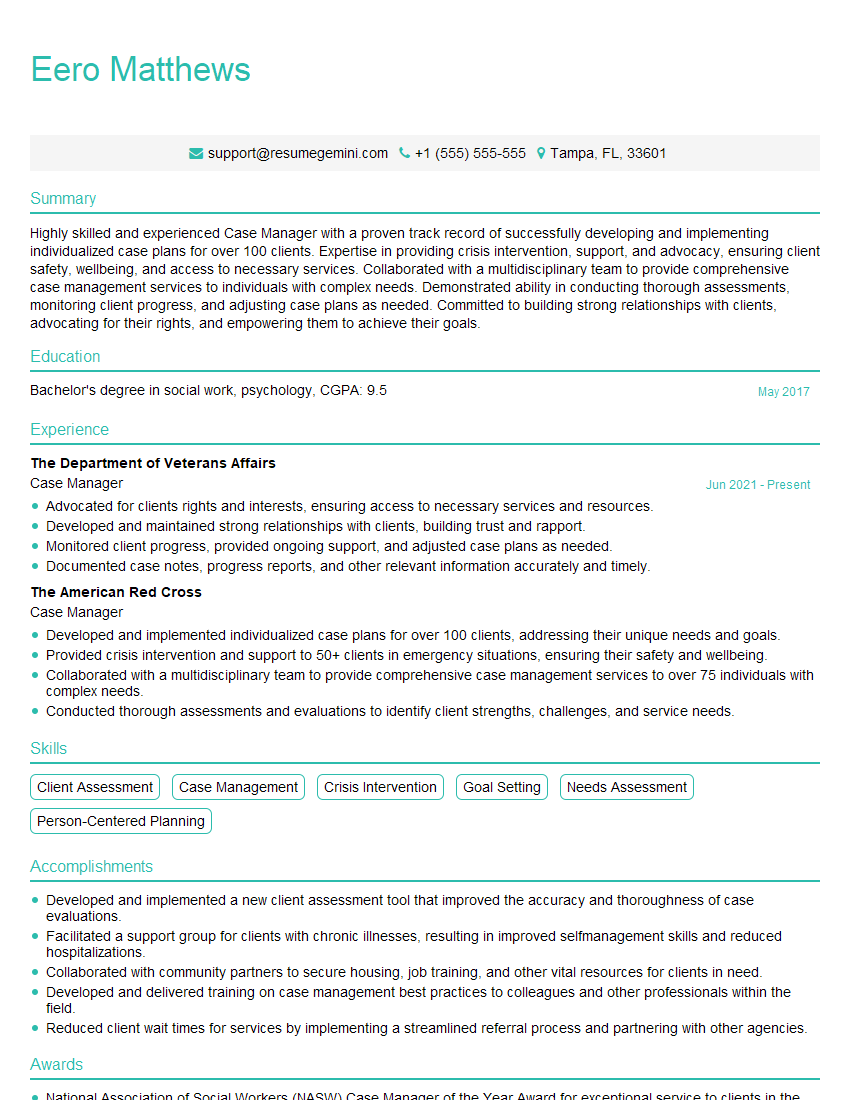
Case Manager Resume Sample
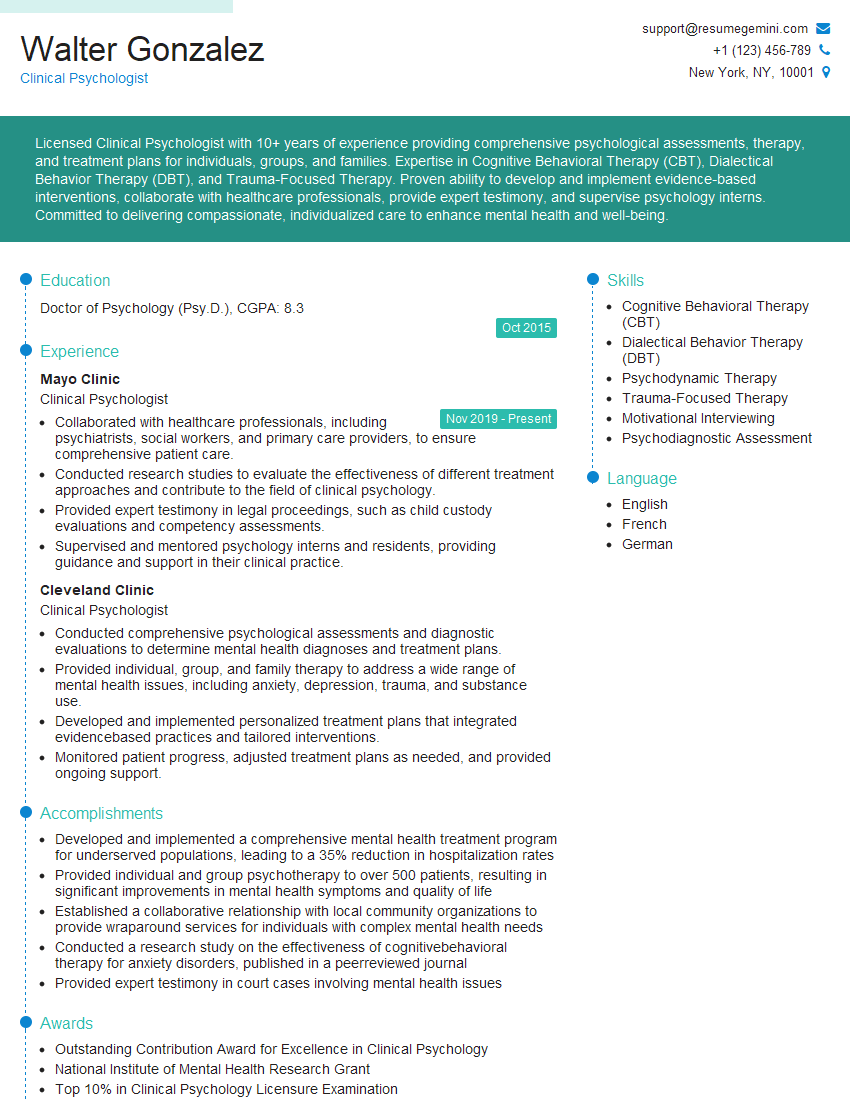
Clinical Psychologist Resume Sample
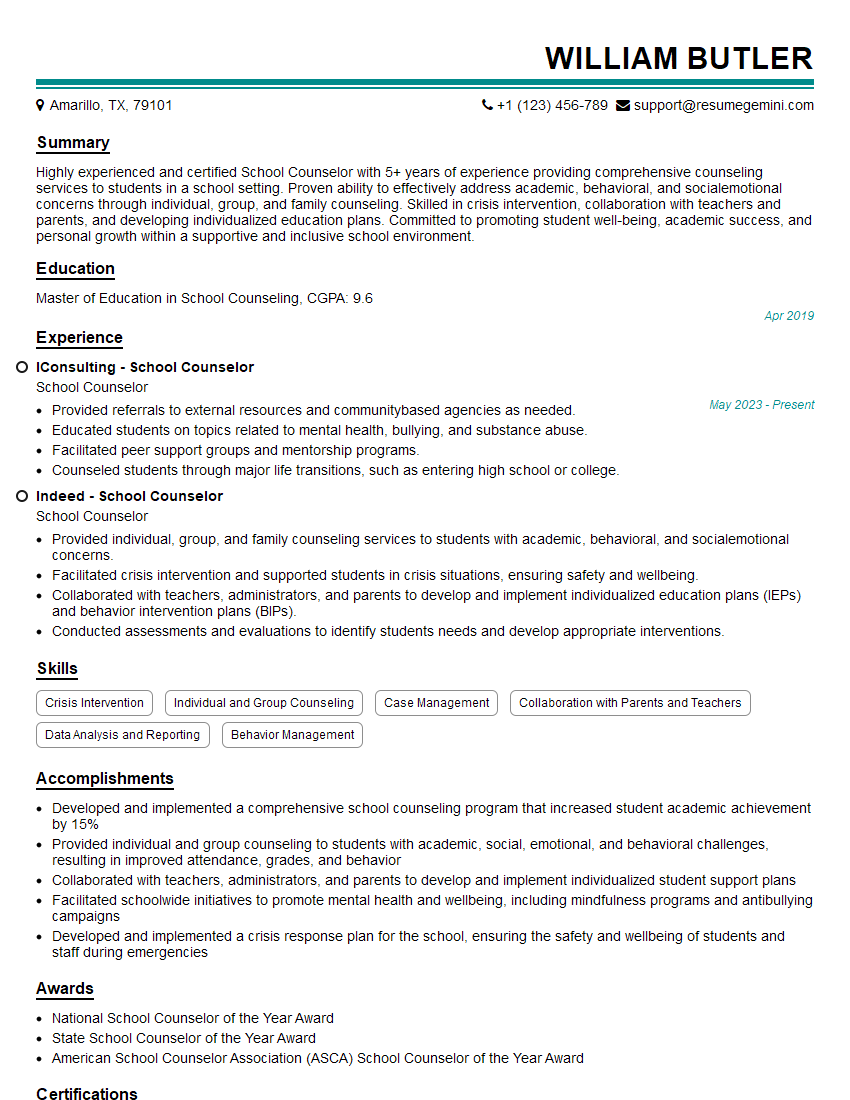
School Counselor Resume Sample
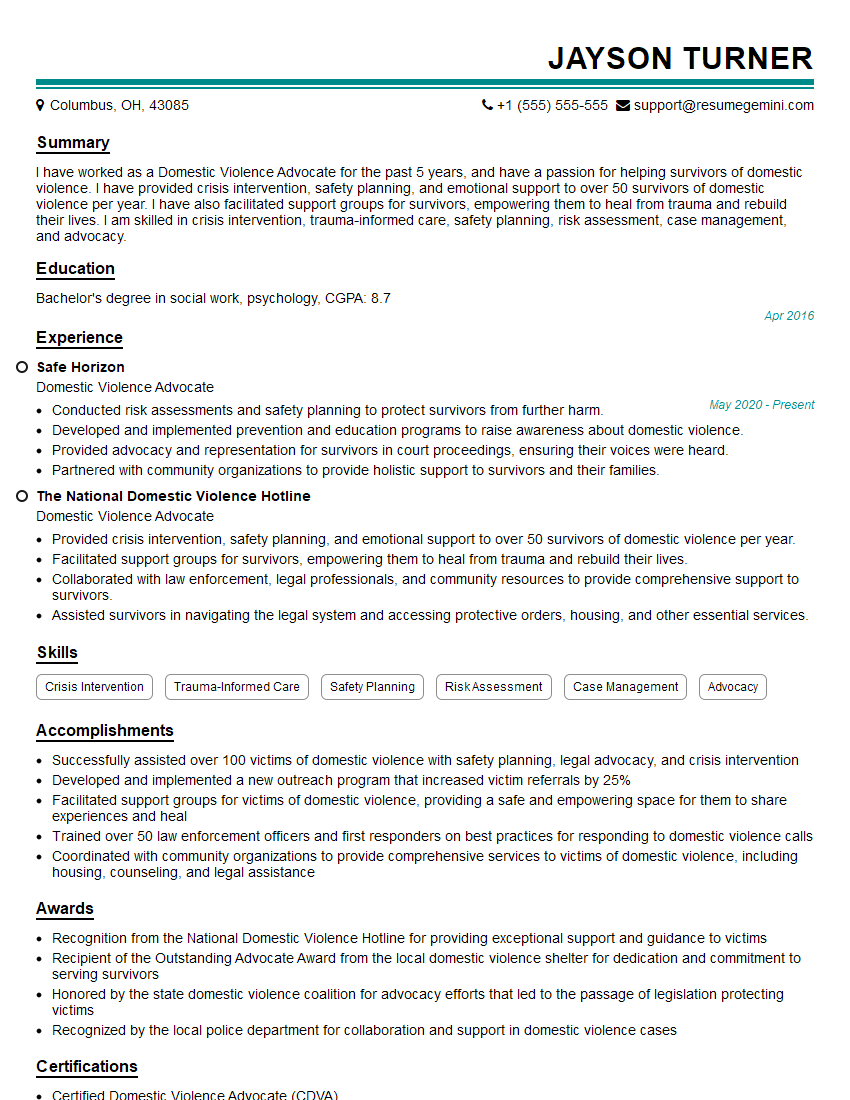
Domestic Violence Advocate Resume Sample

Mental Health Counselor Resume Sample
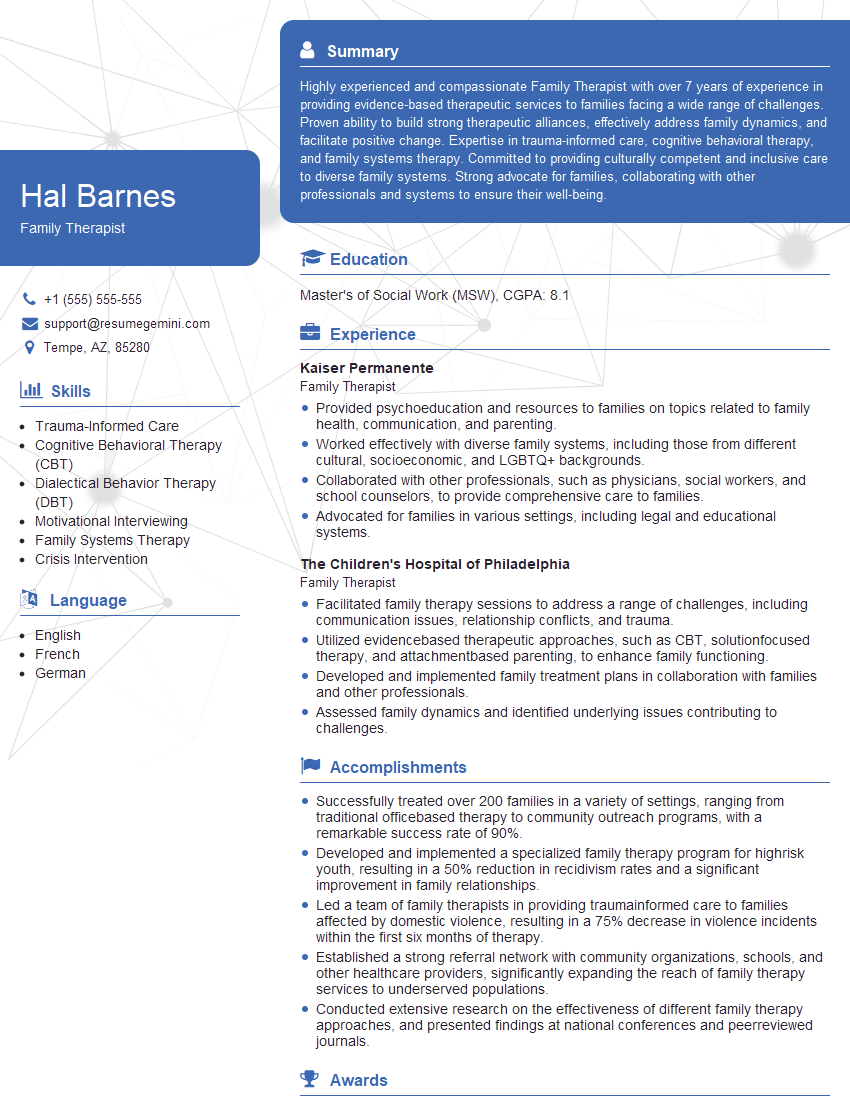
Family Therapist Resume Sample
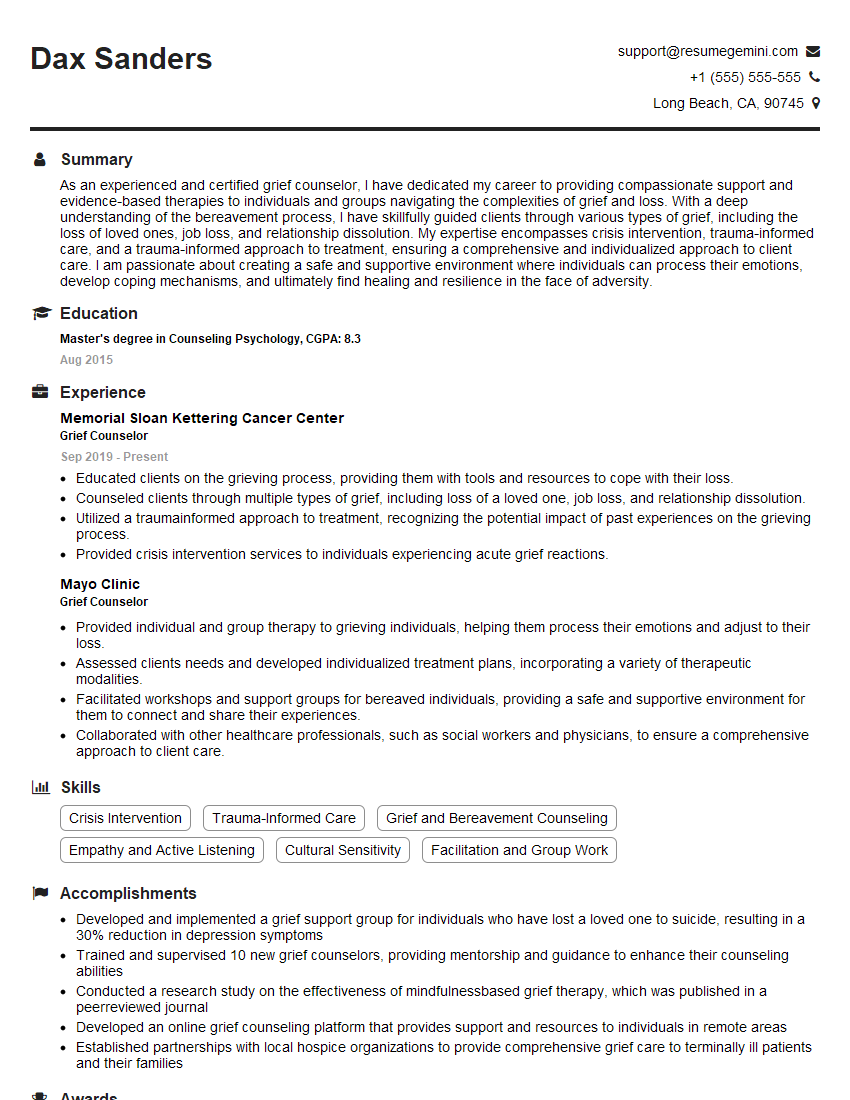
Grief Counselor Resume Sample

Rehabilitation Counselor Resume Sample
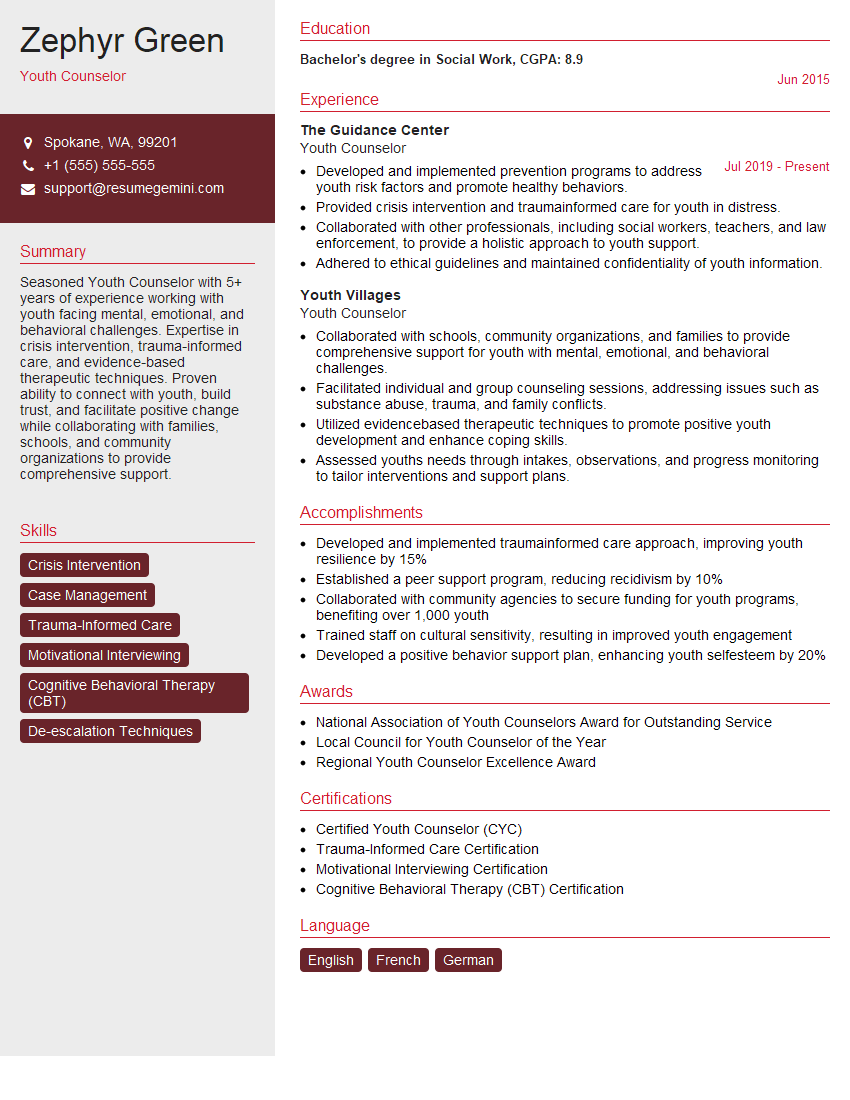
Youth Counselor Resume Sample
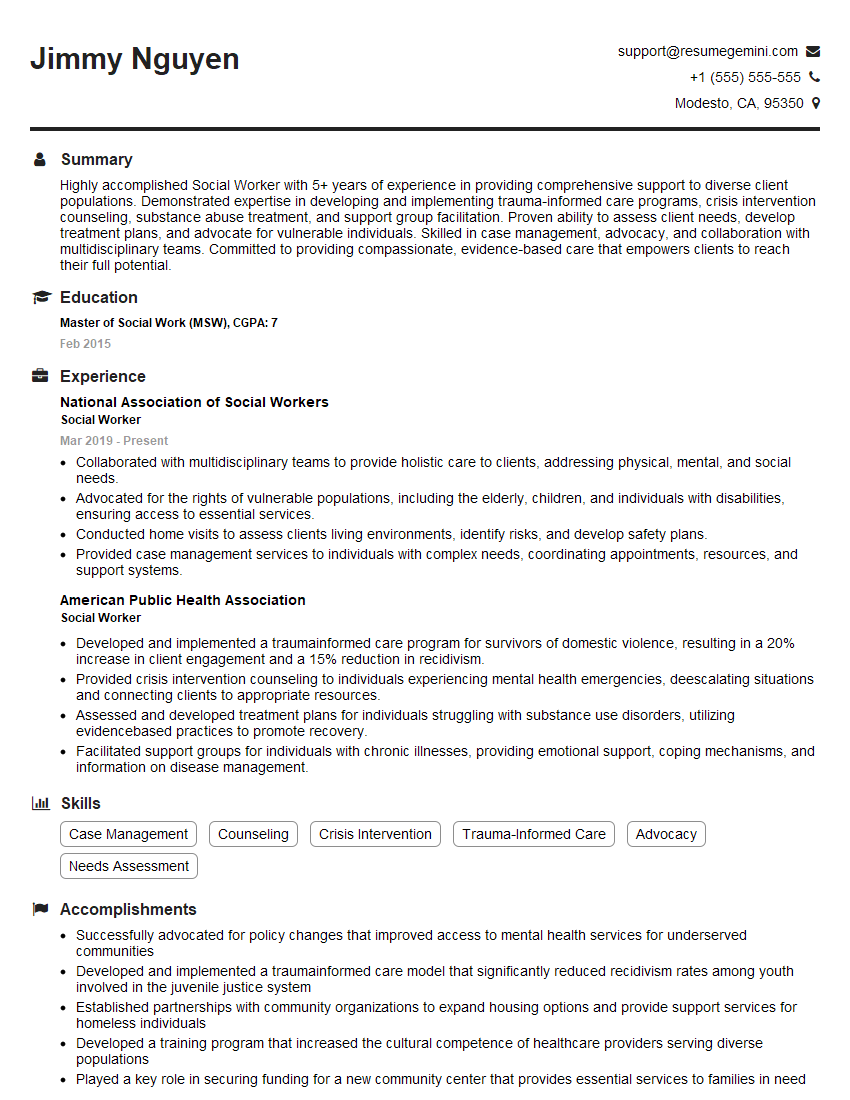
Social Worker Resume Sample

Crisis Intervention Specialist Resume Sample
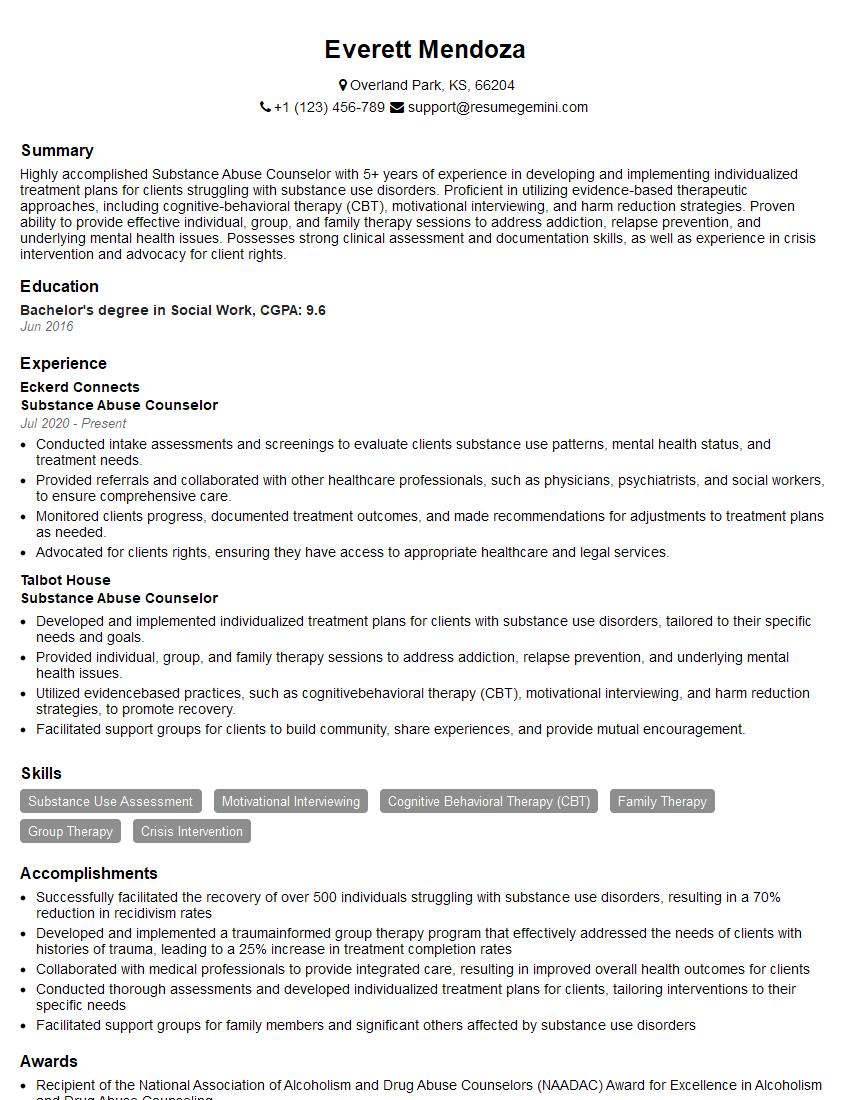
Substance Abuse Counselor Resume Sample
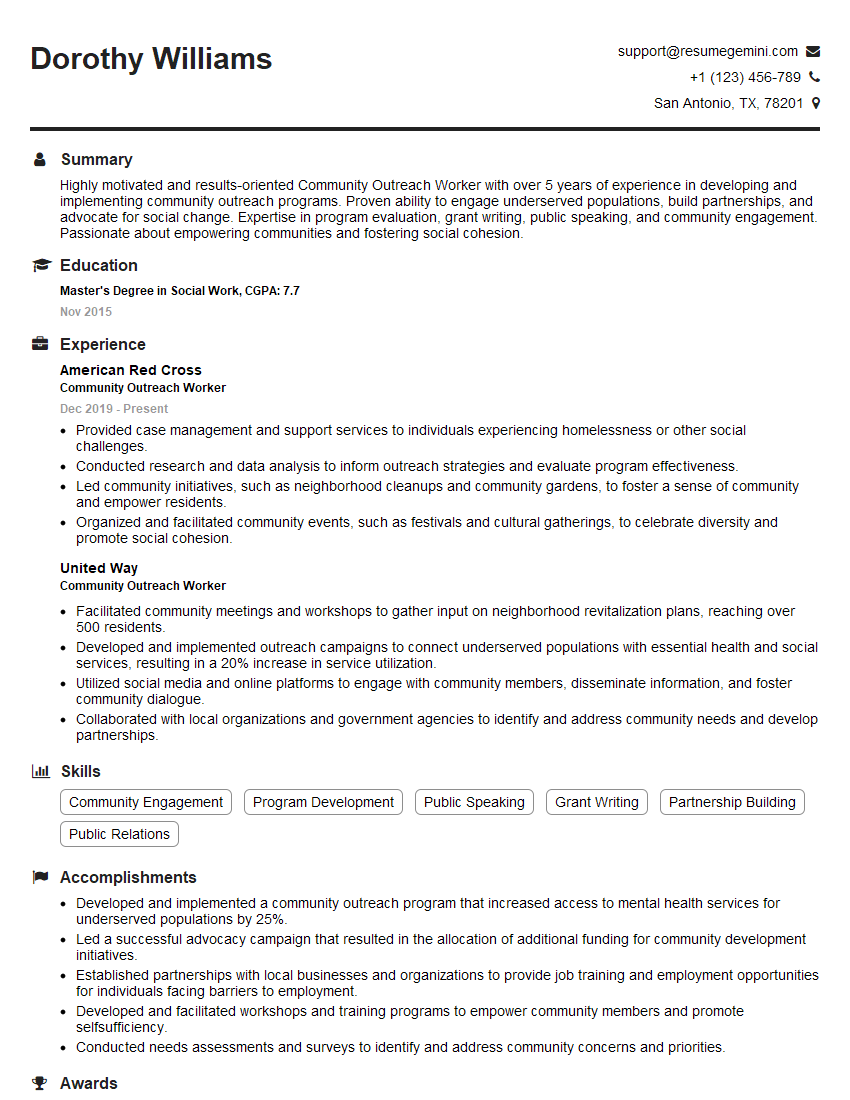
Community Outreach Worker Resume Sample
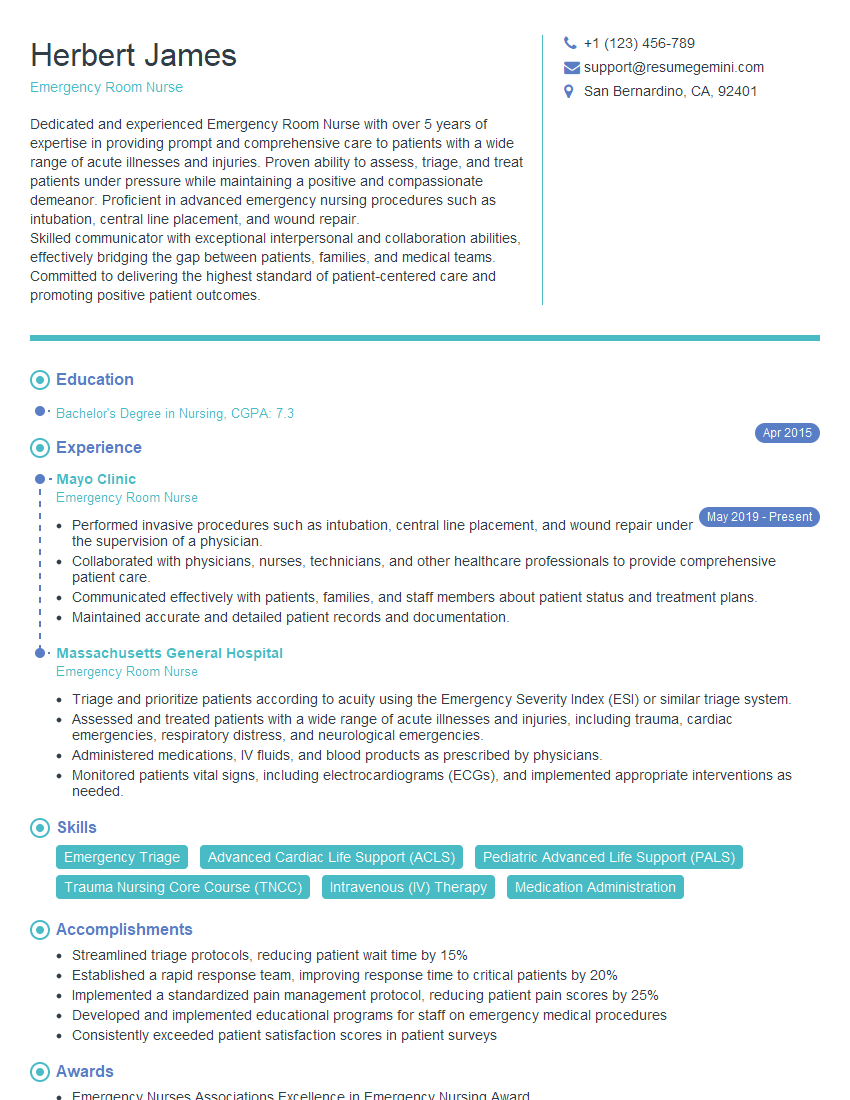
Emergency Room Nurse Resume Sample
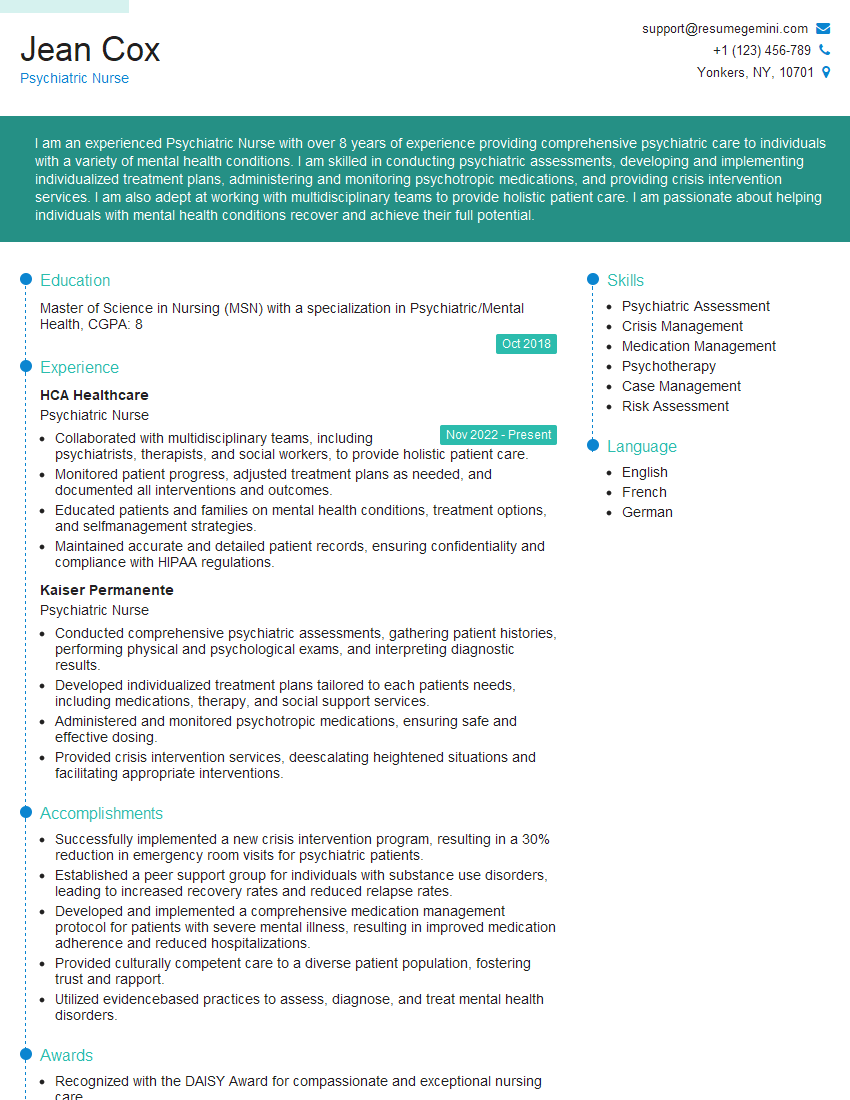
Psychiatric Nurse Resume Sample
- Case Manager
- Clinical Psychologist
- School Counselor
- Domestic Violence Advocate
- Mental Health Counselor
- Family Therapist
- Grief Counselor
- Rehabilitation Counselor
- Youth Counselor
- Social Worker
- Crisis Intervention Specialist
- Substance Abuse Counselor
- Community Outreach Worker
- Emergency Room Nurse
- Psychiatric Nurse
Explore more articles
Users Rating of Our Blogs
Share Your Experience
We value your feedback! Please rate our content and share your thoughts (optional).
What Readers Say About Our Blog
To the interviewgemini.com Webmaster.
Very helpful and content specific questions to help prepare me for my interview!
Thank you
To the interviewgemini.com Webmaster.
This was kind of a unique content I found around the specialized skills. Very helpful questions and good detailed answers.
Very Helpful blog, thank you Interviewgemini team.