The right preparation can turn an interview into an opportunity to showcase your expertise. This guide to Public Opinion interview questions is your ultimate resource, providing key insights and tips to help you ace your responses and stand out as a top candidate.
Questions Asked in Public Opinion Interview
Q 1. Explain the difference between quantitative and qualitative research methods in public opinion.
Quantitative and qualitative research methods represent distinct approaches to understanding public opinion. Quantitative research emphasizes numerical data and statistical analysis to identify patterns and trends in large populations. Think of it like taking a wide-angle photograph – you capture a broad overview. Qualitative research, on the other hand, focuses on in-depth understanding of individual experiences, perspectives, and meanings. It’s like using a zoom lens to closely examine specific details.
Quantitative methods often involve surveys with structured questions, allowing for large-scale data collection and statistical analysis. For example, a poll asking respondents to rate their satisfaction with the government on a scale of 1 to 5 is quantitative. The results can be analyzed to determine the average satisfaction level.
Qualitative methods utilize techniques such as focus groups, in-depth interviews, and content analysis of open-ended responses. For instance, conducting focus groups to understand citizens’ perceptions of a new policy will provide rich, nuanced data, offering insights beyond simple numerical ratings. The analysis focuses on themes and patterns emerging from the discussions rather than simply on numbers.
In practice, a mixed-methods approach, combining both quantitative and qualitative data, often provides the most comprehensive understanding of public opinion. The quantitative data can provide a broad picture, while the qualitative data can help explain why certain trends or patterns emerge.
Q 2. Describe various sampling techniques used in public opinion polls and their strengths and weaknesses.
Sampling techniques are crucial for obtaining representative public opinion data. The goal is to select a subset of the population (the sample) that accurately reflects the characteristics of the entire population (the universe).
- Simple Random Sampling: Every member of the population has an equal chance of being selected. This is theoretically ideal but can be difficult to achieve in practice, especially with large and dispersed populations.
- Stratified Sampling: The population is divided into subgroups (strata) based on relevant characteristics (e.g., age, gender, race), and a random sample is drawn from each stratum. This ensures representation from all important subgroups.
- Cluster Sampling: The population is divided into clusters (e.g., geographic areas), and a random sample of clusters is selected. All members within the selected clusters are then included in the sample. This is efficient for large populations spread over a wide area but might not be as representative as stratified sampling.
- Quota Sampling: Similar to stratified sampling, but instead of random selection, interviewers are given quotas to fill based on specific characteristics of the population. This is less rigorous but can be more cost-effective.
- Convenience Sampling: Selecting participants based on their availability or accessibility. This is the least reliable method, as it is prone to significant bias and should generally be avoided in serious research.
Strengths and Weaknesses: The strengths and weaknesses of each method relate to their representativeness, cost-effectiveness, and feasibility. Simple random sampling is theoretically the best but can be impractical. Stratified sampling is strong in ensuring representation but requires detailed population knowledge. Cluster sampling is cost-effective but may not be fully representative. Quota sampling is easier to implement but introduces bias due to non-random selection. Convenience sampling is the least desirable due to its inherent biases.
Q 3. How do you ensure the reliability and validity of your public opinion research?
Ensuring reliability and validity is paramount in public opinion research. Reliability refers to the consistency of the measurements; a reliable measure will produce similar results if repeated under the same conditions. Validity refers to the accuracy of the measurements; a valid measure actually measures what it is intended to measure.
To ensure reliability, we use established methodologies, pre-test instruments, and employ rigorous data collection procedures. For example, using standardized questionnaires and training interviewers thoroughly enhances reliability. We might also use test-retest reliability, administering the same survey to the same group at different times to check consistency.
To ensure validity, we carefully design questions to accurately capture the intended concepts. We also conduct pilot studies to identify and refine ambiguous or problematic questions. Content validity assesses whether the instrument covers all aspects of the concept being measured. Construct validity investigates whether the measure reflects the underlying theoretical construct.
Furthermore, using established statistical techniques to analyze the data and carefully considering potential sources of error are also vital aspects of ensuring the reliability and validity of public opinion research. Triangulation – using multiple methods to measure the same thing – is another robust technique.
Q 4. What are some common biases that can affect public opinion data, and how can they be mitigated?
Numerous biases can skew public opinion data. Understanding and mitigating these is crucial for producing accurate results.
- Sampling Bias: Occurs when the sample doesn’t accurately represent the population. For example, using a phone survey excludes individuals without phones.
- Measurement Bias: Caused by flawed question wording, leading respondents to answer in ways that don’t reflect their true opinions. For example, a leading question like “Don’t you agree that…” introduces bias.
- Response Bias: Respondents may answer dishonestly to present themselves in a favorable light (social desirability bias) or may answer randomly (acquiescence bias).
- Interviewer Bias: The interviewer’s behavior or characteristics might influence respondent answers.
- Nonresponse Bias: Occurs when a significant portion of the selected sample doesn’t participate. Those who do and don’t respond may differ systematically.
Mitigation Strategies: These biases can be mitigated through careful sampling design (e.g., stratified sampling to address sampling bias), rigorous question wording (avoiding leading questions and using neutral language), ensuring anonymity (reducing social desirability bias), interviewer training (to minimize interviewer bias), and employing follow-up strategies to increase response rates (reducing nonresponse bias). Careful attention to data quality control, including checks for outliers and inconsistencies, is also vital.
Q 5. Explain the concept of margin of error in public opinion polls.
The margin of error in public opinion polls quantifies the uncertainty associated with the estimate of the population parameter (e.g., the percentage of people supporting a particular candidate). It indicates the range within which the true population value is likely to fall.
For example, if a poll shows that 60% of voters support Candidate A, with a margin of error of ±3%, it means that the true percentage of support for Candidate A likely lies between 57% (60% – 3%) and 63% (60% + 3%).
The margin of error is influenced by the sample size and the variability of the population. Larger sample sizes generally result in smaller margins of error. Higher population variability (e.g., a more evenly split population) also leads to a larger margin of error. It’s crucial to always report the margin of error when presenting public opinion poll results, as it provides essential information about the precision of the estimates.
Q 6. How do you interpret and present public opinion data to different audiences?
Interpreting and presenting public opinion data requires tailoring the information to the specific audience. For academic audiences, detailed statistical analyses and methodological explanations are appropriate. Technical reports with charts, graphs, and tables are suitable.
For policymakers, a concise summary of key findings with implications for policy decisions is more effective. A visually appealing presentation with easily digestible information is generally preferred. Infographics can effectively convey key data.
For the general public, simple and clear language is paramount. Avoid jargon and technical terms. Visual representations like bar charts or pie charts are particularly useful. News articles, social media posts, and infographics might be effective channels.
In all cases, transparency is key. Clearly explaining the methodology, sample size, margin of error, and any limitations of the study builds trust and enhances the credibility of the findings. Presenting the data responsibly and avoiding sensationalism or misrepresentation is crucial.
Q 7. Discuss the ethical considerations involved in conducting public opinion research.
Ethical considerations are fundamental in public opinion research. Protecting the privacy and confidentiality of respondents is paramount. This involves obtaining informed consent, ensuring anonymity, and securely storing data. Respondents must understand the purpose of the research, how their data will be used, and their right to withdraw at any time.
Avoiding misleading or manipulative questions is crucial. Questions should be clear, unambiguous, and neutral to avoid influencing responses. Researchers must also be transparent about any potential conflicts of interest and avoid using the research for unethical purposes. For instance, using data to manipulate public opinion is unethical. Transparency is paramount – reporting the limitations of the study and acknowledging potential biases builds credibility and trust.
Researchers have a responsibility to ensure the quality and integrity of their work. Adhering to professional codes of conduct and ethical guidelines is essential. The results should be presented accurately and without misrepresentation, and the research should contribute to the public good.
Q 8. How do social media and online platforms influence public opinion?
Social media and online platforms have profoundly reshaped how public opinion is formed and expressed. Their influence stems from several key factors:
- Increased Accessibility and Speed of Information Dissemination: News and opinions spread rapidly, bypassing traditional gatekeepers like journalists and editors. This can lead to quicker shifts in public sentiment, but also to the spread of misinformation.
- Echo Chambers and Filter Bubbles: Algorithms often curate content based on user preferences, leading to exposure primarily to like-minded individuals and viewpoints. This reinforces existing beliefs and limits exposure to diverse perspectives, potentially polarizing public opinion.
- Amplification of Voices: Social media allows individuals and groups to reach a far larger audience than ever before, potentially amplifying the impact of minority opinions or even encouraging the spread of propaganda and hate speech.
- Interactive Engagement: Platforms enable direct interaction between individuals, politicians, and organizations. This can foster dialogue and facilitate public discourse but also open avenues for manipulation and online harassment.
- Spread of Misinformation and Disinformation: The ease with which false or misleading information can be shared poses a significant threat to the accuracy and integrity of public opinion formation. The rapid spread of fake news can have real-world consequences, influencing elections and public policy.
For example, the rapid spread of misinformation during the COVID-19 pandemic significantly impacted public health decisions and trust in institutions. Similarly, social media played a significant role in shaping public opinion during various political campaigns and social movements globally.
Q 9. How do you measure the impact of a public relations campaign on public opinion?
Measuring the impact of a public relations campaign on public opinion requires a multi-faceted approach combining quantitative and qualitative data. Key metrics include:
- Changes in Awareness and Knowledge: Pre- and post-campaign surveys can assess changes in public awareness of the issue or brand.
- Shift in Attitudes and Opinions: Track changes in public sentiment towards the subject matter through surveys, polls, and sentiment analysis of social media data. Look for shifts in favorability ratings, approval levels, and issue salience.
- Behavioral Changes: Monitor changes in behaviors related to the campaign’s objectives. For example, did the campaign result in increased website traffic, product sales, or donations?
- Media Coverage and Reach: Analyze media mentions, social media engagement, and the overall reach of the campaign message.
A robust analysis integrates various data sources. For example, a survey might show a change in public opinion, while social media listening tools can reveal the nuances of the public conversation. It’s crucial to consider the limitations of each data source and avoid drawing overly simplistic conclusions.
Imagine a public relations campaign aimed at improving public perception of a company facing a crisis. The impact could be measured by tracking changes in brand sentiment on social media, shifts in customer satisfaction scores, and changes in news coverage.
Q 10. Describe different types of survey questions and their applications in public opinion research.
Survey questions in public opinion research fall into several categories:
- Open-ended Questions: Allow respondents to answer in their own words, providing rich qualitative data. Example: “What are your thoughts on the current economic situation?”
- Closed-ended Questions: Offer pre-defined response options, facilitating easier data analysis. These include:
- Dichotomous Questions: Offer only two options (e.g., yes/no, agree/disagree). Example: “Do you support the new policy?”
- Multiple-choice Questions: Provide a list of options for respondents to choose from. Example: “What is your highest level of education?”
- Rating Scales (e.g., Likert scales): Assess attitudes or opinions on a scale (e.g., strongly agree to strongly disagree). Example: “Rate your satisfaction with the service on a scale of 1 to 5.”
- Ranking Questions: Ask respondents to rank items in order of importance or preference. Example: “Rank the following issues in order of importance to you.”
The choice of question type depends heavily on the research objectives. Open-ended questions offer deeper insights but require more extensive analysis, while closed-ended questions are easier to analyze but may limit the richness of responses.
Q 11. How do you analyze data from different sources (e.g., polls, social media, news articles) to understand public opinion?
Analyzing data from diverse sources requires a systematic approach that considers the strengths and limitations of each data type. Here’s a suggested framework:
- Data Cleaning and Preparation: This involves standardizing data formats, handling missing values, and ensuring data consistency across sources.
- Quantitative Analysis: Employ statistical techniques (e.g., descriptive statistics, regression analysis) to analyze poll data and potentially quantify sentiments extracted from social media data.
- Qualitative Analysis: Use content analysis techniques to analyze the themes, sentiments, and opinions expressed in news articles and social media posts. This involves coding and categorizing textual data to identify recurring patterns.
- Triangulation: Compare and contrast findings from different data sources. Consistent findings across multiple sources increase confidence in the conclusions.
- Interpretation and Reporting: Carefully interpret the findings, acknowledging the limitations of each data source, and present the results in a clear and concise manner.
For example, a study investigating public opinion on climate change might combine data from national polls, social media sentiment analysis, and analysis of news articles discussing climate-related issues. By integrating these data sources, a more comprehensive understanding of public opinion can be obtained.
Q 12. What statistical software are you proficient in for analyzing public opinion data?
I am proficient in several statistical software packages commonly used in public opinion analysis, including:
- R: A powerful and versatile open-source language with extensive libraries for statistical analysis, data visualization, and text mining.
- SPSS (Statistical Package for the Social Sciences): A widely used commercial software package offering a user-friendly interface for conducting various statistical analyses.
- Stata: Another popular commercial package known for its capabilities in econometrics and longitudinal data analysis.
- Python with relevant libraries (pandas, NumPy, scikit-learn): Python’s flexibility and extensive libraries make it suitable for various data analysis tasks including sentiment analysis and predictive modeling.
The choice of software often depends on the specific research question, the size and complexity of the dataset, and the analyst’s familiarity with the software.
Q 13. Explain the concept of framing effects in public opinion.
Framing effects refer to the influence of how information is presented (or “framed”) on people’s perceptions and judgments. The way an issue is described can significantly affect public opinion, even if the underlying facts remain the same. For example, describing a new policy as offering “tax relief” will likely garner more positive public support than framing it as a “tax cut for the wealthy,” even if the policies are identical.
Framing can work through various mechanisms, including:
- Emphasis on Specific Aspects: Highlighting certain aspects of an issue while downplaying others can shape perceptions.
- Use of Language: The choice of words (e.g., positive vs. negative connotations) can heavily influence how an issue is perceived.
- Metaphors and Analogies: Using evocative metaphors can convey emotions and shape understanding.
Understanding framing effects is crucial for public opinion researchers as well as those involved in public relations and political communication. By carefully constructing messages, one can influence how the public perceives an issue, potentially shaping attitudes and behavior.
Q 14. How can you predict future trends in public opinion based on past data and current events?
Predicting future trends in public opinion involves combining historical data analysis with an understanding of current events and social trends. A robust approach utilizes several methods:
- Time Series Analysis: Analyze past trends in public opinion on relevant issues to identify patterns and potential future trajectories. This might involve examining past poll data or analyzing social media trends over time.
- Event History Analysis: Investigate the relationship between specific events and changes in public opinion. Identifying triggers, turning points, or inflection points allows for better forecasts based on new events.
- Forecasting Models: Utilize statistical models (e.g., ARIMA, exponential smoothing) to predict future trends based on past data. This requires sufficient historical data and an understanding of the underlying processes.
- Expert Surveys and Delphi Studies: Gather insights from experts in relevant fields to anticipate shifts in public opinion based on their knowledge and judgment. This is particularly useful when incorporating qualitative factors that might not easily be captured with quantitative methods.
- Scenario Planning: Develop multiple scenarios based on different potential future developments and assess the likely impact of each on public opinion. This builds resilience in forecasting and helps navigate uncertainty.
Predicting public opinion is inherently challenging due to the complexity of human behavior and the influence of unforeseen events. However, a rigorous methodology that leverages a combination of data analysis and expert judgment can increase the accuracy of these predictions.
Q 15. Discuss the impact of demographic factors on public opinion.
Demographic factors significantly influence public opinion, shaping perspectives and influencing responses to various issues. Age, gender, race, ethnicity, socioeconomic status, religion, and geographic location all play crucial roles.
- Age: Younger generations often hold different views on social issues like climate change or LGBTQ+ rights compared to older generations.
- Gender: Gender gaps exist on issues like gender equality, reproductive rights, and military spending.
- Race and Ethnicity: Experiences of discrimination and systemic inequality shape opinions on issues like criminal justice reform and affirmative action.
- Socioeconomic Status: Income level and education influence opinions on economic policies, taxation, and social welfare programs. Those with higher incomes might favor tax cuts, while those with lower incomes might support increased social safety nets.
- Religion: Religious beliefs frequently inform opinions on moral and ethical issues such as abortion, euthanasia, and same-sex marriage.
- Geographic Location: Urban versus rural populations often have differing perspectives on environmental regulations, gun control, and government intervention.
Understanding these demographic influences is crucial for accurately interpreting public opinion data and crafting effective communication strategies. For example, a political campaign might tailor its messaging to resonate with specific demographic groups based on their unique concerns and values.
Career Expert Tips:
- Ace those interviews! Prepare effectively by reviewing the Top 50 Most Common Interview Questions on ResumeGemini.
- Navigate your job search with confidence! Explore a wide range of Career Tips on ResumeGemini. Learn about common challenges and recommendations to overcome them.
- Craft the perfect resume! Master the Art of Resume Writing with ResumeGemini’s guide. Showcase your unique qualifications and achievements effectively.
- Don’t miss out on holiday savings! Build your dream resume with ResumeGemini’s ATS optimized templates.
Q 16. What is the difference between public opinion and public will?
While both public opinion and public will reflect the sentiments of a population, they differ in their nature and expression. Public opinion represents the aggregate views and attitudes of a population towards an issue at a specific point in time. It’s often measured through polls and surveys, providing a snapshot of prevailing sentiment. Public will, on the other hand, is a more profound and enduring expression of the collective desires of a population regarding fundamental values and societal goals. It’s less easily quantifiable and manifests over time through political action, social movements, and cultural shifts.
Think of it this way: Public opinion is like a temperature reading—it fluctuates. Public will is like the climate—a longer-term, more fundamental pattern.
For example, public opinion on a specific tax policy might shift based on economic conditions, while public will regarding the principle of taxation to fund public services might remain relatively stable over decades.
Q 17. Explain the concept of agenda setting in media and its effect on public opinion.
Agenda-setting theory posits that the media doesn’t necessarily tell people *what* to think, but it strongly influences *what* to think *about*. By selecting which issues to highlight and how to frame them, media outlets shape the public agenda. This subsequently influences public opinion by making certain topics more salient and prominent in people’s minds.
For instance, if a news channel consistently covers climate change with alarming headlines and images, viewers are likely to perceive climate change as a more pressing issue than if the media largely ignored it. Similarly, framing an issue as a matter of national security can significantly increase public concern.
This effect is particularly strong with issues that are complex or unfamiliar to the public. The media’s framing can profoundly impact understanding and subsequent opinions. The constant repetition of certain narratives by multiple media sources amplifies their effect, creating a powerful influence on what is deemed important and worthy of public debate.
Q 18. How do you handle conflicting results from different public opinion polls?
Conflicting results from different public opinion polls are common and require careful analysis. Several factors contribute to these discrepancies:
- Sampling Methodology: Different pollsters employ various sampling techniques, which can affect the representativeness of their samples and lead to divergent results.
- Question Wording: Even minor changes in question wording can significantly influence responses. Bias in question phrasing can skew results.
- Sample Size: Smaller sample sizes are more susceptible to random sampling error, leading to greater variability in findings.
- Timing: The timing of the poll can impact results, as public opinion can shift rapidly in response to events.
To handle these conflicting results, I would:
- Examine the methodologies: Critically evaluate the sampling methods, question wording, and sample size of each poll.
- Consider the context: Analyze the timing of the polls and any relevant events that might have influenced responses.
- Look for patterns: Assess whether certain trends emerge across multiple polls, despite discrepancies in specific numbers.
- Weight the findings: Assign more weight to polls with robust methodologies and larger, more representative samples.
- Report uncertainty: Acknowledge the limitations of the data and highlight the range of possible opinions rather than presenting a single definitive conclusion.
Ultimately, the goal is not to choose a single ‘winner’ but to synthesize the findings to provide a nuanced and accurate understanding of public opinion.
Q 19. Describe your experience with designing and implementing public opinion surveys.
My experience designing and implementing public opinion surveys spans over [Number] years, encompassing various projects from local community surveys to large-scale national polls. I’ve been involved in every stage, from conceptualization and questionnaire design to data collection, analysis, and report writing.
For example, in one project, we were tasked with assessing public perception of a proposed new transportation policy. We used a multi-stage stratified random sampling method to ensure a representative sample across different demographic groups. The questionnaire was carefully designed to avoid bias and included both open-ended and closed-ended questions to gather rich qualitative and quantitative data. We utilized both online and telephone surveys to maximize reach and accessibility.
In another project, I led a team to investigate public attitudes toward a new technology initiative. We employed rigorous quality control measures throughout the process, including extensive pilot testing of the questionnaire and regular monitoring of data quality during the field phase. The analysis involved advanced statistical techniques to identify significant correlations and patterns.
My experience allows me to expertly design questionnaires, implement appropriate sampling methodologies, manage fieldwork, utilize analytical software, and craft insightful reports that clearly and effectively communicate the findings.
Q 20. How do you ensure the confidentiality and privacy of respondents’ data?
Confidentiality and privacy are paramount in public opinion research. We employ multiple strategies to ensure the protection of respondents’ data:
- Anonymization and De-identification: Data is anonymized, removing any personally identifiable information (PII) such as names, addresses, or phone numbers.
- Data Encryption: All data is encrypted both in transit and at rest, protecting it from unauthorized access.
- Secure Storage: Data is stored on secure servers with restricted access, following industry best practices for data security.
- Informed Consent: Respondents are always provided with informed consent, clearly outlining the purpose of the study, how their data will be used, and their right to withdraw at any time.
- Compliance with Regulations: We adhere strictly to all relevant data privacy regulations, such as GDPR and CCPA.
- Data Access Control: Only authorized personnel with a legitimate need to access the data are granted permission.
Furthermore, we regularly conduct internal audits to ensure the effectiveness of our security protocols and data handling practices. Transparency and responsible data management are core principles in our research.
Q 21. What are some emerging trends in public opinion research?
Several emerging trends are reshaping public opinion research:
- Big Data Analytics: The integration of big data from social media, online forums, and other digital sources provides new opportunities to analyze public sentiment in real-time and at scale.
- Artificial Intelligence (AI): AI techniques are increasingly used for tasks such as sentiment analysis, topic modeling, and predictive modeling of public opinion.
- Mobile-First Surveys: The shift to mobile devices necessitates the development of mobile-friendly survey platforms to maximize participation and accessibility.
- Mixed-Methods Research: Combining quantitative surveys with qualitative methods like focus groups and in-depth interviews offers a more comprehensive understanding of public attitudes and beliefs.
- Focus on Non-Response Bias: There is increasing attention to understanding and mitigating non-response bias to improve the representativeness of survey findings.
- Cross-Cultural Research: Growing interest in understanding global public opinion necessitates careful consideration of cultural differences and translation issues.
These trends are transforming how we measure and understand public opinion, enabling more dynamic, comprehensive, and nuanced analyses.
Q 22. Explain the challenges of measuring public opinion on complex issues.
Measuring public opinion on complex issues presents significant challenges due to the inherent ambiguities and multifaceted nature of such topics. People may hold nuanced or contradictory views, making simple ‘yes’ or ‘no’ responses inadequate. Furthermore, the phrasing of survey questions can significantly influence responses, introducing bias. For example, asking about ‘healthcare reform’ versus ‘Obamacare’ will likely yield different results due to pre-existing connotations.
- Ambiguity in Definitions: A question about ‘gun control’ can be interpreted differently depending on individual beliefs regarding specific gun types, restrictions, or background checks.
- Latent Opinions: Many individuals don’t hold firmly defined opinions on complex issues until prompted. This makes predicting future behavior based on current surveys problematic.
- Sampling Bias: Representing the entire population accurately requires careful consideration of demographic factors and sampling techniques to avoid biased results.
- Question Wording Bias: Subtle changes in question wording can drastically alter responses, highlighting the need for rigorous question design and pre-testing.
Overcoming these challenges requires employing sophisticated survey methodologies, including the use of open-ended questions to capture nuanced perspectives, pilot testing to refine questions, and utilizing diverse sampling techniques for a more representative sample.
Q 23. How do you evaluate the credibility of different sources of public opinion data?
Evaluating the credibility of public opinion data sources involves a multi-faceted approach. I assess the methodology employed, the sample size and representativeness, the potential for bias, and the transparency of data collection and analysis. Key factors I consider include:
- Sampling Methodology: Was the sample representative of the population of interest? How was the sample selected (random, stratified, etc.)? What was the sample size, and what is the associated margin of error?
- Question Design: Were the questions clear, unbiased, and easy to understand? Were multiple questions used to measure the same concept (to assess consistency)?
- Data Collection Methods: Were the methods reliable (e.g., telephone surveys, online surveys, face-to-face interviews)? How was data quality controlled?
- Transparency and Reporting: Is the methodology clearly documented? Are the results presented clearly and honestly, including limitations and potential biases?
- Reputable Source: Is the data from a known and respected polling organization with a track record of rigorous methodology?
For instance, I would place more trust in data from organizations like the Pew Research Center, which have established reputations for rigorous methodology and transparency, than in data from less established sources with unclear methodologies.
Q 24. Describe your experience working with large datasets of public opinion data.
I have extensive experience working with large datasets of public opinion data, typically involving tens of thousands of survey responses. My work commonly includes cleaning, transforming, and analyzing data using statistical software packages such as R and SPSS. A recent project involved analyzing over 50,000 responses from a national survey on climate change attitudes.
Data cleaning is a crucial first step. This involves identifying and handling missing data, dealing with inconsistencies in responses, and removing outliers. Data transformation often involves creating new variables from existing ones (e.g., creating an index of climate change concern from multiple questions). Then, various statistical methods are employed to analyze the data, including descriptive statistics, regression analysis, and cluster analysis.
For example, to analyze the relationship between age and climate change concern, I would use regression analysis. The analysis might reveal that younger respondents show significantly higher levels of concern. Understanding these relationships provides valuable insights for policy-makers and stakeholders.
Q 25. How do you manage and prioritize multiple projects related to public opinion research?
Managing multiple public opinion research projects requires a structured approach. I utilize project management tools such as Trello or Asana to track tasks, deadlines, and progress for each project. Prioritization is based on a combination of factors, including project deadlines, client needs, and research significance.
I employ a prioritized task list, regularly reviewing and adjusting priorities based on changing circumstances. For example, a sudden urgent request from a key client might necessitate shifting resources temporarily to address that need while still keeping other projects on track. Effective communication with clients and team members is also vital to ensure everyone is aware of priorities and potential changes in the project timeline.
Furthermore, I break down large projects into smaller, manageable tasks. This approach enhances productivity and provides a clear roadmap for each project, facilitating progress monitoring and efficient resource allocation.
Q 26. Explain your experience using data visualization tools to present public opinion data.
I am proficient in using various data visualization tools, including Tableau, R’s ggplot2, and Python’s Matplotlib and Seaborn libraries, to effectively communicate public opinion findings. Choosing the right visualization technique is critical to convey the data’s story in a clear and engaging manner.
For example, to illustrate trends in public opinion over time, I might use line charts. To compare opinions across different demographic groups, I might use bar charts or grouped bar charts. For showing the relationship between two variables, scatter plots are often ideal. I always ensure that visualizations are clean, uncluttered, and labeled effectively to avoid misinterpretations.
In a recent project, I used Tableau to create interactive dashboards that allowed stakeholders to explore public opinion data by various demographic variables and view trends over time. This interactive approach greatly enhanced the understanding and engagement of the audience.
Q 27. How do you communicate complex public opinion findings to non-technical audiences?
Communicating complex public opinion findings to non-technical audiences requires translating technical jargon into plain language and using effective visual aids. I focus on simplifying the information without sacrificing accuracy. I start by identifying the key findings and presenting them in a clear, concise manner. Then, I use analogies and real-world examples to make complex concepts more understandable.
For example, instead of using statistical terms like ‘regression coefficient,’ I might explain the findings in terms of the magnitude and direction of relationships. Instead of presenting tables of numbers, I would utilize charts and graphs to visually present the key data points. I also anticipate and address potential questions or misunderstandings that a non-technical audience may have.
Interactive presentations, incorporating storytelling techniques and focusing on implications for everyday life, enhance comprehension and make the information more engaging and memorable.
Q 28. Describe a situation where you had to overcome a challenge in public opinion research.
During a study on public opinion regarding a proposed new transportation policy, I encountered challenges related to low response rates in certain demographic groups. This created a potential for sampling bias, threatening the generalizability of our findings. To address this, I implemented several strategies:
- Targeted Recruitment: We employed focused recruitment strategies targeting the underrepresented groups, including community outreach and partnerships with relevant organizations.
- Incentivized Participation: Offering small incentives increased participation rates significantly in those groups.
- Multilingual Surveys: Offering the survey in multiple languages improved accessibility and participation from diverse linguistic backgrounds.
- Weighting Adjustments: Statistical weighting techniques were applied to adjust for the remaining sampling bias during data analysis, which helped to improve the overall representativeness.
By implementing these modifications, we significantly improved our response rates and minimized the potential for sampling bias, leading to more reliable and generalizable results. This experience underscored the importance of proactive measures to address sampling challenges early in the research process.
Key Topics to Learn for Public Opinion Interview
- Formation of Public Opinion: Explore the psychological and sociological factors influencing individual and collective opinions, including the role of media, social networks, and group dynamics.
- Measurement of Public Opinion: Understand the methodologies behind public opinion polls, surveys, and focus groups. Analyze sampling techniques, questionnaire design, and data analysis to interpret results accurately.
- Public Opinion and Political Behavior: Examine the relationship between public opinion and voting behavior, political participation, and policy outcomes. Analyze how public opinion shapes political campaigns and election results.
- Influence of Public Opinion on Policy: Discuss how policymakers respond to public opinion, the challenges of balancing public sentiment with other factors, and the role of lobbying and advocacy groups.
- Agenda-Setting and Framing: Understand how the media influences public opinion through agenda-setting (determining what issues are important) and framing (shaping how issues are perceived).
- Public Opinion and Social Change: Analyze how public opinion drives social movements, shifts in cultural norms, and broader societal transformations.
- Ethical Considerations in Public Opinion Research: Discuss the ethical implications of conducting public opinion research, including issues of bias, privacy, and informed consent.
- Analyzing Public Opinion Data: Develop skills in interpreting statistical data related to public opinion, including understanding measures of central tendency, variability, and significance testing.
Next Steps
Mastering Public Opinion is crucial for a successful career in fields ranging from political science and journalism to market research and public relations. A strong understanding of these concepts demonstrates critical thinking, analytical skills, and the ability to navigate complex social dynamics – highly valued attributes in today’s job market. To maximize your job prospects, create an ATS-friendly resume that showcases your relevant skills and experience. ResumeGemini is a trusted resource that can help you build a professional and impactful resume. We provide examples of resumes tailored to the Public Opinion field to guide you through the process. Invest time in crafting a compelling resume—it’s your first impression and a key to unlocking exciting career opportunities.
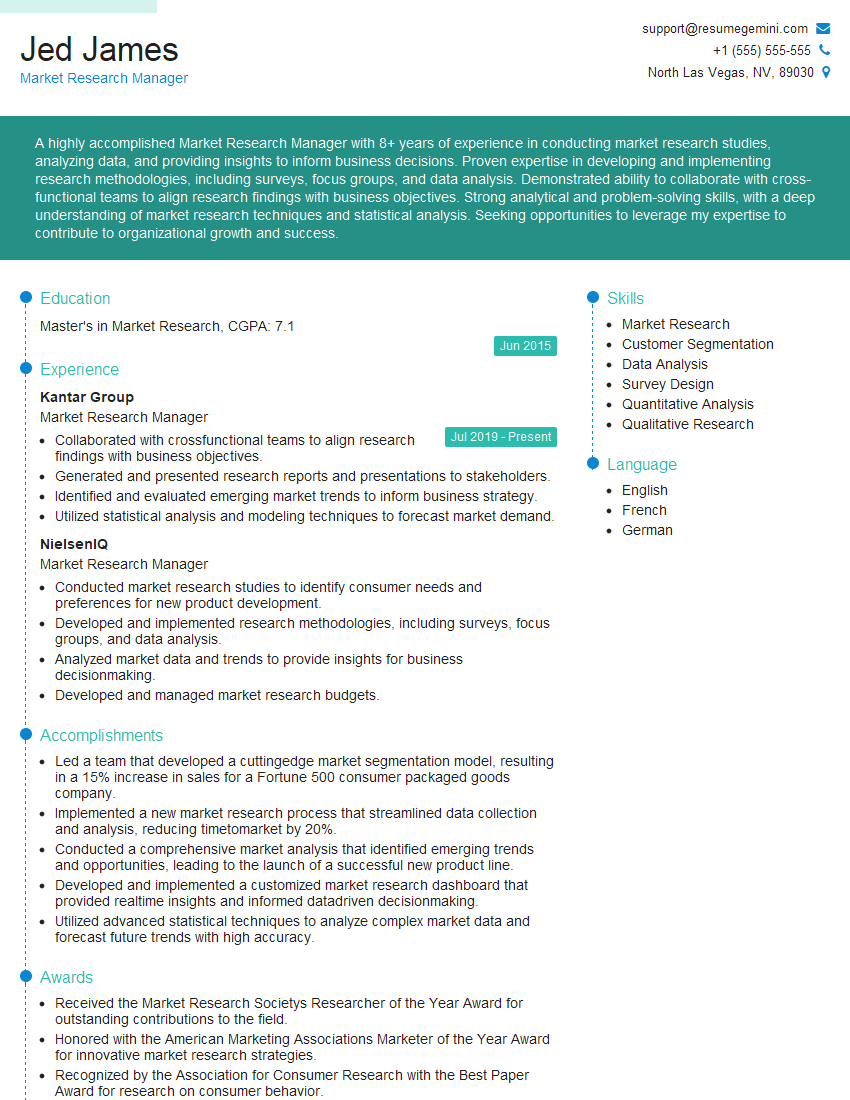
Market Research Manager Resume Sample

Communications Manager Resume Sample
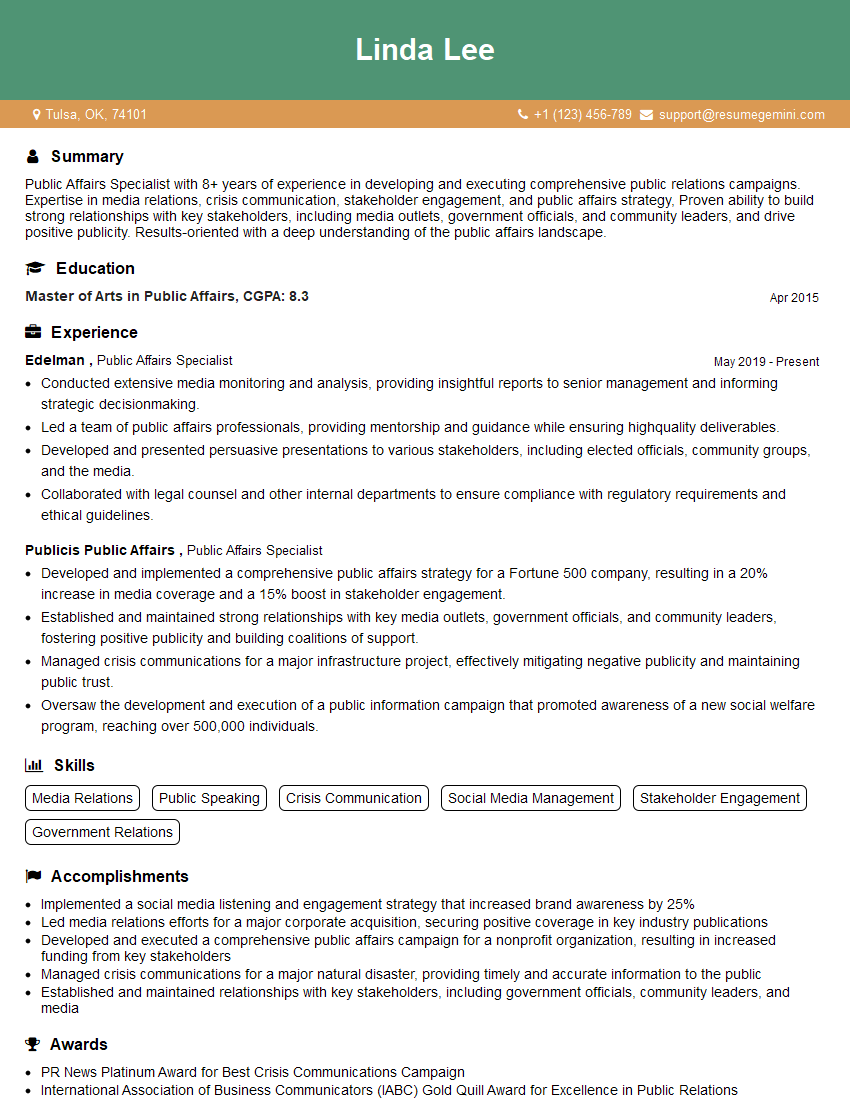
Public Affairs Specialist Resume Sample
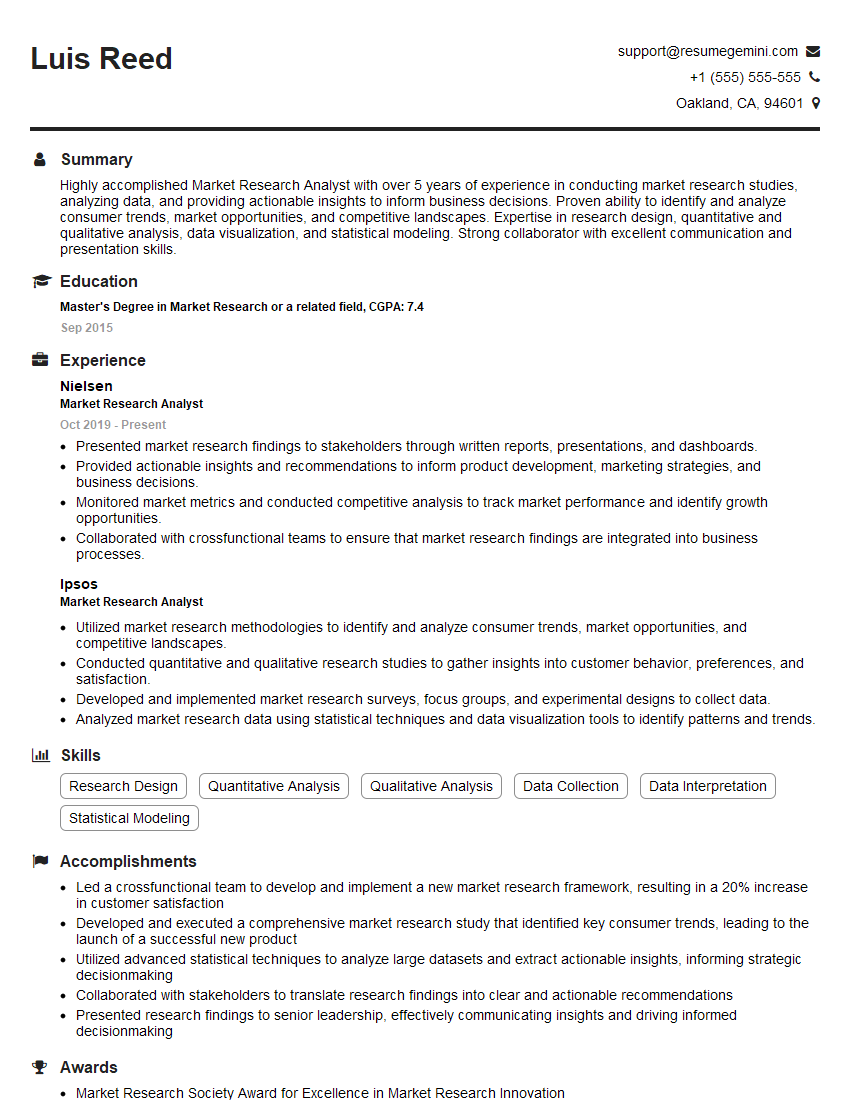
Market Research Analyst Resume Sample
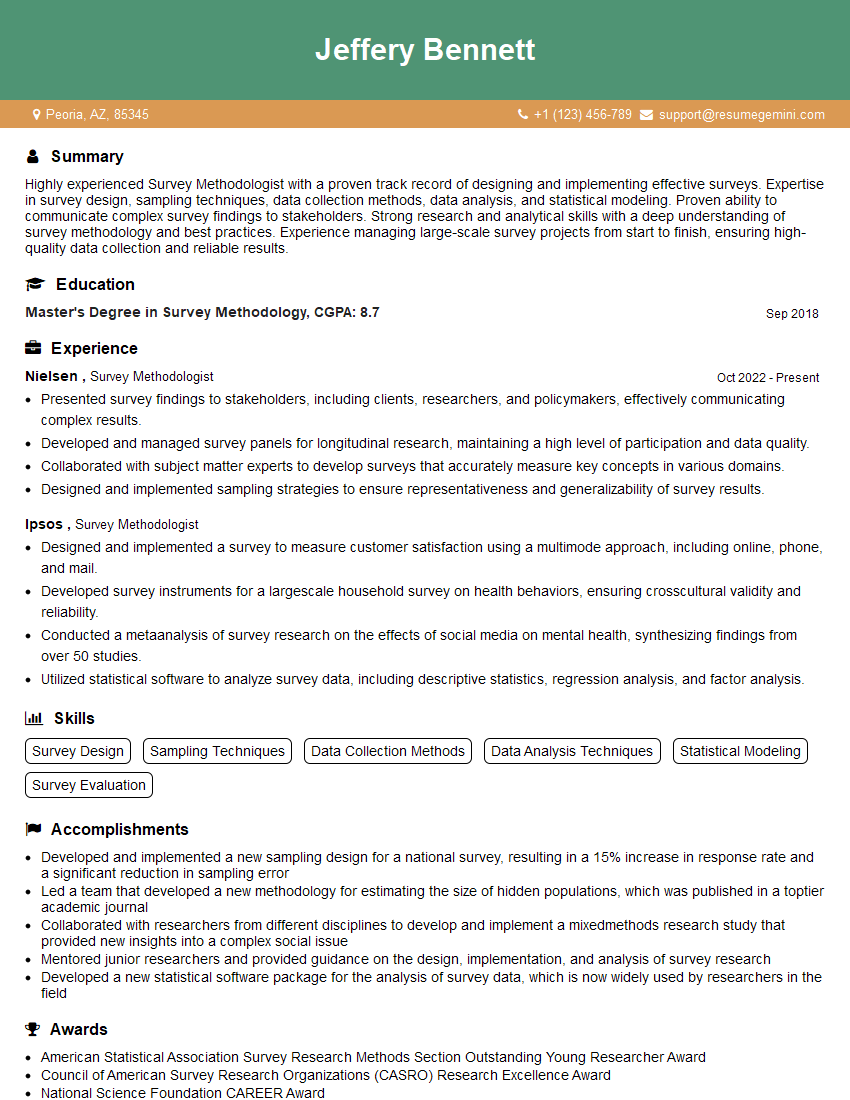
Survey Methodologist Resume Sample
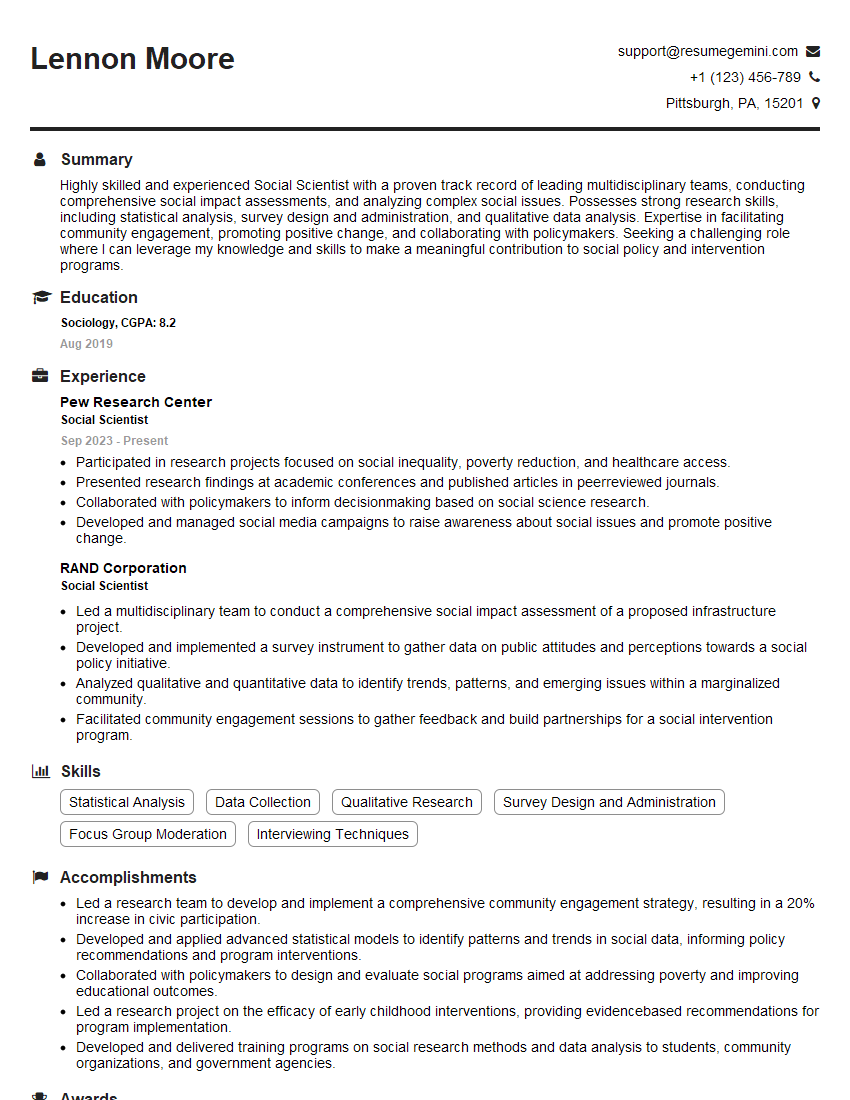
Social Scientist Resume Sample
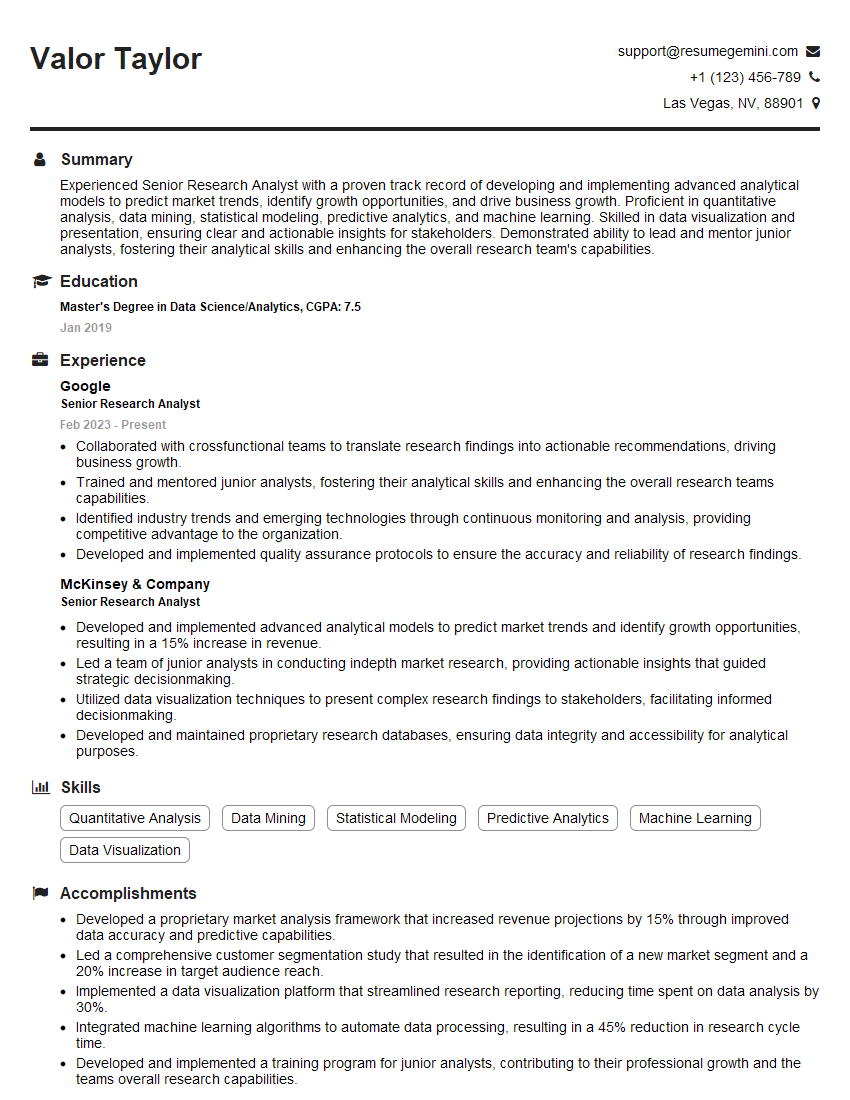
Senior Research Analyst Resume Sample
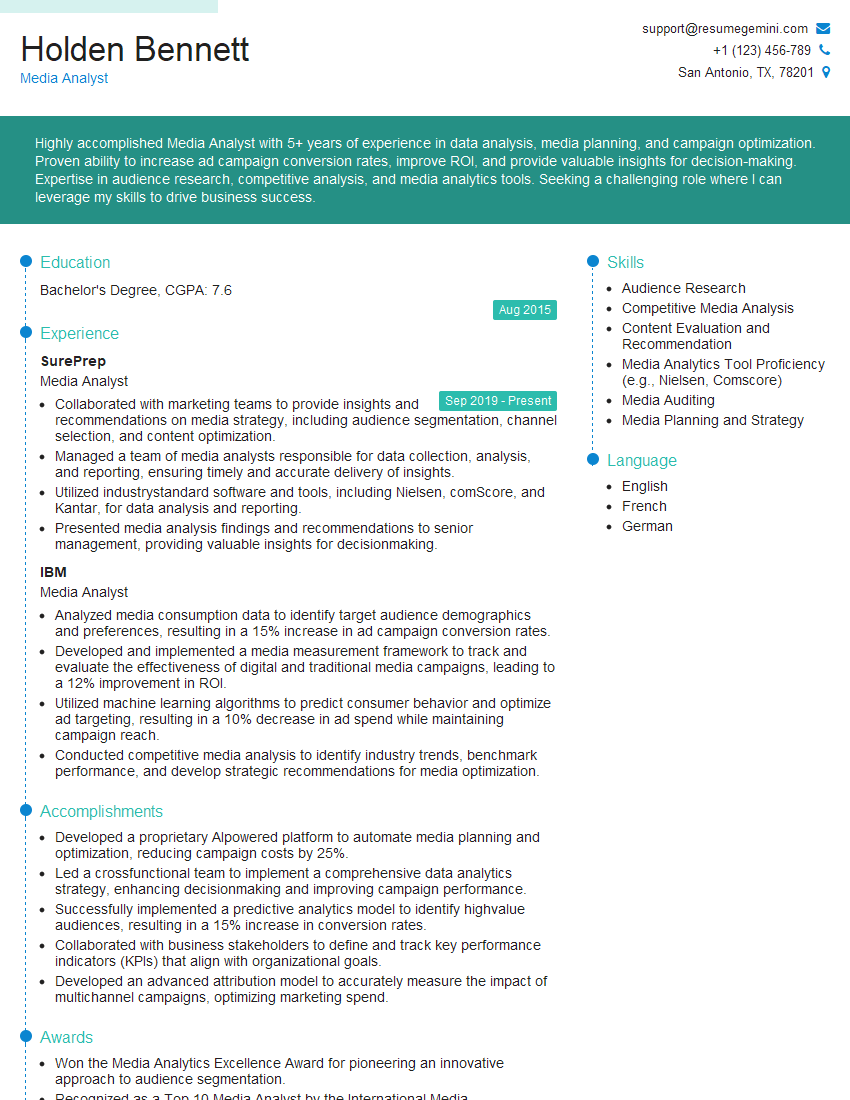
Media Analyst Resume Sample
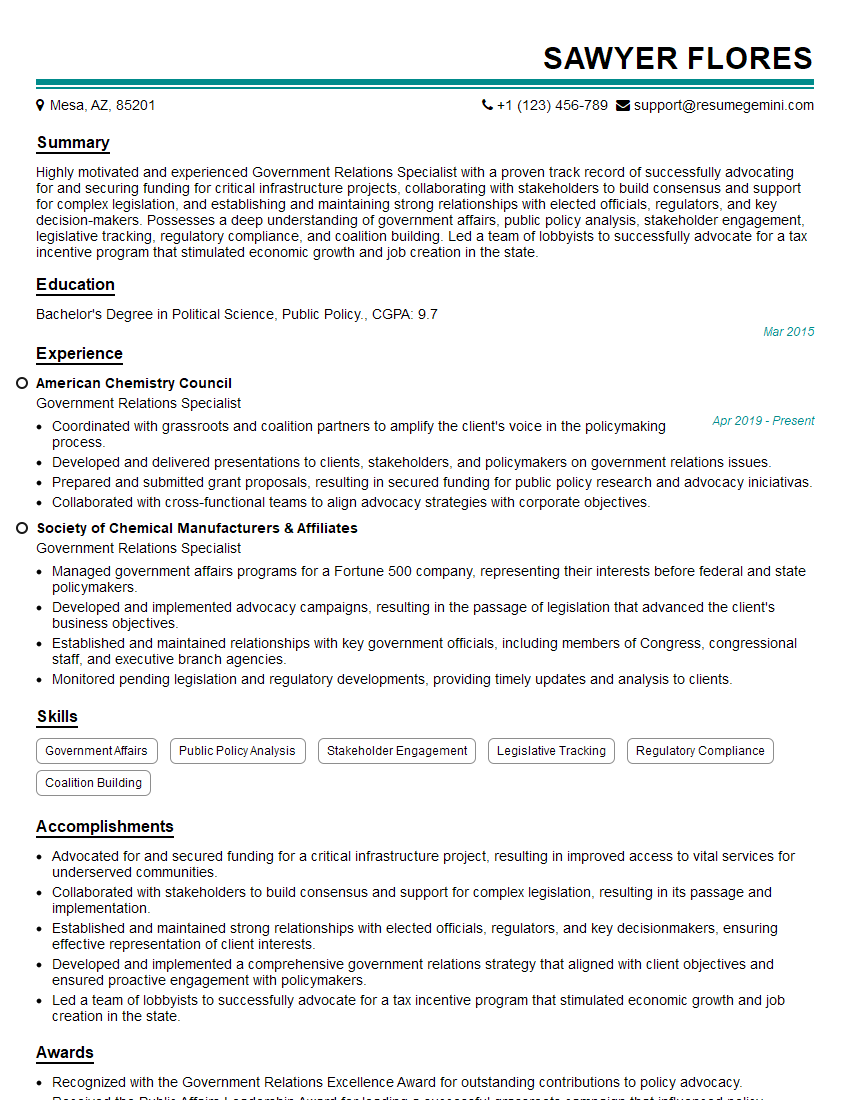
Government Relations Specialist Resume Sample
Explore more articles
Users Rating of Our Blogs
Share Your Experience
We value your feedback! Please rate our content and share your thoughts (optional).
What Readers Say About Our Blog
To the interviewgemini.com Webmaster.
Very helpful and content specific questions to help prepare me for my interview!
Thank you
To the interviewgemini.com Webmaster.
This was kind of a unique content I found around the specialized skills. Very helpful questions and good detailed answers.
Very Helpful blog, thank you Interviewgemini team.