Every successful interview starts with knowing what to expect. In this blog, we’ll take you through the top Radiation Emergencies interview questions, breaking them down with expert tips to help you deliver impactful answers. Step into your next interview fully prepared and ready to succeed.
Questions Asked in Radiation Emergencies Interview
Q 1. Describe the different types of ionizing radiation and their relative biological effects.
Ionizing radiation is energy that carries enough power to remove electrons from atoms, creating ions. This ionization process can damage biological molecules like DNA, leading to cell death or mutations. There are several types, each with varying biological effects:
- Alpha particles: Large, positively charged particles. They have high ionizing power but low penetrating power; a sheet of paper can stop them. Their biological effect is significant if inhaled or ingested, but minimal if external.
- Beta particles: Smaller, negatively charged particles. They have moderate ionizing and penetrating power; a thin sheet of aluminum can stop them. They pose a moderate external hazard and an internal hazard if ingested or inhaled.
- Gamma rays and X-rays: High-energy electromagnetic waves. They have low ionizing power but high penetrating power; dense materials like lead or concrete are needed for shielding. They are a significant external hazard and can penetrate deep into the body.
- Neutrons: Uncharged particles. They have high penetrating power and are particularly dangerous because they can induce radioactivity in other materials. Shielding requires materials like water, concrete, or polyethylene.
The relative biological effects depend on several factors including the type of radiation, the energy of the radiation, and the type of tissue exposed. For instance, alpha particles, despite their limited range, cause more damage per unit of energy deposited (higher Relative Biological Effectiveness or RBE) than beta particles or gamma rays because of their high ionization density.
Q 2. Explain the principles of ALARA (As Low As Reasonably Achievable).
ALARA, or As Low As Reasonably Achievable, is a fundamental principle in radiation protection. It emphasizes that all exposures to ionizing radiation should be kept as far below regulatory limits as is reasonably achievable, taking into account economic and social factors. This means implementing practical measures to minimize radiation exposure without incurring excessive costs or imposing undue burdens.
ALARA relies on a three-pronged approach:
- Time: Minimize the time spent near a radiation source. The shorter the exposure time, the lower the dose.
- Distance: Increase the distance from the radiation source. Radiation intensity decreases rapidly with distance (inverse square law). Doubling the distance reduces the dose by a factor of four.
- Shielding: Use shielding materials to absorb or attenuate radiation. The type of shielding depends on the type of radiation. Lead shields gamma rays and X-rays effectively, while concrete is used for neutron shielding.
Imagine working with a radioactive source. ALARA dictates using appropriate shielding, working quickly and efficiently, and keeping a safe distance. This minimizes exposure without shutting down the necessary work entirely.
Q 3. What are the different methods used for radiation detection and measurement?
Radiation detection and measurement methods vary based on the type of radiation and the application. Common methods include:
- Geiger-Müller counters: These detect alpha, beta, and gamma radiation. They are relatively inexpensive and portable, suitable for quick surveys but offer limited energy discrimination.
- Scintillation detectors: These convert ionizing radiation into light pulses, which are then detected by a photomultiplier tube. They offer better energy resolution than Geiger-Müller counters and can be used for a wider range of radiation types.
- Ionization chambers: These measure the ionization produced by radiation. They are used for accurate measurements of high radiation levels and dose rate determination.
- Thermoluminescent dosimeters (TLDs): These are passive devices that store energy when exposed to radiation. The stored energy is released as light upon heating, allowing for retrospective dose assessment. They are commonly used for personal monitoring.
- Film badges: These contain photographic film that darkens when exposed to radiation. The degree of darkening is proportional to the dose received. They are simple and inexpensive but provide less accurate measurements compared to other methods.
The choice of method depends on the specific needs. For instance, a quick survey of a spill might use a Geiger counter, while precise dose measurements require an ionization chamber or TLDs.
Q 4. How would you respond to a radiation leak in a medical facility?
Responding to a radiation leak in a medical facility requires a rapid, coordinated effort. My actions would follow this sequence:
- Immediate Actions: Evacuate the immediate area, activating the facility’s emergency response plan. Isolate the affected area to prevent further exposure.
- Assessment and Monitoring: Use radiation detection instruments to assess the extent and nature of the leak, identifying the source and the levels of radiation present.
- Containment and Control: Take steps to contain the leak and prevent further spread of contamination. This might involve temporarily shutting down equipment, securing the source, and implementing engineering controls.
- Decontamination: If personnel are contaminated, initiate decontamination procedures following established protocols. This includes removing contaminated clothing, washing with soap and water, and potentially using specialized decontamination agents.
- Medical Evaluation: Provide medical evaluation and treatment to anyone potentially exposed. This includes monitoring for radiation sickness and providing appropriate supportive care.
- Reporting: Report the incident to the relevant regulatory authorities (e.g., the Nuclear Regulatory Commission in the US) and follow their instructions.
The specific actions would depend on the nature of the leak, the radioactive material involved, and the extent of contamination.
Q 5. What are the key components of an emergency response plan for a radiological incident?
A comprehensive emergency response plan for a radiological incident should include:
- Pre-incident planning: This includes identifying potential radiological hazards, establishing communication protocols, designating roles and responsibilities, and training personnel in emergency procedures.
- Incident detection and assessment: This involves procedures for detecting and confirming a radiological event, assessing its severity, and determining the extent of contamination.
- Emergency response actions: This includes established procedures for evacuation, sheltering-in-place, decontamination, and medical treatment.
- Communications plan: This ensures timely and accurate communication among responders, the public, and relevant authorities.
- Resource management: This involves coordinating the use of personnel, equipment, and supplies needed for the response.
- Post-incident recovery: This includes procedures for cleanup, remediation, and restoration of the affected area, and for conducting a thorough review to identify areas for improvement in the plan.
Regular drills and exercises are crucial to test the plan’s effectiveness and ensure personnel are prepared to respond effectively.
Q 6. Explain the concept of effective dose and equivalent dose.
Both effective dose and equivalent dose are used to quantify radiation exposure, but they represent different aspects:
- Equivalent dose (Sv): This accounts for the type of radiation. Different types of radiation have different biological effects, even if they deposit the same amount of energy. Equivalent dose multiplies the absorbed dose (in Gray, Gy) by a radiation weighting factor (WR) that reflects this difference. For example, alpha particles have a higher WR than gamma rays.
- Effective dose (Sv): This considers both the type and the tissue sensitivity. Different organs have different sensitivities to radiation. Effective dose takes the equivalent dose for each organ and multiplies it by a tissue weighting factor (WT) that reflects the organ’s sensitivity. This provides a measure of the overall health risk from exposure.
In essence, equivalent dose considers the type of radiation, while effective dose accounts for both the type and the organ sensitivity, providing a more comprehensive measure of the overall biological effect.
Example: If someone receives 1 Gy of gamma radiation to the whole body, the equivalent dose would be 1 Sv, and the effective dose would also be 1 Sv (because the tissue-weighting factor for whole body is 1). However, if they receive 1 Gy of alpha radiation to the lungs, the equivalent dose would be higher (due to a higher WR), and the effective dose would also be higher (due to the higher WR and lung-specific WT).
Q 7. What are the legal and regulatory requirements for handling and disposing of radioactive materials?
Legal and regulatory requirements for handling and disposing of radioactive materials are stringent and vary by country. Generally, they aim to protect public health and the environment. Key aspects include:
- Licensing and registration: Handling radioactive materials usually requires licenses and registration with the relevant regulatory authority. These licenses specify the types and quantities of materials that can be handled and the conditions under which they can be used.
- Transportation regulations: The transport of radioactive materials is heavily regulated to ensure safety during shipment. Special containers and packaging are required to prevent leaks or accidents.
- Storage and security: Secure storage is crucial to prevent unauthorized access or accidental release. Appropriate storage facilities with security measures are mandatory.
- Waste disposal: Radioactive waste must be disposed of in accordance with strict regulations. This often involves specialized disposal facilities and procedures depending on the type and level of radioactivity.
- Monitoring and reporting: Regular monitoring of radiation levels and the handling of radioactive materials is often required. Incidents or spills must be reported to the relevant authorities immediately.
Violation of these regulations can result in significant penalties, including fines and legal action. Compliance is essential to protect public health and the environment.
Q 8. Describe different types of radiation monitoring equipment and their applications.
Radiation monitoring equipment is crucial for assessing radiation levels and ensuring safety during and after a radiation emergency. Different instruments measure different types of radiation and offer varying degrees of precision. Here are some key examples:
- Geiger-Müller (GM) counters: These are widely used portable detectors that measure ionizing radiation (alpha, beta, gamma, and X-rays). They provide a rapid indication of radiation levels, ideal for initial surveys. Think of them as the ‘smoke detectors’ of the radiation world – they give you a quick warning but may not be very precise.
- Scintillation detectors: These are more sensitive and offer better energy resolution than GM counters. They are commonly used to identify specific radionuclides (radioactive substances) present in the environment. They are like a ‘spectrometer’ which allows us to not only know *if* radiation is present, but *what kind*.
- Ionization chambers: These provide more accurate measurements of high radiation levels, often used for area monitoring and calibration of other instruments. They are less portable but more accurate for high dose rate situations.
- Dosimeters (personal and environmental): These are devices that measure the cumulative dose of radiation received by an individual or the radiation level in a specific location. Personal dosimeters, like film badges or thermoluminescent dosimeters (TLDs), are worn by personnel working in radiation areas. Environmental dosimeters monitor radiation levels in specific locations.
The choice of equipment depends on the specific needs of the situation. A quick initial survey might use a GM counter, while a detailed assessment may involve scintillation detectors and dosimetry measurements. For instance, after a nuclear power plant incident, we might use GM counters for initial perimeter checks, then use scintillation detectors and ionization chambers for detailed mapping of contamination within the facility, and distribute dosimeters to emergency response personnel.
Q 9. How would you assess the potential exposure of individuals following a radiation incident?
Assessing potential exposure after a radiation incident is a multi-step process combining direct measurements and estimations. The goal is to identify individuals who have received significant doses and need immediate medical attention. We use a combination of methods:
- Direct Measurement: Using dosimeters worn by individuals exposed to radiation directly provides a quantitative measure of the absorbed dose.
- Environmental Monitoring: Measurements of radiation levels at locations where individuals were present provide a basis for estimating their exposure. This involves using instruments like GM counters and scintillation detectors to measure radiation levels in the environment.
- Bioassay: This involves analyzing samples of biological material (e.g., urine, blood) to determine the amount of radioactive material that has been absorbed by the body. This is particularly important for assessing internal contamination.
- Reconstruction of Exposure Events: This involves gathering information about the incident, including the type and amount of radioactive material released, the duration and distance of exposure, and the shielding available. This data is used to model the potential dose received by individuals.
Combining these methods helps build a comprehensive picture. For instance, a firefighter might have a dosimeter reading, and we might combine that with radiation level measurements at the scene and blood samples to ensure we have a complete understanding of their exposure. Those with the highest estimated doses receive priority medical attention.
Q 10. Explain the principles of contamination control and decontamination procedures.
Contamination control and decontamination are vital to minimize the spread of radioactive materials and protect individuals from further exposure. The principles revolve around preventing the spread of radioactive material and removing it from surfaces and people.
- Contamination Control: This focuses on preventing the spread of contamination. This involves establishing exclusion zones, using protective clothing (e.g., Tyvek suits, respirators), controlling access to contaminated areas, and employing appropriate waste handling techniques.
- Decontamination: This is the process of removing radioactive material from surfaces and people. Methods include washing with soap and water, using specialized decontamination solutions, and employing techniques like vacuuming or pressure washing. The choice of method depends on the type of contaminant, the surface being decontaminated, and the level of contamination.
For instance, imagine a spill of radioactive material in a lab. We’d first establish an exclusion zone and then use appropriate personal protective equipment to safely clean the spill. This could involve scrubbing the area with a specialized solution, collecting the contaminated materials, and disposing of them according to regulations. Personnel involved would undergo decontamination procedures.
The key is to follow a step-by-step process, focusing on containing the spread, removing contamination carefully and documenting every step. This ensures the safety of personnel and the effective remediation of the contaminated area.
Q 11. What are the symptoms of acute radiation syndrome (ARS)?
Acute Radiation Syndrome (ARS) is a collection of symptoms that occur after a high dose of ionizing radiation exposure over a short period. The severity depends on the dose received. Symptoms are grouped into stages, which develop differently depending on the dose level. There isn’t a single, universal timeline for symptom progression – it varies greatly depending on the dose.
- Prodromal Stage (early symptoms): This stage appears within hours to days after exposure and may include nausea, vomiting, diarrhea, fatigue, and headache. The severity and duration of these symptoms can depend on the dose.
- Latent Stage: This is a period of apparent well-being that can last for days or weeks, masking the severity of the underlying damage.
- Manifest Illness Stage: As the damage from the radiation becomes evident, symptoms appear. These can vary significantly depending on the dose and the affected organs:
- Hematopoietic Syndrome (bone marrow failure): Infection, bleeding, and anemia.
- Gastrointestinal Syndrome (damage to the digestive system): Severe nausea, vomiting, diarrhea, dehydration, and potentially death.
- Neurovascular Syndrome (damage to the nervous system and blood vessels): Confusion, seizures, coma, and death (occurs only after extremely high doses).
- Recovery or Death: Depending on the dose and the medical care received, individuals may recover or die. Those who survive often experience long-term health effects.
It is important to note that ARS is a severe condition requiring immediate medical attention. The symptoms can be varied and might initially be dismissed as other illnesses, underscoring the importance of accurate diagnosis and treatment in a radiation emergency.
Q 12. What are the different types of radiation detectors used in emergency response?
Emergency response relies on a variety of radiation detectors, each optimized for specific tasks. Selection depends on the situation and the type of radiation to be detected.
- Portable survey meters (GM counters): These are essential for rapid initial assessments of radiation levels. They are easy to use and portable, providing an immediate indication of potential hazards. They provide a quick overview of contamination levels.
- Scintillation detectors: These offer better energy resolution compared to GM counters, helping identify specific radioactive materials. They are crucial for characterizing the types of radioactive materials present.
- High-range instruments: For areas with high radiation levels, these instruments measure dose rates accurately while providing protection to users. This is crucial for working in close proximity to high intensity sources.
- Spectrometers: These sophisticated instruments analyze the energy spectrum of radiation, identifying specific radionuclides and assisting in source identification. This is crucial for characterizing the contamination for appropriate decontamination and treatment.
Think of it like a toolbox; for a small spill, a GM counter might suffice. However, a large-scale incident might necessitate the deployment of all these instruments working in concert for a comprehensive evaluation.
Q 13. How do you calculate radiation dose using various dosimetry techniques?
Calculating radiation dose involves considering various factors and using different dosimetry techniques. The goal is to quantify the energy absorbed by the body from ionizing radiation.
- Direct Measurement using Dosimeters: Personal dosimeters, such as thermoluminescent dosimeters (TLDs) or optically stimulated luminescence (OSL) dosimeters, are used to measure the absorbed dose directly. These devices store a record of the radiation exposure and are read using specialized equipment to determine the dose received in Sieverts (Sv) or Gray (Gy).
- Indirect Estimation using Environmental Monitoring: This involves measuring the radiation field in the environment where individuals were exposed. This requires a detailed understanding of the radiation field and the time of exposure for estimating the dose received.
- Bioassay: Analyzing biological samples (urine, blood, feces) helps determine the amount of radioactive material that entered the body. This data is used alongside other information to estimate the absorbed dose.
The calculation depends heavily on the specific scenario. For instance, if someone has worn a TLD, the measurement is relatively straightforward. However, if we need to estimate the exposure of someone who was near a nuclear accident, we’d combine environmental measurements, potential exposure pathways, and modeling to approximate the dose.
The units used are typically Sieverts (Sv) for effective dose (which accounts for the type of radiation and the organ affected) and Gray (Gy) for absorbed dose (the amount of energy deposited per unit mass).
Q 14. Describe the role of a radiation safety officer in emergency response.
The Radiation Safety Officer (RSO) plays a critical role in emergency response by providing expertise in radiation protection and ensuring the safety of personnel and the public. Their responsibilities are multifaceted and crucial during and after a radiation incident:
- Pre-Incident Planning: Developing and implementing radiation safety plans, including emergency response procedures, training programs, and equipment selection. This is essential in ensuring a coordinated response.
- Incident Response: Leading the radiation safety aspects of the emergency response, including monitoring radiation levels, assessing exposures, implementing contamination control measures, and overseeing decontamination efforts. This involves on-site decision-making based on their expertise.
- Post-Incident Assessment: Conducting detailed investigations to determine the causes of the incident, the extent of radiation exposure, and the effectiveness of response measures. This crucial step allows for improvement of future safety protocols.
- Communication and Training: Communicating radiation safety information to emergency responders, healthcare providers, and the public. Providing training and education to personnel on radiation safety practices and emergency procedures.
In essence, the RSO is the radiation safety expert during emergencies, leading the effort to protect people and the environment while providing clear guidance during a chaotic situation. Their pre-planning and on-site expertise are essential for a successful emergency response.
Q 15. What is the importance of post-exposure medical surveillance?
Post-exposure medical surveillance is crucial after a radiation incident to detect and manage potential health effects. It’s not just about immediate symptoms; many radiation-induced illnesses have a latency period, meaning symptoms might not appear for weeks, months, or even years. This long-term monitoring allows for early intervention and treatment, improving patient outcomes significantly.
The surveillance involves regular medical checkups, including blood tests, imaging scans (like CT scans), and physical examinations. These are tailored to the individual’s exposure level and the type of radiation involved. For example, someone exposed to high levels of radiation might require more frequent and intensive monitoring than someone with minimal exposure. Data collected helps researchers understand the long-term effects of radiation and refine treatment strategies.
Imagine it like monitoring a patient after a severe car accident. Immediate injuries are treated, but ongoing physical therapy and checkups are essential to address latent problems. Similarly, post-exposure surveillance addresses both immediate and long-term health consequences of radiation exposure.
Career Expert Tips:
- Ace those interviews! Prepare effectively by reviewing the Top 50 Most Common Interview Questions on ResumeGemini.
- Navigate your job search with confidence! Explore a wide range of Career Tips on ResumeGemini. Learn about common challenges and recommendations to overcome them.
- Craft the perfect resume! Master the Art of Resume Writing with ResumeGemini’s guide. Showcase your unique qualifications and achievements effectively.
- Don’t miss out on holiday savings! Build your dream resume with ResumeGemini’s ATS optimized templates.
Q 16. How would you manage a situation involving a lost or stolen radioactive source?
Managing a lost or stolen radioactive source is a serious emergency requiring immediate and coordinated action. Time is critical as the source could cause significant harm if mishandled or used maliciously. The response involves several key steps:
- Immediate Notification: Alert relevant authorities immediately, including local law enforcement, emergency management, and the regulatory body responsible for radioactive materials (e.g., the Nuclear Regulatory Commission in the US).
- Source Identification and Characterization: Determine the type and quantity of radioactive material involved. This information is vital for assessing the potential hazard and planning appropriate response strategies.
- Containment and Isolation: Establish a security perimeter to prevent unauthorized access and limit the spread of contamination. This might involve evacuating nearby buildings or restricting movement in the affected area.
- Search and Recovery: Utilize specialized equipment and trained personnel to locate and safely recover the source. This often involves sophisticated tracking devices and meticulous procedures to prevent accidental exposure.
- Public Information: Keep the public informed of the situation and the steps taken to mitigate the risk. Clear, concise, and consistent communication is vital to reduce public anxiety and ensure cooperation.
A real-world example would be the theft of a cesium-137 source from a medical facility. The rapid response would include securing the facility, tracing the source’s location, and educating the public about the potential dangers.
Q 17. Describe the procedures for establishing a radiation exclusion zone.
Establishing a radiation exclusion zone is a crucial step in managing a radiation emergency, aiming to limit exposure and protect the public. The process involves several stages:
- Risk Assessment: Determine the extent of contamination and potential radiation levels using radiation monitoring equipment. This informs the size and boundaries of the zone.
- Zone Definition: Clearly define the perimeter of the exclusion zone, using physical barriers (e.g., barricades, fences) and signage. This should clearly communicate the risks and restrictions.
- Evacuation: Evacuate people from within the exclusion zone following established emergency response plans. This ensures their safety and minimizes potential exposure.
- Monitoring and Enforcement: Continuously monitor radiation levels within and around the exclusion zone using radiation detectors. Enforce access restrictions to ensure public safety.
- Decontamination: Implement a decontamination process for individuals, equipment, and the environment, as needed, before the zone is deemed safe.
Consider a nuclear power plant accident – establishing an exclusion zone around the plant is critical to preventing widespread exposure, allowing for safe operations and limiting the scale of the disaster.
Q 18. How would you communicate effectively with the public during a radiation emergency?
Effective communication during a radiation emergency is paramount. It can significantly influence the public’s response and minimize panic. Key strategies include:
- Transparency and Honesty: Provide accurate, timely, and understandable information about the situation, potential risks, and response actions.
- Multiple Channels: Use various communication channels, such as radio, television, social media, and public address systems, to reach the broadest possible audience.
- Clear and Simple Language: Avoid technical jargon and use plain language that everyone can easily understand. Provide instructions in a clear, step-by-step manner.
- Consistent Messaging: Ensure that information is consistent across all communication channels to avoid confusion.
- Address Public Concerns: Provide opportunities for the public to ask questions and address their concerns openly and honestly. Active listening is crucial.
During the Fukushima Daiichi nuclear disaster, a lack of consistent and transparent communication initially caused significant public confusion and anxiety. This highlights the importance of a well-defined communication plan.
Q 19. What are the ethical considerations involved in radiation emergency response?
Ethical considerations in radiation emergency response are complex and multifaceted. They center around:
- Prioritizing Safety: Balancing the need to protect the public with the risks to responders. This requires careful risk assessment and the use of appropriate safety measures.
- Resource Allocation: Fairly distributing limited resources, such as medical supplies, protective equipment, and personnel, among those most in need.
- Informed Consent: Ensuring that individuals are fully informed about the risks and benefits of medical interventions, and that they provide voluntary consent for treatment.
- Transparency and Accountability: Maintaining open communication with the public, being transparent about decisions made, and taking responsibility for actions taken.
- Respect for Human Rights: Protecting the rights of all affected individuals, including those who may be stigmatized or discriminated against due to exposure.
Ethical dilemmas may arise when difficult choices must be made, such as deciding who receives limited medical resources during a mass casualty incident. Establishing clear ethical guidelines and frameworks beforehand is crucial to navigate these challenging situations.
Q 20. Explain the importance of training and drills in radiation emergency preparedness.
Training and drills are essential for effective radiation emergency preparedness. They enhance the response capabilities of individuals and organizations, minimizing the impact of such events.
- Improved Coordination: Drills allow agencies and personnel to practice coordinated responses, refining communication protocols and streamlining procedures.
- Enhanced Skills: Training programs provide hands-on experience with radiation detection equipment, decontamination techniques, and emergency medical care.
- Confidence Building: Regular drills boost the confidence and competence of responders, preparing them to handle stressful situations effectively.
- Identification of Gaps: Drills help identify weaknesses in existing plans and protocols, allowing for necessary improvements and adjustments.
- Public Awareness: Training and drills also extend to the public, educating communities about radiation safety and emergency procedures.
Think of firefighters regularly practicing drills; this isn’t just about skill but also coordination, which is vital in any emergency, especially a radiation emergency where coordinated action saves lives.
Q 21. How would you assess and prioritize casualties in a mass casualty incident involving radiation?
In a mass casualty incident involving radiation, casualty prioritization requires a systematic approach that combines triage principles with radiation exposure assessment. The START (Simple Triage And Rapid Treatment) method is often adapted, incorporating radiation considerations:
- Radiation Assessment: Quickly assess radiation levels using personal dosimeters and area monitoring equipment.
- Immediate Threats: Prioritize casualties with life-threatening injuries, regardless of radiation exposure levels.
- Exposure Assessment: Categorize casualties based on estimated radiation dose (high, medium, low). High-dose casualties need immediate medical attention.
- Resource Allocation: Allocate resources (medical personnel, equipment, shelter) based on need, balancing immediate life-saving measures with long-term radiation management.
- Decontamination: Prioritize decontamination of casualties with high external contamination before treatment, minimizing spread and further exposure.
This adapted START method ensures the most critically injured receive prompt treatment while managing the long-term effects of radiation exposure. It’s a critical balance between immediate life saving and minimizing long-term consequences.
Q 22. What are the limitations of different radiation detection and monitoring methods?
Radiation detection and monitoring methods, while crucial in emergency response, each have limitations. These limitations stem from factors like the type of radiation being detected, the energy levels of the radiation, the environment, and the detector’s inherent capabilities.
- Geiger-Müller counters: Excellent for detecting beta and gamma radiation, but less sensitive to alpha particles and can be affected by high radiation levels, leading to saturation. They also provide only a general reading, not precise measurements of energy or dose.
- Scintillation detectors: Offer better energy resolution than Geiger-Müller counters, allowing for identification of specific isotopes. However, they are more expensive and complex to operate, and may require specialized shielding depending on the radiation source.
- Ionization chambers: Useful for measuring high radiation levels but are not as sensitive as Geiger-Müller counters for lower levels. They also lack the energy resolution of scintillation detectors.
- Passive dosimeters (e.g., thermoluminescent dosimeters – TLDs): Provide a cumulative dose measurement but don’t offer real-time monitoring. They need to be processed in a lab to obtain the reading, resulting in a delay.
Understanding these limitations is paramount. For example, relying solely on a Geiger-Müller counter in a complex radiological scenario might overlook alpha contamination, while a TLD alone wouldn’t provide immediate feedback necessary during an active event. A comprehensive approach utilizing multiple methods is key for accurate assessment.
Q 23. Describe the different stages of a nuclear accident and the appropriate response strategies for each.
Nuclear accidents unfold in distinct phases, demanding tailored response strategies. Imagine it like fighting a fire – you wouldn’t use a garden hose on a wildfire.
- Pre-event Phase: This involves preparedness – establishing emergency plans, training personnel, and ensuring availability of equipment like radiation detectors, protective gear, and communication systems. Regular drills simulate responses.
- Emergency Phase: This is the immediate aftermath, characterized by the release of radioactive materials. The priority is protecting the public, containing the source (if possible), and establishing a safety perimeter. Evacuations may be ordered, and emergency medical services activated. This phase is critical to minimizing immediate casualties and contamination spread. Think of it as containing the fire’s spread.
- Recovery Phase: This focuses on long-term remediation, decontamination of affected areas, health monitoring of exposed individuals, and assessing the long-term environmental impact. This might involve decommissioning a damaged reactor or cleaning up contaminated land – the long and difficult job of extinguishing the embers.
- Mitigation Phase: Throughout the phases, mitigation involves actions taken to minimize or lessen the consequences. This could involve using stable isotopes to block radiation paths or deploying robotic systems to handle hazardous materials.
Effective response necessitates a highly coordinated, multi-agency approach involving emergency responders, health professionals, and government authorities. Clear communication and well-defined protocols are essential for successful management.
Q 24. What are the long-term health effects of exposure to ionizing radiation?
The long-term health effects of ionizing radiation exposure are significant and can manifest years or even decades after the exposure event. The severity depends on factors like the dose received, the type of radiation, and the individual’s age and health.
- Cancer: A major risk, with various types of cancers being possible depending on the organs exposed. Leukemia is a common example.
- Genetic Effects: Ionizing radiation can damage DNA, potentially leading to mutations that can be passed on to future generations. These effects are often subtle and hard to detect.
- Cardiovascular Disease: Studies suggest an increased risk of cardiovascular diseases following high-dose exposure.
- Cataracts: Radiation can cause cataracts, clouding of the eye lens.
- Other effects: Depending on the dose, other effects such as sterility, reduced lifespan, and developmental abnormalities in children may occur.
It’s crucial to remember that the risk of developing these effects is not deterministic; it increases with dose but doesn’t guarantee disease development. Careful monitoring and management of exposed individuals are crucial to detect and treat any health problems arising from exposure.
Q 25. How do you interpret radiation survey meter readings?
Interpreting radiation survey meter readings requires careful attention to several factors. The meter displays readings in units like microsieverts per hour (µSv/h) or counts per minute (CPM), representing the radiation dose rate or the number of radiation particles detected, respectively.
- Understanding the Units: µSv/h indicates the dose rate – the amount of radiation received per hour. CPM is a count rate, representing the number of detected particles per minute. The relationship between the two depends on the instrument’s calibration and the type of radiation.
- Background Radiation: All environments have a natural background radiation level. The meter reading needs to be corrected for this background to obtain the actual radiation level from the source of concern. This involves subtracting the background reading (obtained in a radiation-free environment) from the measured reading.
- Type of Radiation: Different meters are sensitive to different types of radiation. The meter should be chosen for the anticipated type of radiation (alpha, beta, gamma, etc.).
- Calibration: Regular calibration ensures accuracy. An uncalibrated meter will provide inaccurate readings.
For example, if a meter shows 10 µSv/h and the background radiation is 0.1 µSv/h, the radiation level from the source is approximately 9.9 µSv/h. It’s essential to consult the meter’s manual for detailed instructions and understand its limitations.
Q 26. Explain the concept of half-life in relation to radioactive decay.
Half-life is a fundamental concept in radioactive decay. It refers to the time it takes for half of the atoms in a radioactive sample to decay. This isn’t a process where half the atoms disappear suddenly; it’s a statistical probability. Some atoms decay quickly, some later, but on average, half decay within a specific time. Imagine a jar of cookies. Each cookie represents a radioactive atom.
For example, if a substance has a half-life of 10 years, and we start with 100 grams, after 10 years, we’ll have 50 grams of the original substance remaining; after another 10 years, 25 grams; and so on. This decay continues until a negligible amount of the original substance is left. Different radioactive isotopes have vastly different half-lives, ranging from fractions of a second to billions of years. This information is crucial for assessing the risk associated with a radioactive material—shorter half-lives imply a faster decay rate and a quicker reduction in radiation hazard. Longer half-lives pose concerns for long-term environmental contamination.
Q 27. What are the differences between internal and external radiation exposure?
The key difference between internal and external radiation exposure lies in where the radioactive material is located relative to the body.
- External Exposure: This occurs when a person is exposed to radiation from a source outside their body. Think of being near a radioactive source. The radiation penetrates the body, causing ionization and potential damage. Shielding can be highly effective in reducing external exposure.
- Internal Exposure: This happens when radioactive material enters the body through inhalation, ingestion, or absorption through wounds. The radiation source is now inside the body, emitting radiation directly to nearby tissues. This can be much more dangerous than external exposure because shielding isn’t effective, and the radiation is delivered from within. For instance, ingesting contaminated food or inhaling radioactive dust can lead to serious internal contamination.
The consequences vary significantly. External exposure can be mitigated by distance, shielding, and time. Internal exposure is far more challenging to manage, often requiring specialized medical interventions like chelation therapy to remove the radioactive material from the body.
Q 28. How would you determine the appropriate personal protective equipment (PPE) for a given radiation scenario?
Selecting appropriate PPE for a radiation scenario depends on the type and level of radiation, the duration of exposure, and the specific task. It’s not a one-size-fits-all situation.
- Radiation Type: Alpha particles are easily stopped by skin or clothing. Beta particles require light shielding (e.g., clothing, thin metal sheets). Gamma and X-rays demand much denser shielding (e.g., lead aprons, concrete walls).
- Radiation Levels: Higher radiation levels demand greater shielding. A simple lead apron might suffice for low-level exposure during a medical procedure, while a full body suit might be necessary in a high-radiation environment near a reactor accident.
- Task Duration: A longer exposure duration necessitates more robust protection. A short exposure during a quick survey may require less protection than extended work in a contaminated area.
- Additional Considerations: Respiratory protection (e.g., respirators) is crucial if there’s airborne contamination. Protective footwear and gloves are essential to prevent contamination from the ground or equipment.
The choice of PPE involves risk assessment. It requires a careful evaluation of the situation to determine the necessary protection levels. Guidance documents and experienced radiation safety professionals are consulted to make informed decisions.
Key Topics to Learn for Radiation Emergencies Interview
- Radiation Sources and Types: Understanding various sources (nuclear power plants, medical isotopes, etc.) and the different types of radiation (alpha, beta, gamma, neutron) and their respective properties.
- Radiation Detection and Measurement: Familiarity with different types of radiation detection instruments (Geiger counters, dosimeters, etc.) and their applications in assessing radiation levels and contamination.
- Health Effects of Radiation Exposure: Knowledge of the biological effects of radiation exposure, including acute radiation syndrome (ARS) and long-term health consequences. This includes understanding dose-response relationships.
- Emergency Response Procedures: Practical understanding of emergency response protocols, including triage, decontamination procedures, and the use of protective equipment (PPE).
- Risk Assessment and Mitigation: Ability to assess radiation risks, develop mitigation strategies, and communicate effectively about risks to the public and emergency responders.
- Regulations and Legal Frameworks: Awareness of relevant national and international regulations and legal frameworks governing radiation safety and emergency response.
- Incident Command System (ICS): Understanding the ICS framework and its application in managing radiation emergencies, including roles and responsibilities within the command structure.
- Communication and Public Information: Effective strategies for communicating information accurately and calmly to the public during a radiation emergency.
- Contamination Control and Decontamination: Practical knowledge of techniques for controlling contamination and effectively decontaminating personnel and equipment.
- Transportation of Radioactive Materials: Understanding the safety regulations and procedures for transporting radioactive materials and responding to incidents involving such transport.
Next Steps
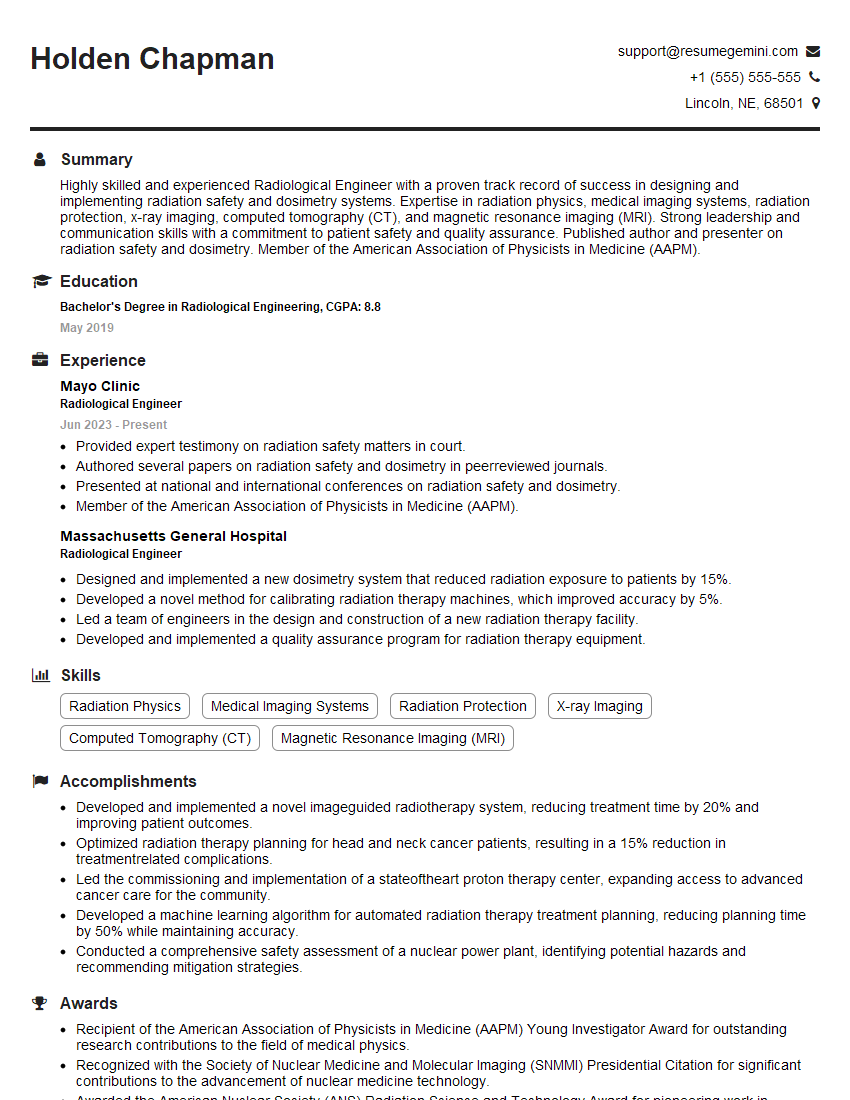
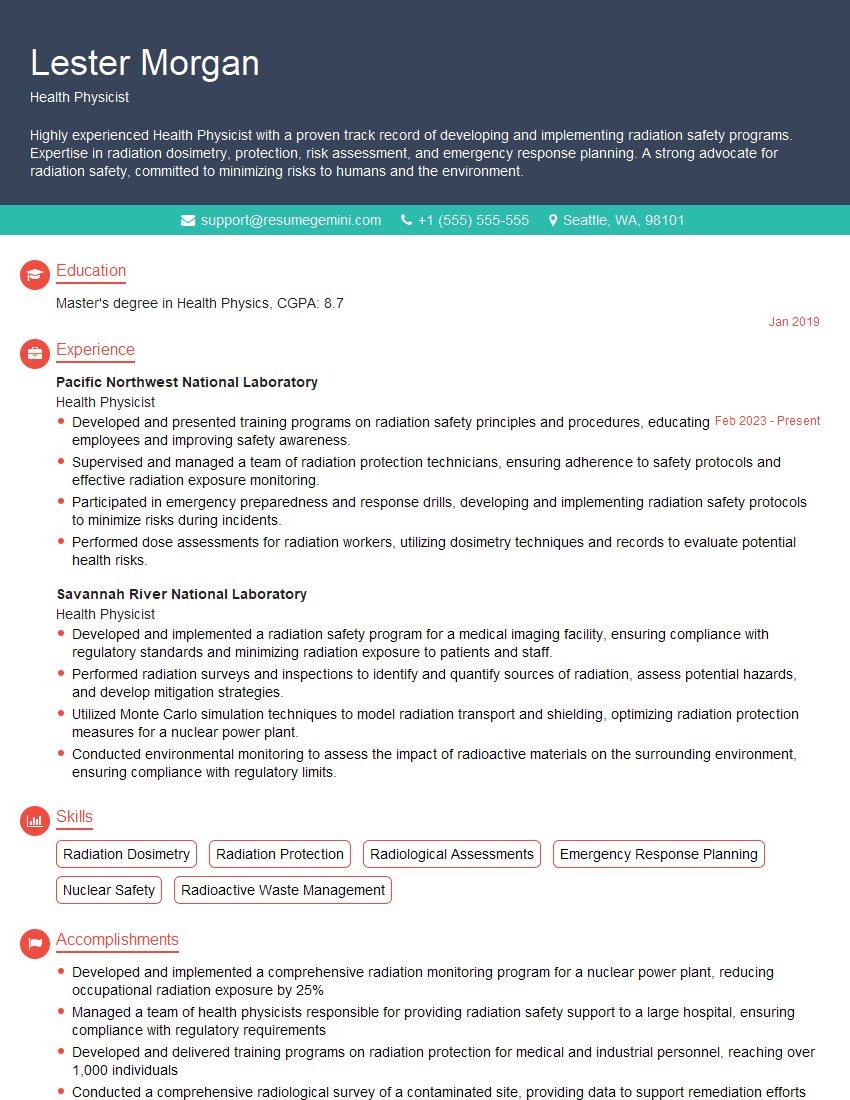
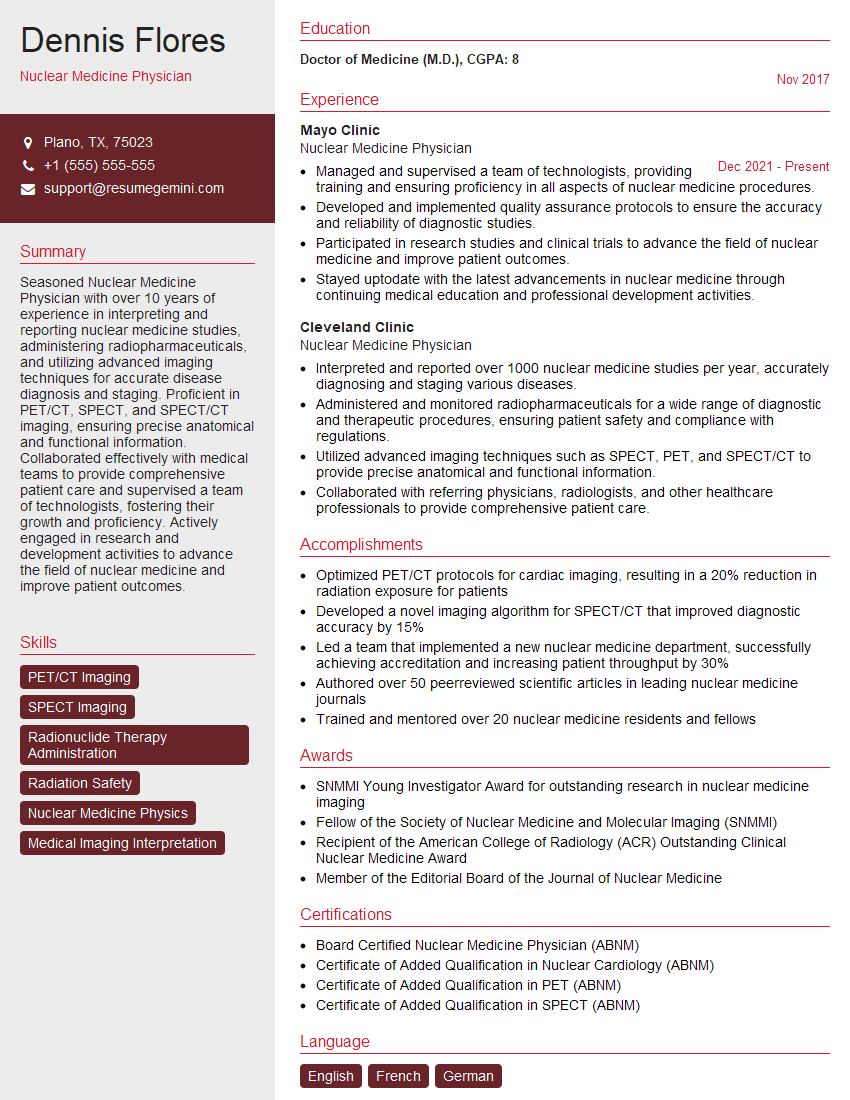
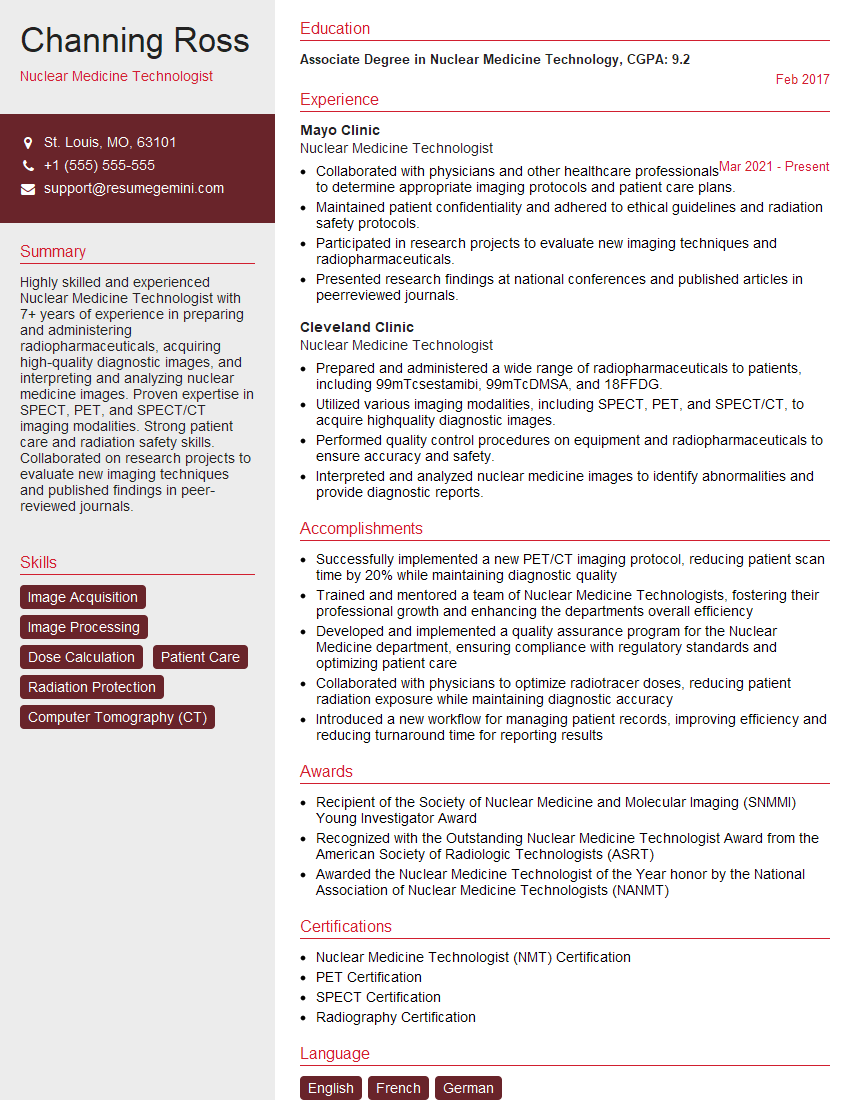
Mastering the complexities of radiation emergencies is crucial for a rewarding and impactful career. It demonstrates a high level of specialized knowledge and problem-solving skills highly sought after in this field. To significantly increase your job prospects, focus on crafting an ATS-friendly resume that effectively highlights your qualifications. ResumeGemini is a trusted resource to help you build a professional and impactful resume that gets noticed. They provide examples of resumes specifically tailored to the Radiation Emergencies field to help you create a winning application. Take the next step towards your dream career today.


Explore more articles
Users Rating of Our Blogs
Share Your Experience
We value your feedback! Please rate our content and share your thoughts (optional).
What Readers Say About Our Blog
To the interviewgemini.com Webmaster.
Very helpful and content specific questions to help prepare me for my interview!
Thank you
To the interviewgemini.com Webmaster.
This was kind of a unique content I found around the specialized skills. Very helpful questions and good detailed answers.
Very Helpful blog, thank you Interviewgemini team.