The right preparation can turn an interview into an opportunity to showcase your expertise. This guide to Radiological Survey and Assessment interview questions is your ultimate resource, providing key insights and tips to help you ace your responses and stand out as a top candidate.
Questions Asked in Radiological Survey and Assessment Interview
Q 1. Describe the different types of radiation detectors and their applications.
Radiation detectors are instruments used to measure ionizing radiation. Different detectors utilize various principles to achieve this. The choice of detector depends heavily on the type of radiation being measured (alpha, beta, gamma, neutron), the energy levels involved, and the required sensitivity.
- Geiger-Müller (GM) counters: These are simple, relatively inexpensive, and widely used for detecting beta and gamma radiation. They operate on the principle of gas ionization, producing a pulse for each ionizing event. Think of them as a very sensitive smoke alarm for radiation. They’re excellent for quickly checking for the presence of radiation, but aren’t very precise in measuring dose rates.
Example: Used in radiation surveys to quickly scan for contamination after a spill. - Scintillation detectors: These detectors use a scintillating material (e.g., NaI(Tl)) that emits light when struck by ionizing radiation. A photomultiplier tube converts the light into an electrical signal. They offer better energy resolution than GM counters, allowing for identification of different radioactive isotopes.
Example: Used in laboratory settings for precise measurements of radioactive samples or in medical imaging (e.g., gamma cameras). - Proportional counters: These detectors provide a signal proportional to the energy of the incoming radiation, offering good energy resolution. They’re often used for detecting alpha and beta particles, as well as low-energy X-rays.
Example: Used in environmental monitoring to measure radon levels. - Ionization chambers: These are used to measure high radiation levels, often in areas like nuclear power plants. They provide a current proportional to the radiation intensity.
Example: Used for area monitoring in radiation therapy facilities. - Neutron detectors: These are specialized detectors designed to measure neutron radiation, which is often associated with nuclear fission. Various types exist, including boron-lined counters and helium-3 detectors.
Example: Used in nuclear reactors to monitor neutron flux.
Q 2. Explain the principles of radiation protection ALARA.
ALARA, which stands for “As Low As Reasonably Achievable,” is a fundamental principle of radiation protection. It emphasizes that all radiation exposure should be kept as far below regulatory limits as is practically possible, taking into account economic and social factors. This isn’t about eliminating all exposure, but about minimizing unnecessary risk. Imagine a tightrope walker – they take precautions to minimize risk, not eliminate it entirely.
ALARA is implemented through a three-pronged approach:
- Time: Minimize the time spent in a radiation field. The less time exposed, the less radiation absorbed. Think of it as sunbathing – the longer you stay out, the more sunburnt you get.
- Distance: Increase the distance from the radiation source. Radiation intensity decreases rapidly with increasing distance (inverse square law). This is why emergency personnel keep a safe distance from a radiation source.
- Shielding: Use shielding materials (e.g., lead, concrete) to absorb radiation. The denser the shielding, the less radiation penetrates. Think of sunscreen as shielding from the sun’s UV radiation.
The implementation of ALARA requires a comprehensive radiation protection program, involving careful planning, training, monitoring, and ongoing assessment of radiation risks.
Q 3. What are the common units used to measure radiation exposure?
Several units are used to measure different aspects of radiation exposure. Understanding the distinction is crucial for accurate interpretation.
- Becquerel (Bq): This is the SI unit of radioactivity, representing one radioactive decay per second. It measures the activity of a radioactive source – how many atoms are decaying per second.
- Gray (Gy): This is the SI unit of absorbed dose, representing the amount of energy deposited per unit mass of material (typically tissue). One Gy is equal to one joule of energy deposited per kilogram of tissue.
- Sievert (Sv): This is the SI unit of equivalent dose and effective dose. It takes into account the type of radiation and its biological effectiveness. Different types of radiation have different damaging potential; this unit accounts for that. A Sievert reflects the potential biological damage caused by the absorbed radiation.
- Curie (Ci): An older unit of radioactivity, now largely replaced by the Becquerel, with 1 Ci = 3.7 x 10¹⁰ Bq.
- Rad (radiation absorbed dose): An older unit of absorbed dose, now replaced by the Gray, with 1 Gy = 100 rad.
- Rem (roentgen equivalent man): An older unit of equivalent dose, replaced by the Sievert, with 1 Sv = 100 rem.
Q 4. How do you perform a radiological survey of a contaminated area?
A radiological survey of a contaminated area involves systematic measurements to determine the extent and level of radioactive contamination. The procedure requires careful planning, appropriate equipment, and adherence to safety protocols.
- Planning and preparation: Define the survey area, identify potential contamination sources, select appropriate detection instruments based on the suspected type and energy of radiation, and establish safety procedures.
- Background radiation measurement: Measure the background radiation level in the vicinity of the contaminated area to establish a baseline for comparison. This is crucial for differentiating background noise from actual contamination.
- Survey execution: Use the chosen detectors to systematically scan the area, recording readings at regular intervals. The exact method will depend on the type of area and the expected contamination. This could involve walking surveys with hand-held instruments, or using stationary detectors for prolonged monitoring.
- Data analysis: Analyze the collected data, identifying areas of elevated radiation levels. Create maps or visual representations of the contamination to clearly show the spread of contamination.
- Reporting: Prepare a comprehensive report detailing the survey methodology, results, and recommendations for remediation or further investigation.
Example: In a suspected spill of radioactive material, a team might use GM counters to quickly scan the area, followed by a more detailed survey with a scintillation detector for better energy resolution and quantification of the contamination levels. The resulting map will guide cleanup efforts.
Q 5. What are the legal requirements for managing radioactive waste?
Legal requirements for managing radioactive waste vary by country and jurisdiction but generally involve strict regulations to protect public health and the environment. Key aspects usually include:
- Classification: Radioactive waste is classified based on its activity and physical form. This classification determines the appropriate handling, storage, and disposal methods.
- Packaging and Transportation: Strict regulations govern the packaging and transportation of radioactive waste to ensure safety during transit. Special containers and transport vehicles are required.
- Storage: Temporary storage often occurs near the source of generation (e.g., a nuclear power plant) until long-term disposal solutions are available. Storage facilities must meet stringent safety standards.
- Disposal: Disposal methods depend on the waste classification, with options ranging from shallow land burial for low-level waste to deep geological repositories for high-level waste (spent nuclear fuel). The goal is to isolate the waste from the biosphere for extended periods.
- Licensing and Monitoring: Organizations generating or handling radioactive waste need to obtain licenses and comply with continuous regulatory monitoring. Regular inspections and audits are common.
Failure to comply with these regulations can lead to significant penalties, including hefty fines and legal action. The consequences of improper waste management can be devastating to the environment and public health, creating long-term risks.
Q 6. What are the safety procedures to follow when handling radioactive materials?
Safety procedures for handling radioactive materials are paramount to prevent exposure. These procedures emphasize ALARA principles and strict adherence to protocols.
- Training: Thorough training is mandatory for all personnel handling radioactive materials. This includes understanding radiation risks, safety procedures, emergency response, and proper use of protective equipment.
- Protective equipment: Personal protective equipment (PPE) such as lead aprons, gloves, and dosimeters must be worn whenever handling radioactive materials. The type of PPE depends on the radiation level and the type of radiation.
- Containment: Radioactive materials must be kept in appropriate containers designed to prevent leakage or accidental release. Safe transfer techniques must be followed meticulously.
- Monitoring: Regular monitoring of radiation levels is essential, using appropriate detectors to check for spills or leaks. Personnel dosimeters track individual exposure levels.
- Emergency procedures: Clear emergency procedures must be established, including spill response protocols and emergency contact information. Regular drills ensure readiness.
- Waste management: Radioactive waste must be handled according to established procedures, ensuring proper segregation, packaging, and disposal.
These procedures are designed to minimize any radiation exposure and maintain a safe working environment. Regular audits and safety reviews help to ensure ongoing compliance.
Q 7. Explain the difference between internal and external radiation exposure.
The distinction between internal and external radiation exposure is crucial because the body reacts differently to each type.
- External radiation exposure: This occurs when a person is exposed to radiation from a source outside their body. The radiation passes through the body, depositing energy and causing ionization. The extent of damage depends on the dose, the type of radiation, and the duration of exposure. Examples include exposure to X-rays during medical imaging or standing near a radioactive source. Shielding can greatly mitigate this risk.
- Internal radiation exposure: This happens when radioactive material is ingested, inhaled, or absorbed into the body. Once inside, the radioactive material continues to emit radiation, exposing internal organs directly and causing potentially severe damage. The risk depends on the type and amount of radioactive material, its chemical form (which determines its uptake and distribution in the body), and the length of time it remains in the body. Examples include accidental ingestion of contaminated food or inhalation of radioactive dust.
The consequences of internal exposure are often more severe and long-lasting compared to external exposure because the body’s cells are directly damaged from within. Effective remediation for internal exposure often requires specialized medical treatments.
Q 8. Describe the process of contamination control and decontamination.
Contamination control and decontamination are critical processes in radiological safety, aiming to prevent the spread of radioactive materials and to remove them from personnel, equipment, and the environment. Control involves establishing and maintaining barriers to prevent contamination, while decontamination focuses on actively removing radioactive material.
Contamination Control: This involves a multi-layered approach:
- Pre-contamination planning: Identifying potential sources of contamination and establishing procedures to minimize spread, including designating controlled areas, establishing access restrictions, and defining protective clothing requirements.
- Engineering controls: Using methods like ventilation systems, sealed containers, and containment barriers to isolate radioactive materials.
- Administrative controls: Implementing strict protocols for handling radioactive materials, including proper training of personnel, work permits, and detailed procedural documentation.
- Personal Protective Equipment (PPE): Utilizing appropriate PPE such as gloves, respirators, protective suits, and footwear to prevent contamination of personnel.
Decontamination: This involves the physical removal of radioactive materials. Methods depend on the type of contamination and the material involved and can include:
- Washing with soap and water: For superficial contamination.
- Chemical decontamination: Using specialized solutions to remove more tenacious contaminants.
- Mechanical removal: Scrubbing, scraping, or sanding to remove material.
- Specialized techniques: Techniques such as vacuuming, high-pressure washing, or even controlled blasting for larger scale decontamination.
For instance, after a spill of radioactive liquid, we’d first establish a perimeter, don PPE, and then use absorbent materials to soak up the spill. Next, we’d carefully clean the area with the appropriate decontamination agent, following procedures to prevent spreading the contamination, with careful monitoring of radiation levels to ensure effectiveness. All waste materials would be disposed of according to regulations.
Q 9. How do you interpret radiation monitoring data?
Interpreting radiation monitoring data requires a thorough understanding of the instrumentation, the environment being monitored, and relevant regulations. It involves more than just reading a number; it’s about analyzing trends and identifying potential risks.
The process involves several steps:
- Data Acquisition: Gathering readings from various instruments, noting the time, location, and environmental conditions.
- Data Analysis: Examining the readings, identifying any anomalies or trends, and comparing them to background radiation levels and regulatory limits.
- Qualitative Assessment: Determining whether the radiation levels present a significant risk to personnel or the environment. This often requires considering the type and energy of radiation, the duration of exposure, and the specific circumstances of the measurement.
- Quantitative Assessment: Calculating radiation doses using the measured data, considering factors such as exposure time and distance. This helps determine compliance with regulatory standards and identify the need for corrective actions.
- Report Generation: Documenting all findings, including the data, methodology, and conclusions, for future reference and regulatory reporting.
For example, consistently elevated readings in a specific area might indicate a potential source of contamination, requiring further investigation and possibly decontamination. A sudden spike in readings could signal a spill or unexpected release requiring immediate action and emergency response.
Q 10. What are the potential health effects of radiation exposure?
The health effects of radiation exposure depend on several factors: the type and energy of radiation, the dose received, and the duration of exposure. Effects can range from mild to severe and can be immediate or manifest years later.
Short-term effects (high doses): These include radiation sickness, characterized by nausea, vomiting, fatigue, and potential organ damage. Very high doses can be fatal.
Long-term effects (low doses over time): These effects are probabilistic, meaning the likelihood of developing them increases with exposure. They include:
- Cancer: Radiation can damage DNA, increasing the risk of various cancers.
- Genetic effects: Radiation can cause mutations in reproductive cells, potentially leading to birth defects in future generations.
- Cataracts: Damage to the lens of the eye can cause cataracts.
- Other health problems: Studies have associated low-dose chronic exposure with an increased risk of cardiovascular disease and other chronic conditions.
It’s important to note that the body has mechanisms to repair some radiation damage, and low-level exposure from natural sources is common and generally harmless. However, precautions are essential to minimize exposure to artificial sources of radiation.
Q 11. What are the different types of radiation monitoring instruments?
A variety of radiation monitoring instruments are used, each suited for specific applications and types of radiation. They typically fall into these categories:
- Geiger-Müller (GM) counters: These are widely used for detecting beta and gamma radiation. They’re relatively inexpensive and easy to use, providing a quick indication of radiation levels but lacking precise energy discrimination.
- Scintillation detectors: These are more sensitive and offer better energy resolution than GM counters, allowing for identification of different isotopes. They are commonly used for monitoring alpha, beta, and gamma radiation.
- Ionization chambers: These instruments measure the ionization produced by radiation and are used for measuring higher radiation levels with greater accuracy. They are often used for area monitoring.
- Proportional counters: Similar to GM counters but with better energy resolution and the ability to distinguish between alpha, beta, and gamma radiation.
- Dosimeters: These personal monitoring devices measure the accumulated radiation dose received by an individual over time. They come in various forms, including film badges, thermoluminescent dosimeters (TLDs), and electronic personal dosimeters.
The choice of instrument depends on the specific monitoring task. For example, a GM counter might be suitable for initial screening of an area, while a scintillation detector would be needed for precise identification of contaminants. Personal dosimeters are essential for tracking individual exposure levels.
Q 12. Explain the concept of radiation shielding and its importance.
Radiation shielding is the process of using materials to reduce exposure to ionizing radiation. Its importance stems from the potential health hazards associated with radiation. The effectiveness of shielding depends on the type and energy of the radiation and the properties of the shielding material.
Types of shielding:
- Lead: Very effective at shielding gamma and X-rays.
- Concrete: Provides good shielding for gamma and X-rays, especially thick concrete.
- Water: Effective against neutrons and gamma rays.
- Steel: Used for shielding beta and gamma radiation.
Shielding design: The thickness and type of shielding material are carefully chosen based on the radiation source’s intensity and energy. Calculations involving the half-value layer (HVL) – the thickness of material required to reduce radiation intensity by half – are often used in designing shielding structures. For instance, a nuclear power plant uses thick concrete and steel shielding to protect workers and the environment from radiation emitted by the reactor. In medical imaging, lead aprons are worn by staff to minimize exposure to scattered X-rays.
Q 13. Describe your experience with radiation safety audits.
I have extensive experience conducting radiation safety audits, both internally and externally for various organizations. These audits involve a systematic review of all aspects of a facility’s radiation safety program to ensure compliance with regulatory requirements and best practices.
My process typically includes:
- Review of documentation: Examination of radiation safety plans, procedures, training records, and emergency response plans.
- On-site inspections: Assessment of radiation monitoring equipment, storage areas for radioactive materials, and waste handling procedures.
- Interviews with personnel: Discussions with workers to evaluate their understanding of radiation safety procedures and their experiences in the workplace.
- Radiation monitoring: Performing independent radiation surveys to verify the accuracy of facility measurements and identify any potential problems.
- Reporting and recommendations: Documenting all findings, including areas of compliance and non-compliance, and providing recommendations for improvement.
In one particular audit at a research laboratory, I discovered a discrepancy in the recorded dose readings for a specific isotope. Through further investigation and instrument calibration checks, I pinpointed a malfunctioning radiation monitor which was promptly replaced, ensuring more accurate monitoring and the safety of personnel.
Q 14. How do you manage a radiological emergency?
Managing a radiological emergency requires a swift, coordinated response based on established plans and procedures. The priority is to protect personnel, the public, and the environment.
My approach involves:
- Initial assessment: Quickly determining the nature and extent of the emergency, including the type and amount of radioactive material released, and the potential pathways of exposure.
- Emergency response team activation: Calling in the trained personnel and equipment necessary for mitigation, including medical teams and radiation protection specialists.
- Evacuation and shelter-in-place procedures: Implementing the necessary actions to protect people in the immediate vicinity of the incident, depending on the situation.
- Containment and control: Taking steps to prevent further spread of radioactive material, for instance, by creating a controlled area and preventing the release of airborne contaminants.
- Decontamination procedures: Implementing decontamination for personnel, equipment, and the environment as appropriate.
- Monitoring and assessment: Continuously monitoring radiation levels and assessing the effectiveness of mitigation actions.
- Post-incident investigation: Conducting a thorough investigation to determine the root cause of the incident and implement corrective actions to prevent future occurrences.
A crucial element is effective communication with emergency responders, regulatory authorities, and the public to ensure a coordinated and efficient response. This also includes accurate and timely information dissemination to alleviate public concerns.
Q 15. What are the regulatory requirements for reporting radiation incidents?
Reporting radiation incidents is governed by strict regulations, varying by location but generally adhering to the principles of ALARA (As Low As Reasonably Achievable) and immediate notification for significant events. In the US, the Nuclear Regulatory Commission (NRC) and the Agreement States each have specific requirements for reporting, outlining thresholds for dose levels and types of incidents requiring immediate notification. These regulations cover everything from minor spills of radioactive material to major accidents at nuclear facilities. For instance, a significant release of radioactive material exceeding predetermined limits would necessitate immediate notification to the relevant authorities, often followed by a detailed written report including investigative findings and corrective actions. Failure to report can lead to significant penalties, including fines and legal action.
These regulations exist to ensure public safety and to provide a framework for effective investigation and remediation in the event of a radiation incident. The exact reporting procedures, including timelines and required information, are clearly defined in the relevant regulations, which are regularly updated.
Career Expert Tips:
- Ace those interviews! Prepare effectively by reviewing the Top 50 Most Common Interview Questions on ResumeGemini.
- Navigate your job search with confidence! Explore a wide range of Career Tips on ResumeGemini. Learn about common challenges and recommendations to overcome them.
- Craft the perfect resume! Master the Art of Resume Writing with ResumeGemini’s guide. Showcase your unique qualifications and achievements effectively.
- Don’t miss out on holiday savings! Build your dream resume with ResumeGemini’s ATS optimized templates.
Q 16. What are the different types of radiation surveys?
Radiation surveys fall into several categories, depending on the goal and the type of radiation being measured. Common types include:
- Area Surveys: These aim to assess the radiation levels in a specific area, often before work begins or after a suspected contamination event. This could involve using a Geiger-Müller counter to measure ambient radiation levels.
- Surface Surveys: These focus on detecting radioactive contamination on surfaces, using instruments like scintillation detectors or proportional counters, often employing a technique involving direct contact with surfaces.
- Personal Monitoring: This involves measuring the radiation dose received by individuals, usually through the use of dosimeters (e.g., thermoluminescent dosimeters (TLDs), or personal electronic dosimeters (PEDs)) worn by workers in radiation areas. These devices give a cumulative radiation dose.
- Airborne Surveys: Used for large-scale surveys, often from aircraft, to map radiation levels over a wide area, typically involving sophisticated detectors and specialized equipment.
- In-situ Surveys: These are performed directly within the contaminated area, usually more detailed examination than other surveys for identifying hot spots or heavily contaminated areas, often utilizing specialized detectors.
The choice of survey type depends on the specific circumstances, including the potential sources of radiation, the type of radiation being considered, the objectives of the survey, and the regulatory requirements.
Q 17. Explain your experience with using radiation survey meters.
My experience with radiation survey meters spans over [Number] years, encompassing a wide range of instruments, from basic Geiger-Müller counters to sophisticated spectrometry systems. I’m proficient in using various types of detectors, including scintillation detectors, proportional counters, and ionization chambers. For example, during a recent decommissioning project, I employed a high-purity germanium (HPGe) detector to identify and quantify specific radionuclides present in contaminated materials. In another instance, I used a Ludlum Model 3 survey meter for routine area monitoring to quickly assess radiation levels in a laboratory setting. I am adept at selecting the appropriate instrument for a given task, understanding the limitations of each type and ensuring accurate and reliable measurements through proper instrument handling and calibration procedures. This includes understanding the importance of background radiation subtraction and environmental factors influencing readings.
Q 18. How do you ensure the accuracy and calibration of radiation monitoring equipment?
Ensuring accuracy and calibration is paramount. We utilize a multi-faceted approach:
- Regular Calibration: All our radiation monitoring equipment is calibrated at least annually, and often more frequently depending on use, by a nationally accredited laboratory that traces its calibrations back to national standards. This ensures traceability and maintains accuracy.
- Pre- and Post-use Checks: Before and after each use, we perform pre-use checks (e.g., checking the battery, verifying functionality with a known radiation source) and post-use checks (e.g., reviewing the data, checking for any damage).
- Quality Control Procedures: We maintain detailed records of calibrations, maintenance, and repairs. These records form a critical part of our quality assurance program and provide evidence of the reliability of our measurements.
- Periodic Instrument Testing: We regularly conduct proficiency testing using standard radioactive sources to verify the performance of our instruments and the competence of our personnel in using them.
This rigorous approach ensures that our radiation measurements are accurate, reliable, and meet regulatory requirements.
Q 19. What are the limitations of different types of radiation detectors?
Each type of radiation detector has limitations:
- Geiger-Müller counters: Simple, portable, and relatively inexpensive, but they lack energy discrimination, meaning they don’t distinguish between different types of radiation or their energies. They’re also susceptible to saturation at high radiation levels.
- Scintillation detectors: Offer better energy resolution than Geiger-Müller counters but can be more complex and expensive. Their efficiency can vary depending on the type of scintillator used and the energy of the radiation.
- Proportional counters: Provide better energy resolution than Geiger-Müller counters, and are suitable for measuring low levels of radiation, but are generally less sensitive than scintillation detectors.
- Ionization chambers: Designed for high-dose-rate measurements but lack good energy resolution.
- HPGe detectors: Excellent energy resolution for gamma spectrometry, identifying different radionuclides, but are very sensitive to temperature variations and require liquid nitrogen cooling.
Understanding these limitations is crucial for selecting the appropriate detector and interpreting the results correctly. For example, using a Geiger-Müller counter to identify specific radionuclides would be inappropriate given its lack of energy resolution.
Q 20. How do you assess the radiological risk to workers and the public?
Assessing radiological risk involves a multi-step process, starting with identifying potential radiation sources and then determining their strength. We then quantify the potential exposure pathways – inhalation, ingestion, or external exposure – and estimate the dose received by workers and the public using established dose assessment models and radiological survey data. This often involves complex calculations considering factors like shielding, distance, and time of exposure. We then compare the estimated dose to regulatory limits and established safety standards. For example, we might utilize the International Commission on Radiological Protection (ICRP) recommendations or national regulatory guidance to establish the acceptable levels of radiation exposure. Finally, we implement control measures to reduce exposure to ALARA principles and mitigate risks, utilizing engineering controls, administrative controls, and personal protective equipment.
Q 21. Describe your experience with radiation exposure record-keeping.
My experience in radiation exposure record-keeping is extensive. I’m familiar with various record-keeping systems, both manual and electronic. This includes maintaining individual dosimetry records, documenting radiation surveys, and compiling comprehensive reports on radiation exposures. We ensure that all records comply with regulatory requirements and that they are easily accessible for audits and analysis. This process involves tracking personal dosimeter readings, recording survey meter data, and generating reports on collective doses, as well as individual doses received. We maintain a database that allows for effective tracking, analysis, and reporting of radiation exposure, ensuring compliance with all relevant regulations. Strict adherence to data protection guidelines is paramount in this aspect of our work.
Q 22. How do you develop and implement a radiation safety program?
Developing and implementing a robust radiation safety program involves a multi-faceted approach, prioritizing the ALARA principle (As Low As Reasonably Achievable). It begins with a thorough risk assessment, identifying all potential radiation sources and the individuals exposed. This assessment informs the development of a comprehensive written program, outlining roles, responsibilities, and procedures.
- Regulatory Compliance: The program must adhere to all applicable national and international regulations, such as those from the Nuclear Regulatory Commission (NRC) in the US or the International Atomic Energy Agency (IAEA).
- Training and Education: Regular training for all personnel working with or near radiation sources is crucial. This includes basic radiation safety principles, emergency procedures, and the proper use of protective equipment.
- Monitoring and Measurement: A system for monitoring radiation levels and individual doses is essential. This involves using various instruments like Geiger counters, survey meters, and personal dosimeters, and establishing clear protocols for their use and calibration.
- Emergency Preparedness: A detailed emergency plan is necessary, covering procedures for spills, accidents, and other unforeseen events. This includes establishing communication channels, evacuation routes, and providing appropriate personal protective equipment.
- Record Keeping: Meticulous record-keeping is vital for demonstrating compliance and identifying trends. This includes radiation monitoring data, training records, and incident reports.
- Program Review and Improvement: The program must be regularly reviewed and updated to reflect changes in regulations, technology, and operational practices. This iterative approach is crucial for maintaining effectiveness.
For example, in a hospital setting, the program would include specific protocols for handling radioactive materials used in diagnostic imaging, ensuring proper shielding and disposal procedures. In an industrial setting, the focus might be on shielding and monitoring radiation from industrial gauging devices.
Q 23. What are the common sources of background radiation?
Background radiation is the ionizing radiation present in the environment naturally. It’s a ubiquitous source, originating from several key contributors:
- Terrestrial Sources: Radioactive isotopes like uranium, thorium, and radium are naturally present in the soil and rocks. Exposure levels vary significantly depending on geological location.
- Cosmic Rays: High-energy particles from outer space constantly bombard the Earth. These rays interact with the atmosphere, creating secondary radiation that reaches the ground.
- Internal Sources: Our bodies contain small amounts of naturally occurring radioactive isotopes, such as potassium-40. This contributes a small but constant internal dose.
- Radon Gas: Radon is a radioactive gas that emanates from the decay of uranium in soil and rock. It can accumulate in buildings and is a significant contributor to background radiation exposure, especially in poorly ventilated areas.
Think of it like this: we’re constantly bathed in a low-level ‘sea’ of radiation, a natural part of our environment. While this background radiation contributes to our overall lifetime dose, it’s typically at levels considered safe.
Q 24. Explain your understanding of radiation dosimetry.
Radiation dosimetry is the science of measuring ionizing radiation dose. It aims to quantify the amount of radiation absorbed by a person or object, helping assess the potential biological effects. Different methods are used depending on the type of radiation and the need for precision.
- Personal Dosimetry: This involves using devices like thermoluminescent dosimeters (TLDs) or optically stimulated luminescence (OSL) dosimeters worn by individuals to measure their accumulated radiation dose over time. These devices passively accumulate radiation energy and release it in a measurable form when stimulated by heat or light.
- Environmental Dosimetry: This focuses on measuring radiation levels in the environment, using instruments like Geiger-Müller counters, scintillation detectors, and ionization chambers to monitor ambient radiation levels.
- Computational Dosimetry: Sophisticated computer models are used to estimate radiation doses in complex scenarios, such as medical procedures or accidental releases. These models account for factors like radiation source geometry, shielding, and tissue characteristics.
The results of dosimetry measurements are typically expressed in units like sieverts (Sv) or millisieverts (mSv), which represent the biological effect of the radiation, taking into account the type and energy of the radiation.
An example is a medical physicist using dosimetry to calculate the radiation dose received by a patient undergoing radiotherapy, ensuring it’s accurately targeted and delivered within safe limits.
Q 25. How do you communicate radiation safety information effectively?
Effective communication of radiation safety information is paramount. It requires tailoring the message to the audience and using appropriate communication channels. Here’s a breakdown:
- Clarity and Simplicity: Avoid jargon and technical terms whenever possible. Use plain language, clear visuals (like diagrams and illustrations), and relatable analogies.
- Tailored Messaging: Adapt the level of detail and complexity to the audience’s understanding. A highly technical explanation might be suitable for radiation safety professionals but would likely confuse the general public.
- Multiple Channels: Use a variety of communication methods. This might include formal training sessions, informational handouts, posters, online resources, and regular safety briefings.
- Active Engagement: Encourage questions and two-way communication. Interactive sessions, Q&A forums, and feedback mechanisms can enhance understanding and improve engagement.
- Regular Reinforcement: Radiation safety principles need to be regularly reinforced. Periodic refresher training, safety reminders, and updates on new regulations help maintain awareness.
For example, explaining the dangers of radon exposure to homeowners might involve distributing brochures with simple diagrams showing radon infiltration pathways and mitigation techniques. For healthcare workers handling radioactive materials, detailed procedures and safety protocols would be necessary, accompanied by hands-on training.
Q 26. What are the ethical considerations in radiological protection?
Ethical considerations in radiological protection are central to ensuring the well-being of individuals and the environment. They revolve around several key principles:
- Justification: Any activity involving ionizing radiation must be justified. The benefits of the activity should clearly outweigh the potential risks.
- Optimization: The level of radiation exposure should be kept as low as reasonably achievable (ALARA). This involves implementing protective measures and minimizing unnecessary exposure.
- Limitation: Individual doses should be limited to prevent harm. This includes setting dose limits for workers and members of the public and adhering to these limits strictly.
- Transparency and Informed Consent: Individuals should be fully informed about the potential risks of radiation exposure before undergoing any procedure involving radiation. Their informed consent must be obtained.
- Accountability and Responsibility: Clear lines of responsibility should be established to ensure compliance with radiation protection regulations and ethical guidelines.
A classic ethical dilemma might involve a medical procedure that carries a small radiation risk but offers significant benefits to the patient. The decision requires balancing the benefits against the risks and ensuring the patient understands and consents to the procedure. Another example might involve a facility dealing with radioactive waste. Ethical considerations demand responsible and safe disposal methods to minimize the environmental impact.
Q 27. Describe a situation where you had to troubleshoot a problem with radiation monitoring equipment.
During a routine survey at a nuclear power plant, we encountered a problem with a portable survey meter. The instrument was consistently displaying abnormally low readings despite being in good calibration according to the internal checks. After initial checks for dead battery or simple calibration issues were ruled out, I systematically investigated:
- Visual Inspection: A thorough visual examination revealed a small crack in the detector window.
- Detector Testing: Further testing with a calibrated radiation source revealed a significant reduction in sensitivity from the affected area.
- Documentation: I meticulously documented the observations and the testing procedures, ensuring data integrity and traceability.
- Calibration Verification: Even after a calibration check seemed to pass internal tests, I insisted on a cross-calibration against a different, independently calibrated, instrument of the same type. This verified the detector’s reduced sensitivity.
- Repair/Replacement: Based on the findings, the instrument was deemed unsuitable for use. It was immediately removed from service and sent for repair or replacement, depending on the cost-effectiveness.
- Safety Protocols: During the troubleshooting process, standard safety protocols were maintained, emphasizing the importance of protecting workers from unnecessary exposure.
This incident underscored the importance of regular instrument calibration, meticulous data recording, and a thorough troubleshooting process. The systematic approach ensured a swift resolution and avoided any compromise of data integrity or occupational safety.
Q 28. Explain your experience with different types of radioactive materials.
My experience encompasses a range of radioactive materials, from naturally occurring isotopes to those produced artificially. I’ve worked with materials used in:
- Medical Applications: Iodine-131, Technetium-99m, and Cobalt-60 are commonly used in diagnostic and therapeutic procedures. My work has included ensuring safe handling, storage, and disposal of these materials in hospital settings.
- Industrial Gauging: Various radioactive sources like Americium-241 are employed in industrial gauging devices. This experience involved radiation surveys around these devices to ensure worker safety and environmental compliance.
- Research and Development: I have also worked with sealed sources containing a variety of radionuclides used in research laboratories. This involved understanding their specific characteristics and implementing appropriate safety protocols.
- Environmental Monitoring: I’ve participated in environmental monitoring programs, measuring the presence of naturally occurring radioactive materials (NORM) and assessing potential contamination.
Understanding the unique properties of each material, including its half-life, decay mode, and associated radiation types (alpha, beta, gamma), is crucial for developing and implementing appropriate radiation safety procedures. This requires a detailed understanding of the material safety data sheet (MSDS) for each radioactive material handled.
Key Topics to Learn for Radiological Survey and Assessment Interview
- Radiation Detection and Measurement: Understand various types of radiation detectors (e.g., Geiger-Müller counters, scintillation detectors), their principles of operation, and limitations. Be prepared to discuss calibration procedures and error analysis.
- Radiation Protection Principles: Demonstrate a thorough understanding of ALARA (As Low As Reasonably Achievable) principles, time, distance, and shielding techniques. Be ready to discuss specific regulatory requirements and safety protocols.
- Survey Techniques and Procedures: Explain different survey methods (e.g., area surveys, swipe surveys, in-situ measurements) and their applications in various environments (e.g., industrial, medical, environmental). Be prepared to discuss data collection, recording, and analysis techniques.
- Contamination Control and Decontamination: Discuss methods for identifying and controlling radioactive contamination, including decontamination procedures and waste management strategies. Understand the importance of proper personal protective equipment (PPE).
- Data Analysis and Reporting: Explain how to analyze radiological survey data, identify potential hazards, and prepare comprehensive reports. Discuss the use of relevant software and data interpretation skills.
- Regulatory Compliance: Demonstrate familiarity with relevant regulations and guidelines (e.g., NRC, EPA) related to radiological surveys and assessments. Understand the importance of documentation and record-keeping.
- Problem-Solving and Critical Thinking: Be prepared to discuss scenarios requiring on-the-spot decision-making, troubleshooting equipment malfunctions, and addressing unexpected findings during a survey.
Next Steps
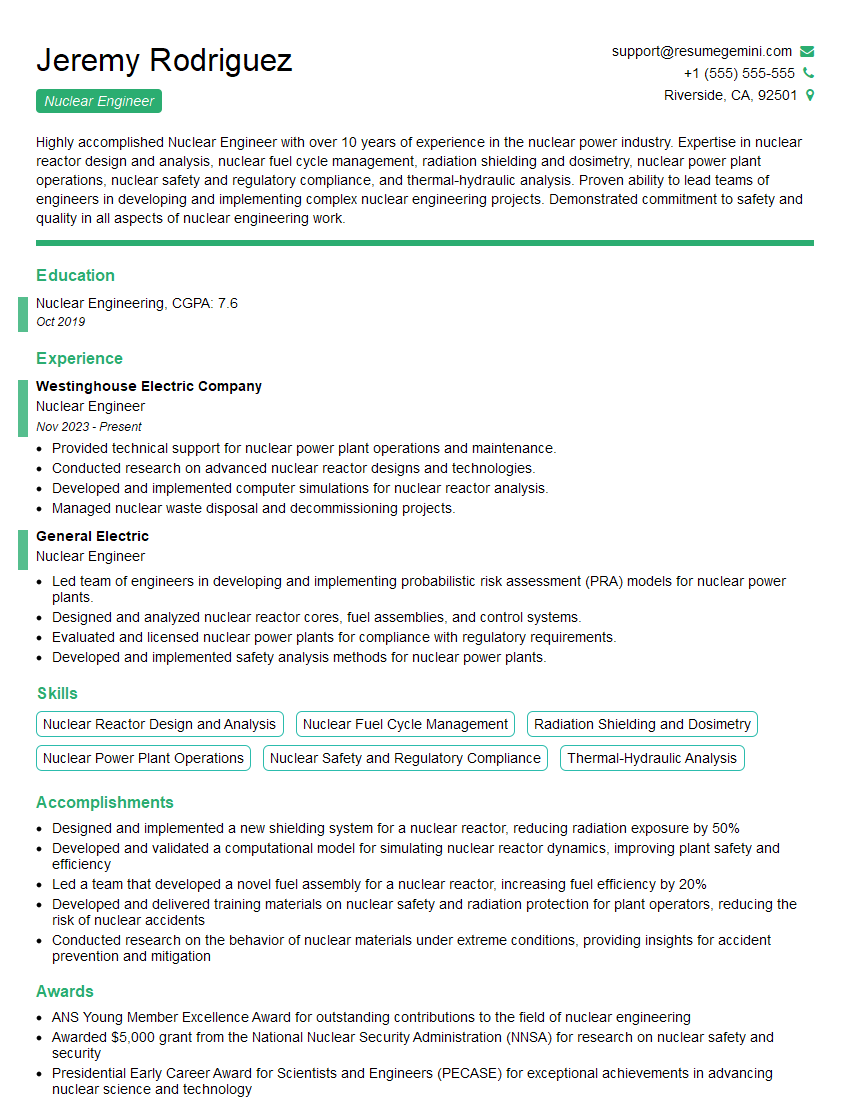
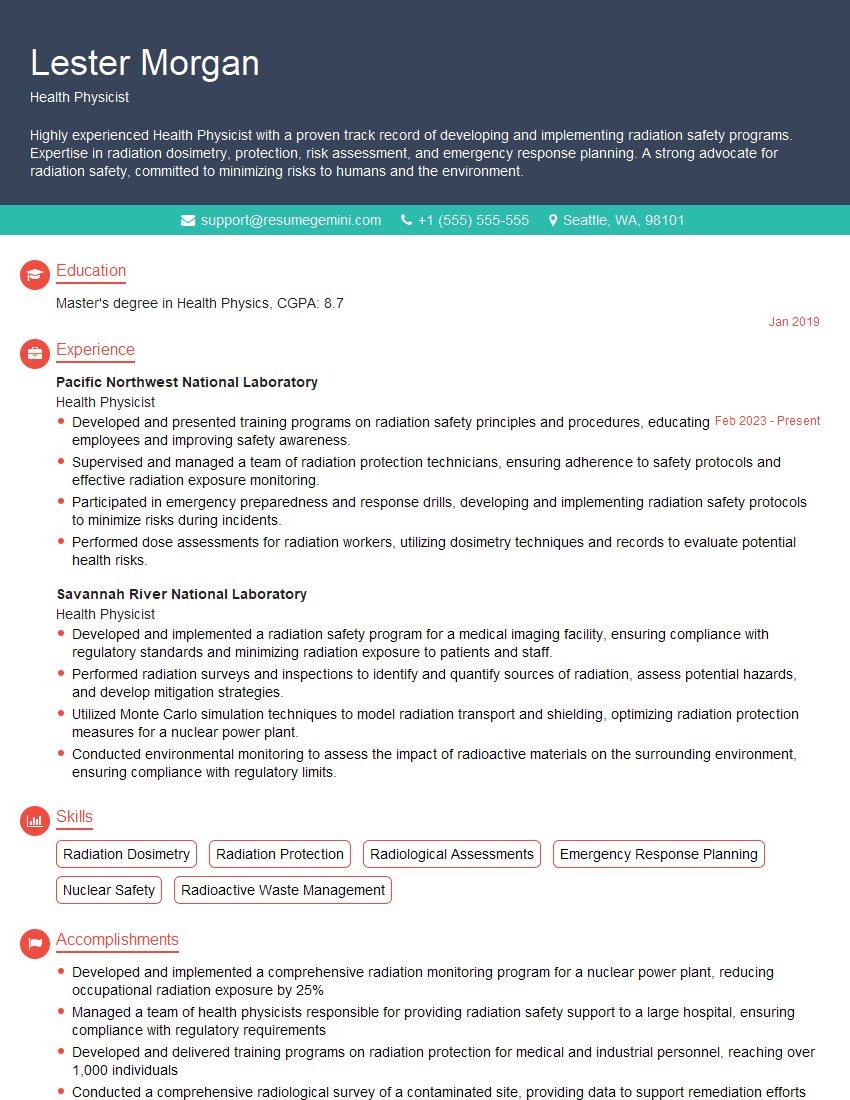
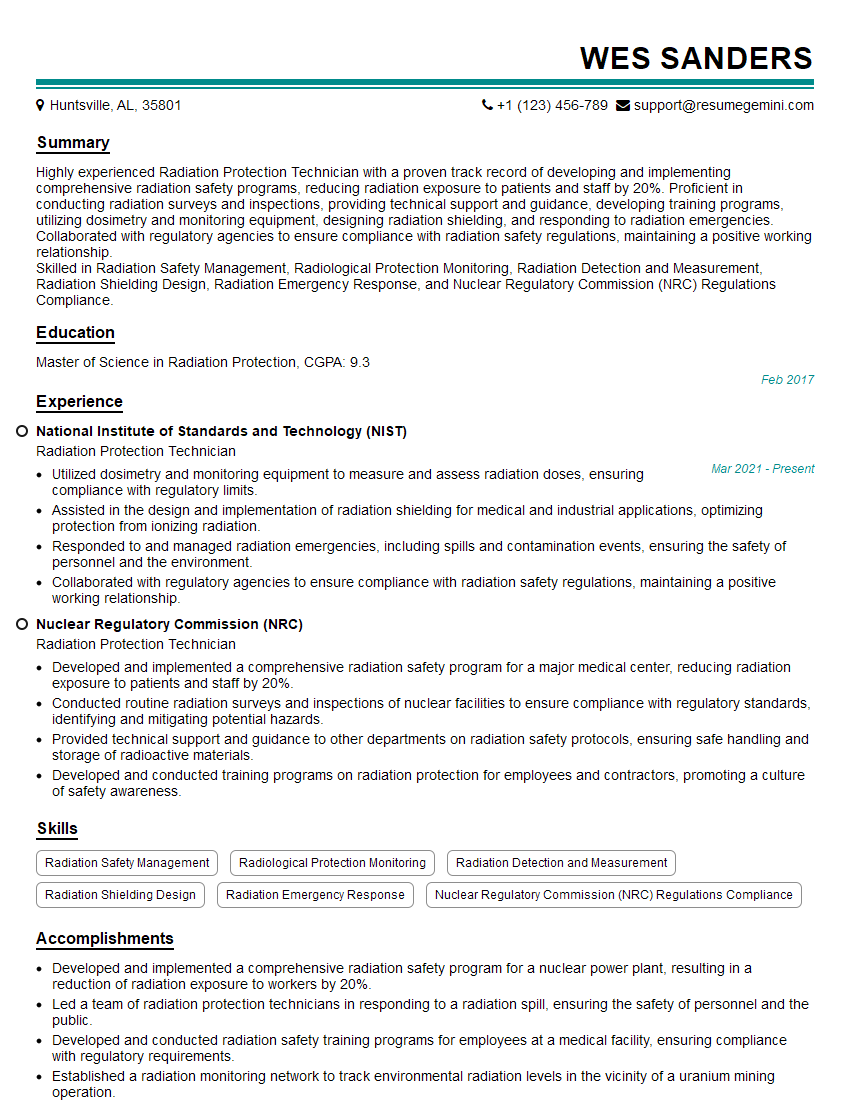
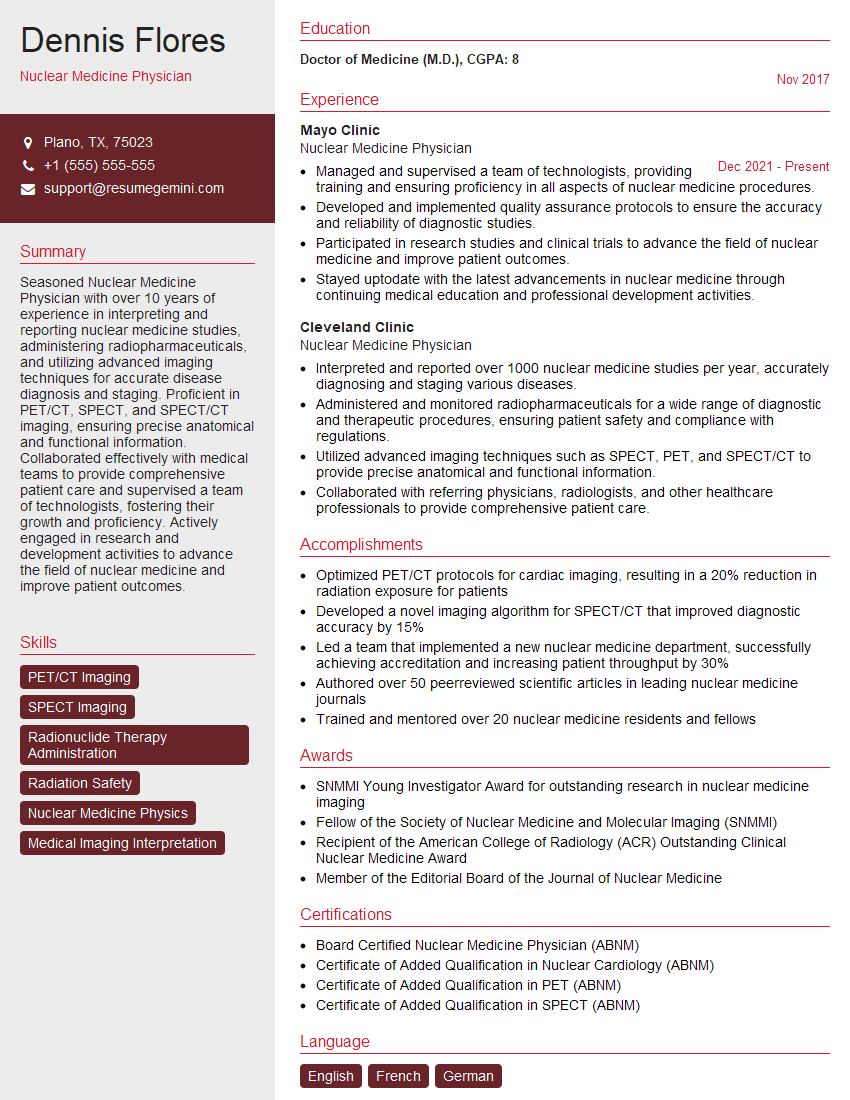
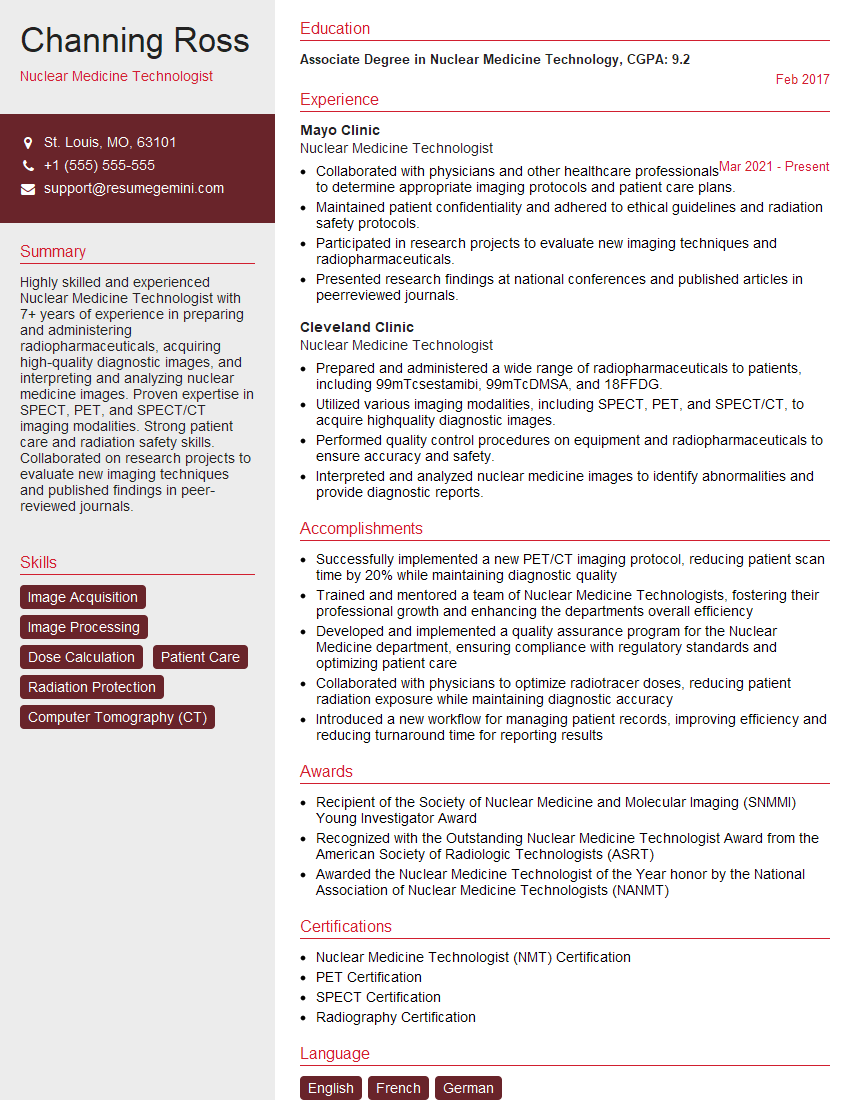
Mastering Radiological Survey and Assessment opens doors to exciting and impactful careers in various sectors, offering opportunities for professional growth and advancement. A strong resume is crucial for showcasing your skills and experience to potential employers. Creating an ATS-friendly resume increases your chances of getting your application noticed. We highly recommend using ResumeGemini to build a professional and effective resume that highlights your expertise. ResumeGemini provides examples of resumes tailored to Radiological Survey and Assessment to help you get started. Invest the time to craft a compelling resume – it’s an investment in your future.

Explore more articles
Users Rating of Our Blogs
Share Your Experience
We value your feedback! Please rate our content and share your thoughts (optional).
What Readers Say About Our Blog
To the interviewgemini.com Webmaster.
Very helpful and content specific questions to help prepare me for my interview!
Thank you
To the interviewgemini.com Webmaster.
This was kind of a unique content I found around the specialized skills. Very helpful questions and good detailed answers.
Very Helpful blog, thank you Interviewgemini team.