Interviews are opportunities to demonstrate your expertise, and this guide is here to help you shine. Explore the essential Radiotherapy interview questions that employers frequently ask, paired with strategies for crafting responses that set you apart from the competition.
Questions Asked in Radiotherapy Interview
Q 1. Explain the difference between external beam radiation therapy and brachytherapy.
External beam radiation therapy (EBRT) and brachytherapy are two major modalities in radiotherapy, differing primarily in how the radiation is delivered. In EBRT, a high-energy radiation beam is generated by a machine outside the body and precisely aimed at the tumor from various angles. Think of it like shining a very precise spotlight on the target. The radiation travels through the body to reach the tumor, affecting surrounding tissues to a lesser extent due to sophisticated treatment planning techniques. Brachytherapy, on the other hand, involves placing radioactive sources directly into or near the tumor. This is like placing a tiny, glowing beacon right inside the tumor. This allows for a higher dose of radiation to be delivered directly to the tumor while minimizing exposure to surrounding healthy tissues. A common example of brachytherapy is in prostate cancer treatment, where radioactive seeds are implanted directly into the prostate gland.
Q 2. Describe the process of treatment planning in radiotherapy.
Treatment planning in radiotherapy is a crucial multidisciplinary process involving radiation oncologists, medical physicists, dosimetrists, and sometimes nurses. It starts with a comprehensive evaluation of the patient, including medical history, imaging studies (CT, MRI, PET scans), and potentially biopsies. The goal is to create a treatment plan that delivers the highest possible dose to the tumor while sparing healthy surrounding tissues and organs at risk. This involves:
- Tumor delineation: Identifying the precise location and extent of the tumor on the imaging scans.
- Organ at risk (OAR) delineation: Identifying critical structures, like the spinal cord, kidneys, or heart, that need to be protected from radiation.
- Treatment planning: Using sophisticated software to determine the optimal beam arrangements, angles, and intensities to deliver the prescribed dose to the tumor while minimizing dose to OARs. This often involves 3D conformal radiotherapy, intensity-modulated radiotherapy (IMRT), or volumetric modulated arc therapy (VMAT).
- Dose calculation: Precisely calculating the dose distribution within the patient’s body.
- Treatment verification: Ensuring the treatment plan is accurately implemented on the treatment machine.
Imagine constructing a complex puzzle where the tumor is the target and the healthy organs are delicate pieces around it. The treatment plan is the strategy to hit the target precisely without damaging the surrounding pieces.
Q 3. What are the different types of radiation used in radiotherapy?
Radiotherapy utilizes various types of radiation, each with unique properties influencing their effectiveness and side effects. The most common are:
- Photons (X-rays and Gamma rays): These are high-energy electromagnetic waves. X-rays are generated by linear accelerators (LINACs), the workhorse of external beam radiotherapy. Gamma rays are emitted by radioactive sources used in brachytherapy.
- Electrons: These are charged particles that deliver radiation with a higher dose to the surface and shallower penetration depth than photons. They’re useful for treating superficial tumors and skin cancers.
- Protons: These are charged particles with a higher mass than electrons, allowing for more precise dose delivery to the tumor with less damage to surrounding tissues. Proton therapy is more specialized and expensive.
The choice of radiation type depends on the tumor’s location, size, depth, and the patient’s overall health.
Q 4. Explain the concept of dose fractionation in radiotherapy.
Dose fractionation is the practice of delivering the total radiation dose in smaller, divided fractions over several weeks, rather than in one large dose. This approach is crucial for maximizing tumor control and minimizing damage to healthy tissues. The rationale lies in the different repair capabilities of tumor cells and healthy cells. Healthy cells typically repair themselves more efficiently than cancer cells between radiation fractions. By delivering smaller doses over time, we allow healthy cells to recover, while cancer cells, which are less efficient at repair, accumulate damage and eventually die.
For example, a patient might receive 2 Gy (Gray, a unit of absorbed dose) per fraction, five days a week, for six weeks, totaling 60 Gy. This allows for the body to repair some of the damage between fractions while delivering a significant cumulative dose to the tumor.
Q 5. How do you ensure patient safety during radiotherapy treatment?
Patient safety is paramount in radiotherapy. Multiple layers of safety protocols are implemented, including:
- Precise treatment planning and verification: Sophisticated software and imaging techniques ensure accurate targeting and dose delivery.
- Daily image guidance: Imaging techniques like daily CBCT (Cone Beam Computed Tomography) scans allow for precise patient positioning and verification that the tumor is in the correct location before each fraction.
- Regular quality assurance: The treatment machines and treatment planning systems undergo rigorous quality assurance checks to ensure accuracy and reliability.
- Patient education and communication: Patients are thoroughly educated about the treatment process, potential side effects, and what to expect. Open communication between patients and the treatment team is crucial.
- Emergency protocols: Protocols are in place to manage any unforeseen events during treatment.
Imagine a pilot carefully navigating an airplane; similar precision and vigilance are required in radiotherapy to ensure patient safety.
Q 6. What are the common side effects of radiotherapy, and how are they managed?
The common side effects of radiotherapy vary depending on the treatment area and the dose delivered. They can include:
- Skin reactions: Redness, dryness, itching, or blistering in the irradiated area.
- Fatigue: A common side effect that can vary in severity.
- Nausea and vomiting: Particularly with abdominal or pelvic irradiation.
- Mouth sores (mucositis): Painful sores in the mouth, common with head and neck irradiation.
- Esophagitis: Inflammation of the esophagus, leading to difficulty swallowing.
- Other organ-specific side effects: Depending on the treatment area, other organs may be affected. Examples include pneumonitis (lung inflammation), nephritis (kidney inflammation), or cystitis (bladder inflammation).
These side effects are typically managed with supportive care, including medications to manage pain, nausea, and inflammation; good oral hygiene; and strategies to manage fatigue. The severity of side effects varies; some patients experience minimal side effects, while others may experience more significant challenges. Open communication with the treatment team is essential for effective side effect management.
Q 7. Describe your experience with IMRT or VMAT.
I have extensive experience with both Intensity-Modulated Radiotherapy (IMRT) and Volumetric Modulated Arc Therapy (VMAT). IMRT allows for the precise shaping of the radiation beam intensity, enabling highly conformal dose delivery to the target while minimizing dose to surrounding healthy tissues. VMAT builds on IMRT by delivering the radiation through an arc, further improving efficiency and reducing treatment time. In my practice, we regularly use VMAT for many tumor sites, including head and neck, prostate, lung, and gynecological cancers. I’ve been involved in the treatment planning and delivery for numerous patients using these techniques, and I am proficient in quality assurance and troubleshooting related to these advanced modalities. For example, I recently optimized a VMAT plan for a patient with locally advanced lung cancer, resulting in a significant reduction of dose to the heart and esophagus compared to a conventional plan while maintaining adequate tumor coverage. This resulted in a better therapeutic ratio and improved patient tolerance.
Q 8. How do you verify the accuracy of treatment plans?
Verifying the accuracy of a radiotherapy treatment plan is paramount to ensuring patient safety and treatment efficacy. This involves a multi-faceted approach, starting even before treatment planning begins.
- Image Verification: We meticulously compare the planning CT images with the actual daily images acquired on the linear accelerator (linac). This ensures the patient’s positioning is consistent and accurate relative to the planned target volume.
- Dose Calculation Verification: Independent dose calculations are performed using different algorithms or treatment planning systems. This cross-verification helps identify any discrepancies or errors in the initial plan. We also check dose distributions against established tolerances.
- Treatment Plan Review: A thorough review of the treatment plan is undertaken by multiple radiation oncologists and medical physicists. This peer review process helps identify potential errors or areas for improvement, ensuring the plan adheres to the highest standards.
- Quality Assurance Checks: Regular quality assurance procedures on the linac itself ensure that the machine is delivering the prescribed dose accurately and consistently. This involves daily, weekly, and monthly tests verifying the machine’s output, positioning accuracy, and other parameters.
For example, we recently identified a slight discrepancy in a prostate treatment plan during the independent dose calculation verification. Upon further investigation, we discovered a minor error in contouring the target volume. This was promptly corrected, preventing potential underdosing or overdosing of the patient’s healthy tissue.
Q 9. Explain your understanding of treatment simulation and contouring.
Treatment simulation and contouring are critical steps in radiotherapy planning, forming the foundation for accurate treatment delivery. Think of it as creating a detailed blueprint for the radiation therapy process.
Treatment Simulation: This involves precisely positioning the patient on a simulator, a device similar to a CT scanner but equipped with lasers and imaging tools. The goal is to reproduce the patient’s position during their daily treatments on the linac. We acquire images (usually CT scans) during this process to create a high-quality 3D dataset.
Contouring: This is the process of manually delineating (or outlining) the target volume (the tumor) and organs at risk (OARs) on the CT images. We utilize specialized software to create these contours, carefully differentiating between the tumor and the surrounding healthy tissues. Accurate contouring is crucial for maximizing tumor dose while minimizing the radiation dose to healthy organs.
Imagine it like sculpting: the simulation is like getting the clay (patient) into the right shape, and contouring is carefully shaping the clay to define the area to be sculpted (target) while avoiding damaging the surrounding areas (OARs).
Q 10. What is your experience with quality assurance procedures in radiotherapy?
Quality assurance (QA) in radiotherapy is an ongoing process, designed to ensure the safety and effectiveness of every treatment. My experience encompasses all levels of QA, from daily machine checks to comprehensive annual audits.
- Daily QA: This includes daily checks of the linac’s output, beam alignment, and other critical parameters. These checks ensure the machine is functioning correctly before treatment begins.
- Weekly/Monthly QA: More comprehensive tests, involving radiation physicists and dosimetrists, are performed to verify the accuracy and consistency of the linac’s performance.
- Annual QA: A thorough review and audit of all aspects of the radiotherapy process, including treatment planning, patient management, and safety protocols, are conducted annually to ensure compliance with national and international standards.
- Treatment Plan QA: As previously mentioned, independent review of treatment plans by multiple radiation oncologists and physicists is vital for verifying plan accuracy and appropriateness.
Failure to adhere to rigorous QA processes can have severe consequences, impacting both patient safety and treatment outcomes. Hence, consistent and meticulous QA is a non-negotiable element of my practice.
Q 11. How do you communicate with patients about their treatment?
Communicating with patients about their radiotherapy treatment is a crucial aspect of my role. It involves a blend of empathy, technical accuracy, and clear, understandable language.
I begin by explaining the treatment process in simple terms, using analogies and visual aids where appropriate. I answer all questions honestly and patiently, addressing any concerns or anxieties they may have. We discuss treatment goals, potential side effects, and coping strategies. This open communication fosters trust and empowers patients to actively participate in their care. For example, I might compare the radiation process to targeted surgery, emphasizing its precision and the focus on the tumor.
Regular follow-up consultations are vital to monitor the patient’s progress, address any emerging side effects, and maintain a supportive relationship throughout their treatment journey. Active listening and empathy are key to building a strong doctor-patient relationship. Open communication ensures patient compliance and ultimately contributes to improved outcomes.
Q 12. Describe your experience with different types of treatment delivery systems.
My experience encompasses a range of modern radiotherapy treatment delivery systems. This includes both conventional techniques and advanced technologies.
- 3D Conformal Radiotherapy (3D-CRT): This technique uses multiple radiation beams to conform to the shape of the tumor, delivering higher doses to the tumor while sparing healthy tissues.
- Intensity-Modulated Radiotherapy (IMRT): IMRT allows for even more precise dose delivery, with the intensity of the radiation beam modulated across each beam’s cross-section. This enables higher doses to be delivered to the tumor while significantly reducing radiation to surrounding critical organs.
- Image-Guided Radiotherapy (IGRT): IGRT uses imaging technologies, like kV or MV imaging, during treatment to ensure accurate positioning of the patient and target. This daily verification improves treatment accuracy and reduces uncertainties.
- Proton Therapy: In proton therapy, protons are used instead of photons (X-rays). Protons deposit the majority of their energy at the end of their range, sparing more of the surrounding healthy tissue. This has implications in treating tumors near critical organs.
The selection of the appropriate treatment delivery system depends on numerous factors, including tumor location, size, and proximity to critical organs, as well as the overall patient health and individual needs. I strive to apply the most suitable and effective technique based on the patient’s situation.
Q 13. How do you handle emergency situations during radiotherapy treatment?
Handling emergency situations during radiotherapy requires immediate action and a well-defined protocol. Such situations, while rare, can include equipment malfunctions, patient emergencies, or unexpected adverse reactions to treatment.
Our department has established emergency protocols that are regularly reviewed and practiced. These procedures cover everything from machine malfunctions to medical emergencies. In the case of equipment failure, we have backup systems and immediate access to technical support. Medical emergencies, such as severe reactions to treatment, require immediate intervention. We have a dedicated team trained to manage such situations, including immediate access to emergency medical services.
Effective communication is critical during such situations. We immediately inform the attending physician and other relevant personnel, following established communication pathways. All staff are trained in basic life support and are equipped to handle various emergency scenarios. Regular drills and training maintain our preparedness for these situations, ensuring the highest level of patient safety.
Q 14. Explain your understanding of radiation protection principles.
Radiation protection principles are fundamental to the practice of radiotherapy. Our goal is to maximize the therapeutic benefit of radiation while minimizing exposure to both patients and healthcare professionals.
- Time: Minimizing the time spent in radiation fields is paramount. This involves efficient treatment delivery and minimizing unnecessary exposure.
- Distance: Increasing the distance from the radiation source reduces the radiation dose significantly. This principle is often employed using shielding and appropriate room design.
- Shielding: Appropriate shielding materials, such as lead, concrete, and other dense materials, are used to absorb radiation, protecting both staff and patients from unnecessary exposure. Shields are used for treatment rooms, equipment, and storage areas.
- ALARA: The principle of ALARA (As Low As Reasonably Achievable) guides all our radiation protection practices. We strive to reduce radiation exposure to the lowest possible level while still providing effective treatment.
We use dosimeters to monitor personal radiation exposure, ensuring staff members remain within safe limits. Regular radiation safety training and compliance with stringent regulations are essential in maintaining a safe radiation environment for everyone.
Q 15. Describe your experience with electronic medical records (EMR) in radiotherapy.
My experience with Electronic Medical Records (EMR) in radiotherapy is extensive. We utilize a sophisticated EMR system to manage patient data, from initial consultation notes and diagnostic imaging to treatment plans, dose delivery records, and follow-up appointments. This system allows for seamless data sharing among the entire healthcare team, ensuring everyone has access to the most up-to-date information. For instance, the oncology team can readily access the latest imaging results and treatment plans to assess a patient’s progress. The EMR also streamlines administrative tasks like scheduling appointments and managing billing, freeing up time for direct patient care. Furthermore, the system’s reporting capabilities help track key performance indicators (KPIs) and identify areas for improvement in our workflow and patient care.
We use the system to meticulously document treatment parameters, including dose fractionation, treatment field shapes, and any observed side effects. This detailed record-keeping is crucial for ongoing patient management, auditing, and potentially contributing to future research initiatives. For example, we can easily analyze the data to understand treatment response rates for different tumor types and refine our protocols accordingly. The EMR system’s integration with other hospital systems, like pathology and laboratory results, allows us to have a holistic view of the patient’s health and optimize their treatment.
Career Expert Tips:
- Ace those interviews! Prepare effectively by reviewing the Top 50 Most Common Interview Questions on ResumeGemini.
- Navigate your job search with confidence! Explore a wide range of Career Tips on ResumeGemini. Learn about common challenges and recommendations to overcome them.
- Craft the perfect resume! Master the Art of Resume Writing with ResumeGemini’s guide. Showcase your unique qualifications and achievements effectively.
- Don’t miss out on holiday savings! Build your dream resume with ResumeGemini’s ATS optimized templates.
Q 16. How do you collaborate with other members of the healthcare team?
Collaboration is paramount in radiotherapy. I work closely with a multidisciplinary team including medical oncologists, radiation oncologists, dosimetrists, nurses, physicists, and therapists. Effective communication is achieved through various channels: daily rounds where we discuss patient progress and treatment plans, weekly tumor board meetings for complex cases, and regular consultations with specialists. The EMR facilitates this collaboration by providing a central hub for information exchange. For example, if a patient experiences an unexpected side effect, the nurse can immediately update the EMR, alerting the radiation oncologist and medical oncologist who can then adjust the treatment plan as needed. We also utilize image-sharing platforms to review diagnostic imaging and treatment plans, allowing for real-time feedback and collaboration. I actively participate in these discussions, providing my expertise in treatment planning and delivery, helping to ensure optimal patient care and the best possible outcomes.
Q 17. What are the key performance indicators (KPIs) for a radiotherapy department?
Key Performance Indicators (KPIs) for a radiotherapy department are crucial for evaluating effectiveness and efficiency. These KPIs can be categorized into patient-centric measures, such as treatment completion rates, patient satisfaction scores, and overall survival rates. We also track operational KPIs including treatment time, waiting times for appointments, and the number of treatment interruptions due to equipment malfunction. Quality assurance KPIs are equally important, involving metrics like dose delivery accuracy, treatment plan quality checks, and adherence to safety protocols. For instance, a high treatment completion rate signifies successful adherence to the treatment plan. Low waiting times indicate efficient scheduling and resource allocation. Accurate dose delivery is ensured through robust quality assurance protocols, and regular equipment maintenance ensures minimal treatment interruptions. Regular review of these KPIs enables us to identify areas for improvement, optimize workflows, and continuously enhance the quality of patient care.
Q 18. Describe your experience with image-guided radiotherapy (IGRT).
Image-guided radiotherapy (IGRT) has revolutionized radiation therapy, significantly improving treatment accuracy and reducing the risk of harming healthy tissues. My experience with IGRT is substantial, encompassing various techniques like daily image acquisition using kilovoltage imaging (kV) and megavoltage imaging (MV), cone-beam CT (CBCT), and even MRI-guided radiation therapy (MRgRT) in some cases. These imaging modalities allow us to precisely locate the tumor and surrounding organs before each treatment fraction, ensuring accurate dose delivery while minimizing exposure to healthy tissues. For example, CBCT scans provide real-time visualization of the tumor and surrounding anatomy, allowing us to adjust the treatment position if necessary to align the target with the planned treatment field. IGRT has dramatically improved our ability to target tumors with complex shapes or those that move with respiration, leading to improved tumor control and reduced side effects. This level of precision also allows us to use more conformal treatment plans, escalating the dose to the tumor while sparing normal tissues.
Q 19. Explain your understanding of linear accelerators (LINACs).
Linear accelerators (LINACs) are the workhorses of modern radiotherapy, generating high-energy X-rays or electron beams used to treat cancer. My understanding of LINACs encompasses their operational principles, safety features, and maintenance requirements. A LINAC employs a sophisticated system of electron acceleration, bending magnets, and collimators to precisely deliver radiation to the target area. Regular quality assurance tests are crucial to ensure the LINAC functions within the required tolerances. These tests involve calibrating the dose output, verifying beam geometry, and confirming the accuracy of the treatment delivery system. I’m well-versed in troubleshooting technical issues and collaborating with medical physicists to maintain the LINAC’s optimal performance. For example, understanding the LINAC’s parameters allows me to interpret daily quality assurance readings and identify potential problems before they impact treatment. Furthermore, I am familiar with the different types of LINACs and their capabilities, which is crucial for selecting the best equipment for various treatment techniques. A good understanding of LINACs is crucial to ensure precise, safe, and effective radiotherapy.
Q 20. How do you calculate dose and monitor patient treatment plans?
Dose calculation and monitoring in radiotherapy are complex processes requiring expertise in radiation physics and treatment planning software. The process begins with image acquisition (CT, MRI, PET), followed by the creation of a treatment plan by a radiation oncologist and dosimetrist. This involves outlining the target volume (tumor) and organs at risk (OARs). Then, sophisticated algorithms within treatment planning systems (TPS) are used to calculate the optimal radiation dose distribution, aiming to deliver a high dose to the tumor while sparing surrounding healthy tissue. We employ various dose calculation algorithms, including inverse planning and intensity-modulated radiotherapy (IMRT), to refine the dose distribution for optimal results. During treatment delivery, real-time monitoring systems continuously verify the delivered dose, alerting us to any discrepancies. We employ various tools to monitor patient treatment plans, including electronic portal imaging devices (EPIDs) and online monitoring systems. These tools allow us to detect and correct errors in real-time, ensuring accurate and safe treatment delivery. Post-treatment, we carefully review the delivered dose and compare it to the planned dose to confirm the treatment accuracy. Any deviations are documented and analyzed to identify and improve future treatment accuracy.
Q 21. Explain the process of quality control for radiation therapy equipment.
Quality control (QC) for radiation therapy equipment is paramount to ensure patient safety and treatment accuracy. It involves a multi-faceted approach involving daily, weekly, monthly, and annual checks. Daily QC includes verifying the LINAC’s output, beam alignment, and safety interlocks. Weekly checks might involve more detailed tests of beam profiles and dose distributions. Monthly checks might include comprehensive tests of the entire treatment delivery system, such as image verification systems. Annual checks often involve independent physicists performing more comprehensive tests that might include more advanced tests like the linac’s electron beam. These QC procedures are documented meticulously, and any discrepancies are investigated and resolved before treatment is resumed. For example, if a daily QC reveals a discrepancy in the LINAC’s output, the machine is immediately taken out of service, the problem is identified and resolved by a qualified physicist, and rigorous testing is performed to verify the issue has been completely resolved before treatment recommences. Regular calibration and maintenance are also essential aspects of QC, guaranteeing optimal equipment performance and minimizing the risk of treatment errors.
Q 22. What are your experiences with brachytherapy procedures?
Brachytherapy, or internal radiotherapy, involves placing radioactive sources directly into or near a tumor. My experience encompasses a wide range of brachytherapy procedures, including high-dose-rate (HDR) and low-dose-rate (LDR) techniques. With HDR, a powerful source is inserted for a short period, while LDR utilizes a weaker source for a longer duration. I’ve worked extensively with various types of applicators and implants, tailored to the specific anatomical location and tumor characteristics. For example, I’ve been involved in prostate brachytherapy using permanent seed implants and gynecological brachytherapy using intracavitary applicators. In each case, meticulous planning, precise placement, and careful dosimetry are crucial to maximize tumor coverage while minimizing damage to surrounding healthy tissues. My experience also includes post-implant imaging and dose verification to ensure treatment accuracy.
One particularly memorable case involved a patient with cervical cancer requiring complex intracavitary brachytherapy. Accurate applicator placement was challenging due to the tumor’s proximity to critical organs. Through careful planning and collaboration with the imaging team, we successfully delivered the prescribed dose while minimizing the risk of complications. This case underscored the importance of teamwork and advanced imaging technologies in ensuring safe and effective brachytherapy.
Q 23. How familiar are you with different treatment planning systems?
I’m proficient in several leading treatment planning systems (TPS), including Eclipse (Varian), Pinnacle3 (Philips), and RayStation (RaySearch). My expertise extends beyond simply operating these systems; I understand their underlying algorithms and can critically evaluate the treatment plans generated. This includes assessing dose distributions, organ-at-risk sparing, and treatment plan robustness. I’m also familiar with the process of quality assurance and verification, ensuring the accuracy and safety of every treatment plan before it’s delivered to the patient.
For instance, I’ve used Eclipse extensively for intensity-modulated radiotherapy (IMRT) and volumetric modulated arc therapy (VMAT) planning. My understanding of the inverse planning algorithms allows me to optimize treatment plans based on individual patient anatomy and clinical goals. I’m also adept at utilizing advanced features such as deformable image registration and uncertainty analysis to improve treatment accuracy and predictability. I regularly participate in internal and external quality assurance programs to maintain proficiency and ensure consistency across treatment planning processes.
Q 24. What is your understanding of the biological effects of radiation?
Radiation’s biological effects stem from its interaction with DNA, leading to damage that can affect cell function and survival. Direct damage occurs when radiation directly interacts with DNA, while indirect damage is caused by free radicals produced by radiation’s interaction with water molecules. This damage can lead to cell death, genetic mutations, and impaired cell function. The severity of these effects depends on several factors, including the radiation dose, dose rate, fractionation, and the type of tissue irradiated. Normal tissues have varying radiosensitivities, meaning some are more susceptible to damage than others.
Understanding these effects is crucial in radiotherapy. We aim to deliver a sufficient dose to kill cancer cells while minimizing damage to healthy tissues. This is achieved through careful treatment planning, precise targeting, and the use of fractionation (splitting the total dose into smaller fractions given over several days or weeks). This allows healthy tissues to repair themselves between fractions, reducing long-term side effects. The interplay between dose, fractionation, and tissue radiosensitivity forms the foundation of effective radiotherapy treatment strategies. For example, the use of hypo-fractionation (fewer, larger fractions) requires a deep understanding of the cellular response to radiation in order to minimize risk to both tumor and normal tissue.
Q 25. Explain your approach to patient education regarding their radiotherapy treatment.
Patient education is a cornerstone of my approach to radiotherapy. I believe informed patients are more likely to adhere to their treatment plan and cope effectively with any side effects. My communication style is clear, concise, and empathetic. I start by explaining the treatment plan in simple terms, using visual aids like diagrams and models when appropriate. I encourage patients to ask questions and address any concerns they may have. I also provide written materials summarizing the treatment plan and potential side effects.
A crucial aspect is discussing potential side effects and strategies for managing them. For example, if a patient is undergoing radiotherapy for head and neck cancer, I’ll explain the potential for skin reactions, mucositis (mouth sores), and fatigue, and provide practical advice on skincare, mouth care, and strategies for managing fatigue. Regular follow-up appointments allow me to monitor progress, address any concerns, and provide ongoing support. I encourage open communication and foster a collaborative relationship with the patient throughout the entire treatment process, making them a vital part of their treatment plan.
Q 26. Describe your experience working with patients who have complex medical histories.
Working with patients with complex medical histories requires a comprehensive approach. I carefully review each patient’s medical records, paying close attention to any existing conditions or medications that may influence treatment decisions. For example, patients with cardiac conditions might require adjustments to the radiotherapy plan to minimize the risk of cardiac toxicity. Similarly, patients with kidney disease require careful consideration of contrast usage and dose-limiting toxicities. Collaboration with other specialists, such as oncologists, cardiologists, or nephrologists, is crucial to ensure a safe and effective treatment plan.
I recently managed a patient with a history of breast cancer, diabetes, and heart failure. Coordinating radiotherapy with her other medical needs required careful consideration of potential interactions between medications and radiotherapy, as well as close monitoring for any signs of toxicity. Through close communication with her oncologist and cardiologist, we developed a treatment plan that successfully addressed the tumor while minimizing the risk to her other health conditions. This collaborative approach ensured optimal patient care while managing the complexities of her medical history.
Q 27. How do you manage treatment delays or unexpected complications?
Treatment delays or unexpected complications require prompt action and effective communication. If a delay occurs, I investigate the cause and inform the patient promptly, explaining the reasons for the delay and its potential implications for the treatment plan. If a complication arises, I assess its severity, implement appropriate management strategies, and involve other specialists as needed. For instance, if a patient experiences severe radiation-induced skin reactions, I might adjust the treatment plan to reduce the dose or modify the treatment technique to minimize further damage. Transparent and proactive communication is crucial to maintain patient trust and ensure a positive outcome.
For instance, a patient experiencing acute esophagitis (inflammation of the esophagus) after radiotherapy for lung cancer required a temporary pause in treatment and introduction of supportive medication for pain and inflammation. We worked with the gastroenterology team, adjusting the treatment schedule and implementing supportive care to manage the side effect and safely resume treatment once the condition improved. This integrated approach reflects the importance of proactive management, collaborative communication and prompt intervention in such situations.
Q 28. What are your career aspirations in the field of radiotherapy?
My career aspirations are centered on advancing the field of radiotherapy and improving patient care. I’m committed to continuous professional development, staying abreast of the latest technologies and research. I’m particularly interested in exploring the potential of artificial intelligence (AI) in radiotherapy treatment planning and optimization. AI could significantly improve the accuracy and efficiency of treatment delivery, allowing us to tailor treatment plans to individual patients even more precisely. I also aspire to contribute to research efforts focusing on improving radiotherapy techniques and reducing treatment side effects. My goal is to enhance the quality of life for cancer patients by delivering safe, effective, and personalized radiotherapy treatment.
I believe my future contributions will involve leading research initiatives exploring novel approaches to treatment planning and delivery, potentially using AI and machine learning to further refine the precision of radiotherapy. Ultimately, my aspiration is to make a substantial contribution to the field, ensuring patients receive the most advanced and effective radiotherapy treatment while improving patient safety and experience.
Key Topics to Learn for Your Radiotherapy Interview
- Treatment Planning: Understand the principles of radiation treatment planning, including target volume delineation, dose calculation, and treatment optimization. Consider different treatment modalities and their applications.
- Radiation Oncology Physics: Grasp the fundamental physics of radiation, including radiation interactions with matter, dosimetry, and radiation safety. Be prepared to discuss practical applications like quality assurance and safety protocols.
- Tumor Biology and Radiobiology: Demonstrate knowledge of cancer biology, cellular responses to radiation, and factors influencing treatment response. Be ready to discuss concepts like cell survival curves and fractionation schemes.
- Treatment Techniques: Familiarize yourself with various radiotherapy techniques, such as external beam radiotherapy (EBRT), brachytherapy, and proton therapy. Understand their advantages, disadvantages, and clinical applications.
- Clinical Practice and Patient Care: Showcase your understanding of the clinical workflow, patient communication, and ethical considerations in radiotherapy. Discuss your experience (if any) with patient interaction and treatment delivery.
- Technological Advancements: Stay updated on emerging technologies in radiotherapy, such as image-guided radiotherapy (IGRT), intensity-modulated radiotherapy (IMRT), and advanced treatment planning systems. Be prepared to discuss their impact on treatment delivery and patient outcomes.
- Quality Assurance and Safety: Highlight your understanding of quality assurance procedures, safety regulations, and risk management in a radiotherapy setting. This demonstrates a commitment to patient safety and professional standards.
Next Steps: Secure Your Radiotherapy Career
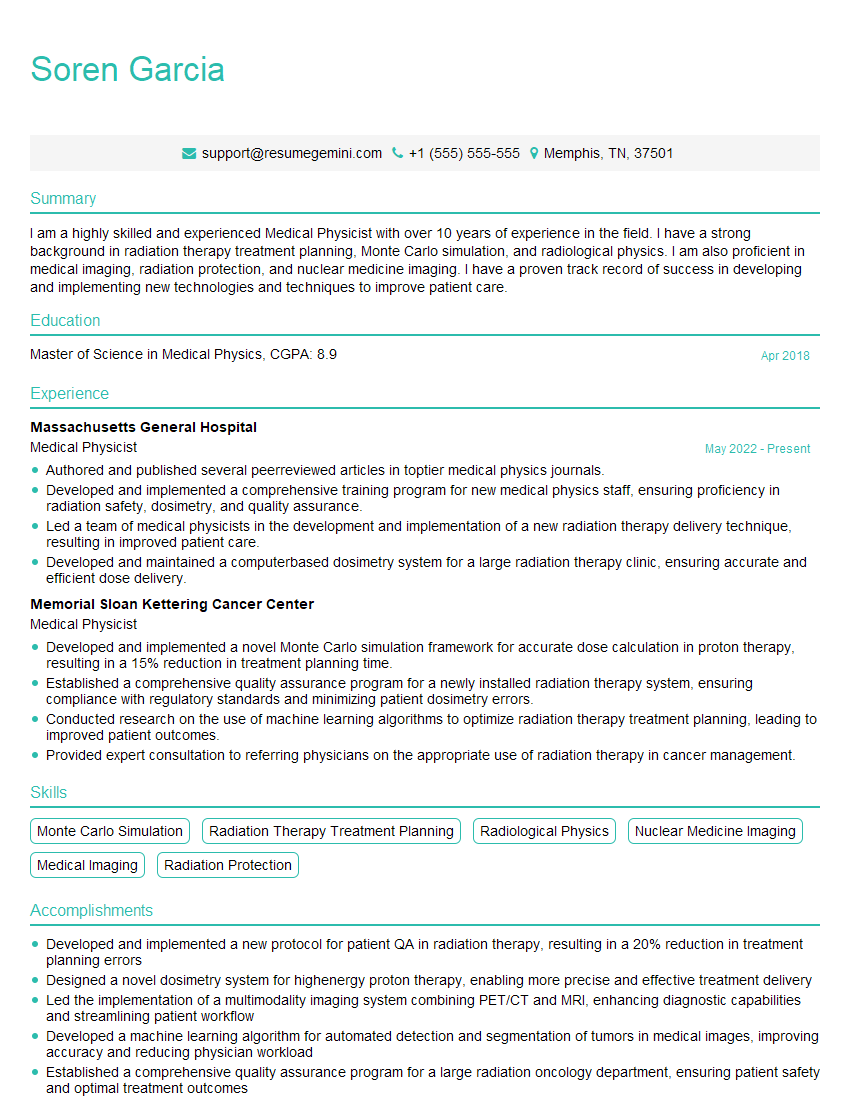
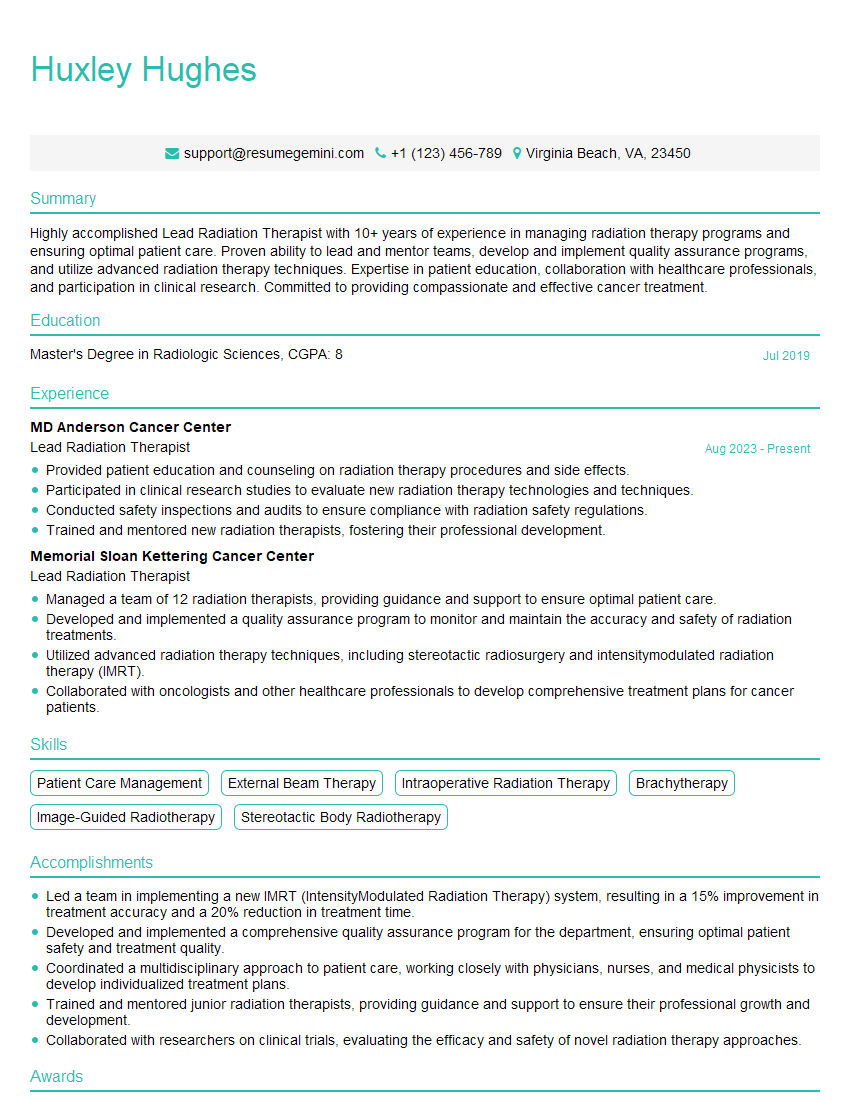
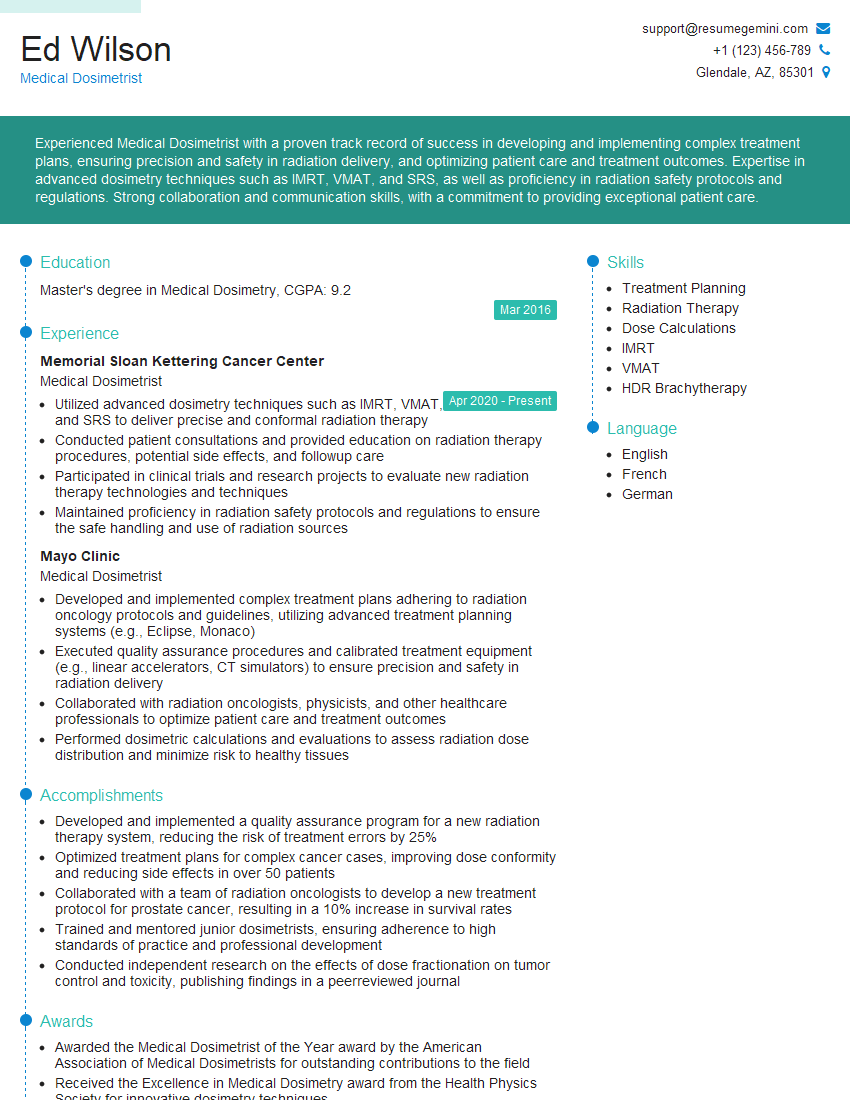
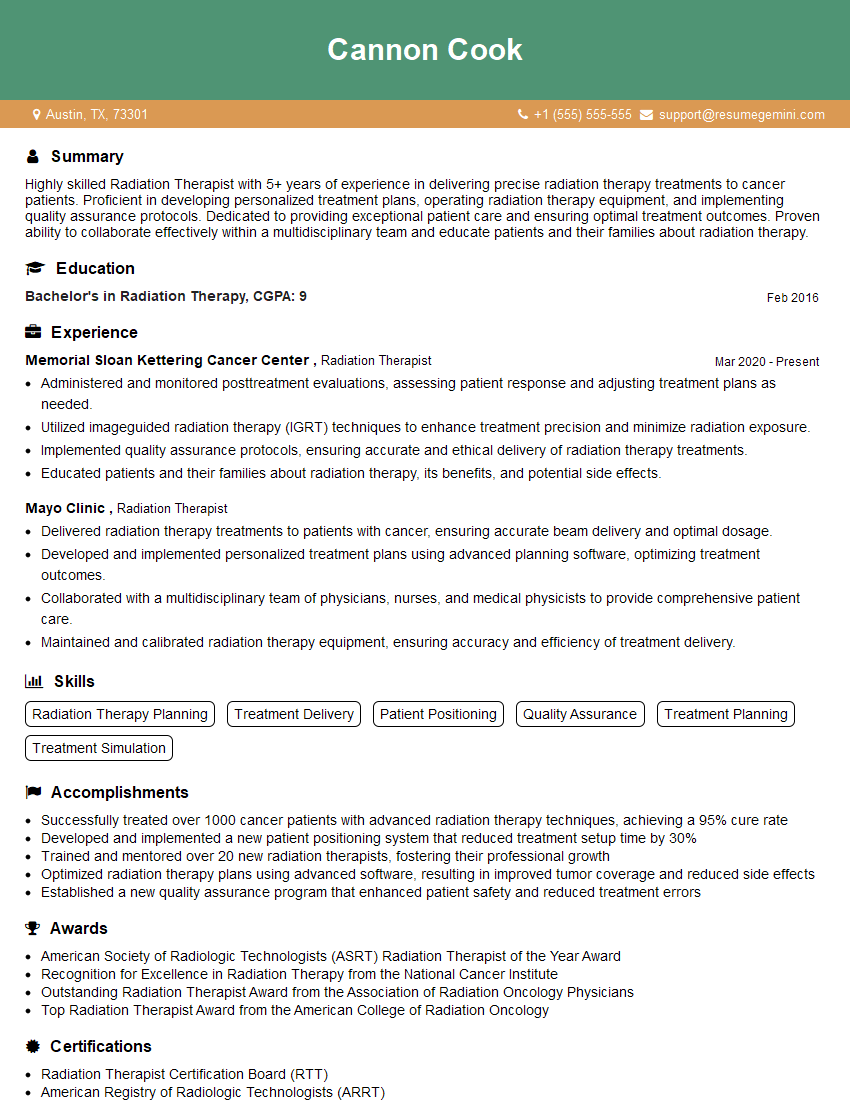
Mastering these key areas in radiotherapy will significantly enhance your interview performance and open doors to exciting career opportunities. A strong foundation in radiotherapy principles and practical applications is highly valued by employers. To maximize your chances, invest time in crafting a compelling and ATS-friendly resume that showcases your skills and experience effectively. ResumeGemini is a trusted resource to help you build a professional and impactful resume, tailored to the specific requirements of the Radiotherapy field. Examples of resumes tailored to Radiotherapy are available to help guide you.
Explore more articles
Users Rating of Our Blogs
Share Your Experience
We value your feedback! Please rate our content and share your thoughts (optional).
What Readers Say About Our Blog
To the interviewgemini.com Webmaster.
Very helpful and content specific questions to help prepare me for my interview!
Thank you
To the interviewgemini.com Webmaster.
This was kind of a unique content I found around the specialized skills. Very helpful questions and good detailed answers.
Very Helpful blog, thank you Interviewgemini team.