Feeling uncertain about what to expect in your upcoming interview? We’ve got you covered! This blog highlights the most important Receptive Language Intervention interview questions and provides actionable advice to help you stand out as the ideal candidate. Let’s pave the way for your success.
Questions Asked in Receptive Language Intervention Interview
Q 1. Explain the difference between expressive and receptive language.
Expressive language refers to the ability to communicate one’s thoughts, feelings, and ideas through speaking, writing, or other forms of communication. Think of it as the output of language. Receptive language, conversely, is the ability to understand and process language that is heard, read, or seen. It’s the input of language. A child with strong expressive language might be a fantastic storyteller, but if their receptive language is weak, they might struggle to follow multi-step directions or understand complex sentences.
For example, a child might be able to express their need for a drink by saying “Water!”, (expressive language), but struggle to understand a more complex sentence like “Please put your toys away before we go outside” (receptive language).
Q 2. Describe three common assessments used to evaluate receptive language skills.
Three common assessments for receptive language skills include:
- The Peabody Picture Vocabulary Test (PPVT): This test measures receptive vocabulary by having the child point to a picture that matches a spoken word. It’s widely used and provides a standardized score, allowing for comparison to age norms.
- The Receptive One-Word Picture Vocabulary Test (ROWPVT): Similar to the PPVT, but often considered a quicker assessment for receptive vocabulary.
- Clinical Evaluation of Language Fundamentals – Preschool (CELF-P): This is a more comprehensive assessment that includes various subtests evaluating receptive vocabulary, grammar, and following directions. It provides a more detailed profile of receptive language strengths and weaknesses.
The choice of assessment often depends on the child’s age, suspected areas of difficulty, and the time available for testing.
Q 3. What are the key components of a comprehensive receptive language assessment?
A comprehensive receptive language assessment should include several key components:
- Vocabulary Comprehension: Assessing understanding of single words, phrases, and multiple-meaning words.
- Following Directions: Evaluating ability to understand and execute one-, two-, and three-step directions, including those involving spatial concepts (e.g., “Put the red block on top of the blue block”).
- Auditory Comprehension of Sentences and Stories: Evaluating understanding of increasingly complex sentences and narratives, including answering questions about the content.
- Understanding of grammatical structures: Assessing comprehension of different sentence structures, such as passive voice or complex clauses.
- Pragmatic language skills within receptive language: This assesses how the child understands the social context of language, like understanding sarcasm or inferencing meaning from non-verbal cues.
- Observation of play and interaction: Observing the child’s natural language abilities in a less formal setting can add valuable contextual information.
These components help paint a complete picture of the child’s receptive language abilities, guiding the development of targeted interventions.
Q 4. How do you differentiate between a language delay and a language disorder?
The distinction between a language delay and a language disorder is crucial. A language delay implies that a child’s language development is slower than expected for their age but follows a typical developmental trajectory. They are simply behind their peers but are expected to catch up given time and support. A language disorder, on the other hand, indicates a significant deviation from typical language development, often characterized by unusual patterns of language acquisition that are unlikely to resolve without intensive intervention. The child may struggle in areas not typically seen in delayed development.
Think of it like learning to ride a bike: A delay might mean a child learns later than their friends but still eventually masters it. A disorder might mean they struggle with balance or coordination in a way that prevents them from successfully learning to ride, regardless of how much time and practice they have.
Q 5. Describe your experience using specific receptive language intervention strategies (e.g., visual supports, modeling, prompting).
I frequently utilize several receptive language intervention strategies. Visual supports, such as picture cards, schedules, and social stories, are invaluable for enhancing comprehension, particularly for children with visual learning preferences or difficulties with auditory processing. For example, using a visual schedule to help a child understand the sequence of events during the school day can drastically reduce anxiety and improve cooperation.
Modeling correct language use provides implicit learning opportunities. Instead of directly correcting a child’s error, I might rephrase their statement in a grammatically correct way. For instance, if a child says, “Want cookie,” I might respond, “Yes, you want a cookie.”
Prompting, such as verbal cues (“What do you see in the picture?”) or gestural cues (pointing to a picture), can help scaffold understanding and support the child’s attempts at communication. I strategically fade prompts as the child’s skills improve, encouraging independence.
Q 6. How do you adapt your intervention strategies based on a child’s age and developmental level?
Adapting intervention strategies based on a child’s age and developmental level is critical for successful outcomes. With younger children (preschool), interventions focus on foundational skills such as receptive vocabulary and following simple directions, often using play-based activities. For example, I might use a simple board game to target vocabulary and turn-taking. Older children (school-age) require more complex interventions focusing on grammar, narrative comprehension, and understanding of nuanced language. For them, I might incorporate reading comprehension activities and discussions about story elements to target those skills.
The intensity and duration of interventions also adjust to the child’s needs. A child with mild receptive language delay may require less frequent sessions than a child with a significant disorder. Regular monitoring of progress and adjustments to the intervention plan are essential.
Q 7. Explain your approach to collaborating with parents and other professionals.
Collaboration is the cornerstone of effective intervention. I maintain open communication with parents through regular meetings, progress reports, and home program suggestions. Parents are invaluable partners who can provide insights into the child’s behavior, learning style, and home environment. I work to empower them by providing them with strategies they can use at home to support their child’s language development.
Collaboration with other professionals, such as teachers, school psychologists, and other therapists, is equally important. Regular communication and shared planning ensure a cohesive approach to supporting the child’s overall development. This collaborative approach optimizes the child’s learning and maximizes the impact of intervention. A multidisciplinary approach ensures comprehensive support for the child.
Q 8. Describe a situation where you had to modify your intervention plan due to a child’s lack of progress. What did you do?
Modifying an intervention plan is a crucial aspect of providing effective therapy. It’s not a sign of failure, but rather a testament to the dynamic nature of working with children. For example, I once worked with a six-year-old, Liam, who struggled significantly with following multi-step directions. My initial plan focused on using visual supports and breaking down instructions into single steps. However, after several sessions, Liam showed minimal improvement. His frustration levels were also increasing. This indicated a need for a change in strategy.
I then analyzed his responses and observed that he seemed more engaged when using manipulatives and during interactive play. I hypothesized that the abstract nature of the directions, even when broken down, was challenging. I modified the plan to incorporate more hands-on activities. We started using games like Simon Says (modified for single-step instructions initially), where he could physically act out the directions, increasing his engagement and understanding. We also incorporated visual schedules with pictures representing each step of a task. This adjustment, driven by Liam’s lack of progress and my observation of his learning style, led to significant improvements in his receptive language skills. We gradually increased the complexity of the directions as his understanding grew.
Q 9. How do you measure the effectiveness of your receptive language interventions?
Measuring the effectiveness of receptive language interventions requires a multi-faceted approach. It’s not just about observing progress anecdotally; we need quantifiable data. I use a combination of methods:
- Standardized Assessments: Pre- and post-intervention scores on standardized tests like the CELF (Clinical Evaluation of Language Fundamentals) or the PLS-5 (Preschool Language Scale-5) provide objective measures of improvement. These tests evaluate various receptive language skills like understanding vocabulary, following directions, and comprehending sentences of varying complexity.
- Progress Monitoring: Regular progress monitoring involves using informal measures, such as checklists and data sheets, to track the child’s performance on specific targets throughout the intervention. This allows for frequent adjustments to the therapy plan, ensuring it remains effective and responsive to the child’s needs.
- Observations: Detailed observational notes document the child’s performance in different contexts (e.g., during play, in structured activities, in natural conversational settings) and identify strengths and areas needing further attention. I often record video to aid in this analysis.
- Parent/Caregiver Feedback: Regular communication with parents or caregivers provides valuable insight into the child’s progress in their everyday lives, supplementing the data collected during therapy sessions.
By combining these approaches, I obtain a comprehensive picture of the child’s progress, ensuring the intervention is truly effective and leading to meaningful improvements in their receptive language abilities.
Q 10. What are some common challenges faced when working with children with receptive language disorders?
Working with children with receptive language disorders presents unique challenges. These difficulties often go beyond just understanding words; they impact the child’s overall development and well-being.
- Difficulty Following Directions: This can range from simple one-step instructions to more complex, multi-step commands. It impacts their ability to participate in school, complete tasks at home, and engage in social interactions.
- Limited Vocabulary Comprehension: Children may struggle to understand the meaning of words, even familiar ones, affecting their ability to understand conversations, stories, and instructions.
- Challenges with Sentence Comprehension: Understanding complex sentence structures, particularly those with embedded clauses or passive voice, can be particularly difficult, leading to confusion and frustration.
- Social Communication Difficulties: Receptive language problems often impact social skills, as children may struggle to understand social cues, leading to misunderstandings and social isolation.
- Frustration and Behavioral Challenges: The constant struggle to understand can lead to frustration, anxiety, and even behavioral outbursts. This can make therapy even more challenging.
These challenges necessitate a highly individualized and flexible approach to intervention, encompassing a range of strategies to address the child’s specific needs and learning style.
Q 11. How do you address the emotional and social impact of receptive language difficulties?
Addressing the emotional and social impact of receptive language difficulties is paramount. These difficulties don’t just affect language; they impact self-esteem, social relationships, and overall well-being. My approach integrates several key strategies:
- Creating a Supportive Environment: Establishing a safe and encouraging therapeutic environment where the child feels accepted and understood is crucial. This involves using positive reinforcement, celebrating small victories, and minimizing pressure.
- Promoting Self-Esteem: Focusing on the child’s strengths and celebrating their progress helps build confidence. Setting achievable goals and providing positive feedback boosts their self-worth.
- Social Skills Training: Direct instruction in social skills can help children navigate social situations more effectively. This may involve role-playing, practicing turn-taking, and improving understanding of social cues.
- Collaboration with Parents and Educators: Working closely with parents and teachers provides a consistent and supportive environment across all settings. This collaboration ensures that strategies used in therapy are also implemented at home and school.
- Addressing Anxiety and Frustration: Teaching coping mechanisms for dealing with frustration and anxiety associated with communication difficulties is essential. This might involve relaxation techniques or strategies for self-regulation.
By addressing these emotional and social aspects alongside language skills, we help the child develop holistically and thrive.
Q 12. Explain your understanding of evidence-based practices in receptive language intervention.
Evidence-based practices (EBPs) in receptive language intervention are essential for ensuring the effectiveness and ethical delivery of services. EBPs are interventions supported by rigorous scientific research demonstrating their efficacy. They are not simply ‘best practices’ or trends, but rather interventions that have been shown to produce measurable positive outcomes. For example, using visual supports (like pictures or objects) to aid comprehension is an EBP rooted in substantial research demonstrating improved understanding, particularly for children with receptive language challenges.
My approach involves consistently reviewing current research literature, staying updated on the latest findings, and integrating those findings into my therapeutic techniques. I base my treatment plans on empirically supported methodologies, such as the following:
- Incidental Teaching: This involves capitalizing on natural learning opportunities within play or everyday activities to teach language skills.
- Milieu Teaching: This focuses on using the child’s interests and natural environment to create opportunities for language learning.
- Augmentative and Alternative Communication (AAC): This encompasses a range of strategies, including visual aids, sign language, and communication devices, to help children express themselves, even if their spoken language is limited.
Continuously evaluating the effectiveness of my interventions, modifying them as needed based on data, and staying abreast of current research is integral to providing the best possible care utilizing EBPs.
Q 13. Describe your experience using different types of assistive technology for receptive language support.
Assistive technology (AT) plays a significant role in supporting receptive language development. I have experience using various AT tools depending on the child’s specific needs and preferences.
- Visual Schedules: These are incredibly helpful for children who struggle with transitions or understanding routines. Pictures representing each step of the day or a specific activity provide a clear and predictable structure.
- Picture Exchange Communication System (PECS): This is particularly useful for nonverbal children or those with limited expressive language. It helps them communicate their wants and needs using pictures.
- Speech-Generating Devices (SGDs): For children with significant expressive language challenges, SGDs provide a voice. These devices can be programmed with words, phrases, and even sentences, allowing children to communicate more effectively.
- iPad Apps: Many educational apps are designed to target specific receptive language skills, such as vocabulary development, following directions, or understanding sentence structure. I use these to supplement direct instruction and to make therapy more engaging.
The selection and implementation of AT requires careful consideration of the child’s individual needs, abilities, and preferences. It’s not just about providing the technology; it’s about integrating it effectively into the therapy plan and ensuring the child learns how to use it successfully.
Q 14. How do you incorporate play-based therapy into your receptive language interventions?
Play-based therapy is an integral part of my receptive language interventions. It provides a natural and engaging context for learning. Instead of direct instruction, we use play to embed language learning opportunities. This makes the process more enjoyable and reduces the child’s potential for frustration.
For example, during a session, if the objective is to improve understanding of prepositions (like ‘on,’ ‘under,’ ‘in’), I might use a play scenario involving toy cars and a garage. I’d give instructions like, “Put the red car on the ramp” or “The blue car is under the table.” This allows the child to learn prepositions naturally within the context of the play.
Other examples include:
- Storytelling with props: Using puppets or figurines to retell stories encourages active participation and comprehension.
- Building blocks: Following directions like “Make a tower with three blocks” helps with understanding quantitative concepts and following instructions.
- Pretend play: Engaging in imaginative play scenarios (like playing house or doctor) allows me to embed receptive language targets within a fun and meaningful context.
Play-based therapy promotes intrinsic motivation, making learning more enjoyable and effective. It also offers valuable opportunities for observing the child’s communication skills in a natural setting.
Q 15. Explain your familiarity with different theoretical frameworks (e.g., social interactionist, cognitive).
Understanding receptive language disorders requires a strong foundation in various theoretical frameworks. I am familiar with several, including the social interactionist and cognitive perspectives. The social interactionist perspective, heavily influenced by Vygotsky, emphasizes the crucial role of social interaction in language development. It posits that language learning occurs through meaningful interactions with caregivers and peers within a child’s zone of proximal development (ZPD). My interventions based on this theory often involve collaborative activities, like shared book reading with interactive questioning, to scaffold the child’s understanding. In contrast, the cognitive perspective focuses on the internal cognitive processes involved in language comprehension. This approach highlights the importance of working memory, attention, and processing speed in understanding spoken language. Interventions informed by this perspective often incorporate strategies to improve these cognitive skills, such as memory games and activities targeting auditory processing.
For example, when working with a child struggling with understanding complex sentences, I might use a social interactionist approach by engaging them in a conversation about a picture book, gradually introducing more complex sentence structures within the context of the story. Alternatively, a cognitive approach might involve using visual supports and breaking down complex sentences into smaller, manageable chunks to improve their processing capabilities.
Career Expert Tips:
- Ace those interviews! Prepare effectively by reviewing the Top 50 Most Common Interview Questions on ResumeGemini.
- Navigate your job search with confidence! Explore a wide range of Career Tips on ResumeGemini. Learn about common challenges and recommendations to overcome them.
- Craft the perfect resume! Master the Art of Resume Writing with ResumeGemini’s guide. Showcase your unique qualifications and achievements effectively.
- Don’t miss out on holiday savings! Build your dream resume with ResumeGemini’s ATS optimized templates.
Q 16. How do you differentiate between receptive language difficulties and auditory processing disorders?
While both receptive language difficulties and auditory processing disorders (APDs) can impact a child’s understanding of spoken language, they are distinct. Receptive language difficulties involve challenges in comprehending the meaning of spoken language, even when the auditory signal is clear. This difficulty spans various aspects of language, including vocabulary, grammar, and following instructions. Auditory processing disorders, on the other hand, refer to difficulties in processing auditory information in the central nervous system. Children with APDs may hear sounds clearly but struggle to discriminate between sounds, understand rapid speech, or filter out background noise, impacting their ability to process and understand spoken language.
Think of it like this: receptive language is about understanding the *message* while auditory processing is about effectively *receiving* the message. A child with receptive language difficulties might struggle to understand a simple sentence even in a quiet room, while a child with APD might struggle to understand a conversation in a noisy classroom even if their receptive language skills are strong. A thorough assessment, often including both speech-language pathology and audiological evaluations, is crucial to differentiate between the two and develop an appropriate intervention plan.
Q 17. What are some common signs of receptive language disorders in preschool children?
Preschoolers with receptive language disorders often exhibit several common signs. These may include:
- Difficulty following simple instructions: Struggling to understand and follow two-step commands like “Pick up your toys and put them in the box.”
- Limited vocabulary: Having a smaller vocabulary than expected for their age and developmental stage.
- Frequent misinterpretations: Regularly misunderstanding questions or instructions, leading to inappropriate responses.
- Challenges with understanding complex sentences: Struggling to understand sentences with multiple clauses or embedded phrases.
- Difficulty with story comprehension: Having trouble following along with stories or retelling what they heard.
- Problems with answering questions appropriately: Giving irrelevant or nonsensical answers to questions.
For example, a preschooler might struggle to understand the instruction “Put the red block on top of the blue block,” even with visual aids. It’s important to note that these signs can vary in severity, and early intervention is key to maximizing language development.
Q 18. How do you incorporate family involvement in the therapy process?
Family involvement is paramount in successful receptive language intervention. I actively involve families by educating them about the child’s strengths and challenges, explaining the therapy goals, and providing strategies they can use at home to support their child’s language development. This involves regular communication, often through meetings, email, or phone calls, and collaboration on goal setting. I also provide practical tools and resources families can utilize in their daily interactions.
For instance, I might teach parents how to use interactive book reading strategies, model appropriate language, or use visual supports to aid comprehension at home. I also encourage parents to engage in playful language activities, such as singing songs, telling stories, and engaging in pretend play, to create opportunities for language learning in a natural and enjoyable context. This collaborative approach ensures consistency and generalizes the therapy benefits beyond the clinic setting, leading to more significant progress.
Q 19. What are some effective strategies for working with children who have limited attention spans?
Working with children who have limited attention spans requires a flexible and engaging approach. I use several strategies to maximize engagement and maintain focus, including:
- Short, frequent sessions: Breaking down therapy sessions into shorter, more manageable intervals to prevent fatigue and maintain interest.
- High-interest activities: Utilizing activities that are motivating and relevant to the child’s interests, such as games, songs, and interactive apps.
- Movement breaks: Incorporating brief periods of physical activity to help children refocus their attention.
- Visual supports: Using visual schedules, timers, and other visual cues to help children understand the structure of the session and stay on task.
- Positive reinforcement: Providing frequent positive feedback and rewards to encourage participation and motivation.
For example, I might incorporate a short game of Simon Says between language activities to help a child refocus. Or I’ll use a visual schedule to show them the order of activities for the session. The key is to constantly assess the child’s level of engagement and adjust the activities accordingly.
Q 20. How do you use data to inform your intervention decisions?
Data-driven decision making is central to my practice. I use various data collection methods to monitor progress and inform my intervention decisions. This includes:
- Formal assessments: Using standardized tests to evaluate the child’s receptive language skills at the beginning and throughout the intervention process.
- Informal assessments: Using observational data and informal probes to track progress in specific target areas.
- Progress monitoring: Regularly assessing the child’s performance on specific language goals to track progress and adjust the intervention plan as needed.
For example, I might track a child’s performance on following two-step instructions using a simple checklist. If I observe that the child is consistently struggling, I might adjust my intervention to provide more visual supports or break down the instructions into smaller steps. This data helps me tailor the intervention to the child’s individual needs and ensures that the therapy is effective and efficient.
Q 21. Describe your experience working with diverse populations.
I have extensive experience working with diverse populations, including children from various cultural backgrounds, socioeconomic statuses, and with differing abilities. I am skilled at adapting my intervention strategies to meet the unique needs of each child and family. This involves understanding cultural differences in communication styles, incorporating culturally relevant materials, and working collaboratively with families to develop culturally sensitive intervention plans.
For example, when working with a child from a different cultural background, I ensure that the language and activities used in therapy are relevant and appropriate for their culture. I also collaborate closely with families to understand their values and beliefs about language development and incorporate them into the intervention process. My approach is guided by principles of cultural sensitivity, inclusivity and respect, making the experience positive and beneficial for all involved.
Q 22. How do you ensure culturally competent practices in your work?
Cultural competence in receptive language intervention is crucial because a child’s cultural background significantly influences their communication style, learning preferences, and family dynamics. It’s not just about speaking the same language; it’s about understanding and respecting the diverse ways families communicate and interact.
- Understanding Cultural Differences: I begin by actively seeking to understand the family’s cultural background, including their communication styles, values, and beliefs regarding disabilities. This might involve researching their cultural practices or using culturally sensitive assessment tools. For example, some cultures prioritize nonverbal communication over verbal, impacting how a child responds during assessments.
- Building Rapport: I build trust and rapport by actively listening to parents’ concerns and demonstrating genuine respect for their perspectives. I avoid imposing my own beliefs and work collaboratively to develop intervention strategies that align with family values. A simple act like learning a few key phrases in their native language can go a long way.
- Adapting Interventions: I adapt my intervention strategies to be culturally relevant and appropriate. For instance, I use culturally familiar materials and activities during therapy sessions. If a child is more comfortable learning through storytelling, which is common in many cultures, I’ll incorporate narrative-based activities.
- Collaboration with Interpreters/Community Resources: When necessary, I collaborate with interpreters or community resources to ensure effective communication and culturally sensitive service delivery. This is vital when there are language barriers or when cultural nuances require specialized understanding.
Q 23. Describe a time you had to adapt your communication style for a client or family.
I once worked with a family who had strong religious beliefs that significantly influenced their views on disability and intervention. They were hesitant to participate in some activities, believing that it conflicted with their religious practices.
Initially, I attempted to explain the intervention’s benefits using standard therapeutic language, but it wasn’t effective. I realized I needed to adapt my approach. I sat down with the parents and actively listened to their concerns without judgment. We had an open dialogue, and I learned that they were concerned that some activities might be perceived as going against their beliefs. I then adapted the intervention plan, incorporating activities that aligned with their values and reframing other exercises to demonstrate how they complemented their faith. For example, instead of abstract exercises, I integrated stories and songs from their religious texts that still targeted the same receptive language skills. The result was increased family engagement and more effective therapeutic progress.
Q 24. How do you maintain ethical practices in your work?
Maintaining ethical practices is paramount in my work. I adhere to the highest professional standards, prioritizing client well-being and confidentiality above all else.
- Confidentiality: I strictly maintain client confidentiality, following HIPAA regulations and agency policies. All client information is kept secure, and I only share information with authorized individuals involved in the child’s care.
- Informed Consent: I ensure that parents and caregivers provide informed consent for all assessments and interventions. This involves explaining the procedures clearly, answering all their questions, and ensuring they understand their rights.
- Cultural Sensitivity: As mentioned earlier, cultural sensitivity forms a core part of my ethical practice. I strive to avoid bias and discrimination in my assessments and interventions, recognizing that diverse communication styles are not indicative of deficits.
- Competence: I only undertake tasks within my professional scope of practice. If I encounter a situation beyond my expertise, I refer the client to a qualified professional. I regularly engage in continuing education to maintain and update my skills.
- Objectivity: I ensure that my personal biases do not influence my clinical decisions. I remain objective in my assessments and strive to provide evidence-based interventions.
Q 25. How do you prioritize and manage your caseload effectively?
Managing a caseload effectively requires organization and prioritization. I use a combination of strategies to balance my workload and provide the best possible care for my clients.
- Prioritization: I prioritize clients based on their individual needs and urgency of intervention. Clients who require immediate support or demonstrate significant risk factors receive priority scheduling.
- Time Management: I use time management tools like scheduling software and to-do lists to organize my appointments and tasks. I allocate specific time slots for administrative duties, like documentation, to prevent them from overwhelming my therapy time.
- Caseload Organization: I utilize electronic health records (EHRs) to maintain detailed records for each client. This includes session notes, treatment plans, progress reports, and communication with families. The EHR system allows me to easily track progress and identify areas needing adjustment.
- Delegation and Collaboration: When appropriate, I delegate tasks or collaborate with other professionals (e.g., teachers, occupational therapists) to enhance the efficiency of interventions and provide a more comprehensive approach to the child’s needs.
- Regular Review and Adjustment: I regularly review my caseload and adjust my schedule as needed. This might involve shifting appointments, seeking supervision, or adjusting my treatment plans based on client progress.
Q 26. What are your professional development goals related to receptive language intervention?
My professional development goals focus on enhancing my expertise in receptive language intervention and expanding my skillset to serve a diverse clientele.
- Advanced Training: I plan to pursue advanced training in specific areas of receptive language disorders, such as working with children who have autism spectrum disorder or those experiencing language delays due to specific neurological conditions.
- Technology Integration: I aim to enhance my proficiency in using assistive technology and digital tools to support receptive language development. This includes exploring the use of apps, software, and other resources that can enhance therapeutic outcomes.
- Research and Evidence-Based Practices: I commit to staying current with the latest research in receptive language intervention and incorporating evidence-based practices into my work. This involves attending workshops, conferences, and reading relevant academic journals.
- Cultural Competence Training: Continuing education on cultural competence remains a crucial aspect of my professional development. I want to develop a deeper understanding of diverse cultural backgrounds and their impact on communication and learning.
Q 27. Describe your experience with documentation and reporting.
Documentation and reporting are essential aspects of my work. Accurate and thorough documentation protects both the client and the therapist. I am proficient in using electronic health records (EHR) systems to maintain detailed records.
- Session Notes: I write comprehensive session notes after each therapy session, detailing the goals, activities, client performance, and observations. I use a standardized format that includes objective data, subjective impressions, and assessment of progress towards goals. This ensures clear and concise reporting of therapy sessions.
- Progress Reports: I regularly prepare progress reports for parents and other stakeholders, outlining the child’s progress, challenges, and recommendations for continued intervention. These reports are written in clear and easy-to-understand language, avoiding jargon.
- Treatment Plans: I develop individualized treatment plans for each client, which include specific, measurable, achievable, relevant, and time-bound (SMART) goals. These plans are regularly reviewed and updated based on client progress.
- Compliance and Accuracy: I maintain accurate and complete documentation, ensuring compliance with legal and ethical requirements. This includes proper filing, data security, and adherence to agency policies.
Key Topics to Learn for Receptive Language Intervention Interview
- Understanding Receptive Language: Defining receptive language skills, developmental milestones, and common challenges across different age groups. Consider the impact of various factors such as cognitive abilities, social-emotional development, and cultural background.
- Assessment and Diagnosis: Familiarize yourself with various assessment tools and techniques used to evaluate receptive language skills. Understand how to interpret assessment results and formulate appropriate diagnoses. Practice describing your approach to differentiating between language delays and disorders.
- Intervention Strategies: Explore evidence-based intervention approaches, including techniques such as auditory bombardment, visual supports, and structured play. Be prepared to discuss the rationale behind your chosen strategies and how you adapt them to individual client needs.
- Individualized Education Program (IEP) Development: Understand the process of developing and implementing IEPs, including writing measurable goals and objectives, selecting appropriate interventions, and collaborating with parents and other professionals.
- Data Collection and Analysis: Master the art of collecting and analyzing data to monitor client progress and adjust intervention strategies as needed. Practice describing different data collection methods and how you interpret the results to inform your practice.
- Collaboration and Communication: Demonstrate your understanding of the importance of collaboration with families, educators, and other professionals. Practice articulating your approach to effective communication and building strong working relationships.
- Ethical Considerations: Discuss your understanding of ethical principles and how they apply to the practice of receptive language intervention. Consider issues such as confidentiality, informed consent, and cultural sensitivity.
Next Steps
Mastering Receptive Language Intervention opens doors to rewarding careers impacting the lives of children and adults. To maximize your job prospects, a well-crafted, ATS-friendly resume is crucial. ResumeGemini is a trusted resource that can help you build a professional and impactful resume that highlights your skills and experience effectively. ResumeGemini offers examples of resumes tailored specifically to Receptive Language Intervention, providing valuable templates and guidance to help you present yourself in the best possible light. Invest time in crafting a strong resume – it’s your first impression!
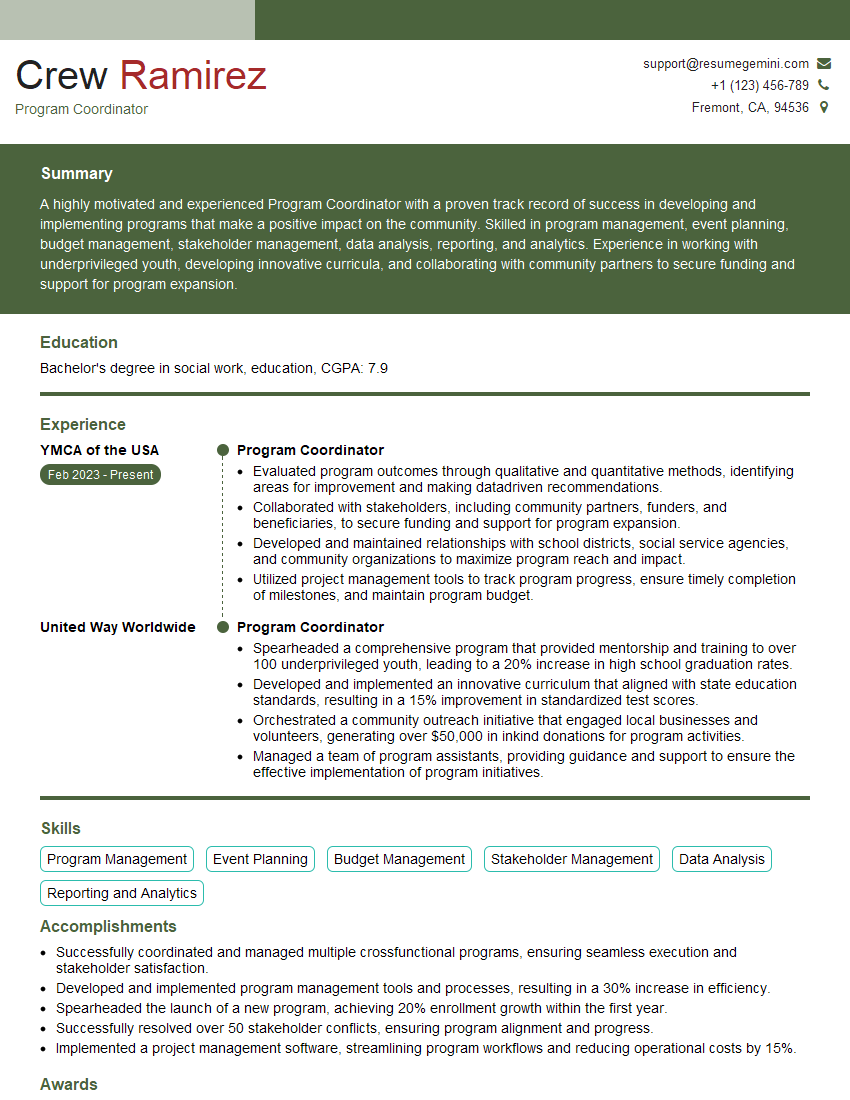
Program Coordinator Resume Sample
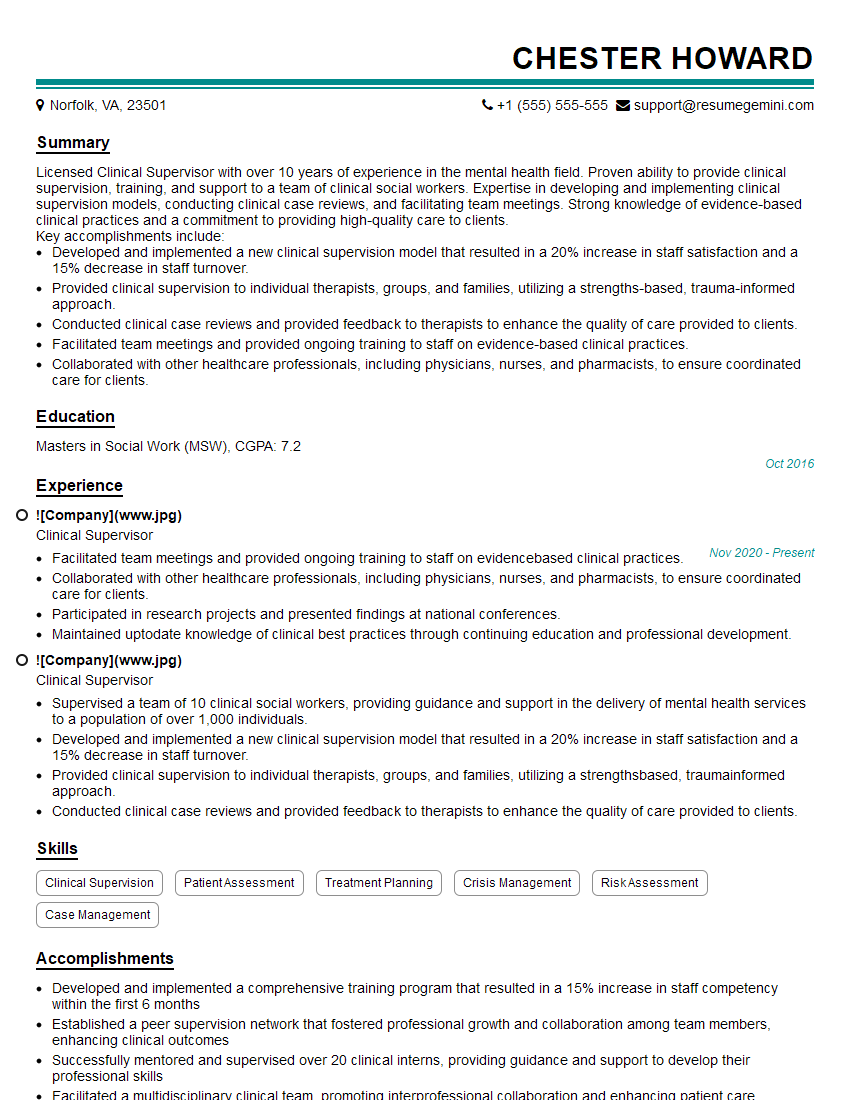
Clinical Supervisor Resume Sample
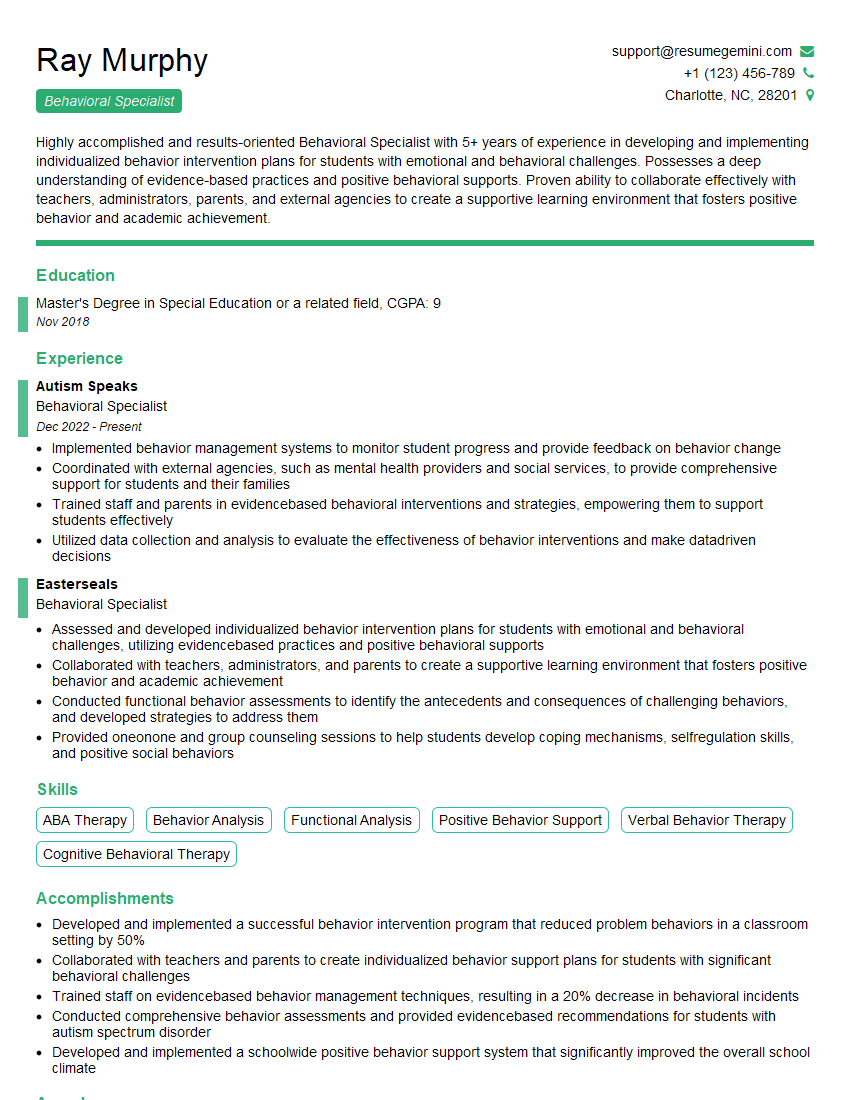
Behavioral Specialist Resume Sample
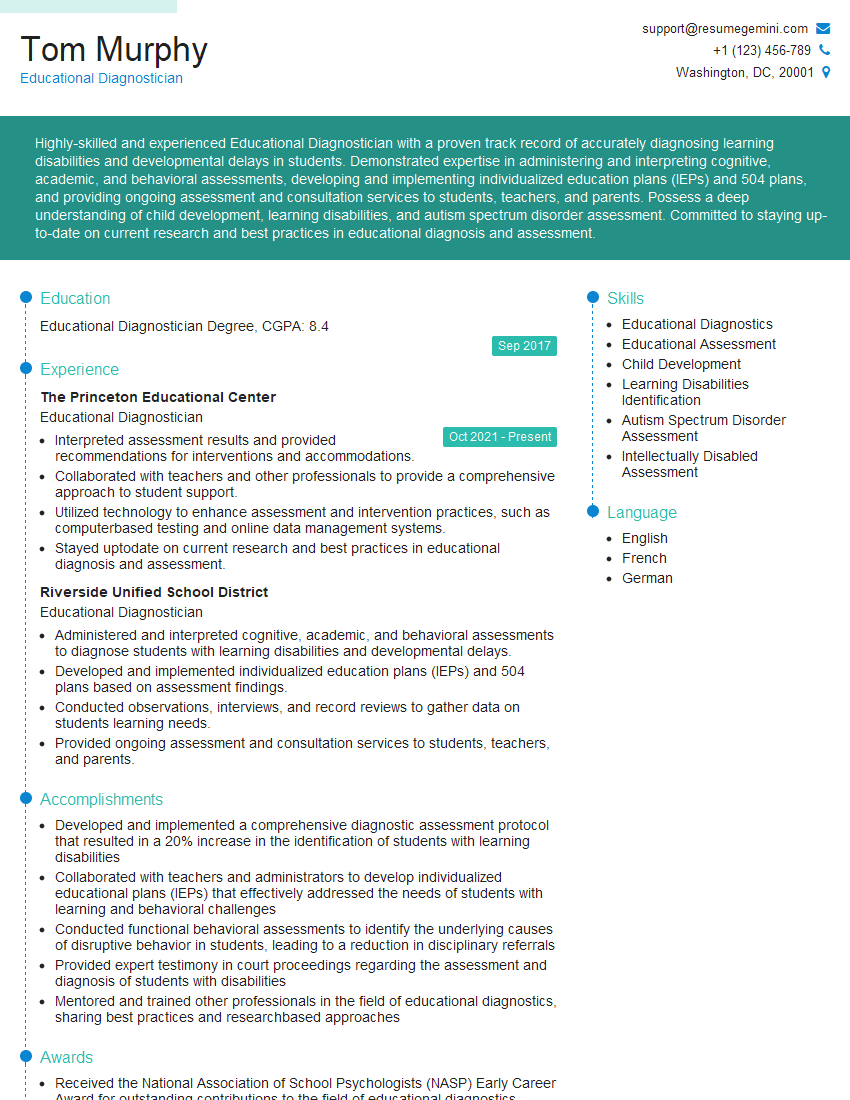
Educational Diagnostician Resume Sample
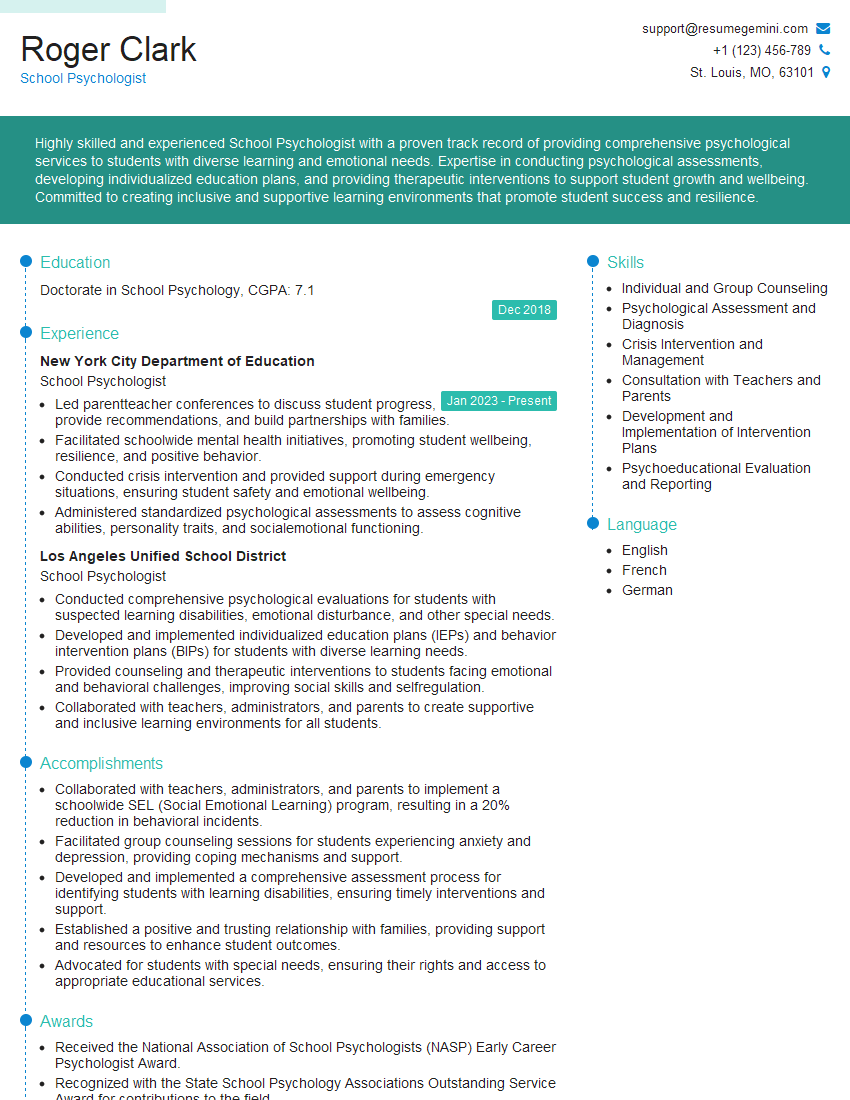
School Psychologist Resume Sample
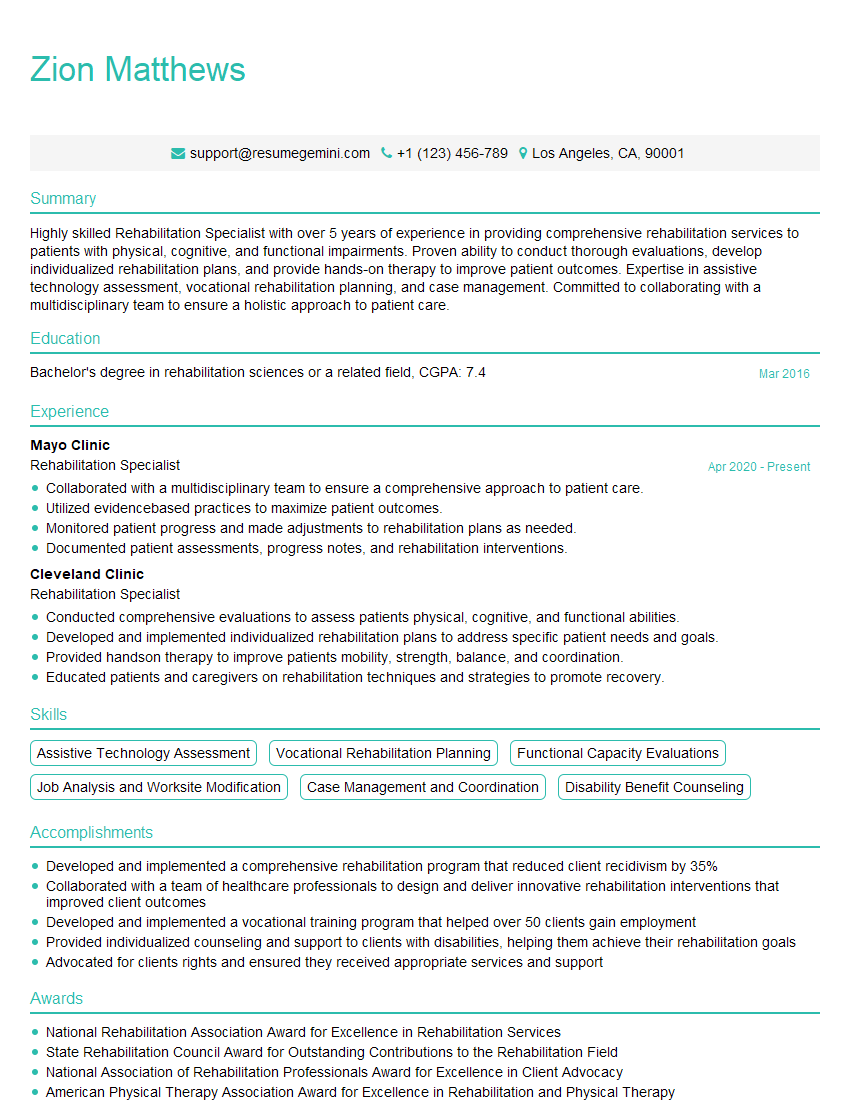
Rehabilitation Specialist Resume Sample
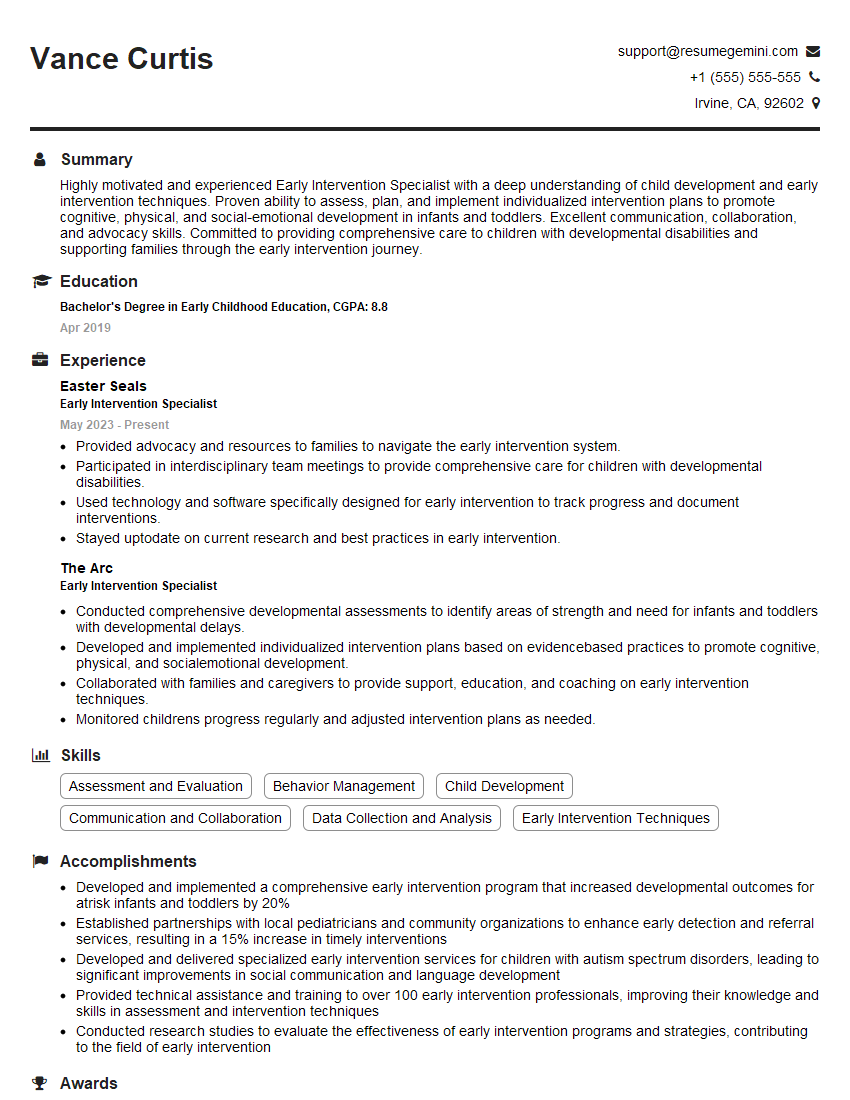
Early Intervention Specialist Resume Sample
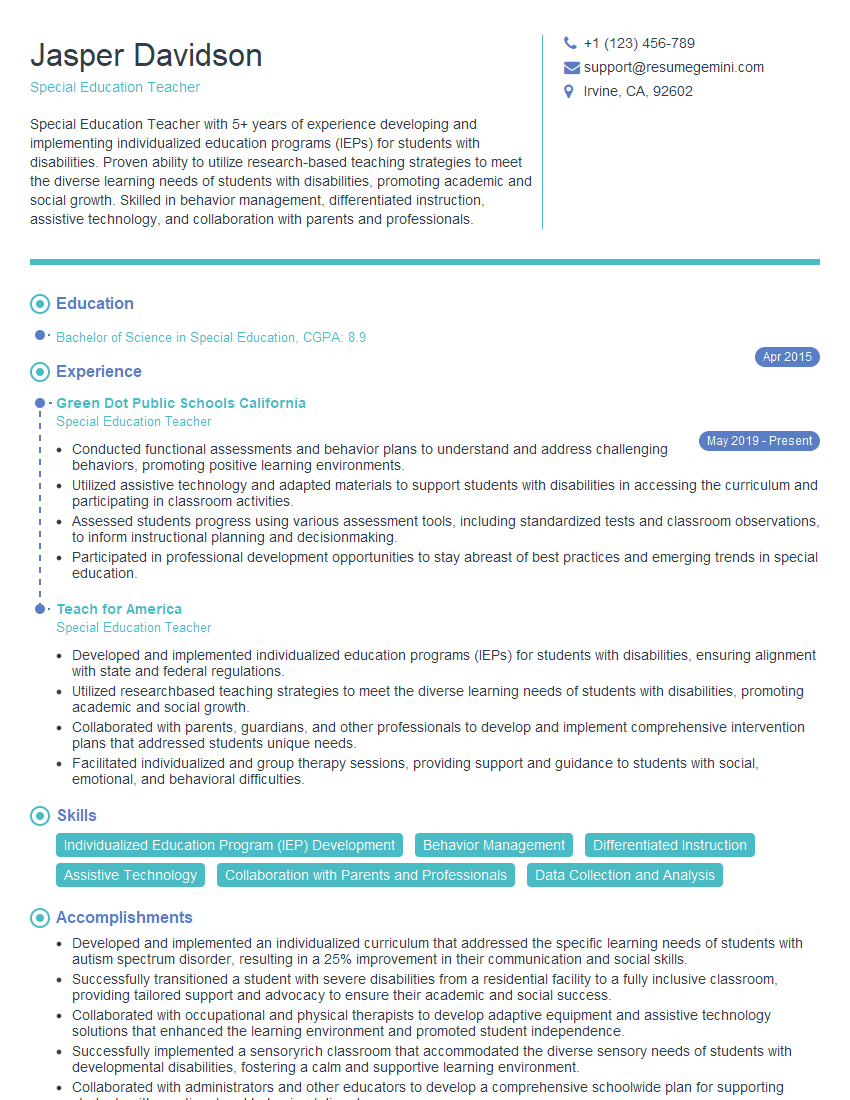
Special Education Teacher Resume Sample
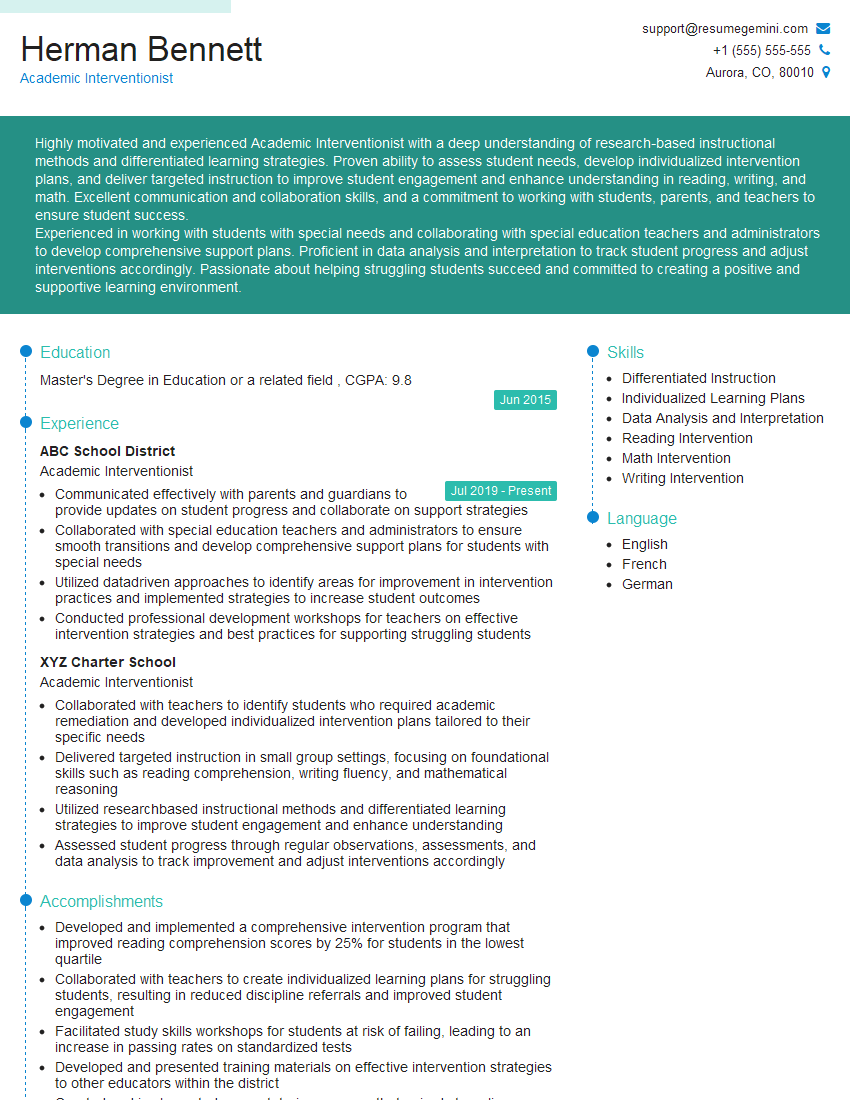
Academic Interventionist Resume Sample
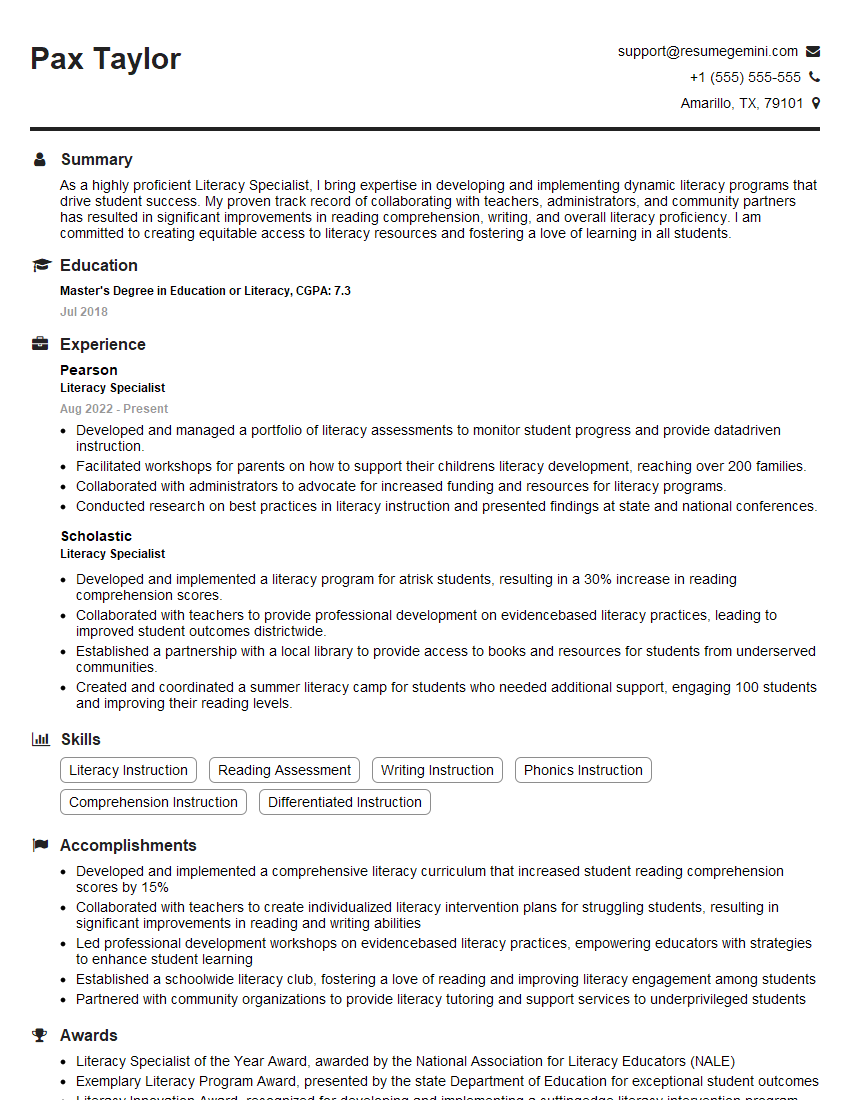
Literacy Specialist Resume Sample

Audiologist Resume Sample
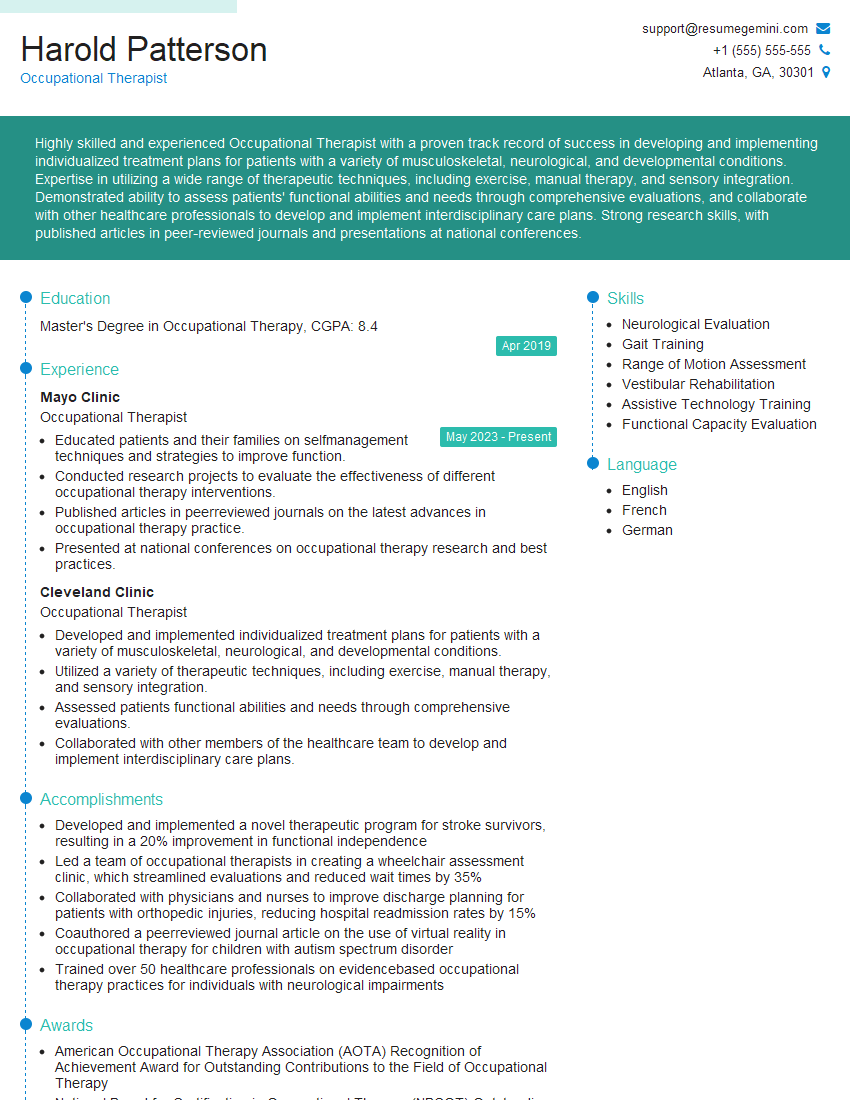
Occupational Therapist Resume Sample
Explore more articles
Users Rating of Our Blogs
Share Your Experience
We value your feedback! Please rate our content and share your thoughts (optional).
What Readers Say About Our Blog
To the interviewgemini.com Webmaster.
Very helpful and content specific questions to help prepare me for my interview!
Thank you
To the interviewgemini.com Webmaster.
This was kind of a unique content I found around the specialized skills. Very helpful questions and good detailed answers.
Very Helpful blog, thank you Interviewgemini team.