Cracking a skill-specific interview, like one for Recruitment and Incentives, requires understanding the nuances of the role. In this blog, we present the questions you’re most likely to encounter, along with insights into how to answer them effectively. Let’s ensure you’re ready to make a strong impression.
Questions Asked in Recruitment and Incentives Interview
Q 1. Explain the difference between a fixed and variable compensation plan.
Fixed and variable compensation plans represent two fundamental approaches to employee remuneration. A fixed compensation plan offers a consistent, predetermined amount, typically paid on a regular schedule (e.g., salary, hourly wage). This provides predictability and stability for the employee. A variable compensation plan, on the other hand, ties pay to performance, often involving bonuses, commissions, or profit sharing. The amount earned fluctuates depending on individual or team achievements.
Example: A salesperson might receive a fixed salary plus a commission based on sales targets. The salary is the fixed component offering a base income, while the commission is the variable component, incentivizing higher sales performance. Another example is a project manager who receives a bonus upon successful completion of a project within budget and on schedule. This variable compensation motivates efficiency and effective project management.
The choice between a fixed and variable plan, or a combination of both, depends on various factors, including the nature of the job, company culture, industry norms, and overall business objectives. A predominantly fixed plan might suit roles with predictable responsibilities and minimal performance variability, while variable components are often crucial in sales, consulting, or other performance-driven roles.
Q 2. Describe your experience designing and implementing incentive programs.
I have extensive experience designing and implementing incentive programs across diverse industries. For instance, at a previous company, we redesigned the sales team’s incentive structure to address low sales performance in a new product line. Our analysis revealed that the existing commission structure was too complex and didn’t adequately incentivize sales of the new products.
Our solution involved a two-pronged approach: First, we simplified the commission structure, making it more transparent and easy to understand. Second, we introduced tiered bonuses for achieving specific milestones in new product sales. We also incorporated a robust sales training program to equip the sales team with the necessary product knowledge. The results were striking: New product sales increased by 35% within six months of implementing the revised incentive program. This success was directly attributable to the combination of a well-designed incentive plan and enhanced sales training.
In another project, we implemented a company-wide performance-based bonus program to improve employee engagement and retention. We used a balanced scorecard approach, incorporating both individual and team-level metrics to ensure fair and equitable rewards.
Q 3. How do you measure the effectiveness of a recruitment campaign?
Measuring recruitment campaign effectiveness involves analyzing various key performance indicators (KPIs). This goes beyond simply looking at the number of applications received. A comprehensive approach considers the quality of candidates, cost-per-hire, time-to-hire, and ultimately, the performance of the hires.
- Cost-per-hire: This metric calculates the total cost of recruitment divided by the number of hires. A lower cost-per-hire indicates efficiency.
- Time-to-hire: This measures the time taken to fill a vacant position. A shorter time-to-hire demonstrates faster and more efficient recruitment processes.
- Source of hire: Tracking where successful candidates were sourced (e.g., LinkedIn, job boards, referrals) helps determine which channels are most effective.
- Applicant quality: Assess the qualifications and experience of applicants. A higher percentage of qualified applicants signals a successful campaign.
- Candidate satisfaction: Gathering feedback from candidates, even unsuccessful ones, provides insights into improving the candidate experience and future recruitment strategies.
- New hire performance: Ultimately, the success of a recruitment campaign is measured by the performance of the new hires. Tracking their performance and retention rate helps assess the overall effectiveness.
By analyzing these metrics, you can gain a clear picture of your recruitment campaign’s effectiveness, identify areas for improvement, and optimize your future recruitment efforts.
Q 4. What are some common challenges in attracting top talent?
Attracting top talent presents several challenges in today’s competitive job market. Some common issues include:
- Competitive compensation and benefits: Top candidates expect competitive salaries, comprehensive benefits packages, and attractive perks.
- Strong employer branding: Companies must build a positive employer brand to attract and retain top talent. Candidates want to work for organizations with strong values, a positive culture, and opportunities for growth.
- Competition from other employers: The talent pool is often limited, and companies compete fiercely to attract the best candidates.
- Candidate expectations: Candidates have higher expectations regarding work-life balance, flexible working arrangements, and opportunities for professional development.
- Skills gap: Finding candidates with the specific skills and experience required for certain roles can be challenging.
Addressing these challenges requires a multi-faceted approach, focusing on competitive compensation, employer branding, targeted recruitment strategies, and a positive candidate experience.
Q 5. How do you handle budget constraints in recruitment?
Budget constraints are a common reality in recruitment. To effectively manage recruitment within a limited budget, I employ several strategies:
- Prioritize critical roles: Focus on filling the most important positions first, those directly impacting business objectives.
- Utilize cost-effective recruitment channels: Explore options like employee referrals, social media recruiting, and networking events instead of relying solely on expensive executive search firms.
- Optimize job descriptions: Write clear and concise job descriptions that attract qualified candidates, reducing the need for extensive screening.
- Improve the efficiency of the recruitment process: Streamline the application, screening, and interview processes to reduce time-to-hire and associated costs.
- Leverage technology: Utilize Applicant Tracking Systems (ATS) to automate tasks and improve efficiency.
- Negotiate with recruitment agencies: If using agencies, negotiate favorable rates and clearly define deliverables.
By strategically allocating resources and employing efficient recruitment practices, it’s possible to attract top talent even with budget limitations.
Q 6. Describe your experience using Applicant Tracking Systems (ATS).
I have extensive experience using various Applicant Tracking Systems (ATS), including Taleo, Workday, and Greenhouse. My experience encompasses all aspects of ATS usage, from initial setup and configuration to candidate management and reporting.
I’m proficient in using ATS to post jobs, screen resumes, manage applicant communications, track candidate progress through the pipeline, and generate recruitment reports. For instance, using the reporting features in Greenhouse, I was able to identify that our referral program was significantly more cost-effective than using job boards, leading to a strategic shift in our recruitment approach. I understand the importance of data-driven decision making in recruitment and utilize ATS data to make informed choices about recruitment strategies and resource allocation.
Beyond basic functionalities, I am adept at configuring custom workflows and integrating ATS with other HR systems, such as our CRM and performance management software. This level of integration streamlines processes and improves data accuracy.
Q 7. What metrics do you use to track recruitment success?
Tracking recruitment success involves monitoring several key metrics, including:
- Time-to-fill: The time it takes to fill an open position.
- Cost-per-hire: The total cost of recruitment divided by the number of hires.
- Source of hire: Identifying the most effective channels for candidate sourcing.
- Offer acceptance rate: The percentage of candidates who accept job offers.
- Retention rate of new hires: The percentage of new hires who remain with the company after a specific period.
- Employee performance: Measuring the performance of new hires relative to expectations.
- Candidate satisfaction: Gathering feedback from candidates about their recruitment experience.
By tracking these metrics, we can identify areas of strength and weakness in our recruitment process, optimize our strategies, and ultimately improve our ability to attract and retain top talent. Regular analysis of these metrics allows for data-driven improvements in our approach.
Q 8. How do you ensure diversity and inclusion in your recruitment efforts?
Ensuring diversity and inclusion in recruitment isn’t just about meeting quotas; it’s about building a truly representative and equitable workforce. It starts with a conscious effort to eliminate bias from every stage of the process.
Diverse sourcing strategies: We actively target diverse talent pools through partnerships with organizations dedicated to underrepresented groups, attending diverse career fairs, and utilizing job boards and platforms that cater to a wide range of backgrounds. For example, we might partner with a women in tech organization or a group focused on recruiting veterans.
Blind resume screening: Removing identifying information like names and addresses from resumes helps mitigate unconscious bias during the initial screening phase. This allows us to focus solely on the candidate’s skills and experience.
Structured interviews: Using standardized interview questions and scoring rubrics ensures fairness and consistency across all candidates. This reduces the impact of personal biases and preferences.
Diverse interview panels: Including individuals from various backgrounds on interview panels brings multiple perspectives and helps challenge potential biases.
Ongoing monitoring and evaluation: Regularly analyzing our recruitment data to track the representation of diverse groups at each stage of the hiring funnel allows us to identify and address any persistent biases or bottlenecks. This might involve tracking application rates, interview rates, and offer acceptance rates by demographic group.
Ultimately, fostering a truly inclusive workplace is a continuous journey, requiring ongoing commitment and adaptation.
Q 9. Explain your understanding of different types of incentive compensation (e.g., bonuses, stock options).
Incentive compensation is a powerful tool for motivating employees and aligning their performance with business goals. It encompasses various forms, each with its unique characteristics:
Bonuses: These are one-time payments awarded based on performance, typically tied to achieving specific targets or exceeding expectations. Bonuses can be based on individual, team, or company-wide performance, and the payout can be fixed or variable.
Example: A sales team might receive a bonus for exceeding their quarterly sales quota.
Stock options: These give employees the right, but not the obligation, to purchase company stock at a predetermined price (the exercise price) within a specific timeframe. Stock options incentivize employees to contribute to the company’s long-term success as the value of their options rises with the company’s stock price.
Example: A software engineer might be granted stock options as part of their compensation package, incentivizing them to work towards the company’s success and increase in share value.
Profit sharing: A portion of the company’s profits is distributed among employees, typically based on a predetermined formula. This encourages employees to feel ownership and contribute to overall profitability.
Commissions: A percentage of sales or revenue is paid to the employee directly. This is common in sales roles and directly links compensation to individual performance.
The best type of incentive compensation depends on various factors, including the company’s goals, industry, and the specific roles being incentivized. A well-designed incentive plan combines several types to offer a comprehensive approach.
Q 10. How do you align compensation strategies with overall business goals?
Aligning compensation strategies with overall business goals is crucial for driving performance and achieving strategic objectives. This requires a holistic approach that considers both short-term and long-term goals.
Define key performance indicators (KPIs): Identify the metrics that directly reflect the company’s strategic priorities. These could include revenue growth, market share, customer satisfaction, innovation, or operational efficiency.
Link compensation to KPIs: Design incentive plans that directly reward employees for achieving those KPIs. For example, bonuses might be tied to exceeding sales targets, while profit sharing might align with overall company profitability.
Consider different levels: Compensation strategies should align at all levels – individual, team, and organizational. This ensures that incentives are cascading downwards and that each level is working in harmony towards overarching goals.
Regular review and adjustments: The business landscape constantly evolves. Regularly reviewing and adjusting compensation strategies based on performance data and changes in the business environment is essential to maintain alignment.
For instance, if a company’s primary goal is to expand into a new market, the compensation plans could incentivize employees involved in market research, sales, and marketing efforts in that specific region.
Q 11. Describe your experience conducting salary surveys and benchmarking.
Conducting salary surveys and benchmarking is essential to ensure our compensation offerings are competitive and attract and retain top talent. I leverage various methods to gather reliable data and ensure accurate comparisons.
Utilizing reputable salary survey providers: I use established survey providers like Mercer, Willis Towers Watson, and SHRM to gather data on salary ranges, benefits packages, and other compensation elements for comparable roles in our industry and geographic location.
Networking and industry contacts: I maintain strong relationships with HR professionals in similar organizations to exchange salary information and discuss current market trends.
Analyzing job descriptions: I carefully analyze job descriptions to ensure accurate comparisons. Minor differences in responsibilities can significantly impact salary expectations.
Considering geographic location: Cost of living varies significantly. Salary benchmarks should always consider the specific geographic location of the role.
Adjusting for experience and skills: Experience level and specialized skills are major salary drivers. Benchmarks should be adjusted accordingly.
The data gathered isn’t just used for setting base salaries but also for structuring bonus pools and stock options. Having solid benchmarking helps in making data-driven compensation decisions.
Q 12. How do you manage employee relations related to compensation and benefits?
Managing employee relations related to compensation and benefits requires transparency, fairness, and proactive communication. Addressing concerns promptly and professionally is key.
Open communication: Regularly communicating updates on compensation policies, benefits programs, and any changes is critical. This can include town halls, newsletters, or one-on-one meetings.
Fair and consistent application of policies: Ensuring that compensation and benefits policies are applied consistently across all employees fosters trust and fairness.
Clear grievance procedures: Establishing clear channels for employees to raise concerns or disputes about their compensation or benefits allows for prompt resolution and reduces dissatisfaction.
Employee surveys and feedback mechanisms: Regularly seeking employee feedback on compensation and benefits programs helps identify areas for improvement and ensures alignment with employee needs.
Performance management integration: Compensation should be directly linked to performance. Transparent performance reviews and clear expectations aid in managing compensation related discussions.
For example, conducting regular pulse surveys allows us to proactively address any emerging concerns regarding compensation, rather than reacting to complaints.
Q 13. What are some common compliance issues related to compensation and benefits?
Compensation and benefits are subject to numerous regulations, and non-compliance can lead to significant legal and financial penalties. Some common compliance issues include:
Equal Pay Act compliance: Ensuring that employees are paid equally for performing substantially similar work, regardless of gender, race, or other protected characteristics.
Fair Labor Standards Act (FLSA) compliance: Adhering to regulations regarding minimum wage, overtime pay, and recordkeeping.
Affordable Care Act (ACA) compliance: Meeting requirements related to offering health insurance coverage to employees, including reporting and compliance with employer mandates.
Employee Retirement Income Security Act (ERISA) compliance: Ensuring compliance with regulations related to employee pension and benefits plans.
State and local laws: Adhering to various state and local laws concerning compensation and benefits, which can vary significantly.
Regular internal audits, consultation with legal counsel, and staying abreast of changing regulations are vital to mitigating compliance risks. A robust compliance program includes regular training for HR professionals and managers on relevant legislation.
Q 14. How do you handle negotiations with candidates regarding compensation?
Negotiating compensation with candidates requires a delicate balance of understanding their expectations and aligning them with the company’s budget and overall compensation strategy. I approach negotiations strategically and professionally:
Research and preparation: Before entering negotiations, I thoroughly research the candidate’s background, experience, and skills, and compare their requirements with salary data from salary surveys and benchmarking. I also clarify the company’s budget and the range of compensation available for the role.
Open and transparent communication: I establish open communication from the outset, clearly communicating the company’s compensation range and explaining the rationale behind it. This helps establish trust and avoids misunderstandings.
Focus on value and benefits beyond salary: While salary is crucial, I also emphasize the overall compensation package, including benefits such as health insurance, retirement plans, paid time off, and professional development opportunities. The total rewards picture can sway a candidate’s decision.
Flexibility within reason: I maintain flexibility within the pre-approved salary range, but I stick to the company’s guidelines. If a candidate’s expectations are significantly outside the range, I explain why and explore alternative approaches to reach a mutually acceptable outcome, such as signing bonuses, enhanced benefits, or a different compensation structure.
Documentation and written agreement: Once a compensation agreement is reached, I ensure it’s meticulously documented in a written offer letter to avoid future misunderstandings.
Negotiation is a two-way street. My goal isn’t simply to secure the candidate at the lowest cost, but rather to reach a fair and mutually beneficial agreement that motivates the candidate and ensures a successful long-term relationship.
Q 15. How do you build and maintain relationships with hiring managers?
Building and maintaining strong relationships with hiring managers is crucial for effective recruitment. It’s about becoming a trusted advisor, not just a recruiter who fills requisitions. I achieve this through proactive communication, understanding their business needs, and consistently delivering high-quality candidates.
- Proactive Communication: I regularly check in with hiring managers, not just when there’s a vacancy. This allows me to understand their evolving needs and anticipate future hiring requirements. For example, I might proactively discuss succession planning or upcoming project needs that may require additional staffing.
- Understanding Business Needs: I go beyond simply understanding the job description. I delve into the team dynamics, company culture, and the overall strategic goals of the department to identify the ideal candidate profile. This includes asking questions about performance metrics and the challenges faced by the team.
- Consistent Delivery: I strive to provide a steady stream of high-quality candidates who meet or exceed the expectations set by the hiring manager. This builds trust and reinforces my value as a strategic partner. After each placement, I follow up to ensure the candidate is settling in well and meeting expectations. This post-placement feedback loop demonstrates ongoing commitment.
Career Expert Tips:
- Ace those interviews! Prepare effectively by reviewing the Top 50 Most Common Interview Questions on ResumeGemini.
- Navigate your job search with confidence! Explore a wide range of Career Tips on ResumeGemini. Learn about common challenges and recommendations to overcome them.
- Craft the perfect resume! Master the Art of Resume Writing with ResumeGemini’s guide. Showcase your unique qualifications and achievements effectively.
- Don’t miss out on holiday savings! Build your dream resume with ResumeGemini’s ATS optimized templates.
Q 16. Describe your experience with various recruitment methods (e.g., job boards, networking).
My recruitment experience encompasses a diverse range of methods, each chosen strategically based on the specific role and target audience. I’m proficient in leveraging job boards, professional networking platforms, employee referrals, and direct sourcing.
- Job Boards (Indeed, LinkedIn Recruiter, etc.): These are effective for reaching a broad pool of candidates, particularly for entry-level or widely advertised positions. However, I refine my searches using Boolean operators and specific keywords to target the most relevant profiles.
- Professional Networking (LinkedIn, industry events): This is invaluable for identifying passive candidates – talented individuals who aren’t actively searching for jobs but might be open to the right opportunity. I actively build my network through engagement and participation in industry groups.
- Employee Referrals: These are often a highly effective source of qualified candidates, resulting in reduced time-to-hire and higher retention rates. I actively encourage employee referrals by implementing robust referral programs and recognizing successful referrals.
- Direct Sourcing: This involves proactively identifying and contacting potential candidates through research on professional websites, company websites, and industry publications. This is especially beneficial for niche roles or when seeking individuals with specific, hard-to-find expertise. For example, when seeking a specialized data scientist, I might directly contact individuals with relevant publications or open-source contributions.
Q 17. What is your approach to candidate sourcing?
My candidate sourcing approach is highly strategic and multifaceted. I employ a combination of proactive and reactive techniques tailored to the specific role and company requirements. It’s not simply about finding candidates; it’s about finding the right candidates.
- Understanding the Requirements: I begin by thoroughly understanding the job description, including not only the technical skills but also the cultural fit and personality traits essential for success. This often involves directly collaborating with the hiring manager and stakeholders.
- Defining Target Profiles: Based on the requirements, I develop detailed target candidate profiles that identify the key skills, experience, and attributes we need. This helps me focus my sourcing efforts effectively.
- Multi-Channel Sourcing: I leverage a variety of platforms and methods, including job boards, professional networking sites, company databases, and direct outreach, to reach a diverse and qualified pool of potential candidates. This ensures broader reach and greater diversity.
- Data-Driven Optimization: I continuously track and analyze the effectiveness of different sourcing channels and refine my strategies based on data-driven insights. This allows me to maximize return on investment and efficiency.
Q 18. How do you evaluate candidates’ qualifications and experience?
Evaluating candidates involves a rigorous and multi-step process designed to identify the best fit for the role and the company culture. This goes beyond simply reviewing resumes and involves a comprehensive assessment of skills, experience, and cultural alignment.
- Resume and Cover Letter Screening: I carefully review each application, focusing on key skills, experience, and accomplishments relevant to the role. I eliminate candidates who clearly don’t meet minimum requirements.
- Phone Screening: This initial phone call helps me assess the candidate’s communication skills, enthusiasm, and overall fit for the company culture. It’s also a good opportunity to clarify details from their resume and assess their interest level.
- In-Person or Video Interviews: This involves a more structured interview process that assesses technical skills, problem-solving abilities, and behavioral traits through targeted questions and scenarios.
- Skills Assessments and Testing: Depending on the role, I may use skills tests or assessments to verify the candidate’s technical proficiency. This ensures that the candidate has the necessary skills to perform the job.
- Reference Checks: Thorough reference checks are critical in validating the information provided by the candidate and gaining insights into their past performance and work style. I utilize a structured approach that solicits specific examples and focuses on key competencies.
Q 19. How do you ensure a positive candidate experience?
A positive candidate experience is paramount, regardless of whether the candidate is ultimately hired. It impacts not only the candidate’s perception of the company but also the employer’s brand reputation and ability to attract future talent. I aim to provide a seamless and transparent process.
- Prompt Communication: I respond to all applications and inquiries promptly and keep candidates informed throughout the hiring process. Regular updates keep candidates engaged and minimize uncertainty.
- Clear Expectations: I clearly communicate the timeline and the various stages of the interview process to manage expectations and prevent candidates from feeling overlooked or neglected.
- Professional and Respectful Interaction: I maintain a professional and respectful demeanor throughout the process, regardless of the outcome. This includes providing constructive feedback and explaining the reasons behind any decisions.
- Feedback: Even for unsuccessful candidates, I strive to provide constructive feedback. This demonstrates respect for their time and effort, and it can be valuable for their future job searches.
- Streamlined Process: I work to ensure the entire process is efficient and well-organized to minimize delays and unnecessary steps. This can significantly improve the candidate experience.
Q 20. How do you handle difficult or challenging candidates?
Handling difficult or challenging candidates requires tact, empathy, and a firm but professional approach. It’s crucial to maintain professionalism while addressing any concerns or issues.
- Active Listening: I listen carefully to the candidate’s concerns and try to understand their perspective. Often, addressing their concerns directly can diffuse a tense situation.
- Setting Clear Expectations: I reiterate the company’s policies and expectations early in the process to prevent misunderstandings and potential conflicts later on. For example, if a candidate consistently arrives late to scheduled interviews, I address it immediately.
- Professional Boundaries: I maintain professional boundaries throughout the interaction. This means adhering to company policies and avoiding informal or unprofessional communication.
- Escalation when Necessary: If a candidate’s behavior becomes inappropriate or disruptive, I escalate the situation to my manager or HR for appropriate action. This ensures the safety and well-being of the team.
- Documentation: I document all interactions with challenging candidates. This ensures a clear record of events should any issues arise.
Q 21. Describe your experience with performance management and its impact on incentives.
Performance management is inextricably linked to incentives. Effective performance management systems identify high-performing employees, providing a framework for rewarding their contributions and driving future performance. Conversely, it helps identify areas for improvement, providing opportunities for coaching and development.
- Performance Goals and Metrics: A well-defined performance management system begins with clear goals and measurable metrics. These are crucial for determining performance levels and allocating incentives effectively. These goals should align with the overall strategic objectives of the company.
- Regular Feedback and Performance Reviews: Regular feedback sessions and formal performance reviews are vital for providing employees with guidance and recognition. This ongoing communication helps to address performance issues promptly and prevent larger problems from developing.
- Incentive Structures: Incentive structures should be carefully designed to align with performance goals and reward desired behaviors. A variety of incentives—monetary bonuses, promotions, additional time off, recognition awards—can effectively motivate employees.
- Fair and Transparent System: A fair and transparent performance management system is critical for maintaining employee morale and trust. Employees need to understand how their performance is assessed and how it impacts their compensation and rewards.
- Continuous Improvement: Regularly reviewing and improving the performance management system is essential. This ensures that it remains effective in driving performance and aligning with changing business needs. Employee feedback on the effectiveness of the system should be actively solicited.
Q 22. How do you communicate compensation and benefits information effectively?
Communicating compensation and benefits effectively involves clarity, transparency, and personalization. It’s not just about presenting a list of numbers; it’s about painting a picture of the total rewards package and its value to the candidate.
I start by understanding the candidate’s individual needs and priorities. This often involves a conversation to gauge their current situation, career aspirations, and what motivates them. This helps tailor the information to their specific circumstances.
Then, I use clear and concise language, avoiding jargon. I typically present the information in a structured format, perhaps using a visual aid like a table or infographic showing base salary, bonuses, benefits (health insurance, retirement plan, paid time off), and any other perks. For example, a table might compare different compensation packages, highlighting the key differences.
Finally, I encourage questions and ensure that the candidate feels comfortable asking for clarification. Follow-up communication is also crucial; I may send a summary email reiterating key details and answering any outstanding queries.
Q 23. Explain your understanding of legal and regulatory requirements related to compensation and benefits.
My understanding of legal and regulatory requirements related to compensation and benefits is paramount. Compliance is not merely a box to tick; it’s a fundamental aspect of ethical and responsible recruitment. Key areas I focus on include:
- Equal Pay Act: Ensuring that compensation is fair and equitable, preventing discrimination based on gender, race, or other protected characteristics.
- Fair Labor Standards Act (FLSA): Understanding and correctly applying regulations regarding minimum wage, overtime pay, and exempt vs. non-exempt employee classifications.
- Employee Retirement Income Security Act (ERISA): Navigating the complexities of retirement plans, including contribution requirements, vesting schedules, and fiduciary responsibilities.
- Affordable Care Act (ACA): Understanding employer responsibilities related to offering health insurance and complying with reporting requirements.
- State and local laws: Recognizing that additional compensation and benefits regulations may exist at the state and local levels.
Staying updated on these regulations requires ongoing professional development and collaboration with legal counsel when necessary. For example, I recently worked with our legal team to ensure our bonus structure complied with updated regulations regarding non-discretionary bonuses.
Q 24. How do you adapt your recruitment strategies to different industries or roles?
Adapting recruitment strategies to different industries and roles is essential for success. Each industry has its own unique culture, compensation norms, and talent pool. My approach involves a multi-faceted strategy:
- Industry Research: Thoroughly researching the target industry to understand salary benchmarks, common benefits packages, and preferred recruitment channels. For example, recruiting for a tech startup will require a different approach than recruiting for a traditional manufacturing company.
- Role-Specific Requirements: Tailoring job descriptions and sourcing strategies to the specific skills and experience needed for the role. A senior management position will demand a different recruiting strategy than an entry-level position.
- Targeted Sourcing: Utilizing specialized job boards, professional networks, and industry events to reach the right candidates. For instance, using LinkedIn for tech roles and industry-specific conferences for niche roles.
- Candidate Persona Development: Creating detailed profiles of ideal candidates, including their demographics, career goals, and compensation expectations. This helps target communication and ensures alignment.
For instance, while recruiting for a high-growth tech company, I might focus on attracting candidates through online channels and emphasizing stock options and other equity-based incentives. In contrast, recruiting for a stable financial institution might emphasize comprehensive benefits packages and career progression opportunities.
Q 25. How do you use data analytics to inform your recruitment and compensation decisions?
Data analytics plays a crucial role in informing recruitment and compensation decisions, moving beyond gut feeling to evidence-based strategies. I utilize data in several ways:
- Compensation Benchmarking: Using salary surveys and internal data to establish competitive compensation ranges for different roles and locations. Tools like Radford and Payscale help determine market value.
- Recruitment Effectiveness Analysis: Tracking key metrics like time-to-hire, cost-per-hire, and source-of-hire to optimize recruitment processes and identify areas for improvement. For example, determining which job boards yield the highest-quality candidates.
- Performance-Based Incentives: Analyzing performance data to design effective incentive plans that reward top performers and drive desired outcomes. This could involve analyzing sales figures, customer satisfaction scores, or project completion rates.
- Predictive Analytics: Exploring the use of predictive modeling to forecast future talent needs and identify potential risks or opportunities. This might involve analyzing turnover rates and identifying factors contributing to employee attrition.
By leveraging data analytics, I can make more informed decisions, ensuring fair and competitive compensation, while optimizing recruitment processes and improving overall workforce effectiveness.
Q 26. Describe your experience with various incentive plan designs (e.g., profit sharing, performance-based bonuses).
I have extensive experience designing and implementing various incentive plan structures, tailoring them to specific organizational goals and individual performance. Some examples include:
- Profit Sharing: Distributing a percentage of company profits to employees based on pre-determined formulas. This fosters a sense of ownership and aligns employee interests with company success. I’ve successfully implemented a profit-sharing plan where the distribution was tiered, rewarding higher performers more significantly.
- Performance-Based Bonuses: Rewarding employees based on individual or team performance against specific, measurable goals. For example, sales representatives might receive bonuses based on exceeding their sales targets. Careful design of these metrics is vital to avoid unintended consequences.
- Stock Options and Equity: Granting employees the right to purchase company stock at a predetermined price. This aligns employee interests with company growth and can be particularly effective for high-growth companies. I’ve used this approach to attract and retain top talent in technology startups.
- Commission Plans: Rewarding sales professionals based on a percentage of sales revenue. The design should appropriately balance the level of risk and reward, considering factors like base salary.
Each plan requires careful consideration of the company’s financial situation, strategic objectives, and the nature of the work being performed. Proper communication and transparency are key to ensuring that these plans are perceived as fair and motivating.
Q 27. How do you ensure the fairness and equity of your compensation and benefits programs?
Ensuring fairness and equity in compensation and benefits programs is a crucial ethical and legal responsibility. My approach focuses on:
- Regular Audits and Reviews: Conducting periodic reviews to assess the equity of compensation practices and identify any potential disparities. This includes analyzing compensation data for evidence of gender or racial pay gaps.
- Transparent Compensation Philosophy: Communicating a clear and consistent compensation philosophy that guides decisions and ensures transparency. This includes documenting clear guidelines regarding salary ranges, bonus eligibility, and promotion criteria.
- Job Analysis and Evaluation: Using standardized job evaluation methods to ensure that compensation is aligned with the relative value of different roles. This reduces bias and promotes consistency in pay levels.
- Pay Equity Analysis: Regularly analyzing compensation data to identify and address any pay disparities between employees of similar roles and experience. This might involve employing statistical analysis to control for factors like seniority and performance.
- Employee Feedback Mechanisms: Establishing mechanisms for employees to provide feedback and raise concerns regarding compensation and benefits. This ensures that the programs are perceived as fair and addresses any potential issues proactively.
Fairness is not just about equal pay; it’s about equitable treatment and opportunities. By addressing potential biases and implementing transparent processes, we can create a workplace where everyone feels valued and compensated fairly for their contributions.
Key Topics to Learn for Recruitment and Incentives Interview
- Recruitment Strategies: Understanding various sourcing techniques, candidate screening methods, and the candidate experience lifecycle. Practical application: Analyze the effectiveness of different recruitment channels and propose improvements for a specific scenario.
- Incentive Program Design: Developing effective compensation and benefits packages, including short-term and long-term incentives, considering factors like budget, market competitiveness, and employee performance. Practical application: Design a compensation plan for a specific role, justifying your choices based on market data and company goals.
- Performance Management & Incentives: Aligning individual and team goals with company objectives, using incentives to drive performance and measuring the effectiveness of incentive programs. Practical application: Develop key performance indicators (KPIs) for a sales team and suggest incentive structures to improve their performance.
- Legal & Ethical Considerations: Understanding employment laws and regulations related to recruitment and compensation, ensuring fairness and compliance in all aspects of the recruitment and incentives process. Practical application: Identify potential legal risks in a proposed recruitment or incentive program and suggest mitigation strategies.
- Recruitment Technology & Data Analytics: Utilizing Applicant Tracking Systems (ATS), HR analytics, and other technologies to improve recruitment efficiency and effectiveness. Practical application: Describe how data analysis can be used to optimize a recruitment campaign and improve the quality of hire.
- Diversity, Equity, and Inclusion (DE&I) in Recruitment & Incentives: Implementing strategies to promote a diverse and inclusive workplace, addressing potential biases in recruitment and compensation practices. Practical application: Suggest strategies for improving diversity in a company’s talent pool and creating a more equitable compensation structure.
Next Steps
Mastering Recruitment and Incentives is crucial for career advancement in HR and related fields. A strong understanding of these areas demonstrates your ability to contribute significantly to a company’s success by attracting top talent and motivating high performance. To increase your job prospects, creating an ATS-friendly resume is essential. ResumeGemini is a trusted resource for building professional, impactful resumes that catch the eye of recruiters. Take advantage of their tools and resources to craft a compelling narrative showcasing your skills and experience. Examples of resumes tailored to Recruitment and Incentives are available to help you get started.

Sourcing Specialist Resume Sample
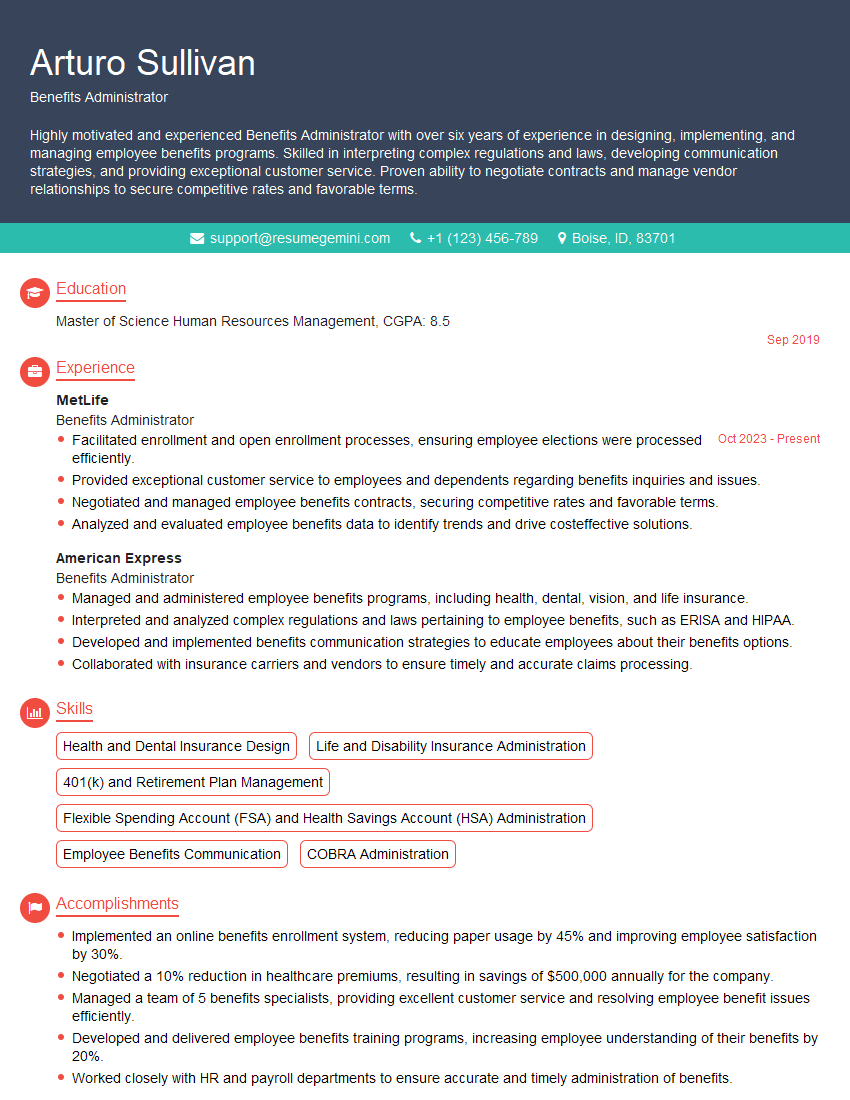
Benefits Administrator Resume Sample
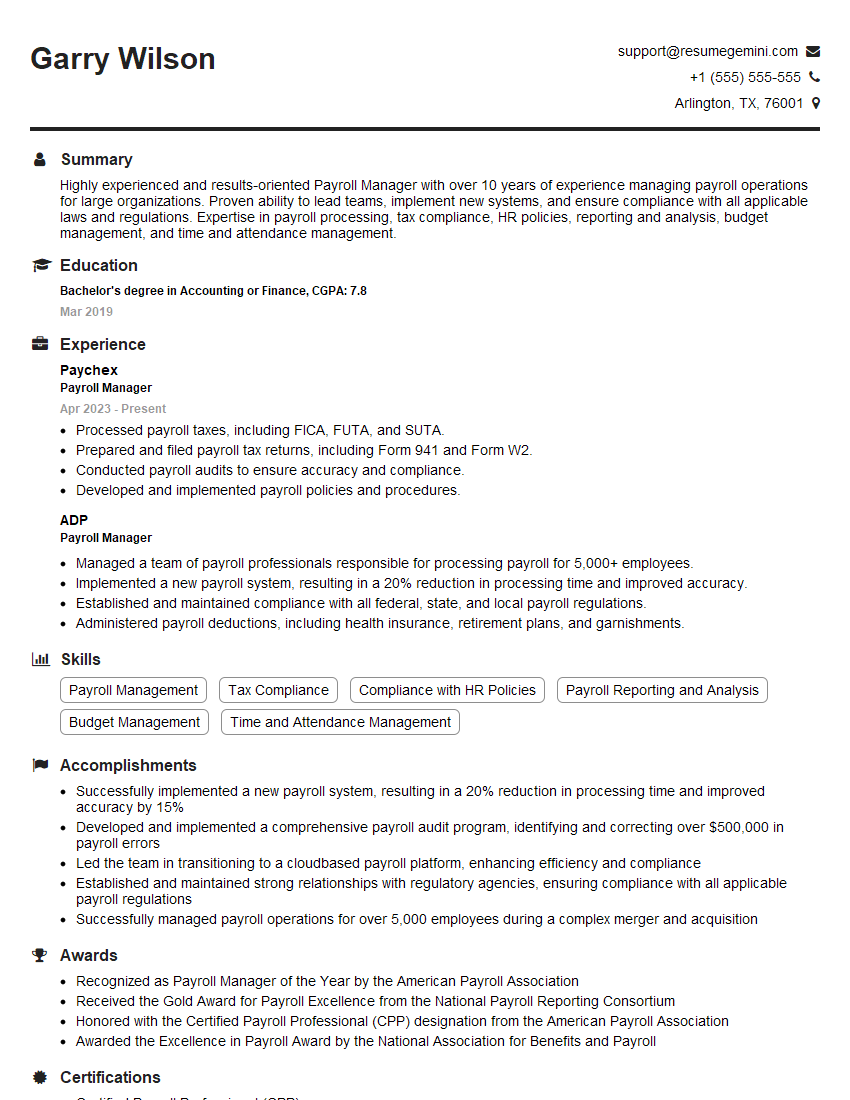
Payroll Manager Resume Sample
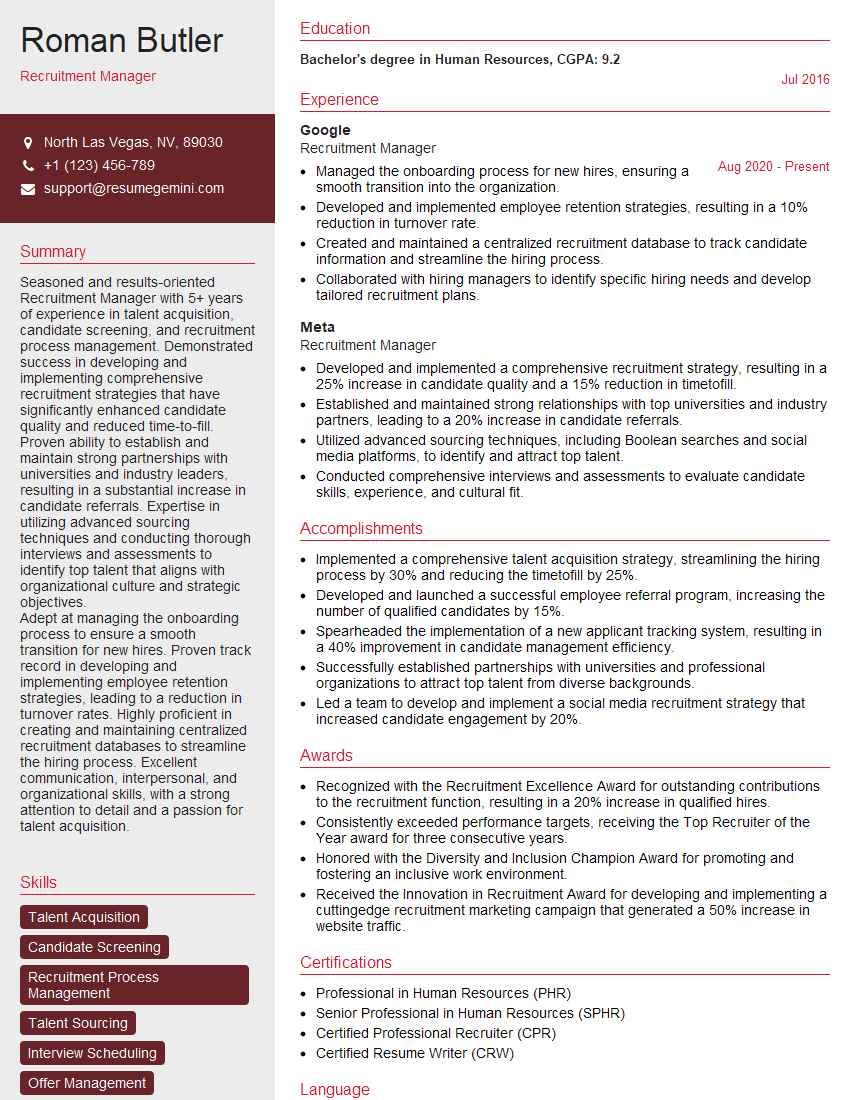
Recruitment Manager Resume Sample
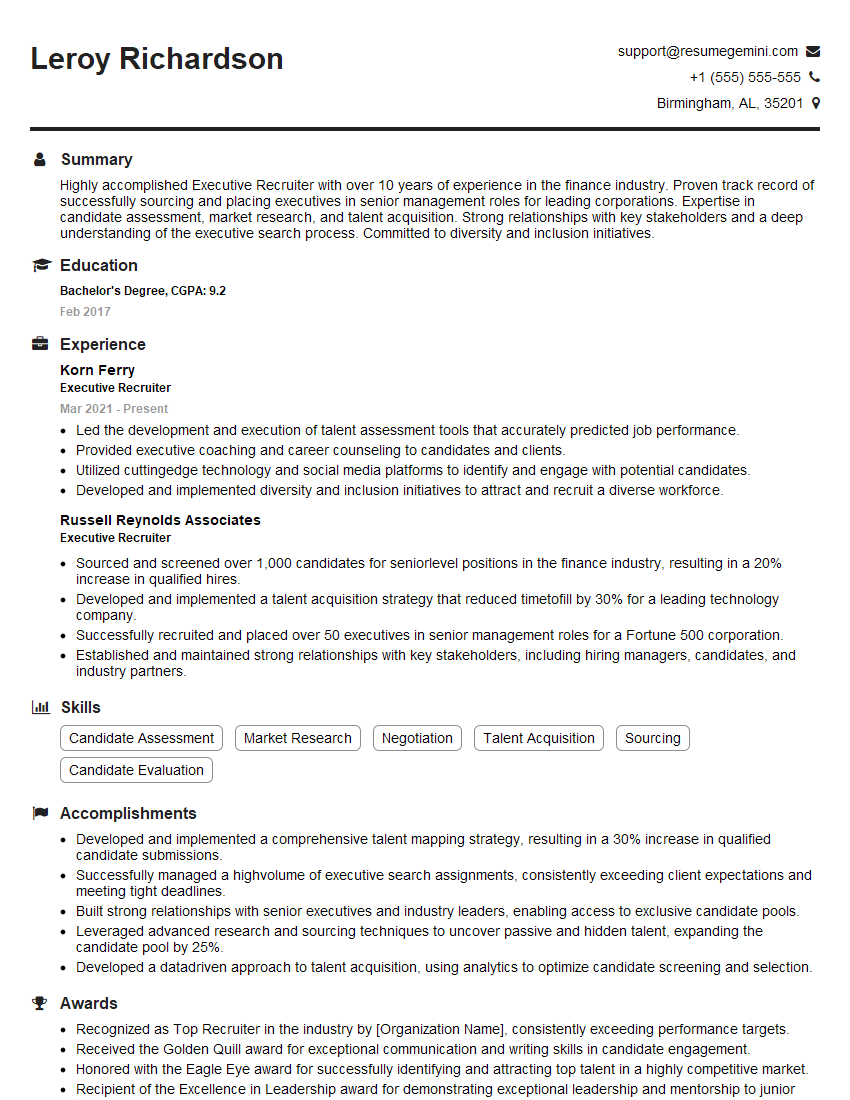
Executive Recruiter Resume Sample
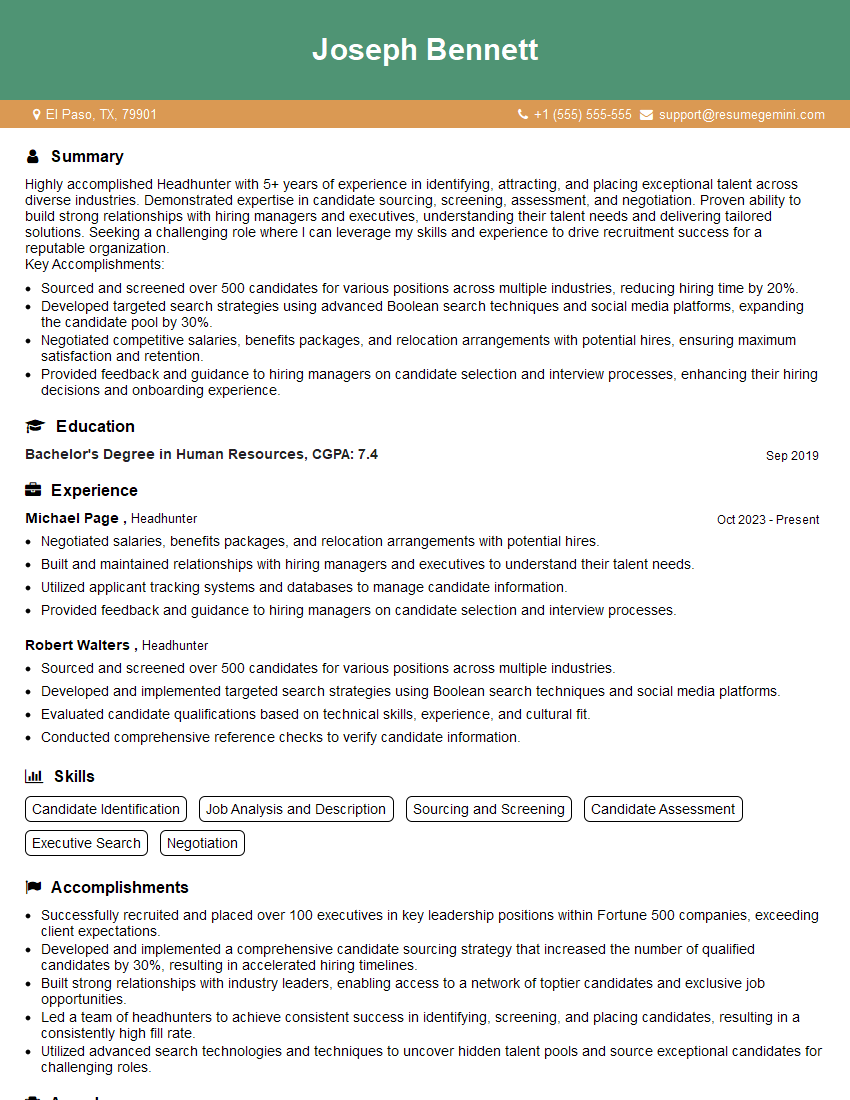
Headhunter Resume Sample
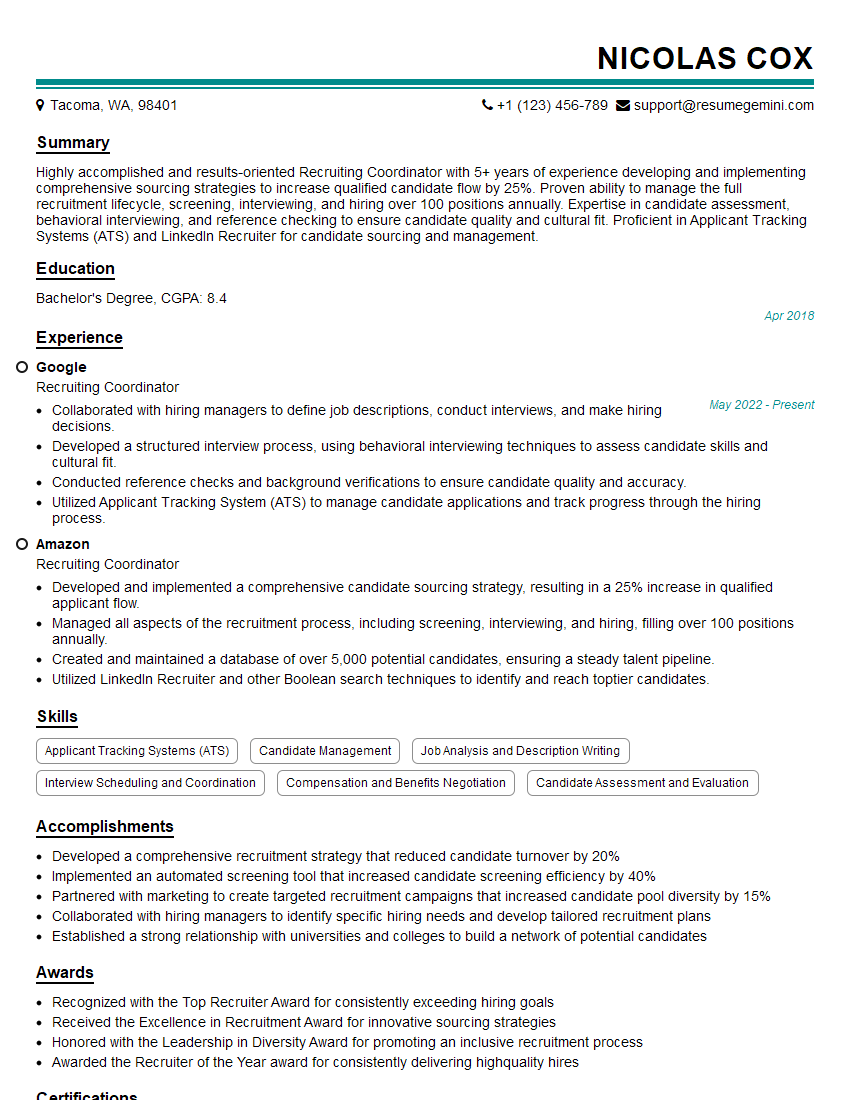
Recruiting Coordinator Resume Sample
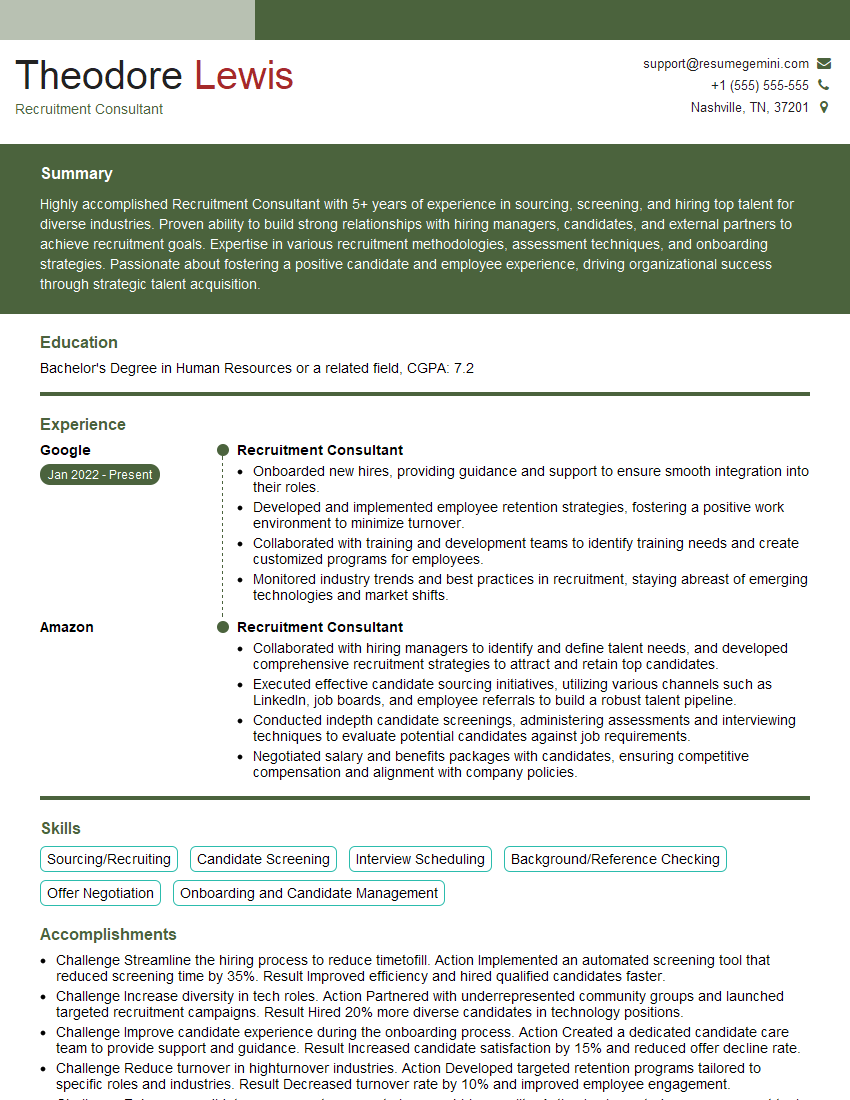
Recruitment Consultant Resume Sample
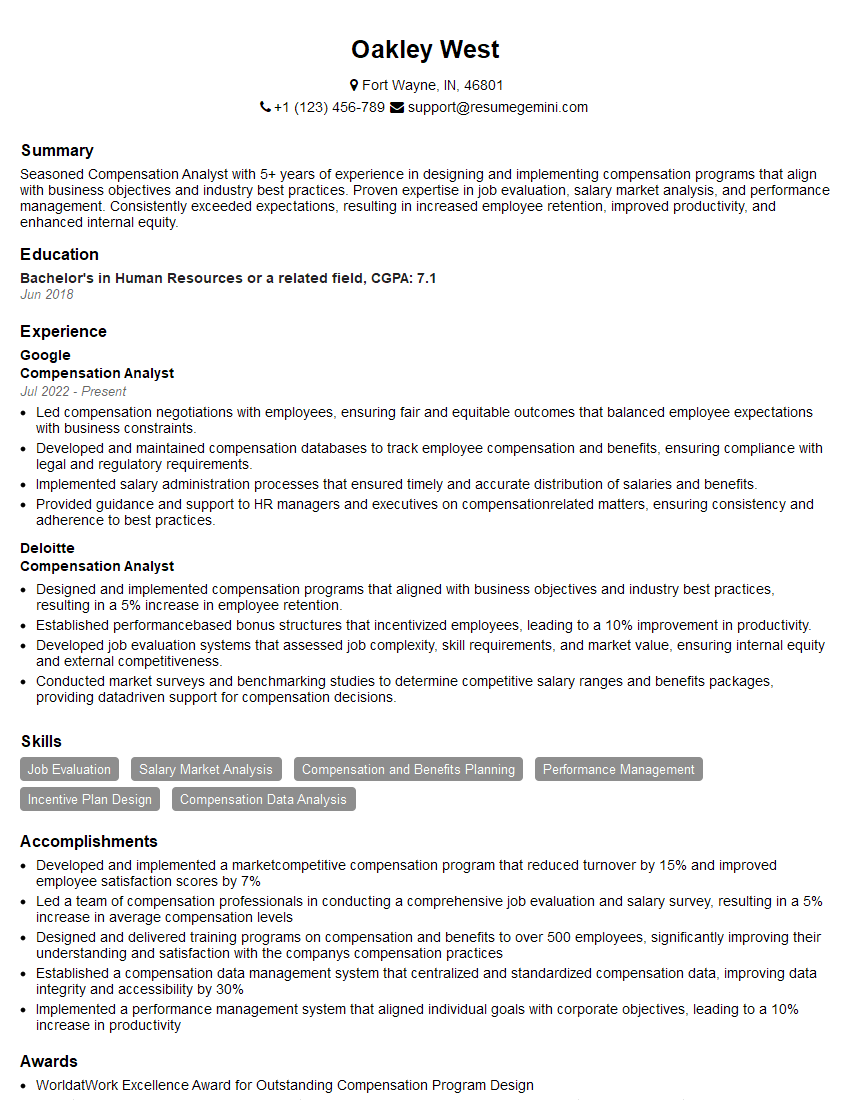
Compensation Analyst Resume Sample
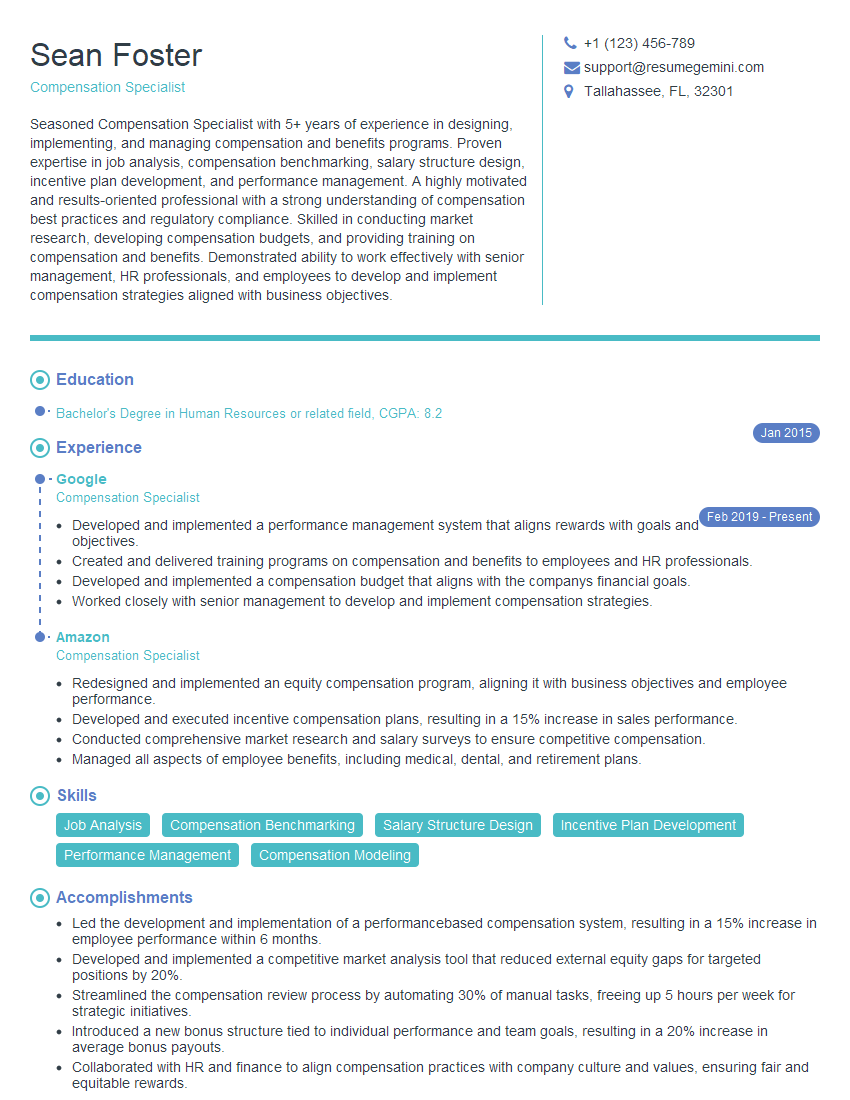
Compensation Specialist Resume Sample
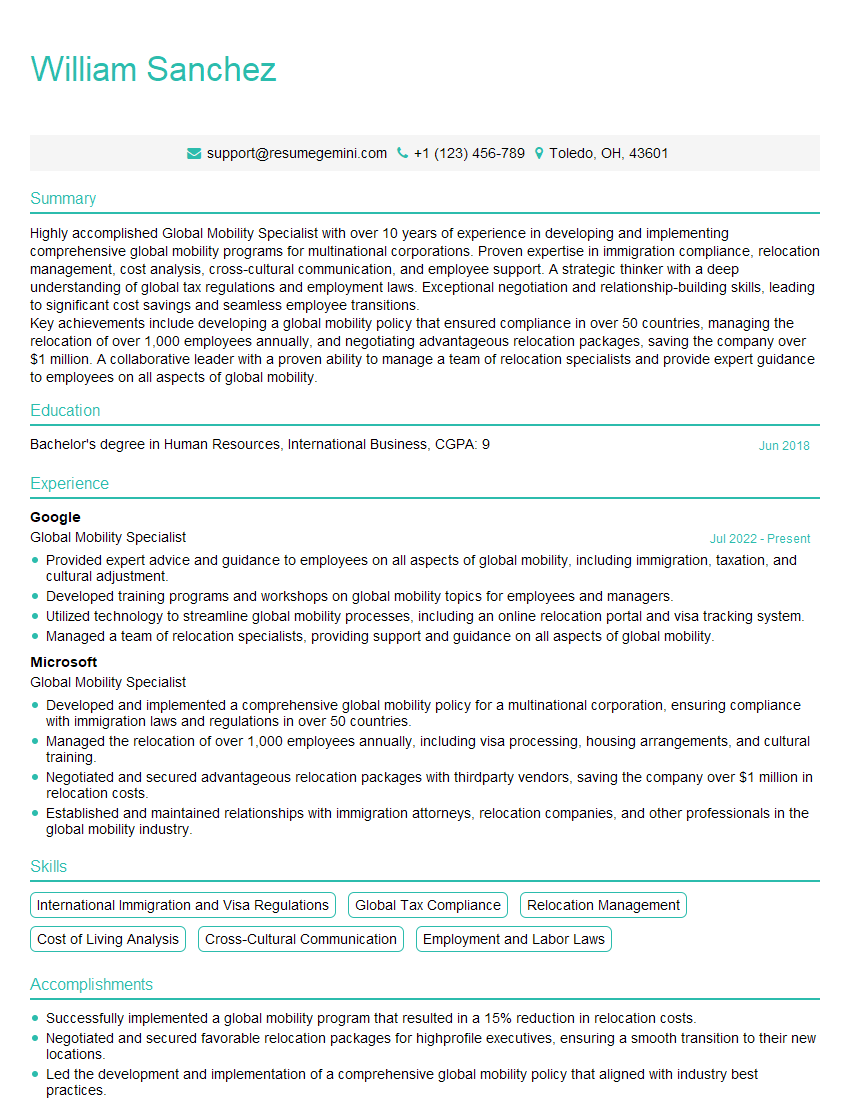
Global Mobility Specialist Resume Sample
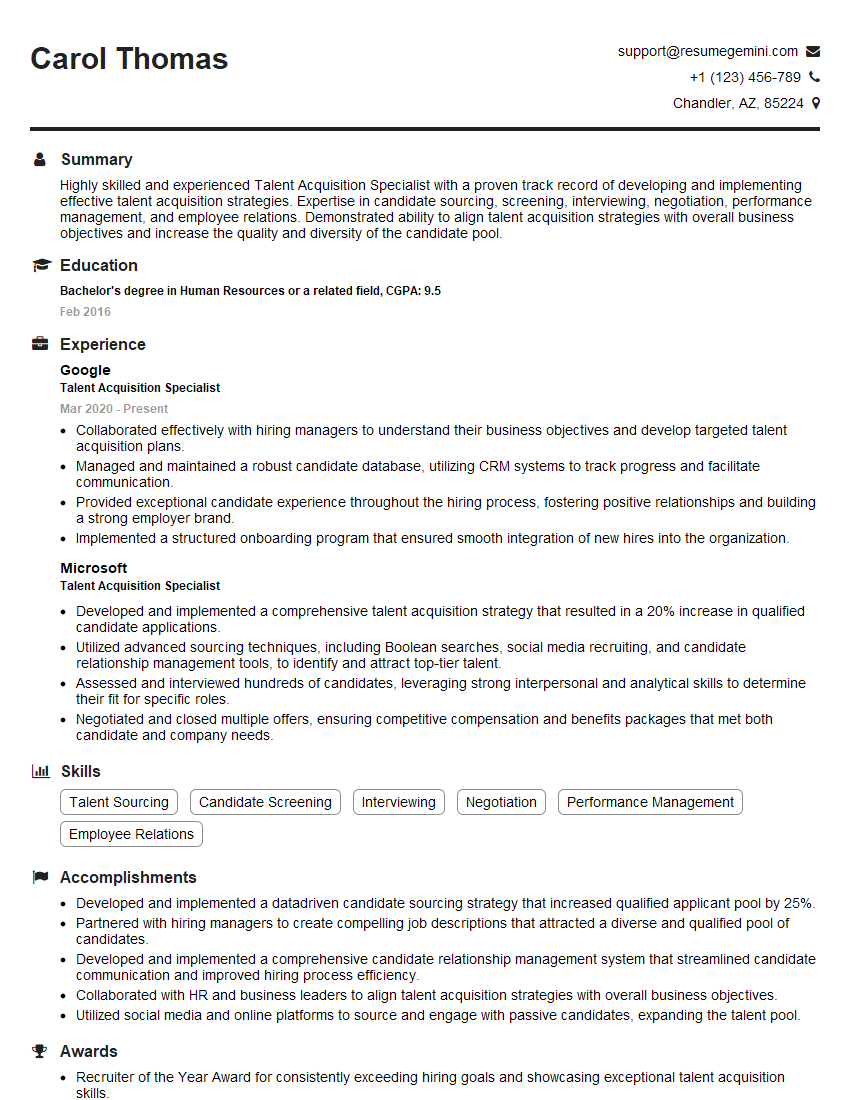
Talent Acquisition Specialist Resume Sample
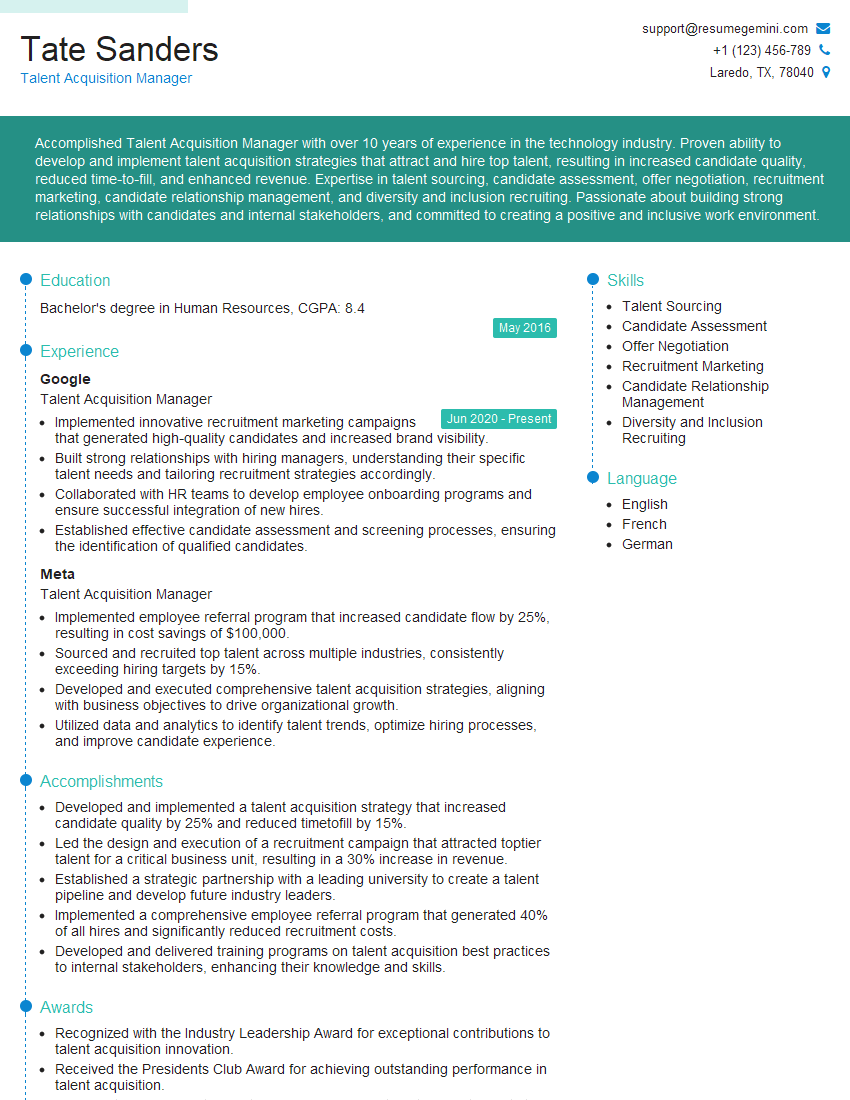
Talent Acquisition Manager Resume Sample
Explore more articles
Users Rating of Our Blogs
Share Your Experience
We value your feedback! Please rate our content and share your thoughts (optional).
What Readers Say About Our Blog
To the interviewgemini.com Webmaster.
Very helpful and content specific questions to help prepare me for my interview!
Thank you
To the interviewgemini.com Webmaster.
This was kind of a unique content I found around the specialized skills. Very helpful questions and good detailed answers.
Very Helpful blog, thank you Interviewgemini team.